
Test marina services
A second test advert so the classified page can be checked with the standard four advert layout.
+44 0000 000000 / info@1uk.com / 24boatbuilders.gold@24group.uk

 Subscribe
Approved articles for this 24YachtBrokers issue.
Approved articles for this 24YachtBrokers issue.
Approved articles for this 24YachtBrokers issue.
Approved articles for this 24YachtBrokers issue.
Approved articles for this 24YachtBrokers issue.
Approved articles for this 24YachtBrokers issue.
Approved articles for this 24YachtBrokers issue.
Approved articles for this 24YachtBrokers issue.
Approved articles for this 24YachtBrokers issue.
Approved articles for this 24YachtBrokers issue.
Approved articles for this 24YachtBrokers issue.
Editor's comments for this issue will be added shortly.
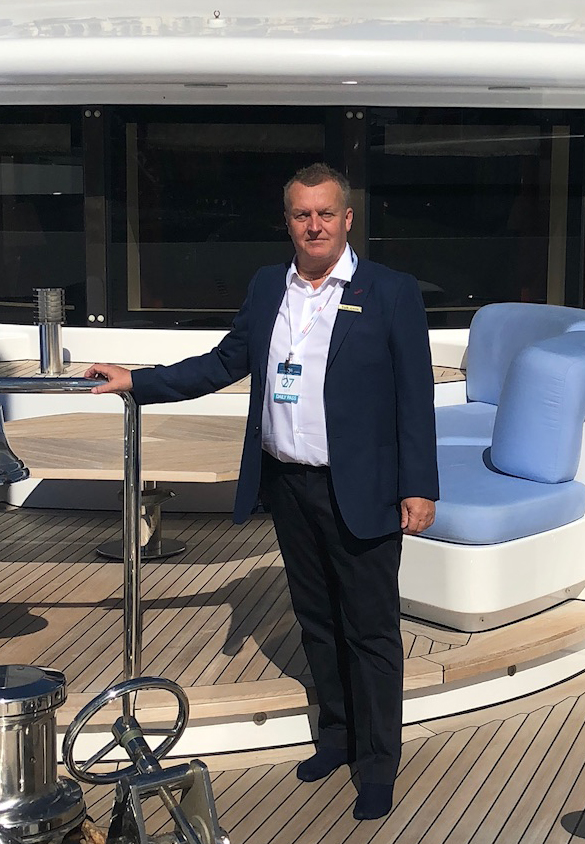
Why We Built 24Synergy — and Why the Magazines Matter

When we started developing 24Synergy, the objective was never simply to build another business directory, advertising website or collection of industry portals. There are already plenty of those, and creating another one would have achieved very little.
The question I kept coming back to was much simpler: **what should 24Synergy actually do for the businesses that use it?**
For me, the answer has always been about creating opportunity through collaboration.
We are constantly told that competition is healthy, and of course it is. Competition drives standards, innovation and better service. But I became interested in a slightly different question. What happens if competitors can also work together?
I don't mean sharing commercially sensitive information or pretending that companies aren't competing for the same customers. I mean recognising that every business already has its own clients, contacts, audience, knowledge and reach. If those individual networks can be connected intelligently, everybody potentially reaches considerably further than they could alone.
That principle became the foundation of 24Synergy.
The network is designed to grow through the businesses using it. Companies introduce their clients and contacts, other businesses do the same, and gradually those separate audiences become part of something much larger. Everybody contributes something to the network and everybody has the opportunity to benefit from the network that results.
There is also a perfectly sensible commercial reason for getting involved early. Your customers are already doing business with other companies and receiving marketing from other suppliers. It therefore makes sense to introduce them to a useful industry network yourself rather than waiting for somebody else to do it first.
That is why I think the early-adopter stage is particularly interesting. I am not going to pretend that a network during its launch period can offer the same volume of activity it should offer when thousands of companies and industry professionals are using it. Networks need people. They need participation and they need time to develop.
But eventually there is a tipping point. More companies join, more buyers arrive, more enquiries circulate, more RFQs are submitted, more people read the newsletters and magazines and more conversations take place through 24live. At that point, the companies that supported the network early aren't arriving and trying to establish themselves in an already busy marketplace. They are already there, with their accounts, listings, content, contacts and presence established.
Some of the mechanisms we have built become much more significant at that stage. Priority access to an RFQ, for example, might seem relatively unimportant when there are only a handful moving through the system. When substantial numbers of genuine opportunities are being generated, seeing something 48 hours before other users can make a considerable difference. The value of the network should therefore increase as the network itself grows.
That same thinking is ultimately what led us to create the magazines.
As 24Synergy developed, I increasingly felt that something was missing. We had created ways for businesses to list themselves, communicate, publish information, distribute newsletters, generate enquiries, respond to opportunities and reach audiences across different specialist sectors, but if we were genuinely trying to build a comprehensive marketing network, those businesses also needed somewhere to advertise.
So we built it.
The 24 Magazines aren't intended to sit separately from 24Synergy. They are another part of the same ecosystem, giving companies another route to market while giving readers useful specialist information in an accessible format. They are global publications, but with regional editions and regional editorial because the businesses and people using 24Synergy are global too.
A company shouldn't be disadvantaged because it happens to be based in Britain, France, the United States, Dubai, Singapore, Spain or somewhere else entirely. Nor should a reader have to wade through endless irrelevant information before finding something applicable to where they live, work, sail, charter, fly or conduct business.
That brings me to something else that is probably worth addressing openly.
Some readers will look through these magazines and ask: **“Have they used AI to produce some of this?”**
The answer is yes.
We have.
There are thousands of pieces of editorial involved across these publications and their regional editions, and it would be rather ridiculous for me to pretend that artificial intelligence hasn't helped us create them. AI exists, it is an extraordinarily useful tool when used properly, and I don't see any reason to hide the fact that we have used it.
What matters to me is **how** we have used it.
We haven't simply asked a machine to fill hundreds of pages with words so that the magazines look busy. We have chosen the subjects we believe are worth covering, identified the questions we think readers actually want answered and, in many cases, started the articles ourselves before using AI to help develop the research, structure and additional information around them.
The objective has always been usefulness.
If you're reading one of our sailing magazines, I want you to discover something that helps you sail, plan a passage, choose equipment, understand a destination or avoid a problem. If you're involved with private aviation, I want the information to answer questions relevant to flying, ownership, charter or operations. If you're in commercial shipping, brokerage, boat building, property, charter or another sector, the same principle applies.
I don't want pages of disposable editorial written simply because a magazine needs another article.
We have tried to identify subjects where somebody would otherwise have to spend time searching around the internet, opening numerous websites and piecing the information together themselves. We can do some of that background work instead, ask the questions and bring the useful information together in one place.
There is an environmental argument for that approach too. Endless searching, loading websites, serving adverts and repeatedly retrieving information all require digital infrastructure and energy. A magazine can be downloaded once, kept and read offline.
I wouldn't pretend that this somehow makes digital publishing impact-free, because it doesn't, but if we can save readers unnecessary searching while creating something useful enough to keep and refer back to, I think that is a better use of the technology available to us.
So yes, some of what you are reading has involved AI, and some of it has involved people. Increasingly it will involve more people as well.
As early adopters, journalists, specialists and other contributors become involved, their voices will naturally become part of these pages. We are also inviting other magazines and media organisations to contribute, which should introduce completely different editorial voices and areas of expertise. They may use AI themselves, of course, and I have no intention of telling another publisher or journalist which tools they are permitted to use.
The test is much simpler than that: **does the article give the reader something worthwhile?**
If it doesn't, it shouldn't be here.
That philosophy also explains something rather unusual we are now introducing. We are going to allow other independent magazines to promote themselves through our magazines.
At first that might sound counter-intuitive. Why would one magazine deliberately introduce its readers to another magazine?
My answer is: why wouldn't we?
If another specialist publication produces good material that our readers would appreciate, discovering it doesn't make our own magazine less useful. Quite the opposite. If we can become somewhere readers come to discover worthwhile information, including information and publications produced by other people, then I think we become more useful.
A participating publication will be able to contribute a genuine editorial article, tell readers where they can find more of its work and promote its magazine within our pages. We can potentially take that relationship considerably further as well. There may be opportunities to work with other publishers commercially, including arrangements where advertising from their own clients can reach our publications and both parties share in the resulting revenue.
Again, it comes back to the original idea behind 24Synergy. Competition doesn't have to prevent collaboration.
The scale of the network comes from the same philosophy. Historically, the industries we have worked with have never existed neatly inside individual boxes. A superyacht depends upon builders, suppliers, engineering companies, crew, brokers, charter businesses, marinas and countless specialist services. Those same owners and clients may use private aviation and own international property. Boat builders need suppliers. Charter companies need customers. Brokers need buyers and sellers. Employers need crew.
Exhibitors need boat shows, and boat shows need exhibitors and visitors.
Commercial ships and cruise ships sit alongside superyachts, motor yachts and sailing yachts. There are crew and employment services, boat and ship builders, ports, yacht services and suppliers, aviation, empty legs, property and specialist luxury markets. Each sector has its own identity, but there are countless points where they intersect.
That is why 24Synergy has become such a large collection of connected websites. It is deliberately not centred on one country or one type of business. A company with branches in several countries can bring those offices together through the same network, while a small specialist supplier can concentrate on the particular market that matters to it. Everything can still be managed centrally through the same account and dashboard.
24live takes that idea in another direction again. I sometimes describe it as sitting somewhere between the professional nature of LinkedIn and the immediacy of a social network such as Facebook, although I don't really want it to become either of those things. The purpose is business.
Members can publish their own material, interact with other users, promote their businesses and place appropriate content across relevant parts of the 24 Network. If somebody wants to be proactive, there is considerable freedom to put themselves in front of the industries they want to reach rather than simply creating a listing and waiting for somebody to find them.
That is an important distinction for me. **24Synergy isn't designed to do your marketing while you sit and watch. It is designed to give you the tools to do considerably more with your marketing yourself.**
There is another, deliberately different part of the ecosystem too.
Within the superyacht sector, 1UK.com is being developed around recognition rather than conventional paid placement. Companies cannot simply buy their way into recognition. They can request consideration, but that request can be declined. As the concept develops, I want appropriate industry leaders themselves to help determine the standards that businesses should achieve to be recognised at different levels.
That connects directly with where I would like 24Synergy itself eventually to go.
The intention is for 24Synergy to develop into a cooperative structure with industry leaders and board members helping to determine its future direction. The industry changes constantly, and the technology serving it needs to change with it. Electric propulsion is an obvious example today, but tomorrow there will be something else. The people actually working within these sectors will often identify what is needed long before a software developer sitting outside the industry ever could.
We have built the infrastructure, but I don't believe that means we should dictate indefinitely what it becomes. I would much rather create a structure where the people using the network have a meaningful voice in deciding which features should be developed next and where the network should go as their industries evolve.
There is a personal reason behind all of this as well.
I've always enjoyed helping businesses develop. I enjoy looking at a new company, understanding what it is trying to achieve and asking what could be done differently. Sometimes it is marketing, sometimes positioning, sometimes making an introduction or simply giving somebody the confidence and advice they need when they're trying to get something started.
I suppose 24Synergy is my attempt to do that on a much larger scale.
Rather than helping one company find another route to market, we have tried to build the infrastructure through which thousands of businesses can create those routes for themselves and for each other. It gives a small specialist company access to many of the same marketing mechanisms available to a much larger international organisation, while allowing a multinational business to connect offices, people and sectors through one global hub.
And that is probably the simplest answer to the question I started with: **what is 24Synergy actually for?**
It is there to create connections and opportunities that would otherwise be harder to create individually. The websites, magazines, newsletters, RFQs, publishing tools, 24live and everything else we develop are simply different ways of achieving that.
We've done the difficult part of bringing that infrastructure together. Now I want businesses to use it, challenge it and help us improve it. I want people to tell us what works, what doesn't and what their particular part of the industry needs next. As more businesses participate, the network should become more useful to everybody already inside it.
We have built 24Synergy, but I don't want it to feel as though it belongs to a small team sitting somewhere deciding what everybody else needs.
**We've built it for you. Now make use of it, make it work for your business, and help us decide what it becomes next.**
**Paul Thompson** *Editor*
Contributor: Paul Thompson / 24Synergy

Be the first reader to react to this article.

There is nothing particularly complicated about yacht brokerage: buying used: the checks that matter before money changes hands, but there are several ways to make it unnecessarily expensive.



There is nothing particularly complicated about yacht brokerage: buying used: the checks that matter before money changes hands, but there are several ways to make it unnecessarily expensive.
Cost also needs to be separated into purchase cost and ownership cost. The second figure is usually less visible. Consumables, routine servicing, insurance, finance, berthing or storage, professional fees, software subscriptions, inspections and eventual replacement items can materially change the economics. A useful quotation is therefore one that makes exclusions obvious.
If a supplier cannot explain what normally falls outside the quoted figure, ask for that clarification before treating two prices as comparable.
After-sales support can be more important than the original specification. A component that is excellent on paper is less attractive if parts take months to arrive or there is no competent service agent where the equipment will be used. The same applies to software-led products: ownership now includes updates, access rights, data and sometimes recurring subscriptions. Find out who supports the system, for how long, and what happens if the original supplier changes hands.
Timing matters. Buying or commissioning under deadline pressure weakens the buyer's position because there is less time to inspect, compare and walk away. Where possible, build the timetable backwards from the date the asset or service is genuinely required. Include survey or inspection time, corrections, training, delivery and a contingency. A realistic programme often reveals that the cheapest-looking option is not the one with the lowest overall cost.
The starting point is use. In yacht brokerage, valuation, surveys, listings and transactions, two apparently similar products or services can be right for completely different owners because their operating pattern is different. Frequency of use, geography, crew or staffing, storage, servicing access and the length of time you expect to keep the asset all change the answer. Before comparing brands or quotations, write down those constraints.
It sounds basic, but it prevents a specification being chosen for a lifestyle that exists only in the sales material.
Technical claims deserve context. Range, output, capacity, speed, efficiency and performance figures are normally produced under stated conditions. Real use adds weather, load, temperature, fouling, route, operator behaviour and reserve margins. Rather than arguing over a headline number, ask what assumptions sit behind it and what happens when those assumptions change. That produces a much more useful comparison.

Sustainability claims are increasingly part of the decision as well. The useful question is not whether a product is described as green, but what has actually changed: energy use, fuel consumption, material choice, repairability, service life, emissions, waste or end-of-life handling. Improvements in one area can create compromises in another. Evidence and measured performance are more valuable than broad environmental language.
Finally, insist on a proper handover. Familiarisation, emergency procedures, maintenance intervals, passwords, spare parts, warranty contacts and operating limitations should all be understood before the supplier disappears over the horizon. A surprising number of early problems are not failures at all but gaps in handover. Thirty minutes spent recording the right information can save days later.
My own shorthand for yacht brokerage: buying used: the checks that matter before money changes hands is simple: verify the condition, verify the paperwork, understand the support network and calculate the cost on a realistic pattern of use. If any one of those four is unclear, there is still work to do before committing.

When money is about to change hands, the sequence matters. Establish identity and authority to sell, agree exactly what is included, record known defects and make any deposit terms clear. Where a survey, valuation or finance approval is part of the transaction, the contract should reflect that process rather than relying on a verbal understanding. Buyers should also know when risk and title transfer, particularly if the asset is moving between jurisdictions.
Market value is evidence, not aspiration. Advertised prices show what sellers hope to achieve; completed transactions, condition, specification, location and time on market give a better picture. A well-presented example can deserve a premium, but a premium still needs a reason. The strongest negotiating position comes from knowing which defects are merely cosmetic, which affect usability and which could lead to immediate capital expenditure.
The practical test for yacht brokerage, valuation, surveys, listings and transactions is whether the decision still makes sense when circumstances are less than ideal. Weather changes, schedules move, components fail and people use equipment differently from the designer's neat assumptions. Building a little resilience into the choice usually costs less than trying to recover it afterwards.
The best outcome is not necessarily the newest or most sophisticated option. It is the one that remains practical after the first season, the first service bill and the first change of plan.
Contributor: Paul Thompson / Editorial / 24YachtBrokers
Be the first reader to react to this article.

A good decision in yacht brokerage, valuation, surveys, listings and transactions rarely comes from one impressive specification.
A good decision in yacht brokerage, valuation, surveys, listings and transactions rarely comes from one impressive specification. It comes from understanding how the whole package will be used.
Documentation is another practical test. Service records, manuals, certificates, invoices, warranties, software licences and evidence of previous work are not administrative clutter; they are part of the asset. Good records make troubleshooting easier and can support resale. Missing records do not automatically mean there is a problem, but they increase uncertainty, and uncertainty should be reflected in the questions asked, the inspection undertaken and sometimes the price.
Risk is best dealt with before commitment. That means independent inspection where appropriate, clear written scope, confirmation of insurance implications and an agreed process for defects or incomplete work. In higher-value transactions, legal, tax and regulatory advice should come from qualified advisers in the relevant jurisdiction. The purpose is not to make every transaction defensive; it is to stop assumptions becoming expensive surprises.
Resale should be considered even by people who intend to keep something for years. Highly personal specifications can be perfectly sensible, but buyers should understand the trade-off. Widely supported equipment, sensible layouts, complete records and recognised maintenance tend to be easier for the next owner to understand. The objective is not to design everything for an unknown future buyer; it is simply to avoid destroying flexibility without a good reason.
Cost also needs to be separated into purchase cost and ownership cost. The second figure is usually less visible. Consumables, routine servicing, insurance, finance, berthing or storage, professional fees, software subscriptions, inspections and eventual replacement items can materially change the economics. A useful quotation is therefore one that makes exclusions obvious.
If a supplier cannot explain what normally falls outside the quoted figure, ask for that clarification before treating two prices as comparable.
After-sales support can be more important than the original specification. A component that is excellent on paper is less attractive if parts take months to arrive or there is no competent service agent where the equipment will be used. The same applies to software-led products: ownership now includes updates, access rights, data and sometimes recurring subscriptions. Find out who supports the system, for how long, and what happens if the original supplier changes hands.
Timing matters. Buying or commissioning under deadline pressure weakens the buyer's position because there is less time to inspect, compare and walk away. Where possible, build the timetable backwards from the date the asset or service is genuinely required. Include survey or inspection time, corrections, training, delivery and a contingency. A realistic programme often reveals that the cheapest-looking option is not the one with the lowest overall cost.
The starting point is use. In yacht brokerage, valuation, surveys, listings and transactions, two apparently similar products or services can be right for completely different owners because their operating pattern is different. Frequency of use, geography, crew or staffing, storage, servicing access and the length of time you expect to keep the asset all change the answer. Before comparing brands or quotations, write down those constraints.
It sounds basic, but it prevents a specification being chosen for a lifestyle that exists only in the sales material.
When money is about to change hands, the sequence matters. Establish identity and authority to sell, agree exactly what is included, record known defects and make any deposit terms clear. Where a survey, valuation or finance approval is part of the transaction, the contract should reflect that process rather than relying on a verbal understanding. Buyers should also know when risk and title transfer, particularly if the asset is moving between jurisdictions.
Market value is evidence, not aspiration. Advertised prices show what sellers hope to achieve; completed transactions, condition, specification, location and time on market give a better picture. A well-presented example can deserve a premium, but a premium still needs a reason. The strongest negotiating position comes from knowing which defects are merely cosmetic, which affect usability and which could lead to immediate capital expenditure.
The practical test for yacht brokerage, valuation, surveys, listings and transactions is whether the decision still makes sense when circumstances are less than ideal. Weather changes, schedules move, components fail and people use equipment differently from the designer's neat assumptions. Building a little resilience into the choice usually costs less than trying to recover it afterwards.
For most readers, that is enough to narrow the field considerably before serious money or time is committed.
Contributor: Paul Thompson / Editorial / 24YachtBrokers


Be the first reader to react to this article.

This is one of those subjects where a little preparation is worth far more than a long list of features.
This is one of those subjects where a little preparation is worth far more than a long list of features.
Finally, insist on a proper handover. Familiarisation, emergency procedures, maintenance intervals, passwords, spare parts, warranty contacts and operating limitations should all be understood before the supplier disappears over the horizon. A surprising number of early problems are not failures at all but gaps in handover. Thirty minutes spent recording the right information can save days later.
Documentation is another practical test. Service records, manuals, certificates, invoices, warranties, software licences and evidence of previous work are not administrative clutter; they are part of the asset. Good records make troubleshooting easier and can support resale. Missing records do not automatically mean there is a problem, but they increase uncertainty, and uncertainty should be reflected in the questions asked, the inspection undertaken and sometimes the price.
Risk is best dealt with before commitment. That means independent inspection where appropriate, clear written scope, confirmation of insurance implications and an agreed process for defects or incomplete work. In higher-value transactions, legal, tax and regulatory advice should come from qualified advisers in the relevant jurisdiction. The purpose is not to make every transaction defensive; it is to stop assumptions becoming expensive surprises.
Resale should be considered even by people who intend to keep something for years. Highly personal specifications can be perfectly sensible, but buyers should understand the trade-off. Widely supported equipment, sensible layouts, complete records and recognised maintenance tend to be easier for the next owner to understand. The objective is not to design everything for an unknown future buyer; it is simply to avoid destroying flexibility without a good reason.
Cost also needs to be separated into purchase cost and ownership cost. The second figure is usually less visible. Consumables, routine servicing, insurance, finance, berthing or storage, professional fees, software subscriptions, inspections and eventual replacement items can materially change the economics. A useful quotation is therefore one that makes exclusions obvious.
If a supplier cannot explain what normally falls outside the quoted figure, ask for that clarification before treating two prices as comparable.
After-sales support can be more important than the original specification. A component that is excellent on paper is less attractive if parts take months to arrive or there is no competent service agent where the equipment will be used. The same applies to software-led products: ownership now includes updates, access rights, data and sometimes recurring subscriptions. Find out who supports the system, for how long, and what happens if the original supplier changes hands.
Timing matters. Buying or commissioning under deadline pressure weakens the buyer's position because there is less time to inspect, compare and walk away. Where possible, build the timetable backwards from the date the asset or service is genuinely required. Include survey or inspection time, corrections, training, delivery and a contingency. A realistic programme often reveals that the cheapest-looking option is not the one with the lowest overall cost.
My own shorthand for choosing yacht brokerage suppliers: why response time can matter as much as price is simple: verify the condition, verify the paperwork, understand the support network and calculate the cost on a realistic pattern of use. If any one of those four is unclear, there is still work to do before committing.

When money is about to change hands, the sequence matters. Establish identity and authority to sell, agree exactly what is included, record known defects and make any deposit terms clear. Where a survey, valuation or finance approval is part of the transaction, the contract should reflect that process rather than relying on a verbal understanding. Buyers should also know when risk and title transfer, particularly if the asset is moving between jurisdictions.
Market value is evidence, not aspiration. Advertised prices show what sellers hope to achieve; completed transactions, condition, specification, location and time on market give a better picture. A well-presented example can deserve a premium, but a premium still needs a reason. The strongest negotiating position comes from knowing which defects are merely cosmetic, which affect usability and which could lead to immediate capital expenditure.
The practical test for yacht brokerage, valuation, surveys, listings and transactions is whether the decision still makes sense when circumstances are less than ideal. Weather changes, schedules move, components fail and people use equipment differently from the designer's neat assumptions. Building a little resilience into the choice usually costs less than trying to recover it afterwards.
For most readers, that is enough to narrow the field considerably before serious money or time is committed.
Contributor: Paul Thompson / Editorial / 24YachtBrokers

Be the first reader to react to this article.
The conversation around how to compare competing specifications without being distracted by headline numbers has moved quickly this year, yet the practical decision is still built on fairly ordinary questions.
The conversation around how to compare competing specifications without being distracted by headline numbers has moved quickly this year, yet the practical decision is still built on fairly ordinary questions.
Technical claims deserve context. Range, output, capacity, speed, efficiency and performance figures are normally produced under stated conditions. Real use adds weather, load, temperature, fouling, route, operator behaviour and reserve margins. Rather than arguing over a headline number, ask what assumptions sit behind it and what happens when those assumptions change. That produces a much more useful comparison.
Sustainability claims are increasingly part of the decision as well. The useful question is not whether a product is described as green, but what has actually changed: energy use, fuel consumption, material choice, repairability, service life, emissions, waste or end-of-life handling. Improvements in one area can create compromises in another. Evidence and measured performance are more valuable than broad environmental language.
Finally, insist on a proper handover. Familiarisation, emergency procedures, maintenance intervals, passwords, spare parts, warranty contacts and operating limitations should all be understood before the supplier disappears over the horizon. A surprising number of early problems are not failures at all but gaps in handover. Thirty minutes spent recording the right information can save days later.
Documentation is another practical test. Service records, manuals, certificates, invoices, warranties, software licences and evidence of previous work are not administrative clutter; they are part of the asset. Good records make troubleshooting easier and can support resale. Missing records do not automatically mean there is a problem, but they increase uncertainty, and uncertainty should be reflected in the questions asked, the inspection undertaken and sometimes the price.
Risk is best dealt with before commitment. That means independent inspection where appropriate, clear written scope, confirmation of insurance implications and an agreed process for defects or incomplete work. In higher-value transactions, legal, tax and regulatory advice should come from qualified advisers in the relevant jurisdiction. The purpose is not to make every transaction defensive; it is to stop assumptions becoming expensive surprises.
Resale should be considered even by people who intend to keep something for years. Highly personal specifications can be perfectly sensible, but buyers should understand the trade-off. Widely supported equipment, sensible layouts, complete records and recognised maintenance tend to be easier for the next owner to understand. The objective is not to design everything for an unknown future buyer; it is simply to avoid destroying flexibility without a good reason.
Cost also needs to be separated into purchase cost and ownership cost. The second figure is usually less visible. Consumables, routine servicing, insurance, finance, berthing or storage, professional fees, software subscriptions, inspections and eventual replacement items can materially change the economics. A useful quotation is therefore one that makes exclusions obvious.
If a supplier cannot explain what normally falls outside the quoted figure, ask for that clarification before treating two prices as comparable.
Comparison becomes easier if every contender is put through the same questions. Ask for the same operating assumptions, the same delivery point, the same warranty period and the same list of included equipment or services. That turns a collection of sales conversations into something closer to a procurement exercise and exposes the areas where one quotation has quietly omitted an expensive item.
References are useful when they are relevant. A supplier's biggest or most prestigious project may tell you very little about how it handles an ordinary job in your region. Ask instead for examples with a similar scale, operating pattern and timetable. The most useful reference is often the customer who has lived with the product for two or three years and has already needed after-sales support.
The practical test for yacht brokerage, valuation, surveys, listings and transactions is whether the decision still makes sense when circumstances are less than ideal. Weather changes, schedules move, components fail and people use equipment differently from the designer's neat assumptions. Building a little resilience into the choice usually costs less than trying to recover it afterwards.
The best outcome is not necessarily the newest or most sophisticated option. It is the one that remains practical after the first season, the first service bill and the first change of plan.
Contributor: Paul Thompson / Editorial / 24YachtBrokers

Be the first reader to react to this article.

A good decision in yacht brokerage, valuation, surveys, listings and transactions rarely comes from one impressive specification.
A good decision in yacht brokerage, valuation, surveys, listings and transactions rarely comes from one impressive specification. It comes from understanding how the whole package will be used.
After-sales support can be more important than the original specification. A component that is excellent on paper is less attractive if parts take months to arrive or there is no competent service agent where the equipment will be used. The same applies to software-led products: ownership now includes updates, access rights, data and sometimes recurring subscriptions. Find out who supports the system, for how long, and what happens if the original supplier changes hands.
Timing matters. Buying or commissioning under deadline pressure weakens the buyer's position because there is less time to inspect, compare and walk away. Where possible, build the timetable backwards from the date the asset or service is genuinely required. Include survey or inspection time, corrections, training, delivery and a contingency. A realistic programme often reveals that the cheapest-looking option is not the one with the lowest overall cost.
The starting point is use. In yacht brokerage, valuation, surveys, listings and transactions, two apparently similar products or services can be right for completely different owners because their operating pattern is different. Frequency of use, geography, crew or staffing, storage, servicing access and the length of time you expect to keep the asset all change the answer. Before comparing brands or quotations, write down those constraints.
It sounds basic, but it prevents a specification being chosen for a lifestyle that exists only in the sales material.
Technical claims deserve context. Range, output, capacity, speed, efficiency and performance figures are normally produced under stated conditions. Real use adds weather, load, temperature, fouling, route, operator behaviour and reserve margins. Rather than arguing over a headline number, ask what assumptions sit behind it and what happens when those assumptions change. That produces a much more useful comparison.
Sustainability claims are increasingly part of the decision as well. The useful question is not whether a product is described as green, but what has actually changed: energy use, fuel consumption, material choice, repairability, service life, emissions, waste or end-of-life handling. Improvements in one area can create compromises in another. Evidence and measured performance are more valuable than broad environmental language.
Finally, insist on a proper handover. Familiarisation, emergency procedures, maintenance intervals, passwords, spare parts, warranty contacts and operating limitations should all be understood before the supplier disappears over the horizon. A surprising number of early problems are not failures at all but gaps in handover. Thirty minutes spent recording the right information can save days later.
Documentation is another practical test. Service records, manuals, certificates, invoices, warranties, software licences and evidence of previous work are not administrative clutter; they are part of the asset. Good records make troubleshooting easier and can support resale. Missing records do not automatically mean there is a problem, but they increase uncertainty, and uncertainty should be reflected in the questions asked, the inspection undertaken and sometimes the price.
When money is about to change hands, the sequence matters. Establish identity and authority to sell, agree exactly what is included, record known defects and make any deposit terms clear. Where a survey, valuation or finance approval is part of the transaction, the contract should reflect that process rather than relying on a verbal understanding. Buyers should also know when risk and title transfer, particularly if the asset is moving between jurisdictions.
Market value is evidence, not aspiration. Advertised prices show what sellers hope to achieve; completed transactions, condition, specification, location and time on market give a better picture. A well-presented example can deserve a premium, but a premium still needs a reason. The strongest negotiating position comes from knowing which defects are merely cosmetic, which affect usability and which could lead to immediate capital expenditure.
The practical test for yacht brokerage, valuation, surveys, listings and transactions is whether the decision still makes sense when circumstances are less than ideal. Weather changes, schedules move, components fail and people use equipment differently from the designer's neat assumptions. Building a little resilience into the choice usually costs less than trying to recover it afterwards.
None of this makes the decision difficult. It simply moves attention from presentation to evidence, which is usually where the better value sits.
Contributor: Paul Thompson / Editorial / 24YachtBrokers
Be the first reader to react to this article.
A good decision in yacht brokerage, valuation, surveys, listings and transactions rarely comes from one impressive specification.

A good decision in yacht brokerage, valuation, surveys, listings and transactions rarely comes from one impressive specification. It comes from understanding how the whole package will be used.
Risk is best dealt with before commitment. That means independent inspection where appropriate, clear written scope, confirmation of insurance implications and an agreed process for defects or incomplete work. In higher-value transactions, legal, tax and regulatory advice should come from qualified advisers in the relevant jurisdiction. The purpose is not to make every transaction defensive; it is to stop assumptions becoming expensive surprises.
Resale should be considered even by people who intend to keep something for years. Highly personal specifications can be perfectly sensible, but buyers should understand the trade-off. Widely supported equipment, sensible layouts, complete records and recognised maintenance tend to be easier for the next owner to understand. The objective is not to design everything for an unknown future buyer; it is simply to avoid destroying flexibility without a good reason.
Cost also needs to be separated into purchase cost and ownership cost. The second figure is usually less visible. Consumables, routine servicing, insurance, finance, berthing or storage, professional fees, software subscriptions, inspections and eventual replacement items can materially change the economics. A useful quotation is therefore one that makes exclusions obvious.
If a supplier cannot explain what normally falls outside the quoted figure, ask for that clarification before treating two prices as comparable.
After-sales support can be more important than the original specification. A component that is excellent on paper is less attractive if parts take months to arrive or there is no competent service agent where the equipment will be used. The same applies to software-led products: ownership now includes updates, access rights, data and sometimes recurring subscriptions. Find out who supports the system, for how long, and what happens if the original supplier changes hands.
Timing matters. Buying or commissioning under deadline pressure weakens the buyer's position because there is less time to inspect, compare and walk away. Where possible, build the timetable backwards from the date the asset or service is genuinely required. Include survey or inspection time, corrections, training, delivery and a contingency. A realistic programme often reveals that the cheapest-looking option is not the one with the lowest overall cost.
The starting point is use. In yacht brokerage, valuation, surveys, listings and transactions, two apparently similar products or services can be right for completely different owners because their operating pattern is different. Frequency of use, geography, crew or staffing, storage, servicing access and the length of time you expect to keep the asset all change the answer. Before comparing brands or quotations, write down those constraints.
It sounds basic, but it prevents a specification being chosen for a lifestyle that exists only in the sales material.
Technical claims deserve context. Range, output, capacity, speed, efficiency and performance figures are normally produced under stated conditions. Real use adds weather, load, temperature, fouling, route, operator behaviour and reserve margins. Rather than arguing over a headline number, ask what assumptions sit behind it and what happens when those assumptions change. That produces a much more useful comparison.
My own shorthand for insurance questions worth answering before you commit is simple: verify the condition, verify the paperwork, understand the support network and calculate the cost on a realistic pattern of use. If any one of those four is unclear, there is still work to do before committing.

Comparison becomes easier if every contender is put through the same questions. Ask for the same operating assumptions, the same delivery point, the same warranty period and the same list of included equipment or services. That turns a collection of sales conversations into something closer to a procurement exercise and exposes the areas where one quotation has quietly omitted an expensive item.
References are useful when they are relevant. A supplier's biggest or most prestigious project may tell you very little about how it handles an ordinary job in your region. Ask instead for examples with a similar scale, operating pattern and timetable. The most useful reference is often the customer who has lived with the product for two or three years and has already needed after-sales support.
The practical test for yacht brokerage, valuation, surveys, listings and transactions is whether the decision still makes sense when circumstances are less than ideal. Weather changes, schedules move, components fail and people use equipment differently from the designer's neat assumptions. Building a little resilience into the choice usually costs less than trying to recover it afterwards.
None of this makes the decision difficult. It simply moves attention from presentation to evidence, which is usually where the better value sits.
Contributor: Paul Thompson / Editorial / 24YachtBrokers
Be the first reader to react to this article.
For anyone looking at the maintenance jobs that are cheapest when planned early, the first job is not to decide what looks best.

For anyone looking at the maintenance jobs that are cheapest when planned early, the first job is not to decide what looks best. It is to establish what problem actually needs solving.
Sustainability claims are increasingly part of the decision as well. The useful question is not whether a product is described as green, but what has actually changed: energy use, fuel consumption, material choice, repairability, service life, emissions, waste or end-of-life handling. Improvements in one area can create compromises in another. Evidence and measured performance are more valuable than broad environmental language.
Finally, insist on a proper handover. Familiarisation, emergency procedures, maintenance intervals, passwords, spare parts, warranty contacts and operating limitations should all be understood before the supplier disappears over the horizon. A surprising number of early problems are not failures at all but gaps in handover. Thirty minutes spent recording the right information can save days later.
Documentation is another practical test. Service records, manuals, certificates, invoices, warranties, software licences and evidence of previous work are not administrative clutter; they are part of the asset. Good records make troubleshooting easier and can support resale. Missing records do not automatically mean there is a problem, but they increase uncertainty, and uncertainty should be reflected in the questions asked, the inspection undertaken and sometimes the price.
Risk is best dealt with before commitment. That means independent inspection where appropriate, clear written scope, confirmation of insurance implications and an agreed process for defects or incomplete work. In higher-value transactions, legal, tax and regulatory advice should come from qualified advisers in the relevant jurisdiction. The purpose is not to make every transaction defensive; it is to stop assumptions becoming expensive surprises.
Resale should be considered even by people who intend to keep something for years. Highly personal specifications can be perfectly sensible, but buyers should understand the trade-off. Widely supported equipment, sensible layouts, complete records and recognised maintenance tend to be easier for the next owner to understand. The objective is not to design everything for an unknown future buyer; it is simply to avoid destroying flexibility without a good reason.
Cost also needs to be separated into purchase cost and ownership cost. The second figure is usually less visible. Consumables, routine servicing, insurance, finance, berthing or storage, professional fees, software subscriptions, inspections and eventual replacement items can materially change the economics. A useful quotation is therefore one that makes exclusions obvious.
If a supplier cannot explain what normally falls outside the quoted figure, ask for that clarification before treating two prices as comparable.
After-sales support can be more important than the original specification. A component that is excellent on paper is less attractive if parts take months to arrive or there is no competent service agent where the equipment will be used. The same applies to software-led products: ownership now includes updates, access rights, data and sometimes recurring subscriptions. Find out who supports the system, for how long, and what happens if the original supplier changes hands.
Preventive work is most effective when it is recorded rather than remembered. A simple calendar of hours, dates, consumables, inspections and recurring tasks gives owners and managers an early warning before maintenance becomes urgent. It also allows jobs to be grouped sensibly, reducing repeated access costs and downtime. The discipline is not glamorous, but it is one of the clearest ways to protect reliability.
Scope control matters on any refit or repair. Once equipment is opened up, additional work is common, so the original quotation should distinguish fixed items, provisional sums and work that requires further authorisation. Photographing condition before and after the job and retaining replaced-part details can prevent disputes and gives the next technician a useful history.
The practical test for yacht brokerage, valuation, surveys, listings and transactions is whether the decision still makes sense when circumstances are less than ideal. Weather changes, schedules move, components fail and people use equipment differently from the designer's neat assumptions. Building a little resilience into the choice usually costs less than trying to recover it afterwards.
A measured decision now generally costs less than correcting an enthusiastic one later.
Contributor: Paul Thompson / Editorial / 24YachtBrokers

Be the first reader to react to this article.
For anyone looking at yacht brokerage: how digital systems are changing the ownership experience, the first job is not to decide what looks best.
For anyone looking at yacht brokerage: how digital systems are changing the ownership experience, the first job is not to decide what looks best. It is to establish what problem actually needs solving.
Timing matters. Buying or commissioning under deadline pressure weakens the buyer's position because there is less time to inspect, compare and walk away. Where possible, build the timetable backwards from the date the asset or service is genuinely required. Include survey or inspection time, corrections, training, delivery and a contingency. A realistic programme often reveals that the cheapest-looking option is not the one with the lowest overall cost.
The starting point is use. In yacht brokerage, valuation, surveys, listings and transactions, two apparently similar products or services can be right for completely different owners because their operating pattern is different. Frequency of use, geography, crew or staffing, storage, servicing access and the length of time you expect to keep the asset all change the answer. Before comparing brands or quotations, write down those constraints.
It sounds basic, but it prevents a specification being chosen for a lifestyle that exists only in the sales material.
Technical claims deserve context. Range, output, capacity, speed, efficiency and performance figures are normally produced under stated conditions. Real use adds weather, load, temperature, fouling, route, operator behaviour and reserve margins. Rather than arguing over a headline number, ask what assumptions sit behind it and what happens when those assumptions change. That produces a much more useful comparison.
Sustainability claims are increasingly part of the decision as well. The useful question is not whether a product is described as green, but what has actually changed: energy use, fuel consumption, material choice, repairability, service life, emissions, waste or end-of-life handling. Improvements in one area can create compromises in another. Evidence and measured performance are more valuable than broad environmental language.
Finally, insist on a proper handover. Familiarisation, emergency procedures, maintenance intervals, passwords, spare parts, warranty contacts and operating limitations should all be understood before the supplier disappears over the horizon. A surprising number of early problems are not failures at all but gaps in handover. Thirty minutes spent recording the right information can save days later.
Documentation is another practical test. Service records, manuals, certificates, invoices, warranties, software licences and evidence of previous work are not administrative clutter; they are part of the asset. Good records make troubleshooting easier and can support resale. Missing records do not automatically mean there is a problem, but they increase uncertainty, and uncertainty should be reflected in the questions asked, the inspection undertaken and sometimes the price.
Risk is best dealt with before commitment. That means independent inspection where appropriate, clear written scope, confirmation of insurance implications and an agreed process for defects or incomplete work. In higher-value transactions, legal, tax and regulatory advice should come from qualified advisers in the relevant jurisdiction. The purpose is not to make every transaction defensive; it is to stop assumptions becoming expensive surprises.
When money is about to change hands, the sequence matters. Establish identity and authority to sell, agree exactly what is included, record known defects and make any deposit terms clear. Where a survey, valuation or finance approval is part of the transaction, the contract should reflect that process rather than relying on a verbal understanding. Buyers should also know when risk and title transfer, particularly if the asset is moving between jurisdictions.
Market value is evidence, not aspiration. Advertised prices show what sellers hope to achieve; completed transactions, condition, specification, location and time on market give a better picture. A well-presented example can deserve a premium, but a premium still needs a reason. The strongest negotiating position comes from knowing which defects are merely cosmetic, which affect usability and which could lead to immediate capital expenditure.
The practical test for yacht brokerage, valuation, surveys, listings and transactions is whether the decision still makes sense when circumstances are less than ideal. Weather changes, schedules move, components fail and people use equipment differently from the designer's neat assumptions. Building a little resilience into the choice usually costs less than trying to recover it afterwards.
None of this makes the decision difficult. It simply moves attention from presentation to evidence, which is usually where the better value sits.
Contributor: Paul Thompson / Editorial / 24YachtBrokers


Be the first reader to react to this article.
I have always found that the useful part of yacht brokerage, valuation, surveys, listings and transactions starts once the brochure language has been stripped away.
I have always found that the useful part of yacht brokerage, valuation, surveys, listings and transactions starts once the brochure language has been stripped away.
Resale should be considered even by people who intend to keep something for years. Highly personal specifications can be perfectly sensible, but buyers should understand the trade-off. Widely supported equipment, sensible layouts, complete records and recognised maintenance tend to be easier for the next owner to understand. The objective is not to design everything for an unknown future buyer; it is simply to avoid destroying flexibility without a good reason.
Cost also needs to be separated into purchase cost and ownership cost. The second figure is usually less visible. Consumables, routine servicing, insurance, finance, berthing or storage, professional fees, software subscriptions, inspections and eventual replacement items can materially change the economics. A useful quotation is therefore one that makes exclusions obvious.
If a supplier cannot explain what normally falls outside the quoted figure, ask for that clarification before treating two prices as comparable.
After-sales support can be more important than the original specification. A component that is excellent on paper is less attractive if parts take months to arrive or there is no competent service agent where the equipment will be used. The same applies to software-led products: ownership now includes updates, access rights, data and sometimes recurring subscriptions. Find out who supports the system, for how long, and what happens if the original supplier changes hands.
Timing matters. Buying or commissioning under deadline pressure weakens the buyer's position because there is less time to inspect, compare and walk away. Where possible, build the timetable backwards from the date the asset or service is genuinely required. Include survey or inspection time, corrections, training, delivery and a contingency. A realistic programme often reveals that the cheapest-looking option is not the one with the lowest overall cost.
The starting point is use. In yacht brokerage, valuation, surveys, listings and transactions, two apparently similar products or services can be right for completely different owners because their operating pattern is different. Frequency of use, geography, crew or staffing, storage, servicing access and the length of time you expect to keep the asset all change the answer. Before comparing brands or quotations, write down those constraints.
It sounds basic, but it prevents a specification being chosen for a lifestyle that exists only in the sales material.
Technical claims deserve context. Range, output, capacity, speed, efficiency and performance figures are normally produced under stated conditions. Real use adds weather, load, temperature, fouling, route, operator behaviour and reserve margins. Rather than arguing over a headline number, ask what assumptions sit behind it and what happens when those assumptions change. That produces a much more useful comparison.
Sustainability claims are increasingly part of the decision as well. The useful question is not whether a product is described as green, but what has actually changed: energy use, fuel consumption, material choice, repairability, service life, emissions, waste or end-of-life handling. Improvements in one area can create compromises in another. Evidence and measured performance are more valuable than broad environmental language.
Energy decisions need a duty-cycle calculation. Average use is less important than the difficult day: the longest passage, the coldest morning, the heaviest load, the remote berth or the turnaround with the least charging time. Design around that case with a sensible reserve and the everyday operation normally becomes straightforward. Design around the brochure average and the owner may spend years managing around the system.
Infrastructure should be checked before hardware is ordered. Available electrical supply, connector type, grid capacity, bunkering arrangements, ventilation, fire protection and local operating rules can all dictate what is practical. In many projects the limiting factor is not the motor, battery or fuel technology; it is the place where the asset has to recharge, refuel or be maintained.
The practical test for yacht brokerage, valuation, surveys, listings and transactions is whether the decision still makes sense when circumstances are less than ideal. Weather changes, schedules move, components fail and people use equipment differently from the designer's neat assumptions. Building a little resilience into the choice usually costs less than trying to recover it afterwards.
For most readers, that is enough to narrow the field considerably before serious money or time is committed.
Contributor: Paul Thompson / Editorial / 24YachtBrokers

Be the first reader to react to this article.

There is nothing particularly complicated about yacht brokerage: resale value: the features future buyers are likely to notice, but there are several ways to make it unnecessarily expensive.
There is nothing particularly complicated about yacht brokerage: resale value: the features future buyers are likely to notice, but there are several ways to make it unnecessarily expensive.
The starting point is use. In yacht brokerage, valuation, surveys, listings and transactions, two apparently similar products or services can be right for completely different owners because their operating pattern is different. Frequency of use, geography, crew or staffing, storage, servicing access and the length of time you expect to keep the asset all change the answer. Before comparing brands or quotations, write down those constraints.
It sounds basic, but it prevents a specification being chosen for a lifestyle that exists only in the sales material.
Technical claims deserve context. Range, output, capacity, speed, efficiency and performance figures are normally produced under stated conditions. Real use adds weather, load, temperature, fouling, route, operator behaviour and reserve margins. Rather than arguing over a headline number, ask what assumptions sit behind it and what happens when those assumptions change. That produces a much more useful comparison.
Sustainability claims are increasingly part of the decision as well. The useful question is not whether a product is described as green, but what has actually changed: energy use, fuel consumption, material choice, repairability, service life, emissions, waste or end-of-life handling. Improvements in one area can create compromises in another. Evidence and measured performance are more valuable than broad environmental language.
Finally, insist on a proper handover. Familiarisation, emergency procedures, maintenance intervals, passwords, spare parts, warranty contacts and operating limitations should all be understood before the supplier disappears over the horizon. A surprising number of early problems are not failures at all but gaps in handover. Thirty minutes spent recording the right information can save days later.
Documentation is another practical test. Service records, manuals, certificates, invoices, warranties, software licences and evidence of previous work are not administrative clutter; they are part of the asset. Good records make troubleshooting easier and can support resale. Missing records do not automatically mean there is a problem, but they increase uncertainty, and uncertainty should be reflected in the questions asked, the inspection undertaken and sometimes the price.
Risk is best dealt with before commitment. That means independent inspection where appropriate, clear written scope, confirmation of insurance implications and an agreed process for defects or incomplete work. In higher-value transactions, legal, tax and regulatory advice should come from qualified advisers in the relevant jurisdiction. The purpose is not to make every transaction defensive; it is to stop assumptions becoming expensive surprises.
Resale should be considered even by people who intend to keep something for years. Highly personal specifications can be perfectly sensible, but buyers should understand the trade-off. Widely supported equipment, sensible layouts, complete records and recognised maintenance tend to be easier for the next owner to understand. The objective is not to design everything for an unknown future buyer; it is simply to avoid destroying flexibility without a good reason.
When money is about to change hands, the sequence matters. Establish identity and authority to sell, agree exactly what is included, record known defects and make any deposit terms clear. Where a survey, valuation or finance approval is part of the transaction, the contract should reflect that process rather than relying on a verbal understanding. Buyers should also know when risk and title transfer, particularly if the asset is moving between jurisdictions.
Market value is evidence, not aspiration. Advertised prices show what sellers hope to achieve; completed transactions, condition, specification, location and time on market give a better picture. A well-presented example can deserve a premium, but a premium still needs a reason. The strongest negotiating position comes from knowing which defects are merely cosmetic, which affect usability and which could lead to immediate capital expenditure.
The practical test for yacht brokerage, valuation, surveys, listings and transactions is whether the decision still makes sense when circumstances are less than ideal. Weather changes, schedules move, components fail and people use equipment differently from the designer's neat assumptions. Building a little resilience into the choice usually costs less than trying to recover it afterwards.
The sensible approach is therefore quite conventional: define the job, verify the evidence, price the whole commitment and keep enough margin for the things that never appear in the brochure.
Contributor: Paul Thompson / Editorial / 24YachtBrokers

Be the first reader to react to this article.
I have always found that the useful part of yacht brokerage, valuation, surveys, listings and transactions starts once the brochure language has been stripped away.
I have always found that the useful part of yacht brokerage, valuation, surveys, listings and transactions starts once the brochure language has been stripped away.
Cost also needs to be separated into purchase cost and ownership cost. The second figure is usually less visible. Consumables, routine servicing, insurance, finance, berthing or storage, professional fees, software subscriptions, inspections and eventual replacement items can materially change the economics. A useful quotation is therefore one that makes exclusions obvious.
If a supplier cannot explain what normally falls outside the quoted figure, ask for that clarification before treating two prices as comparable.
After-sales support can be more important than the original specification. A component that is excellent on paper is less attractive if parts take months to arrive or there is no competent service agent where the equipment will be used. The same applies to software-led products: ownership now includes updates, access rights, data and sometimes recurring subscriptions. Find out who supports the system, for how long, and what happens if the original supplier changes hands.
Timing matters. Buying or commissioning under deadline pressure weakens the buyer's position because there is less time to inspect, compare and walk away. Where possible, build the timetable backwards from the date the asset or service is genuinely required. Include survey or inspection time, corrections, training, delivery and a contingency. A realistic programme often reveals that the cheapest-looking option is not the one with the lowest overall cost.
The starting point is use. In yacht brokerage, valuation, surveys, listings and transactions, two apparently similar products or services can be right for completely different owners because their operating pattern is different. Frequency of use, geography, crew or staffing, storage, servicing access and the length of time you expect to keep the asset all change the answer. Before comparing brands or quotations, write down those constraints.
It sounds basic, but it prevents a specification being chosen for a lifestyle that exists only in the sales material.
Technical claims deserve context. Range, output, capacity, speed, efficiency and performance figures are normally produced under stated conditions. Real use adds weather, load, temperature, fouling, route, operator behaviour and reserve margins. Rather than arguing over a headline number, ask what assumptions sit behind it and what happens when those assumptions change. That produces a much more useful comparison.
Sustainability claims are increasingly part of the decision as well. The useful question is not whether a product is described as green, but what has actually changed: energy use, fuel consumption, material choice, repairability, service life, emissions, waste or end-of-life handling. Improvements in one area can create compromises in another. Evidence and measured performance are more valuable than broad environmental language.
Finally, insist on a proper handover. Familiarisation, emergency procedures, maintenance intervals, passwords, spare parts, warranty contacts and operating limitations should all be understood before the supplier disappears over the horizon. A surprising number of early problems are not failures at all but gaps in handover. Thirty minutes spent recording the right information can save days later.
Preventive work is most effective when it is recorded rather than remembered. A simple calendar of hours, dates, consumables, inspections and recurring tasks gives owners and managers an early warning before maintenance becomes urgent. It also allows jobs to be grouped sensibly, reducing repeated access costs and downtime. The discipline is not glamorous, but it is one of the clearest ways to protect reliability.
Scope control matters on any refit or repair. Once equipment is opened up, additional work is common, so the original quotation should distinguish fixed items, provisional sums and work that requires further authorisation. Photographing condition before and after the job and retaining replaced-part details can prevent disputes and gives the next technician a useful history.
The practical test for yacht brokerage, valuation, surveys, listings and transactions is whether the decision still makes sense when circumstances are less than ideal. Weather changes, schedules move, components fail and people use equipment differently from the designer's neat assumptions. Building a little resilience into the choice usually costs less than trying to recover it afterwards.
The sensible approach is therefore quite conventional: define the job, verify the evidence, price the whole commitment and keep enough margin for the things that never appear in the brochure.
Contributor: Paul Thompson / Editorial / 24YachtBrokers

Be the first reader to react to this article.
There is nothing particularly complicated about documentation: the paperwork that protects value and avoids delays, but there are several ways to make it unnecessarily expensive.
There is nothing particularly complicated about documentation: the paperwork that protects value and avoids delays, but there are several ways to make it unnecessarily expensive.
Documentation is another practical test. Service records, manuals, certificates, invoices, warranties, software licences and evidence of previous work are not administrative clutter; they are part of the asset. Good records make troubleshooting easier and can support resale. Missing records do not automatically mean there is a problem, but they increase uncertainty, and uncertainty should be reflected in the questions asked, the inspection undertaken and sometimes the price.
Risk is best dealt with before commitment. That means independent inspection where appropriate, clear written scope, confirmation of insurance implications and an agreed process for defects or incomplete work. In higher-value transactions, legal, tax and regulatory advice should come from qualified advisers in the relevant jurisdiction. The purpose is not to make every transaction defensive; it is to stop assumptions becoming expensive surprises.
Resale should be considered even by people who intend to keep something for years. Highly personal specifications can be perfectly sensible, but buyers should understand the trade-off. Widely supported equipment, sensible layouts, complete records and recognised maintenance tend to be easier for the next owner to understand. The objective is not to design everything for an unknown future buyer; it is simply to avoid destroying flexibility without a good reason.
Cost also needs to be separated into purchase cost and ownership cost. The second figure is usually less visible. Consumables, routine servicing, insurance, finance, berthing or storage, professional fees, software subscriptions, inspections and eventual replacement items can materially change the economics. A useful quotation is therefore one that makes exclusions obvious.
If a supplier cannot explain what normally falls outside the quoted figure, ask for that clarification before treating two prices as comparable.
After-sales support can be more important than the original specification. A component that is excellent on paper is less attractive if parts take months to arrive or there is no competent service agent where the equipment will be used. The same applies to software-led products: ownership now includes updates, access rights, data and sometimes recurring subscriptions. Find out who supports the system, for how long, and what happens if the original supplier changes hands.
Timing matters. Buying or commissioning under deadline pressure weakens the buyer's position because there is less time to inspect, compare and walk away. Where possible, build the timetable backwards from the date the asset or service is genuinely required. Include survey or inspection time, corrections, training, delivery and a contingency. A realistic programme often reveals that the cheapest-looking option is not the one with the lowest overall cost.
The starting point is use. In yacht brokerage, valuation, surveys, listings and transactions, two apparently similar products or services can be right for completely different owners because their operating pattern is different. Frequency of use, geography, crew or staffing, storage, servicing access and the length of time you expect to keep the asset all change the answer. Before comparing brands or quotations, write down those constraints.
It sounds basic, but it prevents a specification being chosen for a lifestyle that exists only in the sales material.
Comparison becomes easier if every contender is put through the same questions. Ask for the same operating assumptions, the same delivery point, the same warranty period and the same list of included equipment or services. That turns a collection of sales conversations into something closer to a procurement exercise and exposes the areas where one quotation has quietly omitted an expensive item.
References are useful when they are relevant. A supplier's biggest or most prestigious project may tell you very little about how it handles an ordinary job in your region. Ask instead for examples with a similar scale, operating pattern and timetable. The most useful reference is often the customer who has lived with the product for two or three years and has already needed after-sales support.
The practical test for yacht brokerage, valuation, surveys, listings and transactions is whether the decision still makes sense when circumstances are less than ideal. Weather changes, schedules move, components fail and people use equipment differently from the designer's neat assumptions. Building a little resilience into the choice usually costs less than trying to recover it afterwards.
A measured decision now generally costs less than correcting an enthusiastic one later.
Contributor: Paul Thompson / Editorial / 24YachtBrokers

Be the first reader to react to this article.
A good decision in yacht brokerage, valuation, surveys, listings and transactions rarely comes from one impressive specification.
A good decision in yacht brokerage, valuation, surveys, listings and transactions rarely comes from one impressive specification. It comes from understanding how the whole package will be used.
Technical claims deserve context. Range, output, capacity, speed, efficiency and performance figures are normally produced under stated conditions. Real use adds weather, load, temperature, fouling, route, operator behaviour and reserve margins. Rather than arguing over a headline number, ask what assumptions sit behind it and what happens when those assumptions change. That produces a much more useful comparison.
Sustainability claims are increasingly part of the decision as well. The useful question is not whether a product is described as green, but what has actually changed: energy use, fuel consumption, material choice, repairability, service life, emissions, waste or end-of-life handling. Improvements in one area can create compromises in another. Evidence and measured performance are more valuable than broad environmental language.
Finally, insist on a proper handover. Familiarisation, emergency procedures, maintenance intervals, passwords, spare parts, warranty contacts and operating limitations should all be understood before the supplier disappears over the horizon. A surprising number of early problems are not failures at all but gaps in handover. Thirty minutes spent recording the right information can save days later.
Documentation is another practical test. Service records, manuals, certificates, invoices, warranties, software licences and evidence of previous work are not administrative clutter; they are part of the asset. Good records make troubleshooting easier and can support resale. Missing records do not automatically mean there is a problem, but they increase uncertainty, and uncertainty should be reflected in the questions asked, the inspection undertaken and sometimes the price.
Risk is best dealt with before commitment. That means independent inspection where appropriate, clear written scope, confirmation of insurance implications and an agreed process for defects or incomplete work. In higher-value transactions, legal, tax and regulatory advice should come from qualified advisers in the relevant jurisdiction. The purpose is not to make every transaction defensive; it is to stop assumptions becoming expensive surprises.
Resale should be considered even by people who intend to keep something for years. Highly personal specifications can be perfectly sensible, but buyers should understand the trade-off. Widely supported equipment, sensible layouts, complete records and recognised maintenance tend to be easier for the next owner to understand. The objective is not to design everything for an unknown future buyer; it is simply to avoid destroying flexibility without a good reason.
Cost also needs to be separated into purchase cost and ownership cost. The second figure is usually less visible. Consumables, routine servicing, insurance, finance, berthing or storage, professional fees, software subscriptions, inspections and eventual replacement items can materially change the economics. A useful quotation is therefore one that makes exclusions obvious.
If a supplier cannot explain what normally falls outside the quoted figure, ask for that clarification before treating two prices as comparable.
My own shorthand for yacht brokerage: refit or replace? a practical way to make the decision is simple: verify the condition, verify the paperwork, understand the support network and calculate the cost on a realistic pattern of use. If any one of those four is unclear, there is still work to do before committing.

When money is about to change hands, the sequence matters. Establish identity and authority to sell, agree exactly what is included, record known defects and make any deposit terms clear. Where a survey, valuation or finance approval is part of the transaction, the contract should reflect that process rather than relying on a verbal understanding. Buyers should also know when risk and title transfer, particularly if the asset is moving between jurisdictions.
Market value is evidence, not aspiration. Advertised prices show what sellers hope to achieve; completed transactions, condition, specification, location and time on market give a better picture. A well-presented example can deserve a premium, but a premium still needs a reason. The strongest negotiating position comes from knowing which defects are merely cosmetic, which affect usability and which could lead to immediate capital expenditure.
The practical test for yacht brokerage, valuation, surveys, listings and transactions is whether the decision still makes sense when circumstances are less than ideal. Weather changes, schedules move, components fail and people use equipment differently from the designer's neat assumptions. Building a little resilience into the choice usually costs less than trying to recover it afterwards.
A measured decision now generally costs less than correcting an enthusiastic one later.
Contributor: Paul Thompson / Editorial / 24YachtBrokers
Be the first reader to react to this article.
I have always found that the useful part of yacht brokerage, valuation, surveys, listings and transactions starts once the brochure language has been stripped away.
I have always found that the useful part of yacht brokerage, valuation, surveys, listings and transactions starts once the brochure language has been stripped away.
After-sales support can be more important than the original specification. A component that is excellent on paper is less attractive if parts take months to arrive or there is no competent service agent where the equipment will be used. The same applies to software-led products: ownership now includes updates, access rights, data and sometimes recurring subscriptions. Find out who supports the system, for how long, and what happens if the original supplier changes hands.
Timing matters. Buying or commissioning under deadline pressure weakens the buyer's position because there is less time to inspect, compare and walk away. Where possible, build the timetable backwards from the date the asset or service is genuinely required. Include survey or inspection time, corrections, training, delivery and a contingency. A realistic programme often reveals that the cheapest-looking option is not the one with the lowest overall cost.
The starting point is use. In yacht brokerage, valuation, surveys, listings and transactions, two apparently similar products or services can be right for completely different owners because their operating pattern is different. Frequency of use, geography, crew or staffing, storage, servicing access and the length of time you expect to keep the asset all change the answer. Before comparing brands or quotations, write down those constraints.
It sounds basic, but it prevents a specification being chosen for a lifestyle that exists only in the sales material.
Technical claims deserve context. Range, output, capacity, speed, efficiency and performance figures are normally produced under stated conditions. Real use adds weather, load, temperature, fouling, route, operator behaviour and reserve margins. Rather than arguing over a headline number, ask what assumptions sit behind it and what happens when those assumptions change. That produces a much more useful comparison.
Sustainability claims are increasingly part of the decision as well. The useful question is not whether a product is described as green, but what has actually changed: energy use, fuel consumption, material choice, repairability, service life, emissions, waste or end-of-life handling. Improvements in one area can create compromises in another. Evidence and measured performance are more valuable than broad environmental language.
Finally, insist on a proper handover. Familiarisation, emergency procedures, maintenance intervals, passwords, spare parts, warranty contacts and operating limitations should all be understood before the supplier disappears over the horizon. A surprising number of early problems are not failures at all but gaps in handover. Thirty minutes spent recording the right information can save days later.
Documentation is another practical test. Service records, manuals, certificates, invoices, warranties, software licences and evidence of previous work are not administrative clutter; they are part of the asset. Good records make troubleshooting easier and can support resale. Missing records do not automatically mean there is a problem, but they increase uncertainty, and uncertainty should be reflected in the questions asked, the inspection undertaken and sometimes the price.
When money is about to change hands, the sequence matters. Establish identity and authority to sell, agree exactly what is included, record known defects and make any deposit terms clear. Where a survey, valuation or finance approval is part of the transaction, the contract should reflect that process rather than relying on a verbal understanding. Buyers should also know when risk and title transfer, particularly if the asset is moving between jurisdictions.
Market value is evidence, not aspiration. Advertised prices show what sellers hope to achieve; completed transactions, condition, specification, location and time on market give a better picture. A well-presented example can deserve a premium, but a premium still needs a reason. The strongest negotiating position comes from knowing which defects are merely cosmetic, which affect usability and which could lead to immediate capital expenditure.
The practical test for yacht brokerage, valuation, surveys, listings and transactions is whether the decision still makes sense when circumstances are less than ideal. Weather changes, schedules move, components fail and people use equipment differently from the designer's neat assumptions. Building a little resilience into the choice usually costs less than trying to recover it afterwards.
A measured decision now generally costs less than correcting an enthusiastic one later.
Contributor: Paul Thompson / Editorial / 24YachtBrokers

Be the first reader to react to this article.
A good decision in yacht brokerage, valuation, surveys, listings and transactions rarely comes from one impressive specification.
A good decision in yacht brokerage, valuation, surveys, listings and transactions rarely comes from one impressive specification. It comes from understanding how the whole package will be used.
Risk is best dealt with before commitment. That means independent inspection where appropriate, clear written scope, confirmation of insurance implications and an agreed process for defects or incomplete work. In higher-value transactions, legal, tax and regulatory advice should come from qualified advisers in the relevant jurisdiction. The purpose is not to make every transaction defensive; it is to stop assumptions becoming expensive surprises.
Resale should be considered even by people who intend to keep something for years. Highly personal specifications can be perfectly sensible, but buyers should understand the trade-off. Widely supported equipment, sensible layouts, complete records and recognised maintenance tend to be easier for the next owner to understand. The objective is not to design everything for an unknown future buyer; it is simply to avoid destroying flexibility without a good reason.
Cost also needs to be separated into purchase cost and ownership cost. The second figure is usually less visible. Consumables, routine servicing, insurance, finance, berthing or storage, professional fees, software subscriptions, inspections and eventual replacement items can materially change the economics. A useful quotation is therefore one that makes exclusions obvious.
If a supplier cannot explain what normally falls outside the quoted figure, ask for that clarification before treating two prices as comparable.
After-sales support can be more important than the original specification. A component that is excellent on paper is less attractive if parts take months to arrive or there is no competent service agent where the equipment will be used. The same applies to software-led products: ownership now includes updates, access rights, data and sometimes recurring subscriptions. Find out who supports the system, for how long, and what happens if the original supplier changes hands.
Timing matters. Buying or commissioning under deadline pressure weakens the buyer's position because there is less time to inspect, compare and walk away. Where possible, build the timetable backwards from the date the asset or service is genuinely required. Include survey or inspection time, corrections, training, delivery and a contingency. A realistic programme often reveals that the cheapest-looking option is not the one with the lowest overall cost.
The starting point is use. In yacht brokerage, valuation, surveys, listings and transactions, two apparently similar products or services can be right for completely different owners because their operating pattern is different. Frequency of use, geography, crew or staffing, storage, servicing access and the length of time you expect to keep the asset all change the answer. Before comparing brands or quotations, write down those constraints.
It sounds basic, but it prevents a specification being chosen for a lifestyle that exists only in the sales material.
Technical claims deserve context. Range, output, capacity, speed, efficiency and performance figures are normally produced under stated conditions. Real use adds weather, load, temperature, fouling, route, operator behaviour and reserve margins. Rather than arguing over a headline number, ask what assumptions sit behind it and what happens when those assumptions change. That produces a much more useful comparison.
Comparison becomes easier if every contender is put through the same questions. Ask for the same operating assumptions, the same delivery point, the same warranty period and the same list of included equipment or services. That turns a collection of sales conversations into something closer to a procurement exercise and exposes the areas where one quotation has quietly omitted an expensive item.
References are useful when they are relevant. A supplier's biggest or most prestigious project may tell you very little about how it handles an ordinary job in your region. Ask instead for examples with a similar scale, operating pattern and timetable. The most useful reference is often the customer who has lived with the product for two or three years and has already needed after-sales support.
The practical test for yacht brokerage, valuation, surveys, listings and transactions is whether the decision still makes sense when circumstances are less than ideal. Weather changes, schedules move, components fail and people use equipment differently from the designer's neat assumptions. Building a little resilience into the choice usually costs less than trying to recover it afterwards.
A measured decision now generally costs less than correcting an enthusiastic one later.
Contributor: Paul Thompson / Editorial / 24YachtBrokers

Be the first reader to react to this article.
There is nothing particularly complicated about yacht brokerage: what buyers should ask about warranties and after-sales support, but there are several ways to make it unnecessarily expensive.
There is nothing particularly complicated about yacht brokerage: what buyers should ask about warranties and after-sales support, but there are several ways to make it unnecessarily expensive.
Sustainability claims are increasingly part of the decision as well. The useful question is not whether a product is described as green, but what has actually changed: energy use, fuel consumption, material choice, repairability, service life, emissions, waste or end-of-life handling. Improvements in one area can create compromises in another. Evidence and measured performance are more valuable than broad environmental language.
Finally, insist on a proper handover. Familiarisation, emergency procedures, maintenance intervals, passwords, spare parts, warranty contacts and operating limitations should all be understood before the supplier disappears over the horizon. A surprising number of early problems are not failures at all but gaps in handover. Thirty minutes spent recording the right information can save days later.
Documentation is another practical test. Service records, manuals, certificates, invoices, warranties, software licences and evidence of previous work are not administrative clutter; they are part of the asset. Good records make troubleshooting easier and can support resale. Missing records do not automatically mean there is a problem, but they increase uncertainty, and uncertainty should be reflected in the questions asked, the inspection undertaken and sometimes the price.
Risk is best dealt with before commitment. That means independent inspection where appropriate, clear written scope, confirmation of insurance implications and an agreed process for defects or incomplete work. In higher-value transactions, legal, tax and regulatory advice should come from qualified advisers in the relevant jurisdiction. The purpose is not to make every transaction defensive; it is to stop assumptions becoming expensive surprises.
Resale should be considered even by people who intend to keep something for years. Highly personal specifications can be perfectly sensible, but buyers should understand the trade-off. Widely supported equipment, sensible layouts, complete records and recognised maintenance tend to be easier for the next owner to understand. The objective is not to design everything for an unknown future buyer; it is simply to avoid destroying flexibility without a good reason.
Cost also needs to be separated into purchase cost and ownership cost. The second figure is usually less visible. Consumables, routine servicing, insurance, finance, berthing or storage, professional fees, software subscriptions, inspections and eventual replacement items can materially change the economics. A useful quotation is therefore one that makes exclusions obvious.
If a supplier cannot explain what normally falls outside the quoted figure, ask for that clarification before treating two prices as comparable.
After-sales support can be more important than the original specification. A component that is excellent on paper is less attractive if parts take months to arrive or there is no competent service agent where the equipment will be used. The same applies to software-led products: ownership now includes updates, access rights, data and sometimes recurring subscriptions. Find out who supports the system, for how long, and what happens if the original supplier changes hands.
When money is about to change hands, the sequence matters. Establish identity and authority to sell, agree exactly what is included, record known defects and make any deposit terms clear. Where a survey, valuation or finance approval is part of the transaction, the contract should reflect that process rather than relying on a verbal understanding. Buyers should also know when risk and title transfer, particularly if the asset is moving between jurisdictions.
Market value is evidence, not aspiration. Advertised prices show what sellers hope to achieve; completed transactions, condition, specification, location and time on market give a better picture. A well-presented example can deserve a premium, but a premium still needs a reason. The strongest negotiating position comes from knowing which defects are merely cosmetic, which affect usability and which could lead to immediate capital expenditure.
The practical test for yacht brokerage, valuation, surveys, listings and transactions is whether the decision still makes sense when circumstances are less than ideal. Weather changes, schedules move, components fail and people use equipment differently from the designer's neat assumptions. Building a little resilience into the choice usually costs less than trying to recover it afterwards.
None of this makes the decision difficult. It simply moves attention from presentation to evidence, which is usually where the better value sits.
Contributor: Paul Thompson / Editorial / 24YachtBrokers

Be the first reader to react to this article.
There is nothing particularly complicated about how to judge claims about sustainability without accepting the marketing, but there are several ways to make it unnecessarily expensive.
There is nothing particularly complicated about how to judge claims about sustainability without accepting the marketing, but there are several ways to make it unnecessarily expensive.
Timing matters. Buying or commissioning under deadline pressure weakens the buyer's position because there is less time to inspect, compare and walk away. Where possible, build the timetable backwards from the date the asset or service is genuinely required. Include survey or inspection time, corrections, training, delivery and a contingency. A realistic programme often reveals that the cheapest-looking option is not the one with the lowest overall cost.
The starting point is use. In yacht brokerage, valuation, surveys, listings and transactions, two apparently similar products or services can be right for completely different owners because their operating pattern is different. Frequency of use, geography, crew or staffing, storage, servicing access and the length of time you expect to keep the asset all change the answer. Before comparing brands or quotations, write down those constraints.
It sounds basic, but it prevents a specification being chosen for a lifestyle that exists only in the sales material.
Technical claims deserve context. Range, output, capacity, speed, efficiency and performance figures are normally produced under stated conditions. Real use adds weather, load, temperature, fouling, route, operator behaviour and reserve margins. Rather than arguing over a headline number, ask what assumptions sit behind it and what happens when those assumptions change. That produces a much more useful comparison.
Sustainability claims are increasingly part of the decision as well. The useful question is not whether a product is described as green, but what has actually changed: energy use, fuel consumption, material choice, repairability, service life, emissions, waste or end-of-life handling. Improvements in one area can create compromises in another. Evidence and measured performance are more valuable than broad environmental language.
Finally, insist on a proper handover. Familiarisation, emergency procedures, maintenance intervals, passwords, spare parts, warranty contacts and operating limitations should all be understood before the supplier disappears over the horizon. A surprising number of early problems are not failures at all but gaps in handover. Thirty minutes spent recording the right information can save days later.
Documentation is another practical test. Service records, manuals, certificates, invoices, warranties, software licences and evidence of previous work are not administrative clutter; they are part of the asset. Good records make troubleshooting easier and can support resale. Missing records do not automatically mean there is a problem, but they increase uncertainty, and uncertainty should be reflected in the questions asked, the inspection undertaken and sometimes the price.
Risk is best dealt with before commitment. That means independent inspection where appropriate, clear written scope, confirmation of insurance implications and an agreed process for defects or incomplete work. In higher-value transactions, legal, tax and regulatory advice should come from qualified advisers in the relevant jurisdiction. The purpose is not to make every transaction defensive; it is to stop assumptions becoming expensive surprises.
My own shorthand for how to judge claims about sustainability without accepting the marketing is simple: verify the condition, verify the paperwork, understand the support network and calculate the cost on a realistic pattern of use. If any one of those four is unclear, there is still work to do before committing.
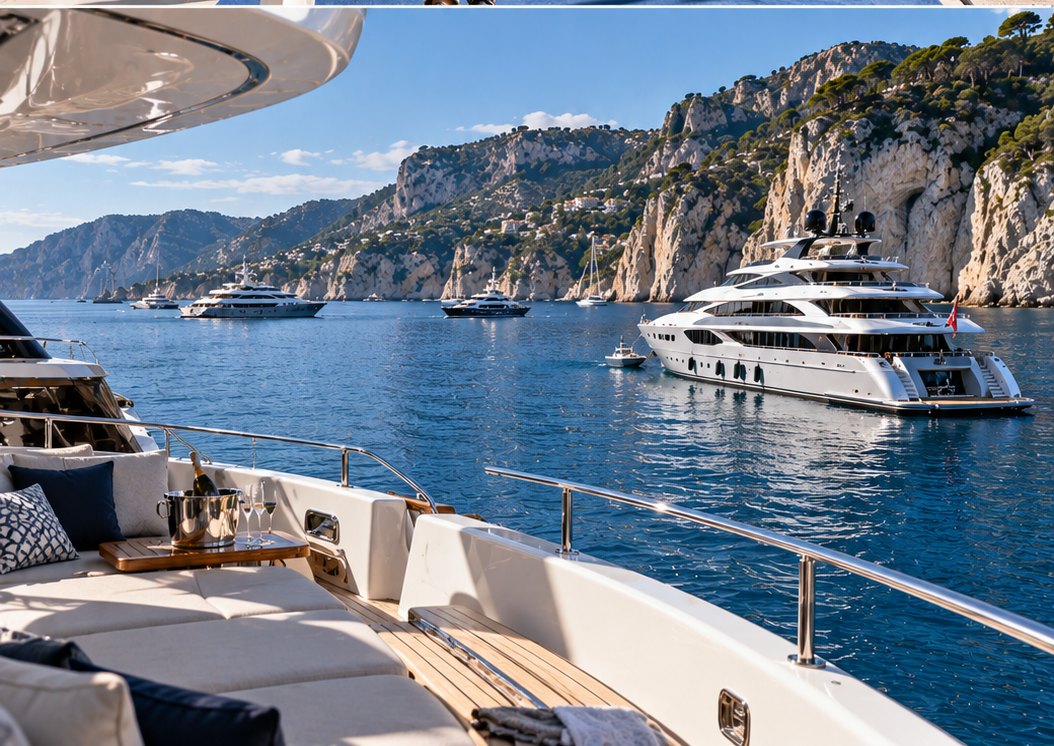
Energy decisions need a duty-cycle calculation. Average use is less important than the difficult day: the longest passage, the coldest morning, the heaviest load, the remote berth or the turnaround with the least charging time. Design around that case with a sensible reserve and the everyday operation normally becomes straightforward. Design around the brochure average and the owner may spend years managing around the system.
Infrastructure should be checked before hardware is ordered. Available electrical supply, connector type, grid capacity, bunkering arrangements, ventilation, fire protection and local operating rules can all dictate what is practical. In many projects the limiting factor is not the motor, battery or fuel technology; it is the place where the asset has to recharge, refuel or be maintained.
The practical test for yacht brokerage, valuation, surveys, listings and transactions is whether the decision still makes sense when circumstances are less than ideal. Weather changes, schedules move, components fail and people use equipment differently from the designer's neat assumptions. Building a little resilience into the choice usually costs less than trying to recover it afterwards.
None of this makes the decision difficult. It simply moves attention from presentation to evidence, which is usually where the better value sits.
Contributor: Paul Thompson / Editorial / 24YachtBrokers
Be the first reader to react to this article.
There is nothing particularly complicated about cybersecurity and connected equipment: a growing operational issue, but there are several ways to make it unnecessarily expensive.
There is nothing particularly complicated about cybersecurity and connected equipment: a growing operational issue, but there are several ways to make it unnecessarily expensive.
Resale should be considered even by people who intend to keep something for years. Highly personal specifications can be perfectly sensible, but buyers should understand the trade-off. Widely supported equipment, sensible layouts, complete records and recognised maintenance tend to be easier for the next owner to understand. The objective is not to design everything for an unknown future buyer; it is simply to avoid destroying flexibility without a good reason.
Cost also needs to be separated into purchase cost and ownership cost. The second figure is usually less visible. Consumables, routine servicing, insurance, finance, berthing or storage, professional fees, software subscriptions, inspections and eventual replacement items can materially change the economics. A useful quotation is therefore one that makes exclusions obvious.
If a supplier cannot explain what normally falls outside the quoted figure, ask for that clarification before treating two prices as comparable.
After-sales support can be more important than the original specification. A component that is excellent on paper is less attractive if parts take months to arrive or there is no competent service agent where the equipment will be used. The same applies to software-led products: ownership now includes updates, access rights, data and sometimes recurring subscriptions. Find out who supports the system, for how long, and what happens if the original supplier changes hands.
Timing matters. Buying or commissioning under deadline pressure weakens the buyer's position because there is less time to inspect, compare and walk away. Where possible, build the timetable backwards from the date the asset or service is genuinely required. Include survey or inspection time, corrections, training, delivery and a contingency. A realistic programme often reveals that the cheapest-looking option is not the one with the lowest overall cost.
The starting point is use. In yacht brokerage, valuation, surveys, listings and transactions, two apparently similar products or services can be right for completely different owners because their operating pattern is different. Frequency of use, geography, crew or staffing, storage, servicing access and the length of time you expect to keep the asset all change the answer. Before comparing brands or quotations, write down those constraints.
It sounds basic, but it prevents a specification being chosen for a lifestyle that exists only in the sales material.
Technical claims deserve context. Range, output, capacity, speed, efficiency and performance figures are normally produced under stated conditions. Real use adds weather, load, temperature, fouling, route, operator behaviour and reserve margins. Rather than arguing over a headline number, ask what assumptions sit behind it and what happens when those assumptions change. That produces a much more useful comparison.
Sustainability claims are increasingly part of the decision as well. The useful question is not whether a product is described as green, but what has actually changed: energy use, fuel consumption, material choice, repairability, service life, emissions, waste or end-of-life handling. Improvements in one area can create compromises in another. Evidence and measured performance are more valuable than broad environmental language.
Connected equipment creates a second maintenance schedule: passwords, access permissions, firmware, backups and subscriptions. Owners should know which systems can be updated remotely, which data leaves the asset and whether loss of an online service affects core operation. A paper or offline record of critical settings is still useful when the problem being diagnosed is the network itself.
Cybersecurity does not need to become a specialist exercise for every user. Basic separation of guest and operational networks, unique credentials, prompt updates and controlled administrator access remove a large proportion of avoidable risk. The more important question for a supplier is whether security has been designed into the product and whether updates will continue throughout its realistic service life.
The practical test for yacht brokerage, valuation, surveys, listings and transactions is whether the decision still makes sense when circumstances are less than ideal. Weather changes, schedules move, components fail and people use equipment differently from the designer's neat assumptions. Building a little resilience into the choice usually costs less than trying to recover it afterwards.
The best outcome is not necessarily the newest or most sophisticated option. It is the one that remains practical after the first season, the first service bill and the first change of plan.
Contributor: Paul Thompson / Editorial / 24YachtBrokers
Be the first reader to react to this article.
A good decision in yacht brokerage, valuation, surveys, listings and transactions rarely comes from one impressive specification.
A good decision in yacht brokerage, valuation, surveys, listings and transactions rarely comes from one impressive specification. It comes from understanding how the whole package will be used.
Finally, insist on a proper handover. Familiarisation, emergency procedures, maintenance intervals, passwords, spare parts, warranty contacts and operating limitations should all be understood before the supplier disappears over the horizon. A surprising number of early problems are not failures at all but gaps in handover. Thirty minutes spent recording the right information can save days later.
Documentation is another practical test. Service records, manuals, certificates, invoices, warranties, software licences and evidence of previous work are not administrative clutter; they are part of the asset. Good records make troubleshooting easier and can support resale. Missing records do not automatically mean there is a problem, but they increase uncertainty, and uncertainty should be reflected in the questions asked, the inspection undertaken and sometimes the price.
Risk is best dealt with before commitment. That means independent inspection where appropriate, clear written scope, confirmation of insurance implications and an agreed process for defects or incomplete work. In higher-value transactions, legal, tax and regulatory advice should come from qualified advisers in the relevant jurisdiction. The purpose is not to make every transaction defensive; it is to stop assumptions becoming expensive surprises.
Resale should be considered even by people who intend to keep something for years. Highly personal specifications can be perfectly sensible, but buyers should understand the trade-off. Widely supported equipment, sensible layouts, complete records and recognised maintenance tend to be easier for the next owner to understand. The objective is not to design everything for an unknown future buyer; it is simply to avoid destroying flexibility without a good reason.
Cost also needs to be separated into purchase cost and ownership cost. The second figure is usually less visible. Consumables, routine servicing, insurance, finance, berthing or storage, professional fees, software subscriptions, inspections and eventual replacement items can materially change the economics. A useful quotation is therefore one that makes exclusions obvious.
If a supplier cannot explain what normally falls outside the quoted figure, ask for that clarification before treating two prices as comparable.
After-sales support can be more important than the original specification. A component that is excellent on paper is less attractive if parts take months to arrive or there is no competent service agent where the equipment will be used. The same applies to software-led products: ownership now includes updates, access rights, data and sometimes recurring subscriptions. Find out who supports the system, for how long, and what happens if the original supplier changes hands.
Timing matters. Buying or commissioning under deadline pressure weakens the buyer's position because there is less time to inspect, compare and walk away. Where possible, build the timetable backwards from the date the asset or service is genuinely required. Include survey or inspection time, corrections, training, delivery and a contingency. A realistic programme often reveals that the cheapest-looking option is not the one with the lowest overall cost.
When money is about to change hands, the sequence matters. Establish identity and authority to sell, agree exactly what is included, record known defects and make any deposit terms clear. Where a survey, valuation or finance approval is part of the transaction, the contract should reflect that process rather than relying on a verbal understanding. Buyers should also know when risk and title transfer, particularly if the asset is moving between jurisdictions.
Market value is evidence, not aspiration. Advertised prices show what sellers hope to achieve; completed transactions, condition, specification, location and time on market give a better picture. A well-presented example can deserve a premium, but a premium still needs a reason. The strongest negotiating position comes from knowing which defects are merely cosmetic, which affect usability and which could lead to immediate capital expenditure.
The practical test for yacht brokerage, valuation, surveys, listings and transactions is whether the decision still makes sense when circumstances are less than ideal. Weather changes, schedules move, components fail and people use equipment differently from the designer's neat assumptions. Building a little resilience into the choice usually costs less than trying to recover it afterwards.
The best outcome is not necessarily the newest or most sophisticated option. It is the one that remains practical after the first season, the first service bill and the first change of plan.
Contributor: Paul Thompson / Editorial / 24YachtBrokers
Be the first reader to react to this article.
The market has become very good at presenting five-year thinking: decisions today that affect cost, usability and value later as simple.
The market has become very good at presenting five-year thinking: decisions today that affect cost, usability and value later as simple. In practice, the details still determine whether it works.
The starting point is use. In yacht brokerage, valuation, surveys, listings and transactions, two apparently similar products or services can be right for completely different owners because their operating pattern is different. Frequency of use, geography, crew or staffing, storage, servicing access and the length of time you expect to keep the asset all change the answer. Before comparing brands or quotations, write down those constraints.
It sounds basic, but it prevents a specification being chosen for a lifestyle that exists only in the sales material.
Technical claims deserve context. Range, output, capacity, speed, efficiency and performance figures are normally produced under stated conditions. Real use adds weather, load, temperature, fouling, route, operator behaviour and reserve margins. Rather than arguing over a headline number, ask what assumptions sit behind it and what happens when those assumptions change. That produces a much more useful comparison.
Sustainability claims are increasingly part of the decision as well. The useful question is not whether a product is described as green, but what has actually changed: energy use, fuel consumption, material choice, repairability, service life, emissions, waste or end-of-life handling. Improvements in one area can create compromises in another. Evidence and measured performance are more valuable than broad environmental language.
Finally, insist on a proper handover. Familiarisation, emergency procedures, maintenance intervals, passwords, spare parts, warranty contacts and operating limitations should all be understood before the supplier disappears over the horizon. A surprising number of early problems are not failures at all but gaps in handover. Thirty minutes spent recording the right information can save days later.
Documentation is another practical test. Service records, manuals, certificates, invoices, warranties, software licences and evidence of previous work are not administrative clutter; they are part of the asset. Good records make troubleshooting easier and can support resale. Missing records do not automatically mean there is a problem, but they increase uncertainty, and uncertainty should be reflected in the questions asked, the inspection undertaken and sometimes the price.
Risk is best dealt with before commitment. That means independent inspection where appropriate, clear written scope, confirmation of insurance implications and an agreed process for defects or incomplete work. In higher-value transactions, legal, tax and regulatory advice should come from qualified advisers in the relevant jurisdiction. The purpose is not to make every transaction defensive; it is to stop assumptions becoming expensive surprises.
Resale should be considered even by people who intend to keep something for years. Highly personal specifications can be perfectly sensible, but buyers should understand the trade-off. Widely supported equipment, sensible layouts, complete records and recognised maintenance tend to be easier for the next owner to understand. The objective is not to design everything for an unknown future buyer; it is simply to avoid destroying flexibility without a good reason.
Comparison becomes easier if every contender is put through the same questions. Ask for the same operating assumptions, the same delivery point, the same warranty period and the same list of included equipment or services. That turns a collection of sales conversations into something closer to a procurement exercise and exposes the areas where one quotation has quietly omitted an expensive item.
References are useful when they are relevant. A supplier's biggest or most prestigious project may tell you very little about how it handles an ordinary job in your region. Ask instead for examples with a similar scale, operating pattern and timetable. The most useful reference is often the customer who has lived with the product for two or three years and has already needed after-sales support.
The practical test for yacht brokerage, valuation, surveys, listings and transactions is whether the decision still makes sense when circumstances are less than ideal. Weather changes, schedules move, components fail and people use equipment differently from the designer's neat assumptions. Building a little resilience into the choice usually costs less than trying to recover it afterwards.
The best outcome is not necessarily the newest or most sophisticated option. It is the one that remains practical after the first season, the first service bill and the first change of plan.
Contributor: Paul Thompson / Editorial / 24YachtBrokers
Be the first reader to react to this article.
Every quarter produces plenty of announcements in yacht brokerage, listings, valuations, negotiations, surveys and transactions, but the useful story is usually not the loudest one. I am more interested in the changes that alter what somebody buys, what it costs to operate, how quickly support arrives and whether the decision still makes sense several years later.
Every quarter produces plenty of announcements in yacht brokerage, listings, valuations, negotiations, surveys and transactions, but the useful story is usually not the loudest one. I am more interested in the changes that alter what somebody buys, what it costs to operate, how quickly support arrives and whether the decision still makes sense several years later.
What is changing
Start by defining the job in plain language. What does the buyer, owner, operator or guest actually need to achieve, and under what conditions? That immediately makes comparison easier. A specification that is excellent for one use can be unnecessarily expensive or actively inconvenient for another. I would write down the non-negotiables, the desirable extras and the things that merely look attractive in a sales presentation.
Then verify the basics. Ask for documents, dimensions, service intervals, exclusions, lead times, warranties, references or operating data where they are relevant. If a claim materially affects the decision, it should be capable of being explained without resorting to vague phrases. This is particularly important where two offers appear similar but include different levels of preparation, support or responsibility.
Why it matters in practice
Price needs context. The cheapest quotation can become the expensive option once delivery, installation, travel, consumables, finance, insurance, maintenance, downtime or replacement are included. Equally, paying more is not evidence of quality. The useful comparison is total cost against the benefit that will actually be used.
Support deserves the same scrutiny as the initial product or service. Who answers the telephone when something goes wrong? Is technical knowledge held in-house or passed elsewhere? Are parts, people or replacements readily available? A realistic response time can be more valuable than an impressive feature that becomes unusable for weeks when a minor component fails.
There is also a human factor. Complicated systems and elaborate processes are often sold on capability, but somebody has to live with them. Training, handover, documentation and ease of use should therefore be part of the buying decision, not an afterthought.
What readers should watch next
Before committing, I would reduce the decision to a short written comparison. What problem does each option solve, what evidence supports the claims, what is excluded, what are the likely running costs, and what happens if circumstances change? That final question is important because resale, upgrade, relocation, regulation and changing patterns of use can alter the economics surprisingly quickly.
The strongest decisions in yacht brokerage, listings, valuations, negotiations, surveys and transactions are rarely the ones with the longest specification or the most fashionable name attached. They are the ones where the requirement was understood at the beginning, the evidence was checked, the inconvenient questions were asked and the owner or customer knew exactly what would happen after the deal was done.
That is also the standard I would apply to this category in the magazine. It should help a reader make a better decision, not simply give another supplier somewhere to repeat a brochure.
Contributor: Paul Thompson / Editorial / 24YachtBrokers
Be the first reader to react to this article.
The expensive mistakes in yacht brokerage, listings, valuations, negotiations, surveys and transactions are rarely caused by one spectacular failure. More often they begin with a small assumption that nobody checked. That is why I would start with the detail that sits behind the brochure, quotation or listing rather than the headline promise.
The expensive mistakes in yacht brokerage, listings, valuations, negotiations, surveys and transactions are rarely caused by one spectacular failure. More often they begin with a small assumption that nobody checked. That is why I would start with the detail that sits behind the brochure, quotation or listing rather than the headline promise.
The overlooked detail
Start by defining the job in plain language. What does the buyer, owner, operator or guest actually need to achieve, and under what conditions? That immediately makes comparison easier. A specification that is excellent for one use can be unnecessarily expensive or actively inconvenient for another. I would write down the non-negotiables, the desirable extras and the things that merely look attractive in a sales presentation.
Then verify the basics. Ask for documents, dimensions, service intervals, exclusions, lead times, warranties, references or operating data where they are relevant. If a claim materially affects the decision, it should be capable of being explained without resorting to vague phrases. This is particularly important where two offers appear similar but include different levels of preparation, support or responsibility.
Where cost and risk appear
Price needs context. The cheapest quotation can become the expensive option once delivery, installation, travel, consumables, finance, insurance, maintenance, downtime or replacement are included. Equally, paying more is not evidence of quality. The useful comparison is total cost against the benefit that will actually be used.
Support deserves the same scrutiny as the initial product or service. Who answers the telephone when something goes wrong? Is technical knowledge held in-house or passed elsewhere? Are parts, people or replacements readily available? A realistic response time can be more valuable than an impressive feature that becomes unusable for weeks when a minor component fails.
There is also a human factor. Complicated systems and elaborate processes are often sold on capability, but somebody has to live with them. Training, handover, documentation and ease of use should therefore be part of the buying decision, not an afterthought.
Questions to ask before committing
Before committing, I would reduce the decision to a short written comparison. What problem does each option solve, what evidence supports the claims, what is excluded, what are the likely running costs, and what happens if circumstances change? That final question is important because resale, upgrade, relocation, regulation and changing patterns of use can alter the economics surprisingly quickly.
The strongest decisions in yacht brokerage, listings, valuations, negotiations, surveys and transactions are rarely the ones with the longest specification or the most fashionable name attached. They are the ones where the requirement was understood at the beginning, the evidence was checked, the inconvenient questions were asked and the owner or customer knew exactly what would happen after the deal was done.
That is also the standard I would apply to this category in the magazine. It should help a reader make a better decision, not simply give another supplier somewhere to repeat a brochure.
Contributor: Paul Thompson / Editorial / 24YachtBrokers
Be the first reader to react to this article.
New does not automatically mean better. In yacht brokerage, listings, valuations, negotiations, surveys and transactions, a launch is worth attention when it removes a genuine inconvenience, reduces operating burden, improves safety or gives the buyer more useful choice. Everything else can wait until the excitement has settled.
New does not automatically mean better. In yacht brokerage, listings, valuations, negotiations, surveys and transactions, a launch is worth attention when it removes a genuine inconvenience, reduces operating burden, improves safety or gives the buyer more useful choice. Everything else can wait until the excitement has settled.
What is actually new
Start by defining the job in plain language. What does the buyer, owner, operator or guest actually need to achieve, and under what conditions? That immediately makes comparison easier. A specification that is excellent for one use can be unnecessarily expensive or actively inconvenient for another. I would write down the non-negotiables, the desirable extras and the things that merely look attractive in a sales presentation.
Then verify the basics. Ask for documents, dimensions, service intervals, exclusions, lead times, warranties, references or operating data where they are relevant. If a claim materially affects the decision, it should be capable of being explained without resorting to vague phrases. This is particularly important where two offers appear similar but include different levels of preparation, support or responsibility.
Separating substance from launch noise
Price needs context. The cheapest quotation can become the expensive option once delivery, installation, travel, consumables, finance, insurance, maintenance, downtime or replacement are included. Equally, paying more is not evidence of quality. The useful comparison is total cost against the benefit that will actually be used.
Support deserves the same scrutiny as the initial product or service. Who answers the telephone when something goes wrong? Is technical knowledge held in-house or passed elsewhere? Are parts, people or replacements readily available? A realistic response time can be more valuable than an impressive feature that becomes unusable for weeks when a minor component fails.
There is also a human factor. Complicated systems and elaborate processes are often sold on capability, but somebody has to live with them. Training, handover, documentation and ease of use should therefore be part of the buying decision, not an afterthought.
Where it could prove useful
Before committing, I would reduce the decision to a short written comparison. What problem does each option solve, what evidence supports the claims, what is excluded, what are the likely running costs, and what happens if circumstances change? That final question is important because resale, upgrade, relocation, regulation and changing patterns of use can alter the economics surprisingly quickly.
The strongest decisions in yacht brokerage, listings, valuations, negotiations, surveys and transactions are rarely the ones with the longest specification or the most fashionable name attached. They are the ones where the requirement was understood at the beginning, the evidence was checked, the inconvenient questions were asked and the owner or customer knew exactly what would happen after the deal was done.
That is also the standard I would apply to this category in the magazine. It should help a reader make a better decision, not simply give another supplier somewhere to repeat a brochure.
Contributor: Paul Thompson / Editorial / 24YachtBrokers
Be the first reader to react to this article.
A useful professional contribution should leave the reader with something they can apply. For yacht brokerage, listings, valuations, negotiations, surveys and transactions, that means concentrating on the requirement, the evidence and the consequences of the decision rather than turning the page into a sales pitch.
A useful professional contribution should leave the reader with something they can apply. For yacht brokerage, listings, valuations, negotiations, surveys and transactions, that means concentrating on the requirement, the evidence and the consequences of the decision rather than turning the page into a sales pitch.
Start with the requirement
Start by defining the job in plain language. What does the buyer, owner, operator or guest actually need to achieve, and under what conditions? That immediately makes comparison easier. A specification that is excellent for one use can be unnecessarily expensive or actively inconvenient for another. I would write down the non-negotiables, the desirable extras and the things that merely look attractive in a sales presentation.
Then verify the basics. Ask for documents, dimensions, service intervals, exclusions, lead times, warranties, references or operating data where they are relevant. If a claim materially affects the decision, it should be capable of being explained without resorting to vague phrases. This is particularly important where two offers appear similar but include different levels of preparation, support or responsibility.
Check the evidence
Price needs context. The cheapest quotation can become the expensive option once delivery, installation, travel, consumables, finance, insurance, maintenance, downtime or replacement are included. Equally, paying more is not evidence of quality. The useful comparison is total cost against the benefit that will actually be used.
Support deserves the same scrutiny as the initial product or service. Who answers the telephone when something goes wrong? Is technical knowledge held in-house or passed elsewhere? Are parts, people or replacements readily available? A realistic response time can be more valuable than an impressive feature that becomes unusable for weeks when a minor component fails.
There is also a human factor. Complicated systems and elaborate processes are often sold on capability, but somebody has to live with them. Training, handover, documentation and ease of use should therefore be part of the buying decision, not an afterthought.
Keep the decision commercially grounded
Before committing, I would reduce the decision to a short written comparison. What problem does each option solve, what evidence supports the claims, what is excluded, what are the likely running costs, and what happens if circumstances change? That final question is important because resale, upgrade, relocation, regulation and changing patterns of use can alter the economics surprisingly quickly.
The strongest decisions in yacht brokerage, listings, valuations, negotiations, surveys and transactions are rarely the ones with the longest specification or the most fashionable name attached. They are the ones where the requirement was understood at the beginning, the evidence was checked, the inconvenient questions were asked and the owner or customer knew exactly what would happen after the deal was done.
That is also the standard I would apply to this category in the magazine. It should help a reader make a better decision, not simply give another supplier somewhere to repeat a brochure.
Contributor: Editorial Desk / Guest Contributor Brief / 24YachtBrokers
Be the first reader to react to this article.
If I had an hour with a specialist in yacht brokerage, listings, valuations, negotiations, surveys and transactions, I would spend surprisingly little of it asking what they sell. The more revealing questions concern what they refuse to recommend, what commonly goes wrong, how they deal with delays and what happens after the invoice has been paid.
If I had an hour with a specialist in yacht brokerage, listings, valuations, negotiations, surveys and transactions, I would spend surprisingly little of it asking what they sell. The more revealing questions concern what they refuse to recommend, what commonly goes wrong, how they deal with delays and what happens after the invoice has been paid.
Questions about capability
Start by defining the job in plain language. What does the buyer, owner, operator or guest actually need to achieve, and under what conditions? That immediately makes comparison easier. A specification that is excellent for one use can be unnecessarily expensive or actively inconvenient for another. I would write down the non-negotiables, the desirable extras and the things that merely look attractive in a sales presentation.
Then verify the basics. Ask for documents, dimensions, service intervals, exclusions, lead times, warranties, references or operating data where they are relevant. If a claim materially affects the decision, it should be capable of being explained without resorting to vague phrases. This is particularly important where two offers appear similar but include different levels of preparation, support or responsibility.
Questions about delivery
Price needs context. The cheapest quotation can become the expensive option once delivery, installation, travel, consumables, finance, insurance, maintenance, downtime or replacement are included. Equally, paying more is not evidence of quality. The useful comparison is total cost against the benefit that will actually be used.
Support deserves the same scrutiny as the initial product or service. Who answers the telephone when something goes wrong? Is technical knowledge held in-house or passed elsewhere? Are parts, people or replacements readily available? A realistic response time can be more valuable than an impressive feature that becomes unusable for weeks when a minor component fails.
There is also a human factor. Complicated systems and elaborate processes are often sold on capability, but somebody has to live with them. Training, handover, documentation and ease of use should therefore be part of the buying decision, not an afterthought.
Questions about support after the sale
Before committing, I would reduce the decision to a short written comparison. What problem does each option solve, what evidence supports the claims, what is excluded, what are the likely running costs, and what happens if circumstances change? That final question is important because resale, upgrade, relocation, regulation and changing patterns of use can alter the economics surprisingly quickly.
The strongest decisions in yacht brokerage, listings, valuations, negotiations, surveys and transactions are rarely the ones with the longest specification or the most fashionable name attached. They are the ones where the requirement was understood at the beginning, the evidence was checked, the inconvenient questions were asked and the owner or customer knew exactly what would happen after the deal was done.
That is also the standard I would apply to this category in the magazine. It should help a reader make a better decision, not simply give another supplier somewhere to repeat a brochure.
Contributor: Paul Thompson / Editorial / 24YachtBrokers
Be the first reader to react to this article.
There is no shortage of confident language around yacht brokerage, listings, valuations, negotiations, surveys and transactions. The difficulty is that confidence is not evidence. Buyers and operators are better served by information that can be checked: specifications, service commitments, operating limits, references, documentation and a clear explanation of cost.
There is no shortage of confident language around yacht brokerage, listings, valuations, negotiations, surveys and transactions. The difficulty is that confidence is not evidence. Buyers and operators are better served by information that can be checked: specifications, service commitments, operating limits, references, documentation and a clear explanation of cost.
The problem with easy claims
Start by defining the job in plain language. What does the buyer, owner, operator or guest actually need to achieve, and under what conditions? That immediately makes comparison easier. A specification that is excellent for one use can be unnecessarily expensive or actively inconvenient for another. I would write down the non-negotiables, the desirable extras and the things that merely look attractive in a sales presentation.
Then verify the basics. Ask for documents, dimensions, service intervals, exclusions, lead times, warranties, references or operating data where they are relevant. If a claim materially affects the decision, it should be capable of being explained without resorting to vague phrases. This is particularly important where two offers appear similar but include different levels of preparation, support or responsibility.
What better evidence looks like
Price needs context. The cheapest quotation can become the expensive option once delivery, installation, travel, consumables, finance, insurance, maintenance, downtime or replacement are included. Equally, paying more is not evidence of quality. The useful comparison is total cost against the benefit that will actually be used.
Support deserves the same scrutiny as the initial product or service. Who answers the telephone when something goes wrong? Is technical knowledge held in-house or passed elsewhere? Are parts, people or replacements readily available? A realistic response time can be more valuable than an impressive feature that becomes unusable for weeks when a minor component fails.
There is also a human factor. Complicated systems and elaborate processes are often sold on capability, but somebody has to live with them. Training, handover, documentation and ease of use should therefore be part of the buying decision, not an afterthought.
A more useful way to decide
Before committing, I would reduce the decision to a short written comparison. What problem does each option solve, what evidence supports the claims, what is excluded, what are the likely running costs, and what happens if circumstances change? That final question is important because resale, upgrade, relocation, regulation and changing patterns of use can alter the economics surprisingly quickly.
The strongest decisions in yacht brokerage, listings, valuations, negotiations, surveys and transactions are rarely the ones with the longest specification or the most fashionable name attached. They are the ones where the requirement was understood at the beginning, the evidence was checked, the inconvenient questions were asked and the owner or customer knew exactly what would happen after the deal was done.
That is also the standard I would apply to this category in the magazine. It should help a reader make a better decision, not simply give another supplier somewhere to repeat a brochure.
Contributor: Paul Thompson / Editorial / 24YachtBrokers
Be the first reader to react to this article.
One recurring argument in yacht brokerage, listings, valuations, negotiations, surveys and transactions is whether the safest route is a proven standard package or a solution tailored closely to the individual user. Both approaches can be right, and both can become expensive when chosen for the wrong reason.
One recurring argument in yacht brokerage, listings, valuations, negotiations, surveys and transactions is whether the safest route is a proven standard package or a solution tailored closely to the individual user. Both approaches can be right, and both can become expensive when chosen for the wrong reason.
The case for standardisation
Start by defining the job in plain language. What does the buyer, owner, operator or guest actually need to achieve, and under what conditions? That immediately makes comparison easier. A specification that is excellent for one use can be unnecessarily expensive or actively inconvenient for another. I would write down the non-negotiables, the desirable extras and the things that merely look attractive in a sales presentation.
Then verify the basics. Ask for documents, dimensions, service intervals, exclusions, lead times, warranties, references or operating data where they are relevant. If a claim materially affects the decision, it should be capable of being explained without resorting to vague phrases. This is particularly important where two offers appear similar but include different levels of preparation, support or responsibility.
The case for customisation
Price needs context. The cheapest quotation can become the expensive option once delivery, installation, travel, consumables, finance, insurance, maintenance, downtime or replacement are included. Equally, paying more is not evidence of quality. The useful comparison is total cost against the benefit that will actually be used.
Support deserves the same scrutiny as the initial product or service. Who answers the telephone when something goes wrong? Is technical knowledge held in-house or passed elsewhere? Are parts, people or replacements readily available? A realistic response time can be more valuable than an impressive feature that becomes unusable for weeks when a minor component fails.
There is also a human factor. Complicated systems and elaborate processes are often sold on capability, but somebody has to live with them. Training, handover, documentation and ease of use should therefore be part of the buying decision, not an afterthought.
Where the sensible middle ground sits
Before committing, I would reduce the decision to a short written comparison. What problem does each option solve, what evidence supports the claims, what is excluded, what are the likely running costs, and what happens if circumstances change? That final question is important because resale, upgrade, relocation, regulation and changing patterns of use can alter the economics surprisingly quickly.
The strongest decisions in yacht brokerage, listings, valuations, negotiations, surveys and transactions are rarely the ones with the longest specification or the most fashionable name attached. They are the ones where the requirement was understood at the beginning, the evidence was checked, the inconvenient questions were asked and the owner or customer knew exactly what would happen after the deal was done.
That is also the standard I would apply to this category in the magazine. It should help a reader make a better decision, not simply give another supplier somewhere to repeat a brochure.
Contributor: Paul Thompson / Editorial / 24YachtBrokers
Be the first reader to react to this article.
People who work around yacht brokerage, listings, valuations, negotiations, surveys and transactions every day tend to notice different things from a first-time buyer. They look past presentation and start with the awkward details: access, records, response times, condition, exclusions, compatibility and who is actually responsible when something stops working.
People who work around yacht brokerage, listings, valuations, negotiations, surveys and transactions every day tend to notice different things from a first-time buyer. They look past presentation and start with the awkward details: access, records, response times, condition, exclusions, compatibility and who is actually responsible when something stops working.
The first five minutes
Start by defining the job in plain language. What does the buyer, owner, operator or guest actually need to achieve, and under what conditions? That immediately makes comparison easier. A specification that is excellent for one use can be unnecessarily expensive or actively inconvenient for another. I would write down the non-negotiables, the desirable extras and the things that merely look attractive in a sales presentation.
Then verify the basics. Ask for documents, dimensions, service intervals, exclusions, lead times, warranties, references or operating data where they are relevant. If a claim materially affects the decision, it should be capable of being explained without resorting to vague phrases. This is particularly important where two offers appear similar but include different levels of preparation, support or responsibility.
The paperwork and detail
Price needs context. The cheapest quotation can become the expensive option once delivery, installation, travel, consumables, finance, insurance, maintenance, downtime or replacement are included. Equally, paying more is not evidence of quality. The useful comparison is total cost against the benefit that will actually be used.
Support deserves the same scrutiny as the initial product or service. Who answers the telephone when something goes wrong? Is technical knowledge held in-house or passed elsewhere? Are parts, people or replacements readily available? A realistic response time can be more valuable than an impressive feature that becomes unusable for weeks when a minor component fails.
There is also a human factor. Complicated systems and elaborate processes are often sold on capability, but somebody has to live with them. Training, handover, documentation and ease of use should therefore be part of the buying decision, not an afterthought.
The clues that justify a second look
Before committing, I would reduce the decision to a short written comparison. What problem does each option solve, what evidence supports the claims, what is excluded, what are the likely running costs, and what happens if circumstances change? That final question is important because resale, upgrade, relocation, regulation and changing patterns of use can alter the economics surprisingly quickly.
The strongest decisions in yacht brokerage, listings, valuations, negotiations, surveys and transactions are rarely the ones with the longest specification or the most fashionable name attached. They are the ones where the requirement was understood at the beginning, the evidence was checked, the inconvenient questions were asked and the owner or customer knew exactly what would happen after the deal was done.
That is also the standard I would apply to this category in the magazine. It should help a reader make a better decision, not simply give another supplier somewhere to repeat a brochure.
Contributor: Paul Thompson / Editorial / 24YachtBrokers
Be the first reader to react to this article.
The best way to understand yacht brokerage, listings, valuations, negotiations, surveys and transactions is to experience it under conditions that resemble real use. A polished demonstration can be useful, but it should not prevent straightforward questions about inconvenience, noise, waiting time, staffing, storage, maintenance or the parts of the experience that happen after the photograph.
The best way to understand yacht brokerage, listings, valuations, negotiations, surveys and transactions is to experience it under conditions that resemble real use. A polished demonstration can be useful, but it should not prevent straightforward questions about inconvenience, noise, waiting time, staffing, storage, maintenance or the parts of the experience that happen after the photograph.
Before you arrive
Start by defining the job in plain language. What does the buyer, owner, operator or guest actually need to achieve, and under what conditions? That immediately makes comparison easier. A specification that is excellent for one use can be unnecessarily expensive or actively inconvenient for another. I would write down the non-negotiables, the desirable extras and the things that merely look attractive in a sales presentation.
Then verify the basics. Ask for documents, dimensions, service intervals, exclusions, lead times, warranties, references or operating data where they are relevant. If a claim materially affects the decision, it should be capable of being explained without resorting to vague phrases. This is particularly important where two offers appear similar but include different levels of preparation, support or responsibility.
During the experience
Price needs context. The cheapest quotation can become the expensive option once delivery, installation, travel, consumables, finance, insurance, maintenance, downtime or replacement are included. Equally, paying more is not evidence of quality. The useful comparison is total cost against the benefit that will actually be used.
Support deserves the same scrutiny as the initial product or service. Who answers the telephone when something goes wrong? Is technical knowledge held in-house or passed elsewhere? Are parts, people or replacements readily available? A realistic response time can be more valuable than an impressive feature that becomes unusable for weeks when a minor component fails.
There is also a human factor. Complicated systems and elaborate processes are often sold on capability, but somebody has to live with them. Training, handover, documentation and ease of use should therefore be part of the buying decision, not an afterthought.
What to assess afterwards
Before committing, I would reduce the decision to a short written comparison. What problem does each option solve, what evidence supports the claims, what is excluded, what are the likely running costs, and what happens if circumstances change? That final question is important because resale, upgrade, relocation, regulation and changing patterns of use can alter the economics surprisingly quickly.
The strongest decisions in yacht brokerage, listings, valuations, negotiations, surveys and transactions are rarely the ones with the longest specification or the most fashionable name attached. They are the ones where the requirement was understood at the beginning, the evidence was checked, the inconvenient questions were asked and the owner or customer knew exactly what would happen after the deal was done.
That is also the standard I would apply to this category in the magazine. It should help a reader make a better decision, not simply give another supplier somewhere to repeat a brochure.
Contributor: Paul Thompson / Editorial / 24YachtBrokers
Be the first reader to react to this article.
A review of anything connected with yacht brokerage, listings, valuations, negotiations, surveys and transactions should begin before the reviewer sees the product. Decide what matters first. Otherwise the most impressive feature in the room has a habit of becoming the most important feature in the review, whether it deserves to or not.
A review of anything connected with yacht brokerage, listings, valuations, negotiations, surveys and transactions should begin before the reviewer sees the product. Decide what matters first. Otherwise the most impressive feature in the room has a habit of becoming the most important feature in the review, whether it deserves to or not.
Set the test before the product
Start by defining the job in plain language. What does the buyer, owner, operator or guest actually need to achieve, and under what conditions? That immediately makes comparison easier. A specification that is excellent for one use can be unnecessarily expensive or actively inconvenient for another. I would write down the non-negotiables, the desirable extras and the things that merely look attractive in a sales presentation.
Then verify the basics. Ask for documents, dimensions, service intervals, exclusions, lead times, warranties, references or operating data where they are relevant. If a claim materially affects the decision, it should be capable of being explained without resorting to vague phrases. This is particularly important where two offers appear similar but include different levels of preparation, support or responsibility.
Use realistic conditions
Price needs context. The cheapest quotation can become the expensive option once delivery, installation, travel, consumables, finance, insurance, maintenance, downtime or replacement are included. Equally, paying more is not evidence of quality. The useful comparison is total cost against the benefit that will actually be used.
Support deserves the same scrutiny as the initial product or service. Who answers the telephone when something goes wrong? Is technical knowledge held in-house or passed elsewhere? Are parts, people or replacements readily available? A realistic response time can be more valuable than an impressive feature that becomes unusable for weeks when a minor component fails.
There is also a human factor. Complicated systems and elaborate processes are often sold on capability, but somebody has to live with them. Training, handover, documentation and ease of use should therefore be part of the buying decision, not an afterthought.
Judge ownership as well as performance
Before committing, I would reduce the decision to a short written comparison. What problem does each option solve, what evidence supports the claims, what is excluded, what are the likely running costs, and what happens if circumstances change? That final question is important because resale, upgrade, relocation, regulation and changing patterns of use can alter the economics surprisingly quickly.
The strongest decisions in yacht brokerage, listings, valuations, negotiations, surveys and transactions are rarely the ones with the longest specification or the most fashionable name attached. They are the ones where the requirement was understood at the beginning, the evidence was checked, the inconvenient questions were asked and the owner or customer knew exactly what would happen after the deal was done.
That is also the standard I would apply to this category in the magazine. It should help a reader make a better decision, not simply give another supplier somewhere to repeat a brochure.
Contributor: Paul Thompson / Editorial / 24YachtBrokers
Be the first reader to react to this article.
A classified advertisement in yacht brokerage, listings, valuations, negotiations, surveys and transactions is an invitation to investigate, not proof of condition or value. Good listings make that investigation easier; weak ones often reveal themselves through what they omit.
A classified advertisement in yacht brokerage, listings, valuations, negotiations, surveys and transactions is an invitation to investigate, not proof of condition or value. Good listings make that investigation easier; weak ones often reveal themselves through what they omit.
Read between the lines
Start by defining the job in plain language. What does the buyer, owner, operator or guest actually need to achieve, and under what conditions? That immediately makes comparison easier. A specification that is excellent for one use can be unnecessarily expensive or actively inconvenient for another. I would write down the non-negotiables, the desirable extras and the things that merely look attractive in a sales presentation.
Then verify the basics. Ask for documents, dimensions, service intervals, exclusions, lead times, warranties, references or operating data where they are relevant. If a claim materially affects the decision, it should be capable of being explained without resorting to vague phrases. This is particularly important where two offers appear similar but include different levels of preparation, support or responsibility.
Verify before travelling or paying
Price needs context. The cheapest quotation can become the expensive option once delivery, installation, travel, consumables, finance, insurance, maintenance, downtime or replacement are included. Equally, paying more is not evidence of quality. The useful comparison is total cost against the benefit that will actually be used.
Support deserves the same scrutiny as the initial product or service. Who answers the telephone when something goes wrong? Is technical knowledge held in-house or passed elsewhere? Are parts, people or replacements readily available? A realistic response time can be more valuable than an impressive feature that becomes unusable for weeks when a minor component fails.
There is also a human factor. Complicated systems and elaborate processes are often sold on capability, but somebody has to live with them. Training, handover, documentation and ease of use should therefore be part of the buying decision, not an afterthought.
Compare total proposition, not asking price
Before committing, I would reduce the decision to a short written comparison. What problem does each option solve, what evidence supports the claims, what is excluded, what are the likely running costs, and what happens if circumstances change? That final question is important because resale, upgrade, relocation, regulation and changing patterns of use can alter the economics surprisingly quickly.
The strongest decisions in yacht brokerage, listings, valuations, negotiations, surveys and transactions are rarely the ones with the longest specification or the most fashionable name attached. They are the ones where the requirement was understood at the beginning, the evidence was checked, the inconvenient questions were asked and the owner or customer knew exactly what would happen after the deal was done.
That is also the standard I would apply to this category in the magazine. It should help a reader make a better decision, not simply give another supplier somewhere to repeat a brochure.
Contributor: Paul Thompson / Editorial / 24YachtBrokers
Be the first reader to react to this article.
The most useful reader questions about yacht brokerage, listings, valuations, negotiations, surveys and transactions are usually practical rather than glamorous. What will it cost after purchase? Who supports it? What happens when plans change? Which claims can be verified? Those questions deserve more space than another page of adjectives.
The most useful reader questions about yacht brokerage, listings, valuations, negotiations, surveys and transactions are usually practical rather than glamorous. What will it cost after purchase? Who supports it? What happens when plans change? Which claims can be verified? Those questions deserve more space than another page of adjectives.
Cost and value
Start by defining the job in plain language. What does the buyer, owner, operator or guest actually need to achieve, and under what conditions? That immediately makes comparison easier. A specification that is excellent for one use can be unnecessarily expensive or actively inconvenient for another. I would write down the non-negotiables, the desirable extras and the things that merely look attractive in a sales presentation.
Then verify the basics. Ask for documents, dimensions, service intervals, exclusions, lead times, warranties, references or operating data where they are relevant. If a claim materially affects the decision, it should be capable of being explained without resorting to vague phrases. This is particularly important where two offers appear similar but include different levels of preparation, support or responsibility.
Service and accountability
Price needs context. The cheapest quotation can become the expensive option once delivery, installation, travel, consumables, finance, insurance, maintenance, downtime or replacement are included. Equally, paying more is not evidence of quality. The useful comparison is total cost against the benefit that will actually be used.
Support deserves the same scrutiny as the initial product or service. Who answers the telephone when something goes wrong? Is technical knowledge held in-house or passed elsewhere? Are parts, people or replacements readily available? A realistic response time can be more valuable than an impressive feature that becomes unusable for weeks when a minor component fails.
There is also a human factor. Complicated systems and elaborate processes are often sold on capability, but somebody has to live with them. Training, handover, documentation and ease of use should therefore be part of the buying decision, not an afterthought.
The questions that deserve clearer answers
Before committing, I would reduce the decision to a short written comparison. What problem does each option solve, what evidence supports the claims, what is excluded, what are the likely running costs, and what happens if circumstances change? That final question is important because resale, upgrade, relocation, regulation and changing patterns of use can alter the economics surprisingly quickly.
The strongest decisions in yacht brokerage, listings, valuations, negotiations, surveys and transactions are rarely the ones with the longest specification or the most fashionable name attached. They are the ones where the requirement was understood at the beginning, the evidence was checked, the inconvenient questions were asked and the owner or customer knew exactly what would happen after the deal was done.
That is also the standard I would apply to this category in the magazine. It should help a reader make a better decision, not simply give another supplier somewhere to repeat a brochure.
Contributor: Editorial Desk / Reader Questions / 24YachtBrokers
Be the first reader to react to this article.
Forecasting yacht brokerage, listings, valuations, negotiations, surveys and transactions is easy if the aim is to sound futuristic. It is harder, and more useful, to identify changes that have a realistic route into everyday use. Cost, infrastructure, regulation, skills and customer behaviour usually decide the pace long before technology reaches its theoretical limit.
Forecasting yacht brokerage, listings, valuations, negotiations, surveys and transactions is easy if the aim is to sound futuristic. It is harder, and more useful, to identify changes that have a realistic route into everyday use. Cost, infrastructure, regulation, skills and customer behaviour usually decide the pace long before technology reaches its theoretical limit.
Technology with a purpose
Start by defining the job in plain language. What does the buyer, owner, operator or guest actually need to achieve, and under what conditions? That immediately makes comparison easier. A specification that is excellent for one use can be unnecessarily expensive or actively inconvenient for another. I would write down the non-negotiables, the desirable extras and the things that merely look attractive in a sales presentation.
Then verify the basics. Ask for documents, dimensions, service intervals, exclusions, lead times, warranties, references or operating data where they are relevant. If a claim materially affects the decision, it should be capable of being explained without resorting to vague phrases. This is particularly important where two offers appear similar but include different levels of preparation, support or responsibility.
Infrastructure and skills
Price needs context. The cheapest quotation can become the expensive option once delivery, installation, travel, consumables, finance, insurance, maintenance, downtime or replacement are included. Equally, paying more is not evidence of quality. The useful comparison is total cost against the benefit that will actually be used.
Support deserves the same scrutiny as the initial product or service. Who answers the telephone when something goes wrong? Is technical knowledge held in-house or passed elsewhere? Are parts, people or replacements readily available? A realistic response time can be more valuable than an impressive feature that becomes unusable for weeks when a minor component fails.
There is also a human factor. Complicated systems and elaborate processes are often sold on capability, but somebody has to live with them. Training, handover, documentation and ease of use should therefore be part of the buying decision, not an afterthought.
What is likely to remain stubbornly familiar
Before committing, I would reduce the decision to a short written comparison. What problem does each option solve, what evidence supports the claims, what is excluded, what are the likely running costs, and what happens if circumstances change? That final question is important because resale, upgrade, relocation, regulation and changing patterns of use can alter the economics surprisingly quickly.
The strongest decisions in yacht brokerage, listings, valuations, negotiations, surveys and transactions are rarely the ones with the longest specification or the most fashionable name attached. They are the ones where the requirement was understood at the beginning, the evidence was checked, the inconvenient questions were asked and the owner or customer knew exactly what would happen after the deal was done.
That is also the standard I would apply to this category in the magazine. It should help a reader make a better decision, not simply give another supplier somewhere to repeat a brochure.
Contributor: Paul Thompson / Editorial / 24YachtBrokers
Be the first reader to react to this article.
Some ideas in yacht brokerage, listings, valuations, negotiations, surveys and transactions sound ridiculous until the problem they are trying to solve is understood. Others remain ridiculous after closer inspection. The useful exercise is working out which is which before paying to find out.
Some ideas in yacht brokerage, listings, valuations, negotiations, surveys and transactions sound ridiculous until the problem they are trying to solve is understood. Others remain ridiculous after closer inspection. The useful exercise is working out which is which before paying to find out.
Why it sounds odd
Start by defining the job in plain language. What does the buyer, owner, operator or guest actually need to achieve, and under what conditions? That immediately makes comparison easier. A specification that is excellent for one use can be unnecessarily expensive or actively inconvenient for another. I would write down the non-negotiables, the desirable extras and the things that merely look attractive in a sales presentation.
Then verify the basics. Ask for documents, dimensions, service intervals, exclusions, lead times, warranties, references or operating data where they are relevant. If a claim materially affects the decision, it should be capable of being explained without resorting to vague phrases. This is particularly important where two offers appear similar but include different levels of preparation, support or responsibility.
Where it can actually work
Price needs context. The cheapest quotation can become the expensive option once delivery, installation, travel, consumables, finance, insurance, maintenance, downtime or replacement are included. Equally, paying more is not evidence of quality. The useful comparison is total cost against the benefit that will actually be used.
Support deserves the same scrutiny as the initial product or service. Who answers the telephone when something goes wrong? Is technical knowledge held in-house or passed elsewhere? Are parts, people or replacements readily available? A realistic response time can be more valuable than an impressive feature that becomes unusable for weeks when a minor component fails.
There is also a human factor. Complicated systems and elaborate processes are often sold on capability, but somebody has to live with them. Training, handover, documentation and ease of use should therefore be part of the buying decision, not an afterthought.
The limitations nobody should ignore
Before committing, I would reduce the decision to a short written comparison. What problem does each option solve, what evidence supports the claims, what is excluded, what are the likely running costs, and what happens if circumstances change? That final question is important because resale, upgrade, relocation, regulation and changing patterns of use can alter the economics surprisingly quickly.
The strongest decisions in yacht brokerage, listings, valuations, negotiations, surveys and transactions are rarely the ones with the longest specification or the most fashionable name attached. They are the ones where the requirement was understood at the beginning, the evidence was checked, the inconvenient questions were asked and the owner or customer knew exactly what would happen after the deal was done.
That is also the standard I would apply to this category in the magazine. It should help a reader make a better decision, not simply give another supplier somewhere to repeat a brochure.
Contributor: Paul Thompson / Editorial / 24YachtBrokers
Be the first reader to react to this article.
No single supplier, adviser or operator covers every part of yacht brokerage, listings, valuations, negotiations, surveys and transactions. Outcomes improve when the right specialists can be found quickly, information moves cleanly between them and everybody understands where their responsibility starts and finishes.
No single supplier, adviser or operator covers every part of yacht brokerage, listings, valuations, negotiations, surveys and transactions. Outcomes improve when the right specialists can be found quickly, information moves cleanly between them and everybody understands where their responsibility starts and finishes.
The information gap
Start by defining the job in plain language. What does the buyer, owner, operator or guest actually need to achieve, and under what conditions? That immediately makes comparison easier. A specification that is excellent for one use can be unnecessarily expensive or actively inconvenient for another. I would write down the non-negotiables, the desirable extras and the things that merely look attractive in a sales presentation.
Then verify the basics. Ask for documents, dimensions, service intervals, exclusions, lead times, warranties, references or operating data where they are relevant. If a claim materially affects the decision, it should be capable of being explained without resorting to vague phrases. This is particularly important where two offers appear similar but include different levels of preparation, support or responsibility.
Why trusted specialists matter
Price needs context. The cheapest quotation can become the expensive option once delivery, installation, travel, consumables, finance, insurance, maintenance, downtime or replacement are included. Equally, paying more is not evidence of quality. The useful comparison is total cost against the benefit that will actually be used.
Support deserves the same scrutiny as the initial product or service. Who answers the telephone when something goes wrong? Is technical knowledge held in-house or passed elsewhere? Are parts, people or replacements readily available? A realistic response time can be more valuable than an impressive feature that becomes unusable for weeks when a minor component fails.
There is also a human factor. Complicated systems and elaborate processes are often sold on capability, but somebody has to live with them. Training, handover, documentation and ease of use should therefore be part of the buying decision, not an afterthought.
Turning contacts into measurable value
Before committing, I would reduce the decision to a short written comparison. What problem does each option solve, what evidence supports the claims, what is excluded, what are the likely running costs, and what happens if circumstances change? That final question is important because resale, upgrade, relocation, regulation and changing patterns of use can alter the economics surprisingly quickly.
The strongest decisions in yacht brokerage, listings, valuations, negotiations, surveys and transactions are rarely the ones with the longest specification or the most fashionable name attached. They are the ones where the requirement was understood at the beginning, the evidence was checked, the inconvenient questions were asked and the owner or customer knew exactly what would happen after the deal was done.
That is also the standard I would apply to this category in the magazine. It should help a reader make a better decision, not simply give another supplier somewhere to repeat a brochure.
Contributor: Paul Thompson / Editorial / 24YachtBrokers
Be the first reader to react to this article.
For crews working on small commercial yachts, the Sport or Pleasure Vessel Code is now in force, but its effect will arrive unevenly. New vessels must comply from the outset; existing boats transition at renewal or after a three-year backstop, with specific grandfathering provisions in some sections. The practical preparation is therefore less about sending everyone on a generic refresher course than matching each vessel’s operation, equipment and certificate to the code’s demands. The MCA’s supporting notice, MIN 724, was revised in March 2026. Here is where operators should begin, and why familiar equipment can still expose a training gap.

A familiar boat can become unfamiliar at the examination desk. The chart plotter still lights up, the fire pump still starts, and the skipper has made the same passage for years. Yet a new rulebook can make yesterday’s routine an incomplete answer to tomorrow’s certification question. That is the practical challenge posed by the Sport or Pleasure Vessel Code, which came into force on 12 December 2025 for new small vessels in commercial use for sport or pleasure.
The change is easy to misread as a single deadline. It is a transition, not a fleet-wide overnight conversion. The Maritime and Coastguard Agency says existing vessels certified under the Blue, Yellow or Red Codes, or equivalent standards in MGN 280, must meet the new code by their next renewal examination or three years after its commencement, whichever is later. That gives many operators planning time.
It also creates a trap: preparation postponed until renewal can turn a manageable familiarisation programme into a scramble involving the vessel, its records, its crew and its certifying authority at once.
The new code applies to small vessels under 24 metres load line length in commercial sport or pleasure use. It is distinct from the Part A REG Yacht Code, which applies to large yachts of 24 metres or more, and from the Workboat Code. The use and certificate matter more than the boat’s appearance. A yacht carrying paying guests, a vessel used for instruction, and one operating from a nominated departure point may look similar alongside, but the precise activity, area and service determine the standards to apply.
An owner thinking “it is only a yacht” has not yet answered the compliance question.
That is why the first useful training exercise is an audit of the vessel’s intended operation. What service is it actually providing? How many people are aboard, and in what capacity? Where does it go, what navigation equipment does it carry, and what certificate will it seek? Does it fall under the code’s MLC provisions? Is a light-duty workboat certificate relevant? The answers shape the competence requirements and the examination pathway.
A skipper cannot sensibly choose refresher training by collecting course titles before those operational facts are established.

The code consolidates earlier arrangements, and the MCA says the new regulations underpin codes for vessels below and above 24 metres. Its stated objective includes modernising safety standards and addressing recommendations from the Marine Accident Investigation Branch. The supporting document, MIN 724, summarises referenced standards and gives best-practice guidance. It was first published in November 2025 and updated on 6 March 2026.
The change log is worth attention: the March revision amended the radar-training reference and removed two earlier provisions. A copy of the November notice or an informal summary may therefore already be out of date.
There is a distinction between a certificate held by a person and demonstrated competence on the vessel. The code specifies training in areas including survival, first aid, firefighting, radar, stability and electronic chart systems according to the boat’s circumstances. Some requirements attach only to a particular category of operation or to equipment actually carried.
For instance, a vessel fitted with fire pumps under the relevant provision triggers specified firefighting training for the master and at least one crew member, plus familiarisation with that particular onboard equipment. Radar obligations apply to relevant vessels and personnel responsible for a navigational watch. A crew member may have completed a course years ago and still need to practise with the set installed in the wheelhouse.
That last point is where the word “training” can be misleading. The gap may not be a missing ticket. It may be that the crew have never worked through a failure or emergency using the actual controls, layout and procedures they would face underway. Firefighting is not just remembering extinguisher classes; it involves locating the right equipment, isolating systems, communicating roles and understanding how quickly a small enclosed space can become untenable.
Electronic navigation competence is not the same thing as pressing the familiar zoom button: it includes recognising the limitations of the system, checking the information source and maintaining a safe watch when screens disagree or fail.
The code’s training matrix should be read line by line against the boat, rather than turned into a blanket shopping list. A master on a vessel in a more distant operating category may have different medical-care obligations from a skipper running short trips close to shore. An electronic chart system may trigger specific training for the master and those on a navigational watch. Equipment carried beyond code requirements can bring a need for appropriate training among the people likely to use it.
Where a stability information booklet is required, the master may need an MCA-approved stability course. Catering training can apply to crew who prepare food for passengers or non-crew members. This variety is the reason a single generic “code update” course cannot settle every vessel’s position.
Operators should make a crew-and-equipment matrix. List each person, role, relevant certificate, issue or expiry date, and the equipment or duty they are expected to handle. Then compare that information with the current code and MIN 724, noting any grandfathered arrangements that may apply. Mark what is a formal course requirement, what needs onboard familiarisation, and what requires evidence or a conversation with the certifying authority.
A matrix exposes the quiet dependencies: the only trained first-aider is also the person due to leave before the season, or only one of three watchkeepers has completed a relevant electronics module.
Do not assume the training record is good because it exists. An orderly file should distinguish a certificate from a familiarisation record, a drill log and a vessel-specific procedure. The code and the MCA’s standards notice point towards defined competence requirements, but the operator still has to make the evidence intelligible. Keep course certificates, medical documents where relevant, crew records, drill dates and equipment instructions accessible together.
Record who led an exercise, what scenario was covered, which equipment was operated and what follow-up was identified. A tick beside “fire drill” tells little if no one can say whether the crew practised shutting down ventilation or selecting the correct pump.
The paperwork needs to follow the boat when crew change. Small commercial operations often have seasonal staff, relief skippers or a mixture of permanent and occasional crew. If knowledge resides with one long-serving master, the vessel is vulnerable even when that person is highly competent. A short handover should explain the certificate status, current operating limits, safety equipment peculiarities and outstanding training actions.
Make it part of joining the boat, not a conversation squeezed in before the first guest arrives.
Working skippers should concentrate first on the tasks whose failure has immediate consequences. A practical sequence might begin with a departure briefing and emergency communications, then abandon-ship readiness, fire response, medical response and man-overboard procedures. Navigation exercises should include the actual electronic system, any required radar, and the vessel’s fallback arrangements. The objective is not to rehearse a perfect script.
It is to let crew identify what they do not know while tied up, where correction costs little and no passenger is exposed.
A useful refresher is specific. Ask each watchkeeper to explain what happens if the primary display loses position, how the paper or secondary arrangement is accessed, and who is responsible for cross-checking. Ask the team to locate the emergency fuel shut-off and demonstrate the communication sequence. On a boat with a stability booklet, a master should be able to apply it to the vessel rather than treat the course as a detached classroom subject.
For a fire system, run through the equipment’s own instructions and the limitations of its use. The MCA’s MIN 724 is a standards guide, not a substitute for the manufacturer’s manual or the certifying authority’s vessel-specific advice.
Training providers have a role, but operators must bring them a precise brief. Before booking, identify the vessel type, intended area, certificate route, existing crew qualifications and the kit in question. Confirm whether the provider’s course is MCA-approved or recognised where the code says it must be. Check the current MIN 724 reference, particularly where training lists have been amended. Ask whether the course covers the vessel’s operational reality or merely the generic syllabus.
Providers can help identify a suitable course; they cannot decide whether a particular legacy arrangement is acceptable without the full vessel and certificate context.
Certifying authorities need to enter the conversation early. The operator should ask which standards apply to the vessel’s current certificate and next renewal, what evidence will be expected, and whether the proposed transition plan is coherent. The MCA says an existing vessel that upgrades and phases into the new regime must do so fully; it cannot combine the new code’s standards with selected provisions from older codes. That rule makes piecemeal compliance risky.
A vessel cannot simply adopt the new equipment provision it prefers while retaining an incompatible old requirement elsewhere. Get the transition route in writing and retain the response with the vessel file.
Owners also need to budget for the time away from service. Courses, drills and practical familiarisation compete with charter days, maintenance and crew leave. If a renewal falls near the start of a busy season, even a modest remedial list can become costly if it requires a boat out of the water or key crew absent. Work backwards from the examination date. Start with certificate review, then identify requirements and potential grandfathering, then book formal training and plan onboard practice.
Allow space for a failed piece of equipment or a missing record to be resolved without taking the vessel straight into peak operation.
The training need will not be identical across a commercial fleet. A compact sailing vessel used for instruction, a motor yacht carrying guests and a vessel operating in a more exposed area may carry different equipment and crew duties. A business with several boats can create a common core for induction and drills, but it should preserve each boat’s particular differences.
Standardisation is useful for shared language and emergency roles; it becomes dangerous if it encourages staff to assume that every pump, chart system or shutdown operates the same way.
The code is also a prompt to examine competence beyond the minimum course list. Does the watch team know how to preserve a lookout when workload rises? Can the skipper explain the limits of the vessel’s operating area to guests and new crew? Are procedures written in a way that a relief skipper can use? Are safety briefings accessible to people who have never been on the boat? These are practical questions rather than additional invented legal duties.
They help turn a certificate regime into an operation that works when a real person is tired, conditions deteriorate or equipment fails.
The most important dates are not identical for every vessel. New vessels entering the code have been subject to it since 12 December 2025. Existing vessels have a transition tied to their next renewal examination or the three-year point, whichever is later, subject to provisions in the code. That calculation should be done against the actual certificate and renewal cycle, not guessed from the date an owner heard about the change.
Where a vessel is newly built but began construction between the introduction of MGN 280 and the new code, the MCA’s guidance gives options for treatment. Again, the paper trail and the certifying authority’s determination matter.
MIN 724 is temporary guidance with an expiry date of 12 December 2026, and the MCA may revise the material again. A fleet manager should nominate someone to check the official page and preserve the version used for planning. This is an unglamorous task with direct value: a training plan based on an obsolete reference can waste money or leave an actual requirement unattended.
The official publication page carries the revision history, which gives operators a way to see what changed rather than relying on forwarded summaries.
The sensible question for a skipper is not, “Have I done a course?” It is, “Can this crew safely operate this vessel, with this equipment, for this service, and can we show how we know?” A course certificate may be part of the answer. So may repeated drills, a clean handover, a current stability understanding and an operating manual that matches the boat. The code supplies a common framework; the work of making it real is local, practical and ongoing. The examination date is a deadline.
Preparation should begin well before it becomes one.
Contributor: Paul Thompson / 24YachtBrokers
Be the first reader to react to this article.
At the 2025 Southampton International Boat Show, British Marine recognised 75 apprentices from nine businesses and held a careers evening with 15 companies and training providers. That is a visible moment in a much longer recruitment chain. A showcase can put young people in front of employers, but attendance and applause do not tell us who later secures a placement, completes training or stays in the trade. The useful test is what happens after the event: whether vacancies are clear, supervision is available, training matches workshop needs and employers can offer a credible route from first conversation to skilled work.
A careers evening is a doorway, not a workforce. It can introduce a student to boatbuilding, marine engineering or marina operations in the time it takes to cross a hotel room. The hard part begins afterwards: an application, an interview, a first day in a yard, the months of learning when a job is cold, wet, repetitive or more complicated than the brochure suggested.
That distinction matters when assessing the Southampton International Boat Show’s careers activity. In September 2025, British Marine held an apprentice recognition ceremony for 75 apprentices from nine marine businesses and revealed its second Apprentice of the Year. Later, the Careers and Apprenticeship Evening brought together 15 companies and training providers. It was a substantial public signal that the leisure marine industry wants to make its routes into work visible.
It is not, by itself, evidence that the event filled vacancies or improved retention.
The available reporting tells us who was recognised and who took part, but does not publish a cohort follow-up tracking individual attendees from showcase to placement, completion or continued employment. That is not a reason to dismiss the event. It is a reason to judge it accurately. A showcase can be a useful recruitment channel at the top of the funnel; employers still have to convert interest into paid work, support learning, and keep people once they have acquired skills that other sectors also value.
The 2025 programme had breadth. British Marine’s event announcement listed marine employers, colleges, maritime organisations and training providers, including Berthon Boat Company, Bournemouth and Poole College, City College Southampton and Warsash Maritime School. It offered attendees a free boat-show ticket and a chance to speak face to face with organisations.
This arrangement solves a real problem for people outside the industry: many can picture a yacht or a marina but have little idea what the work involves or who hires for it. The event makes otherwise scattered routes easier to encounter in one place.
But the phrase “marine career” hides very different jobs. A boatbuilder reads drawings, shapes material and fits structures. A marine engineer diagnoses mechanical and electrical faults, services systems and works around equipment designed for a hostile environment. A marina and boatyard operative handles boats and infrastructure, supports lift-outs and launchings, and has to combine safe working with customer service. There are also riggers, finishers, sales staff, instructors and operational roles.
A single evening can make that variety visible; it cannot deliver the work experience that lets a prospective apprentice know which daily tasks suit them.
The apprenticeship standards provide a more concrete map. British Marine lists employer-developed standards including Boatbuilder, Marine Engineer, Marine Electrician, Marina and Boatyard Operative and Surface Finisher. These are structured pathways rather than informal promises to “learn on the job”. The national standard sets out knowledge, skills and behaviours, while the employer supplies the working context and supervision.
For a small yard, the challenge is often not whether an apprentice would be useful but whether the business can release experienced staff to teach, provide a range of tasks and sustain the commitment over time.
That challenge is particularly clear in specialist trades. A trainee may need exposure to composites, joinery, wiring, engines, paint preparation and systems installation, but a small employer may not carry every type of work continuously. The apprentice can gain depth in one area and miss the breadth required by the standard. Training providers and employer groups can help organise assessment and learning, but the placement needs enough real work to make the theory stick.
Employers should ask not only how many apprentices they can recruit but how their workload aligns with the standard’s requirements across the year.
The event’s strongest value may be the match it creates between an individual and a particular employer, rather than a general attraction to the sector. A prospective apprentice should leave knowing the location of the workplace, typical hours, likely outdoor exposure, tools and protective clothing required, expected starting pay, qualification route, and the name of a person to contact.
“Boats are exciting” is a weak recruitment message if it conceals an early start, a long commute or the fact that a workshop job is mostly careful measurement and preparation. Honest detail may reduce casual interest while increasing the quality of applications.
The reverse is true for employers. A table and a roll-up banner can create visibility, but the work of recruitment starts when a young person asks a practical question. Is there a current vacancy, or only a future aspiration? What qualifications are required at application? Does the business take school leavers only, or career changers too? Who supervises? How are college days arranged? What happens if an apprentice struggles with a technical module?
If a business cannot answer these questions, it has not yet built a pathway, even if it is enthusiastic about skills in principle.
Berthon’s public apprenticeship information offers one example of a concrete employer route. Its programme describes a four-year commitment and lists standards and qualifications for marine engineering and boatbuilding, while advertising applications for a September 2026 intake. That kind of detail gives candidates a next step. It also makes the commitment visible: four years is a serious choice for a teenager, parent or adult changing career.
An event can help someone discover the scheme; the employer’s published route and follow-up will determine whether the interest can become an application.
The sector’s skills challenge is not solved by recruitment alone. Employers need people who can complete an apprenticeship and remain long enough to take responsibility. Retention begins with the first months: a clear induction, realistic work allocation, safe conditions, a named mentor, and evidence that the apprentice’s learning is progressing rather than being displaced by routine labour. In a small team, a skilled worker’s departure can create an immediate hole in production.
That makes training both a cost and an investment, with the return arriving only if the person is supported and has a reason to stay.
Marine work has features that can be powerful selling points, but they should be made tangible. A boatbuilder may see a finished craft leave the shed. An engineer can develop transferable diagnostic skills across engines, electrical systems and hydraulics. Marina work connects practical operations with customers and water safety. These rewards are not evenly distributed across every role, and some jobs involve weather, awkward access and seasonal pressure.
A careers showcase earns trust by describing both the satisfaction and the constraints. Candidates who know what they are choosing are more likely to persist when the novelty wears off.
There is also a geographical issue. Marine employment clusters around coasts, ports, rivers and inland waterways. A young person may find an apprenticeship locally, but transport can be a barrier if the yard is not well served by public transport or the shift begins before buses run. Housing and travel costs affect recruitment in coastal towns. An event in Southampton can reach a wide audience, but the employers who attend may be hiring in places several hours away.
Recruiters should be clear about location and commute, and schools should avoid presenting the sector as accessible to every student on equal terms.
The audience matters. British Marine’s 2025 invitation addressed students, parents, teachers and jobseekers, and said there was no age limit to attend. That is sensible: the industry’s pipeline need not be restricted to school leavers. People with experience in automotive engineering, carpentry, electrical installation or hospitality may bring useful skills, though they will need marine-specific knowledge.
Career changers often need a different offer from a 16-year-old: recognition of prior experience, a transparent pay progression and a realistic explanation of any reduction in earnings during training.
Colleges are an essential part of the conversion process. British Marine identifies apprenticeship routes and works with employer groups on standards. City & Guilds describes marine qualifications as supporting foundation-phase learning for boatbuilders, marine engineers and marine electricians. A candidate should be able to understand who provides off-the-job training, where it happens, how often they attend, and how the qualification maps to practical tasks in the yard.
Employers should not assume that a student already understands the difference between a college course and an employed apprenticeship. The former may help develop skills; the latter adds a paid job and workplace learning under an agreed standard.
For a showcase to demonstrate impact, the organisers and employers could measure a small set of outcomes without turning the event into a bureaucratic exercise. Record how many visitors request follow-up, how many receive a response, how many apply for an advertised role, how many are interviewed and how many start. At six and twelve months, ask whether the placement continues and what would improve the experience. Aggregate results could protect individual privacy while revealing where the chain breaks.
A high number of conversations but few applications might suggest vague information or inaccessible vacancies. Good starts but weak retention could point to supervision, travel or progression rather than event design.
Employers can do a version of this themselves. Give each attendee a named contact and a simple follow-up route. Invite serious prospects to a yard open day where they can see the job and ask questions. Offer a short placement only where it can be supervised and safe. If vacancies are not open, explain when they are likely to be, and collect permission to contact interested people. Provide a realistic task description rather than a generic careers leaflet.
The value of a face-to-face exchange fades quickly if an enquiry disappears into a shared inbox.
Teachers and careers advisers can help by preparing students to use the event. Ask them to compare two different jobs, write down what qualifications each route expects and find out what an apprentice actually does in a normal week. A student who arrives with specific questions is more likely to leave with usable information. Schools can also introduce employers before the event, giving them a chance to arrange work experience or return visits.
This continuity is especially helpful for students who do not have family connections in boating or engineering.
The boat show setting has a practical advantage: visitors can encounter products and employers in the same trip. But the glamour of polished boats can skew expectations. Most marine careers are not spent cruising. They may involve lifting, sanding, fault-finding, stores management or maintaining a safe pontoon. An event should use the boats to open the conversation, then show what makes the work possible behind the scenes.
Apprenticeship recognition does some of this by celebrating skill and completion rather than simply displaying luxury craft.
Employers should also be candid about progression after qualification. A candidate wants to know whether the role has a future beyond the apprenticeship and what further responsibility could look like. For a marina operative, that might mean broader operational duties; for an engineer, more complex systems and diagnostics; for a boatbuilder, specialist craftsmanship or supervisory work. Progression is not automatic, and the structure varies by employer. It is nevertheless a key part of retention.
A trained worker who sees no route to better pay, greater responsibility or more interesting work may take their skills elsewhere.
The 2025 recognition ceremony included 75 apprentices from nine businesses. That is evidence of an existing training base, not just an effort to attract newcomers. Recognition can matter: completing an apprenticeship takes sustained effort, and public acknowledgement can strengthen the connection between a young worker and the trade. The event also celebrated an individual Apprentice of the Year, which gives the industry a visible role model.
To create wider impact, that story needs to be paired with everyday accounts from apprentices in different occupations and from the supervisors who teach them.
A careers showcase also cannot resolve the funding and capacity questions that sit beneath recruitment. Small firms may struggle to cover training time, equipment and assessment. The apprenticeship system changes over time, and standards may be revised. Employers need advice on funding, provider availability and assessment arrangements, while candidates need confidence that an advertised route is deliverable.
British Marine’s apprenticeship pages point employers towards standards and support information; each business still needs to convert that into a workable plan for its own workforce.
The right measure of success, then, is neither the number of banners nor the size of the audience. It is a clear path from encounter to informed choice, from application to supported work, and from qualification to a job worth keeping. Southampton’s 2025 activity supplied the encounter: a recognised cohort, a named award, and a room where 15 organisations could explain routes into the sector. Public information does not yet show the later stages for the visitors who attended.
That missing follow-up is a useful agenda for the next showcase. Publish the next step for each kind of role. Make live vacancies visible. Invite apprentices to explain the ordinary working week. Ask employers to return with evidence of what happened to last year’s enquiries. And treat retention as part of recruitment rather than a separate problem. The industry does not need to oversell the work.
Its variety and craftsmanship are persuasive enough when people can see what the job asks of them and where it may lead.
A boat show can put a future marine worker in the same room as an employer. Whether that room feeds the skills pipeline depends on what happens after the conversation: an application answered, a placement properly supervised, a qualification supported and a first job that offers room to grow. Southampton has a platform. The next test is whether participants can show the route from that platform into a lasting career.
Contributor: Paul Thompson / 24YachtBrokers
Be the first reader to react to this article.
A yacht can be beautifully presented, privately registered and apparently ready for work, yet still lack the certification needed for the paid activity a buyer has in mind. The new Sport or Pleasure Vessel Code changes the framework for small commercial vessels, but a listing’s shorthand rarely explains the transition from an existing certificate to a compliant operation. Buyers need to separate what the boat is today from what it may be allowed to do after purchase. That means checking use, certificate, operating area, passengers, equipment and the certifying authority’s view before treating charter potential as part of the price.
A listing says “charter potential”. The photographs show a tidy cockpit, a guest cabin and a yacht that looks ready for summer. Then comes the question that changes the conversation: under what certificate, for which activity, with what passengers, and in what operating area?
It is a question that can be missed because the yacht itself seems so legible. Buyers understand length, engine hours and berth location. Commercial permission is less visible. It sits in the certificate, the vessel’s history, the intended service and the standards attached to that service. A boat that is suitable for private pleasure use does not automatically become suitable for paid use because the new owner hires a skipper or advertises a day charter.
The Sport or Pleasure Vessel Code came into force on 12 December 2025 for new small vessels in commercial use for sport or pleasure. The MCA defines the relevant small-vessel category by load line length below 24 metres; large commercial yachts of 24 metres or more fall under a different code framework. The new arrangement replaces the previous Blue, Yellow and Red Codes and the relevant MGN 280 alternatives for this activity.
It is a regulatory framework for commercial operation, not a general quality mark that can be inferred from a yacht’s private registration or its appearance.
For an existing vessel, the transition is not necessarily immediate. The MCA says vessels already certificated under the specified former codes or equivalent standards are to meet the new requirements by their next renewal examination or three years after the code came into force, whichever is later, subject to specific grandfathering provisions in individual sections. That timing can preserve existing arrangements temporarily.
It does not make the vessel’s current commercial certificate a promise that every future operation, owner or alteration will fit the new code.
The distinction matters to a buyer considering charter. A certificate relates to a vessel in a defined operating context. Change the route, passenger numbers, service or equipment and the position may need reviewing. A certificate that is current on the day of viewing is evidence of a current status, not a transferable commercial business plan. Nor can a buyer safely assume that an older vessel will pass its next renewal without changes simply because it passed the last one.
Start by describing the intended activity in plain language. Will the boat carry paying guests for day trips, offer overnight charter, provide sailing instruction, operate from a nominated departure point or combine activities? How many non-crew people will be on board? What operating area is planned? Will it make passages at night or in exposed conditions? Is the service seasonal? Those answers affect how the vessel is classified, which certificate applies and the equipment and crew standards that follow.
A vague plan to “do some charter” is not specific enough to cost.
The next step is to obtain the actual paperwork. Ask for the current certificate and its schedule or associated limitations, the previous certificate history, inspection reports, approved operating area, vessel particulars and any correspondence with the certifying authority. Check the expiry date and renewal timetable. Confirm whether the yacht is certificated under the Blue, Yellow or Red Code, an MGN 280 standard or the new regime.
Do not rely on the listing’s phrase “coded” without seeing the document and understanding the code named on it.
The buyer should ask the broker to distinguish fact from potential. Is the vessel currently certified for the advertised activity, or is the seller saying that the design might be capable of conversion? Has the certificate been issued for the same number and type of passengers the buyer wants to carry? Does it cover the proposed operating area? Are any conditions outstanding?
The broker may be able to organise access to records, but the legal and technical suitability of a commercial operation should be checked by the buyer’s advisers and the relevant certifying authority.
A surveyor’s role is related but different. A pre-purchase survey can assess the boat’s condition and identify defects. It does not automatically certify the vessel for commercial use or confirm that every aspect of a future business meets the code. A surveyor can help identify physical work that may affect safety or compliance, review available records and flag questions for the certifying authority. Buyers should brief the surveyor on the intended operation and ask what lies outside the survey’s scope.
A private pleasure survey that never considers the proposed service may leave the critical issue untouched.
The code itself draws attention to the importance of examination and certification. Every vessel operated under the code must undergo a compliance examination by an MCA-authorised Certifying Authority before certification and then routine examinations during the certificate cycle. A buyer should learn who has certified the vessel, what examination is due next, and what work or evidence is likely to be required.
The Certifying Authority is the proper point of reference for the code’s application to that vessel; an online listing cannot substitute for its assessment.
A useful first call asks for a written preliminary view, based on the vessel’s documentation and the buyer’s intended operation. The buyer should be precise and should avoid asking simply, “Will this boat pass?” Better questions include: which code and service category apply; how does the transition rule apply to this certificate; which existing arrangements may be grandfathered; what must be changed by the next examination; and whether proposed alterations would trigger a different standard.
If the authority needs an inspection before answering, that is itself valuable information for the transaction timetable.
One particularly important point in the transition is that an existing vessel choosing to upgrade and phase into the Sport or Pleasure Vessel Code must do so fully. The MCA says a vessel cannot mix standards from the new code with those from an earlier regime. A buyer may see one attractive new provision and assume that a partial upgrade is possible. It may not be.
The move can therefore involve a coordinated review across construction, systems, safety equipment, stability, crew training and records rather than a few easy additions.
The practical cost depends on the boat. It may require little beyond documentation and targeted changes, or substantial work. Buyers should resist any universal estimate before the intended service and vessel status are known. A code compliance gap list should classify each item: required before first commercial use, due at renewal, recommended for reliability, or triggered by a planned alteration.
Ask who will specify the work, whether specialist approval is required, how long the boat will be unavailable, and what evidence must be retained on completion.
Crew requirements are another hidden part of the sale proposition. The new code references training requirements according to the vessel’s equipment and operation. Depending on circumstances, these can include survival, first aid, firefighting, radar, stability and electronic chart systems. A boat carrying equipment beyond minimum requirements may create training needs for the crew likely to use it.
A buyer must therefore cost not only the hull and refit but also the competence of the skipper and crew, their certificates, familiarisation and ongoing records. The intended commercial service can require a different staffing model from private use.
The passenger accommodation deserves the same scrutiny. A yacht can have a cabin, heads and galley without those spaces automatically meeting the conditions for a commercial service. Capacity and use interact with arrangements for escape, ventilation, fire protection, sanitation and passenger management. The seller’s description of “six berths” is not proof that six paying guests may be carried.
A buyer should treat accommodation figures as layout information until they are reconciled with the certificate and the intended activity.
Commercial use can also change maintenance economics. More hours, more cycles and more people using systems may accelerate wear. The buyer should compare logged use with the equipment condition and maintenance records, and consider whether the intended schedule leaves enough time for inspections and servicing.
A boat that has been lightly used privately might need preparations before it can work intensively; a yacht with a charter history may have a strong record, but high utilisation and repeated guest turnover demand careful scrutiny. The code question is not a substitute for mechanical due diligence.
The contract should protect the buyer while these questions are resolved. Yacht purchase agreements often make survey and sea trial central conditions, but commercial capability should be made explicit if it is fundamental to the bargain. The buyer should not assume that a general condition clause or a seller’s statement about “charter potential” guarantees that a particular certification will be achieved.
Ask a marine lawyer to draft or review conditions that cover receipt and review of certificates, satisfactory advice from the relevant authority, and the buyer’s intended use. The exact terms depend on the contract and transaction.
Timing is easy to underestimate. An offer may be made in the autumn, while the certifying authority, yard and specialist suppliers are balancing winter work. If the next renewal is close, a vessel may require inspection or work before its first planned season. If alterations are planned, they can affect the compliance route. Build the schedule around the earliest date at which the commercial operation must begin, not the day the sale completes.
The difference between ownership and permission to earn revenue can be several weeks or more.
For brokers, better listing language can prevent disappointment. State the certificate type, issuer and expiry date accurately, and clarify whether the boat is offered as currently certified for a named activity or simply as a possible conversion subject to assessment. If the vessel is private-only, say so. Avoid implying that a certificate transfers unchanged to a new operation.
A buyer does not need every regulatory detail in the listing, but needs enough to ask the right questions before paying a deposit or arranging a survey.
For the seller, an organised compliance file has commercial value. Include certificates, survey reports, equipment records, stability information, crew training documents where relevant, and records of modifications. If any code transition advice has been obtained, preserve it with its assumptions and date. A documented vessel is easier to assess than one whose history is scattered among old emails and invoices. It may not eliminate work, but it reduces uncertainty and helps the buyer price the risk rationally.
For the buyer, compare the yacht in two columns: what can be done on the existing certificate and what would be required for the intended business. Be explicit about who has confirmed each item. The current certificate and a written response from the authority are stronger evidence than a broker’s general reassurance; a survey report informs condition, and a lawyer helps translate the conditions into a safe contract.
The business plan should then include the costs of crew, training, compliance work, maintenance and downtime alongside purchase price and refit.
The phrase “charter ready” should trigger a request for particulars, not end the enquiry. Which charter? Under which code? How many guests, where, and when? Which certificate confirms that use? What happens at the next renewal? If the seller cannot answer, the yacht may still be a sound purchase, but it is not yet a demonstrated commercial asset.
The new code does not make older boats unsaleable or erase the value of earlier certification. It makes the transition explicit and gives buyers a more consistent framework to investigate. The useful distinction is between a boat’s present legal and technical status and a buyer’s intended commercial use.
Once those are separated, the transaction becomes clearer: confirm the certificate, define the operation, obtain the authority’s view, survey the vessel for the relevant purpose, and cost the gap before treating future revenue as part of today’s value.
Contributor: Paul Thompson / 24YachtBrokers
Be the first reader to react to this article.
A buyer abroad can inspect a yacht through video, documents and a live call, but a screen compresses the very things that matter: smell, movement, access, sound and the scale of a space. Remote viewing is an efficient filter, not an independent condition report. The purchase can still proceed through an agreed contract, a buyer-appointed surveyor and a sea trial, provided the buyer understands what each stage can establish and attends—or appoints a trusted representative—when the decision requires it. The discipline is to use distance to organise evidence, not to pretend it removes uncertainty.
The camera swings through the saloon, tilts towards the deckhead and stops at a teak step. The buyer is watching from another time zone. The broker asks whether the view is clear; the buyer asks for a closer look at the hinge. It is a perfectly useful inspection, until the question changes from “Can you show me the galley?” to “Can I trust what I cannot sense through a screen?”
Remote yacht buying is not a new transaction type so much as an old one with more of its early stages conducted at a distance. A listing, first call, video walk-through and document review can narrow the field without a flight or ferry. A buyer can then make an offer subject to the conditions negotiated in the sale agreement, appoint an independent surveyor and decide whether to travel for the survey or trial. The process works when each stage is given a defined job.
It becomes hazardous when a slick video is asked to perform all of them.
The UK’s boating organisations treat survey and sea trial as material parts of a purchase. The Royal Yachting Association’s buying guidance explains the value of making an offer subject to survey and sea trial, so a buyer can withdraw or renegotiate if the boat does not meet expectations. A survey assesses condition; the sea trial shows how the boat behaves under operation. Neither is replaced by a video tour.
A remote buyer should establish those rights in writing before transferring a deposit, rather than assuming the conventional practice will appear automatically in the contract.
The first remote viewing is best treated as a structured conversation. Ask the broker to move slowly, begin outside, show the hull and deck in available light, and then enter each space in sequence. A broker who understands the boat can explain what is being shown, but should not be asked to diagnose unseen defects.
The buyer should request views of the places that listings rarely emphasise: lockers, bilges where accessible, machinery spaces, sail lockers, chain locker, heads, deck fittings, battery access, engine instruments and the condition behind cushions or removable panels. A video tour can show that a space exists; it may not establish what lies behind a lining.
The buyer should control the camera. Ask for a continuous walk from one end to the other, without cuts, and for close-ups of details that have prompted questions. It is useful to see a locker opened, an engine started, the anchor windlass operated or the companionway descended. The broker should say when something cannot safely or practically be shown. A live call lets the buyer redirect attention in real time, an advantage over pre-edited footage.
But the image quality, lighting, microphone and internet connection all affect what can be judged.
A 3D tour has different strengths. UK brokerages such as Nationwide Boat Sales advertise 3D tours that allow a virtual walk-through and approximate measuring tool. Princess Yachts’ brokerage process also describes photography, video and virtual tours as standard marketing tools. These products help viewers understand layout and compare boats. They are not neutral, comprehensive surveys: cameras select angles, lens distortion alters proportions, and a clean virtual tour may omit a locker or a service record.
Treat the tour as a map for questions, not the answer to them.
A useful remote viewing includes a prepared checklist. Before the call, decide what is essential: standing headroom, berth length, access around the engine, cockpit ergonomics, storage for safety gear, galley layout or a particular tender arrangement. Take measurements from a drawing or listing only as provisional. If the boat’s fit is crucial, have the broker measure with a tape and show the endpoints on camera.
A virtual measuring tool can help compare surfaces, but no buyer should plan major furniture or equipment around an approximate on-screen measurement.
After the viewing, ask for documents in an organised pack. Typical priorities include proof of ownership, registration or title documents, VAT status evidence where applicable, previous bills of sale, inventory, equipment manuals, maintenance and engine records, invoices for major work, available survey reports and the current insurance or safety documentation. The exact pack varies with the boat and transaction.
A document’s existence is not the same as its validity: dates, names, hull identification details and engine numbers need to line up. A marine solicitor or experienced adviser can help resolve title and contractual questions.
A seller’s existing survey can orient the buyer, but should not replace a new independent pre-purchase survey. The buyer selects and pays the surveyor, and the surveyor’s duty is to the buyer. Appoint someone with experience of that hull material and type of boat, check that the report will meet any lender or insurer requirements, and agree the survey scope. A general condition survey may not cover engine internals, rigging, electrical systems or specialist equipment to the depth the buyer expects.
Separate specialists may be needed. Ask the surveyor what will be inspected, what is excluded, and whether they will attend the sea trial and haul-out.
The remote buyer should have a direct briefing with the surveyor before work begins. Explain the intended use, cruising area, known concerns and the limits of the video viewing. Ask for photographs of defects, a clear account of urgent versus discretionary work, and a call to discuss findings before the report is finalised. A report can be read anywhere, but the conversation helps translate technical language into decisions.
It also lets the buyer ask whether a finding is a safety issue, a negotiation point or a maintenance item that can be managed later.
There is no substitute for an independent surveyor’s eyes and hands. They can inspect accessible structures, test systems within the agreed scope, examine the boat ashore where appropriate and report on limitations. They cannot guarantee that a vessel will never fail or discover a defect that is concealed and outside the survey’s reach.
If the buyer does not attend, they should still arrange a live debrief, request clear supporting images, and ask the surveyor to identify any question that would benefit from in-person inspection. An inspection done for the buyer is fundamentally different from a broker showing a boat on behalf of the seller.
The sea trial is the other stage that resists full remote substitution. It can establish how the boat starts, manoeuvres, vibrates, steers, charges, shifts under sail or responds to engine load, depending on the craft and trial conditions. It may expose faults that are not apparent at rest. A recorded run can help a buyer who cannot travel, but the video will not deliver sound accurately, convey vibration or allow the buyer to judge the boat’s motion.
A surveyor or representative can attend, record readings and report the trial, but a remote buyer must be honest about what that second-hand evidence can establish.
If no trial is possible before purchase—because the boat is ashore, weather is unsuitable or a mechanical defect prevents operation—the contract and price must reflect that uncertainty. The buyer can agree to postpone completion, make completion conditional on a satisfactory trial, set aside funds or accept the risk knowingly. Which option is sensible depends on the boat and the seller’s position. The crucial point is to decide before money changes hands.
A video of an engine idling at the berth is not evidence of performance under load.
A trusted representative can bridge the gap. This might be the buyer’s own surveyor, an independent skipper or a friend with relevant experience. Their job is not to replace the buyer’s judgement but to gather particular evidence: how the boat feels underway, whether systems behave as expected, whether the observed condition matches the survey, and whether access or noise creates practical problems. The representative should not have a financial interest in the sale.
A friend who is enthusiastic about the model but reluctant to deliver bad news is less useful than an experienced professional instructed to be candid.
The buyer should also think through handover. If they cannot travel to collect the boat, who will verify the inventory, receive keys and documents, check that agreed repairs are complete and arrange delivery? A delivery skipper can move the yacht, but is not automatically a buyer’s agent. Set out the handover task, insurance cover, fuel and provisioning arrangements, route, weather limits and responsibility for defects found en route.
For a buyer unfamiliar with the boat, a remote transaction that ends with an unattended delivery creates a second information gap at the moment of taking possession.
International time differences can make the process slower than it appears. A live call may require coordinating broker, seller, surveyor and buyer across working hours. Documents may arrive in formats that are difficult to view on a phone, and technical questions need a response from a specialist rather than a quick message. Create a decision log: date, question, answer, who gave it and what document supports it.
This is not bureaucracy for its own sake; it stops an assumption made during an early video from silently becoming a contractual fact.
Beware of using digital convenience to accelerate payment. The buyer should verify the broker’s identity and the destination of any deposit through a known telephone number, not an email link that could have been altered. Use the client account and contractual process agreed with the broker. Confirm the deposit terms, who holds it, what conditions permit its return and how the balance will be paid.
Remote transactions make it especially important to verify bank details independently, because neither party can rely on a familiar face across the desk.
A broker’s role is to facilitate the sale and provide information, but the broker is not the buyer’s surveyor. Some UK brokerages promote video tours and remote assistance; that can improve access and save wasted journeys. The buyer should still distinguish the listing agent’s statements from independent findings. Ask whether an answer comes from the owner, maintenance file, broker’s observation or a specialist’s report. This attribution helps calibrate confidence.
“The engine was serviced last season” is useful if supported by an invoice with serial details; it is less useful as a recollection with no record.
Remote viewing can make the shortlist better. It may quickly eliminate a boat with poor headroom, awkward access, a layout that will not work or an interior condition the buyer dislikes. It can also reveal a surprisingly good candidate outside the buyer’s usual cruising area. The best use of the screen is to reduce the number of physical visits to boats that merit deeper inspection. For a serious purchase, travel may still be money well spent, especially before completion or during the survey and trial.
The experience of being on board provides context that images compress. The cabin may look large in a wide-angle lens but feel cramped when two people pass. A diesel smell may not be captured at all. A loose locker door can rattle, a pump can cycle intermittently, and a helm position can be uncomfortable after ten minutes. A buyer who has never sailed or driven that type of boat may not know what to ask remotely.
A short visit with the surveyor or a knowledgeable representative can expose these practical matters before the commitment becomes irreversible.
A remote purchaser should make a list of “cannot decide without” questions and keep it separate from points that can be handled after ownership. Does the boat meet the buyer’s physical needs? Is the structure sound enough for the intended programme? Does the engine perform normally? Is title clear? Are the major systems operational? Those are core questions. Upholstery colour, a missing cup holder or an optional electronics upgrade may be less decisive.
This hierarchy prevents the convenience of digital communication from consuming time on details while the fundamental risks remain open.
The purchase contract is where the process becomes enforceable. Ensure conditions for survey, sea trial and document review are explicit, with workable deadlines and a procedure for communicating defects. The RYA recommends buyers consider making offers subject to survey and sea trial, and its detailed guidance is a sound starting point for understanding the stages. The buyer should obtain appropriate legal advice, particularly for a high-value yacht, a cross-border seller or complicated title history.
Do not depend on an informal promise that an unsatisfactory report will be “sorted out later”.
Once the report arrives, the buyer can negotiate. A defect does not automatically cancel the sale; options may include an agreed price adjustment, seller-funded repair, a revised completion date or withdrawal under the contract terms. A remote buyer should have a clear channel to discuss the findings with the broker and seller, but technical priorities should come from the independent professional.
Decide which defects alter safety or intended use, which are predictable maintenance and which simply justify a different price. Avoid asking a surveyor to price every repair unless that service has been agreed and is within their expertise.
The process can be efficient without pretending to be frictionless. Use an initial video to establish fit, a document review to understand history, a contract to preserve contingencies, a surveyor to assess condition and a trial to test operation. Add an in-person visit or trusted representative where the buyer’s own senses or practical handling judgement matter. Record unresolved questions and assign someone to answer them before each payment milestone.
A buyer who cannot visit may still buy well. Distance changes how evidence is gathered and how quickly uncertainty can be removed; it does not change what the boat is. The most convincing video cannot smell the bilge, measure a hull, verify title or tell a buyer whether the engine will hold temperature at load. The right remote purchase is therefore not a leap of faith. It is a sequence of small, documented decisions, with independent checks at the points where a screen is weakest.
Contributor: Paul Thompson / 24YachtBrokers
Be the first reader to react to this article.
The most sustainable item in a yacht refit may be the one already fitted, but keeping it is not automatically cheaper or safer. Joinery can be refurbished, panels re-faced, cushions re-covered and hardware retained if condition, access and future maintenance make sense. Other components are too wet, degraded or incompatible with the work taking place. British refit yards describe projects that combine in-situ restoration with selective replacement; the difficult work is deciding early, recording what comes out and proving that a salvaged item is fit to go back aboard.
A refit begins with a question that sounds simple and rarely is: what comes out? The answer is visible in the first days of strip-out. A cabinet door might be sound but tired; the panel behind it may be wet. A cushion can be recovered, though the foam has collapsed. A teak surface can be sanded again, while its substrate has failed. Reuse is not a sentiment attached to a yacht. It is a sequence of technical judgements made before the skip fills and the replacement order is placed.
In a UK yard, those choices are shaped by familiar conditions: damp storage, winter condensation, salt, old adhesives, and the awkward access that turns an ordinary repair into joinery work. Interiors are also highly integrated. A liner may conceal wiring, plumbing, insulation or a structural fastening. Removing it can reveal a problem the owner did not know existed; preserving it can make a future repair harder.
The useful question is not simply whether an item can be saved, but whether it can be safely retained, repaired or repurposed without compromising the job around it.
The environmental case for taking reuse seriously is clear in the general waste hierarchy. UK government guidance ranks prevention first, then preparing for reuse, recycling, other recovery and disposal. It encourages businesses to consider how materials can remain in use at their highest value. The hierarchy is a decision framework, not a yacht-specific promise that reuse always has the lowest impact.
A reused component that fails in service may need replacement twice; an item contaminated with hazardous material may require specialist handling. Good refit practice combines material restraint with safety, traceability and whole-life judgement.
British refit yards already describe work that follows this logic, even where sustainability is not the headline. Berthon’s published project for the 77-foot yacht Aglaia records interior work that retained and restored sound timber surfaces in place or removed them for workshop refurbishment. It describes stripping the interior to assess bulkheads and headlining, revarnishing or repainting existing cherry surfaces, and remaking cabin panels where the original vinyl backing foam had disintegrated.
The distinction is revealing: keep what has useful life; rebuild what has failed; avoid treating the whole interior as one indivisible unit.
That project is not a current material audit and does not claim a measured waste saving. It does, however, illustrate the practical sorting a refit requires. The crew and contractor first have to understand what they have. A superficial inspection before opening the boat may not reveal delaminated backing, water staining or corrosion behind trim. This is why a reuse plan must allow for discovery.
Owners who specify “retain everything possible” without a contingency risk delaying the yard when a concealed defect is found.
The first phase is documentation before dismantling. Photograph each space from consistent angles. Record the location and orientation of panels, labels, hardware, upholstery and access covers. Mark parts discreetly where they will not be visible, and draw a simple plan if assemblies are complex. Save fasteners and fittings in labelled containers by location rather than pouring them into one tub.
A cabinet hinge that looks generic may have a different offset or screw pattern; a panel trimmed to a particular curve may be expensive to reproduce. The record turns a pile of rescued parts back into a usable inventory.
Next comes a condition assessment. For timber, look for moisture damage, swelling, loose veneer, failed joints and rot, while considering whether the surface can be refinished without reducing its thickness or detail. For panels, inspect edges and fixings as well as the face. For upholstery, separate the textile from foam and supports: fabric may be reusable or recoverable while foam has lost resilience or absorbed odour.
For metal hardware, check corrosion, plating, fastener integrity and whether the fitting remains compatible with the replacement substrate. A visual pass is only the start; suspect areas need proper inspection.
The contractor should divide items into four practical groups: retain as-is, repair or refinish, remove for specialist assessment, and replace or dispose. The categories should not be confused with a green score. “Retain as-is” still needs cleaning and protection. “Repair” needs a cost, method and performance check. “Assess” needs a deadline so it does not sit in limbo and stall reassembly. “Replace” should include a reason: damage, safety, incompatibility, unavailable parts, poor performance or access constraints.
This simple ledger makes the owner’s decisions visible and supports later claims about what was saved.
Furniture is often the easiest place to see the economics. A solid door or cabinet face may have decades of service left after sanding, veneer repair or a new finish. Matching the original can be difficult if the timber species, grain or stain is no longer available, so keeping the old component may protect the visual coherence of the interior. Yet a cabinet that blocks access to a seacock or electrical junction can be a liability if it cannot be removed without damage.
Refit planning should test not only condition but maintainability.
The structure behind the surface matters even more. An interior panel may carry a finish, provide insulation, stiffen a partition or support fixtures. If water has entered at a deck joint, a clean veneer can hide a soaked core. Removing that panel carefully may preserve it for reuse after the leak and substrate are repaired. Gluing it back before the source is resolved simply hides the defect again. A refit should trace water paths, not just replace the stain.
The owner should ask what has been inspected behind every visibly damaged area and how the contractor will confirm the underlying cause is corrected.
Headlinings and wall coverings show how condition can split across layers. Berthon’s Aglaia case describes cabin bulkheads with a vinyl finish whose backing foam had disintegrated. The visible material was not simply wiped clean and returned; panels were removed, remade and refaced. Reuse can still occur at the level of a sound substrate, retained trim, or recoverable components, but a failed adhesive or foam can make the original assembly unsalvageable.
The material name alone does not determine whether it can be kept.
Soft furnishings offer a useful example of repair versus replacement. Seat covers might be unpicked, cleaned and restitched if fabric remains strong and UV damage is limited. A new cover over degraded foam, however, preserves the wrong component. Foam has a service life and may be affected by water, compression and mildew. Reupholstery shops can often reuse patterns while replacing the material inside, saving the labour of redesigning the seating.
The owner should ask which parts are being retained, what new materials are specified and whether the replacement is appropriate for the intended environment.
Hardware is deceptively small but can drive cost and waste. Hinges, catches, handles, latches and drawer runners may be made from robust metal but fail at the fastener or in the corrosion protection. If a fitting is removed, clean it and inspect the moving parts before deciding. A standard size may be easy to source, but a custom fitting with a matching patina may be worth restoring. Conversely, a corroded hinge hidden behind a newly finished door can stain or jam the work later.
Small parts need the same traceability as large panels because they are easy to lose during a busy project.
A reuse assessment should be tied to the refit schedule. If the yard needs to order replacement veneer, foam, hardware or panel stock, decisions made after strip-out can delay the project. Agree a survey and decision point before dismantling, then reserve time for discoveries. Set a maximum period for testing a salvaged item and identify an alternative source in case it fails. The owner should know whether the quote assumes reuse, repair or replacement.
If the contractor prices a full new interior and later retains most of the old work, that is not necessarily bad, but the financial treatment needs to be transparent.
Cost comparisons should include labour, not just materials. A new standard panel may be less expensive than removing, cleaning, repairing and refitting a bespoke original. A custom timber component can be costly to reproduce but quick to refinish in place. On a yacht, access and disassembly often dominate. A contractor may spend more time removing a part without damage than making a new one. The right comparison is the total cost, expected service life, appearance and maintenance access.
Owners should ask for options with assumptions rather than a single figure labelled “sustainable refit”.
There is also a carbon and logistics question. Reusing an item can avoid manufacturing and transport of a replacement, but shipping a component to a specialist and back carries impacts and cost. A material with no local repair route may be better replaced with a durable, repairable alternative sourced nearby. This is not a reason to abandon reuse; it is a reason to ask where the replacement comes from, what it is made of and whether it can be repaired next time.
A yacht has long intervals between major refits, so products that can be maintained and documented are usually more useful than fashionable finishes with no known repair path.
Materials removed from the boat need controlled handling. Old paints, sealants, foam, adhesives, wiring and treated timber may not be suitable for casual reuse or ordinary disposal. The yard should identify whether a component is reusable as an item, recyclable as a material or requires a controlled waste route.
The Waste (England and Wales) Regulations place a duty on businesses handling waste to apply the hierarchy where reasonable, while allowing a different route where lifecycle thinking supports the better overall outcome. That means contractors should record waste transfers and make sensible decisions rather than relabelling disposal as reuse.
Traceability is the difference between an appealing story and a credible result. Keep an item register with description, original location, condition, decision, work performed, destination and any new material used. Photographs before and after help. For components that affect safety or system performance, retain the relevant invoices, certificates, manufacturer instructions or test records.
A salvaged light fitting may be a decorative choice; a retained electrical panel, fire door or structural support has more demanding evidence needs. No item should be returned to service simply because it came off the boat and appears intact.
A refit contractor can make this process easier by assigning a person to manage the materials stream. The person need not be called a sustainability manager. They must know what is coming out, where it is held, who is assessing it and whether the owner has approved the next action. A designated storage area keeps reusable parts out of mixed waste and protects them from rain, damage and accidental disposal.
Without space and ownership, salvage quickly becomes clutter, and clutter is usually removed when the yard needs room to work.
Design choices can increase future reuse. Use removable fixings where service access allows rather than bonding every panel in place. Label wiring and pipes before closing access. Choose standard hardware sizes where the design permits. Keep spare veneer, fabric or finish references with the owner’s documents. Make panels repairable in sections rather than as large assemblies where that is technically sound.
These decisions cost little compared with a later strip-out and allow the next refit team to preserve work instead of cutting through it.
The owner’s brief should say what matters most. Is the priority preserving an original interior, reducing waste, controlling budget, improving light and layout, or making maintenance easier? These goals overlap but can conflict. A classic yacht may justify conservation of original fittings; a family boat may need a washable, hard-wearing interior; a charter vessel may prioritise quick replacement and consistent appearance.
The brief should tell the yard where it can propose alternatives and which pieces must be preserved. “Make it sustainable” gives too little direction to produce sound decisions.
A useful materials meeting happens before the boat is stripped. The owner, project manager, joiner and relevant systems specialists walk the interior and identify likely salvage candidates, access risks and potential hazards. They agree how parts will be labelled, where they will be stored, what evidence is required for reuse and who can authorise disposal. The meeting should also cover hidden services: a panel cannot be preserved until the installer knows what runs behind it.
This is where the cheapest reuse opportunity can be lost—when a carefully fitted piece is broken during access work because nobody marked it for retention.
Once dismantling starts, the plan will change. That is expected. A rotten edge appears; an apparently sound panel has water ingress; a fitting proves unobtainable; an owner changes the layout. Record the change and its reason. A short weekly materials report can show items retained, repaired, replaced and awaiting a decision. It also makes cost movement easier to explain.
The project should not be judged by the percentage of old material kept: one essential replacement can be the right outcome, while a large quantity of low-value salvage can be a distraction.
The market for reclaimed yacht fittings is narrower than for household furniture. A custom cabinet door may be valuable to the owner of that yacht but useless elsewhere because its dimensions, curve and finish are unique. A yard can still reuse components within the project, sell or donate suitable items, or direct materials to specialist recycling. But reuse outside the boat requires an identified recipient, condition information and a realistic route to collection.
A pile labelled “could be useful” is not circularity if it remains in storage until disposal.
There are limits to scale. A one-off bespoke yacht can justify labour-intensive restoration because the interior’s material and design value is high. A production boat with standardised mouldings may have better economics in replacement components, especially where the manufacturer supports a direct supply. Smaller yards may lack dedicated storage, material testing or staff hours to sort every part. These constraints do not make reuse impossible.
They suggest concentrating on high-value, easily assessed components and improving records over time, rather than promising that every refit can retain a fixed share of its contents.
The UK leisure-marine industry has useful foundations in its craft skills. Joiners, upholsterers, electricians and engineers already repair and adapt equipment as part of normal yard work. The shift required is often organisational: make the reuse decision explicit, price it fairly, protect components during strip-out and record the result. A contractor who can explain why an item should be discarded may be acting more responsibly than one who keeps it to satisfy a sustainability target.
The evidence should guide the decision, not the other way round.
The finished interior will not reveal every choice. A revarnished cabinet can look new; a carefully matched panel can hide the repair; a replacement foam cushion may feel exactly as intended. What matters is whether the work was sound and whether the owner knows what was retained. That knowledge supports future maintenance and resale. A future buyer may value a documented refit with invoices, material specifications and photographs more than a broad claim that the boat was “sustainably refurbished”.
The sensible target is not to keep as much as possible. It is to avoid discarding useful material without inspection, and to avoid retaining a part whose condition or role makes it a poor choice. Start with an inventory, assess each component, account for labour and access, keep records and provide a proper route for what cannot return aboard. Reuse is practical when it is planned as part of the refit, not bolted on as a slogan after the skip is full.
Every yacht interior contains a mix of history and wear. The contractor’s eye distinguishes the two: the cherry veneer that will take another finish, the foam that has turned to powder, the fitting worth cleaning, and the panel that must come away to expose a leak. The best refit respects that difference. It preserves value where the material can still do its job, replaces what has failed and leaves the next owner a clearer record of what lies behind the polished surface.
Contributor: Paul Thompson / 24YachtBrokers
Be the first reader to react to this article.
The northern season is not a single summer job stretched across two coasts. It is a sequence of different waters, employers and practical demands: spring commissioning, busy weeks on inland and coastal routes, autumn deliveries, then winter work or training ashore. A skipper moving between the Baltic and North Sea needs more than a recognisable certificate. They need to understand what the boat is being used for, which authority governs the work, and how to make their experience legible to a new employer. The useful career plan begins with those distinctions, not with a map of sunny months.
The first thing a seasonal skipper learns about northern Europe is that “the season” is plural. A boat may be afloat early in the year in the Netherlands, crossing to the Baltic in late spring, earning its keep through summer, then returning to a yard or winter berth while its skipper looks for the next contract. That sounds like one continuous job. In practice, it can involve a change of employer, vessel, flag, operating area and legal regime, sometimes within a few weeks.
For a small-yacht skipper, the work is often less glamorous than the phrase “Baltic to North Sea” suggests. There is commissioning and decommissioning, checking inventory, handling lines in tight marinas, moving boats through locks, planning around bridges and tides, and keeping a schedule when weather compresses the passage window. A good season is not simply a string of sunny days.
It is the ability to make the boat and its people ready for the next leg, while keeping the paperwork and maintenance record as tidy as the chart table.
The route itself is not one standard circuit. A yacht based in the western Netherlands might move through the inland network to the coast, then join the North Sea or head north through the Kiel Canal into the Baltic. Another might spend its summer between Danish islands and German or Swedish ports, then be delivered back west. Some smaller boats work locally, taking guests for day trips or short charters rather than making long passages. The skipper’s calendar depends on the business model as much as the latitude.
That point matters to anyone entering the market. “Yacht crew” can mean a professional seafarer on a commercially operated vessel, a skipper of a small passenger or charter craft, a seasonal delivery skipper, or a person employed to maintain a private yacht. These jobs can share seamanship but do not necessarily share the same qualification rules.
It is a mistake to assume that a recreational certificate automatically authorises paid work, or that a qualification accepted for one boat and route will transfer neatly to another.
The Netherlands’ Human Environment and Transport Inspectorate makes the distinction explicit. Its guidance says that when paying passengers are carried on a seagoing pleasure craft, the vessel is considered a merchant ship. Inland vessels carrying more than 12 paying passengers fall under the rules for inland navigation vessels. For professionally operated seagoing vessels, the authority describes requirements for crew qualifications, medical fitness, training and a ship-specific manning certificate.
The threshold is not a matter of how small the yacht looks from the pontoon; use and operating status count. (ILT guidance: https://english.ilent.nl/topics/shipping/pleasure-crafts and https://www.ilent.nl/onderwerpen/scheepvaart-algemeen/bemanning-zeeschepen)
For inland commercial navigation, a separate professional framework applies. The ILT says a professional skipper must hold a valid qualification certificate or licence, and that qualifications for inland navigation are based on the European ES-QIN competence standards. Some existing Dutch Rhine and large-vessel licences must be exchanged for the Union Certificate of Qualification by 17 January 2032. That is not the same qualification pathway as a recreational ICC or a national leisure-boat licence.
Anyone being offered work on an inland passenger vessel, even for a short summer contract, should get the employer to identify the vessel’s legal category and the precise qualification required before paying for a course. (ILT guidance: https://english.ilent.nl/topics/shipping/inland-navigation-crews and https://www.ilent.nl/onderwerpen/scheepvaart-algemeen/bemanning-binnenschepen)
Recreational certification still matters, particularly for private deliveries and non-commercial work, but its reach is different. The Dutch government explains that an International Certificate of Competence can be used in several countries, including Belgium, Germany and Norway, while also warning that national requirements vary. It notes additional rules for pleasure craft on the Rhine above the Spijksche Veer, with requirements dependent on vessel length.
An ICC can help demonstrate competence when moving a recreational boat across borders; it does not by itself settle a question about paid employment, a commercial vessel or a vessel’s minimum manning document. (Government guidance: https://www.rijksoverheid.nl/vraag-en-antwoord/scheepvaart-en-havens/welke-documenten-heb-ik-nodig-als-ik-met-mijn-pleziervaartuig-in-het-buitenland-wil-varen)
The British qualification route is familiar to many employers around the North Sea, but familiarity is not universal recognition. The Royal Yachting Association’s commercial endorsement process attaches conditions to certain Yachtmaster certificates, including a medical fitness certificate. The RYA says an endorsement can carry restrictions if the applicant’s ENG1 or ML5 medical is restricted.
For UK commercial yacht work, the Maritime and Coastguard Agency’s certification rules also distinguish between small commercial vessels and larger yachts, with separate certificates of competency and supporting training. A candidate applying for a job on a Dutch-flagged vessel should not assume that a UK endorsement displaces Dutch flag-state requirements.
(RYA guidance: https://www.rya.org.uk/training/careers/commercial-endorsements/; MCA guidance: https://www.gov.uk/guidance/certification-for-deck-officers-on-commercial-and-private-yachts)
The sensible first question to a prospective employer is not “Do you accept my ticket?” It is: what is the vessel, what is its flag, what is the intended use, where will it operate, and what does its manning document require? Ask for the job description and the vessel’s operating category. If the role involves carrying paying guests, ask who has confirmed the vessel’s compliance. A recruiter may know the market well; the operator remains responsible for employing people with the right papers.
There is a second reason to be precise. Seasonal roles are often advertised in practical language: skipper, deckhand, flotilla leader, delivery crew, sailing instructor, harbour host. The title is a poor guide to legal responsibility. A “skipper” may be the person with command and responsibility for a paying passenger vessel; elsewhere the person may simply be a competent hand on a private yacht.
The job should specify whether the skipper is responsible for passage planning, guest safety, maintenance, fuel and provisioning, incident reporting, or all of them. If a job description is vague about responsibility but clear about long hours, that is information too.
A northern season begins earlier than many newcomers expect. Before the first paying guest arrives, a small operator may need the boat checked, safety equipment inspected, engine serviced, electronics tested, berth and insurance confirmed, and local operating restrictions understood. Spring commissioning can be a paid opportunity for someone with mechanical aptitude and a careful eye, even if it is not glamorous sea time.
It also gives a new crew member a chance to learn a particular vessel before being asked to take it out with guests aboard.
By high summer, the tempo changes. In popular parts of the Baltic, short passages and frequent port calls can mean repeated close-quarters manoeuvres, variable weather, and a crew that is expected to remain attentive while visitors treat the boat as a holiday. On a small charter yacht, customer service is inseparable from seamanship. Guests notice whether the skipper explains a change of plan clearly, keeps wet gear and trip information organised, and makes the boat feel calm when the wind rises.
These are not soft extras. They prevent misunderstandings and help people follow instructions when it matters.
The North Sea adds its own discipline. Tidal windows, shipping traffic, exposed approaches and rapidly changing conditions can make a short distance on the chart a demanding passage. A skipper who has mostly sailed sheltered inland waters needs to be candid about experience and should not treat an invitation to “come north” as evidence that the employer has assessed competence.
Conversely, a candidate with careful passage logs, night hours, weather decisions and documented responsibility can make a stronger case than one who lists a long chain of course certificates without showing what they have done with them.
A logbook is therefore a career document. Keep it legible and specific. Record dates, vessel type and length, area, role, miles, watchkeeping, conditions, manoeuvres and whether the experience was paid or recreational. Save references and identify supervisors who can verify the work. Keep copies of certificates, medicals, radio qualifications and safety training in a well-organised digital folder, and note expiry dates.
Employers hiring close to the start of a season may not have time to resolve a missing certificate or decode a vague reference.
Language is another practical tool, though not a proxy for seamanship. English is common in international yachting and can be the working language aboard a mixed crew. But the local marina, yard, supplier or guest may work in Dutch, German, Danish, Swedish or Polish. A skipper who can make a phone call about a berth, explain a repair to a yard or read local notices has a real operational advantage.
The most useful language investment is often job-specific: marine terms, safety instructions, weather and maintenance vocabulary, plus enough conversational skill to build trust ashore.
A season also has a shore-side half. Winter may bring refit work, storage management, training, office work, or a pause in income. A candidate should ask whether accommodation is provided during the active contract, who pays travel to the vessel, how leave is handled, what happens if weather cancels a trip, and whether work continues after the advertised season.
Where employment crosses a border, clarify which company employs the worker, which country’s social-security system applies, how payroll and tax are handled, and whether the contract is employment or self-employment. EU mobility can make it easier to take work in another member state; it does not remove the need to establish the actual employment arrangement.
For a UK national, post-Brexit immigration and work permission deserve particular care. Short visits and the right to work are not the same thing. The answer can depend on nationality, residence, contract location, vessel flag and the country in which work is physically performed. A prospective employer should be able to state what documentation it expects. A crew member should verify the position with the relevant national authority rather than relying on a forum post or a recruiter’s casual assurance.
Recruitment itself is often less formal than the scale of responsibility might suggest. Small operators may recruit through industry contacts, specialist job boards, training networks and direct applications. That does not make preparation optional. A concise CV should put the relevant certificates, vessel experience, language ability and availability near the top. Include the size and type of vessels actually handled, not only the names of courses.
Explain whether you can join at short notice and whether you have a valid medical and passport. Do not inflate experience: an employer can usually discover the difference between having been aboard and having been responsible.
A useful way to compare offers is to compare the learning as well as the pay. A first season that puts a junior skipper alongside an experienced master, gives structured familiarisation and allows responsibility to increase gradually may be better career capital than a more attractive title on a boat where the skipper is expected to solve every problem alone. Ask how the handover works, who covers the vessel when the skipper is off duty, and what happens when a defect appears.
The answer says something about the operator’s safety culture.
The strongest candidates are not necessarily the ones with the most expensive training portfolio. They are the ones who understand the limits of each certificate, can explain what they have done, and show that they can shift from one operating context to another without carrying assumptions with them. A quiet inland passage is not a North Sea delivery; private sailing is not automatically commercial service; experience on a charter yacht is not automatically experience with a different flag or passenger regime.
So the route from Baltic summer to North Sea autumn is less a seasonal loop than a sequence of decisions. Choose work that matches the qualification you hold, and use the season to build verifiable experience towards the next one. Learn the local waters and the local words. Keep the logbook, references and employment paperwork as diligently as the maintenance record. The skipper who can do that is easier to hire, easier to insure and, when the weather changes, more useful to have aboard.
Contributor: Paul Thompson / 24YachtBrokers
Be the first reader to react to this article.
A yacht in Hall 6 has travelled a longer way than the visitor’s walk from the entrance. For boot Düsseldorf 2026, the organiser said that some boats arrived under their own power in December while others joined a pontoon at Rotterdam for the journey up the Rhine. That movement is a small but revealing logistics project: vessels must fit the route, the timetable and the exhibition hall, then be presented as sale-ready objects in a dry building. The show’s inland location turns transport planning into part of the sales proposition.
A yacht show begins before the doors open. In Düsseldorf, one of the clearest examples is Hall 6, where a yacht that appears to have been lifted intact from a marina is in fact the result of a carefully sequenced journey involving waterway planning, transport specialists, stand builders and the exhibitor’s own team.
For boot Düsseldorf 2026, the organiser’s preview described two routes into the hall for the larger yachts: some would arrive under their own power in December; others would travel at the beginning of January on a pontoon from Rotterdam to Düsseldorf. The same release named a broad group of builders expected in Hall 6, including Absolute, Azimut, Bluegame, Cranchi, Ferretti, Galeon, Pearl, Princess, Sanlorenzo, Sirena and Sunseeker. It is a revealing detail.
The largest exhibition boats do not simply turn up on a low-loader; the Rhine itself is part of the show’s supply chain. (boot Düsseldorf: https://www.boot.com/en/Media_News/Press/Press_Material/Press_Releases/boot_D%C3%BCsseldorf_2026_Setting_sail_for_new_shores?local_lang=1)
There is a reason this works. Düsseldorf is an inland city with access to one of Europe’s principal commercial waterways. The fairground sits close to the Rhine, and Hall 6 is arranged as an indoor marina for luxury yachts. The show can bring prospective buyers to the boats in the middle of winter, without asking them to travel to a coastal yard or wait for the cruising season. The offer is not only a collection of models.
It is access, in one visit, to boats that would otherwise be separated by shipyards, brokers and national borders.
The practical question is how to get a seagoing yacht to an inland exhibition without compromising its condition or schedule. There are three broad approaches: sail it on its own bottom where the route permits; carry it on a specialist heavy transport vessel or pontoon; or dismantle and road-transport a smaller craft. The 2026 organiser’s wording confirms the first two routes for its larger boats, but does not publish a full boat-by-boat movement plan. That distinction matters.
It would be wrong to suggest every Hall 6 yacht makes the same trip or that the pontoon carries the entire display.
A pontoon convoy changes the problem from yacht passage to project cargo. Each vessel must be suitable for the deck space and loading arrangement; weight, beam, height and lifting points need to be known; the voyage plan has to account for water levels, traffic and the time available; and the discharge must be coordinated with the exhibition site. In a previous boot transport account, the organiser described seven yachts travelling aboard a 110-metre pontoon from Rotterdam to Düsseldorf in January 2017.
It reported a voyage of just over three days, a push boat speed of up to 4.7 knots, and a shore-side bridge and winch operation to move the boats from pontoon to exhibition hall. That is a useful illustration of the operation’s mechanics, but it should not be mistaken for a precise timetable or method for 2026. (boot Düsseldorf historical transport account: https://www.boot.com/en/Media_News/Topic_Super_Yachts/Reviews/The_new_year_starts_off_with_a_spectacular_yacht_transport_at_the_boot_D%C3%BCsseldorf)
The yacht’s own dimensions tell only part of the story. Transport planners need to know what can be removed, what must be protected and what may be vulnerable to vibration, spray or handling. A mast, radar arch, flybridge screen or passerelle can change the transport profile. A boat may fit within a published length and still require a bespoke cradle or lifting plan.
If the vessel is carried on a pontoon, the load must be supported at points appropriate to the hull; a display schedule cannot justify an improvised lift.
The exhibitor’s first task is therefore not to book a transport slot but to prepare a data pack. That normally means verified dimensions, displacement or transport weight, crane and lifting requirements, drawings showing load-bearing points, photographs of appendages and fragile fittings, and a list of components to remove or secure. It should identify the person authorised to sign off the lift and the person who will receive the yacht at the hall.
The later the data arrives, the less room there is for a calm solution.
Route feasibility is another early gate. A yacht moving on its own keel has to be capable of the passage in the season and weather available, and it has to be suitable for the route’s navigational constraints. The Rhine is a working waterway, not a private delivery lane. Commercial traffic, currents, visibility, water levels and restrictions can affect timing. A yacht’s crew must be competent to operate it, while a delivery that runs late can leave a builder with an empty stand and a costly knock-on effect.
By contrast, a pontoon consolidates several yachts into one movement but introduces loading, securing, convoy and discharge dependencies.
A show organiser’s requirements add a separate layer. Boot Düsseldorf’s official exhibitor services material directs exhibitors to trade-fair logistics and shipping services, reflecting the fact that delivery is managed within a wider site operation. The exhibition rules also establish constraints on what exhibitors may display and how their stand is organised. The exact boat-specific instructions are supplied to exhibitors, not published as a public itinerary.
That is why no outsider should claim to know the insurance limits, lifting windows or individual yacht movements without documentary evidence. (Exhibitor services: https://www.boot.com/en/Exhibit/Trade_Fair_Presence/Services; participation documents: https://boot.messe-dus.co.jp/fileadmin/boot/uploads/boot2026/2026_BOOT_C_EN.pdf)
Insurance is where the distinction between “the yacht is covered” and “this movement is covered” becomes important. A normal hull policy may apply during private operation and mooring, but a temporary exhibition transport involves loading, lifting, carriage, unloading, storage and public display. The exhibitor, owner, transport contractor and show organiser may each carry different responsibilities.
The practical step is to disclose the whole movement chain to the broker or underwriter and obtain written confirmation for the relevant period and activities. A certificate that says “insured” without describing the transit or lift is not a substitute for checking the policy’s terms, limits, deductibles and exclusions.
The same diligence applies to liability. Who bears responsibility if a crane operation damages the hull? Who handles an incident while the yacht is secured aboard a pontoon? Who is liable if a visitor is injured on board during the exhibition? A transport contract and an exhibition agreement should align on handover points and responsibility for the boat’s condition. The owner should document the yacht before loading, after unloading and before it is opened to visitors.
Photographs of the hull, props, appendages, windows, interior and loose equipment are not bureaucracy; they make later conversations factual.
There is also a commercial decision hidden in the transport plan. A builder or broker can bring a boat to boot because the visitor gains access to a complete, physical product in January, when outdoor sea trials are less practical. A buyer can inspect proportions, joinery, engine-room access and onboard ergonomics, and compare rival boats without arranging a trip to several coastal countries. The boat itself becomes a lead-generation tool.
But that value has a price: transport, lift, stand preparation, crew, cleaning, insurance and time out of normal service.
For a broker, the calculus differs from a manufacturer’s. A new boat can be configured for display and may already be scheduled for transport. A brokerage yacht has an existing owner, a sale mandate, a known condition and possibly an agreed viewing schedule elsewhere. The broker must decide whether the show creates enough qualified buyer contact to justify moving the asset.
A boat that arrives with a stale listing, poor photography or unresolved defects will not become more saleable simply because it is indoors under better lighting.
Preparation at the destination is closer to staging a property than launching a boat. Batteries may need charging, tanks may need draining or securing for transport, canvas and loose gear removed, and the interior protected from dust and footfall. The boat has to be clean enough to invite inspection but robust enough to tolerate repeated visitors. An exhibition team needs a plan for keys, shoes, access control, cleaning, visitor flow and the daily check of systems that are not being used in normal service.
A yacht shown afloat can conceal details below the waterline; a yacht in a hall can make the engine room and machinery spaces more accessible, but the buyer still needs proper technical inspection before purchase.
The scale of the logistics creates a calendar that works backwards from opening day. First comes the decision to exhibit and the confirmation of the model, followed by route and transport feasibility, documents and insurance, preparation at the yard, loading, transit, discharge, hall positioning, final commissioning and presentation. Then the reverse operation begins. The return journey must be planned while the boat is still on its way in.
A vessel scheduled for delivery to a client, another show or a yard period cannot remain in Düsseldorf indefinitely.
Weather is the persistent variable. January is not a benign month for an exposed delivery, and river conditions can disrupt even a well-planned movement. A prudent plan allows contingency days and identifies an alternative if a vessel cannot arrive as expected. Where the schedule has no slack, the exhibitor is effectively betting the stand on the weather. The transport contractor can manage risk but cannot abolish it.
Hall 6’s boats are only one part of the exhibition ecosystem. The organiser places yacht brokers, insurers, transport companies and superyacht businesses in Hall 7a, while Hall 6 concentrates luxury yachts and boats. That arrangement has business logic: the physical yacht draws visitors, while the adjacent specialist services help convert interest into a transaction or a longer conversation.
It also signals that the show is a sales environment with a supply chain behind it, rather than a floating display transported at the last minute. (boot Düsseldorf 2026 preview: https://www.boot.com/en/Media_News/Press/Press_Material/Press_Releases/boot_D%C3%BCsseldorf_2026_Setting_sail_for_new_shores?local_lang=1; Hall 6 information: https://www.boot.com/en/Visit/boot_Themed_Areas/Super_Yachts/Super_Yachts)
For buyers, there is a useful way to read the spectacle. Ask where the boat is normally based, how it reached the show, and what work was done before display. A transport that has been planned well is evidence of an organised exhibitor, but it says nothing by itself about build quality, service history or suitability for a particular owner. Ask for a proper specification, the equipment list, warranty terms and a route to independent inspection. The indoor marina is an excellent place to compare layouts.
It is not a substitute for seeing the boat operated in the conditions for which it is intended.
For exhibitors, the lesson is that logistics belongs in the sales budget. Transport can create access to new buyers and compress a geography that would otherwise require months of visits. But a credible display begins with an accurate load plan and ends only when the yacht has returned safely to its next job. There is nothing accidental about a large yacht appearing, dry and immaculate, in a Düsseldorf hall in January. The impression of effortlessness is the final product of planning.
Contributor: Paul Thompson / 24YachtBrokers
Be the first reader to react to this article.
Trading one boat towards another looks simple on the order form: agree a value, deduct it from the replacement and arrange one handover. The difficult work happens before that neat subtraction. The broker must estimate what the old boat could realistically sell for, what it will cost to prepare and hold, how quickly a buyer may appear, and which party carries the risk if the replacement arrives first. Dutch brokerage practice offers owners a useful framework: treat the trade-in as a separate sale with its own evidence, contract terms and timing, then judge convenience against the open-market alternative.
A trade-in starts with a question that sounds simple and is not: what is the existing boat worth? The owner may have a replacement in mind and a figure they hope to carry across. The broker is looking at a different object: a used boat that must be assessed, marketed or resold, stored, insured and eventually delivered to someone else.
The gap between those two viewpoints is where a trade-in deal is made. In the Netherlands, the transaction may be handled by a brokerage that also represents the replacement seller, or by a dealer or yard able to buy the old vessel directly. Either way, the headline allowance is not the same thing as a market valuation. It is a commercial offer that includes assumptions about sale price, time, preparation cost, risk and the value of completing both sides of the deal together.
HISWA’s guidance on selling a pre-owned boat provides a useful baseline for what a properly structured open-market sale involves. A certified broker’s brokerage contract sets out the asking price, commission and payment arrangements. The broker helps establish the asking price, advertises the boat, arranges viewings, negotiates, organises a purchase inspection where appropriate and handles administrative and legal matters.
HISWA also states that its qualified yacht brokers have specialised training, at least four years’ documented experience and a skills examination; they may carry out valuations recognised by financial institutions, tax authorities and courts. That is a formal professional framework for appraisal and sale. It is not a promise that an owner will receive a particular price. (HISWA: https://www.hiswa.nl/en/buying-a-boat/support-from-a-yacht-broker/sell-your-boat)
The first inspection should establish what is actually being offered. Make, model, year, engine, hours, equipment and documented upgrades matter, but they do not settle condition. The broker needs to see the hull, deck, windows, machinery, systems, interior, sails or canopy, and any evidence of damage, repairs or deferred work. On a boat that has spent years in Dutch waters, the annual pattern of use and storage matters too: has it been kept afloat, lifted each winter, run regularly, or left unattended?
A valuation built on the owner’s description alone is a starting estimate, not a firm trade figure.
A good broker will separate observable facts from assumptions. A recent engine service is different from an engine “running well”; invoices are stronger than recollection. A replaced saildrive seal, new batteries or a reconditioned gearbox can support value if the work is documented and relevant to the boat’s likely buyer. A bespoke navigation package may have cost the owner a great deal but may not return that cost in the sale. Buyers pay for condition and usefulness, not the sum of past receipts.
The broker then has to make a view of saleability. A popular family cruiser with a recognised builder, sensible engine, clear paperwork and a familiar layout may have a wider audience than an unusual boat that is excellent in its own niche. Length, draft, air draft, berth costs, engine type, cabin layout, steering position, maintenance access and equipment all narrow or broaden the potential buyer pool.
A boat whose dimensions exclude many inland routes, bridges or marinas may still be desirable, but its market is more specific.
The existing yacht also competes with listings that are visible to buyers now. Asking prices are not completed sales, and brokers must be wary of treating advertised figures as proof of value. The relevant comparison is a similar boat in similar condition, with comparable equipment, location and history. A broker should be able to explain how they arrived at a recommended asking price and how that differs from an immediate purchase or trade-in offer.
That distinction is central. Suppose an owner expects the old boat to sell for €100,000. A broker might recommend marketing it at a higher asking figure to allow negotiation, while estimating a likely achieved price below the ask. A direct trade-in allowance may be lower again, because the business takes possession, assumes the time and costs of resale, and may provide a warranty or service work to the next buyer.
The numbers are not directly comparable until the owner accounts for brokerage commission, preparation, storage, insurance and the time value of waiting.
Dutch businesses advertise several different ways to handle an outgoing boat. Bmarine, for example, presents brokerage, purchase and trade-in as distinct options; it advertises a no-obligation valuation and says a trade-in option can broaden sales opportunities. Other Dutch brokerages describe direct purchase of selected yachts. These are first-party descriptions of services, not independent measures of the prices achieved.
Their value is that they show the owner need not assume every “trade-in” is structured identically. (Bmarine: https://www.bmarine.nl/en/brokerage/ and https://www.bmarine.nl/en/sell-your-boat/; Hollandboat: https://hollandboat.nl/inkoop/)
Ask the business which route it is offering. Is it buying the old boat outright, accepting it as part-payment, or agreeing to sell it on commission while the owner buys the replacement? In an outright purchase, the buyer takes the asset and resale risk once the contract conditions are met. In consignment or brokerage, the owner retains ownership until a third-party sale completes and may remain responsible for costs.
In a trade-in, the business may condition its allowance on the replacement order proceeding, on a survey, or on delivery of the old boat in an agreed state. Those are materially different arrangements, even if the salesperson uses the same phrase.
The trade figure should be written down with its conditions. Does it assume the vessel is delivered with the inventory inspected? Is the offer subject to a survey, sea trial, engine inspection or title check? What happens if the survey finds a defect? Is the allowance fixed for a period, or does it change if the new boat is delayed? Who pays for lifting, storage, delivery, repairs and taxes? What is the required handover date?
The owner should also identify any items excluded from the trade, such as tender, outboard, personal electronics, tools or safety equipment.
The replacement side deserves equal attention. A trade-in can make a new purchase feel affordable because the old boat’s value appears as a credit against the replacement invoice. But the owner should compare the replacement price and trade allowance with separate market values. A generous allowance may be offset by less discount on the new boat; a low replacement discount may be disguised by a headline trade figure.
Request an itemised written proposal showing the replacement price, options, trade allowance, fees, taxes and any work required before acceptance.
Timing can make or break the deal. If the old boat is accepted immediately but the replacement will not be ready for months, the owner may lose use of the boat and still have to pay for temporary accommodation or alternative transport. If the new boat arrives before the old one sells, the household may be paying for two berths and two sets of insurance. If the owner retains the outgoing yacht while it is advertised, they may have to keep it clean, available for viewings and operational for a trial.
A trade-in bundles these logistics but does not erase them.
Seasonality matters in a northern market. A boat presented cleanly at the start of the spring buying period may attract more attention than one listed late in autumn, when many owners are thinking about winter storage. A trade-in can appeal because it fixes the owner’s next step without requiring them to time two sales perfectly. The price of that certainty is the business’s margin for carrying inventory and risk.
The owner should decide whether that margin is reasonable, not simply resent that a dealer cannot offer the same figure as a best-case private sale.
Condition is not just a survey question; it is a cost-to-market question. A surveyor may identify defects that do not make the boat unsafe but will deter the next buyer or invite negotiation. Worn upholstery, tired canvas, cloudy screens, old batteries and poor presentation can add up. The broker should indicate which items are likely to improve saleability, which are maintenance obligations, and which upgrades are unlikely to be recovered.
There is little point spending heavily on a refit if the outgoing boat’s buyer would rather choose their own equipment.
A buyer should ask whether the trade-in evaluation is based on a physical inspection or only photographs and a telephone description. A remote estimate may be useful for planning, but it should be labelled provisional. If the business asks the owner to commit to the replacement before inspecting the trade, the owner should understand what protections exist if the final allowance falls.
Conversely, if the owner wants a firm figure before ordering, expect the broker or dealer to inspect the vessel, verify documentation and define the condition on delivery.
Paperwork has a direct effect on both price and speed. The file should include proof of ownership, registration or relevant identification, evidence of VAT status where applicable, invoices, manuals, service records, equipment inventory, prior survey reports and details of any insurance claim or repair.
Dutch government guidance for recreational craft travelling abroad notes that owners may need to show ownership, VAT payment evidence, crew information and radio documentation, depending on the voyage and destination. Those documents are useful well beyond a cross-border trip: a clean file reassures a prospective buyer and reduces the chance that a deal stalls at the handover.
(Dutch government: https://www.rijksoverheid.nl/vraag-en-antwoord/scheepvaart-en-havens/welke-documenten-heb-ik-nodig-als-ik-met-mijn-pleziervaartuig-in-het-buitenland-wil-varen)
The payment mechanics should also be explicit. HISWA describes the use of an independent third-party account to hold a deposit separately from the seller’s or broker’s own capital, with transfer subject to delivery and the buyer’s permission. That mechanism is designed to protect temporary transaction funds. In a trade-in, the contract should make clear how the credit is applied, what happens if one side of the transaction fails, and whether any deposit is held pending the outgoing yacht’s inspection.
Never let the accounting obscure the legal sequence of ownership transfer and payment. (HISWA safe payment guidance: https://www.hiswa.nl/en/buying-a-boat/safe-payment)
For the seller, there are four useful numbers to write down: the suggested asking price; the broker’s estimate of likely sale proceeds after commission and foreseeable costs; the direct purchase or trade-in offer; and the owner’s cost of waiting. The last is easily neglected. It includes berth, insurance, winterisation, maintenance, finance, travel to viewings and the inconvenience of managing a sale. A privately achieved higher price is not automatically better if it takes a year and consumes money and attention.
For the broker, the discipline is to avoid calling a trade-in figure a valuation without explaining its purpose. An appraisal estimates market value for a stated context and date. A trade offer is a commercial bid subject to conditions. A asking price is a marketing decision. A sale price is known only when buyer and seller agree and the transaction completes. These figures may be close, but they are not interchangeable.
A buyer should also question whether the replacement choice is driving the valuation too early. If the owner has committed emotionally to a particular new boat, the trade-in may become a mechanism to make that decision feel settled. It is worth obtaining an independent view on the outgoing yacht before negotiating the replacement, or at least separating the two negotiations on paper.
That gives the owner a clearer understanding of whether the convenience is costing €5,000, €15,000 or more—and whether the avoided hassle is worth that amount.
Dutch brokerage’s established contracts and appraisal qualifications offer a framework, but the quality of a deal still depends on the questions asked. Inspect the outgoing boat, ask how the number was built, confirm who carries the risk, and put the timing and condition in writing. A trade-in can be a sensible way to move from one boat to the next. It works best when the old boat is treated as a real asset with its own market, rather than as a discount line that appears only after the replacement has been chosen.
Contributor: Paul Thompson / 24YachtBrokers
Be the first reader to react to this article.
An inland boat can arrive with an appealing history: sheltered water, annual yard attention and a life measured in canal miles rather than offshore passages. But freshwater use is not a condition report, and “never been to sea” does not mean “ready for sea”. A North Sea buyer needs to understand the boat’s original design, the route limits that shaped its use, and what would have to change before coastal work. The inspection should begin with the paperwork and the intended voyage, then move through hull, machinery, rig, stability, equipment and compliance with a clear distinction between proven facts and hopeful assumptions.
The most persuasive thing about an inland yacht can also be the least useful: “She has never been to sea.” It suggests a gentler life, fewer saltwater miles and less exposure. It may be true. It does not tell a North Sea buyer whether the hull is sound, the rig is suitable, the fuel system is reliable or the boat can be insured for the intended passage.
An inland history is not a defect. Dutch and German waterways have supported serious cruising boats for generations, and many boats have spent long, well-documented lives moving between marinas, rivers, lakes and canals. Some are designed around that use: shallow draft, generous beam, low air draft, comfortable accommodation and easy handling in confined spaces. Others are coastal yachts that happen to have spent years inland.
The buyer’s task is to understand which boat is being inspected and what its history actually proves.
The phrase “inland boat” covers a large range. A small motor cruiser used on canals is not the same proposition as a sailing yacht with a lifting keel that has cruised the IJsselmeer and Wadden Sea. A steel Dutch motor yacht may have been built for long service and all-season use; a fibreglass production boat may have been designed for coastal sailing but kept in freshwater because its owner preferred a sheltered berth. The label tells little about the construction, equipment or operating envelope.
Start with the boat’s original documentation. Find the builder’s plate, CE marking, Watercraft Identification Number, manuals, declaration of conformity, registration papers and any earlier survey. The Dutch Human Environment and Transport Inspectorate says recreational craft between 2.5 and 24 metres must carry a CE-marked builder’s plate and unique WIN or vessel identification number.
It also identifies additional requirements for pleasure craft 20 metres or more, or with a hull volume threshold of 100 cubic metres, and explains that conversion from a different function can trigger conformity assessment. If an inland boat has been substantially altered, imported or repurposed, the paper trail should show what was changed and whether the applicable requirements were addressed. (ILT: https://english.ilent.nl/topics/shipping/pleasure-crafts)
Next, reconstruct the boat’s geography. Ask where it was kept, which waterways it used, when it was lifted, and whether it crossed between fresh, brackish and salt water. Look for yard invoices, engine service records, antifouling history, osmosis reports, rig inspections and insurance surveys. A vessel that has remained in fresh water may still have spent decades in the water continuously.
It may have had less marine growth of some kinds but also fewer opportunities for a buyer to see the hull out of the water if it was rarely lifted. Freshwater does not preserve a boat by magic; it changes the exposure pattern.
The Netherlands’ National Institute for Public Health and the Environment has examined antifouling on pleasure craft and notes that freshwater fouling can often be removed relatively easily when a boat is lifted at the end of the season. That is a practical observation about fouling, not proof that every inland hull will be clean or that its coating system is appropriate for offshore use.
A buyer should have the hull inspected ashore, identify the coating layers where possible and ask whether the intended cruising area permits the product currently applied. (RIVM report: https://www.rivm.nl/bibliotheek/rapporten/2018-0086.pdf)
A survey should look for the ordinary evidence of ageing and the less obvious evidence of use. On a metal hull, inspect coating breakdown, pitting, welds, bilges, tanks and areas where water or debris may sit. On a GRP hull, look for impact damage, repairs, moisture patterns and poorly supported fittings. On a wooden yacht, examine seams, fastenings, frames, rot-prone areas and the quality of earlier repairs.
In all cases, the hull survey should be performed by a surveyor familiar with the material and vessel type, with the boat lifted and cleaned enough to make a meaningful inspection.
A sheltered waterway can still be hard on a hull. Repeated contact with quay walls, lock sides, fenders and mooring piles leaves marks that should be distinguished from structural damage. A bow or stern may have been repaired after a low-speed collision. A rubbing strake can conceal damage at the hull-deck joint. A shallow-draft boat may have touched bottom in a way that loads the keel, centreboard case or rudder.
Ask about grounding and inspect the relevant structure rather than assuming the calm setting made the boat immune to impact.
The engine deserves its own investigation. A motor that has accumulated modest hours may still have spent long periods idle, run at low load or suffered from neglected fuel. Ask for hours, service invoices, winterisation records, cooling-system maintenance, shaft or sterndrive work and evidence of regular operation. Test the engine under load where possible. Inspect exhaust, mounts, hoses, filters, fuel tanks and seacocks.
On a boat moving from inland waters to exposed coastal passages, reliability and access to spares matter more than a low hour figure on the display.
Sailboats need a similar reality check on rig and sails. Was the mast stepped for canal bridges? Does the boat have a lowering or tabernacle system, and has it been maintained? Are the standing rigging age and replacement history documented? A rig used for short sheltered trips may not have the same inspection record as one regularly exposed to hard coastal sailing.
The buyer should establish whether sail area, reefing arrangements, winches, deck hardware, ground tackle and steering are appropriate for the intended route. A boat can be technically capable of going offshore while still needing substantial work before it should do so.
The first major difference may be geometry, not strength. Inland routes impose constraints on beam, draft and air draft. The Dutch standing-mast route, for example, allows sailing yachts to travel through inland waterways without lowering the mast where route conditions permit, but it is not a universal pass for every boat. Bridge clearances, lock dimensions, water depth, route notices and traffic regulations must be checked for the actual journey.
Rijkswaterstaat’s waterway guidance describes how vessel dimensions, locks, bridges and channel geometry shape safe navigation; the operative information for a particular voyage must be checked against current route data. (Rijkswaterstaat publication: https://open.rijkswaterstaat.nl/%4076116/guidelines-for-the-dimensions-and-design/)
A boat whose beam and draft work beautifully on the Frisian lakes may be awkward in a marina with narrow fairways or shallow approaches. A high pilothouse may have been a benefit for inland cruising but a barrier on a route with fixed bridges. Conversely, a lifting keel, shallow draught and strong fendering can make an inland yacht unusually versatile. A buyer should compare the boat’s dimensions with the route and berth they actually plan to use, not with a generic category such as “coastal cruiser”.
The transition to the North Sea is a change of operating context. The yacht may need different navigation equipment, a properly serviced VHF installation, suitable life-saving gear, storm preparation, more substantial ground tackle, and a crew who can handle tidal planning and traffic separation. A pleasure craft’s certification and a skipper’s licence are separate questions.
Dutch government guidance says the required licence depends on boat dimensions, speed and use; it also explains that an ICC may be useful across borders and that the Rhine has specific requirements on some stretches. A leisure licence for inland waters should not be treated as evidence of competence for a North Sea passage.
(Dutch government: https://www.rijksoverheid.nl/vraag-en-antwoord/scheepvaart-en-havens/aan-welke-eisen-moet-mijn-pleziervaartuig-voldoen and https://www.rijksoverheid.nl/vraag-en-antwoord/scheepvaart-en-havens/welke-documenten-heb-ik-nodig-als-ik-met-mijn-pleziervaartuig-in-het-buitenland-wil-varen)
There is also a design question. A boat built for inland comfort may carry a high superstructure, large windows, light scantlings or systems selected for sheltered use. That is not necessarily a criticism; it is a reason to consult the builder’s design category, stability information, maximum loading, equipment recommendations and any operating limitations. The buyer should resist the temptation to infer offshore capability from size, weight or a few successful coastal trips.
If the documentation is incomplete, a naval architect or surveyor can help assess the proposed use, but the cost of establishing suitability belongs in the purchase calculation.
Systems often tell a more useful story than cosmetics. Check bilge pumps, wiring, battery isolation, fuel shut-offs, ventilation, steering, emergency tiller, navigation lights, seacocks, bilge alarms and fire equipment. Inland boats sometimes have equipment configured around frequent shore-power access and short passages. A North Sea buyer needs to understand how the boat behaves when the engine is running for long periods, the weather closes in and the next safe harbour is not around the corner.
Review charging, fuel range, alternator output, domestic battery capacity and engine cooling as a system rather than a list of installed brands.
A water trial should match the use under consideration. A brief motor around a sheltered basin can confirm that the engine starts and steering responds; it cannot establish how the boat behaves in waves or under sail. If an offshore passage is planned, the buyer may need a specialist trial or further technical assessment, subject to safe conditions and agreement with the seller.
The deal should state whether a survey, rig inspection, engine test and trial are conditions of purchase, and what remedy follows if a material defect is found.
The route home is another hidden cost. A North Sea delivery may involve lowering and stepping a mast, removing deck equipment, fitting suitable safety gear, obtaining a berth, arranging a professional skipper or crew, and choosing a weather window. There may be a canal route to the coast, but the boat may need a different configuration for that trip. A delivery budget should include fuel, pilotage or canal costs where applicable, crew travel, insurance, berthing and any urgent work.
The cheap inland purchase can become expensive if its first coastal passage needs a refit.
Insurance should be discussed before the offer becomes unconditional. Give the insurer accurate information about the vessel’s history, survey findings, operating area, planned delivery and skipper qualifications. A policy that covers inland use may not automatically cover an offshore passage. Ask whether a delivery skipper is required, whether specific safety equipment is a condition, and whether an agreed survey or valuation is needed.
If the vessel is to be used commercially, the Dutch ILT notes that carrying paying passengers can move a pleasure craft into merchant-ship or passenger-vessel requirements. The change of use is not a detail to resolve after purchase. (ILT: https://english.ilent.nl/topics/shipping/pleasure-crafts)
The seller’s story should be tested with records, not cynicism. An owner who has maintained a boat carefully may have excellent invoices and a clear account of every lift and repair. A boat with sparse documentation may still be sound, but the buyer should price the uncertainty and commission the necessary inspections. Ask the seller to identify what has been repaired and what remains to be done. Compare their account against survey findings and service records.
A discrepancy is a reason to investigate, not automatically an accusation.
Negotiation should reflect the conversion work needed. Separate defects that would matter to any buyer from upgrades required only for the new owner’s intended use. A worn domestic fridge is not the same as unsuitable safety equipment; an old coating system is not the same as a structural hull concern. Obtain estimates for the major changes before agreeing a price, and avoid treating a broad contingency figure as a substitute for a survey.
Some inland boats are excellent candidates for coastal use. They may have been maintained in yards with strong records, have robust construction, and offer practical accommodation for extended cruising. Others are best left in the environment for which they were designed. The distinction cannot be made from the boat’s name, country of origin or freshwater history alone.
The useful question is not whether the yacht has been to sea. It is whether its structure, systems, design documentation, equipment, crew and insurance can support the sea use you intend—and what it will cost to make them do so. If the seller can document a careful inland life and an independent survey confirms sound condition, that history may be a genuine advantage. If the boat’s appeal rests mainly on the word “freshwater”, keep looking at the keel, the records and the route home.
Contributor: Paul Thompson / 24YachtBrokers
Be the first reader to react to this article.
An electric day cruiser can cover a rewarding stretch of Dutch water without needing a fast charger on every quay. The harder question is whether the route, battery, speed and overnight stop fit together in ordinary use. Amsterdam’s public boating chargers are deliberately modest: 230 volts, 10 amps, a standard shore-power plug and a long dwell, with new points planned across the city. That is a very different proposition from refuelling a car. To judge an electric boat fairly, owners need to plan around energy per mile, charging time, access rules and the return journey—not a single headline range.
A useful electric-boat test begins with an itinerary, not a brochure. Choose a route that reflects how the boat will actually be used: a departure point, a destination, a return or overnight stop, and a realistic allowance for speed restrictions, bridges, locks and time alongside. Then ask the practical question: where can the boat charge, for how long, and at what power?
That question is becoming especially visible in Amsterdam. The city’s public charging points for electric pleasure craft currently offer a maximum of 2.3 kilowatts at 230 volts and 10 amps, using a standard blue 16-amp CEE shore-power connector. The city says each point can serve four boats at once, users pay €0.69 per kilowatt-hour, and a boat may remain at a charging point for up to 24 hours. The infrastructure is designed for a long stop, typically after a day’s boating, rather than a brief top-up during lunch.
(City of Amsterdam: https://www.amsterdam.nl/verkeer-vervoer/varen/elektrische-boot-laden-betalen/)
The numbers are not dramatic, but they are useful. At 2.3 kW, a theoretical eight-hour connection could deliver 18.4 kWh before charging losses and any limits imposed by the boat’s charger or battery-management system. A depleted 40 kWh battery cannot be refilled in an evening at that rate. In practice, the boat may not be fully depleted, and owners often return with reserve, but the arithmetic tells the skipper what the berth can and cannot do.
A marina connection that looks like ordinary shore power may be perfectly adequate for overnight use on a modest day boat and entirely inadequate for a larger craft expecting rapid turnaround.
Amsterdam is not simply installing points and hoping they will be used. The municipality says it is planning more than 300 additional charging points at 29 locations, with completion targeted by the end of 2027. Its planning material describes the physical constraints: each point needs space along the quay, cable routes and grid capacity; bridge and quay repairs can make sites unavailable; mooring restrictions, trees, passenger boarding areas and water-transport loading zones compete for the same scarce edge.
The city aims for new sites around ten minutes’ sailing apart, but explains that candidate locations must meet many conditions. This is an infrastructure plan with civil engineering attached, not a matter of bolting sockets to every wall. (City planning information: https://www.amsterdam.nl/bestuur-organisatie/meedoen/participatietrajecten/overzicht-participatietrajecten/participatie-oplaadpunten-pleziervaart/)
The route test should be honest about what “range” means. A manufacturer may publish a range at a given speed, load and battery configuration. A skipper needs to know how that figure changes with passengers, wind, current, hull condition, water depth, temperature, repeated acceleration and the amount of reserve kept for manoeuvring. Electric propulsion can be highly efficient at low speeds, but a boat that spends the day pushing through wind or running fast consumes energy at a different rate.
No single published range applies to every afternoon.
The most useful performance metric is not just kilometres per charge but energy consumed over a known route at a useful speed. Keep a record of battery state at departure and arrival, distance, time underway, speed, passenger and gear load, weather, water conditions and charging time. If the boat has a display showing kilowatts and kilowatt-hours, note both. Kilowatts indicate the rate of energy use at a moment; kilowatt-hours describe the energy used or stored.
A day’s log will show whether the boat’s battery reserve is adequate for the route the owner actually wants to cruise.
Amsterdam’s charging rules also influence trip planning. Public points are for pleasure craft with the relevant harbour or transit vignette; hire boats, tour boats and transport vessels cannot use them. The charging berth is not a general overnight mooring: users may berth there only while charging, and the limit is 24 hours. Payment is handled through the Easy2Pay system. A boat with the correct plug but the wrong eligibility or no valid vignette cannot assume the post is available.
Check the current rules and the city’s charging map before leaving the berth. (City of Amsterdam: https://www.amsterdam.nl/verkeer-vervoer/varen/elektrische-boot-laden-betalen/)
Charging access is tied to regulation as well as convenience. Amsterdam’s central emission-free zone for pleasure craft excludes most petrol and diesel boats, with transitional arrangements and exceptions. The city’s policy page sets out the permitted craft and route exceptions; the exact access depends on the type and date of permit. That has made electric propulsion a matter of access for some local journeys, not only a personal preference.
But access to a zone does not guarantee that a boat can make a longer trip without careful energy planning. (City of Amsterdam: https://www.amsterdam.nl/en/traffic-transport/boating/emission-free-zone-for-pleasure-craft/)
A sensible route trial might begin with a modest day on the urban waterways: depart with a known state of charge, cover a planned distance with realistic pauses, and return to an identified charging point with reserve. On a second outing, extend the distance or add passengers. Do not change several variables at once. A single calm-weather demonstration with a light load tells a buyer very little about a full day with people aboard, current and a headwind.
If the boat is being considered for longer cruising, ask for the maker’s test conditions and repeat the performance assessment under the owner’s expected operating conditions.
The route may be constrained by more than battery range. Bridge openings, narrow waterways, water depth, traffic, lock queues and opening hours can set the day’s pace. In an electric boat, a delay may be less consequential than in a vessel with a small fuel tank, provided the battery reserve remains generous; however, extended slow manoeuvring, waiting with hotel loads running, or detours can still change energy use.
A skipper should include the trip back to the berth, the energy needed to manoeuvre, and a contingency for a closed route or unavailable charger.
Charging connectors deserve the same attention as propulsion claims. Amsterdam’s public posts use a standard 16A CEE plug, but a boat owner still needs to verify that the boat’s onboard charger can accept the supply, that the connector and cable are suitable, and that charging controls are set correctly. A high-voltage battery system may have its own charging protocol and limits. Never assume that a socket’s nominal rating equals the charge rate the battery will receive.
The boat’s manual, charger specification and battery-management system govern the actual result.
The 2025 Dutch government handbook on shore power and charging for pleasure and passenger vessels recognises the broader transition challenge: a network must be developed that is useful to different types of craft, with public authorities and the sector coordinating provision. Infrastructure for a private open boat differs from the needs of a passenger boat with a daily operating schedule.
A marina operator has to consider grid capacity, berth occupancy, safety, access control, billing and who is eligible to use the equipment. The plug at the quay is only the visible end of that arrangement. (Ministry of Infrastructure and Water Management: https://www.rijksoverheid.nl/documenten/2025/08/26/bijlage-6-handreiking-walstroom-en-laadvoorziening-plezier-en-passagiersvaart)
For a marina, the demand question is not simply how many electric craft exist today. It is when they need power and how long they stay. A day boat may return to its home berth every evening and charge slowly overnight. A visitor cruising between towns needs public charging at a destination where it is legitimate to remain alongside. A rental fleet may need predictable turnarounds and higher power.
A large yacht with a substantial battery bank may require a shore connection beyond the capacity of a small public post. The provision has to match the vessel and use case.
Amsterdam’s scheme makes that distinction visible in its planning. The city says public charging points for recreational craft are intended for private boats and are not available to hire boats, tour boats or water-transport vessels. It also notes that a typical charging session may take six to eight hours. That model fits an evening stop, but it does not provide a universal charging solution for every operator. Commercial boats need their own arrangements and may face different regulatory requirements.
Owners should ask a marina concrete questions: Is the charging point operational now or planned? What is the power available per berth, not just per pedestal? How many craft share the supply? Is payment per kWh or by time? Is the connection available to visitors? Can the boat remain overnight? Is there a minimum cable length or specified plug? What happens if the point is out of service? A marina webpage that says “electric charging available” may conceal a single low-power outlet reserved for residents.
There is also a distinction between charging and shore power. A conventional shore-power connection may support domestic loads or maintain batteries, but an electric propulsion battery may need a compatible charging system, sufficient current and the correct electrical protection. Owners should confirm whether the boat can charge while hotel loads are running and whether its onboard equipment can use single-phase AC at the stated voltage and current.
A qualified marine electrician can assess the system; improvised adaptors are not a safe substitute for checking compatibility.
The commercial case for electric cruising should be measured over the right duty cycle. A quiet day boat travelling at low speed, returning to its berth overnight, is a strong candidate for battery propulsion. A high-speed craft covering long distances without reliable charging is a different proposition. The boat’s size, hull form, speed, battery mass, power demand and charging opportunities interact.
It is possible for an electric boat to be a very good fit for a canal and city route while remaining unsuitable for a long, fast passage between sparsely equipped ports.
The choice of boat matters as much as the charger. An electric boat designed around its propulsion system can optimise hull shape, weight distribution, battery placement and solar contribution from the outset. E-WERF, the Dutch importer of the Helios Omega 7.2, describes the model as designed for electric propulsion from the initial concept and says its system provides real-time information about energy consumption and remaining range.
That is a manufacturer and dealer description, not independent performance validation; a prospective buyer should seek measured figures, test conditions and a demonstration with a representative load. (E-WERF: https://e-werf.nl/en/helios_marine_netherlands/ and https://e-werf.nl/en/helios/)
Conversions can make sense too, particularly where the hull is efficient, the use is predictable and the owner values quiet operation. But the conversion cost depends on boat type, desired range, battery size, motor, controls, installation and any structural or electrical changes. E-WERF says conversion cost varies substantially with the boat and range required.
Before commissioning work, obtain a full system proposal: usable battery capacity, continuous and peak motor output, expected range at stated speeds, charging time on available shore power, battery warranty, cooling and ventilation, emergency isolation, weight changes and service support. A motor rating alone does not tell the buyer how the boat will perform over a day. (E-WERF: https://e-werf.nl/en/)
A common mistake is to buy more battery than the route requires because extra capacity seems to remove anxiety. Larger batteries add cost and weight; the hull then needs more energy to move them. The better first step is to define the normal outing, identify the reserve the skipper wants, and test energy use. If a typical route consumes half the usable battery, the remaining energy is not wasted: it is contingency.
If the boat routinely returns nearly empty, the route or speed may need adjustment, or a larger system may be justified.
Solar panels can help, but they should be treated as a contribution with variable output, not a guaranteed daily refill. Shading, orientation, season, weather and the area available on the boat determine production. On a day boat, solar may cover hotel loads or extend the day’s range; it is unlikely to replace a shore connection for a heavily used propulsion battery without sufficient panel area and favourable conditions.
Ask for measured output in the installation’s real location and understand whether the quoted capacity is peak power or typical energy delivered.
A good purchase trial should include a conversation about the owner’s charging routine. Where is the home berth? Is there a private connection? Is charging permitted while the boat is stored? Can the owner leave the boat plugged in safely? Will the boat be trailered, moved between marinas or used as a visiting craft? The same electric cruiser may be effortless for an owner with a home berth and inconvenient for someone relying entirely on public pontoons. Access patterns are part of the boat’s specification.
The Amsterdam network is expanding, but its public information is also candid about obstacles: not every quay can accept charging because of limited space, infrastructure works, traffic needs and grid capacity. That is valuable context for interpreting maps and announcements. A planned site is not an operational site; a point on a map does not guarantee an available berth; and a charger may be temporarily out of service. Build a route with alternatives and verify status close to departure.
Electric boating becomes ordinary when the skipper stops thinking of charging as a car-like pit stop and treats it as part of where the boat spends the night. That suits many Dutch cruising patterns: short legs, slow waters, city berths and long evenings ashore. It does not mean every route is easy or every range claim is misleading. It means the useful test is specific: this boat, this load, this speed, this waterway, this charger, this stop and the return leg.
The range question can then be answered with a logbook instead of optimism. If the boat completes the planned route with a comfortable reserve and recharges during the time it would have been moored anyway, the system is doing its job. If the trip depends on a charger that is merely proposed, an incompatible socket or a turnaround time the berth cannot deliver, the weak link is not the battery. It is the itinerary.
Contributor: Paul Thompson / 24YachtBrokers
Be the first reader to react to this article.
Palma’s refit yards need people who can translate practical understanding of a yacht into safe, disciplined work ashore. That creates a credible route for crew considering life beyond the season, but sea time alone does not make someone a project manager, electrician or composite technician. The Balearic Marine Cluster’s training and employment work offers a starting point for understanding how that transition can happen: identify transferable skills, fill specific technical gaps and secure supervised experience. For applicants, the opportunity is real; so is the need to arrive with a plan, evidence of competence and a willingness to begin at the level the yard actually needs.
A yacht arrives at a Palma yard with a list of jobs, a deadline and a crew who would prefer to be back at sea. The work that follows may involve paint, machinery, composites, joinery, electrical systems and a succession of specialists whose tasks depend on one another. The person who keeps that sequence moving needs more than familiarity with yachts. They need to understand how work is planned, recorded, checked and handed on.
That distinction matters to anyone considering a move ashore. Palma’s concentration of service companies and refit yards gives former deck and engineering crew a plausible route into year-round technical work. But the route is not an automatic promotion from deckhand to yard manager. Onboard experience is valuable precisely because it supplies context; it does not replace trade competence, safety training or the ability to manage a project on land.
The Balearic Marine Cluster has made training and employment a visible part of its work. Its employment and training office points applicants towards nautical courses, job opportunities and employment-support services, including programmes developed with the Balearic employment service, SOIB. The cluster’s published material describes dual-training projects in which study is combined with paid work experience.
That structure matters in a sector where a classroom certificate may introduce a skill but cannot, by itself, show that someone can apply it on a yacht in a working yard.
The labour market behind the opportunity is broader than the phrase “superyacht refit” suggests. A yard project can call on mechanics, electricians, welders, composite workers, painters, carpenters, riggers, project coordinators, stores teams and administrative staff. Some roles demand formal technical qualifications and years of trade practice. Others rely on a mixture of practical aptitude, reliability, communication and familiarity with the way vessels are used.
Crew members may bring the latter in abundance, but need to be specific about which job they are pursuing.
A deckhand who has spent seasons maintaining teak, handling tenders, keeping inventories and reporting defects has more relevant experience than a generic CV suggests. The useful task is to translate it. “Maintained deck equipment” becomes meaningful when supported by examples: what equipment, what inspection routine, what fault was found, how was it isolated, and who authorised the repair? “Assisted with a refit” needs the same treatment.
A yard employer will want to know whether the applicant followed instructions, understood safe access, protected finished surfaces and communicated a change promptly.
Engine-room crew have a different starting position. Routine checks, planned maintenance systems and log keeping can provide a foundation for technical support, service coordination or a supervised mechanical role. They do not confer an electrician’s licence or a mechanic’s trade qualification. A candidate who claims more than they can demonstrate risks being placed in work beyond their competence; one who describes their limits clearly is easier to train and safer to employ.
The first career decision, then, is not “sea or shore?” It is “which part of shore-side work do I want to become good at?” Someone drawn to fault finding and machinery should investigate relevant vocational courses and entry-level assistant roles. A person who enjoys sequencing jobs and dealing with owners, captains and suppliers may suit project support, but should learn how work orders, estimates, change control and handovers operate.
Someone who likes making or repairing things may be better served by a trade apprenticeship than by chasing a management title.
The Balearic Marine Cluster’s employment portal and training pages are useful because they connect these strands. The cluster presents training offers and job listings and has worked with SOIB on nautical-sector employment initiatives. In 2025, SOIB’s Palma International Boat Show activity publicised more than 150 job and alternating-training opportunities managed during the first quarter, while a separate account described projects combining work and qualification.
Those figures refer to the activity reported for that period; they are not a standing promise of vacancies. For an applicant, the practical point is to check current calls and eligibility rather than rely on a past programme announcement.
Dual training can help with a familiar entry-level problem: an employer asks for experience, while the applicant needs a first placement to gain it. Alternating work and study offers a way to acquire a recognised foundation while seeing the discipline of a real workplace. It is not a shortcut around selection. Applicants still need to meet programme criteria, show attendance and commitment, and accept that training can begin with basic tasks.
That may mean preparing a work area, protecting a yacht, moving equipment under instruction or helping a qualified tradesperson before being trusted with more complex work.
The first placement is often the hardest one to secure because a yard is not a training environment in the abstract. It is a busy site with owners’ property, contractors, lifting operations and tightly scheduled work. A newcomer who turns up with enthusiasm but no understanding of site conduct can consume a supervisor’s time.
The most persuasive entry-level candidates tend to show that they will make the work easier: arrive reliably, listen carefully, keep tools and materials in order, ask before acting and report a problem before it becomes expensive.
There is a cultural change as well. At sea, a crew member sees the boat as a functioning whole. In a yard, the work is divided across companies and trades. A technician may be responsible for one system, with access blocked until another contractor finishes. The supervisor must maintain a sequence without assuming that every delay is caused by poor effort. Materials may be late, a hidden defect may change the scope, or a decision may be waiting for the owner.
Good yard work depends on accurate records and calm communication as much as physical skill.
Former crew can be strong at interpreting the operational importance of a defect. They know why a failed pump, a poorly secured fitting or a recurring alarm matters when the boat is in use. That is a genuine advantage during inspections and handovers. Yet the yard needs the employee to separate observation from diagnosis. “The system failed twice under these conditions” is useful evidence. “The pump is definitely the cause” may be an unsupported conclusion.
Respect for technical boundaries is one of the ways practical experience becomes professional credibility.
Candidates should also expect the work to be less glamorous than the boat itself. A large yacht may be visually impressive, but daily tasks can involve dust protection, lifting awkward components, checking stores, cleaning a work area or entering the same measurements into a job record more than once. Finish quality is built through repetition. A refit deadline can create pressure, but cutting corners is not a sign of commitment; it creates rework and can put people or equipment at risk.
That is why safety training and site habits should be treated as part of the career transition, not paperwork to collect later. Yards operate with moving vehicles, suspended loads, solvents, power tools, confined spaces and multiple contractors. Applicants should ask what training is required for the role and whether the employer or programme provides it. They should not assume that a yacht’s onboard safety routine transfers unchanged to a land-based site. Different hazards require different controls.
A candidate selecting a course should begin with the job descriptions they actually want. Compare the tasks in current vacancies with the course syllabus. Does it teach a recognised skill, provide supervised practice and lead to an assessment? Is it aimed at beginners or people already qualified? Does it require particular language ability, prior schooling or a driving licence? The cluster’s portal can help locate offers, but the provider should answer these questions before an applicant commits time or money.
It is also worth asking who recognises the certificate. In trades, employers often value practical evidence and relevant qualifications together. A short course may be an excellent bridge into a placement without being a full occupational qualification. A candidate should know which it is. Where work involves regulated electrical activity or another safety-critical specialism, the required competence cannot be improvised from experience aboard a yacht.
The employer should define the boundary of the trainee’s work and supervise it accordingly.
For someone hoping to move towards management, the sensible path is usually through a working understanding of one or more technical areas. A yard manager who has never been a specialist can still be effective, but they must know how to ask the right questions, recognise an unrealistic sequence and seek technical advice. A former chief engineer may understand maintenance priorities yet need to learn commercial estimating, labour planning and customer communication.
Management is a separate discipline, not simply seniority carried ashore.
A useful development plan might begin with a specific target: become an assistant in a mechanical team, qualify in a trade, or gain experience in refit coordination. The applicant can then list the evidence already available, the gaps to close, and the first placement that would expose them to the work. A career adviser or training provider can help map the route. Employers can clarify whether they recruit trainees directly or through a programme.
The Balearic Marine Cluster’s network gives jobseekers a place to start those enquiries.
A good CV for this transition is short on adjectives and rich in particulars. Include vessel types and sizes only where relevant, the systems handled, maintenance routines followed, software used, languages, safety courses and examples of working with contractors. Explain whether the experience was hands-on, supervised or observational. Add references who can speak to reliability and judgement.
If applying for a technical job, state what you are not yet qualified to do; that precision helps a recruiter place you appropriately.
The interview should run both ways. Ask what the first three months involve, who supervises the role, what training is provided, how overtime is handled and how the company records defects or changes to scope. Ask what separates a trainee who progresses from one who does not. If the answer focuses only on enthusiasm, press for the actual competencies. A serious employer should be able to explain the expectations and the route to greater responsibility.
There is a wider reason for Palma’s training effort. A marine cluster cannot retain its advantage simply by attracting yachts and companies; it needs people able to deliver the work. The Balearic Marine Cluster’s employment and training function and its collaboration with SOIB signal an attempt to connect businesses, training and jobseekers. That is useful infrastructure, but the outcome depends on whether courses lead to supervised practice and whether employers make room for people who are still learning.
For the individual, the most reliable bridge from deck to yard is neither a dramatic leap nor a vague promise of opportunity. It is a clear skill, a credible training step and an employer willing to let the candidate prove themselves under supervision. Sea experience provides the map: an understanding of how systems are used, how failures affect an operation and how work fits around a vessel’s schedule. The next job is to turn that knowledge into a trade or a service the yard can trust.
The title “yard manager” may be the ambition, but it should not be the first application unless the experience already supports it. Start where competence can be demonstrated, build a record of safe and accurate work, and learn the commercial rhythm of a refit. In Palma, the route exists in pieces: training offers, employment services, yards and specialist companies. The candidate’s task is to join them with a plan and enough humility to learn the craft properly.
Contributor: Paul Thompson / 24YachtBrokers
Be the first reader to react to this article.
A larger berth count can look persuasive on a development plan. The hard questions begin when a yacht arrives: can the grid deliver the required power, can water and waste systems cope, can the vessel be serviced locally, and can the project earn consent from the people who live and work nearby? The Balearic Superyacht Forum’s 2025 marina discussion provides a useful frame for testing those claims. For operators, the upgrade case has to join engineering, planning and commercial reality. For neighbouring businesses and authorities, the test is whether new capacity improves the harbour as a working place rather than simply increasing its premium inventory.
The berth is the visible part of a marina. It is also the easiest part to count. A development proposal can add a line of pontoons and produce an attractive number of new places, but a superyacht’s stay depends on infrastructure that is less photogenic: electrical capacity, water pressure, waste handling, access for service contractors, safe manoeuvring room and a route through planning consent.
That is the test facing Balearic operators considering upgrades. Demand for larger yachts is only one input. The useful question is whether the whole port can receive, support and turn around those vessels without shifting cost and disruption onto neighbours, smaller boat users or public services. A berth that cannot provide the promised services at the required time is an expensive reservation, not a functioning marina asset.
The 2025 Balearic Superyacht Forum put infrastructure and marina capacity on its agenda. The forum’s associated think-tank report, “The Mediterranean Marina Challenge”, records the issues discussed by industry participants and proposed solutions. It is not a statutory plan or an independent engineering survey of every Balearic port. Its value is as a prompt: marina performance has to be understood as an ecosystem, where the quay, the grid, yards, suppliers, authorities and local users depend on one another.
For an operator, the investment case starts with the vessels the marina intends to serve. “Superyacht” covers a wide range of dimensions, power demands and service expectations. A project should define its target fleet by length, draft, beam, displacement and operational profile, rather than use a single headline category. Does the intended clientele stay overnight or make short calls? Does it need high-voltage shore connection, bunkering, waste reception, tender access or a nearby refit capability?
A marina designed around one demand profile may be poorly matched to another.
The first engineering question is often electricity. A yacht alongside may draw power for hotel loads, air conditioning, galley equipment, battery charging, workshops and guest services. Loads vary with the vessel, season and the number of boats connected at once. Operators need a load study based on credible operating scenarios, including a hot summer evening when air conditioning is working hard. A nominal connection rating does not prove that the local network can supply every berth simultaneously.
The distinction between a plug and capacity matters. The shore connection must match the yacht’s voltage, frequency, connector arrangement and electrical protection. The marina must manage distribution, metering and safe connection procedures. The upstream grid needs enough capacity, and the operator may need a new substation or network reinforcement. If the system depends on load management, the rules must be transparent: which berth gets priority, what happens when demand peaks, and how are interruptions handled?
The business case should include the cost of that upstream work, not just the cabinet at the pontoon. Grid reinforcement can involve land, permitting, civil works and coordination with the utility. The return may depend on connection fees, length of stay and the willingness of yacht operators to book a berth where shore power is dependable. It may also depend on whether the vessel has been designed to accept the supply.
An operator cannot assume that every boat can connect merely because a suitable socket is installed.
Water is another deceptively simple line on a service schedule. Large vessels can require substantial fresh water, but peak demand is what tests the system. Operators should establish flow and pressure at the berth, the resilience of supply in dry conditions, and how meters and billing work. Where filling takes place while other users are drawing water, a weak network can make routine service a source of conflict.
Leak detection and clear responsibility for hoses and connections are practical details with real operating consequences.
Waste is more complex than a bin beside the gangway. A marina serving larger yachts needs procedures for sewage, bilge residues, oily waste, used filters, batteries and ordinary refuse. The operator must identify what can be received on site, what requires licensed collection and what the vessel must arrange through a contractor. Capacity and collection schedules need to match peak periods.
A berth expansion that adds calls without adding waste-handling capacity can leave the marina relying on emergency arrangements at the busiest point of the season.
Haul-out and repair capacity determine whether a port is a destination for work or merely a stopping point. A marina may have attractive berths yet lack a travel lift, hardstanding, covered space, specialist trades or room to store components. If a yacht suffers damage or needs an urgent repair, the owner may have to move elsewhere. Operators should map local yard capacity and contractor availability before promising a complete service package.
The cluster of Palma repair businesses is a regional asset, but proximity does not guarantee an open slot or a suitable lifting limit.
Berth geometry and manoeuvring are more than a dimension on a plan. Approach channels, turning basins, prevailing winds, current, depth and nearby traffic affect whether a yacht can enter safely. A larger vessel may need more room to swing and a longer turning sequence; its fenders, lines and shore access need to be planned. The operator should test the layout against real vessel envelopes and operating conditions, including a busy day with tenders, ferries or local craft in motion.
A berth reached only in ideal conditions is not equivalent to dependable capacity.
The human operation deserves the same attention. Larger boats bring more crew movements, deliveries and contractor visits. A marina must manage security, gate access, waste collection, loading, emergency response and pedestrian circulation. Service vehicles need a route that does not conflict with public access or emergency lanes. The shore-side plan should show where deliveries wait and how a contractor can reach a yacht without improvising through a crowded waterfront.
These operational details are part of an investment appraisal because they determine the cost of providing service. More berths may require additional staff, security systems, maintenance, insurance and utility charges. They may also produce revenue from water, power, waste, concierge or technical services. Each line should be based on a credible service model.
If the marina’s financial forecast assumes high occupancy but underestimates the cost of maintaining utilities and staff, the apparent return will be fragile.
Seasonality complicates the arithmetic. A Balearic operator has to consider intense summer demand, shoulder-season work and winter storage or refit activity. Superyacht calls may not align neatly with the marina’s busiest leisure-boat periods. A project should test occupancy across the calendar, not extrapolate a few peak weeks across twelve months.
It should also ask whether the service infrastructure has a useful off-season role: can it support repair work, training, winter berthing or local users when visiting demand falls?
The planning and environmental pathway can reshape the project before construction begins. Operators need to identify which authority controls the water area, concession, land, building permission and environmental assessment. Works in a port or coastal zone may involve separate permissions and consultations. Dredging, shoreline changes, lighting, noise, traffic and effects on habitats can all influence the scope.
A schedule that treats consultation as a final formality may find that the expensive design has to be altered after the main engineering has been completed.
Local acceptance is not secured by calling a project an investment in the marine sector. Residents and neighbouring businesses may have concrete concerns about traffic, access to the waterfront, noise, public space, tariffs and whether additional berths displace local boating. These are not peripheral issues. They affect the project’s licence to operate and, in some cases, the formal decision-making process.
A developer should be ready to show what will change, who benefits, what access remains public and how complaints will be handled.
Formentera’s port at La Savina illustrates how marina decisions can become arguments about the shape of a harbour, not just the number of moorings. In 2025, local groups publicly raised questions about tariffs, parking, the distribution of berths and increased vessel activity in a sensitive area. Those concerns do not resolve the merits of a particular project, but they show why an operator should identify the local trade-offs early.
Consultation that begins after the design is fixed can appear to ask for endorsement rather than input.
The same discipline applies to neighbouring businesses. A marina upgrade may create work for mechanics, chandlers, transport providers, restaurants and accommodation, but it can also constrain access, alter customer patterns or increase competition for waterfront space. Operators should identify the businesses most likely to be affected and consider how construction phasing and day-to-day logistics will work.
A harbour is a mixed-use place; a plan that treats existing businesses as scenery misses part of the operating environment.
The forum’s marina debate can be converted into a practical test with four questions. First, what vessel and service profile is the project actually designed for? Second, can the physical and utility networks supply that profile at peak demand? Third, which permissions and environmental constraints could alter the schedule or design? Fourth, what measurable benefit reaches the wider harbour and local economy? These questions make a proposal testable and reveal which claims are still assumptions.
Operators should ask for an independent capacity study rather than rely on a general statement that demand is strong. That study should set out berth mix, occupancy assumptions, utility loads, water and waste forecasts, service-provider capacity, capital costs and maintenance obligations. It should state the constraints plainly. A single maximum-load scenario is not enough; a sensitivity analysis should show what happens if occupancy, energy prices, construction cost or concession timing changes.
A useful power plan, for example, records the yacht types expected, connection ratings, diversity assumptions, transformer capacity, utility interface and any expansion stages. It specifies how energy use will be measured and billed, whether the supply is backed by a renewable tariff or on-site generation, and what the operator will do during an outage. Similar precision is needed for waste and water.
The documents need not be public in full to be useful, but their conclusions should be clear to investors, authorities and affected users.
Phasing can lower risk. Rather than build every berth at once, an operator might stage the upgrade around confirmed utility capacity and demonstrated demand. Each phase should leave safe access and working services intact. A pilot connection can reveal actual load patterns, operational bottlenecks and crew requirements. The next stage can then be designed around measured use rather than a model that has never met a yacht.
That approach is especially valuable when the local grid is a limiting factor. If a utility upgrade will take years, the berth programme should be sequenced accordingly. A generator-based temporary solution may raise emissions, noise, fuel and maintenance questions; it should be evaluated transparently rather than treated as a harmless bridge. Energy storage or load management may help in some cases, but neither removes the need to understand the network and the vessels’ loads.
There is a commercial distinction between a premium berth and a premium service. Owners and captains will pay for reliability, access, clear communication and useful local support. A marina that supplies a connection but cannot confirm its rating, arrange a repair or answer a billing query has sold infrastructure without completing the service. Staff training, technical escalation and supplier coordination belong in the upgrade budget.
The operator should define service standards before opening. How quickly is an electrical fault acknowledged? Who authorises a temporary shutdown? What is the process for contractor access? How are water and power readings disputed? What arrangements exist for emergency waste collection? Clear procedures protect the marina as well as its customers. They also give neighbouring authorities confidence that the facility can manage its effects.
Measuring the result requires more than counting occupied berths. Track utility reliability, peak demand, water use, waste volumes, repair response, complaints, local supplier spend and public access. Compare these with the business case and share appropriate results with authorities and stakeholders. If the project promised lower generator use, record connections and operating hours. If it promised local employment, report the positions and training offered.
Without evidence, the value proposition remains a brochure claim.
Balearic marinas are not competing on berth length alone. The islands’ appeal rests on a combination of cruising, services, yards, airports, suppliers and established marine expertise. Adding capacity can reinforce that ecosystem if the infrastructure and local relationships are ready. It can also expose weak links: a power connection that cannot meet demand, a yard with no suitable slot, or a harbour plan that sidelines existing users.
That is why the upgrade test begins on land and in the network, before it reaches the pontoon. The operator who can show the grid study, water plan, waste route, service capacity, consent pathway and local benefit has a credible investment case. The one who can show only a berth count has described a construction project. In a working harbour, the difference is the difference between capacity on paper and a marina that can keep its promise when the first large yacht comes alongside.
Contributor: Paul Thompson / 24YachtBrokers
Be the first reader to react to this article.
Italy’s recreational craft broker qualification has been through a short, consequential regulatory reset. Decree No. 30 of 27 February 2025 replaced the previous training-body framework and put the focus back on who may deliver the course that prepares candidates for the theoretical and practical examination. For would-be mediatori del diporto, the practical task is to distinguish an advertised course from one delivered by an eligible provider, understand what the certificate does and does not establish, and confirm the route with the relevant authority before paying. The rules affect access to training; they do not turn a course into a licence by itself.
A course advert can promise a route into yacht brokerage. In Italy, the first question is more exacting: who is authorised to prepare you for the examination? For a candidate pursuing the qualification of mediatore del diporto, that distinction is central. Completing a course is part of the path; it does not itself confer the professional qualification.
The relevant framework changed again in 2025. Ministerial Decree No. 30, dated 27 February 2025, reset the criteria for recognising bodies that provide the theoretical and practical training course for recreational craft brokers. It superseded the earlier Decree No. 150 of 4 June 2024. The practical consequence is that candidates and providers need to work from the current criteria, rather than assume that recognition under the previous measure continues on the same basis.
The profession has a defined legal shape. In its account of recreational boating in Italy, the Ministry of Infrastructure and Transport describes a mediatore del diporto as a person who brings two or more parties together, including through consultancy, to conclude contracts concerning construction, sale, lease, charter and berthing of recreational craft. That is wider than simply introducing a buyer to a listing.
It makes knowledge of the transaction, parties and relevant documentation part of the professional context.
The exact administrative path matters because Italian law distinguishes training, examination and the requirements to exercise the profession. The candidate should check the current provisions with the competent Chamber of Commerce and the examination authority in the relevant jurisdiction. A training certificate is evidence of course completion; it should not be represented as the final authorisation to practise.
The Ministry’s published material says the Chamber verifies required qualifications and records the professional status in the appropriate register or REA section, depending on whether the activity is conducted as a business.
That sequence is worth understanding before enrolling. A candidate who pays for a course that does not meet the current recognition criteria may lose time and money, even if the classes seem relevant. Conversely, a provider that does meet the standard cannot guarantee an examination pass. Candidates still have to study the syllabus, demonstrate competence and satisfy the personal and administrative requirements that apply to them.
Decree No. 30 is directed at training bodies, not just individual students. Recognition criteria govern who may organise the course and under what conditions. A serious provider should be able to explain its recognition status, the course format, the practical element, instructors’ qualifications and how course completion is documented. If the provider’s answer is simply that it is “approved” without saying by whom, under which decree and for what course, the candidate should ask for documentary clarification.
The first step is to locate the official text. The Ministry’s decrees and the official legal publication are the reliable starting points, rather than summaries on course websites. A candidate should compare the provider’s claims with the current decree and any implementing information issued by the Ministry or local authorities. Because administrative lists can change, an old PDF or a cached course page may not establish that recognition is still in force.
There are several questions to put to a training provider before paying. What is the legal name of the entity delivering the course? Is that entity recognised under Decree No. 30/2025 for this specific training? What is the recognition reference or decision? Does the course include the required theoretical and practical components? What is the duration and attendance requirement? What certificate is issued, and what steps remain before examination?
Can the provider identify the authority that will accept the certificate?
These questions are not bureaucratic fussiness. The term “broker course” can be used loosely in marketing. A short seminar on yacht sales, a private professional development programme and the regulated course that prepares a candidate for an examination are not necessarily interchangeable. The candidate needs to know which of these is being offered. If it is supplementary commercial training, it may still be useful, but it should not be mistaken for the regulated route.
The same care applies to online and blended formats. Digital learning can make training more accessible, especially for people working in marine businesses or living away from major cities. But the course must meet the current requirements in substance and delivery. Ask how attendance is verified, how the practical work is organised and where any in-person components take place. The provider should describe how candidates who miss a session or fail an assessment can complete the required training.
An applicant’s choice may depend on language, timing and cost, but price alone is a poor guide. Compare what the fee includes: course materials, practical exercises, assessment, certificate, exam preparation and any resit support. Ask whether travel and accommodation are extra. Check cancellation and refund terms if the course does not run or if the provider’s recognition status changes.
Keep the enrolment contract, receipts, attendance records and certificate together; those papers may be needed later to establish the training undertaken.
A candidate coming from yacht crew or a brokerage assistant role may already know the rhythm of a transaction. They may understand how owners, captains, yards, surveyors and buyers exchange information. Yet the examination route exists to verify a more structured body of knowledge. Practical familiarity with the market does not guarantee knowledge of legal definitions, professional obligations or the distinctions among sale, construction, lease, charter and berthing contracts.
A good course should make those distinctions explicit.
Nor should applicants assume that experience at sea or in sales substitutes for the formal qualification. It may help with the commercial realities, but the relevant requirements are set by law and administered through the recognised process. The candidate should ask the Chamber of Commerce or examination body what prior education or experience counts, if anything, and what evidence must be supplied.
This is preferable to relying on informal advice from someone whose own route may have been governed by earlier rules.
The examination is another separate checkpoint. Decree No. 30 concerns recognition of training bodies and the course that prepares candidates. It should not be read as a complete description of every examination date, local application deadline or administrative document. Those practical matters can be determined by the authority running the examination. Ask for the current notice, application form, fee schedule, identification requirements and rules on retaking an assessment.
Confirm deadlines directly, especially if the course and exam are organised by different bodies.
There is a particular risk during a regulatory transition: old course descriptions remain online. A page may still refer to Decree No. 150/2024 even though Decree No. 30/2025 has replaced it. That does not prove the provider is ineligible, but it is a reason to request an updated explanation. Ask the provider to state in writing the current legal basis for its recognition and whether the course cohort is covered by the new criteria. The response should be specific enough to verify.
For training organisations, the reset raises operational questions too. Recognition is not merely a badge for promotional material. Providers have to organise instructors, course content, facilities and records in line with the applicable criteria. They should be prepared to show how teaching covers both theoretical and practical elements, how attendance and completion are evidenced, and how candidates are assessed.
A course may be well taught yet still need to satisfy formal conditions if it is to serve as the regulated preparation route.
Broker associations and marine businesses have a stake in the quality of access. Clear requirements can help establish a credible entry route and give employers confidence that a candidate has completed relevant preparation. Poor communication, by contrast, can create a market in which candidates struggle to tell regulated courses from voluntary training. Associations can help by publishing guidance, directing candidates to official sources and telling members what changes they have observed in recruitment.
They should be careful not to imply that membership itself replaces the qualification.
For a brokerage considering a trainee, the qualification should be treated as one part of competence. A new professional still needs supervised exposure to listings, client questions, vessel documentation, negotiation, confidentiality and transaction administration. The formal course cannot teach every commercial judgement that comes from handling a real deal.
Employers can help by pairing a newly qualified broker with experienced colleagues and by making clear when advice must be referred to a lawyer, surveyor or tax specialist.
The candidate should also assess the business they hope to enter. Brokerage varies: some firms work primarily with recreational craft, others handle larger yachts, new construction or charter. The legal qualification may define entry to the profession, while practical success depends on communication, accurate records and the ability to manage expectations. A person choosing a course should therefore ask whether it is designed solely to meet the regulated requirement or also offers market context.
Both can be valuable, but they serve different purposes.
The course itself is an opportunity to test whether the work appeals. A broker must deal with information that is incomplete, clients whose objectives change and negotiations in which a misplaced assurance can undermine trust. The candidate should look for teaching that treats the transaction as a process rather than a sales pitch: how facts are documented, what a broker can responsibly say, when a specialist opinion is needed and how the parties’ roles are distinguished.
A sensible sequence for a prospective candidate is straightforward. Confirm the current legal route and eligibility with the authority. Identify training providers and verify each one against the current recognition framework. Compare curriculum, practical delivery, instructors, dates and fees. Keep evidence of enrolment and attendance. Apply for the examination through the responsible body, using its current instructions.
After passing, complete the remaining registration or professional requirements with the appropriate Chamber of Commerce. Each stage has its own evidence and decision-maker.
If a provider is reluctant to identify its recognition status, treat that as a serious warning about the quality of its information. If a candidate cannot find a current official list, they should contact the relevant Ministry office or Chamber rather than infer approval from a logo. A course certificate should be checked for the precise legal entity, dates, course title and completion statement. Small discrepancies can delay acceptance and are easier to resolve before the examination application is due.
The broader issue is access to a profession that sits between the recreational boating world and commercial intermediation. A clear, consistent training route can make entry more transparent, particularly for people who have acquired market knowledge through work but lack a formal path into brokerage. Recognition rules also impose a cost on providers, which may affect course availability and location.
How that balance plays out depends on implementation and the number of qualified organisations able to deliver training.
It would be premature to claim that Decree No. 30 has already widened or narrowed access in practice without data on recognised providers, course cohorts and examination outcomes. The decree establishes a framework; the effect on candidates will be visible in how many courses are offered, where they run, how soon exams can be taken and whether applicants can navigate the steps without avoidable delay. Associations and authorities should make those details easy to find.
For now, candidates can protect themselves with a modest amount of diligence. Read the current decree, check the authority’s instructions, ask the provider direct questions and keep the answers. Do not confuse attendance with qualification or commercial familiarity with legal eligibility. The route is manageable when its stages are kept distinct: recognised preparation, examination and the remaining professional requirements.
The change in 2025 makes the first question at the classroom door unusually important. Before asking whether a course will teach you to broker a yacht, ask whether the organisation is entitled to deliver the course that counts. A clear answer is the beginning of a professional route; anything less leaves the candidate paying for uncertainty.
Contributor: Paul Thompson / 24YachtBrokers
Be the first reader to react to this article.
A yacht ashore in winter can be inspected closely, but it cannot demonstrate every quality that matters under way. The problem is not unusual in a seasonal market: the boat may be laid up, weather may make a trial impractical, or the sale timetable may not match the launch schedule. Buyers can still build a useful evidence base, provided they separate what the survey establishes from what remains untested. The agreement should say how and when deferred checks will happen, who pays, and what follows if the boat fails. Without that detail, “we will sort it in spring” is not a protection.
The yacht is on the hard, the antifouling is drying, and the buyer’s surveyor can see the hull in a way that will be impossible once the boat is back afloat. It is an excellent moment to inspect the underwater body. It is a poor moment to learn how the engine behaves at cruising load.
Winter storage creates this mismatch. A boat may be accessible, clean and available for a detailed out-of-water examination while the sea trial is postponed by weather, maintenance or the yard’s launch schedule. The sale need not stop automatically. But the parties need to be precise about what has been inspected, what has not, and whether the buyer’s obligations depend on satisfactory tests later.
There is no substitute for a sea trial when the question concerns operation under way. A dockside start can show that an engine fires; it cannot establish that cooling remains adequate at sustained load, that the transmission behaves correctly when engaged, or that steering and vibration are acceptable across the operating range. The surveyor’s task is not to make the boat perform tests it cannot perform. It is to state the limits of the evidence and help the buyer decide what residual uncertainty is tolerable.
The first thing to do is define what “no sea trial” means. Has the yacht not been run at all? Has it been run at the dock but not taken out? Were only the main engines unavailable, or were generators and other systems tested? Is the limitation temporary, with an agreed launch date, or indefinite? Those are very different positions. A transaction becomes riskier when the phrase is left vague and each party assumes a different future arrangement.
A pre-purchase survey normally combines several kinds of inspection. The surveyor may examine accessible structure, machinery, equipment and safety systems, inspect the vessel afloat and out of the water, and, when arranged, observe the yacht underway. The precise scope depends on the instruction, vessel and surveyor. Buyers should obtain a written scope before the appointment and ensure that the report identifies any inaccessible, untested or excluded item.
The out-of-water inspection has real value. The surveyor can examine the hull surface, appendages, through-hull fittings and visible underwater gear; assess coatings; look for impact damage, repairs or signs that warrant further investigation; and record the condition of the propellers, shafts, rudders and anodes as accessible. The survey may identify moisture readings or defects that need specialist testing. It can also reveal work that will be more expensive once the boat is afloat.
Yet being ashore can conceal as much as it reveals. The hull is supported by blocks and shores, so some areas may be obscured. The surveyor cannot necessarily see behind linings, within a laminate or into every tank. A static inspection does not show how the structure responds to motion, how the hull behaves at speed or whether water enters under operating conditions. A clean bottom is not proof of a sound propulsion system.
The buyer should ask the surveyor to divide findings into three groups: observed condition, tests completed and tests not completed. A report that says “engine serviceable” without explaining whether it was run and under what conditions may be overread. A better report records, for example, that an engine started and reached a particular temperature at the dock, while noting that operation at cruising power was not observed. The difference between a measured fact and an inference should be visible.
Engine evidence can be built from several sources. Review maintenance records, invoices, engine hours, oil analyses where available, cooling-system service and previous diagnostic reports. Ask a marine engineer to inspect the engines and transmissions, not just rely on a general condition survey where specialist expertise is warranted. Diagnostic data can reveal active or stored faults, but it does not replace a load test. An engine’s apparent health at idle is only one part of its condition.
Where the engines cannot be run, the buyer and seller should decide whether they can be tested ashore or at the dock before completion. A qualified engineer may be able to assess components, inspect filters and fluids, check belts and hoses, verify controls and examine the exhaust or cooling arrangement. That work can reduce uncertainty but will not reproduce the operating conditions of a sea trial. The report should say so clearly.
Generators deserve the same discipline. If they can be operated at the dock, test them under a realistic electrical load where safe and appropriate. Run the equipment the yacht is likely to use together; an unloaded generator test is not enough to establish performance under demand. Record voltage, frequency and temperatures as appropriate, and note any limitations.
If the vessel is winterised, drained or disconnected, do not allow a test to be described as completed when the system was not in its normal operating state.
The condition of stored equipment also needs interpretation. Batteries may be isolated, fuel may be treated, freshwater systems drained and air conditioning protected against freezing or contamination. The surveyor should distinguish a system that is defective from one that was deliberately laid up and therefore not tested. Before launch, the owner or yard should recommission it using a written checklist. The buyer should be entitled to observe, or to receive records and test results, depending on the agreement.
A winterised boat can be more difficult to test than a boat merely sitting in the water. The parties must establish which systems were drained or disconnected, what work is required to restore them, and whether the process could itself expose a fault. If the yacht has been stored ashore for months, the launch is an event with operational risk: seals may leak, batteries may fail, pumps may be seized and hoses may have degraded. Recommissioning is not a ceremonial step; it is part of the evidence trail.
The sea trial should be planned as a structured test, not a joyride. The surveyor and operator should agree what can safely be run, who will take the helm, how long the trial will last and what conditions are suitable. Engines need to reach operating temperature; steering, transmissions, stabilisers, thrusters and electronics may need to be tested in relevant modes. A short run in a sheltered basin may not answer the same questions as a sustained run at normal cruising speed.
The trial report should record weather, sea state, load and any restrictions.
For a sailing yacht, the trial has its own limits and priorities. Rig, sails, steering, winches and engine can be checked in different combinations, but suitable wind and sea conditions may be needed to evaluate the sailing systems properly. A buyer should ask the surveyor which parts can be inspected ashore and which require the vessel under sail. A mast inspection from the dock, for instance, does not demonstrate how the rig behaves under load.
A motor-only trial cannot stand in for a sailing trial if the intended use depends on the rig.
The contract is where the uncertainty should be managed. It should state whether the purchase is conditional on a later sea trial, the deadline for completing it, who arranges the launch and pays associated yard and fuel costs, and what standard will determine whether the result is acceptable. It should specify what happens if a material defect is found: repair, price adjustment, further investigation, termination or another agreed remedy.
A generic clause saying the buyer may inspect the yacht is unlikely to answer these points.
The word “satisfactory” needs care. A buyer and seller can have different views of what that means. The agreement can define the test more objectively: the vessel must reach specified engine parameters within manufacturer tolerances, operate systems without material fault, or meet the surveyor’s stated recommendations subject to an agreed threshold. The right standard depends on the yacht and the deal; the parties should take legal advice on the wording rather than assume the broker’s form covers every scenario.
A deferred sea trial can be coupled to completion in different ways. One option is to delay completion until after launch and trial. That keeps the buyer’s leverage but may leave the seller carrying storage and schedule risk. Another is to complete with a sum held back pending testing, if the parties and their advisers can establish clear terms for release and dispute resolution. A third is to proceed unconditionally, accepting the missing evidence.
That may be rational for a buyer with technical expertise or a heavily discounted price, but the risk should be consciously priced.
The buyer should resist an informal promise that the seller will “make it right” after completion. Who decides whether a fault is material? What if the boat needs a major repair? What if the seller has moved on or the funds are gone? If an issue is deferred, write down who is responsible, when the test occurs, how findings are documented and what remedy follows. If the seller refuses to commit to any post-launch test, the buyer must assess the sale as one with no trial at all.
Insurance is a separate consideration. An insurer may accept a survey with limitations, request further information, impose a condition or require a later inspection. The buyer should send the actual survey scope and report to the insurer or broker before binding cover, and ask whether the lack of a sea trial affects terms. Do not assume that a pre-purchase survey automatically satisfies an insurer’s underwriting requirements.
Nor should a buyer assume that insurance will pay for defects that existed before cover began; policy wording and circumstances govern.
The surveyor should not be asked to certify what they did not see. A buyer can reasonably ask for an opinion based on available evidence, but should not press for a definitive assessment of performance from a static inspection. A report that identifies limits protects the buyer by making them visible. If the buyer wants a stronger conclusion, commission the additional test or specialist examination needed to support it.
There are practical ways to preserve evidence through the winter period. Photograph the vessel and key components before work starts. Save the engine and generator hour readings, diagnostic scans, fluid samples and commissioning records. Keep copies of invoices and work orders. Have the yard record any damage or changes while moving the boat. If the yacht is being launched after purchase, agree who attends and how the first operation is documented.
This is especially useful where a fault appears only after a system has been recommissioned.
A buyer should also consider whether the seasonal timetable creates an artificial deadline. If the seller wants a winter closing but the boat cannot be tested until spring, the buyer may be asked to assume an uncertainty that is mostly caused by convenience. There may be good reasons: a seller needs to close a company, the yacht is already ashore for maintenance, or the parties have negotiated a price reflecting the condition. None changes the need to identify the untested systems and allocate responsibility.
The absence of a trial does not make every purchase irrational. A yacht with extensive records, recent professional surveys, known operating history and a credible price may be attractive even when a trial is deferred. A vessel intended for a static project or major refit may not need the same operational evidence as one expected to depart immediately. The key is to match the inspection plan to the intended use and the value at risk.
Nor does the presence of a sea trial guarantee a fault-free boat. A trial is a sample taken under particular conditions. It can reveal important behaviour, but it cannot test every sea state, load, duration or system combination. Its results should be read alongside the structural inspection, machinery reports, maintenance history and document review. The right question is not whether the trial makes the buyer safe; it is what evidence it adds and what remains unknown.
A useful decision record can be short. List each major system, whether it was inspected, operated or tested under load, the result, the person responsible and any follow-up. Mark the items that matter to the intended passage or operation. Price or contract around the unanswered points. This avoids turning the report into a pile of caveats that no one knows how to act upon.
If the yacht is ashore, the inspection opportunity should be used fully. Check what can be seen, commission specialists where necessary and insist on an honest written account of what could not be tested. Then treat launch and sea trial as a separate stage with agreed responsibilities. The surveyor’s limitations are not a flaw in the process; ignoring them is.
A winter purchase can be sound, but it cannot be made sound by pretending that a dockside start is a sea trial. The boat on the hard offers unusually good access to its underside and unusually little evidence of its performance afloat. A buyer who keeps those truths together can negotiate a sensible deal. A buyer who accepts “we’ll see in spring” without a timetable, test plan or remedy has not deferred the uncertainty. They have bought it.
Contributor: Paul Thompson / 24YachtBrokers
Be the first reader to react to this article.
Shore power is advancing quickly at commercial terminals, but a ferry or cruise-ship connection does not automatically make a nearby yacht berth usable. The yacht must match the supply; the berth must have capacity available; and the port has to manage cables, access, billing and operating schedules safely. Barcelona offers a clear example of progress, with working connections for ferries and container ships and a cruise-terminal system planned for 2027. For a yacht itinerary, the useful question is more exact: which stop can provide a compatible connection to this vessel, on these dates, at the load it needs?
A shore-power socket on a port map can look like a simple answer to a complicated question. A yacht captain needs to know whether the connection is at the right berth, whether the yacht’s electrical system matches it, whether enough power is available and whether the berth will be free when the vessel arrives. “The port has shore power” is not the same as “this yacht can plug in here.”
The distinction is becoming more important as Mediterranean ports invest in onshore power supply, or OPS. The Port of Barcelona has brought systems into operation for a container terminal and for ferries, and in 2025 began work on a cruise-terminal installation. Those projects show that large-vessel connections can be delivered and operated. They do not establish that every marina or superyacht berth in Barcelona, Palma, Monaco or elsewhere has an equivalent connection.
For a yacht planning a summer itinerary, shore power should be checked stop by stop. The vessel’s electrical requirements, the berth’s available supply and the port’s operating arrangements all have to meet. If one element does not, the yacht may keep its generators running at anchor or alongside, even in a city that has invested heavily in electrifying other parts of its port.
OPS is not merely a cable and plug. A shore system may have to transform voltage and frequency from the local grid to match the vessel, manage high electrical loads, connect safely and meter the energy supplied. On the vessel, compatible switchgear and procedures are needed. On shore, the port needs appropriate distribution infrastructure, a safe cable-handling system and an operating plan that fits berth movements. The connection is a coordinated system across the quay and the yacht.
Barcelona’s ferry installation makes that coordination concrete. The port’s first OPS for ferries at Grimaldi Terminal Barcelona entered service in March 2025. It supplies the ferries serving the Barcelona–Balearic Islands route, and the operator reports that the vessels Ciudad de Palma and Ciudad de Sóller were adapted to connect and shut down their engines during port calls. The system combines fixed equipment that adapts voltage and frequency with mobile equipment for cable handling.
It was developed around a defined terminal, vessels and daily operating pattern.
That last point is easily missed. The ferry system works because the port and shipping company have aligned infrastructure, vessel modifications and schedules. A visiting yacht cannot infer access from that achievement. The terminal is designed for ferry operations, and its equipment and procedures may not be available to a yacht at a marina berth elsewhere in the port. A captain must ask the marina operator, not rely on the port-wide label.
Barcelona’s plans extend beyond ferries. In July 2025, the port announced that work had begun on the project design for its first OPS installation for cruise ships at the MSC terminal on Adossat quay. The authority said the system was expected to enter operation in 2027 alongside a new substation. That date is a stated plan, not evidence that the system is already available. For a 2026 itinerary, the distinction between a project under development and an operational connection is decisive.
The port’s wider Nexigen programme describes substantial investment in quay electrification and a new medium-voltage network. The lesson for yacht operators is not that all the investment will be immediately accessible; it is that power infrastructure is being built in stages and for particular ship categories. A port authority may be installing a network that ultimately serves several terminals, while the current operational connection remains limited to one vessel type or berth.
A superyacht’s load profile differs from a ferry’s or a cruise ship’s. Hotel loads can be high, particularly in warm weather when air conditioning is in constant use. The yacht may have large battery systems, stabilisers, water-making equipment, galley loads, workshops and guest systems. Demand changes through the day and can spike when equipment starts.
An operator needs to know the yacht’s maximum and typical draw, the supply configuration, any load cap and whether power can be guaranteed through the intended stay.
Yacht specifications should therefore travel with the itinerary request. The captain or technical manager should provide length, beam, draft, shore-connection voltage and frequency, connector type, phase, maximum current or power, and any transformer or cable requirements. If the yacht has more than one connection arrangement, explain which one is preferred. Port staff should confirm the actual berth and connection rating in writing. “Shore power available” is too general to plan a safe connection.
Frequency is one common point of mismatch. European grid supply is generally 50 Hz, while some vessels are configured for 60 Hz. Ports can use conversion equipment, as Barcelona’s published description of its ferry OPS notes, but conversion is not automatic at every berth. Voltage also varies according to vessel and supply design. A yacht’s onboard transformer may solve one problem but not another.
The technical team should confirm compatibility with the manufacturer or a qualified electrician rather than assume an adapter will suffice.
The physical cable route matters as much as electrical compatibility. Large yachts may require substantial cables, handling equipment and safe clearance from public access. The vessel’s connection point may be far from the shore cabinet, and the cable must not obstruct walkways, emergency routes or other operations. A berth may have a connection but lack the cable reach or handling arrangement for a particular yacht.
The captain should ask whether the cable is supplied by the port or vessel, who handles it, and what arrangements apply during arrival and departure.
Availability can be the most mundane obstacle. A port may have only one equipped berth, reserved for scheduled traffic or a particular terminal. A yacht might be technically compatible but unable to use it because a ferry or cruise ship occupies the connection. The itinerary request should ask for a confirmed berth and operating window, not just general capability. Where the connection is mission-critical, identify an alternative berth or plan for generator operation.
The commercial terms need equal attention. Is energy billed by consumption, time, connection fee or a combination? Is there a minimum charge? Does the quoted price include connection and disconnection? Who is responsible for equipment damage? Is supply guaranteed, and what happens during an interruption? A clear tariff helps compare the cost of shore power with generator fuel and maintenance. It also avoids a dispute when a port’s energy price changes between booking and invoice.
The environmental case should be described carefully. Connecting allows a vessel to shut down auxiliary generators if the shore supply meets its loads and the yacht’s systems permit it. That can reduce local exhaust and noise at berth. The total climate effect depends on the electricity source, conversion losses, the yacht’s actual generator use and the time connected. Barcelona says its ferry OPS supplies renewable electricity and estimates annual emissions reductions for the specific operation.
Those figures belong to that project; they should not be transferred to a yacht or another port without comparable data.
A port’s grid electricity may have a different generation mix from another region’s, and an onboard generator may operate more efficiently at certain loads than an underused shore connection with high transmission losses. That does not erase the local air-quality and noise benefits, but it argues for reporting the boundaries of any claim. Owners and operators should ask whether the energy is renewable, how consumption is metered and what emissions calculation is being used.
There is also a difference between shore power and electrification of the vessel. A yacht connected at berth may still use diesel propulsion and generators at sea. Batteries can shift some loads and reduce generator cycling, but they do not remove the need for a compatible shore supply where charging is required. An itinerary that relies on shore charging must confirm both power and duration: a connection available for a short overnight call may not replenish a large battery bank.
For a voyage plan, build a simple shore-power matrix. For every stop, record the port and marina contact, confirmed berth, connection standard, supply limit, availability dates, price, cable arrangements and the name of the person who confirmed it. Mark what is still unverified. Keep the vessel’s electrical data sheet and any required declarations ready. This does not need to become a complex compliance document; it is an operational checklist that prevents assumptions travelling from one port to the next.
The captain should begin enquiries early, particularly during peak season and around major events. A berth request should state the yacht’s exact length and electrical demand, not simply ask whether power is available. Ask whether the connection will be operational on the arrival date, whether a technician must attend and how much notice is required.
If a port is commissioning a new system, ask whether it remains in a pilot phase, whether access is limited to designated vessels and whether the operating procedure has been tested for visiting yachts.
Barcelona’s own project descriptions show why pilot status matters. The ferry and container systems have been used to build operating experience. The port describes its initial installations as pilots, with technical adaptation and terminal coordination. A pilot can be a successful operational connection while still being limited in scope. The captain should establish who can use it and under what conditions, rather than treat the word “operational” as a universal booking guarantee.
For marina operators, serving superyachts requires investment beyond the commercial-port model. A marina may need to reinforce the grid, install transformers and distribution, provide high-capacity sockets and cable management, train staff and maintain safe procedures. It must decide whether capacity is shared or reserved, how to handle demand peaks and how to bill accurately.
Larger electrical loads may justify a dedicated connection, but the business case depends on vessel demand, occupancy and the cost of utility upgrades.
The operator should also plan for outages. If shore supply trips or becomes unavailable, the yacht may have to restart generators or reduce loads. The port needs a rapid response process, clear communication and access to qualified technicians. An installation that works only when a specialist contractor happens to be present is not equivalent to dependable service. Operators should publish connection limits and explain what support is available around the clock.
The EU’s Alternative Fuels Infrastructure Regulation provides a wider policy backdrop for shore-side electricity at maritime ports, with requirements directed at specified port and vessel categories and timelines. It should not be read as a promise that every leisure marina will offer OPS to every visiting yacht. The regulation’s scope, definitions and implementation timetable matter.
A captain or owner using it as a planning reference should check the current legal text and local port information; an infrastructure obligation at a designated terminal does not equal a booking right at a marina.
The geography of the itinerary also matters. A yacht might start in Barcelona, cross to Palma and continue to the French Riviera or Italian coast. Barcelona’s ferry OPS serving the Palma route does not tell the captain whether Palma’s yacht berths offer a compatible superyacht connection. Nor does a port’s participation in a broader electrification plan confirm the capacity available at a particular marina. Each harbour must be verified directly, and the connecting vessel must be included in the conversation.
Where no connection is available, the captain still has choices: manage generator use, reduce nonessential loads, schedule maintenance, use battery capacity strategically or choose a different berth. These are operational decisions, not substitutes for infrastructure. A vessel’s environmental plan should record when it can connect and what it does when it cannot. Owners should avoid claiming that a yacht operates emissions-free at berth unless the operating conditions support that description.
There is a commercial advantage in reliable shore power beyond the emissions calculation. Quiet nights improve the experience for guests and nearby residents. Reduced generator hours may affect maintenance intervals and fuel use, though the actual benefit depends on the machinery and load profile. For ports, a dependable connection can help attract yachts whose owners set environmental requirements.
Those benefits are strongest when the connection is easy to reserve, technically documented and supported by staff who know the procedure.
The next step for Mediterranean ports is not simply to install more cabinets. It is to make capability legible. Publish connection ratings by berth, supported voltage and frequency, operating hours, tariffs, reservation rules and contact details. Say clearly whether a system is live, in commissioning or planned. Give yacht managers enough information to match vessels to berths before arrival. The captain should be able to get a technically meaningful answer without a chain of informal referrals.
For owners, the practical question is not whether shore power is becoming more common. It is whether the yacht can use it on the dates and at the loads that matter. Barcelona demonstrates both sides of the transition: real connections operating for ferries and container ships, and a cruise installation still scheduled for a later stage. The same care is needed across the itinerary. Confirm the plug, the power, the berth and the booking.
Until all four are settled, the shore-power plan remains a possibility rather than an operating fact.
Contributor: Paul Thompson / 24YachtBrokers
Be the first reader to react to this article.
A boat show looks like a sales floor until the questions start: Is the price current? Can the owner show her this afternoon? What is actually included? Newport’s expanding Brokerage Basin gives junior brokers a concentrated education in those details, amid a waterfront exhibition spread across several wharves and marinas. The work begins well before the gates open and continues after the last visitor leaves. For newcomers, the value lies less in memorising a sales script than in learning how to listen, check facts, protect a client’s time and turn a brief dockside conversation into a useful next step.
A prospect stops at the foot of the passerelle, glances towards the saloon, and asks whether the asking price includes the tender. A broker who knows the answer can keep the conversation moving. One who does not must know how to find out, and how to avoid making a promise while doing so. That small exchange is a fair picture of the education available to a junior broker on a show dock: the boats are visible, but the judgement is mostly in the details.
Newport’s September show is particularly useful as a classroom because brokerage boats sit alongside new models, marine services and the broader waterfront bustle. The 2026 organiser’s material places brokerage displays in the Brokerage Basin north of Bannister’s Wharf and along the Perry Mill South Docks, with sail and power yachts listed up to 100 feet. The show occupies interconnected wharves, marinas and land sites, so a visitor’s route is not a single aisle. For a young broker, that geography matters.
The job is partly to be present at the right boat, and partly to help a visitor navigate a day in which there are many boats and little spare attention.
A show is not simply an office with better scenery. In an office, a lead often arrives through a listing enquiry, an introduction or a telephone call. At Newport, the first contact can be a visitor who has no appointment, has seen only the boat’s stern from the dock, and is deciding whether to spend ten minutes aboard. The junior broker has to establish enough context to be helpful without making the exchange feel like an interrogation. Is the visitor buying now or researching?
What sort of use does the buyer have in mind? Is the yacht’s size, draft or layout plausible for that use? A skilled question opens the conversation. A memorised pitch can close it.
The preparation begins well before the first visitor arrives. A broker has to know the listing as a physical object, not merely as a set of fields in a database. The published particulars should be checked against the yacht: dimensions, machinery, equipment, berth location, asking price, and what the seller has agreed may be shown. Photographs should still resemble the boat. If a listed item has been removed, replaced or found defective, the display material needs to be corrected.
The junior can help compare the listing with the current inventory, assemble brochures, confirm access arrangements and make sure the vessel is clean and safe to show. These tasks seem administrative until a buyer spots a mismatch.
This is where accuracy becomes a practical sales skill. A broker may be tempted to say that a system works, that an item is included, or that a survey is available because the listing implies it. The safer habit is to separate what is known from what needs confirmation. “I’ll check that with the owner” is a competent answer, provided the check is made and the answer reaches the prospect.
A junior who learns to record the question precisely, identify who can answer it and return with a clear response is already doing work that builds trust.
There is a useful distinction between being familiar with a yacht and being able to describe it credibly. A sales listing may call a boat “turnkey” or “ready to cruise”; the broker on board needs to know what those descriptions mean in the particular case. Are the navigation instruments original? Has the generator been serviced? Is the tender included? When were the sails replaced? Which areas are due for attention?
Some details will sit in service records, others with the owner or captain, and some may only be resolved during a survey. A junior should learn the boundaries of the file, not bluff beyond them.
Newport’s show gives that preparation a public test. The organiser promotes an expanded brokerage display and lists boats from a variety of firms in the Basin and at Perry Mill. Visitors can compare very different yachts without booking separate appointments across a large region. That density makes the broker’s first task less about persuasion than orientation. A family drawn by a comfortable cockpit may not want a blue-water lecture.
A sailor stepping aboard a power yacht may need the layout explained before the machinery. The boat is the same; the useful explanation changes with the person asking.
A junior broker can learn a great deal by watching how experienced colleagues read that moment. They notice whether a visitor is studying the rig, asking about engine hours, or looking for the owner’s cabin. They avoid crowding someone who wants to look quietly, but stay available. They do not confuse politeness with buying intent, nor dismiss a visitor because the person appears young or casually dressed.
A show attracts serious buyers, window-shoppers, owners comparing values, competitors, neighbours and people who simply love boats. The broker’s judgement is shown by giving each person an appropriate amount of attention.
The display itself also teaches the importance of access and presentation. A yacht at a show is not an empty showroom. The owner may have personal belongings aboard; the crew may need to keep working; the vessel may be occupied; and the broker may be responsible for managing a queue at the passerelle. A junior should learn to ask before opening lockers, avoid moving equipment, protect surfaces, and keep visitors within safe areas. These courtesies are not decorative.
They protect the seller’s property and signal that the brokerage takes its responsibilities seriously.
The most useful junior role is often a mixture of hospitality and disciplined observation. Welcome visitors, establish whether they want a guided tour, make sure they know where the broker is, and listen for the question that should be written down. Keep a simple, accurate record of who came aboard, what interested them, and what was promised as follow-up. That record should be made while the conversation is fresh. “Nice couple, liked the boat” is nearly useless a day later.
“Asked about tender capacity and delivery to Chesapeake; requested current engine service invoices; prefers a call after Monday” gives the lead a next step.
There is a balance to learn. A show notebook should capture useful facts, not become a surveillance exercise. Buyers may be private, and a junior should not collect irrelevant personal detail or discuss one prospect with another. The data should be recorded in the brokerage’s approved system and handled under the firm’s procedures. A broker who is casual about client information on a public dock is unlikely to inspire confidence in more consequential matters.
The show floor rewards product knowledge, but product knowledge is not memorisation of every specification. It is the ability to find and interpret relevant information. If a prospect asks whether a yacht will fit a particular berth, length overall is not enough: beam, draft, overhang, access, local restrictions and the berth operator’s requirements may all matter.
If the visitor asks whether the yacht is suitable for a planned passage, the broker can describe equipment and history but should not turn that into a safety guarantee. The distinction between information and assurance is one of the first professional boundaries a junior must understand.
For the same reason, the junior should not promise availability, price flexibility or a delivery date without authority. The seller sets the terms of the listing, and a broker should know what discretion has actually been given. A busy show can create pressure to give an immediate answer, particularly when another broker is showing a competing yacht nearby. Yet a quick guess becomes a problem when a buyer relies on it.
A concise note and a prompt call to the responsible broker is more useful than a confident invention.
The practical side of an appointment is another lesson. A promising prospect may want to return when the boat is quieter, bring a partner or surveyor, or compare a second listing. The junior can help arrange a viewing, confirm who will be present, coordinate with the owner or captain and ensure that the boat is accessible at the agreed time. The process sounds ordinary, but shows compress calendars.
The broker who leaves a vague “come back later” may lose the opportunity; the broker who books a specific time and confirms it creates a service experience.
Newport’s multi-site layout makes local knowledge part of that service. A junior should know where the brokerage boats are, how to move between wharves, where visitors can find the relevant show entrance, and how long it takes to walk between locations. The show organiser’s map and directory are working tools, not merely visitor literature.
A broker who can guide someone from a sailboat in the Basin to a power yacht at Perry Mill without sending them on a fruitless circuit is saving time and improving the quality of the comparison.
There is also a regional character to the show. Newport draws people with a strong connection to New England boating, but the displayed boats and their potential buyers need not be local. Some visitors arrive with specific knowledge of the area’s harbours, seasonal patterns and sailing grounds; others are considering a boat they may keep elsewhere. A junior should not assume that local familiarity equals purchase readiness or that an out-of-town visitor is merely browsing.
The sensible questions concern intended use, storage and the buyer’s next decision, not the person’s postcode.
The pace differs from ordinary lead handling because the contact is brief and public, and because several conversations can overlap. In a quiet office call, a broker can work through a set of questions in sequence. On a show dock, another visitor may be waiting, a companion may be ready to leave, and a crew member may need the passageway. The junior learns to be clear, concise and attentive. A useful exchange can be short if it captures the point, confirms the next action and leaves the person feeling welcome.
That skill is not the same as pushing for a contact detail. A visitor may not be ready to share one. The broker can offer a specification sheet, point to the listing, or invite the person to contact the office. If the visitor does provide details, the purpose of follow-up should be apparent. A thoughtful message that answers a question is welcome; a generic sequence of sales emails is not.
The distinction matters because trust in brokerage is built through responsiveness and accuracy as much as through access to inventory.
After the show closes each day, the junior’s notes become operational. The lead list needs to be cleaned and assigned. Questions need owners. Promised documents should be located. Appointments need confirmation. The broker should distinguish the people who requested a specific follow-up from those who simply enjoyed looking. This is not glamour, but it is where the show’s conversations become business.
The same habits support the seller, who expects a useful account of visitor interest rather than an inflated impression of footfall.
A broker’s working knowledge of market context develops in parallel. Seeing several comparable yachts together can sharpen a young professional’s eye for condition, layout, age and presentation. But comparison needs discipline. Two boats of similar length may differ in equipment, refit history, engine configuration, accommodation and location. A show is an opportunity to observe how buyers compare; it does not supply a reliable valuation by itself.
The junior should ask experienced colleagues why one boat attracts attention and another does not, then test the explanation against actual enquiries and completed sales when those records are available.
The same restraint applies to price discussions. Visitors may ask whether the asking price is realistic or whether the seller will negotiate. A junior can explain the asking figure and direct the question to the listing broker, but should not make a prediction about the eventual sale price based on a few dockside reactions. A show can reveal interest, not a final market verdict. A serious buyer’s offer, supported by a clear set of terms, is more informative than several casual comments that a yacht is “a bit high”.
Learning from colleagues works best when it is deliberate. Before the show, a manager can assign a junior a manageable responsibility: know a small group of listings thoroughly, shadow a broker on scheduled appointments, or own the follow-up log for one basin. After a conversation, a short debrief can explore what the visitor asked, what the broker chose not to answer immediately and what would be done next. This turns observation into training.
Leaving a junior to stand nearby without context teaches little beyond how long a day can be.
The wider industry has formal ways of supporting broker development. The International Yacht Brokers Association’s education and events work includes professional development resources, while its careers listings show the range of practical support tasks attached to brokerage: maintaining enquiry records, preparing yacht presentations, coordinating inspections and assisting before and after shows. Those duties reveal that a brokerage career is not only persuasion.
It depends on reliable records, scheduling, product fluency, clear correspondence and the ability to keep a transaction moving when several people are involved.
A junior should also become comfortable with the difference between a buyer enquiry and a qualified opportunity. Qualification is not a test designed to exclude people. It is a way to establish whether there is a sensible next step. The buyer may need to sell another boat first, secure a berth, arrange finance, or narrow a brief. A broker who learns those constraints can avoid wasting the buyer’s time with unsuitable yachts.
A show gives the junior many chances to ask without the formality of a scheduled sales call, but tact matters: the prospect is there to look, not to complete a questionnaire.
The broker’s responsibilities do not stop with a successful viewing. If a visitor progresses, the junior may help circulate documents, coordinate a second visit or confirm that the right people are copied into correspondence. They should understand that a survey, sea trial, negotiations and closing each involve different expertise and obligations. The salesperson’s role is to keep communication clear and to bring in the appropriate specialist when a question exceeds their knowledge.
The ability to recognise that limit is a mark of professionalism, not a weakness.
The show can be a particularly sharp test of composure. A boat may be busy, a prospect may be abrupt, and a question may reveal a defect or a discrepancy in the listing. The correct response is to note the issue, inform the responsible broker and make sure the displayed information is accurate. Defensiveness serves no one. If a buyer identifies a problem, the broker can acknowledge it and establish what is known.
The job is not to make the boat flawless; it is to represent it faithfully and help the parties decide whether to proceed.
For owners, a junior broker who takes care with the details can be an asset. The senior broker gains capacity to handle substantive negotiations and complex questions; the junior learns through supervised responsibility; and the seller benefits from prompt attention to visitors. But delegation must be clear. The junior should know which questions to answer, which to refer, how to manage access and who has authority to approve a promise.
Ambiguity creates inconsistent information, especially when a team is spread across several show sites.
The best measure of a junior’s progress is not the number of business cards collected. It is whether the person has become more reliable at turning a conversation into a complete piece of work. Did the visitor’s question get answered? Was the showing arranged accurately? Did the listing stay current? Were the seller and buyer treated with discretion? Did the junior notice that the prospect was asking about a different kind of boat than the one on display? Those are the details that gradually build market judgement.
A show dock can make brokerage look effortless. A polished yacht, a friendly greeting and a handshake are visible; the checking, note-taking, scheduling and careful wording are less so. Newport brings these hidden tasks into unusually close view. For a junior broker willing to pay attention, the season’s lasting lesson is simple: every boat has a story, but a good broker earns the right to tell it by first finding out which parts are documented, which are uncertain and what the visitor needs to know next.
Contributor: Paul Thompson / 24YachtBrokers
Be the first reader to react to this article.
For a Florida owner, a haul-out plan is only as good as the yard’s written terms, its lifting capacity and the time available to act. The popular idea that every boat can simply be hauled when a storm approaches meets a harder reality: travel-lift limits, storage space, staff, access routes and competing demand all shape the options. State guidance urges planning before hurricane season and asks owners to understand their agreements and responsibilities. This feature follows the practical chain from choosing a refuge to recording the boat’s condition, with attention to what owners can confirm before a forecast turns a routine booking into a race.
The difficult phone call in a storm season is not always to an insurer. It may be to a boatyard that has no room, cannot lift the vessel, or has already set a deadline for accepting boats. A yacht owner can have a sound hull and a tidy insurance file and still be left with a problem if the intended storm plan depends on a haul-out that was never actually agreed.
Florida’s Department of Environmental Protection treats hurricane preparation as part of normal marina and boat maintenance. Its guidance to marina operators emphasises early, formal planning; its Clean Marina action material tells owners to choose in advance among securing the vessel where it is, removing it from the threatened area or taking it to a previously identified refuge. The sequence matters.
When a storm is approaching, there may be too little time to compare yards, arrange transport, clear a mast or confirm that a lift can handle the boat.
The phrase “haul-out capacity” can sound like a simple count of available spaces. In practice, a usable yard slot is a bundle of constraints. The vessel must fit the travel lift or crane by length, beam and weight. There must be room on the hard, a suitable cradle or blocking arrangement, and a route from the lift well to the storage position. The yard needs staff and safe operating conditions; the boat may need preparation before lifting.
For some yachts, the rig or mast, appendages or overhang can alter the handling plan. A row of empty ground in a yard photograph says little about whether a particular yacht can be lifted there.
Owners should start with the yard’s written capability, not an assumption based on seeing similar boats on the hard. Ask for the maximum lift capacity and the relevant dimensions, then compare them with the vessel’s actual specifications and the yard’s required margins. Clarify whether the quoted limit refers to displacement, travel-lift sling spacing, beam or some combination. A broker or surveyor can help assemble the boat data, but the yard needs to confirm the lift plan.
The boat’s published length may exclude a bowsprit, swim platform or davits that affect the working envelope.
The next question is what a reservation means. Is the owner paying for a routine seasonal haul-out, a place on a hurricane list, or a conditional service that depends on a trigger? Does the yard promise to lift, or only to attempt it when conditions permit? Is storage included, or billed separately? Who is responsible for removing canvas, sails, loose gear and electronics? What happens if the boat arrives late, the storm changes course, or the yard closes before the scheduled lift?
These details belong in the contract or a written confirmation, not in a memory of a dockside conversation.
Florida DEP’s Clean Marina guidance specifically advises boat owners to check their lease or storage agreement and understand both their own responsibilities and the facility’s. That advice is especially relevant when an owner assumes that a marina will order a boat out of the water or arrange a lift. The agreement may allocate the task differently. Before hurricane season, read the relevant provisions and ask the marina to explain any terms that are unclear.
A boat in a wet slip, a dry-stack rack and a yard’s open storage field are not interchangeable risk arrangements.
A storm plan should begin with location. Florida is long, and the protection available in a particular harbour depends on local geography, exposure, water level, land elevation, construction and the storm’s track. A “hurricane hole” is a description that should be tested against the boat’s specific situation. A sheltered basin may reduce wave action yet remain vulnerable to surge, debris, wind-driven water or failure of surrounding infrastructure.
A yard inland may offer a better position but still sit in a flood zone or depend on an access road that closes. The owner’s plan needs a defensible reason for selecting the location, not merely a reassuring label.
For a vessel that will remain in the water, the DEP guidebook advises owners to make a detailed plan unique to their boat and local environment, and to arrange for someone else to carry it out if they are away. It recommends gathering relevant records, including insurance, registration, a recent photograph, equipment inventory and the marina agreement. These are not just post-storm conveniences. They help a designated captain or caretaker act with authority when the owner cannot reach the boat.
The practical choice between hauling, remaining afloat and moving the vessel is not universal. A capable owner with a suitable route and enough warning may move the boat away from a threatened area. Another may have a prearranged protected berth. A large yacht may require a specialised yard and a professionally managed lift. A small trailerable boat presents a different set of options. Each approach has costs and failure modes.
Moving a boat introduces voyage risk, fuel and crew requirements; hauling exposes it to yard and land hazards; remaining afloat depends on mooring design, access and the marina’s procedures.
Timing is the key constraint common to all of them. The boat must be made ready before the forecast leaves only a narrow window. A yard may have to prioritise safety, stop operations at a particular wind threshold or clear staff from the site. The owner cannot assume that the travel lift will keep working until the last possible hour.
Even where a yard offers storm haul-out, the owner should find out the conditions that trigger the service, the order in which vessels are handled and the latest time the yacht must be present.
There is a temptation to treat a hurricane list as a queue with a guaranteed place. Owners should ask whether the yard is accepting a fixed number of boats and whether the list is ranked, allocated by size, or simply a record of interest. Some facilities may reserve capacity for existing customers, vessels they store year-round or boats that can be moved quickly.
The relevant question is not whether a yard says it “does hurricane haul-outs”, but what it can commit to do for this particular boat, under what conditions and with what notice.
The yard’s equipment deserves close attention. A travel lift’s rated capacity is only one component. Sling configuration, hull form, keel or appendage clearance, crane reach and the condition of the lifting area all matter. An owner should provide accurate displacement and dimensions, including additions that change the lift, and disclose any unusual structural concern. If a yacht is near the facility’s limit, a written assessment from the yard is more useful than an informal assurance.
The same applies to mast handling: confirm whether the yard can unstep, store and re-step the rig, and whether that service requires a separate appointment.
Storage itself deserves a separate conversation. Is the boat to be blocked on a paved surface, gravel or soil? Is the ground elevated? Are tie-downs available and appropriate to the vessel? What protection does the facility claim for wind and flooding, and what does it expressly exclude?
The Florida DEP’s Clean Marina Action Plan checklist asks facilities to consider whether covered storage structures are built for hurricane-force wind loads, and whether evacuation procedures, owner requirements and staff instructions are defined. Owners can ask about those procedures without assuming that a designation guarantees immunity from damage.
Yards face a complex operational problem during a storm. A facility may have a finite number of lift cycles, a finite hardstand area and a finite number of people. Every vessel takes time to prepare, lift, move and block. Boats stored ashore may need to be relocated or secured. A yard also needs to protect its workforce and equipment, secure chemicals and fuel, and comply with local orders. A plan that appears feasible on a spreadsheet can become impossible if too many owners call at once or if access roads flood.
The owner can make the yard’s job easier by arriving prepared. Provide the vessel’s exact measurements and weight, current photographs, lifting points or manufacturer guidance where available, and a clear list of removable items. Confirm that the owner’s agent can release the boat and has keys, authority and contact information. If the vessel needs a mast removed, identify who will arrange it and where the mast will be stored.
If the boat is moved by a captain, agree in advance where the vessel can go and who is authorised to make that decision if the owner is unreachable.
Documentation is easy to neglect amid physical preparation. The DEP guidebook recommends keeping records together and maintaining an inventory of items removed and left aboard. A useful baseline includes dated photographs of the hull, deck, machinery spaces, interior and major equipment. Record serial numbers where practical and keep receipts for recent maintenance or improvements. Store copies away from the boat, ideally where the owner and authorised caretaker can retrieve them.
This evidence helps establish the vessel’s pre-storm condition and supports conversations with insurers, yards and surveyors after the event.
Owners should also examine the insurance policy before the season, rather than after a named storm appears in the forecast. The policy may specify a navigation area, storm plan, storage condition or protective measures. The language varies by insurer and boat, so a general rule from another owner is not enough. Ask the insurer or broker to explain which conditions apply to the vessel and whether the planned yard or berth meets them. If the plan changes, get confirmation that the revised arrangement is acceptable.
A yard booking and an insurance requirement are two different agreements; satisfying one does not necessarily satisfy the other.
There is another practical complication: the boat may be for sale. A seller who has listed a yacht in summer and expects the broker to manage the storm plan should state who has authority to move it, who pays for preparation and what happens to showings or inspections if it is hauled. A prospective buyer should ask whether the storm plan is in place and whether the yacht’s location, storage and service history are documented.
The seller’s plan may affect access, maintenance and the timetable for a survey, especially if the vessel is lifted before the buyer can inspect it.
A broker can be useful in coordinating information, but should not be mistaken for the person controlling yard capacity. Brokers know where listings are located and may have working relationships with marinas and yards; the facility decides what it can accept. An owner should keep direct contact with the yard and avoid relying on a chain of informal messages. If the yacht is under contract or the owner lives elsewhere, name the person authorised to approve charges and work.
Lack of authority can hold up a lift at precisely the wrong moment.
What happens when a named storm changes plans? The owner may have booked a haul-out in one county while the forecast shifts, or may have planned to move north and find the route constrained. The plan should specify what can change and who can decide. Can the yard hold the reservation if the storm moves away? Is there a cancellation charge? If the boat is relocated, who takes responsibility for the voyage and the destination berth?
Those questions sound hypothetical in spring, but the answers determine whether the plan can adapt without hurried guesswork.
A decision to remain afloat also requires more than doubling a few lines. The DEP guidebook discusses sound mooring arrangements, chafe protection, the condition and backing of cleats and the need to remove movable equipment. These are technical choices shaped by the particular vessel, dock and local exposure. Owners should follow a plan prepared for the boat, and should not improvise a storm mooring based on generic advice.
The marina’s emergency plan may include instructions that differ from an owner’s usual practice; they should be reconciled before a storm threatens.
For absentee owners, the designated helper is part of the infrastructure. That person needs written authority, access to the boat and knowledge of the plan. A friend who has agreed in principle may not be able to reach the marina, lift heavy equipment or act within the yard’s window. A professional captain or management company may offer a more reliable arrangement, but the owner should establish the scope, price and authority in writing.
Whoever is appointed should know where records are kept and whom to contact when conditions change.
The yard should be assessed as carefully as the boat. Visit before the season if possible. Look at access, drainage, storage surfaces, tie-down arrangements and the condition of equipment. Ask how staff communicate emergency instructions and whether the facility has a written hurricane procedure. Florida DEP’s current Clean Marina material urges marina managers to begin early on a formal, orderly written plan.
Owners can reasonably ask how the facility’s plan connects with their own, including how wet slips, dry storage and staff evacuation are handled.
Capacity is not only the yard’s problem. Owners who postpone decisions add pressure to a system that cannot expand at short notice. Booking early, providing accurate vessel data and meeting preparation deadlines help yards sequence work. If the boat needs repair before it can be lifted or moved, that work should be planned outside the emergency window. If a large yacht needs a specialised cradle or crane, the owner should start even earlier.
The closer the vessel is to a facility’s limit, the less useful it is to wait for general seasonal reminders.
There is no single booking date that solves the problem across Florida. Storm exposure, vessel type, home port, yard demand and insurance terms vary. The sensible calendar starts with reviewing the plan before hurricane season, confirming the yard’s capacity and contract, and checking the insurer’s requirements. The owner then keeps the records current, appoints a person who can act and rehearses what happens if the owner is travelling.
The plan should be revisited when the boat changes location, equipment or ownership.
When a storm has passed, the same records become valuable again. The owner should follow local access guidance, document the vessel before moving or disturbing debris, and contact the insurer and relevant professionals. Florida DEP advises marina leaseholders with structural damage to document destruction with photographs and retain the records when seeking applicable fee relief.
For the vessel itself, dated images and a pre-storm inventory can help separate existing wear from new damage and make the repair process more orderly.
The hard truth about a storm haul-out is that the slot is not a service that materialises on demand. It exists only if the yard can handle the boat, the terms are clear, the owner has met the conditions and the operation can proceed safely. A useful plan makes all four points explicit. For the owner, that means asking precise questions while the weather is calm, getting answers in writing and keeping someone empowered to act.
The first call to a yard should not be made when the forecast has already turned the whole harbour into a queue.
Contributor: Paul Thompson / 24YachtBrokers
Be the first reader to react to this article.
A yacht listed on Lake Erie may look close to the Atlantic on a map, but the buyer’s route east is a season-bound passage through a working inland waterway. The Erie Canal’s published lock dimensions are generous; bridge clearances, draft notices, operating hours, mast handling and the October closure shape the practical timetable. Before an offer is final, buyer and seller need to decide whether delivery is a voyage, a transport job or a negotiated cost. The answer depends on the yacht’s dimensions and systems, the buyer’s appetite for passage-making and the calendar—not just the distance between two marinas.
A yacht on Lake Erie can be geographically closer to the Atlantic coast than its owner’s next summer berth suggests. That does not make the delivery a simple coastal run. Between the Great Lakes and the tidewater Hudson lies a route of locks, lift bridges, shoals, changing notices and a navigation season with a published closing date. The buyer who sees only a price on the listing may discover that the boat’s geography is part of the negotiation.
The first question is not how many days the passage takes. It is which route the buyer means. New York’s Canal System links the Hudson River with Lake Erie and also has the Oswego Canal to Lake Ontario, as well as Champlain and Cayuga-Seneca branches. The New York State Canal Corporation describes a 524-mile network of four canals and associated waterways.
For a boat moving from the western Great Lakes towards the Atlantic, the natural Erie route runs east to the Hudson, then south to New York harbour and the coast. But a vessel’s actual itinerary depends on where it is, its dimensions, the intended destination and whether the buyer plans to continue through other waters.
That route should be drawn on a chart before the offer is made. A Great Lakes yacht may lie at Buffalo, Cleveland, Detroit or farther west. The path to the canal includes Great Lakes navigation and the connection through the Niagara River system; the precise route matters to a vessel’s draft, air draft and operating range. If the buyer is moving to the Atlantic coast, the canal’s eastern exit at the Hudson River is only one part of the passage.
From Waterford or Albany, the yacht still has to travel down the Hudson, with tidal conditions and traffic to consider.
New York’s official canal information gives a useful starting point for feasibility. The Canal Corporation says all system locks measure 328 feet by 45 feet, with a usable area of 300 feet by 43.5 feet. Those figures reassure a buyer of many recreational yachts, but they are not a clearance certificate. The yacht must fit with fenders, crew and safe working room; lock operators direct vessels in the chamber. Length and beam are only two constraints.
Depth and overhead clearance vary by waterway section and are updated through the Navigation Information and Notices to Mariners pages.
Air draft is often the first surprise for a sailing yacht. The Canal Corporation publishes minimum overhead clearances ranging from 15.5 to 21 feet in different sections and states that sailboats need to unstep their masts before entering the system. That means more than allowing for the mast height. The buyer needs to find a facility that can unstep and later re-step the rig, establish how the mast will be transported or stored, and confirm that the boat can reach the facility at the required draft.
It is a logistical operation with cost, lead time and risk, not a line on a checklist.
A motor yacht can avoid the mast problem and still have an air-draft issue. Antennas, radar arches, satellite domes, canvas frames or fixed hardtops may put the boat close to a bridge limit. A removable antenna is not necessarily a solution if its base or other equipment remains too tall. The buyer should measure the highest point as the boat will actually travel, accounting for load and water conditions, then compare that figure with the current published clearance for the intended route.
A brochure’s air-draft specification may omit later additions.
Draft can complicate the route in equally practical ways. The Canal Corporation provides section-specific water depths and NavInfo notices for shallower conditions. The buyer should check the current figures against the boat’s loaded draft, not the nominal draft in an old listing. A yacht’s fuel, water, stores, dinghy and equipment change displacement; a deep keel or propulsion appendage can matter where a channel is constrained.
A surveyor or captain may help establish the true draft, but the official navigation information is the controlling reference for the route at the time of transit.
The calendar then imposes its own discipline. For 2026, New York State Canals scheduled the system to open on 15 May, conditions permitting, and to remain open through 14 October. Standard operating hours are published as 8am to 6pm, with extended hours at specified structures during part of the season. The system’s hours and dates change from year to year, so a sale scheduled near either shoulder should not rely on last season’s assumptions.
Seasonal closure is not a flexible inconvenience; it can strand a delivery plan until the next navigation season.
A buyer who agrees a late-summer closing needs to work backwards from the canal’s operating window. Allow time for the vessel to be prepared, for mast work if needed, and for the journey to reach the canal before weather and the calendar tighten. Add contingency for a mechanical issue, closure notice or delayed paperwork. If the boat is in the western Great Lakes, it may need a significant run before it reaches the canal’s east-west route.
A buyer who cannot complete the passage within the season must identify a suitable winter berth and budget for storage, insurance and a later recommencement.
The passage itself can be a pleasure, but it is not an automatic substitute for commercial delivery. The owner needs a capable crew, time, fuel, provisioning, insurance, navigation equipment and a vessel prepared for sustained operation. Locking requires lines and fenders arranged for the chamber, a functioning VHF or other means of contacting the operator, and a crew briefed on safe handling.
The canal authority advises mariners how to approach and enter locks, including contacting the operator and following signal instructions. A novice owner should not treat a sequence of locks as a beginner’s shakedown.
Mast handling is a particularly useful example of how a small detail can alter the deal. The state lists facilities that perform mast stepping and storage at several points, including locations near the Hudson and at the western end of the Erie Canal. These listings are provided as information, not endorsements, and the Canal Corporation advises boaters to contact the businesses directly for current details.
The buyer should therefore confirm availability, price, schedule, rig dimensions and responsibility for the mast with the selected yard. A mast stored at one end of the route is not useful if the re-stepping appointment is unavailable when the boat arrives.
For a buyer, the most important early document may be a route feasibility sheet. It should record the yacht’s length overall, beam, loaded draft and air draft, with measurements checked against fixed equipment and the boat’s intended loading. Include mast status, engine and fuel capacity, propulsion range, bridge clearance needs and any relevant restrictions on the chosen route. Compare these data with the official canal’s current clearances, depth notices and operating schedule.
A broker can gather the vessel particulars, but the buyer should ask a delivery captain to verify whether the intended itinerary is realistic.
The delivery cost is not simply the price of fuel. A self-delivery budget can include captain and crew travel, food, overnight berthing, fuel, routine consumables, mast work, insurance changes, canal-related expenses where applicable, and the cost of a delay. While New York’s canals have no recreational tolls or fees in 2026, that does not make the transit cost-free. Locks consume time; some facilities and services charge; and the owner’s own operating costs continue while the boat is under way.
A commercial delivery quote, by contrast, may include crew, insurance and an agreed scope, but exclusions need to be read closely.
The alternative is to ship the yacht by road or specialist transport. For some smaller craft, a low-loader may be practical; for larger yachts, lifting points, height, width, route permits and crane access add complexity. The buyer should compare a firm transport estimate with the realistic cost of self-delivery, not a rough mileage calculation.
Road transport can avoid the canal’s operating season and reduce running hours, but it involves lifting and transport risk, possible disassembly, and destination launch arrangements. A delivery voyage keeps the boat in the water but exposes it to weather, mechanical wear and crew constraints.
These choices affect the offer. If the buyer wants the seller to deliver, the contract should specify the destination, condition at delivery, responsibility for the route and what happens if weather or a mechanical fault prevents completion. If the buyer accepts delivery at the current berth, the price negotiation should account for the cost and risk assumed. If transport is chosen, establish who arranges lift-out, mast handling, transport insurance, permits and relaunch.
The phrase “delivery available” in a listing is not a substitute for agreeing the scope, cost and risk allocation.
The buyer should also consider whether the yacht is technically suited to the route. A boat can fit through a lock and still be a poor canal passage vessel. Visibility from the helm, low-speed control, turning behaviour, fendering points, deck access and the ability to handle lines affect the experience. A sailboat with a deep keel may need particular attention to draft. A fast planing motor yacht may be capable but inefficient or awkward at canal speeds.
A large yacht’s air-conditioning, refrigeration and domestic loads may depend on generator use when under way or at anchor. The buyer needs to understand the vessel’s behaviour at low speed and sustained operating profile.
A pre-purchase survey remains relevant, but the buyer’s questions should include route-specific operation. Does the machinery perform reliably at the speeds and loads expected? Are cooling systems, steering, controls and electrical arrangements in sound condition? Are there known limitations on low-speed operation? Do the vessel’s through-hulls and underwater gear suit the shallower stretches?
The surveyor cannot guarantee the passage, but a survey that examines the boat only as a static asset misses the intended use. The buyer can provide the proposed route and ask the surveyor to note any issues that bear on it.
There is a paperwork side to delivery as well. The buyer needs clear ownership and registration or documentation, insurance effective for the route, and any relevant permits or local requirements. The seller’s title and sale documents should be handled with the same care as on any yacht transaction. If the boat crosses jurisdictions or is federally documented, the buyer should confirm the appropriate documentation and tax questions with the responsible authorities or professional advisers.
Those requirements are distinct from canal access, and neither should be left until the yacht is ready to depart.
A sale during the off-season can create a longer gap between closing and delivery. The buyer may need to secure winter storage on the Great Lakes or at a suitable inland marina, then resume the passage after the system reopens. In that case, inspect the storage agreement, winterisation scope, insurance terms and responsibility for spring commissioning. A boat that will sit until May needs a maintenance plan, not simply a launch date entered in a diary.
The seller may be willing to leave the yacht in its current berth for a period, but the arrangement and costs should be explicit.
An experienced broker can help the buyer understand local inventory, identify comparable boats and coordinate with a delivery captain or yard. A broker should also recognise when a question is beyond the listing particulars. The canal’s current restrictions come from the Canal Corporation; the yard confirms its lifting capability; the captain assesses passage requirements; and the insurer determines coverage.
Good coordination means getting the right answer from the right person rather than presenting a confident estimate as settled fact.
This is also where the Great Lakes market differs from a sale in a region with direct coastal access. A buyer may be comparing boats that are close in price but far apart in delivery complexity. Two yachts of the same length can have radically different transport profiles if one has a removable mast and the other has fixed overhead equipment, or if one is already near an eastern canal entrance. The listing location is therefore part of the specification.
Asking price, condition and equipment are not the whole comparison.
The seller, too, can make the yacht more saleable by preparing route information. Accurate dimensions, engine data, service records, equipment inventories and details of mast handling help an out-of-region buyer build a credible plan. If the seller has previously transited the canals, records of the route, storage and any relevant modifications can be useful, though they are not a guarantee that current conditions will be identical. A buyer should still check current notices and make an independent assessment.
In a transaction, assumptions often hide in the word “near”. A marina may be near a canal entrance on a chart, but the yacht still needs to reach it through navigable water at a suitable draft. A yard may be near a mast facility, but the rig may need transport. A closing date may be before the canal closes, but not early enough to allow a safe crossing. A delivery quote may cover the boat’s movement but exclude mast work or storage.
Put each assumption into a question and resolve it before the buyer becomes committed.
A practical sequence begins with measurements and official route information. Next, a captain or qualified delivery professional reviews the itinerary and estimates time and operating costs. The buyer obtains firm prices and dates for any yard work, transport or storage. Insurance is checked against the intended route. Only then can the parties decide whether the asking price and delivery terms make sense.
This order is not bureaucratic; it prevents an attractive yacht from becoming an unbudgeted logistical project.
The canal season also changes the emotional balance of a purchase. A buyer who has dreamed of a long passage may value the journey itself, while another wants the yacht in a particular coastal marina by a fixed date. Both preferences are legitimate, but they produce different offers. A self-delivery buyer may accept more responsibility in exchange for a lower purchase figure. A buyer who needs a transport company or a seller-managed delivery may need to pay more for certainty.
The contract should reflect the actual plan, not the romantic version of it.
New York’s canal system makes an eastbound Great Lakes delivery possible, but its dimensions and operating calendar set real boundaries. Lock capacity is generous by recreational standards; bridges and depth notices remain route-specific; mast work can be essential; and the navigation season runs for only part of the year. The buyer’s best protection is to price the passage before pricing the boat.
When that work is done, the canal becomes what it should be: a route with known constraints, rather than a costly surprise discovered after the keys change hands.
Contributor: Paul Thompson / 24YachtBrokers
Be the first reader to react to this article.
A listing can disclose storm damage in a sentence; a buyer still needs to know what happened, what was repaired and what remains uncertain. A current Gulf Coast catamaran listing offers a rare, concrete starting point: it identifies a 2020 demasting, states that the yacht was not submerged, describes fibreglass repairs and says invoices are available. That is useful disclosure, not a substitute for investigation. Rebuilding the boat’s history means matching the claim file, survey findings, yard scope, invoices and present condition, then asking an independent surveyor to test whether the documents and the vessel tell the same story.
The listing does something many buyers wish more listings would do: it says, plainly, that the yacht was hurricane damaged. The 2020 Fountaine Pajot Astrea 42 “Cloud Nine”, advertised by United Yacht Sales in Texas, is described as having been demasted in Pensacola, Florida. The broker’s published description says the boat was never submerged, that fibreglass damage was repaired in Florida, and that invoices for approximately $160,000 of repairs are available.
It also notes a current quote for new sails and rigging.
Those few lines are valuable because they give a buyer a factual starting point. They are not an independent finding that every repair was correct, nor proof that the yacht’s current condition is sound. The work of due diligence begins by turning the listing’s summary into a chronology: what the storm did, what the insurer and surveyors concluded, what the yard repaired, what was retained, what was replaced, and what remains to be done.
The first task is to define the event. “Hurricane damaged” can describe a wide range of things: a mast and rig lost in high winds, topside impact, dock collision, water ingress, grounding, flooding or a boat that was submerged and later salvaged. Those events leave different risks. The Cloud Nine listing identifies demasting and asserts that the boat was not submerged.
A buyer should ask for the original survey or loss assessment, dated photographs and the owner’s account, then compare those records with the repair documents and the current vessel. If the available file cannot establish whether water entered the hull or machinery spaces, that uncertainty should remain visible in the decision.
A useful repair history begins before the first contractor invoice. The buyer should ask for the insurance claim number, adjuster’s or surveyor’s report, estimate of damage, approved scope of work, change orders, invoices and evidence of payment. If the insurer declared a total or constructive total loss, obtain the relevant settlement documents and establish how the boat was sold or transferred afterwards.
If it was treated as repairable, identify what the insurer agreed to cover and which items the owner paid for separately. The paperwork may be distributed among the former owner, insurer, yard, broker and surveyor; assembling it is part of the investigation.
The paper trail should identify the boat unambiguously. Hull identification number, builder’s plate, registration or documentation, and the identifiers used on invoices should correspond. A repair estimate labelled only with the model name is less useful than one tied to the hull number. If the mast, spars, sails, standing rigging or electronics were replaced, record serial numbers and manufacturer details where possible.
The buyer’s objective is not to create a perfect archive for its own sake, but to know that the records relate to this yacht and this event.
The damage survey is a central document because it captures the condition near the time of loss. A later pre-purchase survey describes the boat after repairs and subsequent use; it may not show what was originally damaged. The damage survey can identify impacted areas, assess the cause and recommend work. It may also distinguish storm damage from pre-existing wear.
Ask who commissioned the survey and for what purpose: an insurer’s scope assessment, a seller’s appraisal and an independent buyer’s condition survey answer different questions. One report should not be treated as a replacement for another.
For a demasted sailing catamaran, the investigation naturally begins with the rig, mast support and points where loads entered the hull. The buyer should establish whether the mast failed, fell overboard, struck the deck or damaged the rigging while coming down. Were mast steps, chainplates, bulkheads, crossbeams or surrounding laminate inspected? Were deck fittings pulled, cracked or rebedded? Was the rigging replaced as a complete system or only repaired locally?
Were the mast and spars straight and within the manufacturer’s tolerances? A missing or damaged rig can transmit loads into areas that do not look dramatic in a photograph.
The hull and deck repair scope also needs to be specific. “Fibreglass repaired” is too broad to assess without knowing the location, extent and method. Request the yard’s work order, annotated photographs, material specifications, laminate schedule if relevant, and any engineering or manufacturer guidance used. The buyer should learn whether the work involved cosmetic gelcoat repair, replacement of laminate, structural reinforcement or a combination.
If a structural area was repaired, an independent surveyor should inspect the repair and the surrounding structure, not merely accept the invoice as proof of quality.
The word “invoice” has a particular limitation. It demonstrates that a business charged for work, but it may not say exactly what was done, which materials were used, how much laminate was replaced or what tests were carried out. A detailed invoice can be highly informative; a one-line receipt is not. Request both the invoice and the underlying job card or completion report. If the yard is still operating, ask whether it can confirm the scope and date, subject to its record-retention and privacy policies.
The buyer should not expect an informal telephone assurance to replace written documentation.
There may be a gap between the insurer’s approved scope and the repairs that were actually completed. Owners sometimes choose to pay for extra work, substitute parts or defer an item. Each change should be traceable. Compare the adjuster’s estimate with the final invoice and identify variations. Was an allowance paid but not spent? Was a repair undertaken by a subcontractor? Did the yard discover further damage after opening the structure? Were there areas the insurer excluded as wear or pre-existing condition?
The answers affect both the boat’s current state and the buyer’s ability to explain its history to a future insurer or purchaser.
The claim file may also contain a settlement classification that has consequences beyond the repair itself. A boat declared a total or constructive total loss can return to market after repairs, but the buyer should establish exactly how the insurer classified the claim and what rights were transferred.
The Moorings’ published account of post-Irma fleet repairs, though concerning Caribbean boats, illustrates a wider market issue: yachts written off or sold as salvage can reappear after repair, and the company urged buyers to verify history rather than rely on appearance. It is a first-party account with its own perspective, but it makes the basic point that a visible repair is only one layer of the vessel’s story.
A buyer should not assume that the absence of a salvage brand on a state registration record settles the question. Vessel documentation and title practices vary by state and by the boat’s status. For a federally documented vessel, the record system is different from state registration; in either case, a title or documentation search is only one source of information.
The buyer should ask directly about prior storm, grounding, flooding and insurance claims, review the seller’s written disclosures and examine the available records. The hull identification number can be useful when checking the identity of the boat across documents and with relevant parties.
The broker’s role is to represent the listing accurately and pass along material information known to the brokerage. A listing that openly identifies damage allows the buyer to start an informed conversation. The broker should be asked what documents are held, which statements come from the seller and which have been independently verified. “Invoices available” should lead to a request to review them, not an assumption that the buyer has already seen them.
A careful broker can coordinate access to the file, but should not be asked to certify repairs outside the broker’s technical expertise.
The seller also benefits from organising the file before a buyer arrives. A chronology is more useful than a shoebox of unrelated receipts. It can list the storm date and location, initial inspection, insurance decision, yard arrival and departure, principal repairs, replacement equipment, subsequent surveys and current outstanding work. Each entry should point to a document. The chronology must not smooth over missing records: if an item is unknown, say so.
A transparent gap is easier to assess than an omission discovered halfway through a survey.
Photographs can be unusually powerful when they are dated and tied to the work. Images taken immediately after the storm help show the event; stripped-out or opened-up photographs show underlying damage; completion images document repair stages. A glossy picture of the finished yacht tells the buyer little about concealed work. Ask for original-resolution images and their dates where available. If photographs exist only in a phone or a contractor’s archive, save them with the boat’s records before they disappear.
An independent pre-purchase survey is still essential. The surveyor should be engaged by the buyer, given the damage chronology and allowed to inspect the vessel in the condition and configuration relevant to purchase. Provide the earlier damage reports, not only the seller’s summary. Ask the surveyor to focus on repaired areas, adjacent structure and any systems exposed to the event.
A surveyor can compare the present condition with the documented damage and note anomalies; no survey can see every concealed surface or guarantee that future failures will not occur.
The buyer may need specialist inspections in addition to a general condition survey. On a catamaran with a repaired rig-related event, a qualified rig surveyor can assess mast, standing rigging, chainplates and rig geometry. If there is evidence of water intrusion, an engineer may need to examine engines, generators, electrical equipment, connectors and inaccessible compartments for corrosion or contamination.
If laminate repairs are extensive or structural, a specialist may use moisture readings, sounding, thermal imaging or other methods where appropriate. The selected experts should be briefed on the actual event and not asked to perform an undirected inspection.
A sea trial can add another layer, but it cannot validate every repair. Observe the boat under suitable conditions, test systems and note handling, noises, leaks and vibration. Compare the engines’ hours and service records. In this listing, the published particulars note a large difference between the port and starboard engine-hour readings and attribute it to a system glitch during repair, while suggesting the hours should be close.
That statement is precisely the sort of claim that calls for supporting evidence: engine control module data, service history, invoices and a technician’s assessment. The buyer should not assume an hour-meter discrepancy is explained simply because the listing offers an explanation.
The sail inventory requires similar care. The listing says new sails and rigging are not yet installed and that a quote is available. A quote is not a purchase order, and it may not include all required work. The buyer should find out whether the quote covers the complete rig, inspection, installation, tuning, taxes, transport and any hardware or deck repairs discovered along the way. It should also establish whether the rigging specifications match the boat and the intended use.
The cost of making the yacht fully ready to sail belongs in the acquisition budget and offer discussion.
Insurance is often the first practical test of a repaired storm boat. Before the buyer becomes unconditional, provide the insurer with the full damage and repair file and ask whether cover is available, on what terms and whether further survey or evidence is required. A previous policy does not guarantee a new policy, and an insurer’s willingness to consider the boat does not certify the quality of its repairs.
Obtain the answer in writing and make sure the agreed coverage is effective from the intended date and for the planned cruising area.
Financing can also be affected by the history. Lenders may have different requirements for a vessel with significant storm repairs, and their valuation may not match the seller’s expectation. The buyer should discuss the boat’s history with the lender early, provide the documentation and understand whether additional inspection or equity is required. The purchase price should reflect the actual market and the buyer’s cost of completing or verifying work, not an abstract comparison with undamaged examples.
Valuation is not a matter of applying a fixed storm-damage discount. The effect depends on the type of damage, repair quality, completeness of records, insurance and financing availability, market demand and future resale concerns. A well-documented, professionally repaired yacht may be more attractive than a visually pristine boat with an unknown history, but it may still face a narrower buyer pool.
The surveyor can comment on condition and market value within the scope of the assignment; the broker can provide comparable listings and transaction context where available. Neither should reduce the question to a percentage without evidence.
The buyer should also look beyond the immediate repair to the boat’s subsequent life. How many seasons has it sailed since the work? Were there follow-up inspections? Have any leaks, cracks or rig alignment problems appeared? Are there service records for engines and electrical systems after the event? A vessel used without complaint for several years may offer useful evidence, but operating history does not erase missing structural documentation.
The buyer needs both current condition and a credible account of what happened.
If records are incomplete, the transaction can still proceed, but the uncertainty needs to be priced and managed. The buyer might request a specialist inspection, further opening-up, a warranty from the seller where practicable, an escrow arrangement or a price adjustment. These are negotiation tools, not substitutes for technical evaluation. If the seller cannot produce a document, ask whether it never existed, was lost or is held by another party.
A missing invoice for a minor cosmetic repair is different from a missing assessment of a major structural repair.
The most difficult case is a seller who is certain the boat is sound but cannot substantiate the repair history. Good faith does not restore missing records, and a buyer’s confidence cannot be built on reassurance alone. The broker should document what is known, the seller’s representations and the limits of the available file. The buyer’s surveyor should state what could and could not be inspected. If the remaining uncertainty is material to safety, insurability or value, the buyer may decide not to proceed.
That is a rational outcome, not a failure of negotiation.
A storm claim is not a permanent verdict on a yacht. It is a significant chapter that must be understood. The Cloud Nine listing is useful because it names the event, gives a concise account of the damage, states that the vessel was not submerged and points buyers towards repair invoices. The next steps are to verify those claims, establish the full scope of work, test the repair against the boat as it stands and make insurance and financing decisions with the whole file in view.
The best repair history is not the one with the largest pile of paper. It is the one that connects the storm to the present condition: dated evidence of damage, a defensible survey, a clear scope, traceable work, verified equipment and honest disclosure of what remains uncertain. When those links hold, a buyer can decide what the yacht is worth to them. When they do not, fresh paint cannot close the gap.
Contributor: Paul Thompson / 24YachtBrokers
Be the first reader to react to this article.
On a short Florida trip, the decisive question for an electric yacht may be less how far it can travel than whether the next dock can supply the right power. Marina pages routinely advertise 30-, 50- or 100-amp service, but those figures alone do not establish connector compatibility, charging rate or permission to charge a propulsion battery. Manufacturer guidance also makes safe shore connection a vessel-specific matter. This feature maps a realistic planning method for a short run, separating verified dockside power from dedicated marine charging, and shows why any claim about actual trip time needs a particular boat, charger and measured route.
The word “electric” on a boat listing raises an apparently simple question: where does it charge? In Florida, many marina pages answer with a familiar set of figures—30, 50 or 100 amps. That is a useful start, but it does not tell an electric-boat owner how quickly the propulsion battery will fill, whether the boat’s connector matches the pedestal, whether the marina permits that use, or how much spare capacity remains on the dock.
A short trip is the right scale at which to expose the distinction. Consider a day run along the Fort Myers waterfront and the Caloosahatchee, returning to the same berth or stopping overnight at a marina with advertised shore power. The Marina at Edison Ford lists 30- and 50-amp electrical service, metered electricity and 45 public slips. That establishes that power is offered at the marina.
It does not establish that a particular electric yacht can use the service for propulsion charging, nor what charging time the owner should expect.
This is the reporting problem: public marina information is generally written for conventional shore-side needs—air conditioning, refrigeration, domestic systems and battery charging—rather than to specify an electric boat’s charging performance. A marina page may advertise amperage, but amperage is only one input. Voltage, phase, circuit rating, connector type, onboard charger capability, battery state, charging curve, simultaneous loads and local rules all influence what arrives at the battery.
A buyer who equates “50 amp” with a known top-up time is doing arithmetic without the necessary figures.
The route should therefore be planned in two layers. The first is a navigation plan: distance, speed, current, no-wake zones, weather, safe alternatives and the boat’s usable energy under the expected conditions. The second is a charging plan: departure state of charge, expected energy used, charging equipment, shore-power compatibility, time alongside and a fallback if the intended connection is unavailable. The two plans interact, but they are not the same.
A boat can have sufficient theoretical range and still be an awkward visitor if it cannot connect safely at the destination.
A credible trial would need a named boat and its technical data. At minimum, the operator needs the battery’s usable capacity, propulsion system, charger rating, shore-power input, approved connector and the manufacturer’s recommended charging procedure. The boat should start from a recorded state of charge. The route’s distance and operating conditions should be logged, as should speed, load, wind, current, time in idle or low-speed areas and any use of hotel loads.
At the destination, the charging session should record the shore supply, connection, duration, energy delivered and ending state of charge. Without those measurements, claims about “a quick charge” or “a full day out” are not test results.
For magazine planning, a practical route can be described without pretending to have run it. Start at a home slip near downtown Fort Myers, travel a modest distance on the Caloosahatchee, stop at a public dock or marina that confirms compatible service, then return or overnight. The Edison Ford marina’s own information supplies a real example of listed 30/50-amp power.
A second comparison point could be Fisherman’s Wharf Marina in Venice, whose service page lists 30-, 50- and 100-amp power and metered electricity, alongside fuel. These listings show that conventional marina electricity is present at selected Florida stops; neither page advertises a dedicated high-power electric vessel charger.
That distinction is useful to the buyer. A shore-power pedestal can be part of a workable charging arrangement if the boat’s onboard equipment is designed for it and the marina permits the load. It is not automatically an electric refuelling station. A dedicated marine charger may support higher power, managed billing or a connector standard tailored to the propulsion system. The operator must confirm whether it is installed, operational, available to transient boats and priced for use.
A map pin or a general “electric” amenity does not answer those questions.
Manufacturers make the safety boundary clear. Mercury Marine’s guidance for its Avator electric outboards says that charging batteries aboard a boat in the water should use an approved locking shore-power inlet and a vessel wired for shore power in accordance with relevant marine electrical guidance. It explicitly warns against charging from a shore outlet using an ordinary extension cord.
The procedure also tells owners to connect through an approved shore distribution point and disconnect before getting under way. The details will vary by boat and system, but the principle is broadly useful: do not improvise the interface between a dock outlet and a propulsion battery.
For buyers, that instruction deserves a place in the handover file. Ask which shore connection the boat is designed to use, whether the included cable and adapters are manufacturer-approved, what voltage and amperage the onboard charger accepts, and whether a separate charger is required. Confirm whether charging is possible while afloat, whether the battery management system requires a specific sequence and what the manufacturer says about charging around water.
If the yacht relies on a proprietary connector, clarify how easily it can be replaced or supported away from the home port.
The marina should be asked equally specific questions. What voltage and phase are available at the intended berth? Is the pedestal circuit dedicated, shared or load-managed? What connector is fitted, and what cable may be used? Does the marina permit propulsion-battery charging? Is there a maximum current, a separate fee, or a requirement for a staff member to connect the supply? Can a transient boat reserve the berth, and is the dock power active outside office hours?
A marina may answer these questions by phone or email; save the response and confirm again before departure if the trip depends on it.
Electrical capacity at the dock is not an abstract issue. Adding high-power charging can require new service, transformers, conductors, protection, metering and coordination with the utility. Existing dock circuits may already be sized for normal vessel loads and local peak demand. If several boats charge at once, available capacity may be shared. The marina may have to balance propulsion charging against air conditioning and other loads on the same infrastructure.
A facility’s willingness to host an electric yacht is not proof that it can offer a particular charging rate today.
The American Boat & Yacht Council lists separate standards covering storage batteries, AC and DC electrical systems, lithium-ion batteries, electrical propulsion, chargers and inverters. That technical landscape helps explain why the term “electric boat” does not describe one universal charging arrangement. A small outboard battery, a day-boat battery bank and a larger yacht’s high-capacity system place different demands on both boat and dock.
The buyer should ask whether the installation was designed and documented for the specific propulsion system and have a qualified marine electrician assess any proposed modification.
The onboard charger defines a ceiling that the dock cannot exceed, while the dock’s available supply can impose a lower one. The battery may also slow its acceptance rate as it approaches full charge. Charging time therefore cannot be derived simply by dividing battery capacity by the number printed on a pedestal. The system may incur conversion losses, and the vessel may be using some shore power for domestic loads while charging.
A useful estimate comes from the manufacturer’s data or a measured session with the same boat and charger, not a generic marina specification.
A short-trip energy plan should include reserve. The owner should not set the day’s route so that the boat arrives with the battery nearly exhausted on the assumption that a charger will be available. Conditions change: current may oppose the return leg, wind may rise, a low-speed zone can extend operating hours, and the route may require detours. Electric propulsion can be quiet and precise at low speeds, but prolonged manoeuvring still consumes energy.
The return plan should preserve enough reserve to reach a safe berth if the intended stop is inaccessible or the charger is out of service.
Florida’s waterways also add ordinary boating constraints to the charging calculation. The Intracoastal and river routes can include marked channels, no-wake areas, bridges, shallow margins and commercial traffic. A boat’s advertised range is not a promise for every use profile. A manufacturer’s range example can be informative if the conditions, speed and remaining charge are clearly stated, but the buyer should seek route data matching their intended operation.
Voltari, for example, publishes a South Florida route example from Fort Lauderdale to Miami and back with stated duration and remaining battery percentage. That is manufacturer-supplied operating information, not an independent test, and should be read with that distinction in mind.
A planned route that ends at the starting berth is often a better first outing than a one-way itinerary reliant on unfamiliar infrastructure. The owner can depart with a full battery from a known connection, operate within a conservative range, and return to the same charger. This tests the boat’s actual consumption and the home dock’s charging arrangement without asking a transient marina to deliver an unverified service.
Once the owner has data from repeated runs, a longer route can be planned with a confirmed stop and a reserve strategy.
There is an important difference between charging at a private home dock and charging at a public marina. The owner controls access and can potentially install equipment matched to the vessel, subject to electrical, permitting and site constraints. A transient visitor depends on the marina’s equipment, reservation policy, operating hours and willingness to support the connection. A buyer considering a Florida cruising yacht should therefore assess both their home-base charging and the regional network.
A boat that charges reliably at its own berth may still have limited practical range away from it.
The industry’s current marine-fast-charging conversation is developing, but public evidence of installed Florida marine chargers is sparse. Charging companies advertise AC and DC systems for marinas, and manufacturers describe compatible power arrangements for their vessels. Those are signs of available products, not proof of broad operational coverage in Florida. The distinction between announced capability and a working charger at a named dock should be kept sharp.
Before treating a stop as part of a route, the owner should obtain direct confirmation of a live, compatible charger and access terms.
A marina operator evaluating a charging installation faces more than the purchase price of a charger. It needs to establish the utility service available at the site, peak demand, berth occupancy, charger utilisation, electrical safety, metering and payment. The equipment may require an upgrade to dock distribution or a separate service. A power-management system can allocate capacity across multiple berths, but the marina must determine what charging rate it can promise under realistic conditions.
The investment case depends on customer demand, installation cost and whether the facility can capture additional dockage or visitor business.
For a marina, the first customer may be an existing slip-holder rather than a transient electric yacht. A resident boat can charge slowly overnight if the boat and pedestal are compatible and the supply is sufficient. A day visitor may need faster charging during a brief stop. These are different service requirements. The operator should ask prospective users about battery sizes, charge windows and preferred connectors before selecting equipment.
An undersized installation may frustrate users; an oversized one may sit idle while carrying a high capital cost.
The electric yacht buyer should also distinguish propulsion charging from hotel-load shore power. A 50-amp connection may keep domestic systems running and replenish house batteries, yet the propulsion charger may draw more power or require another input. Conversely, some boats can charge propulsion batteries from ordinary marine shore power at a modest rate while alongside overnight. The relevant arrangement is the boat’s own wiring and charger specification, not the generic description of its dock service.
A surveyor or marine electrician can inspect the system and check documentation before purchase.
A broker’s listing should state the energy equipment with enough precision to support a buyer’s calculation. Useful details include battery chemistry and capacity, age and service history, charger make and output, shore-power inputs, charging cable, connector, estimated charge times under named supply conditions, and whether a dedicated dock charger is included.
If the yacht is hybrid, describe how electric and combustion propulsion interact, what range is available in each mode, and whether the engine charges the battery or simply drives the vessel. “Electric-ready” is too vague to be useful without an explanation of the installation required.
The survey should examine battery condition and safety as well as propulsion performance. The buyer needs to know whether battery-management data can be read, whether there are fault logs, how the pack has been used and stored, and whether maintenance or replacement is due. Charging equipment should be tested under suitable conditions by a qualified professional. The surveyor should inspect cable routing, protection, connectors, cooling, isolation and documentation within the scope of their expertise.
The seller should provide manuals, wiring diagrams and service records. A claim of “full charge” on the display is not a battery health report.
Where no dedicated charger is available, the owner’s expectations should be modest and explicit. Overnight at a compatible 50-amp pedestal may suit some boats and usage patterns; it may not restore a large pack quickly enough for a second full day. A marina’s metered electricity policy can also affect cost. Confirm whether the fee is by usage, flat rate or included with dockage, and whether high-load charging is treated differently.
On Fisherman’s Wharf’s page, electricity is listed as metered, but the page does not give a propulsion-charging tariff or confirm a specific charger. That is why the owner should ask rather than infer.
The environmental case should be treated with the same care as the range claim. At the boat, electric propulsion can eliminate exhaust emissions during operation and reduce noise, but the overall impact depends on electricity generation, battery manufacture, use pattern and system life. For a short Florida trip, the immediate practical benefits may include low-speed control, quiet operation and reduced reliance on fuel stops.
Whether those benefits justify the acquisition and infrastructure costs depends on the owner’s itinerary and charging access. A sustainability label alone cannot answer that commercial question.
A buyer can make the decision more concrete by asking the seller to demonstrate a full charging session before closing. The session should begin at a recorded state of charge, use the intended shore connection, log the supply and charger settings, and continue long enough to establish that the system operates as represented. If the marina does not permit a propulsion charge during the survey period, the buyer can arrange a controlled test ashore or at a suitable facility.
Any expected charging time should identify the supply conditions and battery state; “charges overnight” needs a number of hours and a starting state to be meaningful.
The seller should not be expected to prove a whole cruising network. Instead, the buyer can identify the first few intended destinations and contact each marina directly. Ask whether the berth can be reserved, whether the relevant outlet is available at the dock, whether the boat’s charger is compatible, how long the boat can remain connected and whether there is a fee. Keep contact details and a backup stop in the passage plan.
If a marina says only that “electric is available”, clarify whether that means a standard pedestal or a dedicated marine charger.
For a compact trip, energy planning also offers a useful bridge between the salesperson and the captain. The broker can explain the boat’s equipment; the captain can translate it into a realistic route and reserve; the electrician can verify the charging installation; and the marina can confirm its supply and access. The buyer’s decision improves when these roles are coordinated. None should be pushed into guaranteeing a result outside their remit.
The next stage of Florida’s electric boating market will be shaped by ordinary operational facts: which docks have suitable service, what power can be delivered during peak use, who pays for upgrades and how boat owners use their craft. Existing shore power gives some electric boats a starting point, especially those designed for overnight charging from standard marine connections. It does not remove the need for dedicated capacity where rapid turnaround or larger batteries are involved.
A short trip is therefore a useful test, provided it is treated as a test rather than a promotional promise. Confirm the boat’s system, verify each connection, plan a conservative route, record the charge consumed and measure the refill under real conditions. If the marina offers only conventional shore power, call it that. If it has a dedicated marine charger, confirm the charger’s rate, connector, availability and fee. With those details, the owner can decide whether electric refuelling fits the trip.
Without them, a reassuring amperage figure is only the start of the question.
Contributor: Paul Thompson / 24YachtBrokers
Be the first reader to react to this article.
A marina operating licence is more than a permission to open the gates. Saudi Red Sea Authority rules connect the operator’s local presence, experience and financial capacity to the safety and environmental systems on the water and ashore. That creates a specialist workforce: people who can interpret vessel documents, coordinate arrivals, keep berths safe, manage incidents and explain local procedures to visiting crews. The regulations do not prescribe a standard staffing chart or publish a training pipeline. They do, however, reveal the work that a competent operation has to cover, and the gaps a jobseeker or investor should investigate before calling a marina ‘ready’.
A berth looks simple from the fairway: a space between two fingers, a cleat, a shore connection and a welcome from the dock. The operating licence behind that welcome is a different matter. On Saudi Arabia’s Red Sea coast, a tourist marina is regulated as a place where navigation, tourism, safety and environmental protection meet. A marina team therefore needs more than hospitality instincts and a working knowledge of ropes.
It needs people who understand how a vessel, a visitor and a regulated coastal site fit together.
That is the useful starting point for anyone considering a marina career. The Saudi Red Sea Authority (SRSA) regulations do not publish a model staffing chart or promise a particular number of jobs. They do set out what an operator must be capable of doing. Read them as a map of work: licensing and compliance, berth and harbour operations, safety, environmental control, customer service, technical support and coordination with other authorities.
The operating licence is the first clue. Under the Authority’s Marina Design and Operations Regulation, an operator must have a branch in the Kingdom, sufficient experience, financial solvency relative to the business and services proposed, and a list of the work it will provide. It must apply to the Authority and meet other applicable local requirements.
A licence is not simply a certificate for the office wall; it is permission to operate, subject to the Authority’s conditions and the approvals of other competent bodies. The regulation also requires an integrated management system addressing commercial, tourist and recreational activity, as well as health, safety and environmental protection. Those requirements point directly towards a compliance function, even if a small site combines it with operations management.
For candidates, “compliance” need not mean a desk job. A marina’s paperwork has physical consequences. A berth contract, vessel particulars, insurance evidence, arrival information and safety equipment all affect whether a yacht can be accepted and where it can go next.
The Authority’s published guide for visiting yachts, for example, lists a registration certificate, recent general inspection report, flag or class seaworthiness evidence, crew and passenger lists, captain and crew credentials, radio licence, insurance covering the geographical area and a planned itinerary among the documents needed for a navigational licence. A berth contract is also required.
Someone who can spot a missing document before the yacht reaches the entrance saves time for the visitor and the marina alike.
That role calls for accuracy and tact. A visiting captain may be entirely competent and still arrive with paperwork that does not match the local process. The marina employee must know what is required, what is outside the marina’s authority and who can resolve the issue. Guessing is not a service. Nor is treating a complex case as a routine check-in.
The SRSA directs visiting yacht owners and captains to engage a licensed maritime tourism agent to process permits and coordinate clearances through the Logisti platform. The agent and the marina have related but distinct jobs: the agent handles defined procedures on the owner’s behalf; the marina controls its own berth, access and operating environment. A good operations team understands that boundary.
Harbour operations is the most visible career route, but it is not merely line handling. Staff need to manage arrivals and departures, allocate berths, communicate with captains, observe weather and site conditions, keep access routes clear and know when to escalate. They must understand vessel dimensions, draught, mooring arrangements and the limits of the facility.
On a coast where a marina may serve leisure craft, visiting yachts and larger vessels, the difference between a vessel that can physically fit and one that can be safely accommodated is fundamental.
The Marina Design and Operations Regulation is explicit that marinas must be designed and run with health, safety and environmental considerations in view. The SRSA’s Marina Operations Code extends the practical frame to security, emergency preparedness, environmental practices and services for larger yachts.
That creates demand for people who can turn written procedures into habits: checking a gangway, maintaining a clear escape route, controlling access, logging an incident and making sure the next shift knows what has changed. These are operational skills, not glamorous add-ons.
Safety work sits across departments. A dockhand who notices an unsafe transfer, an engineer who identifies a faulty shore connection, a receptionist who receives an emergency call and a security officer who manages access may all be the first person to act. The right response depends on training, clear authority and practiced communication. The regulations establish the operator’s obligations; they do not, in the material reviewed, prescribe a single qualification for every role.
Applicants should therefore ask employers which certificates they require, who delivers site induction, how emergency drills are run and whether training records are maintained. A generic promise of “training provided” is less informative than a schedule, named competencies and a clear progression route.
Guest services is another specialist function, especially where international crews arrive with differing expectations and local formalities to complete. The task is to make the marina easy to use while not blurring its rules. Staff may need to explain arrival coordination, access credentials, waste arrangements, service bookings and local restrictions in clear English, and potentially in Arabic or other languages.
Familiarity with the needs of captains and crew matters: a yacht’s schedule can be shaped by fuel, provisioning, maintenance, weather and the next permitted movement, not only by a guest’s preferred check-in time.
The Authority advises yacht owners and captains to arrange fuel and maintenance in advance through a licensed maritime tourism agent or directly with marina management. That small instruction has workforce implications. A concierge or berth coordinator who knows which services are available, who is authorised to provide them and how much notice is needed is more valuable than someone who simply hands out a directory. Equally, staff must not imply that a service exists at the site if it does not.
The visitor guide on the SRSA website lists marinas, facilities and service contacts, but availability is location-specific and can change; confirm the current arrangement before promising it to a client.
Environmental responsibility is a daily operational matter, not a campaign slogan. A marina handles waste, fuel, maintenance activity, water use and the behaviour of people around sensitive coastal areas. The SRSA framework references environmental protection and links marine tourism with the wider regulation of coastal and marine activities. Staff must be able to explain what belongs in which waste stream, how a spill is reported, what activities need separate permission and where restrictions apply.
The Authority’s guide cautions that activities such as diving, swimming and water toys are subject to specific controls; visiting yachts are not free to treat a marina berth as a blanket permit for every activity.
Technical roles are likely to range from facilities maintenance to specialist marine engineering. Pumps, fire systems, access equipment, lighting, water services and electrical installations all need inspection and records. The more ambitious the vessel mix, the more important it becomes to understand the gap between a recreational marina’s ordinary services and the demands of a large yacht.
The Marina Operations Code includes superyacht requirements, but the published rules should not be mistaken for a guarantee that every marina can support every yacht. A candidate joining a new operation should ask which systems are installed, what is maintained in-house, what is contracted out and how faults are escalated when a vessel is alongside.
This is also where local capability matters. An operator’s experience requirement is a licensing condition, but experience alone cannot staff every shift. The site needs a way to develop local employees in marine operations, safety, customer service and technical maintenance. The Authority’s public material describes regulatory services and procedures; it does not identify a universal Saudi marina academy or a single approved route into every marina job.
Training providers and employers should be asked for specifics: course content, practical assessment, language of instruction, recognised certificates, supervised berth experience and opportunities to move from entry-level duties into operations or management.
For jobseekers, the most useful preparation is a combination of transferable competence and evidence of reliability. Port, hotel, resort, logistics, facilities and emergency-service experience can all be relevant, but candidates should make the connection explicit. Can you handle a shift handover? Keep accurate records? Speak calmly to a frustrated customer? Recognise when a request is outside your authority? Follow a safety procedure when the person asking you to skip it is in a hurry?
Those abilities translate well to a marina because the work is a sequence of small decisions with real consequences.
For technical applicants, certificates and hands-on experience should be matched to the specific plant and vessel types at the site. For operations candidates, knowledge of maritime terminology, basic vessel dimensions, radio discipline and incident reporting will help. For guest-facing staff, customer service should be paired with procedural confidence. Arabic and English language ability can make coordination easier, but fluency in any language does not substitute for understanding the rules.
Employers, meanwhile, should not recruit only for polished front-of-house manner. A marina’s reputation depends just as much on accurate records, safe transfers and dependable maintenance as it does on a warm welcome.
Investors and operators can use the licensing framework as a practical workforce audit. Start with the services promised to customers. Map each service to a responsible role, a competency and a backup. Then identify which tasks require an authorised external provider, which decisions need management approval and which incidents demand immediate escalation.
If the service list includes yacht assistance, charter support or technical work, the operator should be able to show who is qualified to do it and who checks that the work is complete. The regulation’s requirement for a list of services is useful precisely because it prevents vague claims from floating free of staffing reality.
The same discipline applies to experience. “Sufficient experience” is a licensing criterion, but a new site still needs documented processes that can survive staff turnover. A competent manager should be able to show how procedures are kept current, how employees learn them, how incidents are recorded and how lessons reach the next shift. A marina cannot depend on one experienced person remembering every exception.
The stronger operation turns expertise into checklists, training, contact trees and routines that can be repeated without becoming mechanical.
The regulatory process itself offers another clue about the kind of work involved. The SRSA’s service-provider guide says that companies apply through its coastal tourism platform, select the relevant licence, complete the application and submit supporting material. The Authority reviews the application, coordinates a site visit, approves the inspection report and issues the licence after the requirements and fee are met.
That sequence implies a continuing relationship between the operator and the regulator, not a one-off launch hurdle. Site readiness, document control and the ability to answer questions matter before and after the doors open.
For a prospective marina manager, the most useful questions are concrete. Which licences cover the operation and which cover its service providers? What is the emergency response arrangement with nearby authorities? How are visiting yachts’ berth and arrival details checked? What are the limits on length, draught, passenger numbers and activity? Which team owns environmental reporting? How are contractors inducted? What happens when a yacht arrives outside its planned window?
If the answers depend on “we’ll work it out”, the organisation is still building its operating system.
Saudi Arabia’s Red Sea coast offers a substantial opportunity for maritime tourism, but opportunity is not the same as operational maturity. A marina becomes a credible destination when the invisible work functions: permissions line up, information is checked, crews are briefed, equipment is maintained and visitors know what they can do next. Careers will grow around those functions. The best early hires may not be the people with the grandest titles.
They will be the ones able to connect regulation to the actual movement of a yacht and its people, then teach that competence to the next person on shift.
For anyone entering the field, that is a useful way to judge an offer. Ask what you will be trained to do, who will supervise the work and how the operation measures readiness. For the operator, the same questions expose whether the staffing plan is fit for a licence and for a visitor arriving at the gate. The marina’s real product is not a stretch of water. It is the ability to use that water safely, lawfully and well.
Contributor: Paul Thompson / 24YachtBrokers
Be the first reader to react to this article.
A memorandum with Marina Port Vell Barcelona gives Qatar Free Zones Authority access to international marina experience, but a signature cannot create an operating yachting hub by itself. Marsa Maritime is planned as a wider marine cluster beside Hamad Port, with space for repair, fit-out, brokerage and research as well as berthing. The test is whether the Barcelona relationship helps convert those ambitions into dependable services, trained local teams and a reason for yachts and specialist firms to choose Umm Alhoul. The public announcements establish a direction of travel; they leave the commercial milestones and division of work to be demonstrated.
A marina partnership is easy to announce and hard to measure. The photograph at the signing table may show two organisations and a common ambition; the useful evidence comes later, when a yacht can book a berth, a technician can find the parts and expertise needed for a job, and a company can see a reason to base itself nearby. Qatar’s agreement with Marina Port Vell Barcelona should be judged against that practical sequence.
On 10 May 2025, Qatar Free Zones Authority (QFZ) announced a memorandum of understanding with Marina Port Vell Barcelona to develop the Marsa Maritime ecosystem into a high-end yachting hub. QFZ said the agreement would support strategic collaboration, knowledge exchange and advisory support. It was signed by QFZ chief executive Sheikh Mohammed Bin Hamad Bin Faisal Al-Thani and Marina Port Vell Barcelona chief executive Ignacio Erroz on the sidelines of the Monaco Yacht Show.
The announcement positions the partnership as part of Qatar’s effort to attract vessels, service providers and international maritime expertise.
That is a useful mandate, but not yet an operating plan. The published announcement does not set out a timetable, investment figure, berth allocation, service contract, local employment target or measured commercial milestone. It does not specify which procedures Marina Port Vell will help design, how many staff may be trained, or which services are due first. Those omissions do not make the agreement meaningless. They define the questions on which its delivery should be assessed.
Marsa Maritime is not simply a marina with an international adviser. QFZ describes it as a marine cluster in the Umm Alhoul Free Zone, adjacent to Hamad Port and around 20 minutes from central Doha. Its published project information lists a marina with 7.5 metres of draught and three kilometres of quay wall, and presents an integrated ecosystem for marine businesses. The stated activities extend from shipbuilding and repair to interior design and fit-out, brokerage and maritime research.
QFZ also describes the development as capable of serving ships up to 70 metres long. These are project claims from the zone authority, not independent performance data, but they establish the breadth of the proposition.
The breadth is both the opportunity and the complication. A yacht owner may judge a marina by depth, access, security, berth service, fuel, waste handling and the ease of arranging repairs. A company deciding where to locate may care more about leases, licensing, utilities, customs arrangements, access to skilled labour and the ability to import specialist parts. A shipyard or refit contractor needs different infrastructure again.
Putting these customers under one development name does not automatically make their needs align. The cluster becomes valuable only when the interfaces between businesses work.
This is where an established marina operator can be useful. Marina Port Vell operates in Barcelona, a city with a long-established visitor economy and a marina serving large yachts. Its experience can inform customer processes, berth operations, service standards and the practical choreography of a busy port. The value of the relationship would be greatest if that experience is translated into procedures that fit local conditions rather than copied wholesale.
Qatar’s climate, free-zone setting, nearby port traffic, local regulatory arrangements and customer mix are distinct. A playbook from the western Mediterranean can offer a starting point; it cannot replace local operating knowledge.
The first deliverable to look for is a clear service map. What can an arriving yacht arrange before it reaches the entrance? Who confirms the berth, drafts, arrival time, security clearance and service requirements? Which team handles shore services and which are delivered by third parties? Can the owner or captain obtain fuel, waste removal, provisioning, technical support, crew facilities and agent assistance through a coherent point of contact?
The public QFZ material describes a broad marine ecosystem, but a customer will experience it as a chain of tasks. If each task requires a fresh introduction and a separate explanation, the cluster is still a collection of neighbours rather than a hub.
The next test is technical depth. The published 7.5-metre draught and vessel length claim are useful headline parameters, but they do not answer every operational question. Captains need current information about channel and berth conditions, manoeuvring limits, tidal or other access constraints, bollard and fender arrangements, services at the quay and the process for handling an unusual vessel. A yacht’s safe access depends on more than a number in a brochure.
For a business, technical capability also includes workshop space, lifting arrangements where relevant, power and water provision, waste controls, storage and the availability of qualified subcontractors. QFZ’s public description signals the intended mix; the detailed capability schedule is what customers will need to evaluate.
The Barcelona relationship could help sharpen that schedule. Advisory work is useful when it produces measurable operating documents: berth acceptance criteria, customer service standards, emergency plans, service-provider rules, maintenance protocols and a route for handling complaints and incidents. Knowledge exchange is useful when people work alongside one another, compare procedures and adapt them through exercises. The words “expertise” and “advisory” are too broad to show whether this is happening.
Qatar should publish or communicate, when appropriate, what is being developed, what has been implemented and how the local team has taken ownership.
Local capability is the harder long-term measure. A hub that depends indefinitely on external expertise has not built the capability implied by a national maritime ambition. That does not mean every specialist must be recruited locally from the first day. It means the partnership should leave behind a growing base of Qatar-based professionals who can run the marina, support visiting yachts, supervise contractors and build relationships with international owners and captains.
The public announcement refers to attracting maritime expertise but does not state a training programme or workforce target. Those would be useful indicators to watch.
The needed skills are varied. Harbour and berth operations require safe vessel handling, clear communications, record keeping and confidence with visiting crews. A service desk needs people who can coordinate without promising what the facility cannot deliver. Technical teams must know when a job can be handled in-house and when a classed, flag-approved or manufacturer-authorised specialist is needed.
Commercial staff need to understand how yacht owners buy services, how brokers and captains influence choices and how to follow a lead without confusing a conversation with a contract. Environmental and safety roles must be built into normal operations, not added as an afterthought.
There is also a question of commercial focus. A project describing yacht brokerage, ship repair, fit-out and research under one umbrella may attract different kinds of firm, but each needs enough demand to sustain investment. A brokerage office benefits from a visible inventory of vessels, buyers and regional networks. A refit contractor benefits from access to facilities, parts and skilled labour. A research group needs partnerships and a reason to work on site.
The marina benefits when the businesses create a better destination for visiting yachts. The ecosystem should be designed so that one customer’s presence can support another’s business, while each company still has a credible standalone case.
QFZ’s free-zone position is part of that proposition. Its public Marsa page highlights proximity to Hamad Port, and describes access to energy and a development environment intended for maritime activity. Those are potential advantages for marine firms, particularly when work involves equipment, logistics or service relationships beyond leisure boating.
But the investor’s decision will turn on the detail: the terms of occupancy, scope of permitted activity, licensing responsibilities, customs and import procedures, staffing rules, utility arrangements and connection to local suppliers. A location next to a major commercial port may improve logistics while also requiring careful coordination of access, security and vessel movements.
This is why the partnership’s division of labour matters. Does Marina Port Vell advise on the customer journey, train operational managers, support commercial introductions, review design and operating procedures, or help attract marina users? Does QFZ retain the role of developer and regulator-facing authority? Which local companies provide the services? What decisions will be made jointly and which sit with the Qatari operator?
The MoU announcement does not describe these details, so a prospective tenant should ask for them directly rather than infer a service guarantee from the name of the partner.
A credible milestone framework could start with operational readiness rather than a grand opening date. That might include documented vessel acceptance standards, a working service-provider directory, emergency exercises, staff competency records, published berth and service information, a functioning booking process and clear points of contact.
Commercial milestones could include the number and type of maritime businesses operating on site, service categories available, repeat yacht calls and evidence that local staff have moved into supervisory positions. None of these metrics alone proves success. Together, they would offer a more useful picture than a headline partnership announcement.
Owners and captains can apply a simpler checklist. Ask for the latest berth plan and dimensions, what services can be booked, who provides each one, how far in advance to arrange them, and what paperwork is needed before arrival. Confirm the arrangements with the marina directly and check any regulatory or customs questions with the relevant local authority or agent. If planning a refit, ask about workshop capacity, specialist trades, parts sourcing and the limits of the facility.
If taking a long-term berth, establish the service terms, access arrangements and responsibilities for shore-side support. The existence of an international partnership may improve confidence, but it is not a substitute for operational confirmation.
For service firms considering a base, the questions are different. Which clients are already present? How are contracts sourced? What local approvals are required? Is there a realistic pipeline of work or only a long-term market thesis? Can a business recruit or train people with the needed skills? Will the physical facilities support the work it intends to sell? QFZ’s stated vision offers a menu of possible activities; a company still needs a commercial case grounded in customers and capability.
The timing of the agreement matters because global yacht owners have choices. A hub competes with established destinations by reducing friction, not merely by making an ambitious claim. It has to be predictable: the right berth available, the right person reachable, the invoice intelligible, the technician qualified, the work finished and the next passage properly planned. International operating knowledge can help set the standard, and a Qatari free-zone setting can offer a distinctive base.
The proof will be whether both parts combine into a service people choose to use again.
Marsa Maritime’s promise is larger than a marina, and so is its execution challenge. The Barcelona partnership can matter if it transfers practical knowledge and strengthens local teams while the development turns its quay, depth and business proposition into dependable services. Until the operating offer is published in detail, investors should treat the vision as a proposition to test. The decisive question is not whether Qatar can announce a yachting hub.
It is whether, when a yacht arrives with a real requirement, the people and systems are already there to meet it.
Contributor: Paul Thompson / 24YachtBrokers
Be the first reader to react to this article.
A listing gives a buyer measurements, photographs and a broker’s account. An afloat viewing supplies a different kind of evidence: how the boat sits, how its spaces connect, what is working in front of you and which questions need a surveyor’s answer. Dubai International Boat Show gave pre-owned yachts a dedicated harbour presence in 2025, bringing brokerage into the same waters as new launches. The event’s organisers and exhibitors reported interest and conversations, but the useful lesson for a buyer is more practical than a sales tally. A show visit is an efficient first inspection only if the appointment is prepared and the next steps are agreed.
A yacht lying in her berth tells a different story from the same yacht on a screen. The passerelle moves underfoot; the saloon feels wider or narrower than the photographs suggested; the view from the helm explains whether the owner can actually see the corners of the boat. None of that confirms the condition of the machinery or the soundness of the hull. It does, however, make an afloat viewing a powerful first filter.
Dubai International Boat Show made that proposition unusually visible in 2025. For its 31st edition, held at Dubai Harbour from 19 to 23 February, the organisers added a dedicated brokerage area alongside the event’s new-yacht and marine displays. The show’s own pre-event announcement named Burgess, Behnemar and Royal Yachts among the brokerage participants. A later organiser release identified Burgess, Bush & Noble and BehneMar as firms displaying used craft in the harbour.
Those accounts establish that pre-owned brokerage had a defined place at the show; they do not establish how many yachts sold or how many conversations became completed transactions.
The distinction matters. Boat shows are built to create attention, and their announcements naturally describe the event in promotional terms. A buyer should use the spectacle as an opportunity to see boats and meet the people representing them, while keeping the purchase process grounded in evidence. A conversation on a pontoon is a beginning, not a due diligence process.
The basic advantage of the dock is scale. A listing compresses a yacht into a set of dimensions and images. In person, the buyer can judge the actual relationship between exterior and interior spaces, the height of doorways, the steepness of companionways, the arrangement of the galley and the practical distance between helm, cockpit and swim platform. A family considering a weekend boat may discover that a single cabin layout suits them better than an extra berth count.
A buyer expecting to entertain may find that the saloon and cockpit do not connect as naturally as the brochure suggests. Those are not defects; they are suitability questions best answered before the offer.
An afloat viewing also offers clues about presentation and use. Look at the way the yacht is moored, the condition of visible surfaces, the consistency of fittings, the state of canvas and upholstery, and whether the boat appears ready for a serious inspection. Ask whether it is privately used, commercially operated or has had mixed use, and request the history that supports the answer. A clean deck cannot prove careful ownership; a few scuffs do not prove neglect.
The point is to note observations and ask what documentation or specialist inspection could verify them.
The boat show setting can compress scheduling. A broker may have several people interested in the same yacht, may be managing a stand and may need to coordinate access with the owner or marina. Do not assume you can step aboard whenever you arrive. Before the show, identify the yachts you want to see, contact the broker, confirm that the boat will be accessible and agree how much time is available.
If the listing is for a yacht not physically at the show, clarify whether the broker can arrange a separate viewing and where. The DIBS 2025 exhibitor directory, for example, identified brokerage participants and a marina display, but inventory and attendance can change; check current availability rather than relying on an archived exhibitor list.
Preparation improves the quality of the visit. Bring the listing and note the particulars that matter to your use: length overall, beam, draught, engine hours if published, generator and air-conditioning arrangements, cabin and berth configuration, build year, refit history and asking price. Prepare a short set of questions and distinguish the ones a broker can answer from those that need a surveyor, mechanic, flag adviser or lawyer.
The broker should be able to explain the sale process and provide available records, but technical condition should not rest on a sales conversation.
Start with the identity of the boat. Check the name, builder, model, year and hull or identification particulars against the listing and documents when available. Ask who owns it, who has authority to sell and whether any finance, lien or other encumbrance needs to be discharged as part of the transaction. The details depend on flag, ownership structure and where the sale takes place, so a buyer should appoint appropriate professional advisers before signing a binding agreement.
A boat show is a useful place to identify the people involved; it is not the place to improvise legal terms because the yacht looks right.
Then ask what is included. Inventory can be more important than a casual viewing suggests. Tenders, water toys, spare parts, navigation equipment, galley appliances, linen and safety equipment may be included, excluded or subject to separate agreement. On a show dock, a boat may be staged or some equipment may be removed for display. Ask for the inventory schedule and make sure the sale contract describes what transfers.
If a piece of equipment is central to the purchase, check its make, age, condition and ownership rather than assuming the photograph guarantees it.
The buyer should also establish why the yacht is being sold and what work has been done. Brokers may have information from the seller, but some answers require supporting records. Ask for maintenance invoices, service logs, engine and generator records, survey reports, refit documentation, insurance history and details of any damage or repair. A seller’s disclosure and the broker’s knowledge are part of the picture; neither replaces an independent survey and mechanical inspection.
If the yacht is presented as recently refitted, ask for the scope, contractors, invoices and warranties. “Refitted” can mean anything from a substantial systems renewal to a cosmetic refresh.
During the viewing, move methodically. Check that doors and hatches operate, look at accessible bilges without dismantling anything, note visible signs of water ingress or corrosion and observe the general condition of machinery spaces where access is safe and permitted. Inspect the deck and fittings, ask about the age and service of safety equipment, and pay attention to odours, dampness and temperature. These are prompts for further investigation, not diagnoses.
Never treat an informal walk-through as a substitute for a qualified surveyor’s report or a sea trial.
A show viewing rarely gives a buyer enough time to test the yacht under way. The boat may be berthed, the event schedule may be tight and the owner may not have arranged a demonstration. Ask whether a sea trial is possible, what conditions apply and whether the seller expects an offer to be conditional on survey and trial. If a sea trial is not available before the show closes, agree the route to one rather than allowing urgency to erase it.
The yacht’s handling, noise, vibration, smoke, systems under load and engine performance are not assessed by standing on the pontoon.
Price needs similar discipline. DIBS organiser material described displayed brokerage options in 2025 ranging from around US$160,000 to more than US$8 million. That range illustrates the breadth of inventory promoted at the event, not a valuation guide or evidence of completed sales. Compare the yacht with genuinely comparable vessels by model, year, condition, specification, location and tax or import status. Asking prices are not transaction prices.
The broker can explain the seller’s position and market context; the buyer should understand what evidence supports an offer and what costs follow it.
For a buyer based outside the UAE, the next-step questions can be as important as the yacht itself. Where is the vessel registered? What is its current flag and VAT or customs position, if relevant? Can it be sold and delivered in its present location? What documentation will be required for the buyer’s intended flag, ownership structure and use? Is the buyer planning private cruising, charter or another commercial activity? These questions do not have one universal answer.
The applicable rules depend on the boat and the buyer’s circumstances, and professional advice should be taken before assuming that a yacht can operate commercially because it is listed for sale.
The UAE also has its own maritime regulatory framework. Dubai Maritime Authority publishes rules and services relevant to vessels operating in Dubai, while federal and other emirate requirements may also be relevant depending on the case. Do not treat a broker’s familiarity with a typical transaction as legal advice for an unusual ownership, flag or commercial-use structure. Ask the broker what they handle, what the buyer must arrange and which local authority or professional can confirm the remaining points.
If the yacht is intended to remain in a particular marina, check berth availability, size restrictions, insurance requirements and the cost and terms of berthing directly with the operator.
Delivery deserves a proper conversation. A boat shown in Dubai is not necessarily ready to cruise wherever the buyer intends. Discuss the planned route, fuel range, crew, spares, insurance, navigation equipment and service support. A yacht moving to another Gulf port may need different clearance and documentation from one heading to the Mediterranean. Ask whether the sale price includes delivery, whether a captain or delivery crew has been proposed, and who is responsible for risk during the voyage.
A written plan should address timing, weather windows, handover condition and responsibility for any defects discovered en route.
Show conditions can actually help a buyer read the sales process. A broker who asks about intended use, budget, timing and decision-makers is trying to determine whether the yacht is suitable and whether the buyer is prepared to proceed. The buyer should be equally direct about finance, purchase structure and timing. A qualified lead is not simply someone who has boarded; it is someone whose requirements fit the yacht and who can take the next steps.
At a busy event, clear communication helps both parties avoid repeated viewings that do not move the sale forward.
The organiser’s post-show report quoted brokerage participants describing conversations and the new section as a useful addition. That is evidence that exhibitors valued the platform; it is not an independent measurement of conversion. A buyer should ask the broker about interest and offers only if it matters to the negotiation, and should treat claims of competing demand with normal commercial care. If a decision is genuinely urgent, the paperwork and inspections still need to be completed.
A seller’s deadline does not make an unverified engine healthy.
After the viewing, write down what you saw while it is fresh. Record which points were confirmed, which were only stated, and which need professional examination. Ask the broker to send the full specification, inventory, available maintenance history, ownership and registration details, and a proposed sale process.
If there is interest, arrange a second viewing with the appropriate specialist or proceed to a conditional offer that provides for survey, mechanical inspection and sea trial, subject to the agreed contract. The precise clauses should be handled by an experienced yacht transaction lawyer or broker familiar with the relevant jurisdiction.
There is an emotional advantage to seeing a yacht in her natural element. An afloat boat invites the buyer to imagine a passage, a weekend or a family holiday. That imagination is useful: it reveals whether the layout and scale fit the intended life. It is also the moment to slow down. Ask whether the yacht remains enjoyable when the crew must maintain it, when guests move through it, when the weather turns, or when a system needs repair far from the home port.
A brokerage dock is at its best when it turns a vague search into precise questions. The buyer can compare boats quickly, judge their spaces honestly and meet the broker who will coordinate the process. The viewing is not proof of condition, a warranty or a shortcut around paperwork. It is the first useful contact with the real object. Leave with a clear record of what was seen, a list of what remains unknown and a route to verify it. That is how an afternoon beside the water becomes a sound purchase decision.
Contributor: Paul Thompson / 24YachtBrokers
Be the first reader to react to this article.
A European handover can end with keys, manuals and a celebratory meal. A handover into Saudi Arabia’s Red Sea cruising area has another sequence to complete: appointing a licensed maritime tourism agent, assembling vessel and crew documents, using the official platform, securing navigation permissions and confirming an authorised berth. These steps affect the delivery plan before the yacht leaves its previous port. The Saudi Red Sea Authority’s published process makes the order visible, while its technical and safety requirements show why local preparation matters. For an owner, broker or captain, the most expensive assumption is that arrival formalities can be sorted out once the boat is already offshore.
The handover is not finished when the engines stop. A yacht may have crossed the sea, reached the destination and be tied safely to a berth, yet still be waiting on the paperwork and permissions that allow its people to move on. In a new cruising market, the operational finish line is not the marina entrance. It is the moment the boat, crew and intended activity are all cleared to proceed.
Saudi Arabia’s Red Sea coast makes that sequence unusually clear. The Saudi Red Sea Authority (SRSA) publishes a guide for yacht owners and captains that divides the process into entry by a visiting foreign yacht or Saudi yacht, and navigation by a Saudi yacht or a foreign yacht already inside the Authority’s geographical waters. The distinction matters. A delivery passage that ends in Saudi waters is not the same administrative task as a yacht already in the area planning a local excursion or charter.
The first practical appointment is a licensed maritime tourism agent. The SRSA says an agent can complete the required procedures through the Logisti platform and coordinate permits and clearances on arrival at the port or marina, including customs and immigration procedures and designation of a marina. That is not an optional concierge extra. It is a way to organise the passage from foreign arrival into the local system, and a visiting owner should identify the agent before the yacht departs for Saudi Arabia.
The agent’s remit should be agreed in writing. The owner needs to know which documents the agent will collect, which applications it will submit, what information it requires from the captain and when each item must be supplied. Ask who is responsible for confirming the port of entry, who checks that the chosen marina can accept the yacht, who will handle arrival coordination and who will confirm the next sailing permission. The phrase “we’ll arrange the formalities” is too vague for a delivery plan.
Name the task, person and deadline.
The Authority’s guide lists the documents that a visiting yacht needs for its navigational licence.
These include the yacht’s registration certificate, a general inspection report less than a year old, evidence from the flag state or classification authority that the vessel is seaworthy, a crew manifest and passenger list, passport information for the captain and crew, owner identification, a berth contract, comprehensive insurance valid in the geographical area, captain and crew certificates, the ship station radio licence and a planned itinerary with intended duration and sailing areas.
The list should be treated as a preparation schedule, not a pile of papers to assemble at the last minute.
Start with the yacht’s identity and status. Check that the name, registration particulars, ownership evidence and flag documents agree with one another. If the yacht has changed hands shortly before delivery, confirm that the registration and insurance documents reflect the current ownership and that the person authorising the agent has authority to do so. If a company owns the yacht, clarify who can sign applications and provide corporate evidence as required.
A mismatch in a name or registration number can delay a process even when the boat itself is perfectly seaworthy.
The technical file deserves particular care. The SRSA requires a recent general inspection report and evidence of seaworthiness from the flag state or recognised classification authority for a visiting yacht’s navigational licence. Its guide also requires insurance that covers the geographic area and includes civil liability for death, bodily injury and property damage, as well as wreck removal. Check the territorial and geographic scope in the policy, the dates of cover, insured value and exclusions.
A standard policy schedule may not answer every local requirement. Have the insurer or broker confirm coverage in writing before departure.
Radio and safety documents are not administrative decoration. The Authority’s visitor guidance refers to the ship station licence and basic devices including AIS, marine VHF and EPIRB. Captain and crew certificates are also part of the application file. Verify that the radio licence corresponds to equipment carried and that safety equipment is in serviceable condition.
If a system is due for renewal, repair or inspection, arrange it before delivery rather than expecting a local technician to resolve the issue on arrival. The guide says visiting yachts must remain in good, seaworthy condition and maintain equipment in line with manufacturer schedules and flag requirements.
The itinerary should be realistic and specific. A planned route, length of stay and intended sailing areas are required. It is not enough to put “Red Sea cruising” on a form if the owner has a defined series of stops or activities in mind. Make sure the itinerary reflects the actual delivery arrival date, intended marina, possible onward movement and any planned use that could require separate approval.
The captain should not promise guests a route or activity before confirming that permissions and local conditions support it.
That point is especially important if the yacht will be used for leisure tourism or charter. Saudi yacht requirements distinguish the navigational licence from the technical licence for leisure tourism and from a tourism charter licence.
The SRSA says an owner or authorised maritime tourism agent must apply for the technical leisure-tourism licence with supporting documents that include the navigational licence, a recent inspection report, appropriate insurance, radio licence and disclosure of accessories and planned marine activities.
For charter, the owner must appoint an SRSA-licensed maritime tourism agent, and the charter licence application includes vessel registration and navigation documents, the technical licence, captain and crew details, a berth contract from a marina and an approved contract with the charterer. A yacht that can navigate is not automatically authorised to charter.
The intended use therefore needs to be decided early. A private owner planning a family cruise and an owner who wants to sell charter days have different obligations. A broker should not market the yacht’s commercial potential as though permission follows automatically from ownership. A buyer should ask whether existing licences are transferable, whether they apply to the new owner and intended use, and what fresh applications are required.
Those are questions for the relevant authority and qualified local agent, not assumptions to be made during a celebratory handover.
Timing is manageable if treated honestly. The SRSA’s service-provider information gives a 24-hour service time for the navigational licence, subject to a complete request, and lists a six-month permit duration. It also describes the maritime tourism agent authorisation process as taking up to five working days, with a maximum six-month duration.
These published service times should not be read as a guarantee that an incomplete application, a discrepancy or a separate authority’s clearance will be resolved within that period. Plan with buffer, submit early and have the agent confirm current requirements and status.
The platform sequence has a practical logic. The owner or representative engages the licensed agent, prepares documents, creates or uses the Logisti account, determines the correct visa category for those travelling, applies through the Saudi visa platform where required, obtains the navigation licence, files arrival information and confirms the port of entry. Customs and immigration formalities are completed at that port or marina.
The marina is designated for berthing after the necessary procedures, and a sailing permit is obtained before proceeding to the berth. Departure requires its own permit and an official port of departure. This order means an owner should not plan an informal arrival at a convenient private berth and expect to regularise it later.
A marina contract is part of the documentation. It is also an operational dependency. Before departure, establish that the marina is authorised and can accept the yacht’s length, beam and draught, and confirm the arrival window, berth assignment, access, services and local restrictions. The SRSA publishes information about marinas and service providers, but the details of availability should be reconfirmed directly. An advertised marina is not necessarily the right berth for every vessel or every delivery schedule.
The delivery captain’s plan should also allow for local conditions beyond paperwork. Confirm navigation charts and notices, communications coverage, weather windows, fuel range, spare parts and the next available technical support. Red Sea cruising is not a single uniform environment. Port approaches, protected areas, security zones, traffic patterns and available services differ by location.
The Authority’s geographical scope expressly excludes military, security and other specified zones; the captain should use current official information and local advice rather than relying on a general-purpose route downloaded before the passage.
There is a temptation to regard a new cruising area as an extension of familiar European practice. That can be an expensive mistake. A European marina may accept a visiting yacht through a well-understood process that is familiar to the owner’s flag agent and insurer. Saudi procedures specify a licensed local agent, defined digital submissions, local permits, a designated port of entry and marina, and activity-specific licences. Crew members may need the appropriate visa for their purpose of visit.
The owner should distinguish the yacht’s permission to navigate from the people’s permission to enter or work, and from the permission to carry out commercial or recreational activities.
A good handover pack should therefore be split into vessel, people, insurance, itinerary and service sections. The vessel section holds registration, inspection and seaworthiness evidence, radio licence and equipment details. The people section holds passport, crew and qualification information, with clear contact details. Insurance should include the full policy and written confirmation of territorial cover. The itinerary should show intended arrival, stay, sailing areas and planned activities.
The service section records the agent’s appointment, marina contract, contacts, application references and confirmation of any booked fuel or maintenance. Keep digital copies accessible offline as well as originals where required; communications or platform access should never be the only route to a critical document.
The broker’s role in a delivery is often to coordinate rather than to certify. A broker may introduce an agent, help align the handover date with the route and bring together the seller’s documentation. The buyer should establish exactly what the brokerage service includes. Who is responsible for verifying the vessel file? Who arranges the delivery crew? Who confirms insurance and marina arrangements? Who carries the risk while the yacht is underway?
If the answer is that the buyer owns those tasks, appoint the people who can perform them and set dates before funds and keys change hands.
For the captain, the best protection is a written checklist with named owners and a no-go point. Do not depart until the required documents are accepted, insurance is confirmed for the route, the port and marina plan is agreed, and the crew’s travel formalities are clear. If an application remains pending, ask the agent and authority what movement is permitted. The published process differentiates permits and stages; a captain should not infer that filing an application authorises navigation.
At arrival, keep the first day deliberately unambitious. The vessel may need inspection, clearance, a final document check or coordination with marina staff before the crew settles in. Confirm who is meeting the yacht, which berth is assigned and how to contact the marina if the ETA changes. Do not schedule guests, charter departures or activities immediately after the anticipated arrival unless there is a realistic buffer.
The arrival window is a planning estimate, not a promise that every formal step will be complete at a specific hour.
A proper handover also continues after the berth is occupied. Confirm shore-side access, waste disposal, fuel and maintenance arrangements, emergency contacts and rules for activities. The owner should learn which services are performed by the marina and which must be arranged through an authorised provider. For charter operations, verify that the yacht, agent, contract, berth and crew documents align with the approved activity.
A successful delivery means the yacht can be used as intended, not simply that its hull has reached the coast.
The payoff for doing this work early is a calmer transition. The crew arrives knowing what to expect; the marina has the particulars it needs; the agent can resolve issues before they become departure delays; and the owner can see which permissions belong to the vessel and which belong to the proposed activity. It also gives the buyer a clearer way to evaluate a delivery budget, including agent fees, marina costs, insurance, technical preparation and the time required for approvals.
A yacht can travel thousands of miles and still be unprepared for its destination. The Saudi Red Sea Authority’s published process makes the remedy plain: appoint the right local specialist, assemble the vessel and crew file, state the intended use and route, confirm the authorised port and berth, and wait for the relevant permissions before moving on. That is not bureaucracy bolted onto a handover.
It is part of delivering a boat into a market where the rules, services and cruising opportunities are specific to the place.
Contributor: Paul Thompson / 24YachtBrokers
Be the first reader to react to this article.
A shore-power socket is not a promise that a superyacht can shut down its generators. The answer depends on the yacht’s voltage, frequency, phase, connector and demand, as well as what the berth can supply at the same time as its neighbours. Dubai Harbour’s public material points to a wide electrical range, and its berth enquiry asks vessels to state their power requirements. That is a useful starting point, not a guarantee of compatibility or capacity on a particular pontoon. The practical test is whether engineers can match the yacht’s actual hotel load to a safe, available connection and keep it stable through Gulf heat and peak demand.
The first question at a superyacht berth is not whether shore power exists. It is whether the yacht can use the supply the berth can actually deliver, at the time it needs it, without compromising safe operation. A socket and a cable are the visible end of an electrical system that has to match voltage, frequency, phase, capacity and protection on both sides of the connection.
That distinction is particularly useful in the Gulf, where a vessel may arrive after a passage in high temperatures and want to keep air-conditioning, refrigeration, pumps, lighting and hotel systems running. If shore power is properly matched, auxiliary generators can often be reduced or shut down for some or all of the time alongside. If it is not, the generator remains essential. A marina’s published provision is an invitation to check the details, not a reason to assume the yacht can go silent.
Dubai Harbour gives a rare public indication of the range involved. Its marina berth enquiry asks applicants to specify power requirements. The online form’s example shows 16 amps, 230 volts, single phase, while a Dubai Harbour brochure published through Dubai Maritime City Authority lists power at 50 hertz, from 32 amps to 1,600 amps, and 230 to 400 volts. The figures indicate a broad range across the facility’s berthing offer.
They do not state that every berth has every rating, nor that 1,600 amps is available simultaneously to any yacht requesting it.
The distinction between site-wide range and a particular berth is central. A buyer or captain must confirm the supply at the assigned berth, the availability on the intended dates and the connection arrangement for that specific vessel. Ask whether the number refers to a connector rating, a berth’s maximum, a service that can be reserved or some other limit. A marina engineer can clarify what is available; the captain or yacht engineer must provide accurate vessel requirements.
Both sides need to discuss the likely load, not just the yacht’s length.
Start with the yacht’s electrical profile. The engineering team should identify its shore-power input arrangements, nominal voltage and frequency, phase, maximum current, connector type and whether a transformer or frequency converter is fitted. It should also understand the yacht’s ordinary alongside load and peak demand.
The nameplate rating tells you what the equipment can accept under defined conditions; it does not necessarily describe what the yacht will draw during a hot afternoon with multiple air-conditioning compressors running, laundry in use and guests aboard.
A load profile is more useful than a guess. Record typical demand during a quiet stay, a full-occupancy day, peak cooling and any short-duration starts from large motors or compressors. Note what can be sequenced or managed by the yacht’s power-management system. If the vessel has shore-power converters, confirm their limits and service status. On large yachts, shore-power management can be integrated with automatic transfer systems and load shedding, but the details vary.
A yacht engineer should review the system and tell the marina what the vessel can accept safely.
The marina’s side has its own constraints: transformer capacity, distribution equipment, cable and pedestal ratings, protection, metering, spare capacity and the loading of neighbouring berths. A supply that works for one vessel can become a challenge when several large yachts arrive together. High seasonal occupancy, an event or a very hot spell may increase demand. Operators need to manage the aggregate load and communicate any limits before a vessel commits to a stay.
The berth enquiry’s request for power requirements is a sensible first filter, but a form cannot replace an engineering confirmation for an unusually high-demand yacht.
Compatibility includes frequency and voltage. A yacht configured for one supply may need conversion to use another. The relevant answer depends on the installed equipment and the available shore network; adapters do not change frequency or make an incompatible system safe. A transformer can change voltage but does not necessarily solve a frequency mismatch. A frequency converter may be required, and it must be suitably rated for the vessel’s load.
Before arrival, the captain should send the yacht’s shore-power specification to the marina, exchange drawings or equipment details if requested and obtain written confirmation that the connection is appropriate.
The physical connection also matters. Large shore-power cables are heavy, and the route from pedestal to yacht needs to suit the vessel’s position and freeboard. Connection and disconnection should follow the yacht’s and marina’s procedures, with the appropriate breakers open and protection in place. A correctly rated cable is not enough if it is damaged, exposed to a trip hazard or routed where it can chafe.
On a long stay, the team should check that the cable remains secure as the yacht moves with tide, wind or passing wash.
Electrical safety cannot be treated as a housekeeping issue. The UAE Yacht Code requires yachts within its scope to have facilities for receiving shore power, with onboard capacity suitable for normal operational and habitable conditions in port. It also requires galvanic isolation between the shore supply and the yacht’s distribution system.
That requirement underlines a wider point: the connection must be designed to protect the vessel, people and marina, and to avoid unwanted electrical paths that can contribute to corrosion. Owners should ensure their yacht’s system is compliant with the applicable rules and inspected by a competent marine electrician.
Galvanic corrosion is one reason shore connections deserve attention even when the supply appears to work. A connection creates an electrical relationship between the vessel and shore infrastructure. Proper isolation and bonding arrangements help manage corrosion risk and electrical safety. The correct design depends on the yacht and local installation, and should be checked against the relevant standards and code.
The captain should not defeat protection devices, improvise a cable arrangement or accept an undocumented modification to solve a compatibility problem.
What does shore power actually replace? When the connection can sustain the vessel’s hotel loads, it can reduce the need to run auxiliary generators for electricity while alongside. The extent varies by yacht and operating profile. Some vessels can switch off all generators during quiet periods; others keep one online for redundancy, peak demand or systems that cannot be supplied from the shore connection. A yacht may also have battery storage or energy-management systems that smooth demand.
The captain and engineer decide how the ship’s plant is operated, while the marina sets the supply conditions.
This is not the same as eliminating all emissions or noise. The yacht may still need generators for peak loads, redundancy, maintenance, or because the available berth supply is insufficient. The electrical energy comes from the local grid, whose generation mix has its own emissions profile.
Shore power can move combustion and exhaust away from the berth and reduce local noise when generators are shut down, but the climate benefit depends on the electricity source, generator efficiency and operating hours displaced. Claims should be tied to measured generator use and the actual grid context, not an assumption that a plugged-in yacht has zero impact.
There are other operational benefits. A stable shore supply can reduce generator hours, which may affect maintenance intervals and fuel consumption, subject to the manufacturer’s service regime and how the yacht is operated. It can also improve comfort on board by avoiding generator noise and vibration. But a yacht should not shorten service intervals without engineering approval, and operators need to understand the cost of shore electricity compared with onboard generation for their specific vessel.
The economics vary with tariff, load, fuel price and the time spent connected.
Heat changes the operating picture. In the Gulf summer, air-conditioning can dominate hotel demand, and a yacht’s load may rise as outdoor temperatures increase. Cooling equipment may cycle heavily or operate continuously, while electrical rooms and shore-side equipment also face elevated ambient temperatures. The result is a need to assess not only the nominal maximum, but the continuous load and the thermal design of the equipment.
The marina should confirm that its distribution equipment can supply the promised demand under expected conditions, and the yacht engineer should account for derating where relevant.
Peak demand is a system question as much as a yacht question. Imagine several large vessels arriving on a busy weekend, each expecting high cooling loads, alongside commercial and residential demand elsewhere in the area. The connection point may be rated for a particular current, yet the upstream network, transformer or local distribution can set another limit. Operators can manage this with capacity planning, load monitoring, reservations or agreed demand limits.
The customer needs to know if a power cap applies and what happens if actual draw exceeds it.
A useful berth enquiry therefore asks for more than the vessel’s dimensions. Dubai Harbour’s form combines vessel category, flag category, length, beam, draught, power requirements, arrival and departure dates, registration and insurance documentation. That is a practical reminder that power is one aspect of berth acceptance, and the facility needs vessel details before it can assess the request. Captains should provide accurate data and state whether the vessel requires a particular voltage, phase or connection.
If demand varies significantly, explain the expected range and identify the peak.
Before booking, the captain or yacht manager should send an electrical data sheet and ask for confirmation of the assigned berth’s supply. Request the rated capacity, voltage, frequency, phase, connector or cable arrangement, protection details, metering method and any operating restrictions. Ask whether a suitable cable is provided or the yacht must supply one, who makes the connection, and whether a marina electrician must be present. Confirm the current tariff and how excess demand is treated.
A clear answer prevents a last-minute discovery that the yacht can only connect at a lower capacity or requires a converter that has not been arranged.
For a marina engineer, preparation starts with an inventory of berth-level capabilities. The published range should be translated into a plan that identifies which pontoons and pedestals can support which vessel loads, what is available concurrently and what requires advance reservation. The operator should record connection standards, maintenance and test dates, protective devices, emergency isolation points and the process for responding to a fault.
Information should be kept current and shared in a format that captains can use before arrival.
Monitoring helps turn the plan into evidence. Metered consumption can show when demand peaks, how often berth limits are approached and which types of vessel use the most power. That information can guide upgrades, tariffs and demand management. It can also support honest sustainability reporting: the marina can measure energy delivered, and the yacht can estimate generator hours avoided, while accounting for periods when generators remained running.
Without those records, claims about emissions reduction are likely to be approximate.
There is no single upgrade that solves every shore-power constraint. A marina may need stronger feeders, larger transformers, new pedestals, better metering, load management software or a revised reservation system. Some facilities may need to extend high-capacity service to more berths; others may need to improve information and operational coordination before major construction is justified. The right investment depends on the vessels the marina wants to serve and the demand profile it actually sees.
For a new berth or a change of marina, ask whether shore power is included in the berth fee or metered separately, what supply is guaranteed and whether the facility has a contingency if the connection is unavailable. Establish who is responsible for equipment on each side of the connection and how an outage will be communicated. For a long stay, make sure the agreement covers interruptions, inspection access and any limits on electrical consumption. Commercial clarity is part of engineering reliability.
The same questions matter when buying a yacht. A vessel that depends on a large shore supply may be perfectly suitable for a well-equipped home marina but less convenient in a destination with modest facilities. Buyers should inspect the shore-power equipment, converter, cables, isolation, logs and any past faults, then compare the yacht’s demand with the intended cruising pattern. A high-capacity connection is useful only if the places the owner visits can provide it.
Conversely, a yacht with flexible conversion and good load management may have more options, provided the systems are maintained and properly sized.
Dubai Harbour’s published range is encouraging evidence that high-capacity shore service is part of the marina offer, and the application’s power field recognises that a vessel’s requirements matter. It does not settle the question for every yacht, berth or date. That requires a conversation between the marina’s technical team and the yacht’s engineer, backed by accurate specifications and a realistic load estimate.
The useful promise of shore electricity is modest and concrete: where the supply matches the boat, it can displace some or all generator operation alongside, with potential gains in local air quality, noise and generator hours. Whether that promise is achieved depends on the details hidden behind the socket. Ask for the berth rating, give the marina the real load, verify compatibility and agree how the connection will be managed. Only then does the cable become a practical alternative to running a generator.
Contributor: Paul Thompson / 24YachtBrokers
Be the first reader to react to this article.
A cross-border yacht enquiry can begin with a photograph and end with a complicated sequence of questions about ownership, location, currency, surveys, cruising plans and delivery. The broker’s work is to keep those questions moving without promising what the paperwork or the boat cannot support. Singapore’s position as a regional hub makes that coordination especially visible, and the 2026 Southeast Asian Yachting Conference put brokerage and new-build sales on its programme. For people entering the trade, the useful lesson is that sales ability is only one part of the job: regional fluency, disciplined follow-up and knowing when to bring in a specialist matter just as much.
A brokerage enquiry can arrive in a dozen different forms. A buyer may have a model in mind, a budget, a preferred cruising ground and a date by which the family wants to be afloat. Or there may be only a photograph forwarded on a phone, with the question: can we buy this one? The first useful answer is rarely a price. It is a better question.
That is the working reality behind the phrase “Singapore’s brokerage desk”. Singapore is a natural meeting point for buyers, sellers, builders and service businesses moving around Southeast Asia, but a yacht sale is not made regional simply because the parties happen to meet there. A buyer based in one country may be considering a boat lying in another, registered in a third and intended for use in a fourth.
The broker’s job is to make that chain intelligible, while resisting the temptation to turn an early expression of interest into an easy promise.
The 2026 Southeast Asian Yachting Conference, held alongside the Singapore Yachting Festival at ONE°15 Marina Sentosa Cove, gave the subject a place on the formal programme. Its panel, “From Offer To Ownership: Inside Brokerage & New Build Sales In ASEAN”, brought together people from brokerage, private banking and yacht building. The title captures an important point: a sale is not a single conversation about a boat.
It is a process that begins with a buyer’s intention and has to survive the practical steps between offer and ownership.
No public programme can tell us what was said in private or what deals followed. It can, however, show where the industry thinks the difficult work lies. The conference also scheduled discussion of market evolution, the cost of growth and regional refit capacity. Read together, those topics describe a business in which salespeople need to understand more than the vessel in the listing. They need to know which local capabilities, costs and constraints affect the buyer’s plan once the boat changes hands.
For a new broker, the first task is listening with enough precision to distinguish the buyer’s stated preference from the reason behind it. “A yacht for weekends” could mean a compact motorboat for short trips from Singapore, or a larger vessel intended to cruise across national borders. “We want to charter it” is not a specification; it is a commercial intention with regulatory and operational consequences. “We can collect it next month” may be a statement of enthusiasm, not a workable delivery plan.
A useful desk note therefore records more than length, make, model and budget. It captures where the buyer lives, where the boat is now, where it is expected to go, who will use it, whether paid activity is contemplated, what timing matters and which questions remain unanswered. The aim is not to interrogate a prospect. It is to avoid showing the wrong boat with great efficiency.
This is where regional knowledge becomes practical rather than decorative. A broker who follows ASEAN markets should be able to discuss the buyer’s intended cruising area in grounded terms: likely routes, marina access, service support, seasonal patterns, customs and clearance questions, and the distinction between a boat that can physically reach a destination and one that can be operated there as intended. These are not details to improvise from memory.
They are prompts for verification with the relevant authority, agent, insurer, marina or lawyer.
Language skills help, but fluency is broader than vocabulary. A competent regional broker knows when a phrase has not travelled cleanly between parties, notices when a polite “we will consider it” is being mistaken for commitment, and can explain a technical point without burying the listener in jargon. In a multi-country transaction, English may be the shared business language, while the buyer’s family, advisers, captain and seller each work comfortably in other languages.
The broker need not pretend to be an interpreter for every purpose. They do need to recognise when translation is material and arrange qualified help for contracts and other binding documents.
The hard skill is coordination. A sale can involve the seller, buyer, surveyor, captain, lender, insurer, shipyard, registry, customs broker, delivery skipper and several legal advisers. They do not all enter at the same time. The broker has to manage sequence: gather enough information to justify a viewing or survey, keep the parties informed, identify dependencies and make sure a decision does not quietly outrun the evidence.
A well-run enquiry has a visible record. Who asked for what? Which document has been received? Which answer is provisional? What has been checked independently? What is the next action, and who owns it? These are mundane questions until a buyer believes a berth is reserved, a survey slot is confirmed or a tax position has been settled when no one has actually done those things. A shared action log and short, timely written recaps are not glamorous; they are how a busy desk protects trust.
For a junior broker, product knowledge begins with the craft itself. A listing is not a substitute for understanding hull form, construction, propulsion, systems, layout and the consequences of age and use. A salesperson should be able to explain what a specification says, but should also know what it does not establish. A claimed range is not a guaranteed passage plan. An equipment list does not prove that the equipment works. A recent refit is not a synonym for a full mechanical overhaul.
This does not require a new entrant to become a surveyor or engineer. It requires intellectual honesty and a reliable network. A broker who can say, “I will check that with the right specialist and come back to you,” is more useful than one who fills the silence with confident guesswork. The judgement lies in knowing which questions can be answered from the file, which need inspection, and which depend on law or a competent authority.
The same discipline applies to the commercial side. A buyer may compare asking prices across several markets, but the purchase figure alone does not describe the cost of acquiring and using the yacht. Currency, duties, taxes, delivery, registration, insurance, berth availability, crew, maintenance and intended commercial use can all affect the real decision. A broker should not give tax or legal advice outside their competence. They should make sure the issue is raised early enough for the client to obtain it.
Singapore’s hub role makes this coordination especially visible. ONE°15 Marina Sentosa Cove hosts the festival and conference that bring industry participants together, but the desk’s work continues after the visitors leave the pontoons. A potential purchaser needs a route from interest to a boat that fits their use. A seller needs a credible process, accurate information and a buyer who can perform. The intermediary has to serve both sides without confusing advocacy with assurance.
That balance starts with the listing. A broker should know whether the yacht is actually available, who has authority to sell it, where it is lying, what documentation is available and whether the stated price is current. The photographs should not substitute for a description of condition. If the vessel is in another country, the buyer should understand what it takes to inspect it and what costs are incurred before an offer becomes binding. A clear listing saves time for everyone, including the broker.
Then comes qualification. This need not mean filtering people by wealth or treating curiosity as a nuisance. It means learning whether a prospect has a realistic brief and whether the proposed purchase path is credible. A buyer who is still deciding between power and sail needs a different conversation from a buyer who has appointed a captain and is looking at two specific vessels. The broker should adapt rather than force both through the same scripted funnel.
The conference programme points towards an entry route as much as a market discussion. The listed panellists included a principal from Indo-Pacific Solutions, a private-bank executive, a commercial director from Damen Yachting, Camper & Nicholsons Asia’s chief commercial officer and Benetti’s Asia sales president. For someone starting out, the value of that mix is the reminder that brokerage sits among several disciplines.
Exposure to finance, construction, marina operations and after-sales support helps a salesperson understand why a buyer’s decision cannot be separated from the system around the boat.
There is no single conference panel that substitutes for experience. Entry routes can include junior brokerage work, sales support, yacht-management administration, marina operations, charter coordination, customer service or a technical role with a move into sales later. A person who has handled documentation, arranged yard work or managed a client’s arrival may understand the pressure points of a transaction better than someone who has only memorised a product catalogue.
The useful early habits are simple. Read listings closely and note what is missing. Learn the common documents and why they matter. Spend time on boats in different sizes and types. Ask surveyors and captains to explain, in plain language, the issues they repeatedly find. Follow regional ports and marinas through their own notices. Keep a record of questions that could not be answered immediately, then find out who can answer them. The best salespeople remain students of the product and the process.
An ASEAN-facing broker also needs cultural competence without reducing countries to caricatures. Buying habits, negotiation styles, business calendars and decision-making structures vary between people and organisations; they cannot be reliably inferred from a passport. Ask how the client wants to make decisions, who needs to be involved and what form of communication is useful. Keep the service consistent while adapting its delivery.
Technology assists, but it does not replace this judgement. Customer databases can preserve enquiry history, document platforms can control versions and video calls can bring an overseas buyer into an initial viewing. Yet the salesperson still has to decide whether a photograph answers the question, whether the correct document is being shared and whether a remote view is enough to justify the next step. Digital convenience can speed up a process; it cannot make an unverified fact true.
A remote buyer may ask for a video walk-through. The useful version is deliberate: show the boat’s spaces in sequence, identify areas not visible, distinguish what can be seen from what cannot and keep a written list of follow-up questions. If the buyer proceeds, an independent survey and their own legal and technical advice remain essential. Remote access is a way to decide whether to investigate further, not a substitute for investigation.
The transaction becomes more sensitive as the parties approach an offer. A broker must communicate the seller’s position accurately, keep conditions clear and avoid language that might imply acceptance before it has been given. Offers, deposits, completion dates and the handling of funds need to follow the agreed process and applicable rules. The paperwork should identify exactly what is being sold, by whom, on what terms and subject to which conditions.
Where the deal crosses borders, competent legal advice belongs in the plan before the parties rely on assumptions about governing law or transfer formalities.
Trust accumulates in small moments. If a broker says they will return with an answer on Tuesday, they do so, even if the answer is that the question is still being checked. If the answer changes, they explain why. If the seller’s information conflicts with an inspection finding, they do not bury the discrepancy. The buyer may not enjoy the news, but the relationship is more likely to survive it.
This is also why after-sales coordination matters. A closing is not the point at which a yacht becomes ready for use. The buyer may need handover training, service work, a berth, crew, insurance, spares and delivery planning. A broker who knows dependable local providers can help the owner assemble the next team, while making clear that recommendations are not guarantees. The quality of that introduction will be remembered after the commission has been paid.
A regional desk does not have to know everything. It does have to know where its knowledge ends and how to close the gap. In Singapore, that means being able to connect a buyer’s ambition with people who understand the boat, the destination, the paperwork and the work still to be done. The sale is not won by speaking first or sounding certain. It is won by keeping the right questions in view until the client can make a decision with their eyes open.
Contributor: Paul Thompson / 24YachtBrokers
Be the first reader to react to this article.
The Thailand International Boat Show returned to Phuket Yacht Haven Marina for four days in January 2026, placing yachts, lifestyle displays and marine businesses in front of visitors at the height of the island’s boating season. A show can generate attention, but attention is not the same as a sale, a service contract or a marina booking. The more useful test is what happens after the temporary displays come down: which enquiries move to inspection, what buyers still need to verify locally, and whether the island’s yards, berths and suppliers can support the plans being discussed beside the boats.
A boat show has a built-in advantage: it brings the object of desire within walking distance. A visitor can step from a pontoon to a brokerage stand, from a yacht to a property display, and from a conversation about cruising to a question about where the boat might be kept. That compressed geography is powerful. It is also deceptive. Four busy days can produce a great many conversations without producing a single completed transaction.
The Thailand International Boat Show returned to Phuket Yacht Haven Marina from 15 to 18 January 2026. The organisers had announced the venue and dates in April 2025, describing the show as a four-day event preceded by the Thailand Yachting Conference on 14 January. Their pre-show materials forecast more than 70 boats and a larger superyacht presence. Those were ambitions, not verified results; they should be treated as such unless the organiser publishes an audited post-show account.
That distinction matters to businesses deciding whether a show is worth the cost. Exhibitor fees are only one part of the calculation. There is freight, staff time, accommodation, preparation, boat movement, opportunity cost and the follow-up work that begins when the visitor goes home. For a yacht broker, the value may lie in meeting prospects who would otherwise have remained a name in a database. For a marina, it may be a chance to explain facilities to owners who are already considering a berth.
For a service company, the show may open a conversation about a refit months later.
The sensible question is not simply whether the show was crowded. It is whether it changed the quality or timing of those conversations. Did a prospect move from browsing to an agreed inspection? Did a captain receive a workable estimate? Did a visitor ask for a berth proposal and supply the details needed to make one? Did a supplier learn which equipment or service buyers in the market actually need? These are business outcomes, even where no invoice is raised during the event.
There is a limit to what can be said from public information. The event’s official material confirms the 2026 dates and venue, but the material available does not establish how many deals were closed, how many leads progressed or what individual exhibitors achieved. It would be misleading to assign results to businesses without their own published account. A useful feature therefore has to look at the mechanics of conversion and the conditions a buyer needs to see before a conversation becomes a commitment.
Location is the first of those conditions. Phuket Yacht Haven gives a show a working-marina setting, with yachts already afloat rather than represented only by brochures. That matters to a buyer who wants to understand access, dock layout and the experience of moving around the boat. It also allows exhibitors to discuss the operational setting.
The marina is not merely a backdrop: its services, approach, berth options and relationship with the island’s wider marine network are part of the product buyers are evaluating.
A prospective owner does not only ask, “Do I like this yacht?” The next questions are where it will be kept, who can maintain it, how quickly parts can be obtained, who can crew it, what local cruising is practical, and how the owner will handle clearance when moving between jurisdictions. A show can start these discussions, but it cannot settle them in the time it takes to walk the dock.
That is why marinas and service businesses have a different sales task from yacht exhibitors. They are selling confidence in the ownership environment. The buyer may want a berth now, or may be weighing Phuket against another base in the region. The useful response is specific: what length and draft can be accommodated, what services are available, what conditions apply, which contractors are on site or nearby, and which details need a formal quotation.
Vague claims about a “full-service destination” do little to help someone make a consequential decision.
The same holds for maintenance. A boat can look immaculate at a show and still require a realistic service plan. A new owner needs to know where routine work can be done, who can diagnose its systems, what needs to be ordered from overseas and how a yard period fits into the cruising calendar. A supplier who identifies a lead time or a limitation may be more credible than one who says every job is easy. For a buyer, an honest boundary is useful information.
Brokers have the most obvious opportunity to turn foot traffic into a qualified lead, but the qualification begins with listening. A person who spends time aboard may be a serious buyer, a friend of the owner, a future buyer or simply someone enjoying the show. The broker needs to learn what the visitor is trying to do before deciding what to present next. A model name and an approximate budget are only a start; use, location, timing, crew and operating plans shape the appropriate shortlist.
A show is particularly good at revealing mismatch. A buyer may arrive convinced that a certain size or layout is right, then discover the practical difference between an open day boat and a vessel suited to overnight use. A conversation on board can expose questions that a listing cannot: sightlines, stairs, noise, storage, access to machinery, the relationship between cabins and social spaces. The broker should encourage that scrutiny.
It improves the chance that the buyer pursues the right boat rather than the most photogenic one.
The next step is to convert a promising conversation into a named action. That may be a second viewing, a sea trial subject to conditions, a discussion with the buyer’s captain, or a meeting with the marina. An exhibitor who records only “interested in 60-foot yacht” has preserved very little. A useful record says what the prospect wants to know, what has been promised, who will follow up and by when. The discipline sounds basic; under show pressure, it is often the difference between a lead and a vague memory.
The conference the day before the show adds another layer. Organisers said the Thailand Yachting Conference would bring together industry leaders, government officials, educators and enthusiasts for sessions on national and international issues. That format gives businesses a chance to discuss the framework around the market, away from the immediate sales setting. It can also help staff understand which concerns are shared across the trade rather than treating each buyer’s question as an isolated problem.
The 2026 show’s move to Phuket Yacht Haven followed a change of venue for 2025. In announcing the return, organisers said that the additional space had allowed expansion both on the water and ashore and that feedback had been positive. Those statements reflect the organiser’s account; they do not establish the commercial outcome for every exhibitor. Still, venue continuity can help businesses plan.
A known layout, workable boat access and a predictable calendar make it easier to decide what to display and how to staff the event.
A seasonal show also has to compete with the demands of the season itself. The organisers explained that the January dates were chosen to avoid the peak period for boat use, give exhibitors more time after New Year and allow brokers to display more and larger boats. This illustrates a recurring tension: a show wants vessels available for display, but owners and operators may want them in service.
The event has to be scheduled so that participation does not impose an unreasonable cost on the very businesses it is trying to attract.
For exhibitors, the practical planning begins well before the first visitor arrives. Which boat will be shown, and is it actually available? Who has authority to discuss a sale? Are the specifications current? Can the crew answer technical questions, or should a specialist be present? What is the plan if a visitor asks for a trial or an inspection? A good stand has answers ready, but it also knows what must be checked after the show.
The best display is not necessarily the most elaborate. A clear route aboard, accessible information and someone able to listen are more valuable than visual theatre that leaves no room for an honest conversation. On a yacht, staff should avoid overstating what a visitor can infer from a walk-through. A show visit cannot reveal machinery condition or prove the history in a file. It can help the buyer decide whether to investigate further.
A serious prospect should leave knowing the next step and the likely sequence. The broker can explain what information will be supplied, who will arrange access and what a survey or trial would involve. The marina can say what is needed for a berth assessment. The service supplier can request the model, serial numbers or scope needed to price work. A short, specific follow-up within days is more likely to preserve momentum than a generic message weeks later.
It is tempting to count every badge scan or card collected as commercial success. That measure is easy, but it rewards volume over relevance. A small number of well-qualified conversations can be more valuable than hundreds of unstructured contacts. Businesses should assess what happened at several stages: initial enquiry, agreed follow-up, inspection or quotation, negotiated proposal and completed work. Not every enquiry will progress, and some may mature long after the show.
A record of the path is more useful than a single headline figure.
For a buyer, the show is also a test of the businesses around the boat. Do people answer plainly? Are the technical and commercial conversations consistent? Does the supplier distinguish an estimate from a firm price? Does the broker provide documents promptly? Does the marina explain its limitations? These observations help the buyer judge how the relationship might work after the event, when there is no stand manager to make the next person available.
Infrastructure questions are particularly consequential in Phuket. Buyers may be drawn by the island’s cruising appeal, yet ownership depends on a network: suitable berthing, maintenance, fuel, provisioning, transport and access to specialist services. The buyer should ask what is available on site and what must be sourced elsewhere, how far away it is and how that affects time and cost.
If the yacht’s intended use extends beyond local waters, the discussion needs to include the itinerary and the administrative steps involved in moving between countries.
No boat show can guarantee that local support will meet every need. The more credible approach is to identify the support that exists, the work it can handle and where a vessel may need to travel. That answer may lead a buyer to proceed, postpone or select a different boat. In each case it has value because the decision is based on the operating environment rather than the atmosphere of the show.
The businesses that benefit most from four days on the pontoon are likely to be those that treat the event as the opening of a process. They arrive with a clear offer, competent people and a means of recording what each prospect needs. They leave with named actions and keep them. The show supplies proximity; the exhibitor supplies the follow-through.
Phuket’s January event can therefore generate business beyond the marina, but the result cannot be read from the number of boats on display or the footfall alone. A four-day show creates a concentrated opportunity to meet, inspect and compare. The commercial test comes later, in the second viewing, the berth proposal, the service scope and the buyer’s decision to take the next step. The pontoon starts the conversation. It is the work after the show that decides whether it mattered.
Contributor: Paul Thompson / 24YachtBrokers
Be the first reader to react to this article.
A foreign-flagged yacht can be an attractive purchase for an Australian buyer, especially when the intended plan includes time in local waters or paid charter. But the transaction cannot be priced sensibly until the buyer knows what the yacht may do, under which flag and commercial framework, and what its arrival means for duty and GST. Australia’s border and maritime authorities publish clear starting points, yet the details depend on the vessel, owner, use and proposed stay. The broker’s essential contribution is to bring these questions forward and ensure the right specialist advice arrives before the buyer is committed.
The yacht looks right. The buyer likes the layout, the machinery list is reassuring and the captain can see how the boat might work along the Australian coast. Then someone asks the question that changes the arithmetic: will it be private, or will it earn money here?
That is not a minor distinction to park until after completion. A foreign-flagged yacht’s intended use in Australia affects how the transaction should be examined, what entry and importation arrangements may apply, and which maritime rules govern its operation. A buyer considering charter must test the commercial plan before agreeing a price on the assumption that the yacht can simply arrive, berth and start taking bookings.
The Australian Superyacht Conference in 2026 provided a reporting lead for these issues, bringing industry participants together around the business and regulatory conditions of the market. But a conference programme is not a legal opinion, and neither a broker nor a feature can determine an individual vessel’s status from a headline description.
The authoritative starting points are the Australian Border Force (ABF), the Australian Maritime Safety Authority (AMSA), the Australian Taxation Office (ATO) and advisers qualified to apply their rules to the specific facts.
ABF’s published guidance on importing a yacht is direct about the broad tax treatment: yachts are generally subject to customs duty of five per cent on customs value and GST of ten per cent on the customs value plus international transport, insurance and duty. The exact assessment depends on the circumstances and valuation basis.
Where a yacht is sailed to Australia, ABF says overseas freight is assessed by reference to essential sailing costs on the most commercially viable route, with examples including necessary fuel, charts, crew costs and victualling while under way. Stopover expenditure is treated differently.
The figures are important, but the decisive issue may be whether the buyer can rely on a temporary arrangement at all. ABF says a superyacht arriving for private cruising over a short period may not have duties or taxes payable, subject to the applicable conditions.
Its guidance also says that if a superyacht arrives for commercial purposes, including hire, charter or sale, duty and GST are payable in the same manner as for other imported goods; owners are also required to register as a business with the ATO and may apply to defer GST on arrival.
A buyer should not reduce those statements to a simple rule that every foreign yacht must be imported or that every visiting yacht can cruise freely. ABF’s yacht and pleasure-craft guidance describes options for eligible visitors, including a Control Permit for non-commercial transit and temporary importation with security in some cases. It makes clear that the conditions matter. The control-permit route is tied to non-commercial use; charter, hire or lease activity is outside that private touring premise.
A yacht intended to generate revenue needs advice on the correct route before the owner builds a business plan around it.
The commercial question has at least two separate parts. One is customs and tax treatment: what happens when the yacht enters, how it is valued, whether concessions or deferrals apply, and what obligations arise for the owner or operating entity. The other is maritime permission: whether the vessel and operation are approved to carry paying passengers or otherwise conduct the proposed activity in Australian waters. Resolving one does not automatically resolve the other.
AMSA explains that a vessel used for commercial activity within Australia’s Exclusive Economic Zone will generally be a domestic commercial vessel, with an exclusion for a foreign vessel under the national system. The relevant classification depends on facts including the vessel’s status, the area of operation and the nature of the activity. The distinction is not something to infer from a broker’s listing or a yacht’s existing certificate.
A specialist must check the intended arrangement against the applicable law and approvals.
If an operation does fall within the domestic commercial vessel regime, AMSA’s published overview sets out a range of requirements. These can include a unique vessel identifier, certificate of survey, certificate of operation, safety management system and appropriately certified crew, subject to exemptions and the vessel’s circumstances. AMSA introduced new safety-management requirements for domestic commercial vessels from 1 June 2025.
Those obligations are material to the cost and schedule of a proposed charter business; they are not cosmetic additions to a sales file.
A buyer considering charter should therefore write down the intended operation in practical detail. Where will the yacht operate? How many passengers will be carried? Will the service be a private charter, a day trip, a longer voyage or an event? Who will operate it, and under what flag and corporate structure? What crew qualifications and safety systems are required? A broad phrase such as “charter-ready” does not answer these questions.
It may refer to a previous use in another jurisdiction, an equipment fit, or simply a seller’s view.
The transaction itself should be structured around verified facts. Before an offer becomes unconditional, the buyer’s advisers should establish the yacht’s current flag and registration, ownership chain, lien position, import status, existing permissions, classification and safety certificates, and whether any proposed commercial use is transferable or must be approved afresh. The buyer should ask which entity will acquire the vessel and how it will be operated.
A change in ownership, flag, location or use can alter the analysis.
The paperwork may look complete while leaving an important gap. A certificate that supported private use or commercial operation elsewhere does not prove permission to conduct the buyer’s proposed Australian service. Nor does a vessel’s arrival as a visitor establish that it can remain, be offered for sale or be hired in the domestic market.
ABF’s temporary-import guidance says temporarily imported goods generally cannot be sold, hired, loaned or otherwise dealt with without permission; non-compliance can result in the duty and tax becoming payable. A buyer must verify the exact terms attached to the yacht’s entry.
This is where a broker earns their place by managing questions rather than giving unqualified answers. The broker should identify the issue in the first conversation, make sure it is recorded in the offer process and introduce the buyer to a customs broker, maritime lawyer, tax adviser or surveyor as appropriate. The specialist’s advice needs the real facts: not “we may charter”, but the likely itinerary, passenger numbers, revenue model, ownership structure and intended duration in Australia.
There is a commercial reason to do this early. A yacht that works as a private asset may not work as a charter proposition once the costs of importation, compliance, crew, survey, insurance, maintenance and downtime are counted. The buyer may need to import the yacht formally, restructure the plan, select a different vessel or abandon the commercial element. Each outcome affects price. Discovering the constraints after completion can turn a seemingly attractive deal into an expensive lesson.
A seller, meanwhile, should be careful about how they describe status. “Australian charter approved” is a strong claim and should be supported by current documents that match the yacht and the operation being offered. “Previously chartered” is narrower and should be accompanied by the relevant history. “Can be chartered” is not a substitute for evidence. Buyers need to distinguish what the vessel has done in the past from what the authorities will permit under new ownership and a new operating plan.
The question of value requires the same care. ABF says privately imported yachts are generally assessed using the transaction method where they have been bought overseas for export to Australia, but lists circumstances in which another method may be used, including extensive modification, related-party transactions or a purchase price too remote in time. In such cases a marine surveyor’s valuation may be required. A buyer should not assume that a negotiated purchase price will settle customs value in every case.
Delivery itself can enter the calculation. If the yacht is sailed to Australia, the import guidance describes which sailing costs may count towards overseas freight for valuation purposes. That makes route planning relevant to the import calculation, not merely a captain’s operational decision. The proposed voyage, route, time at sea, crew and necessary expenditure should be documented and discussed with the relevant adviser. A delivery budget should not be built from a rule of thumb borrowed from another yacht.
There may also be separate benefits for repair and refit. ABF notes that concessions may be available for superyachts undertaking repairs or refits in Australia, and that the Australian repair and refit industry may claim GST exemption for goods and services provided. The existence of a concession does not mean every cost or every vessel qualifies automatically. The buyer and yard should clarify the applicable treatment before the scope is approved and invoices begin to accumulate.
For a foreign owner arriving privately, the border process is still a real operational task. ABF requires non-commercial vessel operators to notify the relevant departments before arrival, complete a pre-arrival report for biosecurity, display the Q-flag and proceed to an approved boarding station. All people aboard need appropriate travel documents.
These formalities are separate from the commercial-operation question, but an owner who treats them casually can face avoidable delay at the start of the yacht’s Australian season.
A broker should also keep immigration, biosecurity and port-of-entry issues visible. ABF notes that superyachts over 24 metres are subject to customs, immigration and biosecurity controls whether private or used for commercial recreational or sporting activity. Recent procedures require permission for some arrivals at non-appointed ports. The practical detail is not a reason to frighten a buyer; it is a reason to plan the arrival with an experienced local agent and allow time for the process.
There are several parties whose advice may be needed, and they should not be treated as interchangeable. A customs broker can advise on entry and declarations. A tax adviser can address the owner’s business and GST position. A maritime lawyer can analyse flags, coastal operations and charter permissions. AMSA can provide authoritative regulatory guidance. A marine surveyor can assess condition and, where required, value. The captain can plan the voyage and operations.
The yacht broker can keep the transaction sequence coherent, but should not present any one specialist’s view as a universal answer.
A useful purchase timetable creates gates. First, confirm the ownership, location, flag and documentary status of the yacht. Second, specify the buyer’s intended use in detail. Third, obtain a preliminary customs and regulatory assessment. Fourth, inspect and survey the boat with the proposed operation in mind. Fifth, establish the real acquisition and operating cost, including any import, compliance or refit work. Only then should the buyer decide whether the agreed price still makes sense.
The sequence can run in parallel where time is short, but it should not disappear. A contract can make completion conditional on approvals, documents or satisfactory advice, drafted by the buyer’s lawyer. The broker should not improvise legal language; they should ensure the parties recognise which matters are unresolved and allow their advisers to allocate the risk.
There is a human element as well. Buyers often arrive with an emotional picture of the life they want: family cruising, entertaining clients, a charter business that helps cover costs. It is the broker’s duty to keep that picture connected to the vessel and the rules. A discussion of customs value and safety management is not a distraction from the dream. It is part of working out whether the dream is affordable and lawful.
Australia’s framework is navigable, but it rewards early precision. The key questions are not merely whether the yacht is foreign-flagged or whether charter is technically possible. They are what the buyer will do, where, through which entity, under which permissions and with what tax and import treatment. The answer may be straightforward for one boat and operation, complex for another.
A sound sale reaches its price only after it has understood its use. If charter is part of the plan, the buyer should put that intention on the table before the offer hardens. The right specialist advice may change the structure, the schedule or the vessel selected. That is not a failure of the transaction. It is the moment when a purchase becomes a workable Australian operation.
Contributor: Paul Thompson / 24YachtBrokers
Be the first reader to react to this article.
A yacht that has been comfortable around the Hauraki Gulf may need a different sort of attention before its owner points the bow towards Fiji, Tonga or French Polynesia. The gap is not necessarily a dramatic refit. It may lie in communications, redundancy, electrical capacity, ground tackle, spares, water-making or the crew’s ability to repair what fails beyond easy reach of a supplier. Auckland offers a deep marine-service base, but the work has to start with the yacht’s condition and route, not a catalogue of offshore upgrades. The most useful refit is the one that closes real weaknesses without adding weight, complexity or false confidence.
The difference between a coastal yacht and a Pacific yacht is not a line in a brochure. It is a series of decisions made before the first long leg: what can fail, what can be repaired, what can be carried, and how the crew will call for help when the boat is well beyond the reach of a quick run to the chandlery.
A buyer who has taken delivery of a brokerage yacht in Auckland may already know it from local sailing. The boat could be sound, well equipped and pleasant to handle in the Hauraki Gulf. None of those things automatically makes it ready for a passage to Fiji, Tonga, Vanuatu or French Polynesia. The route, season, crew, condition and support available at the other end all change the standard of preparation.
The first useful step is to resist the temptation to start with an upgrade list. The owner should describe the intended voyage: departure window, likely stops, crew experience, passage length, desired level of autonomy and whether the yacht will make the trip once or remain in the Pacific. A coastal cruiser being prepared for a single crossing does not need the same work as a vessel intended to spend years among remote islands. A refit plan should reflect the mission.
Auckland is an unusually capable place to do that work. Orams Marine describes itself as a central Auckland superyacht service hub with an 820-tonne travel lift, 90-metre berths, work sheds, engineering, fabrication, painting, electrical systems, rig servicing and project management. Its wider service listings include marine electrical, machine-shop, boatbuilding, upholstery, logistics and storage.
For a brokerage yacht, the practical advantage is access to a concentration of trades while the boat is still near suppliers, surveyors and experienced local sailors.
Those facilities do not make the yard a substitute for an independent assessment of the boat. A pre-passage refit should begin with inspection, a carefully prioritised work list and a decision about what is safety-critical, what is reliability-critical, what is useful but optional, and what can be carried as a spare. The broker’s role is to make sure the buyer’s intended use is known; the skipper and qualified technicians must define the technical work.
The hull and deck deserve a close look before equipment is added. A long passage puts sustained loads on hull structure, rig, chainplates, steering, deck fittings and watertight closures. A survey may identify issues that were acceptable for local use but should be resolved before a remote voyage. The owner should pay attention to the condition of through-hulls, seacocks, hose connections, rudder bearings, deck hardware, hatch seals, windows and cockpit drains.
The point is not to replace everything because the passage is long; it is to establish what is sound and what is not.
The rig is another system that must be considered as a whole. Inspection should include standing and running rigging, terminals, turnbuckles, mast fittings, chainplates and the condition of the spar. The sails should be assessed for the proposed route and crew. A yacht may have sails that are serviceable for local cruising but lack the range of reefing options or condition needed for extended offshore use. A sailmaker can advise whether repair, replacement or a conservative limitation is appropriate.
Steering failures are difficult to ignore in any passage plan. The owner should understand the primary steering system, inspect its cables or hydraulics, check the rudder assembly and identify a credible emergency steering method. That method must be available, accessible and practised; an emergency tiller stowed behind a locker full of spares is an idea, not a solution. The skipper should be able to explain the procedure to every crew member.
Ground tackle is often treated as a simple question of anchor size. In practice the arrangement matters: anchor condition and type, chain length and wear, windlass capacity, chain stopper, attachment points and a way to retrieve or cut away a jammed system. The owner should check that the windlass is correctly powered, that its controls work and that the chain can be handled safely. The right answer depends on the boat’s displacement, intended anchorages and crew.
A Pacific itinerary with frequent anchoring makes this system central to daily life.
Water and power planning are equally practical. The boat must produce, store or carry enough water for its crew and expected time between reliable resupply. If there is a watermaker, its membranes, pumps, filters, wiring, intake and controls need to be checked under load. A watermaker is not a reason to carry no reserve; it is another system that can fail. The owner should calculate consumption honestly and know how to maintain the equipment.
Electrical capacity is easy to underestimate when a yacht is moved from marina life to extended passage. Navigation, communications, refrigeration, autopilot, lighting, pumps and charging all compete for power. The owner should establish the condition and usable capacity of the battery bank, the output of charging sources, the health of alternators and regulators, and whether the energy budget matches the voyage.
A survey or electrician can test the installation; the crew should then understand how to monitor it and what loads to shed.
The autopilot is more than a convenience on a long passage. It can reduce fatigue, but it is also a machine exposed to sustained use and load. The owner needs to know its limits, inspect the drive and steering interface, carry appropriate spares and ensure there is a human steering plan if it fails. A spare control unit or drive is only useful if the crew knows how to install it. Some owners may choose a second, independent steering option; whether that is justified depends on the vessel and passage.
Communications should be designed around the route, not around the kit that happens to be fitted. A VHF radio is valuable near other vessels and in coastal waters, but it does not provide continuous contact across the open Pacific. Satellite communications can support routine calls and weather information, while an appropriate emergency beacon can send an alert through the relevant search-and-rescue system. The skipper should verify registration, battery expiry, antenna position and operating procedures.
The crew should know how to call for help, what information to transmit and which equipment is intended for an emergency.
Weather information is a system, too. The boat may have several sources, but the skipper needs a reliable method for obtaining, interpreting and sharing forecasts. The crew should know how weather decisions will be made, what thresholds prompt a change of plan and how the yacht can be prepared before conditions deteriorate. Forecast access should not be confused with certainty; passage planning must allow for the weather that arrives rather than the one expected.
Navigation electronics need a similar review. Charts should be current and suitable for the intended route, with independent means of determining position and a plan if the main plotter fails. A spare handheld device can help, but it should not become the only backup. Paper charts or another independent navigation method may have a role, depending on the skipper’s competence and the vessel’s equipment. The owner should test displays, sensors, network connections, alarms and backup power before departure.
The safety inventory needs to be checked against the actual voyage and applicable requirements. Lifejackets, harnesses, jacklines, liferaft, flares, first-aid equipment, fire systems, bilge pumps and emergency signals should be in date, accessible and familiar to the crew. Maritime New Zealand advises recreational boaters to check that safety gear can be reached quickly, to carry ways of calling for help including an EPIRB and waterproof VHF, and to brief crew on emergency procedures.
For an overseas voyage, the owner must also meet the statutory departure process and satisfy Maritime New Zealand that the vessel and equipment are adequate.
That last requirement is more than a paperwork footnote. Maritime New Zealand states that people taking a New Zealand-flagged recreational craft overseas must apply for an International Voyage Certificate for a pleasure craft, and that New Zealand pleasure vessels going overseas must be registered under the Ship Registration Act. The authority’s guidance also requires compliance with section 21 of the Maritime Transport Act, designed to support safe passage of boats and crew.
Owners should consult the current official requirements directly and allow time for the application, inspection or evidence requested.
The certificate does not turn a yacht into an offshore vessel by administrative magic. It is one component of a broader preparation in which the skipper must be satisfied with condition, equipment and crew. Nor should a buyer rely on another yacht’s equipment list as a standard. Vessel design and operating plans differ; competent advice has to be specific.
A refit scope can become expensive when every available upgrade is treated as essential. The best order is to fix structural or safety defects first, then address systems whose failure would compromise the voyage, then improve maintainability and comfort. An owner may choose to add solar panels, a second communications service or a new chart plotter, but those purchases should follow a load calculation, route review and equipment audit.
A new system can introduce integration problems and additional spares as well as capability.
Redundancy needs thought rather than duplication. Two identical devices may share a common failure mode. A backup pump should have a separate power route if the primary failure could disable both. Spare parts need to be compatible with the boat and labelled so a tired crew can find them. The inventory should distinguish consumables, critical spares and tools, and should account for weight and storage. Carrying everything is impossible; carrying nothing is careless.
The yard period is an opportunity to improve access as well as equipment. Can the crew reach filters, seacocks, batteries, steering components and pumps without dismantling half the interior? Are shut-offs labelled? Is there room to work on the engine? Is the bilge clean enough to reveal a leak? Are cables and hoses supported and chafe-protected? A well-organised boat is easier to diagnose and repair than one with a more fashionable instrument display.
Engine and propulsion work deserves measured attention. The owner should know the service history, inspect cooling, fuel, exhaust, belts, mounts, shaft or saildrive, propeller and charging system. Fuel quality and storage are relevant to the route, as are filters and water separation. A technician can identify condition and service needs; the crew should learn routine checks, understand alarms and carry the tools and consumables necessary for basic work.
The engine is not merely an auxiliary if the passage plan depends on it for manoeuvring or charging.
Fuel capacity and consumption should be tested against realistic conditions. A theoretical range assumes a set speed and clean hull; wind, sea state, load and engine condition change the result. Sailing yachts should still plan for the fuel needed to charge batteries, manoeuvre, motor through calms or enter ports. Power yachts need a conservative passage and reserve calculation. The skipper should know where fuel is reliably available and what happens if the planned stop is missed.
A brokerage purchase introduces a particular challenge: the new owner inherits the previous owner’s knowledge unevenly. The files may be extensive, incomplete or scattered. Ask for service records, invoices, equipment manuals, wiring diagrams, rig history, engine reports, survey documents and any incident or repair history. Then verify the important systems physically. A folder full of receipts is useful, but it does not prove the boat’s present condition.
The handover should include time aboard with someone who knows the yacht. A new owner needs to find every seacock, breaker, filter, emergency tool and shut-off. The skipper should test systems with the crew, not merely accept a verbal tour. If the yacht is being prepared by a yard, record new equipment, altered wiring, changed valves and replaced parts. The next person who needs the information may be working at night in rough conditions.
Provisioning and personal preparation belong in the plan as well. A passage depends on food and water storage, medical supplies, documents, spares, crew fitness and watch routines. A crew member who has never stood a night watch needs instruction before departure. Crew should know how to clip on, use the radio, stop flooding, fight a small fire, operate the engine and take over basic steering. A skipper should not assume that competence in one area carries into another.
Auckland’s marine network can help owners make the vessel ready, but the wider passage requires support at the destinations as well. Before leaving, identify the agents, marinas, repairers, medical facilities and clearance procedures relevant to the planned islands. Find out what can realistically be sourced and how long imports may take. The precise answer changes by location and season. A route plan should include contingencies for repairs and weather delays, not simply a sequence of ideal anchorages.
There is a useful distinction between making a yacht more capable and making its crew more confident than the evidence allows. A costly electronics refit cannot remove the need for watchkeeping, seamanship, conservative route choices and an honest appraisal of skill. Conversely, a well-prepared boat should not be burdened with unnecessary equipment that is difficult to maintain. The goal is an arrangement the crew understands and can keep working.
The owner should also plan the departure itself. Maritime New Zealand’s process, vessel registration, insurance conditions, safety equipment, crew documentation and destination entry requirements all need checking against current rules. A departure date should not be fixed before essential approvals and work are complete. If the yard period runs late, moving the date may be the safest and least expensive decision.
The yacht that leaves Auckland for the Pacific may still look much the same as the one that arrived. The meaningful changes are often hidden: a sound steering system, accessible spares, a tested charging plan, a crew that knows the equipment and a route that allows for uncertainty. The refit succeeds when the boat’s real condition, the voyage and the people aboard have been brought into alignment. The passage begins long before the lines come off.
Contributor: Paul Thompson / 24YachtBrokers
Be the first reader to react to this article.
A refit destination is chosen on more than the yard’s headline capability. Owners weigh where the yacht will be, which trades can be assembled, how long the work may take, what the berth and haul-out constraints are, and whether the next cruising plan makes the journey worthwhile. The 2026 Asia-Pacific market snapshot records a small but varied regional refit sector, with Australia and Singapore among its active locations. That is useful context, but not a ranking of yard quality. The decision comes down to matching a defined work package to facilities, people, timing and the yacht’s position on the chart.
A yacht due for refit has two itineraries to consider. One is the voyage it has just completed; the other is the journey to the yard. Owners sometimes focus on the first and treat the second as a simple transfer. In reality, vessel positioning can decide whether a project is practical, whether a specialist can work efficiently and what the yacht will be ready to do when it leaves.
The Asia-Pacific Superyacht Market Snapshot 2026, published by the International Council of Marine Industry Associations and drawing on SuperYacht Times data, offers a useful regional frame. It reports 82 superyachts refitted in Asia-Pacific in 2025, 3.1 per cent of global refit activity, with Australia accounting for 44, New Zealand 13, Singapore 12 and Thailand 11. Those figures describe recorded activity; they do not measure quality, total yard capacity or the number of work packages completed.
They do show that owners have more than one regional option, and that Australia is the largest of the listed locations.
Singapore and Australia are not interchangeable answers to the same question. They occupy different positions in the region, have different facility profiles and suit different routes. A yacht already operating around Southeast Asia may find Singapore’s location and marine services convenient. A vessel cruising Australian waters, or preparing for a programme that makes the east coast and Pacific relevant, may prefer to keep the refit closer to its operating area.
The owner’s actual plan matters more than a map with two pins.
The work package should be defined before the destination is selected. “Refit” might mean scheduled maintenance, a hull treatment, machinery work, electrical upgrades, interior changes, a repaint or a complex structural repair. Each demands different skills, equipment, space and sequencing. A yard with impressive haul-out capacity may not have the exact specialist required for the job. A smaller facility may coordinate a highly capable network. Owners need to match the work, not the marketing category.
The first practical document is a scoped work list. It identifies the known defects, desired improvements, condition questions, survey recommendations, parts requirements and acceptance criteria. It also separates work that must be completed from items that can be deferred. The scope should say what evidence will count as completion: a test, a report, a measurement, a new certificate or a demonstration to the crew.
Without that discipline, a refit can grow through small additions until the schedule no longer resembles the original plan.
Australia has substantial marine-service infrastructure in several centres. Gold Coast City Marina and Shipyard (GCCM), for example, describes a site with more than 90 marine businesses, berthing for vessels from 10 to 75 metres and haul-out facilities. Its on-site concentration can reduce the friction of coordinating trades, although an owner still needs to check availability, suitability and the experience of the individual contractor for a particular yacht.
A directory of businesses is a starting point, not a project plan.
The Gold Coast’s location can matter as much as its facilities. It sits between Sydney and the Great Barrier Reef on Australia’s east coast, giving some yachts a practical base between cruising areas. A vessel already in the region may avoid a long repositioning voyage to reach a capable yard. For a project requiring crew support, supplier access and shore services, the surrounding port and transport network forms part of the calculation.
Singapore offers a different advantage: position at the centre of important Southeast Asian routes and a long-established marine and engineering base. The 2026 regional snapshot records 12 refits there, placing it behind Australia in the listed totals but making it a significant regional location. The number does not establish that any particular project can be done there, nor that Singapore is the right choice for a yacht currently far away.
It tells the owner that Singapore is an active part of the regional refit picture and warrants examination against the scope.
For owners, the relevant comparison is not “Australia versus Singapore” in the abstract. It is yard A versus yard B for the actual vessel, work list and dates. Can the yacht be lifted or worked on alongside? What are the beam, draft, displacement and access limits? Is there sufficient undercover space? Can the contractors manage the relevant systems? What will be done by the yard’s own staff and what will be subcontracted? How are safety, environmental controls, insurance and security handled?
What berth or hardstand time is available?
Schedule is often the hardest item to compare because an estimate is not a guarantee. A yard may quote a nominal duration based on assumptions about access, parts and hidden condition. Owners should ask what starts the clock, how long procurement is expected to take, what work can run in parallel and what events would change the critical path. If a paint job requires a controlled environment, the availability of an appropriate shed may drive the start date.
If a major component is being imported, the order date may matter more than the date the yacht enters the yard.
The yacht’s position can reduce or increase those risks. A vessel already near Australia’s east coast may reach a Gold Coast facility with relatively little disruption. Another yacht in Southeast Asia may find Singapore closer, but the route, weather window, clearances and crew logistics have to be considered. The owner should compare the cost and risk of repositioning against the potential benefit of a particular facility or specialist.
A cheaper yard invoice can be outweighed by delivery costs, time out of service and extra crew or agent expenses.
Sustainability enters the decision most credibly through the work itself. Repairing an existing component, maintaining machinery so it operates properly, selecting durable materials and reducing rework can extend service life and avoid unnecessary replacement. A refit can also create environmental risks through coatings, solvents, blasting residues, wastewater, waste handling and logistics.
The owner should ask how the yard contains and manages those materials, how work areas are protected and what environmental controls apply. Broad claims of being “green” are less useful than clear answers about processes and evidence.
The yard’s location can affect emissions, but distance alone does not settle the question. A long delivery voyage to a specialist yard may be justified if it avoids repeated repairs or enables a major project to be completed properly. A nearer yard may be more efficient where it can do the work to the required standard. Owners should not assume local is always lower-impact or that global travel is automatically wasteful.
The realistic comparison considers vessel movement, supply-chain distance, project duration, repair quality and the likelihood of future work.
Reuse is another practical test. During a refit, some equipment can be repaired, overhauled or retained; some should be replaced because of condition, obsolescence or safety. The choice needs evidence. A yard should identify why a component is being replaced, what alternatives exist and whether the retained part can be supported. Reusing a failed or unsuitable component to claim a sustainability benefit is false economy.
Conversely, replacing serviceable systems simply because a new model is available can add cost, waste and integration work without improving the yacht’s use.
The owner’s representative plays a key role in keeping these choices visible. A project manager can coordinate contractors, schedule access, control variations and report progress. The representative should be independent enough to challenge an estimate and knowledgeable enough to identify when a technical decision requires a specialist. The captain contributes the operational perspective: which systems are critical, what failures have occurred and what the crew needs to use and maintain the yacht after the work.
A useful tender process gives each yard the same information. Provide the survey findings, photographs, plans and known equipment details. Ask for a written scope, exclusions, assumptions, schedule, payment milestones and change-control procedure. Request references for comparable work and speak with owners or captains who have used the facility, where possible. Ask how the yard handles storage, security, insurance, imported parts, waste and access for outside contractors.
A polished quotation is no substitute for a comparable one.
Singapore’s role as a hub can be especially useful where the vessel’s work draws on specialist regional suppliers or where the owner needs to coordinate a wider Southeast Asian itinerary. Availability of parts, customs arrangements and the movement of equipment should be confirmed in advance. A yard’s logistics team may be able to receive, store and manage deliveries, but the owner needs to know who carries the risk if a part is delayed, incorrect or damaged.
Australia offers its own logistical considerations. A yacht may benefit from the concentration of trades at facilities such as GCCM, but the owner must consider the distance between the yard and the vessel’s next cruising area, the timing of seasonal plans, customs status and any requirements that apply to the yacht’s arrival. The yard can advise on its own procedures; a customs broker or relevant authority should advise on border and tax matters.
The owner should not assume that a refit visit automatically resolves import obligations.
The same caution applies to capacity claims. A published lift rating is only one dimension. The yacht must fit the facility’s working limits, and a lift available in theory may already be committed. A vessel too large for a travel lift may be accommodated alongside or through another method, depending on the yard and project. Owners should provide accurate dimensions, weight and drawings early and obtain written confirmation that the proposed method is suitable.
For larger yachts, the project may involve several facilities or work stages. A vessel might undertake machinery work at one location and interior or specialist work at another. That can widen the pool of expertise, but it creates more movements, interfaces and opportunities for delay. A single-site approach may simplify control, while a multi-site plan can make sense if each stage is genuinely better placed.
The project manager should account for transport, re-commissioning, repeated testing and responsibility at each handover.
The choice also affects people. Crew need accommodation, transport, access to the vessel and a clear role during the yard period. Some owners retain the whole crew; others reduce numbers or rotate staff. A refit can be demanding for the captain, who is expected to keep the vessel safe, answer technical questions and monitor work while managing people and schedules. The plan should set expectations about working hours, access, authority to approve variations and who will be aboard during trials.
Owners should decide who can authorise extra work and at what limit. Hidden defects are common enough that a contingency allowance is sensible, but it should not become an open invitation to spend. A documented variation process sets out the issue, evidence, price, time effect and approval. The captain or project manager can recommend; the owner or authorised representative approves. Clear authority keeps a project moving without making the final account a surprise.
Sea trials and handover are often compressed when the schedule slips. They should be treated as part of the work, not a courtesy. Machinery, controls, alarms, electrical systems and altered equipment need to be tested under conditions appropriate to their function. The owner should receive updated drawings, manuals, warranties, service records and a list of open items. Crew familiarisation should cover new or changed systems. A yacht is not fully returned to service just because it has left the yard.
The market snapshot is a useful antidote to the idea that refit activity in the region is either negligible or evenly distributed. Its 2025 count shows a smaller regional share of global activity and a concentration in Australia, New Zealand, Singapore and Thailand. That is an indication of where recorded work took place, not a verdict on which yard an owner should choose. Capabilities change, projects vary and a single large job may have a different significance from several smaller ones.
Owners should also consider whether the proposed refit improves the vessel’s future use and value. Work that corrects known defects, brings critical systems back to a dependable state and produces clear documentation can make the yacht easier to operate and sell. Personalised changes may suit the current owner but narrow the next buyer pool. Before commissioning a bespoke alteration, consider how it affects maintenance access, parts availability, weight, performance and resale.
A thoughtful choice begins with the yacht’s location and ends with a tested boat. Between those points are the work scope, the yard’s demonstrated capability, the availability of people and space, delivery logistics, environmental controls, cost and timing. Australia and Singapore offer different combinations, and neither should be chosen simply because it appears prominently in a market report or has a compelling facilities page.
The right yard is the one that can take responsibility for the defined job under conditions the owner understands. A refit is not a destination contest. It is a decision about where a particular yacht can be repaired, improved and returned to service with the least avoidable friction. The first question is not where the yard is. It is what the boat needs, and what evidence shows that the chosen team can deliver it.
Contributor: Paul Thompson / 24YachtBrokers
Be the first reader to react to this article.
A second test advert so the classified page can be checked with the standard four advert layout.
+44 0000 000000 / info@1uk.com / 24boatbuilders.gold@24group.uk

A compact test advert for yacht tenders, water toys and marina-side services.
+44 0000 000000 / info@1uk.com / 24boatbuilders.gold@24group.uk

sadfsafdsadvere ergew wergew rg
+44 0000 000000 / info@1uk.com / https://1uk.com

Test classified advert for the forthcoming issue layout. Includes image, company details and contact information.
+44 0000 000000 / info@1uk.com / https://1uk.com
 Cont.
 Cont.
 Cont.
 Cont.
 Cont.
 Cont.
 Cont.
 Cont.
 Cont.
 Cont.
 Cont.
 Cont.
 Cont.
 Cont.
 Cont.
 Cont.
 Cont.
 Cont.
 Cont.
 Cont.
 Cont.
 Cont.
