
Test marina services
A second test advert so the classified page can be checked with the standard four advert layout.
+44 0000 000000 / info@1uk.com / 24boatbuilders.gold@24group.uk

 Subscribe
Approved articles for this 24SailingHoliday issue.
Approved articles for this 24SailingHoliday issue.
Approved articles for this 24SailingHoliday issue.
Approved articles for this 24SailingHoliday issue.
Approved articles for this 24SailingHoliday issue.
Approved articles for this 24SailingHoliday issue.
Approved articles for this 24SailingHoliday issue.
Approved articles for this 24SailingHoliday issue.
Approved articles for this 24SailingHoliday issue.
Approved articles for this 24SailingHoliday issue.
Approved articles for this 24SailingHoliday issue.
Editor's comments for this issue will be added shortly.
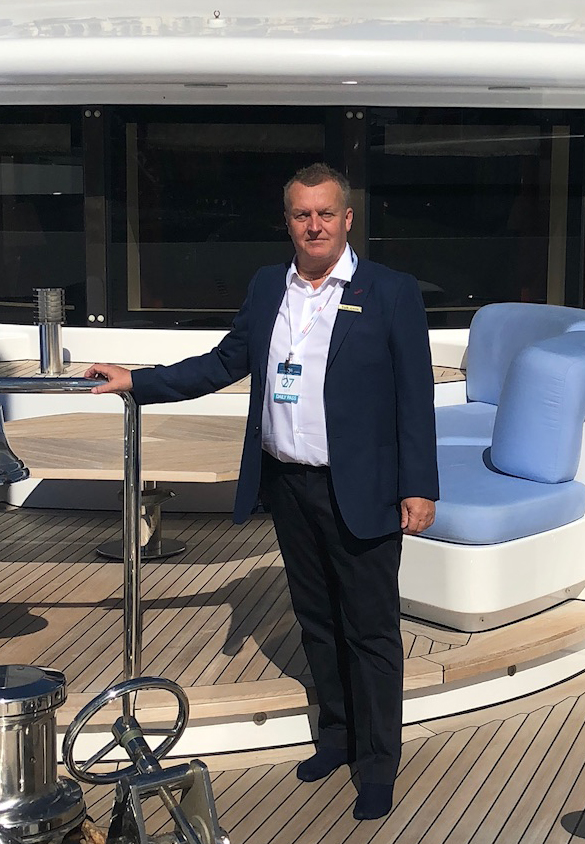
Why We Built 24Synergy — and Why the Magazines Matter

When we started developing 24Synergy, the objective was never simply to build another business directory, advertising website or collection of industry portals. There are already plenty of those, and creating another one would have achieved very little.
The question I kept coming back to was much simpler: **what should 24Synergy actually do for the businesses that use it?**
For me, the answer has always been about creating opportunity through collaboration.
We are constantly told that competition is healthy, and of course it is. Competition drives standards, innovation and better service. But I became interested in a slightly different question. What happens if competitors can also work together?
I don't mean sharing commercially sensitive information or pretending that companies aren't competing for the same customers. I mean recognising that every business already has its own clients, contacts, audience, knowledge and reach. If those individual networks can be connected intelligently, everybody potentially reaches considerably further than they could alone.
That principle became the foundation of 24Synergy.
The network is designed to grow through the businesses using it. Companies introduce their clients and contacts, other businesses do the same, and gradually those separate audiences become part of something much larger. Everybody contributes something to the network and everybody has the opportunity to benefit from the network that results.
There is also a perfectly sensible commercial reason for getting involved early. Your customers are already doing business with other companies and receiving marketing from other suppliers. It therefore makes sense to introduce them to a useful industry network yourself rather than waiting for somebody else to do it first.
That is why I think the early-adopter stage is particularly interesting. I am not going to pretend that a network during its launch period can offer the same volume of activity it should offer when thousands of companies and industry professionals are using it. Networks need people. They need participation and they need time to develop.
But eventually there is a tipping point. More companies join, more buyers arrive, more enquiries circulate, more RFQs are submitted, more people read the newsletters and magazines and more conversations take place through 24live. At that point, the companies that supported the network early aren't arriving and trying to establish themselves in an already busy marketplace. They are already there, with their accounts, listings, content, contacts and presence established.
Some of the mechanisms we have built become much more significant at that stage. Priority access to an RFQ, for example, might seem relatively unimportant when there are only a handful moving through the system. When substantial numbers of genuine opportunities are being generated, seeing something 48 hours before other users can make a considerable difference. The value of the network should therefore increase as the network itself grows.
That same thinking is ultimately what led us to create the magazines.
As 24Synergy developed, I increasingly felt that something was missing. We had created ways for businesses to list themselves, communicate, publish information, distribute newsletters, generate enquiries, respond to opportunities and reach audiences across different specialist sectors, but if we were genuinely trying to build a comprehensive marketing network, those businesses also needed somewhere to advertise.
So we built it.
The 24 Magazines aren't intended to sit separately from 24Synergy. They are another part of the same ecosystem, giving companies another route to market while giving readers useful specialist information in an accessible format. They are global publications, but with regional editions and regional editorial because the businesses and people using 24Synergy are global too.
A company shouldn't be disadvantaged because it happens to be based in Britain, France, the United States, Dubai, Singapore, Spain or somewhere else entirely. Nor should a reader have to wade through endless irrelevant information before finding something applicable to where they live, work, sail, charter, fly or conduct business.
That brings me to something else that is probably worth addressing openly.
Some readers will look through these magazines and ask: **“Have they used AI to produce some of this?”**
The answer is yes.
We have.
There are thousands of pieces of editorial involved across these publications and their regional editions, and it would be rather ridiculous for me to pretend that artificial intelligence hasn't helped us create them. AI exists, it is an extraordinarily useful tool when used properly, and I don't see any reason to hide the fact that we have used it.
What matters to me is **how** we have used it.
We haven't simply asked a machine to fill hundreds of pages with words so that the magazines look busy. We have chosen the subjects we believe are worth covering, identified the questions we think readers actually want answered and, in many cases, started the articles ourselves before using AI to help develop the research, structure and additional information around them.
The objective has always been usefulness.
If you're reading one of our sailing magazines, I want you to discover something that helps you sail, plan a passage, choose equipment, understand a destination or avoid a problem. If you're involved with private aviation, I want the information to answer questions relevant to flying, ownership, charter or operations. If you're in commercial shipping, brokerage, boat building, property, charter or another sector, the same principle applies.
I don't want pages of disposable editorial written simply because a magazine needs another article.
We have tried to identify subjects where somebody would otherwise have to spend time searching around the internet, opening numerous websites and piecing the information together themselves. We can do some of that background work instead, ask the questions and bring the useful information together in one place.
There is an environmental argument for that approach too. Endless searching, loading websites, serving adverts and repeatedly retrieving information all require digital infrastructure and energy. A magazine can be downloaded once, kept and read offline.
I wouldn't pretend that this somehow makes digital publishing impact-free, because it doesn't, but if we can save readers unnecessary searching while creating something useful enough to keep and refer back to, I think that is a better use of the technology available to us.
So yes, some of what you are reading has involved AI, and some of it has involved people. Increasingly it will involve more people as well.
As early adopters, journalists, specialists and other contributors become involved, their voices will naturally become part of these pages. We are also inviting other magazines and media organisations to contribute, which should introduce completely different editorial voices and areas of expertise. They may use AI themselves, of course, and I have no intention of telling another publisher or journalist which tools they are permitted to use.
The test is much simpler than that: **does the article give the reader something worthwhile?**
If it doesn't, it shouldn't be here.
That philosophy also explains something rather unusual we are now introducing. We are going to allow other independent magazines to promote themselves through our magazines.
At first that might sound counter-intuitive. Why would one magazine deliberately introduce its readers to another magazine?
My answer is: why wouldn't we?
If another specialist publication produces good material that our readers would appreciate, discovering it doesn't make our own magazine less useful. Quite the opposite. If we can become somewhere readers come to discover worthwhile information, including information and publications produced by other people, then I think we become more useful.
A participating publication will be able to contribute a genuine editorial article, tell readers where they can find more of its work and promote its magazine within our pages. We can potentially take that relationship considerably further as well. There may be opportunities to work with other publishers commercially, including arrangements where advertising from their own clients can reach our publications and both parties share in the resulting revenue.
Again, it comes back to the original idea behind 24Synergy. Competition doesn't have to prevent collaboration.
The scale of the network comes from the same philosophy. Historically, the industries we have worked with have never existed neatly inside individual boxes. A superyacht depends upon builders, suppliers, engineering companies, crew, brokers, charter businesses, marinas and countless specialist services. Those same owners and clients may use private aviation and own international property. Boat builders need suppliers. Charter companies need customers. Brokers need buyers and sellers. Employers need crew.
Exhibitors need boat shows, and boat shows need exhibitors and visitors.
Commercial ships and cruise ships sit alongside superyachts, motor yachts and sailing yachts. There are crew and employment services, boat and ship builders, ports, yacht services and suppliers, aviation, empty legs, property and specialist luxury markets. Each sector has its own identity, but there are countless points where they intersect.
That is why 24Synergy has become such a large collection of connected websites. It is deliberately not centred on one country or one type of business. A company with branches in several countries can bring those offices together through the same network, while a small specialist supplier can concentrate on the particular market that matters to it. Everything can still be managed centrally through the same account and dashboard.
24live takes that idea in another direction again. I sometimes describe it as sitting somewhere between the professional nature of LinkedIn and the immediacy of a social network such as Facebook, although I don't really want it to become either of those things. The purpose is business.
Members can publish their own material, interact with other users, promote their businesses and place appropriate content across relevant parts of the 24 Network. If somebody wants to be proactive, there is considerable freedom to put themselves in front of the industries they want to reach rather than simply creating a listing and waiting for somebody to find them.
That is an important distinction for me. **24Synergy isn't designed to do your marketing while you sit and watch. It is designed to give you the tools to do considerably more with your marketing yourself.**
There is another, deliberately different part of the ecosystem too.
Within the superyacht sector, 1UK.com is being developed around recognition rather than conventional paid placement. Companies cannot simply buy their way into recognition. They can request consideration, but that request can be declined. As the concept develops, I want appropriate industry leaders themselves to help determine the standards that businesses should achieve to be recognised at different levels.
That connects directly with where I would like 24Synergy itself eventually to go.
The intention is for 24Synergy to develop into a cooperative structure with industry leaders and board members helping to determine its future direction. The industry changes constantly, and the technology serving it needs to change with it. Electric propulsion is an obvious example today, but tomorrow there will be something else. The people actually working within these sectors will often identify what is needed long before a software developer sitting outside the industry ever could.
We have built the infrastructure, but I don't believe that means we should dictate indefinitely what it becomes. I would much rather create a structure where the people using the network have a meaningful voice in deciding which features should be developed next and where the network should go as their industries evolve.
There is a personal reason behind all of this as well.
I've always enjoyed helping businesses develop. I enjoy looking at a new company, understanding what it is trying to achieve and asking what could be done differently. Sometimes it is marketing, sometimes positioning, sometimes making an introduction or simply giving somebody the confidence and advice they need when they're trying to get something started.
I suppose 24Synergy is my attempt to do that on a much larger scale.
Rather than helping one company find another route to market, we have tried to build the infrastructure through which thousands of businesses can create those routes for themselves and for each other. It gives a small specialist company access to many of the same marketing mechanisms available to a much larger international organisation, while allowing a multinational business to connect offices, people and sectors through one global hub.
And that is probably the simplest answer to the question I started with: **what is 24Synergy actually for?**
It is there to create connections and opportunities that would otherwise be harder to create individually. The websites, magazines, newsletters, RFQs, publishing tools, 24live and everything else we develop are simply different ways of achieving that.
We've done the difficult part of bringing that infrastructure together. Now I want businesses to use it, challenge it and help us improve it. I want people to tell us what works, what doesn't and what their particular part of the industry needs next. As more businesses participate, the network should become more useful to everybody already inside it.
We have built 24Synergy, but I don't want it to feel as though it belongs to a small team sitting somewhere deciding what everybody else needs.
**We've built it for you. Now make use of it, make it work for your business, and help us decide what it becomes next.**
**Paul Thompson** *Editor*
Contributor: Paul Thompson / 24Synergy

Be the first reader to react to this article.
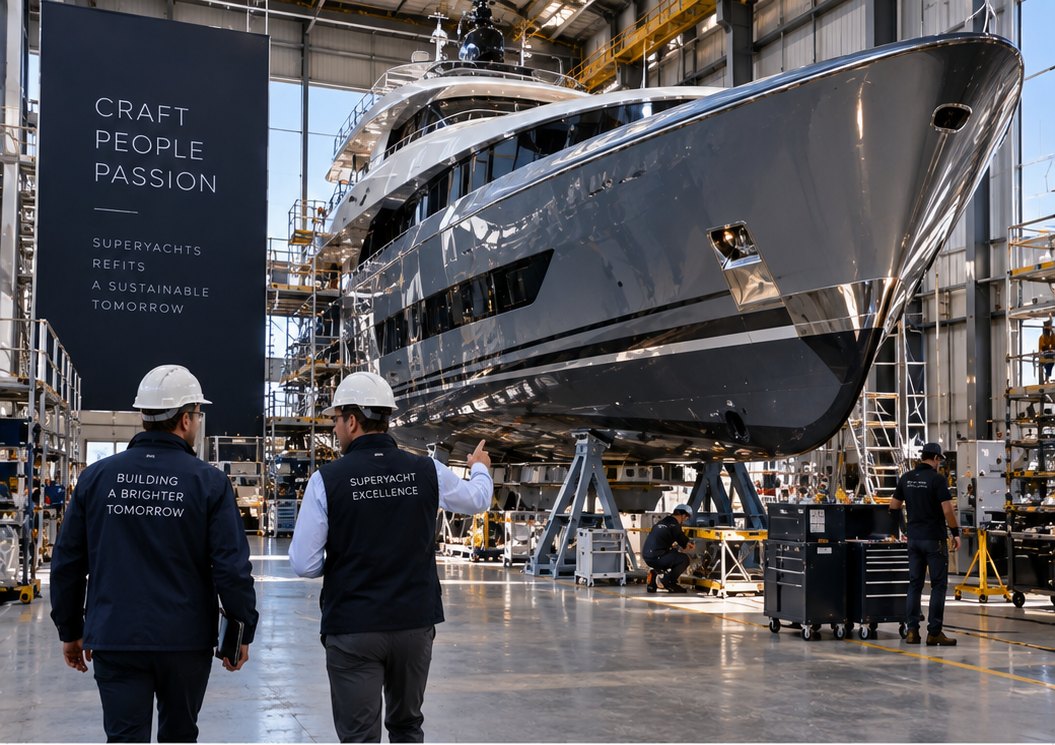
For anyone looking at sailing holidays: buying used: the checks that matter before money changes hands, the first job is not to decide what looks best.
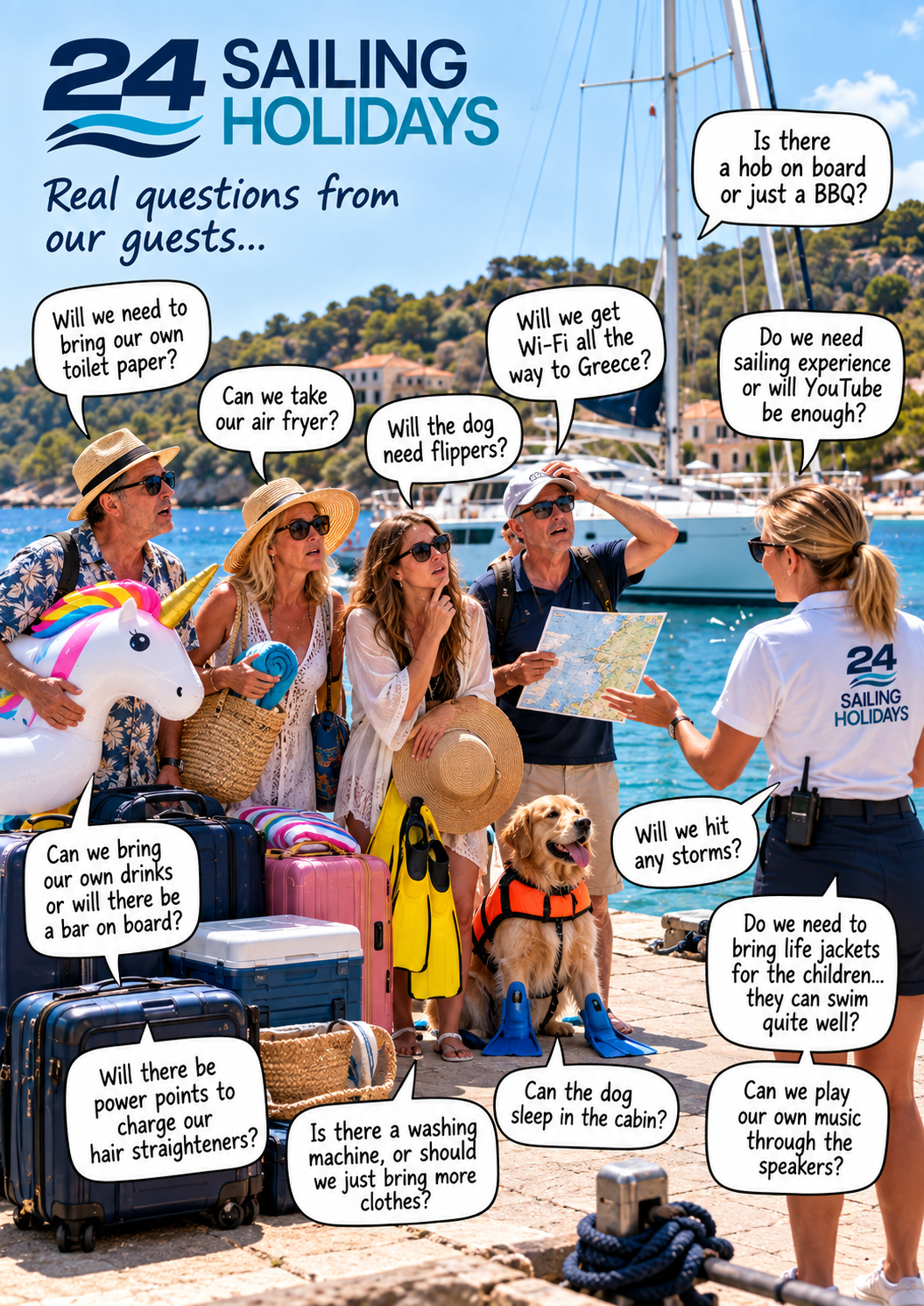
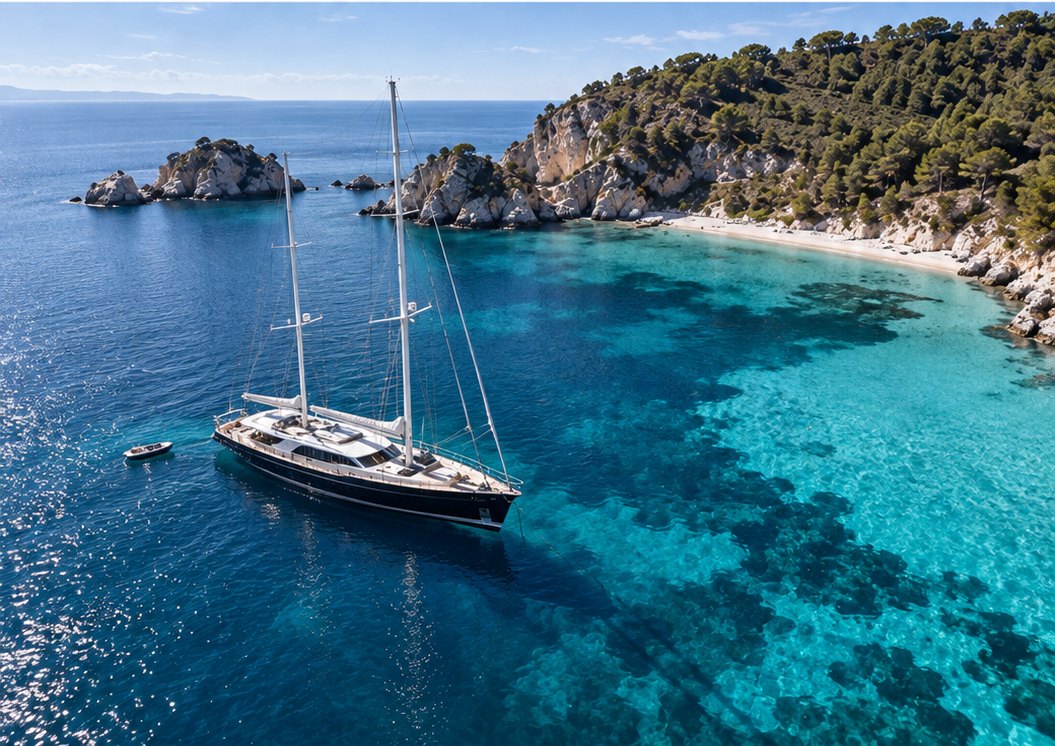
For anyone looking at sailing holidays: buying used: the checks that matter before money changes hands, the first job is not to decide what looks best. It is to establish what problem actually needs solving.
Cost also needs to be separated into purchase cost and ownership cost. The second figure is usually less visible. Consumables, routine servicing, insurance, finance, berthing or storage, professional fees, software subscriptions, inspections and eventual replacement items can materially change the economics. A useful quotation is therefore one that makes exclusions obvious.
If a supplier cannot explain what normally falls outside the quoted figure, ask for that clarification before treating two prices as comparable.
After-sales support can be more important than the original specification. A component that is excellent on paper is less attractive if parts take months to arrive or there is no competent service agent where the equipment will be used. The same applies to software-led products: ownership now includes updates, access rights, data and sometimes recurring subscriptions. Find out who supports the system, for how long, and what happens if the original supplier changes hands.
Timing matters. Buying or commissioning under deadline pressure weakens the buyer's position because there is less time to inspect, compare and walk away. Where possible, build the timetable backwards from the date the asset or service is genuinely required. Include survey or inspection time, corrections, training, delivery and a contingency. A realistic programme often reveals that the cheapest-looking option is not the one with the lowest overall cost.
The starting point is use. In sailing holidays, flotillas, bareboat charter and destinations, two apparently similar products or services can be right for completely different owners because their operating pattern is different. Frequency of use, geography, crew or staffing, storage, servicing access and the length of time you expect to keep the asset all change the answer. Before comparing brands or quotations, write down those constraints.
It sounds basic, but it prevents a specification being chosen for a lifestyle that exists only in the sales material.
Technical claims deserve context. Range, output, capacity, speed, efficiency and performance figures are normally produced under stated conditions. Real use adds weather, load, temperature, fouling, route, operator behaviour and reserve margins. Rather than arguing over a headline number, ask what assumptions sit behind it and what happens when those assumptions change. That produces a much more useful comparison.

Sustainability claims are increasingly part of the decision as well. The useful question is not whether a product is described as green, but what has actually changed: energy use, fuel consumption, material choice, repairability, service life, emissions, waste or end-of-life handling. Improvements in one area can create compromises in another. Evidence and measured performance are more valuable than broad environmental language.
Finally, insist on a proper handover. Familiarisation, emergency procedures, maintenance intervals, passwords, spare parts, warranty contacts and operating limitations should all be understood before the supplier disappears over the horizon. A surprising number of early problems are not failures at all but gaps in handover. Thirty minutes spent recording the right information can save days later.
My own shorthand for sailing holidays: buying used: the checks that matter before money changes hands is simple: verify the condition, verify the paperwork, understand the support network and calculate the cost on a realistic pattern of use. If any one of those four is unclear, there is still work to do before committing.


When money is about to change hands, the sequence matters. Establish identity and authority to sell, agree exactly what is included, record known defects and make any deposit terms clear. Where a survey, valuation or finance approval is part of the transaction, the contract should reflect that process rather than relying on a verbal understanding. Buyers should also know when risk and title transfer, particularly if the asset is moving between jurisdictions.
Market value is evidence, not aspiration. Advertised prices show what sellers hope to achieve; completed transactions, condition, specification, location and time on market give a better picture. A well-presented example can deserve a premium, but a premium still needs a reason. The strongest negotiating position comes from knowing which defects are merely cosmetic, which affect usability and which could lead to immediate capital expenditure.
The practical test for sailing holidays, flotillas, bareboat charter and destinations is whether the decision still makes sense when circumstances are less than ideal. Weather changes, schedules move, components fail and people use equipment differently from the designer's neat assumptions. Building a little resilience into the choice usually costs less than trying to recover it afterwards.
None of this makes the decision difficult. It simply moves attention from presentation to evidence, which is usually where the better value sits.
Contributor: Paul Thompson / Editorial / 24SailingHoliday
Be the first reader to react to this article.
I have always found that the useful part of sailing holidays, flotillas, bareboat charter and destinations starts once the brochure language has been stripped away.
I have always found that the useful part of sailing holidays, flotillas, bareboat charter and destinations starts once the brochure language has been stripped away.
Documentation is another practical test. Service records, manuals, certificates, invoices, warranties, software licences and evidence of previous work are not administrative clutter; they are part of the asset. Good records make troubleshooting easier and can support resale. Missing records do not automatically mean there is a problem, but they increase uncertainty, and uncertainty should be reflected in the questions asked, the inspection undertaken and sometimes the price.
Risk is best dealt with before commitment. That means independent inspection where appropriate, clear written scope, confirmation of insurance implications and an agreed process for defects or incomplete work. In higher-value transactions, legal, tax and regulatory advice should come from qualified advisers in the relevant jurisdiction. The purpose is not to make every transaction defensive; it is to stop assumptions becoming expensive surprises.
Resale should be considered even by people who intend to keep something for years. Highly personal specifications can be perfectly sensible, but buyers should understand the trade-off. Widely supported equipment, sensible layouts, complete records and recognised maintenance tend to be easier for the next owner to understand. The objective is not to design everything for an unknown future buyer; it is simply to avoid destroying flexibility without a good reason.
Cost also needs to be separated into purchase cost and ownership cost. The second figure is usually less visible. Consumables, routine servicing, insurance, finance, berthing or storage, professional fees, software subscriptions, inspections and eventual replacement items can materially change the economics. A useful quotation is therefore one that makes exclusions obvious.
If a supplier cannot explain what normally falls outside the quoted figure, ask for that clarification before treating two prices as comparable.
After-sales support can be more important than the original specification. A component that is excellent on paper is less attractive if parts take months to arrive or there is no competent service agent where the equipment will be used. The same applies to software-led products: ownership now includes updates, access rights, data and sometimes recurring subscriptions. Find out who supports the system, for how long, and what happens if the original supplier changes hands.
Timing matters. Buying or commissioning under deadline pressure weakens the buyer's position because there is less time to inspect, compare and walk away. Where possible, build the timetable backwards from the date the asset or service is genuinely required. Include survey or inspection time, corrections, training, delivery and a contingency. A realistic programme often reveals that the cheapest-looking option is not the one with the lowest overall cost.
The starting point is use. In sailing holidays, flotillas, bareboat charter and destinations, two apparently similar products or services can be right for completely different owners because their operating pattern is different. Frequency of use, geography, crew or staffing, storage, servicing access and the length of time you expect to keep the asset all change the answer. Before comparing brands or quotations, write down those constraints.
It sounds basic, but it prevents a specification being chosen for a lifestyle that exists only in the sales material.
When money is about to change hands, the sequence matters. Establish identity and authority to sell, agree exactly what is included, record known defects and make any deposit terms clear. Where a survey, valuation or finance approval is part of the transaction, the contract should reflect that process rather than relying on a verbal understanding. Buyers should also know when risk and title transfer, particularly if the asset is moving between jurisdictions.
Market value is evidence, not aspiration. Advertised prices show what sellers hope to achieve; completed transactions, condition, specification, location and time on market give a better picture. A well-presented example can deserve a premium, but a premium still needs a reason. The strongest negotiating position comes from knowing which defects are merely cosmetic, which affect usability and which could lead to immediate capital expenditure.
The practical test for sailing holidays, flotillas, bareboat charter and destinations is whether the decision still makes sense when circumstances are less than ideal. Weather changes, schedules move, components fail and people use equipment differently from the designer's neat assumptions. Building a little resilience into the choice usually costs less than trying to recover it afterwards.
The sensible approach is therefore quite conventional: define the job, verify the evidence, price the whole commitment and keep enough margin for the things that never appear in the brochure.
Contributor: Paul Thompson / Editorial / 24SailingHoliday

Be the first reader to react to this article.

One of the easiest mistakes in sailing holidays, flotillas, bareboat charter and destinations is to concentrate on the headline and leave the awkward questions until later.
One of the easiest mistakes in sailing holidays, flotillas, bareboat charter and destinations is to concentrate on the headline and leave the awkward questions until later.
Finally, insist on a proper handover. Familiarisation, emergency procedures, maintenance intervals, passwords, spare parts, warranty contacts and operating limitations should all be understood before the supplier disappears over the horizon. A surprising number of early problems are not failures at all but gaps in handover. Thirty minutes spent recording the right information can save days later.
Documentation is another practical test. Service records, manuals, certificates, invoices, warranties, software licences and evidence of previous work are not administrative clutter; they are part of the asset. Good records make troubleshooting easier and can support resale. Missing records do not automatically mean there is a problem, but they increase uncertainty, and uncertainty should be reflected in the questions asked, the inspection undertaken and sometimes the price.
Risk is best dealt with before commitment. That means independent inspection where appropriate, clear written scope, confirmation of insurance implications and an agreed process for defects or incomplete work. In higher-value transactions, legal, tax and regulatory advice should come from qualified advisers in the relevant jurisdiction. The purpose is not to make every transaction defensive; it is to stop assumptions becoming expensive surprises.
Resale should be considered even by people who intend to keep something for years. Highly personal specifications can be perfectly sensible, but buyers should understand the trade-off. Widely supported equipment, sensible layouts, complete records and recognised maintenance tend to be easier for the next owner to understand. The objective is not to design everything for an unknown future buyer; it is simply to avoid destroying flexibility without a good reason.
Cost also needs to be separated into purchase cost and ownership cost. The second figure is usually less visible. Consumables, routine servicing, insurance, finance, berthing or storage, professional fees, software subscriptions, inspections and eventual replacement items can materially change the economics. A useful quotation is therefore one that makes exclusions obvious.
If a supplier cannot explain what normally falls outside the quoted figure, ask for that clarification before treating two prices as comparable.
After-sales support can be more important than the original specification. A component that is excellent on paper is less attractive if parts take months to arrive or there is no competent service agent where the equipment will be used. The same applies to software-led products: ownership now includes updates, access rights, data and sometimes recurring subscriptions. Find out who supports the system, for how long, and what happens if the original supplier changes hands.
Timing matters. Buying or commissioning under deadline pressure weakens the buyer's position because there is less time to inspect, compare and walk away. Where possible, build the timetable backwards from the date the asset or service is genuinely required. Include survey or inspection time, corrections, training, delivery and a contingency. A realistic programme often reveals that the cheapest-looking option is not the one with the lowest overall cost.
My own shorthand for choosing sailing holidays suppliers: why response time can matter as much as price is simple: verify the condition, verify the paperwork, understand the support network and calculate the cost on a realistic pattern of use. If any one of those four is unclear, there is still work to do before committing.

When money is about to change hands, the sequence matters. Establish identity and authority to sell, agree exactly what is included, record known defects and make any deposit terms clear. Where a survey, valuation or finance approval is part of the transaction, the contract should reflect that process rather than relying on a verbal understanding. Buyers should also know when risk and title transfer, particularly if the asset is moving between jurisdictions.
Market value is evidence, not aspiration. Advertised prices show what sellers hope to achieve; completed transactions, condition, specification, location and time on market give a better picture. A well-presented example can deserve a premium, but a premium still needs a reason. The strongest negotiating position comes from knowing which defects are merely cosmetic, which affect usability and which could lead to immediate capital expenditure.
The practical test for sailing holidays, flotillas, bareboat charter and destinations is whether the decision still makes sense when circumstances are less than ideal. Weather changes, schedules move, components fail and people use equipment differently from the designer's neat assumptions. Building a little resilience into the choice usually costs less than trying to recover it afterwards.
That is the point worth carrying into the next conversation with a broker, builder, supplier or adviser: ask what the choice will be like to own and operate, not merely what it is like to buy.
Contributor: Paul Thompson / Editorial / 24SailingHoliday
Be the first reader to react to this article.
One of the easiest mistakes in sailing holidays, flotillas, bareboat charter and destinations is to concentrate on the headline and leave the awkward questions until later.
One of the easiest mistakes in sailing holidays, flotillas, bareboat charter and destinations is to concentrate on the headline and leave the awkward questions until later.
Technical claims deserve context. Range, output, capacity, speed, efficiency and performance figures are normally produced under stated conditions. Real use adds weather, load, temperature, fouling, route, operator behaviour and reserve margins. Rather than arguing over a headline number, ask what assumptions sit behind it and what happens when those assumptions change. That produces a much more useful comparison.
Sustainability claims are increasingly part of the decision as well. The useful question is not whether a product is described as green, but what has actually changed: energy use, fuel consumption, material choice, repairability, service life, emissions, waste or end-of-life handling. Improvements in one area can create compromises in another. Evidence and measured performance are more valuable than broad environmental language.
Finally, insist on a proper handover. Familiarisation, emergency procedures, maintenance intervals, passwords, spare parts, warranty contacts and operating limitations should all be understood before the supplier disappears over the horizon. A surprising number of early problems are not failures at all but gaps in handover. Thirty minutes spent recording the right information can save days later.
Documentation is another practical test. Service records, manuals, certificates, invoices, warranties, software licences and evidence of previous work are not administrative clutter; they are part of the asset. Good records make troubleshooting easier and can support resale. Missing records do not automatically mean there is a problem, but they increase uncertainty, and uncertainty should be reflected in the questions asked, the inspection undertaken and sometimes the price.
Risk is best dealt with before commitment. That means independent inspection where appropriate, clear written scope, confirmation of insurance implications and an agreed process for defects or incomplete work. In higher-value transactions, legal, tax and regulatory advice should come from qualified advisers in the relevant jurisdiction. The purpose is not to make every transaction defensive; it is to stop assumptions becoming expensive surprises.
Resale should be considered even by people who intend to keep something for years. Highly personal specifications can be perfectly sensible, but buyers should understand the trade-off. Widely supported equipment, sensible layouts, complete records and recognised maintenance tend to be easier for the next owner to understand. The objective is not to design everything for an unknown future buyer; it is simply to avoid destroying flexibility without a good reason.
Cost also needs to be separated into purchase cost and ownership cost. The second figure is usually less visible. Consumables, routine servicing, insurance, finance, berthing or storage, professional fees, software subscriptions, inspections and eventual replacement items can materially change the economics. A useful quotation is therefore one that makes exclusions obvious.
If a supplier cannot explain what normally falls outside the quoted figure, ask for that clarification before treating two prices as comparable.
Comparison becomes easier if every contender is put through the same questions. Ask for the same operating assumptions, the same delivery point, the same warranty period and the same list of included equipment or services. That turns a collection of sales conversations into something closer to a procurement exercise and exposes the areas where one quotation has quietly omitted an expensive item.
References are useful when they are relevant. A supplier's biggest or most prestigious project may tell you very little about how it handles an ordinary job in your region. Ask instead for examples with a similar scale, operating pattern and timetable. The most useful reference is often the customer who has lived with the product for two or three years and has already needed after-sales support.
The practical test for sailing holidays, flotillas, bareboat charter and destinations is whether the decision still makes sense when circumstances are less than ideal. Weather changes, schedules move, components fail and people use equipment differently from the designer's neat assumptions. Building a little resilience into the choice usually costs less than trying to recover it afterwards.
A measured decision now generally costs less than correcting an enthusiastic one later.
Contributor: Paul Thompson / Editorial / 24SailingHoliday

Be the first reader to react to this article.
One of the easiest mistakes in sailing holidays, flotillas, bareboat charter and destinations is to concentrate on the headline and leave the awkward questions until later.
One of the easiest mistakes in sailing holidays, flotillas, bareboat charter and destinations is to concentrate on the headline and leave the awkward questions until later.
After-sales support can be more important than the original specification. A component that is excellent on paper is less attractive if parts take months to arrive or there is no competent service agent where the equipment will be used. The same applies to software-led products: ownership now includes updates, access rights, data and sometimes recurring subscriptions. Find out who supports the system, for how long, and what happens if the original supplier changes hands.
Timing matters. Buying or commissioning under deadline pressure weakens the buyer's position because there is less time to inspect, compare and walk away. Where possible, build the timetable backwards from the date the asset or service is genuinely required. Include survey or inspection time, corrections, training, delivery and a contingency. A realistic programme often reveals that the cheapest-looking option is not the one with the lowest overall cost.
The starting point is use. In sailing holidays, flotillas, bareboat charter and destinations, two apparently similar products or services can be right for completely different owners because their operating pattern is different. Frequency of use, geography, crew or staffing, storage, servicing access and the length of time you expect to keep the asset all change the answer. Before comparing brands or quotations, write down those constraints.
It sounds basic, but it prevents a specification being chosen for a lifestyle that exists only in the sales material.
Technical claims deserve context. Range, output, capacity, speed, efficiency and performance figures are normally produced under stated conditions. Real use adds weather, load, temperature, fouling, route, operator behaviour and reserve margins. Rather than arguing over a headline number, ask what assumptions sit behind it and what happens when those assumptions change. That produces a much more useful comparison.
Sustainability claims are increasingly part of the decision as well. The useful question is not whether a product is described as green, but what has actually changed: energy use, fuel consumption, material choice, repairability, service life, emissions, waste or end-of-life handling. Improvements in one area can create compromises in another. Evidence and measured performance are more valuable than broad environmental language.
Finally, insist on a proper handover. Familiarisation, emergency procedures, maintenance intervals, passwords, spare parts, warranty contacts and operating limitations should all be understood before the supplier disappears over the horizon. A surprising number of early problems are not failures at all but gaps in handover. Thirty minutes spent recording the right information can save days later.
Documentation is another practical test. Service records, manuals, certificates, invoices, warranties, software licences and evidence of previous work are not administrative clutter; they are part of the asset. Good records make troubleshooting easier and can support resale. Missing records do not automatically mean there is a problem, but they increase uncertainty, and uncertainty should be reflected in the questions asked, the inspection undertaken and sometimes the price.
When money is about to change hands, the sequence matters. Establish identity and authority to sell, agree exactly what is included, record known defects and make any deposit terms clear. Where a survey, valuation or finance approval is part of the transaction, the contract should reflect that process rather than relying on a verbal understanding. Buyers should also know when risk and title transfer, particularly if the asset is moving between jurisdictions.
Market value is evidence, not aspiration. Advertised prices show what sellers hope to achieve; completed transactions, condition, specification, location and time on market give a better picture. A well-presented example can deserve a premium, but a premium still needs a reason. The strongest negotiating position comes from knowing which defects are merely cosmetic, which affect usability and which could lead to immediate capital expenditure.
The practical test for sailing holidays, flotillas, bareboat charter and destinations is whether the decision still makes sense when circumstances are less than ideal. Weather changes, schedules move, components fail and people use equipment differently from the designer's neat assumptions. Building a little resilience into the choice usually costs less than trying to recover it afterwards.
That is the point worth carrying into the next conversation with a broker, builder, supplier or adviser: ask what the choice will be like to own and operate, not merely what it is like to buy.
Contributor: Paul Thompson / Editorial / 24SailingHoliday

Be the first reader to react to this article.
The conversation around insurance questions worth answering before you commit has moved quickly this year, yet the practical decision is still built on fairly ordinary questions.

The conversation around insurance questions worth answering before you commit has moved quickly this year, yet the practical decision is still built on fairly ordinary questions.
Risk is best dealt with before commitment. That means independent inspection where appropriate, clear written scope, confirmation of insurance implications and an agreed process for defects or incomplete work. In higher-value transactions, legal, tax and regulatory advice should come from qualified advisers in the relevant jurisdiction. The purpose is not to make every transaction defensive; it is to stop assumptions becoming expensive surprises.
Resale should be considered even by people who intend to keep something for years. Highly personal specifications can be perfectly sensible, but buyers should understand the trade-off. Widely supported equipment, sensible layouts, complete records and recognised maintenance tend to be easier for the next owner to understand. The objective is not to design everything for an unknown future buyer; it is simply to avoid destroying flexibility without a good reason.
Cost also needs to be separated into purchase cost and ownership cost. The second figure is usually less visible. Consumables, routine servicing, insurance, finance, berthing or storage, professional fees, software subscriptions, inspections and eventual replacement items can materially change the economics. A useful quotation is therefore one that makes exclusions obvious.
If a supplier cannot explain what normally falls outside the quoted figure, ask for that clarification before treating two prices as comparable.
After-sales support can be more important than the original specification. A component that is excellent on paper is less attractive if parts take months to arrive or there is no competent service agent where the equipment will be used. The same applies to software-led products: ownership now includes updates, access rights, data and sometimes recurring subscriptions. Find out who supports the system, for how long, and what happens if the original supplier changes hands.
Timing matters. Buying or commissioning under deadline pressure weakens the buyer's position because there is less time to inspect, compare and walk away. Where possible, build the timetable backwards from the date the asset or service is genuinely required. Include survey or inspection time, corrections, training, delivery and a contingency. A realistic programme often reveals that the cheapest-looking option is not the one with the lowest overall cost.
The starting point is use. In sailing holidays, flotillas, bareboat charter and destinations, two apparently similar products or services can be right for completely different owners because their operating pattern is different. Frequency of use, geography, crew or staffing, storage, servicing access and the length of time you expect to keep the asset all change the answer. Before comparing brands or quotations, write down those constraints.
It sounds basic, but it prevents a specification being chosen for a lifestyle that exists only in the sales material.
Technical claims deserve context. Range, output, capacity, speed, efficiency and performance figures are normally produced under stated conditions. Real use adds weather, load, temperature, fouling, route, operator behaviour and reserve margins. Rather than arguing over a headline number, ask what assumptions sit behind it and what happens when those assumptions change. That produces a much more useful comparison.
My own shorthand for insurance questions worth answering before you commit is simple: verify the condition, verify the paperwork, understand the support network and calculate the cost on a realistic pattern of use. If any one of those four is unclear, there is still work to do before committing.
Comparison becomes easier if every contender is put through the same questions. Ask for the same operating assumptions, the same delivery point, the same warranty period and the same list of included equipment or services. That turns a collection of sales conversations into something closer to a procurement exercise and exposes the areas where one quotation has quietly omitted an expensive item.
References are useful when they are relevant. A supplier's biggest or most prestigious project may tell you very little about how it handles an ordinary job in your region. Ask instead for examples with a similar scale, operating pattern and timetable. The most useful reference is often the customer who has lived with the product for two or three years and has already needed after-sales support.
The practical test for sailing holidays, flotillas, bareboat charter and destinations is whether the decision still makes sense when circumstances are less than ideal. Weather changes, schedules move, components fail and people use equipment differently from the designer's neat assumptions. Building a little resilience into the choice usually costs less than trying to recover it afterwards.
The best outcome is not necessarily the newest or most sophisticated option. It is the one that remains practical after the first season, the first service bill and the first change of plan.
Contributor: Paul Thompson / Editorial / 24SailingHoliday
Be the first reader to react to this article.
One of the easiest mistakes in sailing holidays, flotillas, bareboat charter and destinations is to concentrate on the headline and leave the awkward questions until later.

One of the easiest mistakes in sailing holidays, flotillas, bareboat charter and destinations is to concentrate on the headline and leave the awkward questions until later.
Sustainability claims are increasingly part of the decision as well. The useful question is not whether a product is described as green, but what has actually changed: energy use, fuel consumption, material choice, repairability, service life, emissions, waste or end-of-life handling. Improvements in one area can create compromises in another. Evidence and measured performance are more valuable than broad environmental language.
Finally, insist on a proper handover. Familiarisation, emergency procedures, maintenance intervals, passwords, spare parts, warranty contacts and operating limitations should all be understood before the supplier disappears over the horizon. A surprising number of early problems are not failures at all but gaps in handover. Thirty minutes spent recording the right information can save days later.
Documentation is another practical test. Service records, manuals, certificates, invoices, warranties, software licences and evidence of previous work are not administrative clutter; they are part of the asset. Good records make troubleshooting easier and can support resale. Missing records do not automatically mean there is a problem, but they increase uncertainty, and uncertainty should be reflected in the questions asked, the inspection undertaken and sometimes the price.
Risk is best dealt with before commitment. That means independent inspection where appropriate, clear written scope, confirmation of insurance implications and an agreed process for defects or incomplete work. In higher-value transactions, legal, tax and regulatory advice should come from qualified advisers in the relevant jurisdiction. The purpose is not to make every transaction defensive; it is to stop assumptions becoming expensive surprises.
Resale should be considered even by people who intend to keep something for years. Highly personal specifications can be perfectly sensible, but buyers should understand the trade-off. Widely supported equipment, sensible layouts, complete records and recognised maintenance tend to be easier for the next owner to understand. The objective is not to design everything for an unknown future buyer; it is simply to avoid destroying flexibility without a good reason.
Cost also needs to be separated into purchase cost and ownership cost. The second figure is usually less visible. Consumables, routine servicing, insurance, finance, berthing or storage, professional fees, software subscriptions, inspections and eventual replacement items can materially change the economics. A useful quotation is therefore one that makes exclusions obvious.
If a supplier cannot explain what normally falls outside the quoted figure, ask for that clarification before treating two prices as comparable.
After-sales support can be more important than the original specification. A component that is excellent on paper is less attractive if parts take months to arrive or there is no competent service agent where the equipment will be used. The same applies to software-led products: ownership now includes updates, access rights, data and sometimes recurring subscriptions. Find out who supports the system, for how long, and what happens if the original supplier changes hands.
Preventive work is most effective when it is recorded rather than remembered. A simple calendar of hours, dates, consumables, inspections and recurring tasks gives owners and managers an early warning before maintenance becomes urgent. It also allows jobs to be grouped sensibly, reducing repeated access costs and downtime. The discipline is not glamorous, but it is one of the clearest ways to protect reliability.
Scope control matters on any refit or repair. Once equipment is opened up, additional work is common, so the original quotation should distinguish fixed items, provisional sums and work that requires further authorisation. Photographing condition before and after the job and retaining replaced-part details can prevent disputes and gives the next technician a useful history.
The practical test for sailing holidays, flotillas, bareboat charter and destinations is whether the decision still makes sense when circumstances are less than ideal. Weather changes, schedules move, components fail and people use equipment differently from the designer's neat assumptions. Building a little resilience into the choice usually costs less than trying to recover it afterwards.
The sensible approach is therefore quite conventional: define the job, verify the evidence, price the whole commitment and keep enough margin for the things that never appear in the brochure.
Contributor: Paul Thompson / Editorial / 24SailingHoliday
Be the first reader to react to this article.
I have always found that the useful part of sailing holidays, flotillas, bareboat charter and destinations starts once the brochure language has been stripped away.
I have always found that the useful part of sailing holidays, flotillas, bareboat charter and destinations starts once the brochure language has been stripped away.
Timing matters. Buying or commissioning under deadline pressure weakens the buyer's position because there is less time to inspect, compare and walk away. Where possible, build the timetable backwards from the date the asset or service is genuinely required. Include survey or inspection time, corrections, training, delivery and a contingency. A realistic programme often reveals that the cheapest-looking option is not the one with the lowest overall cost.
The starting point is use. In sailing holidays, flotillas, bareboat charter and destinations, two apparently similar products or services can be right for completely different owners because their operating pattern is different. Frequency of use, geography, crew or staffing, storage, servicing access and the length of time you expect to keep the asset all change the answer. Before comparing brands or quotations, write down those constraints.
It sounds basic, but it prevents a specification being chosen for a lifestyle that exists only in the sales material.
Technical claims deserve context. Range, output, capacity, speed, efficiency and performance figures are normally produced under stated conditions. Real use adds weather, load, temperature, fouling, route, operator behaviour and reserve margins. Rather than arguing over a headline number, ask what assumptions sit behind it and what happens when those assumptions change. That produces a much more useful comparison.
Sustainability claims are increasingly part of the decision as well. The useful question is not whether a product is described as green, but what has actually changed: energy use, fuel consumption, material choice, repairability, service life, emissions, waste or end-of-life handling. Improvements in one area can create compromises in another. Evidence and measured performance are more valuable than broad environmental language.
Finally, insist on a proper handover. Familiarisation, emergency procedures, maintenance intervals, passwords, spare parts, warranty contacts and operating limitations should all be understood before the supplier disappears over the horizon. A surprising number of early problems are not failures at all but gaps in handover. Thirty minutes spent recording the right information can save days later.
Documentation is another practical test. Service records, manuals, certificates, invoices, warranties, software licences and evidence of previous work are not administrative clutter; they are part of the asset. Good records make troubleshooting easier and can support resale. Missing records do not automatically mean there is a problem, but they increase uncertainty, and uncertainty should be reflected in the questions asked, the inspection undertaken and sometimes the price.
Risk is best dealt with before commitment. That means independent inspection where appropriate, clear written scope, confirmation of insurance implications and an agreed process for defects or incomplete work. In higher-value transactions, legal, tax and regulatory advice should come from qualified advisers in the relevant jurisdiction. The purpose is not to make every transaction defensive; it is to stop assumptions becoming expensive surprises.
Connected equipment creates a second maintenance schedule: passwords, access permissions, firmware, backups and subscriptions. Owners should know which systems can be updated remotely, which data leaves the asset and whether loss of an online service affects core operation. A paper or offline record of critical settings is still useful when the problem being diagnosed is the network itself.
Cybersecurity does not need to become a specialist exercise for every user. Basic separation of guest and operational networks, unique credentials, prompt updates and controlled administrator access remove a large proportion of avoidable risk. The more important question for a supplier is whether security has been designed into the product and whether updates will continue throughout its realistic service life.
The practical test for sailing holidays, flotillas, bareboat charter and destinations is whether the decision still makes sense when circumstances are less than ideal. Weather changes, schedules move, components fail and people use equipment differently from the designer's neat assumptions. Building a little resilience into the choice usually costs less than trying to recover it afterwards.
The sensible approach is therefore quite conventional: define the job, verify the evidence, price the whole commitment and keep enough margin for the things that never appear in the brochure.
Contributor: Paul Thompson / Editorial / 24SailingHoliday

Be the first reader to react to this article.
One of the easiest mistakes in sailing holidays, flotillas, bareboat charter and destinations is to concentrate on the headline and leave the awkward questions until later.
One of the easiest mistakes in sailing holidays, flotillas, bareboat charter and destinations is to concentrate on the headline and leave the awkward questions until later.
Resale should be considered even by people who intend to keep something for years. Highly personal specifications can be perfectly sensible, but buyers should understand the trade-off. Widely supported equipment, sensible layouts, complete records and recognised maintenance tend to be easier for the next owner to understand. The objective is not to design everything for an unknown future buyer; it is simply to avoid destroying flexibility without a good reason.
Cost also needs to be separated into purchase cost and ownership cost. The second figure is usually less visible. Consumables, routine servicing, insurance, finance, berthing or storage, professional fees, software subscriptions, inspections and eventual replacement items can materially change the economics. A useful quotation is therefore one that makes exclusions obvious.
If a supplier cannot explain what normally falls outside the quoted figure, ask for that clarification before treating two prices as comparable.
After-sales support can be more important than the original specification. A component that is excellent on paper is less attractive if parts take months to arrive or there is no competent service agent where the equipment will be used. The same applies to software-led products: ownership now includes updates, access rights, data and sometimes recurring subscriptions. Find out who supports the system, for how long, and what happens if the original supplier changes hands.
Timing matters. Buying or commissioning under deadline pressure weakens the buyer's position because there is less time to inspect, compare and walk away. Where possible, build the timetable backwards from the date the asset or service is genuinely required. Include survey or inspection time, corrections, training, delivery and a contingency. A realistic programme often reveals that the cheapest-looking option is not the one with the lowest overall cost.
The starting point is use. In sailing holidays, flotillas, bareboat charter and destinations, two apparently similar products or services can be right for completely different owners because their operating pattern is different. Frequency of use, geography, crew or staffing, storage, servicing access and the length of time you expect to keep the asset all change the answer. Before comparing brands or quotations, write down those constraints.
It sounds basic, but it prevents a specification being chosen for a lifestyle that exists only in the sales material.
Technical claims deserve context. Range, output, capacity, speed, efficiency and performance figures are normally produced under stated conditions. Real use adds weather, load, temperature, fouling, route, operator behaviour and reserve margins. Rather than arguing over a headline number, ask what assumptions sit behind it and what happens when those assumptions change. That produces a much more useful comparison.
Sustainability claims are increasingly part of the decision as well. The useful question is not whether a product is described as green, but what has actually changed: energy use, fuel consumption, material choice, repairability, service life, emissions, waste or end-of-life handling. Improvements in one area can create compromises in another. Evidence and measured performance are more valuable than broad environmental language.
Energy decisions need a duty-cycle calculation. Average use is less important than the difficult day: the longest passage, the coldest morning, the heaviest load, the remote berth or the turnaround with the least charging time. Design around that case with a sensible reserve and the everyday operation normally becomes straightforward. Design around the brochure average and the owner may spend years managing around the system.
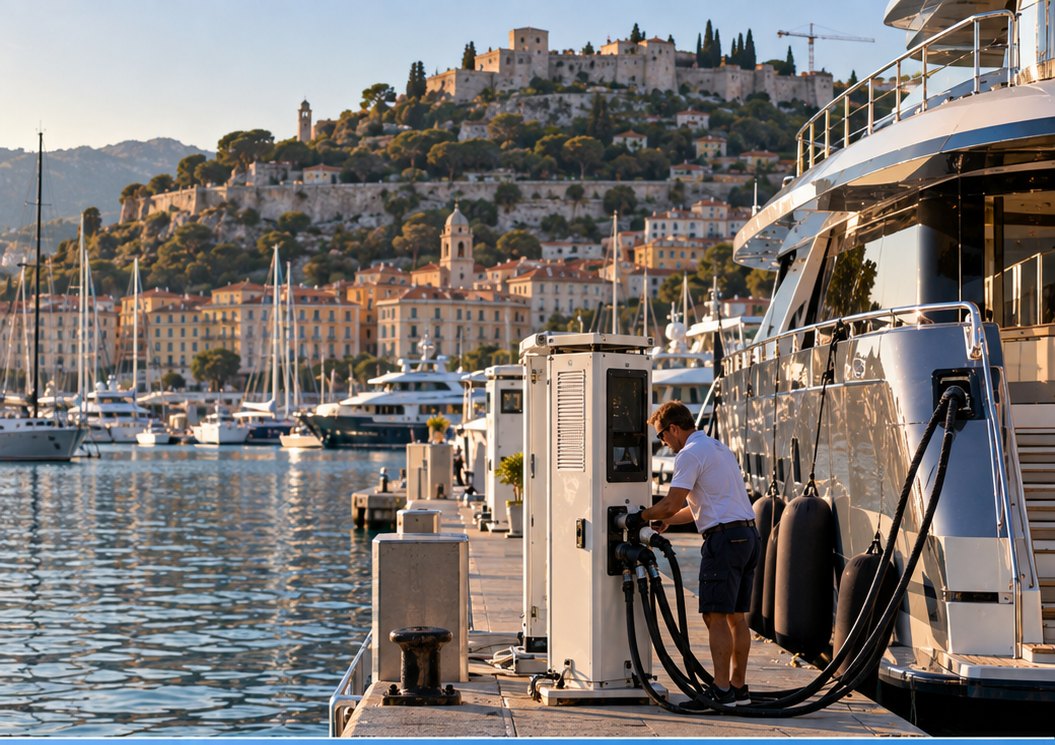
Infrastructure should be checked before hardware is ordered. Available electrical supply, connector type, grid capacity, bunkering arrangements, ventilation, fire protection and local operating rules can all dictate what is practical. In many projects the limiting factor is not the motor, battery or fuel technology; it is the place where the asset has to recharge, refuel or be maintained.
The practical test for sailing holidays, flotillas, bareboat charter and destinations is whether the decision still makes sense when circumstances are less than ideal. Weather changes, schedules move, components fail and people use equipment differently from the designer's neat assumptions. Building a little resilience into the choice usually costs less than trying to recover it afterwards.
For most readers, that is enough to narrow the field considerably before serious money or time is committed.
Contributor: Paul Thompson / Editorial / 24SailingHoliday

Be the first reader to react to this article.
A good decision in sailing holidays, flotillas, bareboat charter and destinations rarely comes from one impressive specification.
A good decision in sailing holidays, flotillas, bareboat charter and destinations rarely comes from one impressive specification. It comes from understanding how the whole package will be used.
The starting point is use. In sailing holidays, flotillas, bareboat charter and destinations, two apparently similar products or services can be right for completely different owners because their operating pattern is different. Frequency of use, geography, crew or staffing, storage, servicing access and the length of time you expect to keep the asset all change the answer. Before comparing brands or quotations, write down those constraints.
It sounds basic, but it prevents a specification being chosen for a lifestyle that exists only in the sales material.
Technical claims deserve context. Range, output, capacity, speed, efficiency and performance figures are normally produced under stated conditions. Real use adds weather, load, temperature, fouling, route, operator behaviour and reserve margins. Rather than arguing over a headline number, ask what assumptions sit behind it and what happens when those assumptions change. That produces a much more useful comparison.
Sustainability claims are increasingly part of the decision as well. The useful question is not whether a product is described as green, but what has actually changed: energy use, fuel consumption, material choice, repairability, service life, emissions, waste or end-of-life handling. Improvements in one area can create compromises in another. Evidence and measured performance are more valuable than broad environmental language.
Finally, insist on a proper handover. Familiarisation, emergency procedures, maintenance intervals, passwords, spare parts, warranty contacts and operating limitations should all be understood before the supplier disappears over the horizon. A surprising number of early problems are not failures at all but gaps in handover. Thirty minutes spent recording the right information can save days later.
Documentation is another practical test. Service records, manuals, certificates, invoices, warranties, software licences and evidence of previous work are not administrative clutter; they are part of the asset. Good records make troubleshooting easier and can support resale. Missing records do not automatically mean there is a problem, but they increase uncertainty, and uncertainty should be reflected in the questions asked, the inspection undertaken and sometimes the price.
Risk is best dealt with before commitment. That means independent inspection where appropriate, clear written scope, confirmation of insurance implications and an agreed process for defects or incomplete work. In higher-value transactions, legal, tax and regulatory advice should come from qualified advisers in the relevant jurisdiction. The purpose is not to make every transaction defensive; it is to stop assumptions becoming expensive surprises.
Resale should be considered even by people who intend to keep something for years. Highly personal specifications can be perfectly sensible, but buyers should understand the trade-off. Widely supported equipment, sensible layouts, complete records and recognised maintenance tend to be easier for the next owner to understand. The objective is not to design everything for an unknown future buyer; it is simply to avoid destroying flexibility without a good reason.
When money is about to change hands, the sequence matters. Establish identity and authority to sell, agree exactly what is included, record known defects and make any deposit terms clear. Where a survey, valuation or finance approval is part of the transaction, the contract should reflect that process rather than relying on a verbal understanding. Buyers should also know when risk and title transfer, particularly if the asset is moving between jurisdictions.
Market value is evidence, not aspiration. Advertised prices show what sellers hope to achieve; completed transactions, condition, specification, location and time on market give a better picture. A well-presented example can deserve a premium, but a premium still needs a reason. The strongest negotiating position comes from knowing which defects are merely cosmetic, which affect usability and which could lead to immediate capital expenditure.
The practical test for sailing holidays, flotillas, bareboat charter and destinations is whether the decision still makes sense when circumstances are less than ideal. Weather changes, schedules move, components fail and people use equipment differently from the designer's neat assumptions. Building a little resilience into the choice usually costs less than trying to recover it afterwards.
A measured decision now generally costs less than correcting an enthusiastic one later.
Contributor: Paul Thompson / Editorial / 24SailingHoliday
Be the first reader to react to this article.
A good decision in sailing holidays, flotillas, bareboat charter and destinations rarely comes from one impressive specification.
A good decision in sailing holidays, flotillas, bareboat charter and destinations rarely comes from one impressive specification. It comes from understanding how the whole package will be used.
Cost also needs to be separated into purchase cost and ownership cost. The second figure is usually less visible. Consumables, routine servicing, insurance, finance, berthing or storage, professional fees, software subscriptions, inspections and eventual replacement items can materially change the economics. A useful quotation is therefore one that makes exclusions obvious.
If a supplier cannot explain what normally falls outside the quoted figure, ask for that clarification before treating two prices as comparable.
After-sales support can be more important than the original specification. A component that is excellent on paper is less attractive if parts take months to arrive or there is no competent service agent where the equipment will be used. The same applies to software-led products: ownership now includes updates, access rights, data and sometimes recurring subscriptions. Find out who supports the system, for how long, and what happens if the original supplier changes hands.
Timing matters. Buying or commissioning under deadline pressure weakens the buyer's position because there is less time to inspect, compare and walk away. Where possible, build the timetable backwards from the date the asset or service is genuinely required. Include survey or inspection time, corrections, training, delivery and a contingency. A realistic programme often reveals that the cheapest-looking option is not the one with the lowest overall cost.
The starting point is use. In sailing holidays, flotillas, bareboat charter and destinations, two apparently similar products or services can be right for completely different owners because their operating pattern is different. Frequency of use, geography, crew or staffing, storage, servicing access and the length of time you expect to keep the asset all change the answer. Before comparing brands or quotations, write down those constraints.
It sounds basic, but it prevents a specification being chosen for a lifestyle that exists only in the sales material.
Technical claims deserve context. Range, output, capacity, speed, efficiency and performance figures are normally produced under stated conditions. Real use adds weather, load, temperature, fouling, route, operator behaviour and reserve margins. Rather than arguing over a headline number, ask what assumptions sit behind it and what happens when those assumptions change. That produces a much more useful comparison.
Sustainability claims are increasingly part of the decision as well. The useful question is not whether a product is described as green, but what has actually changed: energy use, fuel consumption, material choice, repairability, service life, emissions, waste or end-of-life handling. Improvements in one area can create compromises in another. Evidence and measured performance are more valuable than broad environmental language.
Finally, insist on a proper handover. Familiarisation, emergency procedures, maintenance intervals, passwords, spare parts, warranty contacts and operating limitations should all be understood before the supplier disappears over the horizon. A surprising number of early problems are not failures at all but gaps in handover. Thirty minutes spent recording the right information can save days later.
Preventive work is most effective when it is recorded rather than remembered. A simple calendar of hours, dates, consumables, inspections and recurring tasks gives owners and managers an early warning before maintenance becomes urgent. It also allows jobs to be grouped sensibly, reducing repeated access costs and downtime. The discipline is not glamorous, but it is one of the clearest ways to protect reliability.
Scope control matters on any refit or repair. Once equipment is opened up, additional work is common, so the original quotation should distinguish fixed items, provisional sums and work that requires further authorisation. Photographing condition before and after the job and retaining replaced-part details can prevent disputes and gives the next technician a useful history.
The practical test for sailing holidays, flotillas, bareboat charter and destinations is whether the decision still makes sense when circumstances are less than ideal. Weather changes, schedules move, components fail and people use equipment differently from the designer's neat assumptions. Building a little resilience into the choice usually costs less than trying to recover it afterwards.
None of this makes the decision difficult. It simply moves attention from presentation to evidence, which is usually where the better value sits.
Contributor: Paul Thompson / Editorial / 24SailingHoliday
Be the first reader to react to this article.
There is nothing particularly complicated about documentation: the paperwork that protects value and avoids delays, but there are several ways to make it unnecessarily expensive.
There is nothing particularly complicated about documentation: the paperwork that protects value and avoids delays, but there are several ways to make it unnecessarily expensive.
Documentation is another practical test. Service records, manuals, certificates, invoices, warranties, software licences and evidence of previous work are not administrative clutter; they are part of the asset. Good records make troubleshooting easier and can support resale. Missing records do not automatically mean there is a problem, but they increase uncertainty, and uncertainty should be reflected in the questions asked, the inspection undertaken and sometimes the price.
Risk is best dealt with before commitment. That means independent inspection where appropriate, clear written scope, confirmation of insurance implications and an agreed process for defects or incomplete work. In higher-value transactions, legal, tax and regulatory advice should come from qualified advisers in the relevant jurisdiction. The purpose is not to make every transaction defensive; it is to stop assumptions becoming expensive surprises.
Resale should be considered even by people who intend to keep something for years. Highly personal specifications can be perfectly sensible, but buyers should understand the trade-off. Widely supported equipment, sensible layouts, complete records and recognised maintenance tend to be easier for the next owner to understand. The objective is not to design everything for an unknown future buyer; it is simply to avoid destroying flexibility without a good reason.
Cost also needs to be separated into purchase cost and ownership cost. The second figure is usually less visible. Consumables, routine servicing, insurance, finance, berthing or storage, professional fees, software subscriptions, inspections and eventual replacement items can materially change the economics. A useful quotation is therefore one that makes exclusions obvious.
If a supplier cannot explain what normally falls outside the quoted figure, ask for that clarification before treating two prices as comparable.
After-sales support can be more important than the original specification. A component that is excellent on paper is less attractive if parts take months to arrive or there is no competent service agent where the equipment will be used. The same applies to software-led products: ownership now includes updates, access rights, data and sometimes recurring subscriptions. Find out who supports the system, for how long, and what happens if the original supplier changes hands.
Timing matters. Buying or commissioning under deadline pressure weakens the buyer's position because there is less time to inspect, compare and walk away. Where possible, build the timetable backwards from the date the asset or service is genuinely required. Include survey or inspection time, corrections, training, delivery and a contingency. A realistic programme often reveals that the cheapest-looking option is not the one with the lowest overall cost.
The starting point is use. In sailing holidays, flotillas, bareboat charter and destinations, two apparently similar products or services can be right for completely different owners because their operating pattern is different. Frequency of use, geography, crew or staffing, storage, servicing access and the length of time you expect to keep the asset all change the answer. Before comparing brands or quotations, write down those constraints.
It sounds basic, but it prevents a specification being chosen for a lifestyle that exists only in the sales material.
Comparison becomes easier if every contender is put through the same questions. Ask for the same operating assumptions, the same delivery point, the same warranty period and the same list of included equipment or services. That turns a collection of sales conversations into something closer to a procurement exercise and exposes the areas where one quotation has quietly omitted an expensive item.
References are useful when they are relevant. A supplier's biggest or most prestigious project may tell you very little about how it handles an ordinary job in your region. Ask instead for examples with a similar scale, operating pattern and timetable. The most useful reference is often the customer who has lived with the product for two or three years and has already needed after-sales support.
The practical test for sailing holidays, flotillas, bareboat charter and destinations is whether the decision still makes sense when circumstances are less than ideal. Weather changes, schedules move, components fail and people use equipment differently from the designer's neat assumptions. Building a little resilience into the choice usually costs less than trying to recover it afterwards.
None of this makes the decision difficult. It simply moves attention from presentation to evidence, which is usually where the better value sits.
Contributor: Paul Thompson / Editorial / 24SailingHoliday

Be the first reader to react to this article.
For anyone looking at sailing holidays: refit or replace?
For anyone looking at sailing holidays: refit or replace? a practical way to make the decision, the first job is not to decide what looks best. It is to establish what problem actually needs solving.
Technical claims deserve context. Range, output, capacity, speed, efficiency and performance figures are normally produced under stated conditions. Real use adds weather, load, temperature, fouling, route, operator behaviour and reserve margins. Rather than arguing over a headline number, ask what assumptions sit behind it and what happens when those assumptions change. That produces a much more useful comparison.
Sustainability claims are increasingly part of the decision as well. The useful question is not whether a product is described as green, but what has actually changed: energy use, fuel consumption, material choice, repairability, service life, emissions, waste or end-of-life handling. Improvements in one area can create compromises in another. Evidence and measured performance are more valuable than broad environmental language.
Finally, insist on a proper handover. Familiarisation, emergency procedures, maintenance intervals, passwords, spare parts, warranty contacts and operating limitations should all be understood before the supplier disappears over the horizon. A surprising number of early problems are not failures at all but gaps in handover. Thirty minutes spent recording the right information can save days later.
Documentation is another practical test. Service records, manuals, certificates, invoices, warranties, software licences and evidence of previous work are not administrative clutter; they are part of the asset. Good records make troubleshooting easier and can support resale. Missing records do not automatically mean there is a problem, but they increase uncertainty, and uncertainty should be reflected in the questions asked, the inspection undertaken and sometimes the price.
Risk is best dealt with before commitment. That means independent inspection where appropriate, clear written scope, confirmation of insurance implications and an agreed process for defects or incomplete work. In higher-value transactions, legal, tax and regulatory advice should come from qualified advisers in the relevant jurisdiction. The purpose is not to make every transaction defensive; it is to stop assumptions becoming expensive surprises.
Resale should be considered even by people who intend to keep something for years. Highly personal specifications can be perfectly sensible, but buyers should understand the trade-off. Widely supported equipment, sensible layouts, complete records and recognised maintenance tend to be easier for the next owner to understand. The objective is not to design everything for an unknown future buyer; it is simply to avoid destroying flexibility without a good reason.
Cost also needs to be separated into purchase cost and ownership cost. The second figure is usually less visible. Consumables, routine servicing, insurance, finance, berthing or storage, professional fees, software subscriptions, inspections and eventual replacement items can materially change the economics. A useful quotation is therefore one that makes exclusions obvious.
If a supplier cannot explain what normally falls outside the quoted figure, ask for that clarification before treating two prices as comparable.
My own shorthand for sailing holidays: refit or replace? a practical way to make the decision is simple: verify the condition, verify the paperwork, understand the support network and calculate the cost on a realistic pattern of use. If any one of those four is unclear, there is still work to do before committing.
Preventive work is most effective when it is recorded rather than remembered. A simple calendar of hours, dates, consumables, inspections and recurring tasks gives owners and managers an early warning before maintenance becomes urgent. It also allows jobs to be grouped sensibly, reducing repeated access costs and downtime. The discipline is not glamorous, but it is one of the clearest ways to protect reliability.
Scope control matters on any refit or repair. Once equipment is opened up, additional work is common, so the original quotation should distinguish fixed items, provisional sums and work that requires further authorisation. Photographing condition before and after the job and retaining replaced-part details can prevent disputes and gives the next technician a useful history.
The practical test for sailing holidays, flotillas, bareboat charter and destinations is whether the decision still makes sense when circumstances are less than ideal. Weather changes, schedules move, components fail and people use equipment differently from the designer's neat assumptions. Building a little resilience into the choice usually costs less than trying to recover it afterwards.
For most readers, that is enough to narrow the field considerably before serious money or time is committed.
Contributor: Paul Thompson / Editorial / 24SailingHoliday

Be the first reader to react to this article.
A good decision in sailing holidays, flotillas, bareboat charter and destinations rarely comes from one impressive specification.
A good decision in sailing holidays, flotillas, bareboat charter and destinations rarely comes from one impressive specification. It comes from understanding how the whole package will be used.
After-sales support can be more important than the original specification. A component that is excellent on paper is less attractive if parts take months to arrive or there is no competent service agent where the equipment will be used. The same applies to software-led products: ownership now includes updates, access rights, data and sometimes recurring subscriptions. Find out who supports the system, for how long, and what happens if the original supplier changes hands.
Timing matters. Buying or commissioning under deadline pressure weakens the buyer's position because there is less time to inspect, compare and walk away. Where possible, build the timetable backwards from the date the asset or service is genuinely required. Include survey or inspection time, corrections, training, delivery and a contingency. A realistic programme often reveals that the cheapest-looking option is not the one with the lowest overall cost.
The starting point is use. In sailing holidays, flotillas, bareboat charter and destinations, two apparently similar products or services can be right for completely different owners because their operating pattern is different. Frequency of use, geography, crew or staffing, storage, servicing access and the length of time you expect to keep the asset all change the answer. Before comparing brands or quotations, write down those constraints.
It sounds basic, but it prevents a specification being chosen for a lifestyle that exists only in the sales material.
Technical claims deserve context. Range, output, capacity, speed, efficiency and performance figures are normally produced under stated conditions. Real use adds weather, load, temperature, fouling, route, operator behaviour and reserve margins. Rather than arguing over a headline number, ask what assumptions sit behind it and what happens when those assumptions change. That produces a much more useful comparison.
Sustainability claims are increasingly part of the decision as well. The useful question is not whether a product is described as green, but what has actually changed: energy use, fuel consumption, material choice, repairability, service life, emissions, waste or end-of-life handling. Improvements in one area can create compromises in another. Evidence and measured performance are more valuable than broad environmental language.
Finally, insist on a proper handover. Familiarisation, emergency procedures, maintenance intervals, passwords, spare parts, warranty contacts and operating limitations should all be understood before the supplier disappears over the horizon. A surprising number of early problems are not failures at all but gaps in handover. Thirty minutes spent recording the right information can save days later.
Documentation is another practical test. Service records, manuals, certificates, invoices, warranties, software licences and evidence of previous work are not administrative clutter; they are part of the asset. Good records make troubleshooting easier and can support resale. Missing records do not automatically mean there is a problem, but they increase uncertainty, and uncertainty should be reflected in the questions asked, the inspection undertaken and sometimes the price.
Connected equipment creates a second maintenance schedule: passwords, access permissions, firmware, backups and subscriptions. Owners should know which systems can be updated remotely, which data leaves the asset and whether loss of an online service affects core operation. A paper or offline record of critical settings is still useful when the problem being diagnosed is the network itself.
Cybersecurity does not need to become a specialist exercise for every user. Basic separation of guest and operational networks, unique credentials, prompt updates and controlled administrator access remove a large proportion of avoidable risk. The more important question for a supplier is whether security has been designed into the product and whether updates will continue throughout its realistic service life.
The practical test for sailing holidays, flotillas, bareboat charter and destinations is whether the decision still makes sense when circumstances are less than ideal. Weather changes, schedules move, components fail and people use equipment differently from the designer's neat assumptions. Building a little resilience into the choice usually costs less than trying to recover it afterwards.
The sensible approach is therefore quite conventional: define the job, verify the evidence, price the whole commitment and keep enough margin for the things that never appear in the brochure.
Contributor: Paul Thompson / Editorial / 24SailingHoliday

Be the first reader to react to this article.
One of the easiest mistakes in sailing holidays, flotillas, bareboat charter and destinations is to concentrate on the headline and leave the awkward questions until later.
One of the easiest mistakes in sailing holidays, flotillas, bareboat charter and destinations is to concentrate on the headline and leave the awkward questions until later.
Risk is best dealt with before commitment. That means independent inspection where appropriate, clear written scope, confirmation of insurance implications and an agreed process for defects or incomplete work. In higher-value transactions, legal, tax and regulatory advice should come from qualified advisers in the relevant jurisdiction. The purpose is not to make every transaction defensive; it is to stop assumptions becoming expensive surprises.
Resale should be considered even by people who intend to keep something for years. Highly personal specifications can be perfectly sensible, but buyers should understand the trade-off. Widely supported equipment, sensible layouts, complete records and recognised maintenance tend to be easier for the next owner to understand. The objective is not to design everything for an unknown future buyer; it is simply to avoid destroying flexibility without a good reason.
Cost also needs to be separated into purchase cost and ownership cost. The second figure is usually less visible. Consumables, routine servicing, insurance, finance, berthing or storage, professional fees, software subscriptions, inspections and eventual replacement items can materially change the economics. A useful quotation is therefore one that makes exclusions obvious.
If a supplier cannot explain what normally falls outside the quoted figure, ask for that clarification before treating two prices as comparable.
After-sales support can be more important than the original specification. A component that is excellent on paper is less attractive if parts take months to arrive or there is no competent service agent where the equipment will be used. The same applies to software-led products: ownership now includes updates, access rights, data and sometimes recurring subscriptions. Find out who supports the system, for how long, and what happens if the original supplier changes hands.
Timing matters. Buying or commissioning under deadline pressure weakens the buyer's position because there is less time to inspect, compare and walk away. Where possible, build the timetable backwards from the date the asset or service is genuinely required. Include survey or inspection time, corrections, training, delivery and a contingency. A realistic programme often reveals that the cheapest-looking option is not the one with the lowest overall cost.
The starting point is use. In sailing holidays, flotillas, bareboat charter and destinations, two apparently similar products or services can be right for completely different owners because their operating pattern is different. Frequency of use, geography, crew or staffing, storage, servicing access and the length of time you expect to keep the asset all change the answer. Before comparing brands or quotations, write down those constraints.
It sounds basic, but it prevents a specification being chosen for a lifestyle that exists only in the sales material.
Technical claims deserve context. Range, output, capacity, speed, efficiency and performance figures are normally produced under stated conditions. Real use adds weather, load, temperature, fouling, route, operator behaviour and reserve margins. Rather than arguing over a headline number, ask what assumptions sit behind it and what happens when those assumptions change. That produces a much more useful comparison.
Comparison becomes easier if every contender is put through the same questions. Ask for the same operating assumptions, the same delivery point, the same warranty period and the same list of included equipment or services. That turns a collection of sales conversations into something closer to a procurement exercise and exposes the areas where one quotation has quietly omitted an expensive item.
References are useful when they are relevant. A supplier's biggest or most prestigious project may tell you very little about how it handles an ordinary job in your region. Ask instead for examples with a similar scale, operating pattern and timetable. The most useful reference is often the customer who has lived with the product for two or three years and has already needed after-sales support.
The practical test for sailing holidays, flotillas, bareboat charter and destinations is whether the decision still makes sense when circumstances are less than ideal. Weather changes, schedules move, components fail and people use equipment differently from the designer's neat assumptions. Building a little resilience into the choice usually costs less than trying to recover it afterwards.
For most readers, that is enough to narrow the field considerably before serious money or time is committed.
Contributor: Paul Thompson / Editorial / 24SailingHoliday

Be the first reader to react to this article.
This is one of those subjects where a little preparation is worth far more than a long list of features.
This is one of those subjects where a little preparation is worth far more than a long list of features.
Sustainability claims are increasingly part of the decision as well. The useful question is not whether a product is described as green, but what has actually changed: energy use, fuel consumption, material choice, repairability, service life, emissions, waste or end-of-life handling. Improvements in one area can create compromises in another. Evidence and measured performance are more valuable than broad environmental language.
Finally, insist on a proper handover. Familiarisation, emergency procedures, maintenance intervals, passwords, spare parts, warranty contacts and operating limitations should all be understood before the supplier disappears over the horizon. A surprising number of early problems are not failures at all but gaps in handover. Thirty minutes spent recording the right information can save days later.
Documentation is another practical test. Service records, manuals, certificates, invoices, warranties, software licences and evidence of previous work are not administrative clutter; they are part of the asset. Good records make troubleshooting easier and can support resale. Missing records do not automatically mean there is a problem, but they increase uncertainty, and uncertainty should be reflected in the questions asked, the inspection undertaken and sometimes the price.
Risk is best dealt with before commitment. That means independent inspection where appropriate, clear written scope, confirmation of insurance implications and an agreed process for defects or incomplete work. In higher-value transactions, legal, tax and regulatory advice should come from qualified advisers in the relevant jurisdiction. The purpose is not to make every transaction defensive; it is to stop assumptions becoming expensive surprises.
Resale should be considered even by people who intend to keep something for years. Highly personal specifications can be perfectly sensible, but buyers should understand the trade-off. Widely supported equipment, sensible layouts, complete records and recognised maintenance tend to be easier for the next owner to understand. The objective is not to design everything for an unknown future buyer; it is simply to avoid destroying flexibility without a good reason.
Cost also needs to be separated into purchase cost and ownership cost. The second figure is usually less visible. Consumables, routine servicing, insurance, finance, berthing or storage, professional fees, software subscriptions, inspections and eventual replacement items can materially change the economics. A useful quotation is therefore one that makes exclusions obvious.
If a supplier cannot explain what normally falls outside the quoted figure, ask for that clarification before treating two prices as comparable.
After-sales support can be more important than the original specification. A component that is excellent on paper is less attractive if parts take months to arrive or there is no competent service agent where the equipment will be used. The same applies to software-led products: ownership now includes updates, access rights, data and sometimes recurring subscriptions. Find out who supports the system, for how long, and what happens if the original supplier changes hands.
When money is about to change hands, the sequence matters. Establish identity and authority to sell, agree exactly what is included, record known defects and make any deposit terms clear. Where a survey, valuation or finance approval is part of the transaction, the contract should reflect that process rather than relying on a verbal understanding. Buyers should also know when risk and title transfer, particularly if the asset is moving between jurisdictions.
Market value is evidence, not aspiration. Advertised prices show what sellers hope to achieve; completed transactions, condition, specification, location and time on market give a better picture. A well-presented example can deserve a premium, but a premium still needs a reason. The strongest negotiating position comes from knowing which defects are merely cosmetic, which affect usability and which could lead to immediate capital expenditure.
The practical test for sailing holidays, flotillas, bareboat charter and destinations is whether the decision still makes sense when circumstances are less than ideal. Weather changes, schedules move, components fail and people use equipment differently from the designer's neat assumptions. Building a little resilience into the choice usually costs less than trying to recover it afterwards.
For most readers, that is enough to narrow the field considerably before serious money or time is committed.
Contributor: Paul Thompson / Editorial / 24SailingHoliday

Be the first reader to react to this article.
There is nothing particularly complicated about how to judge claims about sustainability without accepting the marketing, but there are several ways to make it unnecessarily expensive.
There is nothing particularly complicated about how to judge claims about sustainability without accepting the marketing, but there are several ways to make it unnecessarily expensive.
Timing matters. Buying or commissioning under deadline pressure weakens the buyer's position because there is less time to inspect, compare and walk away. Where possible, build the timetable backwards from the date the asset or service is genuinely required. Include survey or inspection time, corrections, training, delivery and a contingency. A realistic programme often reveals that the cheapest-looking option is not the one with the lowest overall cost.
The starting point is use. In sailing holidays, flotillas, bareboat charter and destinations, two apparently similar products or services can be right for completely different owners because their operating pattern is different. Frequency of use, geography, crew or staffing, storage, servicing access and the length of time you expect to keep the asset all change the answer. Before comparing brands or quotations, write down those constraints.
It sounds basic, but it prevents a specification being chosen for a lifestyle that exists only in the sales material.
Technical claims deserve context. Range, output, capacity, speed, efficiency and performance figures are normally produced under stated conditions. Real use adds weather, load, temperature, fouling, route, operator behaviour and reserve margins. Rather than arguing over a headline number, ask what assumptions sit behind it and what happens when those assumptions change. That produces a much more useful comparison.
Sustainability claims are increasingly part of the decision as well. The useful question is not whether a product is described as green, but what has actually changed: energy use, fuel consumption, material choice, repairability, service life, emissions, waste or end-of-life handling. Improvements in one area can create compromises in another. Evidence and measured performance are more valuable than broad environmental language.
Finally, insist on a proper handover. Familiarisation, emergency procedures, maintenance intervals, passwords, spare parts, warranty contacts and operating limitations should all be understood before the supplier disappears over the horizon. A surprising number of early problems are not failures at all but gaps in handover. Thirty minutes spent recording the right information can save days later.
Documentation is another practical test. Service records, manuals, certificates, invoices, warranties, software licences and evidence of previous work are not administrative clutter; they are part of the asset. Good records make troubleshooting easier and can support resale. Missing records do not automatically mean there is a problem, but they increase uncertainty, and uncertainty should be reflected in the questions asked, the inspection undertaken and sometimes the price.
Risk is best dealt with before commitment. That means independent inspection where appropriate, clear written scope, confirmation of insurance implications and an agreed process for defects or incomplete work. In higher-value transactions, legal, tax and regulatory advice should come from qualified advisers in the relevant jurisdiction. The purpose is not to make every transaction defensive; it is to stop assumptions becoming expensive surprises.
My own shorthand for how to judge claims about sustainability without accepting the marketing is simple: verify the condition, verify the paperwork, understand the support network and calculate the cost on a realistic pattern of use. If any one of those four is unclear, there is still work to do before committing.

Energy decisions need a duty-cycle calculation. Average use is less important than the difficult day: the longest passage, the coldest morning, the heaviest load, the remote berth or the turnaround with the least charging time. Design around that case with a sensible reserve and the everyday operation normally becomes straightforward. Design around the brochure average and the owner may spend years managing around the system.
Infrastructure should be checked before hardware is ordered. Available electrical supply, connector type, grid capacity, bunkering arrangements, ventilation, fire protection and local operating rules can all dictate what is practical. In many projects the limiting factor is not the motor, battery or fuel technology; it is the place where the asset has to recharge, refuel or be maintained.
The practical test for sailing holidays, flotillas, bareboat charter and destinations is whether the decision still makes sense when circumstances are less than ideal. Weather changes, schedules move, components fail and people use equipment differently from the designer's neat assumptions. Building a little resilience into the choice usually costs less than trying to recover it afterwards.
The sensible approach is therefore quite conventional: define the job, verify the evidence, price the whole commitment and keep enough margin for the things that never appear in the brochure.
Contributor: Paul Thompson / Editorial / 24SailingHoliday
Be the first reader to react to this article.
This is one of those subjects where a little preparation is worth far more than a long list of features.
This is one of those subjects where a little preparation is worth far more than a long list of features.
Resale should be considered even by people who intend to keep something for years. Highly personal specifications can be perfectly sensible, but buyers should understand the trade-off. Widely supported equipment, sensible layouts, complete records and recognised maintenance tend to be easier for the next owner to understand. The objective is not to design everything for an unknown future buyer; it is simply to avoid destroying flexibility without a good reason.
Cost also needs to be separated into purchase cost and ownership cost. The second figure is usually less visible. Consumables, routine servicing, insurance, finance, berthing or storage, professional fees, software subscriptions, inspections and eventual replacement items can materially change the economics. A useful quotation is therefore one that makes exclusions obvious.
If a supplier cannot explain what normally falls outside the quoted figure, ask for that clarification before treating two prices as comparable.
After-sales support can be more important than the original specification. A component that is excellent on paper is less attractive if parts take months to arrive or there is no competent service agent where the equipment will be used. The same applies to software-led products: ownership now includes updates, access rights, data and sometimes recurring subscriptions. Find out who supports the system, for how long, and what happens if the original supplier changes hands.
Timing matters. Buying or commissioning under deadline pressure weakens the buyer's position because there is less time to inspect, compare and walk away. Where possible, build the timetable backwards from the date the asset or service is genuinely required. Include survey or inspection time, corrections, training, delivery and a contingency. A realistic programme often reveals that the cheapest-looking option is not the one with the lowest overall cost.
The starting point is use. In sailing holidays, flotillas, bareboat charter and destinations, two apparently similar products or services can be right for completely different owners because their operating pattern is different. Frequency of use, geography, crew or staffing, storage, servicing access and the length of time you expect to keep the asset all change the answer. Before comparing brands or quotations, write down those constraints.
It sounds basic, but it prevents a specification being chosen for a lifestyle that exists only in the sales material.
Technical claims deserve context. Range, output, capacity, speed, efficiency and performance figures are normally produced under stated conditions. Real use adds weather, load, temperature, fouling, route, operator behaviour and reserve margins. Rather than arguing over a headline number, ask what assumptions sit behind it and what happens when those assumptions change. That produces a much more useful comparison.
Sustainability claims are increasingly part of the decision as well. The useful question is not whether a product is described as green, but what has actually changed: energy use, fuel consumption, material choice, repairability, service life, emissions, waste or end-of-life handling. Improvements in one area can create compromises in another. Evidence and measured performance are more valuable than broad environmental language.
Connected equipment creates a second maintenance schedule: passwords, access permissions, firmware, backups and subscriptions. Owners should know which systems can be updated remotely, which data leaves the asset and whether loss of an online service affects core operation. A paper or offline record of critical settings is still useful when the problem being diagnosed is the network itself.
Cybersecurity does not need to become a specialist exercise for every user. Basic separation of guest and operational networks, unique credentials, prompt updates and controlled administrator access remove a large proportion of avoidable risk. The more important question for a supplier is whether security has been designed into the product and whether updates will continue throughout its realistic service life.
The practical test for sailing holidays, flotillas, bareboat charter and destinations is whether the decision still makes sense when circumstances are less than ideal. Weather changes, schedules move, components fail and people use equipment differently from the designer's neat assumptions. Building a little resilience into the choice usually costs less than trying to recover it afterwards.
The sensible approach is therefore quite conventional: define the job, verify the evidence, price the whole commitment and keep enough margin for the things that never appear in the brochure.
Contributor: Paul Thompson / Editorial / 24SailingHoliday
Be the first reader to react to this article.
The conversation around sailing holidays: training and familiarisation: the overlooked part of taking delivery has moved quickly this year, yet the practical decision is still built on fairly ordinary questions.
The conversation around sailing holidays: training and familiarisation: the overlooked part of taking delivery has moved quickly this year, yet the practical decision is still built on fairly ordinary questions.
Finally, insist on a proper handover. Familiarisation, emergency procedures, maintenance intervals, passwords, spare parts, warranty contacts and operating limitations should all be understood before the supplier disappears over the horizon. A surprising number of early problems are not failures at all but gaps in handover. Thirty minutes spent recording the right information can save days later.
Documentation is another practical test. Service records, manuals, certificates, invoices, warranties, software licences and evidence of previous work are not administrative clutter; they are part of the asset. Good records make troubleshooting easier and can support resale. Missing records do not automatically mean there is a problem, but they increase uncertainty, and uncertainty should be reflected in the questions asked, the inspection undertaken and sometimes the price.
Risk is best dealt with before commitment. That means independent inspection where appropriate, clear written scope, confirmation of insurance implications and an agreed process for defects or incomplete work. In higher-value transactions, legal, tax and regulatory advice should come from qualified advisers in the relevant jurisdiction. The purpose is not to make every transaction defensive; it is to stop assumptions becoming expensive surprises.
Resale should be considered even by people who intend to keep something for years. Highly personal specifications can be perfectly sensible, but buyers should understand the trade-off. Widely supported equipment, sensible layouts, complete records and recognised maintenance tend to be easier for the next owner to understand. The objective is not to design everything for an unknown future buyer; it is simply to avoid destroying flexibility without a good reason.
Cost also needs to be separated into purchase cost and ownership cost. The second figure is usually less visible. Consumables, routine servicing, insurance, finance, berthing or storage, professional fees, software subscriptions, inspections and eventual replacement items can materially change the economics. A useful quotation is therefore one that makes exclusions obvious.
If a supplier cannot explain what normally falls outside the quoted figure, ask for that clarification before treating two prices as comparable.
After-sales support can be more important than the original specification. A component that is excellent on paper is less attractive if parts take months to arrive or there is no competent service agent where the equipment will be used. The same applies to software-led products: ownership now includes updates, access rights, data and sometimes recurring subscriptions. Find out who supports the system, for how long, and what happens if the original supplier changes hands.
Timing matters. Buying or commissioning under deadline pressure weakens the buyer's position because there is less time to inspect, compare and walk away. Where possible, build the timetable backwards from the date the asset or service is genuinely required. Include survey or inspection time, corrections, training, delivery and a contingency. A realistic programme often reveals that the cheapest-looking option is not the one with the lowest overall cost.
Connected equipment creates a second maintenance schedule: passwords, access permissions, firmware, backups and subscriptions. Owners should know which systems can be updated remotely, which data leaves the asset and whether loss of an online service affects core operation. A paper or offline record of critical settings is still useful when the problem being diagnosed is the network itself.
Cybersecurity does not need to become a specialist exercise for every user. Basic separation of guest and operational networks, unique credentials, prompt updates and controlled administrator access remove a large proportion of avoidable risk. The more important question for a supplier is whether security has been designed into the product and whether updates will continue throughout its realistic service life.
The practical test for sailing holidays, flotillas, bareboat charter and destinations is whether the decision still makes sense when circumstances are less than ideal. Weather changes, schedules move, components fail and people use equipment differently from the designer's neat assumptions. Building a little resilience into the choice usually costs less than trying to recover it afterwards.
That is the point worth carrying into the next conversation with a broker, builder, supplier or adviser: ask what the choice will be like to own and operate, not merely what it is like to buy.
Contributor: Paul Thompson / Editorial / 24SailingHoliday
Be the first reader to react to this article.
For anyone looking at five-year thinking: decisions today that affect cost, usability and value later, the first job is not to decide what looks best.
For anyone looking at five-year thinking: decisions today that affect cost, usability and value later, the first job is not to decide what looks best. It is to establish what problem actually needs solving.
The starting point is use. In sailing holidays, flotillas, bareboat charter and destinations, two apparently similar products or services can be right for completely different owners because their operating pattern is different. Frequency of use, geography, crew or staffing, storage, servicing access and the length of time you expect to keep the asset all change the answer. Before comparing brands or quotations, write down those constraints.
It sounds basic, but it prevents a specification being chosen for a lifestyle that exists only in the sales material.
Technical claims deserve context. Range, output, capacity, speed, efficiency and performance figures are normally produced under stated conditions. Real use adds weather, load, temperature, fouling, route, operator behaviour and reserve margins. Rather than arguing over a headline number, ask what assumptions sit behind it and what happens when those assumptions change. That produces a much more useful comparison.
Sustainability claims are increasingly part of the decision as well. The useful question is not whether a product is described as green, but what has actually changed: energy use, fuel consumption, material choice, repairability, service life, emissions, waste or end-of-life handling. Improvements in one area can create compromises in another. Evidence and measured performance are more valuable than broad environmental language.
Finally, insist on a proper handover. Familiarisation, emergency procedures, maintenance intervals, passwords, spare parts, warranty contacts and operating limitations should all be understood before the supplier disappears over the horizon. A surprising number of early problems are not failures at all but gaps in handover. Thirty minutes spent recording the right information can save days later.
Documentation is another practical test. Service records, manuals, certificates, invoices, warranties, software licences and evidence of previous work are not administrative clutter; they are part of the asset. Good records make troubleshooting easier and can support resale. Missing records do not automatically mean there is a problem, but they increase uncertainty, and uncertainty should be reflected in the questions asked, the inspection undertaken and sometimes the price.
Risk is best dealt with before commitment. That means independent inspection where appropriate, clear written scope, confirmation of insurance implications and an agreed process for defects or incomplete work. In higher-value transactions, legal, tax and regulatory advice should come from qualified advisers in the relevant jurisdiction. The purpose is not to make every transaction defensive; it is to stop assumptions becoming expensive surprises.
Resale should be considered even by people who intend to keep something for years. Highly personal specifications can be perfectly sensible, but buyers should understand the trade-off. Widely supported equipment, sensible layouts, complete records and recognised maintenance tend to be easier for the next owner to understand. The objective is not to design everything for an unknown future buyer; it is simply to avoid destroying flexibility without a good reason.
Comparison becomes easier if every contender is put through the same questions. Ask for the same operating assumptions, the same delivery point, the same warranty period and the same list of included equipment or services. That turns a collection of sales conversations into something closer to a procurement exercise and exposes the areas where one quotation has quietly omitted an expensive item.
References are useful when they are relevant. A supplier's biggest or most prestigious project may tell you very little about how it handles an ordinary job in your region. Ask instead for examples with a similar scale, operating pattern and timetable. The most useful reference is often the customer who has lived with the product for two or three years and has already needed after-sales support.
The practical test for sailing holidays, flotillas, bareboat charter and destinations is whether the decision still makes sense when circumstances are less than ideal. Weather changes, schedules move, components fail and people use equipment differently from the designer's neat assumptions. Building a little resilience into the choice usually costs less than trying to recover it afterwards.
The sensible approach is therefore quite conventional: define the job, verify the evidence, price the whole commitment and keep enough margin for the things that never appear in the brochure.
Contributor: Paul Thompson / Editorial / 24SailingHoliday
Be the first reader to react to this article.
Every quarter produces plenty of announcements in family and leisure sailing holidays, flotillas, bareboat and skippered trips, but the useful story is usually not the loudest one. I am more interested in the changes that alter what somebody buys, what it costs to operate, how quickly support arrives and whether the decision still makes sense several years later.
Every quarter produces plenty of announcements in family and leisure sailing holidays, flotillas, bareboat and skippered trips, but the useful story is usually not the loudest one. I am more interested in the changes that alter what somebody buys, what it costs to operate, how quickly support arrives and whether the decision still makes sense several years later.
What is changing
Start by defining the job in plain language. What does the buyer, owner, operator or guest actually need to achieve, and under what conditions? That immediately makes comparison easier. A specification that is excellent for one use can be unnecessarily expensive or actively inconvenient for another. I would write down the non-negotiables, the desirable extras and the things that merely look attractive in a sales presentation.
Then verify the basics. Ask for documents, dimensions, service intervals, exclusions, lead times, warranties, references or operating data where they are relevant. If a claim materially affects the decision, it should be capable of being explained without resorting to vague phrases. This is particularly important where two offers appear similar but include different levels of preparation, support or responsibility.
Why it matters in practice
Price needs context. The cheapest quotation can become the expensive option once delivery, installation, travel, consumables, finance, insurance, maintenance, downtime or replacement are included. Equally, paying more is not evidence of quality. The useful comparison is total cost against the benefit that will actually be used.
Support deserves the same scrutiny as the initial product or service. Who answers the telephone when something goes wrong? Is technical knowledge held in-house or passed elsewhere? Are parts, people or replacements readily available? A realistic response time can be more valuable than an impressive feature that becomes unusable for weeks when a minor component fails.
There is also a human factor. Complicated systems and elaborate processes are often sold on capability, but somebody has to live with them. Training, handover, documentation and ease of use should therefore be part of the buying decision, not an afterthought.
What readers should watch next
Before committing, I would reduce the decision to a short written comparison. What problem does each option solve, what evidence supports the claims, what is excluded, what are the likely running costs, and what happens if circumstances change? That final question is important because resale, upgrade, relocation, regulation and changing patterns of use can alter the economics surprisingly quickly.
The strongest decisions in family and leisure sailing holidays, flotillas, bareboat and skippered trips are rarely the ones with the longest specification or the most fashionable name attached. They are the ones where the requirement was understood at the beginning, the evidence was checked, the inconvenient questions were asked and the owner or customer knew exactly what would happen after the deal was done.
That is also the standard I would apply to this category in the magazine. It should help a reader make a better decision, not simply give another supplier somewhere to repeat a brochure.
Contributor: Paul Thompson / Editorial / 24SailingHoliday
Be the first reader to react to this article.
The expensive mistakes in family and leisure sailing holidays, flotillas, bareboat and skippered trips are rarely caused by one spectacular failure. More often they begin with a small assumption that nobody checked. That is why I would start with the detail that sits behind the brochure, quotation or listing rather than the headline promise.
The expensive mistakes in family and leisure sailing holidays, flotillas, bareboat and skippered trips are rarely caused by one spectacular failure. More often they begin with a small assumption that nobody checked. That is why I would start with the detail that sits behind the brochure, quotation or listing rather than the headline promise.
The overlooked detail
Start by defining the job in plain language. What does the buyer, owner, operator or guest actually need to achieve, and under what conditions? That immediately makes comparison easier. A specification that is excellent for one use can be unnecessarily expensive or actively inconvenient for another. I would write down the non-negotiables, the desirable extras and the things that merely look attractive in a sales presentation.
Then verify the basics. Ask for documents, dimensions, service intervals, exclusions, lead times, warranties, references or operating data where they are relevant. If a claim materially affects the decision, it should be capable of being explained without resorting to vague phrases. This is particularly important where two offers appear similar but include different levels of preparation, support or responsibility.
Where cost and risk appear
Price needs context. The cheapest quotation can become the expensive option once delivery, installation, travel, consumables, finance, insurance, maintenance, downtime or replacement are included. Equally, paying more is not evidence of quality. The useful comparison is total cost against the benefit that will actually be used.
Support deserves the same scrutiny as the initial product or service. Who answers the telephone when something goes wrong? Is technical knowledge held in-house or passed elsewhere? Are parts, people or replacements readily available? A realistic response time can be more valuable than an impressive feature that becomes unusable for weeks when a minor component fails.
There is also a human factor. Complicated systems and elaborate processes are often sold on capability, but somebody has to live with them. Training, handover, documentation and ease of use should therefore be part of the buying decision, not an afterthought.
Questions to ask before committing
Before committing, I would reduce the decision to a short written comparison. What problem does each option solve, what evidence supports the claims, what is excluded, what are the likely running costs, and what happens if circumstances change? That final question is important because resale, upgrade, relocation, regulation and changing patterns of use can alter the economics surprisingly quickly.
The strongest decisions in family and leisure sailing holidays, flotillas, bareboat and skippered trips are rarely the ones with the longest specification or the most fashionable name attached. They are the ones where the requirement was understood at the beginning, the evidence was checked, the inconvenient questions were asked and the owner or customer knew exactly what would happen after the deal was done.
That is also the standard I would apply to this category in the magazine. It should help a reader make a better decision, not simply give another supplier somewhere to repeat a brochure.
Contributor: Paul Thompson / Editorial / 24SailingHoliday
Be the first reader to react to this article.
New does not automatically mean better. In family and leisure sailing holidays, flotillas, bareboat and skippered trips, a launch is worth attention when it removes a genuine inconvenience, reduces operating burden, improves safety or gives the buyer more useful choice. Everything else can wait until the excitement has settled.
New does not automatically mean better. In family and leisure sailing holidays, flotillas, bareboat and skippered trips, a launch is worth attention when it removes a genuine inconvenience, reduces operating burden, improves safety or gives the buyer more useful choice. Everything else can wait until the excitement has settled.
What is actually new
Start by defining the job in plain language. What does the buyer, owner, operator or guest actually need to achieve, and under what conditions? That immediately makes comparison easier. A specification that is excellent for one use can be unnecessarily expensive or actively inconvenient for another. I would write down the non-negotiables, the desirable extras and the things that merely look attractive in a sales presentation.
Then verify the basics. Ask for documents, dimensions, service intervals, exclusions, lead times, warranties, references or operating data where they are relevant. If a claim materially affects the decision, it should be capable of being explained without resorting to vague phrases. This is particularly important where two offers appear similar but include different levels of preparation, support or responsibility.
Separating substance from launch noise
Price needs context. The cheapest quotation can become the expensive option once delivery, installation, travel, consumables, finance, insurance, maintenance, downtime or replacement are included. Equally, paying more is not evidence of quality. The useful comparison is total cost against the benefit that will actually be used.
Support deserves the same scrutiny as the initial product or service. Who answers the telephone when something goes wrong? Is technical knowledge held in-house or passed elsewhere? Are parts, people or replacements readily available? A realistic response time can be more valuable than an impressive feature that becomes unusable for weeks when a minor component fails.
There is also a human factor. Complicated systems and elaborate processes are often sold on capability, but somebody has to live with them. Training, handover, documentation and ease of use should therefore be part of the buying decision, not an afterthought.
Where it could prove useful
Before committing, I would reduce the decision to a short written comparison. What problem does each option solve, what evidence supports the claims, what is excluded, what are the likely running costs, and what happens if circumstances change? That final question is important because resale, upgrade, relocation, regulation and changing patterns of use can alter the economics surprisingly quickly.
The strongest decisions in family and leisure sailing holidays, flotillas, bareboat and skippered trips are rarely the ones with the longest specification or the most fashionable name attached. They are the ones where the requirement was understood at the beginning, the evidence was checked, the inconvenient questions were asked and the owner or customer knew exactly what would happen after the deal was done.
That is also the standard I would apply to this category in the magazine. It should help a reader make a better decision, not simply give another supplier somewhere to repeat a brochure.
Contributor: Paul Thompson / Editorial / 24SailingHoliday
Be the first reader to react to this article.
A useful professional contribution should leave the reader with something they can apply. For family and leisure sailing holidays, flotillas, bareboat and skippered trips, that means concentrating on the requirement, the evidence and the consequences of the decision rather than turning the page into a sales pitch.
A useful professional contribution should leave the reader with something they can apply. For family and leisure sailing holidays, flotillas, bareboat and skippered trips, that means concentrating on the requirement, the evidence and the consequences of the decision rather than turning the page into a sales pitch.
Start with the requirement
Start by defining the job in plain language. What does the buyer, owner, operator or guest actually need to achieve, and under what conditions? That immediately makes comparison easier. A specification that is excellent for one use can be unnecessarily expensive or actively inconvenient for another. I would write down the non-negotiables, the desirable extras and the things that merely look attractive in a sales presentation.
Then verify the basics. Ask for documents, dimensions, service intervals, exclusions, lead times, warranties, references or operating data where they are relevant. If a claim materially affects the decision, it should be capable of being explained without resorting to vague phrases. This is particularly important where two offers appear similar but include different levels of preparation, support or responsibility.
Check the evidence
Price needs context. The cheapest quotation can become the expensive option once delivery, installation, travel, consumables, finance, insurance, maintenance, downtime or replacement are included. Equally, paying more is not evidence of quality. The useful comparison is total cost against the benefit that will actually be used.
Support deserves the same scrutiny as the initial product or service. Who answers the telephone when something goes wrong? Is technical knowledge held in-house or passed elsewhere? Are parts, people or replacements readily available? A realistic response time can be more valuable than an impressive feature that becomes unusable for weeks when a minor component fails.
There is also a human factor. Complicated systems and elaborate processes are often sold on capability, but somebody has to live with them. Training, handover, documentation and ease of use should therefore be part of the buying decision, not an afterthought.
Keep the decision commercially grounded
Before committing, I would reduce the decision to a short written comparison. What problem does each option solve, what evidence supports the claims, what is excluded, what are the likely running costs, and what happens if circumstances change? That final question is important because resale, upgrade, relocation, regulation and changing patterns of use can alter the economics surprisingly quickly.
The strongest decisions in family and leisure sailing holidays, flotillas, bareboat and skippered trips are rarely the ones with the longest specification or the most fashionable name attached. They are the ones where the requirement was understood at the beginning, the evidence was checked, the inconvenient questions were asked and the owner or customer knew exactly what would happen after the deal was done.
That is also the standard I would apply to this category in the magazine. It should help a reader make a better decision, not simply give another supplier somewhere to repeat a brochure.
Contributor: Editorial Desk / Guest Contributor Brief / 24SailingHoliday
Be the first reader to react to this article.
If I had an hour with a specialist in family and leisure sailing holidays, flotillas, bareboat and skippered trips, I would spend surprisingly little of it asking what they sell. The more revealing questions concern what they refuse to recommend, what commonly goes wrong, how they deal with delays and what happens after the invoice has been paid.
If I had an hour with a specialist in family and leisure sailing holidays, flotillas, bareboat and skippered trips, I would spend surprisingly little of it asking what they sell. The more revealing questions concern what they refuse to recommend, what commonly goes wrong, how they deal with delays and what happens after the invoice has been paid.
Questions about capability
Start by defining the job in plain language. What does the buyer, owner, operator or guest actually need to achieve, and under what conditions? That immediately makes comparison easier. A specification that is excellent for one use can be unnecessarily expensive or actively inconvenient for another. I would write down the non-negotiables, the desirable extras and the things that merely look attractive in a sales presentation.
Then verify the basics. Ask for documents, dimensions, service intervals, exclusions, lead times, warranties, references or operating data where they are relevant. If a claim materially affects the decision, it should be capable of being explained without resorting to vague phrases. This is particularly important where two offers appear similar but include different levels of preparation, support or responsibility.
Questions about delivery
Price needs context. The cheapest quotation can become the expensive option once delivery, installation, travel, consumables, finance, insurance, maintenance, downtime or replacement are included. Equally, paying more is not evidence of quality. The useful comparison is total cost against the benefit that will actually be used.
Support deserves the same scrutiny as the initial product or service. Who answers the telephone when something goes wrong? Is technical knowledge held in-house or passed elsewhere? Are parts, people or replacements readily available? A realistic response time can be more valuable than an impressive feature that becomes unusable for weeks when a minor component fails.
There is also a human factor. Complicated systems and elaborate processes are often sold on capability, but somebody has to live with them. Training, handover, documentation and ease of use should therefore be part of the buying decision, not an afterthought.
Questions about support after the sale
Before committing, I would reduce the decision to a short written comparison. What problem does each option solve, what evidence supports the claims, what is excluded, what are the likely running costs, and what happens if circumstances change? That final question is important because resale, upgrade, relocation, regulation and changing patterns of use can alter the economics surprisingly quickly.
The strongest decisions in family and leisure sailing holidays, flotillas, bareboat and skippered trips are rarely the ones with the longest specification or the most fashionable name attached. They are the ones where the requirement was understood at the beginning, the evidence was checked, the inconvenient questions were asked and the owner or customer knew exactly what would happen after the deal was done.
That is also the standard I would apply to this category in the magazine. It should help a reader make a better decision, not simply give another supplier somewhere to repeat a brochure.
Contributor: Paul Thompson / Editorial / 24SailingHoliday
Be the first reader to react to this article.
There is no shortage of confident language around family and leisure sailing holidays, flotillas, bareboat and skippered trips. The difficulty is that confidence is not evidence. Buyers and operators are better served by information that can be checked: specifications, service commitments, operating limits, references, documentation and a clear explanation of cost.
There is no shortage of confident language around family and leisure sailing holidays, flotillas, bareboat and skippered trips. The difficulty is that confidence is not evidence. Buyers and operators are better served by information that can be checked: specifications, service commitments, operating limits, references, documentation and a clear explanation of cost.
The problem with easy claims
Start by defining the job in plain language. What does the buyer, owner, operator or guest actually need to achieve, and under what conditions? That immediately makes comparison easier. A specification that is excellent for one use can be unnecessarily expensive or actively inconvenient for another. I would write down the non-negotiables, the desirable extras and the things that merely look attractive in a sales presentation.
Then verify the basics. Ask for documents, dimensions, service intervals, exclusions, lead times, warranties, references or operating data where they are relevant. If a claim materially affects the decision, it should be capable of being explained without resorting to vague phrases. This is particularly important where two offers appear similar but include different levels of preparation, support or responsibility.
What better evidence looks like
Price needs context. The cheapest quotation can become the expensive option once delivery, installation, travel, consumables, finance, insurance, maintenance, downtime or replacement are included. Equally, paying more is not evidence of quality. The useful comparison is total cost against the benefit that will actually be used.
Support deserves the same scrutiny as the initial product or service. Who answers the telephone when something goes wrong? Is technical knowledge held in-house or passed elsewhere? Are parts, people or replacements readily available? A realistic response time can be more valuable than an impressive feature that becomes unusable for weeks when a minor component fails.
There is also a human factor. Complicated systems and elaborate processes are often sold on capability, but somebody has to live with them. Training, handover, documentation and ease of use should therefore be part of the buying decision, not an afterthought.
A more useful way to decide
Before committing, I would reduce the decision to a short written comparison. What problem does each option solve, what evidence supports the claims, what is excluded, what are the likely running costs, and what happens if circumstances change? That final question is important because resale, upgrade, relocation, regulation and changing patterns of use can alter the economics surprisingly quickly.
The strongest decisions in family and leisure sailing holidays, flotillas, bareboat and skippered trips are rarely the ones with the longest specification or the most fashionable name attached. They are the ones where the requirement was understood at the beginning, the evidence was checked, the inconvenient questions were asked and the owner or customer knew exactly what would happen after the deal was done.
That is also the standard I would apply to this category in the magazine. It should help a reader make a better decision, not simply give another supplier somewhere to repeat a brochure.
Contributor: Paul Thompson / Editorial / 24SailingHoliday
Be the first reader to react to this article.
One recurring argument in family and leisure sailing holidays, flotillas, bareboat and skippered trips is whether the safest route is a proven standard package or a solution tailored closely to the individual user. Both approaches can be right, and both can become expensive when chosen for the wrong reason.
One recurring argument in family and leisure sailing holidays, flotillas, bareboat and skippered trips is whether the safest route is a proven standard package or a solution tailored closely to the individual user. Both approaches can be right, and both can become expensive when chosen for the wrong reason.
The case for standardisation
Start by defining the job in plain language. What does the buyer, owner, operator or guest actually need to achieve, and under what conditions? That immediately makes comparison easier. A specification that is excellent for one use can be unnecessarily expensive or actively inconvenient for another. I would write down the non-negotiables, the desirable extras and the things that merely look attractive in a sales presentation.
Then verify the basics. Ask for documents, dimensions, service intervals, exclusions, lead times, warranties, references or operating data where they are relevant. If a claim materially affects the decision, it should be capable of being explained without resorting to vague phrases. This is particularly important where two offers appear similar but include different levels of preparation, support or responsibility.
The case for customisation
Price needs context. The cheapest quotation can become the expensive option once delivery, installation, travel, consumables, finance, insurance, maintenance, downtime or replacement are included. Equally, paying more is not evidence of quality. The useful comparison is total cost against the benefit that will actually be used.
Support deserves the same scrutiny as the initial product or service. Who answers the telephone when something goes wrong? Is technical knowledge held in-house or passed elsewhere? Are parts, people or replacements readily available? A realistic response time can be more valuable than an impressive feature that becomes unusable for weeks when a minor component fails.
There is also a human factor. Complicated systems and elaborate processes are often sold on capability, but somebody has to live with them. Training, handover, documentation and ease of use should therefore be part of the buying decision, not an afterthought.
Where the sensible middle ground sits
Before committing, I would reduce the decision to a short written comparison. What problem does each option solve, what evidence supports the claims, what is excluded, what are the likely running costs, and what happens if circumstances change? That final question is important because resale, upgrade, relocation, regulation and changing patterns of use can alter the economics surprisingly quickly.
The strongest decisions in family and leisure sailing holidays, flotillas, bareboat and skippered trips are rarely the ones with the longest specification or the most fashionable name attached. They are the ones where the requirement was understood at the beginning, the evidence was checked, the inconvenient questions were asked and the owner or customer knew exactly what would happen after the deal was done.
That is also the standard I would apply to this category in the magazine. It should help a reader make a better decision, not simply give another supplier somewhere to repeat a brochure.
Contributor: Paul Thompson / Editorial / 24SailingHoliday
Be the first reader to react to this article.
People who work around family and leisure sailing holidays, flotillas, bareboat and skippered trips every day tend to notice different things from a first-time buyer. They look past presentation and start with the awkward details: access, records, response times, condition, exclusions, compatibility and who is actually responsible when something stops working.
People who work around family and leisure sailing holidays, flotillas, bareboat and skippered trips every day tend to notice different things from a first-time buyer. They look past presentation and start with the awkward details: access, records, response times, condition, exclusions, compatibility and who is actually responsible when something stops working.
The first five minutes
Start by defining the job in plain language. What does the buyer, owner, operator or guest actually need to achieve, and under what conditions? That immediately makes comparison easier. A specification that is excellent for one use can be unnecessarily expensive or actively inconvenient for another. I would write down the non-negotiables, the desirable extras and the things that merely look attractive in a sales presentation.
Then verify the basics. Ask for documents, dimensions, service intervals, exclusions, lead times, warranties, references or operating data where they are relevant. If a claim materially affects the decision, it should be capable of being explained without resorting to vague phrases. This is particularly important where two offers appear similar but include different levels of preparation, support or responsibility.
The paperwork and detail
Price needs context. The cheapest quotation can become the expensive option once delivery, installation, travel, consumables, finance, insurance, maintenance, downtime or replacement are included. Equally, paying more is not evidence of quality. The useful comparison is total cost against the benefit that will actually be used.
Support deserves the same scrutiny as the initial product or service. Who answers the telephone when something goes wrong? Is technical knowledge held in-house or passed elsewhere? Are parts, people or replacements readily available? A realistic response time can be more valuable than an impressive feature that becomes unusable for weeks when a minor component fails.
There is also a human factor. Complicated systems and elaborate processes are often sold on capability, but somebody has to live with them. Training, handover, documentation and ease of use should therefore be part of the buying decision, not an afterthought.
The clues that justify a second look
Before committing, I would reduce the decision to a short written comparison. What problem does each option solve, what evidence supports the claims, what is excluded, what are the likely running costs, and what happens if circumstances change? That final question is important because resale, upgrade, relocation, regulation and changing patterns of use can alter the economics surprisingly quickly.
The strongest decisions in family and leisure sailing holidays, flotillas, bareboat and skippered trips are rarely the ones with the longest specification or the most fashionable name attached. They are the ones where the requirement was understood at the beginning, the evidence was checked, the inconvenient questions were asked and the owner or customer knew exactly what would happen after the deal was done.
That is also the standard I would apply to this category in the magazine. It should help a reader make a better decision, not simply give another supplier somewhere to repeat a brochure.
Contributor: Paul Thompson / Editorial / 24SailingHoliday
Be the first reader to react to this article.
The best way to understand family and leisure sailing holidays, flotillas, bareboat and skippered trips is to experience it under conditions that resemble real use. A polished demonstration can be useful, but it should not prevent straightforward questions about inconvenience, noise, waiting time, staffing, storage, maintenance or the parts of the experience that happen after the photograph.
The best way to understand family and leisure sailing holidays, flotillas, bareboat and skippered trips is to experience it under conditions that resemble real use. A polished demonstration can be useful, but it should not prevent straightforward questions about inconvenience, noise, waiting time, staffing, storage, maintenance or the parts of the experience that happen after the photograph.
Before you arrive
Start by defining the job in plain language. What does the buyer, owner, operator or guest actually need to achieve, and under what conditions? That immediately makes comparison easier. A specification that is excellent for one use can be unnecessarily expensive or actively inconvenient for another. I would write down the non-negotiables, the desirable extras and the things that merely look attractive in a sales presentation.
Then verify the basics. Ask for documents, dimensions, service intervals, exclusions, lead times, warranties, references or operating data where they are relevant. If a claim materially affects the decision, it should be capable of being explained without resorting to vague phrases. This is particularly important where two offers appear similar but include different levels of preparation, support or responsibility.
During the experience
Price needs context. The cheapest quotation can become the expensive option once delivery, installation, travel, consumables, finance, insurance, maintenance, downtime or replacement are included. Equally, paying more is not evidence of quality. The useful comparison is total cost against the benefit that will actually be used.
Support deserves the same scrutiny as the initial product or service. Who answers the telephone when something goes wrong? Is technical knowledge held in-house or passed elsewhere? Are parts, people or replacements readily available? A realistic response time can be more valuable than an impressive feature that becomes unusable for weeks when a minor component fails.
There is also a human factor. Complicated systems and elaborate processes are often sold on capability, but somebody has to live with them. Training, handover, documentation and ease of use should therefore be part of the buying decision, not an afterthought.
What to assess afterwards
Before committing, I would reduce the decision to a short written comparison. What problem does each option solve, what evidence supports the claims, what is excluded, what are the likely running costs, and what happens if circumstances change? That final question is important because resale, upgrade, relocation, regulation and changing patterns of use can alter the economics surprisingly quickly.
The strongest decisions in family and leisure sailing holidays, flotillas, bareboat and skippered trips are rarely the ones with the longest specification or the most fashionable name attached. They are the ones where the requirement was understood at the beginning, the evidence was checked, the inconvenient questions were asked and the owner or customer knew exactly what would happen after the deal was done.
That is also the standard I would apply to this category in the magazine. It should help a reader make a better decision, not simply give another supplier somewhere to repeat a brochure.
Contributor: Paul Thompson / Editorial / 24SailingHoliday
Be the first reader to react to this article.
A review of anything connected with family and leisure sailing holidays, flotillas, bareboat and skippered trips should begin before the reviewer sees the product. Decide what matters first. Otherwise the most impressive feature in the room has a habit of becoming the most important feature in the review, whether it deserves to or not.
A review of anything connected with family and leisure sailing holidays, flotillas, bareboat and skippered trips should begin before the reviewer sees the product. Decide what matters first. Otherwise the most impressive feature in the room has a habit of becoming the most important feature in the review, whether it deserves to or not.
Set the test before the product
Start by defining the job in plain language. What does the buyer, owner, operator or guest actually need to achieve, and under what conditions? That immediately makes comparison easier. A specification that is excellent for one use can be unnecessarily expensive or actively inconvenient for another. I would write down the non-negotiables, the desirable extras and the things that merely look attractive in a sales presentation.
Then verify the basics. Ask for documents, dimensions, service intervals, exclusions, lead times, warranties, references or operating data where they are relevant. If a claim materially affects the decision, it should be capable of being explained without resorting to vague phrases. This is particularly important where two offers appear similar but include different levels of preparation, support or responsibility.
Use realistic conditions
Price needs context. The cheapest quotation can become the expensive option once delivery, installation, travel, consumables, finance, insurance, maintenance, downtime or replacement are included. Equally, paying more is not evidence of quality. The useful comparison is total cost against the benefit that will actually be used.
Support deserves the same scrutiny as the initial product or service. Who answers the telephone when something goes wrong? Is technical knowledge held in-house or passed elsewhere? Are parts, people or replacements readily available? A realistic response time can be more valuable than an impressive feature that becomes unusable for weeks when a minor component fails.
There is also a human factor. Complicated systems and elaborate processes are often sold on capability, but somebody has to live with them. Training, handover, documentation and ease of use should therefore be part of the buying decision, not an afterthought.
Judge ownership as well as performance
Before committing, I would reduce the decision to a short written comparison. What problem does each option solve, what evidence supports the claims, what is excluded, what are the likely running costs, and what happens if circumstances change? That final question is important because resale, upgrade, relocation, regulation and changing patterns of use can alter the economics surprisingly quickly.
The strongest decisions in family and leisure sailing holidays, flotillas, bareboat and skippered trips are rarely the ones with the longest specification or the most fashionable name attached. They are the ones where the requirement was understood at the beginning, the evidence was checked, the inconvenient questions were asked and the owner or customer knew exactly what would happen after the deal was done.
That is also the standard I would apply to this category in the magazine. It should help a reader make a better decision, not simply give another supplier somewhere to repeat a brochure.
Contributor: Paul Thompson / Editorial / 24SailingHoliday
Be the first reader to react to this article.
A classified advertisement in family and leisure sailing holidays, flotillas, bareboat and skippered trips is an invitation to investigate, not proof of condition or value. Good listings make that investigation easier; weak ones often reveal themselves through what they omit.
A classified advertisement in family and leisure sailing holidays, flotillas, bareboat and skippered trips is an invitation to investigate, not proof of condition or value. Good listings make that investigation easier; weak ones often reveal themselves through what they omit.
Read between the lines
Start by defining the job in plain language. What does the buyer, owner, operator or guest actually need to achieve, and under what conditions? That immediately makes comparison easier. A specification that is excellent for one use can be unnecessarily expensive or actively inconvenient for another. I would write down the non-negotiables, the desirable extras and the things that merely look attractive in a sales presentation.
Then verify the basics. Ask for documents, dimensions, service intervals, exclusions, lead times, warranties, references or operating data where they are relevant. If a claim materially affects the decision, it should be capable of being explained without resorting to vague phrases. This is particularly important where two offers appear similar but include different levels of preparation, support or responsibility.
Verify before travelling or paying
Price needs context. The cheapest quotation can become the expensive option once delivery, installation, travel, consumables, finance, insurance, maintenance, downtime or replacement are included. Equally, paying more is not evidence of quality. The useful comparison is total cost against the benefit that will actually be used.
Support deserves the same scrutiny as the initial product or service. Who answers the telephone when something goes wrong? Is technical knowledge held in-house or passed elsewhere? Are parts, people or replacements readily available? A realistic response time can be more valuable than an impressive feature that becomes unusable for weeks when a minor component fails.
There is also a human factor. Complicated systems and elaborate processes are often sold on capability, but somebody has to live with them. Training, handover, documentation and ease of use should therefore be part of the buying decision, not an afterthought.
Compare total proposition, not asking price
Before committing, I would reduce the decision to a short written comparison. What problem does each option solve, what evidence supports the claims, what is excluded, what are the likely running costs, and what happens if circumstances change? That final question is important because resale, upgrade, relocation, regulation and changing patterns of use can alter the economics surprisingly quickly.
The strongest decisions in family and leisure sailing holidays, flotillas, bareboat and skippered trips are rarely the ones with the longest specification or the most fashionable name attached. They are the ones where the requirement was understood at the beginning, the evidence was checked, the inconvenient questions were asked and the owner or customer knew exactly what would happen after the deal was done.
That is also the standard I would apply to this category in the magazine. It should help a reader make a better decision, not simply give another supplier somewhere to repeat a brochure.
Contributor: Paul Thompson / Editorial / 24SailingHoliday
Be the first reader to react to this article.
The most useful reader questions about family and leisure sailing holidays, flotillas, bareboat and skippered trips are usually practical rather than glamorous. What will it cost after purchase? Who supports it? What happens when plans change? Which claims can be verified? Those questions deserve more space than another page of adjectives.
The most useful reader questions about family and leisure sailing holidays, flotillas, bareboat and skippered trips are usually practical rather than glamorous. What will it cost after purchase? Who supports it? What happens when plans change? Which claims can be verified? Those questions deserve more space than another page of adjectives.
Cost and value
Start by defining the job in plain language. What does the buyer, owner, operator or guest actually need to achieve, and under what conditions? That immediately makes comparison easier. A specification that is excellent for one use can be unnecessarily expensive or actively inconvenient for another. I would write down the non-negotiables, the desirable extras and the things that merely look attractive in a sales presentation.
Then verify the basics. Ask for documents, dimensions, service intervals, exclusions, lead times, warranties, references or operating data where they are relevant. If a claim materially affects the decision, it should be capable of being explained without resorting to vague phrases. This is particularly important where two offers appear similar but include different levels of preparation, support or responsibility.
Service and accountability
Price needs context. The cheapest quotation can become the expensive option once delivery, installation, travel, consumables, finance, insurance, maintenance, downtime or replacement are included. Equally, paying more is not evidence of quality. The useful comparison is total cost against the benefit that will actually be used.
Support deserves the same scrutiny as the initial product or service. Who answers the telephone when something goes wrong? Is technical knowledge held in-house or passed elsewhere? Are parts, people or replacements readily available? A realistic response time can be more valuable than an impressive feature that becomes unusable for weeks when a minor component fails.
There is also a human factor. Complicated systems and elaborate processes are often sold on capability, but somebody has to live with them. Training, handover, documentation and ease of use should therefore be part of the buying decision, not an afterthought.
The questions that deserve clearer answers
Before committing, I would reduce the decision to a short written comparison. What problem does each option solve, what evidence supports the claims, what is excluded, what are the likely running costs, and what happens if circumstances change? That final question is important because resale, upgrade, relocation, regulation and changing patterns of use can alter the economics surprisingly quickly.
The strongest decisions in family and leisure sailing holidays, flotillas, bareboat and skippered trips are rarely the ones with the longest specification or the most fashionable name attached. They are the ones where the requirement was understood at the beginning, the evidence was checked, the inconvenient questions were asked and the owner or customer knew exactly what would happen after the deal was done.
That is also the standard I would apply to this category in the magazine. It should help a reader make a better decision, not simply give another supplier somewhere to repeat a brochure.
Contributor: Editorial Desk / Reader Questions / 24SailingHoliday
Be the first reader to react to this article.
Forecasting family and leisure sailing holidays, flotillas, bareboat and skippered trips is easy if the aim is to sound futuristic. It is harder, and more useful, to identify changes that have a realistic route into everyday use. Cost, infrastructure, regulation, skills and customer behaviour usually decide the pace long before technology reaches its theoretical limit.
Forecasting family and leisure sailing holidays, flotillas, bareboat and skippered trips is easy if the aim is to sound futuristic. It is harder, and more useful, to identify changes that have a realistic route into everyday use. Cost, infrastructure, regulation, skills and customer behaviour usually decide the pace long before technology reaches its theoretical limit.
Technology with a purpose
Start by defining the job in plain language. What does the buyer, owner, operator or guest actually need to achieve, and under what conditions? That immediately makes comparison easier. A specification that is excellent for one use can be unnecessarily expensive or actively inconvenient for another. I would write down the non-negotiables, the desirable extras and the things that merely look attractive in a sales presentation.
Then verify the basics. Ask for documents, dimensions, service intervals, exclusions, lead times, warranties, references or operating data where they are relevant. If a claim materially affects the decision, it should be capable of being explained without resorting to vague phrases. This is particularly important where two offers appear similar but include different levels of preparation, support or responsibility.
Infrastructure and skills
Price needs context. The cheapest quotation can become the expensive option once delivery, installation, travel, consumables, finance, insurance, maintenance, downtime or replacement are included. Equally, paying more is not evidence of quality. The useful comparison is total cost against the benefit that will actually be used.
Support deserves the same scrutiny as the initial product or service. Who answers the telephone when something goes wrong? Is technical knowledge held in-house or passed elsewhere? Are parts, people or replacements readily available? A realistic response time can be more valuable than an impressive feature that becomes unusable for weeks when a minor component fails.
There is also a human factor. Complicated systems and elaborate processes are often sold on capability, but somebody has to live with them. Training, handover, documentation and ease of use should therefore be part of the buying decision, not an afterthought.
What is likely to remain stubbornly familiar
Before committing, I would reduce the decision to a short written comparison. What problem does each option solve, what evidence supports the claims, what is excluded, what are the likely running costs, and what happens if circumstances change? That final question is important because resale, upgrade, relocation, regulation and changing patterns of use can alter the economics surprisingly quickly.
The strongest decisions in family and leisure sailing holidays, flotillas, bareboat and skippered trips are rarely the ones with the longest specification or the most fashionable name attached. They are the ones where the requirement was understood at the beginning, the evidence was checked, the inconvenient questions were asked and the owner or customer knew exactly what would happen after the deal was done.
That is also the standard I would apply to this category in the magazine. It should help a reader make a better decision, not simply give another supplier somewhere to repeat a brochure.
Contributor: Paul Thompson / Editorial / 24SailingHoliday
Be the first reader to react to this article.
Some ideas in family and leisure sailing holidays, flotillas, bareboat and skippered trips sound ridiculous until the problem they are trying to solve is understood. Others remain ridiculous after closer inspection. The useful exercise is working out which is which before paying to find out.
Some ideas in family and leisure sailing holidays, flotillas, bareboat and skippered trips sound ridiculous until the problem they are trying to solve is understood. Others remain ridiculous after closer inspection. The useful exercise is working out which is which before paying to find out.
Why it sounds odd
Start by defining the job in plain language. What does the buyer, owner, operator or guest actually need to achieve, and under what conditions? That immediately makes comparison easier. A specification that is excellent for one use can be unnecessarily expensive or actively inconvenient for another. I would write down the non-negotiables, the desirable extras and the things that merely look attractive in a sales presentation.
Then verify the basics. Ask for documents, dimensions, service intervals, exclusions, lead times, warranties, references or operating data where they are relevant. If a claim materially affects the decision, it should be capable of being explained without resorting to vague phrases. This is particularly important where two offers appear similar but include different levels of preparation, support or responsibility.
Where it can actually work
Price needs context. The cheapest quotation can become the expensive option once delivery, installation, travel, consumables, finance, insurance, maintenance, downtime or replacement are included. Equally, paying more is not evidence of quality. The useful comparison is total cost against the benefit that will actually be used.
Support deserves the same scrutiny as the initial product or service. Who answers the telephone when something goes wrong? Is technical knowledge held in-house or passed elsewhere? Are parts, people or replacements readily available? A realistic response time can be more valuable than an impressive feature that becomes unusable for weeks when a minor component fails.
There is also a human factor. Complicated systems and elaborate processes are often sold on capability, but somebody has to live with them. Training, handover, documentation and ease of use should therefore be part of the buying decision, not an afterthought.
The limitations nobody should ignore
Before committing, I would reduce the decision to a short written comparison. What problem does each option solve, what evidence supports the claims, what is excluded, what are the likely running costs, and what happens if circumstances change? That final question is important because resale, upgrade, relocation, regulation and changing patterns of use can alter the economics surprisingly quickly.
The strongest decisions in family and leisure sailing holidays, flotillas, bareboat and skippered trips are rarely the ones with the longest specification or the most fashionable name attached. They are the ones where the requirement was understood at the beginning, the evidence was checked, the inconvenient questions were asked and the owner or customer knew exactly what would happen after the deal was done.
That is also the standard I would apply to this category in the magazine. It should help a reader make a better decision, not simply give another supplier somewhere to repeat a brochure.
Contributor: Paul Thompson / Editorial / 24SailingHoliday
Be the first reader to react to this article.
No single supplier, adviser or operator covers every part of family and leisure sailing holidays, flotillas, bareboat and skippered trips. Outcomes improve when the right specialists can be found quickly, information moves cleanly between them and everybody understands where their responsibility starts and finishes.
No single supplier, adviser or operator covers every part of family and leisure sailing holidays, flotillas, bareboat and skippered trips. Outcomes improve when the right specialists can be found quickly, information moves cleanly between them and everybody understands where their responsibility starts and finishes.
The information gap
Start by defining the job in plain language. What does the buyer, owner, operator or guest actually need to achieve, and under what conditions? That immediately makes comparison easier. A specification that is excellent for one use can be unnecessarily expensive or actively inconvenient for another. I would write down the non-negotiables, the desirable extras and the things that merely look attractive in a sales presentation.
Then verify the basics. Ask for documents, dimensions, service intervals, exclusions, lead times, warranties, references or operating data where they are relevant. If a claim materially affects the decision, it should be capable of being explained without resorting to vague phrases. This is particularly important where two offers appear similar but include different levels of preparation, support or responsibility.
Why trusted specialists matter
Price needs context. The cheapest quotation can become the expensive option once delivery, installation, travel, consumables, finance, insurance, maintenance, downtime or replacement are included. Equally, paying more is not evidence of quality. The useful comparison is total cost against the benefit that will actually be used.
Support deserves the same scrutiny as the initial product or service. Who answers the telephone when something goes wrong? Is technical knowledge held in-house or passed elsewhere? Are parts, people or replacements readily available? A realistic response time can be more valuable than an impressive feature that becomes unusable for weeks when a minor component fails.
There is also a human factor. Complicated systems and elaborate processes are often sold on capability, but somebody has to live with them. Training, handover, documentation and ease of use should therefore be part of the buying decision, not an afterthought.
Turning contacts into measurable value
Before committing, I would reduce the decision to a short written comparison. What problem does each option solve, what evidence supports the claims, what is excluded, what are the likely running costs, and what happens if circumstances change? That final question is important because resale, upgrade, relocation, regulation and changing patterns of use can alter the economics surprisingly quickly.
The strongest decisions in family and leisure sailing holidays, flotillas, bareboat and skippered trips are rarely the ones with the longest specification or the most fashionable name attached. They are the ones where the requirement was understood at the beginning, the evidence was checked, the inconvenient questions were asked and the owner or customer knew exactly what would happen after the deal was done.
That is also the standard I would apply to this category in the magazine. It should help a reader make a better decision, not simply give another supplier somewhere to repeat a brochure.
Contributor: Paul Thompson / Editorial / 24SailingHoliday
Be the first reader to react to this article.
Portsmouth’s SailGP weekend is a compelling excuse for a Solent break, but it is not a weekend for casual last-minute pilotage. The 2026 event runs on 25 and 26 July, with a published exclusion zone off Southsea and a practice closure on the Friday. A yacht can enjoy the atmosphere without trying to sail through the stadium: plan a berth on either side of the harbour, watch from shore or a properly authorised spectator vessel, and keep the wider Solent as the holiday rather than treating Portsmouth as its only destination. The essential preparation is to secure a berth early and recheck the harbour notices immediately before departure.

The temptation is to make SailGP the whole plan: arrive by yacht, anchor somewhere convenient, and watch the F50s skim past. The more useful idea is to make it the centrepiece of a Solent weekend whose success does not depend on getting close to the course. The racing is deliberately near the Southsea seafront, where the crowds can see it. For visiting recreational craft, that proximity is precisely what creates a hard boundary.
The 2026 Emirates Great Britain Sail Grand Prix is scheduled for Saturday 25 and Sunday 26 July, with a practice session on Friday 24 July. The King’s Harbour Master Portsmouth (KHM) has published a general direction establishing an exclusion zone off Southsea Castle during practice and racing. It prohibits unauthorised craft, including recreational boats, kayaks and paddleboards, and says the zone will be marked and patrolled. Portsmouth VTS is to announce when it is in force on VHF channel 11.
These are operational instructions, not a suggestion to keep a polite distance; the coordinates and active times belong in the passage plan. The notice gives 1500–1800 on Friday for practice and 1530–1830 on each race day. Check the KHM notice again close to the event, since weather and operational arrangements can prompt updates.
That makes the first decision a shore-side one: where to sleep aboard, and whether the boat is the best way to reach the viewing. Portsmouth Harbour is an active commercial and naval harbour as well as a leisure destination. The ferries and port movements do not stop because the race is on. The KHM notice explicitly anticipates scheduled movements to and from Portsmouth International Port and the Wightlink terminals before racing, coordinated by Portsmouth VTS.
There is no good reason for a visiting yacht to add itself to that traffic at the narrowest and busiest time of the weekend.
A sensible base is a booked berth in Gosport or Portsmouth, subject to confirmation of availability, vessel dimensions, access and any event-specific arrangements. Gosport Marina sits just outside the harbour entrance and is a convenient launch point for a short walk or ferry crossing into Portsmouth; Portsmouth’s own marinas put the visitor close to the city and the seafront but require a straightforward harbour passage.
Cowes or East Cowes can work for a longer Solent weekend, with the added benefit of making the crossing to the event a deliberate day sail rather than a last-minute dash. Cowes Harbour lists visitor moorings and notes that draught is usually the main limitation, while Premier Marinas offers a visitor booking request for East Cowes and Gosport. Those pages establish options, not a guarantee of a July berth.
Contact the marina directly, give the true length, beam, draught and arrival window, and obtain confirmation rather than relying on an online request receipt.
The calendar changes the usual Solent arithmetic. SailGP is in the school-holiday period, and the event draws land visitors to Southsea as well as boats to the water. A marina may have fewer flexible spaces than its map suggests: some pontoons serve annual berth holders; transient space depends on length, draught and staff allocation; and an advertised visitor berth is not necessarily available for the exact nights required. Book both nights and communicate if the plan involves arriving after the office closes.
Ask about access gates, shore power, tender storage, water, fuel availability, and whether the marina will accept a late arrival. If travelling with children, a short walk to shore and a reliable toilet block matter more than shaving a few minutes off the race-viewing distance.
The spectator question has two distinct answers. From land, Portsmouth City Council and SailGP publish ticket information for the waterfront viewing areas, while Southsea Common and the seafront provide the event setting. The ticketed race stadium is the organised option: check current ticket terms, entry points, timings, bag rules and access requirements.
Public shore viewpoints outside controlled areas may offer glimpses, but there is no dependable free viewing position that should be treated as a substitute for the stadium. Buildings, crowds and event infrastructure alter sightlines; access arrangements can change. Arrive on foot, allow extra time, and avoid assuming that a convenient beach or promenade will remain open to the public throughout the build and race period.
From afloat, the rule is simpler: do not plan to spectate from within the marked exclusion zone. The KHM direction allows access only to authorised vessels displaying an official SailGP flag. A privately hired launch or a yacht with a good view from outside the zone is not thereby authorised. If considering a commercial spectator trip, verify directly with its operator that the vessel is officially permitted and that the advertised itinerary complies with the current KHM direction.
A ticket for a boat does not itself establish an exemption from harbour directions. Do not anchor in a channel, ferry route or an unapproved part of the harbour in pursuit of a view.
A yacht is best used as a base and as transport around the event, not as a floating grandstand. If already in a secure berth in Gosport, the Gosport Ferry gives a practical pedestrian crossing to Portsmouth; check the operator’s timetable and any event-specific changes. From Cowes, Red Funnel’s vehicle and passenger services connect to Southampton, but a ferry journey is not a quick substitute for local access.
A pre-booked taxi or public transport may help from a marina, though traffic and crowd management are likely to make walking the final section more predictable. Keep the boat’s tender for the ordinary business of getting ashore, not to improvise access to the race area.
A robust itinerary starts by separating the boat’s navigation from the spectators’ day. On Friday, arrive at the chosen marina while there is time to check in, brief the crew and stow lines without rushing. The published practice exclusion period begins at 1500. Do not assume that the course is open earlier or that the exclusion is limited to the three-hour interval if marshals or port control are managing set-up.
If coming from the west, a Cowes departure towards Portsmouth can be planned through the Solent’s established routes, with attention to tide, commercial traffic and the forecast. If the trip is from the east, allow time for the harbour entrance and the marina’s arrival procedure. In either case, the route ends at the berth, not at an improvised anchorage near Southsea.
Saturday is the main event day. Leave the yacht securely moored and take the shore route to the viewing area. That allows the crew to enjoy the racing without juggling VHF calls, a moving spectator crowd and a no-entry zone. Build in slack for the trip ashore and return. A crew member who has been ashore all afternoon should not be expected to navigate a busy harbour at the end of the day without a fresh briefing; agree who is responsible for lines, lights, fenders and the return passage before leaving.
If the marina is across the harbour, check the last ferry or water taxi time rather than discovering it at the quayside.
Sunday need not be a repeat. Depending on tide, forecast and the crew’s appetite, sail to a quieter Solent destination after the racing, or leave the berth early enough to make a relaxed passage before the afternoon closure starts. Lymington, Beaulieu River, Newtown Creek and the Hamble each have different access conditions and mooring arrangements; none should be selected on the basis of a map distance alone.
Newtown is an unspoilt, managed anchorage with limited facilities, while Beaulieu has river access and local rules that warrant checking. Lymington’s entrance is tidal and the river has commercial and ferry traffic. The Hamble is a busy yachting centre with multiple marinas. Pick one destination, read its pilotage notes and current notices, and treat the passage as the reward after the event rather than trying to cram in several stops.
Berth demand deserves the same care as the race plan. Ask the harbour or marina whether the event changes visitor access, arrival windows or parking. A berth marked available in a general booking system may be subject to a vessel-length limit, restricted access or a minimum stay. At Cowes, harbour visitor moorings have a draught caveat and the harbour publishes local mooring information; at Gosport, the visitor booking process is explicit.
Ask about cancellation terms and do not reserve several alternatives speculatively if the operator’s rules prohibit it. For a bareboat charter, make sure the charter company knows the event weekend and confirms that the yacht may be used in the relevant area and that its handover schedule leaves enough time to reach the booked berth.
There is an important distinction between seeing elite racing and taking part in its traffic management. The F50s are fast, but the more consequential hazard for a leisure skipper is the mixture of spectator craft, support boats, ferries, port traffic and harbour directions. The restricted zone is not the only thing to watch. KHM notices can include temporary directions elsewhere in the Dockyard Port; consult the complete notice list, not only the SailGP headline.
Monitor VHF as required, keep clear of the main commercial channels and ferry routes, and follow instructions from Portsmouth VTS. If your intended passage crosses the exclusion zone during its active period, redesign it. Waiting for the window to close is only sensible if you have a safe waiting place and sufficient daylight, tide and weather margin.
The wider Solent remains a good holiday area during race weekend, but expect the event to influence the water outside the formal boundary. Traffic may be concentrated at predictable times and leisure boats may be tempted to loiter where sightlines seem attractive. Give official craft room and avoid creating a bottleneck near the race perimeter. Take an up-to-date chart, check the local notices and tidal stream atlas, and brief all aboard on the route and the rule that the skipper’s decision is final.
If the forecast deteriorates, the boat can stay in its berth while the crew watches from land. That is not a failed sailing break; it is a sensible separation between spectating and passage-making.
For a short break, two nights is the useful minimum: one for arrival and orientation, one for the first race day, with Sunday available for the second day or a departure. Three nights gives the crew the freedom to watch both days and still sail elsewhere. If the trip is built around only one race session, plan a second activity ashore: the Historic Dockyard, the waterfront, or a walk along the seafront, checking opening and access times directly.
The event’s weekend can be crowded, so restaurants and transport should be booked or checked ahead. Bring waterproof layers, sun protection and binoculars; July can deliver glare, showers and wind in the same afternoon, and even a good shore view is still an exposed waterfront experience.
A clear fallback plan is what makes this itinerary resilient. If marina availability disappears, choose a different base well before the event rather than assuming there will be room on arrival. If the exclusion zone is extended or your route is affected, remain outside and use a shore viewpoint. If racing is delayed, the harbour direction still governs movement; the race programme is not a navigational clearance. If the weather makes a passage unwise, spend the day ashore and leave the yacht secure.
Keep the latest notice saved offline, record the marina and harbour telephone numbers, and tell someone ashore the intended passage and return time.
SailGP makes the Solent’s familiar spectacle unusually concentrated: the speed, close shore setting and crowd create an event that feels made for a yacht crew. The useful seamanship is resisting the idea that a boat must be at the centre of every sight. Book a berth early, choose a shore viewing plan, obey the published exclusion and harbour directions, and give the rest of the weekend room to breathe.
The race will take place on the water; a good holiday can be enjoyed from the water’s edge, then carried on under sail when the course clears.
Contributor: Paul Thompson / 24SailingHoliday
Be the first reader to react to this article.
A sailing yacht that takes paying guests has to be considered in terms of its use, certification, operating area and skipper, not simply its design or ownership. The Merchant Shipping (Vessels in Commercial Use for Sport or Pleasure) Regulations 2025 and the new Sport or Pleasure Vessel Code began their transition on 12 December 2025. The switch is phased: new vessels entering the code use it from commencement, while existing certificates have transition provisions. For customers, the practical task is to ask precise questions and receive precise answers: which code applies, what area is authorised, who certifies the vessel and what happens if the planned voyage exceeds that limit?
A boat can look entirely like a private cruising yacht and still be operating commercially. That distinction matters before a guest pays for a berth aboard, not after an inspector asks for the certificate. In the UK, the legal treatment turns on the vessel’s actual use and the money connected with carrying people or operating the boat.
A sailing holiday with a professional skipper is therefore not automatically covered by the rules for a family sailing its own vessel, and a familiar hull does not tell a customer which code governs it.
The Merchant Shipping (Vessels in Commercial Use for Sport or Pleasure) Regulations 2025 came into force on 12 December 2025, alongside a new Sport or Pleasure Vessel Code for small vessels under 24 metres load line length. The Maritime and Coastguard Agency (MCA) says the change is phased. New small vessels entering the code for the first time must use it from commencement.
Existing vessels certified under earlier codes generally transition at their next renewal examination or three years after commencement, whichever is later, subject to the code’s detailed provisions. Large vessels at or above 24 metres load line length come under Part A of the REG Yacht Code. This is not a single overnight re-certification of every commercial sailing boat in the country.
The first useful question is not “Is the yacht coded?” It is “What is the vessel’s commercial use, and which certificate and code cover the specific trip I am booking?” The word coded is used casually in the market, often as shorthand for a vessel meeting one of the small commercial vessel codes.
The 2025 code consolidates standards for vessels in commercial use for sport or pleasure, replacing a landscape that included the Blue Code for sailing vessels, Yellow Code for motor vessels and Red Code for nominated departure point operations. Older certificates and transitional arrangements remain relevant for some established boats. The operator should be able to identify its own position, rather than asking a customer to infer it from the boat’s website or a previous booking.
The legal boundary between pleasure and commercial use is a practical one. The MCA’s guidance on pleasure vessels explains that an individually owned vessel is a pleasure vessel only when used for the owner’s sport or pleasure, or that of immediate family or friends, and where the owner does not receive money in connection with operating it or carrying a person, apart from a contribution to direct voyage expenses.
A commercial skippered holiday will ordinarily need to be assessed under the commercial regime; the detailed facts matter. Taking money for a voyage, making a boat available through a business, or carrying customers changes the questions. Do not assume that calling a payment a contribution or describing a guest as crew automatically changes the regulatory position.
The new code is a code of practice given effect through the regulations. It lays out requirements for vessel construction and condition, equipment, operations, emergency arrangements, certification and manning. The details vary with the vessel and the intended service. A customer does not need to audit the full 281-page code, but should expect a professional operator to know the scope of its certificate and explain it in ordinary language.
“We are insured” is not the same as “the vessel is certified for this number of people, in this operating area, for this kind of voyage.” Both insurance and coding matter, and one does not stand in for the other.
Start with the vessel’s certificate. Ask which certifying authority examined the boat, which code or standard the certificate names, its expiry or renewal date, and any operating-area or passenger restrictions. For a small sailing vessel, the code divides operation according to area and conditions; the certificate and supporting documents establish what the vessel may do.
Do not accept a generic answer such as “coastal waters” if the holiday includes an offshore passage, a night at sea or a route beyond a sheltered-water limit. Ask to see the certificate or a redacted copy. Personal information can be obscured; vessel identity, validity, operating area and limitations should remain legible.
The operating area is particularly important to an island or offshore itinerary. A certificate may be valid but limited to a defined area or distance from a safe haven. A voyage plan that sounds modest on a booking page can involve exposure beyond that limit, depending on the starting point, route and weather. Ask where the boat is authorised to operate and how the operator handles a forecast that would make the planned passage unsuitable.
A responsible answer includes a route alternative, not just a promise that the skipper will “see how it goes”. A change of plan can be the safest and legally necessary outcome.
Passenger capacity also deserves a direct answer. The certificate sets the permitted complement, and the number can include crew depending on the relevant rules and vessel arrangement. Ask how many guests may be carried, whether infants or children affect the arrangement, and whether the quoted trip assumes every berth is occupied. A boat with sleeping accommodation for six is not necessarily authorised to carry six paying guests plus crew.
Check what is included in the crew count and whether the holiday is a private charter for one group or a shared trip with strangers. The company should describe the exact service being sold.
Then establish who is in charge. Ask about the skipper’s relevant commercial qualification, endorsement, medical fitness and experience for the route, as applicable under the code and the vessel’s certificate. A recreational qualification alone does not establish authority to command a commercial vessel. Conversely, a title on a website does not prove the correct commercial endorsement.
The code and certification requirements are specific; the operator should confirm that the skipper is appropriately qualified and that any required crew complement will be aboard. For a customer, the point is not to assess a CV, but to make sure the company treats commercial command as a formal requirement.
The route may require different crew arrangements from a day sail. Night operation, longer passages, larger vessels and specific risk assessments can change manning requirements. Ask who will keep watch, whether the skipper will be alone, and how watchkeeping is arranged while guests sleep. A “skippered holiday” does not mean guests should be expected to take a watch unless that is clearly explained and appropriate.
If the operator invites guests to participate, distinguish supervised sailing activity from responsibility for navigation or safety duties. A holiday should not quietly depend on customers filling a crew position they were never told they were taking.
The certificate is only one part of the picture. Ask how safety equipment is matched to the voyage and whether all guests receive a briefing. The code addresses emergency preparation and operational practice; a good operator should be ready to explain lifejackets, harnesses, man-overboard recovery, fire response, radio procedure and the location of emergency equipment. On a sailing yacht, guests need to understand where to move when tacking, how to avoid the boom, when to clip on and what to do if they feel unwell.
The briefing should be adapted for children and for people who have never been aboard. A quick instruction to “hold on” is not a substitute for a structured introduction.
Ask about the boat’s condition and maintenance through practical questions rather than requesting a promise that it is “fully maintained”. How does the operator manage equipment defects during a charter? What happens if the engine, toilet, cooking system or navigation equipment fails? Is there a shore contact? Does the plan change if a safety-critical item is unavailable?
The 2025 regime puts the vessel into a formal certification and examination framework, but a valid certificate is not a guarantee that every component will work during a particular trip. The operator’s defect reporting and response process tells you how it manages the gap between inspections.
The transition arrangements are one of the areas where careless advice can mislead. Existing vessels certified under the previous Blue, Yellow or Red Codes do not all have to meet the new code on the same day. The MCA’s published code says existing certificated vessels generally meet its requirements at the next renewal examination or three years after the code’s entry into force, whichever is later, with exceptions where the code explicitly permits earlier standards for a section.
A vessel upgrading to the new regime must meet the new code fully; it cannot mix and match old and new standards. A customer should therefore avoid both extremes: assuming any old certificate is invalid after December 2025, or assuming every vessel can remain on its old standard indefinitely. Ask the operator which transition clause applies and when its certificate is due to renew.
For bookings during 2026, this question is especially relevant because the regime is in its early implementation period. A boat newly entering commercial service may already be certified to the Sport or Pleasure Vessel Code. An established vessel may still operate under a prior certificate during its transition period. Both can be legitimate if the vessel satisfies the applicable rules. The meaningful evidence is the actual certificate and its limits.
If the operator cannot explain what standard currently applies, refer them to the MCA code or ask for confirmation from their certifying authority before paying a deposit.
The customer should also examine what the price covers. Does the contract say the trip is a commercial sailing holiday with the named vessel and skipper? Are food, fuel, marina fees, berth linen and safety equipment included? Is the skipper’s accommodation aboard included in the guest capacity calculation? What happens if the operator cancels because of weather or a mechanical defect? These are consumer and contractual questions, but they meet the regulatory issue at the point where service is delivered.
A vague listing can hide mismatched expectations about whether guests are passengers, crew, or participants in a training course. The written booking terms should make that plain.
If the trip involves a charter yacht without a skipper, do not confuse the commercial use of a vessel by its owner with a vessel being used by a hirer for their own pleasure. The legal analysis can differ according to who operates the boat, who carries the passengers and how it is hired. Ask the charter company which legal and certification framework applies to that specific arrangement, and what qualifications and experience it requires from the hirer.
The vessel may be hired for private use while the operator’s business still has obligations relating to the boat’s condition, contract and handover. A bareboat charter is not simply a skippered trip with the crew removed.
A credible operator should welcome these questions. A concise response can identify the vessel, the current certificate and certifying authority, the relevant code or transitional status, the permitted operating area, guest capacity, skipper qualification and a weather contingency. If the response is “we have done this for years”, ask for the documents. If the operator says the new code does not apply because the vessel is a pleasure boat, ask how the actual payment and use fit the MCA’s definition.
If it says the vessel is certified but cannot provide any detail of its limits, pause the booking until the position is clear.
For operators, the new framework makes documentary control and customer communication part of the service. Build a file for each vessel that links certificate, survey findings, equipment records, manning arrangements, voyage limits and renewal dates. Booking staff need enough knowledge to avoid selling a route beyond the vessel’s scope or promising passenger numbers the certificate does not permit.
In a small business, these facts can sit in the owner’s head; they still need to be visible to the person answering a customer enquiry. Clear terms reduce the risk that a customer interprets a weather diversion as a breach when the skipper is applying the limits of the vessel’s operation.
The most useful pre-booking exchange is specific. “Could you confirm the vessel’s current commercial certificate, the code or transitional basis it is operating under, its authorised area, maximum guest complement including crew, and the skipper’s relevant commercial qualification for this route?” Then ask what alternative applies if weather makes the advertised passage unsuitable. This is not adversarial; it is the same level of care a customer uses to check accommodation, cancellation terms and travel insurance.
If the operator answers clearly, the conversation builds confidence. If not, the missing answer is itself useful information.
The 2025 rules are not a stamp of quality for every sailing holiday, nor are they a reason to assume every small yacht must suddenly be rebuilt. They create a common and evolving framework for commercial sport and pleasure vessels, with a transition that depends on a vessel’s history and certification. The customer’s job is simpler: establish what the boat is authorised to do, who is responsible for it, and whether the planned holiday sits inside those limits.
A safe and enjoyable passage begins before the lines are cast off, with the right questions asked while there is still time to choose another boat.
Contributor: Paul Thompson / 24SailingHoliday
Be the first reader to react to this article.
A family weekend on the Broads can be a proper sailing holiday, but first check what the boat actually is. Much of the hire fleet consists of motor cruisers; a sailing yacht brings its own draft, mast and bridge constraints, and may not fit a standard short-break itinerary. The waterways are a linked system of tidal rivers, broads and controlled bridges, not one uniform lake. A relaxed plan uses short legs, a secure first-night mooring and only the bridges the chosen boat can clear. Confirm the boat’s rig, draft, air draft, pilot requirements and hire conditions with the operator before choosing a route.
There is a particular moment on the Broads when a family discovers that “a boat on the water” covers several quite different holidays. A motor cruiser is designed to take its crew beneath low bridges and through narrow reaches. A sailing yacht may offer the pleasure of a real sail, but its mast, keel, turning circle and dependence on wind change the itinerary. Make that distinction before booking and the weekend becomes an enjoyable exercise in navigation. Ignore it and the first bridge can become the entire story.
The Norfolk and Suffolk Broads are an extensive network of navigable rivers and shallow lakes, called broads, with both tidal and non-tidal sections. The Broads Authority describes the waterways as tidal rivers and provides tide tables, bridge clearances, navigation notes and local safety information. The tides are particularly consequential around Breydon Water and in the southern rivers; larger craft may need to wait for a suitable water level beneath bridges.
That combination rewards a short, flexible itinerary rather than an ambitious circuit drawn as a straight line on a map.
First ask the hire yard exactly what it means by “sailing”. A sailing yacht with a lifting or fixed keel is not the same thing as a motor cruiser carrying a small auxiliary sail, and neither is the same as hiring a day boat. Ask for the make and model, length, beam, draft, mast height above the waterline, whether the mast can be lowered, and whether the boat can be sailed on the intended stretch. Ask where it can be hired from and where it may be taken.
On the Broads, fleet availability and permitted routes vary between yards. Do not assume the boat photographed under sail is the particular craft offered for a weekend or that a mast can be lowered by guests without a specific procedure.
A conventional yacht’s bridge clearance is its air draft: the height from the waterline to the highest fixed point. The available clearance changes with water level, tide, rainfall, wind and atmospheric pressure. The Authority publishes bridge heights at Average High Water, but also advises crews to use the gauge boards on site to establish the current clearance. That means the published figure is a planning reference, not a permission to pass without looking.
An arched bridge offers more height at its centre than at the sides, and a vessel’s own mast position and width affect the line it must take. Even if the boat is close to the stated height, the skipper needs margin.
Several bridges require opening, and some passages are not casual. The rail swing bridges at Somerleyton and Reedham are operated by Network Rail; vessel movements may be requested on VHF channel 12. Norwich bridges need at least 24 hours’ notice through Broads Control. Mutford Lock at Oulton Broad links Lake Lothing with the Broads, and its passage arrangements include Oulton Road and rail bridge coordination.
For hire boats, the Authority lists pilot services at Potter Heigham and Wroxham; its current bridge information says the Potter Heigham pilot is required for hire craft. These are not decorative details. Opening times, pilot availability, trains and tidal flow all shape how far the family can travel that day.
For a first weekend, choose a base that reduces the number of difficult decisions. Wroxham gives access to the northern rivers, although Wroxham Bridge is a constraint for larger craft and its pilot arrangements must be checked. A boat based farther east may have a different starting point and a different practical route. If you are sailing rather than motoring, ask the yard which stretch has usable room for hoisting sail and whether the expected weekend conditions suit the boat.
A narrow river with moored craft and bridges may be a fine setting for a slow cruise, but it is not automatically a satisfying sailing ground.
A realistic first day is deliberately modest. Collect the boat, allow time for the yard’s handover, practise turning and stopping in open water, and make a short run to a suitable mooring. Treat the first leg as a systems check: children learn where to sit and where not to stand; adults learn the throttle, helm response, lines and fenders; everyone learns how the boat behaves in reverse and under a crosswind.
Ask the operator to demonstrate the anchoring or mooring equipment, the toilet and electrical systems, and how to call for help. The Broads Authority licenses hire boats and hire boat operators, and its licensing conditions include vessel loading and stability testing. That regulatory framework does not eliminate the need for a good handover, but it makes asking about the boat’s authorisation entirely reasonable.
Keep the first night close to the base or at a mooring with straightforward access ashore. The family will be tired from travel and the children may have spent the afternoon processing a new environment. A late arrival at a narrow mooring after a bridge opening is no way to discover that the crew have different ideas about throwing a line. Mooring is a handling exercise in its own right. Practise approaching slowly, agree who handles each line, and keep children seated until the boat is secure.
Wind and current can push a light yacht off a landing; a calm approach matters more than a fast one.
On day two, add one new constraint, not three. This could be a bridge that the operator confirms is passable at the planned water level, a short tidal reach, or a modest sail in open water. Before leaving, check the tide table and bridge gauge, the latest navigation notices, the forecast and the planned return time. The Authority points boaters to current navigation information and daily tide updates. Use those alongside the yard’s local knowledge.
If the route depends on a rail bridge opening, confirm the process and keep enough time in hand for a delay. If the passage depends on a low-water clearance, do not treat a prediction as exact; recheck locally and wait if the margin is uncomfortable.
The tide affects more than the height beneath a bridge. Flow accelerates through constrictions, and the Authority warns that bridges can intensify current. At Reedham and Somerleyton the flow may be strong; waiting pontoons are available on both sides, but the approach should be made into the tide. A family skipper should never “race” for an opening because another boat is in sight. The Authority explicitly advises against rushing through bridges and recommends keeping clear while waiting.
A boat pushed by the current can arrive at a bridge faster than its helm response suggests. Brief the crew to stay seated and keep hands clear of the rails and mooring lines.
A short route on the northern rivers might use a base near Wroxham and make a carefully checked out-and-back trip towards Horning, with a stop where mooring is permitted and room to turn. The route is not a promise that every yacht can pass Wroxham Bridge or that sailing will be practical on every reach. Confirm the clearance, the boat’s dimensions and pilot arrangements with the operator. A family crew can enjoy the river at low speed, watch for wildlife and stop ashore without trying to make a long loop.
The return journey is often easier because the family knows the boat and the river, but fatigue and changing water level still matter.
The southern Broads offer a different character, with more pronounced tidal planning around Lowestoft, Oulton Broad and Breydon Water. A through trip towards Great Yarmouth can involve bridge coordination and a passage across Breydon, where tide and weather exposure deserve attention. The Broads Authority notes that Breydon Water is the gateway for boats arriving from the sea; for a holiday crew, it is a broad, open reach where wind and tide can combine to make a long crossing uncomfortable.
Do not include it in a short family weekend just because it appears to join two waterways. Ask the yard whether the route is allowed and suitable for the exact boat, and whether the passage requires a particular departure window.
Children make routine manoeuvres more important, not less. Establish lifejacket rules before leaving the quay. The Broads Authority’s safety messaging advises wearing lifejackets when on the water, including while preparing the boat, boarding, mooring and moving around aboard. Use properly fitted children’s lifejackets with crotch straps where supplied and check that the child can move comfortably while wearing one. Identify a safe seated place for each child during departure, docking and bridge approaches.
An adult should be assigned to supervise children whenever the skipper is handling the boat; the skipper cannot safely do both jobs while concentrating on a narrow turn.
Explain the boom if the yacht is sailed. Children should know that the boom moves across the cockpit during a tack or gybe and that nobody should stand in its path. Keep sail handling simple and do not hoist in a confined reach merely to satisfy the idea of a sailing holiday. A sailing boat can be motored through unsuitable channels, and the skipper should use that option when space, traffic or conditions demand it. The crew can still learn to hoist, trim and lower sail in an open area chosen with the operator.
If there is no usable sailing area on the proposed route, say so before booking and consider a different holiday.
The family should also understand the difference between wind and current. A yacht may make little progress over the ground when sailing against a strong flow, even if the sail is drawing. Under a bridge, the narrowing can increase current and leave little space to correct a mistake. At moorings, a breeze across the river may carry the bow away as the stern is brought in. Practise stopping in open water before taking on a bridge or crowded landing.
If the hire boat is a motor cruiser, the same basics apply: low speed gives more time to think, and a burst of throttle at the wrong moment can create wash that disturbs moored boats.
Plan a child-friendly day around one substantial stop, a meal and a manageable passage. Carry drinking water, snacks and warm layers in a dry bag. The family may have a sunny lunch on deck and then find itself chilled in shade or after a shower. A spare set of clothes is useful for younger children, as are shoes with soles that grip wet decks. Keep the cockpit tidy: loose lines, bags and toys become trip hazards when the boat heels or the crew move quickly.
Secure any portable equipment before departure and keep the companionway clear.
Mooring arrangements need checking in advance. Some public staithe moorings are free or time-limited; yacht stations and private facilities may charge, and access to toilets, water or rubbish disposal varies. Ask whether the planned overnight stop takes the boat’s length and draft and whether the operator allows mooring there. Do not tie to reeds or vegetation, block a landing or assume a pub mooring is open to every boat.
If the family wants to go ashore, use a proper landing and keep the boat’s tender, if any, secured. Establish who is staying aboard and who is supervising children on the bank.
The weekend’s schedule should have a clear end point. Hire periods typically include a return deadline, and yards need time to inspect boats for the next customers. Aim to reach the base with daylight and enough time to refuel or empty waste if required. The last hour is not the moment to attempt an unfamiliar bridge or long detour. If a bridge delay has eaten into the day, phone the yard and agree a safe revised plan.
A good operator would rather hear early about a delay than find a boat missing at the handover time.
Before paying, ask the yard to answer practical questions in writing: Is this genuinely a sailing yacht? Where may it be sailed? What are its air draft and draft, and can the mast be lowered? Which bridges must it pass, and does a pilot have to be used? Are there route restrictions for tidal reaches? What is the minimum age or supervision policy for children? What safety equipment is supplied in child sizes? What is the procedure for a bridge delay or breakdown?
These answers will reveal whether the holiday matches the family’s expectations. A yard that explains limits clearly is doing useful work; a glossy photograph does not tell you where the boat can go.
A three-day weekend can follow an easy rhythm: arrive and learn the boat; make a short local trip; spend the second day on one planned excursion; return early on the last day. The family might sail a suitable open reach, motor through a low bridge and stop at a village mooring, but those elements only belong in the plan if the specific boat can do them.
A river itinerary has its own pleasure: the slow approach to a bridge, the sound of water against reeds, and the changing character of the channel as it opens into a broad. There is no need to rack up miles.
The Broads are sometimes marketed as effortless boating, and for a well-matched cruiser and crew they can be wonderfully accessible. A sailing yacht complicates that simplicity in interesting ways. Its mast must fit the bridges or be lowered; its keel and manoeuvring characteristics affect the route; its crew have to think about tide and wind together. Families can manage that with a modest plan, a good handover and clear adult supervision.
The key is not to book a “sailing weekend” on the assumption that the waterways behave like a lake. Ask what the boat can do, choose one stretch that suits it, and let the tide decide the pace.
Contributor: Paul Thompson / 24SailingHoliday
Be the first reader to react to this article.
The crossing to Scilly is often described as a destination passage, but its most decisive features lie between the headlands: a favourable departure, an open-water forecast and enough time to meet the tides at the islands. For a visiting yacht, the reward is not simply arriving at St Mary’s. It is having the choice to stay, move among the islands or turn back without forcing a schedule. St Mary’s Harbour publishes visitor tariffs and contact details; local guidance and current charts must inform the approach. Build the plan around safe daylight, an alternative haven and a forecast that leaves room for the return passage.
The Isles of Scilly appear close enough on a chart to invite optimism. They are also far enough from the Cornish coast for a modest shift in wind direction to change a comfortable crossing into a punishing one. The passage is not difficult because of a single dramatic obstacle.
It asks the skipper to make several ordinary decisions well: leave at the right time, keep a usable margin for the tidal streams, approach an archipelago with intricate water and exposed edges, then choose a place to stop that suits the conditions rather than the photograph.
A night under sail is appealing because it compresses the journey and gives the crew a proper passage, but it should not be treated as a rite of passage. The first question is whether the boat and crew are ready for night sailing at all. Does the skipper have recent experience of the route? Are navigation lights, compass, charts, plotter, depth sounder, radar if fitted, and VHF reliable? Can the watch system function without leaving one person dangerously tired?
Is everyone able to clip on and move safely in the dark? If the answers are uncertain, leave in daylight and arrive in daylight. The archipelago is still unusual in the morning.
The RYA’s passage-planning guidance is a useful frame: define route, tides and currents, navigation dangers, constraints, refuge, daylight and weather; plan for the possibility of delay or abandoning the intended destination. That last point is central to Scilly. The plan should not be “reach St Mary’s by a certain time”. It should be “reach the islands only if the forecast and our position support a safe approach; otherwise continue to a refuge or turn back while that remains comfortable”.
A destination is not a deadline.
For a typical mainland departure from Cornwall, the route crosses the open water west of Land’s End. The exact departure port, boat speed, weather and tidal stream determine the departure window. The stream can help or hinder the crossing; leave with an unfavourable set and the passage may take longer than the crew’s endurance or the available daylight allows. The islands also have steep tidal ranges and streams around headlands and between islands.
Use current charts, tide tables, a current pilot book and the latest local notices to identify the channels, rocks and safe approach. Do not rely on a track downloaded by another yacht, because a safe route depends on draught, visibility, sea state and the state of tide.
A weather window needs more than a fine forecast at the moment of departure. Check wind direction and strength over the whole passage and for the return, including the sea state and visibility. An offshore wind can flatten the sea while making a lee shore dangerous; a wind against tide can steepen waves, especially where streams accelerate around headlands. Forecast confidence may decline several days out, so maintain flexibility. A short island stay is not worth committing to a difficult return.
Set a latest safe departure time from Scilly and decide in advance what forecast would trigger an earlier return or an extra night in harbour.
A practical passage plan begins with a route on paper and an electronic chart, checked against each other. Mark the intended departure, waypoints that keep clear of hazards, expected tidal set, the approach, a primary destination and at least one alternative. Estimate the passage using a conservative boat speed, not the yacht’s best logged average. Add time for reefing, sail changes, traffic, a slower crew member or a head sea. Work out what happens if the passage takes two hours longer.
Which approaches remain usable? Will the boat arrive in darkness? Where can it wait safely? If there is no credible answer, adjust the departure or choose another day.
On board, prepare the yacht before departure. Secure the galley, stow loose objects, check the rig and engine, and confirm fuel and water. Charge handheld devices, keep a paper chart accessible and protect the crew’s warm clothing from spray. Brief everyone on the route, expected duration, watch schedule, lifejackets, harnesses, man-overboard procedure and the rule that the skipper may turn back. Seasickness medication, if used, should be taken according to its instructions before symptoms become a problem.
Put food and drink where the off-watch crew can reach them without rummaging in the dark.
The first hours set the tone. A night passage should not begin with a rushed departure after work or a late handover. Leave enough light to clear the coast, settle the sail plan and establish that instruments agree. Once offshore, record position, course, speed and conditions at intervals suited to the situation. Monitor VHF and weather broadcasts, maintain a proper lookout and avoid treating the plotter’s track as the whole navigational picture.
If visibility closes in, traffic increases or the boat develops a fault, the plan must adapt. A tired crew is more likely to miss a light, confuse an island silhouette or make a poor reefing decision.
Approaching Scilly is not a single entrance. It is an archipelago with many channels and hazards, and the best approach depends on the chosen destination and conditions. St Mary’s is the principal harbour and the traffic hub, but the harbour approach must be made using current charts and local instructions. The harbour authority lists VHF working channel 14 and the call sign “St Mary’s Harbour”, with telephone contact details for the Harbour Office.
Make contact as directed and confirm where a visiting yacht should go. Do not assume that a familiar buoy, visitor mooring or quay space will be available simply because it was available on a previous visit.
St Mary’s Harbour’s published leisure tariff lists visitor buoys, alongside berthing, water taxi and shower tokens, among other charges. The exact tariff can change, so check it before leaving the mainland and again when making arrangements. The distinctions matter: a visitor buoy is not the same as a shore-side berth; a tender may be needed to reach land; and a water taxi is an additional service with its own operating hours and conditions.
Confirm the permitted length and any relevant limits for the mooring you intend to use. If your crew includes mobility needs, a small child or a dog, ask whether the planned landing is practical before committing to it.
The harbour is a working place as well as a visitor destination. The St Mary’s website describes its traffic as including fishing boats, inter-island passenger launches, local craft and mainland connections. The yacht crew should therefore make room for commercial movements, use the correct channel and follow harbour instructions. In a busy arrival period, calling well before reaching the harbour entrance is more useful than waiting until the yacht is among moored boats.
Keep speed low, watch for tenders crossing, and avoid creating wash near quays, moorings or small craft.
The first night ashore can be a useful staging point rather than the end of the journey. St Mary’s provides access to shops, services and the inter-island boat network. A crew that arrives with enough daylight can secure the boat, check the weather and plan the next day without rushing. The temptation is to set off immediately for a secluded anchorage. Resist it until everyone has eaten, slept and understood the local forecast.
The sheltered harbour gives time to reassess whether an island-hopping plan is suitable and to check any local landing restrictions or conservation guidance.
The islands are close together, but the channels between them can funnel tide and wind. An apparently short hop may involve shallow water, rocks, drying areas and a narrow passage. At low water, familiar routes may become unusable to a yacht of greater draught; at springs, streams may run strongly through constrictions. Tidal gates are not magic moments when the sea turns harmless. They are windows in which a specific boat can make a specific passage with acceptable current and clearance.
Plan the route from charted depths and predicted height, then verify with local sources. If the margin is small, wait for the next cycle or remain in a safer anchorage.
A visitor should not take an anchoring position merely because it looks empty. Use the chart, identify the seabed and the swing room, account for wind shifts and tidal reversal, and check local rules on anchoring and sensitive habitats. Keep clear of moorings, marked channels and areas where seagrass or wildlife may be affected. If anchoring is permitted, use enough chain for the depth and conditions and set the anchor properly before leaving the cockpit.
Scilly’s clear water can make hazards visible, but visual clarity should not replace depth soundings or chart work.
The inter-island ferries and local passenger launches are part of the practical picture. Their routes can cross a yacht’s intended track and their schedule may change with weather or tides. Give them room, keep a lookout and avoid blocking landing places. If a crew plans to go ashore by tender, agree a landing site, check the forecast for the return and carry a means of communication.
A beach that is easy to land on at high water can be a long carry at low water; a safe tender landing may not be suitable in a swell. Secure the tender above the tide line or take it with you as appropriate, and never leave it where it obstructs local access.
What does an overnight passage look like in practice? The crew shares a simple watch rota, keeping the off-watch person warm and protected. The skipper may need to remain responsible even when another competent sailor has the helm. Short watches can reduce fatigue, but their length depends on crew numbers, conditions and the skipper’s judgement. Before each handover, pass on course, traffic, weather, sail plan, hazards and any changes to the expected arrival time.
Use a written log when it helps maintain a shared picture. A helmsperson who is tired should say so; pride is not a watchkeeping tool.
At dawn, the islands may become visible before the passage is complete, but that does not mean the approach is ready. Confirm position by more than one method and match charted features against the actual view. Haze can distort distances, and low sun can obscure a buoy or rock. If the approach is unfamiliar, reduce speed early and consult the pilotage plan before altering course. Call the harbour when required, check mooring instructions and have fenders and lines ready before entering the busy area.
Keep the crew out of the bow until the skipper has identified a safe landing point.
A short stay should be planned around a return window, not merely around the desire to see every island. Build in at least one buffer day if the crew’s onward travel or work schedule permits. A strong wind or a poor return forecast may make the planned day unsuitable. If the holiday has only one night available, a prudent choice may be to arrive, stay in St Mary’s and return in daylight the next day, rather than trying to circumnavigate the islands in the interval.
If the forecast closes in, extend the stay or choose a mainland refuge based on the route and conditions. The harbour tariff and inter-island boat timetable do not guarantee passage weather.
The practical kit list is short but deliberate: current chart coverage, a tide source, a pilot guide, charged VHF and handheld backup, navigation lights, compass, working depth sounder, spare batteries, paper notes of harbour contact details, warm waterproof layers, lifejackets and harnesses. Carry a tender plan and enough stores for a delay. Check the engine even if the boat is intended to sail; it is an important means of manoeuvring in harbour and an alternative if wind or rig problems arise.
A fuel reserve should account for the detours or motoring periods the route may require.
For a family, the overnight crossing is best when children are involved in small tasks without carrying responsibility. Let them check off lights or identify land features from a safe position, but keep them clipped on when required and supervised around the cockpit. Give them a predictable watch routine, warm sleeping arrangements and snacks that do not require cooking in rough conditions. Explain that the skipper may change the destination.
The crew’s emotional expectation matters: if children believe that turning back means failure, the adults will feel pressure to continue when prudence says stop.
A sailor with limited offshore experience can still visit Scilly by building capability gradually: crew with an experienced skipper, undertake a night passage on a familiar coastal route, practise watch changes, then choose a settled weather window for the longer crossing. The islands are not a test, and a charter operator may impose its own experience requirements. Be candid about qualifications and recent sailing history when booking.
If the company requires a professional skipper or a particular level of experience, treat that as part of the vessel’s operating plan, not as a negotiable inconvenience.
The unusual appeal of a night under sail lies in the work that happens quietly before and during it: checking a tide, turning back from a marginal forecast, keeping a course through the dark, and seeing the islands resolve into a real coastline at first light. The quality of the stay depends on not arriving at any cost. Use the RYA’s passage-planning questions, the harbour’s current instructions and the latest local information; carry an alternative destination and a return margin.
If the tide gate or weather window does not fit, wait. Scilly will still be there, and the crew will reach it ready to enjoy the islands rather than recover from having forced the crossing.
Contributor: Paul Thompson / 24SailingHoliday
Be the first reader to react to this article.
A yacht’s shore-power lead looks like a modest intervention beside the larger questions of propulsion and energy supply, but it can replace engine or generator hours used for domestic electricity while alongside. Plymouth offers a useful distinction: ordinary marina shore power for hotel loads is not the same as a high-power charging point for an electric vessel. Plymouth City Council lists three boat charge points at the Barbican Landing Stage, while Plymouth Yacht Haven publishes visitor berth services and electricity terms. The useful comparison is therefore specific: what a visiting yacht can connect to, what it can run, and what emissions are displaced in practice.
The shore-power socket is easy to overlook. It does not look like a sustainability project: a lead runs from a yacht to a pontoon pedestal, the battery charger hums, and the fridge keeps working. Yet for a cruising yacht that would otherwise run its engine or generator to maintain domestic electricity, a stopover can remove several hours of local combustion. Whether it cuts the total footprint depends on what the yacht uses, how the marina supplies power, and what the crew would have done without the connection.
Plymouth is a useful case because the city has two different kinds of marine electricity infrastructure. Plymouth City Council says it installed three electric boat charge points at the Barbican Landing Stage: two 22 kW chargers and one three-phase commando socket. The council presents these as support for electric boats and notes that the infrastructure has enabled two local ferry operators to switch to fully electric vessels.
That is a meaningful public charging provision, but it should not be confused with a standard yacht berth. A visitor yacht must check whether the landing stage charger is available and suitable for its onboard system, whether booking or access conditions apply, and whether the connection matches its charger and voltage requirements.
A conventional yacht stopover is more likely to use marina shore supply for domestic loads. Plymouth Yacht Haven publishes visitor berthing details describing water, Wi-Fi and electricity as included in summer visitor rates, while its winter terms list electricity as an additional charge. Its annual berthing information says supply is metered, and that electricity is consumed through the customer’s own metered cable.
The published rates are specific to those dates and terms; a crew planning an autumn visit should confirm the current price, access to a socket and the type of connector before departure. The practical benefit is not unlimited power. It is a way to connect the yacht’s own charger and appliances without running an onboard combustion engine while tied up.
The distinction between a boat charger and a shore-power outlet matters. The council’s 22 kW points are designed for electric boat charging; a 16-amp or 32-amp marina pedestal is usually intended to provide shore supply to a vessel’s electrical system, often via a galvanic isolator and battery charger. An electric or hybrid yacht may have a propulsion battery with a different voltage, charging protocol and power demand.
A standard marina socket may replenish a domestic battery bank but be too slow or incompatible for propulsion charging. Conversely, a rapid boat charger is not automatically safe or available for a yacht using a different connector. Ask the facility directly, provide the boat’s specifications, and do not improvise with adapters or extension leads.
The footprint question starts with a counterfactual: what would the yacht have done without shore power? If the crew would have run a diesel generator for four hours to charge batteries, the electricity from shore displaces some generator operation. If the boat would simply have switched off non-essential loads, then the comparison is smaller. If the yacht has solar panels or a wind generator that already meets its needs, the incremental gain from shore power may be modest. The answer is vessel-specific.
A marina’s renewable-electricity contract can affect the carbon intensity of the supply, but the guest may not have that information; published evidence on the site’s energy sourcing is more useful than broad claims about being green.
A simple overnight routine helps make the comparison measurable. Before entering the berth, note the state of charge of the service batteries, the accumulated engine and generator hours, and the main loads expected overnight. Connect using the vessel’s approved shore-power system, then check the charger is actually charging and that no alarm or residual-current device trips.
Use electricity for the loads the boat would ordinarily need: refrigeration, communications, lighting, laptops, water pumps and perhaps a modest amount of heating, depending on the boat’s system and marina rules. In the morning, record the battery state and whether the engine or generator ran. Repeat on a later stop without shore supply only if that is a safe and sensible comparison; do not run a generator unnecessarily just to create a control condition.
The engine and generator are not interchangeable in every yacht. Some boats have a dedicated generator, some rely on the main engine and alternator, and others use an inverter powered by the service bank. Each approach has different fuel use, noise, maintenance and emissions. Running the propulsion engine at idle to charge batteries can be inefficient, but the actual result depends on alternator output, battery acceptance, engine load and charge-control strategy.
A generator may operate more efficiently at its designed load, but it still burns fuel and produces exhaust. Shore electricity transfers generation emissions elsewhere in the grid; it does not make energy impact disappear. The comparison must use real operating hours and, if available, actual kilowatt-hours rather than a general assumption.
For a typical cruising yacht, the most useful data is humble: kilowatt-hours drawn from the pedestal, litres of fuel avoided, and engine or generator time not run. Many marina sockets are metered, but some tariffs bundle electricity into the berth price. If a meter is present, photograph its opening and closing readings. If not, a yacht energy monitor can help estimate consumption, although an estimate is not a marina invoice. A generator hour meter provides a direct measure of time avoided, not of fuel saved.
Fuel consumption varies with generator size and load, so avoid converting hours into precise carbon savings without manufacturer data or a measured fuel figure.
Plymouth’s public charge points create a second, more ambitious use case. A vessel with an electric propulsion system could potentially use the Barbican Landing Stage to take energy that supports propulsion, while a hybrid may use shore charging to reduce engine operation during later manoeuvres or short trips. The council lists two 22 kW chargers and one three-phase commando socket, but availability and technical compatibility need confirmation.
The landing stage is an operational waterfront, not an assumed overnight yacht berth. Contact the council or site manager for access, booking, tariff, connector and permitted dwell time. Verify whether the boat’s onboard charger can accept the power and whether the vessel’s battery management system supports the connection.
There is a gap between a public charging socket and a fully electrified marina. A visitor needs access to the right point at the right time, enough connection capacity, cable routing that does not create trip or immersion hazards, and a tariff that makes the service usable. The marina’s electrical infrastructure must also accommodate its berth holders and visitors without overloading circuits.
A shore-power claim on a website may simply mean that each berth has a low-voltage socket, not that the marina can fast-charge a large propulsion bank. Operators should state what the connection can deliver and whether the rate includes electricity or charges it separately. Visitors should treat the specification like a fuel berth: check it before relying on it.
The safe connection routine is part of the environmental story because a failed or unsafe connection will not be used. Check the yacht’s shore-power cable for damage, confirm it is rated for marine use and long enough to avoid tension, and connect it in the order specified by the boat and marina. Do not use a domestic extension reel on a wet pontoon or leave a connection submerged.
Ensure the vessel’s shore-power protection and bonding arrangements are maintained, and consult a qualified marine electrician if there is any uncertainty. A poorly maintained connection can create electric-shock risk in the water, damage equipment or trip the marina circuit. The lead is not just a plug; it is part of an electrical system bridging two environments.
The yacht’s consumption can be reduced before the shore lead is connected. Check fridge seals and ventilation, switch off unused inverters, LED lighting and screens, and avoid leaving high-draw devices on standby. If the boat has solar charging, orient panels and keep them clear of shade when alongside. Use the engine for propulsion rather than as an all-purpose generator when the boat is already on shore power.
If hot water is made from engine waste heat, an overnight stop is a good time to use the electric element only if the marina’s supply and the yacht’s circuit can support it. The aim is not austerity; it is to avoid drawing power without a purpose.
Heating is a common complication. An electric fan heater can draw more current than the boat’s berth supply can deliver, and running it on a low-rated circuit may trip the pedestal or overheat an unsuitable lead. Check the marina’s stated capacity and the appliance load. Diesel heaters have their own fuel use and exhaust, while electric heating moves energy demand to shore. On a cool night, a well-insulated sleeping arrangement may be the easiest reduction.
If the yacht is occupied, safe heating matters more than a simplistic emissions target. Follow the boat manufacturer’s and marina’s instructions and never leave an unapproved heater operating unattended.
A one-night stopover is also a useful test of how well the boat’s energy system is matched to its use. If the batteries are routinely depleted by refrigeration, autopilot, navigation equipment and communications, an overnight marina connection can provide recovery time. If every stop requires a generator, the underlying issue may be battery capacity, charging strategy, ageing batteries or excessive load.
The shore supply can reduce local engine hours but should not conceal a system that is poorly designed or maintained. A battery monitor, a record of daily amp-hours and an inspection by a competent marine electrician can identify a more durable improvement.
Visitors should ask Plymouth Yacht Haven whether the berth includes electricity for their dates, how the connection is metered and whether their boat’s connector and cable are acceptable. If arriving at Queen Anne’s Battery, check its published visitor information and contact the marina about power at the specific visitor berth; facilities can vary by pontoon and vessel size. The visitor should state the boat’s length, shore-power rating and any electric propulsion requirement.
Ask whether a berth can provide 16A or 32A, whether supply is single- or three-phase, and whether there is a separate charge for high consumption. Do not assume all marina pedestals offer the same capacity.
The wider Plymouth waterfront has several marina and harbour options, but a berth’s location affects how useful shore power is. A yacht may choose Queen Anne’s Battery for its marina services and city access, or Plymouth Yacht Haven for a different position and published visitor package. These are not interchangeable in every passage plan. Consider draft, approach, the crew’s destination ashore, access to fuel, and whether the desired service is available at the actual berth.
A lower-priced berth with an unsuitable electrical connection may not meet the trip’s energy needs. Conversely, a crew with modest hotel loads may not need a high-power facility at all.
For charter customers, clarify the arrangement before booking. Does the yacht have a shore-power lead, battery charger and compatible inlet? Is shore electricity included in the charter price or charged by the marina? Does the operator expect guests to use the generator for hot water or air conditioning? Are there rules on running the generator alongside? A charter yacht’s electrical system may have specific procedures, and guests should not change the charging settings without permission.
The operator can also explain whether the boat has solar panels, a generator, a hybrid system or an electric propulsion battery. These details turn “eco-friendly yacht” into an assessable description.
A marina can strengthen its offer by publishing electrical facts alongside its sustainability claims: berth-level power rating, connector type, how electricity is billed, whether energy is renewable-backed, the proportion of berths with metering, and what charging options exist for electric craft. A short guide for visitors could state how to connect safely and whom to contact if a pedestal fails.
Where the facility makes environmental claims, evidence such as its electricity procurement, energy use or verified emissions data gives customers something to evaluate. Plymouth City Council’s page is useful because it identifies the number and rating of the boat charge points and their purpose. The marine visitor can still ask whether they are operational and accessible on the intended date.
The comparison with a generator should be handled honestly. A yacht plugged into the grid may reduce noise and exhaust at the berth, an immediate benefit to neighbouring boats and people on the waterfront. It may also reduce fuel consumption and engine maintenance if shore energy replaces generator running. Its climate benefit depends on the grid supply and the displaced onboard fuel use.
If the yacht is charging a large battery from the grid, the energy may later be used efficiently for propulsion; if it is powering resistive heating, the demand can be high. A useful claim is specific: “we drew this many kilowatt-hours and avoided this many generator hours.” A sweeping claim that one shore-power night makes a sailing holiday carbon neutral would be unsupportable.
The most practical routine begins with the booking. Confirm berth and electrical capacity; carry the correct cable and adapters approved for the boat; arrive with a manageable battery state rather than expecting an emergency recharge; and ask about the tariff. At the berth, secure the boat first, connect correctly, and verify charging. During the stay, use the supply for necessary loads, keep the cable clear of walkways and water, and avoid leaving unnecessary high-load appliances running.
On departure, disconnect according to the correct sequence and stow the cable dry. Record the consumption if metered. Over several trips, the crew can see whether shore connection is reducing generator hours and whether changes to the boat’s energy system are worthwhile.
Plymouth demonstrates both the possibility and the limit. The city’s dedicated boat charging points are a real step for electric passenger craft and compatible visiting vessels; the marinas’ shore supplies support the ordinary electrical needs of cruising yachts. Those facilities serve different purposes and should be described accordingly.
For most sailing visitors, the immediate gain is modest but useful: quiet power for a fridge, lights and batteries while the yacht is alongside, without running the engine simply to keep the domestic system alive. Measure what the boat draws, ask what the berth provides and avoid claiming more than the evidence shows. A small overnight habit becomes meaningful when it replaces a real source of fuel use, consistently, across a season.
Contributor: Paul Thompson / 24SailingHoliday
Be the first reader to react to this article.
The Dutch Wadden Sea rewards a crew that plans by water level rather than by the ruler on the chart. Its channels shift, tidal streams run hard through the island passages, and a harbour that looks close can be awkward to reach at the wrong part of the tide. A week from Den Helder towards Texel, Vlieland and Terschelling can be a memorable holiday for an experienced crew, provided the route stays flexible. Here is how to make channel information, weather, draught and daylight work together—and why this landscape calls for a different sort of confidence from open-water cruising.
On a chart, Texel, Vlieland and Terschelling look like stepping stones. On the water, the spaces between them are not empty. They are channels with a tide running through them, banks that uncover and cover twice a day, and routes whose useful depths depend on when you arrive. A sailing week in the Dutch Wadden Sea is not an island-hopping exercise with a shallow-water section attached. The tide is the itinerary.
That distinction shapes every decision, from the boat you charter to the evening you choose to leave a harbour. Rijkswaterstaat describes the Dutch Wadden Sea as a waterway of sharply varying depths, with a tidal range exceeding two metres. The seabed is in motion: currents move sand and silt through channels and across flats, while much of the area dries at low water. The main marked routes provide a framework, not a promise that yesterday’s soundings still describe today’s passage.
For a holiday crew used to open sea, the attraction is precisely this close reading of place. The Wadden is a vast intertidal landscape, not a miniature North Sea. It asks you to look at the chart, the tide tables, the latest depth information and the sky as parts of one problem. If that sounds like work, it is. It is also what makes the sailing feel particular.
Begin with the yacht. Ask the charter company for the vessel’s actual draught, not a model brochure number, and establish whether the keel is fixed, lifting or retractable. A lifting keel can broaden the options, but it does not make the boat immune to grounding, nor does it excuse a weak plan. Find out what depth sounder is fitted, whether the chart plotter has current chart data, and which paper or electronic charts the operator expects you to use.
Check whether the company imposes limits on Wadden Sea navigation or requires a briefing, pilotage experience or a local guide.
A crew should be clear about its own limits too. Reading tidal streams, making a passage plan with height of tide, and keeping a safe margin beneath the keel are not advanced flourishes here. They are the basics. Anyone who has only sailed in deep water should treat the first day as a familiarisation day: review buoyage, practise estimating arrival depth, and agree who checks the tide and who keeps a visual lookout.
The shallows can make the water look deceptively benign, but the marked channels also carry ferries and local working traffic.
A sensible week might start at Den Helder, with a short crossing to Texel and a first night in Oudeschild. It is a useful staging harbour because the crew can settle aboard, collect provisions, and study the next leg before committing to the island passages. Do not confuse a ferry crossing with a sailing passage. The ferry route is a working corridor, and commercial vessels are less manoeuvrable than a yacht.
Check the current traffic guidance, keep a proper lookout and cross at right angles when it is safe to do so.
The passage from Texel towards Vlieland takes you into the Wadden’s central lesson: the marked channel is the route, but the tide determines the sensible time to use it. There is no value in pushing into a narrow reach against a strong stream simply to preserve a tidy schedule. A favourable stream may reduce passage time and make the boat easier to control; the same current can become an uncomfortable complication if wind opposes it. Check the forecast for wind strength and direction as well as the tide prediction.
Wind against tide can steepen the short sea, especially near an inlet or where the channel constricts.
For the navigation itself, use official charts and notices alongside current local depth information. The Dutch recreational sailors’ association Wadvaarders publishes route guidance and a depth statement, and explicitly warns that channels can change quickly and new shallows can form. That is useful specialist context, but it is not a substitute for the official chart, navigation notices or the skipper’s own assessment.
The organisation’s route pages are best treated as a current local supplement: check their date, reference datum and coverage, then compare them with the vessel’s draught and the height-of-tide calculation.
The danger in digital navigation is not that the screen is inaccurate in every respect; it is that its tidy line can look more authoritative than it is. A chart plotter may continue to show a navigable track after a channel has shifted or a route has been altered. In the Wadden Sea, never follow an unmarked shortcut simply because a routing function offers it. Wadvaarders relays KNRM advice against taking unbuoyed routes through the sea gates even when a navigation programme displays one as feasible.
That is sound counsel for a visitor: the buoyage and official information matter more than a pleasing line on the screen.
On arrival at Vlieland, the crew gets the first proper opportunity to put the engine off and look back at the shallow country it has crossed. The island’s harbour is a natural pause, but weather and berth availability can affect the plan. In high season, arrive with time to spare and have a fallback. The tidal passages and the North Sea coast do not care that a berth was your preferred destination.
If the wind rises or the timing slips, a safe harbour is a better holiday decision than trying to recover an ambitious schedule.
Vlieland to Terschelling is a tempting next leg, but the transition between islands is not a single open-water hop. You are negotiating an inlet system and channel choices, with the route’s usable depth and stream changing through the day. Build the passage around a planned window rather than a guessed departure time. The question is not merely whether there is enough water when you leave; it is whether there will be enough along the route and at the entrance when you arrive.
Add a contingency for slower progress, a ferry or a change in wind.
That calculation becomes easier if the crew gives itself permission to stop. A day in harbour is not a failure to sail. It can be the difference between enjoying the islands and making the whole week hostage to the next tide gate. The Wadden Sea is a place where distance measured in nautical miles tells only a fraction of the story. A short passage may demand careful timing; a longer one along a buoyed deep-water route can be easier if conditions align.
Terschelling offers another useful base, with shore life and walking routes that reward a day ashore. It is also a good point at which to reconsider whether the return should retrace the route or continue through Ameland’s waters. A through-route can be attractive, but it should not be chosen just because it completes a chain of islands. Check what the charter agreement allows, the boat’s draught and handling, the latest channel details and the harbour’s access limitations.
If the tidal arithmetic is marginal, keep the route simple.
The Wadden is also a protected natural area. Rijkswaterstaat describes its flats as feeding and resting grounds for birds and habitat for fish and other marine life; it notes that the sea is part of the UNESCO World Heritage site and a Natura 2000 area. The visitor’s route therefore has a responsibility beyond avoiding a grounding. Respect closed or restricted areas, do not land on exposed flats or uninhabited sandbanks unless explicitly permitted, and avoid disturbing seals and birds.
Some apparently inviting dry ground is a roost or breeding place. The Wadden is not an informal anchorage simply because the chart shows no land at high water.
Use established harbours for overnight stops and follow local notices on anchoring and access. The islands have ferry services and busy harbour approaches. Give ferries room, do not obstruct marked channels while deciding where to go, and be ready to manoeuvre without delay. At anchor, consider what will happen when the tide turns: the apparent shelter may not persist, and a swing circle that was clear at high water may not be clear at low.
In a tidal area, anchoring requires a sound bottom, adequate scope, room to swing and a plan for the full cycle—not just a pleasing view from the cockpit.
From Terschelling, the return to Texel or Den Helder gives the skipper choices rather than a prescribed finish. A crew might take the North Sea side when the weather makes that sensible, or return through the Wadden channels if tide, wind and the boat’s limitations line up. Do not treat these alternatives as equivalent routes. Outside the islands, sea state and exposure are the dominant considerations; inside, channel depth, stream and position are central.
A forecast that looks comfortable offshore may not make wind-against-tide in an inlet pleasant.
The crew’s daily routine should be deliberately unglamorous. Before leaving, confirm the official forecast, warnings, water levels, tide predictions, channel buoyage and any local notices. Check the latest depth information against the boat’s draught and a conservative under-keel margin. Mark the intended route and a clear alternative on the chart. Establish a latest safe arrival time, a harbour fallback and the point at which the skipper will turn back.
Brief everyone on the ferry lanes, likely shallow areas, lifejacket use and what to do if the boat touches bottom.
A grounding in soft mud may be benign in one place and serious in another. Do not assume that a yacht can simply motor off without consequence. Stop, check whether anyone is hurt, assess the vessel, note the position and tide, and consider whether the hull or keel has been damaged. A rising tide may refloat the boat, but the safest response depends on the nature of the bottom, weather, traffic and the vessel.
The skipper should know the charter firm’s incident procedure and local emergency contacts before departure.
Provisioning and comfort deserve attention too. The islands have shops and services, but opening hours and choice are not equivalent to a city marina. Carry enough drinking water, food and basic supplies to absorb a weather delay. Make sure the charging plan, fuel and engine checks are sorted before leaving the mainland. A reliable engine is not a repudiation of sailing; it is an important tool for a confined channel, a ferry crossing or an unexpected change in conditions.
Check that the engine can be started promptly and that the crew knows the controls.
The trip rewards a crew that sails slowly enough to notice. There are moments when the tide seems to draw the boat along a channel with its own quiet insistence; there are also stretches where progress waits on water that has not yet arrived. Let the rhythm govern the week. Choose fewer islands if that leaves time to walk, swim where safe and permitted, and sit out an awkward forecast without worry. The alternative is to spend the holiday chasing a timetable that the landscape never agreed to keep.
A good seven-day plan is not a fixed sequence of harbours. It is a set of reachable options, with the route redrawn each morning. Den Helder, Texel, Vlieland and Terschelling make a satisfying outline, but no island is owed a visit. The Wadden Sea’s tidal channels are not interchangeable with open-sea cruising lanes: their depth shifts, their streams matter, and their natural value is visible at every low tide. Come prepared to calculate, willing to wait and ready to turn around.
That is how a week here becomes a proper sailing holiday rather than a contest with the water.
Contributor: Paul Thompson / 24SailingHoliday
Be the first reader to react to this article.
A rod in the cockpit does not put a holiday crew outside fisheries law. The 2026 EU Baltic regulation expressly reaches recreational fisheries where it says so, and its salmon provisions make latitude, subdivision, season and fish origin matter. That does not amount to a blanket ban on every bit of leisure angling across the Baltic, but it does make last year’s habits an unreliable guide. This practical passage from the western Baltic towards the central basin explains what to check before a line goes over the rail, how to distinguish EU stock rules from national requirements, and when the sensible choice is to leave the tackle stowed.
The first question before fishing from a Baltic yacht is not which lure to use. It is where the boat is, what species might take the bait and which rule applies to that combination. In 2026, an angler who relies on a memory of last summer—or on a broad claim that recreational fishing is either allowed or banned across the whole sea—can get the answer wrong.
The starting point is Council Regulation (EU) 2025/2454, which fixes fishing opportunities for certain Baltic stocks for the calendar year 2026. Its scope matters: it applies to Union fishing vessels and also to recreational fisheries where the regulation expressly refers to them. That wording is a useful correction to two common misunderstandings.
Commercial quotas do not automatically become a recreational bag limit, and a rule that mentions a species or fishery cannot safely be ignored because the vessel is a charter yacht.
For a visiting crew, the regulation’s clearest practical consequences concern cod and salmon. Article 10 prohibits recreational fishing for cod in the Baltic Sea subdivisions covered by the regulation. It also sets particular rules for main-basin salmon, including a limit south of 59°30′ north: in the relevant area only by-catch and scientific fisheries are permitted, with recreational fishing for main-basin salmon prohibited.
There is a carefully bounded exception north of that latitude in the coastal summer fishery, and rules distinguish wild from reared salmon. These are not details to compress into a sentence on a cockpit whiteboard; the boat’s exact location and the fish’s identity matter.
The Baltic is divided into ICES subdivisions, the management map used in the regulation. Latitude gives a useful first sense of the salmon distinction, but it is not a complete route-planning tool. Subdivision boundaries, national waters and local requirements may all be relevant. A yacht moving from the Danish belts through German waters towards Sweden can pass across management lines without any visible change in the water. The crew needs to know the legal position, not simply its distance from the nearest coast.
Start in the western Baltic, perhaps from a Danish or German port, and make a simple rule for the first day: no fishing until the skipper has checked the current national information for the departure country and the area to be visited. That check should cover species, season, permitted gear, minimum sizes, bag or possession limits where applicable, licence or fee requirements, and protected zones. The EU regulation is the common floor for the specific measures it sets, not a replacement for every national rule.
Member states can adopt more stringent conservation measures, as the regulation itself makes clear.
This distinction matters for anglers accustomed to coastal licensing systems. A permit purchased in one country should not be assumed to cover another. Nor does an online summary for the German coast necessarily describe the rules in Danish or Swedish waters. Ask the charter operator where the yacht may go and whether its standard fishing guidance is up to date. Then check the responsible fisheries or environment authority in each state.
Take screenshots or save the official text offline; mobile coverage and hurried harbour Wi-Fi are poor substitutes for a pre-departure check.
When planning a passage east from the Danish islands towards Germany, the fishing decision should remain separate from navigation. The chart may show a tempting drift line and the forecast may promise a comfortable afternoon, but that says nothing about whether a targeted species may be retained. A crew can still enjoy angling where permitted, but it must identify its intended catch and understand what happens if a prohibited species is caught accidentally.
If the rules require immediate release, use appropriate tackle and handling methods, minimise time out of water and avoid treating a legally required release as a photo opportunity.
The salmon provisions deserve special care because the legal picture is geographically differentiated and biologically specific. Regulation 2025/2454 states that main-basin salmon fishing is constrained, and its recitals explain the conservation rationale: stocks in many rivers are below reference levels, while advice on the main-basin population remains cautious. The operative articles define what is permitted. The recitals help explain why; they do not expand the exception.
In practical terms, do not infer from a reported allowance for reared salmon that wild salmon may also be kept, or that a coastal exception applies everywhere north of the line in all seasons.
The article’s 59°30′ N dividing line is a useful warning against treating the Baltic as one regulatory zone. A crew departing Kiel and cruising north towards the Danish straits is far south of it. A yacht in the northern Gulf of Bothnia is in a different context. Even north of the line, the precise seasonal and stock conditions must be checked before fishing. The 2026 regulation sets dates and conditions for the relevant fisheries. It is not enough to say, “We are north, so it is allowed.”
For cod, the rule is more straightforward in its effect on recreational activity: the 2026 EU regulation prohibits recreational cod fishing in the Baltic Sea. That should shape both tackle choices and expectations. A crew should not target cod on the assumption that a catch can be released and the exercise is therefore harmless or lawful. Check the official provision and national interpretation, and avoid fishing in a way that amounts to targeting the prohibited stock.
If a cod is caught incidentally, the applicable handling and reporting rules should be verified with the national authority; do not invent a release or retention rule from a neighbouring country’s guidance.
Other species are not automatically governed by the same recreational prohibition. Herring, sprat, flatfish and coastal species may be subject to other rules, including national licensing, closed seasons, size limits, gear restrictions and local protected-area restrictions. The regulation’s commercial total allowable catches are not, by themselves, a recreational daily allowance. Conversely, a species omitted from a particular EU recreational article is not necessarily unrestricted.
A holiday crew should resist both over-reading and under-reading the regulation.
The most useful onboard system is a short, written fishing brief that travels with the route plan. List the countries and waters in which the yacht is authorised to sail; the subdivisions and relevant boundary lines; the species the crew might target; official links for each coastal state; and a note of what to do with an unexpected catch. Name one person to check the rules and another to identify species.
If nobody can distinguish a sea trout from a salmon reliably, do not target a fishery where that identification controls legality.
This is not bureaucratic overkill. Regulation 2025/2454 specifically links salmon and sea trout conservation measures. It prohibits sea-trout fishing beyond four nautical miles from the baselines and limits sea-trout by-catch to three per cent of the combined salmon and sea-trout catch in the relevant context. That provision is specialised, and its application should be read in the full regulation rather than paraphrased loosely.
Its practical lesson is clear: catch composition and position can have legal consequences, so a crew must know what it has caught and where it is fishing.
A boat’s route can make checks easier. From the Danish straits, a crew could make a deliberately modest eastbound cruise with fishing as an optional activity rather than the reason for the passage. Spend the first evening in a harbour where there is time to verify the rules; then decide whether a legal, appropriate form of angling is available in the waters ahead. If it is not, the sailing plan still works. A line is an amenity, not the point of a Baltic holiday.
There is also a practical side to fishing from a moving yacht. Use tackle that can be retrieved quickly, keep hooks and line secure, and never trail gear through a busy fairway or close to ferry routes. Do not let a fish fight distract the helm or lookout. Put a crew member in charge of the rod, not the person needed to monitor traffic. Dispose of line properly ashore.
Lost monofilament and hooks are persistent hazards to birds and marine life, and the Baltic is already carrying a burden of pressures that includes nutrient pollution, habitat change and intensive maritime use.
If the trip enters Swedish waters, or turns north towards the Gulf of Bothnia, treat the border crossing as a fresh compliance check. National rules may include local fishing licences or reporting requirements, and the relevant authority’s advice should be consulted for the precise coast and species. The same applies when crossing into Danish or German waters. EU membership does not make every recreational fishing rule identical. A crew that changes country should change its assumptions.
The catch should also be managed as food, not a trophy. Where retaining fish is lawful, observe size and quantity limits and keep only what the crew can use. If a fish is not clearly within the rules, release it immediately and carefully, following official handling advice. Do not keep it aboard while searching for a ruling; possession itself may be regulated. If the crew cannot confidently identify or measure its catch, the easy answer is to stop fishing until it can.
Before casting, check the date of the guidance. Fishing rules are seasonal by nature, and political agreements, emergency measures or national orders may change them. The 2026 regulation applies from 1 January to 31 December 2026, but some provisions have their own application dates. A page published before the final Council regulation may describe a proposal rather than the rule adopted.
Use the final legal text on EUR-Lex and the coastal state’s current official advice, not an old charter handout or an undated forum post.
For operators, this is an opportunity to make the handover more useful. A one-page fishing note should identify the date last checked, list the official national contacts and spell out any species the charter company prohibits guests from targeting. It should say whether the yacht’s permitted cruising area crosses into another jurisdiction and remind the skipper to verify rules when it does. A generic line—“check local regulations”—is not much help to a visitor.
The crew needs to know which authority and which specific rules to check.
There is an important limit to any article written before a crew’s departure: the boat’s actual route and the most recent national notices determine the answer. The regulation provides the controlling EU framework for the named stocks, but it cannot tell a reader what fish will be caught, which harbour’s local rules apply or whether a temporary closure has been introduced. It should make the questions more precise, not tempt anyone to treat a magazine feature as a licence.
That is why the best Baltic fishing plan begins on shore. Pick the species, plot the route, check the subdivision and country, then consult the current official rule. If the answer is unclear, put the rod away and enjoy the passage. The sea offers enough to occupy a crew without testing the edge of a conservation regulation. In 2026 especially, a little restraint is the most useful piece of tackle aboard.
Contributor: Paul Thompson / 24SailingHoliday
Be the first reader to react to this article.
Lake Constance makes an international sailing holiday feel close at hand: Germany, Switzerland and Austria sit around one freshwater basin, and many shore stops are only a short leg apart. The catch is that the lake’s borders do not erase its local boating rules. A boatmaster’s certificate, temporary holiday authorisation, registration and equipment requirements all need checking before the family arrives. Build the week around short passages, reliable harbours, swimming beaches and shore days, with weather alternatives that keep the trip enjoyable when the lake turns serious. The reward is a proper multi-country adventure without asking children to endure an expedition.
The family learns that the lake has three countries before the boat has cleared the harbour. Germany lies behind the stern, Switzerland is across the water and Austria sits to the east; on a clear day the Alps give the whole arrangement a dramatic backdrop. Yet the first practical border is not a line on the chart. It is the rulebook for the boat.
Lake Constance, or Bodensee, is one connected cruising ground, but it is governed by a shared navigation regime implemented by its neighbouring authorities, with local procedures and requirements that visitors must understand. A family cannot assume that an ordinary inland boating licence automatically qualifies the skipper to take a sailing yacht out. Nor should it treat a short charter as an exemption from the lake’s requirements.
The German district of Bodenseekreis explains the Bodensee-Schifferpatent process and qualifications. Swiss federal guidance says licences issued by a lakeside state, including licences not specifically issued for Lake Constance, and international licences conforming to UNECE Resolution No. 40 are valid for 30 days per calendar year on the lake. This does not mean every visiting skipper can simply turn up and sail.
Check the current requirements with the authority and the charter company in the country where the boat is based, establish which credential the skipper holds, and ask whether a holiday certificate is required or available.
The paperwork question belongs at the beginning of the booking, not at the pontoon on Saturday morning. Send the operator the skipper’s certificate details and ask for written confirmation that it is accepted for the vessel and intended use. Clarify whether the boat is sailing-only or has an engine, because requirements can differ by propulsion and power. Ask about registration, insurance, safety equipment and any local authorisation.
If the booking crosses from one national shore to another, ask whether the operator’s operating area includes those waters and whether any additional reporting or restrictions apply.
The lake has a particular sensitivity as a drinking-water resource, and the regional tourism body notes that private boats need registration or a permit and that environmental rules apply. This is not a place to assume that a recreational craft can use any beach, mooring or landing point it finds attractive. Confirm where the vessel may anchor, where swimming is permitted, and whether there are protected zones or rules about waste, fuelling and discharges.
Keep the boat’s paperwork accessible rather than buried in a cabin locker.
With that settled, the family can plan the week around short and satisfying legs. One useful base is Konstanz, with the old town and transport connections ashore. From there, a first outing might cross the lake towards Meersburg or continue to a harbour with a swimming place and a manageable walk. The attraction is not distance. A passage of a few miles can feel like a proper excursion when the crew has to watch ferries, read the breeze, keep children comfortable and arrive at a new shore.
Do not fill every day with a destination. Lake Constance is large enough for conditions to change over the course of a holiday, and the weather can be more demanding than its postcard reputation suggests. The Swiss navigation authority’s lake guidance and the local forecast should be checked daily. A family itinerary needs a shore-based alternative: a museum, a lakeside walk, a ferry trip or a day at a lido can make a weather layday feel intentional rather than like a failed sailing plan.
Short legs also make the boat easier to manage. Children can help with a simple lookout job, steer under supervision in open water or learn to coil a line, without being asked to stand through a long, tiring passage. Give every child a properly sized lifejacket, fit it before leaving the berth and explain where they may move while the boat is underway. Agree a clear cockpit boundary. The skipper should not have to improvise safety rules while manoeuvring in a busy harbour.
Ferries are a central part of the lake’s rhythm. The public passenger fleet links many towns and operates on routes that can intersect with a yacht’s intended track. Make the ferry the fixed object in the picture: identify its route and direction, give it room and avoid crossing close ahead. A small sailing boat may be nimble, but a scheduled passenger vessel has a route, speed and passengers to carry. Keep a good lookout and do not let the family’s attention drift to the shoreline just as traffic approaches.
A family route can use harbours rather than relying on improvised anchoring. Konstanz, Friedrichshafen, Lindau, Bregenz and the smaller lakeside towns each create a different shore day, though availability and facilities vary. Reserve where possible in peak periods, confirm visitor-berth arrangements and check the depth and access for the actual charter boat. The same harbour name on a tourism map does not guarantee that every berth will suit every yacht.
Friedrichshafen gives the family a chance to connect the lake’s modern transport and aviation history with a day afloat. Lindau’s island harbour offers a striking arrival, while Bregenz pairs the waterfront with cultural attractions and a useful option for a land day. These are not mandatory calls. Choose them according to the crew’s appetite, the weather and the berth plan. Children may be more excited by a swim from a supervised beach than by a second church tower or another long museum visit.
Swimming access needs its own planning. The lake’s water can look inviting from the boat, but swimming from a yacht is not automatically safe or permitted everywhere. Use designated bathing areas when ashore. Constance’s official tourism information lists several lakeside swimming areas, including Horn, Dingelsdorf, Litzelstetten and Wallhausen, with lawns, play facilities and kiosks.
It also flags that lifeguard cover varies by site and day; the presence of a bath flag distinguishes staffed from unstaffed conditions. Families should check the current local information, follow posted instructions and supervise children closely even where a lifeguard is present.
A sensible pattern is to sail to a harbour, secure the boat and walk to the designated swimming area rather than let a warm afternoon lure the crew into an improvised stop. This keeps the boat out of bathing traffic and gives the children a clear boundary between sailing time and swimming time. Pack towels, sun protection and dry layers where they can be reached without unloading the whole cabin. Lake breezes and shade can make a wet child cold quickly, even after a sunny lunch.
The lake’s three-country character is best approached as an invitation to explore, not a checklist of border crossings. Choose a German town for one night, a Swiss shore stop for another, and Bregenz or another Austrian port if the route and boat authorisation allow it. The crew will notice the differences in language, food and harbour life without spending the whole week checking a passport at every turn.
If formalities apply to the yacht or its passengers, determine them before departure with the relevant official sources; do not assume that a domestic-looking lake has no border procedures.
The skipper should distinguish between crossing a national boundary on the water and entering a harbour or landing ashore. Requirements can differ. Ask the charter provider what documents must be carried and whether there are restrictions on where the yacht may be taken. Carry identity documents, vessel registration and insurance details as required, and know how to contact the operator if the boat’s intended route changes.
A family holiday should not depend on a guess about what a border crossing means for a particular vessel.
For the children, a good passage is measured in manageable tasks. Before departure, point out the harbour entrance, the ferry route, the destination and the likely time underway. Let them help check the chart and the weather, then give them a job that is useful but not safety-critical. On a calm leg they can take turns at the helm under direct supervision. On a busy approach, the adults take charge and the children remain seated with lifejackets on.
A predictable routine reduces anxiety and gives the skipper room to concentrate.
The weather alternative should be agreed before the wind arrives. Lake Constance can produce strong winds and sudden changes; it is a large inland lake, not a sheltered pond. If the forecast is deteriorating, shorten the leg, remain in harbour or switch to a shore excursion. Avoid setting off because the children are ready and the boat is already provisioned. The schedule is expendable. A safe, comfortable crew is the point.
The boat itself should be chosen for family utility rather than sleeping capacity alone. Ask about a stable cockpit, handholds, guardrails, easy boarding, a usable heads, shade and a galley that can make a quick lunch. Check whether the dinghy is included and how children can board safely. A boat that sleeps six may still be cramped if the family has no dry place to keep wet swimming gear or nowhere for a child to nap while the adults sail.
Before accepting the handover, walk through the emergency equipment and the engine. Confirm that everyone knows where the lifejackets are and how to adjust them. Ask how to start the engine, where the kill switch is, how to call for assistance and which channel or phone number the local operator uses. If the crew includes young children, make the first leg deliberately short so that the family can learn the boat in a low-pressure setting.
Provisioning is uncomplicated in the larger towns, but the family should still carry drinking water, snacks and warm clothing for each leg. A child who is hungry, sunburnt or cold will turn a pleasant sail into an argument faster than a minor navigational error. Pack dry bags for phones and spare layers, and keep a small first-aid kit accessible. Bring motion-sickness remedies suited to the family and approved for each person; consult a health professional if there is any uncertainty about use.
Do not overlook the experience ashore. Lake Constance is not only a sailing playground. Lidos, lakeside promenades, cycle paths, boat museums, gardens and public transport let the family adjust the pace without abandoning the boat. A ferry ride can be a good alternative on a day when the yacht stays secured. The regional tourism organisations publish practical information on swimming sites and seasonal activities, while harbour operators are best placed to confirm current berthing arrangements.
A seven-day plan might look like this in outline: arrive and complete the official boat briefing; make a short first sail and return or stop nearby; cross to a German harbour; take a shore day; make a moderate leg towards Lindau or Bregenz; keep one flexible day for weather; and finish within easy reach of the charter base. The exact sequence should reflect the home port and the charter conditions, not an abstract itinerary. The plan’s strength is that it leaves room to change.
The lake’s scale can be deceptive. From the shoreline, the opposite coast looks close, but a family crew should think in terms of forecast, ferry traffic, harbour access and fatigue rather than visual distance. Make one country crossing at a time and celebrate the arrival. A passport stamp may not be the highlight; an ice cream on the quay or a swim from the family beach probably will be.
A cross-border sailing holiday works when the administrative details are settled early and the day’s ambition is modest. Confirm the skipper’s licence and boat authorisation with the operator, follow the shared and national rules, use proper bathing places and leave space for the lake’s weather. Three flags around the horizon can make a child feel they have travelled a long way. They do not require long, punishing passages.
On Lake Constance, the best family itinerary is the one that lets the crew arrive with enough energy to enjoy the shore.
Contributor: Paul Thompson / 24SailingHoliday
Be the first reader to react to this article.
The Kiel Canal lets a yacht exchange the Baltic for the North Sea without rounding Denmark, but this is a working commercial waterway, not a leisurely river shortcut. Pleasure craft need to understand the transit fee, lock signals, waiting areas, traffic behaviour and the possibility of delay before they arrive at either end. The canal’s procedures can change with lock availability, and current authority notices take precedence over familiar advice from a previous season. Follow one passage from the Baltic approach to Brunsbüttel, with the practical details that help a holiday crew arrive prepared, patient and ready to fit in with ships much larger than itself.
The Baltic is astern, but there is still no horizon ahead. Instead, the waterway narrows into a straight-sided corridor, a container ship makes steady progress in the distance and the small yacht has to wait for a lock signal. The Kiel Canal is not an interlude between two seas so much as a change in the rules of being a boat.
For a holiday crew, its appeal is obvious. The canal links Kiel-Holtenau on the Baltic with Brunsbüttel on the Elbe estuary and North Sea, avoiding the longer route around Denmark. The passage can turn one charter into two distinct cruising grounds. Yet it is also a major commercial navigation channel, and pleasure craft are guests in a system built around large ships, lock operations and traffic management.
The first job is to find the current official procedure. The German Waterways and Shipping Administration, or WSV, operates an online shop for pleasure-craft transit fees. It allows crews to pay in advance and obtain a code; the official page says bank-card and direct-debit payments can produce the code within an hour, while bank transfer may take up to five banking days. The system offers a full transit involving both locks and the canal’s full length, or a partial transit involving one lock.
Check the site immediately before travelling, since fees, payment methods and arrangements may change.
Payment is not the same as permission to enter a lock. The code and any required documents should be ready before reaching the waiting area, but the skipper must still follow signals and instructions. The WSV lock-availability page currently notes that the small locks at Kiel-Holtenau are permanently out of service and that recreational and commercial vessels are being sent through the large lock. It says pleasure craft are usually admitted behind commercial vessels when the white interrupted light is shown.
That is a dynamic operational detail, exactly the sort that makes an old pilot book a risky sole source.
Check lock availability for both ends of the canal and any planned transit date. Construction work, technical faults and unexpected events can cause temporary closures or delay. A crew leaving the Baltic should allow a generous margin before a charter return, onward passage or fixed reservation. Do not schedule a flight or a North Sea tide-dependent landfall on an assumed transit duration. The canal may be an efficient connection, but a lock queue is beyond the skipper’s control.
The route begins in Kieler Förde, where the approach is shared with commercial shipping, ferries and local traffic. Prepare the yacht before entering the canal system: stow loose gear, check lines and fenders, brief the crew and make sure the engine is ready for prompt manoeuvring. A sailing yacht’s mast and rigging remain useful on the sea, but inside the canal the engine is the working tool. Confirm that it starts reliably and that there is enough fuel for the full transit plus a sensible reserve.
Do not drift in front of the locks while waiting. The authority provides designated waiting locations for pleasure craft; use them and remain clear of the commercial approach. Keep a lookout for signals and monitor the appropriate VHF channel as required by current guidance. The skipper should establish the vessel’s position in the waiting area and know how to describe it if communication with the lock keeper becomes necessary.
A radio call that adds no useful information is not a substitute for being in the right place and watching the signals.
When the lock signal permits entry, the crew should act promptly and calmly. The official procedure and local directions govern where to go and how to secure the boat. Do not assume that the yachts ahead will use the same arrangement as the last transit you read about: lock configuration and sequence can vary. Have fenders on both sides, several lines ready and crew assigned to positions before the signal appears. Use gloves if they help, but keep hands out of loops and never wrap a line around a wrist.
The large lock is a working chamber, and the yacht may be sharing it with commercial vessels. That proximity can be unnerving the first time. The ship’s hull towers above the mast, and its wash or movement can make the yacht feel very small. The correct response is not to rush. Follow the lock operator’s direction, maintain separation from other craft and keep the crew alert. A fender is a buffer, not a licence to lean against a ship or a lock wall.
Once in the canal, the passage is more than fifty nautical miles of inland navigation, a scale that makes fuel, fatigue and attention relevant. Keep to the rules for pleasure craft and stay aware of the commercial traffic around you. The canal’s long straight sections can make speed and distance hard to judge; a ship that appears far away may be closing quickly. Maintain a proper lookout astern and ahead, keep the VHF watch required by the current regulations and do not assume that the ship has seen you.
The core seamanship is simple but exacting: stay in the appropriate part of the channel, obey speed and passing rules, and make no sudden manoeuvres. The canal has designated rules about overtaking and meeting, and the current official traffic regulations should be consulted before departure. Do not cross a commercial vessel’s bow to reach a marina, waiting place or bank. If uncertain, maintain course and speed while seeking instructions through the proper channel rather than creating ambiguity.
This is not the place for sailing under canvas. Pleasure craft are subject to restrictions on sailing and self-steering arrangements under German navigable-waterway rules and canal-specific instructions. Confirm the current text in the official sailing regulations and the skipper’s guide. A holiday crew should plan to motor, keep a hand on the helm, and avoid distractions such as cooking underway or leaving children unattended in the cockpit. The canal is a passage to be managed, not a floating picnic route.
A useful stop midway is Rendsburg, where the crew can berth, take a break and divide the transit if the schedule or conditions favour it. It is also a reminder that the canal serves towns and industry as well as ships in transit. The crew can make the experience more than a long motoring stretch by taking time to explore ashore, then continuing when the weather and lock situation suit.
Check berth availability and fuel access in advance; a convenient stop should not be assumed available simply because it appears on the chart.
Waiting can happen at either end. The right attitude is to treat the lock as the controlling clock and the rest of the day as provisional. Carry enough water, food and fuel to absorb a delay. Keep the crew warm and fed, and make sure the toilet and battery arrangements are adequate for a long motor passage. A yacht that has been prepared for a coastal day sail may not be ready for hours of engine noise and close traffic.
Children can enjoy the spectacle of giant ships, but they need a confined-water briefing. Explain that the yacht may be hard for a commercial bridge team to see, that everyone must remain in the cockpit or cabin as agreed, and that no one should lean over the side while handling lines. Give them a simple job—counting buoys or spotting the next landmark—when it is safe.
At locks and during close encounters with commercial traffic, children should be seated and supervised by an adult who is not needed at the helm or on a line.
After the canal opens towards the Elbe, the setting changes again. Brunsbüttel is not the open North Sea. The Elbe estuary has strong streams, commercial traffic and its own tides and weather. Decide whether the crew is bound for the river, a local harbour or the North Sea, and plan the transition accordingly. The lock arrival is not the end of the passage plan. Check the Elbe forecast, current and visibility, and ensure the crew has the relevant charts and tide information before leaving the canal.
At Brunsbüttel, pleasure craft have designated waiting and berthing areas in the vicinity of the locks. Use the current chart and official directions to find them. Do not loiter in the commercial approach or assume a familiar small-lock arrangement is available. The WSV’s live availability page and local signals decide what happens on the day. As at Kiel, be ready with the payment code and the boat’s details, but wait for permission before entering.
The entire passage rewards good preparation more than clever improvisation. Before setting out, read the current official transit guidance, check lock status, pay the fee through the WSV shop, and confirm the waiting places. Check vessel equipment, fuel and engine operation. Brief the crew on the radio, signals, lines, traffic and the plan for a delay. Have the next leg’s chart and weather ready at Brunsbüttel before the boat reaches the other side.
There is a useful distinction between authority information and skipper lore. Official sources control fees, signals, closures and legal conduct. Sailing associations can provide practical explanations and photographs of waiting areas, but those are supplementary. For example, the Cruising Association’s canal guide gives helpful context about pleasure-boat waiting places and lock behaviour. Treat such material as a guide to understanding the system, then verify its details against WSV information.
A berth shown in an old diagram may have changed; a lock chamber reported available in one season may now be closed.
The canal is also a good lesson in scale. A yacht on the Baltic can feel like a capable coastal boat; inside the canal, it is an individual craft sharing a managed corridor with much larger ships. That does not make the trip forbidding. It makes courtesy and predictability valuable. A boat that is in the correct place, moving steadily, listening and following signals is easier for everyone to accommodate.
Do not race the transit. If the locks are busy, the queue is part of the passage. If the crew is tired, stop where permitted and continue fresh. If weather at the North Sea end is poor, remain in the canal or an appropriate harbour until conditions improve. The savings in distance are real, but they do not compel the crew to proceed into an unsuitable tide or sea state.
A passage from Kiel to Brunsbüttel turns a holiday’s geography inside out. One day the yacht is among Baltic islands and sheltered straits; the next it is planning for the Elbe and North Sea. The link works because thousands of commercial and recreational movements are organised through a disciplined system. A visiting skipper’s contribution is modest but important: pay correctly, wait in the right place, keep the engine and crew ready, and obey the signals.
Do that, and the canal’s industrial scale becomes part of the experience rather than an obstacle to it.
Contributor: Paul Thompson / 24SailingHoliday
Be the first reader to react to this article.
The South Fyn Archipelago’s quiet coves and low islands are part of its appeal, but the same sheltered shores provide feeding and nesting habitat for birds. A yacht crew can still enjoy the area without turning every attractive spit into a landing place. The useful distinction is between sailing through a broad landscape and entering a site with specific seasonal access rules. This guide builds a light-touch cruise around established harbours such as Svendborg, Skarø, Drejø, Faaborg and Ærø, and explains how to check the official maps, respect restricted areas and choose shore time that leaves nesting wildlife undisturbed.
From the cockpit, a low island can look like an invitation. A strip of pale shore, a fold of grass and water on every side: the natural instinct is to drop the anchor and go ashore. In the South Fyn Archipelago, that instinct needs a map beside it. Some of the region’s most appealing islands and shallows are also places where birds feed, nest or rest, and a landing made at the wrong season can turn a quiet visit into disturbance.
The answer is not to keep sailing with the shore at a distance. The archipelago is a working holiday landscape with harbours, towns, ferries, swimming places and well-used routes. It is possible to explore it thoughtfully. The key is to distinguish the general right to navigate from the separate rules that govern protected areas, landing and anchoring at particular sites.
The South Funen islands lie among Funen, Ærø and Langeland, with Svendborg Sound and the shallow waters of the archipelago linking settlements that remain closely connected to the sea. Tourism authority VisitFyn describes the islands as a varied island-hopping area and directs boat owners to the harbour guide for marina and harbour information. It also notes that the region has many small islands, islets and skerries, some uninhabited and rich in nature and birdlife.
That final phrase should change the way a crew reads an attractive empty shore.
Before departure, consult the Danish Nature Agency’s current rules and maps for protected sites, wildlife reserves and access restrictions. Rules can be site-specific and seasonal. Some places restrict landing for part of the year; others regulate sailing or require boats to remain outside marked zones. A general Natura 2000 designation does not automatically mean that every recreational activity is banned, but neither does the absence of a sign from the water mean that landing is acceptable.
The relevant local order and map are what matter.
A useful route begins in Svendborg, where the crew can settle aboard, provision and review the chart before heading south. The sound is attractive and sheltered compared with open coastal water, but it is also a working route with ferries, local vessels and traffic between the islands. Keep clear of ferry lanes, respect speed limits and use marked channels where appropriate. The shore’s closeness can create a false sense that this is a private bay; it is a busy maritime landscape.
From Svendborg, a crew might visit Skarø and Drejø, where the ferry service and harbour infrastructure provide a clear alternative to the tempting but uncertain improvised landing. VisitFyn lists regular connections from Svendborg to both islands and gives indicative sailing times for the ferry links.
The charter yacht’s passage will depend on wind, route and conditions, but the presence of a harbour makes the difference: a crew can step ashore in a place designed for visitors, then explore the island by foot or bicycle without approaching a nesting shoreline by dinghy.
Skarø offers a compact shore visit, and Drejø a longer sense of island life. The point is not to arrive with a conservation lecture in hand; it is to choose the places where visitor access is expected, follow local signs and stay on established routes. If the harbour notice identifies seasonal restrictions, comply with them. A child’s curiosity about a bird colony is best answered from a distance with binoculars, not by wading closer for a photograph.
The route can then turn towards Faaborg and the islands of Lyø and Avernakø, again using established harbours and ferry-connected settlements. Faaborg makes a useful provisioning and weather stop, and the island connections add flexibility if a sailing leg needs to be shortened. The region’s ferry network is a practical planning tool, not just a transport detail: it lets the family keep an island day even when the yacht stays securely berthed.
A harbour-to-harbour plan is not an ecological compromise. It concentrates visitors in places where access and facilities are provided and reduces pressure on undeveloped margins. It also avoids anchoring over sensitive shallow habitats or swinging into a prohibited area. The anchor should not be treated as a universal permission slip. Check charts for no-anchor areas and local notices, use established moorings where provided, and avoid dropping gear over seagrass or other sensitive seabed.
The South Fyn waters are shaped by low islands, shoals and narrow passages. Navigational care and nature care often point to the same behaviour: do not cut corners across shallow areas, do not motor at speed close to shore, and do not chase a secluded landing if the legal status is uncertain. A dinghy can disturb birds just as surely as the yacht, especially when it approaches a low shore where birds feed or rest. If a group of birds lifts from a beach as the tender comes in, the boat is too close.
Seasonality matters. Breeding birds are vulnerable during nesting, and disturbance can cause adults to leave eggs or chicks exposed. The precise protected periods vary by site and species. Do not apply one date to the whole archipelago. The Danish Nature Agency’s official site and local harbour information should be checked for the exact island or reserve on the intended route.
Denmark’s rules can include dates, boundaries and activity-specific restrictions; the crew should know the wording before it reaches a landing place.
Some online nature descriptions can be useful but are not legal authority. BirdLife Denmark’s information about Monnet on Tåsinge, for example, describes seasonal restrictions on access to the meadow between 15 March and 1 July due to breeding birds. That is helpful context for understanding how a local rule can apply to a particular shore. It should not be misread as a general restriction covering all sailing in the South Fyn Archipelago.
Use it as a prompt to find the relevant official order and map, not as a substitute for them.
This precision is especially important for the unusual small islands. VisitFyn notes that more than sixty islands, islets and skerries are in the archipelago and that some can be reached on foot at low tide. A low-tide connection does not mean a visitor has permission to walk there. Nor does a route that is navigable for a yacht imply that every exposed sand or grass patch is available for recreation. Some islets are privately owned, protected, or important roosting places.
Check access rights and restrictions before landing, and if information is uncertain, remain afloat or choose an established harbour.
Anchorages also need a disciplined approach. Verify that anchoring is allowed at the proposed position; assess holding, depth and swing room; and avoid obstructing channels or ferry approaches. A calm evening can tempt the skipper to set the hook near an island and row ashore for a picnic. Yet anchoring close to a bird reserve can disturb wildlife through noise, lights and repeated tender movements even if the vessel itself is outside a marked boundary.
Move to a designated visitor harbour and let the wildlife keep its own margin.
Quiet conduct helps, but it is not a replacement for compliance. Keep voices and music low near shore, minimise bright deck lighting at night, secure rubbish and never feed birds. Do not collect eggs, feathers, plants or shells, and keep dogs under control where they are permitted ashore. A dog running loose across a meadow can disturb ground-nesting birds well beyond the point where the crew can see them. If the harbour rules require a lead, use one.
A family crew can turn these limits into a richer visit. Bring binoculars, a bird guide and a small notebook. Choose a walk from the harbour, look for birds from marked paths and let the children learn why a flat, apparently empty island can be more valuable than it looks. The point is not to promise a rare sighting. It is to let them understand that a holiday destination is also a habitat, and that being welcome depends on how visitors behave.
The South Fyn Archipelago UNESCO Global Geopark adds another layer to the story. Its landscape reflects the interaction of ice, sea and time, and the islands’ character is inseparable from their geology and changing coast. The sailing crew experiences this most directly by allowing the route to slow down: a short leg to a harbour, an afternoon ashore, a ferry passing through the sound and a night without the engine.
Sustainability here is not an equipment upgrade; it is the everyday choice to use the place with care.
Weather planning remains essential. A route that looks protected on a tourist map can expose a yacht to wind and waves in a narrow passage or open stretch. Check the forecast, tide, local warnings and the boat’s draught. Choose a harbour that remains accessible for the boat at the expected water level, and retain a fallback if the wind rises. Do not press on towards a small island because the family is eager to land.
The most nature-friendly decision may also be the easiest seamanship decision: stay in a secure harbour until conditions improve.
Harbour facilities vary, so confirm the practicalities before arrival. Visitor berths, water, electricity, toilets, waste disposal and access ashore differ between ports. VisitFyn’s harbour guide is a useful starting point, but check the harbour’s own current information for fees, depth, closures and local restrictions. Small island harbours may have limited space during summer weekends. Arrive early enough to secure a berth without circling close to a reserve or ferry route.
The crew should also know the difference between public access and private land. Danish coastline access can be generous in many places, but it is not unlimited, and reserve rules may narrow it further. A beach may be accessible while the adjoining meadow is closed; one side of an island may have a landing area while another is protected. Read the signs at the harbour and follow the local map. If in doubt, ask the harbour master or municipality rather than guessing from the shoreline.
A plausible week might begin and end in Svendborg, with nights at Skarø, Drejø, Faaborg, Lyø or Avernakø, and a flexible day for weather. It should not be treated as a fixed seven-stop itinerary. The actual sequence depends on the charter base, forecast, berths and seasonal access rules. Keeping one day unscheduled makes the trip more resilient and creates space for a longer walk or a stay ashore when the weather is too unsettled for a pleasant sail.
The region’s ferry timetables can help families plan shore exploration, but they should also remind sailors to keep a clear lookout. These boats follow regular routes and schedules. A yacht under sail should not assume that a ferry will give way or alter course. Identify the ferry early, plan a crossing with room, and keep children away from the bow or side deck during close encounters. The islands are connected by public life as much as by water; a visitor yacht is one participant among many.
The most useful planning habit is to mark two kinds of boundaries on the chart: navigational constraints and nature restrictions. The first keeps the boat safe; the second keeps the crew from treating every shore as available. Save the relevant official maps and orders on a phone or tablet, but carry chart information in a form that remains available if electronics fail. A printed local notice in the cockpit can settle a disagreement before the tender is launched.
The question in the headline has a straightforward answer: yes, a holiday yacht can explore the South Fyn Archipelago without disturbing nesting birds, if “explore” includes choosing where not to land. Sail the channels, use the harbours, visit the islands along established paths and leave restricted shores quiet during the season. The archipelago’s appeal lies in its closeness and variety, not in claiming every empty beach.
A well-planned route lets visitors enjoy the landscape and gives the birds the space that makes it worth visiting.
Contributor: Paul Thompson / 24SailingHoliday
Be the first reader to react to this article.
Nafplio’s yacht-show week is a useful prompt to look beyond the quayside. The Argolic Gulf offers a compact sailing holiday in which a short leg can deliver a proper afternoon ashore, but the island harbours have their own rhythms and the best-known stops reward an early arrival. This seven-day outline links Nafplio with Spetses, Hydra and Poros, with room to alter course if wind, berthing or family energy changes the plan. MEDYS ran from 2 to 6 May 2026; its timing makes spring especially relevant, but the practical lessons apply through the longer charter season.
At first light in Nafplio, the port looks less like a starting line than a town waking into its working day. The waterfront is close to the old streets, the Venetian fortifications rise behind it, and the small island of Bourtzi sits across the harbour entrance. That closeness is the point. A sailing week here need not be measured in miles accumulated.
It can be measured in the time left after the lines are cast off: for a swim, a long lunch, a walk through town or a second attempt at finding a sensible berth before the afternoon breeze arrives.
The 2026 Mediterranean Yacht Show gave the town a conspicuous place on the professional charter calendar. The official show site dates the eleventh MEDYS from 2 to 6 May and describes it as a professional event for licensed crewed yachts and industry visitors. Those dates have passed, but the reporting peg remains useful: the display of charter craft is only one part of the area’s appeal.
Nafplio is also a practical base for a slower week among the Argolic and neighbouring Saronic islands, particularly for crews who would rather step ashore each evening than push towards a distant destination simply to fill a logbook.
There is a geographical wrinkle worth keeping straight. Spetses sits at the entrance to the Argolic Gulf; Hydra and Poros are usually treated as part of the wider Argosaronic cruising ground. A route linking all three is therefore a small island circuit, not a neat loop inside one gulf. That distinction matters when estimating legs and deciding which day can be sacrificed to weather.
Charter itineraries are plans, not promises: the skipper should check the boat’s permitted operating area, forecast, port information and return requirements with the operator before making a booking.
A seven-day outline works best when the first and last days are treated as real sailing days, rather than assumed to be free. Check-in, safety briefing, provisioning and the boat’s handover can consume much of the first afternoon. Returning to base usually means allowing time for fuel, inspection and an agreed arrival deadline. The attractive itinerary that leaves the return leg until the last morning can become a needless race.
Day one belongs to Nafplio. If the boat is ready early, a short shakedown in the harbour approach and along the coast is enough to settle the crew into the cockpit routine, check the tender and see how the boat behaves under power. Otherwise, stay ashore, buy provisions and agree who is responsible for what. A useful family arrangement is to divide jobs plainly: one person watches the chart and traffic, another handles fenders and lines, and children have a defined place to sit while the boat is manoeuvring.
The harbour is a poor setting for improvisation.
Nafplio repays an evening on foot. The old town’s lanes and waterfront make it easy to do something enjoyable without turning the first night into another transfer. That is more than a comfort. A crew that sleeps properly and begins the following morning with water, food and a shared plan has a better chance of keeping the week calm when a berth proves full or a forecast changes.
Buy fresh food locally in quantities the boat can store; the refrigerator on a charter yacht is not a walk-in larder, and a hot cockpit quickly exposes over-ambitious provisioning.
Day two is the move towards Spetses. It is a manageable passage for many charter boats, but “manageable” does not mean the same thing for a novice crew and a boat under sail in unsettled conditions. Set off with daylight in hand and a destination that can be changed if the weather or harbour picture is poor. Spetses is a popular island, and the town waterfront is not an empty marina waiting for a late arrival.
In high season, early arrival and a willingness to use an alternative permitted mooring arrangement are more valuable than a finely timed restaurant reservation.
The harbour approach deserves the usual close attention: identify the entrance and any local traffic pattern on the chart, slow down before the confined water, and do not assume a gap between stern-to boats is an invitation. Ask the harbour staff or local authority about the current arrangements and charges. A visiting skipper should also distinguish between a public quay, a managed mooring and an anchorage; they carry different obligations and may not be interchangeable for a vessel of a particular size.
Once secure, Spetses is an island to explore at walking pace. The old town has a strong maritime character, while the waterfront is lively enough to make an evening ashore straightforward. The practical choice is whether to arrive in time for a swim and a relaxed wander, or to press on for another cove and risk making the harbour the day’s hurried finale. On a family holiday, one substantial stop is usually better than two rushed ones.
Day three can be a shorter coastal hop or a deliberately slow day around Spetses, depending on the charter terms and conditions. Short legs are not wasted mileage. They make it possible to leave after breakfast, stop for a swim where anchoring is lawful and the seabed appropriate, and still reach the next berth in daylight. Before dropping the hook, check the chart, local notices and the actual bottom where visible; a patch of clear water is not proof of sand.
Avoid dragging the anchor across seagrass, and do not swim near a moving boat or its propeller.
Hydra is a handsome next destination, but it is also the stop most likely to make a skipper reconsider the word “simple”. Its harbour is compact, well known and busy. The town rises steeply behind the waterfront; the lack of road traffic in the central settlement is part of its appeal, but the small harbour and concentrated visitor traffic create a very practical constraint.
In peak periods, approach early, have a fallback and do not build a plan around the assumption that a berth will appear because one did last year.
The sensible Hydra day starts with a forecast and an early decision. If conditions permit, a morning departure from Spetses leaves options: take the harbour if space and local rules allow, use a suitable alternative only after checking its holding, exposure and permitted status, or continue to a less ambitious stop. A night in an exposed or unsuitable anchorage is not improved by the view.
The skipper must judge wind direction, gusts, swell, depth, swing room and the boat’s own anchoring equipment, then make a conservative choice.
Hydra ashore is rewarding even if the visit is short. The stone waterfront, historic houses and steep streets encourage a walk rather than a checklist. Carry water, wear shoes with grip and leave time to return before the boat needs attention. The harbour may feel like a theatre, but it remains a working place: crew should keep the gangway, lines and fenders organised and avoid blocking neighbouring boats. Be ready to move if asked by the harbour authority.
Day five is the link to Poros. This is another passage whose exact duration depends on boat speed, wind and the chosen route. It gives the crew a chance to practise a proper watch routine without requiring a long offshore leg. Keep a lookout for ferries and local craft, and make the passage a shared job. Children can help identify landmarks on a paper chart under supervision, but the adult in charge remains responsible for navigation and collision avoidance.
Poros offers a different townscape: the settlement faces the narrow channel separating the island from the Peloponnese, giving the waterfront a close, sheltered feel. That narrowness also means ferry and local traffic deserve attention. Arrive with enough daylight to assess the quay, anchoring space and prevailing conditions.
If stern-to mooring is unfamiliar, ask for help before committing; a calm briefing at the helm is better than shouting instructions over a crosswind with the stern already moving towards another boat.
The sixth day should be left flexible. From Poros, a crew can enjoy a short local sail, take a proper shore day, or begin working back towards Nafplio. The right choice depends on the return deadline and the forecast, not on a desire to tick off another island. A charter operator may require the boat back at the base on the preceding evening, particularly where checks or refuelling are scheduled. Confirm this when booking and again at handover.
“Seven days” often describes the charter period, not seven full days of independent cruising.
If there is room to explore locally, use a charted route and ask about current facilities and restrictions. Small coves can look inviting in a photograph yet offer poor holding, limited swing room or exposure to a change of wind. A responsible skipper treats a swim stop as a decision with an exit plan: where the boat will lie, how the crew will return aboard, whether the tender can be secured, and what will happen if the wind shifts. Those questions take minutes and can preserve an afternoon.
Day seven is the return to Nafplio, with time reserved for the boat’s return process. Do not leave the long leg until the latest possible departure. If the breeze is light, the engine may be needed; if the wind rises or turns unfavourable, the schedule can stretch. Check fuel requirements, the charter company’s fuel procedure and the state of the boat before the final approach. Keep the last evening free of commitments that depend on a precise arrival time.
MEDYS itself should be understood accurately by visitors. It is a trade show for the professional charter sector, not a public boat show in which every yacht is necessarily available for casual boarding. The organiser’s FAQ describes the event as an annual exhibition of licensed crewed yachts, aimed at industry professionals inspecting vessels and meeting crews.
A traveller hoping to attend should check registration and access conditions directly with the organiser, rather than assume that a ticket or a walk along the quay will provide access to the boats.
For holidaymakers, the show dates can still help with the calendar. Early May sits at the beginning of the Mediterranean season, when daylight is generous but water and evenings can remain cool. A shoulder-season departure may mean fewer boats at popular stops, but it can also mean less predictable conditions and a reduced choice of open services. In July and August, swimming and long evenings are reliable attractions, while harbour competition and heat make earlier starts more valuable.
Spring and autumn sailors should pack layers and make a more conservative route plan.
Wind expectations need the same care. The Argolic Gulf is not a guarantee of flat water, and local conditions can differ from a general regional forecast. Afternoon sea breezes, changes around headlands and the passage between islands can all affect a short leg. Use an up-to-date marine forecast from an appropriate service, compare it with observations, and ask the charter base what local patterns it expects.
Forecast confidence declines with time; a seven-day itinerary should contain alternatives, not seven fixed appointments.
A practical booking conversation should cover the boat’s draft and manoeuvring characteristics, the permitted cruising area, required qualifications, whether a skipper can be added, what the base expects on return, and how the operator handles weather delays. Ask how berth reservations work at the places you care about. If the answer is that you should “just find a spot”, ask what the alternative is when the harbour is full. This is not pessimism; it is the difference between a plan and a wish.
The gear list should be shaped by the actual week. Bring sun protection, refillable water bottles, a light waterproof layer, non-marking shoes with grip, and a small dry bag for shore trips. Keep essential medication accessible, not buried under luggage. Ask the operator what safety equipment is aboard and how it is arranged.
Families should agree clear rules for lifejackets, the cockpit and movement on deck before the boat leaves the berth; the most convenient time to establish them is not when a child is already leaning over the guardrail to look at a fish.
A week from Nafplio does not need a heroic distance to feel complete. Spetses provides a lively island stop, Hydra a striking harbour and walk, Poros a close-waterfront town and a natural change of pace. The sequence works because it leaves room to arrive early, stay ashore and change the plan. MEDYS made Nafplio visible to the charter trade in May 2026; the better holiday lesson is more enduring.
The gulf rewards crews who treat time, space and local conditions as part of the itinerary, rather than obstacles between the named places.
Contributor: Paul Thompson / 24SailingHoliday
Be the first reader to react to this article.
The risky assumption on a Dalmatian charter is that clear water means permission to anchor. Croatian requirements combine national conduct rules, marked prohibitions, protected areas, managed anchorages and local harbour instructions. The skipper’s useful routine is to check the official chart and current notices, then verify the exact bay with the relevant authority or concessionaire before lowering the anchor. A representative island itinerary shows how to make that routine practical without turning a holiday into a legal seminar. Rules and local arrangements can change, so treat this as a method for checking a passage, not a substitute for current navigational information.
The anchor is already over the bow when somebody on deck asks the question that should have come earlier: is this patch actually available for anchoring? In the Dalmatian islands, a beautiful bay is not itself an answer. A skipper must consider the charted restrictions, the seabed, the weather, nearby swimmers, other boats and whether the apparent anchorage is managed under a local concession. Getting that sequence right is both better seamanship and the simplest way to avoid an expensive interruption.
The phrase “Croatia’s 2025 anchoring rules” can mislead. There is no single novelty that turns every island bay into a new no-anchor zone. The key practical obligations sit across the maritime code and regulations, official nautical charts and publications, protected-area rules, port authority directions and the conditions applying to concessioned anchorages.
Croatia’s government nautical guidance states plainly that anchoring is not permitted where areas are specifically marked as such on charts and publications of the Hydrographic Institute of the Republic of Croatia (HHI); it also warns that violations can attract serious fines.
The same government guidance sets out conduct expectations at anchor. The operator remains responsible for the vessel’s safety and must follow directions from an anchorage concessionaire or competent harbourmaster. The boat needs adequate distance from other vessels in all directions and under the expected weather conditions. Solid waste, liquid waste and sanitary water must not be discharged at anchor. These are not obscure technicalities.
They shape where a boat can safely swing, how close it may lie to another yacht and what the crew does with rubbish and the holding tank.
A separate requirement matters at the start of a foreign-flagged visit. Croatia’s government nautical page says a boat or yacht arriving from abroad must use the shortest practicable route to a port open for international traffic and obtain the required arrival confirmation or “vignette”; foreign vessels should not anchor before doing so except in force majeure, in which case the nearest harbourmaster’s office must be informed.
The Ministry’s e-Nautics service handles notification and payment of navigation safety fees. Crews should check the current entry procedure and their own status before departure; do not rely on an old screenshot or a forum answer from a different season.
The 2025 safety-of-navigation regulation published in Croatia’s Official Gazette is another reason not to reduce the rules to a social-media summary. It deals with navigation safety in internal waters and the territorial sea, including collision-avoidance provisions, signals, markings and traffic monitoring. It applies to skippers and operators of boats and yachts.
Its practical consequence for a holiday skipper is familiar: local marked routes, restrictions and traffic patterns remain part of the job even when the passage is short and the scenery feels relaxed.
Consider a week leaving Split and heading south by way of Šolta, Hvar and Vis, with a stop at a small island bay. The itinerary is representative, not a promise that a particular anchorage will be open or suitable on a given date. Each overnight choice should be checked against the boat’s size and draft, the charted depth and bottom, the forecast, protected-zone rules and current local information. A route drawn as a chain of attractive names is not yet a safe passage plan.
Before leaving the charter base, confirm the administrative work. The Ministry of the Sea, Transport and Infrastructure provides information on foreign vessel operation and arrival notification, including instructions for the e-Nautics system. Have the vessel’s registration, insurance and crew documentation ready as required. A crew should know which port is designated for the necessary entry formalities and understand whether the operator has completed any steps on its behalf.
If there is uncertainty, ask the Ministry or harbourmaster, not a neighbouring charter crew.
Then establish the chart routine. HHI publishes official nautical charts and navigational publications and maintains a monthly Notice to Mariners. Its service describes the notices as a means of keeping charts and nautical publications current; the latest editions and corrections matter because a chart is not a permanent snapshot. Before a voyage, check the relevant HHI notices for the area and update the charting system or paper chart according to the manufacturer’s procedures.
If you use a commercial plotter, verify that its Croatian chart data are current and that the restrictions can be seen at the scale you are using.
The HHI is not simply a map vendor. Its charting and navigational information is the state’s hydrographic reference for Croatian waters. That matters when an app combines official chart data with community notes or commercial marina listings. Such layers can be useful for planning, but they do not supersede a formal prohibition or a local notice. A green symbol, a comment saying “good holding” or an old photograph cannot establish that anchoring is currently allowed.
The Ministry’s free Nautical Information Service (nIS) is useful alongside the official chart. Government guidance says it provides information about ports open to public transport, nautical tourism ports, nautical anchorages, fuel stations and border-crossing points. It is a practical planning layer for deciding where facilities exist and what alternatives might be available. The skipper still needs to reconcile that information with the chart and any current notices.
An entry in an information service is not proof that every part of a nearby bay is open to every vessel.
For the first island night, Šolta provides a useful example of the decisions involved. Instead of setting a waypoint for a picturesque cove and leaving the question until arrival, identify the intended area at home, then mark a second and third option. Check depth contours, charted obstructions and any prohibition. Ask the charter base which anchorages are appropriate for the boat and whether any local restrictions have changed.
On arrival, compare the chart with what is visible: buoys, signs, swimming areas, mooring lines and other boats may reveal that the situation differs from the plan.
Do not treat a mooring buoy as a free anchorage. It may be operated by a concessionaire, require payment or reservation, have a length limit, or be reserved for particular vessels. Confirm the terms before taking it. Equally, do not assume that a buoy field is full simply because the nearest row is occupied; contact the operator where possible. In a managed anchorage, the person responsible for the boat must follow the concessionaire’s instructions. Keep evidence of any payment if required.
The transition to Hvar introduces a different pressure: intense seasonal demand. In a busy harbour or bay, the question becomes not just whether anchoring is permitted but whether there is room to swing safely without fouling another boat or obstructing a channel. The government’s instruction to maintain sufficient distance applies in all weather conditions, not only while the sea is calm at sunset. Allow for a wind shift, gusts, the length of chain and the swing circle of nearby vessels.
If there is no room, leave. The inconvenience of moving is smaller than the cost of a collision or a night spent dragging.
Protected areas add a second layer. Croatia has national and local protected zones, including marine parks and ecological networks. Their use rules can differ. A no-take zone, a swimming area, a seagrass meadow and a charted anchoring prohibition are not interchangeable labels, and a general guide may not capture a site-specific restriction. Check the regulations for the actual protected area and the current charted limits.
If the status is unclear, choose a verified harbour or managed mooring rather than make the seabed the test case.
The famous Blue Cave and other visitor attractions illustrate why a yacht itinerary must account for more than overnight anchoring. Some locations have restricted approaches, organised boat transfers, entrance fees, limits on when vessels may enter or particular arrangements administered locally. The skipper should confirm the current rules with the relevant authority or operator before setting off.
A charter boat may not be allowed to enter a narrow cave or may not fit the operating conditions even if a small excursion boat can. Do not mistake a tourist boat’s route for permission to follow it.
Vis offers a useful moment to reset the plan. The island’s open-water approaches and variety of bays make it tempting to press farther than the crew’s conditions warrant. Check the marine forecast with particular attention to wind direction and expected change overnight. An anchorage that looks protected in one direction can become uncomfortable when the wind veers. Read the forecast against the shape of the bay, not just the wind speed.
If the boat is already at anchor and the forecast deteriorates, moving while there is still daylight and room is usually the better option.
A skipper’s arrival procedure should be deliberate. Reduce speed before the bay, post a lookout, identify the intended approach and keep the chart available at a usable scale. Look for local marks and restrictions, swimmers, lines from shore, fishing gear and uncharted-looking hazards. Choose a depth that leaves an appropriate margin beneath the keel while providing enough scope for the conditions.
The chain length, bottom type and anchor design affect holding; the relevant numbers come from the boat and its equipment, not a universal rule of thumb. Once set, check that the anchor is holding and establish a watch plan.
Clear water can make the bottom visible, but visibility should be used to avoid harm, not to invent permission. If the seabed is seagrass, do not drop the anchor there. If the surface is opaque or the depth too great to inspect, use the chart and an approved mooring option. When anchoring over sand, take care not to drag the chain or reset repeatedly across adjacent vegetation. Avoid running the engine at high revs in shallow areas, and keep waste aboard until it can be disposed of properly.
There is also a practical distinction between anchoring and stopping. Anchoring is not a licence to land anywhere. A shore access point may cross private land, a protected coast or a bathing zone; a boat may need to use a public landing stage or designated tender area. Before sending children ashore in the tender, check the local layout and ensure the return can be made safely. A crowded beach with swimmers is not a suitable place to power a dinghy through the shallows.
The official sources help the skipper answer different questions. HHI charts and notices tell you about charted navigation information and corrections. The Ministry’s nautical guidance explains core requirements and provides the e-Nautics route for arrival notification and fees. nIS helps locate facilities and anchorages. Harbourmaster offices and concessionaires provide current local direction and operational detail. Protected-area managers can clarify site-specific access.
No single app or printed guide replaces that chain of checks.
Before leaving a harbour, make the route check part of the morning routine: forecast, destination, chart restrictions, notices, expected arrival time and fallback. For a family crew, keep the conversation short and concrete. “We are going to this marked bay; if it is full, we will use the harbour; if the wind turns, we will stop there instead.” A visible alternative reduces pressure to squeeze into a bad space late in the day.
Timing helps. In July and August, popular anchorages and town quays fill early, so leave enough margin to reach the fallback before late afternoon. Shoulder season may offer less crowding but can bring unsettled weather and more limited services. Do not assume that an anchorage is empty because the restaurants are closed. A quiet bay may still be restricted, exposed or unsuitable for the yacht.
If challenged, stay calm and comply with a lawful instruction from the harbour authority or concessionaire. Keep the boat under control, retrieve the anchor safely and move to the indicated alternative. The purpose of checking rules is not merely to avoid a penalty. It is to reduce the chance that a manoeuvre harms a protected seabed, blocks another vessel or creates a preventable incident. The skipper’s responsibility remains aboard even when the itinerary has been sold as easy island hopping.
A Dalmatian week is at its best when the crew can choose a stop for the right reasons: shelter, a safe approach, room to swing, a good walk ashore and a seabed that can take the anchor. Croatia’s rules do not make that judgement for you. They give it boundaries. Read the chart, keep up with HHI notices, use the government’s information services, and confirm local arrangements before the bow roller drops. Then the island bay can be the evening’s destination, not the source of a dispute.
Contributor: Paul Thompson / 24SailingHoliday
Be the first reader to react to this article.
A flotilla can make a first sailing holiday easier by putting experienced help nearby and giving a family a loose daily framework. It does not turn a boat into a floating kids’ club. From Lefkada, a week through Meganisi and Ithaca can be shaped around short legs, early swims, simple meals and clear rules for life on deck. Operator itineraries show the attractions and typical stops; the family still needs to choose a pace that suits its children, the forecast and the crew’s appetite for handling the boat.
The first useful question on a family sailing holiday is not whether the children will enjoy sailing. It is what they will do between the moments adults tend to remember: leaving the harbour, reaching a swim stop and tying up for the night. On a flotilla in the Ionian, a real day afloat is made of those in-between hours. Breakfast needs clearing away while the boat is prepared. Someone has to keep the sunscreen out of the bilge. A child who was eager to sail may be bored twenty minutes after the sails go up.
The flotilla format helps, but it works best when the adults plan the ordinary parts as carefully as the destinations.
Lefkada is a common base for this kind of week. Operator itineraries describe short daily distances among Lefkas, Meganisi and neighbouring islands, with sheltered waters and line-of-sight sailing forming part of the appeal. Sunsail’s seven-day Meganisi flotilla route points to the islands of Meganisi, Kalamos and Ithaca and promotes manageable legs; its separate seven-day sailing route connects Lefkas, Meganisi and Ithaca. These are useful examples, not a guarantee of the exact programme for every departure.
Routes shift with weather, berths, the operator’s schedule and the abilities of the group.
The word “flotilla” is important. Each family has its own yacht, while a lead crew organises the group, briefs the route and provides assistance within the operator’s terms. That is not the same as a skippered charter in which the professional takes charge of the family’s boat. Before booking, ask who is responsible for navigation, whether the lead boat’s crew can help with a docking or technical problem, how the group communicates, and what happens if a family wants to stay behind or make a different stop.
Ask about qualifications, safety equipment, children’s lifejackets and the boat’s layout. A glossy itinerary does not answer those questions.
A week should begin with a realistic handover day. The adults may have imagined a first-afternoon sail to a quiet bay, but paperwork, provisioning and a safety briefing can consume the time available. Keep that evening close to the base and let children learn the boat while it is tied up. Show them where they may sit, which lines they must not touch, how to move around the cockpit, and what to do if an adult calls “hold on”.
Explain that the swim ladder is used only when the boat is stopped and an adult is supervising. Rules said calmly at the dock are easier to remember than warnings shouted underway.
Provisioning is one of the least glamorous jobs and one of the biggest determinants of the day. A family boat has limited fridge capacity and limited counter space. Put a first breakfast, drinking water, fruit and simple lunch ingredients where they can be reached without unloading half the galley. Keep snacks in a dry box. Pack medicines and a basic first-aid kit in a known, accessible location. Ask the charter company what is provided rather than bringing duplicate gear.
A child who becomes hungry just as the boat is entering a busy harbour is a predictable problem, not a surprise.
A workable first passage is short enough to let everyone learn the routine. Leave after breakfast, use the morning to settle into the boat, then aim for a lunch stop or early arrival. The skipper should brief the children on the route in language they can use: where the boat is going, who is allowed on deck, and what happens if the wind changes. Give them small jobs that are safe and supervised, such as spotting a buoy or counting boats, rather than tasks that depend on an adult’s attention being elsewhere.
A child can feel involved without being made responsible for the boat.
Meganisi is an obvious early destination because its inlets and villages suit a slower day. The flotilla route may include a harbour or bay depending on the operator and conditions. Do not assume a particular swim stop is available simply because it appears in an old itinerary. On arrival, the skipper should assess depth, holding, traffic, swimming activity and the forecast.
For a family, the choice between anchoring and a berth also affects the evening: a secure quay may be more convenient for a first night, while a bay gives space to swim but demands more attention to the boat and dinghy.
The swim stop often becomes the children’s favourite part of the day, but it needs structure. Agree who remains aboard, how the tender is used, where the ladder is, and what the adults’ signals mean. Children should wear suitable flotation when appropriate and must not dive from a boat unless the depth and conditions have been checked and the skipper allows it. Keep swimmers clear of the stern and propeller. Set a return time before the adults become absorbed in lunch.
A short, predictable swim is better than a chaotic one that leaves the boat unattended or the crew late for its next destination.
Afternoons in the Ionian can bring a more noticeable breeze than the morning. The general pattern is not a personal forecast; conditions vary, and a family should not treat a destination guide as meteorological advice. Check an appropriate marine forecast every day and listen to the flotilla briefing. If the wind is building, shorten the sail, reef early or motor in accordance with the skipper’s judgement and the operator’s procedures.
Children often find a small heel entertaining until they are hungry, wet or unable to move comfortably. Keep the route flexible enough to stop before the mood changes.
The flotilla leader’s briefing is most useful when families arrive with questions. Ask about the planned route, likely sailing time, expected mooring method, alternative stops, and any particular hazards. The lead crew may share local knowledge and support, but each skipper retains responsibility for their own yacht and crew. Do not follow a flotilla boat blindly into a harbour. Maintain a proper lookout, use your own chart and instruments, and arrive at a speed and distance that leave room to manoeuvre.
The group’s presence does not remove the need for individual seamanship.
A second or third day might reach Ithaca, depending on the itinerary and conditions. The longer passage can be a welcome change for a child who has begun to understand the rhythm: snack, lookout, sail adjustment, game, arrival. It can also be a long time to sit still. Break the passage mentally into sections. Offer a simple activity, keep drinks and sun hats close, and rotate adult attention so one person is not simultaneously navigating, entertaining and preparing lunch.
If a child feels seasick, follow the medication advice obtained before travel and reduce visual mismatch where possible by having them look at the horizon and stay in fresh air. Consult a clinician about individual medical questions before departure.
Ithaca’s harbours and villages provide a chance to walk ashore and reset. A flotilla may organise a group meal or shared activity, but family plans need not fill every evening. Children who have spent the day outside may prefer a quiet dinner on board. A yacht galley can produce a simple meal without turning the evening into a restaurant shift: pasta, salad, local bread and fruit are enough. A parent can take the dinghy ashore for supplies while another stays aboard.
Agree this in advance, especially if children are small or the boat is anchored.
The day’s most difficult work may be berthing. In small Greek harbours, boats often use stern-to arrangements, and space can be limited. A family crew should know its roles before the approach. One adult handles the helm and engine; another gives clear line instructions; children remain seated or in a safe position, wearing lifejackets as directed. Do not use a child as a fender or ask them to jump ashore with a line. If the approach goes wrong, abort and make another attempt when safe.
A flotilla crew may assist, but the skipper should not assume that help will arrive at exactly the moment it is needed.
The evening routine has a direct effect on the next morning. Charge devices, refill water, check the forecast, set out hats and shoes, and decide on breakfast before the children are tired. Assign a simple role to each child if they enjoy it: choosing tomorrow’s snack, keeping a tally of islands or helping check that their own belongings are stowed. Avoid turning the boat into a school assignment. The point is participation, not a daily performance review.
Midweek is a good time to reconsider the family’s pace. If the children are thriving, a longer leg or a new harbour may be welcome. If they are tired, repeat a favourite bay or take a shore day. The itinerary is not a test of how many named places the crew can visit. An operator’s route provides a frame; it should not override sleep, weather or a child’s need for a quiet hour. Confirm with the flotilla leader how deviations are handled and how the group can stay in contact.
Ithaca also offers opportunities to make the landscape meaningful without burdening the trip with a lecture. The island’s association with Homer’s Odyssey appears in the way tour and charter routes are presented; Sunsail’s route explicitly connects the week to Ithaca and the Odyssey. That narrative can be a useful hook for children who enjoy stories. It need not be treated as a historical certainty or a fixed itinerary.
Let a harbour walk, a map and a story provide context, then return to the more immediate business of ice cream and finding the boat.
A family should pack for heat, sun and wet decks, but not overload the boat. Lightweight layers, hats with a secure fit, reef-safe sun protection where appropriate, non-slip shoes and quick-drying swimwear earn their place. A lightweight waterproof jacket may be useful even in summer. Keep a dry set of clothes for each child in a labelled bag. Bring familiar comfort items for sleep.
Ask whether the operator supplies child-sized lifejackets; if it does, check that a suitable size is actually available and fits correctly at the handover.
The final return leg is often the least relaxing day if the plan has no buffer. Check the charter company’s requirement for when the yacht must be back, whether fuel is included or must be replenished, and whether the last night is expected at the base. Do not schedule a long island crossing for the final afternoon. Leave time for the fuel dock, inspection and any queue. Children may have become comfortable with the boat by then, but adults still need to treat the return as a navigation day rather than a transfer.
What does the flotilla format genuinely ease? It reduces the isolation that can make a first bareboat holiday daunting. There is a lead crew to brief the route and provide a point of contact. There may be other families, shared meals or organised activities, depending on the operator. The route tends to favour achievable daily distances and known stopping places. Those features can give parents the confidence to let children participate and to learn the boat together.
What does it not do? It does not provide childcare unless that is explicitly part of the booking. It cannot guarantee calm water, an empty quay or a child who sleeps through the night. It does not absolve the skipper from checking the forecast, handling the yacht or maintaining safety. The most successful family flotilla is not the one with the fullest calendar; it is the one where adults have planned enough structure for the children to relax and enough slack for the sea to dictate a change.
A day afloat has a recognisable rhythm: breakfast and a check of the boat, a short passage, a swim if the conditions allow, lunch, an afternoon arrival, a walk or a quiet evening, then a look at tomorrow. The Ionian’s geography can make that rhythm possible, particularly around Lefkada, Meganisi and Ithaca. Keep distances modest, involve the children safely, and treat the flotilla briefing as the start of the day’s decisions rather than a substitute for them.
The children may remember the water colour or the harbour cats. Parents are more likely to remember that nobody had to rush to make it happen.
Contributor: Paul Thompson / 24SailingHoliday
Be the first reader to react to this article.
The lagoon’s quietest hours belong to people going somewhere: fishermen, service craft and residents threading the marked channels before visitor traffic builds. A sailing yacht can experience that working landscape, but the lagoon is shallow, regulated and far less forgiving than its postcard surface suggests. The useful early circuit is one planned around charted channels, depth, speed limits and local traffic, with Burano and Torcello as possible shore stops rather than guaranteed waypoints. Official city information warns that its downloadable maps are informative, not navigational charts; use proper navigation material and current rules.
Before the first day-tripper reaches Burano, the lagoon is already at work. A fishing boat crosses a marked channel; a service craft holds its line; a vaporetto leaves a stop on its timetable. The water appears wide, but the safe route is often narrow, marked by rows of poles and shaped by depths that can change quickly outside the navigable tracks.
For a visiting sailing yacht, the appeal of an early circuit lies in seeing this place function, not pretending that the lagoon is an empty sheet of water waiting to be explored at will.
The first planning decision is whether the boat is appropriate for the route at all. Draft, mast clearance, engine reliability and the skipper’s ability to navigate in shallow, busy water matter more here than a yacht’s cabin count. A deep-draft cruising boat should not assume it can roam outside main channels because the chart looks open.
The city of Venice publishes maps showing lagoon morphology, navigation aids and bathymetry, but explicitly warns that those maps are unofficial and should not be used for navigation or safety decisions. Its warning is unusually clear: where the map differs from current prescriptions, the regulations prevail.
That caveat should shape the whole day. Use suitable current charts and official navigation information to plan the route. Treat tourist maps and city downloads as context: they help explain where channels and responsibilities lie, but they are not a substitute for charted depths or active navigation marks. Check the current local regulations before departure and confirm details with the marina or local authority. A lagoon circuit is not a place to rely on an app’s default route.
The lagoon’s rules are spread across several authorities and waterway types. The Comune di Venezia lists the local rules applying to canals and urban waterways, including the unified regulation on water traffic in the historic centre and islands such as Giudecca, Lido, Murano and Burano. It also points users to rules concerning speed limits in internal navigation channels and port waters. The city’s sanctioning system, active from 1 August 2025, monitors speed-limit compliance on 51 stretches of lagoon waterways.
That is a practical sign that posted limits are enforced, not atmospheric decoration.
There is no universally sensible “go early and go fast” formula. Early departure can reduce conflict with day visitors, but it does not remove commercial traffic, local craft or regulations. The correct speed depends on the specific stretch and its current limit; the skipper should know the limit before entering. Reduce speed further when conditions require it, particularly around small boats, landing stages, shorelines and other vulnerable users.
The lagoon’s banks and salt marshes are susceptible to wave damage, and wake is not a harmless by-product of a holiday outing.
A sensible day begins before the yacht leaves its berth. Review the route at a scale that makes the channel marks legible, identify bridges or overhead obstructions where relevant, check the forecast and water levels, and agree who is keeping watch. Make sure the depth sounder works and everyone knows what it can and cannot tell them. A sounder measures beneath the transducer, not the clearance beneath the whole keel; the displayed depth must be interpreted against chart datum, tide and the boat’s draft.
If the route depends on a margin that is uncomfortable, choose another route.
The lagoon is not simply a shallow version of the open sea. Its navigable channels are defined by marks and local knowledge, while shallow areas can lie close to the route. The old Venetian regulation published online says mechanically propelled craft are prohibited from navigating in low-water areas or outside navigable channels identified by marks, save where specifically authorised.
This is an older legal text and should not be treated as a complete statement of current law, but it illustrates a longstanding principle: the marked route is the route. Confirm the current applicable provisions before relying on any historical ordinance.
Burano makes an attractive first shore stop because it is recognisable and compact, but the sailing approach is not a sightseeing free-for-all. Choose a permitted place to stop or berth, and do not tie to navigation poles, briccole or other aids to navigation. The city’s historic ordinance states that craft may not moor or stop at briccole, poles and groups of marks without specific authorisation. Even where a public landing point is shown, check the current time limit and rules.
A short stop should be short in fact, not an assumption that the landing is a private mooring.
The early start has a second advantage: it makes a shore visit before the busiest hours more manageable. Burano’s coloured houses and fishing heritage are well known, but the island is a residential place as well as a visitor destination. Keep the visit respectful. Walk rather than crowd into doorways for photographs, keep voices down in residential lanes and buy something locally if taking a longer break. If the landing point is busy, do not obstruct it while deciding where to go.
From Burano, a continuation towards Torcello offers a different texture. The island is sparsely built compared with Venice and Burano, with a landscape that makes the lagoon’s wetlands more apparent. But a yacht should stop only where permitted and suitable. The crew must account for the depth, the approach channel and any local landing arrangements. A short detour on a map may require careful pilotage in a boat with appreciable draft.
If the available information is insufficient, stay on the main route and visit by land on another day.
The working lagoon deserves attention beyond the tourist islands. Fishing activity, navigation channels, mudflats and salt marshes together form a human-shaped ecological system. Avoid cutting across the shallows to save distance. Do not disturb fishing gear or wake-sensitive operations. Keep clear of restricted zones and protected habitats shown on official navigation or environmental information.
Do not assume that a quiet patch is unused: nets and stakes may be difficult to see, especially in glare or poor visibility.
The skipper should plan for traffic as carefully as depth. Commercial boats may be larger, faster or less manoeuvrable than a yacht and will not always be able to deviate from a channel. Keep to the proper side where applicable, maintain a lookout, avoid lingering in bends and crossings, and do not create a queue by taking photographs mid-channel. If the yacht is under sail, consider whether the available space and wind are adequate for a controlled passage.
In confined channels, manoeuvring under engine may be the safer choice where lawful and appropriate; a sailboat’s identity does not require it to sail every metre.
Wind can complicate the picture. A breeze that seems modest on an open forecast may funnel across an exposed reach, while shallow water and a short chop can make steering uncomfortable. Check wind direction as well as speed, and consider the effect of a change on the return leg. A morning circuit should have a clear turn-back point. If the wind, visibility or traffic picture deteriorates, shorten the route. A day’s success is not measured by reaching the most distant island.
Navigation lights, sound signals and the ordinary collision rules still apply. A crowded environment does not suspend them. Keep a proper lookout beyond the chartplotter, particularly for small craft, rowing boats and local traffic emerging from side channels. Use the engine controls gently; sudden acceleration can create dangerous wake and reduce the crew’s ability to respond. Make sure the anchor is ready only if anchoring is permitted at the intended location and the bottom and swing room are suitable.
In a marked channel, dropping the hook is not a convenient way to pause.
The city’s download page is useful for orientation and notably candid about its limitations. It offers material on morphology and navigation aids, competence over lagoon channels, permitted speeds and public stopping points for recreational craft. It also says those materials are unofficial, do not serve as navigational charts and cannot take precedence over current rules.
That is exactly how a visiting skipper should use them: to understand the administrative and geographic landscape, then cross-check every safety-critical decision against current official charts and regulations.
The 2025 speed-monitoring system adds a new operational detail for the visitor. The Comune describes Si.Sa. as active on 51 stretches from 1 August 2025, measuring compliance with speed limits. The published page identifies multiple underlying rules according to the waterway: municipal historic-centre channels, internal navigation canals, lagoon provisions and maritime-port channels. Therefore “the lagoon speed limit” is not a single figure to memorise.
The skipper must know which authority’s rule applies to the stretch ahead and obey local signs and instructions.
For a hired yacht, the marina or charter operator should be the first conversation. Ask whether the yacht is permitted to navigate the lagoon routes you have in mind, whether there are draft or mast restrictions, which charting material is supplied, and whether the route requires a local pilot or operator approval. Some charter boats may be based outside the lagoon and unsuitable for a shallow-water circuit.
A rental listing that says “Venice” may mean a base on the mainland or Lido, not permission to take the boat through every central canal.
Crew size also matters. A yacht that feels spacious offshore can be awkward in tight water if the helm cannot see the bow and the crew handling lines is inexperienced. Assign a lookout at the bow when safe, maintain clear communication and use agreed hand signals where engine noise makes speech difficult. Keep children seated and wearing suitable lifejackets during manoeuvres. No one should stand on the foredeck among moving lines while the skipper is threading a busy channel.
A proper stop ashore needs the same forethought. The Comune lists public landing places for time-limited recreational stops, while warning that its maps are unofficial. Check the current landing arrangement and any time limit; do not assume that a public pier is available for overnight use. Plan the tender only where its use is permitted and safe. The lagoon’s soft margins and shallow flats are not a casual beaching ground for a yacht’s tender.
Environmental care here is practical rather than abstract. Avoid disturbing marsh edges, mudflats and bird habitat. Keep waste secured aboard and dispose of it at a proper facility. Avoid unnecessary engine revving in shallow water, and minimise wake near shore. Fuel or oil in a sensitive lagoon environment has consequences well beyond the immediate patch of water. The crew should know where the boat’s waste systems discharge and ensure that valves are set appropriately for the local rules.
A useful circuit can be modest: leave early from a suitable base, follow the marked route towards the northern lagoon, make one shore stop where current arrangements permit, then return with ample daylight and margin. The exact route depends on the boat’s berth, draft and authorisations. There is no virtue in squeezing Venice itself into a yacht passage if the boat is not permitted or the canals are unsuitable.
A land visit can provide the city’s central sights while the boat gives access to the lagoon’s broader working geography.
Do not confuse the absence of a barrier with permission. Lagoon waters include different jurisdictions, channels and protected spaces. A charted route is not automatically an invitation to stop, and a public landing is not automatically an overnight berth. Verify what applies to the yacht you have, not a generic boat. The city’s warning about its own cartographic downloads is a useful reminder that even official-looking maps can be explanatory rather than navigational.
The day-trippers will arrive whether or not the yacht has reached Torcello. The early hour offers a more legible experience of the lagoon, but it also asks the skipper to behave like a guest in a working place. Stay in the marked water, observe the correct speed for each channel, give local craft space and let the route determine the pace. Burano and Torcello can provide the colour and history; the channels between them are the real story. In the lagoon, the pleasure of sailing begins with knowing where not to go.
Contributor: Paul Thompson / 24SailingHoliday
Be the first reader to react to this article.
Yes, but the answer depends on what the crew does before the anchor leaves the bow. In the Balearics, official mapping tools and low-impact mooring fields give visiting yachts ways to identify seagrass and avoid damaging it. The protection is not a vague sustainability pledge: it is a practical navigation decision shaped by the chart, the bay, the yacht’s size and the availability of a permitted buoy. This guide follows a charter stop from briefing to departure, and shows why a map on a phone is useful only when it is checked against current local rules.
The telltale moment comes before the anchor touches water. A guest leans over the bow and sees dark patches beneath the surface. The skipper must decide whether they are seagrass, rock or shadow, and whether there is a permitted sandy patch close enough to anchor without dragging across the meadow. In a Balearic bay, that decision is not an optional refinement to a charter’s sustainability story.
Posidonia oceanica is protected, and the anchor chain can cause damage even when the anchor itself appears to have landed in a clear spot.
A yacht can visit a protected Posidonia bay without damaging the seabed, but “visit” may mean taking a reserved low-impact mooring rather than anchoring wherever the view is best. It may mean choosing another bay when buoys are full, or staying in a marina when the weather and seabed leave no safe option. The useful question for a charter guest is not whether the operator supports seagrass protection in principle.
It is whether the crew can identify the meadow, use current information, explain the local rules and change the plan when the bay cannot safely accommodate the yacht.
The Balearic government’s Cuidem Posidònia project provides an official mapping resource. Its site offers a map and cartographic data, including material intended to help users locate Posidonia areas. That makes it a valuable planning tool, but no map should be treated as a licence to anchor outside the visible meadow. The skipper must check current chart information and local restrictions, and use the right scale.
An app display can lag a chart update, and a phone map may not show the exact seabed condition under the bow.
The regional framework includes Decree 25/2018 on conservation of Posidonia oceanica in the Balearic Islands. For crews, the principle is straightforward: anchoring on protected Posidonia is prohibited, and enforcement and information activity increase during the busy season. The exact application at a particular location can depend on the site, the vessel and current rules.
The skipper should consult the official Cuidem Posidònia resources and the relevant port or environmental authority rather than rely on a general explanation written for a different island or year.
The need for care is easy to underestimate because Posidonia resembles a green underwater lawn. It is a slow-growing marine flowering plant, not seaweed that will recover next season if disturbed. Its meadows provide habitat, help stabilise sediment and contribute to clear water and coastal protection. The anchor’s flukes can tear plants from the seabed; the chain can scour a wider track as the boat swings.
Repeated anchoring in a popular cove compounds damage in precisely the locations that make the bay attractive.
A charter crew’s preparation should begin at the base. During the handover, ask where the official Posidonia map is accessed, whether the boat’s chartplotter shows relevant environmental layers, and how the operator expects the skipper to identify legal sandy anchoring areas. Ask whether the chosen bay has a managed mooring field, how to reserve a buoy, what size limits apply and what the fallback is if no suitable buoy is available. If the crew cannot answer, ask the base manager before departure.
A generic briefing about “being careful” is not enough to guide a real anchoring decision.
Ports de les Illes Balears operates an online reservation portal for berths and buoys. The portal links to the Atlas Posidonia and offers booking information for buoy fields. Its existence matters because a low-impact mooring is a managed service: it can be reserved, subject to conditions, and may have vessel-size limits. Check the precise field, dates, maximum dimensions, payment and arrival procedure.
Do not assume that a reservation for one buoy is transferable to another bay or that a field has space simply because it appears on a map.
A useful case is a charter boat approaching a popular cove on Mallorca or Ibiza in summer. The crew checks the forecast, the chart and the official Posidonia map while still outside the bay. If a designated buoy field is available for the yacht’s length, they book it and follow the operator’s instructions on pickup and attachment. If it is full, the skipper checks for a lawful sandy anchoring area with adequate depth and swing room.
If the visible sand patch is too small or the wind direction makes the position unsafe, the boat leaves for a verified alternative. That is a sound decision even if it costs a longer passage or a less photogenic evening.
The geometry of the anchor matters. A skipper must consider the whole system: where the anchor lands, how much chain will lie on the seabed, and how the yacht’s swing circle changes with wind. A sandy patch only a little wider than the anchor is not enough if the chain will sweep over seagrass as the boat turns. The boat’s size, chain length, wind and depth determine the footprint.
A buoy designed for low-impact mooring avoids the anchor-and-chain sweep, but only if it is correctly rated for the vessel and used as instructed.
Visual identification is not always simple. Seagrass may appear as dark, dense patches, but water clarity, depth, glare and boat shadow can confuse the view. A snorkeller looking down from the bow can help only if it is safe, legal and practical, and never while the boat is manoeuvring or the propeller is running. Use charted information and the official map rather than making a visual guess the sole basis for anchoring. When uncertainty remains, do not drop the anchor in the uncertain area.
The guest has a role too. Ask how the crew has verified the intended stop, and support the decision to move if conditions are unsuitable. Do not urge the skipper to “just try” a patch on the edge of the meadow because another boat is already there. The other yacht may be on a buoy, may have anchored illegally or may have a different draft and swing. Peer behaviour is not proof of permission. A charter guest who understands the reason for a change helps the skipper maintain a safe, low-impact plan.
In 2026 the protection landscape continues to develop. The Spanish Government announced ecological mooring projects in high-pressure areas around Ibiza, including Benirràs, Cala Bassa, Cala Salada, Cala Vedella, Es Xarco, Portinatx and Talamanca, with projects intended to reduce anchor damage to meadows. Such infrastructure takes time to commission and manage. A proposed or approved project is not necessarily an operating buoy field on the day of a visit.
Check the current Ports IB booking system and local authority information for actual availability; never navigate to a proposed field as if it were already open.
The management challenge is visible in the data reported by Balearic marine monitoring organisations and local authorities. In 2026, reporting on the Mar Balear indicator described a rise in detected inappropriate anchoring in Ibiza during 2025, while Mallorca and Menorca showed lower proportions than the previous year. The precise figures and methodology belong to that reporting, but the broader point is clear: official maps, buoy fields and awareness campaigns have not removed the pressure.
The busiest anchorages remain places where a skipper’s individual choice matters.
A mooring field is not automatically impact-free in every respect. It concentrates boats, can create congestion and must be designed, maintained and managed appropriately. Yet a properly installed low-impact system avoids the repeated dragging of anchors through Posidonia. Use the authorised buoy in the way intended, without adding an anchor unless local instructions permit it and the second anchor will not damage the seabed. Keep fenders and lines ready, approach slowly and avoid swinging into neighbouring boats.
The field operator’s instructions take precedence over a generic technique.
A buoy may not be available for every yacht. Some fields impose maximum lengths or other conditions; a large catamaran and a small monohull may not be treated alike. Booking early is prudent in high season, but confirm the booking window and cancellation terms. If the charter company does not allow advance reservations or the preferred field is full, plan alternatives before the day. Those alternatives might be a different buoy field, a permitted sandy anchorage, a harbour berth or a different bay altogether.
The skipper’s workflow should be consistent. First, identify the intended stop and its limits on current nautical information. Second, consult the official Posidonia map at a useful scale. Third, check the local authority or buoy operator for present rules, field status and booking requirements. Fourth, assess weather, depth, bottom, swing room and the yacht’s dimensions. Fifth, brief the crew on the chosen approach and on what will trigger a move elsewhere.
This takes less time than trying to recover a dragged anchor from a crowded bay.
At the helm, slow down before entering the anchoring area and keep a lookout for swimmers, tender traffic and mooring lines. Assign one person to observe the seabed or buoy while another controls the boat. Avoid turning the yacht in place over a meadow while searching for a spot. If anchoring on sand is permitted, lower the anchor gently and check it has set without dragging across vegetation. Once secure, confirm the chain is not lying over seagrass and that the boat can swing without entering a prohibited patch.
If that cannot be assured, retrieve and move.
Departures deserve the same care. When weighing anchor, bring the chain in under control and avoid motoring forward while it is still trailing across the bottom. Keep the propeller clear of the chain and vegetation. If a buoy is used, release it according to the field’s instructions and leave the hardware undamaged. A clean exit is part of the impact footprint; the harm does not happen only when the anchor first touches down.
Waste management is related but distinct. A crew that avoids Posidonia while discharging waste into a bay has not made a responsible stop. Know the boat’s holding-tank arrangement and local discharge rules, keep rubbish secure, and use appropriate shore facilities. Reduce single-use packaging where practical, but do not make a sustainability gesture that creates a safety problem or leaves waste aboard beyond safe capacity. Ask the charter operator how the vessel’s waste systems work during the handover.
The operator’s pre-departure briefing is the moment to test whether policy has become practice. A strong briefing should explain which official maps and charts the skipper will use, how to reserve moorings, what to do if a field is full, and how to recognise an unsuitable seabed. It should name a process, not merely invoke respect for nature. If the briefing depends on guests to remember a QR code while already underway, ask for the relevant information before leaving the base.
There is a commercial incentive as well as an environmental one. Posidonia protection is now visible to charter customers, and operators understandably want to be associated with responsible boating. A sustainability claim becomes credible when the equipment, route plan and daily decisions support it. Look for the detail: a current chart layer, a buoy reservation process, an explicit no-anchor instruction over meadows, staff who can explain the fallback and a skipper empowered to alter the itinerary.
A logo alone does not tell you how the boat will behave at 4pm in a full bay.
The practical answer is therefore conditional. A charter yacht can visit a protected bay without damaging the seabed if it uses an authorised low-impact mooring or anchors only where permitted on a suitable sandy bottom, with the boat’s whole swing footprint clear of Posidonia. The right decision may be not to stop there at all. The availability of official tools makes that decision easier, not automatic.
At the end of the day, the best sign of a good charter briefing is not a photograph of a turquoise cove. It is a crew that knows where the meadow lies, understands why the buoy is reserved, and can explain the alternative if the plan fails. A protected bay is not a stage set for a yacht. It is a living seabed beneath the hull, and the skipper’s route can leave it intact.
Contributor: Paul Thompson / 24SailingHoliday
Be the first reader to react to this article.
Boston’s 2026 tall-ship gathering is a rare chance to see a working harbour turn into a maritime stage. For visiting sailors, the trick is to enjoy the spectacle without treating the parade course as a cruising ground: the event occupies busy channels, draws commercial traffic and brings temporary Coast Guard controls. Sail Boston’s published programme gives a useful framework, while the Coast Guard’s marine safety bulletin and Local Notice to Mariners carry the operational detail that can change a passage plan. This guide sets out a sensible approach, from choosing a viewing position to finding a quieter night berth beyond the event’s busiest water.
A tall ship under sail changes the scale of a harbour. The yards seem to reach across the water; the hull advances slowly enough for spectators to register its detail, yet fast enough that a small yacht in the wrong place can become a nuisance. Boston’s Sail Boston 2026 turns that contrast into the central planning problem for visiting sailors. The parade is an extraordinary sight from the water, but the event is not an invitation to join the procession at will.
It is a major marine operation in a harbour that already has deep-draught commercial traffic, ferries, commuter boats, recreational craft and narrow channels.
The useful starting point is the organiser’s programme. Sail Boston lists its Meet Boston Parade of Sail for Saturday 11 July, from 09:00 to 16:00, with vessels coming from Broad Sound into the main harbour channel, turning near Charlestown and proceeding to assigned berths. The published public viewing locations include Castle Island, the Seaport, the Downtown Boston waterfront, East Boston, the North End and Charlestown.
Fireworks are scheduled off Fan Pier on 11 and 15 July, with a festival programme running 11–15 July. These are programme details, not a promise that every ship will meet a precise timetable or that a spectator yacht will be permitted to hold any chosen position.
The Coast Guard’s event information identifies the Boston period as 11–16 July, while Sector Boston has released Marine Safety Information Bulletin 26-003 for Sail Boston operations. The Coast Guard page and the latest Local Notice to Mariners should be treated as live navigation references, not as optional background reading. If a temporary safety zone, restricted area or movement control applies, the published notice governs, even if a chart plotter still shows familiar water.
The event date is confirmed; the precise vessel-by-vessel timings and all operational controls must be checked in the latest notices before departure.
That distinction matters because Boston Harbor is not a single open basin. Its marked channels thread between islands and commercial facilities. A yacht approaching from the south may be tempted to cut across the entrance towards the skyline; from the north, the Broad Sound approach appears spacious until several traffic streams converge. A sailing boat that slows to watch the parade can become an obstruction in a channel where a large ship cannot turn or stop as readily as a yacht.
Maintain a proper lookout, keep clear of the parade route and obey instructions from Coast Guard, harbour or event safety vessels. If the official spectator anchorage information is in force, use the designated area and its limits rather than improvising a closer viewpoint.
Sail Boston publishes a page specifically for Parade of Sail spectator anchorages. Its own guidance directs boaters to the Coast Guard Marine Safety Information Bulletin and Local Notice to Mariners for 10–16 July. That is a valuable signpost: spectator arrangements are an event-specific exception to ordinary harbour habits, and a berth or anchorage that is usually available may be closed, controlled or unsuitable during the parade.
Do not assume that the publicly accessible shoreline means the adjoining water is equally accessible. A yacht’s best view can be from a legal, pre-designated position with room to swing, a clear escape route and enough distance from the parade to leave the tall ships’ manoeuvring space intact.
For most visitors, the better question is not “How close can we get?” but “Where can we watch without creating a problem?” From land, the organiser’s recommended points make good sense because they offer a broad view of the route. A crew arriving by boat can combine a waterborne visit with a shore-based parade: secure a permitted berth, then use public transport or a launch for the best viewing vantage.
Castle Island gives a perspective on the outer approach; the Seaport and Downtown waterfront reveal the vessels as they move into the inner harbour; East Boston and Charlestown offer different angles as the procession turns and disperses. The exact sightline will depend on the final route and security arrangements.
An arrival plan should be built around the vessel, not the event poster. Check bridge clearances if relevant, draft, tidal height, wind against tide at the entrance and the state of the crew. Boston’s harbour islands can make a day out feel sheltered, but the outer water is exposed to conditions that can differ from those inside.
The Boston Harbor Islands park authority warns that sea and weather conditions can vary quickly between nearshore and outer islands, and that active shipping channels demand particular care. A light-air forecast is not a guarantee of an easy return: fog, a change of wind or the wake of passing traffic can make a crowded harbour feel quite different on the way back.
A practical itinerary has three parts. First, arrive before the peak day if a berth is available, and use the preceding day to learn the channel layout and establish where you can turn, wait and retreat. Second, watch the parade from a permitted place and avoid building a plan that depends on the entire event running on time. Third, let the rest of the visit happen away from the busiest water.
This approach is less glamorous than chasing the lead ship, but it produces a more relaxed day and gives the crew options if the harbour authority changes access.
Boston Harbor Islands National and State Park is a useful counterpoint to the city waterfront. Its official boating information lists park moorings at Spectacle, Peddocks, Georges and Gallops Islands, with reservations through Dockwa; Gallops has no island access. Three moorings off Thompson Island are free and first come, first served, but there is no public access to the island from those moorings. Visitors may anchor off Park Islands at their own risk.
The same official page reports a 2026 fee adjustment for some park moorings. Check the live reservation system and local directions, because mooring availability and prices are not interchangeable with marina rates or event berth arrangements.
The park’s access information adds a seasonal complication. Some islands have limited access during bird breeding season from April through August; named examples include Rainsford and Snake Islands, several Hingham Harbor islands and outer islands such as the Brewsters, Calf, Little Calf and Green. Long, Gallops, Moon, Little Brewster and The Graves are listed as closed to public access.
Access and facilities vary, and services such as drinking water, restrooms and visitor centres may not be available outside ferry operating hours. A mooring reservation gives permission to use that mooring under its terms; it does not automatically grant access to every nearby shore.
A sensible post-event escape is Hingham Harbor or another local harbour with a confirmed berth, rather than a last-minute search within the inner harbour. Hingham’s harbormaster manages four moorings east of Worlds End and two at Langlee Island, with reservations handled separately. The specific arrangements and access rules need checking directly before relying on them.
A visitor can also consider a marina outside the central event footprint, then make a day trip into Boston by public transport or an authorised water connection. That choice costs some spontaneity but avoids having to thread a crowded fairway at the end of a long day.
If staying aboard near the islands, provision as if shore services will be absent. Bring drinking water, rubbish bags, food and a charged phone; carry a VHF set that is working and monitored; and make sure every crew member knows the planned return time and safe waiting area. A dinghy trip ashore is not a substitute for checking whether landing is allowed. The park permits passenger pick-up and drop-off at most island piers, but the vessel operator must remain with the boat during transfers.
Ferries have priority, and some islands have no float or safe landing point. These details matter when the party includes children, a mobility-limited passenger or anyone prone to seasickness.
There is a strong temptation to watch the event from a mooring and then set off for fireworks after dark. Build the plan around the night navigation, not the spectacle. Sail Boston lists fireworks from a barge off Fan Pier at 21:15 on 11 and 15 July; the programme does not in itself establish where private vessels may lie. Check the current notices for restrictions around the display and the route back to your berth.
Night movement in a dense harbour, amid ferries, event craft and traffic controls, asks more of a crew than a daytime sightseeing sail. If the safe option is to view from shore, that is the seamanship choice, not a missed opportunity.
The 2026 gathering also makes Boston a particularly busy place ashore. Sail Boston’s timetable includes a festival and ship visits, and the Coast Guard describes a sequence of major maritime events across the country for the anniversary year. Published ship boarding hours can be subject to each captain’s discretion and may be posted closer to the event. Do not assume that a ticket, berth or viewing position carries access to a ship.
Check the organiser’s current pages for boarding arrangements, security restrictions, transport changes and accessible routes before setting off.
A charter crew should ask its operator specific questions before paying a deposit: Will the boat be based inside the harbour or outside it? Is the planned berth available during the event? Are there limits on movement or passenger transfers? Does the charter include a skipper familiar with Boston’s commercial channels? What happens if the berth or a planned island stop becomes unavailable? A generic “Boston Harbor” itinerary is not enough to answer these.
If a company cannot explain how it is accounting for the event notice, treat that as a prompt to clarify the actual plan rather than as reassurance.
For a privately owned boat, the same discipline starts earlier. Recheck the charts and notices close to departure; print or save the relevant documents in case mobile service falters; mark the safe-water route and a place to wait outside the controlled area; and agree in advance who has authority to abandon the viewing plan. Keep a paper chart or equivalent backup at hand. Do not let a phone map, crowd noise or a line of spectator boats draw the yacht into a channel that has become temporarily controlled.
There is a quieter pleasure in Boston’s harbour that the tall ships can obscure: the islands are not merely a backdrop, but the reason to leave enough days around the headline event. A stop at Spectacle or Peddocks, where access is available and the relevant booking is secured, changes the trip from a single crowd scene into a harbour holiday. The islands offer open views back towards the city and a reminder that Boston remains a working port.
You can watch the movement of ships without forcing your yacht into the middle of it.
The memorable route is therefore a modest one. Come in with a berth arranged, learn the harbour before the parade, watch from a place identified for spectator boats or from shore, and let the tall ships pass through their own course. Then use the islands and nearby harbours to slow the pace. Sail Boston’s published programme gives the dates and public-facing outline; the Coast Guard bulletin and Local Notice to Mariners provide the restrictions that make the outline navigable.
The best view is the one you can enjoy without having to defend your position to a patrol boat or manoeuvre out of a shipping lane.
Contributor: Paul Thompson / 24SailingHoliday
Be the first reader to react to this article.
In the Keys, a white buoy with a blue stripe can save a reef from an anchor, but finding one is only the first part of the job. Sanctuary reef moorings are generally free and first come, first served; commercial and municipal fields elsewhere may charge, require a reservation or set their own stay limits. The colours matter, too: yellow boundary markers are not tie-up points, and zone rules can rule out anchoring even when a field is full. This is a practical guide to identifying the right buoy, approaching it safely and checking which authority actually controls your overnight stop.
The most expensive mistake a visitor can make in the Florida Keys may begin with a harmless-looking decision: dropping the anchor because the mooring field appears full. In these waters, the seabed is not an empty surface. Coral formations, seagrass beds and submerged resources sit beneath routes that can look deceptively clear from deck level. An anchor that drags, or a chain swept by a changing wind, can damage habitat long after a yacht has moved on.
The sanctuary’s mooring buoys exist to give boaters a better option, but the system is not a hotel booking network and it does not cover every overnight stop.
Florida Keys National Marine Sanctuary maintains more than 800 buoys of several types across its waters, according to NOAA. More than 600 are mooring buoys, installed as an alternative to anchoring at reefs and other sensitive sites. Standard mooring buoys are white spheres with a blue stripe and are available without charge on a first-come, first-served basis. NOAA’s published vessel limit for the standard buoy is 59 feet.
Larger 24-inch buoys are intended for vessels from 60 to 100 feet, but NOAA lists them only at selected locations. A yacht’s length overall therefore matters before the crew picks a site, not after it has reached the field.
The word “field” is used loosely in conversation, which is where confusion begins. Sanctuary reef moorings are maintained by NOAA and are not generally reserved through a booking platform. Other mooring fields, such as municipal or privately operated anchorages, may charge a fee or require a reservation. NOAA’s own buoy-use guidance explicitly warns visitors that buoys in anchorages throughout the Keys can carry charges even though sanctuary reef buoys do not.
The legal and practical rules at a marina, harbour or privately run field come from its operator and local authority; they should not be mistaken for the sanctuary’s free reef-buoy programme.
Start with the chart and the sanctuary’s zone information. White-and-blue mooring buoys indicate tie-up points. Yellow buoys mark boundaries, including sanctuary preservation areas and conservation zones; they do not have mooring lines and vessels may not tie to them. That simple colour distinction is essential in a reef area where a yellow marker may sit close to a field of usable white-and-blue buoys. The yellow line is a boundary to respect, not a substitute when the proper mooring is occupied.
Sanctuary rules prohibit anchoring on living coral and prohibit operating a vessel in a way that injures coral, seagrass or other fixed organisms or causes propeller scarring. Sanctuary preservation areas and other zones have further restrictions. A current chart and NOAA’s official zone pages should be consulted for the exact boundary and activities allowed at the intended location.
Do not infer that anchoring is permitted simply because there is no buoy immediately beside the yacht, nor that a visible mooring buoy means all activities are allowed there. The buoy, the zone and the seabed are three separate pieces of information.
NOAA’s buoy-location maps are useful for planning, but a mapped buoy is not a guarantee of availability or condition. It may be occupied, temporarily missing, damaged or unsuitable for a vessel of a particular length. A field can have many buoys—NOAA notes that some locations have as many as 40—but demand varies with season, weather and the popularity of nearby dive sites. Build a fallback before setting out.
That means identifying a second legal mooring or a properly permitted marina, checking whether sandy bottom anchoring is allowed where you are going, and being prepared to stop outside a no-anchor zone if the first choice is taken.
The practical approach begins before departure from the previous anchorage. Check the forecast and wind direction, then consider what happens if the yacht swings around the buoy or has to wait outside the field. Confirm the yacht’s length and displacement against the buoy category; check whether a larger vessel needs one of the specific 24-inch buoys; and make sure the intended route avoids marked reefs and shoals.
A crew unfamiliar with the Keys should review the chart with the skipper and identify which markers are navigation aids, which define a protected boundary and which are actual moorings. The distinction is not a test of local knowledge; it is routine passage planning.
NOAA’s instructions for using a mooring buoy should be read before the first approach. A mooring line and pick-up arrangement can be under strain, fouled or harder to reach than expected. Approach slowly from downwind or down-current as conditions dictate, keeping the bow into the dominant force, and have one crew member ready with a boat hook and gloves. Do not run a hand or foot through a loaded line, and keep the line clear of the propeller.
Once secured, inspect the connection and allow the yacht to settle while the crew checks that the buoy is supporting it properly. If the buoy is pulled under or the system appears compromised, let out appropriate extra scope or leave the mooring rather than treating the buoy as infallible.
A mooring is not a licence to leave the yacht unattended indefinitely. Consider wind shifts, thunderstorms and the exposure of the site. A well-protected site in one wind direction can become uncomfortable or unsafe if the breeze changes. Check the line and chafe points, keep the vessel’s stern and rudder clear of neighbouring boats, and agree who will remain aboard if conditions are unsettled.
If the crew plans to dive or go ashore, be confident that the boat is secure and that the mooring use is permitted for the intended duration. Commercial fields commonly set their own maximum stay, payment and tender rules; read the operator’s terms rather than relying on another skipper’s recollection.
A popular pattern is to use a sanctuary buoy for a day’s diving or snorkelling, then move to a municipal or private field for the night. That can work well, but it creates a change of jurisdiction. A fee paid for a municipal mooring does not purchase permission to anchor on adjacent reef, and a sanctuary buoy does not necessarily grant access to a nearby marina’s facilities. Call or message the operator if the price, booking process, draft limit or length restriction is unclear.
Ask whether the fee covers one night or a defined period, whether a reservation is required, how the mooring is assigned, and what to do if the field is full on arrival.
The same care applies to anchoring outside the marked fields. NOAA says that if no mooring buoy is available and a vessel is outside a no-anchor zone, it may anchor in sandy areas away from coral and seagrass. This is not an invitation to choose a patch of pale water by eye. Water clarity, depth and sunlight can disguise seagrass; the anchor may land in a different place from the one seen from the cockpit; and wind can carry the chain across sensitive bottom.
Use current chart information, assess the bottom visually where appropriate and ensure the whole swing circle remains in a permitted sandy area. If that cannot be established, move to a legal mooring or shore facility.
Propeller damage is another risk, particularly in shallow water and narrow cuts. Sanctuary rules prohibit vessel operation that causes prop scarring. Trim and speed need active attention; a route that is technically navigable at one tide may not be comfortable for a deep-draught charter yacht in another. Avoid treating charted depth as an assurance that a keel can cross a flat at any state of tide. If the route requires following a marked channel, do so, and give navigation aids the proper clearance.
NOAA’s boundary and zone buoys should not be confused with channel markers, but both need to be read correctly.
When selecting a base, think in terms of the cruising ground rather than a single famous reef. The Keys stretch a long way, and conditions in the Upper Keys can differ from those near Marathon, the Lower Keys or Key West. A crew planning several days should not assume that the buoy density, marina services or exposed-water alternatives are uniform along the island chain.
Divide the route into manageable legs, identify fuel and water stops, and make sure there is an alternative for a day when wind or visibility makes the intended reef uncomfortable. A mooring plan is strongest when it still works after the day’s snorkelling is cancelled.
For bareboat crews, the charter handover is the moment to settle unresolved questions. Ask the operator to identify the permitted anchorages, the sanctuary zones most likely to affect the itinerary, any local field booking procedures and the vessel’s actual length. Request the chart plotter layers or official paper chart references used by the company, not just a list of restaurant stops.
Ask where the yacht may anchor in sand if all nearby buoys are occupied and how the company wants the boat handled if a mooring looks defective. A useful handover will explain the equipment as well as the geography: mooring line, boat hook, anchor alarm, engine cut-off and tender arrangements.
A charter company’s fleet base may have its own rules for overnight returns, refuelling, waste disposal and damage reporting. Those are contract matters, not sanctuary regulations. Likewise, city or county mooring fields may be managed under local harbour rules, with their own reservations and charges. A crew should keep those distinctions straight because the authority that maintains a reef buoy may not be the authority that controls a harbour entrance or manages a waterfront dock.
If an instruction is unclear, call the relevant harbormaster or operator while still in a safe place.
The useful pre-arrival routine is straightforward. Verify the buoy’s location and type on NOAA’s official information; check the current zone restrictions and chart; confirm the vessel is within the buoy’s size category; inspect the wind and sea state; and have a fallback. On arrival, make a slow approach, secure correctly, check for chafe and swing room, and keep clear of yellow boundary markers. If the buoy is occupied or compromised, do not tie to a marker or drop on uncertain bottom.
The time spent moving to another legal site is small compared with the damage and expense that a careless anchor can cause.
The Keys’ mooring system is a practical piece of conservation infrastructure. Its value is measured not by how many boats it accommodates on a holiday weekend, but by how many anchors do not touch reef. Use the white-and-blue buoy as designed, treat the yellow marker as a boundary, and check local rules when shifting from sanctuary water to a commercial field. There is no universal reservation link for the Keys’ reef moorings, because those buoys are generally free and first come, first served.
The reliable booking process is therefore a combination of chart work, early arrival, a realistic alternative and respect for the zone that surrounds the buoy.
Contributor: Paul Thompson / 24SailingHoliday
Be the first reader to react to this article.
The Chesapeake is often described as forgiving, but a family holiday still depends on matching boat, crew and daily distance. Annapolis makes an engaging start; the Eastern Shore offers creeks, small towns and a different pace, while the Bay’s fetch and afternoon breeze can make even familiar water feel substantial to a young crew. A short loop around the Severn and nearby tributaries suits families who want shore time and easy bail-outs. A longer crossing towards the Miles River or St Michaels rewards a crew ready for open-water legs. Here is how to choose between them, and what to ask before chartering bareboat.
A child’s first question after casting off is often not about the destination. It is whether lunch is ready, how long until the next swim, and whether the boat will stop moving when the parent says so. That is a useful test for an itinerary. On the Chesapeake Bay, distances on a chart can look modest, yet a broad reach across open water, a change in wind or a long wait for a dock can make the day feel bigger than expected. The right family route is therefore not the one with the most pins on a map.
It is the one that leaves the crew enough daylight, energy and room to change its mind.
Annapolis is a natural starting point because it offers a compact waterfront, working marinas and access to the Severn River before the Bay opens westward. It is also a place where current arrangements matter. In 2026 the City Dock is in a resiliency construction project, and the harbormaster reports that many slips are closed and some services are suspended. Some Ego Alley bulkhead space remains available, subject to limited capacity.
A family arriving by charter should confirm its base and any downtown visit before assuming that the familiar City Dock experience is operating normally.
For a first family week, a compact route should keep the boat close to sheltered water and make shore stops part of the day’s structure. A simple loop can begin in Annapolis, explore the Severn’s quiet reaches, use a nearby marina or permitted anchorage, then return through the harbour. The point is not to spend every night at the same dock; it is to retain a short route back to services if the youngest sailor is overwhelmed or the forecast worsens.
Whitehall Bay, Spa Creek and the Severn’s tributaries offer a sense of the Bay’s geography without requiring a long open-water crossing on the first afternoon. Conditions and local anchoring rules need checking for each specific stop.
A compact plan can have genuine variety. Set off after breakfast, give children a simple job such as spotting marks or checking the chart, and aim for a lunch stop with an actual shore option. In the afternoon, sail a short leg rather than pushing on to an ambitious overnight destination. A second day can be a no-move day, with a dinghy trip, a beach visit or a walk ashore. Families often underestimate how much time disappears into getting everyone fed, dressed for the weather, ready to go ashore and back aboard.
A holiday with a few deliberate pauses tends to feel more like a holiday than a passage-making exercise.
Annapolis itself merits time before departure. The city harbormaster’s public dockage information says transient space is assigned according to availability, with requests made on VHF 17 or by telephone; no specific space is guaranteed. The 2026 construction notice adds an extra reason to confirm details close to arrival. The city’s anchorage page sets spacing requirements, including distances from public piers, structures, shore and private moorings.
Do not assume that a convenient-looking patch near the waterfront is a lawful anchoring place. A family crew will appreciate a clear arrival plan more than a last-minute search for somewhere to put the bow.
The Eastern Shore route is the longer alternative. A crossing from Annapolis towards the Miles River and St Michaels carries the boat into a different landscape of low shorelines, creeks, marinas and small-town waterfront. It is a rewarding change of scene, but it asks the skipper to take Bay conditions seriously. Wind against tide can steepen the chop, and a broad expanse of water gives a young crew fewer nearby places to duck into than a creek-based itinerary.
Check the forecast for the intended crossing, leave with enough time to arrive in daylight, and be willing to postpone if the conditions are not right for the boat and crew.
St Michaels makes a good shore objective because the Chesapeake Bay Maritime Museum gives a family a concrete reason to get off the boat. Its location on the Miles River is part of the appeal: the town and the museum are approached from the water, rather than being simply a roadside attraction. Confirm the current visitor information, dockage and opening times before setting a departure day around it. A stop should not depend on finding a transient berth in a busy period without checking first.
If a marina is full, the crew needs a second plan for anchoring or a different town, and should know the local rules before arrival.
A family making the longer loop might break the crossing into manageable stages rather than treating Annapolis to St Michaels as an endurance leg. The exact stopping place depends on the boat’s draft, weather and available moorings or marina space. Kent Island and Eastern Bay can create tempting waypoints, but there is no universal public dock waiting for every visiting yacht.
Study charted depths, approaches and local notices; call ahead; and do not read a town’s waterfront access as proof that a visiting boat can tie up overnight. The best route is one whose fallback is understood in advance.
The Bay’s shore access is not synonymous with a sandy beach. Public landings, marina piers, town docks and state park facilities each come with different rules, opening times and services. A dock may be suitable for a brief passenger transfer but not an overnight berth. A park may welcome visitors yet have limited facilities or no overnight access from the water. When a stop is important to the family, check the managing authority’s information and ask what is available to a private vessel.
Bring a dinghy if the itinerary depends on shore access from an anchorage, and make sure the crew can launch, land and retrieve it safely.
Maryland’s public access information and local park pages are more useful than vague online lists of “family beaches”. Check whether a ramp or beach is open to boat landings, whether a fee applies, whether there is a dinghy dock and whether the shore is suitable for the children in your party. In tidal creeks, the difference between a pleasant landing and a mud-bound dinghy can be only a few feet of water.
A charted depth at the entrance also does not tell you whether the final approach is clear of shoaling or private docks. Keep the dinghy secure and agree who is responsible for it before anyone goes ashore.
The family kit should be selected around movement and weather, not picturesque photographs. Properly fitted personal flotation devices for every passenger are essential; children should wear them whenever required by conditions, the skipper or local law, and adults should set the example. Pack sun protection, light waterproof layers, water shoes, medicines and a dry change of clothes in a bag that can survive a wet dinghy ride.
Bring a simple night light for each bunk, a torch for the companionway and a familiar comfort item for younger children. The smallest practical addition may be a laminated plan showing where the toilet, lifejackets, first-aid kit and emergency stop are located.
A charter boat’s layout matters as much as its length. Families should inspect berths, lee cloths, handholds, companionway steps, lifeline height, cockpit seating and the location of the galley. A large saloon does not necessarily create a safe sleeping arrangement for a toddler, and a wide catamaran can still be tiring to board from a low dock.
Ask what safety gear is supplied for children, whether a suitable lifejacket size is on board and whether the charter company will permit an additional harness or child gate. Do not discover on the first night that the bunk arrangement does not match the ages or sleep habits of the crew.
Bareboat qualification is not a single statewide badge that automatically guarantees charter approval. Operators assess the skipper’s experience and may request a sailing resume, references, training certificates or a checkout sail. The details depend on the company, vessel, insurance and route. A family should be candid about the skipper’s experience with a comparable boat, close-quarters manoeuvring, anchoring and the Bay’s wind and tidal conditions.
An excellent sailor on a small lake may still need time to become comfortable with a heavier cruising yacht and a busy marina entrance. If the operator recommends a professional captain or a refresher, treat that as information about the particular boat and itinerary.
A useful middle ground is to book a captain for the first day or two, then take over if both the skipper and charter firm are satisfied. That arrangement can turn the start of the trip into practical familiarisation: approach to a dock, reefing, anchoring, route planning and the local forecast. Some companies may offer instruction or a checkout sail; ask what is included and whether the captain’s role is teaching, skippering or both.
Families who want a relaxed holiday rather than a qualification exercise may prefer to keep the captain for the full week. There is no virtue in making a parent learn everything while also trying to manage tired children.
Ashore, the town stop should not carry too much weight. Annapolis has a dense supply of food and services when access is available, but 2026 City Dock construction affects the usual facilities. On the Eastern Shore, towns such as St Michaels offer a very different experience, yet the crew should check opening days, transport and dock arrangements. A child may remember a simple ice cream stop or a quiet swim more clearly than a long museum visit.
Let the shore day be flexible: one planned activity, one meal and enough slack for a delayed arrival or a change of mood.
The daily rhythm is the most useful planning tool. Leave early enough to use morning conditions, but not so early that the crew begins the day tired. Set a reasonable arrival deadline, usually well before dark, and define the point at which the skipper will shorten the leg. A child who is becoming cold, hungry or seasick is unlikely to improve because the destination is only “another hour away”. Keep snacks and water accessible, divide sailing jobs into short turns and explain manoeuvres before they happen.
Children are often calmer when they know why the engine is starting or why the boat is about to turn.
The Chesapeake’s afternoon breeze can be welcome, but it should not be treated as a daily appointment. Weather can develop quickly, and a Bay crossing may involve more exposure than the morning’s creek sail suggested. Check the marine forecast, wind direction, thunderstorms and any small-craft advisories before each leg. A phone forecast is useful but should not be the only source; keep a working VHF and know which forecast channels or services the skipper uses.
If the weather turns, a shorter day is a successful family decision, not a failure to complete the itinerary.
Annapolis’s harbormaster operates on VHF 17 for docking requests, and the city directs arriving boats to call when approximately 10–15 minutes from the harbour for instructions. That procedure is worth teaching children as part of the trip: the boat is approaching a busy place, the crew is preparing lines, fenders and roles, and the skipper is communicating with the authority who assigns space. Good arrivals begin before the dock is visible.
Put fenders out on the correct side, make a plan for the bow and stern lines, and keep children seated or in a secure part of the cockpit while the boat is manoeuvring.
A compact itinerary is especially sensible for a family new to sailing. It allows one adult to focus on the boat while the other helps children settle, without turning every day into a test of stamina. A longer Annapolis–Eastern Shore route makes sense for a crew with some experience, a skipper comfortable with open Bay water and enough days to wait out a poor forecast. Both can be excellent holidays; they simply answer different family needs.
Pick the one that still looks enjoyable if the wind is stronger than expected, a dock is unavailable or the children ask for a day off.
A good Chesapeake week is made of repeated small choices: a berth confirmed rather than assumed, a passage short enough to end in daylight, a shore stop that really allows a landing, a child-sized lifejacket that fits, and a skipper who is honest about experience. Build those into the plan and the Bay’s breadth becomes an advantage. There is room for a quiet creek morning, a proper sail across open water and an afternoon in a harbour town. Leave the itinerary loose enough for the crew to enjoy all three.
Contributor: Paul Thompson / 24SailingHoliday
Be the first reader to react to this article.
The Apostle Islands are not a sheltered-water detour with dramatic scenery added; they are Lake Superior sailing, with cold water, fast-changing conditions and a shoreline shaped by exposure. The mainland caves near Meyers Beach and the island formations at Sand and Devils reward a calm approach, but a sea cave is never a destination that outranks the forecast. National Park Service guidance covers safe access, anchorages, dock use and seasonal wildlife closures. This feature lays out a weather-led passage from Bayfield, explains why a spare day matters and offers alternatives that keep a poor window from turning into a forced gamble.
The sea caves on Lake Superior are best approached with a plan to turn away. That is not a contradiction. The sandstone chambers and arches of the Apostle Islands are at their most compelling when seen from close water, but the same wave action that sculpted them can make the entrance unsafe in minutes. The National Park Service is plain in its advice: avoid the caves when conditions are rough and get the marine forecast before leaving.
A sailing holiday here succeeds when the crew can accept that the cave visit may be postponed, shortened or abandoned.
The word “island” can mislead visitors. The best-known mainland sea caves lie along the shore near Meyers Beach, while other cave formations occur on Devils Island and Sand Island. NPS describes caves created through centuries of wave action, freezing and thawing in the porous sandstone of the Devils Island Formation. From the deck of a yacht, this is not simply a scenic wall.
It is an exposed edge of Lake Superior, with a narrow zone between open water and rock that demands an honest assessment of swell, wind, visibility and the boat’s manoeuvrability.
Bayfield is the natural base for a sailing circuit, with marinas and launches nearby and Madeline Island across the water. Before departing, make the National Weather Service’s marine forecast part of the daily routine. NPS advises boaters to monitor forecasts and weather broadcasts; its boating page warns fog can appear without warning and recommends a compass, current NOAA lake chart, anchor, ropes, weather radio, marine-band radio, phone, GPS, radar, first-aid kit, tools, spares and flares.
A yacht may carry much of this as standard, but the charter briefing should confirm that the equipment is present and understood.
A forecast window is more than a number in an app. Look at wind direction relative to the planned coast, wave height and period, thunderstorm risk, visibility and the trend through the day. A quiet morning does not guarantee a quiet afternoon. Lake Superior’s fetch means wind can build a short, uncomfortable sea, while a change in direction can remove the lee from a bay that felt protected an hour earlier.
The National Weather Service issues forecasts for distinct zones, including the outer Apostle Islands beyond five nautical miles from the mainland. Use the zone that matches the route rather than a general forecast for Bayfield or Duluth.
Plan the visit as a series of choices rather than a single objective. One day might be a short sail from Bayfield towards the mainland caves, with a turnaround point set before the boat gets close. Another might follow the lee side of an island to a public dock or anchorage. A third can be held as a weather reserve.
This is an unusual holiday because the spare day is not wasted time: it is the margin that permits the crew to wait for a safe view of the caves and still enjoy the archipelago if that window does not arrive.
At the mainland caves, visual spectacle can distort judgement. The rock face appears close enough to touch, and a calm patch inside a bay can conceal swell arriving from the lake. The boat must retain enough sea room to turn, and the crew should not approach so closely that a sudden wave could set the hull against the cliff. If there is breaking water, surge, poor visibility or a confused sea, stay outside. NPS says the caves are best viewed by boat in summer and specifically warns boaters away in rough conditions.
The warning is not a technicality; the sandstone is undercut and the shoreline changes.
Do not assume that a yacht can enter every cave or hold position safely just because a kayak tour is operating. A guided kayak trip is a different activity, in a smaller craft with a different relationship to the water and a local guide’s decision-making. NPS lists commercial cruise and kayak options for seeing the caves; these provide a useful alternative when the yacht’s size, draft or conditions make a close approach unattractive.
A crew can anchor or berth in a protected location, then take a land-based or guided excursion if appropriate. The point is to see the caves without making the yacht’s safety depend on a narrow margin.
A route to Sand Island caves needs its own assessment. NPS identifies Little Sand Bay as a launch point for boaters heading to those caves. It is not a promise of an all-weather harbour. Check the approach, conditions on the island’s exposed side, the available depth and whether a public dock or other shelter suits the vessel. The dock list published by NPS includes Little Sand Bay and a number of island docks, with depth ranges that vary and may be affected by water level, sediment and storms.
A published range should be treated as planning information, not a substitute for soundings and local observation.
Devils Island brings a more remote feel and more exposure. The NPS boating page lists a Devils Island dock as closed in its current table, so a crew should not build an itinerary around tying up there without confirming current status. A sail past the island may still be possible under suitable conditions, but caves, landing sites and docks are separate questions.
The same is true across the chain: a charted island is not necessarily a convenient stop, and a protected bay may be open to one wind direction and vulnerable to another.
The islands’ public docks are useful but finite. NPS says some space is reserved for park boats and excursion craft, while remaining public space is first come, first served. Boats should allow room for others; side-to-side or Mediterranean-style mooring may be prohibited at particular docks, so posted rules matter. Vessels cannot be left unattended at public docks for more than 24 hours. Overnight docking fees apply within the park, and provisions are not sold there.
A crew should bring enough food, water and essential supplies to tolerate an unplanned weather delay rather than assuming that a park dock is a marina with a shop and fuel pump.
Anchoring also requires care. NPS notes that wind and waves drive vessels aground every year and advises anchoring on the lee side of an island. Its boating guidance recommends at least seven times the distance from the boat’s deck to the lake bottom for anchor scope, keeping a crew member on watch if adverse weather threatens and setting a depth alarm to warn of dragging. Keep clear of dock and harbour approaches, and do not confuse a visually calm lee with a guarantee of protection if the wind shifts.
The skipper should know where the boat will go if the anchor drags before the crew goes ashore.
The classic weather trap is the “just a quick look” approach. The boat leaves an anchorage in light air, the cave wall comes into view and the crew wants to edge closer. Then an offshore swell arrives or the wind builds, and returning to the anchorage requires beating into the same conditions the crew hoped to avoid. Set a distance and sea-state limit before leaving. Agree who can call off the approach, and make sure that person is not overruled by the effort already invested in getting there.
The cave is still there tomorrow; a damaged rudder or grounding will not be improved by the view.
Seasonal restrictions are part of the route. NPS prohibits boating within 500 feet of Gull and Eagle Islands and the northwest shore of Otter Island from 15 May to 1 September to protect nesting birds. It also instructs visitors to keep at least 500 feet from active eagle nests. These distances are large enough to matter on a chart and should be plotted before the crew approaches the islands.
The park also prohibits personal watercraft within its boundary, and flags commercial fishing nets as hazards requiring clearance. A holiday yacht should not cut through a marked net area or move close to a nesting island because the water looks empty.
Wildlife and park rules are one reason a flexible route works better than a tight schedule. If a nesting closure blocks the planned shore visit, choose another island or remain on the water outside the restricted area. If a public dock is full, the crew needs another anchorage rather than tying up where reserved space is posted. If the weather is poor, a day in Bayfield or a shorter protected-water sail is a useful alternative. The best passage plan includes a pleasant plan B, not simply a refuge of last resort.
Ashore, Bayfield offers the services absent from the park. NPS lists fuel at marinas in Bayfield, Roys Point, La Pointe on Madeline Island, Cornucopia, Port Superior, Pikes Bay and Washburn, while noting there is no fuel or commercial repair within the park. That information is useful for setting a departure inventory. Top up before a remote leg, check the yacht’s engine and charging systems, and carry spare fuel only in approved containers if the operator permits.
A mechanical problem in a remote anchorage can turn a weather delay into a safety problem.
Charter availability in the area is not the same as charter suitability for this route. Ask the operator how the vessel handles Lake Superior conditions, what limits it places on distance offshore or night sailing, and whether the company has designated no-go areas. Ask whether a skipper is required and whether the charter includes local familiarisation with the caves, park docks and seasonal closures.
A sailing resume that demonstrates coastal experience may not tell the whole story if the skipper has not handled cold freshwater, limited shore services and weather windows that can close quickly. If unsure, hire a local captain for the passage or choose a guided cruise for the caves.
The cold water deserves practical attention even on a warm summer day. Dress in layers, keep waterproof clothing accessible, and avoid sending a child or inexperienced swimmer into the lake from a moving boat or exposed shore. A swim should be a deliberate decision made in a secure anchorage, with a ladder, lookout and warm clothing ready. Lifejackets should fit every passenger; crew should know how to recover a person from the water in the yacht they are actually sailing.
The fresh water does not make the conditions benign. Immersion in cold water quickly removes dexterity and confidence.
Navigation here rewards old-fashioned discipline. Keep a current chart available even if the plotter is excellent. Watch the depth sounder as the boat approaches island shores and check the charted hazards rather than relying on an electronic route line. Fog can make familiar landmarks disappear; if visibility deteriorates, slow down, use radar if carried and functioning, sound signals as appropriate and avoid pressing on toward a narrow dock entrance.
A position update from a phone is no substitute for a proper fix when shoreline and islands are obscured.
The crew should also understand the limits of rescue. NPS notes that park and Coast Guard boats cannot provide towing except in emergencies. That is a useful corrective to the assumption that a park boundary means immediate assistance. Keep the engine, fuel and battery systems in order; carry tools and spares suited to the vessel; and know how to call for help on VHF. A skipper should brief the crew on the radio, emergency channels and what information to give in a distress call.
The point is not to encourage self-reliance at all costs, but to avoid depending on routine towing where none is promised.
A practical three-day weather-led pattern might begin with a local shakedown sail from Bayfield, using the first day to test systems and crew routines. If the forecast remains favourable, make a second-day approach to the mainland caves with a conservative turnaround time, then return to a known anchorage or marina. A third day can be spent among the islands, choosing a public dock with space or an anchorage whose lee matches the wind. Reverse the order if the first forecast is poor.
A longer holiday can extend towards Sand Island, Stockton or other parts of the chain, but every additional leg adds exposure and makes the spare day more valuable.
The Apostle Islands are a remarkable destination because scenery and seamanship are inseparable. The caves are geological records of exposure, not theme-park alcoves. The island docks are public infrastructure, not guaranteed berths. The forecast is not a formality to clear before the real holiday begins; it determines which holiday is sensible that day. A crew that knows its alternatives can look forward to the caves without needing to force the visit.
Make the window count by waiting for it. Read the correct marine zone forecast, observe the water at the approach, respect seasonal closures and stay outside if the swell is rough. Keep a reserve day, enough food and fuel, and a route that remains enjoyable when the caves are off limits.
The most accomplished visit may be the one in which the boat never enters the cave’s reach at all: the crew takes the view from safe water, turns while it still has sea room, and sails back to a secure anchorage with the lake still on its terms.
Contributor: Paul Thompson / 24SailingHoliday
Be the first reader to react to this article.
In the San Juan Islands, a whale sighting changes the passage plan. Southern Resident killer whales carry a specific 1,000-yard approach rule under Washington law, alongside federal protections against approaching within 200 yards and blocking a whale’s path. The operational response is clear: slow, keep clear, disengage when required and let the animals decide whether the encounter continues. This feature explains how a holiday crew can build those rules into route planning, what to do when whales surface close aboard, and why a charter briefing should cover identification, distance and a simple turn-away plan before the sails go up.
The first sign of an orca may be a fin beyond the bow, a call from another boat or a whale-warning flag on a nearby mast. The important decision comes before anyone reaches for a camera. In the San Juan Islands, a crew needs to know which protection applies, how to keep clear and what to do if the whales move towards the boat. Waiting to read the rules after a sighting is a poor use of a close encounter; the response should already be part of the passage brief.
The legal baseline has changed over time and differs by whale group. NOAA Fisheries’ federal rule prohibits vessels in inland waters of Washington from approaching killer whales within 200 yards and from positioning in the path of whales. Washington State has an additional rule for Southern Resident killer whales: vessels must stay 1,000 yards away. WDFW’s current guidance says that if a Southern Resident approaches or surfaces within 1,000 yards, boaters may slowly move away at seven knots or less.
If a whale is within 400 yards, operators should immediately disengage the transmission until the animals have moved out of the area, if safe to do so. Sailors should luff sails and wait for the whales to move on.
That last instruction is unusually practical for a sailing holiday. It recognises that a yacht under sail can still make noise and occupy space, and that the right response is not always to motor away. Luffing the sails reduces the boat’s progress while preserving control; if it can be done safely, the crew can keep clear of the whale’s path without creating a sudden turn or accelerating through the encounter. If the vessel is under power, use neutral when required and avoid revving the engine.
The precise move depends on wind, current, other traffic and the whale’s direction, but the principle is stable: do not approach, do not block, and do not turn the animal into a moving target for the boat.
For other killer whales in Washington waters, the state advises a minimum distance of 200 yards; for other whales, the state guidance says at least 100 yards. NOAA’s federal rule is especially relevant to killer whales and applies across inland Washington waters. A crew should not collapse these different standards into a single “whale distance” remembered loosely from a poster. Identify which rule governs, then use the greater practical separation whenever there is uncertainty about species or distance.
If the crew cannot confidently tell how far away the whale is, WDFW says to err on the side of caution and move away slowly at seven knots or less.
The 1,000-yard distance is substantial. WDFW describes it as roughly half a nautical mile, or ten American football fields, and recommends using landmarks or mapping software to help judge range. A rangefinder can assist, but it does not replace a conservative response when the sighting is uncertain. A charter crew should mark the approximate bearing and distance, then plot a route that increases separation without crossing ahead of the animals.
The safest course may be to hold position or sail away from the whale’s direction of travel rather than trying to preserve the original track.
The practical challenge is that Southern Residents are not the only killer whales in the region. Bigg’s transient orcas also occur in Washington waters, and a casual observer may not know which ecotype is present. WDFW’s distinction matters because the 1,000-yard state rule is specific to Southern Residents, while its guidance for other killer whales is 200 yards. NOAA’s 200-yard federal rule applies to killer whales generally.
When a crew cannot confidently identify the animals, a prudent plan is to act as if the larger separation applies. Identification is useful, but it should never delay moving clear.
This also means a sighting is not permission to change the purpose of the passage into whale watching. A yacht skipper has responsibility for passengers, the vessel and the rules, not just the view. Do not accelerate to catch up, circle the animals, position between family members, or let the dinghy drift closer for photographs. Maintain a lookout for other vessels and keep the yacht out of the whales’ likely path.
If a whale surfaces closer than the permitted distance, act to increase separation as safely as possible; do not make a sudden manoeuvre that risks collision or endangers crew.
A sensible pre-departure briefing can be short and still effective. Show the crew the basic distinction between Southern Residents and other orcas, explain the 1,000-yard and 200-yard distances, identify who is responsible for the helm, and agree that any crew member can call out a whale without the boat immediately turning towards it. The response is: report bearing and approximate distance, check the whale’s movement and surrounding traffic, then slow or luff and move away.
A passenger with a camera should know that the skipper may decide to turn away before anyone gets a close photograph.
A charter company should have this briefing in its local checkout. Ask whether it provides current whale-protection material, how its plotter shows any relevant restrictions, and what the skipper expects when whales are sighted. The company’s route recommendations should acknowledge that a whale encounter can require a detour or delay. If a bareboat handover includes only engine, sails and marina instructions, ask for the operator’s current guidance before leaving.
The skipper may know the island geography well but still need a clear refresher on the current state and federal rules.
Route planning can reduce the chance of a hurried decision. The San Juan Islands have busy ferry routes, narrow passages and popular anchorages. A crew should plan its course with room to slow or alter track, avoid close-quarter encounters with wildlife and keep out of shipping lanes. The western side of San Juan Island is a place where whale presence is common, but the existence of public shore-based viewing does not create a navigational corridor for yachts to approach.
Lime Kiln Point State Park and other land vantage points allow visitors to watch from shore; a sailing crew can choose a shore visit rather than trying to bring the boat close to the animals.
Washington’s whale guidance refers to the voluntary no-go zone on the west side of San Juan Island as distinct from the current binding rules. NOAA’s federal final rule did not establish the seasonal no-go zone that had been proposed. That history is a reason to check the current official pages rather than relying on an old chart note, guidebook or social media post. Regulations can change, and voluntary guidance is not the same thing as a legal exclusion area.
A skipper should know what is mandatory and what is recommended, then choose a conservative route that respects both.
The region’s ecology makes this more than a compliance issue. Southern Residents are an endangered population, and NOAA identifies vessel disturbance and sound as concerns. Washington guidance notes that speed and vessel noise matter; a sailboat is not automatically silent, especially if its engine is running or its rigging and hull are producing avoidable noise. Sailing with the engine off where conditions permit can reduce one source of disturbance, but it does not grant permission to approach closer.
A quiet boat at the wrong distance is still too close.
A yacht can reduce avoidable disturbance with choices that also improve seamanship. Keep a proper lookout rather than relying on another boat’s alert; avoid sudden engine starts when a whale is near; secure loose gear that bangs against the hull; and do not chase a group to maintain a view. If a Southern Resident is within 400 yards, WDFW’s direction to disengage transmission applies if it is safe. “If safe” matters: the operator must consider wind, current, traffic and the boat’s ability to manoeuvre.
The rule does not ask a skipper to put the vessel or passengers in danger, but it does require a deliberate response.
The crew should also understand the difference between seeing a whale and knowing its position. A whale can surface in a different place from where it was last visible, and a group may travel in a direction that is not obvious from a single sighting. Keep scanning, share bearings and use a designated lookout. If several vessels gather, resist the pressure to join the cluster. Leave the area without crossing in front of whales or cutting through the gap between individuals.
If another boat’s manoeuvre makes the scene crowded, widen separation rather than trying to hold a place in the viewing line.
Ferry traffic adds a second reason for discipline. A skipper focused on a whale may overlook a fast passenger vessel or commercial traffic. In the San Juans, routes through Haro Strait, Rosario Strait and the passages between islands require attention to charts, traffic and tidal flow. Whale protection does not suspend ordinary collision-avoidance duties. Keep the AIS and VHF working if fitted, use the chart to identify traffic lanes and ferries, and avoid anchoring or drifting where vessels need to pass.
If a whale encounter is unfolding near a busy route, manoeuvre to a safe position that protects both the animal and the yacht.
A good day plan should allow for a wildlife detour. Set an arrival target that can absorb a delay and avoid scheduling a dinner reservation or dock arrival that forces the skipper to press on. The islands are close enough together that a small change can move a crew into another anchorage or add an hour to a passage; the right choice may be to shorten the day. Build the itinerary around shelter and daylight rather than a promise to see orcas.
They are wild animals, not a scheduled attraction, and their absence is not a reason to search harder.
The best alternatives are often on land. San Juan Island has public viewpoints and parks from which visitors can watch marine life without putting a vessel into the whales’ space. A crew can berth or anchor lawfully, then go ashore for a walk or a shore-based viewing stop. Check park access, opening times and transport from the marina. A shore vantage can deliver an excellent view while keeping the yacht on a settled mooring and the skipper free from the temptation to follow a moving group.
For children, the briefing should explain why a close approach is not allowed in language they can remember. “We stay far away and let the whales choose where to swim” is clearer than reciting a statute. Give them a job: call the bearing, look for the tail or note whether the boat is moving, while an adult keeps the helm. Avoid promising that they will see orcas. A family holiday can include tide pools, island walks, ferry watching, beaches and quiet anchorages whether or not whales appear.
The charter handover should include realistic equipment and communication plans. Ensure the VHF works, know the local channels, check the navigation lights and engine controls, and identify who can take the helm if the skipper is looking for whales. Carry current charts and download official information before leaving areas with reliable mobile coverage. The WDFW whale rules page includes materials and training presentations on identification, distance and vessel response; a crew can review those before arrival.
The operator should be able to tell guests where the current guidance is kept and who to contact if a rule is unclear.
Report a violation only when it can be done without compromising the boat’s safety. NOAA and state agencies provide channels for reporting vessel interactions, but a skipper should not begin a pursuit or confrontation to collect evidence. Note the time, location, vessel description and direction if safe, then report through the official agency route. A photograph can help only if taken without moving closer or diverting the helm.
The priority remains to keep the yacht at a lawful distance and out of the whales’ path.
There is no route that guarantees an orca sighting, and no timetable that makes a wildlife encounter convenient. That uncertainty is part of the San Juan Islands’ appeal. A crew that plans around a sighting rather than for one is more likely to make sound decisions: a flexible arrival time, a shore-based alternative, a clear distance rule and an agreed response if whales surface nearby. The rules are easiest to follow when the skipper does not have to invent a plan under pressure.
The cleanest encounter is often the one in which the yacht gives way. Keep 1,000 yards from Southern Residents under Washington’s rule; comply with the federal 200-yard killer-whale approach prohibition and the prohibition on blocking their path; slow and move away when required; and disengage if a Southern Resident comes within 400 yards and it is safe to do so. Luff the sails, watch the group and let it pass. Then resume the passage when the water is clear.
The islands will still be there, and a responsible crew will have seen the whales without turning their route into an obstacle.
Contributor: Paul Thompson / 24SailingHoliday
Be the first reader to react to this article.
The Daymaniyat Islands look close enough to Muscat to invite an improvised dash north. Their protected status makes that the wrong approach. A rewarding short escape depends on settling the permit, season, landing plan and overnight question before the boat leaves its berth. Oman’s Environment Authority distinguishes an ordinary visit from diving and camping; island access is also restricted for half the year. That changes what “a night among the islands” means, and when it can happen. Here is how to build a flexible itinerary around the rules, the Gulf of Oman forecast and the realities of a small-boat passage.
The first decision on a Daymaniyat Islands trip is not which cove to visit. It is whether anyone is allowed ashore that day.
The archipelago lies off the coast between Seeb and Barka, north-west of Muscat. From a chart it can look like an easy extension to a Muscat charter: leave the marina, make a coastal passage, swim among reefs and perhaps sleep at anchor. The islands are a protected reserve, however, and the distinction between reaching the water around them and stepping onto land matters. Oman’s Environment Authority says landing and camping are prohibited from the beginning of May to the end of October.
Outside that closed period, camping is allowed only on Jabal Al Kabir and Al Joon, at sites it identifies. A boat plan based on beach picnics in July is therefore a plan based on an activity that is not permitted.
That is not a reason to abandon the idea. It is a reason to design the escape around what the permit actually covers, rather than what a charter photograph suggests. The Environment Authority’s paid-entry service lists separate categories for visits, diving and overnight stays. Applications are submitted electronically, paid for, checked by the competent department and then issued. The official service says a permit can be valid from one day to one year, depending on the category.
Foreign adults are listed at OMR3 for a day visit, OMR6 for a visit and dive, and OMR10 for a visit, dive and overnight stay. Fees and requirements can change, so check the live service page before booking and make sure the permit matches the activity planned.
This administrative distinction is useful because crews often use “permit” as though it were a single ticket for every possible use. It is not. Swimming, diving and camping are not interchangeable categories. The Environment Authority’s service listing explicitly names the activities, while the governing rules require a permit to enter, camp or stay overnight; diving also requires permission.
A day visitor who has booked a beach landing through an operator should ask whether the operator has arranged the proper access and what each passenger must carry. An independently skippered yacht should confirm the process directly with the Authority before setting off. Do not assume that a charter operator’s booking automatically covers every guest, every activity or every date.
The published regulations add details that can easily be missed in a hurried booking. Entry and visit permits run from sunrise to sunset. A camping permit runs until 2pm the following day. Diving is permitted in daylight; diving after sunset is prohibited. Camping is limited to locations designated by the Authority, with a maximum of 12 people or five tents at those sites.
The permit service also says lights and fires must be extinguished after 9pm, and barbecues are allowed only at designated fixed or mobile sites on the two islands where camping is allowed. These provisions make the overnight option a managed camp, not permission to choose any beach as a yacht’s private anchorage.
For a sailing crew, the critical question is where the yacht itself may lie while people go ashore. The public entry service describes permits for people and activities, and does not amount to a general mooring allocation for yachts. It would be unwise to infer anchoring rights from a passenger’s land-access permit. Ask the Environment Authority or the licensed operator to explain the authorised boat position, any exclusion distances, and whether the boat may remain unattended during the landing.
If the answer is unclear, keep the visit afloat and use a locally licensed operator for the reserve segment. Carrying a permit does not make a yacht’s position acceptable if the skipper has not separately established where anchoring is allowed.
This is the point at which the sailing holiday becomes more interesting than a simple transfer. Daymaniyat is not a decorative collection of beaches but a small, tightly managed marine reserve. The rules prohibit disturbing or touching nesting turtles and eggs, collecting corals or marine life, bringing pets or plants ashore, cutting vegetation, leaving rubbish and interfering with fishermen’s nets or cages. Fishing is not a holiday activity to improvise inside a protected area.
The Authority’s visitor advice asks people to take waste back off the islands and to avoid bringing animals. A small dry bag for rubbish, reusable water bottles and a strict “nothing collected” rule are practical kit, not virtuous extras.
The seasonal landing closure reflects the islands’ value as wildlife habitat, including nesting seabirds and turtles. It is not merely a calendar inconvenience. A family with young children may be disappointed that a sandy beach stop is off the table in the hotter months, but there is still a substantial marine experience available from the boat: a calm swim from a suitable ladder, snorkelling where conditions and permit allow, or simply watching the island edge from a respectful distance.
A skipper can build a fulfilling day around the water without turning a protected shore into a picnic site.
The route begins at the marina, not at the island. Muscat-based trips commonly use Al Mouj or Bandar Al Rowdha as departure points, and local operators sell Daymaniyat excursions from the capital. A bareboat charter offers more freedom over timing but transfers the compliance and weather decisions to the skipper. A crewed excursion simplifies the reserve visit and can provide local knowledge about current access arrangements, but the itinerary will be less independent.
If the aim is a short holiday rather than a test of seamanship, a crewed boat or a charter with a local skipper is often the cleaner way to combine sailing time with a correctly arranged reserve visit.
The difference between departure points matters. Al Mouj is north of central Muscat and therefore closer to the islands; Bandar Al Rowdha, by the old port and Muttrah, involves more coastal distance. That does not automatically make one the right choice: the yacht, berth availability, charter base, fuel and crew’s tolerance for a longer passage all matter. Ask the operator for the planned distance and expected underway time, rather than relying on “near Muscat” as a meaningful measure.
A family departing with children who tire easily will value a short, predictable run more than an extra hour of open-water scenery.
A sensible itinerary keeps the first and last legs modest. For a one-day escape, depart early enough to avoid compressing the crossing and reserve visit into the hottest part of the afternoon. The sequence might be a morning passage, an authorised stop for swimming or snorkelling, lunch aboard, and a return with daylight in hand. Do not treat that as a fixed timetable: the master should choose the island or lee appropriate to the wind, swell and sea state that day.
The archipelago has several islands and anchorages do not all offer equivalent protection in every wind direction. A sheltered-looking bay in a brochure is not necessarily a safe anchorage in a different breeze or swell.
For an overnight holiday, the calendar is decisive. Between November and April, an overnight land visit may be possible if it is expressly permitted, booked and conducted at the approved site. The Authority’s service distinguishes a visit-and-overnight permit, and its conditions limit camping to selected islands and marked places. That is different from simply sleeping on board at anchor.
Before adding a night to the plan, ask the operator or Authority to confirm whether the permit is for camping ashore, whether the yacht may remain at the proposed position, how guests get between vessel and shore, and what the plan is if wind shifts. If those details cannot be confirmed, plan a marina night and visit the islands during daylight instead.
A yacht at anchor presents practical questions beyond the legal ones. The skipper must assess depth, bottom, holding, swing room, exposure and traffic, and decide whether the crew can safely transfer to shore. A dinghy run can be awkward in chop, especially with children or anyone who is not confident stepping between a moving tender and rocks. The boat should not be left in a position where a breeze change or a dragging anchor could put it on a reef.
Never assume a mooring buoy is available unless the operator or authority has confirmed it. A “quiet overnight” is only relaxing if the vessel is secure, the landing is authorised and the crew understands the return procedure.
The best time of year for the trip is not reducible to a simple “winter good, summer bad” rule. The May-to-October shore closure means an island landing cannot be the basis of a summer itinerary. The region’s heat also makes early starts, shade and abundant drinking water essential. Winter brings more comfortable daytime conditions, yet a cooler month does not guarantee a settled sea.
The skipper must examine the official Oman Meteorology forecast, especially the marine forecast and warnings for Muscat vicinity, on the day and again before departure. The Directorate General of Meteorology provides marine wind, wave and warning products; its site is the proper reference alongside the skipper’s local assessment.
Wind direction, wave height and period, and the exposed leg all matter. The coastal run can feel very different from the lee behind an island. A short, steep sea can make a small yacht uncomfortable even where the forecast headline sounds moderate. If anyone in the party is prone to seasickness, build in time for medication to work before casting off, eat lightly, keep eyes on the horizon and avoid planning an ambitious snorkelling session immediately after a rough passage.
A reliable day afloat includes permission to turn back, shorten the route or substitute a sheltered coastal stop. The skipper should make that call without needing to rescue a prepaid schedule.
Charterers should be specific about the boat. Ask whether it is a sailing yacht or a motor vessel, how many people can sit in shade, whether there is a proper boarding ladder, how the dinghy is carried and whether the boat has a toilet, fresh water and a first-aid kit. “Snorkelling included” can mean masks and fins are provided; it does not guarantee a guide, life jackets sized for children or supervision in the water. Confirm those separately.
If the trip is sold as a sailing escape, ask how much of the route is normally sailed under canvas and what wind conditions would lead to motoring. There is no shame in a motor leg when it is needed, but the answer helps set expectations.
The reserve visit deserves the same careful briefing as the passage. Everyone should know the permitted landing place, the stay duration, the no-go areas and the waste plan. Take sun protection that will not wash off in the first swim, reef-safe footwear for rocky edges and enough water for the whole party. A simple shade awning can be more valuable than an extra beach toy. Avoid glass. Keep food packed securely and do not feed wildlife.
If the plan includes diving, confirm the correct diving category and any operator qualifications; a snorkel stop is not automatically equivalent to a dive permit.
There is also a difference between a land visit and an encounter from the water. The Authority lists children and students under 16 as a separate visitor category, and a visit-and-overnight option for children. That should prompt families to enter accurate ages in the application, not guess at the counter. Under-16 visitors may have different fees, but the rules still apply to them.
Parents should explain before landing that shells, coral fragments and eggs are not souvenirs, that turtle nests must be left alone and that rubbish returns to the boat. A child who understands the rules can take more from the trip than one told only not to touch things.
For a short break from Muscat, the most dependable shape is often two nights in town or at the marina, with one reserve day held flexible. If weather is favourable and the permit is confirmed, use it for the islands. If it is not, spend the day on the coast or in a sheltered bay and preserve the reserve visit for another window. This is more honest than promising a fixed island itinerary weeks ahead in a sea where conditions can change.
A charter company should be willing to explain its cancellation or change policy and what happens if a landing closure, sea state or authority direction alters the plan.
An operator’s local knowledge can be genuinely valuable, but it is not a substitute for the official permit. The Environment Authority’s online service is the authoritative starting point for access categories, fees and restrictions. Oman’s tourism portal introduces the reserve as a destination; marina guides can help with departure logistics; the meteorology service provides the latest marine picture. Check dates close to travel, save the permit electronically and offline, and carry identification.
If the application is made by the operator, obtain written confirmation of the permit category and the passengers it covers.
The longer-term pleasure of Daymaniyat lies in the fact that it is not arranged for unlimited convenience. Access is conditional, landings are seasonal, and even a basic swim sits within a protected marine environment. That discipline improves the visit if it is understood in advance. The crew spends less time negotiating what is allowed and more time watching the water, keeping a safe deck, and choosing the right moment to go in.
A good Daymaniyat escape starts with a plain question: are we going to visit, dive, camp, or some combination of the three? Put the right answer into the permit application, set the itinerary around the closed shore season, and allow the forecast to shape the passage. Then the islands can be what they should be: a remarkable day’s sailing from Muscat, enjoyed without treating a nature reserve as an unregulated anchorage.
Contributor: Paul Thompson / 24SailingHoliday
Be the first reader to react to this article.
From January 2026, a foreign yacht with a sailing permit from Abu Dhabi or Dubai can travel between the two emirates without repeating local entry and exit procedures. The change is meaningful, but it does not erase the original clearance, the need for a valid permit or the paperwork behind the vessel and its people. The system uses shared data to avoid duplication; it does not turn every yacht movement into an undocumented passage. This guide explains what the protocol covers, what visiting crews still need to establish, and how to make a handover between the two maritime authorities feel routine rather than mysterious.
The useful change is the one a crew does not have to repeat.
For a visiting foreign yacht moving between Abu Dhabi and Dubai, the 2026 recognition protocol removes a familiar administrative seam. A sailing permit issued by either emirate is recognised for travel between the two, and local entry and exit procedures are waived for that inter-emirate movement. The initiative took effect at the beginning of January 2026. Its purpose is not to introduce a new regional cruising licence, but to stop a yacht and its agent from doing the same local formalities twice during one trip.
That is a practical improvement for anyone planning a coastal itinerary. Abu Dhabi and Dubai are close enough to combine in a single visit, yet each has its own maritime authority, operating processes and port network. Before mutual recognition, a yacht could clear into one emirate and then face a second local entry and departure sequence when moving into the other.
The public announcement from the UAE Government Media Office says the new protocol removes those redundant local procedures and uses the Early Inquiry System API to obtain vessel, crew and passenger data. In plain terms, the relevant authorities can share the information already supplied rather than asking the yacht to re-present it at each boundary.
The phrase “one permit” is convenient shorthand, but a skipper should not read it as “no paperwork”. The protocol recognises permits issued by either Abu Dhabi or Dubai for travel between those two emirates. It does not claim to replace the underlying permit required for a visiting foreign yacht. Nor does it say that customs, immigration, insurance, yacht registration or crew documentation cease to matter.
The yacht must still be legally present in the UAE, comply with the permit conditions and carry the documents required by the issuing authority. The reform joins two systems for a defined movement; it does not dissolve them.
For a foreign crew planning a visit, the first task is to decide which emirate will be the initial point of arrival and which authority or agent will manage the first application. The second is to confirm whether the yacht’s movement is recreational transit between Abu Dhabi and Dubai or whether it will undertake commercial activity, charter guests, operate as a business or enter another emirate.
The protocol’s announcement describes visiting foreign yachts travelling between the two emirates; it should not be stretched to cover any commercial operation or a journey elsewhere in the federation without written confirmation.
Dubai Maritime Authority’s current service page is useful because it shows the administrative foundation underneath the recognition arrangement. It describes a sailing permit or operating permit for visiting foreign yachts and identifies individuals, marine craft owners and operators from the GCC and other countries, as well as companies, as customer groups.
It lists a six-month validity for the sailing permit, with renewal possible under conditions, and notes that the permit is cancelled when the foreign vessel leaves the waters of the emirate, with a new application required on return. Since the new protocol changes how an authorised inter-emirate move is handled, the sensible interpretation is to ask the agent how that movement is recorded and whether it affects the permit’s validity in the specific case.
The actual documents requested by Dubai’s service provide a useful checklist even for yachts entering through Abu Dhabi. The application calls for the yacht’s navigation licence or legal ownership documents issued by its flag state, a valid classification certificate, owner details, and the captain’s authorisation to use and sail the yacht if the owner is not aboard.
It requests a berthing contract from a marine club or an anchorage permit from the authority, insurance covering the visit and UAE territorial waters, and valid licences for the captain and crew. If the yacht is shipped rather than sailing in, a bill of lading and customs broker details are relevant. Dubai also requires an entry permit issued by the General Directorate of Residency and Foreigners Affairs with a list of passengers and crew for the second phase of the process.
A protocol designed to avoid duplicating passenger data is only as good as the data supplied. Before departure from the first emirate, the master or appointed agent should check that names, passport numbers, crew changes and passenger lists are accurate and current. A late substitution or an additional guest should be declared through the channel the issuing authority specifies. Do not assume that an API synchronises corrections made informally by telephone or that an agent’s old list follows a yacht automatically.
Keep a final copy of the submitted manifest aboard and make sure the responsible person knows where it is.
The announcement describes the Early Inquiry System API as the method used to obtain vessel, crew and passenger data and avoid duplicate procedures during travel. It does not publish a skipper-facing technical process, an app workflow or a promise that the captain never needs to notify anyone. The operational detail is therefore the agent’s business to verify with both authorities.
Ask: who submits the movement notification; whether it is automatic on departure or arrival; which authority is the record keeper; and what evidence the master should retain. A clear answer is more useful than assuming “the system knows”.
Shipping agents were to be notified to operate in accordance with the provisions. That makes the agent a central point of contact, particularly for a yacht with an unfamiliar flag, a complex ownership structure or crew joining by air. The agent can confirm the applicable application route, check that the dossier is legible, coordinate any inspection and relay instructions.
But the owner and master remain responsible for ensuring the vessel is seaworthy, insured, properly documented and operated within the permit’s terms. The practical arrangement is to ask the agent for a written list of required documents and an explanation of which tasks the agency will perform, which are the yacht’s responsibility and what is not covered by the recognition protocol.
The difference between a sailing permit and an operating permit matters. Dubai’s service describes the sailing permit as authorisation for a visiting foreign yacht to sail during the permit’s validity period. The separate operating permit applies where the yacht will operate, and its listed requirements include a technical inspection and a partnership agreement with a local charter company for a foreign yacht working with a local operator.
A visiting yacht used privately to cruise between marinas is not necessarily in the same category as one carrying paying guests or offering charter services. A crew should be candid about the intended use from the outset. Calling a commercial trip “private” to simplify paperwork creates a risk for the yacht, the operator and the guests.
The permit process also has a timing dimension. Dubai’s service page says the ship agent should submit the sailing-permit application within five working days of a foreign yacht’s entry into the emirate. It describes initial review and issuance stages, and reserves the authority’s right to inspect a yacht to check safety, seaworthiness and compliance. This is not a suggestion to wait five days before contacting the agent.
A visit planned around a tight holiday schedule should start the paperwork well before arrival, because the permit depends on complete documentation, fees, supporting approvals and possibly an inspection. An inter-emirate simplification cannot accelerate a missing registration certificate or an unresolved insurance question.
The same discipline applies to insurance. Dubai’s listed requirement is a policy covering the period of the visit and the UAE’s territorial waters, including wreck removal. Policies are not all worded alike. The owner should verify that the named vessel, intended cruising area, planned use and crew are within cover. If the boat is privately owned but crewed by a professional skipper, check that the policy recognises that arrangement.
If the yacht is chartered, confirm the charter operator’s insurance and the guests’ own cover rather than assuming that one policy protects every interest. A recognised permit does not extend an insurance territory or alter an exclusion.
Berthing and anchoring are also separate from permit recognition. Dubai’s documentation list asks for a marina berthing contract or an anchorage permit. A permit to move between emirates is not a reservation at a marina, and an available berth is not guaranteed by a sailing licence. Reserve the intended berth in advance, particularly for a larger yacht, and check arrival instructions, draft limits, visitor access and any local safety procedures.
If the plan includes anchoring, ask the issuing authority what approval is needed and where anchoring is acceptable. A relaxed approach to movement paperwork should not be mistaken for permission to anchor wherever the chart looks inviting.
Abu Dhabi’s waterways are managed by Abu Dhabi Maritime, working with the Department of Municipalities and Transport and its Integrated Transport Centre. Dubai Maritime Authority sits within the Ports, Customs and Free Zone Corporation. The 2025 announcement records coordination with other local and federal bodies, including the National Guard, the Federal Authority for Identity, Citizenship, Customs and Port Security, and Dubai Customs.
That institutional list explains why the change is more than a friendly arrangement between two marinas: vessel movement intersects with maritime safety, border control, customs and passenger data. It also explains why a visiting crew should use the published authority and agent channels rather than relying on informal advice at a dock.
The protocol is limited geographically. It recognises Abu Dhabi and Dubai permits for travel between those two emirates. It does not announce mutual recognition for Sharjah, Ajman, Umm Al Quwain, Ras Al Khaimah or Fujairah. A cruise that continues beyond Dubai should be treated as a separate compliance question.
Before planning a multi-emirate passage, ask the agent to identify what approval is required for every intended destination and whether the vessel’s entry status changes when it leaves the recognised corridor. The map may make the next stop look close; the regulatory arrangements are not necessarily continuous.
For a passage between Abu Dhabi and Dubai, the route itself needs ordinary seamanship. The yacht should use up-to-date charts and navigation notices, follow local traffic instructions, maintain a listening watch on the required radio channels and keep clear of commercial fairways, restricted areas and port approaches. The UAE’s coastal waters contain busy shipping lanes and substantial port infrastructure. A yacht’s administrative clearance does not confer priority over commercial traffic.
Plan the leg in daylight if unfamiliar, allow time for the approach to the destination marina and brief all aboard on the day’s route and communications.
The movement record should be easy to produce if asked. Keep the permit, proof of insurance, vessel registration, crew list, passports and marina booking in a single digital folder and a paper copy. The captain should know which version is current. Where an agent provides an electronic permit, download it before leaving reliable mobile coverage and ensure it can be opened without a data connection.
If authorities request a movement record or an updated manifest, the master should be able to identify the relevant transaction rather than search through an inbox while underway.
A crew arriving by air to join the yacht should be treated as part of the sailing plan, not an afterthought. The Dubai service specifically refers to an immigration entry permit and a list of passengers and crew. Check whether crew visas or entry status allow the intended stay, and whether a person signing off needs an exit record or transport ashore. For a yacht moving between emirates, agree where joining or departing crew will be collected and how their details are reported.
A passport name must match the submitted manifest. Small spelling discrepancies can become time-consuming when a visitor is changing flights or the yacht is ready to sail.
If the yacht changes ownership, captain or operating status during the visit, stop and ask how the permit must be updated. The authority’s published requirements include owner details and captain authorisation, so a change in either may be material. The protocol announcement does not say that a permit is transferable between yachts or owners. It refers to recognition of sailing permits for a foreign yacht travelling between the emirates.
Keep the vessel identity and permit record together; do not assume a sister ship in the same fleet can use the same clearance.
Has the change reduced time spent on handovers? The government announcement states the intended result: avoiding duplicate procedures and waiving local entry and exit steps for visiting foreign yachts moving between the two emirates. It does not publish a measured saving in minutes, a before-and-after dataset or a guarantee of identical processing times for all cases. It is therefore fair to say that it removes a defined set of repeated procedures, but not to claim a quantified reduction.
Actual time still depends on complete paperwork, agent response, port conditions and the yacht’s circumstances.
A useful post-arrival question to the agent is whether the move was recorded through the shared system and whether the crew needs to do anything else. Ask before casting off, not after arrival. If a movement has been delayed by a data mismatch, get the correction made through the designated channel and retain the confirmation.
Clear records are especially important if a later trip takes the yacht out of UAE waters and then back in, because Dubai’s published terms say departure from the emirate cancels the local sailing permit and a new application is required upon return. Whether a particular inter-emirate passage is treated differently under the protocol should be confirmed by the authority or agent against the current instruction.
For charter guests, the protocol’s value is mostly invisible. They may notice that a passage between marinas feels like one continuous cruise rather than a sequence of desk visits. The crew can use that time for route planning, provisioning and a safety briefing. The skipper still needs to set realistic departure times: immigration, customs, marina office hours and authority processing can all affect a visit, even where local movement formalities have been streamlined.
Build margin into the itinerary and avoid advertising an exact arrival hour until the clearance and berth are settled.
The best preparation is modest. Start with the official permit route for the arrival emirate. Give the appointed shipping agent an accurate vessel dossier, insurance certificate, crew list and itinerary. Confirm the boat’s permit category, validity and conditions. Ask how the Abu Dhabi–Dubai movement is notified and what records should be kept. Reserve berths independently, verify rules for any charter or commercial activity, and check what changes if the yacht leaves UAE waters or continues to another emirate.
The protocol is a welcome piece of maritime housekeeping. It recognises that the yacht, crew and passengers have already been identified and that the two emirates can share that information for a defined passage. Its real convenience will be felt by crews whose paperwork is already in order. Treat it as a better handover between authorities, and the route between Abu Dhabi and Dubai becomes easier to plan without losing sight of the responsibilities that travel with the yacht.
Contributor: Paul Thompson / 24SailingHoliday
Be the first reader to react to this article.
Bandar Al Khayran offers the sort of Muscat day out families picture: a short coastal cruise, sheltered-looking coves and a swim from the boat. The details decide whether it feels easy. A taxi to the right marina, shade aboard, the tender transfer, toilet access, water temperature and a realistic plan for children ashore all deserve attention before the skipper casts off. Oman’s tourism ministry has also published a recent notice identifying Al Khayran as a public eco-tourism area under a 2007 decree. This guide separates what can be arranged in advance from what the crew must judge on the day.
A family day at Bandar Al Khayran can go wrong before the boat moves. The taxi can be late, the children can arrive without hats, and a vague promise of “a beach stop” can turn into a tender transfer onto a hot rock shelf. The fix is not elaborate. It is to settle the practical questions while still on land.
Bandar Al Khayran lies south-east of central Muscat, where the coast folds into inlets and small bays. It is close enough to work as a day outing rather than a full cruise, yet far enough from the capital’s marina bustle to feel like a proper change of scene. Local operators offer boat and yacht trips marketed around the area; the Ministry of Heritage and Tourism’s December 2025 notice identifies Al Khayran as a public eco-tourism area under Royal Decree 45/2007.
That designation is a reminder that visitors are using a coastal environment with its own management context, not a private swimming pool.
The first decision is the departure point. Muscat’s charter options include Bandar Al Rowdha, close to Muttrah, and Al Mouj farther north. A trip sold as “Bandar Khayran from Muscat” may mean a drive to a marina and then a motorboat excursion; it may not be a sailing yacht leaving the city under sail. Ask for the exact marina, check it on a map, and allow road time that includes city traffic and parking.
If the children are likely to be hungry or restless, bring a small breakfast and water for the transfer rather than expecting the boat to leave on the advertised minute.
The boat itself sets the day’s limits. A family should ask whether the booking is a sailing yacht, motor yacht, dhow or open excursion boat. The distinction affects shade, motion, washroom access, boarding height and how far the boat can sensibly go. An open boat may be nimble and ideal for a short transfer, but it may offer little protection from sun and spray.
A sailing yacht can provide more stable space and a quieter pace, but may have a higher freeboard, narrower gangway or less room for children to move safely. The useful question is not which craft sounds more glamorous. It is whether the boat suits this crew.
Ask for the vessel’s passenger capacity and the number of people expected aboard. A boat at its legal limit can still feel crowded when each child needs a place in shade, a lifejacket and room to get in and out of the water. Confirm the age and size range of available lifejackets, and whether the operator expects parents to bring their own. Children should wear one when underway if the skipper instructs it, and it should fit securely rather than be a loose adult jacket pulled tight.
A swim vest is not a substitute for an approved lifejacket.
Shade deserves the same attention as safety equipment. In Oman’s sun, a canopy can change a pleasant morning into a manageable family outing. Ask whether shade covers seats for every passenger, whether it remains available while anchored and whether the boat has drinking water. Bring more water than the adults expect to drink. A child busy swimming may not ask until already overheated. Refillable bottles, fruit that does not melt and a small insulated bag are more useful than elaborate picnic food.
Avoid glass, both for safety and because broken glass in a boat or on a beach is a miserable problem.
The itinerary should begin with the children’s needs rather than the maximum range of the boat. A short outward leg, one main swim stop and a comfortable return often make a better day than trying to visit every inlet. Request a realistic estimate of time underway, not just the duration printed on the booking page. Ask whether that total includes transfers and the return to the marina, how long the boat normally spends at a stop and whether the skipper may change the route with conditions.
For a child who is new to boats, even an hour of motion can feel long. A familiar snack, sun hat, light layer and a simple explanation of what happens next give young passengers useful points of reference.
A family should also decide whether anyone aboard needs motion-sickness medication. Speak to a pharmacist or clinician in advance about an appropriate product and timing, particularly for children; do not improvise with a dose at the marina. If prone to nausea, sit where there is fresh air and a clear view of the horizon, avoid reading on the passage and keep the stomach settled. The route’s sheltered appearance does not guarantee a flat sea.
Wind against current, boat traffic and swell can make a short leg uncomfortable. The skipper should be able to shorten the outing without pressure from a rigid itinerary.
“Swimming stop” needs a precise definition. Will the yacht anchor, pick up a mooring, drift under engine control, or remain in a position selected by the skipper? Is there a safe ladder for a child to climb back aboard? Can a non-swimmer stay on deck under shade with an adult while others swim? Does the operator provide masks and fins, and are they suitable for children? Ask whether the skipper will supervise the water or whether parents are solely responsible.
In most family charters, parents should assume they retain close supervision unless the operator has explicitly agreed otherwise. A swim stop is not childcare.
The water may look inviting from the deck, but families should establish the basics before anyone jumps. Check depth, current, visibility, boat traffic and the route back to the ladder. Keep children within arm’s reach in open water, even if they have flotation aids. Set a simple boundary such as “between the boat and the adult” and make sure every child knows how to signal that they are tired or cold.
A child who can swim in a pool may still be unsettled by salt water, waves, fins, a mask or the height of a boarding ladder. Let them try from the steps or a shallow, suitable edge rather than treating the first dive as a performance.
The same applies to going ashore. The word “cove” can mean a sandy beach, a stony landing, a narrow ledge or a stretch that is inaccessible in the day’s swell. Ask the operator which landing is planned and whether the boat’s tender is used. If the children are very young, the tender transfer may be the hardest part of the outing. A moving dinghy, steep step and wet rock call for one adult focused on each child, not one adult trying to carry bags, a toddler and a camera at once.
Take only what the group can manage safely in one transfer. Leave bulky toys behind.
Oman’s Ministry of Heritage and Tourism recently published a notice about Al Khayran’s designation as a public eco-tourism area. The page links to a decree document but does not provide a visitor-by-visitor list of bay-specific boating rules in its text. That is important: a general destination label is not a charter permission or a guarantee that every inlet is open to every boat. Ask the operator which bays it uses, whether there are no-landing or no-anchor areas, and whether any local conditions apply.
If a skipper cannot answer, ask the marina or relevant authority before assuming the beach is available.
A local operator’s experience is particularly valuable because a small bay changes with wind direction, swell and tide. The charter should not promise an exact beach regardless of conditions. Instead, ask how the skipper selects the stop, what alternative is used if the intended inlet is uncomfortable and whether the boat can wait safely while children swim. A clear change-of-plan policy is a mark of sound seamanship.
Families should welcome a different cove if it means the boat can lie safely and the landing is manageable.
Plan clothing for both sun and wind. A rash vest, broad-brimmed hat with a secure chin strap, sunglasses and sandals that stay on the feet are more useful than bare feet on a hot deck. A light long-sleeved layer is sensible for the return, when spray and wind can chill children even after a warm afternoon. Bring a dry change of clothes in a sealed bag and a towel for every swimmer. For a toddler, a spare nappy, wipes and a familiar comfort item can make the difference between an easy return and a very long one.
The boat’s toilet arrangement should be clarified before booking. Some smaller excursion boats have no toilet; others have a compact marine head with limited privacy. Ask about it directly rather than discovering the answer after leaving the marina. If there is no toilet, make sure children can use facilities before boarding and ask how long the boat will be away. Avoid giving young children a large sugary drink just before departure.
If a toilet is available, explain how it works and whether it can be used while underway.
Food is best kept simple. A light meal before departure helps reduce nausea, while fruit, sandwiches and plain snacks are easier to manage than hot food or anything likely to spill. Keep food and rubbish contained. Do not feed fish or leave scraps ashore. Pack a small first-aid kit with plasters, antiseptic wipes and any regular medication, and tell the skipper about allergies or medical needs before departure.
If someone has a severe allergy, confirm how the operator handles emergency calls and whether the boat carries the relevant equipment; do not assume every vessel carries every treatment.
For a group with grandparents or anyone with limited mobility, boarding logistics may be more demanding than the cruise. Ask the marina about the walk from vehicle drop-off to the boat, steps, gangway angle and whether assistance is available. The operator can tell you whether the vessel has handrails and a stable boarding platform. Do not book solely from a photograph of the seating area. A comfortable seat is little help if getting aboard is unsafe.
For a child in a buggy, ask whether it can be stored or whether it must stay at the marina.
One benefit of a private charter is flexibility. A family can pause for a snack, return early or choose a shorter swim. That flexibility is meaningful only if the booking terms explain the limits: departure time, minimum duration, weather cancellation, fuel surcharges, and whether the quoted rate includes transfers, refreshments, equipment and crew. Confirm the operator’s cancellation policy in writing.
A weather-related postponement should not become a dispute when the skipper decides that a rough sea is unsuitable for children.
Check the forecast the evening before and again in the morning. Oman’s Directorate General of Meteorology provides weather information, marine forecasts and warnings. The skipper will interpret that forecast for the boat, route and passengers, but families can use it to set expectations and pack appropriately. Wind speed alone is not enough; sea state and wave period affect comfort. If the forecast turns, ask whether the operator is proposing a more sheltered route, a shorter trip or a reschedule.
Avoid pressuring a skipper to make a passage because the hotel checkout or flight home is fixed.
There is no need to make the day environmentally complicated, but a few habits are obvious. Use reusable bottles, take every wrapper back aboard, avoid standing on coral and do not collect shells or marine life. Keep noise and wake low near other boats and shore users. If the skipper says a cove is off limits, take the instruction seriously; local restrictions may not be obvious from a chart or a beach view.
The designation of Al Khayran as an eco-tourism area makes care for the setting part of the outing’s basic etiquette.
For families with children under five, the most comfortable plan may be a morning trip with one stop and an early return. Babies need shade, frequent fluids and a cool place to rest; an open craft in direct sun may not suit them. Older children may enjoy a longer route but still need boundaries around deck edges, lines, winches and the tender. Brief them before boarding: stay seated during manoeuvres, do not touch ropes, and ask before moving forward.
Crew can explain what they are doing, but they cannot watch every passenger continuously while handling a boat.
Age affects shore access too. A beach can look close and still require a wet step, a swim or a tender ride. Parents should ask whether children can remain aboard with one adult while the other goes ashore. Do not assume that a skipper can be left in charge of children while the parents explore. If the family cannot all land together safely, it may be better to enjoy the cove from the boat. A swim from the stern can be the day’s highlight without a scramble across rocks.
For older children, build in a small task. They can help keep water bottles in shade, spot landmarks, learn where the lifejackets are or watch how the skipper approaches an anchorage. This is not a formal sailing lesson; it is a way to keep a child included without allowing them to wander into working areas. A child who understands why a boat must turn slowly near a crowded cove is less likely to mistake a safety instruction for an arbitrary restriction.
The day can be made more useful by asking the operator a handful of specific questions before paying. What type and size of boat is it? How much covered shade is there? What are the departure and return marinas? How long is the passage? Are lifejackets available in children’s sizes? Is there a toilet and fresh water? Which bay is the likely stop, and what is the alternative? Is the swim supervised? Is a landing planned, and what is the transfer like? What happens if the sea is uncomfortable?
Those answers reveal more than a generic promise of turquoise water.
If the family wants genuine sailing, ask how the trip is conducted. Muscat operators sell a range of vessels and experiences; some routes may involve motor cruising rather than sustained sailing. The wind on the chosen day, the distance and the boat design all affect whether sails can be used. A captain who is honest about this is preferable to an itinerary that implies a full day under sail regardless of conditions.
Children usually care less about the distinction once they are on deck, but the adults may have booked specifically for sailing and should know what to expect.
The best day afloat is not necessarily the one that reaches the farthest cove. It is the one where the boat fits the passengers, the transfer is unhurried, the adults can keep the children shaded and watered, and the skipper has room to adjust the route. Bandar Al Khayran’s appeal is its combination of coastline and proximity to Muscat. Treating it as a short, well-prepared outing allows the family to enjoy both.
Arrange the marina, the boat and the basic safety details before leaving town; then let the water decide which bay is right.
Contributor: Paul Thompson / 24SailingHoliday
Be the first reader to react to this article.
Al Safliya’s April 2026 circular is short, and the practical distinction is clear: jet skis and jet boats belong in the northern sector; yachts, launches, boats and similar vessels belong in the southern sector, where anchoring is allowed for a limited time. The notice does not publish a chart, define “limited time” or name a booking system. That leaves visitors with a simple but important task: confirm the exact boundary and current operating arrangements before approaching. Here is how to plan a yacht stop without treating a two-sector rule as a complete navigation guide.
A short circular can redraw the shape of a day on the water.
In April 2026, Qatar’s Ministry of Transport issued a notice regulating vessel activities in the waters of Al Safliya Island. It divided the area into two sectors: the northern sector for jet skis and jet boats only; the southern sector for yachts, launches, boats and similar vessels, which may anchor there for a limited time. The notice took effect immediately. That is the rule a visiting crew needs to know before making Al Safliya a stop on a Doha cruise.
The circular is unusually direct, but it is not a complete pilot book. It does not provide a navigational chart in the public page, define how long “limited time” means, give coordinates in the text or explain whether temporary anchoring requires a separate authorisation. Those gaps matter. The southern designation is not a licence to anchor anywhere south of an imagined line, nor does it make the northern sector safe for a yacht simply because no personal watercraft are visible.
A yacht skipper should confirm the current marked boundaries, permitted approach and duration with the Ministry, Coast Guard or the marina operator before setting out.
The notice is addressed to owners, operators, lessees of marine vessels and marina officials. That broad audience suggests the rule is meant to shape both private use and commercial operations. A yacht charter company should be able to brief customers on the designated area and the current interpretation.
If a visitor is arranging a private cruise, the relevant question is not merely “Can we go to Al Safliya?” but “Where is the current yacht sector, how is its limit identified on the water, and how long may we remain anchored?”
Al Safliya is a low island offshore from Doha, a familiar destination for boat trips from the city. Its proximity can make the outing feel casual: a short run, a swim, perhaps a meal aboard before returning to the marina. The new zones are designed to manage the mix of activities in the island’s waters, including personal watercraft and larger vessels. Those activities move differently. A jet ski accelerates and turns sharply; a yacht needs room to manoeuvre and swings around its anchor.
Segregating the uses is a basic traffic-management measure, and it depends on skippers respecting the boundary even when the water looks quiet.
The main operational challenge for a visitor is the missing geometry. The Ministry’s published English circular states the sector uses but does not, in the text available online, specify latitude and longitude or offer a drawn chart. A captain should not guess at the division from the island’s shape or use a social-media map as a substitute for official guidance. Contact the charter operator or marina in advance and ask for the official plan or current instructions.
If an official map is supplied, load it into the chartplotter or navigation app, check its datum and scale, and brief the crew on the boundary before departure. If no usable map is available, seek direct clarification from the authority rather than improvising.
The same care applies to the phrase “limited time”. It creates a right to anchor temporarily in the southern sector under the circular, but the notice does not state whether the limit is measured in minutes or hours, whether it changes with traffic or weather, or how enforcement is managed. The right response is not to invent a maximum. Ask the Ministry of Transport or a marina official what duration applies on the intended date and whether there is a process to request an extension.
A visiting yacht should plan a brief stop and be ready to move when instructed, not build an overnight stay around an undefined term.
This may sound like a small distinction, but it changes the trip design. Al Safliya should be approached as a daytime call rather than assumed as an overnight anchorage until the authority confirms otherwise. Book a marina berth for the night and keep the island visit flexible. If conditions make the authorised southern sector busy, if the anchoring window is too short, or if the yacht cannot hold clear of traffic, move on. A scenic stop is optional; safe separation is not.
Choosing a departure marina in Doha is the first practical decision. The charter operator should state where passengers board, what time they need to arrive, and how long the crossing normally takes. Ask whether fuel, crew, refreshments, swim equipment and any local permissions are included. The vessel type affects the schedule: a motor yacht can make a quick transfer, while a sailing yacht’s timing depends on wind and may require engine use for the approach.
If the purpose is a sailing day, confirm how much of the route is expected to be under sail and whether the crew’s plan includes an anchoring pause within the designated southern sector.
A yacht visit requires more than correct zoning. Before departure, the skipper should check Qatar’s current weather and marine conditions, routeing information and any local notices. The waters around Doha have commercial traffic, port approaches and other recreational craft. A short passage should still include a route briefing, a lookout plan and a clear method of communicating with the marina and relevant authorities.
The captain should monitor the appropriate radio channel and follow instructions from enforcement or port officials. Visitors should not assume a mobile phone will be a reliable substitute for marine radio.
The charter customer’s role is to give accurate information about the group. Tell the operator how many people are coming, whether there are young children or anyone with mobility needs, and whether swimming is part of the plan. Ask how many properly sized lifejackets are aboard and where they are stowed. Confirm that there is a boarding ladder, shade and sufficient fresh water. If a child is not a confident swimmer, say so before leaving the marina.
The southern sector permits yacht activity; it does not turn the island stop into a supervised beach club.
An anchoring stop involves its own judgement. The skipper should choose a position that keeps the yacht within the designated sector and clear of other vessels, the island, shallow water and any marked channel. The anchor should be set with enough room to swing, and the boat’s position checked as wind and current act on it. A crowded anchorage can be unsafe even when each yacht is technically inside the sector. If the boat cannot maintain appropriate distance, a short drift or no stop may be the better call.
Guests should remain seated and follow crew instructions during anchoring, when lines and windlass equipment are in use.
The rule’s division between personal watercraft and yachts has a second consequence for swimmers. People may see jet skis operating to the north and yachts to the south, but the island is not a free-swim zone without boundaries. Stay close to the yacht and inside the area the skipper has judged safe. Do not swim across the sector line or toward the northern activity zone. A person in the water is difficult to see from a fast-moving craft, and the risk increases when leisure activities overlap.
If the operator offers a tender or inflatable, ask whether its route and use are permitted and how it is kept clear of other traffic.
Families should be especially wary of treating the island’s proximity as proof that the trip is low risk. Children can be excited by the approach and eager to jump in as soon as the yacht slows. Establish rules before the boat leaves: no one enters the water until the skipper gives permission; lifejackets stay on during transfers; children do not sit on the bow or climb on rails; and an adult is assigned to each child in the water.
A boat with a swim platform may make boarding easier, but it does not eliminate current, traffic or the need for supervision.
Visitors should also ask whether the yacht is authorised for private recreational use or for commercial operation. A foreign yacht, a locally licensed charter vessel and a private owner’s boat may have different documentation. The new sector circular concerns vessel activities in Al Safliya waters; it does not replace a vessel’s registration, operating licence or passenger requirements. A charter company should be able to confirm the vessel’s local authorisation and the captain’s qualifications.
A foreign yacht arriving in Qatar should resolve its clearance and any local navigation conditions before adding a recreational island stop.
The marina is often the best source for operational details, but there is a difference between a marina’s local knowledge and the Ministry’s rule. Ask the operator to cite the circular and provide any current map or instruction it uses. If its answer conflicts with the official notice, seek clarification from the Ministry. The published circular gives a direct contact number for the Ministry’s assistance line, 16016.
Keep a copy of the notice aboard or saved offline; it is concise enough to review before departure and helps crew understand why the vessel is being directed to a particular area.
A useful pre-departure conversation can be brief. Confirm the yacht will remain in the southern sector, how that sector is marked, what anchoring duration applies, whether the boat can swim or use a tender there, and whom the skipper contacts if the designated area is unavailable. Then ask about the fallback: another anchorage, a coastal cruise or a return to the marina. A credible operator will not promise a fixed anchoring spot regardless of traffic or conditions. Flexibility is part of the service.
The distinction between a visit and an overnight stay is crucial. Temporary anchoring is allowed in the southern sector, but the circular does not say that overnight anchoring is permitted. It does not set out an overnight exception or identify a booking process. For that reason, do not plan to sleep aboard off the island based only on the published sentence. Ask the authority or marina for current confirmation; absent that, return to a designated marina for the night.
This is particularly important for a bareboat charter, where the skipper carries responsibility for interpreting the local restriction.
Similarly, beach access should not be inferred from the yacht-zone provision. The circular regulates vessel activities and anchoring; it does not state in the public text that visitors may land, camp or use any particular part of the island. If guests expect to step ashore, ask whether shore access is allowed, where a tender may land and whether any conservation or safety restrictions apply. The fact that a boat can anchor temporarily does not establish that a landing is permitted.
A swim from the boat may be the only activity clearly aligned with the information available, subject to the skipper’s safety assessment and any additional authority direction.
Qatar’s marine conditions can change over the course of a day. Check the forecast close to departure and let the master assess wind, visibility and sea state. The route is short, but a stronger wind can make a return leg uncomfortable and complicate an anchoring stop. Hot weather adds another constraint: shade and water are essential, and guests should avoid an extended period on deck without protection. If thunderstorms, reduced visibility or an official restriction affect the area, postpone.
There is little value in arriving at a tiny island if the sea makes boarding or swimming unsafe.
The new rule may also change the experience at peak times. Separating personal watercraft from yachts should help reduce direct overlap, but the southern sector may concentrate boats that formerly spread out. A yacht captain should arrive with a plan for a safe position, remain alert to other vessels and leave if the space becomes congested. Do not drop anchor in a way that blocks another vessel’s swing or obstructs a route.
If the crew arrives and finds no suitable space, the correct decision is to move, even if guests have come specifically for the island.
Do not discharge rubbish or leave anything behind. The published circular’s stated purposes include safety, security and marine-environment protection. Bring food in reusable containers, secure loose packaging before the boat gets underway and take all waste back to shore. Avoid dropping an anchor where it could damage sensitive seabed, and do not drag it through a shallow area. Where a mooring or designated anchoring point is indicated, follow the current local direction.
The most careful crew treats the zone as a managed marine area, not a blank space on the chart.
For photographers, the southern sector may offer a quieter view of Doha and the island without the close movement of jet boats and personal watercraft. That does not justify approaching the northern area for a better angle. Drones, if carried, should not be flown without checking Qatar’s applicable aviation and local rules. A yacht is not a platform for aerial photography by default. Use a camera from aboard, keep equipment secured and never distract the skipper while the boat is manoeuvring.
A practical itinerary reserves more time than the island stop itself. The departure includes a passenger briefing and safety check; the crossing includes navigation and traffic; anchoring requires the crew to set and verify the hook; and a swim stop takes time to board, enter and recover everyone safely. Leave margin for a delayed departure, a wind change or instructions from officials.
If the family has a restaurant reservation or a flight later in the day, do not build the boat schedule so tightly that the skipper is pressured to rush the approach or passage.
The April circular deserves to be read as a start of orderly use, not as a complete consumer guide. Its most valuable information is the zoning rule. Its omissions are equally useful to recognise: no coordinates, no published duration for limited anchoring, no stated overnight permission and no description of landing arrangements in the page text. A careful operator will bridge those practical questions with current authority guidance. A visiting skipper should ask directly and document the answer.
For now, a yacht visit to Al Safliya is straightforward in principle: use the southern sector, anchor only temporarily and comply with current directions; leave the northern sector to jet skis and jet boats. The complication lies in applying those words precisely on the water. Confirm the charted boundary and the allowed duration before leaving the marina, keep a fallback route and do not convert a temporary anchoring provision into an assumed overnight stay.
That is enough to make a short Doha cruise both useful and responsible.
Contributor: Paul Thompson / 24SailingHoliday
Be the first reader to react to this article.
A yacht can bring a visitor close to Oman’s turtle coast, but it cannot make the nesting beach an ordinary shore excursion. Ras Al Jinz Turtle Reserve controls access to its beach, which is closed from 5pm to 8am, and directs visitors through authorised entry. Nesting occurs through much of the year and peaks from July to October, so the conservation question is not confined to a brief season. This guide builds a respectful Ras al Hadd itinerary around the reserve’s actual visitor arrangements, the distance between anchorage and shore, and the simple discipline of letting guides set the pace.
A turtle beach at night is not a place to arrive unannounced.
That is the first thing a sailing visitor should understand about Ras al Hadd and Ras Al Jinz. The headland is famous for nesting turtles, and a yacht itinerary can make the coast feel wonderfully accessible. The reserve’s own visitor information says the Ras Al Jinz beach entrance is by permission, with an entry charge, and that the beach is closed from 5pm to 8am. Camping between Ras Al Hadd and Ruwais is allowed only 200 metres from the beach, and turtle watching while camping is prohibited.
Those are not small-print details. They shape whether a yacht crew can visit, when it can go ashore and how an evening should be planned.
Ras Al Jinz Turtle Reserve offers guided evening and dawn visits. Its visitor centre and facilities page provides contact numbers and states that beach access is controlled. A visitor should confirm the current tour session, arrival time, payment and access arrangements directly with the reserve before setting out. The reserve controls the beach, not the yacht’s anchoring plan.
A skipper must separately decide where the vessel can lie safely and how passengers can travel to shore without putting them at risk or disturbing nesting habitat.
The coast is long, remote and exposed compared with a marina stop in Muscat. Ras al Hadd lies on the eastern edge of Oman, where the Gulf of Oman meets the Arabian Sea. The sailing distance from Muscat makes this a multi-day passage for most leisure yachts, not an easy side trip from the capital. A careful itinerary treats Sur as a natural planning point and reserves a weather window for the eastbound leg.
The yacht should not be committed to a timed turtle tour until the route, berth or anchorage, shore transfer and return plan are credible.
Turtles nest on Oman’s beaches across much of the year, with visitor guidance from Ras Al Jinz identifying July to October as the peak. A peak is not a guarantee of sightings, and a quieter month does not mean a beach is free of wildlife. The reserve’s guidance says sightings are not guaranteed and asks visitors to book through the reserve, follow the guide and never use flash.
The right attitude is to attend a guided visit because the reserve is protecting habitat and managing access, not because a turtle appearance can be ordered to schedule.
The difference between seeing turtles and disturbing them can be a matter of a few steps and a bright light. A guide can position a group and decide whether it is safe to approach. Visitors should not move ahead for a closer photograph, shine a torch at a turtle or use a phone flash. Follow instructions about voices, spacing and where to stand. Do not touch turtles, eggs or hatchlings, and do not block an animal’s path between nest and sea.
A camera’s night mode may still involve a light; check with the guide rather than assuming it is harmless.
For a yacht crew, the question often begins with the beach: can we anchor nearby and go ashore for the evening? The available official information confirms controlled access but does not set out a public yacht anchoring zone or specify a dinghy landing point. That absence should not be filled with guesswork. Contact the reserve, local port or maritime authority and the yacht’s agent to ask where a vessel may anchor, whether a tender transfer is acceptable, and how far from the beach it should remain.
If no clear answer is available, arrange shore transport from a recognised harbour or choose accommodation ashore rather than improvising a landing.
There is an important distinction between a protected beach visit and a beachside camping trip. The reserve says camping from Ras Al Hadd to Ruwais is permitted only 200 metres from the beach, and turtle watching while camping is prohibited. That means a yacht crew should not treat an anchorage close to shore as permission to watch nesting activity independently. Nor should camping guidance be interpreted as an allowance to land from a boat anywhere along the coast.
The reserve’s controlled beach access applies at Ras Al Jinz; other locations may have different local restrictions. Ask before choosing a shore stop.
A sensible itinerary starts with a marina or port suitable for the yacht and crew, then uses a taxi or organised transfer to the reserve. The exact logistics depend on the vessel’s location and current shore access. In some cases the most practical option may be to leave the yacht in a recognised harbour and make the reserve visit by road. For a boat-based trip, an operator can arrange the shore component and knows whether a landing is currently possible.
This avoids the most common planning error: assuming that a beach seen from the water is a public landing place.
The reserve visit itself has a rhythm. Evening and dawn sessions are offered; check which is available and what time the group must arrive. Give the transfer generous margin. A late arrival can disrupt the guide’s briefing and increase pressure on the group to hurry. If children are coming, ask about the length of the walk, sand conditions, toilet facilities, group size and whether the session is suitable for their age.
The reserve guidance notes that tours do not guarantee a sighting; children should know that the experience includes learning about habitat and following rules, not just watching a turtle.
The turtle’s welfare is the point at which sustainability becomes practical. Sea turtles use beaches to nest, and the approach to a nesting animal should minimise light, noise and physical disturbance. The visitor should keep a low profile, stay with the guide and not try to touch, feed or redirect the animal. Rubbish, plastic bags and discarded fishing line can injure marine wildlife. Keep all waste aboard or place it in designated containers. Do not leave food or packaging on the beach.
Avoid bringing beach toys that may be forgotten and never drive a vehicle on nesting sand.
A sailing crew has an additional impact to consider: anchoring. Dropping an anchor and dragging chain can damage seabed habitat, while a poorly chosen position can create conflict with local fishing activity or access routes. The sources available do not publish a detailed anchoring chart for the reserve coast, so the skipper must consult current charts and local authority instructions. Do not anchor within a marked restricted area, over sensitive habitat or where local fishermen set gear.
If a port or marina offers a berth, using it can be a better choice than pressing for a convenient but uncertain overnight anchorage.
The sea passage needs as much attention as the shore visit. Oman’s Meteorology Directorate provides marine forecasts, warnings, wind and wave products. Check them before departure, while underway and before committing to the next leg. Weather systems in the Arabian Sea can produce rough conditions and affect the coast well beyond the point where the sky looks threatening. The skipper should assess wind direction, swell, wave period and visibility, not just the forecast headline.
A passage that is comfortable in daylight may be very different at night or on a lee shore.
A yacht heading from Muscat to Ras al Hadd should not assume that one forecast covers the entire route. The coast changes exposure as the vessel rounds headlands and passes different sea areas. Build stops and fuel plans around the vessel’s range and conditions. A short itinerary with several days available is more realistic than a direct schedule with a fixed tour booking on the first evening.
Leave the reserve visit flexible so that a weather delay does not force the yacht to make an unsafe passage or arrive after the tour has begun.
The best season for sailing and the best time for turtles are not identical questions. The reserve visitor information notes peak nesting from July to October, but summer heat is severe and shore access can be demanding. Cooler months may be more comfortable on deck and ashore, yet turtles can still nest and conditions offshore still need checking. Select dates around the crew’s tolerance for heat, the forecast, the reserve’s available sessions and local access rules.
Do not plan solely around an assumed peak sighting.
For families, the shore transfer deserves particular thought. A young child who has spent hours underway may not be ready for a late-night walk on hot sand. Bring drinking water, a small torch only if the guide permits it, closed sandals that can handle uneven ground and a light layer for the return. Keep the party together and count everyone before leaving the beach. If the child is tired, the dawn session may be better than a late evening, subject to the reserve’s schedule.
A family should not attend an evening tour and then rush a long road journey back to a distant marina.
The same caution applies to older visitors or anyone with limited mobility. Ask the reserve about walking distance, sand depth, steps and seating. Do not assume that a beach visit is accessible because the visitor centre has facilities. The beach may be uneven and the conditions change with tide and weather. If access is unsuitable, the visitor centre can still offer an informative account of turtle life and archaeological context, and the coast can be appreciated without entering a nesting area.
A visitor centre is more than a fallback if no turtles appear. Ras Al Jinz’s centre is dedicated to sea turtle life cycles and archaeological findings at the site. The reserve says it is open daily from 9am to 8.30pm, with paid entry, though hours should be confirmed before travel. Pairing the centre with a guided beach session provides context for what visitors are seeing and why access is controlled. It also makes the visit worthwhile even if the turtles are not visible during a particular session.
Yacht operators should be asked precise questions. Does the itinerary include an authorised reserve booking or merely a route past the coast? Is transport from the vessel to the reserve arranged? If the vessel is anchored, who has confirmed that position and tender landing? What happens if sea state prevents the transfer? Does the operator have a weather alternative, and is the reserve fee included? Will the captain wait ashore or return at a specified time?
These details tell a guest whether the advertised “turtle experience” is a real, organised visit or a vague promise attached to a boat trip.
A bareboat skipper needs the same answers and should record them. Save the reserve booking, contact details, any access confirmation and the weather forecast. Share the plan with someone ashore. Carry a working mobile phone and VHF, but do not rely on either as permission to land. If officials or reserve staff advise against access, comply. It is better to miss a tour than to risk a tender transfer in poor conditions or enter a closed beach.
The distinction between Ras al Hadd and Ras Al Jinz can also confuse planning. Ras al Hadd is the broader headland and a coastal area; Ras Al Jinz is the reserve and turtle beach with managed entry. A yacht can be near one without having access to the other. When booking accommodation, transport or a tour, use the exact place name and ask how far it is from the vessel or marina. The road distance and nighttime return may matter as much as the sailing distance.
A crew expecting to walk from an anchorage to the reserve may discover there is no practical public route.
The reserve’s access window is unusually clear: its page says the beach closes from 5pm to 8am, with access by permission and for a fee. Guided night visits may sound in tension with that window, but the reserve’s own guidance offers evening sessions; this indicates that authorised guided access is managed separately from general beach entry. Visitors should book that session directly and follow its instructions rather than interpreting the closure as permission to arrive independently after dark.
The specific tour booking is the authority for the visit.
There is no guaranteed “best” anchorage for watching turtles. In fact, watching from a yacht offshore is not an alternative to a guided tour if it encourages lights or close approaches to the beach. The ethical position is to keep the vessel clear of nesting areas and use the reserve’s controlled visit. From aboard, the crew can enjoy the coastline in daylight, observe the landscape without entering sensitive areas and keep lights directed down.
At night, reduce unnecessary deck lighting and avoid shining searchlights ashore.
Sustainability here is not a matter of buying a particular product for the yacht. It is a sequence of decisions: where the anchor is dropped, whether the landing is authorised, how passengers reach the reserve, whether the tour is booked and whether they obey the guide. A reusable bottle matters, but the greater impact is not turning a protected beach into an unregulated night stop. Visitors who respect the reserve’s limits help preserve the possibility of seeing turtles there in future years.
The coast can be a compelling sailing destination even if the crew never steps onto the nesting beach. A daytime passage along the headland, a visit to Sur, and a properly booked reserve session make a richer itinerary than chasing an assumed close anchorage. The boat gives perspective on the scale and openness of the shoreline; the reserve gives context to the animals’ dependence on a few dark, undisturbed beaches. The two experiences are complementary, provided the yacht does not confuse proximity with access.
A well-planned Ras al Hadd stop has three confirmations before it leaves the chart table: the reserve has accepted the visit, the vessel has a safe and authorised place to lie, and the forecast supports the passage and transfer. If any one is missing, adjust the plan. Book the guided session, respect the 5pm-to-8am beach closure for general access, leave turtle watching to the reserve’s authorised guides and allow enough time to return without rushing. The reward is not a guaranteed close encounter.
It is the chance to visit a remarkable coast while keeping the wildlife’s needs in the foreground.
Contributor: Paul Thompson / 24SailingHoliday
Be the first reader to react to this article.
Phang Nga Bay is close enough to Phuket to tempt a hurried day trip, but its real reward comes when the yacht stays after the excursion boats have turned home. A week afloat gives time to fit the tidal rhythm, park visits and canoe passages around one another rather than trying to collect every famous stop. This guide sketches a flexible northbound loop from Ao Po, explains why the boat’s draught and the day’s low water matter, and separates what is confirmed about park access from assumptions that need checking with the ranger station or charter operator before departure.
A limestone tower can make a chart look deceptively simple. It rises sheer from a green bay, a narrow channel appears to pass behind it, and the skipper begins to imagine a quiet anchorage on the far side. In Phang Nga Bay, that picture may be accurate at one state of tide and an expensive mistake at another. The bay is sheltered, but it is not a lake: shoals, mangroves, tidal streams and shallow entrances turn the planning into the substance of the holiday.
The natural starting point for a sailing week is Phuket’s north-east coast. Ao Po Grand Marina faces the bay and cuts down the distance between casting off and reaching the karsts. Charter operators also depart from other Phuket bases, but the choice changes the first day. A yacht leaving from the south or west of the island spends longer reaching the eastern approaches; a boat from Ao Po can turn the first passage into a proper afternoon among the islands.
Ask the operator which marina the actual yacht uses, what time it can leave, and whether the proposed route assumes a motor passage or sailing in the available breeze.
That distinction matters because the bay is often treated as a place for motor launches. Tourism Authority of Thailand describes it as extremely sheltered and suited to sea-kayak exploration, a useful indication of its character, but not proof that every channel is deep enough for every yacht. A sailing yacht’s keel, a catamaran’s wide beam and a motor yacht’s ability to make speed through a tight tide each produce different practical limits.
Obtain a route plan that names the intended overnight stops and any dinghy or kayak transfers. A list of attractions is not a passage plan.
The other key document is the tide table. The Royal Thai Navy Hydrographic Department publishes predictions, including for Phuket, and the marina may publish a local table for nearby waters. Use the current year’s predictions and check the datum used. A predicted height is meaningful only when you know what chart datum the chart and sounder are referencing.
In a bay where a few hours can change the depth over a bar, the skipper should combine predictions with charted depths, the yacht’s draught and a margin for uncertainty. Do not read an online description of a “calm, shallow” bay as a clearance guarantee.
A sensible week begins with a short first leg. After provisioning and the charter handover, sail or motor east from Ao Po towards the southern approaches of Ao Phang Nga National Park. The exact overnight position depends on the vessel, conditions and current rules, so treat this as a planning zone rather than a promise that a particular cove is open for anchoring. Check the latest park information and ask the operator which moorings or designated areas are available.
Thailand’s marine resources department explains that mooring buoys are intended to replace anchoring where anchors risk breaking coral and to organise vessel use. A buoy is not simply a convenient spare anchor: observe its class, condition, any time limit, and the rules attached to it.
The park itself is large and varied. The Department of National Parks describes Ao Phang Nga as a coastal marine park covering roughly 400 square kilometres, with mangrove forest and about 40 islands east of Phuket; its named features include Khao Phing Kan, Khao Tapu and Tham Lot. The important distinction for a visiting crew is between entering the marine park by boat and landing at a particular shore attraction. The first does not mean the second is unrestricted.
Park entry, fees, landing access, opening arrangements and permitted visitor areas can differ by site and may change seasonally. Confirm with the park office before setting a timetable around an island landing.
On day two, make the first excursion the day’s main event. A sea cave or hong—an enclosed lagoon within a limestone island—often involves transferring from the yacht to a smaller boat or kayak. That transfer takes time, particularly with children, older guests or a group that has not used a kayak before. Carry drinking water, sun protection and footwear that can get wet; check whether the excursion operator supplies lifejackets and whether the cave passage is suitable at the tide expected.
Some caves are navigable only during a limited part of the tidal cycle. The practical question is not whether a tour advertisement calls a place accessible, but whether the entry and exit window suits the day’s predicted water level.
Do not stack Khao Phing Kan, Ko Tapu and a second cave visit into a single tight schedule just because they are close on a map. The famous rock is a small part of a working national park and a heavily visited attraction. Allow for boat traffic, shore access arrangements and the time spent waiting for the right water. A quiet anchorage nearby, if currently permitted, can make an early visit or late return possible; it cannot be assumed without checking.
If the park’s current rules make an overnight stop unsuitable, sleep outside the restricted area and use a daytime excursion, rather than treating a charter itinerary as permission.
Day three is best spent moving only a modest distance. Work north towards the central islands, with the route chosen to keep the boat out of shallow mangrove creeks unless the skipper has current local knowledge and the yacht has suitable draught. The surrounding mangroves are not empty scenery. They are productive habitat and a navigation boundary: avoid cutting corners across uncharted water, and do not run the dinghy into creeks simply because a narrow opening looks inviting.
A chartplotter may show the general shape of an island while concealing the shallow margins that matter to a keel.
Koh Panyee offers a very different shore visit from the limestone caves. The settlement is built over the water at the foot of a rock island; its character is inseparable from people living and working there. Arrive with a clear plan for where the yacht will lie, how guests will go ashore and whether the intended landing is permitted. Do not expect a private yacht to tie up wherever a tour boat does. Agree a visit length in advance, buy locally where appropriate and respect working access as well as visitor space.
These are ordinary courtesies, but they also make the visit more useful: lunch ashore becomes a chance to understand the bay’s lived geography rather than another photo stop.
Day four can be the week’s longest passage, either continuing north towards the Phang Nga mainland or turning west to a quieter part of the bay. The choice should be made after a review of the crew’s energy and the forecast, not to complete a loop at all costs. In the rainy season, local conditions and visibility may make a shorter day preferable.
In the drier months, a settled breeze can make the open stretch across the bay pleasant, but sheltered water does not remove the need to watch squalls, traffic and tidal set.
The charter company should explain whether the itinerary is built for a sailing yacht or a motor yacht. Under sail, light airs in the lee of tall islands can leave a boat making little progress over the ground if the tide is against it. A motor may be needed to keep a timed cave landing. If the skipper expects to motor, that is not a failure of the holiday; it is a realistic response to a schedule governed by tide and access. Ask how much fuel the plan assumes and where the nearest reliable refuelling point is.
On a bareboat charter, make sure the crew knows the engine and fuel system before leaving the marina.
A useful middle-week shore day might include a mainland stop arranged through a licensed local operator, or a second park excursion after checking the current access conditions. The bay’s appeal is its contrast: a yacht can wake among high karsts, then reach a village, mangrove edge or low beach without requiring an open-sea passage. But shore access is not a casual extension of anchoring. A tender needs a safe landing point, a plan for the changing tide and a person aboard who remains responsible for the yacht.
If guests go ashore while the skipper stays aboard, agree a return time and a communications method that does not depend on mobile coverage being perfect.
On days five and six, give the itinerary room to breathe. One of the most common mistakes in a compact cruising ground is assuming proximity equals ease. Islands may be close, but each stop has its own tide, traffic and shore logistics. A good charter plan includes an unhurried lunch, time to swim only where safe and allowed, and enough daylight to reach the next suitable overnight place. It also identifies a fallback.
If the preferred cove is crowded, the mooring is occupied or a squall line alters the plan, the skipper needs another option that remains within the rules.
For swimming, use the same discipline as for navigation. Assess current, visibility, boat traffic and the likelihood of a vessel moving on its anchor or buoy. In a busy anchorage, designate a lookout and display the appropriate signals. Do not swim into a channel or beneath a dinghy route. Avoid collecting shells, coral or other natural material, and leave wildlife alone. An attractive patch of shallow water may be a living seagrass bed, not an empty swimming pool.
The final night is better placed within an easy return of Ao Po than at the far end of the bay. A yacht should not be racing a tide or trying to make a marina slot in the dark because the schedule left no slack. Confirm the return procedure with the base: arrival time, fuel, waste, berth, and whether the final night must be spent alongside. A last morning can then be used for a short sail or a slow breakfast before the handover, rather than a hard passage with bags already packed.
Before signing a charter agreement, ask the operator to mark three things on the route: where the yacht is allowed to anchor, where public or operator moorings are available, and where guests may land. Request the latest park contact details, the current fee and the source of the advice. If the operator relies on a guide printed several years ago, verify the relevant rule with the park.
The national park booking portal lists Ao Phang Nga and provides contact information; its entry may be older than current notices, which is precisely why a direct confirmation is worthwhile.
Also ask about the boat’s navigation equipment and the skipper’s local experience. Are electronic charts current? Is there a paper chart or independent backup? Does the depth sounder show a meaningful reading at the transducer? What is the actual draught, including propeller or rudder where relevant? How is a tender secured overnight? Where are the lifejackets sized for children? These are not bureaucratic questions.
They determine whether a family can enjoy an unplanned stop without turning it into a hurried return to deep water.
Phang Nga Bay rewards a different idea of distance. The week is not a race from Phuket to a single photograph and back. It is a sequence of short decisions: leave enough water under the keel, match the cave to the tide, choose an overnight place whose status has been checked, and leave time for the people and landscapes between the headline sights. The limestone is dramatic at any speed. The better sailing holiday comes from letting the bay set the pace.
Contributor: Paul Thompson / 24SailingHoliday
Be the first reader to react to this article.
The most useful thing a visiting skipper can bring to an Indonesian landfall is a tidy folder and a plan that allows the paperwork to take the time it takes. Customs’ Vessel Declaration System sits alongside immigration, quarantine and harbour-master formalities; a single online submission does not replace clearance by each authority. Rules and systems have evolved, and older cruising notes can mix current requirements with past procedures. This practical guide maps the sequence, identifies the documents worth preparing in duplicate, and flags the points—port choice, visas, non-commercial use and local agency practice—that should be confirmed for the yacht’s flag, crew and intended arrival port.
The first Indonesian form is not the first thing to do. Before entering the country, decide where the boat is going to make its formal arrival, who is responsible for submitting the paperwork, and whether every person aboard has the correct immigration status. These decisions shape the rest. A yacht that sails straight to a quiet island because it looks like a convenient landfall may have created a clearance problem before anyone has raised the yellow Q flag.
Indonesia’s customs service describes the Vessel Declaration System, or VDS, as an electronic registration system for foreign yachts and cruise vessels visiting Indonesian waters. Customs also publishes guidance explaining that a Vessel Declaration is the document used for the temporary import and eventual re-export of a foreign tourist yacht.
A foreign yacht is not the same thing as a locally registered commercial passenger vessel: the Indonesian regulation defines a foreign tourist yacht as a foreign-flagged vessel used by tourists for non-commercial travel or racing. If the proposed trip involves paid guests, a commercial charter, or other activity beyond private cruising, stop and obtain specialist advice before relying on the private-yacht process.
The online system has not made the wider clearance disappear. Customs, immigration, quarantine and the harbour master have different responsibilities. The official VDS page links the platform; the Indonesian Ministry of Tourism’s current cruise and yacht guidance refers to YachtERS for an advance sailing permit and gives a list of required information, including vessel registration, passenger and crew passport details, intended international clearance ports, planned routes and insurance.
Customs’ VDS material, meanwhile, continues to point users to its declaration system. That overlap is a reason to check the current process with the relevant authorities or an Indonesian yacht agent before departure, rather than assume one acronym has replaced every other step.
Build a document set before leaving the previous country. Keep originals aboard and store scanned copies in a secure offline location. The core file should include the vessel’s registration certificate, evidence of ownership or authority to operate the yacht, insurance, passports for all aboard, crew and passenger lists, and the vessel’s planned route and clearance ports. Include any radio licence, operator qualifications and ship’s papers required for the vessel.
Bring several printed copies of the crew list and passport identity pages: the customs guidance for yacht arrivals still describes paper copies at the immigration and customs desks, even though pre-arrival registration is electronic.
A simple document matrix prevents the skipper from handing the only signed copy to the first official who asks for it. One copy set is for immigration; another for customs; another for the port or harbour authority. The exact number can vary by port and procedure, so ask before arrival. Name every person exactly as shown on the passport. Check passport validity against the Indonesian immigration requirements applicable to each nationality, not a general tourist checklist.
The Ministry of Tourism’s yacht advice gives a six-month validity expectation, but individual visa eligibility and permitted duration need checking through the immigration service for the actual traveller.
The crew list deserves particular care. It is not merely a manifest for convenience. It connects the people aboard to the yacht’s application and arrival declaration. A crew change after submission, a guest who flies in separately, or a person whose passport number has changed can create mismatches at the desks. Notify the relevant authority or agent before changing the list. Do not assume that a person can join the boat later under the same paperwork without formal amendment.
The Ministry of Transportation’s PM 4/2022 regulation states that a foreign yacht entering Indonesian waters must have a vessel guarantor. It describes the guarantor as an agent, operator or master, and sets out the service framework for foreign yachts and cruise ships. The practical interpretation for a visiting private yacht should be confirmed for the intended port and current operating system.
The rule makes local coordination more than a matter of convenience: an agent who knows the port can advise whether the nominated arrival berth is actually used for yacht formalities and how the authorities expect to be notified.
Choose an authorised port of entry for the yacht’s temporary import and customs clearance. Indonesia’s tourism guidance lists designated entry and exit ports and describes clearance compliance as a condition of using them. The list and the individual port’s services must be checked against the planned arrival: do not infer that every commercial harbour can clear a yacht simply because it appears on a chart or hosts visiting boats.
A regional customs office may publish local arrangements, and a port’s practical capacity can change. Get written confirmation from the agent or authority of the intended location, contact method and arrival window.
Before departure, complete the current online requirements. The Indonesian tourism portal says YachtERS applications are made online and lists the vessel documents, passenger and crew details, planned ports, route and boat insurance. Customs’ VDS platform describes itself as electronic yacht registration. Because official material surfaces both systems, treat the portal names as actionable leads rather than a licence to assume the sequence.
Ask the responsible agent which application applies to this voyage and whether a customs Vessel Declaration submission is also required. Save the completed forms, acknowledgements, reference numbers and any approval as PDF and print them. A screenshot of a login page is not evidence of an approved application.
Plan the arrival notification early enough for the port team to be ready. Customs’ Recommendations for Foreign Yachters advises giving at least 24 hours’ notice so the harbour master, immigration, quarantine and customs can be notified and prepare documents. That document is several years old and should not be treated as the sole statement of current timing, but its operational logic remains sound: tell the port what is coming, when, and with how many people. Confirm the method with the entry port.
A call, email, agent message or online notice may be expected; do not rely on a distant office receiving an informal message from a marina.
At landfall, proceed to the nominated entry port and follow the current instructions for anchoring or berthing. The customs yacht guidance says to raise the Q flag on arrival and to remain at the nominated port until formalities are completed. Do not invite visitors aboard or go ashore as if the yacht has already been admitted. The quarantine and health step comes early in the published sequence: the guidance tells the owner or representative to report to quarantine with the required declaration.
The specific authority and form can depend on the port and the current health framework, so confirm it ahead of time, especially if the vessel has animals, plants, food stores or anyone ill aboard.
Immigration follows for the captain and crew. The customs guidance describes taking passports, the Vessel Declaration and multiple crew-list copies to the nearest immigration office for stamping. Indonesia’s immigration website provides a distinct A37 visa-free facility for certain foreign masters, crew and experts arriving directly by vessel to operate in Indonesian waters, with a stay of up to 30 days that cannot be extended or converted. This is not a universal visa for every guest aboard.
Passengers and crew may qualify for different visa classes; nationality, purpose and duration matter. Check each person separately through the official immigration site before departure, and ensure that the visa’s permitted activity fits the real role aboard.
The distinction between a crew member and a tourist passenger can be material. A person joining the yacht to work, even temporarily, should not assume a tourist visa covers the work. A private guest should not be labelled crew merely to simplify a list. The immigration officer needs an accurate description of who is aboard and why. If the yacht is an organised event participant, a delivery crew or a commercially operated vessel, the rules may differ from those for a private leisure yacht.
Customs then handles the yacht’s temporary import. The official Customs explanation from Merauke says the Vessel Declaration functions as a single document for temporary import, import notification, guarantee and re-export notification. It describes the facility as available to qualifying foreign-registered yachts, imported by a foreign national or authorised representative, entering and leaving at designated ports, with a maximum period of three years.
The same page warns that failure to meet customs obligations or use restrictions can lead to future service being blocked. The three-year period is not an invitation to leave the boat indefinitely without reporting: confirm the current time limit, conditions and any reporting requirement with customs for the specific vessel.
Expect an inspection. Customs’ arrival guidance says officers inspect the yacht and return a stamped declaration and customs clearance certificate. Prepare access to the engine spaces, lockers and areas relevant to the vessel’s declared equipment. Keep the paperwork for stores, spare parts and any goods that could be treated as imported items. A foreign yacht’s temporary admission is linked to its stated purpose and terms.
Do not sell equipment, charter the yacht locally, or use the vessel in a way inconsistent with the declaration without first checking whether the activity is permitted.
After customs and immigration, report to the harbour master with the cleared documents. The VDS guidance lists the stamped Vessel Declaration, customs clearance certificate and signed crew list among the documents for the harbour master. The port authority may issue or record its own clearance. Keep the final stamped documents together, photograph them and note the official contact details.
If the yacht later needs to show proof of legal arrival to a marina, police or another authority, a clear copy is much more useful than a memory of which desk issued it.
Once entered, do not mistake freedom to cruise for freedom from local rules. The customs guidance says yachts may move around the archipelago without reporting to another harbour master until permanent exit, but it also describes periodic reporting to customs at the first entry port. That published document is older, so verify what reporting is currently required and by which channel. There may be local port, security, conservation or immigration controls at particular destinations.
A yacht intending to visit a remote region should ask whether a local notice, permit or agent is needed before leaving the main cruising route.
The Indonesian tourism portal also describes a single-entry sailing permit that lists the vessel, passengers and crew, subject to immigration compliance. The terms and service architecture need direct checking because digital systems and regulations can be revised. Keep the route information accurate. If plans change materially, ask the agent whether an amendment is required. It is easier to update an itinerary while the yacht has reliable connectivity than to explain a discrepancy at a remote port.
At exit, the customs yacht guidance says to report to immigration for passport clearance, then customs, then the harbour master for outward clearance. Again, confirm the current order with the departure port. Do not cast off after receiving only a customs stamp if immigration or port clearance remains outstanding. Obtain the outward documents before leaving the territorial waters, and verify that the named next port matches the vessel’s actual passage plan.
A useful pre-arrival message to the agent should be concise and complete: vessel name, flag, registration, dimensions, draught, call sign, estimated arrival time, last port, intended entry port, people aboard, nationalities, passport details as requested, visa position, and any special circumstances. Attach the application acknowledgement and crew list. Ask for confirmation that all four services—customs, immigration, quarantine and port authority—have been notified, and for the exact place to wait.
Save the response.
Keep the boat ready for an unhurried inspection. Have the ensign and Q flag accessible, passports grouped, crew list signed, and copies of the Vessel Declaration at hand. Put the planned route and insurance documents where they can be produced. Disconnect any equipment or secure anything that could be misunderstood as commercial cargo only if instructed; never conceal items.
If a crew member has medication or controlled substances, check the current Indonesian import rules rather than relying on prescriptions alone.
The hardest part is often not the number of forms, but the assumption that one good form settles every question. Indonesia’s official pages show an evolving digital framework layered over physical clearance by several services. The safest practical approach is to work backwards from the nominated port, verify which systems apply today, and preserve a paper trail from application to departure. A well-prepared arrival gives the crew a better first day in the country.
It also leaves the skipper free to enjoy the passage that comes next, with the yacht’s legal position as clear as its route.
Contributor: Paul Thompson / 24SailingHoliday
Be the first reader to react to this article.
In the Bay of Islands, the family’s best day may be measured by the quality of the lunch stop and the ease of getting everyone back aboard, rather than by miles logged. A skippered day sail, a multi-day crewed charter and a bareboat week each offer a different balance of learning, responsibility and freedom. Here is how to choose between them, shape a route around Northland’s protected waters, and brief children on wildlife rules that changed in 2026. The practical test is whether the boat, skipper and plan suit the least experienced person on board.
A child’s first job aboard should not be “keep out of the way”. Give them a useful task and the boat becomes a place they belong. On a family sailing holiday that might mean checking the weather board with an adult, spotting the next island, or being the designated lifejacket checker before the tender leaves. The task should be small enough to succeed and serious enough to matter.
That approach fits the Bay of Islands particularly well. The sheltered Northland cruising ground offers short passages between islands, beaches and shore stops, while still requiring real seamanship. It is not a floating playground with the rules temporarily suspended. Tides, wind, traffic, tender handling and the presence of marine mammals all shape the day.
The first decision is therefore not which bay looks prettiest in a brochure, but what kind of charter gives this particular family enough support to enjoy the water.
For a family with little sailing experience, a skippered charter is often the cleanest way to test the idea. The skipper handles navigation, anchoring and boat systems while parents focus on the children and learn alongside them. Some local day-sailing products depart from Paihia and combine several hours under sail with a shore stop, lunch and water activities. That is useful as a first taste, but a six-hour shared day trip should not be mistaken for a private overnight charter.
Confirm what is included, whether the children’s ages suit the vessel, and how much time will actually be spent sailing rather than at anchor or ashore.
A private skippered charter gives a family more control over pace. A professional skipper can choose a shorter leg if a child is tired, move to another anchorage if the wind shifts, and explain the practical routines without expecting the parents to be experts. Ask the operator how the skipper handles children around the companionway, galley, cockpit and tender.
Ask whether safety briefings are adapted for different ages, whether child-sized lifejackets are aboard, and whether the family can see the accommodation layout before booking. A photo of a saloon does not tell you whether there is a safe place for a toddler during a sail.
Bareboat charter suits a narrower group: an adult with recent, relevant experience who can confidently manage the boat and crew in local conditions. New Zealand does not require a pleasure-boat licence for general recreational operation, according to Maritime New Zealand, but the skipper still carries legal responsibilities for the vessel and everyone aboard.
Commercial bareboat operators also have obligations under the maritime safety system and must assess whether the hirer is competent for the yacht and operating limits. The absence of a universal licence requirement is not evidence that a charter company should hand over a boat to an inexperienced skipper.
A family should be candid in the sailing résumé. Record the actual size and type of boats handled, recent passages, night sailing, anchoring experience, close-quarters manoeuvres and experience managing children underway. Do not inflate a day-sailing history into a claim of cruising competence. An operator may recommend a smaller yacht, a refresher day or a skipper for the first part of the holiday. That recommendation can save a week from becoming a lesson conducted under pressure.
The Bay’s geography encourages modest ambitions. Rather than planning an ambitious circuit that changes anchorage every night, choose one or two bases and make short spokes. A family might board at Paihia or Opua, spend the first night close to the departure area, then head towards an island anchorage once everyone knows the boat.
Russell, Moturua, Urupukapuka and the outer reaches towards Cape Brett are familiar names on the chart, but the choice of stop depends on wind direction, mooring availability, the yacht’s draught and the children’s tolerance for a tender ride. Have a fallback for every overnight plan.
A first full sailing day should be intentionally ordinary. Leave after breakfast, practise reefing or tacking in manageable conditions, and stop early enough to let the crew swim or go ashore. The skipper should explain what the crew will do if the wind strengthens, someone feels seasick, or the boat needs to turn back. Children should know where to sit while the yacht is manoeuvring and where not to put fingers. A short, successful passage is worth more than an exhausting day that reaches an extra island.
Build a routine around transitions. The most unsettled moments are often when the yacht leaves a berth, comes alongside, anchors, launches the dinghy or changes from sailing to shore time. Give children a clear “hands and feet” rule: stay seated or hold a fixed handhold until an adult says the boat is safe to move around. Keep the companionway clear. Put shoes, sunhats and water bottles in the same place each time. If there is a swim ladder, agree who helps whom and when the engine is off.
These routines do not make the holiday rigid; they make the rest of it relaxed.
Wildlife is one of the Bay’s greatest draws, but a dolphin encounter is not a scheduled activity. The Department of Conservation’s Te Pēwhairangi/Bay of Islands Marine Mammal Sanctuary restrictions require vessels to stay more than 300 metres from marine mammals; if a vessel finds itself within that distance, it must stop and remain stopped until the animals are more than 300 metres away. People must also stay out of the water within 300 metres.
DOC says the 2026 amendment took effect on 4 July 2026 and removed safe zones while retaining the 300-metre measures. This is a current rule that belongs in the family briefing before the first departure.
For children, translate the rule into something concrete. Three hundred metres is roughly the length of three rugby fields, DOC says. The skipper should explain that the boat stops if an animal comes too close, and that the family waits for it to move away. No following, feeding, swimming towards it or launching the tender for a better look. The stop is not a failed excursion; it is an opportunity to watch without pursuit.
A child who understands the rule before dolphins appear is less likely to shout for the helm to turn towards them.
The sanctuary’s boundaries and rules should be checked on the DOC map before the trip. The current DOC page provides the boundaries and relevant restrictions. Regulations can apply beyond the specific sanctuary as well, so the skipper must follow the wider national marine mammal rules, not just the Bay-specific summary. Ask the charter company how it communicates a wildlife sighting to guests and whether it has a written policy. The answer should be clear enough for a child to repeat.
Shore time needs its own safety plan. A beach may look close to the yacht but be separated by a current, a rocky edge or a long dinghy ride. Check the tide before choosing a landing place and do not leave the tender unsecured on a falling tide. If the family is walking on an island track, carry water and allow for the time it takes to return. Local tourism information describes the Bay as a centre for sailing, kayaking, snorkelling and island activities; that variety can tempt families to overfill the day.
Choose one shore activity and leave space for the unplanned swim or quiet hour that children often need.
The boat’s layout matters more than its headline length. A larger yacht may offer an extra cabin but also more complicated sail handling and a higher freeboard for small children. A catamaran can provide a stable platform and generous living space, but its beam and twin engines make docking different from a monohull. Ask to see the sleeping plan, galley arrangement, heads, safety netting options, cockpit shade, refrigeration and tender.
If a child is likely to sleep during the afternoon, check whether there is a quiet bunk away from the saloon traffic.
Pack for the boat rather than an imagined resort. Soft bags stow more easily than hard cases. Bring layers, rain protection, non-marking deck shoes, sun protection, motion-sickness remedies recommended by a clinician, and a small kit of familiar snacks. A favourite book or game can be more valuable than another water toy. Stow small objects before sailing: loose items roll, spill or become trip hazards. Ask the operator what bedding, towels and child equipment are provided so the family does not bring duplicates.
Food is part of the route. Young children may be hungry before the scheduled lunch stop, and a snack eaten in the cockpit can prevent a minor wobble becoming a crisis. On a bareboat charter, plan simple meals that do not require constant access to a hot stove underway. On a crewed charter, tell the operator about allergies, food preferences and the children’s normal meal times. Do not assume a remote island stop has a shop or café. Provision for an extra day in case weather changes the plan.
Weather decisions should be visible to the family. The skipper can show children the forecast and point out what is being watched: wind direction, gusts, rain bands and the state of the sea. Keep the explanation proportionate; the aim is not to make them anxious but to show that changing a plan is part of sailing. If the operator cancels a day because of conditions, use the shore as part of the holiday rather than pressuring the skipper to depart.
Maritime New Zealand’s skipper guidance is plain: the person in charge is responsible for the boat and those aboard.
For a multi-day trip, resist the urge to make each night a new destination. The Bay of Islands rewards staying put. A night on a mooring can give the children a settled bedtime and allow a morning walk without packing the boat. Northland Regional Council maintains mooring information and listings; moorings are not interchangeable, and permitted vessel lengths and local conditions matter. Confirm whether the charter boat has permission to use a particular private mooring or whether a public option is available.
Do not pick up an unoccupied buoy without checking its status and suitability.
A family also needs a clear understanding of marina and shore logistics. Opua is the region’s principal sailing hub, with services ashore, while Paihia offers convenient access to town and departure activities. The right base depends on charter handover, provisioning, transport and the operator’s berth. Confirm where the yacht is actually based, whether there is parking, how luggage gets aboard, and where to buy provisions.
The final morning is easier if the family knows the fuel and return procedure from the outset.
A practical booking conversation should cover the crew, not just the boat. Give the operator the children’s ages, swimming ability, sleep routines, medical needs and previous time afloat. Ask what happens if a child becomes unwell, whether the itinerary can shorten, where the nearest safe landing is, and how the skipper handles a change of weather. For bareboat, ask about a checkout sail, a local-area briefing and the operator’s limits on wind or distance.
For skippered options, ask how much participation is welcome: some children want to steer under supervision; others prefer a job that does not involve the wheel.
If there is a first-time sailor in the family, let the children help choose one element of the itinerary. It may be a beach walk, a picnic ashore or a night at anchor. The rest of the plan stays with the skipper. That small choice gives them ownership without asking them to carry adult decisions. Make the same distinction with safety: children can participate, but the adult remains responsible.
A good Bay of Islands charter is matched to the least experienced person, not the most adventurous one. The adult skipper may be able to manage a long leg; the toddler may need a quiet afternoon. A confident child may love sailing in a breeze; a sibling may prefer a short passage and a beach. Build the week around options, not obligations. If the family returns knowing how to move safely around a yacht, how to respect a dolphin’s space and how to enjoy an unhurried anchorage, the miles matter very little.
Contributor: Paul Thompson / 24SailingHoliday
Be the first reader to react to this article.
Kobe’s new marina is best understood as a work in progress with a city attached. The Asia-Pacific Superyacht Summit brought the industry to the port in May 2026, while the dedicated Superyacht Base site has been moving through phased development. For visiting crews, the useful questions are immediate: what berths and shore services are available now, how the project connects to the downtown waterfront, and which formalities still require a local agent. This feature examines the gap between an infrastructure announcement and a dependable cruising stop, and why Kobe’s position at the entrance to the Seto Inland Sea gives the project wider significance.
Approach Kobe from seaward and the city announces itself in layers: the industrial harbour, the bridges and islands, then the compressed line of mountains behind the waterfront. It is a port first, a city second, and increasingly a place where the two are being deliberately brought closer together. For a yacht crew arriving in 2026, that distinction matters. Kobe is not a resort marina with the city as a backdrop; it is a working harbour whose new leisure infrastructure is being built into an active port.
The Asia-Pacific Superyacht Summit’s first Kobe edition, held on 7 and 8 May 2026, gave the city a conspicuous place in the regional yachting conversation. The event programme described Kobe as host for the summit for the first time after two editions in Hong Kong, with discussion of Japan’s expanding infrastructure and cruising potential. That is an industry signal, not proof that every service a visiting yacht might want is already available.
The more useful story is the development at Shinminato First Pier and the practical stage it has reached.
Superyacht Base Kobe Marina is being developed by a consortium and has been described as Japan’s first dedicated superyacht marina. The Asia-Pacific Superyacht Association says the marina began in April 2025, with a full service opening for yachts in 2026 and surrounding infrastructure expected to open in 2027. Those dates establish a phased plan.
A crew planning a call should ask what “full service” means for the intended arrival date, and whether the facility has the exact berth, shore power, water, waste, fuel and access arrangements the vessel needs.
That is a sensible question because the development is not a conventional small-boat harbour. The consortium’s ambition is to accommodate substantial yachts, while the wider waterfront is being regenerated around it. A specialist report in January 2026 described a completed breakwater and existing commercial quay, but said shore power and floating dock infrastructure were still to follow, with piling work expected to begin during 2026.
Its quoted progress snapshot is evidence that alongside space may precede the permanent marina service package. It should not be read as a live berth guarantee months later. Contact the operator directly before committing a voyage schedule.
The distinction between berth and service is fundamental in a large port. A vessel may be able to lie alongside while still needing a shore agent for immigration, customs, provisioning, waste removal and technical support. A yacht’s dimensions, draft, air draught and arrival time determine whether a particular berth is usable. Ask for written confirmation of the berth position, approach instructions, maximum vessel size, mooring arrangement and emergency contact.
For a yacht with a deep draft or high freeboard, ask how crew and stores will move between vessel and shore.
Kobe’s municipal port plan shows how the waterfront is managed as a system, with development, use and conservation functions coordinated by the city as port administrator. Port of Kobe is an international commercial port founded in 1868; its logistics work has not been displaced by the leisure project. Visiting yachts should therefore treat the port’s commercial traffic, restricted facilities and security arrangements seriously.
The city publishes a Port of Kobe entry manual for ships, and its security page describes controlled areas under Japan’s port security legislation. A leisure marina does not mean that every quay or harbour basin is open to casual navigation or public access.
Before departure, appoint a Japan-based yacht agent with experience in foreign vessels. The Asia-Pacific Superyacht Association lists SYL Japan as a shore agent providing support with government procedures, port calls, moorings, concierge services, logistics and repair arrangements. An agent is particularly useful in a port where a yacht may berth at a commercial quay or a developing marina, and where Japanese procedures, language and appointment systems can complicate last-minute requests.
Make clear whether the vessel is a private yacht, a charter yacht or a commercially operated ship; the classification affects the appropriate arrival process.
Do not mistake a summit or marina opening for a change in immigration law. The crew should obtain current advice from the Japanese authorities or the agent about port entry, crew visas, customs declarations, quarantine, advance notices and the next-port documentation. Requirements differ according to flag, nationality, vessel status and purpose of call. Have the ship’s registration, insurance, crew list, passports, last-port clearance and planned onward route ready in a format the agent requests.
The port authority’s published manual is aimed at ships; it is a reference for harbour procedure, not a substitute for tailored yacht clearance instructions.
Once ashore, Kobe is unusually easy to use as a city stop. The marina project is adjacent to GLION Arena Kobe and within walking distance of the central waterfront; the development consortium presents it as a short walk to downtown. The Port of Kobe’s visitor information covers the Meriken Park area, cruise terminals, ferry and harbour attractions. That access is more than a restaurant convenience.
Crew can provision, meet guests, reach rail transport and arrange shore support without a long transfer from an outlying anchorage. Still, verify the route from the yacht’s actual berth: a walkable map distance may cross controlled port land or require a designated gate.
For provisioning, tell the agent what the yacht needs and when. A crew looking for fresh food for a passage through the Seto Inland Sea has different requirements from a vessel preparing for a long stay. Ask suppliers about delivery access, packaging, cold storage and whether a vehicle can reach the berth. Do not assume that a supermarket trolley can cross a port security checkpoint. A practical agent will coordinate a delivery point and let the crew know who needs identification to collect it.
Technical support is where the new infrastructure will be tested. A marina can advertise a future service ecosystem, but the skipper needs to know whether there is a local rigger, sailmaker, electrician, engineer, haul-out option or chandlery for the specific job. The Association’s description of the project notes service ambitions and local marine businesses; that is a useful lead, not a promise that all trades are established at the site.
Ask for names, opening hours, language capability, lead times and whether work can be done alongside. A minor repair scheduled after a summit may have a different wait from an urgent repair during a busy cruising period.
The setting makes Kobe a useful staging point for the Seto Inland Sea. The Asia-Pacific Superyacht Association describes the Inland Sea as roughly 300 nautical miles long and containing around 3,000 islands, with protection from Pacific swell. That geography has obvious appeal to a yacht crew seeking a sheltered route, but it should not be simplified into an easy passage. The sea is threaded with shipping lanes, narrow channels, bridges, tidal streams and busy ferry routes.
The skipper should use current Japanese charts and sailing directions, observe local traffic patterns and plan transits around tide and daylight.
Kobe sits at the eastern gateway to that cruising ground, with Osaka Bay behind it and the Inland Sea route opening west through the straits. That makes the city a natural place to crew change, provision and recalibrate the passage plan. A crew arriving from the Pacific can rest and undertake repairs before entering the island channels; a yacht leaving the Seto can use Kobe to stage an onward passage east.
The new marina matters because Japan’s cruising geography has long been compelling, while shore infrastructure for larger foreign yachts has been more limited and uneven.
There is a difference between a destination and a home port. The consortium has discussed long-stay use and the city’s waterfront plan aims to animate the area with public and commercial activity. A visiting yacht may need an overnight berth, but a long-term base requires more: secure access, maintenance, crew accommodation, freight handling, storage and predictable customs procedures. The project’s surrounding commercial and public spaces are being developed in stages through 2027.
A first-time visitor should plan around facilities already confirmed rather than those on the future site plan.
The waterfront itself rewards a shore walk. Meriken Park retains the port’s civic and maritime face; the harbour museum and cruise-ship terminals help explain the city’s longstanding connection to international shipping. The newer development at Shinminato creates a different edge, where an arena, public space and yacht infrastructure are intended to work together. The contrast is useful. Kobe is not trying to hide its port behind a marina village.
The visitor sees a city that is still trading, still moving cargo and now making room for a different kind of vessel.
For a crew with guests aboard, the shore plan should be realistic. Arrange transport for airport arrivals and departures, especially if luggage, mobility needs or late-night schedules are involved. Kobe is served by multiple airports and the Shinkansen network, but the yacht’s berth determines the practical transfer. A five-minute walk from a marina to restaurants does not solve an airport transfer with five bags and a tired guest.
Share the berth address in Japanese with drivers and keep the agent’s phone number available.
When a yacht arrives, avoid treating a public waterfront event as a spontaneous berth-side welcome. Events in the port may affect access, traffic, noise and security. Port of Kobe’s official visitor site publishes event and cruise-call information. Check it against the arrival week. The May summit has passed, but its success in putting the city before international yacht operators is likely to bring further activity. The operator can explain whether an event will make the site busier or affect access.
A first visit should be booked with more lead time than a routine marina stop. Send the yacht’s particulars and crew plan early; ask whether the berth is confirmed or provisional; request the local pilotage and harbour instructions; and establish the exact check-in sequence. Confirm whether the marina or agent handles water, waste, fuel and shore power, and what the charges are. Ask whether the crew can remain aboard during any inspection and whether guests may come and go through the site’s access control.
If the services are not yet operational, arrange alternatives in advance.
The larger question is what Kobe’s development means for Japanese cruising. The city has long possessed the core ingredients: an international port, rail and air connections, skilled marine trades and immediate access to island waters. A dedicated facility gives those ingredients a focal point.
It also asks the city and the yachting sector to solve the less glamorous issues—clearance, communications, technical response, secure access and reliable provisioning—that turn a marina announcement into a useful port of call.
For the visiting skipper, the right attitude is neither scepticism nor assumption. Kobe’s waterfront is changing, and the official and industry information describes a real marina project with a phased timetable. Yet the operational status of a berth is date-specific. Contact the operator, use a qualified agent, and ask direct questions about the service the yacht will need. A port is ready for a vessel when the arrival plan works from the sea to the shore, not when a rendering looks complete.
Kobe’s best argument is practical: a crew can arrive in a major Japanese city, provision and repair, then sail west into one of the country’s most intricate cruising grounds. The new infrastructure may make that sequence easier for larger yachts. Its value will be measured in the details that crews remember after the headlines—an accurate arrival instruction, a reliable shore contact and a berth that is ready when the yacht reaches the breakwater.
Contributor: Paul Thompson / 24SailingHoliday
Be the first reader to react to this article.
On the Great Barrier Reef, a charted anchorage is not automatically a permitted one, and a visible buoy is not automatically a mooring. A responsible itinerary starts with the Reef Authority’s zoning maps, then checks local no-anchoring areas, mooring class, wind limit and the vessel’s own size. This feature follows a practical north Queensland route-planning method, showing how to build overnight stops around official maps and what a charter briefing should cover. It also explains the difference between reef protection markers and public moorings, a distinction that matters to the skipper and to the coral below the chain.
The anchor is still in the bow roller when the decision is made. The water is clear, the reef edge is close, and a white buoy stands ahead. It would be easy to treat the buoy as an invitation to stop. In the Great Barrier Reef Marine Park, that is precisely the moment to look more carefully: white pyramid-shaped markers identify no-anchoring areas, while public moorings are blue cone-shaped buoys with a colour-coded band. The two objects may sit in the same beautiful water. They mean opposite things to a skipper.
That distinction opens the door to planning a reef passage properly. The Reef Authority says public moorings help minimise anchor damage and are available to all users at popular locations. The buoy band identifies class, time limit and maximum wind strength; the tag on the pick-up line gives further conditions. A yacht must fit the mooring’s vessel class and weather limits. A mooring is not a berth to occupy indefinitely, and it must not be left unattended.
Queensland Parks guidance also says one vessel at a time may use a public mooring.
Start with the route, not the holiday photograph. The Reef is a vast marine park divided into zones, special management areas and no-anchoring locations. The Reef Authority publishes the official zoning maps and advises visitors to carry a map or use the Eye on the Reef app. Its Reef Explorer provides spatial information and overlays for reefs, islands, boundaries and zoning. Download the relevant maps before leaving reliable internet access, and carry a paper version or another independent backup.
A single overview map cannot answer every question about a specific anchorage.
For a week in the Whitsundays, plot a route from the operator’s home port—often Airlie Beach, Hamilton Island or another local base—through the intended island group. Mark each planned overnight anchorage, each mooring field, every no-anchoring area and the applicable zone. Then check whether the intended activities are allowed. A green Marine National Park zone, for example, is a “look but no take” area; fishing rules differ from navigation and anchoring rules.
Do not assume that permission to sail through a zone gives permission to fish, land, collect or anchor there.
The Reef Authority’s moorings and no-anchoring page gives regional maps for Cairns and Cooktown, Townsville and Whitsundays, Mackay and the Capricorn and Keppel groups. Its list includes unmarked no-anchoring areas, including Bait Reef and Hook Island within the Whitsunday Planning Area and Cod Hole and Lizard Island within the Cairns Planning Area. That point is easily missed.
A skipper who checks only for white buoys may conclude incorrectly that anchoring is acceptable where an area is legally closed to anchoring without a marker.
A useful Whitsunday plan builds around confirmed moorings and safe alternatives rather than assuming a preferred beach will have space. At each stopping place, identify the mooring’s coordinates, permitted vessel class, wind limit and time restriction. Check forecast conditions against the buoy limit, not simply the yacht’s comfort. If the public mooring is occupied, do not tie to it alongside another yacht unless its terms allow that.
If the mooring is unsuitable or the weather exceeds its rating, move to a permitted anchorage outside the no-anchoring zone, with enough depth and holding ground for the vessel.
The phrase “reef-safe anchorage” can create false confidence. It might describe an anchorage with sand and no coral, but the skipper still needs to check the zoning rules and local management plan. Anchoring can damage coral, seagrass and other benthic habitat even where the seabed appears bare. The chain sweeps a wide arc as the boat veers; a wind shift changes that arc. A sandy patch surrounded by coral may not be large enough to contain both the anchor and the boat’s swing.
If the charts or visual conditions do not give confidence about the bottom, choose a mooring or another location.
The Reef Authority explains that no-anchoring areas protect coral from anchor damage and that a vessel must not drop anchor there. Queensland’s “Caring for the Reef” advice says the white markers are not moorings and must not be used to secure a vessel; entry inside the marked line is only allowed when approaching or leaving a mooring or beach. It also advises care when anchoring near coral, including in areas without markers. That is an operational rule, not a voluntary code.
A skipper should brief the crew before the first approach. Show everyone what the white marker looks like and what the blue public mooring looks like. Explain where the line is, that no one should jump into the water until the yacht is secure and the skipper has checked for marine hazards, and that the dinghy must not be left trailing into the mooring line. Assign one person to read the chart and one to watch the water.
In strong glare, the marker’s shape can be hard to distinguish; use both the chart and a visual lookout.
For a longer northbound itinerary from Cairns, treat the reef and islands as a series of separate planning areas. A yacht might provision in Cairns, sail north towards Green Island or Fitzroy Island, then plan further offshore destinations only if the vessel, weather window and operator allow. The Reef Authority’s map set covers the relevant area and lists public moorings and no-anchoring locations.
A passage to Lizard Island is a more demanding undertaking than a short island hop: distance, forecast, fuel, water, communications and crew experience must all be considered. It is not a simple extension of a day charter.
The same planning discipline applies to the southern reef. The Capricorn Bunker and Keppel groups have distinct mooring and zoning maps, and crossing between island groups can expose a yacht to a longer open-water leg. Check the route against the chart, the current weather and the vessel’s endurance. Public moorings are helpful where provided, but not every reef has one and they are not a substitute for a proper anchoring plan.
For remote destinations, carry appropriate ground tackle and know how to use it in sand without dragging it across coral.
A chartplotter can be a good companion, but its zoning overlay may not be current or may be disabled. The Reef Authority publishes zoning coordinates for use in compatible navigation systems and a page explaining how to use zone boundaries on GPS chartplotters. Before departure, confirm that the installed chart data includes the relevant boundaries and no-anchoring areas. If the skipper loads official coordinates, verify the datum and display settings.
Do not discover in a narrow channel that a colour-coded layer is hidden beneath another chart view.
The Eye on the Reef app is another tool, but it should not be the sole source of navigation. Download the appropriate data and know what the app can do offline. Keep the current official zoning map aboard. Electronic tools are most valuable when they agree with one another and the skipper understands how to read them. A crew member can monitor the app while the helm keeps a visual lookout, but responsibility for the decision stays with the skipper.
On a charter boat, ask the operator for a briefing that uses the yacht’s actual route. A generic environmental video is not enough. The briefing should explain the area’s zoning, what buoy classes the yacht can use, how to identify a no-anchoring area, where the nearest permitted alternatives are and whom to call if a marker is missing or damaged. Request written guidance or a route map that names the planned overnight stops.
If the operator proposes anchoring close to coral without explaining the seabed and rules, ask for another plan.
The charter guest has a role too. Do not move the yacht to a “better” snorkelling spot because someone has seen a reef from the bow. Do not pick up a buoy that lacks a visible tag without asking the skipper. Do not step on coral when entering the water or stand on a reef for a photograph. Keep fins from striking coral, use only sunscreen and products the operator recommends, and leave shells and marine life where they are. Small actions have cumulative consequences at popular sites.
The skipper should approach a public mooring slowly, keeping the pickup line and other vessels clear. Read the label before committing. Check the yacht’s length class and the maximum wind limit; inspect the buoy and line for visible damage. If the mooring looks compromised or the conditions approach its limit, do not use it. A crew member should take the line as instructed and secure it to a strong point, not a lifeline or rail.
The boat should not be left unattended, and the skipper should confirm that the vessel is not fouling the mooring or another boat as it swings.
At anchor, select a permitted sandy patch using chart depth and visual cues. Approach in good light where possible; the Queensland government advice notes that the line of markers defines a no-anchoring area, with entry allowed only to reach a mooring or beach. Lower the anchor rather than letting it run out at speed. Confirm that it is holding, set an appropriate scope for depth and forecast, and watch the boat’s movement against fixed landmarks.
If the yacht drags, recover promptly and choose a new location instead of repeatedly resetting over sensitive habitat.
Tide affects more than the height under the keel. It changes the yacht’s swing, the depth over a sandbar and the ease of tender access to shore. Plan for low water at the time the crew may return from a beach or walk. A yacht that can reach an anchorage at high tide may not be able to depart at low water with the same margin. The chart gives the skipper a starting point; soundings, local notices and current conditions refine the decision.
Permits are another point to settle before the yacht leaves. The Reef Authority and Queensland Parks run a joint permit system for activities requiring permission. Queensland says recreational vessels that are not managed vessels generally do not require a marine park permit simply to navigate state marine parks, but all users must comply with zoning and designated-area rules. Commercial vessel charters, guided activities, moorings and other operations may require permissions.
A holiday guest does not need to infer the operator’s permit status; ask the charter company to confirm that its commercial activity is covered.
There are also safety and environmental obligations that sit outside the mooring decision. Maintain a proper lookout, carry the required safety equipment, keep rubbish aboard and manage sewage and greywater according to current rules. Do not discharge fuel, oil or plastics. The Reef Authority’s visitor resources explain how to report an incident and provide contact information; keep the relevant details accessible.
If the yacht strikes coral or damages a mooring, report it promptly rather than leaving the next vessel to find the problem.
A useful route plan has a no-go option for every day. If the weather exceeds a mooring rating, if visibility falls, or if the preferred anchorage is occupied, the skipper should know where to go next. Set a latest departure time for exposed crossings and keep an extra night of food and water. A charter schedule is an outline, not an order to press on through a deteriorating forecast. The boat and crew must be able to wait out conditions safely.
There is a deeper reason for this care. The Great Barrier Reef is not just a scenic setting; it is a marine park in which multiple activities are organised through zoning, designated areas and permits. The system is designed to allow access while protecting sensitive places. A skipper who uses the official maps is not adding paperwork for its own sake. The maps translate the shared obligation into a decision at the bow: anchor here, pick up this buoy, or move on.
Before booking, ask the charter base to send the proposed route and identify its official map sources. Before departure, download current maps, inspect the yacht’s plotter layers, and agree who monitors boundaries. At each stop, read the buoy tag and check conditions. Those three habits make the difference between a reef visit that merely avoids a fine and one that leaves the least possible mark. In a place this intricate, the most responsible route is also the one most likely to keep the holiday calm.
Contributor: Paul Thompson / 24SailingHoliday
Be the first reader to react to this article.
A second test advert so the classified page can be checked with the standard four advert layout.
+44 0000 000000 / info@1uk.com / 24boatbuilders.gold@24group.uk

A compact test advert for yacht tenders, water toys and marina-side services.
+44 0000 000000 / info@1uk.com / 24boatbuilders.gold@24group.uk

sadfsafdsadvere ergew wergew rg
+44 0000 000000 / info@1uk.com / https://1uk.com

Test classified advert for the forthcoming issue layout. Includes image, company details and contact information.
+44 0000 000000 / info@1uk.com / https://1uk.com
 Cont.
 Cont.
 Cont.
 Cont.
 Cont.
 Cont.
 Cont.
 Cont.
 Cont.
 Cont.
 Cont.
 Cont.
 Cont.
 Cont.
 Cont.
 Cont.
 Cont.
 Cont.
 Cont.
 Cont.
 Cont.
 Cont.
