Test marina services
A second test advert so the classified page can be checked with the standard four advert layout.
+44 0000 000000 / info@1uk.com / 24boatbuilders.gold@24group.uk

 Subscribe
Approved articles for this 24MotorYachts issue.
Approved articles for this 24MotorYachts issue.
Approved articles for this 24MotorYachts issue.
Approved articles for this 24MotorYachts issue.
Approved articles for this 24MotorYachts issue.
Approved articles for this 24MotorYachts issue.
Approved articles for this 24MotorYachts issue.
Approved articles for this 24MotorYachts issue.
Editor's comments for this issue will be added shortly.
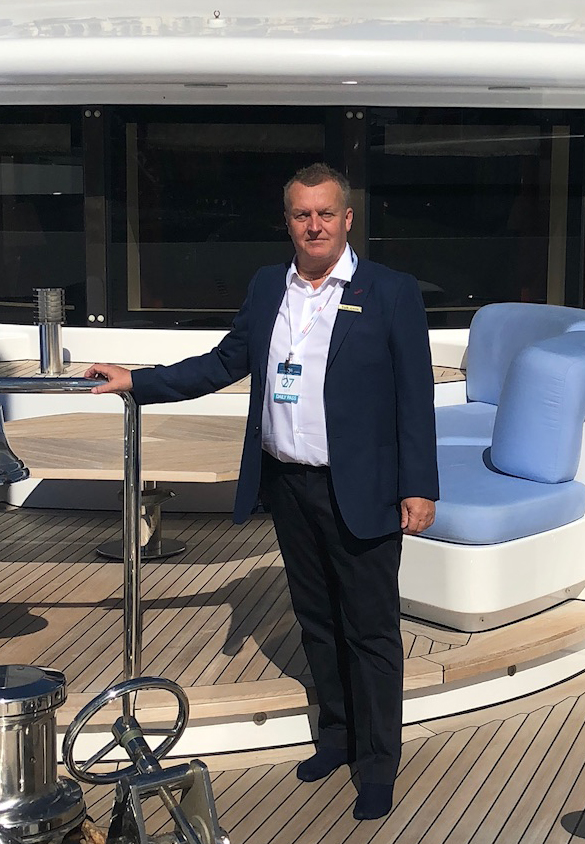
Why We Built 24Synergy — and Why the Magazines Matter

When we started developing 24Synergy, the objective was never simply to build another business directory, advertising website or collection of industry portals. There are already plenty of those, and creating another one would have achieved very little.
The question I kept coming back to was much simpler: **what should 24Synergy actually do for the businesses that use it?**
For me, the answer has always been about creating opportunity through collaboration.
We are constantly told that competition is healthy, and of course it is. Competition drives standards, innovation and better service. But I became interested in a slightly different question. What happens if competitors can also work together?
I don't mean sharing commercially sensitive information or pretending that companies aren't competing for the same customers. I mean recognising that every business already has its own clients, contacts, audience, knowledge and reach. If those individual networks can be connected intelligently, everybody potentially reaches considerably further than they could alone.
That principle became the foundation of 24Synergy.
The network is designed to grow through the businesses using it. Companies introduce their clients and contacts, other businesses do the same, and gradually those separate audiences become part of something much larger. Everybody contributes something to the network and everybody has the opportunity to benefit from the network that results.
There is also a perfectly sensible commercial reason for getting involved early. Your customers are already doing business with other companies and receiving marketing from other suppliers. It therefore makes sense to introduce them to a useful industry network yourself rather than waiting for somebody else to do it first.
That is why I think the early-adopter stage is particularly interesting. I am not going to pretend that a network during its launch period can offer the same volume of activity it should offer when thousands of companies and industry professionals are using it. Networks need people. They need participation and they need time to develop.
But eventually there is a tipping point. More companies join, more buyers arrive, more enquiries circulate, more RFQs are submitted, more people read the newsletters and magazines and more conversations take place through 24live. At that point, the companies that supported the network early aren't arriving and trying to establish themselves in an already busy marketplace. They are already there, with their accounts, listings, content, contacts and presence established.
Some of the mechanisms we have built become much more significant at that stage. Priority access to an RFQ, for example, might seem relatively unimportant when there are only a handful moving through the system. When substantial numbers of genuine opportunities are being generated, seeing something 48 hours before other users can make a considerable difference. The value of the network should therefore increase as the network itself grows.
That same thinking is ultimately what led us to create the magazines.
As 24Synergy developed, I increasingly felt that something was missing. We had created ways for businesses to list themselves, communicate, publish information, distribute newsletters, generate enquiries, respond to opportunities and reach audiences across different specialist sectors, but if we were genuinely trying to build a comprehensive marketing network, those businesses also needed somewhere to advertise.
So we built it.
The 24 Magazines aren't intended to sit separately from 24Synergy. They are another part of the same ecosystem, giving companies another route to market while giving readers useful specialist information in an accessible format. They are global publications, but with regional editions and regional editorial because the businesses and people using 24Synergy are global too.
A company shouldn't be disadvantaged because it happens to be based in Britain, France, the United States, Dubai, Singapore, Spain or somewhere else entirely. Nor should a reader have to wade through endless irrelevant information before finding something applicable to where they live, work, sail, charter, fly or conduct business.
That brings me to something else that is probably worth addressing openly.
Some readers will look through these magazines and ask: **“Have they used AI to produce some of this?”**
The answer is yes.
We have.
There are thousands of pieces of editorial involved across these publications and their regional editions, and it would be rather ridiculous for me to pretend that artificial intelligence hasn't helped us create them. AI exists, it is an extraordinarily useful tool when used properly, and I don't see any reason to hide the fact that we have used it.
What matters to me is **how** we have used it.
We haven't simply asked a machine to fill hundreds of pages with words so that the magazines look busy. We have chosen the subjects we believe are worth covering, identified the questions we think readers actually want answered and, in many cases, started the articles ourselves before using AI to help develop the research, structure and additional information around them.
The objective has always been usefulness.
If you're reading one of our sailing magazines, I want you to discover something that helps you sail, plan a passage, choose equipment, understand a destination or avoid a problem. If you're involved with private aviation, I want the information to answer questions relevant to flying, ownership, charter or operations. If you're in commercial shipping, brokerage, boat building, property, charter or another sector, the same principle applies.
I don't want pages of disposable editorial written simply because a magazine needs another article.
We have tried to identify subjects where somebody would otherwise have to spend time searching around the internet, opening numerous websites and piecing the information together themselves. We can do some of that background work instead, ask the questions and bring the useful information together in one place.
There is an environmental argument for that approach too. Endless searching, loading websites, serving adverts and repeatedly retrieving information all require digital infrastructure and energy. A magazine can be downloaded once, kept and read offline.
I wouldn't pretend that this somehow makes digital publishing impact-free, because it doesn't, but if we can save readers unnecessary searching while creating something useful enough to keep and refer back to, I think that is a better use of the technology available to us.
So yes, some of what you are reading has involved AI, and some of it has involved people. Increasingly it will involve more people as well.
As early adopters, journalists, specialists and other contributors become involved, their voices will naturally become part of these pages. We are also inviting other magazines and media organisations to contribute, which should introduce completely different editorial voices and areas of expertise. They may use AI themselves, of course, and I have no intention of telling another publisher or journalist which tools they are permitted to use.
The test is much simpler than that: **does the article give the reader something worthwhile?**
If it doesn't, it shouldn't be here.
That philosophy also explains something rather unusual we are now introducing. We are going to allow other independent magazines to promote themselves through our magazines.
At first that might sound counter-intuitive. Why would one magazine deliberately introduce its readers to another magazine?
My answer is: why wouldn't we?
If another specialist publication produces good material that our readers would appreciate, discovering it doesn't make our own magazine less useful. Quite the opposite. If we can become somewhere readers come to discover worthwhile information, including information and publications produced by other people, then I think we become more useful.
A participating publication will be able to contribute a genuine editorial article, tell readers where they can find more of its work and promote its magazine within our pages. We can potentially take that relationship considerably further as well. There may be opportunities to work with other publishers commercially, including arrangements where advertising from their own clients can reach our publications and both parties share in the resulting revenue.
Again, it comes back to the original idea behind 24Synergy. Competition doesn't have to prevent collaboration.
The scale of the network comes from the same philosophy. Historically, the industries we have worked with have never existed neatly inside individual boxes. A superyacht depends upon builders, suppliers, engineering companies, crew, brokers, charter businesses, marinas and countless specialist services. Those same owners and clients may use private aviation and own international property. Boat builders need suppliers. Charter companies need customers. Brokers need buyers and sellers. Employers need crew.
Exhibitors need boat shows, and boat shows need exhibitors and visitors.
Commercial ships and cruise ships sit alongside superyachts, motor yachts and sailing yachts. There are crew and employment services, boat and ship builders, ports, yacht services and suppliers, aviation, empty legs, property and specialist luxury markets. Each sector has its own identity, but there are countless points where they intersect.
That is why 24Synergy has become such a large collection of connected websites. It is deliberately not centred on one country or one type of business. A company with branches in several countries can bring those offices together through the same network, while a small specialist supplier can concentrate on the particular market that matters to it. Everything can still be managed centrally through the same account and dashboard.
24live takes that idea in another direction again. I sometimes describe it as sitting somewhere between the professional nature of LinkedIn and the immediacy of a social network such as Facebook, although I don't really want it to become either of those things. The purpose is business.
Members can publish their own material, interact with other users, promote their businesses and place appropriate content across relevant parts of the 24 Network. If somebody wants to be proactive, there is considerable freedom to put themselves in front of the industries they want to reach rather than simply creating a listing and waiting for somebody to find them.
That is an important distinction for me. **24Synergy isn't designed to do your marketing while you sit and watch. It is designed to give you the tools to do considerably more with your marketing yourself.**
There is another, deliberately different part of the ecosystem too.
Within the superyacht sector, 1UK.com is being developed around recognition rather than conventional paid placement. Companies cannot simply buy their way into recognition. They can request consideration, but that request can be declined. As the concept develops, I want appropriate industry leaders themselves to help determine the standards that businesses should achieve to be recognised at different levels.
That connects directly with where I would like 24Synergy itself eventually to go.
The intention is for 24Synergy to develop into a cooperative structure with industry leaders and board members helping to determine its future direction. The industry changes constantly, and the technology serving it needs to change with it. Electric propulsion is an obvious example today, but tomorrow there will be something else. The people actually working within these sectors will often identify what is needed long before a software developer sitting outside the industry ever could.
We have built the infrastructure, but I don't believe that means we should dictate indefinitely what it becomes. I would much rather create a structure where the people using the network have a meaningful voice in deciding which features should be developed next and where the network should go as their industries evolve.
There is a personal reason behind all of this as well.
I've always enjoyed helping businesses develop. I enjoy looking at a new company, understanding what it is trying to achieve and asking what could be done differently. Sometimes it is marketing, sometimes positioning, sometimes making an introduction or simply giving somebody the confidence and advice they need when they're trying to get something started.
I suppose 24Synergy is my attempt to do that on a much larger scale.
Rather than helping one company find another route to market, we have tried to build the infrastructure through which thousands of businesses can create those routes for themselves and for each other. It gives a small specialist company access to many of the same marketing mechanisms available to a much larger international organisation, while allowing a multinational business to connect offices, people and sectors through one global hub.
And that is probably the simplest answer to the question I started with: **what is 24Synergy actually for?**
It is there to create connections and opportunities that would otherwise be harder to create individually. The websites, magazines, newsletters, RFQs, publishing tools, 24live and everything else we develop are simply different ways of achieving that.
We've done the difficult part of bringing that infrastructure together. Now I want businesses to use it, challenge it and help us improve it. I want people to tell us what works, what doesn't and what their particular part of the industry needs next. As more businesses participate, the network should become more useful to everybody already inside it.
We have built 24Synergy, but I don't want it to feel as though it belongs to a small team sitting somewhere deciding what everybody else needs.
**We've built it for you. Now make use of it, make it work for your business, and help us decide what it becomes next.**
**Paul Thompson** *Editor*
Contributor: Paul Thompson / 24Synergy

Be the first reader to react to this article.

For this feature I have ignored the easy brochure comparison and concentrated on the decisions hidden inside the motor yacht that is easy to own: why supportability is becoming as important as speed and styling. The same issue appears in different cruising grounds, which makes it possible to separate a genuinely useful ownership improvement from a fashionable one. The aim is to give the reader enough context to make a better decision, not simply report what is new. By the end, the reader should have a set of questions or checks that can be used when comparing boats, speaking to a broker or yard, or planning the next season.
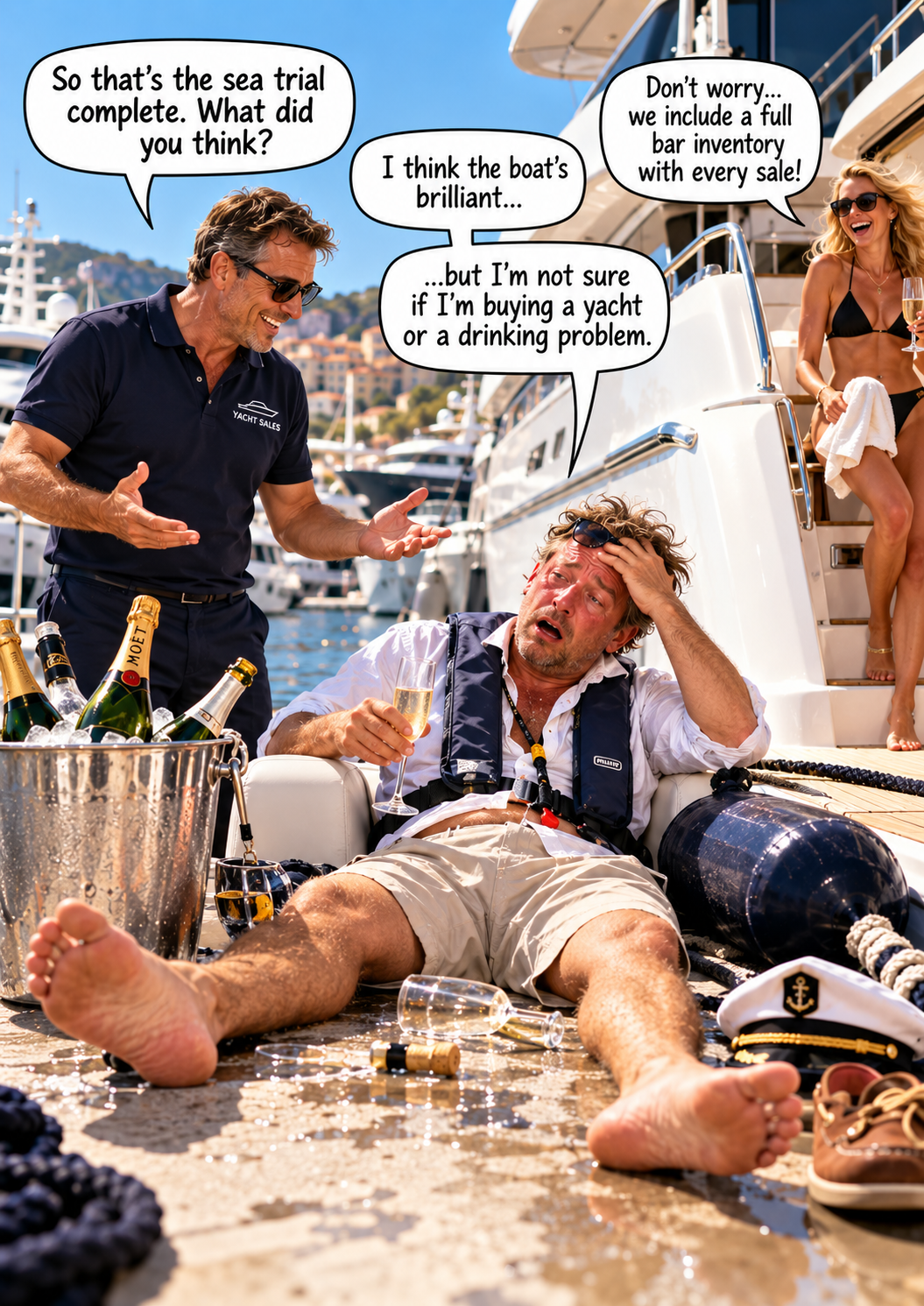
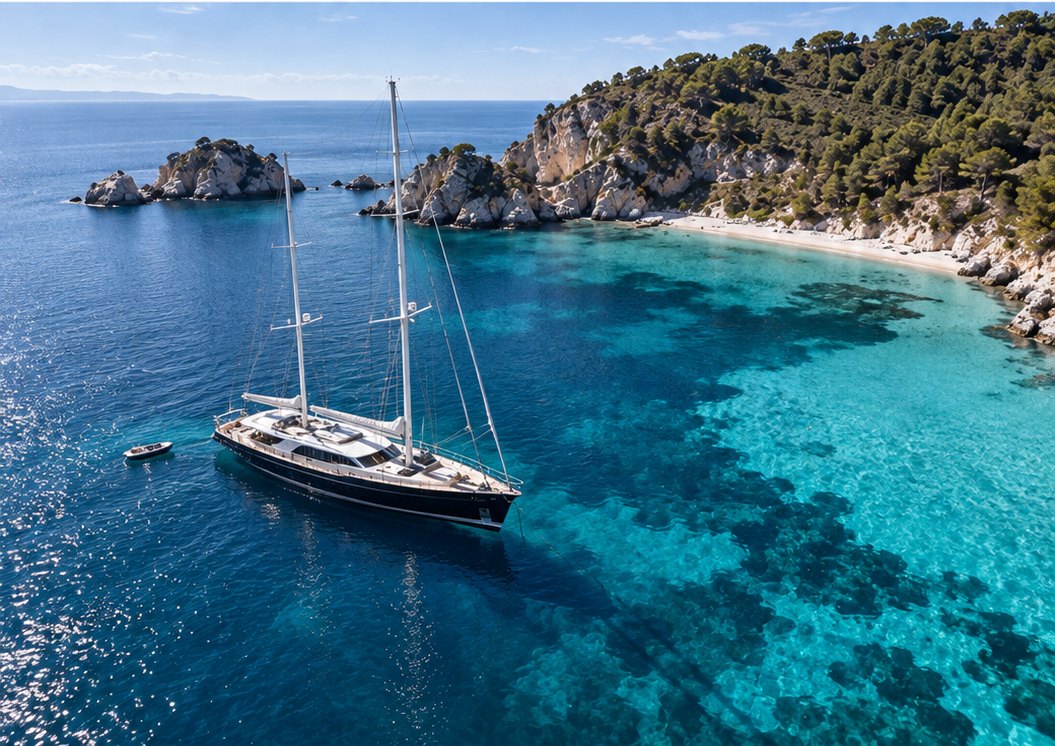
This is a strategic ownership story rather than a product round-up. The useful way to read it is to ask what changes the owner’s decisions before, during and after purchase.
A motor yacht is a mobile collection of engines, pumps, electronics, domestic systems and compromises. Ownership becomes easier when those systems can be understood, serviced and repaired without turning every defect into a project.
The global market makes comparison easy and support complicated. A boat can be designed in one country, built in another, powered by machinery from a third and spend its life several flights away from all of them.
What changes in the real world
One useful discipline is simple: Open the machinery spaces when the boat is hot and recently used. Access that looks acceptable at a show can become very different when a technician has to remove a filter, impeller, battery or pump without dismantling half the compartment. There is a sustainability benefit as well. Equipment that can be maintained, repaired and operated efficiently is usually preferable to equipment that is replaced early because access, support or diagnostics are poor.
I would make this part of the comparison. Ask for the service schedule before discussing options. Machinery with a short interval, awkward access or a distant authorised agent can shape the season more than an extra knot of maximum speed. None of this requires the owner to become an engineer. It requires the owner to ask enough questions that the engineer, broker, yard or builder has to give a useful answer rather than a reassuring one.
The practical reason is easy to miss. Treat range figures as conditional. Speed, load, fouling, sea state, wind, generator demand and reserve policy all change the useful answer. Ask what assumptions sit behind any headline number. In Global, that question becomes more important because the yacht may be operating away from its home dealer for meaningful periods. The answer should therefore include who does the work, how quickly parts move and what the owner can do safely while waiting.
This is where the headline becomes an ownership issue. Look at drainage as carefully as upholstery. Water that cannot leave a deck, locker, anchor well or machinery space cleanly will eventually find a more expensive route. The useful answer is not a promise that the system is reliable. It is a description of the fallback, the service interval, the likely failure points and the evidence that maintenance has actually been completed.

For this subject, do not accept a verbal maintenance history where invoices, engine-hour records and dated photographs should exist. Good records do not guarantee a good yacht, but missing records increase uncertainty. I would write the answer down. Memory becomes surprisingly generous after a good sea trial, whereas a dated note lets two boats be compared when the excitement has worn off.
One useful discipline is simple: A pre-purchase survey should remain independent of the selling process. The surveyor’s job is not to make the transaction comfortable; it is to identify condition, defects and areas requiring specialist investigation. This is also where a cheaper specification can become the more expensive ownership choice. Purchase price is visible once; inconvenience and repeated labour arrive quietly through the season.
I would make this part of the comparison. Photograph model plates and record serial numbers for engines, generators, stabilisers, chargers, pumps, navigation equipment and major domestic systems. That simple file makes parts conversations much faster later. There is a sustainability benefit as well. Equipment that can be maintained, repaired and operated efficiently is usually preferable to equipment that is replaced early because access, support or diagnostics are poor.

The practical reason is easy to miss. Warranty support is geographical. Ask who is authorised to attend the yacht where it will actually cruise, who approves work, whether travel is chargeable and what happens when the local agent cannot obtain a part quickly. None of this requires the owner to become an engineer. It requires the owner to ask enough questions that the engineer, broker, yard or builder has to give a useful answer rather than a reassuring one.
The hidden dependency
I would make this part of the comparison. Treat range figures as conditional. Speed, load, fouling, sea state, wind, generator demand and reserve policy all change the useful answer. Ask what assumptions sit behind any headline number. In Global, that question becomes more important because the yacht may be operating away from its home dealer for meaningful periods. The answer should therefore include who does the work, how quickly parts move and what the owner can do safely while waiting.
The practical reason is easy to miss. Ask for the service schedule before discussing options. Machinery with a short interval, awkward access or a distant authorised agent can shape the season more than an extra knot of maximum speed. The useful answer is not a promise that the system is reliable. It is a description of the fallback, the service interval, the likely failure points and the evidence that maintenance has actually been completed.
This is where the headline becomes an ownership issue. A pre-purchase survey should remain independent of the selling process. The surveyor’s job is not to make the transaction comfortable; it is to identify condition, defects and areas requiring specialist investigation. I would write the answer down. Memory becomes surprisingly generous after a good sea trial, whereas a dated note lets two boats be compared when the excitement has worn off.
For this subject, start by writing down the intended cruising area, typical number of people aboard, longest realistic passage, preferred cruising speed, nights spent away from a marina and the jobs the owner is unwilling to manage personally. This is also where a cheaper specification can become the more expensive ownership choice. Purchase price is visible once; inconvenience and repeated labour arrive quietly through the season.
One useful discipline is simple: Do not accept a verbal maintenance history where invoices, engine-hour records and dated photographs should exist. Good records do not guarantee a good yacht, but missing records increase uncertainty. There is a sustainability benefit as well. Equipment that can be maintained, repaired and operated efficiently is usually preferable to equipment that is replaced early because access, support or diagnostics are poor.
I would make this part of the comparison. Look at drainage as carefully as upholstery. Water that cannot leave a deck, locker, anchor well or machinery space cleanly will eventually find a more expensive route. None of this requires the owner to become an engineer. It requires the owner to ask enough questions that the engineer, broker, yard or builder has to give a useful answer rather than a reassuring one.
The practical reason is easy to miss. Warranty support is geographical. Ask who is authorised to attend the yacht where it will actually cruise, who approves work, whether travel is chargeable and what happens when the local agent cannot obtain a part quickly. In Global, that question becomes more important because the yacht may be operating away from its home dealer for meaningful periods. The answer should therefore include who does the work, how quickly parts move and what the owner can do safely while waiting.
This is where the headline becomes an ownership issue. If software controls a physical function, ask what happens when the display, network or subscription is unavailable. Manual fallbacks and local control are not old-fashioned; they are resilience. The useful answer is not a promise that the system is reliable. It is a description of the fallback, the service interval, the likely failure points and the evidence that maintenance has actually been completed.
A buyer’s working checklist
The practical reason is easy to miss. Open the machinery spaces when the boat is hot and recently used. Access that looks acceptable at a show can become very different when a technician has to remove a filter, impeller, battery or pump without dismantling half the compartment. I would write the answer down. Memory becomes surprisingly generous after a good sea trial, whereas a dated note lets two boats be compared when the excitement has worn off.
This is where the headline becomes an ownership issue. Ask for the service schedule before discussing options. Machinery with a short interval, awkward access or a distant authorised agent can shape the season more than an extra knot of maximum speed. This is also where a cheaper specification can become the more expensive ownership choice. Purchase price is visible once; inconvenience and repeated labour arrive quietly through the season.
For this subject, build a one-page annual calendar for lifting, antifouling, anodes, engine service, generator service, stabiliser work, safety equipment, batteries and warranty inspections. The point is to prevent five suppliers discovering the same busy week. There is a sustainability benefit as well. Equipment that can be maintained, repaired and operated efficiently is usually preferable to equipment that is replaced early because access, support or diagnostics are poor.
One useful discipline is simple: Photograph model plates and record serial numbers for engines, generators, stabilisers, chargers, pumps, navigation equipment and major domestic systems. That simple file makes parts conversations much faster later. None of this requires the owner to become an engineer. It requires the owner to ask enough questions that the engineer, broker, yard or builder has to give a useful answer rather than a reassuring one.
I would make this part of the comparison. Look at drainage as carefully as upholstery. Water that cannot leave a deck, locker, anchor well or machinery space cleanly will eventually find a more expensive route. In Global, that question becomes more important because the yacht may be operating away from its home dealer for meaningful periods. The answer should therefore include who does the work, how quickly parts move and what the owner can do safely while waiting.
The practical reason is easy to miss. Noise deserves a sea-trial note of its own. Record where vibration appears at displacement speed, transition, normal cruise and generator-only operation. A short demonstration can hide the speed at which the owner will spend most time. The useful answer is not a promise that the system is reliable. It is a description of the fallback, the service interval, the likely failure points and the evidence that maintenance has actually been completed.
This is where the headline becomes an ownership issue. Warranty support is geographical. Ask who is authorised to attend the yacht where it will actually cruise, who approves work, whether travel is chargeable and what happens when the local agent cannot obtain a part quickly. I would write the answer down. Memory becomes surprisingly generous after a good sea trial, whereas a dated note lets two boats be compared when the excitement has worn off.
For this subject, check how the boat behaves when one convenience fails. Can water still be moved, batteries charged, food kept cold, navigation maintained and the yacht safely berthed if a single component or network disappears? This is also where a cheaper specification can become the more expensive ownership choice. Purchase price is visible once; inconvenience and repeated labour arrive quietly through the season.
The maintenance consequence
This is where the headline becomes an ownership issue. Sea trial the boat with the loading and operating style in mind. A lightly fuelled demonstration with two people aboard may not resemble a family cruise with water, tender, stores and full tanks. There is a sustainability benefit as well. Equipment that can be maintained, repaired and operated efficiently is usually preferable to equipment that is replaced early because access, support or diagnostics are poor.
For this subject, check how the boat behaves when one convenience fails. Can water still be moved, batteries charged, food kept cold, navigation maintained and the yacht safely berthed if a single component or network disappears? None of this requires the owner to become an engineer. It requires the owner to ask enough questions that the engineer, broker, yard or builder has to give a useful answer rather than a reassuring one.
One useful discipline is simple: A pre-purchase survey should remain independent of the selling process. The surveyor’s job is not to make the transaction comfortable; it is to identify condition, defects and areas requiring specialist investigation. In Global, that question becomes more important because the yacht may be operating away from its home dealer for meaningful periods. The answer should therefore include who does the work, how quickly parts move and what the owner can do safely while waiting.
I would make this part of the comparison. Ask for the service schedule before discussing options. Machinery with a short interval, awkward access or a distant authorised agent can shape the season more than an extra knot of maximum speed. The useful answer is not a promise that the system is reliable. It is a description of the fallback, the service interval, the likely failure points and the evidence that maintenance has actually been completed.
The practical reason is easy to miss. Start by writing down the intended cruising area, typical number of people aboard, longest realistic passage, preferred cruising speed, nights spent away from a marina and the jobs the owner is unwilling to manage personally. I would write the answer down. Memory becomes surprisingly generous after a good sea trial, whereas a dated note lets two boats be compared when the excitement has worn off.
This is where the headline becomes an ownership issue. Look at drainage as carefully as upholstery. Water that cannot leave a deck, locker, anchor well or machinery space cleanly will eventually find a more expensive route. This is also where a cheaper specification can become the more expensive ownership choice. Purchase price is visible once; inconvenience and repeated labour arrive quietly through the season.
For this subject, do not accept a verbal maintenance history where invoices, engine-hour records and dated photographs should exist. Good records do not guarantee a good yacht, but missing records increase uncertainty. There is a sustainability benefit as well. Equipment that can be maintained, repaired and operated efficiently is usually preferable to equipment that is replaced early because access, support or diagnostics are poor.
One useful discipline is simple: Storage should be tested with real objects in mind: fenders, lines, cleaning gear, food, luggage, spare filters, tools, lifejackets and wet clothing. Empty lockers always look larger at a boat show. None of this requires the owner to become an engineer. It requires the owner to ask enough questions that the engineer, broker, yard or builder has to give a useful answer rather than a reassuring one.
When the opposite choice is better
For this subject, open the machinery spaces when the boat is hot and recently used. Access that looks acceptable at a show can become very different when a technician has to remove a filter, impeller, battery or pump without dismantling half the compartment. In Global, that question becomes more important because the yacht may be operating away from its home dealer for meaningful periods. The answer should therefore include who does the work, how quickly parts move and what the owner can do safely while waiting.
One useful discipline is simple: If software controls a physical function, ask what happens when the display, network or subscription is unavailable. Manual fallbacks and local control are not old-fashioned; they are resilience. The useful answer is not a promise that the system is reliable. It is a description of the fallback, the service interval, the likely failure points and the evidence that maintenance has actually been completed.
I would make this part of the comparison. Sea trial the boat with the loading and operating style in mind. A lightly fuelled demonstration with two people aboard may not resemble a family cruise with water, tender, stores and full tanks. I would write the answer down. Memory becomes surprisingly generous after a good sea trial, whereas a dated note lets two boats be compared when the excitement has worn off.
The practical reason is easy to miss. A pre-purchase survey should remain independent of the selling process. The surveyor’s job is not to make the transaction comfortable; it is to identify condition, defects and areas requiring specialist investigation. This is also where a cheaper specification can become the more expensive ownership choice. Purchase price is visible once; inconvenience and repeated labour arrive quietly through the season.
This is where the headline becomes an ownership issue. Look at drainage as carefully as upholstery. Water that cannot leave a deck, locker, anchor well or machinery space cleanly will eventually find a more expensive route. There is a sustainability benefit as well. Equipment that can be maintained, repaired and operated efficiently is usually preferable to equipment that is replaced early because access, support or diagnostics are poor.
For this subject, check how the boat behaves when one convenience fails. Can water still be moved, batteries charged, food kept cold, navigation maintained and the yacht safely berthed if a single component or network disappears? None of this requires the owner to become an engineer. It requires the owner to ask enough questions that the engineer, broker, yard or builder has to give a useful answer rather than a reassuring one.
In the context of the motor yacht that is easy to own: why supportability is becoming as important as speed and styling, that turns a general maintenance principle into a buying question: who will deal with it, where, how quickly and with what evidence?
One useful discipline is simple: Before comparing two boats, compare the support radius around each one. Count realistic technicians, yards, haul-out options and parts routes within the cruising area rather than relying on the size of the manufacturer’s global logo. In Global, that question becomes more important because the yacht may be operating away from its home dealer for meaningful periods.
The answer should therefore include who does the work, how quickly parts move and what the owner can do safely while waiting.
I would make this part of the comparison. Do not accept a verbal maintenance history where invoices, engine-hour records and dated photographs should exist. Good records do not guarantee a good yacht, but missing records increase uncertainty. The useful answer is not a promise that the system is reliable. It is a description of the fallback, the service interval, the likely failure points and the evidence that maintenance has actually been completed.
My takeaway
One useful discipline is simple: Look at drainage as carefully as upholstery. Water that cannot leave a deck, locker, anchor well or machinery space cleanly will eventually find a more expensive route. I would write the answer down. Memory becomes surprisingly generous after a good sea trial, whereas a dated note lets two boats be compared when the excitement has worn off.
I would make this part of the comparison. Do not accept a verbal maintenance history where invoices, engine-hour records and dated photographs should exist. Good records do not guarantee a good yacht, but missing records increase uncertainty. This is also where a cheaper specification can become the more expensive ownership choice. Purchase price is visible once; inconvenience and repeated labour arrive quietly through the season.
Contributor: Paul Thompson / 24MotorYachts

Be the first reader to react to this article.
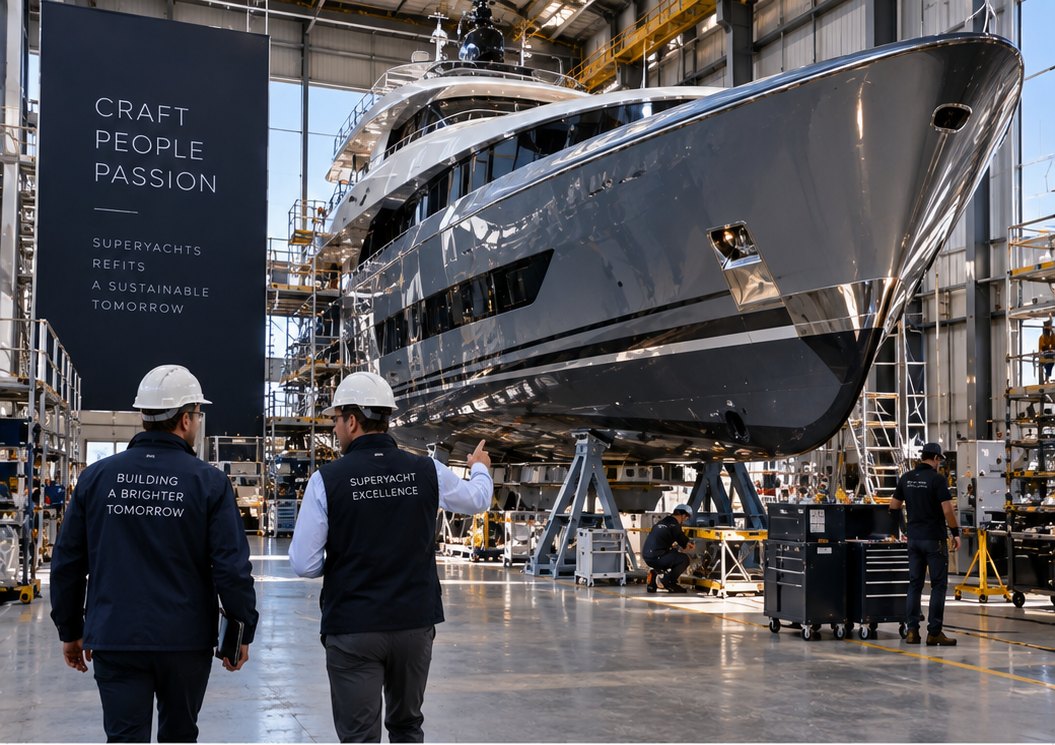
The interesting part of where the brochure stops: the ownership costs and compromises buyers should investigate before signing is not the headline itself; it is what the owner needs to check before the decision becomes expensive or inconvenient. The same issue appears in different cruising grounds, which makes it possible to separate a genuinely useful ownership improvement from a fashionable one. I have brought together the practical consequences that are normally scattered across sales, marina, service and ownership conversations. By the end, the reader should have a set of questions or checks that can be used when comparing boats, speaking to a broker or yard, or planning the next season.

The value here is in joining together costs, operating constraints and ownership consequences that are usually discussed separately. None of them is dramatic alone; together they can change the sensible choice of yacht.
A motor yacht is a mobile collection of engines, pumps, electronics, domestic systems and compromises. Ownership becomes easier when those systems can be understood, serviced and repaired without turning every defect into a project. That matters here because where the brochure stops: the ownership costs and compromises buyers should investigate before signing only becomes useful editorially when the reader can convert it into a question to ask before committing to the yacht.
The global market makes comparison easy and support complicated. A boat can be designed in one country, built in another, powered by machinery from a third and spend its life several flights away from all of them. Applied to where the brochure stops: the ownership costs and compromises buyers should investigate before signing, I would use that check specifically to compare the promise being made with the way this boat would actually be used in Global.
The problem behind the headline
I would make this part of the comparison. Do not accept a verbal maintenance history where invoices, engine-hour records and dated photographs should exist. Good records do not guarantee a good yacht, but missing records increase uncertainty. I would write the answer down. Memory becomes surprisingly generous after a good sea trial, whereas a dated note lets two boats be compared when the excitement has worn off.
The practical reason is easy to miss. Treat range figures as conditional. Speed, load, fouling, sea state, wind, generator demand and reserve policy all change the useful answer. Ask what assumptions sit behind any headline number. This is also where a cheaper specification can become the more expensive ownership choice. Purchase price is visible once; inconvenience and repeated labour arrive quietly through the season.
This is where the headline becomes an ownership issue. Build a one-page annual calendar for lifting, antifouling, anodes, engine service, generator service, stabiliser work, safety equipment, batteries and warranty inspections. The point is to prevent five suppliers discovering the same busy week. There is a sustainability benefit as well. Equipment that can be maintained, repaired and operated efficiently is usually preferable to equipment that is replaced early because access, support or diagnostics are poor.
For this subject, warranty support is geographical. Ask who is authorised to attend the yacht where it will actually cruise, who approves work, whether travel is chargeable and what happens when the local agent cannot obtain a part quickly. None of this requires the owner to become an engineer. It requires the owner to ask enough questions that the engineer, broker, yard or builder has to give a useful answer rather than a reassuring one.
One useful discipline is simple: Check how the boat behaves when one convenience fails. Can water still be moved, batteries charged, food kept cold, navigation maintained and the yacht safely berthed if a single component or network disappears? In Global, that question becomes more important because the yacht may be operating away from its home dealer for meaningful periods. The answer should therefore include who does the work, how quickly parts move and what the owner can do safely while waiting.
I would make this part of the comparison. Start by writing down the intended cruising area, typical number of people aboard, longest realistic passage, preferred cruising speed, nights spent away from a marina and the jobs the owner is unwilling to manage personally. The useful answer is not a promise that the system is reliable. It is a description of the fallback, the service interval, the likely failure points and the evidence that maintenance has actually been completed.
The practical reason is easy to miss. Ask for the service schedule before discussing options. Machinery with a short interval, awkward access or a distant authorised agent can shape the season more than an extra knot of maximum speed. I would write the answer down. Memory becomes surprisingly generous after a good sea trial, whereas a dated note lets two boats be compared when the excitement has worn off.
This is where the headline becomes an ownership issue. A pre-purchase survey should remain independent of the selling process. The surveyor’s job is not to make the transaction comfortable; it is to identify condition, defects and areas requiring specialist investigation. This is also where a cheaper specification can become the more expensive ownership choice. Purchase price is visible once; inconvenience and repeated labour arrive quietly through the season.
What to inspect
The practical reason is easy to miss. Sea trial the boat with the loading and operating style in mind. A lightly fuelled demonstration with two people aboard may not resemble a family cruise with water, tender, stores and full tanks. There is a sustainability benefit as well. Equipment that can be maintained, repaired and operated efficiently is usually preferable to equipment that is replaced early because access, support or diagnostics are poor.
This is where the headline becomes an ownership issue. Build a one-page annual calendar for lifting, antifouling, anodes, engine service, generator service, stabiliser work, safety equipment, batteries and warranty inspections. The point is to prevent five suppliers discovering the same busy week. None of this requires the owner to become an engineer. It requires the owner to ask enough questions that the engineer, broker, yard or builder has to give a useful answer rather than a reassuring one.
For this subject, photograph model plates and record serial numbers for engines, generators, stabilisers, chargers, pumps, navigation equipment and major domestic systems. That simple file makes parts conversations much faster later. In Global, that question becomes more important because the yacht may be operating away from its home dealer for meaningful periods. The answer should therefore include who does the work, how quickly parts move and what the owner can do safely while waiting.
One useful discipline is simple: Noise deserves a sea-trial note of its own. Record where vibration appears at displacement speed, transition, normal cruise and generator-only operation. A short demonstration can hide the speed at which the owner will spend most time. The useful answer is not a promise that the system is reliable. It is a description of the fallback, the service interval, the likely failure points and the evidence that maintenance has actually been completed.
I would make this part of the comparison. A pre-purchase survey should remain independent of the selling process. The surveyor’s job is not to make the transaction comfortable; it is to identify condition, defects and areas requiring specialist investigation. I would write the answer down. Memory becomes surprisingly generous after a good sea trial, whereas a dated note lets two boats be compared when the excitement has worn off.
The practical reason is easy to miss. Warranty support is geographical. Ask who is authorised to attend the yacht where it will actually cruise, who approves work, whether travel is chargeable and what happens when the local agent cannot obtain a part quickly. This is also where a cheaper specification can become the more expensive ownership choice. Purchase price is visible once; inconvenience and repeated labour arrive quietly through the season.
This is where the headline becomes an ownership issue. Do not accept a verbal maintenance history where invoices, engine-hour records and dated photographs should exist. Good records do not guarantee a good yacht, but missing records increase uncertainty. There is a sustainability benefit as well. Equipment that can be maintained, repaired and operated efficiently is usually preferable to equipment that is replaced early because access, support or diagnostics are poor.

For this subject, storage should be tested with real objects in mind: fenders, lines, cleaning gear, food, luggage, spare filters, tools, lifejackets and wet clothing. Empty lockers always look larger at a boat show. None of this requires the owner to become an engineer. It requires the owner to ask enough questions that the engineer, broker, yard or builder has to give a useful answer rather than a reassuring one.
What to ask for in writing
This is where the headline becomes an ownership issue. Look at drainage as carefully as upholstery. Water that cannot leave a deck, locker, anchor well or machinery space cleanly will eventually find a more expensive route. In Global, that question becomes more important because the yacht may be operating away from its home dealer for meaningful periods. The answer should therefore include who does the work, how quickly parts move and what the owner can do safely while waiting.
For this subject, do not accept a verbal maintenance history where invoices, engine-hour records and dated photographs should exist. Good records do not guarantee a good yacht, but missing records increase uncertainty. The useful answer is not a promise that the system is reliable. It is a description of the fallback, the service interval, the likely failure points and the evidence that maintenance has actually been completed.
One useful discipline is simple: Start by writing down the intended cruising area, typical number of people aboard, longest realistic passage, preferred cruising speed, nights spent away from a marina and the jobs the owner is unwilling to manage personally. I would write the answer down. Memory becomes surprisingly generous after a good sea trial, whereas a dated note lets two boats be compared when the excitement has worn off.
I would make this part of the comparison. Noise deserves a sea-trial note of its own. Record where vibration appears at displacement speed, transition, normal cruise and generator-only operation. A short demonstration can hide the speed at which the owner will spend most time. This is also where a cheaper specification can become the more expensive ownership choice. Purchase price is visible once; inconvenience and repeated labour arrive quietly through the season.
The practical reason is easy to miss. Warranty support is geographical. Ask who is authorised to attend the yacht where it will actually cruise, who approves work, whether travel is chargeable and what happens when the local agent cannot obtain a part quickly. There is a sustainability benefit as well. Equipment that can be maintained, repaired and operated efficiently is usually preferable to equipment that is replaced early because access, support or diagnostics are poor.
This is where the headline becomes an ownership issue. Ask for the service schedule before discussing options. Machinery with a short interval, awkward access or a distant authorised agent can shape the season more than an extra knot of maximum speed. None of this requires the owner to become an engineer. It requires the owner to ask enough questions that the engineer, broker, yard or builder has to give a useful answer rather than a reassuring one.
For this subject, if software controls a physical function, ask what happens when the display, network or subscription is unavailable. Manual fallbacks and local control are not old-fashioned; they are resilience. In Global, that question becomes more important because the yacht may be operating away from its home dealer for meaningful periods. The answer should therefore include who does the work, how quickly parts move and what the owner can do safely while waiting.
One useful discipline is simple: Storage should be tested with real objects in mind: fenders, lines, cleaning gear, food, luggage, spare filters, tools, lifejackets and wet clothing. Empty lockers always look larger at a boat show. The useful answer is not a promise that the system is reliable. It is a description of the fallback, the service interval, the likely failure points and the evidence that maintenance has actually been completed.
How the decision changes at sea
For this subject, ask for the service schedule before discussing options. Machinery with a short interval, awkward access or a distant authorised agent can shape the season more than an extra knot of maximum speed. I would write the answer down. Memory becomes surprisingly generous after a good sea trial, whereas a dated note lets two boats be compared when the excitement has worn off.
One useful discipline is simple: Open the machinery spaces when the boat is hot and recently used. Access that looks acceptable at a show can become very different when a technician has to remove a filter, impeller, battery or pump without dismantling half the compartment. This is also where a cheaper specification can become the more expensive ownership choice. Purchase price is visible once; inconvenience and repeated labour arrive quietly through the season.
I would make this part of the comparison. Treat range figures as conditional. Speed, load, fouling, sea state, wind, generator demand and reserve policy all change the useful answer. Ask what assumptions sit behind any headline number. There is a sustainability benefit as well. Equipment that can be maintained, repaired and operated efficiently is usually preferable to equipment that is replaced early because access, support or diagnostics are poor.
The practical reason is easy to miss. If software controls a physical function, ask what happens when the display, network or subscription is unavailable. Manual fallbacks and local control are not old-fashioned; they are resilience. None of this requires the owner to become an engineer. It requires the owner to ask enough questions that the engineer, broker, yard or builder has to give a useful answer rather than a reassuring one.
This is where the headline becomes an ownership issue. Start by writing down the intended cruising area, typical number of people aboard, longest realistic passage, preferred cruising speed, nights spent away from a marina and the jobs the owner is unwilling to manage personally. In Global, that question becomes more important because the yacht may be operating away from its home dealer for meaningful periods.
The answer should therefore include who does the work, how quickly parts move and what the owner can do safely while waiting.
For this subject, sea trial the boat with the loading and operating style in mind. A lightly fuelled demonstration with two people aboard may not resemble a family cruise with water, tender, stores and full tanks. The useful answer is not a promise that the system is reliable. It is a description of the fallback, the service interval, the likely failure points and the evidence that maintenance has actually been completed.
One useful discipline is simple: Photograph model plates and record serial numbers for engines, generators, stabilisers, chargers, pumps, navigation equipment and major domestic systems. That simple file makes parts conversations much faster later. I would write the answer down. Memory becomes surprisingly generous after a good sea trial, whereas a dated note lets two boats be compared when the excitement has worn off.
I would make this part of the comparison. Build a one-page annual calendar for lifting, antifouling, anodes, engine service, generator service, stabiliser work, safety equipment, batteries and warranty inspections. The point is to prevent five suppliers discovering the same busy week. This is also where a cheaper specification can become the more expensive ownership choice. Purchase price is visible once; inconvenience and repeated labour arrive quietly through the season.
The second-season test
One useful discipline is simple: Before comparing two boats, compare the support radius around each one. Count realistic technicians, yards, haul-out options and parts routes within the cruising area rather than relying on the size of the manufacturer’s global logo. There is a sustainability benefit as well. Equipment that can be maintained, repaired and operated efficiently is usually preferable to equipment that is replaced early because access, support or diagnostics are poor.
I would make this part of the comparison. Storage should be tested with real objects in mind: fenders, lines, cleaning gear, food, luggage, spare filters, tools, lifejackets and wet clothing. Empty lockers always look larger at a boat show. None of this requires the owner to become an engineer. It requires the owner to ask enough questions that the engineer, broker, yard or builder has to give a useful answer rather than a reassuring one.
The practical reason is easy to miss. Warranty support is geographical. Ask who is authorised to attend the yacht where it will actually cruise, who approves work, whether travel is chargeable and what happens when the local agent cannot obtain a part quickly. In Global, that question becomes more important because the yacht may be operating away from its home dealer for meaningful periods. The answer should therefore include who does the work, how quickly parts move and what the owner can do safely while waiting.
Applied to where the brochure stops: the ownership costs and compromises buyers should investigate before signing, I would use that check specifically to compare the promise being made with the way this boat would actually be used in Global.
This is where the headline becomes an ownership issue. Ask for the service schedule before discussing options. Machinery with a short interval, awkward access or a distant authorised agent can shape the season more than an extra knot of maximum speed. The useful answer is not a promise that the system is reliable. It is a description of the fallback, the service interval, the likely failure points and the evidence that maintenance has actually been completed.
For this subject, treat range figures as conditional. Speed, load, fouling, sea state, wind, generator demand and reserve policy all change the useful answer. Ask what assumptions sit behind any headline number. I would write the answer down. Memory becomes surprisingly generous after a good sea trial, whereas a dated note lets two boats be compared when the excitement has worn off.
One useful discipline is simple: Open the machinery spaces when the boat is hot and recently used. Access that looks acceptable at a show can become very different when a technician has to remove a filter, impeller, battery or pump without dismantling half the compartment. This is also where a cheaper specification can become the more expensive ownership choice. Purchase price is visible once; inconvenience and repeated labour arrive quietly through the season.
That matters here because where the brochure stops: the ownership costs and compromises buyers should investigate before signing only becomes useful editorially when the reader can convert it into a question to ask before committing to the yacht.
I would make this part of the comparison. Sea trial the boat with the loading and operating style in mind. A lightly fuelled demonstration with two people aboard may not resemble a family cruise with water, tender, stores and full tanks. There is a sustainability benefit as well. Equipment that can be maintained, repaired and operated efficiently is usually preferable to equipment that is replaced early because access, support or diagnostics are poor.
The practical reason is easy to miss. Noise deserves a sea-trial note of its own. Record where vibration appears at displacement speed, transition, normal cruise and generator-only operation. A short demonstration can hide the speed at which the owner will spend most time. None of this requires the owner to become an engineer. It requires the owner to ask enough questions that the engineer, broker, yard or builder has to give a useful answer rather than a reassuring one.
What matters most
I would make this part of the comparison. Before comparing two boats, compare the support radius around each one. Count realistic technicians, yards, haul-out options and parts routes within the cruising area rather than relying on the size of the manufacturer’s global logo. In Global, that question becomes more important because the yacht may be operating away from its home dealer for meaningful periods.
The answer should therefore include who does the work, how quickly parts move and what the owner can do safely while waiting.
Contributor: Paul Thompson / 24MotorYachts
Be the first reader to react to this article.

I wanted this piece on the 2027 motor-yacht watchlist: the design and engineering changes worth following to work as a practical reference rather than another list of specifications. The same issue appears in different cruising grounds, which makes it possible to separate a genuinely useful ownership improvement from a fashionable one. Newness earns space here only when it solves a problem, improves reliability or makes the boat materially easier to use. By the end, the reader should have a set of questions or checks that can be used when comparing boats, speaking to a broker or yard, or planning the next season.

Newness only matters when it removes a real inconvenience, improves reliability, reduces consumption or makes the yacht easier to use. A launch label by itself proves very little.
A motor yacht is a mobile collection of engines, pumps, electronics, domestic systems and compromises. Ownership becomes easier when those systems can be understood, serviced and repaired without turning every defect into a project. Applied to the 2027 motor-yacht watchlist: the design and engineering changes worth following, I would use that check specifically to compare the promise being made with the way this boat would actually be used in Global.
The global market makes comparison easy and support complicated. A boat can be designed in one country, built in another, powered by machinery from a third and spend its life several flights away from all of them. For this new & notable feature, the important point is how that decision changes the practical ownership case in Global, not whether it adds another line to the equipment list.
Before spending anything
The practical reason is easy to miss. A pre-purchase survey should remain independent of the selling process. The surveyor’s job is not to make the transaction comfortable; it is to identify condition, defects and areas requiring specialist investigation. I would write the answer down. Memory becomes surprisingly generous after a good sea trial, whereas a dated note lets two boats be compared when the excitement has worn off.
This is where the headline becomes an ownership issue. Before comparing two boats, compare the support radius around each one. Count realistic technicians, yards, haul-out options and parts routes within the cruising area rather than relying on the size of the manufacturer’s global logo. This is also where a cheaper specification can become the more expensive ownership choice. Purchase price is visible once; inconvenience and repeated labour arrive quietly through the season.
For this subject, check how the boat behaves when one convenience fails. Can water still be moved, batteries charged, food kept cold, navigation maintained and the yacht safely berthed if a single component or network disappears? There is a sustainability benefit as well. Equipment that can be maintained, repaired and operated efficiently is usually preferable to equipment that is replaced early because access, support or diagnostics are poor.

One useful discipline is simple: Do not accept a verbal maintenance history where invoices, engine-hour records and dated photographs should exist. Good records do not guarantee a good yacht, but missing records increase uncertainty. None of this requires the owner to become an engineer. It requires the owner to ask enough questions that the engineer, broker, yard or builder has to give a useful answer rather than a reassuring one.
I would make this part of the comparison. Start by writing down the intended cruising area, typical number of people aboard, longest realistic passage, preferred cruising speed, nights spent away from a marina and the jobs the owner is unwilling to manage personally. In Global, that question becomes more important because the yacht may be operating away from its home dealer for meaningful periods.
The answer should therefore include who does the work, how quickly parts move and what the owner can do safely while waiting.
The practical reason is easy to miss. Storage should be tested with real objects in mind: fenders, lines, cleaning gear, food, luggage, spare filters, tools, lifejackets and wet clothing. Empty lockers always look larger at a boat show. The useful answer is not a promise that the system is reliable. It is a description of the fallback, the service interval, the likely failure points and the evidence that maintenance has actually been completed.
This is where the headline becomes an ownership issue. Look at drainage as carefully as upholstery. Water that cannot leave a deck, locker, anchor well or machinery space cleanly will eventually find a more expensive route. I would write the answer down. Memory becomes surprisingly generous after a good sea trial, whereas a dated note lets two boats be compared when the excitement has worn off.
For this subject, if software controls a physical function, ask what happens when the display, network or subscription is unavailable. Manual fallbacks and local control are not old-fashioned; they are resilience. This is also where a cheaper specification can become the more expensive ownership choice. Purchase price is visible once; inconvenience and repeated labour arrive quietly through the season.
The operating day
This is where the headline becomes an ownership issue. Check how the boat behaves when one convenience fails. Can water still be moved, batteries charged, food kept cold, navigation maintained and the yacht safely berthed if a single component or network disappears? There is a sustainability benefit as well. Equipment that can be maintained, repaired and operated efficiently is usually preferable to equipment that is replaced early because access, support or diagnostics are poor.
For this subject, ask for the service schedule before discussing options. Machinery with a short interval, awkward access or a distant authorised agent can shape the season more than an extra knot of maximum speed. None of this requires the owner to become an engineer. It requires the owner to ask enough questions that the engineer, broker, yard or builder has to give a useful answer rather than a reassuring one.
One useful discipline is simple: Before comparing two boats, compare the support radius around each one. Count realistic technicians, yards, haul-out options and parts routes within the cruising area rather than relying on the size of the manufacturer’s global logo. In Global, that question becomes more important because the yacht may be operating away from its home dealer for meaningful periods.
The answer should therefore include who does the work, how quickly parts move and what the owner can do safely while waiting. In the context of the 2027 motor-yacht watchlist: the design and engineering changes worth following, that turns a general maintenance principle into a buying question: who will deal with it, where, how quickly and with what evidence?
I would make this part of the comparison. Sea trial the boat with the loading and operating style in mind. A lightly fuelled demonstration with two people aboard may not resemble a family cruise with water, tender, stores and full tanks. The useful answer is not a promise that the system is reliable. It is a description of the fallback, the service interval, the likely failure points and the evidence that maintenance has actually been completed.
The practical reason is easy to miss. Start by writing down the intended cruising area, typical number of people aboard, longest realistic passage, preferred cruising speed, nights spent away from a marina and the jobs the owner is unwilling to manage personally. I would write the answer down. Memory becomes surprisingly generous after a good sea trial, whereas a dated note lets two boats be compared when the excitement has worn off.
Applied to the 2027 motor-yacht watchlist: the design and engineering changes worth following, I would use that check specifically to compare the promise being made with the way this boat would actually be used in Global.
This is where the headline becomes an ownership issue. Build a one-page annual calendar for lifting, antifouling, anodes, engine service, generator service, stabiliser work, safety equipment, batteries and warranty inspections. The point is to prevent five suppliers discovering the same busy week. This is also where a cheaper specification can become the more expensive ownership choice. Purchase price is visible once; inconvenience and repeated labour arrive quietly through the season.
For this subject, photograph model plates and record serial numbers for engines, generators, stabilisers, chargers, pumps, navigation equipment and major domestic systems. That simple file makes parts conversations much faster later. There is a sustainability benefit as well. Equipment that can be maintained, repaired and operated efficiently is usually preferable to equipment that is replaced early because access, support or diagnostics are poor.
One useful discipline is simple: A pre-purchase survey should remain independent of the selling process. The surveyor’s job is not to make the transaction comfortable; it is to identify condition, defects and areas requiring specialist investigation. None of this requires the owner to become an engineer. It requires the owner to ask enough questions that the engineer, broker, yard or builder has to give a useful answer rather than a reassuring one.
The support question
For this subject, look at drainage as carefully as upholstery. Water that cannot leave a deck, locker, anchor well or machinery space cleanly will eventually find a more expensive route. In Global, that question becomes more important because the yacht may be operating away from its home dealer for meaningful periods. The answer should therefore include who does the work, how quickly parts move and what the owner can do safely while waiting.
One useful discipline is simple: Do not accept a verbal maintenance history where invoices, engine-hour records and dated photographs should exist. Good records do not guarantee a good yacht, but missing records increase uncertainty. The useful answer is not a promise that the system is reliable. It is a description of the fallback, the service interval, the likely failure points and the evidence that maintenance has actually been completed.
I would make this part of the comparison. Build a one-page annual calendar for lifting, antifouling, anodes, engine service, generator service, stabiliser work, safety equipment, batteries and warranty inspections. The point is to prevent five suppliers discovering the same busy week. I would write the answer down. Memory becomes surprisingly generous after a good sea trial, whereas a dated note lets two boats be compared when the excitement has worn off.
The practical reason is easy to miss. Photograph model plates and record serial numbers for engines, generators, stabilisers, chargers, pumps, navigation equipment and major domestic systems. That simple file makes parts conversations much faster later. This is also where a cheaper specification can become the more expensive ownership choice. Purchase price is visible once; inconvenience and repeated labour arrive quietly through the season.
This is where the headline becomes an ownership issue. Sea trial the boat with the loading and operating style in mind. A lightly fuelled demonstration with two people aboard may not resemble a family cruise with water, tender, stores and full tanks. There is a sustainability benefit as well. Equipment that can be maintained, repaired and operated efficiently is usually preferable to equipment that is replaced early because access, support or diagnostics are poor.
For this new & notable feature, the important point is how that decision changes the practical ownership case in Global, not whether it adds another line to the equipment list.
For this subject, before comparing two boats, compare the support radius around each one. Count realistic technicians, yards, haul-out options and parts routes within the cruising area rather than relying on the size of the manufacturer’s global logo. None of this requires the owner to become an engineer. It requires the owner to ask enough questions that the engineer, broker, yard or builder has to give a useful answer rather than a reassuring one.
One useful discipline is simple: If software controls a physical function, ask what happens when the display, network or subscription is unavailable. Manual fallbacks and local control are not old-fashioned; they are resilience. In Global, that question becomes more important because the yacht may be operating away from its home dealer for meaningful periods. The answer should therefore include who does the work, how quickly parts move and what the owner can do safely while waiting.
I would make this part of the comparison. Noise deserves a sea-trial note of its own. Record where vibration appears at displacement speed, transition, normal cruise and generator-only operation. A short demonstration can hide the speed at which the owner will spend most time. The useful answer is not a promise that the system is reliable. It is a description of the fallback, the service interval, the likely failure points and the evidence that maintenance has actually been completed.
The failure-mode test
One useful discipline is simple: Check how the boat behaves when one convenience fails. Can water still be moved, batteries charged, food kept cold, navigation maintained and the yacht safely berthed if a single component or network disappears? I would write the answer down. Memory becomes surprisingly generous after a good sea trial, whereas a dated note lets two boats be compared when the excitement has worn off.
I would make this part of the comparison. Ask for the service schedule before discussing options. Machinery with a short interval, awkward access or a distant authorised agent can shape the season more than an extra knot of maximum speed. This is also where a cheaper specification can become the more expensive ownership choice. Purchase price is visible once; inconvenience and repeated labour arrive quietly through the season.
The practical reason is easy to miss. Sea trial the boat with the loading and operating style in mind. A lightly fuelled demonstration with two people aboard may not resemble a family cruise with water, tender, stores and full tanks. There is a sustainability benefit as well. Equipment that can be maintained, repaired and operated efficiently is usually preferable to equipment that is replaced early because access, support or diagnostics are poor.
Applied to the 2027 motor-yacht watchlist: the design and engineering changes worth following, I would use that check specifically to compare the promise being made with the way this boat would actually be used in Global.
This is where the headline becomes an ownership issue. Storage should be tested with real objects in mind: fenders, lines, cleaning gear, food, luggage, spare filters, tools, lifejackets and wet clothing. Empty lockers always look larger at a boat show. None of this requires the owner to become an engineer. It requires the owner to ask enough questions that the engineer, broker, yard or builder has to give a useful answer rather than a reassuring one.
For this subject, warranty support is geographical. Ask who is authorised to attend the yacht where it will actually cruise, who approves work, whether travel is chargeable and what happens when the local agent cannot obtain a part quickly. In Global, that question becomes more important because the yacht may be operating away from its home dealer for meaningful periods. The answer should therefore include who does the work, how quickly parts move and what the owner can do safely while waiting.
One useful discipline is simple: Noise deserves a sea-trial note of its own. Record where vibration appears at displacement speed, transition, normal cruise and generator-only operation. A short demonstration can hide the speed at which the owner will spend most time. The useful answer is not a promise that the system is reliable. It is a description of the fallback, the service interval, the likely failure points and the evidence that maintenance has actually been completed.
That matters here because the 2027 motor-yacht watchlist: the design and engineering changes worth following only becomes useful editorially when the reader can convert it into a question to ask before committing to the yacht.
I would make this part of the comparison. Photograph model plates and record serial numbers for engines, generators, stabilisers, chargers, pumps, navigation equipment and major domestic systems. That simple file makes parts conversations much faster later. I would write the answer down. Memory becomes surprisingly generous after a good sea trial, whereas a dated note lets two boats be compared when the excitement has worn off.
The practical reason is easy to miss. Do not accept a verbal maintenance history where invoices, engine-hour records and dated photographs should exist. Good records do not guarantee a good yacht, but missing records increase uncertainty. This is also where a cheaper specification can become the more expensive ownership choice. Purchase price is visible once; inconvenience and repeated labour arrive quietly through the season.
A better comparison
I would make this part of the comparison. Noise deserves a sea-trial note of its own. Record where vibration appears at displacement speed, transition, normal cruise and generator-only operation. A short demonstration can hide the speed at which the owner will spend most time. There is a sustainability benefit as well. Equipment that can be maintained, repaired and operated efficiently is usually preferable to equipment that is replaced early because access, support or diagnostics are poor.
The practical reason is easy to miss. Storage should be tested with real objects in mind: fenders, lines, cleaning gear, food, luggage, spare filters, tools, lifejackets and wet clothing. Empty lockers always look larger at a boat show. None of this requires the owner to become an engineer. It requires the owner to ask enough questions that the engineer, broker, yard or builder has to give a useful answer rather than a reassuring one.
This is where the headline becomes an ownership issue. Start by writing down the intended cruising area, typical number of people aboard, longest realistic passage, preferred cruising speed, nights spent away from a marina and the jobs the owner is unwilling to manage personally. In Global, that question becomes more important because the yacht may be operating away from its home dealer for meaningful periods.
The answer should therefore include who does the work, how quickly parts move and what the owner can do safely while waiting. For this new & notable feature, the important point is how that decision changes the practical ownership case in Global, not whether it adds another line to the equipment list.
For this subject, warranty support is geographical. Ask who is authorised to attend the yacht where it will actually cruise, who approves work, whether travel is chargeable and what happens when the local agent cannot obtain a part quickly. The useful answer is not a promise that the system is reliable. It is a description of the fallback, the service interval, the likely failure points and the evidence that maintenance has actually been completed.
One useful discipline is simple: Before comparing two boats, compare the support radius around each one. Count realistic technicians, yards, haul-out options and parts routes within the cruising area rather than relying on the size of the manufacturer’s global logo. I would write the answer down. Memory becomes surprisingly generous after a good sea trial, whereas a dated note lets two boats be compared when the excitement has worn off.
I would make this part of the comparison. A pre-purchase survey should remain independent of the selling process. The surveyor’s job is not to make the transaction comfortable; it is to identify condition, defects and areas requiring specialist investigation. This is also where a cheaper specification can become the more expensive ownership choice. Purchase price is visible once; inconvenience and repeated labour arrive quietly through the season.
The practical reason is easy to miss. Photograph model plates and record serial numbers for engines, generators, stabilisers, chargers, pumps, navigation equipment and major domestic systems. That simple file makes parts conversations much faster later. There is a sustainability benefit as well. Equipment that can be maintained, repaired and operated efficiently is usually preferable to equipment that is replaced early because access, support or diagnostics are poor.
This is where the headline becomes an ownership issue. Check how the boat behaves when one convenience fails. Can water still be moved, batteries charged, food kept cold, navigation maintained and the yacht safely berthed if a single component or network disappears? None of this requires the owner to become an engineer. It requires the owner to ask enough questions that the engineer, broker, yard or builder has to give a useful answer rather than a reassuring one.
Where I land on it
Contributor: Paul Thompson / 24MotorYachts
Be the first reader to react to this article.
What an experienced surveyor would want a first-time motor-yacht buyer to notice is the starting point for this feature, but the useful story is what it changes for the person actually owning and using the yacht. The same issue appears in different cruising grounds, which makes it possible to separate a genuinely useful ownership improvement from a fashionable one. This is framed as an expert brief without inventing a contributor, quotation or personal experience. By the end, the reader should have a set of questions or checks that can be used when comparing boats, speaking to a broker or yard, or planning the next season.

Rather than inventing a contributor, this feature is written as a commissioning-ready expert brief: the checks a competent surveyor, engineer, captain or specialist would be expected to address, with no fabricated quotations.
A motor yacht is a mobile collection of engines, pumps, electronics, domestic systems and compromises. Ownership becomes easier when those systems can be understood, serviced and repaired without turning every defect into a project. For this guest writer feature, the important point is how that decision changes the practical ownership case in Global, not whether it adds another line to the equipment list.
The global market makes comparison easy and support complicated. A boat can be designed in one country, built in another, powered by machinery from a third and spend its life several flights away from all of them. In the context of what an experienced surveyor would want a first-time motor-yacht buyer to notice, that turns a general maintenance principle into a buying question: who will deal with it, where, how quickly and with what evidence?
Start with the use, not the brochure
This is where the headline becomes an ownership issue. Noise deserves a sea-trial note of its own. Record where vibration appears at displacement speed, transition, normal cruise and generator-only operation. A short demonstration can hide the speed at which the owner will spend most time. The useful answer is not a promise that the system is reliable. It is a description of the fallback, the service interval, the likely failure points and the evidence that maintenance has actually been completed.
For this subject, warranty support is geographical. Ask who is authorised to attend the yacht where it will actually cruise, who approves work, whether travel is chargeable and what happens when the local agent cannot obtain a part quickly. I would write the answer down. Memory becomes surprisingly generous after a good sea trial, whereas a dated note lets two boats be compared when the excitement has worn off.
One useful discipline is simple: Before comparing two boats, compare the support radius around each one. Count realistic technicians, yards, haul-out options and parts routes within the cruising area rather than relying on the size of the manufacturer’s global logo. This is also where a cheaper specification can become the more expensive ownership choice. Purchase price is visible once; inconvenience and repeated labour arrive quietly through the season.
I would make this part of the comparison. Sea trial the boat with the loading and operating style in mind. A lightly fuelled demonstration with two people aboard may not resemble a family cruise with water, tender, stores and full tanks. There is a sustainability benefit as well. Equipment that can be maintained, repaired and operated efficiently is usually preferable to equipment that is replaced early because access, support or diagnostics are poor.

That matters here because what an experienced surveyor would want a first-time motor-yacht buyer to notice only becomes useful editorially when the reader can convert it into a question to ask before committing to the yacht.
The practical reason is easy to miss. Treat range figures as conditional. Speed, load, fouling, sea state, wind, generator demand and reserve policy all change the useful answer. Ask what assumptions sit behind any headline number. None of this requires the owner to become an engineer. It requires the owner to ask enough questions that the engineer, broker, yard or builder has to give a useful answer rather than a reassuring one.
This is where the headline becomes an ownership issue. Ask for the service schedule before discussing options. Machinery with a short interval, awkward access or a distant authorised agent can shape the season more than an extra knot of maximum speed. In Global, that question becomes more important because the yacht may be operating away from its home dealer for meaningful periods. The answer should therefore include who does the work, how quickly parts move and what the owner can do safely while waiting.
For this subject, look at drainage as carefully as upholstery. Water that cannot leave a deck, locker, anchor well or machinery space cleanly will eventually find a more expensive route. The useful answer is not a promise that the system is reliable. It is a description of the fallback, the service interval, the likely failure points and the evidence that maintenance has actually been completed.
One useful discipline is simple: Do not accept a verbal maintenance history where invoices, engine-hour records and dated photographs should exist. Good records do not guarantee a good yacht, but missing records increase uncertainty. I would write the answer down. Memory becomes surprisingly generous after a good sea trial, whereas a dated note lets two boats be compared when the excitement has worn off.
The questions that expose the real choice
For this subject, if software controls a physical function, ask what happens when the display, network or subscription is unavailable. Manual fallbacks and local control are not old-fashioned; they are resilience. This is also where a cheaper specification can become the more expensive ownership choice. Purchase price is visible once; inconvenience and repeated labour arrive quietly through the season.
For this guest writer feature, the important point is how that decision changes the practical ownership case in Global, not whether it adds another line to the equipment list.
One useful discipline is simple: Sea trial the boat with the loading and operating style in mind. A lightly fuelled demonstration with two people aboard may not resemble a family cruise with water, tender, stores and full tanks. There is a sustainability benefit as well. Equipment that can be maintained, repaired and operated efficiently is usually preferable to equipment that is replaced early because access, support or diagnostics are poor.
I would make this part of the comparison. Noise deserves a sea-trial note of its own. Record where vibration appears at displacement speed, transition, normal cruise and generator-only operation. A short demonstration can hide the speed at which the owner will spend most time. None of this requires the owner to become an engineer. It requires the owner to ask enough questions that the engineer, broker, yard or builder has to give a useful answer rather than a reassuring one.
The practical reason is easy to miss. Storage should be tested with real objects in mind: fenders, lines, cleaning gear, food, luggage, spare filters, tools, lifejackets and wet clothing. Empty lockers always look larger at a boat show. In Global, that question becomes more important because the yacht may be operating away from its home dealer for meaningful periods. The answer should therefore include who does the work, how quickly parts move and what the owner can do safely while waiting.
This is where the headline becomes an ownership issue. Treat range figures as conditional. Speed, load, fouling, sea state, wind, generator demand and reserve policy all change the useful answer. Ask what assumptions sit behind any headline number. The useful answer is not a promise that the system is reliable. It is a description of the fallback, the service interval, the likely failure points and the evidence that maintenance has actually been completed.
For this subject, open the machinery spaces when the boat is hot and recently used. Access that looks acceptable at a show can become very different when a technician has to remove a filter, impeller, battery or pump without dismantling half the compartment. I would write the answer down. Memory becomes surprisingly generous after a good sea trial, whereas a dated note lets two boats be compared when the excitement has worn off.
One useful discipline is simple: Before comparing two boats, compare the support radius around each one. Count realistic technicians, yards, haul-out options and parts routes within the cruising area rather than relying on the size of the manufacturer’s global logo. This is also where a cheaper specification can become the more expensive ownership choice. Purchase price is visible once; inconvenience and repeated labour arrive quietly through the season.
That matters here because what an experienced surveyor would want a first-time motor-yacht buyer to notice only becomes useful editorially when the reader can convert it into a question to ask before committing to the yacht.
I would make this part of the comparison. Start by writing down the intended cruising area, typical number of people aboard, longest realistic passage, preferred cruising speed, nights spent away from a marina and the jobs the owner is unwilling to manage personally. There is a sustainability benefit as well. Equipment that can be maintained, repaired and operated efficiently is usually preferable to equipment that is replaced early because access, support or diagnostics are poor.
Where owners get caught
One useful discipline is simple: Check how the boat behaves when one convenience fails. Can water still be moved, batteries charged, food kept cold, navigation maintained and the yacht safely berthed if a single component or network disappears? None of this requires the owner to become an engineer. It requires the owner to ask enough questions that the engineer, broker, yard or builder has to give a useful answer rather than a reassuring one.
I would make this part of the comparison. Do not accept a verbal maintenance history where invoices, engine-hour records and dated photographs should exist. Good records do not guarantee a good yacht, but missing records increase uncertainty. In Global, that question becomes more important because the yacht may be operating away from its home dealer for meaningful periods. The answer should therefore include who does the work, how quickly parts move and what the owner can do safely while waiting.
The practical reason is easy to miss. Storage should be tested with real objects in mind: fenders, lines, cleaning gear, food, luggage, spare filters, tools, lifejackets and wet clothing. Empty lockers always look larger at a boat show. The useful answer is not a promise that the system is reliable. It is a description of the fallback, the service interval, the likely failure points and the evidence that maintenance has actually been completed.
Applied to what an experienced surveyor would want a first-time motor-yacht buyer to notice, I would use that check specifically to compare the promise being made with the way this boat would actually be used in Global.
This is where the headline becomes an ownership issue. Ask for the service schedule before discussing options. Machinery with a short interval, awkward access or a distant authorised agent can shape the season more than an extra knot of maximum speed. I would write the answer down. Memory becomes surprisingly generous after a good sea trial, whereas a dated note lets two boats be compared when the excitement has worn off.
For this subject, start by writing down the intended cruising area, typical number of people aboard, longest realistic passage, preferred cruising speed, nights spent away from a marina and the jobs the owner is unwilling to manage personally. This is also where a cheaper specification can become the more expensive ownership choice. Purchase price is visible once; inconvenience and repeated labour arrive quietly through the season.
In the context of what an experienced surveyor would want a first-time motor-yacht buyer to notice, that turns a general maintenance principle into a buying question: who will deal with it, where, how quickly and with what evidence?
One useful discipline is simple: A pre-purchase survey should remain independent of the selling process. The surveyor’s job is not to make the transaction comfortable; it is to identify condition, defects and areas requiring specialist investigation. There is a sustainability benefit as well. Equipment that can be maintained, repaired and operated efficiently is usually preferable to equipment that is replaced early because access, support or diagnostics are poor.
I would make this part of the comparison. Sea trial the boat with the loading and operating style in mind. A lightly fuelled demonstration with two people aboard may not resemble a family cruise with water, tender, stores and full tanks. None of this requires the owner to become an engineer. It requires the owner to ask enough questions that the engineer, broker, yard or builder has to give a useful answer rather than a reassuring one.
The practical reason is easy to miss. Photograph model plates and record serial numbers for engines, generators, stabilisers, chargers, pumps, navigation equipment and major domestic systems. That simple file makes parts conversations much faster later. In Global, that question becomes more important because the yacht may be operating away from its home dealer for meaningful periods. The answer should therefore include who does the work, how quickly parts move and what the owner can do safely while waiting.
A practical test
I would make this part of the comparison. Ask for the service schedule before discussing options. Machinery with a short interval, awkward access or a distant authorised agent can shape the season more than an extra knot of maximum speed. The useful answer is not a promise that the system is reliable. It is a description of the fallback, the service interval, the likely failure points and the evidence that maintenance has actually been completed.
That matters here because what an experienced surveyor would want a first-time motor-yacht buyer to notice only becomes useful editorially when the reader can convert it into a question to ask before committing to the yacht.
The practical reason is easy to miss. Check how the boat behaves when one convenience fails. Can water still be moved, batteries charged, food kept cold, navigation maintained and the yacht safely berthed if a single component or network disappears? I would write the answer down. Memory becomes surprisingly generous after a good sea trial, whereas a dated note lets two boats be compared when the excitement has worn off.
This is where the headline becomes an ownership issue. Before comparing two boats, compare the support radius around each one. Count realistic technicians, yards, haul-out options and parts routes within the cruising area rather than relying on the size of the manufacturer’s global logo. This is also where a cheaper specification can become the more expensive ownership choice. Purchase price is visible once; inconvenience and repeated labour arrive quietly through the season.
For this guest writer feature, the important point is how that decision changes the practical ownership case in Global, not whether it adds another line to the equipment list.
For this subject, warranty support is geographical. Ask who is authorised to attend the yacht where it will actually cruise, who approves work, whether travel is chargeable and what happens when the local agent cannot obtain a part quickly. There is a sustainability benefit as well. Equipment that can be maintained, repaired and operated efficiently is usually preferable to equipment that is replaced early because access, support or diagnostics are poor.
One useful discipline is simple: Storage should be tested with real objects in mind: fenders, lines, cleaning gear, food, luggage, spare filters, tools, lifejackets and wet clothing. Empty lockers always look larger at a boat show. None of this requires the owner to become an engineer. It requires the owner to ask enough questions that the engineer, broker, yard or builder has to give a useful answer rather than a reassuring one.
That matters here because what an experienced surveyor would want a first-time motor-yacht buyer to notice only becomes useful editorially when the reader can convert it into a question to ask before committing to the yacht.
I would make this part of the comparison. A pre-purchase survey should remain independent of the selling process. The surveyor’s job is not to make the transaction comfortable; it is to identify condition, defects and areas requiring specialist investigation. In Global, that question becomes more important because the yacht may be operating away from its home dealer for meaningful periods. The answer should therefore include who does the work, how quickly parts move and what the owner can do safely while waiting.
The practical reason is easy to miss. Build a one-page annual calendar for lifting, antifouling, anodes, engine service, generator service, stabiliser work, safety equipment, batteries and warranty inspections. The point is to prevent five suppliers discovering the same busy week. The useful answer is not a promise that the system is reliable. It is a description of the fallback, the service interval, the likely failure points and the evidence that maintenance has actually been completed.
This is where the headline becomes an ownership issue. Noise deserves a sea-trial note of its own. Record where vibration appears at displacement speed, transition, normal cruise and generator-only operation. A short demonstration can hide the speed at which the owner will spend most time. I would write the answer down. Memory becomes surprisingly generous after a good sea trial, whereas a dated note lets two boats be compared when the excitement has worn off.
What I would record before deciding
The practical reason is easy to miss. Open the machinery spaces when the boat is hot and recently used. Access that looks acceptable at a show can become very different when a technician has to remove a filter, impeller, battery or pump without dismantling half the compartment. This is also where a cheaper specification can become the more expensive ownership choice. Purchase price is visible once; inconvenience and repeated labour arrive quietly through the season.
This is where the headline becomes an ownership issue. Do not accept a verbal maintenance history where invoices, engine-hour records and dated photographs should exist. Good records do not guarantee a good yacht, but missing records increase uncertainty. There is a sustainability benefit as well. Equipment that can be maintained, repaired and operated efficiently is usually preferable to equipment that is replaced early because access, support or diagnostics are poor.
For this guest writer feature, the important point is how that decision changes the practical ownership case in Global, not whether it adds another line to the equipment list.
For this subject, start by writing down the intended cruising area, typical number of people aboard, longest realistic passage, preferred cruising speed, nights spent away from a marina and the jobs the owner is unwilling to manage personally. None of this requires the owner to become an engineer. It requires the owner to ask enough questions that the engineer, broker, yard or builder has to give a useful answer rather than a reassuring one.
One useful discipline is simple: Storage should be tested with real objects in mind: fenders, lines, cleaning gear, food, luggage, spare filters, tools, lifejackets and wet clothing. Empty lockers always look larger at a boat show. In Global, that question becomes more important because the yacht may be operating away from its home dealer for meaningful periods. The answer should therefore include who does the work, how quickly parts move and what the owner can do safely while waiting.
I would make this part of the comparison. Before comparing two boats, compare the support radius around each one. Count realistic technicians, yards, haul-out options and parts routes within the cruising area rather than relying on the size of the manufacturer’s global logo. The useful answer is not a promise that the system is reliable. It is a description of the fallback, the service interval, the likely failure points and the evidence that maintenance has actually been completed.
The practical reason is easy to miss. Ask for the service schedule before discussing options. Machinery with a short interval, awkward access or a distant authorised agent can shape the season more than an extra knot of maximum speed. I would write the answer down. Memory becomes surprisingly generous after a good sea trial, whereas a dated note lets two boats be compared when the excitement has worn off.
For this guest writer feature, the important point is how that decision changes the practical ownership case in Global, not whether it adds another line to the equipment list.
Contributor: Paul Thompson / 24MotorYachts
Be the first reader to react to this article.
For this feature I have ignored the easy brochure comparison and concentrated on the decisions hidden inside the questions i would put to a builder before accepting a new motor yacht. The same issue appears in different cruising grounds, which makes it possible to separate a genuinely useful ownership improvement from a fashionable one. Instead of fabricating an interview, this sets out the questions worth asking and what a useful professional answer should contain. By the end, the reader should have a set of questions or checks that can be used when comparing boats, speaking to a broker or yard, or planning the next season.
This is structured around the questions worth putting to the relevant professional. It does not invent an interviewee or answers; it explains why each question matters and what a useful answer should contain.
A motor yacht is a mobile collection of engines, pumps, electronics, domestic systems and compromises. Ownership becomes easier when those systems can be understood, serviced and repaired without turning every defect into a project. In the context of the questions i would put to a builder before accepting a new motor yacht, that turns a general maintenance principle into a buying question: who will deal with it, where, how quickly and with what evidence?
The global market makes comparison easy and support complicated. A boat can be designed in one country, built in another, powered by machinery from a third and spend its life several flights away from all of them. That matters here because the questions i would put to a builder before accepting a new motor yacht only becomes useful editorially when the reader can convert it into a question to ask before committing to the yacht.
What changes in the real world
For this subject, warranty support is geographical. Ask who is authorised to attend the yacht where it will actually cruise, who approves work, whether travel is chargeable and what happens when the local agent cannot obtain a part quickly. This is also where a cheaper specification can become the more expensive ownership choice. Purchase price is visible once; inconvenience and repeated labour arrive quietly through the season.
One useful discipline is simple: Ask for the service schedule before discussing options. Machinery with a short interval, awkward access or a distant authorised agent can shape the season more than an extra knot of maximum speed. There is a sustainability benefit as well. Equipment that can be maintained, repaired and operated efficiently is usually preferable to equipment that is replaced early because access, support or diagnostics are poor.
I would make this part of the comparison. Open the machinery spaces when the boat is hot and recently used. Access that looks acceptable at a show can become very different when a technician has to remove a filter, impeller, battery or pump without dismantling half the compartment. None of this requires the owner to become an engineer. It requires the owner to ask enough questions that the engineer, broker, yard or builder has to give a useful answer rather than a reassuring one.

The practical reason is easy to miss. Sea trial the boat with the loading and operating style in mind. A lightly fuelled demonstration with two people aboard may not resemble a family cruise with water, tender, stores and full tanks. In Global, that question becomes more important because the yacht may be operating away from its home dealer for meaningful periods. The answer should therefore include who does the work, how quickly parts move and what the owner can do safely while waiting.
This is where the headline becomes an ownership issue. Start by writing down the intended cruising area, typical number of people aboard, longest realistic passage, preferred cruising speed, nights spent away from a marina and the jobs the owner is unwilling to manage personally. The useful answer is not a promise that the system is reliable. It is a description of the fallback, the service interval, the likely failure points and the evidence that maintenance has actually been completed.
For this subject, build a one-page annual calendar for lifting, antifouling, anodes, engine service, generator service, stabiliser work, safety equipment, batteries and warranty inspections. The point is to prevent five suppliers discovering the same busy week. I would write the answer down. Memory becomes surprisingly generous after a good sea trial, whereas a dated note lets two boats be compared when the excitement has worn off.
One useful discipline is simple: Noise deserves a sea-trial note of its own. Record where vibration appears at displacement speed, transition, normal cruise and generator-only operation. A short demonstration can hide the speed at which the owner will spend most time. This is also where a cheaper specification can become the more expensive ownership choice. Purchase price is visible once; inconvenience and repeated labour arrive quietly through the season.
I would make this part of the comparison. Photograph model plates and record serial numbers for engines, generators, stabilisers, chargers, pumps, navigation equipment and major domestic systems. That simple file makes parts conversations much faster later. There is a sustainability benefit as well. Equipment that can be maintained, repaired and operated efficiently is usually preferable to equipment that is replaced early because access, support or diagnostics are poor.
Applied to the questions i would put to a builder before accepting a new motor yacht, I would use that check specifically to compare the promise being made with the way this boat would actually be used in Global.
The hidden dependency
One useful discipline is simple: Before comparing two boats, compare the support radius around each one. Count realistic technicians, yards, haul-out options and parts routes within the cruising area rather than relying on the size of the manufacturer’s global logo. None of this requires the owner to become an engineer. It requires the owner to ask enough questions that the engineer, broker, yard or builder has to give a useful answer rather than a reassuring one.
I would make this part of the comparison. Noise deserves a sea-trial note of its own. Record where vibration appears at displacement speed, transition, normal cruise and generator-only operation. A short demonstration can hide the speed at which the owner will spend most time. In Global, that question becomes more important because the yacht may be operating away from its home dealer for meaningful periods.
The answer should therefore include who does the work, how quickly parts move and what the owner can do safely while waiting.
The practical reason is easy to miss. A pre-purchase survey should remain independent of the selling process. The surveyor’s job is not to make the transaction comfortable; it is to identify condition, defects and areas requiring specialist investigation. The useful answer is not a promise that the system is reliable. It is a description of the fallback, the service interval, the likely failure points and the evidence that maintenance has actually been completed.
This is where the headline becomes an ownership issue. Start by writing down the intended cruising area, typical number of people aboard, longest realistic passage, preferred cruising speed, nights spent away from a marina and the jobs the owner is unwilling to manage personally. I would write the answer down. Memory becomes surprisingly generous after a good sea trial, whereas a dated note lets two boats be compared when the excitement has worn off.
For this subject, warranty support is geographical. Ask who is authorised to attend the yacht where it will actually cruise, who approves work, whether travel is chargeable and what happens when the local agent cannot obtain a part quickly. This is also where a cheaper specification can become the more expensive ownership choice. Purchase price is visible once; inconvenience and repeated labour arrive quietly through the season.
In the context of the questions i would put to a builder before accepting a new motor yacht, that turns a general maintenance principle into a buying question: who will deal with it, where, how quickly and with what evidence?
One useful discipline is simple: Build a one-page annual calendar for lifting, antifouling, anodes, engine service, generator service, stabiliser work, safety equipment, batteries and warranty inspections. The point is to prevent five suppliers discovering the same busy week. There is a sustainability benefit as well. Equipment that can be maintained, repaired and operated efficiently is usually preferable to equipment that is replaced early because access, support or diagnostics are poor.
I would make this part of the comparison. Do not accept a verbal maintenance history where invoices, engine-hour records and dated photographs should exist. Good records do not guarantee a good yacht, but missing records increase uncertainty. None of this requires the owner to become an engineer. It requires the owner to ask enough questions that the engineer, broker, yard or builder has to give a useful answer rather than a reassuring one.
The practical reason is easy to miss. Check how the boat behaves when one convenience fails. Can water still be moved, batteries charged, food kept cold, navigation maintained and the yacht safely berthed if a single component or network disappears? In Global, that question becomes more important because the yacht may be operating away from its home dealer for meaningful periods. The answer should therefore include who does the work, how quickly parts move and what the owner can do safely while waiting.
A buyer’s working checklist
I would make this part of the comparison. Look at drainage as carefully as upholstery. Water that cannot leave a deck, locker, anchor well or machinery space cleanly will eventually find a more expensive route. The useful answer is not a promise that the system is reliable. It is a description of the fallback, the service interval, the likely failure points and the evidence that maintenance has actually been completed.
The practical reason is easy to miss. If software controls a physical function, ask what happens when the display, network or subscription is unavailable. Manual fallbacks and local control are not old-fashioned; they are resilience. I would write the answer down. Memory becomes surprisingly generous after a good sea trial, whereas a dated note lets two boats be compared when the excitement has worn off.
This is where the headline becomes an ownership issue. Check how the boat behaves when one convenience fails. Can water still be moved, batteries charged, food kept cold, navigation maintained and the yacht safely berthed if a single component or network disappears? This is also where a cheaper specification can become the more expensive ownership choice. Purchase price is visible once; inconvenience and repeated labour arrive quietly through the season.
For this subject, sea trial the boat with the loading and operating style in mind. A lightly fuelled demonstration with two people aboard may not resemble a family cruise with water, tender, stores and full tanks. There is a sustainability benefit as well. Equipment that can be maintained, repaired and operated efficiently is usually preferable to equipment that is replaced early because access, support or diagnostics are poor.
One useful discipline is simple: Ask for the service schedule before discussing options. Machinery with a short interval, awkward access or a distant authorised agent can shape the season more than an extra knot of maximum speed. None of this requires the owner to become an engineer. It requires the owner to ask enough questions that the engineer, broker, yard or builder has to give a useful answer rather than a reassuring one.
I would make this part of the comparison. Treat range figures as conditional. Speed, load, fouling, sea state, wind, generator demand and reserve policy all change the useful answer. Ask what assumptions sit behind any headline number. In Global, that question becomes more important because the yacht may be operating away from its home dealer for meaningful periods. The answer should therefore include who does the work, how quickly parts move and what the owner can do safely while waiting.
Applied to the questions i would put to a builder before accepting a new motor yacht, I would use that check specifically to compare the promise being made with the way this boat would actually be used in Global.
The practical reason is easy to miss. Build a one-page annual calendar for lifting, antifouling, anodes, engine service, generator service, stabiliser work, safety equipment, batteries and warranty inspections. The point is to prevent five suppliers discovering the same busy week. The useful answer is not a promise that the system is reliable. It is a description of the fallback, the service interval, the likely failure points and the evidence that maintenance has actually been completed.
For this the interview feature, the important point is how that decision changes the practical ownership case in Global, not whether it adds another line to the equipment list.
This is where the headline becomes an ownership issue. A pre-purchase survey should remain independent of the selling process. The surveyor’s job is not to make the transaction comfortable; it is to identify condition, defects and areas requiring specialist investigation. I would write the answer down. Memory becomes surprisingly generous after a good sea trial, whereas a dated note lets two boats be compared when the excitement has worn off.
In the context of the questions i would put to a builder before accepting a new motor yacht, that turns a general maintenance principle into a buying question: who will deal with it, where, how quickly and with what evidence?
The maintenance consequence
The practical reason is easy to miss. Build a one-page annual calendar for lifting, antifouling, anodes, engine service, generator service, stabiliser work, safety equipment, batteries and warranty inspections. The point is to prevent five suppliers discovering the same busy week. This is also where a cheaper specification can become the more expensive ownership choice. Purchase price is visible once; inconvenience and repeated labour arrive quietly through the season.
This is where the headline becomes an ownership issue. Photograph model plates and record serial numbers for engines, generators, stabilisers, chargers, pumps, navigation equipment and major domestic systems. That simple file makes parts conversations much faster later. There is a sustainability benefit as well. Equipment that can be maintained, repaired and operated efficiently is usually preferable to equipment that is replaced early because access, support or diagnostics are poor.
For this subject, storage should be tested with real objects in mind: fenders, lines, cleaning gear, food, luggage, spare filters, tools, lifejackets and wet clothing. Empty lockers always look larger at a boat show. None of this requires the owner to become an engineer. It requires the owner to ask enough questions that the engineer, broker, yard or builder has to give a useful answer rather than a reassuring one.
In the context of the questions i would put to a builder before accepting a new motor yacht, that turns a general maintenance principle into a buying question: who will deal with it, where, how quickly and with what evidence?
One useful discipline is simple: Start by writing down the intended cruising area, typical number of people aboard, longest realistic passage, preferred cruising speed, nights spent away from a marina and the jobs the owner is unwilling to manage personally. In Global, that question becomes more important because the yacht may be operating away from its home dealer for meaningful periods. The answer should therefore include who does the work, how quickly parts move and what the owner can do safely while waiting.
I would make this part of the comparison. Ask for the service schedule before discussing options. Machinery with a short interval, awkward access or a distant authorised agent can shape the season more than an extra knot of maximum speed. The useful answer is not a promise that the system is reliable. It is a description of the fallback, the service interval, the likely failure points and the evidence that maintenance has actually been completed.
Applied to the questions i would put to a builder before accepting a new motor yacht, I would use that check specifically to compare the promise being made with the way this boat would actually be used in Global.
The practical reason is easy to miss. Sea trial the boat with the loading and operating style in mind. A lightly fuelled demonstration with two people aboard may not resemble a family cruise with water, tender, stores and full tanks. I would write the answer down. Memory becomes surprisingly generous after a good sea trial, whereas a dated note lets two boats be compared when the excitement has worn off.
This is where the headline becomes an ownership issue. Noise deserves a sea-trial note of its own. Record where vibration appears at displacement speed, transition, normal cruise and generator-only operation. A short demonstration can hide the speed at which the owner will spend most time. This is also where a cheaper specification can become the more expensive ownership choice. Purchase price is visible once; inconvenience and repeated labour arrive quietly through the season.
For this subject, treat range figures as conditional. Speed, load, fouling, sea state, wind, generator demand and reserve policy all change the useful answer. Ask what assumptions sit behind any headline number. There is a sustainability benefit as well. Equipment that can be maintained, repaired and operated efficiently is usually preferable to equipment that is replaced early because access, support or diagnostics are poor.
That matters here because the questions i would put to a builder before accepting a new motor yacht only becomes useful editorially when the reader can convert it into a question to ask before committing to the yacht.
When the opposite choice is better
This is where the headline becomes an ownership issue. Warranty support is geographical. Ask who is authorised to attend the yacht where it will actually cruise, who approves work, whether travel is chargeable and what happens when the local agent cannot obtain a part quickly. None of this requires the owner to become an engineer. It requires the owner to ask enough questions that the engineer, broker, yard or builder has to give a useful answer rather than a reassuring one.
For this subject, do not accept a verbal maintenance history where invoices, engine-hour records and dated photographs should exist. Good records do not guarantee a good yacht, but missing records increase uncertainty. In Global, that question becomes more important because the yacht may be operating away from its home dealer for meaningful periods. The answer should therefore include who does the work, how quickly parts move and what the owner can do safely while waiting.
One useful discipline is simple: A pre-purchase survey should remain independent of the selling process. The surveyor’s job is not to make the transaction comfortable; it is to identify condition, defects and areas requiring specialist investigation. The useful answer is not a promise that the system is reliable. It is a description of the fallback, the service interval, the likely failure points and the evidence that maintenance has actually been completed.
I would make this part of the comparison. Build a one-page annual calendar for lifting, antifouling, anodes, engine service, generator service, stabiliser work, safety equipment, batteries and warranty inspections. The point is to prevent five suppliers discovering the same busy week. I would write the answer down. Memory becomes surprisingly generous after a good sea trial, whereas a dated note lets two boats be compared when the excitement has worn off.
Applied to the questions i would put to a builder before accepting a new motor yacht, I would use that check specifically to compare the promise being made with the way this boat would actually be used in Global.
The practical reason is easy to miss. Look at drainage as carefully as upholstery. Water that cannot leave a deck, locker, anchor well or machinery space cleanly will eventually find a more expensive route. This is also where a cheaper specification can become the more expensive ownership choice. Purchase price is visible once; inconvenience and repeated labour arrive quietly through the season.
Contributor: Paul Thompson / 24MotorYachts

Be the first reader to react to this article.

The interesting part of why the best motor yacht is often the one that removes work rather than adding features is not the headline itself; it is what the owner needs to check before the decision becomes expensive or inconvenient. The same issue appears in different cruising grounds, which makes it possible to separate a genuinely useful ownership improvement from a fashionable one. The argument is deliberately owner-led: the yacht has to improve the experience rather than merely enlarge the specification. By the end, the reader should have a set of questions or checks that can be used when comparing boats, speaking to a broker or yard, or planning the next season.
My view is that ownership quality is measured by how often the yacht makes the intended day easier. Size, speed and specification are secondary if they create friction that the owner did not want.
A motor yacht is a mobile collection of engines, pumps, electronics, domestic systems and compromises. Ownership becomes easier when those systems can be understood, serviced and repaired without turning every defect into a project. That matters here because why the best motor yacht is often the one that removes work rather than adding features only becomes useful editorially when the reader can convert it into a question to ask before committing to the yacht.
The global market makes comparison easy and support complicated. A boat can be designed in one country, built in another, powered by machinery from a third and spend its life several flights away from all of them. Applied to why the best motor yacht is often the one that removes work rather than adding features, I would use that check specifically to compare the promise being made with the way this boat would actually be used in Global.
The problem behind the headline
One useful discipline is simple: Sea trial the boat with the loading and operating style in mind. A lightly fuelled demonstration with two people aboard may not resemble a family cruise with water, tender, stores and full tanks. The useful answer is not a promise that the system is reliable. It is a description of the fallback, the service interval, the likely failure points and the evidence that maintenance has actually been completed.
I would make this part of the comparison. Look at drainage as carefully as upholstery. Water that cannot leave a deck, locker, anchor well or machinery space cleanly will eventually find a more expensive route. I would write the answer down. Memory becomes surprisingly generous after a good sea trial, whereas a dated note lets two boats be compared when the excitement has worn off.
The practical reason is easy to miss. Warranty support is geographical. Ask who is authorised to attend the yacht where it will actually cruise, who approves work, whether travel is chargeable and what happens when the local agent cannot obtain a part quickly. This is also where a cheaper specification can become the more expensive ownership choice. Purchase price is visible once; inconvenience and repeated labour arrive quietly through the season.
Applied to why the best motor yacht is often the one that removes work rather than adding features, I would use that check specifically to compare the promise being made with the way this boat would actually be used in Global.
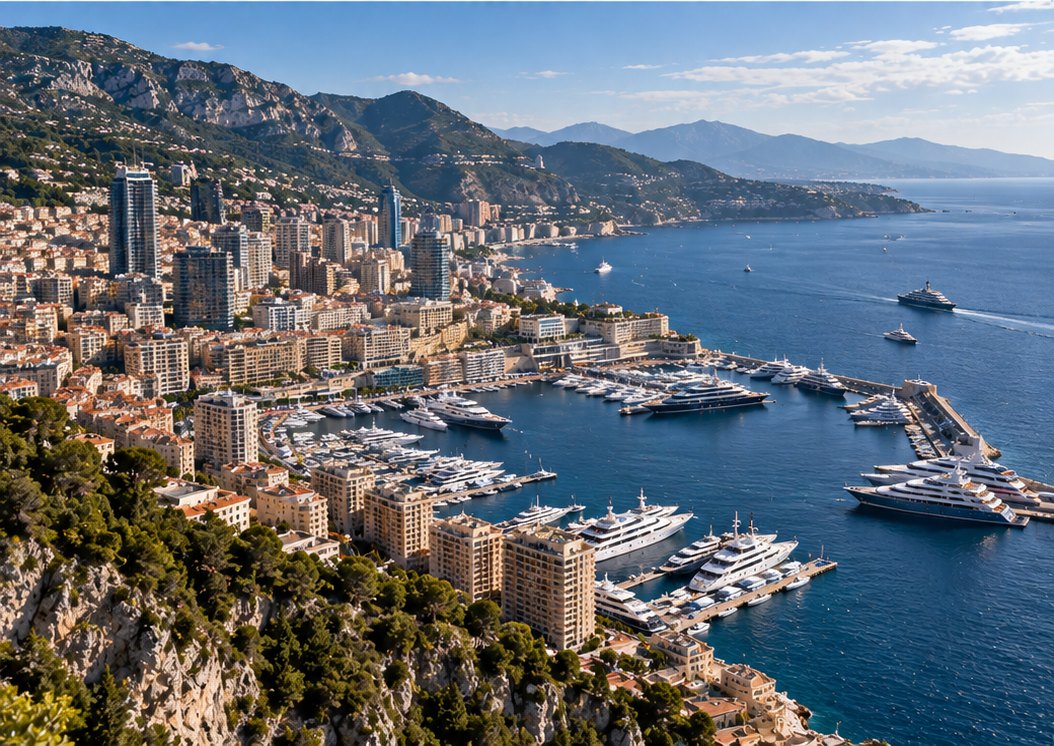
This is where the headline becomes an ownership issue. Check how the boat behaves when one convenience fails. Can water still be moved, batteries charged, food kept cold, navigation maintained and the yacht safely berthed if a single component or network disappears? There is a sustainability benefit as well. Equipment that can be maintained, repaired and operated efficiently is usually preferable to equipment that is replaced early because access, support or diagnostics are poor.
For this opinion feature, the important point is how that decision changes the practical ownership case in Global, not whether it adds another line to the equipment list.
For this subject, start by writing down the intended cruising area, typical number of people aboard, longest realistic passage, preferred cruising speed, nights spent away from a marina and the jobs the owner is unwilling to manage personally. None of this requires the owner to become an engineer. It requires the owner to ask enough questions that the engineer, broker, yard or builder has to give a useful answer rather than a reassuring one.
In the context of why the best motor yacht is often the one that removes work rather than adding features, that turns a general maintenance principle into a buying question: who will deal with it, where, how quickly and with what evidence?
One useful discipline is simple: If software controls a physical function, ask what happens when the display, network or subscription is unavailable. Manual fallbacks and local control are not old-fashioned; they are resilience. In Global, that question becomes more important because the yacht may be operating away from its home dealer for meaningful periods. The answer should therefore include who does the work, how quickly parts move and what the owner can do safely while waiting.
That matters here because why the best motor yacht is often the one that removes work rather than adding features only becomes useful editorially when the reader can convert it into a question to ask before committing to the yacht.
I would make this part of the comparison. Ask for the service schedule before discussing options. Machinery with a short interval, awkward access or a distant authorised agent can shape the season more than an extra knot of maximum speed. The useful answer is not a promise that the system is reliable. It is a description of the fallback, the service interval, the likely failure points and the evidence that maintenance has actually been completed.
Applied to why the best motor yacht is often the one that removes work rather than adding features, I would use that check specifically to compare the promise being made with the way this boat would actually be used in Global.
The practical reason is easy to miss. Open the machinery spaces when the boat is hot and recently used. Access that looks acceptable at a show can become very different when a technician has to remove a filter, impeller, battery or pump without dismantling half the compartment. I would write the answer down. Memory becomes surprisingly generous after a good sea trial, whereas a dated note lets two boats be compared when the excitement has worn off.
For this opinion feature, the important point is how that decision changes the practical ownership case in Global, not whether it adds another line to the equipment list.
What to inspect
I would make this part of the comparison. Start by writing down the intended cruising area, typical number of people aboard, longest realistic passage, preferred cruising speed, nights spent away from a marina and the jobs the owner is unwilling to manage personally. This is also where a cheaper specification can become the more expensive ownership choice. Purchase price is visible once; inconvenience and repeated labour arrive quietly through the season.
The practical reason is easy to miss. Look at drainage as carefully as upholstery. Water that cannot leave a deck, locker, anchor well or machinery space cleanly will eventually find a more expensive route. There is a sustainability benefit as well. Equipment that can be maintained, repaired and operated efficiently is usually preferable to equipment that is replaced early because access, support or diagnostics are poor.
This is where the headline becomes an ownership issue. Check how the boat behaves when one convenience fails. Can water still be moved, batteries charged, food kept cold, navigation maintained and the yacht safely berthed if a single component or network disappears? None of this requires the owner to become an engineer. It requires the owner to ask enough questions that the engineer, broker, yard or builder has to give a useful answer rather than a reassuring one.
For this opinion feature, the important point is how that decision changes the practical ownership case in Global, not whether it adds another line to the equipment list.

For this subject, photograph model plates and record serial numbers for engines, generators, stabilisers, chargers, pumps, navigation equipment and major domestic systems. That simple file makes parts conversations much faster later. In Global, that question becomes more important because the yacht may be operating away from its home dealer for meaningful periods. The answer should therefore include who does the work, how quickly parts move and what the owner can do safely while waiting.
In the context of why the best motor yacht is often the one that removes work rather than adding features, that turns a general maintenance principle into a buying question: who will deal with it, where, how quickly and with what evidence?
One useful discipline is simple: Before comparing two boats, compare the support radius around each one. Count realistic technicians, yards, haul-out options and parts routes within the cruising area rather than relying on the size of the manufacturer’s global logo. The useful answer is not a promise that the system is reliable. It is a description of the fallback, the service interval, the likely failure points and the evidence that maintenance has actually been completed.
I would make this part of the comparison. Open the machinery spaces when the boat is hot and recently used. Access that looks acceptable at a show can become very different when a technician has to remove a filter, impeller, battery or pump without dismantling half the compartment. I would write the answer down. Memory becomes surprisingly generous after a good sea trial, whereas a dated note lets two boats be compared when the excitement has worn off.
The practical reason is easy to miss. Treat range figures as conditional. Speed, load, fouling, sea state, wind, generator demand and reserve policy all change the useful answer. Ask what assumptions sit behind any headline number. This is also where a cheaper specification can become the more expensive ownership choice. Purchase price is visible once; inconvenience and repeated labour arrive quietly through the season.
For this opinion feature, the important point is how that decision changes the practical ownership case in Global, not whether it adds another line to the equipment list.
This is where the headline becomes an ownership issue. Warranty support is geographical. Ask who is authorised to attend the yacht where it will actually cruise, who approves work, whether travel is chargeable and what happens when the local agent cannot obtain a part quickly. There is a sustainability benefit as well. Equipment that can be maintained, repaired and operated efficiently is usually preferable to equipment that is replaced early because access, support or diagnostics are poor.
What to ask for in writing
The practical reason is easy to miss. Open the machinery spaces when the boat is hot and recently used. Access that looks acceptable at a show can become very different when a technician has to remove a filter, impeller, battery or pump without dismantling half the compartment. None of this requires the owner to become an engineer. It requires the owner to ask enough questions that the engineer, broker, yard or builder has to give a useful answer rather than a reassuring one.
This is where the headline becomes an ownership issue. Photograph model plates and record serial numbers for engines, generators, stabilisers, chargers, pumps, navigation equipment and major domestic systems. That simple file makes parts conversations much faster later. In Global, that question becomes more important because the yacht may be operating away from its home dealer for meaningful periods.
The answer should therefore include who does the work, how quickly parts move and what the owner can do safely while waiting.
For this subject, sea trial the boat with the loading and operating style in mind. A lightly fuelled demonstration with two people aboard may not resemble a family cruise with water, tender, stores and full tanks. The useful answer is not a promise that the system is reliable. It is a description of the fallback, the service interval, the likely failure points and the evidence that maintenance has actually been completed.
In the context of why the best motor yacht is often the one that removes work rather than adding features, that turns a general maintenance principle into a buying question: who will deal with it, where, how quickly and with what evidence?
One useful discipline is simple: Storage should be tested with real objects in mind: fenders, lines, cleaning gear, food, luggage, spare filters, tools, lifejackets and wet clothing. Empty lockers always look larger at a boat show. I would write the answer down. Memory becomes surprisingly generous after a good sea trial, whereas a dated note lets two boats be compared when the excitement has worn off.
I would make this part of the comparison. Ask for the service schedule before discussing options. Machinery with a short interval, awkward access or a distant authorised agent can shape the season more than an extra knot of maximum speed. This is also where a cheaper specification can become the more expensive ownership choice. Purchase price is visible once; inconvenience and repeated labour arrive quietly through the season.
Applied to why the best motor yacht is often the one that removes work rather than adding features, I would use that check specifically to compare the promise being made with the way this boat would actually be used in Global.
The practical reason is easy to miss. Build a one-page annual calendar for lifting, antifouling, anodes, engine service, generator service, stabiliser work, safety equipment, batteries and warranty inspections. The point is to prevent five suppliers discovering the same busy week. There is a sustainability benefit as well. Equipment that can be maintained, repaired and operated efficiently is usually preferable to equipment that is replaced early because access, support or diagnostics are poor.
This is where the headline becomes an ownership issue. If software controls a physical function, ask what happens when the display, network or subscription is unavailable. Manual fallbacks and local control are not old-fashioned; they are resilience. None of this requires the owner to become an engineer. It requires the owner to ask enough questions that the engineer, broker, yard or builder has to give a useful answer rather than a reassuring one.
For this subject, start by writing down the intended cruising area, typical number of people aboard, longest realistic passage, preferred cruising speed, nights spent away from a marina and the jobs the owner is unwilling to manage personally. In Global, that question becomes more important because the yacht may be operating away from its home dealer for meaningful periods. The answer should therefore include who does the work, how quickly parts move and what the owner can do safely while waiting.
How the decision changes at sea
This is where the headline becomes an ownership issue. Ask for the service schedule before discussing options. Machinery with a short interval, awkward access or a distant authorised agent can shape the season more than an extra knot of maximum speed. The useful answer is not a promise that the system is reliable. It is a description of the fallback, the service interval, the likely failure points and the evidence that maintenance has actually been completed.
For this opinion feature, the important point is how that decision changes the practical ownership case in Global, not whether it adds another line to the equipment list.
For this subject, noise deserves a sea-trial note of its own. Record where vibration appears at displacement speed, transition, normal cruise and generator-only operation. A short demonstration can hide the speed at which the owner will spend most time. I would write the answer down. Memory becomes surprisingly generous after a good sea trial, whereas a dated note lets two boats be compared when the excitement has worn off.
One useful discipline is simple: Check how the boat behaves when one convenience fails. Can water still be moved, batteries charged, food kept cold, navigation maintained and the yacht safely berthed if a single component or network disappears? This is also where a cheaper specification can become the more expensive ownership choice. Purchase price is visible once; inconvenience and repeated labour arrive quietly through the season.
I would make this part of the comparison. Sea trial the boat with the loading and operating style in mind. A lightly fuelled demonstration with two people aboard may not resemble a family cruise with water, tender, stores and full tanks. There is a sustainability benefit as well. Equipment that can be maintained, repaired and operated efficiently is usually preferable to equipment that is replaced early because access, support or diagnostics are poor.
Applied to why the best motor yacht is often the one that removes work rather than adding features, I would use that check specifically to compare the promise being made with the way this boat would actually be used in Global.
The practical reason is easy to miss. Build a one-page annual calendar for lifting, antifouling, anodes, engine service, generator service, stabiliser work, safety equipment, batteries and warranty inspections. The point is to prevent five suppliers discovering the same busy week. None of this requires the owner to become an engineer. It requires the owner to ask enough questions that the engineer, broker, yard or builder has to give a useful answer rather than a reassuring one.
This is where the headline becomes an ownership issue. A pre-purchase survey should remain independent of the selling process. The surveyor’s job is not to make the transaction comfortable; it is to identify condition, defects and areas requiring specialist investigation. In Global, that question becomes more important because the yacht may be operating away from its home dealer for meaningful periods.
The answer should therefore include who does the work, how quickly parts move and what the owner can do safely while waiting.
For this subject, storage should be tested with real objects in mind: fenders, lines, cleaning gear, food, luggage, spare filters, tools, lifejackets and wet clothing. Empty lockers always look larger at a boat show. The useful answer is not a promise that the system is reliable. It is a description of the fallback, the service interval, the likely failure points and the evidence that maintenance has actually been completed.
One useful discipline is simple: Before comparing two boats, compare the support radius around each one. Count realistic technicians, yards, haul-out options and parts routes within the cruising area rather than relying on the size of the manufacturer’s global logo. I would write the answer down. Memory becomes surprisingly generous after a good sea trial, whereas a dated note lets two boats be compared when the excitement has worn off.
Applied to why the best motor yacht is often the one that removes work rather than adding features, I would use that check specifically to compare the promise being made with the way this boat would actually be used in Global.
The second-season test
For this subject, look at drainage as carefully as upholstery. Water that cannot leave a deck, locker, anchor well or machinery space cleanly will eventually find a more expensive route. This is also where a cheaper specification can become the more expensive ownership choice. Purchase price is visible once; inconvenience and repeated labour arrive quietly through the season.
One useful discipline is simple: Warranty support is geographical. Ask who is authorised to attend the yacht where it will actually cruise, who approves work, whether travel is chargeable and what happens when the local agent cannot obtain a part quickly. There is a sustainability benefit as well. Equipment that can be maintained, repaired and operated efficiently is usually preferable to equipment that is replaced early because access, support or diagnostics are poor.
I would make this part of the comparison. A pre-purchase survey should remain independent of the selling process. The surveyor’s job is not to make the transaction comfortable; it is to identify condition, defects and areas requiring specialist investigation. None of this requires the owner to become an engineer. It requires the owner to ask enough questions that the engineer, broker, yard or builder has to give a useful answer rather than a reassuring one.
Contributor: Paul Thompson / 24MotorYachts
Be the first reader to react to this article.

I wanted this piece on hybrid, diesel or outboard: which propulsion argument actually matters to an owner? to work as a practical reference rather than another list of specifications. The same issue appears in different cruising grounds, which makes it possible to separate a genuinely useful ownership improvement from a fashionable one. There is no artificial winner; the point is to show when each side of the argument becomes sensible. By the end, the reader should have a set of questions or checks that can be used when comparing boats, speaking to a broker or yard, or planning the next season.
There is no universal winner. The point of the debate is to identify the conditions under which each option becomes sensible and the point at which its disadvantages begin to dominate.
A motor yacht is a mobile collection of engines, pumps, electronics, domestic systems and compromises. Ownership becomes easier when those systems can be understood, serviced and repaired without turning every defect into a project. Applied to hybrid, diesel or outboard: which propulsion argument actually matters to an owner?, I would use that check specifically to compare the promise being made with the way this boat would actually be used in Global.
The global market makes comparison easy and support complicated. A boat can be designed in one country, built in another, powered by machinery from a third and spend its life several flights away from all of them. For this the 24 debate feature, the important point is how that decision changes the practical ownership case in Global, not whether it adds another line to the equipment list.
Before spending anything
I would make this part of the comparison. A pre-purchase survey should remain independent of the selling process. The surveyor’s job is not to make the transaction comfortable; it is to identify condition, defects and areas requiring specialist investigation. There is a sustainability benefit as well. Equipment that can be maintained, repaired and operated efficiently is usually preferable to equipment that is replaced early because access, support or diagnostics are poor.
The practical reason is easy to miss. Before comparing two boats, compare the support radius around each one. Count realistic technicians, yards, haul-out options and parts routes within the cruising area rather than relying on the size of the manufacturer’s global logo. None of this requires the owner to become an engineer. It requires the owner to ask enough questions that the engineer, broker, yard or builder has to give a useful answer rather than a reassuring one.
This is where the headline becomes an ownership issue. If software controls a physical function, ask what happens when the display, network or subscription is unavailable. Manual fallbacks and local control are not old-fashioned; they are resilience. In Global, that question becomes more important because the yacht may be operating away from its home dealer for meaningful periods. The answer should therefore include who does the work, how quickly parts move and what the owner can do safely while waiting.
For this subject, noise deserves a sea-trial note of its own. Record where vibration appears at displacement speed, transition, normal cruise and generator-only operation. A short demonstration can hide the speed at which the owner will spend most time. The useful answer is not a promise that the system is reliable. It is a description of the fallback, the service interval, the likely failure points and the evidence that maintenance has actually been completed.
One useful discipline is simple: Ask for the service schedule before discussing options. Machinery with a short interval, awkward access or a distant authorised agent can shape the season more than an extra knot of maximum speed. I would write the answer down. Memory becomes surprisingly generous after a good sea trial, whereas a dated note lets two boats be compared when the excitement has worn off.
I would make this part of the comparison. Do not accept a verbal maintenance history where invoices, engine-hour records and dated photographs should exist. Good records do not guarantee a good yacht, but missing records increase uncertainty. This is also where a cheaper specification can become the more expensive ownership choice. Purchase price is visible once; inconvenience and repeated labour arrive quietly through the season.
Applied to hybrid, diesel or outboard: which propulsion argument actually matters to an owner?, I would use that check specifically to compare the promise being made with the way this boat would actually be used in Global.
The practical reason is easy to miss. Photograph model plates and record serial numbers for engines, generators, stabilisers, chargers, pumps, navigation equipment and major domestic systems. That simple file makes parts conversations much faster later. There is a sustainability benefit as well. Equipment that can be maintained, repaired and operated efficiently is usually preferable to equipment that is replaced early because access, support or diagnostics are poor.
For this the 24 debate feature, the important point is how that decision changes the practical ownership case in Global, not whether it adds another line to the equipment list.
This is where the headline becomes an ownership issue. Start by writing down the intended cruising area, typical number of people aboard, longest realistic passage, preferred cruising speed, nights spent away from a marina and the jobs the owner is unwilling to manage personally. None of this requires the owner to become an engineer. It requires the owner to ask enough questions that the engineer, broker, yard or builder has to give a useful answer rather than a reassuring one.
The operating day
The practical reason is easy to miss. Build a one-page annual calendar for lifting, antifouling, anodes, engine service, generator service, stabiliser work, safety equipment, batteries and warranty inspections. The point is to prevent five suppliers discovering the same busy week. In Global, that question becomes more important because the yacht may be operating away from its home dealer for meaningful periods.
The answer should therefore include who does the work, how quickly parts move and what the owner can do safely while waiting. Applied to hybrid, diesel or outboard: which propulsion argument actually matters to an owner?, I would use that check specifically to compare the promise being made with the way this boat would actually be used in Global.
This is where the headline becomes an ownership issue. A pre-purchase survey should remain independent of the selling process. The surveyor’s job is not to make the transaction comfortable; it is to identify condition, defects and areas requiring specialist investigation. The useful answer is not a promise that the system is reliable. It is a description of the fallback, the service interval, the likely failure points and the evidence that maintenance has actually been completed.
For this subject, look at drainage as carefully as upholstery. Water that cannot leave a deck, locker, anchor well or machinery space cleanly will eventually find a more expensive route. I would write the answer down. Memory becomes surprisingly generous after a good sea trial, whereas a dated note lets two boats be compared when the excitement has worn off.
One useful discipline is simple: Do not accept a verbal maintenance history where invoices, engine-hour records and dated photographs should exist. Good records do not guarantee a good yacht, but missing records increase uncertainty. This is also where a cheaper specification can become the more expensive ownership choice. Purchase price is visible once; inconvenience and repeated labour arrive quietly through the season.
I would make this part of the comparison. Storage should be tested with real objects in mind: fenders, lines, cleaning gear, food, luggage, spare filters, tools, lifejackets and wet clothing. Empty lockers always look larger at a boat show. There is a sustainability benefit as well. Equipment that can be maintained, repaired and operated efficiently is usually preferable to equipment that is replaced early because access, support or diagnostics are poor.
The practical reason is easy to miss. If software controls a physical function, ask what happens when the display, network or subscription is unavailable. Manual fallbacks and local control are not old-fashioned; they are resilience. None of this requires the owner to become an engineer. It requires the owner to ask enough questions that the engineer, broker, yard or builder has to give a useful answer rather than a reassuring one.
For this the 24 debate feature, the important point is how that decision changes the practical ownership case in Global, not whether it adds another line to the equipment list.
This is where the headline becomes an ownership issue. Ask for the service schedule before discussing options. Machinery with a short interval, awkward access or a distant authorised agent can shape the season more than an extra knot of maximum speed. In Global, that question becomes more important because the yacht may be operating away from its home dealer for meaningful periods. The answer should therefore include who does the work, how quickly parts move and what the owner can do safely while waiting.
In the context of hybrid, diesel or outboard: which propulsion argument actually matters to an owner?, that turns a general maintenance principle into a buying question: who will deal with it, where, how quickly and with what evidence?
For this subject, open the machinery spaces when the boat is hot and recently used. Access that looks acceptable at a show can become very different when a technician has to remove a filter, impeller, battery or pump without dismantling half the compartment. The useful answer is not a promise that the system is reliable. It is a description of the fallback, the service interval, the likely failure points and the evidence that maintenance has actually been completed.
The support question
This is where the headline becomes an ownership issue. Before comparing two boats, compare the support radius around each one. Count realistic technicians, yards, haul-out options and parts routes within the cruising area rather than relying on the size of the manufacturer’s global logo. I would write the answer down. Memory becomes surprisingly generous after a good sea trial, whereas a dated note lets two boats be compared when the excitement has worn off.
For this subject, sea trial the boat with the loading and operating style in mind. A lightly fuelled demonstration with two people aboard may not resemble a family cruise with water, tender, stores and full tanks. This is also where a cheaper specification can become the more expensive ownership choice. Purchase price is visible once; inconvenience and repeated labour arrive quietly through the season.
One useful discipline is simple: A pre-purchase survey should remain independent of the selling process. The surveyor’s job is not to make the transaction comfortable; it is to identify condition, defects and areas requiring specialist investigation. There is a sustainability benefit as well. Equipment that can be maintained, repaired and operated efficiently is usually preferable to equipment that is replaced early because access, support or diagnostics are poor.
That matters here because hybrid, diesel or outboard: which propulsion argument actually matters to an owner? only becomes useful editorially when the reader can convert it into a question to ask before committing to the yacht.
I would make this part of the comparison. Noise deserves a sea-trial note of its own. Record where vibration appears at displacement speed, transition, normal cruise and generator-only operation. A short demonstration can hide the speed at which the owner will spend most time. None of this requires the owner to become an engineer. It requires the owner to ask enough questions that the engineer, broker, yard or builder has to give a useful answer rather than a reassuring one.
Applied to hybrid, diesel or outboard: which propulsion argument actually matters to an owner?, I would use that check specifically to compare the promise being made with the way this boat would actually be used in Global.
The practical reason is easy to miss. Do not accept a verbal maintenance history where invoices, engine-hour records and dated photographs should exist. Good records do not guarantee a good yacht, but missing records increase uncertainty. In Global, that question becomes more important because the yacht may be operating away from its home dealer for meaningful periods. The answer should therefore include who does the work, how quickly parts move and what the owner can do safely while waiting.
This is where the headline becomes an ownership issue. Open the machinery spaces when the boat is hot and recently used. Access that looks acceptable at a show can become very different when a technician has to remove a filter, impeller, battery or pump without dismantling half the compartment. The useful answer is not a promise that the system is reliable. It is a description of the fallback, the service interval, the likely failure points and the evidence that maintenance has actually been completed.
For this subject, treat range figures as conditional. Speed, load, fouling, sea state, wind, generator demand and reserve policy all change the useful answer. Ask what assumptions sit behind any headline number. I would write the answer down. Memory becomes surprisingly generous after a good sea trial, whereas a dated note lets two boats be compared when the excitement has worn off. That matters here because hybrid, diesel or outboard: which propulsion argument actually matters to an owner?
only becomes useful editorially when the reader can convert it into a question to ask before committing to the yacht.
One useful discipline is simple: Build a one-page annual calendar for lifting, antifouling, anodes, engine service, generator service, stabiliser work, safety equipment, batteries and warranty inspections. The point is to prevent five suppliers discovering the same busy week. This is also where a cheaper specification can become the more expensive ownership choice. Purchase price is visible once; inconvenience and repeated labour arrive quietly through the season.
The failure-mode test
For this subject, look at drainage as carefully as upholstery. Water that cannot leave a deck, locker, anchor well or machinery space cleanly will eventually find a more expensive route. There is a sustainability benefit as well. Equipment that can be maintained, repaired and operated efficiently is usually preferable to equipment that is replaced early because access, support or diagnostics are poor.
One useful discipline is simple: Sea trial the boat with the loading and operating style in mind. A lightly fuelled demonstration with two people aboard may not resemble a family cruise with water, tender, stores and full tanks. None of this requires the owner to become an engineer. It requires the owner to ask enough questions that the engineer, broker, yard or builder has to give a useful answer rather than a reassuring one.
I would make this part of the comparison. Photograph model plates and record serial numbers for engines, generators, stabilisers, chargers, pumps, navigation equipment and major domestic systems. That simple file makes parts conversations much faster later. In Global, that question becomes more important because the yacht may be operating away from its home dealer for meaningful periods. The answer should therefore include who does the work, how quickly parts move and what the owner can do safely while waiting.
The practical reason is easy to miss. Check how the boat behaves when one convenience fails. Can water still be moved, batteries charged, food kept cold, navigation maintained and the yacht safely berthed if a single component or network disappears? The useful answer is not a promise that the system is reliable. It is a description of the fallback, the service interval, the likely failure points and the evidence that maintenance has actually been completed.
This is where the headline becomes an ownership issue. If software controls a physical function, ask what happens when the display, network or subscription is unavailable. Manual fallbacks and local control are not old-fashioned; they are resilience. I would write the answer down. Memory becomes surprisingly generous after a good sea trial, whereas a dated note lets two boats be compared when the excitement has worn off.
For this subject, before comparing two boats, compare the support radius around each one. Count realistic technicians, yards, haul-out options and parts routes within the cruising area rather than relying on the size of the manufacturer’s global logo. This is also where a cheaper specification can become the more expensive ownership choice. Purchase price is visible once; inconvenience and repeated labour arrive quietly through the season.
One useful discipline is simple: Start by writing down the intended cruising area, typical number of people aboard, longest realistic passage, preferred cruising speed, nights spent away from a marina and the jobs the owner is unwilling to manage personally. There is a sustainability benefit as well. Equipment that can be maintained, repaired and operated efficiently is usually preferable to equipment that is replaced early because access, support or diagnostics are poor.
I would make this part of the comparison. Ask for the service schedule before discussing options. Machinery with a short interval, awkward access or a distant authorised agent can shape the season more than an extra knot of maximum speed. None of this requires the owner to become an engineer. It requires the owner to ask enough questions that the engineer, broker, yard or builder has to give a useful answer rather than a reassuring one.
For this the 24 debate feature, the important point is how that decision changes the practical ownership case in Global, not whether it adds another line to the equipment list.
A better comparison
One useful discipline is simple: Storage should be tested with real objects in mind: fenders, lines, cleaning gear, food, luggage, spare filters, tools, lifejackets and wet clothing. Empty lockers always look larger at a boat show. In Global, that question becomes more important because the yacht may be operating away from its home dealer for meaningful periods. The answer should therefore include who does the work, how quickly parts move and what the owner can do safely while waiting.
That matters here because hybrid, diesel or outboard: which propulsion argument actually matters to an owner? only becomes useful editorially when the reader can convert it into a question to ask before committing to the yacht.
I would make this part of the comparison. Ask for the service schedule before discussing options. Machinery with a short interval, awkward access or a distant authorised agent can shape the season more than an extra knot of maximum speed. The useful answer is not a promise that the system is reliable. It is a description of the fallback, the service interval, the likely failure points and the evidence that maintenance has actually been completed.
Applied to hybrid, diesel or outboard: which propulsion argument actually matters to an owner?, I would use that check specifically to compare the promise being made with the way this boat would actually be used in Global.
The practical reason is easy to miss. Before comparing two boats, compare the support radius around each one. Count realistic technicians, yards, haul-out options and parts routes within the cruising area rather than relying on the size of the manufacturer’s global logo. I would write the answer down. Memory becomes surprisingly generous after a good sea trial, whereas a dated note lets two boats be compared when the excitement has worn off.
This is where the headline becomes an ownership issue. A pre-purchase survey should remain independent of the selling process. The surveyor’s job is not to make the transaction comfortable; it is to identify condition, defects and areas requiring specialist investigation. This is also where a cheaper specification can become the more expensive ownership choice. Purchase price is visible once; inconvenience and repeated labour arrive quietly through the season.
In the context of hybrid, diesel or outboard: which propulsion argument actually matters to an owner?, that turns a general maintenance principle into a buying question: who will deal with it, where, how quickly and with what evidence?
For this subject, start by writing down the intended cruising area, typical number of people aboard, longest realistic passage, preferred cruising speed, nights spent away from a marina and the jobs the owner is unwilling to manage personally. There is a sustainability benefit as well. Equipment that can be maintained, repaired and operated efficiently is usually preferable to equipment that is replaced early because access, support or diagnostics are poor.
Contributor: Paul Thompson / 24MotorYachts
Be the first reader to react to this article.

The first 90 days after handover is the starting point for this feature, but the useful story is what it changes for the person actually owning and using the yacht. The same issue appears in different cruising grounds, which makes it possible to separate a genuinely useful ownership improvement from a fashionable one. The focus is on the less visible jobs and relationships that determine whether the season runs smoothly. By the end, the reader should have a set of questions or checks that can be used when comparing boats, speaking to a broker or yard, or planning the next season.
The least visible parts of ownership are often the ones that determine whether a season runs smoothly: documentation, service intervals, spares, relationships and the discipline of recording defects before they become failures.
A motor yacht is a mobile collection of engines, pumps, electronics, domestic systems and compromises. Ownership becomes easier when those systems can be understood, serviced and repaired without turning every defect into a project. For this insider feature, the important point is how that decision changes the practical ownership case in Global, not whether it adds another line to the equipment list.
The global market makes comparison easy and support complicated. A boat can be designed in one country, built in another, powered by machinery from a third and spend its life several flights away from all of them. In the context of the first 90 days after handover: the ownership jobs nobody photographs, that turns a general maintenance principle into a buying question: who will deal with it, where, how quickly and with what evidence?
Start with the use, not the brochure
The practical reason is easy to miss. Ask for the service schedule before discussing options. Machinery with a short interval, awkward access or a distant authorised agent can shape the season more than an extra knot of maximum speed. The useful answer is not a promise that the system is reliable. It is a description of the fallback, the service interval, the likely failure points and the evidence that maintenance has actually been completed.
Applied to the first 90 days after handover: the ownership jobs nobody photographs, I would use that check specifically to compare the promise being made with the way this boat would actually be used in Global.
This is where the headline becomes an ownership issue. Treat range figures as conditional. Speed, load, fouling, sea state, wind, generator demand and reserve policy all change the useful answer. Ask what assumptions sit behind any headline number. I would write the answer down. Memory becomes surprisingly generous after a good sea trial, whereas a dated note lets two boats be compared when the excitement has worn off.
For this subject, build a one-page annual calendar for lifting, antifouling, anodes, engine service, generator service, stabiliser work, safety equipment, batteries and warranty inspections. The point is to prevent five suppliers discovering the same busy week. This is also where a cheaper specification can become the more expensive ownership choice. Purchase price is visible once; inconvenience and repeated labour arrive quietly through the season.
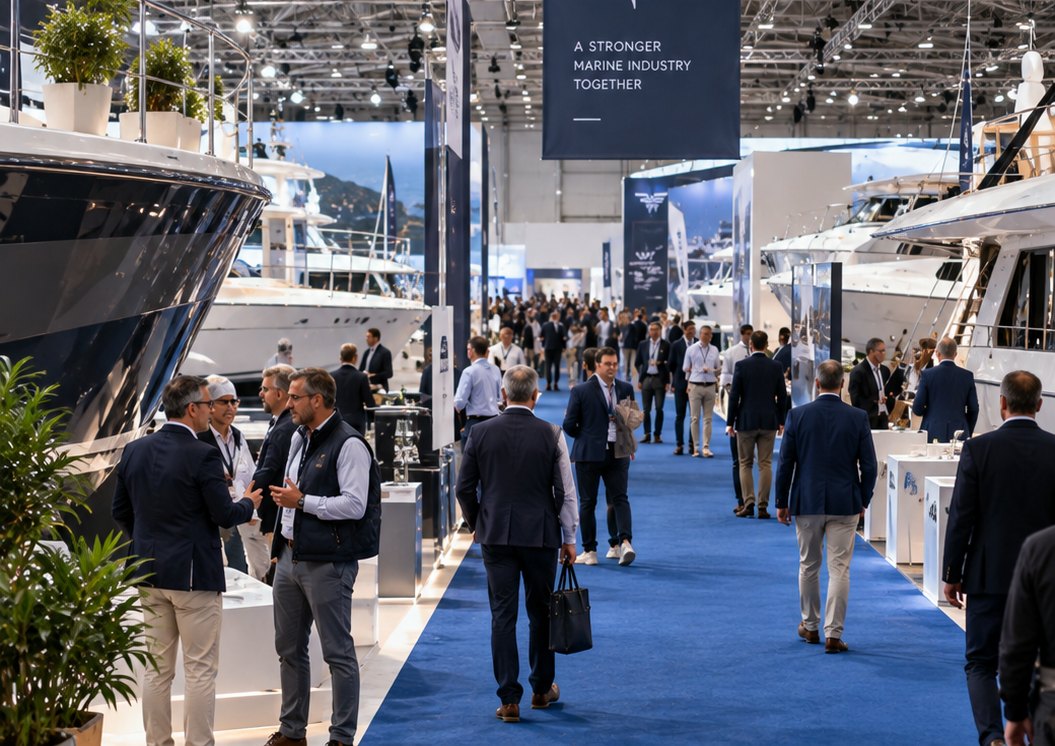
One useful discipline is simple: Photograph model plates and record serial numbers for engines, generators, stabilisers, chargers, pumps, navigation equipment and major domestic systems. That simple file makes parts conversations much faster later. There is a sustainability benefit as well. Equipment that can be maintained, repaired and operated efficiently is usually preferable to equipment that is replaced early because access, support or diagnostics are poor.
I would make this part of the comparison. Noise deserves a sea-trial note of its own. Record where vibration appears at displacement speed, transition, normal cruise and generator-only operation. A short demonstration can hide the speed at which the owner will spend most time. None of this requires the owner to become an engineer. It requires the owner to ask enough questions that the engineer, broker, yard or builder has to give a useful answer rather than a reassuring one.
Applied to the first 90 days after handover: the ownership jobs nobody photographs, I would use that check specifically to compare the promise being made with the way this boat would actually be used in Global.
The practical reason is easy to miss. Open the machinery spaces when the boat is hot and recently used. Access that looks acceptable at a show can become very different when a technician has to remove a filter, impeller, battery or pump without dismantling half the compartment. In Global, that question becomes more important because the yacht may be operating away from its home dealer for meaningful periods.
The answer should therefore include who does the work, how quickly parts move and what the owner can do safely while waiting.
This is where the headline becomes an ownership issue. Look at drainage as carefully as upholstery. Water that cannot leave a deck, locker, anchor well or machinery space cleanly will eventually find a more expensive route. The useful answer is not a promise that the system is reliable. It is a description of the fallback, the service interval, the likely failure points and the evidence that maintenance has actually been completed.
In the context of the first 90 days after handover: the ownership jobs nobody photographs, that turns a general maintenance principle into a buying question: who will deal with it, where, how quickly and with what evidence?
For this subject, a pre-purchase survey should remain independent of the selling process. The surveyor’s job is not to make the transaction comfortable; it is to identify condition, defects and areas requiring specialist investigation. I would write the answer down. Memory becomes surprisingly generous after a good sea trial, whereas a dated note lets two boats be compared when the excitement has worn off.
The questions that expose the real choice
This is where the headline becomes an ownership issue. Noise deserves a sea-trial note of its own. Record where vibration appears at displacement speed, transition, normal cruise and generator-only operation. A short demonstration can hide the speed at which the owner will spend most time. This is also where a cheaper specification can become the more expensive ownership choice. Purchase price is visible once; inconvenience and repeated labour arrive quietly through the season.
For this insider feature, the important point is how that decision changes the practical ownership case in Global, not whether it adds another line to the equipment list.
For this subject, photograph model plates and record serial numbers for engines, generators, stabilisers, chargers, pumps, navigation equipment and major domestic systems. That simple file makes parts conversations much faster later. There is a sustainability benefit as well. Equipment that can be maintained, repaired and operated efficiently is usually preferable to equipment that is replaced early because access, support or diagnostics are poor.
In the context of the first 90 days after handover: the ownership jobs nobody photographs, that turns a general maintenance principle into a buying question: who will deal with it, where, how quickly and with what evidence?
One useful discipline is simple: Storage should be tested with real objects in mind: fenders, lines, cleaning gear, food, luggage, spare filters, tools, lifejackets and wet clothing. Empty lockers always look larger at a boat show. None of this requires the owner to become an engineer. It requires the owner to ask enough questions that the engineer, broker, yard or builder has to give a useful answer rather than a reassuring one.
That matters here because the first 90 days after handover: the ownership jobs nobody photographs only becomes useful editorially when the reader can convert it into a question to ask before committing to the yacht.
I would make this part of the comparison. Start by writing down the intended cruising area, typical number of people aboard, longest realistic passage, preferred cruising speed, nights spent away from a marina and the jobs the owner is unwilling to manage personally. In Global, that question becomes more important because the yacht may be operating away from its home dealer for meaningful periods.
The answer should therefore include who does the work, how quickly parts move and what the owner can do safely while waiting. Applied to the first 90 days after handover: the ownership jobs nobody photographs, I would use that check specifically to compare the promise being made with the way this boat would actually be used in Global.
The practical reason is easy to miss. Ask for the service schedule before discussing options. Machinery with a short interval, awkward access or a distant authorised agent can shape the season more than an extra knot of maximum speed. The useful answer is not a promise that the system is reliable. It is a description of the fallback, the service interval, the likely failure points and the evidence that maintenance has actually been completed.
For this insider feature, the important point is how that decision changes the practical ownership case in Global, not whether it adds another line to the equipment list.
This is where the headline becomes an ownership issue. Warranty support is geographical. Ask who is authorised to attend the yacht where it will actually cruise, who approves work, whether travel is chargeable and what happens when the local agent cannot obtain a part quickly. I would write the answer down. Memory becomes surprisingly generous after a good sea trial, whereas a dated note lets two boats be compared when the excitement has worn off.
In the context of the first 90 days after handover: the ownership jobs nobody photographs, that turns a general maintenance principle into a buying question: who will deal with it, where, how quickly and with what evidence?
For this subject, look at drainage as carefully as upholstery. Water that cannot leave a deck, locker, anchor well or machinery space cleanly will eventually find a more expensive route. This is also where a cheaper specification can become the more expensive ownership choice. Purchase price is visible once; inconvenience and repeated labour arrive quietly through the season.
That matters here because the first 90 days after handover: the ownership jobs nobody photographs only becomes useful editorially when the reader can convert it into a question to ask before committing to the yacht.
One useful discipline is simple: Sea trial the boat with the loading and operating style in mind. A lightly fuelled demonstration with two people aboard may not resemble a family cruise with water, tender, stores and full tanks. There is a sustainability benefit as well. Equipment that can be maintained, repaired and operated efficiently is usually preferable to equipment that is replaced early because access, support or diagnostics are poor.
Applied to the first 90 days after handover: the ownership jobs nobody photographs, I would use that check specifically to compare the promise being made with the way this boat would actually be used in Global.
Where owners get caught
For this subject, look at drainage as carefully as upholstery. Water that cannot leave a deck, locker, anchor well or machinery space cleanly will eventually find a more expensive route. None of this requires the owner to become an engineer. It requires the owner to ask enough questions that the engineer, broker, yard or builder has to give a useful answer rather than a reassuring one.
One useful discipline is simple: If software controls a physical function, ask what happens when the display, network or subscription is unavailable. Manual fallbacks and local control are not old-fashioned; they are resilience. In Global, that question becomes more important because the yacht may be operating away from its home dealer for meaningful periods. The answer should therefore include who does the work, how quickly parts move and what the owner can do safely while waiting.
That matters here because the first 90 days after handover: the ownership jobs nobody photographs only becomes useful editorially when the reader can convert it into a question to ask before committing to the yacht.
I would make this part of the comparison. Open the machinery spaces when the boat is hot and recently used. Access that looks acceptable at a show can become very different when a technician has to remove a filter, impeller, battery or pump without dismantling half the compartment. The useful answer is not a promise that the system is reliable. It is a description of the fallback, the service interval, the likely failure points and the evidence that maintenance has actually been completed.
The practical reason is easy to miss. Sea trial the boat with the loading and operating style in mind. A lightly fuelled demonstration with two people aboard may not resemble a family cruise with water, tender, stores and full tanks. I would write the answer down. Memory becomes surprisingly generous after a good sea trial, whereas a dated note lets two boats be compared when the excitement has worn off.
For this insider feature, the important point is how that decision changes the practical ownership case in Global, not whether it adds another line to the equipment list.
This is where the headline becomes an ownership issue. Noise deserves a sea-trial note of its own. Record where vibration appears at displacement speed, transition, normal cruise and generator-only operation. A short demonstration can hide the speed at which the owner will spend most time. This is also where a cheaper specification can become the more expensive ownership choice. Purchase price is visible once; inconvenience and repeated labour arrive quietly through the season.
In the context of the first 90 days after handover: the ownership jobs nobody photographs, that turns a general maintenance principle into a buying question: who will deal with it, where, how quickly and with what evidence?
For this subject, start by writing down the intended cruising area, typical number of people aboard, longest realistic passage, preferred cruising speed, nights spent away from a marina and the jobs the owner is unwilling to manage personally. There is a sustainability benefit as well. Equipment that can be maintained, repaired and operated efficiently is usually preferable to equipment that is replaced early because access, support or diagnostics are poor.
That matters here because the first 90 days after handover: the ownership jobs nobody photographs only becomes useful editorially when the reader can convert it into a question to ask before committing to the yacht.
One useful discipline is simple: A pre-purchase survey should remain independent of the selling process. The surveyor’s job is not to make the transaction comfortable; it is to identify condition, defects and areas requiring specialist investigation. None of this requires the owner to become an engineer. It requires the owner to ask enough questions that the engineer, broker, yard or builder has to give a useful answer rather than a reassuring one.
Applied to the first 90 days after handover: the ownership jobs nobody photographs, I would use that check specifically to compare the promise being made with the way this boat would actually be used in Global.
I would make this part of the comparison. Before comparing two boats, compare the support radius around each one. Count realistic technicians, yards, haul-out options and parts routes within the cruising area rather than relying on the size of the manufacturer’s global logo. In Global, that question becomes more important because the yacht may be operating away from its home dealer for meaningful periods.
The answer should therefore include who does the work, how quickly parts move and what the owner can do safely while waiting. For this insider feature, the important point is how that decision changes the practical ownership case in Global, not whether it adds another line to the equipment list.
A practical test
One useful discipline is simple: Open the machinery spaces when the boat is hot and recently used. Access that looks acceptable at a show can become very different when a technician has to remove a filter, impeller, battery or pump without dismantling half the compartment. The useful answer is not a promise that the system is reliable. It is a description of the fallback, the service interval, the likely failure points and the evidence that maintenance has actually been completed.
I would make this part of the comparison. Photograph model plates and record serial numbers for engines, generators, stabilisers, chargers, pumps, navigation equipment and major domestic systems. That simple file makes parts conversations much faster later. I would write the answer down. Memory becomes surprisingly generous after a good sea trial, whereas a dated note lets two boats be compared when the excitement has worn off.
Applied to the first 90 days after handover: the ownership jobs nobody photographs, I would use that check specifically to compare the promise being made with the way this boat would actually be used in Global.
The practical reason is easy to miss. Look at drainage as carefully as upholstery. Water that cannot leave a deck, locker, anchor well or machinery space cleanly will eventually find a more expensive route. This is also where a cheaper specification can become the more expensive ownership choice. Purchase price is visible once; inconvenience and repeated labour arrive quietly through the season.
For this insider feature, the important point is how that decision changes the practical ownership case in Global, not whether it adds another line to the equipment list.
This is where the headline becomes an ownership issue. Warranty support is geographical. Ask who is authorised to attend the yacht where it will actually cruise, who approves work, whether travel is chargeable and what happens when the local agent cannot obtain a part quickly. There is a sustainability benefit as well. Equipment that can be maintained, repaired and operated efficiently is usually preferable to equipment that is replaced early because access, support or diagnostics are poor.
In the context of the first 90 days after handover: the ownership jobs nobody photographs, that turns a general maintenance principle into a buying question: who will deal with it, where, how quickly and with what evidence?
For this subject, a pre-purchase survey should remain independent of the selling process. The surveyor’s job is not to make the transaction comfortable; it is to identify condition, defects and areas requiring specialist investigation. None of this requires the owner to become an engineer. It requires the owner to ask enough questions that the engineer, broker, yard or builder has to give a useful answer rather than a reassuring one.
One useful discipline is simple: Check how the boat behaves when one convenience fails. Can water still be moved, batteries charged, food kept cold, navigation maintained and the yacht safely berthed if a single component or network disappears? In Global, that question becomes more important because the yacht may be operating away from its home dealer for meaningful periods. The answer should therefore include who does the work, how quickly parts move and what the owner can do safely while waiting.
Applied to the first 90 days after handover: the ownership jobs nobody photographs, I would use that check specifically to compare the promise being made with the way this boat would actually be used in Global.
I would make this part of the comparison. Treat range figures as conditional. Speed, load, fouling, sea state, wind, generator demand and reserve policy all change the useful answer. Ask what assumptions sit behind any headline number. The useful answer is not a promise that the system is reliable. It is a description of the fallback, the service interval, the likely failure points and the evidence that maintenance has actually been completed.
The practical reason is easy to miss. Build a one-page annual calendar for lifting, antifouling, anodes, engine service, generator service, stabiliser work, safety equipment, batteries and warranty inspections. The point is to prevent five suppliers discovering the same busy week. I would write the answer down. Memory becomes surprisingly generous after a good sea trial, whereas a dated note lets two boats be compared when the excitement has worn off.
What I would record before deciding
I would make this part of the comparison. Photograph model plates and record serial numbers for engines, generators, stabilisers, chargers, pumps, navigation equipment and major domestic systems. That simple file makes parts conversations much faster later. This is also where a cheaper specification can become the more expensive ownership choice. Purchase price is visible once; inconvenience and repeated labour arrive quietly through the season.
Contributor: Paul Thompson / 24MotorYachts
Be the first reader to react to this article.

For this feature I have ignored the easy brochure comparison and concentrated on the decisions hidden inside a proper sea trial: what changes when the weather is less than perfect. The same issue appears in different cruising grounds, which makes it possible to separate a genuinely useful ownership improvement from a fashionable one. The article follows the operating experience rather than the showroom presentation. By the end, the reader should have a set of questions or checks that can be used when comparing boats, speaking to a broker or yard, or planning the next season. That is the standard I want these 24MotorYachts features to meet: useful after the magazine has been put down.
This is written around what the owner would actually encounter during a day, passage or season rather than around a builder’s specification sheet.
A motor yacht is a mobile collection of engines, pumps, electronics, domestic systems and compromises. Ownership becomes easier when those systems can be understood, serviced and repaired without turning every defect into a project. In the context of a proper sea trial: what changes when the weather is less than perfect, that turns a general maintenance principle into a buying question: who will deal with it, where, how quickly and with what evidence?
The global market makes comparison easy and support complicated. A boat can be designed in one country, built in another, powered by machinery from a third and spend its life several flights away from all of them. That matters here because a proper sea trial: what changes when the weather is less than perfect only becomes useful editorially when the reader can convert it into a question to ask before committing to the yacht.
What changes in the real world
This is where the headline becomes an ownership issue. Noise deserves a sea-trial note of its own. Record where vibration appears at displacement speed, transition, normal cruise and generator-only operation. A short demonstration can hide the speed at which the owner will spend most time. In Global, that question becomes more important because the yacht may be operating away from its home dealer for meaningful periods.
The answer should therefore include who does the work, how quickly parts move and what the owner can do safely while waiting.
For this subject, ask for the service schedule before discussing options. Machinery with a short interval, awkward access or a distant authorised agent can shape the season more than an extra knot of maximum speed. The useful answer is not a promise that the system is reliable. It is a description of the fallback, the service interval, the likely failure points and the evidence that maintenance has actually been completed.
One useful discipline is simple: Before comparing two boats, compare the support radius around each one. Count realistic technicians, yards, haul-out options and parts routes within the cruising area rather than relying on the size of the manufacturer’s global logo. I would write the answer down. Memory becomes surprisingly generous after a good sea trial, whereas a dated note lets two boats be compared when the excitement has worn off.
That matters here because a proper sea trial: what changes when the weather is less than perfect only becomes useful editorially when the reader can convert it into a question to ask before committing to the yacht.
I would make this part of the comparison. Open the machinery spaces when the boat is hot and recently used. Access that looks acceptable at a show can become very different when a technician has to remove a filter, impeller, battery or pump without dismantling half the compartment. This is also where a cheaper specification can become the more expensive ownership choice. Purchase price is visible once; inconvenience and repeated labour arrive quietly through the season.
The practical reason is easy to miss. Sea trial the boat with the loading and operating style in mind. A lightly fuelled demonstration with two people aboard may not resemble a family cruise with water, tender, stores and full tanks. There is a sustainability benefit as well. Equipment that can be maintained, repaired and operated efficiently is usually preferable to equipment that is replaced early because access, support or diagnostics are poor.
For this experience feature, the important point is how that decision changes the practical ownership case in Global, not whether it adds another line to the equipment list.
This is where the headline becomes an ownership issue. Look at drainage as carefully as upholstery. Water that cannot leave a deck, locker, anchor well or machinery space cleanly will eventually find a more expensive route. None of this requires the owner to become an engineer. It requires the owner to ask enough questions that the engineer, broker, yard or builder has to give a useful answer rather than a reassuring one.
For this subject, treat range figures as conditional. Speed, load, fouling, sea state, wind, generator demand and reserve policy all change the useful answer. Ask what assumptions sit behind any headline number. In Global, that question becomes more important because the yacht may be operating away from its home dealer for meaningful periods. The answer should therefore include who does the work, how quickly parts move and what the owner can do safely while waiting.
One useful discipline is simple: Warranty support is geographical. Ask who is authorised to attend the yacht where it will actually cruise, who approves work, whether travel is chargeable and what happens when the local agent cannot obtain a part quickly. The useful answer is not a promise that the system is reliable. It is a description of the fallback, the service interval, the likely failure points and the evidence that maintenance has actually been completed.
The hidden dependency
For this subject, storage should be tested with real objects in mind: fenders, lines, cleaning gear, food, luggage, spare filters, tools, lifejackets and wet clothing. Empty lockers always look larger at a boat show. I would write the answer down. Memory becomes surprisingly generous after a good sea trial, whereas a dated note lets two boats be compared when the excitement has worn off.
One useful discipline is simple: Ask for the service schedule before discussing options. Machinery with a short interval, awkward access or a distant authorised agent can shape the season more than an extra knot of maximum speed. This is also where a cheaper specification can become the more expensive ownership choice. Purchase price is visible once; inconvenience and repeated labour arrive quietly through the season.
I would make this part of the comparison. Start by writing down the intended cruising area, typical number of people aboard, longest realistic passage, preferred cruising speed, nights spent away from a marina and the jobs the owner is unwilling to manage personally. There is a sustainability benefit as well. Equipment that can be maintained, repaired and operated efficiently is usually preferable to equipment that is replaced early because access, support or diagnostics are poor.
Applied to a proper sea trial: what changes when the weather is less than perfect, I would use that check specifically to compare the promise being made with the way this boat would actually be used in Global.
The practical reason is easy to miss. Check how the boat behaves when one convenience fails. Can water still be moved, batteries charged, food kept cold, navigation maintained and the yacht safely berthed if a single component or network disappears? None of this requires the owner to become an engineer. It requires the owner to ask enough questions that the engineer, broker, yard or builder has to give a useful answer rather than a reassuring one.
This is where the headline becomes an ownership issue. A pre-purchase survey should remain independent of the selling process. The surveyor’s job is not to make the transaction comfortable; it is to identify condition, defects and areas requiring specialist investigation. In Global, that question becomes more important because the yacht may be operating away from its home dealer for meaningful periods.
The answer should therefore include who does the work, how quickly parts move and what the owner can do safely while waiting. In the context of a proper sea trial: what changes when the weather is less than perfect, that turns a general maintenance principle into a buying question: who will deal with it, where, how quickly and with what evidence?
For this subject, do not accept a verbal maintenance history where invoices, engine-hour records and dated photographs should exist. Good records do not guarantee a good yacht, but missing records increase uncertainty. The useful answer is not a promise that the system is reliable. It is a description of the fallback, the service interval, the likely failure points and the evidence that maintenance has actually been completed.
That matters here because a proper sea trial: what changes when the weather is less than perfect only becomes useful editorially when the reader can convert it into a question to ask before committing to the yacht.
One useful discipline is simple: Open the machinery spaces when the boat is hot and recently used. Access that looks acceptable at a show can become very different when a technician has to remove a filter, impeller, battery or pump without dismantling half the compartment. I would write the answer down. Memory becomes surprisingly generous after a good sea trial, whereas a dated note lets two boats be compared when the excitement has worn off.
I would make this part of the comparison. Treat range figures as conditional. Speed, load, fouling, sea state, wind, generator demand and reserve policy all change the useful answer. Ask what assumptions sit behind any headline number. This is also where a cheaper specification can become the more expensive ownership choice. Purchase price is visible once; inconvenience and repeated labour arrive quietly through the season.
A buyer’s working checklist
One useful discipline is simple: Treat range figures as conditional. Speed, load, fouling, sea state, wind, generator demand and reserve policy all change the useful answer. Ask what assumptions sit behind any headline number. There is a sustainability benefit as well. Equipment that can be maintained, repaired and operated efficiently is usually preferable to equipment that is replaced early because access, support or diagnostics are poor.
I would make this part of the comparison. Open the machinery spaces when the boat is hot and recently used. Access that looks acceptable at a show can become very different when a technician has to remove a filter, impeller, battery or pump without dismantling half the compartment. None of this requires the owner to become an engineer. It requires the owner to ask enough questions that the engineer, broker, yard or builder has to give a useful answer rather than a reassuring one.
Applied to a proper sea trial: what changes when the weather is less than perfect, I would use that check specifically to compare the promise being made with the way this boat would actually be used in Global.
The practical reason is easy to miss. Sea trial the boat with the loading and operating style in mind. A lightly fuelled demonstration with two people aboard may not resemble a family cruise with water, tender, stores and full tanks. In Global, that question becomes more important because the yacht may be operating away from its home dealer for meaningful periods. The answer should therefore include who does the work, how quickly parts move and what the owner can do safely while waiting.
For this experience feature, the important point is how that decision changes the practical ownership case in Global, not whether it adds another line to the equipment list.
This is where the headline becomes an ownership issue. Before comparing two boats, compare the support radius around each one. Count realistic technicians, yards, haul-out options and parts routes within the cruising area rather than relying on the size of the manufacturer’s global logo. The useful answer is not a promise that the system is reliable. It is a description of the fallback, the service interval, the likely failure points and the evidence that maintenance has actually been completed.
For this subject, ask for the service schedule before discussing options. Machinery with a short interval, awkward access or a distant authorised agent can shape the season more than an extra knot of maximum speed. I would write the answer down. Memory becomes surprisingly generous after a good sea trial, whereas a dated note lets two boats be compared when the excitement has worn off.
That matters here because a proper sea trial: what changes when the weather is less than perfect only becomes useful editorially when the reader can convert it into a question to ask before committing to the yacht.
One useful discipline is simple: If software controls a physical function, ask what happens when the display, network or subscription is unavailable. Manual fallbacks and local control are not old-fashioned; they are resilience. This is also where a cheaper specification can become the more expensive ownership choice. Purchase price is visible once; inconvenience and repeated labour arrive quietly through the season.
I would make this part of the comparison. Photograph model plates and record serial numbers for engines, generators, stabilisers, chargers, pumps, navigation equipment and major domestic systems. That simple file makes parts conversations much faster later. There is a sustainability benefit as well. Equipment that can be maintained, repaired and operated efficiently is usually preferable to equipment that is replaced early because access, support or diagnostics are poor.
For this experience feature, the important point is how that decision changes the practical ownership case in Global, not whether it adds another line to the equipment list.
The practical reason is easy to miss. Build a one-page annual calendar for lifting, antifouling, anodes, engine service, generator service, stabiliser work, safety equipment, batteries and warranty inspections. The point is to prevent five suppliers discovering the same busy week. None of this requires the owner to become an engineer. It requires the owner to ask enough questions that the engineer, broker, yard or builder has to give a useful answer rather than a reassuring one.
In the context of a proper sea trial: what changes when the weather is less than perfect, that turns a general maintenance principle into a buying question: who will deal with it, where, how quickly and with what evidence?
The maintenance consequence
I would make this part of the comparison. Open the machinery spaces when the boat is hot and recently used. Access that looks acceptable at a show can become very different when a technician has to remove a filter, impeller, battery or pump without dismantling half the compartment. In Global, that question becomes more important because the yacht may be operating away from its home dealer for meaningful periods.
The answer should therefore include who does the work, how quickly parts move and what the owner can do safely while waiting.
The practical reason is easy to miss. A pre-purchase survey should remain independent of the selling process. The surveyor’s job is not to make the transaction comfortable; it is to identify condition, defects and areas requiring specialist investigation. The useful answer is not a promise that the system is reliable. It is a description of the fallback, the service interval, the likely failure points and the evidence that maintenance has actually been completed.
For this experience feature, the important point is how that decision changes the practical ownership case in Global, not whether it adds another line to the equipment list.
This is where the headline becomes an ownership issue. If software controls a physical function, ask what happens when the display, network or subscription is unavailable. Manual fallbacks and local control are not old-fashioned; they are resilience. I would write the answer down. Memory becomes surprisingly generous after a good sea trial, whereas a dated note lets two boats be compared when the excitement has worn off.
In the context of a proper sea trial: what changes when the weather is less than perfect, that turns a general maintenance principle into a buying question: who will deal with it, where, how quickly and with what evidence?
For this subject, warranty support is geographical. Ask who is authorised to attend the yacht where it will actually cruise, who approves work, whether travel is chargeable and what happens when the local agent cannot obtain a part quickly. This is also where a cheaper specification can become the more expensive ownership choice. Purchase price is visible once; inconvenience and repeated labour arrive quietly through the season.
That matters here because a proper sea trial: what changes when the weather is less than perfect only becomes useful editorially when the reader can convert it into a question to ask before committing to the yacht.
One useful discipline is simple: Ask for the service schedule before discussing options. Machinery with a short interval, awkward access or a distant authorised agent can shape the season more than an extra knot of maximum speed. There is a sustainability benefit as well. Equipment that can be maintained, repaired and operated efficiently is usually preferable to equipment that is replaced early because access, support or diagnostics are poor.
Applied to a proper sea trial: what changes when the weather is less than perfect, I would use that check specifically to compare the promise being made with the way this boat would actually be used in Global.
I would make this part of the comparison. Do not accept a verbal maintenance history where invoices, engine-hour records and dated photographs should exist. Good records do not guarantee a good yacht, but missing records increase uncertainty. None of this requires the owner to become an engineer. It requires the owner to ask enough questions that the engineer, broker, yard or builder has to give a useful answer rather than a reassuring one.
For this experience feature, the important point is how that decision changes the practical ownership case in Global, not whether it adds another line to the equipment list.
The practical reason is easy to miss. Storage should be tested with real objects in mind: fenders, lines, cleaning gear, food, luggage, spare filters, tools, lifejackets and wet clothing. Empty lockers always look larger at a boat show. In Global, that question becomes more important because the yacht may be operating away from its home dealer for meaningful periods. The answer should therefore include who does the work, how quickly parts move and what the owner can do safely while waiting.
In the context of a proper sea trial: what changes when the weather is less than perfect, that turns a general maintenance principle into a buying question: who will deal with it, where, how quickly and with what evidence?
This is where the headline becomes an ownership issue. Photograph model plates and record serial numbers for engines, generators, stabilisers, chargers, pumps, navigation equipment and major domestic systems. That simple file makes parts conversations much faster later. The useful answer is not a promise that the system is reliable. It is a description of the fallback, the service interval, the likely failure points and the evidence that maintenance has actually been completed.
When the opposite choice is better
The practical reason is easy to miss. If software controls a physical function, ask what happens when the display, network or subscription is unavailable. Manual fallbacks and local control are not old-fashioned; they are resilience. I would write the answer down. Memory becomes surprisingly generous after a good sea trial, whereas a dated note lets two boats be compared when the excitement has worn off.
For this experience feature, the important point is how that decision changes the practical ownership case in Global, not whether it adds another line to the equipment list.
This is where the headline becomes an ownership issue. Photograph model plates and record serial numbers for engines, generators, stabilisers, chargers, pumps, navigation equipment and major domestic systems. That simple file makes parts conversations much faster later. This is also where a cheaper specification can become the more expensive ownership choice. Purchase price is visible once; inconvenience and repeated labour arrive quietly through the season.
For this subject, before comparing two boats, compare the support radius around each one. Count realistic technicians, yards, haul-out options and parts routes within the cruising area rather than relying on the size of the manufacturer’s global logo. There is a sustainability benefit as well. Equipment that can be maintained, repaired and operated efficiently is usually preferable to equipment that is replaced early because access, support or diagnostics are poor.
Contributor: Paul Thompson / 24MotorYachts
Be the first reader to react to this article.
The interesting part of how i would review a motor yacht if i had to pay every bill myself is not the headline itself; it is what the owner needs to check before the decision becomes expensive or inconvenient. The same issue appears in different cruising grounds, which makes it possible to separate a genuinely useful ownership improvement from a fashionable one. The review is based on ownership usefulness: access, movement, maintenance, storage, support and behaviour in real conditions. By the end, the reader should have a set of questions or checks that can be used when comparing boats, speaking to a broker or yard, or planning the next season.
The review standard here is deliberately owner-led. I am less interested in decorative novelty than access, maintenance, noise, movement, storage, visibility, serviceability and whether the boat remains pleasant when conditions deteriorate.
A motor yacht is a mobile collection of engines, pumps, electronics, domestic systems and compromises. Ownership becomes easier when those systems can be understood, serviced and repaired without turning every defect into a project. That matters here because how i would review a motor yacht if i had to pay every bill myself only becomes useful editorially when the reader can convert it into a question to ask before committing to the yacht.
The global market makes comparison easy and support complicated. A boat can be designed in one country, built in another, powered by machinery from a third and spend its life several flights away from all of them. Applied to how i would review a motor yacht if i had to pay every bill myself, I would use that check specifically to compare the promise being made with the way this boat would actually be used in Global.
The problem behind the headline
For this subject, do not accept a verbal maintenance history where invoices, engine-hour records and dated photographs should exist. Good records do not guarantee a good yacht, but missing records increase uncertainty. None of this requires the owner to become an engineer. It requires the owner to ask enough questions that the engineer, broker, yard or builder has to give a useful answer rather than a reassuring one.
One useful discipline is simple: Photograph model plates and record serial numbers for engines, generators, stabilisers, chargers, pumps, navigation equipment and major domestic systems. That simple file makes parts conversations much faster later. In Global, that question becomes more important because the yacht may be operating away from its home dealer for meaningful periods. The answer should therefore include who does the work, how quickly parts move and what the owner can do safely while waiting.
I would make this part of the comparison. Build a one-page annual calendar for lifting, antifouling, anodes, engine service, generator service, stabiliser work, safety equipment, batteries and warranty inspections. The point is to prevent five suppliers discovering the same busy week. The useful answer is not a promise that the system is reliable. It is a description of the fallback, the service interval, the likely failure points and the evidence that maintenance has actually been completed.
The practical reason is easy to miss. Noise deserves a sea-trial note of its own. Record where vibration appears at displacement speed, transition, normal cruise and generator-only operation. A short demonstration can hide the speed at which the owner will spend most time. I would write the answer down. Memory becomes surprisingly generous after a good sea trial, whereas a dated note lets two boats be compared when the excitement has worn off.
This is where the headline becomes an ownership issue. Look at drainage as carefully as upholstery. Water that cannot leave a deck, locker, anchor well or machinery space cleanly will eventually find a more expensive route. This is also where a cheaper specification can become the more expensive ownership choice. Purchase price is visible once; inconvenience and repeated labour arrive quietly through the season.
In the context of how i would review a motor yacht if i had to pay every bill myself, that turns a general maintenance principle into a buying question: who will deal with it, where, how quickly and with what evidence?
For this subject, storage should be tested with real objects in mind: fenders, lines, cleaning gear, food, luggage, spare filters, tools, lifejackets and wet clothing. Empty lockers always look larger at a boat show. There is a sustainability benefit as well. Equipment that can be maintained, repaired and operated efficiently is usually preferable to equipment that is replaced early because access, support or diagnostics are poor.
One useful discipline is simple: Start by writing down the intended cruising area, typical number of people aboard, longest realistic passage, preferred cruising speed, nights spent away from a marina and the jobs the owner is unwilling to manage personally. None of this requires the owner to become an engineer. It requires the owner to ask enough questions that the engineer, broker, yard or builder has to give a useful answer rather than a reassuring one.
I would make this part of the comparison. Ask for the service schedule before discussing options. Machinery with a short interval, awkward access or a distant authorised agent can shape the season more than an extra knot of maximum speed. In Global, that question becomes more important because the yacht may be operating away from its home dealer for meaningful periods. The answer should therefore include who does the work, how quickly parts move and what the owner can do safely while waiting.
What to inspect
One useful discipline is simple: Warranty support is geographical. Ask who is authorised to attend the yacht where it will actually cruise, who approves work, whether travel is chargeable and what happens when the local agent cannot obtain a part quickly. The useful answer is not a promise that the system is reliable. It is a description of the fallback, the service interval, the likely failure points and the evidence that maintenance has actually been completed.
That matters here because how i would review a motor yacht if i had to pay every bill myself only becomes useful editorially when the reader can convert it into a question to ask before committing to the yacht.
I would make this part of the comparison. Noise deserves a sea-trial note of its own. Record where vibration appears at displacement speed, transition, normal cruise and generator-only operation. A short demonstration can hide the speed at which the owner will spend most time. I would write the answer down. Memory becomes surprisingly generous after a good sea trial, whereas a dated note lets two boats be compared when the excitement has worn off.
The practical reason is easy to miss. Check how the boat behaves when one convenience fails. Can water still be moved, batteries charged, food kept cold, navigation maintained and the yacht safely berthed if a single component or network disappears? This is also where a cheaper specification can become the more expensive ownership choice. Purchase price is visible once; inconvenience and repeated labour arrive quietly through the season.
This is where the headline becomes an ownership issue. Open the machinery spaces when the boat is hot and recently used. Access that looks acceptable at a show can become very different when a technician has to remove a filter, impeller, battery or pump without dismantling half the compartment. There is a sustainability benefit as well. Equipment that can be maintained, repaired and operated efficiently is usually preferable to equipment that is replaced early because access, support or diagnostics are poor.
For this subject, treat range figures as conditional. Speed, load, fouling, sea state, wind, generator demand and reserve policy all change the useful answer. Ask what assumptions sit behind any headline number. None of this requires the owner to become an engineer. It requires the owner to ask enough questions that the engineer, broker, yard or builder has to give a useful answer rather than a reassuring one.
One useful discipline is simple: Photograph model plates and record serial numbers for engines, generators, stabilisers, chargers, pumps, navigation equipment and major domestic systems. That simple file makes parts conversations much faster later. In Global, that question becomes more important because the yacht may be operating away from its home dealer for meaningful periods. The answer should therefore include who does the work, how quickly parts move and what the owner can do safely while waiting.
Applied to how i would review a motor yacht if i had to pay every bill myself, I would use that check specifically to compare the promise being made with the way this boat would actually be used in Global.
I would make this part of the comparison. Before comparing two boats, compare the support radius around each one. Count realistic technicians, yards, haul-out options and parts routes within the cruising area rather than relying on the size of the manufacturer’s global logo. The useful answer is not a promise that the system is reliable. It is a description of the fallback, the service interval, the likely failure points and the evidence that maintenance has actually been completed.
For this reviews feature, the important point is how that decision changes the practical ownership case in Global, not whether it adds another line to the equipment list.
The practical reason is easy to miss. Storage should be tested with real objects in mind: fenders, lines, cleaning gear, food, luggage, spare filters, tools, lifejackets and wet clothing. Empty lockers always look larger at a boat show. I would write the answer down. Memory becomes surprisingly generous after a good sea trial, whereas a dated note lets two boats be compared when the excitement has worn off.
What to ask for in writing
I would make this part of the comparison. Storage should be tested with real objects in mind: fenders, lines, cleaning gear, food, luggage, spare filters, tools, lifejackets and wet clothing. Empty lockers always look larger at a boat show. This is also where a cheaper specification can become the more expensive ownership choice. Purchase price is visible once; inconvenience and repeated labour arrive quietly through the season.
The practical reason is easy to miss. Ask for the service schedule before discussing options. Machinery with a short interval, awkward access or a distant authorised agent can shape the season more than an extra knot of maximum speed. There is a sustainability benefit as well. Equipment that can be maintained, repaired and operated efficiently is usually preferable to equipment that is replaced early because access, support or diagnostics are poor.
This is where the headline becomes an ownership issue. Start by writing down the intended cruising area, typical number of people aboard, longest realistic passage, preferred cruising speed, nights spent away from a marina and the jobs the owner is unwilling to manage personally. None of this requires the owner to become an engineer. It requires the owner to ask enough questions that the engineer, broker, yard or builder has to give a useful answer rather than a reassuring one.
In the context of how i would review a motor yacht if i had to pay every bill myself, that turns a general maintenance principle into a buying question: who will deal with it, where, how quickly and with what evidence?
For this subject, warranty support is geographical. Ask who is authorised to attend the yacht where it will actually cruise, who approves work, whether travel is chargeable and what happens when the local agent cannot obtain a part quickly. In Global, that question becomes more important because the yacht may be operating away from its home dealer for meaningful periods. The answer should therefore include who does the work, how quickly parts move and what the owner can do safely while waiting.
That matters here because how i would review a motor yacht if i had to pay every bill myself only becomes useful editorially when the reader can convert it into a question to ask before committing to the yacht.
One useful discipline is simple: Sea trial the boat with the loading and operating style in mind. A lightly fuelled demonstration with two people aboard may not resemble a family cruise with water, tender, stores and full tanks. The useful answer is not a promise that the system is reliable. It is a description of the fallback, the service interval, the likely failure points and the evidence that maintenance has actually been completed.
Applied to how i would review a motor yacht if i had to pay every bill myself, I would use that check specifically to compare the promise being made with the way this boat would actually be used in Global.
I would make this part of the comparison. Check how the boat behaves when one convenience fails. Can water still be moved, batteries charged, food kept cold, navigation maintained and the yacht safely berthed if a single component or network disappears? I would write the answer down. Memory becomes surprisingly generous after a good sea trial, whereas a dated note lets two boats be compared when the excitement has worn off.
The practical reason is easy to miss. If software controls a physical function, ask what happens when the display, network or subscription is unavailable. Manual fallbacks and local control are not old-fashioned; they are resilience. This is also where a cheaper specification can become the more expensive ownership choice. Purchase price is visible once; inconvenience and repeated labour arrive quietly through the season.
This is where the headline becomes an ownership issue. Noise deserves a sea-trial note of its own. Record where vibration appears at displacement speed, transition, normal cruise and generator-only operation. A short demonstration can hide the speed at which the owner will spend most time. There is a sustainability benefit as well. Equipment that can be maintained, repaired and operated efficiently is usually preferable to equipment that is replaced early because access, support or diagnostics are poor.
How the decision changes at sea
The practical reason is easy to miss. Sea trial the boat with the loading and operating style in mind. A lightly fuelled demonstration with two people aboard may not resemble a family cruise with water, tender, stores and full tanks. None of this requires the owner to become an engineer. It requires the owner to ask enough questions that the engineer, broker, yard or builder has to give a useful answer rather than a reassuring one.
This is where the headline becomes an ownership issue. Ask for the service schedule before discussing options. Machinery with a short interval, awkward access or a distant authorised agent can shape the season more than an extra knot of maximum speed. In Global, that question becomes more important because the yacht may be operating away from its home dealer for meaningful periods. The answer should therefore include who does the work, how quickly parts move and what the owner can do safely while waiting.
In the context of how i would review a motor yacht if i had to pay every bill myself, that turns a general maintenance principle into a buying question: who will deal with it, where, how quickly and with what evidence?
For this subject, do not accept a verbal maintenance history where invoices, engine-hour records and dated photographs should exist. Good records do not guarantee a good yacht, but missing records increase uncertainty. The useful answer is not a promise that the system is reliable. It is a description of the fallback, the service interval, the likely failure points and the evidence that maintenance has actually been completed.
That matters here because how i would review a motor yacht if i had to pay every bill myself only becomes useful editorially when the reader can convert it into a question to ask before committing to the yacht.
One useful discipline is simple: Look at drainage as carefully as upholstery. Water that cannot leave a deck, locker, anchor well or machinery space cleanly will eventually find a more expensive route. I would write the answer down. Memory becomes surprisingly generous after a good sea trial, whereas a dated note lets two boats be compared when the excitement has worn off.
Applied to how i would review a motor yacht if i had to pay every bill myself, I would use that check specifically to compare the promise being made with the way this boat would actually be used in Global.
I would make this part of the comparison. Photograph model plates and record serial numbers for engines, generators, stabilisers, chargers, pumps, navigation equipment and major domestic systems. That simple file makes parts conversations much faster later. This is also where a cheaper specification can become the more expensive ownership choice. Purchase price is visible once; inconvenience and repeated labour arrive quietly through the season.
For this reviews feature, the important point is how that decision changes the practical ownership case in Global, not whether it adds another line to the equipment list.
The practical reason is easy to miss. Storage should be tested with real objects in mind: fenders, lines, cleaning gear, food, luggage, spare filters, tools, lifejackets and wet clothing. Empty lockers always look larger at a boat show. There is a sustainability benefit as well. Equipment that can be maintained, repaired and operated efficiently is usually preferable to equipment that is replaced early because access, support or diagnostics are poor.
This is where the headline becomes an ownership issue. A pre-purchase survey should remain independent of the selling process. The surveyor’s job is not to make the transaction comfortable; it is to identify condition, defects and areas requiring specialist investigation. None of this requires the owner to become an engineer. It requires the owner to ask enough questions that the engineer, broker, yard or builder has to give a useful answer rather than a reassuring one.
That matters here because how i would review a motor yacht if i had to pay every bill myself only becomes useful editorially when the reader can convert it into a question to ask before committing to the yacht.
For this subject, noise deserves a sea-trial note of its own. Record where vibration appears at displacement speed, transition, normal cruise and generator-only operation. A short demonstration can hide the speed at which the owner will spend most time. In Global, that question becomes more important because the yacht may be operating away from its home dealer for meaningful periods. The answer should therefore include who does the work, how quickly parts move and what the owner can do safely while waiting.
The second-season test
This is where the headline becomes an ownership issue. A pre-purchase survey should remain independent of the selling process. The surveyor’s job is not to make the transaction comfortable; it is to identify condition, defects and areas requiring specialist investigation. The useful answer is not a promise that the system is reliable. It is a description of the fallback, the service interval, the likely failure points and the evidence that maintenance has actually been completed.
In the context of how i would review a motor yacht if i had to pay every bill myself, that turns a general maintenance principle into a buying question: who will deal with it, where, how quickly and with what evidence?
For this subject, sea trial the boat with the loading and operating style in mind. A lightly fuelled demonstration with two people aboard may not resemble a family cruise with water, tender, stores and full tanks. I would write the answer down. Memory becomes surprisingly generous after a good sea trial, whereas a dated note lets two boats be compared when the excitement has worn off.
One useful discipline is simple: Treat range figures as conditional. Speed, load, fouling, sea state, wind, generator demand and reserve policy all change the useful answer. Ask what assumptions sit behind any headline number. This is also where a cheaper specification can become the more expensive ownership choice. Purchase price is visible once; inconvenience and repeated labour arrive quietly through the season.
I would make this part of the comparison. Do not accept a verbal maintenance history where invoices, engine-hour records and dated photographs should exist. Good records do not guarantee a good yacht, but missing records increase uncertainty. There is a sustainability benefit as well. Equipment that can be maintained, repaired and operated efficiently is usually preferable to equipment that is replaced early because access, support or diagnostics are poor.
Contributor: Paul Thompson / 24MotorYachts
Be the first reader to react to this article.
I wanted this piece on reading a used-yacht advert: the phrases that should make a buyer ask another question to work as a practical reference rather than another list of specifications. The same issue appears in different cruising grounds, which makes it possible to separate a genuinely useful ownership improvement from a fashionable one. The listing is treated as the beginning of due diligence rather than proof of condition or value. By the end, the reader should have a set of questions or checks that can be used when comparing boats, speaking to a broker or yard, or planning the next season.
A listing is an invitation to investigate, not evidence. The useful skill is learning which phrases require documents, photographs, invoices, survey evidence or a direct question before travelling to see the boat.
A motor yacht is a mobile collection of engines, pumps, electronics, domestic systems and compromises. Ownership becomes easier when those systems can be understood, serviced and repaired without turning every defect into a project. Applied to reading a used-yacht advert: the phrases that should make a buyer ask another question, I would use that check specifically to compare the promise being made with the way this boat would actually be used in Global.
The global market makes comparison easy and support complicated. A boat can be designed in one country, built in another, powered by machinery from a third and spend its life several flights away from all of them. For this classifieds / marketplace feature, the important point is how that decision changes the practical ownership case in Global, not whether it adds another line to the equipment list.
Before spending anything
One useful discipline is simple: Look at drainage as carefully as upholstery. Water that cannot leave a deck, locker, anchor well or machinery space cleanly will eventually find a more expensive route. This is also where a cheaper specification can become the more expensive ownership choice. Purchase price is visible once; inconvenience and repeated labour arrive quietly through the season.
I would make this part of the comparison. Check how the boat behaves when one convenience fails. Can water still be moved, batteries charged, food kept cold, navigation maintained and the yacht safely berthed if a single component or network disappears? There is a sustainability benefit as well. Equipment that can be maintained, repaired and operated efficiently is usually preferable to equipment that is replaced early because access, support or diagnostics are poor.
Applied to reading a used-yacht advert: the phrases that should make a buyer ask another question, I would use that check specifically to compare the promise being made with the way this boat would actually be used in Global.
The practical reason is easy to miss. Noise deserves a sea-trial note of its own. Record where vibration appears at displacement speed, transition, normal cruise and generator-only operation. A short demonstration can hide the speed at which the owner will spend most time. None of this requires the owner to become an engineer. It requires the owner to ask enough questions that the engineer, broker, yard or builder has to give a useful answer rather than a reassuring one.
For this classifieds / marketplace feature, the important point is how that decision changes the practical ownership case in Global, not whether it adds another line to the equipment list.
This is where the headline becomes an ownership issue. Start by writing down the intended cruising area, typical number of people aboard, longest realistic passage, preferred cruising speed, nights spent away from a marina and the jobs the owner is unwilling to manage personally. In Global, that question becomes more important because the yacht may be operating away from its home dealer for meaningful periods.
The answer should therefore include who does the work, how quickly parts move and what the owner can do safely while waiting. In the context of reading a used-yacht advert: the phrases that should make a buyer ask another question, that turns a general maintenance principle into a buying question: who will deal with it, where, how quickly and with what evidence?
For this subject, sea trial the boat with the loading and operating style in mind. A lightly fuelled demonstration with two people aboard may not resemble a family cruise with water, tender, stores and full tanks. The useful answer is not a promise that the system is reliable. It is a description of the fallback, the service interval, the likely failure points and the evidence that maintenance has actually been completed.
That matters here because reading a used-yacht advert: the phrases that should make a buyer ask another question only becomes useful editorially when the reader can convert it into a question to ask before committing to the yacht.
One useful discipline is simple: Do not accept a verbal maintenance history where invoices, engine-hour records and dated photographs should exist. Good records do not guarantee a good yacht, but missing records increase uncertainty. I would write the answer down. Memory becomes surprisingly generous after a good sea trial, whereas a dated note lets two boats be compared when the excitement has worn off.
Applied to reading a used-yacht advert: the phrases that should make a buyer ask another question, I would use that check specifically to compare the promise being made with the way this boat would actually be used in Global.
I would make this part of the comparison. Before comparing two boats, compare the support radius around each one. Count realistic technicians, yards, haul-out options and parts routes within the cruising area rather than relying on the size of the manufacturer’s global logo. This is also where a cheaper specification can become the more expensive ownership choice. Purchase price is visible once; inconvenience and repeated labour arrive quietly through the season.
The practical reason is easy to miss. Warranty support is geographical. Ask who is authorised to attend the yacht where it will actually cruise, who approves work, whether travel is chargeable and what happens when the local agent cannot obtain a part quickly. There is a sustainability benefit as well. Equipment that can be maintained, repaired and operated efficiently is usually preferable to equipment that is replaced early because access, support or diagnostics are poor.
In the context of reading a used-yacht advert: the phrases that should make a buyer ask another question, that turns a general maintenance principle into a buying question: who will deal with it, where, how quickly and with what evidence?
The operating day
I would make this part of the comparison. Open the machinery spaces when the boat is hot and recently used. Access that looks acceptable at a show can become very different when a technician has to remove a filter, impeller, battery or pump without dismantling half the compartment. None of this requires the owner to become an engineer. It requires the owner to ask enough questions that the engineer, broker, yard or builder has to give a useful answer rather than a reassuring one.
Applied to reading a used-yacht advert: the phrases that should make a buyer ask another question, I would use that check specifically to compare the promise being made with the way this boat would actually be used in Global.
The practical reason is easy to miss. Ask for the service schedule before discussing options. Machinery with a short interval, awkward access or a distant authorised agent can shape the season more than an extra knot of maximum speed. In Global, that question becomes more important because the yacht may be operating away from its home dealer for meaningful periods. The answer should therefore include who does the work, how quickly parts move and what the owner can do safely while waiting.
This is where the headline becomes an ownership issue. Look at drainage as carefully as upholstery. Water that cannot leave a deck, locker, anchor well or machinery space cleanly will eventually find a more expensive route. The useful answer is not a promise that the system is reliable. It is a description of the fallback, the service interval, the likely failure points and the evidence that maintenance has actually been completed.
In the context of reading a used-yacht advert: the phrases that should make a buyer ask another question, that turns a general maintenance principle into a buying question: who will deal with it, where, how quickly and with what evidence?
For this subject, noise deserves a sea-trial note of its own. Record where vibration appears at displacement speed, transition, normal cruise and generator-only operation. A short demonstration can hide the speed at which the owner will spend most time. I would write the answer down. Memory becomes surprisingly generous after a good sea trial, whereas a dated note lets two boats be compared when the excitement has worn off.
That matters here because reading a used-yacht advert: the phrases that should make a buyer ask another question only becomes useful editorially when the reader can convert it into a question to ask before committing to the yacht.
One useful discipline is simple: A pre-purchase survey should remain independent of the selling process. The surveyor’s job is not to make the transaction comfortable; it is to identify condition, defects and areas requiring specialist investigation. This is also where a cheaper specification can become the more expensive ownership choice. Purchase price is visible once; inconvenience and repeated labour arrive quietly through the season.
Applied to reading a used-yacht advert: the phrases that should make a buyer ask another question, I would use that check specifically to compare the promise being made with the way this boat would actually be used in Global.
I would make this part of the comparison. Before comparing two boats, compare the support radius around each one. Count realistic technicians, yards, haul-out options and parts routes within the cruising area rather than relying on the size of the manufacturer’s global logo. There is a sustainability benefit as well. Equipment that can be maintained, repaired and operated efficiently is usually preferable to equipment that is replaced early because access, support or diagnostics are poor.
The practical reason is easy to miss. Photograph model plates and record serial numbers for engines, generators, stabilisers, chargers, pumps, navigation equipment and major domestic systems. That simple file makes parts conversations much faster later. None of this requires the owner to become an engineer. It requires the owner to ask enough questions that the engineer, broker, yard or builder has to give a useful answer rather than a reassuring one.
This is where the headline becomes an ownership issue. Warranty support is geographical. Ask who is authorised to attend the yacht where it will actually cruise, who approves work, whether travel is chargeable and what happens when the local agent cannot obtain a part quickly. In Global, that question becomes more important because the yacht may be operating away from its home dealer for meaningful periods.
The answer should therefore include who does the work, how quickly parts move and what the owner can do safely while waiting.
The support question
The practical reason is easy to miss. If software controls a physical function, ask what happens when the display, network or subscription is unavailable. Manual fallbacks and local control are not old-fashioned; they are resilience. The useful answer is not a promise that the system is reliable. It is a description of the fallback, the service interval, the likely failure points and the evidence that maintenance has actually been completed.
This is where the headline becomes an ownership issue. Warranty support is geographical. Ask who is authorised to attend the yacht where it will actually cruise, who approves work, whether travel is chargeable and what happens when the local agent cannot obtain a part quickly. I would write the answer down. Memory becomes surprisingly generous after a good sea trial, whereas a dated note lets two boats be compared when the excitement has worn off.
In the context of reading a used-yacht advert: the phrases that should make a buyer ask another question, that turns a general maintenance principle into a buying question: who will deal with it, where, how quickly and with what evidence?
For this subject, ask for the service schedule before discussing options. Machinery with a short interval, awkward access or a distant authorised agent can shape the season more than an extra knot of maximum speed. This is also where a cheaper specification can become the more expensive ownership choice. Purchase price is visible once; inconvenience and repeated labour arrive quietly through the season.
One useful discipline is simple: Check how the boat behaves when one convenience fails. Can water still be moved, batteries charged, food kept cold, navigation maintained and the yacht safely berthed if a single component or network disappears? There is a sustainability benefit as well. Equipment that can be maintained, repaired and operated efficiently is usually preferable to equipment that is replaced early because access, support or diagnostics are poor.
I would make this part of the comparison. Noise deserves a sea-trial note of its own. Record where vibration appears at displacement speed, transition, normal cruise and generator-only operation. A short demonstration can hide the speed at which the owner will spend most time. None of this requires the owner to become an engineer. It requires the owner to ask enough questions that the engineer, broker, yard or builder has to give a useful answer rather than a reassuring one.
For this classifieds / marketplace feature, the important point is how that decision changes the practical ownership case in Global, not whether it adds another line to the equipment list.
The practical reason is easy to miss. Do not accept a verbal maintenance history where invoices, engine-hour records and dated photographs should exist. Good records do not guarantee a good yacht, but missing records increase uncertainty. In Global, that question becomes more important because the yacht may be operating away from its home dealer for meaningful periods. The answer should therefore include who does the work, how quickly parts move and what the owner can do safely while waiting.
In the context of reading a used-yacht advert: the phrases that should make a buyer ask another question, that turns a general maintenance principle into a buying question: who will deal with it, where, how quickly and with what evidence?
This is where the headline becomes an ownership issue. Open the machinery spaces when the boat is hot and recently used. Access that looks acceptable at a show can become very different when a technician has to remove a filter, impeller, battery or pump without dismantling half the compartment. The useful answer is not a promise that the system is reliable. It is a description of the fallback, the service interval, the likely failure points and the evidence that maintenance has actually been completed.
That matters here because reading a used-yacht advert: the phrases that should make a buyer ask another question only becomes useful editorially when the reader can convert it into a question to ask before committing to the yacht.
For this subject, start by writing down the intended cruising area, typical number of people aboard, longest realistic passage, preferred cruising speed, nights spent away from a marina and the jobs the owner is unwilling to manage personally. I would write the answer down. Memory becomes surprisingly generous after a good sea trial, whereas a dated note lets two boats be compared when the excitement has worn off.
The failure-mode test
This is where the headline becomes an ownership issue. Treat range figures as conditional. Speed, load, fouling, sea state, wind, generator demand and reserve policy all change the useful answer. Ask what assumptions sit behind any headline number. This is also where a cheaper specification can become the more expensive ownership choice. Purchase price is visible once; inconvenience and repeated labour arrive quietly through the season.
For this subject, storage should be tested with real objects in mind: fenders, lines, cleaning gear, food, luggage, spare filters, tools, lifejackets and wet clothing. Empty lockers always look larger at a boat show. There is a sustainability benefit as well. Equipment that can be maintained, repaired and operated efficiently is usually preferable to equipment that is replaced early because access, support or diagnostics are poor.
That matters here because reading a used-yacht advert: the phrases that should make a buyer ask another question only becomes useful editorially when the reader can convert it into a question to ask before committing to the yacht.
One useful discipline is simple: A pre-purchase survey should remain independent of the selling process. The surveyor’s job is not to make the transaction comfortable; it is to identify condition, defects and areas requiring specialist investigation. None of this requires the owner to become an engineer. It requires the owner to ask enough questions that the engineer, broker, yard or builder has to give a useful answer rather than a reassuring one.
Applied to reading a used-yacht advert: the phrases that should make a buyer ask another question, I would use that check specifically to compare the promise being made with the way this boat would actually be used in Global.
I would make this part of the comparison. Start by writing down the intended cruising area, typical number of people aboard, longest realistic passage, preferred cruising speed, nights spent away from a marina and the jobs the owner is unwilling to manage personally. In Global, that question becomes more important because the yacht may be operating away from its home dealer for meaningful periods.
The answer should therefore include who does the work, how quickly parts move and what the owner can do safely while waiting. For this classifieds / marketplace feature, the important point is how that decision changes the practical ownership case in Global, not whether it adds another line to the equipment list.
The practical reason is easy to miss. Noise deserves a sea-trial note of its own. Record where vibration appears at displacement speed, transition, normal cruise and generator-only operation. A short demonstration can hide the speed at which the owner will spend most time. The useful answer is not a promise that the system is reliable. It is a description of the fallback, the service interval, the likely failure points and the evidence that maintenance has actually been completed.
In the context of reading a used-yacht advert: the phrases that should make a buyer ask another question, that turns a general maintenance principle into a buying question: who will deal with it, where, how quickly and with what evidence?
This is where the headline becomes an ownership issue. Before comparing two boats, compare the support radius around each one. Count realistic technicians, yards, haul-out options and parts routes within the cruising area rather than relying on the size of the manufacturer’s global logo. I would write the answer down. Memory becomes surprisingly generous after a good sea trial, whereas a dated note lets two boats be compared when the excitement has worn off.
That matters here because reading a used-yacht advert: the phrases that should make a buyer ask another question only becomes useful editorially when the reader can convert it into a question to ask before committing to the yacht.
For this subject, check how the boat behaves when one convenience fails. Can water still be moved, batteries charged, food kept cold, navigation maintained and the yacht safely berthed if a single component or network disappears? This is also where a cheaper specification can become the more expensive ownership choice. Purchase price is visible once; inconvenience and repeated labour arrive quietly through the season.
Applied to reading a used-yacht advert: the phrases that should make a buyer ask another question, I would use that check specifically to compare the promise being made with the way this boat would actually be used in Global.
One useful discipline is simple: Open the machinery spaces when the boat is hot and recently used. Access that looks acceptable at a show can become very different when a technician has to remove a filter, impeller, battery or pump without dismantling half the compartment. There is a sustainability benefit as well. Equipment that can be maintained, repaired and operated efficiently is usually preferable to equipment that is replaced early because access, support or diagnostics are poor.
For this classifieds / marketplace feature, the important point is how that decision changes the practical ownership case in Global, not whether it adds another line to the equipment list.
A better comparison
Contributor: Paul Thompson / 24MotorYachts
Be the first reader to react to this article.
First motor yacht is the starting point for this feature, but the useful story is what it changes for the person actually owning and using the yacht. The same issue appears in different cruising grounds, which makes it possible to separate a genuinely useful ownership improvement from a fashionable one. The questions are recurring ownership questions, not invented reader letters. By the end, the reader should have a set of questions or checks that can be used when comparing boats, speaking to a broker or yard, or planning the next season. That is the standard I want these 24MotorYachts features to meet: useful after the magazine has been put down.
These are genuine recurring ownership questions rather than invented reader letters. Each deserves a practical answer because the uncertainty normally appears after somebody has already fallen in love with a boat.
A motor yacht is a mobile collection of engines, pumps, electronics, domestic systems and compromises. Ownership becomes easier when those systems can be understood, serviced and repaired without turning every defect into a project. For this reader's voice feature, the important point is how that decision changes the practical ownership case in Global, not whether it adds another line to the equipment list.
The global market makes comparison easy and support complicated. A boat can be designed in one country, built in another, powered by machinery from a third and spend its life several flights away from all of them. In the context of first motor yacht: the practical questions readers ask after the excitement wears off, that turns a general maintenance principle into a buying question: who will deal with it, where, how quickly and with what evidence?
Start with the use, not the brochure
I would make this part of the comparison. Storage should be tested with real objects in mind: fenders, lines, cleaning gear, food, luggage, spare filters, tools, lifejackets and wet clothing. Empty lockers always look larger at a boat show. In Global, that question becomes more important because the yacht may be operating away from its home dealer for meaningful periods. The answer should therefore include who does the work, how quickly parts move and what the owner can do safely while waiting.
The practical reason is easy to miss. Before comparing two boats, compare the support radius around each one. Count realistic technicians, yards, haul-out options and parts routes within the cruising area rather than relying on the size of the manufacturer’s global logo. The useful answer is not a promise that the system is reliable. It is a description of the fallback, the service interval, the likely failure points and the evidence that maintenance has actually been completed.
This is where the headline becomes an ownership issue. Do not accept a verbal maintenance history where invoices, engine-hour records and dated photographs should exist. Good records do not guarantee a good yacht, but missing records increase uncertainty. I would write the answer down. Memory becomes surprisingly generous after a good sea trial, whereas a dated note lets two boats be compared when the excitement has worn off.
For this subject, warranty support is geographical. Ask who is authorised to attend the yacht where it will actually cruise, who approves work, whether travel is chargeable and what happens when the local agent cannot obtain a part quickly. This is also where a cheaper specification can become the more expensive ownership choice. Purchase price is visible once; inconvenience and repeated labour arrive quietly through the season.
That matters here because first motor yacht: the practical questions readers ask after the excitement wears off only becomes useful editorially when the reader can convert it into a question to ask before committing to the yacht.
One useful discipline is simple: If software controls a physical function, ask what happens when the display, network or subscription is unavailable. Manual fallbacks and local control are not old-fashioned; they are resilience. There is a sustainability benefit as well. Equipment that can be maintained, repaired and operated efficiently is usually preferable to equipment that is replaced early because access, support or diagnostics are poor.
I would make this part of the comparison. Ask for the service schedule before discussing options. Machinery with a short interval, awkward access or a distant authorised agent can shape the season more than an extra knot of maximum speed. None of this requires the owner to become an engineer. It requires the owner to ask enough questions that the engineer, broker, yard or builder has to give a useful answer rather than a reassuring one.
For this reader's voice feature, the important point is how that decision changes the practical ownership case in Global, not whether it adds another line to the equipment list.
The practical reason is easy to miss. Photograph model plates and record serial numbers for engines, generators, stabilisers, chargers, pumps, navigation equipment and major domestic systems. That simple file makes parts conversations much faster later. In Global, that question becomes more important because the yacht may be operating away from its home dealer for meaningful periods. The answer should therefore include who does the work, how quickly parts move and what the owner can do safely while waiting.
In the context of first motor yacht: the practical questions readers ask after the excitement wears off, that turns a general maintenance principle into a buying question: who will deal with it, where, how quickly and with what evidence?
This is where the headline becomes an ownership issue. Start by writing down the intended cruising area, typical number of people aboard, longest realistic passage, preferred cruising speed, nights spent away from a marina and the jobs the owner is unwilling to manage personally. The useful answer is not a promise that the system is reliable. It is a description of the fallback, the service interval, the likely failure points and the evidence that maintenance has actually been completed.
That matters here because first motor yacht: the practical questions readers ask after the excitement wears off only becomes useful editorially when the reader can convert it into a question to ask before committing to the yacht.
The questions that expose the real choice
The practical reason is easy to miss. Photograph model plates and record serial numbers for engines, generators, stabilisers, chargers, pumps, navigation equipment and major domestic systems. That simple file makes parts conversations much faster later. I would write the answer down. Memory becomes surprisingly generous after a good sea trial, whereas a dated note lets two boats be compared when the excitement has worn off.
This is where the headline becomes an ownership issue. Treat range figures as conditional. Speed, load, fouling, sea state, wind, generator demand and reserve policy all change the useful answer. Ask what assumptions sit behind any headline number. This is also where a cheaper specification can become the more expensive ownership choice. Purchase price is visible once; inconvenience and repeated labour arrive quietly through the season.
In the context of first motor yacht: the practical questions readers ask after the excitement wears off, that turns a general maintenance principle into a buying question: who will deal with it, where, how quickly and with what evidence?
For this subject, noise deserves a sea-trial note of its own. Record where vibration appears at displacement speed, transition, normal cruise and generator-only operation. A short demonstration can hide the speed at which the owner will spend most time. There is a sustainability benefit as well. Equipment that can be maintained, repaired and operated efficiently is usually preferable to equipment that is replaced early because access, support or diagnostics are poor.
One useful discipline is simple: Before comparing two boats, compare the support radius around each one. Count realistic technicians, yards, haul-out options and parts routes within the cruising area rather than relying on the size of the manufacturer’s global logo. None of this requires the owner to become an engineer. It requires the owner to ask enough questions that the engineer, broker, yard or builder has to give a useful answer rather than a reassuring one.
Applied to first motor yacht: the practical questions readers ask after the excitement wears off, I would use that check specifically to compare the promise being made with the way this boat would actually be used in Global.
I would make this part of the comparison. Check how the boat behaves when one convenience fails. Can water still be moved, batteries charged, food kept cold, navigation maintained and the yacht safely berthed if a single component or network disappears? In Global, that question becomes more important because the yacht may be operating away from its home dealer for meaningful periods. The answer should therefore include who does the work, how quickly parts move and what the owner can do safely while waiting.
The practical reason is easy to miss. Look at drainage as carefully as upholstery. Water that cannot leave a deck, locker, anchor well or machinery space cleanly will eventually find a more expensive route. The useful answer is not a promise that the system is reliable. It is a description of the fallback, the service interval, the likely failure points and the evidence that maintenance has actually been completed.
This is where the headline becomes an ownership issue. Storage should be tested with real objects in mind: fenders, lines, cleaning gear, food, luggage, spare filters, tools, lifejackets and wet clothing. Empty lockers always look larger at a boat show. I would write the answer down. Memory becomes surprisingly generous after a good sea trial, whereas a dated note lets two boats be compared when the excitement has worn off.
For this subject, warranty support is geographical. Ask who is authorised to attend the yacht where it will actually cruise, who approves work, whether travel is chargeable and what happens when the local agent cannot obtain a part quickly. This is also where a cheaper specification can become the more expensive ownership choice. Purchase price is visible once; inconvenience and repeated labour arrive quietly through the season.
Applied to first motor yacht: the practical questions readers ask after the excitement wears off, I would use that check specifically to compare the promise being made with the way this boat would actually be used in Global.
Where owners get caught
This is where the headline becomes an ownership issue. A pre-purchase survey should remain independent of the selling process. The surveyor’s job is not to make the transaction comfortable; it is to identify condition, defects and areas requiring specialist investigation. There is a sustainability benefit as well. Equipment that can be maintained, repaired and operated efficiently is usually preferable to equipment that is replaced early because access, support or diagnostics are poor.
For this subject, look at drainage as carefully as upholstery. Water that cannot leave a deck, locker, anchor well or machinery space cleanly will eventually find a more expensive route. None of this requires the owner to become an engineer. It requires the owner to ask enough questions that the engineer, broker, yard or builder has to give a useful answer rather than a reassuring one.
That matters here because first motor yacht: the practical questions readers ask after the excitement wears off only becomes useful editorially when the reader can convert it into a question to ask before committing to the yacht.
One useful discipline is simple: Start by writing down the intended cruising area, typical number of people aboard, longest realistic passage, preferred cruising speed, nights spent away from a marina and the jobs the owner is unwilling to manage personally. In Global, that question becomes more important because the yacht may be operating away from its home dealer for meaningful periods. The answer should therefore include who does the work, how quickly parts move and what the owner can do safely while waiting.
Applied to first motor yacht: the practical questions readers ask after the excitement wears off, I would use that check specifically to compare the promise being made with the way this boat would actually be used in Global.
I would make this part of the comparison. If software controls a physical function, ask what happens when the display, network or subscription is unavailable. Manual fallbacks and local control are not old-fashioned; they are resilience. The useful answer is not a promise that the system is reliable. It is a description of the fallback, the service interval, the likely failure points and the evidence that maintenance has actually been completed.
The practical reason is easy to miss. Sea trial the boat with the loading and operating style in mind. A lightly fuelled demonstration with two people aboard may not resemble a family cruise with water, tender, stores and full tanks. I would write the answer down. Memory becomes surprisingly generous after a good sea trial, whereas a dated note lets two boats be compared when the excitement has worn off.
In the context of first motor yacht: the practical questions readers ask after the excitement wears off, that turns a general maintenance principle into a buying question: who will deal with it, where, how quickly and with what evidence?
This is where the headline becomes an ownership issue. Photograph model plates and record serial numbers for engines, generators, stabilisers, chargers, pumps, navigation equipment and major domestic systems. That simple file makes parts conversations much faster later. This is also where a cheaper specification can become the more expensive ownership choice. Purchase price is visible once; inconvenience and repeated labour arrive quietly through the season.
That matters here because first motor yacht: the practical questions readers ask after the excitement wears off only becomes useful editorially when the reader can convert it into a question to ask before committing to the yacht.
For this subject, warranty support is geographical. Ask who is authorised to attend the yacht where it will actually cruise, who approves work, whether travel is chargeable and what happens when the local agent cannot obtain a part quickly. There is a sustainability benefit as well. Equipment that can be maintained, repaired and operated efficiently is usually preferable to equipment that is replaced early because access, support or diagnostics are poor.
Applied to first motor yacht: the practical questions readers ask after the excitement wears off, I would use that check specifically to compare the promise being made with the way this boat would actually be used in Global.
One useful discipline is simple: Build a one-page annual calendar for lifting, antifouling, anodes, engine service, generator service, stabiliser work, safety equipment, batteries and warranty inspections. The point is to prevent five suppliers discovering the same busy week. None of this requires the owner to become an engineer. It requires the owner to ask enough questions that the engineer, broker, yard or builder has to give a useful answer rather than a reassuring one.
For this reader's voice feature, the important point is how that decision changes the practical ownership case in Global, not whether it adds another line to the equipment list.
A practical test
For this subject, warranty support is geographical. Ask who is authorised to attend the yacht where it will actually cruise, who approves work, whether travel is chargeable and what happens when the local agent cannot obtain a part quickly. In Global, that question becomes more important because the yacht may be operating away from its home dealer for meaningful periods. The answer should therefore include who does the work, how quickly parts move and what the owner can do safely while waiting.
That matters here because first motor yacht: the practical questions readers ask after the excitement wears off only becomes useful editorially when the reader can convert it into a question to ask before committing to the yacht.
One useful discipline is simple: Noise deserves a sea-trial note of its own. Record where vibration appears at displacement speed, transition, normal cruise and generator-only operation. A short demonstration can hide the speed at which the owner will spend most time. The useful answer is not a promise that the system is reliable. It is a description of the fallback, the service interval, the likely failure points and the evidence that maintenance has actually been completed.
Applied to first motor yacht: the practical questions readers ask after the excitement wears off, I would use that check specifically to compare the promise being made with the way this boat would actually be used in Global.
I would make this part of the comparison. Do not accept a verbal maintenance history where invoices, engine-hour records and dated photographs should exist. Good records do not guarantee a good yacht, but missing records increase uncertainty. I would write the answer down. Memory becomes surprisingly generous after a good sea trial, whereas a dated note lets two boats be compared when the excitement has worn off.
For this reader's voice feature, the important point is how that decision changes the practical ownership case in Global, not whether it adds another line to the equipment list.
The practical reason is easy to miss. Build a one-page annual calendar for lifting, antifouling, anodes, engine service, generator service, stabiliser work, safety equipment, batteries and warranty inspections. The point is to prevent five suppliers discovering the same busy week. This is also where a cheaper specification can become the more expensive ownership choice. Purchase price is visible once; inconvenience and repeated labour arrive quietly through the season.
In the context of first motor yacht: the practical questions readers ask after the excitement wears off, that turns a general maintenance principle into a buying question: who will deal with it, where, how quickly and with what evidence?
This is where the headline becomes an ownership issue. A pre-purchase survey should remain independent of the selling process. The surveyor’s job is not to make the transaction comfortable; it is to identify condition, defects and areas requiring specialist investigation. There is a sustainability benefit as well. Equipment that can be maintained, repaired and operated efficiently is usually preferable to equipment that is replaced early because access, support or diagnostics are poor.
That matters here because first motor yacht: the practical questions readers ask after the excitement wears off only becomes useful editorially when the reader can convert it into a question to ask before committing to the yacht.
For this subject, before comparing two boats, compare the support radius around each one. Count realistic technicians, yards, haul-out options and parts routes within the cruising area rather than relying on the size of the manufacturer’s global logo. None of this requires the owner to become an engineer. It requires the owner to ask enough questions that the engineer, broker, yard or builder has to give a useful answer rather than a reassuring one.
Applied to first motor yacht: the practical questions readers ask after the excitement wears off, I would use that check specifically to compare the promise being made with the way this boat would actually be used in Global.
One useful discipline is simple: Check how the boat behaves when one convenience fails. Can water still be moved, batteries charged, food kept cold, navigation maintained and the yacht safely berthed if a single component or network disappears? In Global, that question becomes more important because the yacht may be operating away from its home dealer for meaningful periods. The answer should therefore include who does the work, how quickly parts move and what the owner can do safely while waiting.
For this reader's voice feature, the important point is how that decision changes the practical ownership case in Global, not whether it adds another line to the equipment list.
I would make this part of the comparison. Ask for the service schedule before discussing options. Machinery with a short interval, awkward access or a distant authorised agent can shape the season more than an extra knot of maximum speed. The useful answer is not a promise that the system is reliable. It is a description of the fallback, the service interval, the likely failure points and the evidence that maintenance has actually been completed.
In the context of first motor yacht: the practical questions readers ask after the excitement wears off, that turns a general maintenance principle into a buying question: who will deal with it, where, how quickly and with what evidence?
What I would record before deciding
One useful discipline is simple: If software controls a physical function, ask what happens when the display, network or subscription is unavailable. Manual fallbacks and local control are not old-fashioned; they are resilience. I would write the answer down. Memory becomes surprisingly generous after a good sea trial, whereas a dated note lets two boats be compared when the excitement has worn off.
Contributor: Paul Thompson / 24MotorYachts
Be the first reader to react to this article.
For this feature I have ignored the easy brochure comparison and concentrated on the decisions hidden inside what the next generation of motor yachts needs to fix, not merely digitise. The same issue appears in different cruising grounds, which makes it possible to separate a genuinely useful ownership improvement from a fashionable one. The future matters here only where technology or infrastructure changes what an owner can realistically do. By the end, the reader should have a set of questions or checks that can be used when comparing boats, speaking to a broker or yard, or planning the next season.
The future becomes interesting when a technology or infrastructure change alters what an owner can realistically do. Predictions without an ownership consequence are just theatre.
A motor yacht is a mobile collection of engines, pumps, electronics, domestic systems and compromises. Ownership becomes easier when those systems can be understood, serviced and repaired without turning every defect into a project. In the context of what the next generation of motor yachts needs to fix, not merely digitise, that turns a general maintenance principle into a buying question: who will deal with it, where, how quickly and with what evidence?
The global market makes comparison easy and support complicated. A boat can be designed in one country, built in another, powered by machinery from a third and spend its life several flights away from all of them. That matters here because what the next generation of motor yachts needs to fix, not merely digitise only becomes useful editorially when the reader can convert it into a question to ask before committing to the yacht.
What changes in the real world
The practical reason is easy to miss. Ask for the service schedule before discussing options. Machinery with a short interval, awkward access or a distant authorised agent can shape the season more than an extra knot of maximum speed. None of this requires the owner to become an engineer. It requires the owner to ask enough questions that the engineer, broker, yard or builder has to give a useful answer rather than a reassuring one.
This is where the headline becomes an ownership issue. Warranty support is geographical. Ask who is authorised to attend the yacht where it will actually cruise, who approves work, whether travel is chargeable and what happens when the local agent cannot obtain a part quickly. In Global, that question becomes more important because the yacht may be operating away from its home dealer for meaningful periods.
The answer should therefore include who does the work, how quickly parts move and what the owner can do safely while waiting. In the context of what the next generation of motor yachts needs to fix, not merely digitise, that turns a general maintenance principle into a buying question: who will deal with it, where, how quickly and with what evidence?
For this subject, do not accept a verbal maintenance history where invoices, engine-hour records and dated photographs should exist. Good records do not guarantee a good yacht, but missing records increase uncertainty. The useful answer is not a promise that the system is reliable. It is a description of the fallback, the service interval, the likely failure points and the evidence that maintenance has actually been completed.
That matters here because what the next generation of motor yachts needs to fix, not merely digitise only becomes useful editorially when the reader can convert it into a question to ask before committing to the yacht.
One useful discipline is simple: Check how the boat behaves when one convenience fails. Can water still be moved, batteries charged, food kept cold, navigation maintained and the yacht safely berthed if a single component or network disappears? I would write the answer down. Memory becomes surprisingly generous after a good sea trial, whereas a dated note lets two boats be compared when the excitement has worn off.
Applied to what the next generation of motor yachts needs to fix, not merely digitise, I would use that check specifically to compare the promise being made with the way this boat would actually be used in Global.
I would make this part of the comparison. Look at drainage as carefully as upholstery. Water that cannot leave a deck, locker, anchor well or machinery space cleanly will eventually find a more expensive route. This is also where a cheaper specification can become the more expensive ownership choice. Purchase price is visible once; inconvenience and repeated labour arrive quietly through the season.
The practical reason is easy to miss. Noise deserves a sea-trial note of its own. Record where vibration appears at displacement speed, transition, normal cruise and generator-only operation. A short demonstration can hide the speed at which the owner will spend most time. There is a sustainability benefit as well. Equipment that can be maintained, repaired and operated efficiently is usually preferable to equipment that is replaced early because access, support or diagnostics are poor.
This is where the headline becomes an ownership issue. Treat range figures as conditional. Speed, load, fouling, sea state, wind, generator demand and reserve policy all change the useful answer. Ask what assumptions sit behind any headline number. None of this requires the owner to become an engineer. It requires the owner to ask enough questions that the engineer, broker, yard or builder has to give a useful answer rather than a reassuring one.
That matters here because what the next generation of motor yachts needs to fix, not merely digitise only becomes useful editorially when the reader can convert it into a question to ask before committing to the yacht.
For this subject, build a one-page annual calendar for lifting, antifouling, anodes, engine service, generator service, stabiliser work, safety equipment, batteries and warranty inspections. The point is to prevent five suppliers discovering the same busy week. In Global, that question becomes more important because the yacht may be operating away from its home dealer for meaningful periods. The answer should therefore include who does the work, how quickly parts move and what the owner can do safely while waiting.
The hidden dependency
This is where the headline becomes an ownership issue. Look at drainage as carefully as upholstery. Water that cannot leave a deck, locker, anchor well or machinery space cleanly will eventually find a more expensive route. The useful answer is not a promise that the system is reliable. It is a description of the fallback, the service interval, the likely failure points and the evidence that maintenance has actually been completed.
In the context of what the next generation of motor yachts needs to fix, not merely digitise, that turns a general maintenance principle into a buying question: who will deal with it, where, how quickly and with what evidence?
For this subject, warranty support is geographical. Ask who is authorised to attend the yacht where it will actually cruise, who approves work, whether travel is chargeable and what happens when the local agent cannot obtain a part quickly. I would write the answer down. Memory becomes surprisingly generous after a good sea trial, whereas a dated note lets two boats be compared when the excitement has worn off.
That matters here because what the next generation of motor yachts needs to fix, not merely digitise only becomes useful editorially when the reader can convert it into a question to ask before committing to the yacht.
One useful discipline is simple: Do not accept a verbal maintenance history where invoices, engine-hour records and dated photographs should exist. Good records do not guarantee a good yacht, but missing records increase uncertainty. This is also where a cheaper specification can become the more expensive ownership choice. Purchase price is visible once; inconvenience and repeated labour arrive quietly through the season.
Applied to what the next generation of motor yachts needs to fix, not merely digitise, I would use that check specifically to compare the promise being made with the way this boat would actually be used in Global.
I would make this part of the comparison. Before comparing two boats, compare the support radius around each one. Count realistic technicians, yards, haul-out options and parts routes within the cruising area rather than relying on the size of the manufacturer’s global logo. There is a sustainability benefit as well. Equipment that can be maintained, repaired and operated efficiently is usually preferable to equipment that is replaced early because access, support or diagnostics are poor.
For this the future feature, the important point is how that decision changes the practical ownership case in Global, not whether it adds another line to the equipment list.
The practical reason is easy to miss. Treat range figures as conditional. Speed, load, fouling, sea state, wind, generator demand and reserve policy all change the useful answer. Ask what assumptions sit behind any headline number. None of this requires the owner to become an engineer. It requires the owner to ask enough questions that the engineer, broker, yard or builder has to give a useful answer rather than a reassuring one.
In the context of what the next generation of motor yachts needs to fix, not merely digitise, that turns a general maintenance principle into a buying question: who will deal with it, where, how quickly and with what evidence?
This is where the headline becomes an ownership issue. A pre-purchase survey should remain independent of the selling process. The surveyor’s job is not to make the transaction comfortable; it is to identify condition, defects and areas requiring specialist investigation. In Global, that question becomes more important because the yacht may be operating away from its home dealer for meaningful periods.
The answer should therefore include who does the work, how quickly parts move and what the owner can do safely while waiting. That matters here because what the next generation of motor yachts needs to fix, not merely digitise only becomes useful editorially when the reader can convert it into a question to ask before committing to the yacht.
For this subject, sea trial the boat with the loading and operating style in mind. A lightly fuelled demonstration with two people aboard may not resemble a family cruise with water, tender, stores and full tanks. The useful answer is not a promise that the system is reliable. It is a description of the fallback, the service interval, the likely failure points and the evidence that maintenance has actually been completed.
Applied to what the next generation of motor yachts needs to fix, not merely digitise, I would use that check specifically to compare the promise being made with the way this boat would actually be used in Global.
One useful discipline is simple: If software controls a physical function, ask what happens when the display, network or subscription is unavailable. Manual fallbacks and local control are not old-fashioned; they are resilience. I would write the answer down. Memory becomes surprisingly generous after a good sea trial, whereas a dated note lets two boats be compared when the excitement has worn off.
For this the future feature, the important point is how that decision changes the practical ownership case in Global, not whether it adds another line to the equipment list.
A buyer’s working checklist
For this subject, treat range figures as conditional. Speed, load, fouling, sea state, wind, generator demand and reserve policy all change the useful answer. Ask what assumptions sit behind any headline number. This is also where a cheaper specification can become the more expensive ownership choice. Purchase price is visible once; inconvenience and repeated labour arrive quietly through the season.
That matters here because what the next generation of motor yachts needs to fix, not merely digitise only becomes useful editorially when the reader can convert it into a question to ask before committing to the yacht.
One useful discipline is simple: If software controls a physical function, ask what happens when the display, network or subscription is unavailable. Manual fallbacks and local control are not old-fashioned; they are resilience. There is a sustainability benefit as well. Equipment that can be maintained, repaired and operated efficiently is usually preferable to equipment that is replaced early because access, support or diagnostics are poor.
Applied to what the next generation of motor yachts needs to fix, not merely digitise, I would use that check specifically to compare the promise being made with the way this boat would actually be used in Global.
I would make this part of the comparison. Before comparing two boats, compare the support radius around each one. Count realistic technicians, yards, haul-out options and parts routes within the cruising area rather than relying on the size of the manufacturer’s global logo. None of this requires the owner to become an engineer. It requires the owner to ask enough questions that the engineer, broker, yard or builder has to give a useful answer rather than a reassuring one.
The practical reason is easy to miss. Start by writing down the intended cruising area, typical number of people aboard, longest realistic passage, preferred cruising speed, nights spent away from a marina and the jobs the owner is unwilling to manage personally. In Global, that question becomes more important because the yacht may be operating away from its home dealer for meaningful periods.
The answer should therefore include who does the work, how quickly parts move and what the owner can do safely while waiting.
This is where the headline becomes an ownership issue. Do not accept a verbal maintenance history where invoices, engine-hour records and dated photographs should exist. Good records do not guarantee a good yacht, but missing records increase uncertainty. The useful answer is not a promise that the system is reliable. It is a description of the fallback, the service interval, the likely failure points and the evidence that maintenance has actually been completed.
That matters here because what the next generation of motor yachts needs to fix, not merely digitise only becomes useful editorially when the reader can convert it into a question to ask before committing to the yacht.
For this subject, ask for the service schedule before discussing options. Machinery with a short interval, awkward access or a distant authorised agent can shape the season more than an extra knot of maximum speed. I would write the answer down. Memory becomes surprisingly generous after a good sea trial, whereas a dated note lets two boats be compared when the excitement has worn off.
Applied to what the next generation of motor yachts needs to fix, not merely digitise, I would use that check specifically to compare the promise being made with the way this boat would actually be used in Global.
One useful discipline is simple: Photograph model plates and record serial numbers for engines, generators, stabilisers, chargers, pumps, navigation equipment and major domestic systems. That simple file makes parts conversations much faster later. This is also where a cheaper specification can become the more expensive ownership choice. Purchase price is visible once; inconvenience and repeated labour arrive quietly through the season.
I would make this part of the comparison. Warranty support is geographical. Ask who is authorised to attend the yacht where it will actually cruise, who approves work, whether travel is chargeable and what happens when the local agent cannot obtain a part quickly. There is a sustainability benefit as well. Equipment that can be maintained, repaired and operated efficiently is usually preferable to equipment that is replaced early because access, support or diagnostics are poor.
The maintenance consequence
One useful discipline is simple: Before comparing two boats, compare the support radius around each one. Count realistic technicians, yards, haul-out options and parts routes within the cruising area rather than relying on the size of the manufacturer’s global logo. None of this requires the owner to become an engineer. It requires the owner to ask enough questions that the engineer, broker, yard or builder has to give a useful answer rather than a reassuring one.
Applied to what the next generation of motor yachts needs to fix, not merely digitise, I would use that check specifically to compare the promise being made with the way this boat would actually be used in Global.
I would make this part of the comparison. Treat range figures as conditional. Speed, load, fouling, sea state, wind, generator demand and reserve policy all change the useful answer. Ask what assumptions sit behind any headline number. In Global, that question becomes more important because the yacht may be operating away from its home dealer for meaningful periods. The answer should therefore include who does the work, how quickly parts move and what the owner can do safely while waiting.
For this the future feature, the important point is how that decision changes the practical ownership case in Global, not whether it adds another line to the equipment list.
The practical reason is easy to miss. Look at drainage as carefully as upholstery. Water that cannot leave a deck, locker, anchor well or machinery space cleanly will eventually find a more expensive route. The useful answer is not a promise that the system is reliable. It is a description of the fallback, the service interval, the likely failure points and the evidence that maintenance has actually been completed.
In the context of what the next generation of motor yachts needs to fix, not merely digitise, that turns a general maintenance principle into a buying question: who will deal with it, where, how quickly and with what evidence?
This is where the headline becomes an ownership issue. Open the machinery spaces when the boat is hot and recently used. Access that looks acceptable at a show can become very different when a technician has to remove a filter, impeller, battery or pump without dismantling half the compartment. I would write the answer down. Memory becomes surprisingly generous after a good sea trial, whereas a dated note lets two boats be compared when the excitement has worn off.
For this subject, check how the boat behaves when one convenience fails. Can water still be moved, batteries charged, food kept cold, navigation maintained and the yacht safely berthed if a single component or network disappears? This is also where a cheaper specification can become the more expensive ownership choice. Purchase price is visible once; inconvenience and repeated labour arrive quietly through the season.
Applied to what the next generation of motor yachts needs to fix, not merely digitise, I would use that check specifically to compare the promise being made with the way this boat would actually be used in Global.
One useful discipline is simple: Start by writing down the intended cruising area, typical number of people aboard, longest realistic passage, preferred cruising speed, nights spent away from a marina and the jobs the owner is unwilling to manage personally. There is a sustainability benefit as well. Equipment that can be maintained, repaired and operated efficiently is usually preferable to equipment that is replaced early because access, support or diagnostics are poor.
For this the future feature, the important point is how that decision changes the practical ownership case in Global, not whether it adds another line to the equipment list.
I would make this part of the comparison. Ask for the service schedule before discussing options. Machinery with a short interval, awkward access or a distant authorised agent can shape the season more than an extra knot of maximum speed. None of this requires the owner to become an engineer. It requires the owner to ask enough questions that the engineer, broker, yard or builder has to give a useful answer rather than a reassuring one.
In the context of what the next generation of motor yachts needs to fix, not merely digitise, that turns a general maintenance principle into a buying question: who will deal with it, where, how quickly and with what evidence?
The practical reason is easy to miss. If software controls a physical function, ask what happens when the display, network or subscription is unavailable. Manual fallbacks and local control are not old-fashioned; they are resilience. In Global, that question becomes more important because the yacht may be operating away from its home dealer for meaningful periods. The answer should therefore include who does the work, how quickly parts move and what the owner can do safely while waiting.
When the opposite choice is better
Contributor: Paul Thompson / 24MotorYachts
Be the first reader to react to this article.
The interesting part of ten strange motor-yacht ideas that make more sense once you understand the problem is not the headline itself; it is what the owner needs to check before the decision becomes expensive or inconvenient. The same issue appears in different cruising grounds, which makes it possible to separate a genuinely useful ownership improvement from a fashionable one. The unusual examples are included because they solve real problems, not merely because they look different. By the end, the reader should have a set of questions or checks that can be used when comparing boats, speaking to a broker or yard, or planning the next season.
Unusual does not have to mean ridiculous. Some of the strangest-looking solutions on the water exist because a conventional layout, propulsion choice or operating assumption failed to solve a specific problem.
A motor yacht is a mobile collection of engines, pumps, electronics, domestic systems and compromises. Ownership becomes easier when those systems can be understood, serviced and repaired without turning every defect into a project. That matters here because ten strange motor-yacht ideas that make more sense once you understand the problem only becomes useful editorially when the reader can convert it into a question to ask before committing to the yacht.
The global market makes comparison easy and support complicated. A boat can be designed in one country, built in another, powered by machinery from a third and spend its life several flights away from all of them. Applied to ten strange motor-yacht ideas that make more sense once you understand the problem, I would use that check specifically to compare the promise being made with the way this boat would actually be used in Global.
The problem behind the headline
This is where the headline becomes an ownership issue. Open the machinery spaces when the boat is hot and recently used. Access that looks acceptable at a show can become very different when a technician has to remove a filter, impeller, battery or pump without dismantling half the compartment. I would write the answer down. Memory becomes surprisingly generous after a good sea trial, whereas a dated note lets two boats be compared when the excitement has worn off.
In the context of ten strange motor-yacht ideas that make more sense once you understand the problem, that turns a general maintenance principle into a buying question: who will deal with it, where, how quickly and with what evidence?
For this subject, before comparing two boats, compare the support radius around each one. Count realistic technicians, yards, haul-out options and parts routes within the cruising area rather than relying on the size of the manufacturer’s global logo. This is also where a cheaper specification can become the more expensive ownership choice. Purchase price is visible once; inconvenience and repeated labour arrive quietly through the season.
That matters here because ten strange motor-yacht ideas that make more sense once you understand the problem only becomes useful editorially when the reader can convert it into a question to ask before committing to the yacht.
One useful discipline is simple: Ask for the service schedule before discussing options. Machinery with a short interval, awkward access or a distant authorised agent can shape the season more than an extra knot of maximum speed. There is a sustainability benefit as well. Equipment that can be maintained, repaired and operated efficiently is usually preferable to equipment that is replaced early because access, support or diagnostics are poor.
Applied to ten strange motor-yacht ideas that make more sense once you understand the problem, I would use that check specifically to compare the promise being made with the way this boat would actually be used in Global.
I would make this part of the comparison. Look at drainage as carefully as upholstery. Water that cannot leave a deck, locker, anchor well or machinery space cleanly will eventually find a more expensive route. None of this requires the owner to become an engineer. It requires the owner to ask enough questions that the engineer, broker, yard or builder has to give a useful answer rather than a reassuring one.
For this 24 unusual feature, the important point is how that decision changes the practical ownership case in Global, not whether it adds another line to the equipment list.
The practical reason is easy to miss. Photograph model plates and record serial numbers for engines, generators, stabilisers, chargers, pumps, navigation equipment and major domestic systems. That simple file makes parts conversations much faster later. In Global, that question becomes more important because the yacht may be operating away from its home dealer for meaningful periods. The answer should therefore include who does the work, how quickly parts move and what the owner can do safely while waiting.
In the context of ten strange motor-yacht ideas that make more sense once you understand the problem, that turns a general maintenance principle into a buying question: who will deal with it, where, how quickly and with what evidence?
This is where the headline becomes an ownership issue. A pre-purchase survey should remain independent of the selling process. The surveyor’s job is not to make the transaction comfortable; it is to identify condition, defects and areas requiring specialist investigation. The useful answer is not a promise that the system is reliable. It is a description of the fallback, the service interval, the likely failure points and the evidence that maintenance has actually been completed.
That matters here because ten strange motor-yacht ideas that make more sense once you understand the problem only becomes useful editorially when the reader can convert it into a question to ask before committing to the yacht.
For this subject, sea trial the boat with the loading and operating style in mind. A lightly fuelled demonstration with two people aboard may not resemble a family cruise with water, tender, stores and full tanks. I would write the answer down. Memory becomes surprisingly generous after a good sea trial, whereas a dated note lets two boats be compared when the excitement has worn off.
Applied to ten strange motor-yacht ideas that make more sense once you understand the problem, I would use that check specifically to compare the promise being made with the way this boat would actually be used in Global.
One useful discipline is simple: Storage should be tested with real objects in mind: fenders, lines, cleaning gear, food, luggage, spare filters, tools, lifejackets and wet clothing. Empty lockers always look larger at a boat show. This is also where a cheaper specification can become the more expensive ownership choice. Purchase price is visible once; inconvenience and repeated labour arrive quietly through the season.
What to inspect
For this subject, build a one-page annual calendar for lifting, antifouling, anodes, engine service, generator service, stabiliser work, safety equipment, batteries and warranty inspections. The point is to prevent five suppliers discovering the same busy week. There is a sustainability benefit as well. Equipment that can be maintained, repaired and operated efficiently is usually preferable to equipment that is replaced early because access, support or diagnostics are poor.
That matters here because ten strange motor-yacht ideas that make more sense once you understand the problem only becomes useful editorially when the reader can convert it into a question to ask before committing to the yacht.
One useful discipline is simple: Warranty support is geographical. Ask who is authorised to attend the yacht where it will actually cruise, who approves work, whether travel is chargeable and what happens when the local agent cannot obtain a part quickly. None of this requires the owner to become an engineer. It requires the owner to ask enough questions that the engineer, broker, yard or builder has to give a useful answer rather than a reassuring one.
Applied to ten strange motor-yacht ideas that make more sense once you understand the problem, I would use that check specifically to compare the promise being made with the way this boat would actually be used in Global.
I would make this part of the comparison. Do not accept a verbal maintenance history where invoices, engine-hour records and dated photographs should exist. Good records do not guarantee a good yacht, but missing records increase uncertainty. In Global, that question becomes more important because the yacht may be operating away from its home dealer for meaningful periods. The answer should therefore include who does the work, how quickly parts move and what the owner can do safely while waiting.
For this 24 unusual feature, the important point is how that decision changes the practical ownership case in Global, not whether it adds another line to the equipment list.
The practical reason is easy to miss. If software controls a physical function, ask what happens when the display, network or subscription is unavailable. Manual fallbacks and local control are not old-fashioned; they are resilience. The useful answer is not a promise that the system is reliable. It is a description of the fallback, the service interval, the likely failure points and the evidence that maintenance has actually been completed.
In the context of ten strange motor-yacht ideas that make more sense once you understand the problem, that turns a general maintenance principle into a buying question: who will deal with it, where, how quickly and with what evidence?
This is where the headline becomes an ownership issue. Check how the boat behaves when one convenience fails. Can water still be moved, batteries charged, food kept cold, navigation maintained and the yacht safely berthed if a single component or network disappears? I would write the answer down. Memory becomes surprisingly generous after a good sea trial, whereas a dated note lets two boats be compared when the excitement has worn off.
For this subject, start by writing down the intended cruising area, typical number of people aboard, longest realistic passage, preferred cruising speed, nights spent away from a marina and the jobs the owner is unwilling to manage personally. This is also where a cheaper specification can become the more expensive ownership choice. Purchase price is visible once; inconvenience and repeated labour arrive quietly through the season.
Applied to ten strange motor-yacht ideas that make more sense once you understand the problem, I would use that check specifically to compare the promise being made with the way this boat would actually be used in Global.
One useful discipline is simple: Before comparing two boats, compare the support radius around each one. Count realistic technicians, yards, haul-out options and parts routes within the cruising area rather than relying on the size of the manufacturer’s global logo. There is a sustainability benefit as well. Equipment that can be maintained, repaired and operated efficiently is usually preferable to equipment that is replaced early because access, support or diagnostics are poor.
For this 24 unusual feature, the important point is how that decision changes the practical ownership case in Global, not whether it adds another line to the equipment list.
I would make this part of the comparison. A pre-purchase survey should remain independent of the selling process. The surveyor’s job is not to make the transaction comfortable; it is to identify condition, defects and areas requiring specialist investigation. None of this requires the owner to become an engineer. It requires the owner to ask enough questions that the engineer, broker, yard or builder has to give a useful answer rather than a reassuring one.
In the context of ten strange motor-yacht ideas that make more sense once you understand the problem, that turns a general maintenance principle into a buying question: who will deal with it, where, how quickly and with what evidence?
What to ask for in writing
One useful discipline is simple: Start by writing down the intended cruising area, typical number of people aboard, longest realistic passage, preferred cruising speed, nights spent away from a marina and the jobs the owner is unwilling to manage personally. In Global, that question becomes more important because the yacht may be operating away from its home dealer for meaningful periods. The answer should therefore include who does the work, how quickly parts move and what the owner can do safely while waiting.
Applied to ten strange motor-yacht ideas that make more sense once you understand the problem, I would use that check specifically to compare the promise being made with the way this boat would actually be used in Global.
I would make this part of the comparison. Sea trial the boat with the loading and operating style in mind. A lightly fuelled demonstration with two people aboard may not resemble a family cruise with water, tender, stores and full tanks. The useful answer is not a promise that the system is reliable. It is a description of the fallback, the service interval, the likely failure points and the evidence that maintenance has actually been completed.
For this 24 unusual feature, the important point is how that decision changes the practical ownership case in Global, not whether it adds another line to the equipment list.
The practical reason is easy to miss. Warranty support is geographical. Ask who is authorised to attend the yacht where it will actually cruise, who approves work, whether travel is chargeable and what happens when the local agent cannot obtain a part quickly. I would write the answer down. Memory becomes surprisingly generous after a good sea trial, whereas a dated note lets two boats be compared when the excitement has worn off.
This is where the headline becomes an ownership issue. Open the machinery spaces when the boat is hot and recently used. Access that looks acceptable at a show can become very different when a technician has to remove a filter, impeller, battery or pump without dismantling half the compartment. This is also where a cheaper specification can become the more expensive ownership choice. Purchase price is visible once; inconvenience and repeated labour arrive quietly through the season.
For this subject, build a one-page annual calendar for lifting, antifouling, anodes, engine service, generator service, stabiliser work, safety equipment, batteries and warranty inspections. The point is to prevent five suppliers discovering the same busy week. There is a sustainability benefit as well. Equipment that can be maintained, repaired and operated efficiently is usually preferable to equipment that is replaced early because access, support or diagnostics are poor.
Applied to ten strange motor-yacht ideas that make more sense once you understand the problem, I would use that check specifically to compare the promise being made with the way this boat would actually be used in Global.
One useful discipline is simple: Ask for the service schedule before discussing options. Machinery with a short interval, awkward access or a distant authorised agent can shape the season more than an extra knot of maximum speed. None of this requires the owner to become an engineer. It requires the owner to ask enough questions that the engineer, broker, yard or builder has to give a useful answer rather than a reassuring one.
For this 24 unusual feature, the important point is how that decision changes the practical ownership case in Global, not whether it adds another line to the equipment list.
I would make this part of the comparison. Noise deserves a sea-trial note of its own. Record where vibration appears at displacement speed, transition, normal cruise and generator-only operation. A short demonstration can hide the speed at which the owner will spend most time. In Global, that question becomes more important because the yacht may be operating away from its home dealer for meaningful periods.
The answer should therefore include who does the work, how quickly parts move and what the owner can do safely while waiting. In the context of ten strange motor-yacht ideas that make more sense once you understand the problem, that turns a general maintenance principle into a buying question: who will deal with it, where, how quickly and with what evidence?
The practical reason is easy to miss. Storage should be tested with real objects in mind: fenders, lines, cleaning gear, food, luggage, spare filters, tools, lifejackets and wet clothing. Empty lockers always look larger at a boat show. The useful answer is not a promise that the system is reliable. It is a description of the fallback, the service interval, the likely failure points and the evidence that maintenance has actually been completed.
That matters here because ten strange motor-yacht ideas that make more sense once you understand the problem only becomes useful editorially when the reader can convert it into a question to ask before committing to the yacht.
How the decision changes at sea
I would make this part of the comparison. Photograph model plates and record serial numbers for engines, generators, stabilisers, chargers, pumps, navigation equipment and major domestic systems. That simple file makes parts conversations much faster later. I would write the answer down. Memory becomes surprisingly generous after a good sea trial, whereas a dated note lets two boats be compared when the excitement has worn off.
For this 24 unusual feature, the important point is how that decision changes the practical ownership case in Global, not whether it adds another line to the equipment list.
The practical reason is easy to miss. Check how the boat behaves when one convenience fails. Can water still be moved, batteries charged, food kept cold, navigation maintained and the yacht safely berthed if a single component or network disappears? This is also where a cheaper specification can become the more expensive ownership choice. Purchase price is visible once; inconvenience and repeated labour arrive quietly through the season.
In the context of ten strange motor-yacht ideas that make more sense once you understand the problem, that turns a general maintenance principle into a buying question: who will deal with it, where, how quickly and with what evidence?
This is where the headline becomes an ownership issue. Build a one-page annual calendar for lifting, antifouling, anodes, engine service, generator service, stabiliser work, safety equipment, batteries and warranty inspections. The point is to prevent five suppliers discovering the same busy week. There is a sustainability benefit as well. Equipment that can be maintained, repaired and operated efficiently is usually preferable to equipment that is replaced early because access, support or diagnostics are poor.
That matters here because ten strange motor-yacht ideas that make more sense once you understand the problem only becomes useful editorially when the reader can convert it into a question to ask before committing to the yacht.
For this subject, before comparing two boats, compare the support radius around each one. Count realistic technicians, yards, haul-out options and parts routes within the cruising area rather than relying on the size of the manufacturer’s global logo. None of this requires the owner to become an engineer. It requires the owner to ask enough questions that the engineer, broker, yard or builder has to give a useful answer rather than a reassuring one.
Applied to ten strange motor-yacht ideas that make more sense once you understand the problem, I would use that check specifically to compare the promise being made with the way this boat would actually be used in Global.
One useful discipline is simple: Ask for the service schedule before discussing options. Machinery with a short interval, awkward access or a distant authorised agent can shape the season more than an extra knot of maximum speed. In Global, that question becomes more important because the yacht may be operating away from its home dealer for meaningful periods. The answer should therefore include who does the work, how quickly parts move and what the owner can do safely while waiting.
I would make this part of the comparison. Do not accept a verbal maintenance history where invoices, engine-hour records and dated photographs should exist. Good records do not guarantee a good yacht, but missing records increase uncertainty. The useful answer is not a promise that the system is reliable. It is a description of the fallback, the service interval, the likely failure points and the evidence that maintenance has actually been completed.
In the context of ten strange motor-yacht ideas that make more sense once you understand the problem, that turns a general maintenance principle into a buying question: who will deal with it, where, how quickly and with what evidence?
Contributor: Paul Thompson / 24MotorYachts
Be the first reader to react to this article.
I wanted this piece on the owner’s support network: the people worth knowing before something stops working to work as a practical reference rather than another list of specifications. The same issue appears in different cruising grounds, which makes it possible to separate a genuinely useful ownership improvement from a fashionable one. The article concentrates on the people and support chain behind reliable ownership. By the end, the reader should have a set of questions or checks that can be used when comparing boats, speaking to a broker or yard, or planning the next season. That is the standard I want these 24MotorYachts features to meet: useful after the magazine has been put down.
A yacht is supported by people, not logos. The strongest ownership network is built before the breakdown and includes the contacts who can diagnose, source, move, repair and document what is needed.
A motor yacht is a mobile collection of engines, pumps, electronics, domestic systems and compromises. Ownership becomes easier when those systems can be understood, serviced and repaired without turning every defect into a project. Applied to the owner’s support network: the people worth knowing before something stops working, I would use that check specifically to compare the promise being made with the way this boat would actually be used in Global.
The global market makes comparison easy and support complicated. A boat can be designed in one country, built in another, powered by machinery from a third and spend its life several flights away from all of them. For this industry network feature, the important point is how that decision changes the practical ownership case in Global, not whether it adds another line to the equipment list.
Before spending anything
For this subject, open the machinery spaces when the boat is hot and recently used. Access that looks acceptable at a show can become very different when a technician has to remove a filter, impeller, battery or pump without dismantling half the compartment. The useful answer is not a promise that the system is reliable. It is a description of the fallback, the service interval, the likely failure points and the evidence that maintenance has actually been completed.
That matters here because the owner’s support network: the people worth knowing before something stops working only becomes useful editorially when the reader can convert it into a question to ask before committing to the yacht.
One useful discipline is simple: Storage should be tested with real objects in mind: fenders, lines, cleaning gear, food, luggage, spare filters, tools, lifejackets and wet clothing. Empty lockers always look larger at a boat show. I would write the answer down. Memory becomes surprisingly generous after a good sea trial, whereas a dated note lets two boats be compared when the excitement has worn off.
Applied to the owner’s support network: the people worth knowing before something stops working, I would use that check specifically to compare the promise being made with the way this boat would actually be used in Global.
I would make this part of the comparison. Build a one-page annual calendar for lifting, antifouling, anodes, engine service, generator service, stabiliser work, safety equipment, batteries and warranty inspections. The point is to prevent five suppliers discovering the same busy week. This is also where a cheaper specification can become the more expensive ownership choice. Purchase price is visible once; inconvenience and repeated labour arrive quietly through the season.
For this industry network feature, the important point is how that decision changes the practical ownership case in Global, not whether it adds another line to the equipment list.
The practical reason is easy to miss. Ask for the service schedule before discussing options. Machinery with a short interval, awkward access or a distant authorised agent can shape the season more than an extra knot of maximum speed. There is a sustainability benefit as well. Equipment that can be maintained, repaired and operated efficiently is usually preferable to equipment that is replaced early because access, support or diagnostics are poor.
In the context of the owner’s support network: the people worth knowing before something stops working, that turns a general maintenance principle into a buying question: who will deal with it, where, how quickly and with what evidence?
This is where the headline becomes an ownership issue. Before comparing two boats, compare the support radius around each one. Count realistic technicians, yards, haul-out options and parts routes within the cruising area rather than relying on the size of the manufacturer’s global logo. None of this requires the owner to become an engineer. It requires the owner to ask enough questions that the engineer, broker, yard or builder has to give a useful answer rather than a reassuring one.
For this subject, warranty support is geographical. Ask who is authorised to attend the yacht where it will actually cruise, who approves work, whether travel is chargeable and what happens when the local agent cannot obtain a part quickly. In Global, that question becomes more important because the yacht may be operating away from its home dealer for meaningful periods. The answer should therefore include who does the work, how quickly parts move and what the owner can do safely while waiting.
Applied to the owner’s support network: the people worth knowing before something stops working, I would use that check specifically to compare the promise being made with the way this boat would actually be used in Global.
One useful discipline is simple: Check how the boat behaves when one convenience fails. Can water still be moved, batteries charged, food kept cold, navigation maintained and the yacht safely berthed if a single component or network disappears? The useful answer is not a promise that the system is reliable. It is a description of the fallback, the service interval, the likely failure points and the evidence that maintenance has actually been completed.
I would make this part of the comparison. A pre-purchase survey should remain independent of the selling process. The surveyor’s job is not to make the transaction comfortable; it is to identify condition, defects and areas requiring specialist investigation. I would write the answer down. Memory becomes surprisingly generous after a good sea trial, whereas a dated note lets two boats be compared when the excitement has worn off.
In the context of the owner’s support network: the people worth knowing before something stops working, that turns a general maintenance principle into a buying question: who will deal with it, where, how quickly and with what evidence?
The operating day
One useful discipline is simple: Sea trial the boat with the loading and operating style in mind. A lightly fuelled demonstration with two people aboard may not resemble a family cruise with water, tender, stores and full tanks. This is also where a cheaper specification can become the more expensive ownership choice. Purchase price is visible once; inconvenience and repeated labour arrive quietly through the season.
I would make this part of the comparison. Open the machinery spaces when the boat is hot and recently used. Access that looks acceptable at a show can become very different when a technician has to remove a filter, impeller, battery or pump without dismantling half the compartment. There is a sustainability benefit as well. Equipment that can be maintained, repaired and operated efficiently is usually preferable to equipment that is replaced early because access, support or diagnostics are poor.
The practical reason is easy to miss. Start by writing down the intended cruising area, typical number of people aboard, longest realistic passage, preferred cruising speed, nights spent away from a marina and the jobs the owner is unwilling to manage personally. None of this requires the owner to become an engineer. It requires the owner to ask enough questions that the engineer, broker, yard or builder has to give a useful answer rather than a reassuring one.
In the context of the owner’s support network: the people worth knowing before something stops working, that turns a general maintenance principle into a buying question: who will deal with it, where, how quickly and with what evidence?
This is where the headline becomes an ownership issue. Look at drainage as carefully as upholstery. Water that cannot leave a deck, locker, anchor well or machinery space cleanly will eventually find a more expensive route. In Global, that question becomes more important because the yacht may be operating away from its home dealer for meaningful periods. The answer should therefore include who does the work, how quickly parts move and what the owner can do safely while waiting.
That matters here because the owner’s support network: the people worth knowing before something stops working only becomes useful editorially when the reader can convert it into a question to ask before committing to the yacht.
For this subject, a pre-purchase survey should remain independent of the selling process. The surveyor’s job is not to make the transaction comfortable; it is to identify condition, defects and areas requiring specialist investigation. The useful answer is not a promise that the system is reliable. It is a description of the fallback, the service interval, the likely failure points and the evidence that maintenance has actually been completed.
One useful discipline is simple: Noise deserves a sea-trial note of its own. Record where vibration appears at displacement speed, transition, normal cruise and generator-only operation. A short demonstration can hide the speed at which the owner will spend most time. I would write the answer down. Memory becomes surprisingly generous after a good sea trial, whereas a dated note lets two boats be compared when the excitement has worn off.
I would make this part of the comparison. Ask for the service schedule before discussing options. Machinery with a short interval, awkward access or a distant authorised agent can shape the season more than an extra knot of maximum speed. This is also where a cheaper specification can become the more expensive ownership choice. Purchase price is visible once; inconvenience and repeated labour arrive quietly through the season.
In the context of the owner’s support network: the people worth knowing before something stops working, that turns a general maintenance principle into a buying question: who will deal with it, where, how quickly and with what evidence?
The practical reason is easy to miss. Treat range figures as conditional. Speed, load, fouling, sea state, wind, generator demand and reserve policy all change the useful answer. Ask what assumptions sit behind any headline number. There is a sustainability benefit as well. Equipment that can be maintained, repaired and operated efficiently is usually preferable to equipment that is replaced early because access, support or diagnostics are poor.
The support question
I would make this part of the comparison. A pre-purchase survey should remain independent of the selling process. The surveyor’s job is not to make the transaction comfortable; it is to identify condition, defects and areas requiring specialist investigation. None of this requires the owner to become an engineer. It requires the owner to ask enough questions that the engineer, broker, yard or builder has to give a useful answer rather than a reassuring one.
For this industry network feature, the important point is how that decision changes the practical ownership case in Global, not whether it adds another line to the equipment list.
The practical reason is easy to miss. If software controls a physical function, ask what happens when the display, network or subscription is unavailable. Manual fallbacks and local control are not old-fashioned; they are resilience. In Global, that question becomes more important because the yacht may be operating away from its home dealer for meaningful periods. The answer should therefore include who does the work, how quickly parts move and what the owner can do safely while waiting.
In the context of the owner’s support network: the people worth knowing before something stops working, that turns a general maintenance principle into a buying question: who will deal with it, where, how quickly and with what evidence?
This is where the headline becomes an ownership issue. Ask for the service schedule before discussing options. Machinery with a short interval, awkward access or a distant authorised agent can shape the season more than an extra knot of maximum speed. The useful answer is not a promise that the system is reliable. It is a description of the fallback, the service interval, the likely failure points and the evidence that maintenance has actually been completed.
That matters here because the owner’s support network: the people worth knowing before something stops working only becomes useful editorially when the reader can convert it into a question to ask before committing to the yacht.
For this subject, sea trial the boat with the loading and operating style in mind. A lightly fuelled demonstration with two people aboard may not resemble a family cruise with water, tender, stores and full tanks. I would write the answer down. Memory becomes surprisingly generous after a good sea trial, whereas a dated note lets two boats be compared when the excitement has worn off.
Applied to the owner’s support network: the people worth knowing before something stops working, I would use that check specifically to compare the promise being made with the way this boat would actually be used in Global.
One useful discipline is simple: Before comparing two boats, compare the support radius around each one. Count realistic technicians, yards, haul-out options and parts routes within the cruising area rather than relying on the size of the manufacturer’s global logo. This is also where a cheaper specification can become the more expensive ownership choice. Purchase price is visible once; inconvenience and repeated labour arrive quietly through the season.
For this industry network feature, the important point is how that decision changes the practical ownership case in Global, not whether it adds another line to the equipment list.
I would make this part of the comparison. Check how the boat behaves when one convenience fails. Can water still be moved, batteries charged, food kept cold, navigation maintained and the yacht safely berthed if a single component or network disappears? There is a sustainability benefit as well. Equipment that can be maintained, repaired and operated efficiently is usually preferable to equipment that is replaced early because access, support or diagnostics are poor.
In the context of the owner’s support network: the people worth knowing before something stops working, that turns a general maintenance principle into a buying question: who will deal with it, where, how quickly and with what evidence?
The practical reason is easy to miss. Storage should be tested with real objects in mind: fenders, lines, cleaning gear, food, luggage, spare filters, tools, lifejackets and wet clothing. Empty lockers always look larger at a boat show. None of this requires the owner to become an engineer. It requires the owner to ask enough questions that the engineer, broker, yard or builder has to give a useful answer rather than a reassuring one.
That matters here because the owner’s support network: the people worth knowing before something stops working only becomes useful editorially when the reader can convert it into a question to ask before committing to the yacht.
This is where the headline becomes an ownership issue. Build a one-page annual calendar for lifting, antifouling, anodes, engine service, generator service, stabiliser work, safety equipment, batteries and warranty inspections. The point is to prevent five suppliers discovering the same busy week. In Global, that question becomes more important because the yacht may be operating away from its home dealer for meaningful periods.
The answer should therefore include who does the work, how quickly parts move and what the owner can do safely while waiting.
The failure-mode test
The practical reason is easy to miss. Storage should be tested with real objects in mind: fenders, lines, cleaning gear, food, luggage, spare filters, tools, lifejackets and wet clothing. Empty lockers always look larger at a boat show. The useful answer is not a promise that the system is reliable. It is a description of the fallback, the service interval, the likely failure points and the evidence that maintenance has actually been completed.
In the context of the owner’s support network: the people worth knowing before something stops working, that turns a general maintenance principle into a buying question: who will deal with it, where, how quickly and with what evidence?
This is where the headline becomes an ownership issue. Open the machinery spaces when the boat is hot and recently used. Access that looks acceptable at a show can become very different when a technician has to remove a filter, impeller, battery or pump without dismantling half the compartment. I would write the answer down. Memory becomes surprisingly generous after a good sea trial, whereas a dated note lets two boats be compared when the excitement has worn off.
That matters here because the owner’s support network: the people worth knowing before something stops working only becomes useful editorially when the reader can convert it into a question to ask before committing to the yacht.
For this subject, build a one-page annual calendar for lifting, antifouling, anodes, engine service, generator service, stabiliser work, safety equipment, batteries and warranty inspections. The point is to prevent five suppliers discovering the same busy week. This is also where a cheaper specification can become the more expensive ownership choice. Purchase price is visible once; inconvenience and repeated labour arrive quietly through the season.
Applied to the owner’s support network: the people worth knowing before something stops working, I would use that check specifically to compare the promise being made with the way this boat would actually be used in Global.
One useful discipline is simple: Before comparing two boats, compare the support radius around each one. Count realistic technicians, yards, haul-out options and parts routes within the cruising area rather than relying on the size of the manufacturer’s global logo. There is a sustainability benefit as well. Equipment that can be maintained, repaired and operated efficiently is usually preferable to equipment that is replaced early because access, support or diagnostics are poor.
For this industry network feature, the important point is how that decision changes the practical ownership case in Global, not whether it adds another line to the equipment list.
I would make this part of the comparison. A pre-purchase survey should remain independent of the selling process. The surveyor’s job is not to make the transaction comfortable; it is to identify condition, defects and areas requiring specialist investigation. None of this requires the owner to become an engineer. It requires the owner to ask enough questions that the engineer, broker, yard or builder has to give a useful answer rather than a reassuring one.
In the context of the owner’s support network: the people worth knowing before something stops working, that turns a general maintenance principle into a buying question: who will deal with it, where, how quickly and with what evidence?
The practical reason is easy to miss. Do not accept a verbal maintenance history where invoices, engine-hour records and dated photographs should exist. Good records do not guarantee a good yacht, but missing records increase uncertainty. In Global, that question becomes more important because the yacht may be operating away from its home dealer for meaningful periods. The answer should therefore include who does the work, how quickly parts move and what the owner can do safely while waiting.
That matters here because the owner’s support network: the people worth knowing before something stops working only becomes useful editorially when the reader can convert it into a question to ask before committing to the yacht.
This is where the headline becomes an ownership issue. Photograph model plates and record serial numbers for engines, generators, stabilisers, chargers, pumps, navigation equipment and major domestic systems. That simple file makes parts conversations much faster later. The useful answer is not a promise that the system is reliable. It is a description of the fallback, the service interval, the likely failure points and the evidence that maintenance has actually been completed.
Applied to the owner’s support network: the people worth knowing before something stops working, I would use that check specifically to compare the promise being made with the way this boat would actually be used in Global.
Contributor: Paul Thompson / 24MotorYachts
Be the first reader to react to this article.
Electric, hybrid and efficient is the starting point for this feature, but the useful story is what it changes for the person actually owning and using the yacht. The same issue appears in different cruising grounds, which makes it possible to separate a genuinely useful ownership improvement from a fashionable one. The focus is practical sustainability: energy, fuel, repairability, component life and matching technology to actual use. By the end, the reader should have a set of questions or checks that can be used when comparing boats, speaking to a broker or yard, or planning the next season. That is the standard I want these 24MotorYachts features to meet: useful after the magazine has been put down.
Sustainability is most useful when it becomes operational: less fuel for the same enjoyment, lower hotel loads, longer component life, repair instead of replacement and propulsion matched honestly to the duty cycle.
A motor yacht is a mobile collection of engines, pumps, electronics, domestic systems and compromises. Ownership becomes easier when those systems can be understood, serviced and repaired without turning every defect into a project. For this sustainability feature, the important point is how that decision changes the practical ownership case in Global, not whether it adds another line to the equipment list.
The global market makes comparison easy and support complicated. A boat can be designed in one country, built in another, powered by machinery from a third and spend its life several flights away from all of them. In the context of electric, hybrid and efficient: separating useful progress from green decoration, that turns a general maintenance principle into a buying question: who will deal with it, where, how quickly and with what evidence?
Start with the use, not the brochure
One useful discipline is simple: Before comparing two boats, compare the support radius around each one. Count realistic technicians, yards, haul-out options and parts routes within the cruising area rather than relying on the size of the manufacturer’s global logo. In Global, that question becomes more important because the yacht may be operating away from its home dealer for meaningful periods.
The answer should therefore include who does the work, how quickly parts move and what the owner can do safely while waiting. Applied to electric, hybrid and efficient: separating useful progress from green decoration, I would use that check specifically to compare the promise being made with the way this boat would actually be used in Global.
I would make this part of the comparison. Look at drainage as carefully as upholstery. Water that cannot leave a deck, locker, anchor well or machinery space cleanly will eventually find a more expensive route. The useful answer is not a promise that the system is reliable. It is a description of the fallback, the service interval, the likely failure points and the evidence that maintenance has actually been completed.
For this sustainability feature, the important point is how that decision changes the practical ownership case in Global, not whether it adds another line to the equipment list.
The practical reason is easy to miss. Check how the boat behaves when one convenience fails. Can water still be moved, batteries charged, food kept cold, navigation maintained and the yacht safely berthed if a single component or network disappears? I would write the answer down. Memory becomes surprisingly generous after a good sea trial, whereas a dated note lets two boats be compared when the excitement has worn off.
In the context of electric, hybrid and efficient: separating useful progress from green decoration, that turns a general maintenance principle into a buying question: who will deal with it, where, how quickly and with what evidence?
This is where the headline becomes an ownership issue. Ask for the service schedule before discussing options. Machinery with a short interval, awkward access or a distant authorised agent can shape the season more than an extra knot of maximum speed. This is also where a cheaper specification can become the more expensive ownership choice. Purchase price is visible once; inconvenience and repeated labour arrive quietly through the season.
That matters here because electric, hybrid and efficient: separating useful progress from green decoration only becomes useful editorially when the reader can convert it into a question to ask before committing to the yacht.
For this subject, if software controls a physical function, ask what happens when the display, network or subscription is unavailable. Manual fallbacks and local control are not old-fashioned; they are resilience. There is a sustainability benefit as well. Equipment that can be maintained, repaired and operated efficiently is usually preferable to equipment that is replaced early because access, support or diagnostics are poor.
One useful discipline is simple: A pre-purchase survey should remain independent of the selling process. The surveyor’s job is not to make the transaction comfortable; it is to identify condition, defects and areas requiring specialist investigation. None of this requires the owner to become an engineer. It requires the owner to ask enough questions that the engineer, broker, yard or builder has to give a useful answer rather than a reassuring one.
For this sustainability feature, the important point is how that decision changes the practical ownership case in Global, not whether it adds another line to the equipment list.
I would make this part of the comparison. Build a one-page annual calendar for lifting, antifouling, anodes, engine service, generator service, stabiliser work, safety equipment, batteries and warranty inspections. The point is to prevent five suppliers discovering the same busy week. In Global, that question becomes more important because the yacht may be operating away from its home dealer for meaningful periods.
The answer should therefore include who does the work, how quickly parts move and what the owner can do safely while waiting.
The practical reason is easy to miss. Warranty support is geographical. Ask who is authorised to attend the yacht where it will actually cruise, who approves work, whether travel is chargeable and what happens when the local agent cannot obtain a part quickly. The useful answer is not a promise that the system is reliable. It is a description of the fallback, the service interval, the likely failure points and the evidence that maintenance has actually been completed.
The questions that expose the real choice
I would make this part of the comparison. Treat range figures as conditional. Speed, load, fouling, sea state, wind, generator demand and reserve policy all change the useful answer. Ask what assumptions sit behind any headline number. I would write the answer down. Memory becomes surprisingly generous after a good sea trial, whereas a dated note lets two boats be compared when the excitement has worn off.
The practical reason is easy to miss. Do not accept a verbal maintenance history where invoices, engine-hour records and dated photographs should exist. Good records do not guarantee a good yacht, but missing records increase uncertainty. This is also where a cheaper specification can become the more expensive ownership choice. Purchase price is visible once; inconvenience and repeated labour arrive quietly through the season.
In the context of electric, hybrid and efficient: separating useful progress from green decoration, that turns a general maintenance principle into a buying question: who will deal with it, where, how quickly and with what evidence?
This is where the headline becomes an ownership issue. Ask for the service schedule before discussing options. Machinery with a short interval, awkward access or a distant authorised agent can shape the season more than an extra knot of maximum speed. There is a sustainability benefit as well. Equipment that can be maintained, repaired and operated efficiently is usually preferable to equipment that is replaced early because access, support or diagnostics are poor.
For this subject, sea trial the boat with the loading and operating style in mind. A lightly fuelled demonstration with two people aboard may not resemble a family cruise with water, tender, stores and full tanks. None of this requires the owner to become an engineer. It requires the owner to ask enough questions that the engineer, broker, yard or builder has to give a useful answer rather than a reassuring one.
One useful discipline is simple: Open the machinery spaces when the boat is hot and recently used. Access that looks acceptable at a show can become very different when a technician has to remove a filter, impeller, battery or pump without dismantling half the compartment. In Global, that question becomes more important because the yacht may be operating away from its home dealer for meaningful periods.
The answer should therefore include who does the work, how quickly parts move and what the owner can do safely while waiting.
I would make this part of the comparison. Noise deserves a sea-trial note of its own. Record where vibration appears at displacement speed, transition, normal cruise and generator-only operation. A short demonstration can hide the speed at which the owner will spend most time. The useful answer is not a promise that the system is reliable. It is a description of the fallback, the service interval, the likely failure points and the evidence that maintenance has actually been completed.
In the context of electric, hybrid and efficient: separating useful progress from green decoration, that turns a general maintenance principle into a buying question: who will deal with it, where, how quickly and with what evidence?
The practical reason is easy to miss. Photograph model plates and record serial numbers for engines, generators, stabilisers, chargers, pumps, navigation equipment and major domestic systems. That simple file makes parts conversations much faster later. I would write the answer down. Memory becomes surprisingly generous after a good sea trial, whereas a dated note lets two boats be compared when the excitement has worn off.
That matters here because electric, hybrid and efficient: separating useful progress from green decoration only becomes useful editorially when the reader can convert it into a question to ask before committing to the yacht.
This is where the headline becomes an ownership issue. Warranty support is geographical. Ask who is authorised to attend the yacht where it will actually cruise, who approves work, whether travel is chargeable and what happens when the local agent cannot obtain a part quickly. This is also where a cheaper specification can become the more expensive ownership choice. Purchase price is visible once; inconvenience and repeated labour arrive quietly through the season.
Applied to electric, hybrid and efficient: separating useful progress from green decoration, I would use that check specifically to compare the promise being made with the way this boat would actually be used in Global.
Where owners get caught
The practical reason is easy to miss. Storage should be tested with real objects in mind: fenders, lines, cleaning gear, food, luggage, spare filters, tools, lifejackets and wet clothing. Empty lockers always look larger at a boat show. There is a sustainability benefit as well. Equipment that can be maintained, repaired and operated efficiently is usually preferable to equipment that is replaced early because access, support or diagnostics are poor.
In the context of electric, hybrid and efficient: separating useful progress from green decoration, that turns a general maintenance principle into a buying question: who will deal with it, where, how quickly and with what evidence?
This is where the headline becomes an ownership issue. Start by writing down the intended cruising area, typical number of people aboard, longest realistic passage, preferred cruising speed, nights spent away from a marina and the jobs the owner is unwilling to manage personally. None of this requires the owner to become an engineer. It requires the owner to ask enough questions that the engineer, broker, yard or builder has to give a useful answer rather than a reassuring one.
That matters here because electric, hybrid and efficient: separating useful progress from green decoration only becomes useful editorially when the reader can convert it into a question to ask before committing to the yacht.
For this subject, check how the boat behaves when one convenience fails. Can water still be moved, batteries charged, food kept cold, navigation maintained and the yacht safely berthed if a single component or network disappears? In Global, that question becomes more important because the yacht may be operating away from its home dealer for meaningful periods. The answer should therefore include who does the work, how quickly parts move and what the owner can do safely while waiting.
Applied to electric, hybrid and efficient: separating useful progress from green decoration, I would use that check specifically to compare the promise being made with the way this boat would actually be used in Global.
One useful discipline is simple: Do not accept a verbal maintenance history where invoices, engine-hour records and dated photographs should exist. Good records do not guarantee a good yacht, but missing records increase uncertainty. The useful answer is not a promise that the system is reliable. It is a description of the fallback, the service interval, the likely failure points and the evidence that maintenance has actually been completed.
For this sustainability feature, the important point is how that decision changes the practical ownership case in Global, not whether it adds another line to the equipment list.
I would make this part of the comparison. Ask for the service schedule before discussing options. Machinery with a short interval, awkward access or a distant authorised agent can shape the season more than an extra knot of maximum speed. I would write the answer down. Memory becomes surprisingly generous after a good sea trial, whereas a dated note lets two boats be compared when the excitement has worn off.
The practical reason is easy to miss. Build a one-page annual calendar for lifting, antifouling, anodes, engine service, generator service, stabiliser work, safety equipment, batteries and warranty inspections. The point is to prevent five suppliers discovering the same busy week. This is also where a cheaper specification can become the more expensive ownership choice. Purchase price is visible once; inconvenience and repeated labour arrive quietly through the season.
That matters here because electric, hybrid and efficient: separating useful progress from green decoration only becomes useful editorially when the reader can convert it into a question to ask before committing to the yacht.
This is where the headline becomes an ownership issue. A pre-purchase survey should remain independent of the selling process. The surveyor’s job is not to make the transaction comfortable; it is to identify condition, defects and areas requiring specialist investigation. There is a sustainability benefit as well. Equipment that can be maintained, repaired and operated efficiently is usually preferable to equipment that is replaced early because access, support or diagnostics are poor.
Applied to electric, hybrid and efficient: separating useful progress from green decoration, I would use that check specifically to compare the promise being made with the way this boat would actually be used in Global.
For this subject, open the machinery spaces when the boat is hot and recently used. Access that looks acceptable at a show can become very different when a technician has to remove a filter, impeller, battery or pump without dismantling half the compartment. None of this requires the owner to become an engineer. It requires the owner to ask enough questions that the engineer, broker, yard or builder has to give a useful answer rather than a reassuring one.
A practical test
This is where the headline becomes an ownership issue. Storage should be tested with real objects in mind: fenders, lines, cleaning gear, food, luggage, spare filters, tools, lifejackets and wet clothing. Empty lockers always look larger at a boat show. In Global, that question becomes more important because the yacht may be operating away from its home dealer for meaningful periods. The answer should therefore include who does the work, how quickly parts move and what the owner can do safely while waiting.
That matters here because electric, hybrid and efficient: separating useful progress from green decoration only becomes useful editorially when the reader can convert it into a question to ask before committing to the yacht.
For this subject, start by writing down the intended cruising area, typical number of people aboard, longest realistic passage, preferred cruising speed, nights spent away from a marina and the jobs the owner is unwilling to manage personally. The useful answer is not a promise that the system is reliable. It is a description of the fallback, the service interval, the likely failure points and the evidence that maintenance has actually been completed.
One useful discipline is simple: If software controls a physical function, ask what happens when the display, network or subscription is unavailable. Manual fallbacks and local control are not old-fashioned; they are resilience. I would write the answer down. Memory becomes surprisingly generous after a good sea trial, whereas a dated note lets two boats be compared when the excitement has worn off.
For this sustainability feature, the important point is how that decision changes the practical ownership case in Global, not whether it adds another line to the equipment list.
I would make this part of the comparison. Check how the boat behaves when one convenience fails. Can water still be moved, batteries charged, food kept cold, navigation maintained and the yacht safely berthed if a single component or network disappears? This is also where a cheaper specification can become the more expensive ownership choice. Purchase price is visible once; inconvenience and repeated labour arrive quietly through the season.
The practical reason is easy to miss. Warranty support is geographical. Ask who is authorised to attend the yacht where it will actually cruise, who approves work, whether travel is chargeable and what happens when the local agent cannot obtain a part quickly. There is a sustainability benefit as well. Equipment that can be maintained, repaired and operated efficiently is usually preferable to equipment that is replaced early because access, support or diagnostics are poor.
That matters here because electric, hybrid and efficient: separating useful progress from green decoration only becomes useful editorially when the reader can convert it into a question to ask before committing to the yacht.
This is where the headline becomes an ownership issue. Ask for the service schedule before discussing options. Machinery with a short interval, awkward access or a distant authorised agent can shape the season more than an extra knot of maximum speed. None of this requires the owner to become an engineer. It requires the owner to ask enough questions that the engineer, broker, yard or builder has to give a useful answer rather than a reassuring one.
Applied to electric, hybrid and efficient: separating useful progress from green decoration, I would use that check specifically to compare the promise being made with the way this boat would actually be used in Global.
For this subject, noise deserves a sea-trial note of its own. Record where vibration appears at displacement speed, transition, normal cruise and generator-only operation. A short demonstration can hide the speed at which the owner will spend most time. In Global, that question becomes more important because the yacht may be operating away from its home dealer for meaningful periods. The answer should therefore include who does the work, how quickly parts move and what the owner can do safely while waiting.
For this sustainability feature, the important point is how that decision changes the practical ownership case in Global, not whether it adds another line to the equipment list.
One useful discipline is simple: Look at drainage as carefully as upholstery. Water that cannot leave a deck, locker, anchor well or machinery space cleanly will eventually find a more expensive route. The useful answer is not a promise that the system is reliable. It is a description of the fallback, the service interval, the likely failure points and the evidence that maintenance has actually been completed.
What I would record before deciding
For this subject, check how the boat behaves when one convenience fails. Can water still be moved, batteries charged, food kept cold, navigation maintained and the yacht safely berthed if a single component or network disappears? I would write the answer down. Memory becomes surprisingly generous after a good sea trial, whereas a dated note lets two boats be compared when the excitement has worn off.
Contributor: Paul Thompson / 24MotorYachts
Be the first reader to react to this article.
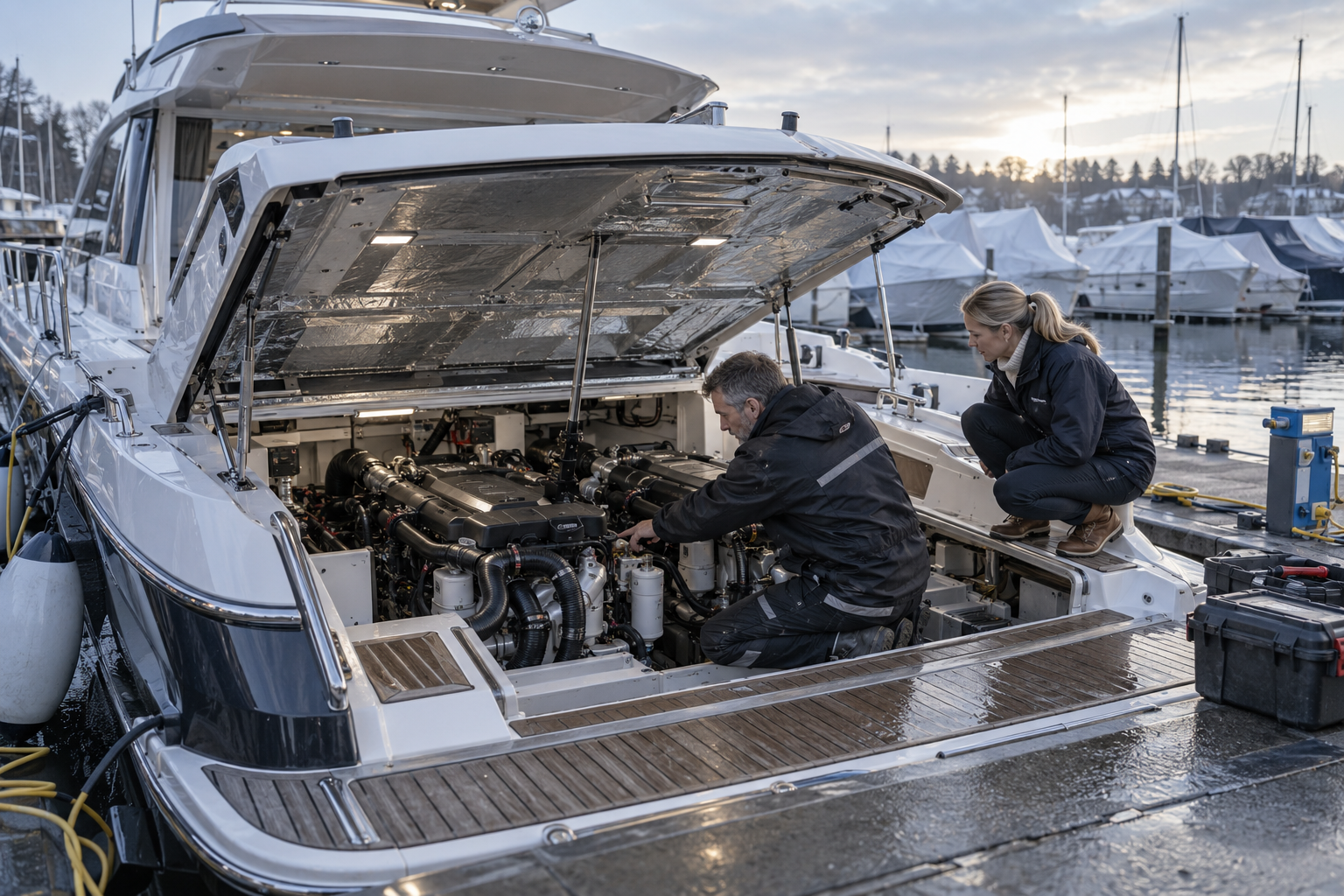
A charter yacht under 24 metres now sits inside a single, updated safety framework designed to replace four older codes. The Sport or Pleasure Vessel Code came into force on 12 December 2025, with existing boats moving across on a timetable linked to renewal examinations. For operators, the change is not simply a new certificate to file: it reaches risk assessments, crew procedures, equipment, stability and the treatment of hybrid or electric systems. The useful question is how to make that transition orderly, without treating the code as a paperwork exercise or assuming every clause applies identically to every boat.

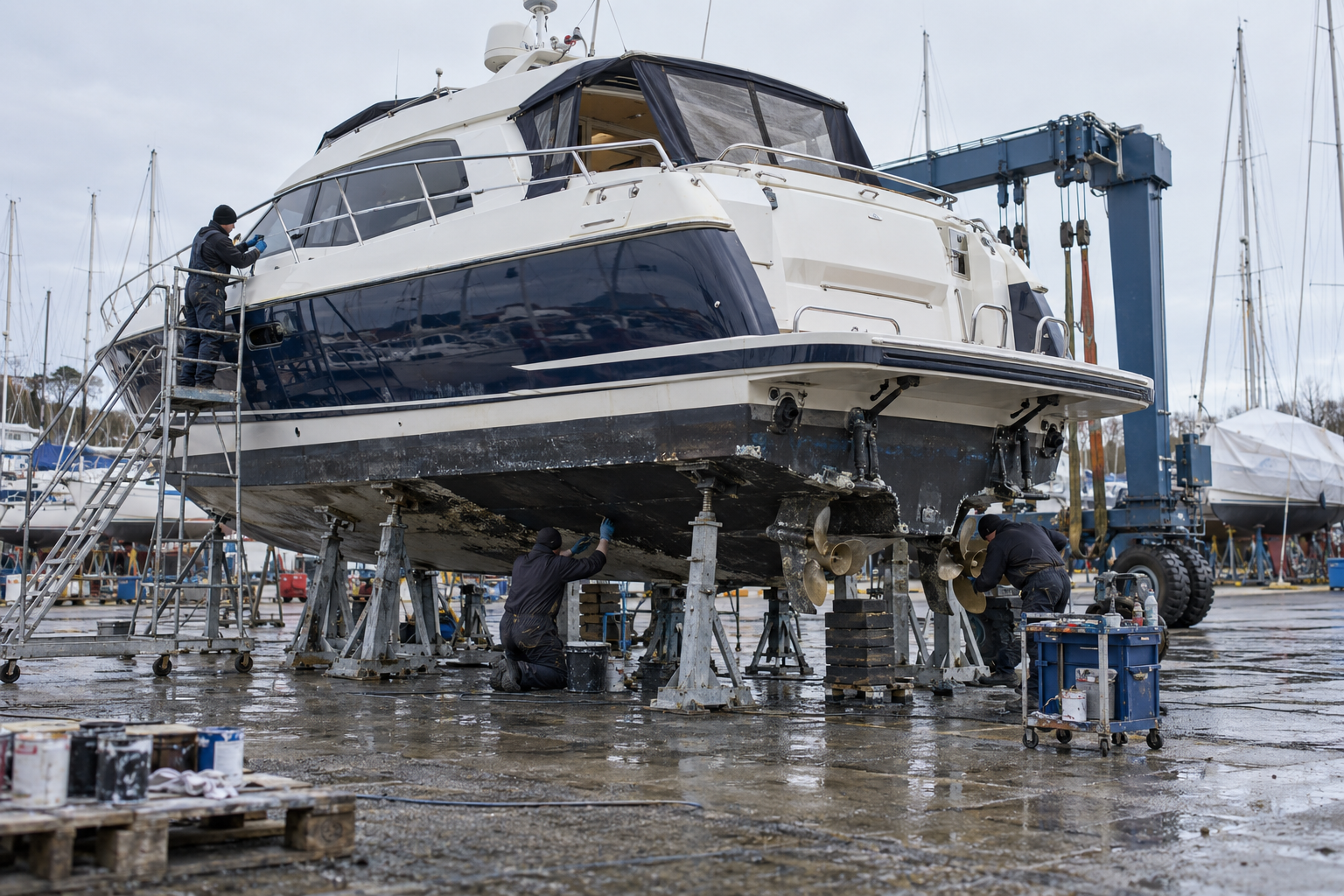
The first thing an operator should do is check which code actually governs the boat. That sounds obvious, but the change now under way replaces a patchwork that had become familiar precisely because it had been in place for years. The Maritime and Coastguard Agency’s Sport or Pleasure Vessel Code took effect on 12 December 2025. It applies to small vessels under 24 metres load-line length used commercially for sport or pleasure at sea, carrying no cargo and no more than 12 passengers.
A motor yacht taking paying guests on a coastal day trip may sit squarely within it; a pleasure boat used only by its owner does not become a coded commercial vessel simply because it has a polished charter-style interior.
The legal framework is the Merchant Shipping (Vessels in Commercial Use for Sport or Pleasure) Regulations 2025, SI 2025/1195, with the Code setting out the technical and operational requirements. The MCA’s plain-language summary is useful, but the operative detail lies in the 281-page Code and the Regulations themselves. Owners should establish the vessel’s load-line length, passenger numbers, commercial use and area of operation before deciding what the change means.
“Under 24 metres” is not a casual measurement of the boat’s advertised length, and a vessel’s use can matter as much as its styling or ownership structure.
For existing vessels, the transition is phased. Boats already certified under the Blue, Yellow or Red Codes, the temporary-use IPV Code, or relevant MGN 280 standards must meet the new requirements by their next renewal examination or three years after the Code’s entry into force, whichever is later, subject to specific provisions in individual sections. In practice, that is not a blanket extension that an operator can translate into “nothing to do until 2028”.
Renewal dates vary; a substantial modification can prompt earlier work; and the transitional wording contains exceptions. The MCA says a vessel that upgrades into the new regime must do so fully. It cannot cherry-pick the convenient parts of the new Code and retain an old standard elsewhere.
That last point is where a tidy transition plan earns its keep. Start with the existing certificate, survey record, vessel particulars and operating limits. Identify the current code basis, renewal date, next examination and any modifications already planned. Then ask the certifying authority to map the vessel against the new requirements, including those that apply immediately and those that are deferred by transition. Keep the answer in writing.
A surveyor’s early view can expose a costly mismatch while there is still time to schedule yard work, source equipment or change the charter calendar.

The Code consolidates four previous codes into one framework. That is a practical improvement for operators who work across vessel types, but consolidation does not mean every vessel gets one identical checklist. The Code distinguishes operating areas and conditions, with requirements shaped by distance from a safe haven and the craft’s design. The further the yacht is expected to operate from refuge, the more self-sufficient its equipment and arrangements need to be.
A small motor yacht restricted to sheltered coastal waters should not assume it can simply adopt the certification pattern of a vessel planning longer passages; nor should an operator assume a familiar route automatically defines the correct category. Have the proposed operation, not merely the yacht’s home berth, considered by the certifying authority.
Safety management is a central change in emphasis. The code’s provisions make risk assessment and operational arrangements more explicit, which should encourage operators to treat safety as something carried out each day rather than something demonstrated only at survey. A risk assessment that says “weather permitting” without defining who checks the forecast, what conditions trigger a change of plan and how guests are informed is not much of an operating control.
The same applies to man-overboard recovery, machinery failure, fire, loss of steering, medical incidents and the safe movement of passengers around the boat.
A useful assessment begins with the real service. How many passengers are carried, where do they board, who is responsible for counting them, and what happens when someone is late or leaves the designated area? Is the vessel routinely operated by the same skipper or by relief crew? Does a charter involve swimming, tender use, fishing gear, evening returns or guests unfamiliar with boats? Each changes the exposure. The assessment should record hazards, controls, responsibilities and review triggers.
A route change, new activity, new propulsion system or an incident should prompt a fresh look, not a silent amendment to the skipper’s habits.
This is also where an operator can avoid the ritual of producing a thick manual that nobody opens. Procedures have to be legible to the person using them at the helm and comprehensible to seasonal crew. A pre-departure check should reflect the actual vessel: bilge alarms, fuel, steering, communications, navigation lights, weather, lifesaving kit and any system-specific items. Emergency instructions should identify who takes command, who makes the call and who looks after passengers.
A small charter yacht cannot divide responsibilities among a large bridge team, so clarity matters more, not less.
The Code’s broader approach follows recommendations made after serious accidents involving small commercial craft. The MAIB investigation into the high-speed passenger craft Seadogz, which struck a navigation buoy with the loss of one life, identified the operating company’s lack of a safety management system and cursory, generic risk assessments. That was a specific accident involving a high-speed craft, not a motor-yacht charter case, but the lesson travels: a certificate does not itself produce safe decisions.
The MCA consultation material says the new Code addresses MAIB recommendations and updates standards in light of developments in the industry. An operator should therefore expect scrutiny of whether the written arrangements describe real practice.
One practical test is to ask a relief skipper to find the instructions for a common emergency without help. If the answer is buried in a binder aboard the boat, unavailable ashore or contradicted by the crew’s routine, the system needs work. Another is to record the safety briefing in a way that is short enough to use and specific enough to matter. Guests should know where lifejackets are, how to summon help and which areas or actions are restricted.
The operator should decide in advance how to manage a passenger who refuses an instruction or is unfit to go to sea. Those decisions are harder to make calmly with the boat already under way.
Certification is not only about the vessel’s initial examination. Continued compliance depends on keeping records and reporting changes correctly. Owners need to know what the Code says about surveys, certificate conditions, repairs, modifications and the notification of changes to the vessel or its operation. A repower, battery installation, alteration to accommodation, changes in passenger capacity or a new cruising area can affect more than one part of the compliance picture.
Tell the certifying authority before work begins; the point is to establish what approval and evidence will be required, not to ask for retrospective acceptance after the boat has been rebuilt.
Alternative propulsion is one of the conspicuous additions. Hybrid and electric arrangements are no longer an awkward edge case that a builder and operator must squeeze into rules written around conventional diesel machinery. The Code supplies a regulatory framework for alternative fuels and propulsion, while retaining the basic safety question: can the vessel be operated, maintained and evacuated safely in the conditions for which it is certified? A propulsion label does not answer that.
A hybrid yacht may combine diesel engines, electric machines, batteries, inverters, charging equipment and software-controlled power management. The skipper needs to understand which components can fail together, how propulsion changes under fault conditions and what reserve remains.
For an operator considering a hybrid conversion, the first conversation should include the certifying authority and the system designer, not just the sales team. Establish the vessel’s intended operational profile: typical passage length, hotel load at anchor, time in harbour, charging opportunities and the consequences of a failed charging system. The package must be assessed as installed, including ventilation, access, protection, cable routes, isolation and emergency arrangements.
Ask how the system is made safe for firefighting and maintenance, how faults are indicated, and what a skipper should do if a warning appears away from a berth. Keep the documentation aboard and make sure crew training reflects the actual control interface.
Battery energy is different from a diesel tank in ways that matter during an emergency. Thermal runaway, toxic smoke, re-ignition and the difficulty of isolating a damaged battery bank have become familiar concerns in marine engineering. Those hazards do not mean that electric propulsion is inherently unsafe, but they do require credible design, installation and response planning.
The operator should establish what standards the equipment meets, what the builder has provided for fire detection and containment, and what the crew is expected to do in a battery event. A general-purpose extinguisher and a laminated diagram are not a substitute for system-specific instructions and a considered means of escape.
The same diligence applies to fuels such as methanol or other emerging options. The code’s significance is that it creates a route for assessment; it does not turn every experimental installation into an approved one. Ask for the evidence supporting the design and the relevant operating limits. Confirm that the fuel system, storage, ventilation, machinery spaces, emergency shut-offs and crew competence have been addressed together.
If the vessel’s insurer, lender or charter platform has additional requirements, those need to be resolved alongside regulatory certification rather than after an installation has been commissioned.
There is a commercial incentive to make this process constructive. A well-documented vessel is easier to charter, insure and hand over between skippers. It gives an owner a defensible basis for deciding whether a proposed trip is within the boat’s conditions of operation. It also makes maintenance more deliberate. A recurring fault that is recorded, reviewed and acted upon is less likely to reappear as a surprise during a passenger trip.
The operator who knows the certificate’s conditions and can show how crew briefings, equipment checks and incident reporting work in practice is in a stronger position than the one who discovers the limits during an inspection.
Do not read the transition timetable as permission to postpone every conversation. If a renewal examination falls soon, the conversion is immediate in practical terms. If it falls later, it still makes sense to compare the existing vessel against the new Code now. A winter refit is easier to programme than emergency work during the charter season. Equipment lead times, specialist electrical work, stability calculations and a busy yard calendar all have the power to turn a theoretical gap into lost revenue.
The operator should ask the certifying authority which items are essential to the transition date, which are specific to the vessel and which can be addressed as part of normal maintenance.
The MCA’s consultation ran for 12 weeks and included responses from industry stakeholders; the agency published its outcome and response material before the Code came into force. That history matters because the framework was developed in dialogue with operators and technical interests, rather than appearing overnight. It also means operators can consult the published Code and supporting material when a clause is unclear. Where doubt remains, seek an authoritative interpretation.
A broker’s summary or a discussion on the pontoon may be useful background, but neither replaces the certifying authority’s assessment of the vessel.
There is a temptation to treat the new rules as a technical exercise reserved for the surveyor. That misses the practical test. The charter guest experiences the safety system through the skipper’s briefing, the boat’s condition and the decisions made when the forecast deteriorates. The skipper experiences it through clear limits, working equipment and procedures that do not require improvisation. The owner experiences it in the maintenance programme and the record of what has been checked.
The Code links those parts together.
For the next charter season, the sensible sequence is unglamorous: confirm scope, identify the transition date, review the certificate and operating area, meet the certifying authority, close the safety-management gaps, and plan any equipment or engineering changes before the boat is committed to work. Then train the people who will use the yacht. A new code is only a document until it changes what happens aboard.
Its value will be measured in the decisions made before departure, the faults caught early and the emergencies that do not become worse because nobody knew who was meant to act.
Contributor: Paul Thompson / 24MotorYachts
Be the first reader to react to this article.
Swanwick’s compact pontoons reward a visitor with a question, a notebook and a little patience. The 2026 British Motor Yacht Show ran from 14 to 17 May on the Hamble, bringing more than 70 motor yachts together with a sizeable shore-side group of specialists. Fairline’s Targa 47 GT and 2026 Targa 50 Edition sat among the larger Sunseeker display, while Princess Motor Yacht Sales brought its biggest showcase at the event to date. The useful way to cover the show is to compare like with like: how the boats board, turn, entertain and handle the same awkward practicalities.
A boat show is easiest to waste when every yacht is treated as a separate attraction. Walk the length of a pontoon, admire the upholstery, climb down into a cabin, then move on to the next glossy object, and by lunchtime the details have blurred. Swanwick Marina lends itself to a more useful method. Its close quarters make it possible to compare boats directly, provided the visitor arrives with a short list of questions and is willing to spend time repeating them.
The British Motor Yacht Show returned to Premier’s Swanwick Marina from Thursday 14 to Sunday 17 May 2026. The show’s official post-event account says more than 70 luxury motor yachts were displayed alongside the largest ashore exhibitor line-up in the event’s 13-year history. That is enough choice to make a route worthwhile, but not so much that a visitor needs to attempt a full circuit without a plan.
The event is appointment-led, and the organisers encourage visitors to arrange private viewings and conversations with manufacturers, brokers and specialists in advance.
The strongest comparisons start before stepping aboard. Write down the sort of use the boat must support: day cruising with friends, weekends for a couple, family holidays, entertaining at anchor or longer coastal passages. Then pick a size and price band in which at least two boats can plausibly do the job. A 40-foot sports cruiser and a 60-foot flybridge yacht may both be appealing, but comparing their salons tells little about which will be easier to run, berth and crew.
Compare boats that compete for the same owner and the decision becomes sharper.
The 2026 display offered several natural reference points. The show’s report identified Fairline’s all-new Targa 47 GT and the 2026 Targa 50 Edition, as well as Sunseeker London Group’s display including the 90 Ocean and Ocean 82. Princess Motor Yacht Sales described its own display as its largest yet at the event. These are confirmed features of the 2026 show, not a promise that every model could be tested on the water at every moment.
Availability of a particular yacht, demonstration or appointment should always be checked with the exhibitor.
Start the day by looking at the boats from the pontoon. This is where boarding arrangements, side-deck width and the relationship between cockpit and quay become obvious. A low bathing platform may be convenient at anchor but less comfortable when boarding from a high pontoon. A side gate, passerelle or tender arrangement can transform access, but it also adds equipment to maintain. Ask the representative to show the boarding method the owner would use most often, rather than the best-looking one for a photograph.
If the yacht is intended for older family members, children or guests with limited mobility, step height and handholds are not minor details.
On board, test the route from the helm to the side deck and from the cockpit to the galley. Watch for narrow pinch points, awkward steps and doors that cannot be opened when somebody is seated. Imagine two people moving in opposite directions with a tray, a wet jacket or a line in hand. A boat can have generous published beam yet still make its principal traffic route feel constricted.
Conversely, a smaller boat can feel exceptionally liveable if its circulation is clear and the seating does not block access to the engine room or heads.
The first useful comparison is often between an open sports cruiser and a hardtop or enclosed coupé. They may share a hull and cabin plan, but the owner’s daily routine is different. How long does it take to close the boat for rain? Can the cockpit remain usable in a fresh breeze? Is the roof opening large enough to deliver the outdoor feeling expected from an open boat? Where does a wet crew member leave a jacket?
Ask how the canvas, glazing and roof mechanisms are serviced and whether they can be operated safely by one person. A show day in mild weather is not the whole season.
At the helm, sit in the position you would actually use. Check the view ahead, over the bow and astern. Stand up; then sit down. See whether the windscreen frame masks a mark on the water. Look at the displays in daylight and ask what information is available on each screen. A multi-function display can show a great deal, but it does not improve visibility through a badly placed mullion.
Where the boat is marketed for single-handed or short-handed use, ask the demonstrator to explain the line-handling sequence and which controls can be reached without leaving the helm.
If a sea trial or handling demonstration is offered, use it to assess a defined set of behaviours. Ask how the yacht responds at displacement speed, whether it tracks comfortably in a following sea and how the stern behaves when reversing towards a berth. If joystick control or a docking system is fitted, try to understand what it does and what it cannot do. Windage, current, propeller walk and the position of the fenders remain part of the equation.
A calm marina basin can show a control interface; it cannot prove that a boat will be easy to handle in a crosswind.
The show format was deliberately personal and appointment-based. That is an advantage for serious visitors, but it changes the rhythm. Book time with the exhibitors whose boats matter, and ask in advance whether the model is available for a demonstration, whether it is a display boat with a particular specification, and whether there is room to inspect machinery or technical spaces. An appointment should not mean surrendering independent judgement. It should create time to ask better questions.
If an answer depends on a brochure option, record that; a model on display may have equipment that is not standard.
Below deck, compare how each boat handles the same everyday tasks. Can a guest use the heads at sea without moving another person’s belongings? Is the shower separate or does the whole compartment become wet? Can the galley be used safely when the boat is moving? Is there enough storage for food and clothing for the intended trip, or does the boat rely on surfaces that look clear only because it is a show boat? Open lockers. Check depth and shape.
A large-looking wardrobe may be shallow; a useful drawer may be blocked by a pipe or panel.
Then ask to see the machinery space. On a show boat, staff may control access for safety or presentation reasons, so arrange it beforehand. Look at the route to routine service items: filters, belts, strainers, batteries and seacocks. Ask how the engines are extracted if major work is needed. A neat engine room should not be judged only by its polish; the real question is whether a technician can work on it without dismantling half the interior.
A buyer can learn more from a clear answer about access than from a row of spotless engine covers.
For a flybridge yacht, climb between the main deck and upper helm several times. Is the stair secure and sheltered? Can the boat be controlled from the flybridge with the side decks visible? Where will guests sit while the skipper is manoeuvring? Compare sun protection, wind protection and the arrangement for leaving the boat unattended. A flybridge adds a second social space and a higher operating position, but it also increases windage and introduces more canvas, upholstery and exposed equipment.
The owner should think about winter storage and cleaning as well as summer entertaining.
For a sports yacht, consider what happens when the boat is not moving quickly. Will the cockpit still work for lunch at anchor? Can the tender be launched without a crew member standing in a compromised position? How much storage is given to water toys, lines and fenders? If a garage is presented as a selling point, ask how long a launch and recovery takes in practice and where the crew stands. A tender system that works elegantly at the dock may be much less convenient when the yacht is rolling gently at anchor.
A good show route leaves time for the ashore exhibitors. The 2026 event’s expanded shore-side presence covered specialist services including finance, insurance, technical expertise, marina services and aftercare, according to the organiser. These are not filler between yacht visits. Ask a finance provider how the costs change with deposit, term and balloon payment. Ask an insurer which operating limits, security arrangements and skipper qualifications affect cover.
Ask a marina representative about berth availability, access, electricity and winter arrangements for the boat size under consideration. A yacht’s purchase price is only one part of the ownership decision.
Use the shore-side conversations to check assumptions, not to outsource the decision. A broker can clarify model availability and options; an independent surveyor can explain where a pre-purchase inspection will focus; a marina can describe physical access and berth constraints. None can determine whether the layout suits your family as well as you can. Bring the people who will use the yacht, and allow them to move through it without being rushed.
The person who dislikes a steep companionway or an exposed heads door may be the one who decides whether the boat is used.
A comparison notebook need not be elaborate. For each yacht, record the model and display specification, the three things that worked, the three points to verify and the questions still unanswered. Take photographs only where the exhibitor permits them, and label them immediately. The detail that seemed obvious beside the boat will be difficult to identify later among a phone full of dashboards and saloons. Note whether a feature is standard, optional or part of a special edition.
This matters particularly when comparing a demonstrator with a quotation built to a different equipment level.
Swanwick’s setting is part of the experience, but the Hamble is also a working river and the marina is not a limitless car park. Check the organiser’s visitor information before setting out, particularly for registration, appointment arrangements, access and parking. Visitors arriving by water should use current navigation information and follow the marina’s instructions. If a trial is being considered, ask the exhibitor how it is arranged and what conditions or qualification requirements apply.
Do not presume a walk-up visitor can simply take a yacht off the berth.
Four days allow the visitor to choose a quieter slot or return for a second look, but a single-day plan can still be effective. Reserve the morning for the two or three yachts that best match the brief, when concentration is fresh. Take a break before the second round and revisit the strongest candidates after lunch. Use late afternoon for specialist questions or a second inspection of the boat that has survived the first comparison.
A short return visit often reveals a practical concern missed in the excitement of the initial climb aboard.
The show’s intimate format is not a substitute for a survey, a proper sea trial or a detailed specification review. It is a chance to decide which boats deserve those next steps. The 2026 post-event report noted confirmed sales exceeding £10 million for Princess Motor Yacht Sales and Argo Yachting, and described strong visitor and exhibitor engagement despite variable weather.
Those are the organiser’s reported outcomes; they say something about the show’s commercial purpose, not about the right choice for an individual buyer. A well-run event makes it easier to ask questions, but it cannot answer them on the owner’s behalf.
When it is time to leave, resist the temptation to rank every boat. Pick the two or three that fit the intended use and compare the evidence: access, visibility, handling support, storage, serviceability, specification and cost. Ask for the written specification and a quotation with options clearly separated. Arrange a sea trial in conditions that are useful, then commission an independent survey before committing.
The show’s most valuable result may be a shorter list, a sharper brief and a better set of questions for the next conversation.
Contributor: Paul Thompson / 24MotorYachts
Be the first reader to react to this article.
Keeping a motor yacht afloat through winter is less a test of bravery than a decision about routines, limits and the berth itself. The rewards are quieter waterways and spontaneous days out when the forecast settles; the costs are damp clothing, short daylight, exposed pontoons and systems that cannot be left to chance. Heating helps, but ventilation, shore-power discipline and a boat-specific cold-weather plan matter just as much. A winter-ready yacht is not simply a summer boat with a fan heater plugged in. It is a vessel whose owner knows what can be used, what needs checking and when the right call is to stay alongside.
The winter passage often begins with a small decision made at the berth. The forecast offers a bright morning, a manageable wind and a tide that makes the intended run possible. The boat is still warm from the previous weekend; the crew are dressed for the cold; the route has a sheltered alternative. By the time the kettle has boiled, the owner is asking the question that defines winter afloat: is this a day to go, or a day to keep the yacht ready for the next one?
There is no single British winter. A motor yacht in a sheltered marina on the south coast faces different risks from a boat on an exposed Scottish mooring or on an inland river where ice, flooding and high water can matter more than sea state. The useful approach is not to treat November to March as one long season with a uniform checklist. It is to look at the yacht, its berth, the owner’s pattern of use and the route to a safe haven.
Winter use can be thoroughly enjoyable, but it rewards preparation over optimism.
The Royal Yachting Association’s winter guidance makes a simple point: conditions feel colder afloat than they do ashore, and clothing needs to reflect that. Wind removes heat quickly, particularly when a crew member is standing in an exposed helm position. A waterproof outer layer, warm mid-layer, gloves that allow rope handling and footwear with grip are working equipment. Keep dry spares aboard.
If a passenger gets wet during a short transfer or a line-handling job, the boat’s cabin temperature will not make the problem disappear.
The first decision is whether the yacht should remain in commission. A boat used regularly can benefit from being run: machinery warms properly, pumps and systems are exercised, and the owner notices deterioration early. But regular use is not a substitute for winterising systems that remain vulnerable during freezing conditions. Some owners keep the engines, domestic water and heating fully operational; others drain selected circuits or arrange a partial lay-up. The choice depends on the boat and its location.
A winter plan should state what is live, what is drained, who checks the boat and what happens if power fails.
Shore power changes what is practical at the berth, but it is not an unconditional safety net. The RYA advises owners to keep an eye on the supply when a boat is left connected through winter. Check the marina’s rules, confirm that the pedestal has the correct outlet and capacity, and make sure the yacht’s cable and inlet are in good condition. A connection left in place for months should not be treated like a household extension lead.
Inspect connectors for damage or heat discolouration, secure the cable so it cannot chafe or sit in the water, and avoid improvised adaptors. If the supply trips, establish why before resetting it repeatedly.
Heating requires the same care. A small plug-in heater can take the edge off a marina visit, but the owner must know its electrical draw and whether it can safely operate unattended. A yacht with electric heating, battery chargers, water heaters and cooking equipment can exceed the available supply if several loads run together. A diesel-fired system avoids drawing the full heat load from shore electricity, but it brings combustion, exhaust, fuel and maintenance considerations of its own.
Follow the manufacturer’s installation and operating instructions, keep exhaust outlets clear, and ensure detectors are working. Never assume a heater is safe simply because it has worked on previous visits.
Heat alone will not solve damp. Cold surfaces meet moist air and collect condensation; that water then reaches headlinings, lockers, mattresses, wiring and metal fittings. The RYA recommends proper through-draught ventilation because condensation can contribute to mould, dry rot and corrosion if it persists. A boat can be made warmer while remaining wet inside. Open vents must be positioned so rain and spray cannot enter, and ventilation should not be defeated by sealing every hatch in the name of warmth.
Check lockers, berth bases and the backs of cushions, not just the cabin air.
The practical routine is to remove damp textiles after a trip, wipe down wet surfaces, keep lockers slightly open where appropriate and allow air to circulate through sleeping spaces. Lift mattresses periodically so their undersides dry. Do not pack soft furnishings tightly against cold hull sides. If using a dehumidifier, confirm that it is designed for unattended use in the marine environment and that condensate drains safely. A domestic unit with a full tank may stop running just when it is most needed.
Keep its air intake clear and check the electrical load against the marina supply.
A well-insulated boat is easier to heat, but insulation does not remove the need to ventilate. It can also conceal leaks until water has travelled behind a lining. Check overhead lockers, windows, deck hatches and the base of the windscreen after heavy rain. Look for staining and softness as well as visible drips. A cover can reduce the amount of water entering a cockpit or protect upholstery, but it must be secured for the berth’s wind exposure and arranged so water does not pond.
High-sided covers can catch wind, and a loose cover can abrade gelcoat or damage fittings.
At the engine, the winter routine begins with the manufacturer’s instructions and the boat’s service history. Check coolant concentration where the cooling system uses antifreeze, inspect hoses and clamps, and look for corrosion or leaks. Raw-water systems need attention if the boat will be left through hard frost; the exact procedure depends on the engine and installation. Do not pour antifreeze into a system without understanding its route and discharge.
Check fuel filters and water separators, inspect belts and batteries, and record the date and result of the checks. A brief engine start at the pontoon may not bring the oil to operating temperature and can create more moisture in the engine than it removes.
Fuel tanks and fuel quality deserve attention on boats that are used only occasionally. Water can accumulate in a tank and create running problems. Follow the engine and fuel-system manufacturer’s advice for the particular fuel, tank material and storage duration. A full tank is sometimes recommended to reduce air space and condensation, but it is not a universal answer; owners should consider fuel condition, tank design and the risks of leaving fuel unused.
A sample from the separator and a record of filter changes can be more informative than relying on a general rule.
Batteries are another quiet winter failure. Check the charging system, battery condition and resting voltage, and confirm that the charger is appropriate for the installed chemistry. A battery can be damaged by a small parasitic load over several weeks. If shore power is used for float charging, verify the charger’s setting and leave enough margin to cope with other berth loads. If batteries are isolated, understand which alarms, bilge pumps or security systems will also be disconnected.
The answer should be deliberate, written down and checked after a power interruption.
Bilge pumps and high-water alarms matter more in winter because the owner may visit less often and rainwater may enter through a cockpit drain or cover. Test the automatic pump and alarm, clear strainers and check the float switch. Confirm that drains are not blocked by leaves, canvas or debris. If the yacht has a cockpit canopy, check where runoff goes; a well-fitted cover can still direct water into an unexpected part of the boat.
Do not leave the boat relying on a single pump without knowing its power source, discharge route and alarm behaviour.
The berth itself deserves as much attention as the machinery. Mooring lines stretch, chafe and load differently as wind direction changes. Check chafe protection at fairleads and cleats, inspect springs and adjust for the vessel’s movement alongside. A boat that sits quietly in a summer breeze may surge against its lines in winter swell. Fenders must remain in place when water levels rise and fall; a cover or boarding ladder should not snag on neighbouring vessels.
Ask the marina what it expects from winter berth holders and how it handles severe weather, pontoons, shore power and access during a closure.
Marina policies differ. Some facilities have winter checks, some require boats to be attended after a gale, and others prohibit unattended heaters or certain forms of liveaboard use. Confirm whether winter berthing is available for the yacht’s size and whether the berth is sheltered enough for the intended use. Ask about electricity tariffs, metering, water availability, pump-out facilities and the practical opening hours of the office.
A marina with a useful winter service team may be more valuable than one with a scenic summer location but limited support in January.
For an owner who intends to cruise, the route plan needs to account for shorter daylight and fewer open facilities. Identify fuel, water, pump-out and refuge options before leaving. Check tide tables and local notices, and build a conservative arrival time into the passage. A route that is routine in July may be uncomfortable in December if a late departure leaves the final approach in darkness. Keep a spare head torch, charged handheld VHF, warm clothing and hot drinks accessible.
The important equipment is the kit the crew can reach without emptying a locker in a rolling cabin.
Weather windows are narrower, but the forecast is not the only limit. Winter wind against tide can make a familiar stretch unpleasant, while fog, rain and low cloud can reduce visibility. The RYA’s winter-on-the-water advice stresses suitable clothing and preparation; for motor-yacht skippers, that also means checking visibility, sea state, tidal streams and daylight together. Set a point at which the trip will be shortened or abandoned.
Agree it before departure, while nobody is invested in reaching a particular anchorage or restaurant.
A working skipper’s approach is often more useful than a heroic story. The disciplined winter operator asks what the crew can manage, how the yacht will behave if the forecast changes and where to stop if the passage becomes tiring. The boat should be set up before lines are cast off: fenders secured, loose equipment stowed, windows clear, wipers checked, engine warmed according to the maker’s instructions and navigation kit ready. Passengers need to know where to sit and how to move safely.
If somebody is unsure or uncomfortable, a short trip is better than a long argument underway.
Cold-weather comfort affects handling. A skipper who is shivering, wearing gloves too bulky for the controls or distracted by a wet crew member makes poorer decisions. Warm the wheelhouse before departure when possible, but do not create a cabin so hot that the crew become drowsy or step into the cold unprepared. Keep a dry layer close to the helm. Ventilate cooking and washroom spaces, where moisture builds quickly, and avoid drying wet clothing over heaters or near hot exhaust components.
Antifouling and hull maintenance are not reasons to put every yacht ashore automatically. A boat kept in the water may accumulate growth more quickly, and a winter berth can expose it to fouling and corrosion, but the right schedule depends on water conditions, coating type and use. Inspect the waterline and anodes at intervals suited to the boat and marina. If a lift-out is planned, book it early: yards have finite space, and the owner who waits until the autumn rush may find the preferred slot has gone.
While ashore, inspect seacocks, stern gear and hull fittings rather than treating the lift as a cosmetic washdown.
The decision to keep the boat afloat should include insurance. Read the policy conditions for winter navigation, unattended periods, mooring requirements and any geographic restrictions. A policy may impose conditions that are more specific than the owner’s usual practice. Ask the insurer or broker for clarification in writing. Do not assume that a yacht covered for summer use is automatically insured for every winter passage or every form of liveaboard occupation.
Owners often underestimate the value of a short visit to the boat when it is not being used. Check for water ingress, battery condition, shore-power status, heating faults, unusual smells and evidence of pests. Open the boat enough to ventilate it, then leave it secured. A simple inspection log can help identify a repeated problem: the same bilge pump cycling, damp returning at a particular window or an electrical breaker tripping after a heater starts.
A recurring fault should be investigated, not normalised as a winter quirk.
The RYA’s winterising guidance is written for boats of different types and sizes, so owners should adapt it to the yacht and follow maker-specific advice. Its basic points remain useful: watch the power supply, provide ventilation and ensure antifreeze mixtures in water-based heating systems are correct. Marina-specific checklists can add local conditions; Kip Marina, for example, instructs owners to check shore-power leads and connections before leaving a vessel connected through winter.
Such guidance is not a substitute for a marine electrician, but it shows why the marina’s own rules belong in the plan.
A winter afloat routine is best kept simple enough to repeat. Before a trip, check the forecast, tide, daylight, fuel, batteries, heating and bilge. Afterward, dry the interior, inspect machinery and shore connections, and note anything that needs attention. During a lay-up interval, keep ventilation, alarms, moorings and power under review. The boat becomes a place to use rather than a project to rescue because each visit prevents small faults accumulating unseen.
There will still be days when the right decision is to leave the lines on. That is not a failure of winter boating; it is part of the operating pattern. Keep the yacht in commission, maintain the systems and be ready when a good window appears. Between November and March, a motor yacht can offer a remarkable sense of space and quiet, but the best winter day usually begins with the unromantic checks completed before the crew step aboard.
Contributor: Paul Thompson / 24MotorYachts
Be the first reader to react to this article.
At the Thames Barrier, the most important part of a recreational yacht passage is not a dramatic opening of the gates. It is arriving at the control zone prepared, listening carefully and using the span allocated by London VTS. The barriers are flood-defence machinery and the surrounding river is a busy port, so tide, traffic, clearance and communications shape the passage. A motor yacht’s skipper must reconcile the chart, the boat’s air draught and the day’s instructions before turning towards Woolwich. This is a practical reconstruction of that planning, based on published Port of London Authority guidance.
The Thames Barrier is a structure most people encounter from the riverbank or from a tour boat. A motor yacht approaching from either direction meets it as something more exacting: a control zone, a set of available spans, a tide, a traffic picture and a call to London VTS. The passage is not a matter of waiting for a ceremonial gate to open.
The barrier’s machinery may be operating below the water, the navigable spans are indicated by signals, and the skipper must use the route allocated for the traffic moving that way.
The Port of London Authority’s navigation guidance defines a permanent Thames Barrier Control Zone between Margaretness, by the entrance to Barking Creek, and Blackwall Point, near the O2. Usually, vessels are routed through one span in each direction. Green arrows mark spans open to navigation; red crosses indicate those closed. The PLA warns mariners not to use a closed span because gates may be underwater or rotating into a defence position. Those signals are not decoration.
The first practical rule is to approach with enough time and room to read them, while remaining ready to follow a different instruction from London VTS.
For a small motor yacht, the planning begins well before the barrier appears ahead. Check the chart and current PLA information, then decide whether the boat, crew and timing suit the tidal Thames on that day. Consider length, draught, air draught, engine reliability, steering, visibility and the skipper’s experience in commercial traffic. The river is not simply a scenic extension of a coastal cruise.
It is a working waterway, with passenger vessels, tugs, barges, ferries and large ships using a constrained channel. If the skipper has not previously navigated this reach, the PLA recommends choosing quieter traffic times, particularly for a first journey through London.
The barrier passage also sits within a longer tidal plan. A yacht coming from the estuary must manage the state of tide and its intended arrival at Woolwich; a boat leaving central London must consider the stream and the downstream route. Tide affects speed over the ground, stopping distance and the time available to make a controlled approach. It also matters for depth.
Use current charted information and tide predictions, account for the vessel’s actual draught and avoid basing the decision on a remembered transit from a different height of tide. Do not confuse a favourable stream with a guarantee that the timing will be comfortable.
The PLA’s small-vessel guidance distinguishes craft under 13.7 metres. Such craft without VHF are directed inward through the northernmost span open to navigation and outward through the southernmost open span, provided there is sufficient depth. Vessels wishing to pass should contact London VTS on VHF channel 14: at Margaretness when inward bound, or Blackwall Point when outward bound. VTS allocates the span, which is then shown by the green arrows. The precise sequence matters.
Do not treat a span that looks available from a distance as a personal invitation to proceed.
A yacht fitted with VHF should make the prescribed call at the appropriate reporting point and keep a listening watch. Check the radio before departure, confirm that the set is on the correct channel and ensure the person at the helm can hear and understand instructions. If the yacht’s fixed set is unreliable, resolve that before entering the control zone. A handheld radio can be useful as a backup, but it should not be an excuse to ignore a defective primary installation.
Record the callsign and relevant telephone contact in the passage plan; the PLA provides contacts for craft without VHF elsewhere in its motor-boating information.
The conversation with London VTS is operational, not social. Be concise and ready with the vessel’s name, type, position, direction of travel and any information requested. Listen through the whole instruction, read it back if necessary and follow it. A skipper should not transmit while distracted by a close-quarters manoeuvre or assume the message was meant for another boat. If the instruction is unclear, ask for clarification early enough to act safely.
The VTS controller is coordinating traffic in the zone; a late or incomplete call leaves less room to resolve confusion.
The final approach should be made at a speed that preserves control and leaves time to respond, while respecting the PLA’s directions and the river’s traffic situation. The proper speed is not a fixed number for every yacht and every condition. Current, wind, wash, boat handling and traffic all affect what is safe.
Keep to the route indicated, avoid overtaking or manoeuvring in the control zone without express permission from the harbourmaster at London VTS, and do not make a last-minute turn across another vessel’s path to reach a preferred span. Prepare the crew before arrival: keep people seated or clear of the deck, secure loose equipment and make sure the helm has an unobstructed view.
Air draught deserves particular attention on motor yachts. Radar arches, aerials, satellite domes, cranes and raised tenders may change the boat’s highest point. Owners sometimes know the cabin height but not the air draught with every item deployed. Measure the vessel in its transit configuration and check whether equipment can be lowered safely. Do not assume that a published clearance is constant or that a familiar bridge clearance applies to the barrier.
The navigation decision depends on current conditions and instructions. The PLA’s published barrier information should be used together with an up-to-date chart and, where the boat’s clearance is marginal, direct clarification from the authority.
A motor yacht that can alter its profile may still have limits. Folding an aerial or lowering a mast can change the measured height, but only if the equipment is designed for that and the skipper can verify the resulting clearance. A tender on a hydraulic platform or a flybridge canopy may be the controlling point. Include the installed accessories, not simply the builder’s figure.
If a fixed item cannot be lowered and the available height is uncertain, the prudent passage plan is to wait or take another route rather than rely on an optimistic estimate.
The barrier is not a lock. There is no routine recreational booking system in the PLA’s navigation instructions for an ordinary transit; the skipper reports to London VTS and receives the available-span direction. This differs from arranging a visitor package at the Environment Agency’s Thames Barrier information centre, which is a separate activity. Operators should not confuse the two.
The passage authority is London VTS under PLA navigation guidance; the Environment Agency runs and maintains the barrier as a flood defence. If planned closures or operational information could affect a journey, consult the relevant official notices in advance and leave flexibility in the schedule.
There are occasions when all spans may be closed to navigation, for tests or because of a predicted tidal surge. The PLA says Environment Agency test closures are published in advance. This is one reason a passage should not be built around a tight appointment immediately after the barrier. If the route depends on a particular transit time, identify a safe waiting option and decide what delay makes the journey impractical.
A yacht should not loiter in a hazardous position while its crew try to renegotiate a shore-side booking. Build an alternative into the plan before departure.
The tide can make the passage feel like a race even when no one is trying to go fast. A boat may be making modest speed through the water but moving quickly over the ground on a strong stream. The skipper should understand the difference and keep a reliable position picture. Plotting, GPS and visual references should agree. In the city reach, bridges, buildings and bends can complicate visual assessment. On the open approach to Woolwich, large vessels may obscure a small yacht or create wash.
Keep the chartplotter at a useful scale and do not let the screen displace a proper lookout.
A safe passage depends on the boat being ready for sudden adjustments. Check steering response, throttle controls, engine cooling and alarms before entering the control zone. Confirm that the anchor is ready for use if appropriate to the vessel and that crew know their tasks, but do not turn preparation into unnecessary deck movement at the last moment. Lines should be stowed, fenders secured and the cockpit clear.
If the yacht has twin engines, test that both respond correctly; if it has a single engine, understand how it turns in the prevailing stream. A propulsion fault within the zone is a serious complication, so a marginal engine should be dealt with before the passage begins.
People aboard need a short briefing. Tell them that the skipper may give abrupt instructions, that they should remain clear of the bow and side decks, and that they must not stand at the helm or distract the operator. Lifejackets should be worn in line with the PLA’s recreational guidance. The authority advises that everyone aboard a recreational craft navigating the tidal Thames should wear one.
The river’s commercial traffic and the speed with which a person can be separated from a small boat make this a practical precaution, not an event-specific formality.
A vessel without VHF has an additional communication requirement. The PLA’s motor-boating page says the person in charge should report to London VTS by telephone before entering the tidal Thames. It gives separate numbers for locations west and east of Dagenham. A phone is less useful if it is stowed below, wet, uncharged or out of coverage, so have the number accessible and check the route’s mobile reception assumptions.
If a vessel is small enough to follow the prescribed span arrangement without VHF, the passage still requires proper attention to the signals and sufficient depth. If the skipper is unsure whether the boat fits that guidance, contact the PLA before departure.
The barrier’s scale can tempt a visitor into looking up instead of ahead. The structure is a major piece of flood-defence engineering, but the pilotage task is to keep the boat within the navigable passage and respond to traffic. Take photographs only when the yacht is safely clear and another competent person can maintain a lookout. Do not slow, turn or drift in the control zone for a better view. The PLA explicitly restricts overtaking and manoeuvring there without the Harbourmaster’s permission.
A recreational boat has no right to create a spectacle at the expense of traffic flow.
For an inward passage, Margaretness is the point at which the skipper should have the boat, crew and radio organised. The call to London VTS comes before the barrier itself, at the stated reporting point. Once the span is allocated, check the arrows, keep the boat on the instructed line and proceed without hesitation. For an outward passage, the equivalent call is made at Blackwall Point.
In either direction, if conditions or traffic make the intended approach unsafe, do not press on simply because the call has been made. Communicate the problem and follow VTS instructions.
There is no virtue in arriving too early without a safe place to wait. A yacht can be carried towards the barrier by the stream while the skipper tries to maintain a station in a narrow or busy reach. Plan the timing so that the boat reaches the reporting point with room to make the call and act on the response. Allow for the time taken to clear the barrier and rejoin the route.
A passage plan should include departure time, tidal assumptions, speed over ground, daylight, alternatives and a latest safe decision point. This need not be a formal commercial document, but it should be clear enough that another person aboard understands the plan.
The route through London can be part of a rewarding day, but the city’s landmarks can obscure the practical challenge. Traffic density varies by time and day; quiet conditions are not guaranteed. The PLA recommends first-time visitors plan for quieter periods, a sensible suggestion that should be read alongside the actual river schedule and current notices. Check local restrictions, speed limits and navigation information for the entire tidal stretch, not just the barrier.
The passage from the estuary to the city involves more than one control point and different traffic considerations.
After clearing the barrier, continue to monitor VHF and maintain a lookout. Do not assume the difficult part ends at the last pier. The yacht is still within the tidal Thames and may encounter ferry movements, passenger craft, commercial traffic and other recreational vessels. Follow the PLA’s directions, keep to the appropriate part of the channel and avoid impeding larger vessels.
If the plan includes Tower Bridge or an onward destination, check those constraints before departure rather than adding them as an improvised second act.
The operator’s checklist can be short: confirm the boat’s dimensions and condition; read current PLA guidance and notices; calculate tide and daylight; plan the approach and the safe waiting alternative; check and test VHF; brief the crew; call London VTS at the correct point; use only the allocated open span; and avoid overtaking or manoeuvring without permission. The difficult part is not remembering the list.
It is treating it as a connected sequence, so a delay or changed instruction does not catch the skipper unprepared.
The Thames Barrier passage turns a recreational trip into a timing exercise because the river is governed by both water and infrastructure. Flood defence, commercial navigation and pleasure boating share the same stretch. A yacht’s skipper cannot schedule the barrier as if it were a destination with an opening time; the available span and traffic instruction are part of the live passage. Arrive prepared, listen, use the route allocated and keep enough margin to wait or turn back.
The reward is a passage through one of the capital’s most striking pieces of engineering, made memorable for the right reason: the boat went through with control, not drama.
Contributor: Paul Thompson / 24MotorYachts
Be the first reader to react to this article.
The blue socket on a pontoon can look like a simple answer to a noisy generator, until a larger yacht asks how many amps are available, whether its system can use them and what else is drawing power on the berth. Most leisure-marina connections serve ordinary hotel loads rather than the appetite of a large yacht running air conditioning, galley equipment and battery charging together. Bigger supplies exist, but capacity varies by facility, connection and local network. The route to quieter berths is therefore practical and electrical: match the boat to the outlet, manage peak demand and plan upgrades with the grid operator.
A yacht arriving at a marina can be told that shore power is available and still discover that it cannot run everything it hoped to. The socket may fit, but the supply may be limited to 16 amps. The boat may need 32 amps, three-phase power, a different connector or a supply that can support several large loads at once. Even where the pedestal has the right rating, the marina’s distribution network and upstream grid connection set the real limit.
Shore power is not one facility; it is a chain from the national network to the yacht’s inlet.
That distinction matters more as motor yachts grow and their hotel systems become more demanding. Air conditioning, induction cooking, water heating, laundry equipment, battery charging and entertainment systems can all compete for power. A yacht that runs a generator at anchor may want to shut it down alongside to reduce noise and local exhaust. But whether that is possible depends on the demand profile, the vessel’s electrical installation and the berth’s actual supply.
The useful question is not simply whether a marina has shore power. It is how much power is available at the relevant berth, under what conditions, and whether it is enough for the yacht’s intended use.
At many UK leisure marinas, the familiar baseline is 230 volts, 50 hertz and a blue 16-amp connection. Premier Marinas’ published information for Port Solent specifies 230V, 50Hz and a standard blue 16A socket, advising visitors to ask about 32A availability. The Port of Dover Marina says its berths have 16A electricity, with 32A available on larger berths. Those are useful examples, not a national survey.
The figures should prompt a visitor to check each facility, because a marina’s offer can vary between pontoons, berth sizes and customer types.
The arithmetic makes the limitation tangible. A single-phase 16A supply at 230V has a theoretical maximum of about 3.7 kilowatts before allowing for losses and the need to avoid running continuously at the breaker limit. A 32A supply roughly doubles that. A yacht with several kilowatts of air-conditioning load, a water heater and a galley appliance can use the available headroom quickly. Starting currents can add a further complication.
The owner may have to choose which loads run together, use a load-management system or keep a generator available for peak demand.
A high-current connection does not automatically solve every problem. The boat and shore supply must match in voltage, frequency, phase, connector and protection. Some larger vessels use three-phase or higher-voltage systems; international vessels may require 60Hz power, while the UK grid operates at 50Hz. A suitable frequency converter can bridge that difference, but it brings cost, equipment, space and conversion losses.
The Department for Transport’s evidence on maritime shore power identifies frequency differences, grid capacity and electricity costs as barriers for larger vessels. The same engineering principle applies at a smaller scale: the energy has to arrive in a form the yacht can safely use.
For owners, the first step is to understand the boat’s own load profile. Ask the builder or marine electrician for the maximum shore input, the normal hotel load at berth and the starting demand of major appliances. Find out whether the boat can limit charging current, sequence loads or shed non-essential equipment when the supply is constrained. If a yacht has battery storage, establish how quickly the bank can accept charge and whether the charger’s demand can be reduced.
A large battery does not eliminate the need for adequate shore power; it may increase the charging demand after a passage.
A visit to the yacht’s switchboard can be more revealing than the marketing brochure. The owner should know which circuits are supplied from shore, which require an inverter and which loads automatically start when the boat is plugged in. Ask how the boat reports the supply limit and whether the electrical management system can prevent an overload. If the system uses automatic load shedding, learn which appliances are switched off first.
The crew should be able to recognise a shore-power fault, isolate the supply safely and know when to call a qualified marine electrician.
Marina operators face a different scale of problem. Each socket is only the visible end of a distribution network, which must account for simultaneous demand across the pontoon and the site. If every berth uses its full rating at once, the supply needs to support that aggregate load or manage it intelligently. Operators may use diversity assumptions because not all customers draw maximum power continuously, but growing use of air conditioning and electric heating can change those patterns.
Smart meters, load controls and clear tariffs may help allocate capacity more effectively, but they cannot conjure energy where the site or local network has none.
The wider port evidence shows why a marina cannot treat grid connection as a simple purchase. The government’s 2025 summary of responses on net-zero ports reported that ports described a range of grid capacities, with smaller ports commonly operating in kilowatt ranges and larger ports in megawatts. Respondents reported that some sites were already near full capacity, particularly during operational peaks.
That evidence concerns ports more broadly than leisure marinas; it should not be presented as a direct inventory of marina capacity. It does, however, show that local constraints and the cost and timing of upgrades are real factors across the maritime estate.
A marina seeking more capacity may need a new connection, an upgraded transformer, more cabling, switchgear, trenching and planning approval. It may have to coordinate work with the distribution network operator and manage construction around a live facility. If the local grid is constrained, the project can take time and capital beyond the physical work on the pontoon.
The government’s call for evidence on shore power identified energy-grid constraints and high electricity prices among significant barriers raised by respondents. A marina owner considering an upgrade should establish early what capacity is available at the site boundary, what a connection change would cost and whether a staged approach is possible.
The economics are not straightforward. Shore electricity can be more expensive to the yacht operator than producing power from an onboard diesel generator, depending on fuel price, tariff, generator efficiency and the marina’s charging method. But the comparison cannot be made on fuel cost alone. Running a generator produces local exhaust, vibration and noise; maintaining it adds hours and service costs.
Grid power may reduce those impacts at the berth, although its climate benefit depends on the electricity supply and the vessel’s consumption. The Department for Transport’s evidence summary notes that high electricity prices were raised by respondents as a barrier to shore-power uptake. For leisure customers, transparent metering and fair tariffs are part of making the option attractive.
A useful marina tariff tells the customer whether electricity is charged by unit, included in the berth fee, capped or billed at a higher rate for large supplies. Premier Marinas says electricity at Port Solent is metered and charged per unit, with customers able to manage their account through its system. That approach helps owners see what they use, but meter visibility does not remove the need to understand the connection limit.
A flat tariff can encourage waste or create cost disputes; a metered one can expose the true cost of running domestic-style loads aboard.
There is a case for treating shore power as an operational service rather than a blue socket. A larger yacht needs advance confirmation of the berth’s maximum available current, the connector standard, cable reach, any required adapters and the tariff. The marina needs to know whether the vessel requires a special supply, whether it expects a high continuous draw and whether its onboard system can accept the available voltage and frequency.
These details should be exchanged at booking, not discovered after arrival when the crew have switched on the air conditioning and the breaker trips.
At the berth, good electrical practice protects both boat and marina. Inspect the shore cable and plug for damage; use a cable sized and rated for the load; keep connectors out of standing water; and do not daisy-chain adapters or use improvised extensions. Connect in the sequence specified by the marina and yacht manufacturer, usually with the yacht’s main shore breaker off while making the connection.
If the system has an isolation transformer or galvanic protection, understand its condition and maintenance requirements. A persistent breaker trip, hot connector or unusual smell is a fault to investigate, not an inconvenience to work around.
The standards question is important because shore power depends on safe earthing, protection and compatible equipment. Owners should have the vessel’s electrical installation inspected by a competent marine electrician, particularly after refit or when adding a high-demand appliance. Falmouth Harbour Haven’s published shore-supply guidance warns about risks including electrolysis where isolation and protection are inadequate, and advises that the cable rating match the vessel’s requirements.
Marina operators should maintain pedestals and distribution equipment, document inspections and make the available connection limits clear. The Yacht Harbour Association’s marina guidance and relevant electrical standards provide a framework for good practice, but the individual installation still needs appropriate professional assessment.
Large motor yachts also raise a question of demand management. Not every load needs to operate continuously. A yacht can schedule battery charging when cooking or air conditioning is off, pre-cool cabins before arrival, use thermal storage, improve insulation or fit variable-speed equipment that draws less at partial load. Load control can prevent the boat from demanding its theoretical maximum all at once.
These measures do not replace adequate supply, but they can make a berth with moderate capacity usable for more vessels and reduce the size of an upgrade required.
Battery-electric and hybrid yachts make the relationship more complex. A battery-powered boat may use shore power to recharge propulsion batteries, which can involve much higher energy demand than ordinary hotel loads. Charging time, available current and the yacht’s next departure all matter. A hybrid boat may be able to rely on its engine generator or energy-management system if the berth supply is limited, but that can mean running the very machinery it hoped to switch off.
Owners should model the typical berth stay and passage schedule before assuming marina charging will support a particular operating pattern. A charger’s maximum rating is not evidence that every berth can deliver it.
The distinction between leisure-marina shore power and commercial-port shore power also deserves care. Portsmouth International Port’s 2026 system is a high-voltage, multi-berth facility designed for ferries and cruise ships, while Aberdeen’s shore-power project was developed for multi-purpose supply vessels. These projects demonstrate that major shore connections can be engineered in the UK, but they are not direct templates for a yacht marina.
The vessels, power levels, connection systems and commercial use differ enormously. The transferable lessons are about planning, grid access, staged construction and the need to coordinate vessel and berth equipment from the start.
The Port of Aberdeen shore-power report, prepared with the University of Manchester’s Tyndall Centre, records the project’s delivery across seven berths and identifies lessons for other ports and policymakers. Its central value to marina operators is not that a leisure facility should copy a high-voltage system, but that infrastructure planning must begin with an accurate demand forecast, a credible business case and a realistic grid connection.
Operators need to know whether demand comes from a handful of large yachts, a full pontoon of smaller boats or a seasonal peak when every customer wants air conditioning and battery charging simultaneously.
Contrasting marina sites will face different constraints. A well-connected facility near a strong substation may be able to add capacity more easily than an isolated harbour or a site with a limited distribution connection. A marina can also have substantial headline site capacity but insufficient power at a particular pontoon because the local cabling or transformer is the bottleneck. A map of sockets is not a map of usable power.
Ask the operator whether the quoted amperage is available continuously, whether simultaneous use is restricted and whether the berth is suitable for the vessel’s electrical specification.
For marina managers, the most useful next move may be to publish a clear supply schedule. State the voltage, frequency, socket type and maximum current for each berth class. Explain how electricity is metered, whether capacity is shared, and who to contact for a higher-demand vessel. Provide a process for assessing visiting yachts before arrival. Such information can prevent failed bookings and give operators a better picture of demand before investing in infrastructure.
It can also help an owner choose a vessel that fits the places where it will actually be kept.
There is a broader planning opportunity in linking marina upgrades to the transition of local energy systems. Solar panels on marina buildings, batteries, smart charging and demand response may help reduce peak draw, although each needs a careful business and safety case. Generation on site cannot be assumed to meet the load of a large yacht, especially in winter or at night. Storage can shift demand but not create energy.
Operators should consider the connection agreement, fire safety, access for maintenance and how the system behaves during a grid outage. The right combination will vary from site to site.
Owners can influence the market by asking precise questions when choosing a berth and when ordering a new yacht. Do not ask only whether shore power is available. Ask what current and voltage reach the berth, whether the supply is metered, what the connection costs, whether the yacht’s expected hotel load is supported and how often the marina experiences restrictions.
When specifying a boat, ask the builder for a realistic electrical load schedule and a shore-power configuration suited to the intended cruising network. A high-specification yacht designed around shore supply is only practical if the berth network can support it.
The answer to whether UK marinas can supply enough shore power for larger motor yachts is therefore mixed. Some offer 32A or higher-current connections, and specialist sites can provide much greater capacity. Others offer the common 16A supply that suits modest loads but not every large yacht’s appetite. Across the wider port sector, grid constraints and upgrade costs are recognised challenges, while major infrastructure projects show that new capacity can be built with planning and investment.
The leisure-marina picture is varied and must be checked berth by berth.
Shore power can make a berth quieter and reduce the need to run onboard generators, but only when the yacht’s load, the connection and the local network are designed to work together. For owners, that means learning the boat’s demand and asking the marina for the actual limits. For operators, it means measuring peak use, planning upgrades with the network and explaining the service clearly. The future is unlikely to be one oversized socket at every pontoon.
It will be a better match between the yacht, the berth and the electrical system behind it.
Contributor: Paul Thompson / 24MotorYachts
Be the first reader to react to this article.
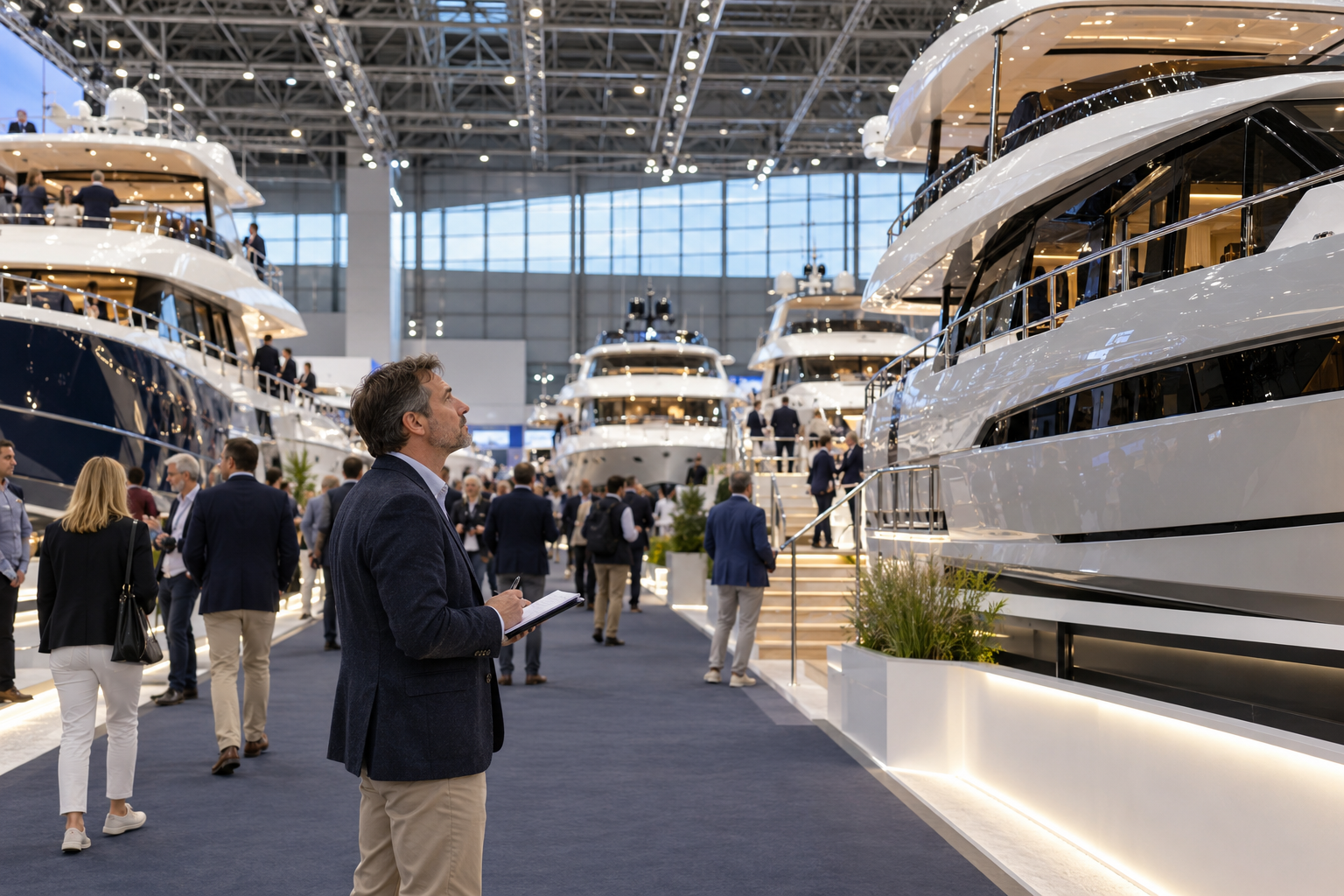
The Nord-Ostsee-Kanal is an efficient cut between the North Sea and Baltic, but a yacht passage is governed by a different rhythm from a coastal hop. In 2026 the rules and charges deserve a fresh check: Germany has announced that pleasure-craft transit fees will end from 1 January 2027, while existing requirements for daylight passage, visibility, locks and traffic remain central to the plan. Here is how to prepare a yacht, crew and schedule for a canal that carries commercial traffic, and why the apparent shortcut still needs a proper margin.

The first useful decision about the Kiel Canal is whether to use it at all. On the chart, the Nord-Ostsee-Kanal is a neat line across Schleswig-Holstein, linking Brunsbüttel on the Elbe estuary with Kiel-Holtenau. Around Denmark, the alternative is a much longer passage through the Skagerrak and Kattegat, then the Great Belt or Sound. Germany’s transport ministry says the canal can save about 450 kilometres compared with going round the Danish peninsula. That saving is real.
So is the difference between a route that follows open water and one that places a small recreational yacht inside a busy, controlled shipping channel for most of a day.
For a motor yacht, the canal is not difficult because it is long. It is demanding because it is ordinary for a long time. The banks are close, the traffic is commercial, the lock approaches are controlled and the skipper has fewer options for stopping than a coastal itinerary suggests. The boat must be ready to hold a steady course, communicate clearly and wait without turning a timing problem into a handling problem.
A crew that treats the passage as a scenic inland cruise has misunderstood the job; a crew that plans it as a controlled transit can make good time and arrive with the boat and people intact.
There is a notable change for owners planning a 2027 crossing. On 14 September 2026, Germany’s Federal Ministry for Transport announced that the transit charge for sports and leisure craft would be abolished from 1 January 2027. Until then, the fee applies. The ministry says the current charge ranges from €12 to €43 per transit according to boat length, and that roughly 10,000 recreational boats use the canal each year. The announcement describes a change to the charge, not a relaxation of navigation rules.
Do not mistake a cheaper passage for an easier one.
The 2026 fee itself has had a legislative life of its own. Germany’s canal transit-fee ordinance was amended in 2026, and the official text records a further amendment in September. For a pleasure craft, the published schedule sets the through-transit charge by length: €12 up to 10 metres, €18 above 10 to 12 metres, €35 above 12 to 16 metres, €41 above 16 to 20 metres and €43 above 20 metres, with an additional euro for each further metre. The stated abolition begins on 1 January 2027, not during the 2026 season.
Check the current official webshop and ordinance close to departure, particularly if your crossing falls around New Year or your boat’s registered and actual length sit near a tariff band.
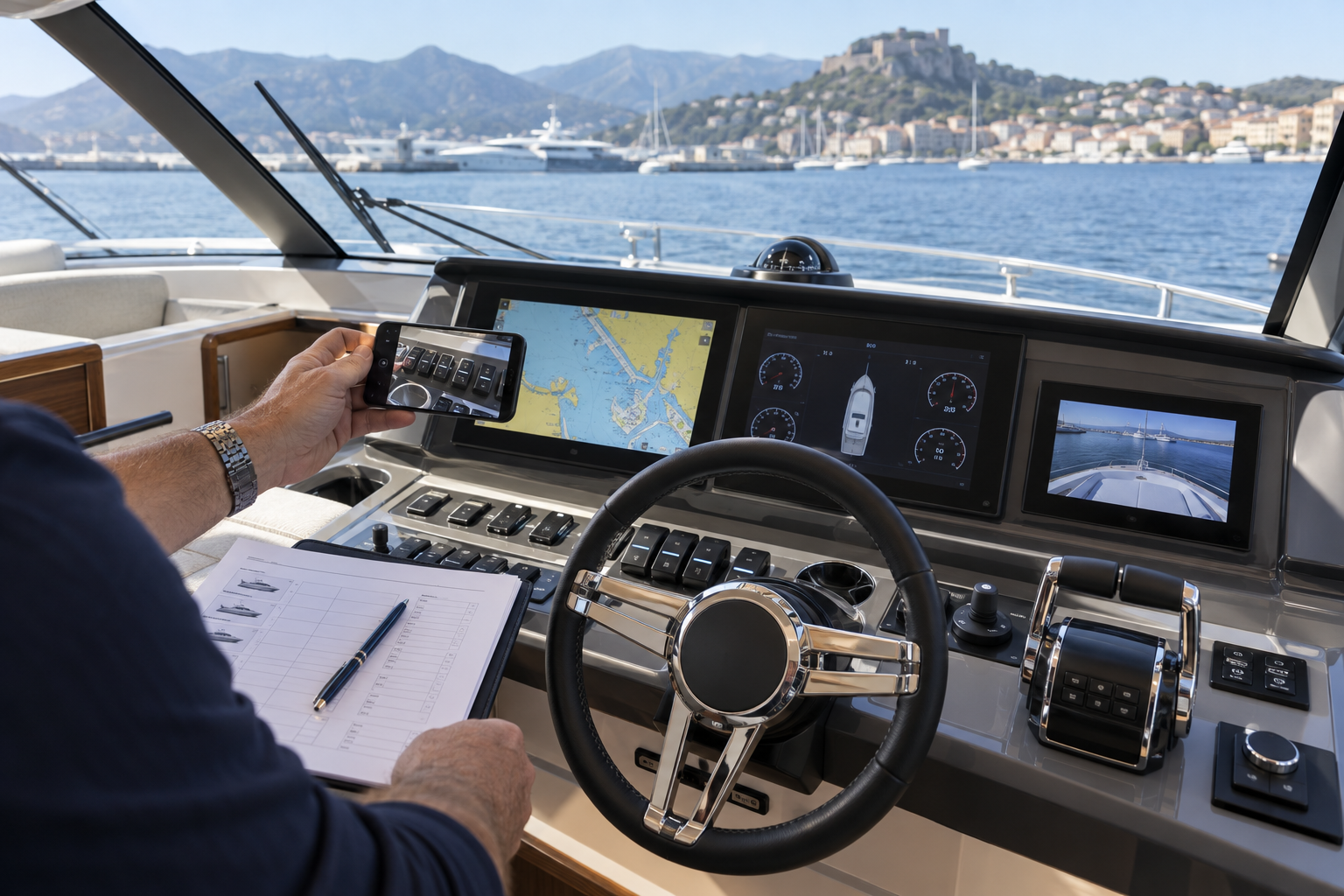
The charge is not the gatekeeper. Eligibility and conduct are. Under Germany’s maritime-waterway rules, pleasure craft may use the canal and its approaches only for transit, during the defined daylight navigating period, and not in restricted visibility. Local movement, a casual overnight stop halfway along, or waiting out fog in the channel is not the premise.
A skipper should arrive with a route that carries the yacht from one sea to the other and with a departure plan that allows for the waiting and operating windows at the locks.
That daylight qualification matters more than it may sound. It is not simply a question of leaving the marina after breakfast and hoping to be through before dusk. A yacht may reach the lock approach and then wait for a suitable movement. Commercial traffic sets the pattern. Weather may make visibility unacceptable. A mechanical or operational interruption can extend the queue.
The canal’s rules put pleasure craft within a defined window; they do not promise that a particular yacht will be admitted at the moment its crew arrives. If a passage is important to a connecting reservation, a ferry, a delivery deadline or a crew change, build an overnight margin at either end.
Before departure, consult the Waterways and Shipping Administration’s current notices, the canal’s official traffic information and the lock status. Notices to mariners can affect particular stretches or approaches. The information should be checked on the day, not copied from a blog saved two years ago. For commercial reporting obligations, a yacht owner may see detailed material intended for merchant vessels; much of it does not apply to a small pleasure craft.
The useful discipline is to establish which rules apply to the vessel’s classification and size, and not to assume that a passenger yacht or commercially operated charter vessel is treated identically to a private leisure boat.
A second practical distinction is between through passage and part-distance use. The canal’s fee ordinance distinguishes them, but the ordinary recreational transit is a passage between the sea locks. If the plan is to stop or use a section rather than make the full crossing, ask the local authority which movement category and permissions apply. The legal provisions for sport craft say transit is the purpose.
A marina berth or mooring point does not automatically make the canal a cruising ground, and the rules for boats based nearby can differ from those for a yacht passing through.
The basic passage begins well before the outer lock. The owner should check the yacht’s documentation, registration and insurance for German waters; confirm that the vessel’s length, beam and draught are compatible with the route and the available lock arrangements; and ensure that all navigation lights, sound signals and communications work. The regulations include a towing limitation: a power-driven pleasure craft may tow only one other pleasure craft, and that craft must be less than 15 metres long.
For most motor-yacht passages the point is not likely to arise, but it matters if a tender, disabled companion craft or delivery arrangement changes the picture. Do not make an improvised towing plan the morning of transit.
Make the cockpit ready for close-quarters work. Fenders need to be out and lines prepared before the lock, with enough hands assigned to handle them safely. A lock wall is not a pontoon: fender position, line leads and the ability to adjust quickly matter. Keep fingers clear of pinch points, never wrap a line around a hand and brief everyone before the first line goes ashore.
A motor yacht with high topsides can experience windage in the lock; a boat with a tender or protruding bathing platform needs to account for every vulnerable projection. The skipper should have a clear view of the crew and be able to give short instructions without trying to manage every line personally.
The canal is nearly 100 kilometres long. That distance creates a different operational problem from a lock transit: maintaining a predictable track among commercial vessels. A yacht should be capable of sustaining a speed and handling profile appropriate to the waterway and its traffic. Avoid sudden course changes, unnecessary wake and attempts to pass where there is no reason to do so. A ship that appears distant on the horizon may close more quickly than expected, while the yacht has limited room to manoeuvre.
Watch the traffic behind as well as ahead. Keep the chart plotter useful but do not let it replace visual lookout and the current official information.
There is an important human factor. The channel’s commercial users work to timetables and procedures that a visiting yacht crew may not know. A skipper should be alert, keep communications concise and follow the instructions of the authorities. If something goes wrong, say so early. A yacht with engine trouble, a steering fault or a crew member who cannot continue is not merely inconvenienced; it can become an obstruction in a narrow traffic route.
Test engines, steering, cooling, charging and radio before joining the queue. Carry enough fuel to cover the transit and a sensible contingency. Do not calculate range using the brochure’s best-case consumption and then arrive with the tanks nearly empty.
The canal does not turn an ocean-going motor yacht into an inland craft, but it can expose weaknesses that are easy to overlook. Cooling intakes may be vulnerable to debris. A marginal alternator or generator fault can become a more urgent issue if the passage takes longer than expected. Electronic charting should be backed by a second source of position and the crew should understand the route if a display fails.
Check that the engine-room bilge alarms, fire detection, bilge pumps and emergency steering arrangements are in service. These are basic seaworthiness checks, but the canal makes their practical value unusually clear: there is little room to drift while diagnosing a fault.
The route is not a substitute for a weather decision. A North Sea arrival may bring swell, strong winds or poor visibility at Brunsbüttel; an eastbound yacht may reach the canal in conditions that make the approaches unsuitable. Equally, a forecast that looks benign over the canal can conceal an awkward sea state at the exit. The canal may save distance without removing exposure.
A sensible passage plan includes a safe waiting place on the sea side, an alternative if the locks are disrupted and a willingness to postpone. This is particularly important for a yacht whose crew are working to a return date and are tempted to force a crossing because the canal seems to make the schedule possible.
Where should the skipper wait? That depends on approach, weather, vessel size and current availability. At both ends, facilities and local mooring arrangements should be confirmed before arrival rather than presumed. The federal fee webshop offers advance payment for recreational craft and asks for such details as planned time, vessel length, direction and whether the movement is full or partial; its pages also warn that payment at on-site machines may be temporarily unavailable.
In 2026, advance payment reduces one chore but does not reserve a place in the lock sequence. For 2027, the ministry says the charge disappears, but the operator’s current instructions still deserve a check in case the payment system or transit process changes.
The phrase “waiting time” is not a reliable number to print. It varies with commercial traffic, lock availability, weather, maintenance and the moment the boat arrives. The useful advice is to plan for uncertainty instead of promising a fixed duration to passengers. Have food, water, shade and warm clothing accessible. Make sure the crew can stay comfortable at low speed or while moored in a queue. If there are children aboard, agree where they can move and who is responsible for them when lines are handled.
Keep the engine ready for manoeuvring and avoid shutting down in a position where starting again could be difficult, unless local instructions or the boat’s requirements dictate otherwise.
A transit fee is a small part of the real cost. The yacht may need an extra night at a marina, a paid berth on the approach, fuel for idling or a longer stay after a delay. Crew time has a cost too. A commercial operator may have a different fee regime or reporting requirement; a private yacht should not assume it can apply leisure-craft terms if it is being used commercially. In all cases, the current official rules are the source of record.
The federal canal authority, ELWIS and the transport ministry are more reliable than an old forum post, especially when the government has announced a future fee change.
The canal’s greatest appeal remains its practical geography. It avoids the exposed water around Denmark and can make a northbound or southbound itinerary substantially shorter. The alternative passage is not a punishment: it offers a more open-water route, the chance to stop in Danish harbours and flexibility to divert. For a fast, well-prepared yacht in suitable conditions, the canal can be an elegant solution.
For a boat with marginal visibility equipment, unresolved engine issues, a crew unused to line work or a schedule with no slack, the longer route may be the more comfortable one.
There is also a difference between a short route and a short day. The yacht must be at the right place at the right time, clear the lock system, traverse the canal during the permitted daylight period and exit into conditions that still suit the boat. If a lock queue threatens the daylight window, the skipper cannot assume that the authority will bend the rule because a hotel or berth has been booked.
The practical answer is to position early, monitor the official traffic picture and keep the following day free where possible. Booking a crew flight on the assumption of a perfect transit is a false economy.
On board, allocate duties. The skipper handles navigation and traffic. A second competent person manages the radio and tracks instructions. A crew member prepares fenders and lines, while another remains available to assist without crowding the working area. The division should be flexible enough to account for seasickness, fatigue or a line handler who is less confident than expected. Brief the crew on the difference between a secured line and one that must run freely.
Explain the hazards of a rising or falling lock and how to respond if a line snags. A short rehearsal alongside a quiet pontoon is more useful than a lengthy speech in the approach channel.
It is also worth deciding what the yacht will not do. No sightseeing detour, no casual attempt to use the channel as an inland cruise, no leaving the helm to investigate a noise below when the vessel is under way, and no relying on a single phone for navigation and official notices. The rule against restricted visibility is an operational boundary; if fog is forming, the decision to wait must be made before the approach becomes unsafe. Weather apps are not a legal clearance.
Use the relevant official warnings and the authorities’ instructions.
For vessels with unusual dimensions, ask early. A motor yacht may have a high flybridge, a tender fixed to the bathing platform, a broad beam or a deep draught. These details can affect where it can berth and how the crew works through the lock even when the boat fits the nominal channel. Check the vessel’s air draught if any local overhead structures or approaches are relevant, and carry accurate particulars rather than relying on a rounded brochure figure.
The canal is designed for shipping, but recreational craft still need to be operated within the rules and the practical limits of their own configuration.
There is no special glamour in a passage done well. The satisfaction is in the clean sequence: approach prepared, instructions understood, lines handled without drama, steady progress through the channel, and a safe exit with the next sea leg still in view. That may sound modest, but it is precisely the point. A canal transit is a piece of seamanship, not a scenic interlude.
For the 2026 skipper, the headline is simple: the current recreational transit fee remains payable during the 2026 calendar year; Germany has announced its abolition from 1 January 2027. The more consequential requirements are not disappearing. Pleasure craft still need to transit rather than wander, use the canal only within the permitted daylight hours and avoid it in restricted visibility. Plan for queues, check official notices, prepare for the locks and leave the schedule enough room to breathe.
The canal saves distance. It does not save a skipper from making a proper passage plan.
Contributor: Paul Thompson / 24MotorYachts
Be the first reader to react to this article.
A boat show can make almost any yacht look persuasive. The useful visit is the one that makes differences visible: how a hull is laid out, where machinery can be reached, what a hybrid installation really changes, and whether the accommodation works for the people who will use it. boot Düsseldorf runs from 23 to 31 January 2027, with an altered hall layout while Hall 9 is refurbished and a new Motorboat Hall 17. This route is designed for buyers who want to leave with sharper questions and a shortlist that can survive a sea trial.
In January, the most misleading thing about a motor yacht may be how easy it is to board. The gangway is dry, the lighting flattering and the sea has been replaced by carpet. A show boat can be inspected at leisure, but it cannot tell you how it lands off a short wave, whether the helm communicates useful information at speed, or how quickly its systems become familiar. That does not make an indoor show a poor place to buy. It makes it a place to ask a different class of question.
boot Düsseldorf is scheduled for 23–31 January 2027, with visitor hours listed as 10am to 6pm daily. Messe Düsseldorf’s plan is not quite the familiar one: Hall 9 is unavailable while it is refurbished, and the organiser says RIB and tender exhibitors moving out of Hall 9 will be housed in a new Motorboat Hall 17. A covered route will link the north entrance to the eastern halls through the construction area. In a show spread across halls 1 to 17, the right plan is not to march through every aisle.
It is to compare boats that answer the same ownership question, then leave time to examine the machinery and systems around them.
Start with a brief that fits on one page. Write down the length and beam range you can berth, the number of people who will regularly sleep aboard, the longest normal passage, whether the yacht must fit under local bridges, and the service network available near its home port. Add a realistic annual use pattern. A boat intended for a few weekends on a lake is not the same purchase as one expected to cover long coastal legs, winter passages or extended family holidays.
If every requirement is “nice to have”, the stand will choose for you.
The show’s first comparison should be between hulls with genuinely different jobs. A planing sports cruiser, a semi-displacement cruiser, a displacement trawler-style yacht and a compact outboard-powered cabin boat may all be marketed as weekender yachts, but they answer different questions about speed, range, noise, ride and interior volume. Do not compare only length overall.
Ask for displacement at the condition in which the boat is actually sold, fuel capacity, engine options, maximum and cruising speed, and the builder’s stated range at a named speed. Ask what load is assumed: full water and fuel, tender, passengers, stores, and optional equipment. Range without its operating assumptions is a decorative number.
Take a tape measure, but use it selectively. Check the width of the side decks at the narrowest point, the step from cockpit to bathing platform, the height of the bulwarks and the clear route from the helm to the foredeck. A brochure may show a generous bow sunpad; the real test is whether a crew member can reach the anchor safely when the deck is wet and the boat has a line ashore. The same applies to aft access.
A swim platform that looks enormous in a photograph may have a ladder that is awkward to deploy or a transom gate that opens into a narrow passage.
Board the yacht as if arriving in a crosswind. Look at the height and position of the handholds, whether the side deck can be reached without stepping over furniture, and whether the helmsperson has a usable route to handle a spring line. A two-person crew should be able to manage the boat’s normal arrival without one person disappearing behind a cabin door. Ask where the fenders live, where the lines are stowed, how the shore-power cable runs and whether the crew can work without crossing the guest seating area.
These questions make the difference between a layout that photographs well and one that is manageable after a long day.
Then move to the helm. Sit down, stand up, and look out through the windscreen from both positions. Ask whether the instruments are readable in bright light, whether the wipers cover the useful field of view, and whether the controls fall naturally to hand. A large multifunction display does not compensate for an awkward throttle or a helm seat with no useful adjustment. Look at the sightline over the bow and to the quarters. If the side windows are small, consider what the blind spots will be while docking.
If the boat has joystick control, ask which thrusters and propulsion systems it actually commands, what redundancy remains if a sensor fails and how the system behaves when the batteries are low.
The dashboard is an invitation to inspect the boat’s electrical architecture. Ask for a systems diagram, not a glossy list of screens. Where are the domestic batteries? Is there a separate starting bank? What charges them at sea, at the dock and from a generator? How is the inverter protected? Can the owner reach the principal fuses and breakers without dismantling joinery? A well-presented boat can still hide a serviceability problem behind an attractive panel.
A show is the right place to ask for access doors to be opened and for the representative to identify the equipment without guessing.
A propulsion comparison needs more than the words “efficient” or “quiet”. If two boats use different engines, find out whether their performance figures come from comparable load states and propeller arrangements. Ask for the engine manufacturer, model, rating and service interval. In a hybrid boat, ask what the electric motor can do independently, at what speed and for how long, and what happens when the battery reaches its operating limit.
Ask whether the diesel can drive the propeller mechanically, charge the battery, or both. A display that shows an electric mode is not proof that a particular boat can complete the buyer’s normal trip that way.
On an electric or hybrid installation, locate the batteries, cooling arrangements, isolation points and emergency procedures. Find out whether the battery compartment is ventilated or cooled, how the system is protected against water ingress and what qualified service providers are available near the intended home port. Ask how much payload the batteries occupy and whether the boat’s trim changes as the tank and battery state change.
Ask for a realistic charging plan: shore-power rating, charging time, connector standard and whether the marina infrastructure can supply it. If the answers are vague, the next step is not a deposit; it is written technical information and a trial under a representative operating profile.
For conventional diesels, open the engine hatch and insist on seeing the engine room as a working space. Can a technician reach the filters, impellers, belts, sea strainers, dipsticks and battery switches? Is there enough room to remove an injector or alternator without lifting the engine? Do the exhausts and fuel lines look accessible? Is the engine room clean because the boat is new, or because the layout makes inspection straightforward? Ask the builder or dealer to explain the service routine.
A statement that “the dealer handles everything” is not a substitute for access: the owner may be at sea when a belt or filter needs attention.
The generator is a useful test of the boat’s priorities. If the yacht relies on air-conditioning, cooking or stabilisers while away from shore power, ask what load the generator is sized to carry and how noisy it is in the cabins. If the vessel uses lithium batteries and an inverter instead, ask how long the system supports the expected night-time load, how it recharges, and whether the installed capacity includes a reserve that protects battery life.
A brochure’s list of electrical appliances says little about how they can be used together.
Accommodation should be tested by movement, not by counting berths. Sit at the table with the number of people expected to dine aboard. Walk from the saloon to the heads at night without stepping over bags. Lie down in each regular berth and inspect headroom at the pillow, ventilation and privacy. On a boat with a convertible dinette, ask what must be moved to make the bed and where those cushions go.
If the crew are two couples, determine whether each cabin has a usable wardrobe, lighting controls and a door that actually closes. For children, look at guardrails, bunk access and whether the aft deck can be made secure underway.
The galley is not a showroom vignette. Open the fridge, cupboards and drawers. Ask whether cooking appliances can be used safely under way, where hot pans can be put down, and what the ventilation does when the hob is in use. Check the stowage for crockery and provisions, the rubbish arrangement, and whether the worktop remains usable once the kettle or coffee machine is plugged in.
If the boat is sold as capable of extended cruising, ask how much fresh water it carries and whether the watermaker option requires a generator or can run from the battery bank. A comfortable weekend boat can become a cramped liveaboard quickly if its galley was designed only for display.
Storage is another revealing measure. Open the lockers. Where do wet jackets go? Is there space for spare filters, tools, safety equipment, mooring lines and a tender? Does the owner’s manual specify load limits for lockers and overhead compartments? A yacht can be generous in square metres and still leave nowhere for the equipment that makes it usable. A tender stored on the bathing platform may occupy space that the family expected to use; one in a garage can displace engine-room access or reduce cockpit storage.
Ask to see the boat in the configuration you intend to buy, not with the optional tender omitted and cushions arranged for a launch photograph.
Noise and vibration cannot be evaluated properly indoors, but the show can identify questions for the trial. Ask where the engines sit relative to the cabins, whether the propshafts or shafts are isolated from the hull, and whether the builder has measured sound levels at specific speeds. Ask if a stabiliser, generator or air-conditioning compressor can be heard from the owner’s cabin.
Get the method behind any quoted decibel figure: distance, operating load, measurement location and whether the figure is at the helm or in a sleeping cabin. Then repeat the question on board during the sea trial. Numbers from two different test methods are not a fair comparison.
When the show’s directory is published, use it as a route map rather than a shopping list. Messe Düsseldorf provides an exhibitor search that can be filtered by hall and business segment; its show information confirms the broad hall layout but the visitor should check current details shortly before travelling. For 2027, Hall 17 becomes the new Motorboat Hall, while the organiser says sailing and paddling activities move to Hall 12 and destination and boating holiday exhibitors sit in Hall 14.
Large yachts and manufacturers occupy a different part of the fair from equipment suppliers. If you are comparing a compact family cruiser, do not lose half a day in a superyacht display simply because the finish is captivating.
A productive route starts with the boats that represent your core choice, then moves to the systems that affect ownership. A morning might begin with three comparable cruisers in the same size band. Inspect them in sequence and make notes immediately: helm sightline, side-deck access, engine-room reach, cabin privacy, tank capacities and delivered price. Take photographs only where the exhibitor permits them and ask before opening panels or recording technical details.
After lunch, visit engine, stabiliser, battery, navigation and safety-equipment stands with a list of questions derived from those boats. Finish by returning to the strongest candidate and asking the representative to walk through the unresolved points.
Avoid trying to compare too many yachts in one day. Three serious candidates are often enough. The body becomes less reliable as an inspection tool after several hours of standing; a buyer starts to remember the most recent boat rather than the best one. Use a consistent scorecard that records facts and observations separately. “Three cabins” is a fact; “the forward berth felt narrow” is an observation; “we would sleep aboard for a week” is a test to perform later.
Record which options are standard, which are fitted to the show boat and which alter weight, price or delivery time.
The show is also where a buyer can question the support structure. Ask who commissions the boat, who performs the first service and where warranty work is carried out. Find the nearest authorised service point to the intended berth and ask how the dealer handles parts availability outside the local season. Ask for the written warranty and clarify which components have separate manufacturer terms.
For a boat with proprietary software, displays or integrated propulsion controls, identify who can update and diagnose the systems if the supplying dealer changes hands. The answers may not fit a sales conversation, but they belong in the purchase decision.
A price on a stand can disguise the actual specification. Ask for the complete delivered price, including engine choice, electronics, heating, shore power, batteries, generator, stabilisation, safety gear, commissioning and transport. If the yacht is built to order, ask when the price is fixed, how variations are handled and what happens if the delivery date slips. Compare boats with the same level of equipment.
A lower base price can become a more expensive boat once the essential cruising systems are added; a higher price may include equipment the buyer would not have selected.
There are questions that a stand cannot settle. A sea trial must test the boat in conditions representative of its intended use. Check acceleration, visibility over the bow, steering response, turning circle, trim, noise, vibration and the ability to hold a comfortable speed. Try the boat at displacement speed, cruising speed and the top of the normal operating range. Watch fuel burn and engine temperatures, but ask how those values are measured.
If the yacht is intended for rougher water, a calm harbour circuit is not sufficient. Arrange an independent survey before signing a final acceptance, and ensure the trial and survey terms are written into the purchase agreement.
An indoor comparison can, however, save a buyer from paying to trial the wrong boat. The show reveals whether the saloon is genuinely usable, whether the owner’s cabin has adequate storage, whether the engine room can be serviced and whether the boat’s layout makes sense for its intended crew. It also reveals the manufacturer’s willingness to discuss awkward details. A representative who can explain battery isolation, engine access and payload with confidence is giving the buyer useful evidence.
A representative who answers every question with an option package is telling the buyer to look elsewhere for the engineering.
The most useful thing to take home from Düsseldorf may not be a favourite. It may be a list of unanswered questions, an honest sense of what compromises matter and a shortlist of two or three boats worth testing afloat. The fair runs for nine days, but a buyer need not spend nine days there. A focused route through the right halls, a notebook full of comparable facts and a refusal to confuse a beautiful interior with a proven passage maker can make January a very practical part of the boating year.
Contributor: Paul Thompson / 24MotorYachts
Be the first reader to react to this article.
The Baltic rewards a skipper who plans beyond the next harbour. Its island chains, sheltered passages and compact distances invite relaxed cruising, but a short high season, weather-dependent crossings, bridge openings and uneven access to specialist service can make a small defect expensive in lost days. The workable plan is built around realistic range, alternatives and maintenance arranged before the boat arrives. Using service facilities in Germany and Finland, plus Sweden’s official bridge information, this feature shows how to make a route resilient without pretending that every town offers a yacht yard or that summer lasts forever.
A Baltic itinerary is often drawn with a finger across an enticing cluster of islands. The mistake is to count only the miles. A motor yacht can cover the distance between two harbours in an afternoon, but that says little about whether a bridge will open, whether the wind makes the exposed leg comfortable, or whether a failed alternator can be repaired before the short cruising season moves on. The Baltic rewards range and flexibility.
Its practical challenge is the gap between places where a yacht can stop and places where it can be properly serviced.
A useful route starts with a plain inventory of the boat. What is its reliable range at the speed the crew actually uses? How much reserve remains after a headwind, detour or slow manoeuvre? Can the yacht run the domestic systems for a night without shore power? How much fresh water does it carry, and how does it recharge? A motor yacht that has only been used in the Mediterranean may arrive with assumptions about long opening seasons, frequent fuel docks and a broad network of yards.
On the Baltic those assumptions need checking, particularly outside the main ports and in early or late season.
The region is not one cruising ground with one set of rules. Sweden’s archipelago passages, Finland’s outer islands, the German coast and the Danish straits each have their own traffic, charting, service and weather considerations. A vessel moving between them may also encounter different currencies, languages, customs arrangements and operating information. The skipper should use official notices and charts for each country rather than assuming one guidebook covers the entire route.
This article follows a hypothetical itinerary rather than a claimed owner’s log: from the German western Baltic towards Sweden and onward to Finland, with the intention of returning or laying up before the season closes.
Travemünde is a sensible place to start thinking about support. Marina Baltica describes itself as a full-service marina near the Trave estuary, with an associated yard offering machine and yacht-technology work, a lifting service and winter storage. That does not mean every repair can be undertaken immediately or that a visiting yacht can simply arrive without notice.
The practical step is to send the yard the engine model, dimensions, draught, fault history and likely dates before relying on it as a maintenance stop. A service booking made from home is more valuable than discovering that a specialist is travelling between jobs when the yacht is tied alongside.
A departure checklist should distinguish routine work from defect rectification. Oil and filter changes, fuel-filter inspection, impeller replacement and inspection of belts can be scheduled. An overheating alarm, a leak in a shaft seal or a battery that fails a load test cannot be made routine by writing it on the list. Complete the work before the trip, then run the boat long enough to confirm that the fix holds.
If a service item is deferred, identify the symptom that would require a stop and the nearest realistic place to obtain assistance. A spare part aboard is useful only if someone can fit it safely and the fault is within that person’s competence.
Range should be treated as a moving figure, not a brochure promise. Use the actual fuel burn recorded at the yacht’s normal cruise, with the boat loaded for the trip. Add a reserve for headwinds, weather diversion, time spent manoeuvring and a fuel dock that is closed when expected. A long-range yacht may be able to cross a broad stretch without refuelling; that does not make it sensible to do so with the tanks close to empty.
Look at the route’s actual fuel availability and opening hours, then set a minimum fuel level at which the skipper will divert or refuel. Keep the crew informed. The margin is less useful if everyone assumes the displayed range is a guarantee.
The Baltic’s geography can make a short leg feel longer. The islands create a choice between sheltered routes and open water. The sheltered option may involve narrow channels, shoals, ferry traffic, bridges or local speed limits; the exposed route may be faster but more uncomfortable. A motor yacht with a high windage profile can be particularly affected in crosswinds when slowing down for a bridge or manoeuvring in a tight fairway.
In planing craft, fuel consumption and comfort change sharply when sea conditions force a lower speed. Plan by weather window and destination, not by a fixed average speed.
Sweden’s official Maritime Administration maintains information about bridges and canals, including opening details and navigational notices. Its published guidance explains that bridge clearance shown on charts is based on the distance from mean high water to the obstruction, reduced by a safety margin that varies according to expected swell. Some low bridges over sheltered water are charted using actual height above mean sea level without that margin.
That distinction matters to any motor yacht with a flybridge, radar arch, aerials or a fixed hardtop. Measure the boat in its passage configuration, including removable antennas and tender cranes; a brochure air-draught figure may omit the very fitting that meets the bridge.
Do not plan bridge clearance as a one-time calculation. Water level, loading and trim change the available margin, while charted height and actual conditions have their own reference standards. A heavy aft load, full tender garage or water tank can alter attitude. Record the air draught accurately and compare it with the relevant chart datum, not with a photograph or a remembered measurement. If the height is marginal, call the authority or check current official information before committing to a narrow channel.
A bridge opening requested in advance is not the same as an assurance that it will open exactly when the yacht arrives.
Sjöfartsverket’s bridge pages provide a useful route-planning index, but they are not a substitute for current local notices. The official information lists bridges and canals by area and points users towards Notices to Mariners. For Sotekanalen, for example, the Swedish authority publishes seasonal bridge-opening hours, a stated vertical clearance and a requirement to request an opening at least an hour before arrival during relevant periods.
Such details show why the itinerary should be checked in the weeks before departure and again on the day. A schedule in a printed guide can become obsolete after engineering work or an operational change.
A bridge delay can have consequences well beyond the hour spent waiting. It may push arrival past a marina’s staffed period, remove the crew’s weather window for an exposed crossing or leave the boat short of fuel. A robust day plan has a destination before and after the bridge, a safe waiting area and a clear decision point. If the bridge opening cannot be confirmed, stop before the narrows. Do not hold position in a commercial channel or try to make up time by running faster once through.
A tight itinerary is a poor reason to turn a routine bridge into a hazard.
Fuel and provisioning deserve the same scrutiny. A major port may have a service berth and fuel, while a small island harbour may offer only visitor berths and basic supplies. The family’s needs can exceed the boat’s tank capacities: water, food, waste storage, medication, charging and the ability to keep warm after a wet passage. Ask each marina about depth, berth dimensions, shore-power availability, pump-out and the opening dates of the facilities that matter.
“Open” may mean that a pontoon is accessible, not that the office, fuel dock or service workshop is operating every day.
Seasonal availability is not merely about the date on the calendar. A yard may be working at full capacity on winter storage and refit before the visitor season, then have limited labour available for a passing yacht in July. A marina may offer a guest berth but not a mechanic. A specialist may be located in a neighbouring city rather than at the harbour itself.
The owner should map support by task: engine diagnosis, propulsion parts, electrical fault-finding, lifting, hull repair, stabiliser support and emergency towing. One pin on a map labelled “yard” does not answer all those questions.
Finland illustrates both the value and the limits of a known service hub. Kotka Yacht Store in Kotka states that it offers lifting, heated storage, engine and equipment service, fibreglass repairs, woodwork and work on yachts up to 40 metres and 220 tonnes. Its yard publishes lifting capacity and storage information, while the associated Kotka City Marina provides a guest berth, fuel, water and electricity. This is meaningful support, not a guarantee of a same-day repair.
Contact the yard, confirm that it accepts the yacht and the specific work, and request a written estimate. A yard’s lifting capacity does not automatically mean its travel-lift slings, cradle or access route suit every hull and keel configuration.
The choice between repairing afloat and booking a lift-out is important. A minor engine fault may be easier to diagnose at a service berth; a damaged propeller or suspected hull impact may require a haul-out. The owner should know where the yacht can be lifted, how far it can travel under its own power and whether there is a safe tow point. Carry the boat’s lifting plan, keel or pod measurements, weight and manufacturer’s handling information.
Do not assume that a facility equipped for a 40-metre yacht is automatically suitable for a smaller boat with an unusual lifting point or a deep appendage.
Service arrangements in Sweden need the same advance work. Sweden has a substantial recreational boating culture, but that does not mean every harbour has a yard with the right engine diagnostic equipment or a technician for the particular stabiliser, thruster or control system. Before departure, identify authorised service agents for the boat’s major systems and ask how they handle visiting yachts. Get the exact model and serial numbers into the service file.
For proprietary systems, carry installation manuals and service contacts in both digital and offline form. The owner’s manual is useful, but the technician may need a fault code, software version or wiring diagram.
Spare parts should be chosen by failure consequences rather than by the size of the locker. Carry fuel filters, belts, impellers, fuses, hose clamps, a suitable selection of engine fluids and the specific parts the manufacturer recommends as owner-serviceable. Keep parts dry, labelled and accessible. Photograph the existing arrangement before removing anything. A spare electronic display may be less valuable than a sound plan for a failed sensor or a known dealer who can dispatch one.
Conversely, a particular proprietary component with a long lead time may justify carrying a spare if the consequences of failure would immobilise the yacht.
The best contingency is often a diversion, not a repair. Each day’s plan should include an alternative harbour reachable in the forecast conditions and an idea of what services it actually has. Mark locations where the boat can safely wait, where fuel is available and where a crew member could leave if the schedule has to change. If an engine problem arises, reduce the voyage ambition immediately: shorten legs, avoid exposed water and do not continue merely because the next marina has a berth booked.
Tell the marina or yard that the boat is arriving with a defect. That early call can make the difference between a useful appointment and an unhelpful arrival at the end of the working day.
Weather is the largest variable, and the route should not pretend otherwise. Forecasts can be locally deceptive among islands. Wind against current, fetch and the direction of an inlet can produce a short, steep sea where a larger body of water looks manageable. A fast motor yacht is not automatically comfortable at speed; reducing speed may improve comfort but alter range and arrival time. Establish limits based on the vessel and crew, not on the desire to reach a restaurant reservation.
Use official forecasts and warnings, and check them at a useful frequency rather than only before departure.
Short season has a psychological effect. When the summer window is brief, owners try to pack the itinerary with destinations. That makes a defect more expensive because each lost day seems to erase part of the holiday. The answer is to make the trip less brittle. Book the first yard appointment before launch. Leave open days near the middle of the route. Avoid a chain of prepaid berths that makes a weather delay feel like failure.
Give the crew a shared understanding that the route may change and that a quiet day in a sheltered harbour is a successful decision if conditions are poor.
A maintenance calendar can be built backwards from launch. In late winter, confirm the service booking, order parts and verify storage and lifting arrangements. Before launch, inspect the hull, propellers, anodes, through-hulls, sea strainers, steering and thrusters. Test the shore-power system and batteries under load. Run the engines, generator, heating and air-conditioning long enough to detect faults. During the first short shakedown, check for leaks and abnormal temperatures.
Only then begin the longer itinerary. The important feature is not the month in which each job happens; it is that the owner has allowed enough time to discover a fault before departure.
The service file should travel with the boat. Record engine hours, service dates, parts fitted, coolant and oil specifications, battery ages, belt numbers, filter references and the contact details of the last technician. Add current photographs of the engine room, electrical panels, through-hulls and lifting points. If the boat changes hands or a technician is called in remotely, this information prevents a simple identification question from becoming a day-long search.
Keep a paper copy of essential diagrams and manuals. Phones and cloud accounts fail at precisely the moment an offline reference becomes useful.
Insurance and assistance terms are part of route planning. Check that the policy covers the intended countries and the boat’s actual use, and understand the conditions for towing, salvage and unattended mooring. Confirm whether the yacht must be lifted or winterised by a certain date, and whether the policy imposes restrictions on operation in ice or outside a season. If the itinerary includes a long stay in a remote harbour, tell the insurer if required.
The point is not to add paperwork for its own sake; it is to ensure a breakdown does not reveal a limit that was easy to clarify before leaving.
The skipper should also decide who is allowed to make a technical call. On a longer trip, a competent crew member may need to isolate a system or contact a service yard while the skipper handles navigation. Agree what faults require immediate return, what can be monitored and what must not be touched. A cooling-water leak is not an invitation to keep running because the temperature gauge has not yet moved. An electrical smell is not a nuisance to investigate after anchoring.
Clear decision rules reduce the pressure to continue when the boat is already signalling a problem.
The temptation is to imagine the Baltic as either remote or fully supported. It is neither. There are serious service facilities, including yards in Travemünde and Kotka, but they are not evenly spaced and their capabilities differ. The route passes between working ports, popular visitor harbours and quiet anchorages.
The owner’s job is to connect them intelligently: book the work that must be done, know what can be repaired afloat, and avoid planning a critical service around a facility whose availability has not been confirmed.
At the end of the season, the return passage should have as much slack as the outward leg. Do not assume that late summer weather will repeat itself. Check bridge schedules and notices again, particularly if the route uses canals or narrow channels. Book winter storage and haul-out before the yard’s calendar fills, and agree what work can be done while the boat is ashore. A vessel that arrives just before a yard’s storage deadline may have little choice about the timing or price of repairs.
A return plan made in spring is more useful than a hurried phone call in September.
The Baltic’s appeal is not that it makes planning unnecessary. It is that good planning gives the skipper the freedom to use the islands, harbours and sheltered water without treating every day as a test of endurance. Measure range honestly, confirm the bridge data, book the right service support and carry a diversion for each leg. Keep the schedule loose enough to absorb one delay. In a short season, the most valuable spare part may be an uncommitted day.
Contributor: Paul Thompson / 24MotorYachts
Be the first reader to react to this article.
Amsterdam’s canals look intimate from a bridge, but the skipper sees a busy working waterway in which tour boats, barges, private craft and bicycles above share the same close geometry. A visiting motor yacht must first decide whether it fits the route and whether it can legally enter the central emission-free zone. Vignettes, speed limits, mooring restrictions, bridge clearances and the boat’s height all shape the trip. This guide follows a small yacht’s passage from the IJ towards the historic centre, and marks the point at which the sensible plan is to berth outside the tightest canals.
From the deck of a motor yacht, Amsterdam’s bridges arrive sooner than the photographs suggest. The arch ahead seems low; the water beneath it narrows as a tour boat appears from the other side; the quay is already occupied by moored craft. Above, pedestrians pause to look down. The city is not a marina with attractive buildings around it. It is a live water network, with rules, traffic and infrastructure that have to be understood before the bow enters the old centre.
The first question is not which canal looks prettiest. It is whether the yacht belongs there. Amsterdam’s municipal rules distinguish the larger through routes from the close-packed historic waterways, and some pleasure craft are simply too large to moor in the city. The municipality says pleasure boats longer than 10 metres may not moor in Amsterdam, except where a historical-vessel exemption is available.
That limit alone should stop many visiting motor-yacht owners from treating a central berth as an ordinary option. A boat may be capable of passing through a waterway yet still have nowhere lawful to stay.
The second question is emissions. Since 1 April 2025, Amsterdam has applied an emission-free zone to pleasure craft in the centre, including the Singelgracht. Electric, hydrogen and human-powered craft can enter, as can some hybrid boats operating without emissions. Older petrol and diesel boats may qualify for a temporary transition arrangement linked to their vignette and its purchase date.
The municipal rules currently state that certain vignettes issued before specified dates confer time-limited access, with different end dates. Those dates matter: do not infer eligibility from the engine’s age or from an old vignette sticker. Check the boat in the city’s current vignette system before planning the route.
For the small yacht in this passage, assume a compact vessel that is under 10 metres, has modest draught and can operate quietly at low speed. It approaches from the IJ, where larger commercial traffic has room to move, and turns towards the city through the designated waterways. This is a hypothetical passage, not a claim to a personal journey. The example is deliberately small because the historic canals reward restraint.
A 12-metre flybridge cruiser may be a perfectly capable coastal yacht and still be the wrong tool for the inner canals.
Before leaving the berth, obtain the correct vignette or transit permission. The city’s guidance says a binnenhavengeldvignet or doorvaartvignet is required to navigate or moor in Amsterdam. The type required depends on whether the boat is staying and how it will use the water. A visitor should check the latest municipal terms, because costs, validity and emission-zone eligibility depend on the permit and its date.
A day permit is not a substitute for reading the terms; a passage through the centre may still trigger the requirement even if the crew intends to leave again the same afternoon.
The city limits normal speed to 6 kilometres per hour. On specified routes, including parts of the Amstel and Kostverlorenvaart, the limit is 7.5 kilometres per hour. The temptation on a motor yacht is to treat that as a minimum-speed suggestion in a current or to use the throttle to make up time after a bridge wait. It is a ceiling, and the wash matters as much as the indicated speed.
A heavy yacht can create a substantial wake at low speed, particularly in a confined canal where the water reflects between stone walls. Reduce power early and watch the effect on moored boats, not merely the number on the speed display.
The rule to keep to starboard sounds straightforward until the fairway tightens around moored vessels, bridge piers and boats waiting for an opening. The municipality also says craft shorter than 20 metres must give way to longer vessels. That does not give a small yacht permission to force a gap. A commercial tour boat or freight vessel may have a limited ability to stop or turn, while a motor yacht can often wait in a designated place.
Learn the local signals, keep a lookout astern and do not assume that a vessel coming into view has seen you. In the city, anticipation is more useful than a right-of-way argument.
A harbour approach from the IJ is not the place to admire the skyline with the helm unattended. The IJ carries commercial traffic and is managed under separate port information. Keep well clear of the main shipping movement, know which channel you need and confirm the bridge or lock arrangements before entering the smaller waters. The city itself directs users to Port of Amsterdam information for the IJ.
A recreational yacht coming in from outside should use official nautical information for the approach, then the municipal and water-authority resources for the inner route. One map rarely covers both scales well.
The bridge question is not solved by knowing that the yacht is “low”. Measure the actual air draught from the waterline to the highest fixed point, including radar, aerials, lights and any tender crane that cannot be lowered. Compare it with current official clearance data, and account for the reference level used.
Waternet’s bridge-and-lock information notes that the pass-through height is 6.35 metres above Amsterdam Ordnance Datum at relevant locations; actual openings and closures are published through the current waterway information service. Do not treat that figure as a blanket clearance for every canal or every state of water level. Verify each structure on the chosen route.
The famous Standing Mast Route is not a general answer to a high yacht. Waternet describes it as a night passage for vessels with a mast above 6.90 metres, but its current information also reports a temporary closure because the Schinkel bridges on the A10 cannot be opened. The page says the minimum clearance height is 6.35 metres above NAP and that there is no deviation route for taller vessels while the problem persists.
This illustrates the difference between a route’s published purpose and its present availability. A motor yacht with a tall radar arch or flybridge should not assume a historic route is open just because a guidebook lists it.
The bridge schedule is operational information, not scenery. Waternet manages many Amsterdam bridges and locks and advises boaters to check vaarweginformatie.nl for the latest hours and status. A bridge may be closed outside its operating window or temporarily unavailable because of a fault. If the signals show that it is not in operation, the advice is to use designated waiting places rather than improvise against the structure.
The skipper should have a route-specific list of bridges, clearances, opening times and safe waiting points, and check it again before departure. A closure can turn a short city visit into an unplanned overnight stay.
For an ordinary low motor yacht, the practical route may be the main Amstel or Kostverlorenvaart corridors rather than the tightest canal ring. Amsterdam’s own information identifies these as through routes and gives them their own speed limits. Their broader profile may suit a vessel with a little more beam or height, but dimensions still need to be checked against the permitted passage profiles and actual route.
A waterway that admits a commercial vessel on a particular route does not automatically admit a visiting yacht to every branch of the network. Check draught, length, beam and overhead clearance for the exact itinerary.
This is where the notion of a “canal cruise” can mislead. The inner city’s narrower waterways are not a maze to explore at will. Some stretches are one-way or heavily trafficked; others have bridge works, restricted clearance or mooring rules that make them unsuitable for a yacht with limited manoeuvring room. A low-powered electric launch can pause and turn in a way that a heavy motor yacht cannot.
A yacht with twin screws and bow thruster has useful control, but the stern still moves under propeller wash, and the bow thruster is not a substitute for a measured approach. Practise close-quarters handling before arriving, not in front of a tourist boat queue.
The 6-kilometre-per-hour cap should shape the whole timetable. Distances that look trivial on the chart take time at displacement speed, especially with bridges and traffic. Add waiting time and leave the day open. The crew will need to be alert throughout: a turn under a low bridge, a narrow passing place, or a moored boat opening its side door can demand quick action. A yacht that tries to visit four museums, cross the city and reach an evening reservation on the other side is already over-planned.
Pick one section, berth legally, and spend time ashore.
Mooring is more restricted than the postcard image suggests. The municipal rules tell boaters to use designated mooring places, keep fairways and bridges clear, and use the rings, bollards or other fittings provided. On through routes, mooring is generally not permitted except while waiting for bridge or lock operation and then only with the operator’s permission. A visiting yacht should not tie to a tree, bridge railing or random quay edge because a space appears empty.
Do not occupy a commercial landing or block a rescue facility. The quay may be public space but that does not make it available as an improvised berth.
Even where a mooring is available, a yacht’s length and height matter. Boats over 10 metres are barred from mooring under the ordinary pleasure-boat rules, subject to the city’s exemption arrangements for registered historic vessels. The rule is easy to miss if a skipper concentrates on navigability. A vessel that can pass through may still have to continue to a marina outside the centre. That is why the itinerary should identify its overnight berth before entering the city.
Do not arrive at dusk hoping to find an open stretch of quay.
A sensible visiting boat can use a marina on the outskirts as a base, approach the centre during a quiet window, and leave before the late-day pressure builds. Confirm the marina’s depth, berth length, access and shore power in advance. If the yacht is diesel-powered and does not qualify for the central zone’s transition arrangement, route it only along the corridors outside the restricted zone as permitted, then use shore transport or an authorised smaller craft for the centre.
The municipality lists the Amstel and Kostverlorenvaart routes and several other channels that do not fall under the emission-free zone; check the map rather than relying on a verbal description.
The transition rules for older engines are particularly important for owners with a boat that has held a city permit for years. The city’s current page says a BHG vignette purchased before 1 November 2025 grants access until 1 January 2030 if renewed annually; a 2024 transit vignette grants access to 1 January 2027; and a 2025 transit vignette bought before 1 November grants access to 1 January 2028. These are dates in a changing regulatory framework.
The skipper should check the current status through Mijn Vignet and confirm what applies to the boat, not to a previous owner or a different permit category. Keep evidence of eligibility aboard.
Noise should be handled as part of navigation etiquette. A motor yacht’s engine can dominate a narrow street of water, particularly when the boat is forced to idle for long periods. If the yacht is hybrid, use electric propulsion where the system permits and where it does not compromise control. If it is a conventional diesel, maintain a steady low speed and avoid unnecessary engine revving. Do not assume that a quiet residential stretch is an invitation to stop in the fairway.
Amsterdam requires emission-free operation in the centre for pleasure craft, subject to the listed transition arrangements. A hybrid boat has to be operating without emissions to qualify under the rule described by the municipality.
A low-speed canal transit can be more demanding for an engine than an open-water run. Long periods at low load may not suit every diesel installation, and repeated gear changes or idling can create heat and deposits. Consult the engine manufacturer’s operating guidance. If the yacht’s engine is not intended for prolonged low-speed use, plan the route and operating pattern accordingly, without exceeding local speed limits. Some boats can use a suitable electric mode or auxiliary propulsion; others cannot.
This is another point to resolve before reaching the canal, not a technical experiment to conduct between crowded quays.
The boat should be prepared for contact, even if contact is not expected. Fit fenders to protect both hull and historic stonework, but secure them so they cannot trail into the water or catch on a projection. Carry lines long enough to manage a short stop, and make sure the crew knows how to fend off without putting hands or feet between hull and wall. Keep the bathing platform clear of loose equipment.
A high-sided yacht can be pressed sideways by a crosswind in a narrow reach; bow and stern thrusters help, but they do not remove the need to plan an escape route and use enough speed for steerage.
Sound signals and navigation lights are not optional because the canals feel urban. The municipality’s guidance specifies a white all-round light for boats up to seven metres and red and green sidelights plus an all-round white light for longer boats. Check the current rules and the yacht’s installation. If the passage extends into dusk, ensure that the lights are visible and not obscured by the hardtop or tender.
A city canal can look bright from street lighting while the vessel itself remains difficult to see from another boat.
Crew management becomes important in the narrow sections. Put one person forward with a clear view and a handheld radio or agreed signals. Keep the skipper at the helm and avoid having guests crowd the bow. The forward crew member should not step ashore to stop a moving yacht unless it is safe and the skipper has agreed the action. Set a no-go zone around lines and fenders.
If the boat becomes stuck in a queue, let the crew take turns to remain alert rather than assuming the skipper can watch every direction for hours.
The historic city rewards walking, which is another argument for choosing the right berth rather than forcing the yacht into the centre. A secure marina outside the tightest canals gives the crew access to the city without carrying the entire boat through every bridge. The yacht can remain plugged in, waste can be handled appropriately and the crew can explore ashore. A short local trip on a permitted smaller craft may provide the canal experience more gracefully than a large motor yacht can.
The aim is to see Amsterdam from the water without turning the hull into a moving obstacle.
Waste and discharge should be considered before entry. Avoid discharging sewage or oily water into the city’s enclosed waterways; use the facilities provided at the berth and follow current local rules. A yacht’s holding-tank capacity may become relevant if the crew expects to stay aboard for several days. Check pump-out availability in advance and do not assume every marina provides it.
Even where a particular discharge rule is not visible on a tourist map, the city’s dense use of the water and the presence of residential boats make good practice obvious.
A passage plan should be written in plain language: entry point, designated route, bridge list, maximum clearance, speed limits, emission-zone boundary, permit status, safe waiting places and the berth where the yacht will stay. Put the key details where the helm can see them. Save official bridge and waterway pages offline in case the mobile signal is poor. Have a fallback route that does not depend on an unavailable bridge. Tell someone ashore when the yacht plans to arrive and where it intends to berth.
These are simple steps, but they convert a charming idea into a controlled trip.
Amsterdam is navigable by recreational motor yacht only when the boat and route are properly matched. For a small, low, eligible craft, the central waterways can offer an extraordinary view of a historic city. For a larger or taller yacht, the right experience may be to stop before the restricted canals and continue ashore. Check the vignette and emission eligibility, obey the 6-kilometre-per-hour limit, confirm bridge status, and book a lawful berth.
The city is not made less interesting by leaving some of it to the bicycle and the walking route. It is made easier to enjoy.
Contributor: Paul Thompson / 24MotorYachts
Be the first reader to react to this article.
A new European measure concerning four Baltic marine protected areas is easy to misread as a general boating ban. Its subject is conservation of fishery resources, and its obligations are directed principally at fishing activity. That distinction matters to motor-yacht skippers, but it does not remove the need to check national nature rules, anchoring limits and navigation notices at each site. The measure was still under parliamentary scrutiny in September 2026, so the legal status and local implementation need checking before departure. Here is how to separate fishing restrictions from yacht access and plan a respectful visit.
A shaded polygon on a marine chart can mean many things. It may mark a no-anchoring zone, a seasonal bird refuge, a shipping exclusion, a fisheries closure or a protected habitat where different activities face different conditions. For the recreational motor-yacht skipper, the hardest mistake is to read the colour as a single instruction.
The new Baltic measure concerning Finngrunden, Svenska Högarna, Norra Midsjöbanken and Ottenby is a useful case: its title points to marine protected areas, but its legal purpose is conservation measures for fisheries. That does not automatically make every passage or anchorage unlawful.
The first useful distinction is between an area designation and the specific rule attached to it. Natura 2000 status, a marine protected-area label or a fisheries measure does not by itself tell a skipper whether a yacht may navigate through, anchor, fish, dive or use a tender. Each activity can be regulated separately, and national or local rules may add restrictions beyond the EU measure. A visitor needs to know what the actual instrument says, where its boundary lies and which authority implements it.
A chart symbol is a prompt to investigate, not a complete passage plan.
The measure at issue was published by the European Commission on 20 July 2026 as delegated act C(2026)09090, covering conservation measures in the marine protected areas of Finngrunden, Svenska Högarna, Norra Midsjöbanken and Ottenby in the Baltic Sea. The European Parliament’s procedure file showed it awaiting committee decision in September 2026, after the scrutiny period began in August. That status matters. A skipper reading a draft or proposed measure should not describe it as a settled blanket restriction.
Before departure, check whether the act entered into force, whether it was amended or objected to, and what national measures apply.
The Commission and Council’s annual Baltic fisheries decisions are another layer, but they address catch limits and fishing activity, not yacht navigation as such. The EU’s 2026 fishing-opportunity regulation applies to Union fishing vessels and also to recreational fisheries where provisions expressly refer to them. The skipper who is not fishing should not assume that a fisheries closure bans transit.
Conversely, a yacht carrying rods or stopping to fish cannot treat the rules as irrelevant simply because the boat is privately owned. The purpose of the activity and the wording of the regulation matter.
There is a straightforward way to check the legal position. Start with the delegated act’s official text on EUR-Lex and its status in the European Parliament’s Legislative Observatory. Then check national protected-area and navigation pages for Sweden, because the four named areas are in Swedish waters. Finally, compare the legal boundaries with current official charts and Notices to Mariners.
If a local authority publishes a separate anchoring or landing restriction, it may apply even where the EU fisheries measure does not. Keep copies of the current rules aboard and record the date you checked them.
The four areas are not interchangeable. Finngrunden includes offshore banks in the Bothnian Sea; Svenska Högarna lies in the outer archipelago east of Stockholm; Norra Midsjöbanken is an offshore bank south-east of Öland; Ottenby sits at the southern end of Öland. The names describe places with very different relationships to a visiting yacht. One may lie well away from an ordinary coastal route, another close to islands and established passages.
A single general instruction such as “keep out of protected areas” would be both impractical and legally imprecise.
For each destination, the skipper should ask four separate questions: may the yacht navigate across the area; may it anchor; may the crew go ashore or launch a tender; and may anyone fish from the boat? The answer may differ for each. An area closed to bottom trawling does not necessarily bar an innocent yacht passage. A prohibition on anchoring to protect seabed habitat may leave navigation unaffected.
A bird protection zone can limit landing or approach during a breeding season while allowing passage in a marked channel. These distinctions are not loopholes; they are the point of activity-specific regulation.
The 2026 delegated act is especially relevant because its title and procedure relate to conservation measures for fisheries in designated areas. The best reading for a recreational yacht owner is not “all motor yachts are banned” but “do not assume that a fisheries restriction is a navigation restriction, and do not fish unless the rules permit it.” That is an interpretation of the instrument’s stated subject and status, not a substitute for checking the final operative text and Swedish implementation.
In an article or passage plan, be precise about that distinction rather than turning an uncertain legal development into a dramatic access story.
A skipper planning to cross near a bank should plot the boundaries carefully. Protected-area outlines may be shown differently across chart systems, and the yacht’s electronic chart may not include the latest updates. Compare the electronic chart with official Swedish charts and current notices. Check the datum and scale; a line that appears to sit on an island may in fact leave a navigable channel outside the restricted zone.
If the boundary is close to a planned anchorage or fishing spot, use a larger-scale chart and identify an alternative before arrival. Do not rely on a phone map designed for tourism.
Anchoring deserves individual attention. A yacht may be legally allowed to navigate through an area but still be prohibited from anchoring in all or part of it. Seabed protection can target anchoring or certain gear, and the risk of anchor damage is not limited to a formal no-anchor zone. In sensitive habitat, choose a permitted, established anchorage with a known holding ground, avoid dragging the anchor and leave when the wind direction or swell makes the position unsafe.
If anchoring is prohibited, do not treat a brief lunch stop as an exception. Use an authorised marina or anchorage outside the protected boundary.
The Baltic’s seabed is not a uniform mud floor. Banks, reefs and shallow areas can contain habitats that are vulnerable to contact from anchors and chains. An anchor that ploughs across vegetation or shell habitat can cause damage even when the yacht itself remains still. Use charts and local guidance to understand the bottom, set the anchor with sufficient scope and check that it has not dragged. A skipper should not drop the hook simply because the depth sounds right.
In a protected area, a buoy or designated mooring may be the only appropriate option; if none exists, continue to a suitable place.
Navigation itself should remain conservative. A protected-area boundary is not a reason to make a sudden turn across a shipping lane or cut over a shoal. Plan the route outside sensitive areas where a reasonable alternative exists, but do not create a new hazard in order to avoid a boundary that has no navigation restriction. Identify the channel, charted depths and traffic patterns in advance.
If an official notice temporarily closes a route or establishes a safety zone, that notice takes precedence over a general assumption that transit is allowed.
Fishing from a yacht is the point where recreational owners can become directly subject to fisheries rules. A family may regard a rod over the stern as incidental, but the legal question is whether the activity is recreational fishing and what species, method, season and area rules apply. Baltic fisheries rules can be species-specific and can change from year to year.
The Commission’s summary of 2026 opportunities, for example, describes restrictions on cod and certain salmon catches and different rules for other stocks. Consult the current national rules for the precise area and species; do not use a general angling guide as a legal authority.
If the trip does not include fishing, make that operationally clear. Stow rods where they will not be used in a restricted area, brief guests not to cast from the stern and avoid buying bait on the assumption that a protected-area passage permits fishing. If a crew member fishes, keep the catch and species identification rules in mind and know how to respond to an accidental capture.
The crew should not discard a prohibited fish in a way that conceals the event; the relevant regulations may require its release or record. A motor yacht can comply with fisheries rules without turning a family cruise into a legal seminar, but somebody must check the rules before a line is put over the side.
The protected-area measure also sits within a broader environmental picture. The Baltic is a semi-enclosed sea with heavily used coastal waters, multiple national jurisdictions and pressure from shipping, fishing, nutrient inputs and habitat disturbance. That context explains why conservation rules are changing, but it does not make every new rule applicable to every yacht.
Owners can support the objective without inventing restrictions: follow legal speed limits, avoid sensitive shallows, keep sewage and oily residues aboard until proper reception facilities are available, and do not disturb wildlife for a photograph. Good seamanship is often the least conspicuous form of conservation.
The skipper should distinguish between legal compliance and considerate practice. A route may be lawful and still pass close to birds or seals in a way that causes disturbance. Reduce speed early, avoid repeated approaches, do not use a drone over wildlife and keep the tender close to the yacht where landing is not clearly permitted. A protected site is not a stage set. If the crew cannot verify whether landing is allowed, remain aboard or choose a designated landing point outside the sensitive zone.
There is little value in discovering the local rule after a ranger has asked the boat to leave.
Before an overnight stop, the passage plan should identify the anchor or berth, water depth, bottom type, wind limits, protection from swell, and any protected-area conditions. Record the coordinates and official source. Mark an alternate location in case the forecast changes or the primary anchorage is prohibited. If the site depends on a seasonal opening or a local permit, contact the managing authority.
A saved waypoint does not prove that anchoring remains lawful, and last year’s cruising app may not reflect a new notice.
Swedish nature conservation information should be checked alongside the national maritime authority’s navigation sources. Site managers may publish rules for nature reserves, bird protection periods, landing bans, fires, dogs and anchoring. These are distinct from the EU fisheries act. A protected area can have several overlapping designations, each with its own responsible agency and map. If two official sources appear to disagree, contact the authority before departure and keep the answer.
Do not choose whichever page seems more convenient.
For a yacht crossing near Finngrunden or Norra Midsjöbanken, the route may remain offshore with little reason to anchor. The most relevant concerns may be boundary awareness, accurate charts and not conducting a fishing activity prohibited by the measure. At Svenska Högarna and Ottenby, a visit may involve a closer relationship to islands, wildlife, shore access and local anchoring practice. The skipper should not transpose the offshore-bank logic to an archipelago stop.
The same European instrument names all four areas, but the practical route and national site rules differ.
Vessels with automatic identification systems should ensure the equipment is configured and transmitting appropriately for the yacht’s class and use. AIS does not establish permission to enter a protected area; it simply improves the ability of other vessels to see and identify the yacht. Keep it on where required and useful, but continue a proper visual and radar watch. A recreational skipper should not rely on the AIS display to show every fishing vessel, small craft or hazard.
Particularly around banks and channels, use multiple sources of information and leave generous room for commercial traffic.
The same caution applies to crowd-sourced navigation apps. They are good for discovering a harbour, but users may enter outdated anchorage information or fail to identify the legal status of an area. Use them as a lead, not as evidence. The official legal text, national charts, notices and site-manager guidance carry greater weight. Screenshot or download the relevant official page for offline use, and include its publication date in the notes.
When the law is under scrutiny, check its status again close to the trip; the September status of a delegated act may not be the October status.
A protected-area inspection or enforcement encounter is easier to handle if the skipper can explain the plan. Keep the chart display ready, show the intended route and clarify whether the yacht was transiting, anchoring or fishing. Do not argue from a headline about “marine protection” or an assumption that private boats are exempt. If the authority gives a lawful direction to move, follow it and ask for clarification when safely clear.
Record the details afterwards and obtain the relevant local rule for future passage. Clear communication prevents a small misunderstanding from becoming a dispute.
The issue of 2026 timing deserves particular care. The European Parliament’s procedure page recorded a delegated-act scrutiny process, and its status was awaiting committee decision when checked in September. That does not mean an owner can ignore the proposal, nor that it was already an operative access rule. Before Q4 2026 publication or a 2027 passage, verify whether the measure was adopted, objected to, amended or delayed.
A responsible skipper should not repeat a regulatory summary written months earlier without checking the live status. The same applies to national implementation and local seasonal notices.
For route planning, make a simple working table in the boat’s passage file: area name, coordinates and boundary source; activity proposed; relevant restriction; official authority; date checked; alternative route or anchorage. No elaborate compliance system is needed for a private passage, but this record makes the reasoning explicit. If the plan is only to pass through, say so. If guests want to fish or anchor, check those activities separately.
If the answer is unclear, plan around the uncertainty rather than expecting an informal exception.
The practical freedoms remain substantial. A recreational motor yacht can still plan Baltic passages through many protected waters where navigation is allowed, provided the skipper observes the actual rules. Fishing closures should not be transformed into an imagined blanket exclusion; equally, the yacht’s private status is no excuse for ignoring restrictions on fishing, anchoring or landing.
The skipper who checks the instrument, current status and national site rules can make a lawful itinerary without treating every protected polygon as forbidden water.
The better map is the one that distinguishes activities. Use it to identify the channel, the boundary, the anchorage and the places where the crew can go ashore. Check it again before the season’s first passage and before returning to a site later in the year. The Baltic’s protected areas are not puzzles to be solved at the helm. They are part of the route’s conditions, like depth, weather and bridge clearance.
Learn what each one actually asks of the boat, and the yacht can pass with confidence while leaving the area’s protections intact.
Contributor: Paul Thompson / 24MotorYachts
Be the first reader to react to this article.
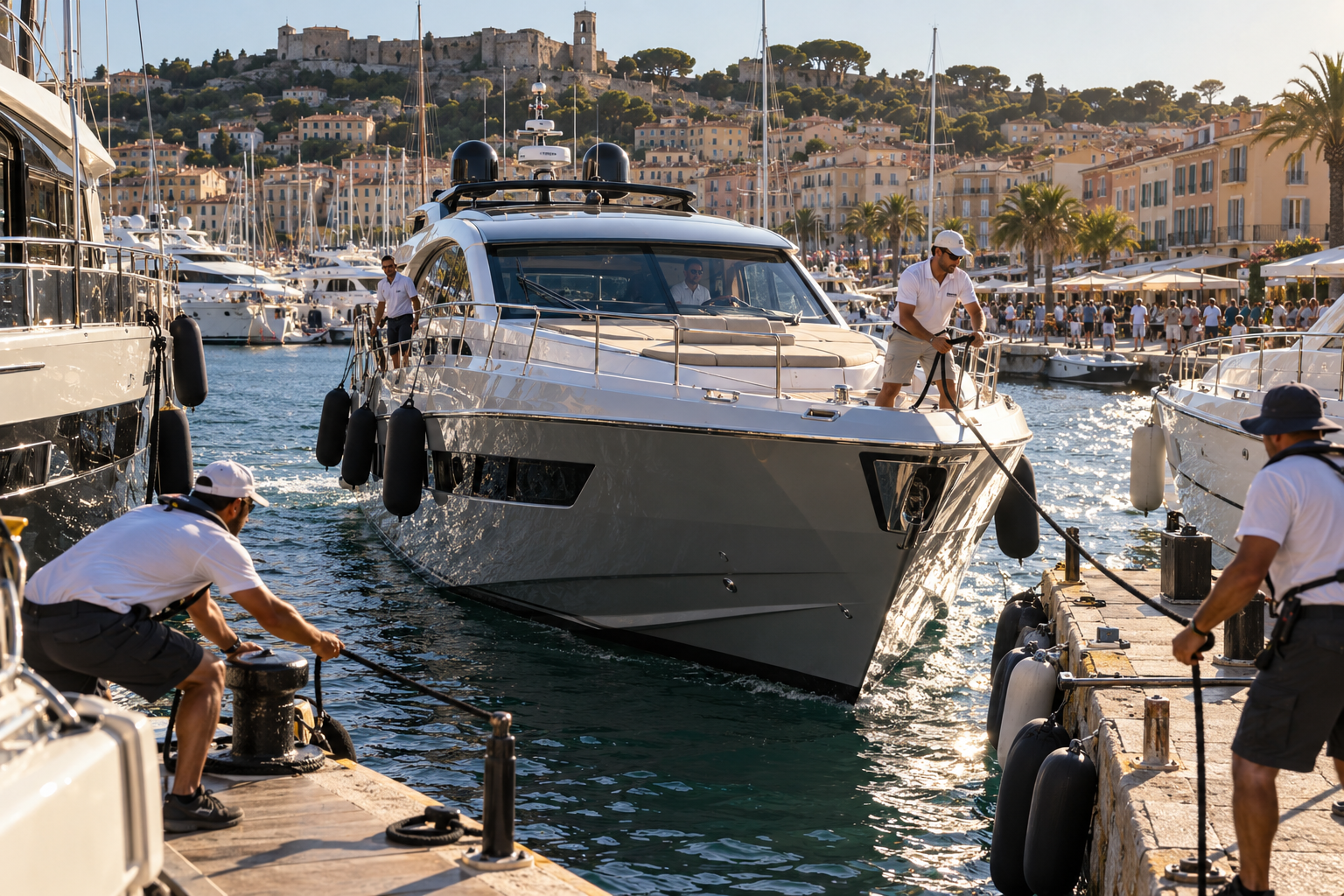
A memorandum signed in May 2026 links Sardinia’s established large-yacht market with Tangier’s urban marina at the Strait of Gibraltar. The promise is a more joined-up western Mediterranean circuit: simpler administration, reciprocal promotion and stronger winter refit work in Sardinia. Those are ambitions, not yet a new service schedule. For owners and captains, the test is practical. Can a yacht clear, berth, provision and secure technical help at either end without turning a port call into a paper chase? The first answer lies in distinguishing what already exists at each port from what the agreement says its partners intend to build.
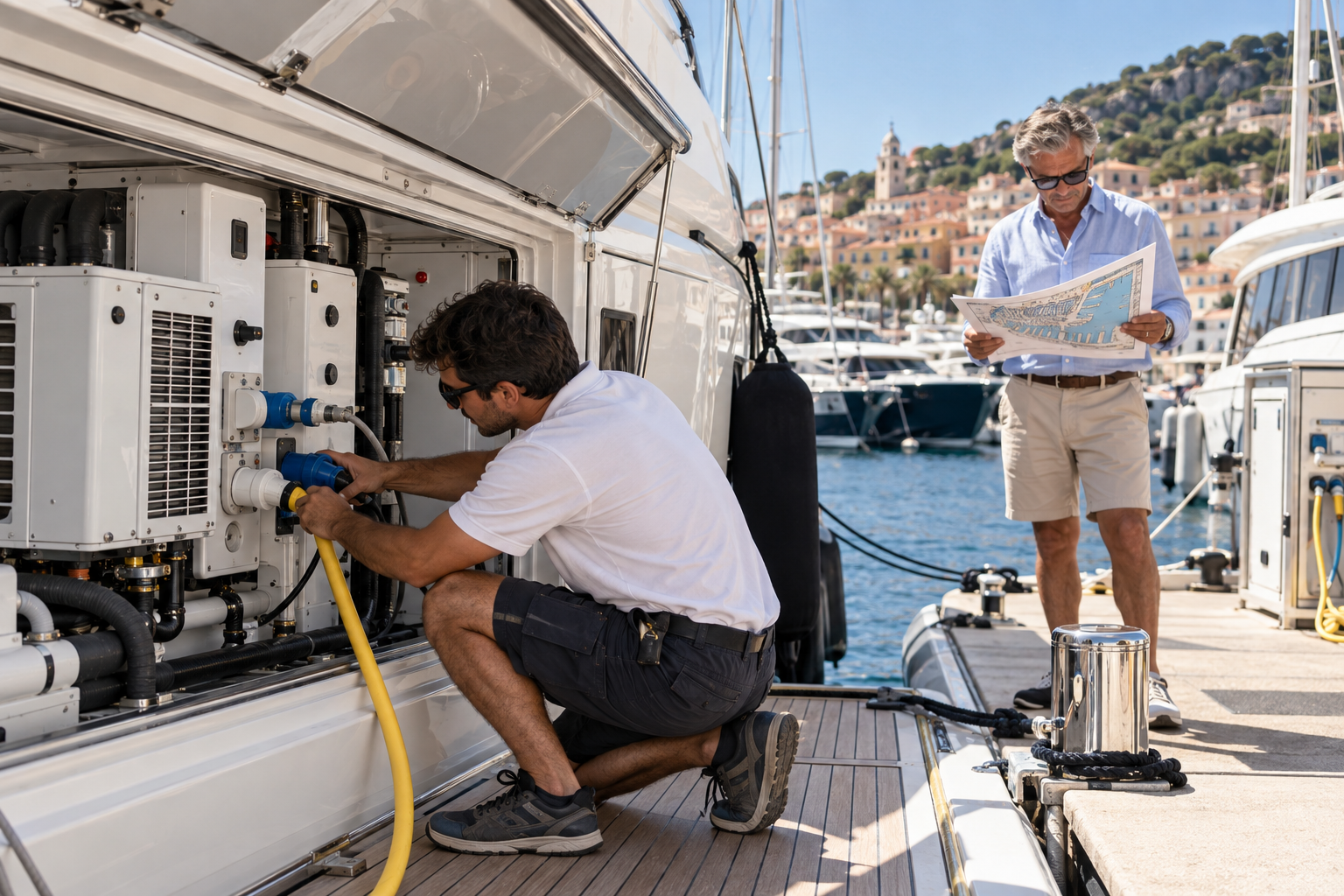
A corridor is not made by drawing a line between two attractive ports. It is made by the things a yacht can rely on when it reaches either end: a berth that fits, a clearance process whose requirements are known, a reliable supply of fuel and stores, and a technician who can get aboard before a small fault becomes a cancelled passage. Sardinia and Tangier have signed an agreement that recognises this practical truth.
Whether they can turn it into a working corridor will depend on what happens after the signing photographs have disappeared from the news pages.
On 22 May 2026, the Port System Authority of the Sardinian Sea and the management company of Tangier Ville port presented a memorandum of understanding. The Sardinian authority describes the purpose as stronger institutional cooperation and new synergies in luxury recreational yachting. Its stated programme includes joint promotion, improved welcome and assistance for large yachts, simpler administrative and customs procedures, shared technical meetings and staff training. That is a useful list of work.
It is also a list of work still to be done: the memorandum does not itself announce a common booking system, a single customs procedure, a joint service desk or guaranteed refit capacity.
This distinction matters to anyone planning a season. A route can be marketed as a circuit long before it is operationally coordinated. A captain still needs to know which office handles arrival, which documents must be sent ahead, how far in advance to request a berth and whether shore power, fuel, waste collection and repair support can be confirmed for the exact vessel. The measure of this partnership will not be its logo, but whether those answers arrive clearly and consistently from both ports.
The case for trying is apparent in the Sardinian authority’s own account of the market. It reports that more than 3,100 vessels over 24 metres were present in Sardinia during summer 2025, including 347 superyachts, with a combined value it puts above €21 billion. The authority also sees room to attract more winter refit work to Sardinian yards, including demand now going to Spain.
Those figures describe a strong seasonal presence and an industrial opportunity; they do not tell us how much yard capacity is available, which facilities can accept a particular length or draft, or how quickly a yacht can secure a slot.
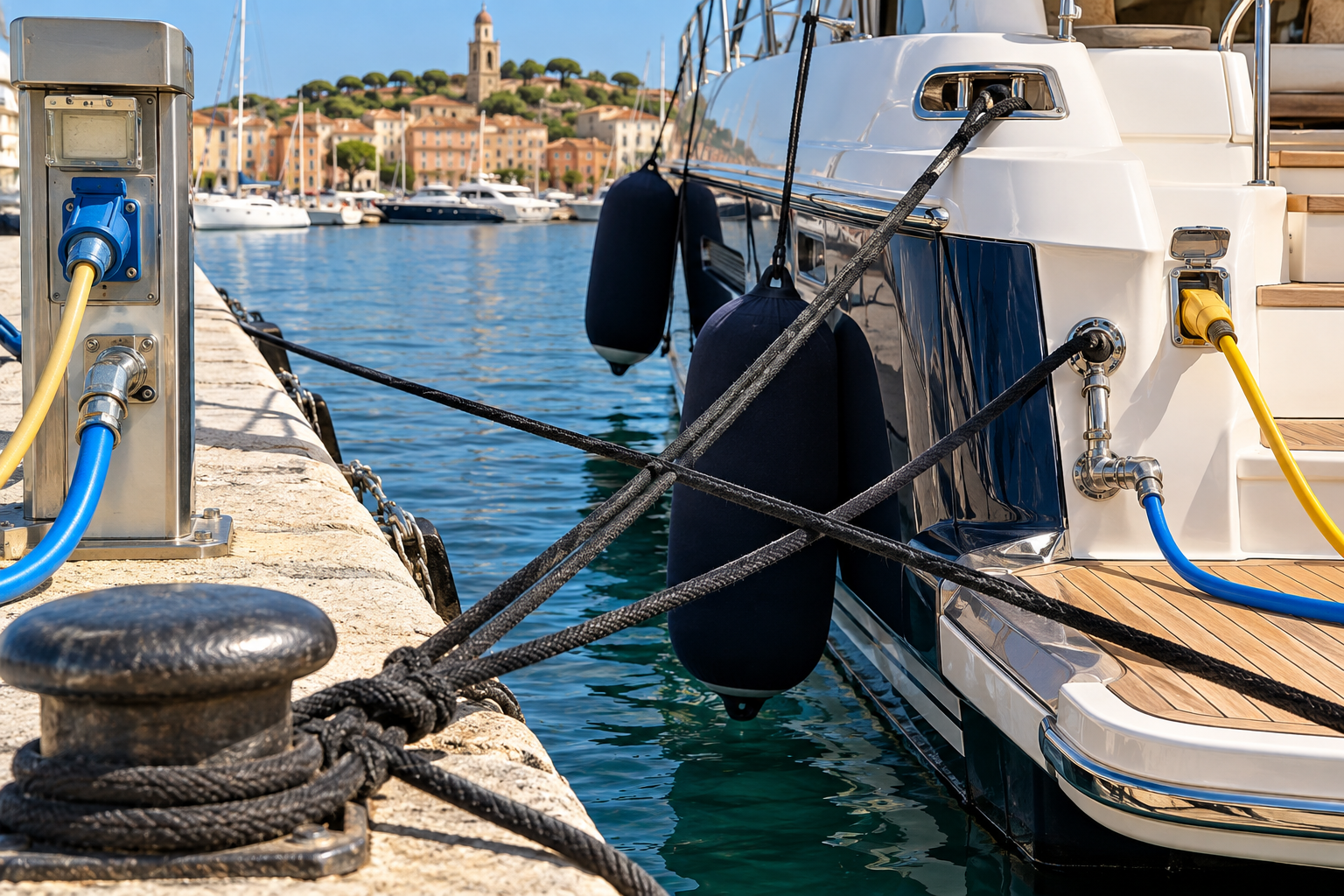
That is where Sardinia’s potential contribution becomes more than scenery. The island sits between the French Riviera, the Italian peninsula and the western approaches to North Africa. It offers a credible pause on a passage west or east, and the memorandum identifies winter refit as one of the possible reciprocal benefits. For an owner, the attraction is obvious: spend the warm months cruising and use the quieter season for work without sending the yacht much farther from its operating area.
For the yard, a foreign yacht can help extend the season and support skilled employment. But a captain will ask the less romantic questions first: is the right lift available, can the yard handle the vessel’s beam and displacement, are parts already in country, and does the proposed work fit between the end of charter and the next launch date?
The Sardinian port authority’s remit covers several ports, rather than a single marina. That makes local choice important. A useful corridor cannot simply say “Sardinia”; it has to match an individual yacht to a named harbour, berth, yard and supplier. Owners should ask for the precise port and facility being proposed, not rely on an island-wide claim of capability.
A yard that is excellent for a 25-metre yacht’s scheduled maintenance may not have the lifting arrangement or workshop access for a larger vessel or a complex refit. Likewise, a marina berth does not automatically mean access to a repair yard nearby.
At the southern end, Tangier has a sharper geographic identity. Tanja Marina Bay sits at the meeting of the Atlantic and Mediterranean, near the Strait of Gibraltar and within the city. The official Port Tanger Ville site describes it as an urban marina with a future capacity of more than 1,400 berths across two basins. It lists services for visiting boaters, including a fuel station, parking, shops, restaurants and the Royal Yacht Club of Tangier.
The location puts crew close to the medina and the city’s transport links, a different proposition from an isolated resort marina.
That is a useful base, but berth count should not be mistaken for a promise that every berth suits every yacht. The port’s headline capacity is a total future figure, and the published description does not provide a vessel-by-vessel guarantee of length, beam, draft, water depth or service load. Before committing, a captain should send the marina the yacht’s full dimensions, displacement, air draft if relevant, shore-power requirements and anticipated arrival window.
Ask for a written berth confirmation and clarify whether the services listed are available at the intended berth, rather than somewhere within the wider marina complex.
The administrative part deserves the same care. The memorandum explicitly names simpler administrative and customs procedures as an objective. It does not publish a new clearance regime. A vessel approaching from Spain or Portugal should therefore continue to work through the established requirements applicable to its flag, ownership, crew, passengers and intended activities, checking with the port and relevant authorities close to departure.
Do not assume that cooperation between port organisations supersedes national border, customs or immigration rules. Ask the agent which documents are needed, who receives them, and whether the process changes if the yacht is commercial, privately used, carrying charter guests or transporting equipment for a yard period.
This is particularly important in the Strait, where a seemingly straightforward stop can involve a change in the yacht’s cruising pattern, a commercial charter movement or a repair period with equipment arriving from abroad. The port call, the yacht’s customs status and the purpose of the visit are related questions, but they are not interchangeable. A useful corridor should eventually make the handover between local agents and port teams more legible.
Until then, the captain should keep the usual paper trail: crew and passenger lists, vessel particulars, arrival and departure details, insurance and registration documentation, and a clear record of any goods brought ashore or delivered aboard, in accordance with the applicable local instructions.
The most promising element in the agreement may be staff exchange and technical meetings. Ports often have good services on paper but uneven knowledge of what a visiting yacht needs in practice. A harbour office may know how to assign a berth yet not know which local workshop can diagnose a particular engine control fault. A refit yard may have the skill but lack a clear route for getting a visiting vessel’s parts through customs.
Regular contact between port teams can reduce the gaps between those separate systems. It can also produce a simple, valuable output: one current directory with verified contacts, operating limits and emergency numbers, maintained by people who actually use it.
For crews, the practical value would be a named coordinator who can answer questions across the port rather than forwarding each query to another department. That does not require a grand digital platform. It requires a contact who knows who is on duty, what can be arranged at short notice and what must be booked weeks ahead. A corridor that makes a yacht’s arrival easier to plan can save time even when it cannot shorten the passage itself.
There is also a commercial logic behind the proposed reciprocal promotion. Sardinia can present itself to yachts wintering in Morocco as a place for maintenance, refit and a return to the Mediterranean cruising circuit. Tangier can offer a city stop to vessels already moving between the Atlantic and the western Mediterranean. The Sardinian authority mentions shared marketing and a common “Sardinia–Tangier” identity. Done carefully, that can help owners imagine a coherent itinerary.
Done too early, it risks dressing two separate port calls as a seamless product before the service standards have been aligned.
A real itinerary between the two depends on the yacht and season. A vessel leaving Sardinia for Tangier must make a passage through the Alboran Sea and the approaches to Gibraltar, with weather, traffic and crew endurance setting the timetable. The sea distance is substantial enough that the stop should be planned as a passage, not an extension of a coastal hop.
The Strait is a busy international waterway; the master should use current charts and notices, monitor traffic and make a clear bridge plan before entering. If the vessel is running under charter, the itinerary should also leave room for the guests’ expectations to be adjusted if weather or operational constraints move the arrival time.
A captain considering Tangier as a winter base should verify local winter conditions and the yacht’s particular berth exposure with the marina. A large berth count is not a substitute for knowing how a specific basin behaves in the wind. Ask about prevailing conditions, surge, fendering, access control and whether the yacht can remain connected to shore services for the intended period. For a refit, check whether the yacht can stay afloat while work proceeds or must be hauled elsewhere.
Those details affect insurance, crew arrangements and the order in which work can be completed.
In Sardinia, a winter refit proposition needs equally specific checking. Obtain a written scope, yard dates and responsibility matrix before moving the yacht. Confirm what the yard will do itself and what it will subcontract, whether materials are included, how change orders are approved and how the work will be inspected before handover. A captain should ask for references from comparable vessels and for the yard’s lifting and hard-standing limits.
If the refit involves engines, stabilisers, generators or complex electronics, confirm that the relevant manufacturer-approved support is available locally or can be brought in with a defined lead time. A port authority’s commitment to grow the sector is not a substitute for a signed work order.
The partnership could also help solve a less visible problem: crew continuity. A vessel moving around the western Mediterranean may rely on different local agents at every port. If information is passed accurately between those agents, the master can spend less time repeating the same specifications and more time preparing the yacht.
Shared training could help port staff understand the difference between a private pleasure yacht and a commercial vessel, between a short technical call and a longer stay, and between the request that can be handled by the marina and the matter that needs a government authority.
For owners, good coordination is not an abstract administrative benefit. It is the difference between knowing that a late-arriving part can be collected and fitted before the next charter, and discovering that the paperwork or transport chain has slipped a week. It is the difference between budgeting a routine call and paying for a crew to wait while a berth, crane or specialist is found.
The value of the corridor will eventually show up in fewer avoidable delays, more predictable yard periods and a better choice of ports when a yacht changes its cruising pattern.
Tangier’s position gives it an advantage as a gateway, but the word gateway can encourage overstatement. The port is not a substitute for a full service ecosystem merely because it is strategically placed. Its marina currently advertises a useful group of visitor services and a substantial future berth capacity.
The published information reviewed for this feature does not establish the full range of large-yacht repair trades available on site, the limits of customs support for refit materials or an across-the-board clearance time. Those are fair questions for the marina and agent, and they should be answered in writing before a vessel builds its schedule around them.
The same discipline applies to environmental claims. A “Blue Flag” credential can be relevant to marina management, but it does not answer a yacht’s own questions about waste reception, sewage handling, bilge disposal, fuel quality or shore-power availability. Ask what waste streams are accepted, whether receipts are issued and where the waste goes.
If the yacht is undertaking a longer stay, establish how contractors and crew can access the facility and whether any restrictions apply to works, tenders or deliveries.
The corridor is not yet a new cruising product with published departure dates and guaranteed service packages. Its value is that two port organisations have put operational subjects on the table: administrative cooperation, assistance, port services, staff training and winter refit. These are the foundations from which a useful route might be built. A sensible skipper can follow the progress without treating the announcement as a change to the rulebook.
When comparing a planned stop in Tangier with a Sardinian port call, make the enquiry specific. Send the vessel’s dimensions and services requirement; state whether the call is for leisure, bunkering, maintenance or a longer yard period; ask which authority or agent handles each step; request the written arrival checklist; and confirm the name of the person responsible for the berth and any work. For a refit, get capacity and timing in writing and separate the port’s role from the yard’s responsibility.
Keep a contingency port in the plan if a weather delay or technical issue would make a fixed arrival date costly.
The memorandum’s ambition is credible because the two ends offer complementary strengths: Sardinia has a strong seasonal large-yacht market and wants more winter industrial activity; Tangier has a city marina at a strategically significant gateway and wants to attract international yachting traffic. But a corridor does not exist because the geography makes sense. It exists when the route has dependable services, accurate information and a port team that can solve the small problems before they become large ones.
The next meaningful announcement will not be another shared slogan. It will be a practical service, open to visiting yachts, that works as promised.
Contributor: Paul Thompson / 24MotorYachts
Be the first reader to react to this article.
The Cannes Yachting Festival ran from 8 to 13 September across the Vieux Port and Port Canto, with the organiser offering free shuttle boats between the sites and sea trials available by appointment with exhibitors. That split makes a good visit less about collecting brochures than about managing the day: shortlist boats before arriving, reserve trial slots, and use the water time to answer one question at a time. This guide sets out a route and a practical way to compare motor yachts afloat, while separating published event information from the impressions that only a visitor aboard a particular boat could report.
A boat show is an inefficient place to make a decision if you arrive hoping the right yacht will announce itself. Cannes is especially easy to misread because the festival is spread between two working waterfronts, with the Croisette joining them on land and the sea offering the more useful connection. The first job is not to see everything. It is to decide which boats deserve the limited time available on board, then arrange a trial that answers a real question.
The 2026 Cannes Yachting Festival took place from 8 to 13 September at the Vieux Port and Port Canto. The organiser described a display of more than 700 boats from 5 to 55 metres and provided free shuttle boats between the two ports for ticket holders. Its visitor information says some exhibitors offer sea trials by appointment and advises contacting the exhibitor directly for availability and conditions. Those details shape the visit: the shuttle is a useful link, but a sea trial is not a walk-up attraction.
It needs to be agreed with the builder or representative, and the boat’s availability will vary.
For a motor-yacht visitor, start at the Vieux Port. The official show material identifies it as the festival’s destination for motor yachts and marine innovation. Port Canto, at the eastern end of the Croisette, includes the sailing area, brokerage, toys and a powerboat marina. That does not make Port Canto irrelevant to a motor-yacht buyer: it gives the day a useful contrast between new boats, brokerage inventory and smaller powerboats.
But if the priority is comparing new motor-yacht premieres, the Vieux Port is the logical first base.
There is a temptation to treat the show map as a checklist. Resist it. Before setting off, choose three comparison questions, such as whether the helm gives a clear view of the corners during a close-quarters turn, whether two people can work comfortably in the cockpit while others pass through, or whether engine-room access is plausible for routine checks. The questions should fit the kind of yacht being considered.
A dayboat, a flybridge cruiser and a long-range displacement yacht will not be judged by the same working brief.
The best comparison is a controlled one. If two models are intended for similar use, inspect them close together, ask the same questions and record the answers while they are fresh. A detail such as a step height or the position of a handhold can disappear in the crowd once the next appointment begins. Keep notes on dimensions, engine options, tank capacities and standard equipment only after confirming that the figures refer to the display boat or the exact specification under discussion.
A show yacht may include options or a demonstration package not included in the base price.
Book sea trials before the visit if possible. The organiser’s FAQ says sea trials are available from some exhibitors by appointment; it does not promise that every boat can be tried or that a particular slot will be available. Ask the exhibitor what the trial will cover, how long it lasts, how many guests may come, whether identification or footwear requirements apply and who will be at the helm. If the boat is a premiere, a media schedule or delivery programme may limit access.
Do not build a whole day around an unconfirmed trial.
A good trial starts before the engines do. Ask where the yacht will depart from and return to, whether the route is constrained by traffic or local harbour rules, and how much time is available at speed. If the demonstration is short, agree on the priority: low-speed control, acceleration, visibility at the helm, noise, ride in a chop, or access through the boat while under way.
The representative may need to conduct the manoeuvres, but can still explain what the vessel is doing and allow the prospective owner to observe the control response and sightlines.
The first minutes away from the berth are often the most revealing. Watch how the bow moves when the boat gathers way, how quickly the helmsman can assess what is around the stern, and whether the display instruments can be read without losing sight of the water. On a twin-engine boat, ask for a low-speed demonstration using the controls the eventual owner expects to use.
If joystick docking is fitted, make sure the demonstration includes the behaviour of the boat in wind or current where safe and feasible; a calm, sheltered manoeuvre may show the system but not its limits.
The usual distinction between advertised top speed and cruising speed is not enough. Ask about the boat’s actual load during the demonstration, how much fuel it carries, how many people are aboard and which engine or propeller specification is fitted. Ask the representative to explain the published range figures and their assumptions. A boat carrying half its maximum load on a calm show day will not behave exactly like one with full tanks, toys, stores and guests.
If the weather does not provide the conditions you hoped to assess, record that limitation rather than pretending the trial has settled the question.
Keep a separate eye on movement around the boat. Can someone leave the helm and reach the side deck without stepping over a guest? Are the handholds where a person reaches naturally as the hull moves? Does the cockpit have a clear working route to the bathing platform, and can the crew supervise swimmers without blocking the main passage? A layout that feels generous while stationary can become congested when people are moving in different directions.
Visibility needs a deliberate test. From the helm, look at the near-side bow, aft quarters and the water immediately alongside. If a pillar, hardtop edge or raised coaming interrupts a sightline, note when that matters: entering a marina, watching a tender, or holding a station near a quay. Ask whether the demonstrator can show the view at the likely seated and standing positions. On a flybridge boat, compare both helms.
A second station is only useful if it gives the operator a genuine view of the relevant corners and control access that feels natural.
Cannes’ two-port arrangement rewards a simple sequence. Start at the Vieux Port early in the day, when appointments and access are easier to manage. Inspect the shortlisted boats, then take a pre-booked trial if one is confirmed. After lunch, use the show shuttle to Port Canto for brokerage, powerboats, tenders or a second appointment. The organiser advertises continuous free shuttles during the show; its practical page also lists different entry points at each port.
Leave time for queues and the walk from the pontoon to the relevant area. A shuttle ride is not a guaranteed door-to-door transfer to the boat you have booked.
If the day is intended to include a trial at Port Canto, reverse the order. The fixed appointment should dictate the itinerary, not the desire to cross both ports for its own sake. Check the show’s opening hours for the date you are attending; in 2026, the festival ran late on Friday, while the other days had earlier closing times. Do not assume the same time window every day.
The venue’s published information also advises visitors to purchase tickets through the official platform and states that access aboard display boats remains at exhibitors’ discretion.
For a shortlist, ask each exhibitor for the exact model-year specification and a written equipment list. Premières attract attention, but a first display boat can be configured as a showpiece. Ask what is standard, what is optional and what is still being finalised. If an advertised feature is not installed on the boat, request a drawing, technical sheet or demonstration on a sister ship.
Take photographs only where permitted and label them with the model and date; otherwise, the detail becomes difficult to identify later.
A close inspection on the pontoon can be more valuable than another lap of the stands. Look at the boarding arrangement, cleats and fender positions. Ask how the passerelle is stowed and whether it obstructs a useful locker. Open the engine-room hatch, if the exhibitor permits it, and consider whether the daily checks are accessible without dismantling furniture. Ask where filters, seacocks, batteries and service points sit.
A tidy engine room is not automatically easy to maintain; the test is whether the relevant components can be reached and removed.
The same applies to the accommodation. Sit at the dining table rather than viewing it from the doorway. Check whether the galley has enough working surface when the table is in use, whether a cabin door can be opened with someone standing in the passage and whether the heads can be used without turning the whole cabin into a storage problem. For a family boat, inspect the connection between swim platform and saloon and consider where wet kit, towels and toys go.
For a charter yacht, have the representative explain guest and crew circulation separately.
The Cannes show’s official areas shift from year to year, so avoid relying on old maps or last season’s berth locations. The 2026 exhibitor directory was searchable by boat type and port, and the organiser’s site described the Vieux Port and Port Canto zones. Save the current map to a phone and keep the exhibitor’s stand or pontoon reference in the appointment notes. A phone battery lost to photographs and maps is a poor reason to miss a trial, so carry a charging pack or use paper notes.
A trial should include a debrief while the impressions are still clear. Ask the demonstrator to restate the engine configuration, displacement or operating weight used for the run, and the speed and fuel data shown. Write down what you personally saw and what was explained to you as separate things. Do not transform an exhibitor’s performance claim into an independently measured result.
If fuel burn matters, request the underlying test conditions and ask whether the figures derive from a builder’s test, a certification process or a different source.
A show demonstration also has limits. The harbour area is busy, and the route may be restricted by other traffic, speed limits, the availability of clear water and the day’s weather. A short run may demonstrate acceleration and basic handling, but not the yacht’s behaviour in the sea state that matters to a planned passage. There is no embarrassment in asking for a further trial under conditions closer to the intended use, subject to the builder’s arrangements.
A responsible buying process should include independent survey and sea trials after the show if the model remains under serious consideration.
For many visitors, the most useful question is not “How fast?” but “What happens when the ordinary routine becomes difficult?” Ask how the yacht handles a crosswind while approaching a berth, how the tender is launched when guests are aboard, or what the crew does when the owner wants to move from the saloon to the aft deck while under way. The answers reveal priorities in control layout, deck design and equipment.
Ask for the standard operating procedure where one exists; avoid relying on vague assurances that a feature makes the boat easy.
If there are several shortlisted models, use a scorecard with a small number of categories that matter to the intended owner: visibility, low-speed control, movement on deck, access for maintenance, useful storage, accommodation and support network. Give each a short note instead of an impressionistic number alone. A score of four means little a month later; “clear view of port quarter seated, blind area close astern” will still be useful.
Take the same approach to each boat, and record unanswered questions rather than filling gaps from memory.
Do not overlook the after-sales conversation. Ask who will commission the yacht, where the commissioning takes place and who handles warranty work if the boat is kept in another country. Ask whether local technicians are trained for the installed systems and how parts are supplied. A show stand may be staffed by sales personnel with strong product knowledge but limited detail on service arrangements. Request the name of the service contact and follow up after the festival.
A brief promise at a crowded stand is not a service agreement.
The same caution applies to delivery dates and prices. Ask whether a quoted figure includes VAT, delivery, commissioning, safety equipment and the options visible on the display boat. Confirm the currency and whether the quoted model has a fixed price or a specification still to be agreed. If the builder states a delivery slot is available, ask how long it can be held and what deposit terms apply. A show conversation can begin a negotiation; it should not substitute for a complete written offer.
Cannes is useful because it puts a wide spread of yachts in the water and gives a visitor a chance to compare scale and layout in a real marina setting. It is less useful as a place to reach a decision by sensory overload. The Vieux Port offers the natural starting point for new motor yachts; Port Canto provides a second scene with brokerage and smaller powerboats among its areas. The free shuttle boats make the geographic split manageable, while appointments determine whether an afloat trial is possible.
The most productive visit is therefore built around a small set of questions and a handful of confirmed appointments. See fewer boats carefully. Step aboard with permission, ask about the specification that is actually on display, take notes that distinguish demonstration from measurement and leave room for a second trial when the conditions are wrong.
A premiere can attract the eye; the boat that works for its owner is the one that still makes sense after the show furniture, the crowd and the sales language have gone.
Contributor: Paul Thompson / 24MotorYachts
Be the first reader to react to this article.
The summer anchorage question in the Balearics is not solved by finding a patch of blue water on a chart. Posidonia meadows are protected, mapped information has to be checked, and an authorised low-impact mooring is not the same as permission to drop an anchor over seagrass. A workable week needs a sequence of alternatives: a harbour or buoy field for the crowded night, a legal sandy holding area when conditions allow, and enough flexibility to change islands when the forecast or availability shifts. Here is a planning method built around official mapping, local rules and the decisions a skipper can verify before letting go.
The anchorage looked clear on the plotter. That is not enough. In the Balearics, a patch of pale water on a screen may be sand, a seagrass meadow, a charting artefact or simply an area where the chart scale conceals the detail that matters. During the busy season, the skipper needs to know where the anchor will land, what the current protection map says and what to do if the intended bay is already full.
The central rule is straightforward. The Balearic government’s Decree 25/2018 generally prohibits anchoring on Posidonia oceanica meadows. Anchoring there is possible only through authorised low-impact systems, such as individual buoys or regulated buoy fields, under the relevant coastal rules and the decree. That is not a general licence to anchor on seagrass if the crew can see no damage. Nor does the presence of a buoy mean it is available for a yacht of any length or that a reservation is unnecessary.
The official “We care for Posidonia” site links to the Balearic Islands’ cartography viewer, which is the first reference to check when planning a stop. The map is a planning tool, not a substitute for the legal rules, current navigation information, local notices or a visual assessment. Download or save the relevant map before leaving reliable internet access. At the anchorage, compare the chartplotter with the official mapping and identify the intended anchor patch before approaching the bay.
Do not wait until the yacht is circling among other boats to find the right layer on a phone.
The reason for this care is not merely regulatory. Posidonia oceanica is a slow-growing seagrass that forms extensive meadows and provides habitat, helps stabilise seabed sediments and contributes to clear coastal water. An anchor dragged across the seabed can cut through the plants; the chain sweeps a wider area as the yacht swings. A skipper may lift the anchor promptly and still leave damage that is not visible from the deck. The meadow does not become less sensitive because the yacht is staying only for lunch.
A good week in the islands is a sequence, not a list of famous bays. The skipper should plan likely stops, a legal alternative for each, and a port or authorised mooring option for nights when the weather or crowding makes the first choice unwise. This is particularly important for larger motor yachts. A buoy field may be limited by vessel length, and a sandy patch suitable for a small open boat may be too exposed or too shallow for a deeper-draft yacht.
Check the dimensions, permitted vessel categories, booking process and operating period for each mooring field directly with its managing authority.
Begin with the weather and the yacht’s draft, not the photographs. A sheltered anchorage in one wind direction can be untenable in another. Ask the skipper to use the forecast and local knowledge to identify which coasts will be exposed during each leg. The Balearics are not one uniform anchoring ground: Mallorca, Menorca, Ibiza and Formentera have different exposures, distances and options for shelter. An itinerary written around a fixed list of bays can become unsafe when the wind shifts.
A route with alternatives gives the master room to put the yacht and people first.
For a week, build each day around an arrival window rather than a promised overnight stop. If the desired cove depends on an authorised buoy, verify whether it can be reserved and when the field is staffed. If availability is not guaranteed, choose a second option before departure. If both are full, the fallback should be a marina or a different anchorage known to be legal and suitable in the forecast. In high season, waiting until late afternoon to decide can leave the yacht with few sensible choices.
Mallorca can serve as a base for a loop that keeps a harbour alternative within reach, but the route should be adapted to the yacht and weather. A first night near a marina can be a sensible way to take on water, confirm provisioning and check local information before heading to an anchorage. For the next stop, choose a bay only after checking its seabed status and exposure for the forecast wind.
The captain should not assume that a famous cove has a buoy field simply because one existed in an earlier season, or that an old cruising guide reflects current capacity.
Menorca is often approached as a quieter counterpoint, but it is not a guarantee of an empty anchorage. The island’s natural protection and its summer demand can make the available holding space as important as the distance from the previous port. Plan an early arrival at a chosen bay, with a second option on a different aspect of the coast.
If the yacht draws too much water to reach a suitable sandy patch, or if the wind makes the open roadstead uncomfortable, use an authorised mooring or harbour rather than forcing the anchorage plan.
Ibiza and Formentera need particularly disciplined planning because their popular anchorages are exposed to intense seasonal use. The Balearic authorities’ Posidonia map should be checked for the intended area, and any booking for a regulated buoy field should be confirmed directly. The regional authority’s guidance warns boaters not to anchor above Posidonia meadows.
At crowded stops, a crew member should be asked to monitor the anchor and chain while the skipper checks the position, rather than relying on a single glance at the chartplotter.
An example itinerary might run from Mallorca to Menorca, then west or south towards Ibiza and Formentera before returning to a mainland or island port. It is a planning framework, not a fixed recommendation. A motor yacht can cover meaningful distances, but the temptation to pack too many anchorages into a week is real. Each relocation takes time: weighing anchor, securing the deck, navigating through traffic, finding a suitable position and checking the holding ground.
Guests may think of a bay as a destination; the captain has to think of it as a manoeuvre and an overnight exposure.
Before anchoring, inspect the water for clarity, but do not treat visibility as proof of sand. A sandy patch can often be distinguished visually in clear water, yet the view may be obscured by depth, glare, chop or shadows. Use the official map and current chart information, approach slowly and select an area that is outside mapped meadow. Avoid dropping the hook at the edge of a meadow where the anchor may slide into vegetation. If the position is uncertain, do not anchor there.
Once the anchor is down, check the yacht’s position against fixed references and verify that the chain is clear of seagrass. A GPS alarm can help detect dragging but cannot tell the crew whether the anchor has landed on Posidonia. A camera or underwater inspection may help in suitable conditions, but neither replaces checking the mapping and selecting the ground correctly.
Keep the scope appropriate to depth, weather and the yacht’s equipment; then confirm that the swinging circle will not take the boat over protected habitat or into another vessel.
The chain matters. Even where the anchor is in sand, chain sweeping over a nearby meadow can cause harm. Avoid setting the boat so that the natural swing, likely wind shift or passing wake will carry the chain across vegetation. A short lunch stop may involve less exposure than an overnight stay, but the basic requirement is the same. If the yacht cannot lie safely without crossing the protected area, move to a different position or use a permitted mooring.
Regulated mooring fields offer a practical alternative, but availability is a planning constraint. Confirm whether the buoy can accommodate the yacht’s length and displacement, how the reservation works and whether the mooring is operating on the intended date. A field designed for smaller vessels may not take a larger motor yacht, even if a buoy appears physically accessible. Ask whether the vessel must pick up the mooring from a tender, whether a staff member assists and what the fee or time limit is.
Treat the field’s published rules as part of the passage plan.
Where a buoy field is operated through a reservation platform, make the booking early and retain the confirmation offline. Take care to enter the yacht’s actual length rather than a rounded-down figure. If the field is full, do not interpret that as permission to anchor in the protected meadow outside it. It means the crew should move to the alternative identified in the plan.
A buoy booking also does not necessarily confer a right to remain through changing weather; check the conditions and the field manager’s instructions.
A skipper should also distinguish between regional protection rules and the rules of a marine reserve, port or locally managed field. A marine reserve can have additional limits on anchoring, fishing, access or mooring. Some areas may require permits or restrict vessel size. Do not infer a reserve’s rules from the general Posidonia decree. Check the official information for the exact reserve and date, and contact its management office when the published guidance does not answer a practical question.
The captain’s working file for the week should contain more than screenshots. Include the current official map, applicable regulations or local notices, the reservation confirmations, marina details, relevant port contacts and the weather forecast source. Mark the intended anchoring positions and alternatives on the navigation system, but keep a separate note of why each area was selected and what would make it unsuitable.
Crew should know that “we have arrived” does not mean “we can drop now”: the skipper still needs to assess seabed, depth, traffic, weather and swing room.
For the owner, this preparation may seem fussy until a preferred bay is unavailable. Then it becomes the difference between a calm change of plan and an afternoon spent circling. The itinerary should be shared in a form the guests can understand, with the captain explaining that a different stop may be chosen to protect the yacht, the crew and the seabed. Guests can be offered choices among the safe alternatives; they should not be asked to decide whether the anchor can go down in an uncertain position.
The yacht’s own equipment affects the decision. A heavy anchor and long chain offer holding capacity but also increase the area swept as the vessel swings. A bow camera may help the helm monitor the ground tackle, while an anchor alarm can alert the crew to movement. Neither solves a location problem. If the yacht has a deep draft, a large swing circle or a crew unfamiliar with the anchoring system, favour a managed mooring or harbour where the conditions are clear. The technique must fit the boat.
There is a useful operational routine after the hook is set: note the position, take a visual reference, check the chain lead, confirm the depth and set an alarm with an appropriate radius. Recheck after a wind shift, a change in current or a nearby vessel moving. When weighing, bring the chain in slowly enough to observe whether it is carrying vegetation or other material.
If there is concern that the anchor has damaged or become caught in a meadow, avoid dragging it free; seek appropriate local advice and report a problem where required.
A beach transfer adds another layer. A tender may be able to reach shore when the yacht cannot anchor close in, but it too must comply with local traffic, bathing zones and restrictions. Keep the yacht at a legal, safe position and establish a clear tender route. Never let convenience turn into an assumption that a tender can cross swimming areas at speed or land wherever the crew chooses. The rules apply to the whole operation, not only to the main vessel’s anchor.
The most important practical advice is to verify information close to the voyage. Mapping, buoy availability, seasonal operation and local instructions can change. The regional government’s cartography page is a strong starting point, but check the current official viewer and any notices before departure. If information conflicts between a chartplotter, an old guide and an official map, do not resolve the conflict by choosing the most convenient version.
Contact the relevant authority or marina and move to an alternative until the position is clear.
A week in the Balearics can still include quiet nights at anchor. The aim is not to turn every cove into a harbour call. It is to know which ground is suitable, which buoy is authorised, how the yacht will lie in the forecast and what the next choice will be if the plan fails. That requires a little less faith in the familiar picture of a bay and a little more attention to its bottom.
The best anchorage plan is the one that can change without forcing a bad decision. Keep the route light enough to alter, arrive with daylight, verify the actual ground, and treat uncertainty as a reason to shift position. The islands reward flexibility. Posidonia, once torn up, does not recover on the same timetable as a summer itinerary.
Contributor: Paul Thompson / 24MotorYachts
Be the first reader to react to this article.
A yacht can look like a ready-made film location: controlled interiors, decks with a view and a moving horizon. On a real production, that picture has to coexist with a captain’s safety responsibilities, crew movements, cameras, lighting, permits and the limits of a working port. Public records and location services reveal the machinery behind the image more clearly than they reveal any single recent yacht shoot, so this feature separates documented cases from general practice. For an owner considering a film or brand booking, the useful question is not simply what the day rate might be, but who controls the vessel and how the production is allowed to use it.
A yacht on screen appears to do two things at once: carry its passengers and tell the audience what sort of people they are. The boat may be a setting, a prop and a moving piece of scenery. For the crew, the same vessel is still a machine with a master, a weather limit, a passenger plan and equipment that should not be moved just because a camera would prefer a cleaner frame.
That collision between image and operation is what makes a yacht an unusual film location. A house or hotel room can be locked down for a shoot. A yacht has a waterline, an engine, a restricted deck and a route through a port or anchorage that other people are using. A production can make the vessel look effortless. Behind the camera, the schedule has to respect how the boat works.
There is no sufficiently detailed public primary account of a single recent Mediterranean production using a motor yacht as a set that would support a scene-by-scene report here. It would be easy to invent the familiar details: a location scout, a crew transfer at dawn, a captain holding position while a shot is repeated. That would make a vivid story and a poor one.
What can be documented is the framework around filming in places such as Cannes and Monaco, alongside first-party yacht-filming services that describe the logistics offered on the Riviera.
Cannes’ municipal filming process applies to photography and audiovisual shoots on public territory, including cameras and drones, and says applications may need 15 calendar days for review. The municipality’s film policy states that filming in the city requires prior authorisation. The exact permit needed depends on the location and activity; a city authorisation for public space is not automatically a harbour or maritime approval.
This division is the first practical lesson for a yacht owner: there may be more than one authority involved, and a berth booking does not itself grant permission to film.
Monaco has its own restrictions. The Yacht Club de Monaco’s visitor guide notes that filming and drone use are subject to a strict authorisation process by the Government. A yacht may be privately owned and its captain may agree to a shoot, but those permissions cannot replace public authority approval where it is required.
The production should establish the jurisdiction of each scene: aboard the yacht, at the berth, in a port facility, on the public quay, over a protected site or in airspace where drone restrictions apply.
The Mediterranean’s film commissions are useful because they can bring the relevant parties into view. Mallorca Film Commission says it provides services to centralise permit paperwork and offer advice through the process. That is a valuable starting point, not a blanket permit. The production still needs to disclose the activity, location, number of people, equipment, dates and any effects on public access.
A small stills shoot with a handheld camera may be treated differently from a crew bringing lighting rigs, generators, drone equipment and support craft.
The yacht itself needs a location brief before a production commits. The owner or management company should describe the vessel’s usable spaces, access routes, power supply, guest areas, crew areas, deck limits and any items that cannot be moved. The brief should show the vessel in its actual configuration rather than in a brochure rendering.
A camera team may need clear routes for tripods and cases; the captain needs to know that those routes do not block escape paths, fire equipment or access to the helm and machinery.
The captain’s authority must be written into the arrangement. The master is responsible for the vessel’s safe operation and must retain the right to stop a shot, restrict access or alter the schedule if conditions change. The production should understand that the yacht cannot always remain on a precise mark, that a crossing boat can interrupt a take and that weather may require a move.
A director may ask for another pass; the captain has to decide whether another pass is safe, lawful and compatible with the port’s operating instructions.
This is why the phrase “floating film set” can be misleading. In many cases, a yacht may be stationary at a berth or mooring while actors and crew work aboard. In other cases, it may be moving, with the visible movement produced by the yacht itself, a camera vessel, a tender or post-production. Those are different operations, with different equipment and permissions.
A production’s location manager should specify which vessel is moving, who is aboard, what support craft are needed and whether any part of the shoot will take place underway.
YachtMonaco, a first-party Riviera service provider, describes its package for filming and photo productions as including permits, berths, shooting windows, tenders for crew and equipment, and a captain working to production and safety requirements. This is a commercial description, not an independent report of a particular film shoot. Still, it neatly lists the components a production has to arrange. A yacht with a beautiful saloon is only one line in the plan.
The access route for crew, the window at the berth and the movement of equipment can determine whether the location is usable.
Crew transfer is often the practical pinch point. A production may have more people than the yacht’s normal guest complement, and their work cases take space. If the team must arrive by tender, the transfer creates a separate movement plan with loading, weather, safe boarding and communication to consider. If access is from a quay, the berth needs to accommodate the production’s people and equipment without compromising the port’s operation.
The number of people aboard is not just a casting or production choice; it affects safety, insurance and the vessel’s applicable operating limits.
For the owner, the agreement should make clear which people are permitted aboard and who is responsible for their conduct. Production insurance should be reviewed with the yacht’s insurer and management company. The owner should understand whether the yacht’s existing policy covers commercial filming, whether the production must provide its own liability cover, and what exclusions apply to equipment, damage, cancellation or third-party claims.
A location fee does not automatically transfer the risk of a camera case damaging a teak deck or an extra person being injured on a wet swim platform.
The physical preparation is less glamorous than the final image. The yacht may need to be cleaned and dressed, but removing personal effects raises security and storage questions. Loose objects should be secured. Anything on the deck that could move must be considered in the actual sea and wind conditions. Lights or camera supports should not be clamped to rails without approval; a rail designed for a person’s hand is not necessarily a camera mount.
Ask the production to provide a detailed equipment list and identify every point where it intends to attach, rest or power gear.
Electrical demand deserves early attention. A production may expect to power lights, monitors, chargers and other equipment for long periods. The yacht’s shore connection, generator capacity and circuit arrangement must be checked by the appropriate engineer. A yacht can be alongside with shore power available and still lack the spare capacity or socket arrangement a crew expects. Portable generators introduce noise, fuel, exhaust and placement questions.
Never allow a production to improvise power distribution across wet decks or guest spaces.
Sound creates its own problems. A generator, air-conditioning system or refrigeration compressor may interrupt a take, but shutting it down can affect the yacht’s safe operation, crew welfare or equipment. The production should identify the sound needed and agree which systems can be paused, when and for how long. A quiet shot cannot take priority over a machinery requirement or a safe operating limit. If the vessel must remain habitable for the crew, there will be systems that stay on.
Light is another common point of negotiation. Filmmakers may want to control reflections, darken windows or create a particular mood. On a yacht, a cover or blackout can interfere with ventilation or a required view. External lighting can affect neighbouring vessels, residents or wildlife, especially at night. Underwater lights, strobes and drones may attract separate restrictions. The local authority and harbour master should be consulted for any use that affects the water, quay or airspace.
A yacht’s movement can give a scene life, but it can also make the camera crew’s day harder. A moving deck changes the support required for a camera; a wake may make a shot unusable; and a tight harbour may limit the number of passes available. The production should choose the weather and water conditions that suit the vessel’s capability rather than assume a calendar date guarantees a calm surface.
The captain should be involved in route planning and should be able to reject a course that conflicts with traffic, navigation or safety.
A support boat is often a better camera platform than the yacht itself. It can carry camera operators or equipment and hold a position while the yacht performs a pass, but that adds another vessel, crew and permit question. The support boat needs a qualified operator, a safe working distance and a communications plan. If a tender is used, it must remain within its safe load and operating limits.
The smallest craft on the shoot may be the one with the least spare room once camera housings, batteries and people are aboard.
A schedule should include time for mooring and access, not only the camera call. The yacht may need to be moved to a specified berth or kept clear of a public view. It may require a location survey, a technical inspection and a rehearsal with no cameras. The production should allow for the port authority’s review period and avoid assuming that an application has been approved because it has been submitted.
Cannes’ online process explicitly says acknowledgement of an application is not approval; the request is subject to feasibility review, and public-domain occupation or parking can carry charges.
The port’s position matters even when filming is wholly aboard. Harbour masters control movements, berths and operating conditions. They may need to know whether equipment is being loaded, whether a tender will shuttle people, or whether a yacht will move during a busy period. A shoot that blocks a passerelle or takes over a quay can affect other users. A well-prepared production shares its schedule, access requirements, safety plan and emergency contacts with the port well in advance.
The owner should also think about privacy and security. A film crew may need to photograph the yacht’s layout, equipment and identifying features. The contract should specify what imagery can be published, when it can be released and whether the yacht’s name, registration, owner or location may be shown. For commercial productions, publicity rights and confidentiality can be as important as the vessel’s day rate. Establish whether crew may photograph behind the scenes and where those images can appear.
The vessel’s appearance on screen can have a value beyond the fee. A builder may welcome a yacht appearing in a film or campaign because it demonstrates the boat in use. An owner may prefer not to link a private yacht to a particular character or product. The production should set out the intended media, territories, duration, exclusivity and any sponsor presence.
If an actor’s wardrobe, props or set dressing could damage upholstery or finishes, identify who pays for reinstatement and how the yacht is inspected before and after.
If the filming is for a manufacturer’s launch film rather than a dramatic production, the crew may be smaller, but the technical demands remain. The builder may want a particular angle of the hull underway, a drone pass or an interior sequence with the engines running. Confirm what can be shown and whether the boat is a prototype or a production yacht. A prototype may have operating restrictions or unfinished systems; the master’s authority and the builder’s technical representative need to be explicit.
The finished edit should not imply a performance or feature that the vessel has not demonstrated.
Public examples show why a yacht location is rarely only a yacht. The port of Civitavecchia’s official account of filming for Zoolander 2 describes a quay location and a wider production planned around Rome and Cinecittà. That is not a motor-yacht shoot, but it demonstrates how a port location can be part of a larger land-based production plan. The lesson transfers: the boat, quay, transport, studio, accommodation and local permissions can all belong to one schedule, with different parties responsible for each.
The case study closest to the subject is often a manufacturer’s own behind-the-scenes film, but those accounts must be read as marketing material. Fountaine Pajot has published a look back at a Mediterranean shoot for its Thíra 80, describing it as a film production connected with the boat’s presentation at Cannes and Monaco shows. It is a yacht-focused example, but the published account is not a detailed production log.
It does not provide a complete permit trail, crew manifest, cost breakdown or captain’s account. That distinction matters. A promotional film can show what the yacht was intended to communicate, not necessarily what it took to organise the day.
For a captain asked to take part, the first response should be a request for the production plan, not an automatic yes or no. What is being filmed? Who is paying? How many people will board? What equipment is coming aboard? Will the yacht move? Is there a support boat or drone? Which permits are in hand? Who has authority to stop the shoot? What insurance applies? What happens if the weather cancels the day? Those questions are ordinary operational diligence, not an obstacle to the creative work.
The contract should distinguish the hire fee from expenses and cancellation terms. It should list the dates and permitted hours, the yacht’s location, the maximum number of people, the equipment and power requirements, any movement under way, and the permitted uses of the resulting footage. State how overtime is charged and how a weather delay is handled. Include a pre-shoot and post-shoot inspection, a cleaning standard, responsibility for damage and the process for restoring any removed items.
If a shoot is postponed, crew and berth costs may continue even if the yacht does not leave the dock.
The captain should also keep an operational plan that the production understands. It should cover who briefs visitors, which spaces are restricted, how access is controlled, where emergency equipment remains accessible, what safety briefing is required and how crew communicate during a take. The team should know where to gather if the yacht needs to move immediately. A production day can be long and busy, so the restrictions need to be visible rather than buried in a contract no one on deck has read.
Owners should be wary of the term “exclusive use” unless it is defined. Does it mean no other filming on the yacht, no public access to a quay or no competing yacht campaign? Is the yacht reserved for the production for a full day even if the crew only needs six hours? Does the booking include set-up and wrap? A clear schedule avoids the expensive mismatch in which the production assumes it has an all-day location and the owner expects to return to normal operations by lunch.
There is also a human question. A film set can bring a controlled but demanding energy aboard: repeated takes, concentrated teams, requests to hold position and pressure to maintain continuity. The yacht’s crew should know what is expected of them and whether they are being asked to perform extra duties. A stewardess may be asked to reset a space; an engineer may be needed to provide power; the deck crew may manage transfers. Put those duties and hours in the plan.
The normal watch, maintenance and rest requirements still need to be met.
The best location yacht is not necessarily the largest or most luxurious. It is the vessel whose spaces suit the script, whose master is comfortable with the operation, whose owner understands the exposure and whose access can be arranged without compromising the port or crew. A compact cockpit may be perfect for an intimate scene and a poor place for a dozen technicians. A large saloon may offer room but create reflection and sound problems.
A swim platform can provide an excellent camera position only if it can be used safely and without obstructing the boat’s operation.
A successful shoot can be an unusual use of a yacht, but it works through the same disciplines as a passage: define the objective, understand the limits, assign responsibility and keep a route to a safe alternative. The camera may frame a world in which the yacht appears to be a private island. In reality it is part of a port, a crew workplace and a vessel under a master’s command. The production gets its picture when all three realities are planned together.
Contributor: Paul Thompson / 24MotorYachts
Be the first reader to react to this article.
The revised Mediterranean Sustainable Cruise Charter took effect on 1 January 2026, adding or strengthening 20 voluntary commitments for cruise companies across biodiversity, cetaceans, discharges, waste, noise, emissions and transparency. Its reach is easy to overstate: the commitments apply to ships operated by signatory cruise companies, not automatically to every privately owned motor yacht. Yet private owners will meet its effects at ports, through charter operations and in the standards guests increasingly expect. The useful question is what changes onboard and how anyone can verify it. The answer begins with scope, then moves to records, procedures and a few practical habits any yacht can improve.
A charter can be an agreement, a promise or a rule. The new Mediterranean Sustainable Cruise Charter is a voluntary agreement for cruise companies, and that distinction should be made before anyone tells a private motor-yacht owner that it now applies to every yacht in the basin. The revised version took effect on 1 January 2026 and sets out 20 new or strengthened commitments. Its subject matter is relevant to the whole yachting world; its formal reach is narrower.
The French government’s announcement of the 2025 revision lists biodiversity protection, cetaceans, reductions in discharges, waste management and recovery, noise and light disturbance, greenhouse gases and air pollutants, passenger awareness, transparency and social responsibility among the areas covered. It also says the charter is voluntary. The official audit guidance is explicit that commitments apply to ships operated by signatory cruise companies.
The charter is therefore not a general code for every private motor yacht, nor a substitute for national law, port rules or international regulations.
The distinction is more than legal tidiness. A yacht owner may have no formal obligation under this charter, while a cruise company calling at a French or Monegasque port can be a signatory and be subject to the charter’s reporting and audit arrangements. A private yacht that is chartered commercially may still not be covered simply because it takes paying guests; the relevant question is whether the operator and vessel fall within the charter’s defined system.
Owners and captains should ask the operator, flag-state adviser or port authority rather than infer coverage from the word “charter”.
The name can also confuse the issue. In ordinary yachting language, a charter yacht often means a privately owned vessel offered for hire, perhaps with a crew. In this document, “cruise companies” refers to operators in the cruise sector. A signatory cruise company’s ship may be a large passenger vessel or a yacht-style cruise ship. The rule of thumb is simple: look at the company and vessel scope described in the official text, then verify whether the yacht is included.
Do not assume that a MYBA-style charter agreement brings the vessel into this public commitment scheme.
The programme is more structured than a declaration alone. The French Interregional Directorate of the Mediterranean Sea (DIRM) says the 2025 charter proceeds through company adhesion, self-assessment by the company and the vessel proposed for audit, a vessel audit by DIRM or Monaco’s Maritime Affairs Directorate, an action plan and issuance of a certificate or follow-up audit. Signatory companies must also submit a questionnaire covering all their ships calling at French and Monegasque Mediterranean ports.
The process links an individual shipboard inspection to a company-wide view of operations.
That matters because environmental performance is not one piece of equipment. A treatment plant can be installed yet poorly maintained; a waste plan can exist yet fail at a port call; an emissions target can be claimed without operating practices to support it. The charter’s audit path asks whether policy, equipment and recorded practice line up.
A yacht operator can borrow the same discipline without claiming to be formally certified: choose a procedure, assign a person to it, keep evidence and review whether it worked.
The first practical area is discharge. The French government’s summary identifies a commitment to prohibit discharge of untreated wastewater in the north-western Mediterranean Particularly Sensitive Sea Area. The phrase “untreated wastewater” matters; it is not a broad permission to discharge treated water wherever the yacht chooses. Applicable discharge rules depend on the vessel, its equipment, location and current law.
A private yacht should check the regulations relevant to its flag and the waters it enters, and follow more restrictive local rules where they apply.
A responsible captain should know what the system aboard can treat, how it is monitored, where holding tanks are located and what the tank capacity means for the intended passage. The crew should understand which valves are sealed or secured in a restricted area, how the system is operated and what record is kept of pump-outs. If the treatment plant is out of service, the response should be defined before the yacht leaves port: hold wastewater, arrange shore reception or change the itinerary as appropriate.
“The system is on” is not proof that it is working correctly.
The documentation is not burdensome if it is built into normal operations. Keep service records for treatment equipment, notes on alarms and repairs, receipts for shore-side pump-out and a log of any discharge incident or failure. Record where the yacht was and who was notified. For charter operations, a short crew briefing can establish who is responsible for checking the system and where guests can be directed if they ask about wastewater management. A clear answer is better than a generic green claim.
Waste comes next. The revised charter calls for reducing waste and increasing recovery in collaboration with port authorities and accredited collectors. For a private yacht, the useful change is operational: sort waste before it becomes a mixed bag at the dock. Crew should know what can be separated onboard, what requires a shore-side reception facility and how food waste, packaging, oils, batteries, filters and hazardous materials are handled.
Ask the marina or port which collection streams are accepted and whether the contractor is authorised for the material in question.
The galley and provisioning plan can reduce waste before the yacht leaves. Buy quantities that fit the voyage and guest count, favour reusable containers where practical and arrange deliveries to avoid layers of disposable packaging. That is not a claim that every plastic item can be eliminated; it is a way to make the waste stream visible. For charter yachts, include the chef and stewarding team in the process. They are often the people who see where packaging accumulates and whether the storage plan is workable.
A waste log can be simple: date, type, approximate quantity, where it was landed and which facility received it. Retain receipts for oil, batteries and other controlled waste. If the yacht uses a waste contractor, verify what the service covers rather than assuming the invoice proves correct treatment. These records help the captain answer a port’s question and identify repeated problems. They also let an owner distinguish a real waste programme from a sign in the galley.
Cetaceans require decisions on the bridge, not only a paragraph in the guest guide. The charter’s measures include voluntary actions to avoid collisions with large cetaceans in the north-western Mediterranean PSSA and participation in authority reporting schemes. The official government summary does not turn this into a universal speed limit for every private vessel; applicable legal requirements must be checked separately.
But any skipper in waters used by whales can establish practices that reduce risk: keep an effective lookout, brief watchkeepers, avoid unnecessary acceleration in a sighting area, and follow current local speed or routing measures.
A sighting procedure should say who takes the con, how the vessel’s course and speed may be adjusted, who records the position and how the report is sent to the authority or reporting scheme. The response should be conservative and should never encourage a yacht to approach wildlife for a photograph. Guests need to understand that a cetacean sighting is not an invitation to manoeuvre closer.
If a whale is nearby, the skipper should follow the relevant local guidance and prioritise safe navigation for the yacht and animal.
Technology may help the crew share a sighting, but it does not replace a lookout. A bridge team can use binoculars, radar and navigation displays to maintain awareness of other traffic while a designated observer watches the sea. If a reporting scheme provides a preferred channel or app, make sure the crew knows it before entering the area.
The valuable record includes time, position, species if confidently identified, number of animals and the vessel’s action; uncertain identification should be stated as uncertain.
Noise and light are less familiar subjects aboard pleasure yachts, but the charter explicitly includes both. Its summary points to limiting announcements at berth or anchor and prohibiting underwater lighting as measures to reduce disturbance. Again, these are commitments in the cruise-company charter, not automatically a blanket rule for all private yachts. The principles are still easy to understand.
A loudspeaker that carries across a quiet anchorage affects people and wildlife; bright lighting under the hull changes the night environment below the boat.
Start with the simple controls. Keep public-address announcements to what is needed, especially at night. Direct speakers inboard where practical. Avoid running a generator unnecessarily at anchor and maintain exhaust and machinery systems so a yacht is not producing avoidable noise. Use only the deck lighting needed for safe movement; turn off decorative lights when they serve no operational purpose.
If underwater lights are fitted, check local rules and the owner’s policy before using them, and consider whether they are necessary in a sensitive area.
Noise is not only a matter of comfort. A poorly maintained generator, a loose exhaust mounting or a pump cycling repeatedly may create a continuous disturbance that the crew has learned to ignore. A planned maintenance round should include exhaust supports, silencers, flexible connections, fans and pumps.
If the vessel uses a generator overnight, the captain can consider whether shore power, battery capacity or a different anchorage would reduce the impact, while keeping the yacht’s safety and electrical demands in view.
Emissions are the largest and least easily solved subject. The charter asks companies to reduce greenhouse gases and air pollutants, with some commitments tied to port conditions and vessel characteristics. The French government’s summary specifically refers to using low-emission transport at berth, anchorage and on excursions whenever possible. For private yachts, there is no need to overstate what a tender or hybrid mode can achieve.
A useful first step is to measure fuel use by operating mode, reduce avoidable idling, maintain engines and propellers properly, and choose a sensible speed when the schedule allows.
Port calls can be a particular opportunity. If a yacht can connect to shore power, ask whether the supply is compatible with the vessel’s voltage, frequency and load, and whether the connection is available at the assigned berth. The charter’s broader emphasis on emissions does not establish that every port can offer sufficient shore power to every vessel. Confirm availability before arrival and do not assume that an outlet on the quay is sized for the yacht.
If shore power is unavailable, a well-maintained generator operated within its normal efficient range may be preferable to repeated short cycling; the chief engineer should make that assessment for the installation.
Guest transport is another practical point. The charter encourages low-emission transport for excursions when possible and calls for planning excursions to limit over-crowding of tourist sites and promote local economies in embarkation ports. A yacht’s itinerary can support that aim by avoiding a rush of guests to the same landmark at the same hour, using local guides and transport providers, and offering shore activities that suit the location rather than a standard package.
These choices have to work for guest needs and mobility, but a concierge can present credible options rather than defaulting to the largest vehicle available.
The emissions conversation should be evidence-led. Keep fuel and engine-hour records, note generator use and record shore-power connection where used. For a larger operation, consider a consistent method of calculating emissions and disclose the assumptions. Do not quote a carbon-saving percentage without a defined baseline. The charter’s transparency emphasis is a useful reminder: a number is only meaningful when a reader knows what it includes and what it leaves out.
Passenger awareness is one of the charter’s stated fields. For a yacht, that need not become a lecture before the welcome drink. A short briefing can cover wildlife, waste sorting, water use, restricted areas, noise at anchor and tender conduct. The information should be practical, delivered at a moment when guests can use it and consistent with the vessel’s actual policies. If the yacht asks guests to conserve water but runs a deck wash unnecessarily, the gap will be obvious.
The transparency and social-responsibility elements deserve equal attention. Environmental policy is easier to trust when the operator can show the procedure, the records and the person responsible. Social responsibility is not a decorative paragraph either: crew working conditions, training and fair treatment influence whether environmental procedures are carried out reliably. A tired crew that has received no briefing cannot be expected to operate a complicated waste or sighting plan consistently.
Owners should ask charter managers what is recorded and who checks it. A useful answer identifies the responsible officer, the record kept, the review interval and the route for reporting a fault. Ask whether the vessel has a sewage-system maintenance file, waste transfer receipts, a wildlife-sighting procedure and a clear port-call plan. If the yacht markets a sustainability credential, ask who issued it, what was assessed and when it expires. A logo alone says little about the current condition of the systems.
Ports can exert influence because they control access, services and information. The DIRM’s guidance for third parties—harbour offices, pilot stations and shipping agents—highlights communicating air-quality information, especially during pollution episodes, so ships can apply relevant emission-reduction measures. This is a useful model for yacht operations: shore-side information has to reach the bridge in time to affect the decision.
Ask the marina how it communicates environmental restrictions, air-quality alerts, waste rules and wildlife notices to visiting vessels.
The charter’s certification process also gives a clue to how claims can be checked. A vessel audit by DIRM or Monaco’s maritime directorate is different from a company self-assessment, and a certificate or follow-up audit is a different kind of evidence again. For private yachts outside the programme, owners can still ask for independent inspection of systems and compare written procedures against actual records.
Evidence should include maintenance reports, service invoices, waste receipts and operational logs, not only an onboard policy binder.
A private yacht that is not covered by the charter remains subject to the laws and regulations that do apply to it. Those may arise from flag state, coastal state, port, vessel category or the yacht’s commercial use. The charter does not create a loophole for non-signatories, nor does it replace rules on sewage, oily waste, protected species or emissions.
Captains should consult current official requirements and their management company, particularly before entering a protected area or a port with local restrictions.
For a charter guest, a sensible question is not “Is this yacht sustainable?” but “What does the operator do, and how is it checked?” Ask whether the yacht can explain its waste and wastewater procedures, how it responds to wildlife sightings, whether it can connect to shore power and how it chooses shore excursions. The answer should be concrete and proportionate.
No single motor yacht can erase the impact of its fuel use, but it can avoid careless discharges, unnecessary noise, poor waste handling and preventable wildlife disturbance.
For an owner, implementation is best handled as a handful of normal operating procedures. Assign an officer to maintain the sewage and waste records. Add a cetacean briefing to the bridge routine. Review lighting and sound practices at anchor. Check shore-power compatibility before a berth is booked. Set a guest briefing that reflects the area being visited. Have the chief engineer report on the condition and performance of treatment equipment.
These measures are not expensive slogans; they are small pieces of management that can be reviewed.
The revised charter is useful partly because it forces a clearer conversation about who is being asked to change. For signatory cruise companies, the commitments form a voluntary programme with self-assessment, audits, action plans and reporting. For private motor yachts, the charter is not automatically binding. Yet the ports, guests and charter intermediaries that make up the same cruising world can still ask for better operating practice and evidence.
That expectation will matter even when a particular vessel falls outside the scheme.
The appropriate response is neither to claim that every yacht has been regulated by the new charter nor to ignore it because its formal scope is narrower. Treat it as a public benchmark whose subject matter is relevant beyond the companies that signed. Check the law that applies to the vessel, understand whether the operator is in scope, and ask for records behind any environmental promise.
The most credible change aboard will often be visible in the unglamorous paperwork: the pump-out receipt, the service log, the waste record and the bridge note made when wildlife was seen.
Contributor: Paul Thompson / 24MotorYachts
Be the first reader to react to this article.
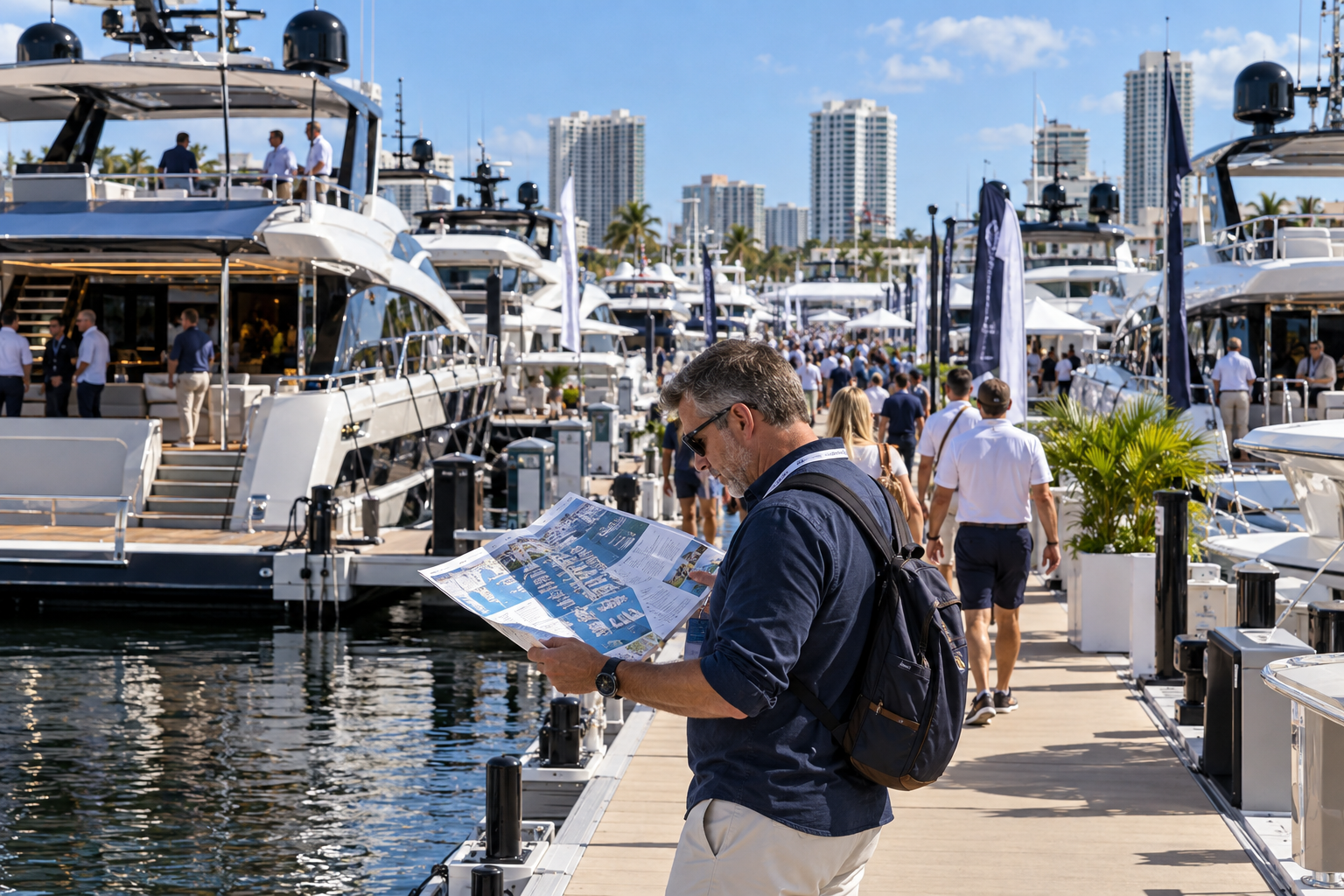
A marina is not just a line of floating fingers: it is a chain of seawalls, piles, power, water, fire protection and access, all exposed to the same surge. The damage wrought by Hurricanes Helene and Milton around Florida’s Gulf Coast has made that interdependence hard to ignore. Dunedin’s repair programme offers a useful case study in the slow work of getting a waterfront back into service, and in the distinction between replacing what was lost and reducing the chance that the next storm will disable the whole place. For yacht owners, the decisions made on land will determine what is available at the berth.
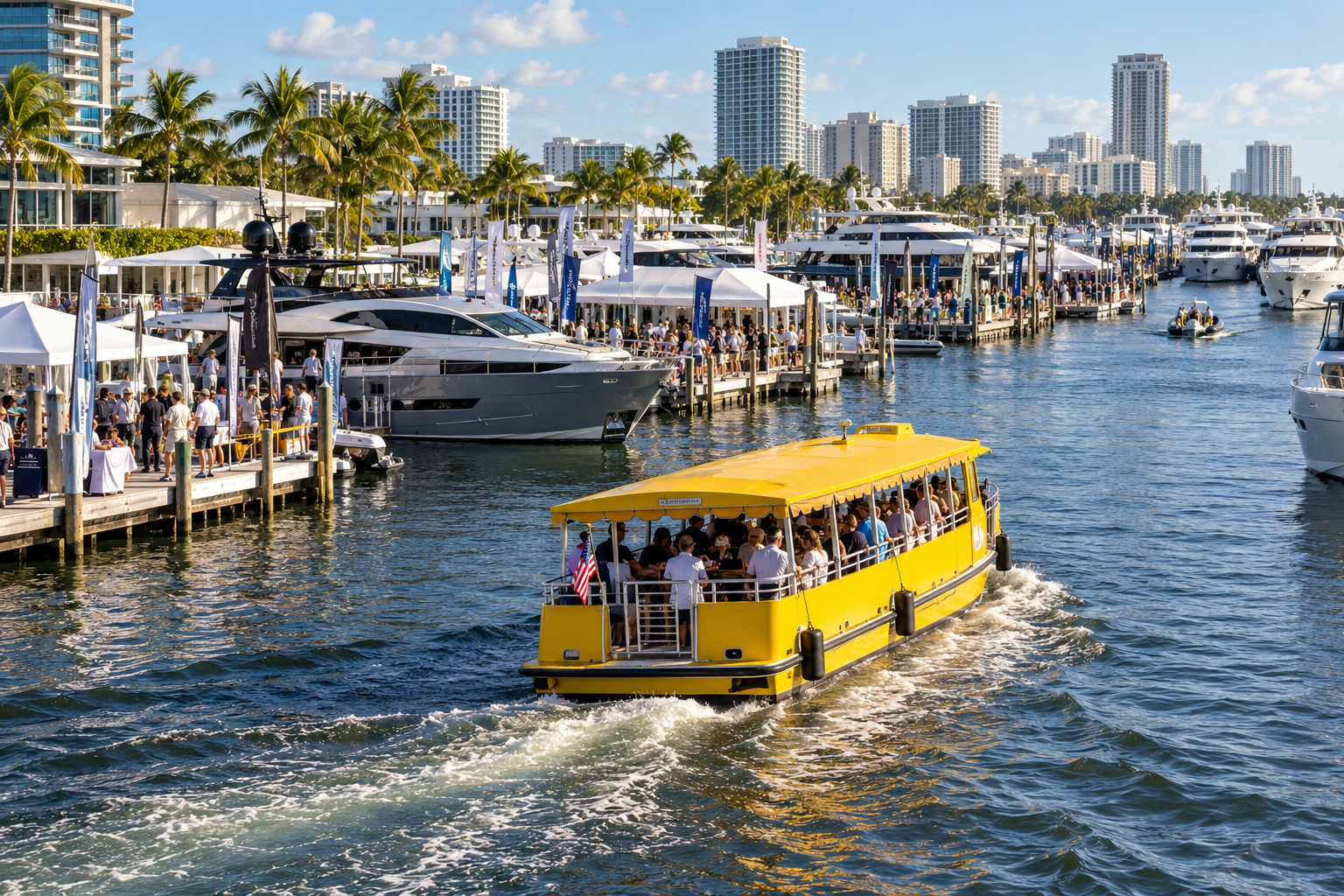
The first thing a storm removes from a marina is the assumption that a berth is a fixed point. After Helene and Milton struck Florida’s Gulf Coast in 2024, damage around Dunedin included not only the conspicuous loss of the pier and day docks, but an east seawall collapse, damage to the north seawall, a failed parking area, submerged electrical equipment, a broken water main, impaired fire suppression, and damage to docks, fingers and piles.
The city’s account reads less like a list of separate repairs than a diagram of how a marina works: as one connected system, with several weak links below the waterline and behind the dock face.
That matters to a motor-yacht owner because a boat can survive a storm and still be left with nowhere useful to go. A slip without safe access, working shore power, water, fire protection or an intact approach is not an operating berth. Nor does a new floating dock alone restore the service. The rebuild question is therefore not simply whether a marina should be put back as it was.
It is what can be improved within the limits of public budgets, permits, insurance and the physical site, and which improvements actually reduce the time a waterfront stays unusable.
Dunedin makes a particularly clear case study because the city has published the damage and the staged repair programme. Its marina has 192 slips across several categories, including 170 recreational slips. The city says the facility remains closed because of the extensive storm damage. Its January 2026 contract announcement described demolition of the old pier and construction of a new pier, day docks and emergency docks, with demolition expected to begin in March and completion anticipated by the end of the year.
Work on the north seawall was under way, with east seawall repairs scheduled to follow. The timeline is an important qualification: plans and target dates do not mean that a visiting yacht can book a normal berth today.
This is not a simple rebuild of one dock. The city’s own damage description puts the shoreline structures, public access and marina services in the same frame. Pier replacement has its own public and transport purpose: the Clearwater Ferry’s permanent dock is part of the project, and federal funding announced in March 2026 is directed towards that portion. The city says more than $800,000 was delivered for the ferry dock, to be coordinated with FEMA, state and local funding for the wider recovery.
That is a useful illustration of how waterfront money arrives: separate funding streams may pay for different elements of a single, connected place.
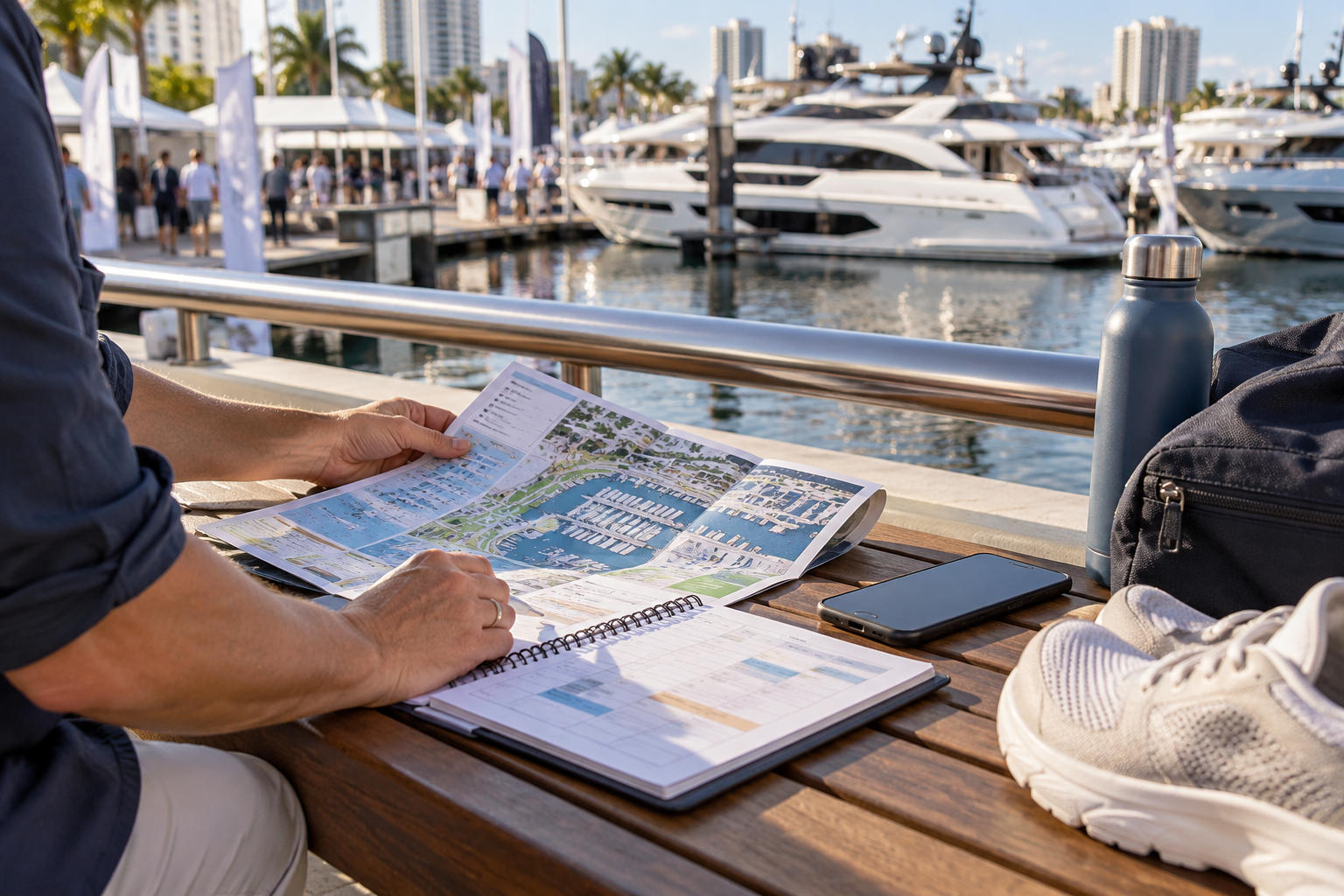
For owners, the implication is practical. A municipality’s recovery project may restore a ferry landing, public pier or seawall before it restores recreational berthing. Public waterfront projects have several users and funding conditions; a yacht owner’s lost access is only one part of the case. The calendar is also exposed to design, permitting, procurement, contractor availability and reimbursement requirements.
When a marina says that it is rebuilding, ask what part is being rebuilt, what remains closed, and which services have been tested and approved for use. A dramatic photograph of new decking cannot answer those questions.
There is a temptation to treat resilience as a shopping list of tougher materials: heavier piles, stronger cleats, higher electrical cabinets, more robust fingers. Those details matter, but they cannot be assessed in isolation. A pile can be sound while the seabed around it scours; a seawall can remain standing while a land-side electrical room floods; a dock can be secured while boats on it have been left with inadequate storm lines.
The system has to accommodate water moving through and around it, and the people responsible for it must be able to shut services down, inspect damage and restart safely.
The first useful design question is elevation. Which parts of the electrical and fire systems are vulnerable to inundation? Can connections and control equipment be positioned above the level that flooded before, with appropriate protection for cables and conduits? The answer is site-specific: raising a cabinet is not a universal solution if cable routes, access, electrical codes or the marina’s wider layout make the installation unsafe.
An owner need not dictate engineering, but can ask whether the post-storm plan includes an electrical inspection and formal recommissioning before shore power is restored. Salt water inside a connector or panel can cause delayed failures long after the water has receded.
The second question is access. A marina may have survived structurally yet be cut off by a damaged road, collapsed parking, obstructed fairway or closed bridge. Dunedin’s reported parking-lot collapse is a reminder that the landward side belongs in a marina resilience plan. How will emergency crews reach the site? Can staff get equipment in? Is there a safe route for owners to reach their boats without driving over an area that remains compromised?
These are not glamorous engineering questions, but they determine whether an intact boat can be checked, moved or serviced.
The third is what “emergency dock” means in practice. Dunedin’s construction contract includes emergency docks. That wording should not be confused with a promise of storm-proof berthing. An emergency landing can support access or evacuation; it may not provide the utilities, depth, security or capacity required for normal yacht operations. Owners should ask how such facilities are intended to be used, who controls access and what restrictions apply during construction or recovery.
A facility may be valuable precisely because it has a limited purpose.
There is also a difficult distinction between designing for resistance and designing for recovery. No marina can reasonably promise that it will remain fully operational through every storm. A more useful objective is to limit cascading failures and make the site easier to inspect and recommission. That can involve breakaway or more flexible dock elements where appropriate, resilient utility connections, clear isolation points, accessible inspection routes, documented shut-down procedures and spare components.
A system that can be isolated in sections may allow a safe part of a marina to reopen while another remains under repair. Whether that approach suits a particular site is for the engineers and regulators, but it is the kind of operational design question owners should expect managers to be asking.
A rebuild also has to respect the waterfront it occupies. Seawalls are not interchangeable with natural shorelines, and a marina’s flood behaviour depends on local bathymetry, wave exposure, neighbouring structures and the path water takes into the site. In some places, a living shoreline can reduce erosion and support habitat; elsewhere, navigation, depth, wave energy or the existing built edge may constrain what is feasible.
Safety Harbor’s separate recovery programme, for example, identifies living shorelines among its resilience work, alongside pier and marina reconstruction. That is not proof that the same treatment belongs at Dunedin or any other harbour. It does show that coastal repairs can be considered as part of a broader shoreline strategy rather than a dock-only job.
Owners have a role before a storm, too. A marina’s preparedness should be visible in its written plan: who orders evacuation, when utilities are shut off, whether boats must leave, what staff can and cannot do, and how owners will receive updates. The owner’s own plan should cover insurance contacts, a current inventory, photographs of machinery and systems, vessel documentation, a list of essential spares, and a decision about whether the yacht will remain in the water.
A large motor yacht may be difficult to move at short notice, and a marina’s evacuation order is not a substitute for arranging a safe destination.
Do not rely on an old assumption that the slip is protected because it faces a particular direction or because a previous storm caused no damage. Surge, wind direction, rainfall and drainage can combine differently each time. Confirm what the marina’s contract says about storm preparation and access, whether staff will handle lines or batteries, and what is expressly the owner’s responsibility. If the marina asks owners to move boats, find out how much notice is realistic and which alternatives are available.
In a regional evacuation, those alternatives may be limited and every owner may be making the same call.
Insurance presents another constraint. A municipality can arrange public funding for eligible infrastructure, while a private marina has to make decisions within its own policy, claims process, financing and operating income. Coverage varies by policy and asset; public reports about one project cannot establish what a given marina’s insurer will pay.
The owner should ask for a written explanation of which services are available and which areas remain under construction, then read the relevant contract and insurance conditions. A quoted reopening date is not the same as a guaranteed date, and a reservation should be understood in that light.
The funding picture also shapes the design. Florida’s Resilient Florida programme and federal disaster recovery allocations can support certain public adaptation and recovery projects, but an allocation, request or budget line is not cash already spent on a finished dock. Dunedin’s state funding request for marina damage listed a total project estimate of $13.1 million for fiscal year 2025–26, divided among state, federal and other sources.
The city subsequently described a distinct federal contribution for the ferry dock. Those figures refer to different project descriptions and funding stages; they should not be added casually or mistaken for the final cost of a completed marina.
That separation is worth watching in any waterfront recovery. Public grants often have defined eligible costs, matching arrangements and reporting requirements. A funding award for a pier, ferry dock or seawall does not automatically pay for every damaged finger dock, electrical pedestal or private vessel loss. Owners seeking information should distinguish the total recovery estimate, the awarded amount, the specific funded component and the city’s latest construction update.
The same discipline applies to insurance statements: a preliminary estimate is not a settled claim, and a contractor’s award does not mean the work is finished.
The wider Gulf Coast should resist the idea that one town’s rebuilding plan is a template for all others. Exposure varies even over short distances. Some marinas sit behind barrier islands; some face open water; some occupy tidal rivers or sheltered bays. The wind field, surge, wave period, debris load, shoreline material and drainage system all change the engineering problem. A design that is sensible in one basin may be ineffective or unnecessarily expensive in another.
Regional lessons are useful, but the local survey and design have to lead.
For visiting yacht owners, the best test of a recovering marina is therefore not a rendering. It is a sequence of verifiable answers. Is the berth open? Has the dock been inspected? Are power and water live? Has the electrical system been checked after submersion? Is fire protection operational? Is the approach clear at the yacht’s draft and air draft? Can the marina accept the yacht’s length and beam while works continue? What is the current access route, and what is the plan if a storm arrives before completion?
Ask the harbormaster or manager, not a third-party booking page that may lag behind construction.
The rebuild question is also a question of what owners value. A marina with fewer but safer slips, clearer evacuation procedures and utilities designed for faster isolation may serve boaters better after a storm than one that rushes to restore every old arrangement. Yet resilience has a cost, and public projects must balance navigation, access, community use and available money.
Owners should be wary of treating every delay as evidence of failure: properly permitted seawall and electrical work takes time, and hurried work can leave dangerous defects. They are equally entitled to expect transparent updates and a clear distinction between open, restricted and closed facilities.
Dunedin’s published programme shows both the scale of the damage and the difficulty of restoring a working waterfront in stages. It does not establish that every new component will withstand the next major storm, nor does it claim that a marina can be made invulnerable. The practical standard is more modest and more useful: identify the failure points, improve what the site and funding allow, protect the services whose loss disables the whole facility, and make the next inspection and restart less uncertain.
Before booking a berth on a storm-hit coast, ask what has been rebuilt, what is still temporary and what has actually been commissioned. At the dock, resilience is a service you can test, not an adjective in a press release.
Contributor: Paul Thompson / 24MotorYachts
Be the first reader to react to this article.
Five days sounds generous until you realise that the Fort Lauderdale International Boat Show is spread across six sites, with the largest yachts and the most useful comparison boats unlikely to sit beside one another. The show runs from 28 October to 1 November, and its official map groups the Convention Center, Bahia Mar area and Pier Sixty-Six/Superyacht Village into distinct clusters. A productive visit needs a route and a question: which yachts deserve time aboard, what can be compared on the same day, and when is the water transfer worth making? Plan the appointments first, then let the show’s geography shape the rest.
A boat show becomes a test of judgement before the first gangway. At Fort Lauderdale, the mistake is to imagine that “the show” is a single waterfront you can sweep from end to end. The 2026 Fort Lauderdale International Boat Show lists six sites: Broward County Convention Center, Bahia Mar Yachting Center, Hall of Fame Marina, Las Olas Marina, Superyacht Village and Pier Sixty-Six Marina.
The official map groups three of them in the Bahia Mar area and two at Pier Sixty-Six/Superyacht Village, but the groupings do not remove the distances between clusters. A day spent walking without a plan can produce plenty of steps and very little comparison.
The show dates are 28 October to 1 November 2026. Wednesday opens at noon and closes at 7pm; Thursday, Friday and Saturday run from 10am to 7pm; Sunday closes at 5pm. That later Wednesday opening makes it a useful appointment day for visitors who can arrive early, orient themselves and focus on a handful of booked viewings. Sunday has less time and often suits a final revisit better than an ambitious first survey.
These are practical observations, not a promise about crowd levels; use the official schedule and transport information near the date, because event operations can change.
Begin with the yacht, not the route. Before travel, write down the two or three decisions the visit needs to support. Are you comparing flybridge motor yachts around a particular length? Do you need to see engine-room access, tender handling or the distinction between a day boat and a long-range cruiser? Are you trying to understand what a given budget buys in layout rather than simply collect brochures?
A precise question is more valuable than a list of brands, because a show is full of things that look compelling in isolation.
The official 2026 map is the first working document. Mark the six sites, the show entrances and the transport links you intend to use. Then mark only those yachts that have confirmed appointments or are genuinely relevant. An exhibitor list or brand announcement can change; a plan based on a vessel that is not attending wastes a journey. Check directly with the builder or dealer that the model will be present, whether it is available for boarding and whether a representative can answer technical questions.
A “premiere” label alone does not guarantee that the yacht will be open when you arrive.
For a first-time visitor, it helps to divide the show into three kinds of work. The Convention Center is the indoor stop for equipment, services and the parts of yacht ownership that are easier to examine on a stand than afloat. The Bahia Mar cluster offers a concentrated marina comparison, with Bahia Mar, Hall of Fame and Las Olas together on the official map.
Pier Sixty-Six and Superyacht Village form another distinct waterfront cluster, especially relevant to visitors considering larger yachts or the brokerage and superyacht end of the market. The show’s layout gives each day a natural centre of gravity; do not assume you can move between all of them repeatedly without losing time.
A useful first day is an orientation day with one core cluster. If you have two full days, devote one to the Bahia Mar group and another to Pier Sixty-Six/Superyacht Village, adding the Convention Center only if it answers a specific question. If you have three days, give the indoor exhibits their own block, then reserve a second visit for the yacht that survived your first comparison.
With four or five days, use the extra time to return to serious candidates, meet service providers and view brokerage boats after your initial impressions have cooled. The show’s length is an opportunity to check your own judgement, not an instruction to visit every dock.
Transfers deserve the same attention as appointments. The organiser says visitors can reach all six locations using complimentary shuttles or golf carts, with dedicated routes linking the Convention Center to Bahia Mar, Superyacht Village and other key locations. Those connections are useful, but “complimentary” does not mean instant. Build margin for boarding, queues, traffic and the simple delay of leaving a crowded dock. If an appointment is important, arrive in its cluster early and stay there until it is done.
Do not book a tight meeting across town on the assumption that the shuttle will run like a private car.
There is also a water-based way to see the show, but it is not automatically the fastest way to make a connection. Check the official transport map for current water taxi or water access details and confirm where you can board, where it stops and whether a ticket or queue applies. Water travel can make the city’s geography legible in a way a land shuttle cannot; it can also consume a significant slice of a short appointment window.
Treat it as part of the visit when time allows, not as a guaranteed shortcut between two scheduled meetings.
A proper yacht comparison requires more than stepping aboard. Start with the parts that affect your actual use. On a flybridge boat, compare the route from helm to side deck and the protection available underway. On a sport yacht, consider where guests sit when the boat is running rather than tied up. On a larger motor yacht, see whether crew circulation crosses guest spaces, how the tender is launched and whether the engine room can be entered safely.
Ask to inspect the machinery space when the representative can accommodate it; a closed hatch is not evidence of a defect, but it means you have not answered the question.
Take the same short checklist aboard each candidate. Measure the feel of the side decks, sightlines from the helm, stair steepness, cockpit access, guest privacy, storage for everyday gear and the distance between the galley and the dining area. Ask where lifejackets, fenders and lines live. Check whether the tender arrangement blocks a social area or limits access to the bathing platform. Notice how the crew would handle lines while the owner is manoeuvring.
A show boat is staged; imagine it with wet towels, provisions, a dog, children or the luggage you actually carry.
Do not confuse brochure range with an itinerary. Ask which load, speed and sea conditions support the stated range, whether the figure is a builder’s estimate or a measured trial result, and how much fuel reserve remains at the end. Compare tank capacity, cruising speed and the assumptions behind each number. The sales representative may not have every technical value to hand on a crowded dock, so request the specification sheet and a follow-up from the builder.
Make a note of the exact question rather than trusting yourself to remember it after six more yachts.
At the helm, ask to see the display architecture and the basic control arrangement. Is the chartplotter readable in daylight? Can the systems be understood without moving through a maze of pages? What happens to navigation information if one screen fails? What data is shown about engines, generator, batteries and alarms? A show-floor demonstration can establish the layout, but it cannot replace a sea trial or a technical review.
Resist the urge to decide that a digital interface is intuitive because someone who works with it every day can operate it quickly.
The most useful appointments are those that leave room for an uncomfortable question. Ask what is included in the quoted price, what options are fitted to the display boat, whether the yacht is a production specification or a one-off configuration, what the current delivery slot is, and which warranty applies. If the boat is used, request the listing details and ask for permission to arrange an independent survey later. A boat show is a discovery venue, not a substitute for written terms, a survey or a sea trial.
Keep your notes factual. Record model and hull number if available, representative’s name, quoted figures with units, and whether a detail was demonstrated or merely described. Separate “saw” from “was told”: the distinction is especially useful after several conversations. Photographing a panel or a locker can help you compare later, but ask before taking pictures in restricted areas and avoid assuming that every option visible is standard.
Do not photograph another visitor’s documents or leave personal information on a display table.
The Convention Center can be the most efficient place to investigate the systems that are difficult to compare on a boat. Bring specific questions on stabilisers, generators, navigation electronics, batteries, tender lifts, air conditioning and water treatment. Ask about service intervals, installation support and regional dealer coverage, not only performance claims. A component stand can make it easier to see hardware at close range, but compatibility depends on the exact yacht and installation.
Obtain the manufacturer’s technical information and confirm that the builder will support the proposed fit.
For buyers who are not ready to purchase, use the show to define a shortlist rather than force a decision. A handful of comparable boats is enough to expose priorities: maybe a protected helm matters more than a larger cockpit, or a side door makes single-handed line work easier. If every yacht seems to offer a different answer, identify the compromises you are willing to accept and arrange visits at a dealer or yard after the show.
There is no prize for leaving with a deposit paid before you have checked the details at a quieter pace.
The show also presents an awkward physical truth: access to a boat is not always equal. Gangways can be steep, boarding can be restricted, and display arrangements may not suit a visitor with mobility limitations. If accessibility matters, contact the organiser and exhibitors beforehand to ask about entrances, transport, ramps and boarding arrangements. The map helps locate the sites, but it cannot tell you the condition of every gangway or whether a particular yacht can accommodate a safe visit.
Plan around what is confirmed.
On the practical side, wear shoes that can be removed easily and do not mark decks; bring a small notebook, water and a charged phone; download the map; and keep a simple meeting location for anyone in your party. Fort Lauderdale’s heat and rain can both interrupt a schedule, even late in October. Leave space between appointments for a drink, a telephone call or a change of clothes. The aim is to remember what you saw, not to survive the itinerary.
A five-day ticket does not oblige you to spend five full days on site. If you have one day, choose one cluster and one question. If you have two, compare boats in a single cluster on the first and use the second for a different class of yacht or the Convention Center. With more time, revisit your leading candidate. Prioritise booked boats over an open-ended wander, and use transport links as connective tissue rather than a promise that all six sites are next door.
At the end of each day, review the notes before the next cluster blurs them. Which yacht answered the original question? Which details remain unverified? What did you like because it fits your use, and what did you like because the boat was polished and the conversation was persuasive? Carry forward only the questions that can alter the decision. The best FLIBS route is not the one that covers the most pontoons.
It is the one that lets you leave with a defensible shortlist, a clear list of unanswered points and enough energy to ask them properly.
Contributor: Paul Thompson / 24MotorYachts
Be the first reader to react to this article.
The Great Lakes tempt owners with ocean-sized horizons and freshwater cruising, but the operating calendar is less forgiving than the map suggests. A route may involve commercial traffic, locks, long exposed crossings, seasonal closures and a winter haul-out that needs booking well before the leaves turn. The Saint Lawrence Seaway adds its own procedures for pleasure craft, while the Soo Locks mark a hard seasonal boundary at the western end of the system. A successful season depends on matching the yacht to the route, planning maintenance beyond the home port and treating freshwater as a benefit, not a reason to relax routine care.
A Great Lakes passage can look deceptively simple on a chart. Water connects the basins, cities sit within reach of one another and the horizon gives little hint of the ocean-sized fetch beyond it. But an owner planning a motor-yacht season soon discovers that the lakes are not one continuous cruising ground. They are a set of distinct basins linked by rivers, locks and canals, each with its own scale, weather exposure, commercial traffic and operating calendar.
The practical question is not whether a yacht can cross a lake. It is whether the boat, crew and timetable can accommodate everything that happens between the comfortable marina departure and the next reliable service yard.
Start with the route’s shape. A circuit confined to one lake can be a very different undertaking from a passage through the Welland Canal and St Lawrence Seaway, a transit through the Chicago waterways, or a trip from Lake Huron through the St Marys River to Lake Superior. A motor yacht with suitable range and handling may still be constrained by air draft, draft, beam, fuel availability, lock requirements or the availability of a safe stop when conditions deteriorate.
The Great Lakes are inland waters, but “inland” is not a useful synonym for sheltered.
The Seaway is the point where planning becomes particularly formal. The 2026 Pleasure Craft Guide published by the Great Lakes St Lawrence Seaway System sets out requirements and procedures for recreational craft transiting the canals and locks. It says craft using those locks must be sufficiently motor-powered, and it contains detailed direction on advance notice, equipment and transit conduct. Read the current guide from beginning to end before committing to a passage.
A casual telephone call to a marina is not a substitute for understanding the current Seaway rules and coordinating with the relevant lock authorities.
Lock work is a crew task as much as a navigation task. Fenders need to be in useful positions, lines ready to run, loose equipment secured and everyone briefed on where to stand and what not to wrap around a hand. The yacht must be able to hold station and respond predictably. A large motor yacht’s height above the water and deep hull can make line handling awkward in a confined chamber; the procedure depends on the lock, the yacht and the official instructions. Do not improvise from a video of a smaller boat.
Assign one person to communicate with the lock and another to manage lines, and make sure the helm can see or hear them clearly.
The Canadian Seaway’s pleasure-craft guide is a primary source, not background reading to skim the night before. It includes rules about notification and access, and the 2026 edition notes that pleasure craft less than six metres or below a stated weight may be excluded from some provisions. That detail is a reminder that requirements can vary by craft and location. Confirm the current transit process, any fees, radio procedures and equipment obligations for the yacht actually making the passage.
Keep the guide accessible aboard, with contact details and the paperwork ready before arriving at the first lock.
Commercial traffic changes the rhythm. The Seaway exists to move commercial ships; pleasure craft should expect to wait, follow instructions and yield where required. A lock queue can compress a day’s schedule, and a late transit may alter the planned arrival at a fuel dock or marina. Build slack into the itinerary and identify a holding or overnight option before the passage. Never make an exposed crossing or night arrival simply to recover a timetable that was optimistic in the first place.
The Soo Locks are a different operational landmark. The U.S. Army Corps of Engineers announced that the 2026 shipping season at the Poe Lock began on 25 March, after the complex’s winter closure for maintenance. The Soo Locks normally close in winter, and the annual opening date is a key constraint for traffic between Lake Superior and the lower lakes. Do not plan a seasonal route around a remembered date; check the Corps’ current operating notices.
The locks serve major commercial traffic, so a private yacht’s schedule remains subordinate to operations and the prevailing rules.
At the western end, the Soo passage is not just a lock booking. It introduces a different weather regime and long distances between dependable services. Lake Superior’s scale punishes casual fuel assumptions. The route should be checked against the yacht’s real consumption at a conservative speed, the fuel available at each intended stop, daylight and safe alternatives. A range number from a brochure rarely includes the head sea, detour, reserve and idle time that an actual passage might require.
Ask the fuel dock about opening hours and whether the berth can take the yacht’s dimensions; call again before arrival if the weather has shifted your timing.
A route plan should be built around legs, not the optimistic total mileage. For each leg, note the departure window, expected time at the chosen speed, fuel on arrival, forecast source, alternate port and the condition that would make you wait. Check water levels, navigation notices, construction and local restrictions. A harbour that looks close on a map may be unsuitable in a strong onshore wind or at the yacht’s draft.
A well-protected marina can be full during a weather delay, so reserve where possible and maintain a second choice.
Seasonality is the central ownership fact. The northern lakes offer a finite period when the boat can be launched, cruised and returned to a yard before winter. That puts pressure on spring commissioning and autumn haul-out, and the best yards may be booked early. An owner who waits until September to ask for a lift and storage slot can find that the convenient yard is full or that a repair cannot be completed before freezing weather.
Ask the yard about its lift capacity, travel-lift beam and weight limits, indoor storage dimensions, winterisation scope and the dates when the vessel must be delivered.
Haul-out is not a clerical appointment. Confirm the blocking plan for the hull, access to the underside, whether stabilisers or appendages affect handling, and how the boat will be protected if work extends beyond the planned date. For a heavy motor yacht, travel-lift capacity and sling spacing matter. A yard may be excellent yet unable to lift a particular yacht.
Get the vessel’s actual weight and dimensions, not merely the builder’s nominal displacement, and disclose additions such as tenders, hardtops, stabilisers and aftermarket equipment.
Winterisation must be specific to the machinery and systems. Engines, generators, air conditioning, watermakers, freshwater plumbing, heads, tanks, batteries and fire equipment each have their own storage requirements. Obtain a written scope from the yard and identify who is responsible for consumables, fuel treatment, battery maintenance and spring recommissioning. A generic “winterised” note does not tell you what was drained, protected or left energised.
Retain work orders and photographs, especially where a service visit may be handled by a different technician next spring.
Freshwater has real advantages. It generally reduces salt-related corrosion on external surfaces and systems, but it does not make an engine room maintenance-free. Cooling circuits, exhaust systems, pumps, electrical connections, metal fittings and the water in which the yacht is stored still require inspection. Sediment and organic material can obstruct intakes; lake water can be cold, and temperature changes influence condensation and storage conditions.
Continue the manufacturer’s service schedule, flush systems as specified and check for corrosion at dissimilar-metal connections. Freshwater is a helpful operating environment, not a warranty extension.
The service-yard network is uneven. Major urban ports and established boating centres can support a broad range of mechanics, electronics technicians and haul-out facilities; remote stretches may have fewer specialists and longer waits for parts. A yard’s website may list “service” without specifying whether it can work on the yacht’s engine brand, stabiliser, generator or electronics. Before a long trip, contact likely service points with model numbers, symptoms and the required work.
Ask whether the technician is authorised for the system, whether parts are in stock and how the yacht can be moved if a repair outlasts the booking.
Owners should carry a service dossier that travels with the boat: engine and generator serials, wiring and plumbing diagrams, stabiliser and thruster documentation, recent service records, software versions, warranty details and a list of parts fitted. Record filter references and belt sizes, but do not rely on a box of spares to solve a specialist fault. A local technician who can diagnose a system is often more valuable than a larger store of parts.
If the yacht depends on proprietary electronics or a particular engine controller, identify the nearest qualified support before leaving the home region.
Distance makes small failures matter. A failed freshwater pump is inconvenient at the home marina; it can become a schedule problem if the next suitable service point is several days away. Carry sensible consumables, redundant navigation options and tools matched to the work the crew can safely do. Set limits: a loose hose clamp is one thing; a high-pressure fuel leak or electrical fault is not an invitation to improvise.
A yacht’s onboard manuals and emergency procedures need to be available to the person who may have to use them, not hidden in an office ashore.
The Lakes also reward attention to commercial navigation. Channels and harbours can be busy with large vessels whose stopping and turning distances are unlike those of a private yacht. Keep clear of marked commercial routes where practicable, maintain a listening watch on the appropriate channels, and do not assume that a freighter can see or avoid a small vessel. In confined water, the commercial ship’s manoeuvring limitations matter.
The Black Rock Lock’s 2026 operations information, for example, explicitly reminds pleasure craft to yield right of way to commercial vessels in the confined channel. Local notices and instructions should shape the passage plan.
The weather deserves the same respect as open-coast cruising. Forecasts can change across a large lake, and a short, steep sea can make a comfortable yacht uncomfortable quickly. Check more than one forecast source, understand the yacht’s limits, and be prepared to wait. A sheltered harbour is worth more than a few hours saved; an exposed dock may be a poor refuge when wind direction changes. The crew’s tolerance matters too.
If passengers are becoming cold or tired, the safe decision may be to stop while the yacht still has daylight and options.
A sample season might begin in a home port on Lake Michigan, run north along the western shore, cross to the Straits of Mackinac, then continue through Lake Huron or Georgian Bay before returning for autumn service. Another owner might base on Lake Erie and explore the Detroit River, Lake St Clair and Lake Huron. Neither route is inherently easy or difficult; what changes the risk is yacht capability, chosen timing and how much slack the owner leaves for weather, locks, repairs and crew fatigue.
Plot the route with actual stopping points and services, then calculate whether each leg remains sensible at a slower speed.
For a cross-border itinerary, add customs and documentation to the route plan. Confirm the current reporting process for the vessel and all persons aboard with the relevant U.S. and Canadian authorities. Keep registration, identification and any required cruising documents accessible. Rules can change, and the passage may touch jurisdictions with different requirements. Do not use a previous season’s checklist without checking it against current official guidance.
There is a sound case for bringing a yacht to the Lakes. The water is fresh, the ports have character and the scale gives a sense of range unusual for inland cruising. But ownership here is organised around a season and a network, not a year-round marina routine. A sensible owner makes the autumn yard booking before the season is underway, checks the return route against the lock calendar, and makes friends with more than one service provider.
The boat’s freshwater life may be gentle on some surfaces; the operating plan cannot be casual.
If the locks, weather and winter date are treated as fixed features of the itinerary, the Lakes become manageable. If they are left as details to solve after departure, each can turn into an expensive delay. The reliable season is made ashore: confirmed haul-out capacity, a realistic fuel plan, clear lock procedures, current navigation notices and a support list that extends beyond the home harbour.
That is what lets an owner enjoy the long horizon without pretending that the next useful yard is always just around the point.
Contributor: Paul Thompson / 24MotorYachts
Be the first reader to react to this article.
On the Tennessee River system, staying put can become a regulatory question. The Tennessee Valley Authority’s rules distinguish a short stop at an unpermitted shoreline from extended moorage, and they treat an unattended vessel in open water outside a marina as a potential obstruction. That matters to a motor-yacht owner who arrives for a weekend and decides to remain for a month. A private yacht does not become a houseboat because somebody sleeps aboard, but the place it is left, the duration, sanitation arrangements and marina permission all shape what is lawful and practical. The safest plan begins with the harbour, not the anchor.
A motor yacht can look like a houseboat when it is tied to the same dock for long enough. Neighbours see lights in the windows, a tender coming and going, laundry drying in the cockpit. The owner sees a comfortable base and wonders why anyone should care what the vessel is called. On the Tennessee River system, the more useful question is not the label on the transom.
It is where the boat is moored, for how long, whether the location is authorised and whether the vessel is being used in a way that the marina and its permits allow.
The Tennessee Valley Authority (TVA) manages a chain of reservoirs and navigation waters across the river valley. Its Section 26a authority covers structures and obstructions affecting navigation, flood control, public lands and reservations. That framework reaches beyond obvious construction such as a private dock.
TVA’s published guidance on mooring recreational vessels is unusually direct: at unpermitted locations along the water’s edge, moorage may not exceed 14 consecutive days at one place or at any place within one mile of it. Permanent or extended shoreline moorage without Section 26a approval is prohibited. Vessels cannot establish temporary moorage within primary or secondary navigation channels.
There is a further wrinkle for a boat owner who thinks moving a few hundred yards resets the clock. The rule’s one-mile wording makes that assumption unsafe. The point is to prevent indefinite occupation of a stretch of shoreline by shifting between nearby spots, not to provide a loophole for a slow-motion relocation. If a visit is likely to exceed two weeks, speak to a marina about a permitted slip or obtain authoritative guidance before anchoring. Do not plan a month-long stay around a sequence of short moves.
TVA also states that obstructions, including unoccupied recreational vessels, moored in open water away from reservoir shoreline and outside commercial marina harbour limits are prohibited unless prior written approval is received. A yacht left on a mooring ball or anchor in open water while its owner travels ashore is not automatically exempt because it is a pleasure craft. TVA says it may arrange removal of an obstruction that violates the guidance, at the owner’s expense.
That is a serious consequence to discover after leaving the boat unattended.
The regulations are not a general ban on living aboard. They concern mooring and the use of TVA-managed waters and shoreline. A yacht may be used as a residence under circumstances accepted by the marina, local authorities and applicable law, but a marina’s permission does not give an owner rights to occupy any nearby shoreline or water. Conversely, a short-term visitor should not assume that every marina has the same liveaboard policy.
Ask the harbourmaster in writing whether overnight stays are permitted, whether extended occupancy is allowed, how long the slip may be held, and what conditions apply to sanitation, waste, parking and visitors.
The phrase “houseboat rules” can cause confusion because it bundles several different questions. Is the vessel a navigable recreational boat, an unpowered floating structure, a commercial vessel or a permanently moored dwelling? Is the issue vessel registration, local occupancy, shore-side building rules, wastewater, or TVA approval for a structure or mooring? Those are separate regimes. A motor yacht capable of cruising does not become an unregistered residence merely because its owner spends several weeks aboard.
But a permanently moored vessel with domestic connections and no intention of navigating may attract different scrutiny. The facts matter, and so does the authority with jurisdiction.
For registration and documentation, check the state where the boat is principally used and the rules that apply to its ownership and title. The Tennessee Wildlife Resources Agency provides current registration information for Tennessee waters, while federal documentation applies to qualifying vessels under its own rules. An out-of-state yacht visiting for a season should confirm what reciprocal arrangements apply and keep its registration and proof of ownership aboard.
Do not infer that marina acceptance proves regulatory compliance; marina staff cannot necessarily answer every registration question.
The TVA guidance is especially relevant to anchoring. Owners accustomed to coastal cruising may assume that an anchor set outside a channel is an uncomplicated way to wait out weather or enjoy a quiet night. In a TVA reservoir, temporary moorage at the water’s edge is limited by the 14-day rule, and open-water moorage outside a commercial marina harbour is subject to the written-approval requirement.
A short overnight anchorage and an unattended long-term mooring are not the same use, but the owner should verify the conditions that apply to the particular reservoir and location. Local boating rules, navigation hazards and private property boundaries remain relevant as well.
A visiting owner should treat a marina’s lease or transient agreement as an operating document, not a receipt. It should identify the berth, dates, rate, utility charges, cancellation and storm arrangements. If the yacht is to remain aboard, clarify whether the marina permits liveaboards and what that term means in its policy. Some facilities may allow occasional overnight use but not full-time residence; others may cap the number of liveaboard slips or require an application.
Ask whether guests may stay, whether a vehicle can remain overnight, whether mail or deliveries are accepted, and whether the marina requires proof of insurance or safety equipment.
Sanitation deserves particular care. TVA’s Section 26a regulations say a permitted commercial boat dock may not allow a vessel or floating structure equipped with a marine sanitation device to moor at the facility unless that device complies with applicable statutes and regulations, including requirements governing no-discharge zones where they apply. Owners should know whether their yacht’s system is Type I, II or III, understand where discharge is prohibited and use pump-out facilities.
A long stay increases the volume of waste and makes the question operational rather than theoretical. Confirm pump-out availability, hours, charge and whether the hose can reach the yacht’s deck fittings.
The same applies to potable water, shore power and refuse. A marina may provide a slip without promising residential utility service. Ask whether shore power is metered, what supply is available and whether the yacht’s load is within the pedestal rating. Find out how water is billed and whether the dock has a potable-water system. A yacht designed for weekend use can consume water and electricity differently when occupied continuously.
Safe cable routing matters, and a household extension lead is not a substitute for correctly rated marine shore-power equipment.
An extended stay also changes fire and emergency planning. Confirm whether the marina permits cooking aboard at the dock, where fire extinguishers and emergency shut-offs are located, and how responders reach the slip. Keep exits clear, test alarms and avoid storing fuel or solvents in living spaces. If the yacht has an engine-room automatic suppression system, make sure it is in service and that the crew understands the manual release procedure.
The marina’s emergency plan should explain what happens if flood operations require a rapid move or evacuation.
TVA’s reservoirs can fluctuate with hydropower and flood-control operations. A berth that is comfortable at one water level may behave differently as the lake rises or falls. This is another reason a permanent mooring or a casual anchor line is not equivalent to an approved marina slip. Ask the marina how it accommodates water-level changes, what line arrangements are expected and whether the dock is floating or fixed.
Inspect shore connections for strain and keep enough slack in mooring lines without allowing the yacht to drift into neighbouring boats or the fairway.
The river itself remains a working navigation system. Recreational owners should be aware of lock operations, commercial traffic, restricted areas and local notices. A yacht tied up for a long stay still needs to be ready to move if the marina requires it for safety or maintenance. Keep the engine, batteries and steering systems in a condition that permits departure, and know where the keys, papers and lines are. A vessel that has become a storage unit may not be capable of complying promptly with a move request.
The legal and practical distinction between a floating home and a visiting yacht is often tested at the edges. Consider an owner who arrives for a long weekend, then extends the stay while work is done ashore. If the boat remains in a commercial marina within its harbour limits, the marina’s terms and approvals are central. If the owner shifts to an unpermitted shoreline location, the 14-day limit applies.
If the yacht is left in open water outside marina limits, TVA’s written-approval guidance becomes directly relevant. One change in location can change which rule matters.
For a planned month-long visit, the sensible sequence is straightforward. Choose a marina whose permitted facilities can accommodate the yacht’s length, draft, beam and shore-power requirements. Disclose that people will be living aboard, rather than discovering a policy restriction after arrival. Get the allowed duration in writing and ask about any application, fee or inspection. Verify pump-out access and waste handling. Confirm registration and insurance documents.
If the plan involves anchoring or a private mooring outside the marina, ask TVA and the relevant local authority for a written answer before relying on it.
A useful phone call asks concrete questions: Is this slip within the marina’s permitted harbour boundary? Does the facility allow continuous liveaboard occupancy, and for how long? Are there separate state or county restrictions? Is there pump-out service, and is it available every day? What are the rules for visitors, pets, parking, deliveries and shore power? Is the boat required to move during flood operations, severe weather or construction? Ask for the answers by email.
A friendly verbal assurance can be misunderstood, particularly when staff change between the booking and the arrival.
Owners should be cautious about internet shorthand. The claim that “you can stay 14 days anywhere” is incomplete: the TVA rule is framed around unpermitted shoreline locations and includes the one-mile provision, while open-water moorage outside marina limits is treated separately. The opposite claim, that “TVA bans living aboard”, is also unsupported by the guidance. The actual conditions depend on the vessel, location, duration, facility and applicable regulations.
Read the primary source and seek an answer from the authority responsible for the specific place.
For marina operators, clear written policy avoids conflict. A transient yacht may be perfectly welcome for a week yet unsuitable for a long-term residential arrangement because of insurance, sanitation, occupancy, utility or permit conditions. Managers should explain the difference between overnight use and full-time liveaboard status, set expectations about duration, and make pump-out and emergency information easy to find.
Visitors benefit from the same clarity: a confirmed berth is more valuable than a vague promise to “see how it goes”.
The Tennessee River’s houseboat culture can make an extended stay seem informal. It is easy to look at a line of homes and vessels and conclude that any yacht can settle in beside them. But reservoir shorelines are managed, and the rules distinguish authorised marina moorage from temporary anchoring and permanent occupation. The yacht’s ability to cruise does not make every mooring lawful, and the word “houseboat” does not explain which agency’s rules apply.
The simple safeguard is to decide where the yacht will stay before deciding how long to stay. A berth inside a permitted marina with explicit liveaboard permission can support a comfortable extended visit. An unpermitted shoreline stop has a defined limit; open water outside a marina requires prior written approval under TVA’s guidance. Make the calls, check the sanitation system and secure the terms in writing.
On these waters, a longer stay is less about what the yacht is called than whether its address on the water is allowed.
Contributor: Paul Thompson / 24MotorYachts
Be the first reader to react to this article.
A slow-speed sign on shore does not help if the helm team never sees it, and a chartplotter symbol cannot replace a regulatory marker. Florida’s manatee rules combine state protection zones, federal areas and local restrictions, with maps that are useful for passage planning but expressly incomplete as a substitute for signs on the water. Rule amendments can also take effect only after markers are posted. The practical task is to make compliance part of the route and watch routine: check the current map, brief the crew, slow before the boundary and keep enough attention outside the screens to see what the waterway is telling you.
A chartplotter can show a yacht’s position to within a few metres and still fail to answer the question that matters at the helm: what speed is lawful here, today? Florida’s manatee protections are a patchwork of state zones, federal areas and local rules. Boundaries can be seasonal or tied to regulatory markers, and map layers do not necessarily include every restriction a vessel may encounter.
The technology is useful, but only if the crew understands what it displays, how current it is and what it cannot replace.
The Florida Fish and Wildlife Conservation Commission (FWC) explains that manatee protection rules restrict vessel speed and operation where necessary to reduce harmful collisions and harassment. Some areas can prohibit or limit entry as well as restrict activity. The rules sit in Chapter 68C-22 of the Florida Administrative Code, and local government zones require FWC approval.
That legal structure matters to an owner cruising unfamiliar waterways: the blue or red shading on a personal chart is only one representation of a rule made under a particular authority.
The FWC’s data-and-maps page makes the limitation explicit. Its maps show only FWC manatee protection zones, FWC boating restricted areas and U.S. Fish and Wildlife Service designated manatee protection areas. There may be other local, state or federal zones. The agency advises boaters to comply with regulations as posted on the water. That line should be understood literally. A downloaded map is a planning aid; the sign and marker system encountered underway remains essential.
The distinction can be confusing because “manatee zone” is used loosely. A state Manatee Protection Zone, a federal Manatee Protection Area and a boating restricted area may be represented differently and may have different legal sources. A speed restriction can be seasonal, tied to a date range or applied continuously. Some rules specify idle speed; others use slow speed, minimum wake or another defined term. Those terms are not interchangeable.
Learn the wording of the sign and the applicable rule, rather than assuming every restriction means the same revolutions per minute or the same speed over ground.
A motor yacht complicates the meaning of speed. At low rpm, a heavy displacement hull may still make substantial wake; at a particular indicated speed, a planing boat may behave differently depending on load, trim and water depth. The legal definition on the sign governs, but safe operation requires more than watching the speed display. Keep the wake small, avoid abrupt changes, and allow for current, wind and the yacht’s response.
A navigation screen’s speed-over-ground figure can change with current, while a speed-through-water instrument measures something else. Understand which value you are reading and use the locally applicable rule.
The best preparation starts before departure. Update the chartplotter’s charts and software, but do not assume that a general chart update includes every manatee boundary. Look for the manufacturer’s data-source notes, coverage date and update frequency. Some systems display restricted areas from chart data; others rely on third-party overlays, local notices or user-entered routes.
Confirm whether the equipment differentiates seasonal zones, federal boundaries and local restrictions, and whether the relevant layer is active at the scale you use. A small icon hidden beneath other overlays is not a dependable warning system.
Then compare the intended route with current official information. FWC offers county and waterway maps, GIS layers and files for mapping systems. Its data page also identifies warm-weather and cold-weather migration changes in speed zones. The existence of those layers is a reminder that conditions and rules may vary by season. If a trip crosses a county boundary, check both sides. If the waterway includes federal refuge waters or a locally managed area, consult the responsible agency’s information as well.
Do not stop at the first map that appears in a web search.
The chart route should be built around the restriction, not merely plotted through it. Mark the approach point where the crew will begin reducing speed, not just the line where a polygon starts on screen. Set an alert where the system allows it, and label the intended operating speed or mode. Brief the helm team before entering the waterway: who watches for signs, who monitors the plotter, who calls out boundaries and what the response will be if the map and the marker disagree.
A simple crew briefing makes compliance a shared task rather than a test of one person’s memory.
The helm should not be left to decode a chart while manoeuvring through a narrow channel. A co-pilot can scan ahead for signs and markers, read out the restriction and help maintain a lookout for manatees, kayaks, paddleboards and other traffic. If operating alone, make the route familiar before reaching the zone. Zoom in early, reduce speed in good time and avoid manipulating menus while close to shoals or crossing traffic.
A speed alert is helpful only if its threshold is set to the actual rule and the alarm is audible without masking radio or engine warnings.
The most persistent compliance error is waiting for the sign to become obvious before slowing. At speed, a large yacht needs distance to reduce thrust and settle into a low-wake condition. Begin the transition before the marker, particularly in confined water or when the vessel is heavy. Keep enough room from shore and other boats to avoid creating a wake that can damage docks or disturb wildlife.
Do not accelerate the instant the stern passes the last sign: confirm that the restricted area has ended and that no overlapping local zone continues.
A second risk is treating the edge of a map polygon as a precise line on the water. Digital boundaries may be generalized, displayed at a scale that obscures detail or based on data that has not been updated since a rule amendment. GPS accuracy, chart datum and the physical location of a regulatory sign can all affect the apparent relationship between the vessel and the boundary. A chartplotter is not a legal survey.
Follow posted markers, use official maps as context and allow a margin when the boundary is uncertain.
The FWC’s rulemaking page illustrates why dates alone do not settle every question. Amendments to the Indian River County rule were approved by commissioners in May 2026 and adopted on 30 June 2026, but the agency says new zones do not take effect on the water until regulatory markers are posted. That creates a practical interval in which a rule’s administrative status and its visible implementation must be understood carefully.
The relevant page includes the rule documents and maps; boaters should review those materials and the posted markers rather than relying on an old screenshot or an undated chart layer.
This is not a licence to disregard an adopted rule before signs appear. It is a reason to check the agency’s published implementation information and seek clarification where the status is unclear. Rulemaking pages can show a proposal, an adopted amendment, a map and a note about marker installation; those stages are not the same. The current text of the rule and the agency’s effective-date guidance should determine the answer.
Where a planned passage depends on a newly changed boundary, verify it with FWC before departure and retain the source you checked.
Federal protections add another layer. The U.S. Fish and Wildlife Service designates manatee protection areas in some waters, and federal wildlife refuges can impose boating restrictions of their own. FWC’s combined county maps can include certain federal manatee areas, but the agency warns that not all restrictions are shown. A yacht crossing between state waters, a national wildlife refuge and a municipal waterway may encounter different rules in quick succession.
Check the relevant refuge or federal agency page for current closures, posted notices and permitted activities.
Local signs may be the most useful technology on board. They translate a mapped rule into a visible instruction at the point of decision. But signs can be obscured by vegetation, damaged, difficult to read from the helm or missed in glare. On a high-sided yacht, the crew’s sightline may be poor. A lookout on the forward deck should never be asked to stand where unsafe; instead, use a second set of eyes from a safe position, brief the helm on likely marker locations and reduce speed early enough to read them.
If markers appear inconsistent, choose the more protective operation while obtaining clarification.
The display itself deserves a deliberate setup. Put the chartplotter at a scale that reveals local markers and restrictions without losing the route context. If the system permits hazard shading or boundary alerts, enable them and test the alarm in a safe location. Avoid piling weather, fishing and engine data over the chart until the important boundary becomes invisible. Keep the paper or digital official map available on a separate device if the plotter’s layer is uncertain.
Make sure the crew knows how to retrieve it without burying the helmsman in menus.
A route card can help when the yacht makes a familiar passage. List the manatee zones in sequence, the marked entrance, applicable speed wording, seasonal dates and any adjacent restricted area. Include the official source and date checked. It is not a substitute for current notices, but it prevents the same research being repeated from scratch each time. On a passage with multiple helmsmen, brief everyone who may take the wheel. A zone that is obvious to the owner may be unfamiliar to a relief captain or guest.
Speed compliance must be balanced with safe navigation. A yacht cannot simply stop in the channel because someone has noticed a manatee, nor should the helm make a sudden turn into shallow water to avoid passing near an animal. Follow the posted rule while maintaining a safe course and lookout. If a manatee is observed, avoid sudden manoeuvres, give it room and do not pursue or harass it. FWC’s guidance for boaters explains how to operate in manatee waters and report injured, distressed or dead animals.
Save the relevant reporting number before the trip; an emergency response is not the time to search a phone browser.
Manatee zones are not the only slow-speed areas. No-wake restrictions near docks, marinas, bridges, narrow channels and residential shorelines may overlap or continue beyond a manatee boundary. Security zones, dredging works, temporary closures and local boating rules can add further limits. A chartplotter layer that displays manatee restrictions does not show every reason a yacht may need to slow.
Maintain a general lookout for signs and local notices, and keep a current chart for navigation hazards as well as wildlife rules.
The owner’s operating manual should describe who has authority to change speed and how the crew reports a sighting or marker. On a yacht with multiple helm stations, make sure alerts and charts are configured at each one. A flybridge operator may have a better view of signs and wildlife but more exposure to glare and wind; the lower helm may provide a clearer display while limiting visibility forward. Decide where the lookout will stand and how the helm will receive a clear call.
A hand signal can be lost in engine noise; agree a short verbal phrase.
Owners can ask their electronics installer specific questions: Which official datasets are used? When were they last updated? Do seasonal changes update automatically or require a manual download? Can the system display the source date? How are local and federal zones represented? Does it provide an audible approach alert, and can that alert be set a safe distance before the boundary? What happens if the chart card expires or loses internet access?
The answers differ by brand and installation, and the installer should demonstrate the actual system on the yacht rather than describe a model family in general.
Do not assume a phone app will solve the problem. A tablet may be an excellent backup chart display, but mobile coverage can be poor, screen brightness can be inadequate in direct sun and app data may not be current. Download the relevant map for offline use, check its date and carry a power source. A phone map is most useful as a second reference, not the sole legal authority. If a route relies on an application’s warning, establish where its data came from and whether it includes local amendments.
Compliance is also an ownership issue. A skipper who receives a citation may need to demonstrate what information was consulted and how the yacht was operated. Keep notes of chart and rule updates for unfamiliar or changing routes; save the official PDFs or map links. This is not bureaucratic theatre. It helps the owner establish whether the display was wrong, the data outdated or the crew misunderstood the rule, and it improves the process for the next voyage.
The environmental case is practical as well as legal. Manatees use warm-water sites, seagrass areas and sheltered waterways that often coincide with popular boating routes. A heavy yacht’s impact is not limited to a direct collision: wake can affect shallow shorelines and anchored craft, while repeated disturbance can make a narrow waterway harder for wildlife and other users. Sensible speed reduces risk, improves comfort for people aboard and makes the yacht easier to control in close quarters.
It is one of the few environmental measures a helm team can apply immediately and verify from the cockpit.
For visiting owners, the most reliable routine is simple: check FWC and relevant federal maps before departure; verify seasonal and local rules; update and configure the chartplotter; brief the crew on the zones; slow before the first marker; and follow posted instructions if the electronic display disagrees. If a rule amendment is recent, check its effective status and marker installation. If the route crosses a federal refuge or local restricted area, consult that authority too.
Repeat the check after a long gap between visits.
The screen at the helm should make the right action easier, not encourage a false sense of certainty. A well-set chartplotter can call attention to a boundary, record a route and give the crew time to slow. It cannot tell whether a sign is hidden, whether a county has added a local restriction, or whether a new zone is waiting for its markers. Keep the instrument and the water in view together.
That is how a yacht turns a rule into a habit: the map sets up the decision, the lookout confirms the place, and the helm makes the change early enough to matter.
Contributor: Paul Thompson / 24MotorYachts
Be the first reader to react to this article.
The Saudi Red Sea is no longer a coast of future-tense marina renderings. Jeddah has an established international yacht gateway, while the official directory now lists facilities from Durrat Al Arous to Shura and AMAALA, with sharply different depths, limits and service menus. The harder question is what “open” means for a visiting yacht: a berth listing is not a guarantee of a fuel slot, a repair team or a frictionless arrival. We examine the operating evidence, the paperwork now required, and how to plan a first passage without confusing a destination announcement with a dependable cruising stop.
A marina can be open in several senses. The pontoons may be in the water; the resort may be welcoming guests; the operator may be licensed; or a visiting yacht may be able to clear in, take fuel, obtain shore power and leave again without improvisation. For a captain choosing a Red Sea itinerary, those are four different tests. Saudi Arabia’s official yachting guide is valuable because it begins to answer them separately.
It names marinas, gives some dimensions, identifies points of entry and, in the stronger entries, lists services rather than relying on the language of aspiration.
That matters on a coast where investment has moved faster than the accumulated cruising knowledge available to visiting crews. The tempting shorthand is that the Red Sea is becoming a new superyacht destination. The more useful question is which parts of that proposition a yacht can use today. Jeddah is the clearest answer. Other locations have credible infrastructure and official listings, but their service picture is more uneven or less fully documented.
Announced capacity should not be converted into assumed operational readiness.
The Saudi Red Sea Authority’s yacht guide currently identifies Jeddah Yacht Club & Marina as a port of entry, with 94 berths, a listed draft of six metres and a stated maximum length of 110 metres. Its expanded facilities description says it can berth vessels of 120 metres or more and up to eight metres draft. These figures do not reconcile neatly.
A captain should not choose between them by picking the more generous number: ask the marina directly for the berth, water depth and approach limits applicable to the actual vessel, including any restrictions at the intended berth and under current conditions.
The range of confirmed services at Jeddah is unusually useful. The guide lists international and local check-in and check-out, an on-site fuel station with high-speed delivery, a full-tide slipway, 24-hour dock staff, Coastguard, Immigration and Customs on site, contractor access, blackwater pump-out, oil-sludge and bilge-water removal, and shore power and water. The marina’s own website likewise describes 94 berths, yachts up to 120 metres, fuel, water and electricity, security and berthing assistance.
Those first-party descriptions provide a much firmer starting point than a project announcement, though availability still needs to be confirmed for dates, fuel grade and volume, electrical connection, contractor scope and yacht dimensions.
The practical advantage is not simply comfort. An on-site port-of-entry function can reduce the number of separate calls and transfers involved in arrival. It does not remove the need to pre-arrange clearance.
The Saudi Red Sea Authority’s visitor-yacht rules and service pages require a documentation package for a navigational licence: registration, a recent general inspection report, flag-state or class seaworthiness evidence, crew and passenger manifests, passports, owner identification, a berth contract, insurance valid for the relevant area and covering civil liability and wreck removal, crew certificates, radio licence and planned itinerary.
The service listing gives a 24-hour processing time and a six-month permit duration, with a stated SAR 500 fee.
A captain should read “24 hours” as the Authority’s stated service time after a complete application, not a reason to send documents the night before departure. Build in time for the agent and marina to check the file, for crew details to be corrected, and for the intended port of entry and movement plan to be confirmed. The guide advises contacting a licensed maritime tourism agent or the marina in advance, particularly for fuel and maintenance.
This is not bureaucratic ornament: the berth contract is itself among the licence documents, and the itinerary is part of the submission. The sequence therefore begins with a destination and a real berth conversation, not with a casual approach offshore.
Customs is a separate strand. Saudi Arabia’s Zakat, Tax and Customs Authority announced in February 2024 that it had issued, with the Red Sea Authority, a procedural manual for temporary entry of tourism maritime transport, including foreign and visiting yachts in tourism ports under SRSA supervision. The manual addresses scope, duration, application methods, requirements, restrictions and obligations.
Customs temporary entry should not be conflated with the Authority’s navigational licence, nor should either be assumed to replace immigration formalities for people aboard. Ask the appointed agent which submissions apply to the yacht’s flag, ownership, voyage and intended length of stay, and obtain confirmation of the clearance port before committing to a landfall.
For route planning, Jeddah also has a useful position as a service and provisioning base. It is a large city rather than a resort island, so a crew can think beyond the marina: technical suppliers, medical care, transport and accommodation are not abstract promises when the port is embedded in an established urban economy.
Yet even there, the right question for a breakdown is not “is there maintenance?” but “who can attend, what systems can they support, what parts are on hand and can the yacht remain alongside while the work is done?” The official directory lists supported contractor access; that is a helpful access mechanism, not proof that every specialist or spare part is locally stocked.
Moving north, Sindalah illustrates why a destination’s formal opening and its practical availability to visiting yachts should be checked independently. NEOM and the Saudi Press Agency announced the island’s opening in October 2024, describing the yacht club as the focal point of the marina. The Saudi Red Sea Authority now includes Sindalah Marina in its marina directory.
That establishes a public-facing destination and an official listing; the directory entry does not offer the same detailed berth, fuel, repair and clearance inventory found for Jeddah. Before treating Sindalah as a technical stop, request written confirmation of visiting-yacht acceptance, maximum length and draft, berth availability, customs and immigration process, fuel delivery and waste arrangements.
This is not a criticism of the project. It is a distinction between destination readiness and cruising-system readiness. A yacht may be welcome for a planned stay while its operational needs—heavy maintenance, a particular fuel specification or a specialist contractor—still depend on bringing resources in. Owners should be particularly cautious about assuming that a new resort’s polished guest experience implies the full marine supply chain of a mature home port.
A concierge can arrange a transfer; it cannot make a replacement pump appear overnight.
AMAALA and Shura offer a more detailed service picture in the Red Sea Authority guide. The listed AMAALA Marina has 121 berths, a stated draft of eight metres and length of 120 metres. Shura Marina is listed at 159 berths, also with eight metres draft and 120 metres length. The guide names the operator for both and reports 24/7 marina operations, with office hours that vary by day.
Its service inventory includes pilotage, berth contracts for short and annual stays, marina traffic control, tendering, provisioning, concierge, fuel, jetty maintenance and repair, cleaning, hull cleaning and zinc replacement, garbage disposal, blackwater drainage, shore-power plug sales or rental, towage and chandlery sales.
That is a more substantial menu than a bare berth listing. But the distinction between an available service and a service available to a particular visitor on a particular day remains essential. Ask whether fuel is dispensed from a fixed installation or delivered by arrangement, what notice and payment terms apply, and whether the service can handle the yacht’s volume and connection. For repair, specify the make and model of equipment, the fault symptoms, the required technician and any parts before arrival.
“Jetty maintenance and repair” is not necessarily a promise of engine, generator, stabiliser or electronics support.
The AMAALA Yacht Club’s own material describes a marina for motor and sailing yachts up to 130 metres. That differs from the Authority guide’s listed maximum length of 120 metres. As at any marina, the effective limit can depend on berth allocation, depth, manoeuvring room and operational conditions rather than a single headline figure. A large yacht should obtain an assigned berth and written acceptance based on its length overall, beam, draft, air draft if relevant, displacement and arrival method.
The local team will know whether the nominal maximum fits the slot that is actually open.
South of Jeddah, Durrat Al Arous has a different profile: the Authority directory lists 543 berths, with 3.5 metres draft and 30 metres length. It explicitly identifies a fuel station and SAMACO marine maintenance centre, along with restaurants, pharmacy, toilets and first-aid services. This may make it a practical stop for smaller yachts whose dimensions fit, but the size limits matter. A 35-metre yacht cannot make a 30-metre listing useful by arriving hopefully.
Confirm the exact berth and the technical workshop’s capabilities, appointment requirements and parts access.
The same directory shows a broader network of smaller facilities, including Al Jar Bay, Al Ahlam locations, Jeddah Municipality Marina and Pearl Marina. Their dimensions range from relatively modest berth limits to larger local capacity. Such entries help a skipper see that the coast is not served only by flagship developments, but they should not be treated as evidence that every listed marina is suitable for a foreign visiting yacht or can complete port formalities.
Ask which marinas are designated ports of entry, which are licensed for the intended activity, and whether a yacht must first clear elsewhere.
There is also a regulatory distinction between a yacht visiting privately and one being used commercially. The Red Sea Authority’s regulation defines a technical leisure-tourism licence and provides separate requirements for tourism charter activity. The listed visitor-yacht navigation service applies to yachts entering for tourism or marine exhibitions, but chartering within the geographical scope invokes licensed agents and additional permits.
A private owner contemplating even a short paid trip should not assume that a foreign commercial registration or an informal arrangement removes local licensing requirements. Confirm the intended use in writing with the agent and Authority.
A sensible arrival file should be assembled as a single, consistent set: registration and ownership evidence; current safety and survey documentation; insurance wording that expressly covers the Saudi area and wreck removal; radio and crew qualifications; passports; a crew and passenger list; intended dates; proposed route; and confirmed berth. Match names and passport data carefully. Ensure the itinerary aligns with the application and the berth contract.
If the yacht’s flag paperwork uses a different name or address format from the insurance documents, explain that proactively rather than waiting for an officer to discover it at the point of clearance.
The passage itself asks for the same conservatism. The Red Sea Authority’s guide reminds visiting yachts that protected, security and restricted areas exist, that activities such as diving require relevant approvals, and that yacht movements and anchoring are subject to local instructions. Do not extrapolate from a charted anchorage or a satellite image.
Use current official charts and notices, ask the agent about restricted zones and permitted stopping points, and request local advice on reef approaches and tender use. A pilot or experienced local captain is a practical cost when the route includes unfamiliar channels, shallow water or a marina approach with a narrow margin.
Fuel is a good example of why a service directory is only the beginning of planning. Jeddah lists on-site fuel and high-speed delivery; the Shura and AMAALA entry lists fuelling; Durrat Al Arous lists a fuel station. The Authority specifically advises advance scheduling to confirm quantities and technical arrangements for the yacht’s size and type. State the fuel grade, expected quantity, delivery rate, hose or nozzle needs and payment method.
If the yacht’s tanks accept only a particular specification, arrange a sample or documentation where appropriate. Never base a long leg on an unconfirmed delivery slot, particularly if the next port is a resort marina with a less detailed service listing.
Maintenance planning should be equally literal. An owner heading down the coast should identify the first location that can handle routine work and the first location that can handle a serious fault. They may be different. Carry critical filters, belts, impellers, seals and diagnostic tools appropriate to the vessel. Send a fault report, engine serial numbers and photographs ahead to the nominated service provider.
For warranty work, confirm whether the manufacturer recognises the local contractor and how parts will be imported. For a haul-out, verify lift capacity, cradle or slinging arrangement, beam, draft and opening hours; a full-tide slipway is not the same as a travel lift for every yacht.
Shore access is a useful measure of whether a berth is a cruising stop or merely a place to tie up. Jeddah’s club and hotel setting gives visitors restaurants, retail, parking and other urban services. Durrat Al Arous lists its own amenities. Shura’s guide includes food outlets and provisioning. At more remote island developments, shore access may depend on scheduled transport, guest arrangements or permissions.
Ask whether crew can come and go independently, where tenders may land, whether local transport is available, and what opening hours apply to shops and services. The shore programme should be planned around the yacht, not inferred from resort marketing.
The operational scorecard is therefore mixed but promising. Jeddah is the most fully evidenced all-round gateway in the public material: entry functions, fuel, waste services, contractor access, shore power and water are explicitly listed. Durrat Al Arous makes a credible case for smaller vessels, with fuel and a named maintenance centre. Shura and AMAALA present a substantial service list and meaningful berth dimensions, although individual services should be booked and confirmed.
Sindalah is an officially listed, opened destination, but the public directory provides less technical detail, so a visiting yacht should establish the particulars directly before relying on it as a service base.
The important shift is that the captain can now work from an official directory and formalised visitor process rather than relying solely on introductions and informal local knowledge. That is real progress. Yet a directory is not a live operating noticeboard, and a marina’s marketing capacity is not an allocation.
A good itinerary will use Jeddah or another confirmed port of entry for formalities, seek written acceptance at each intended marina, and preserve enough fuel and schedule margin to bypass a stop if its promised service is unavailable.
Saudi Arabia’s Red Sea is becoming navigable in a new, institutional sense: permits, agents, port listings and defined services are being assembled around the visiting yacht. The prudent skipper will welcome that clarity while retaining the habits that have always made remote cruising work. Confirm before departure. Carry the papers in order. Ask what is physically available, who will deliver it and when. Then the new coastline can be enjoyed for what it offers—rather than tested as an assumption.
Contributor: Paul Thompson / 24MotorYachts
Be the first reader to react to this article.
The Dubai International Boat Show has had to redraw its own itinerary this year. Announced for April, the 32nd edition was moved to 25–29 November at Dubai Harbour, with the event site now carrying the revised dates and afternoon-to-evening hours. That change makes a useful show guide more than a list of launches: the route through marina display, Superyacht Avenue and equipment zones reveals which buyers the Gulf wants to serve, and the split between afloat and shore-based exhibits rewards a little planning. Here is how to read the show floor, assess regional product properly and avoid mistaking spectacle for suitability.
A boat show is an argument made in pontoons and exhibition stands. The order in which a visitor encounters a local builder, an imported superyacht, a tender maker and a shore-power supplier can tell as much about a market as the words in a brochure. Dubai’s show is especially revealing because the boats are not gathered in a neutral hall.
They sit in a working harbour environment beside Dubai’s urban waterfront, and the itinerary itself asks the visitor to shift between product scales: large yachts afloat, equipment ashore, lifestyle and service offers alongside the boats.
This year there is a further reason to read the map carefully. The 32nd Dubai International Boat Show was originally promoted for 8–12 April 2026 at Dubai Harbour. The organisers subsequently announced a change of dates; the current official event site lists 25–29 November 2026. The April date therefore belongs to the original plan, not the visitor’s calendar. Anyone booking travel, meetings or transport should use the updated event information and recheck it before departure.
Gulf Craft and Majesty’s event pages also list the November dates, reinforcing the revised schedule.
The change does not make earlier information useless, but it does make old logistics dangerous. The organisers’ current site publishes show times of 15.00–20.00 on Wednesday and Thursday, 15.00–21.00 on Friday and Saturday, and 15.00–20.00 on Sunday. Its sections include Superyacht Avenue, Marina Display, Marine Luxury & Lifestyle, Marine Gadgets & Equipment, Dive Zone, Innovation Zone and the Port of Call by the Italian Trade Agency.
Those categories sketch a five-evening visit: the afloat yachts are the centre of gravity, but the supporting systems and suppliers are part of the story.
There is a practical implication in the late opening. A buyer who arrives at four o’clock and expects to cover every yacht with meaningful attention will spend the first hours in transit, registration and orientation. Make a short list before arrival and separate the vessels that merit a proper visit from those that need only a comparative look. For a serious purchase, request appointments with the relevant dealer or builder and provide the questions in advance.
Ask whether the craft will be open for inspection, whether the engineering spaces can be shown, and whether a technical representative will be available. A show is busy; spontaneous access is not a reliable substitute for a booked conversation.
Use the official map and current transport information rather than relying on a previous year’s visitor guide. The 2025 guide, for example, showed shuttle pick-up points and parking arrangements for that edition. It is evidence of the kind of transport support that has been used, not a guarantee that the same bus routes or parking areas apply in November 2026. Check the 2026 essential-information page close to the visit, particularly if arriving by taxi, ride-hail or public transport.
Dubai Harbour’s access roads can make the last section of a journey slower than the map suggests, and show closing time is not an ideal moment to discover the correct entrance.
Once inside, start with the marina display, but do not treat it as a beauty parade. Record length, beam, draft, engine installation, fuel capacity, tankage, range assumptions and the number of crew needed to handle the boat. Ask what the displayed specification includes and what is optional. A flybridge cruiser, a long-range explorer and a performance sports yacht may all be presented under the same broad label, yet their intended use differs profoundly in the Gulf.
For a family based in Dubai, the real comparison might be between shaded deck space, air-conditioning load, tender handling, service access and the number of people who can sleep aboard comfortably—not top speed on a calm Mediterranean sea trial.
The marina display’s environmental context matters. In Dubai, a boat will spend significant time in hot, bright conditions, often at anchor or alongside. Look at the way the yacht manages heat: glazing, external shade, insulation, ventilation, air-conditioning zones and generator capacity. Ask for the power draw at anchor and at full hotel load, and whether the yacht can run overnight from batteries, shore supply or generators.
A large window is a compelling design feature, but it increases solar gain unless the glass, blinds and ventilation have been engineered to cope. The practical test is not whether the saloon is cool when the air-conditioning is running at a show berth; it is how the system behaves after hours in the sun.
Gulf Craft deserves a deliberate stop because it gives the show a local manufacturing perspective. The company’s event page says its pavilion will present brands including Majesty, Nomad, Oryx and SilverCat, alongside its Superyacht Service Centre team. Those names cover different owner propositions: large cruising yachts, explorer-style craft, family and sport boats, and multihulls. Do not flatten that range into a single claim about “regional yachts”.
Ask how hull form, tankage, insulation, air-conditioning, corrosion protection and systems access respond to Gulf use, and which parts are built locally, sourced internationally or supported by the company’s service network.
A useful conversation with a dealer is concrete. Where is the nearest authorised service point to the owner’s berth? What is the usual lead time for common parts? Which warranty jobs can be handled in the UAE? If the yacht is built for a particular engine brand, who will diagnose and repair it in Saudi Arabia, Qatar or Oman? What happens if a component is not in stock? A builder’s regional heritage may be relevant, but it does not answer those questions by itself.
Buyers should ask to see the service and warranty terms in writing, and speak to the person who will actually coordinate after-sales support.
The display also provides a rare chance to compare hulls and deck plans at full scale. Walk aboard with the way you expect to use the yacht in mind. If the family swims from the stern, check the platform, ladder, shower and tender arrangement. If the yacht will cruise with older relatives, examine the steps between cockpit, saloon and cabins, the handholds, door widths and head access. If the boat is intended for long weekends, ask where wet gear goes and how provisions travel from the dock to the galley.
If the owner intends to use a captain, ask how the bridge, crew cabin, laundry and service routes work without forcing crew through guest areas.
For larger yachts, the relevant detail often sits below the main deck. Ask permission to inspect machinery spaces, electrical distribution, filtration, stabilisers, steering gear and the route for removing large components. Clean bilges and tidy wiring are useful signs, but only an inspection by a qualified surveyor can establish construction quality or condition. The show is for comparison and question-setting, not certification.
Ask for a general arrangement, machinery list, equipment schedule and weight statement; a serious buyer can then compare paper to the object on display and arrange independent technical review later.
A marina can conceal handling compromises because a boat is stationary, lightly loaded and surrounded by staff. Ask the representative to explain line handling, spring placement, windage and the manoeuvring aids available. Gulf afternoon breezes, crosswinds between buildings and currents at a marina entrance can make the owner’s ordinary arrival different from the show’s controlled berth.
Check thrusters, joystick systems, cameras and docking software, but ask what happens if a sensor fails or the boat loses a network connection. Electronics should reduce workload; the helm still needs a comprehensible manual mode and a captain who has practised it.
Superyacht Avenue is a different kind of comparison. For owners looking at vessels where management, crew and bespoke service outweigh the appeal of a standard production layout, it is a place to assess scale and support. Resist the instinct to compare only length and interior finish. Ask what the yacht’s operating profile is, what flag and commercial status it is configured for, what crew complement it needs, and how its annual maintenance plan is structured.
If considering charter use, distinguish the commercial specification from private-yacht assumptions and ask how regional operation, licensing and insurance would work.
The superyacht segment can also expose the supply-chain question facing the whole market. Large yachts need more than a berth: specialist service, provisioning, waste handling, trained crew, spare parts and reliable contractor access. The show’s equipment and service sections are not peripheral to the marina spectacle. A buyer should look for the companies behind the equipment installed on a yacht, note local distributor names and ask whether the same support exists in the owner’s home port.
If a yacht relies on complex stabilisers, watermakers or a sophisticated monitoring system, the local response time matters as much as the maker’s brochure specification.
The shore-based zones reward a second pass with a more focused purpose. Marine gadgets and equipment can be compared more usefully when the visitor has already seen how they are installed aboard real boats. Take photographs of model numbers and installation details where permitted. Ask for power requirements, software update policy, compatibility with existing navigation networks and who carries out commissioning.
A dashboard display may appear to solve a problem until it is asked to speak to a different engine protocol or legacy sensor. The buyer should leave with a list of systems to investigate, not a bag of brochures that all claim integration.
Innovation Zone deserves the same scepticism and curiosity. Novel propulsion, materials and energy management can be useful, but the show format naturally favours the visible and new. Ask how a technology performs under Gulf heat, what the duty cycle is, what maintenance it needs, and whether a dealer can support it regionally. For batteries, ask about thermal management and installation location. For hybrid systems, ask when the system actually runs electrically and what its fuel-saving case assumes.
For alternative materials, ask how repairs are made and whether the yard can execute them. The innovation is only as practical as its service path.
The buyer should also understand what the show cannot answer. A static walk-through cannot tell you how a hull rides in a short, steep sea or how machinery behaves under sustained load. If a sea trial is offered, ask for conditions, route, fuel load, passenger count and the measurements that will be recorded. A brief demonstration ride is not a substitute for a contractual acceptance trial.
Seek a longer run at representative speed, test low-speed handling and reverse, and observe noise and vibration in guest spaces. Arrange the trial with the dealer on a day and in conditions that make the data useful.
Transport planning is a piece of ownership planning in miniature. The show’s official essential-information page is the live reference for driving directions and parking, and it may update close to the event. Keep a fallback route: a pre-booked car, a ride-hail pick-up point away from the busiest gate or a public transport connection with enough time in reserve. If attending with a group, agree a meeting point and a departure time.
The location is a harbour precinct rather than a convention centre with a single entrance, so allow for walking between sections and for security checks. Comfortable shoes are functional equipment here.
For visitors coming from elsewhere in the Gulf, November dates should change the booking conversation now. Confirm hotel cancellation terms and flight dates against the revised event period. Arrange manufacturer appointments by email before travel and reconfirm them in the week of the show. Ask whether a private viewing requires registration or identification.
If bringing a captain or engineer, include them in the appointment: an owner may focus on layout while the technical person catches the generator access problem or the undersized service route that proves expensive later.
There is a larger regional story in the mix. Dubai is not merely importing boats for display; it is presenting itself as a place where regional builders, international brands, service companies, marine equipment firms and visiting buyers meet. Gulf Craft’s multi-brand pavilion is one visible expression of that blend. The event’s spread across yachts, equipment, diving and lifestyle indicates a market that wants boating to function as a wider leisure economy. That can bring better distribution and more choice.
It can also blur distinctions between a yacht as a serious vessel and a yacht as an image. The disciplined buyer keeps both in view.
A useful show notebook has three columns: the boat’s claimed capability, the evidence offered and the unanswered question. “Long range” should prompt a request for range at a stated speed and load. “Easy to handle” should prompt a look at sightlines, side decks, controls and a dockside demonstration. “Built for the Gulf” should lead to questions about cooling, shade, corrosion, air-conditioning, service and regional warranty.
“Turnkey” should lead to a list of inclusions, commissioning obligations and delivery costs. The phrase on the stand is the beginning of a conversation, never its conclusion.
By the final evening, the strongest impression may not be a single premiere. It may be the relationship between the vessels and the shore: an established marina setting, a roster of local and international makers, and a market asking for boats capable of comfortable coastal use as well as serious long-range cruising. The rescheduling has altered the calendar, and the current November plan deserves to be treated as the authoritative one. The physical route remains the best research tool.
Walk it slowly, ask specific questions and leave enough time to return to the boats that earned a second look.
Contributor: Paul Thompson / 24MotorYachts
Be the first reader to react to this article.
Musandam’s limestone inlets look close enough to the UAE to invite a spontaneous detour. The chart and the border formalities tell a more deliberate story. A foreign yacht entering Omani waters may need a temporary navigational permit; customs has a separate foreign-vessel entry process; and Royal Oman Police permissions cover some tourist-boat anchoring activity. Those are not interchangeable permissions, and the online services do not remove the need to verify the right route for a private visiting yacht. This feature sets out a conservative Khasab-based plan, what to ask before departure, and where the region’s attractive remoteness becomes an operational constraint.
Musandam is a short way from the UAE in miles and a long way from an ordinary afternoon cruise in consequences. The peninsula’s fjord-like khors, abrupt mountains and narrow approaches create the impression of an escape close at hand. Yet the water is international, the coast is Omani and the route may cross controlled boundaries.
A skipper who treats the voyage as a scenic extension of a Dubai or Ras Al Khaimah weekend can find that the most important part of the passage was settled before the lines were cast off: which clearance applies, where it must be completed and which permissions cover the planned activity.
There is no single “Musandam permit” that can be safely assumed to cover every case. Oman’s Government Services portal lists a temporary permit for foreign ships to operate in Omani territorial waters. The Ministry of Transport, Communications and Information Technology’s maritime e-portal says it issues navigational permits for foreign ships after approvals from the relevant authorities.
Separately, Oman Customs lists an entry permit for a foreign naval unit through border crossing points, requiring registration, navigation licensing and a temporary permit to enter territorial waters. Royal Oman Police has a service for security approval for tourist vessels anchoring. Each service has a different purpose. A visiting private motor yacht should confirm which apply to its flag, status, route and activities with Omani authorities or a qualified local agent before departure.
That distinction is the first useful piece of passage planning. A permit to operate in territorial waters is not proof that the vessel has completed customs entry. Customs entry is not an immigration visa for every person aboard. Permission for a tourist vessel to anchor is not a general licence to moor anywhere in a khor. A marina booking is not border clearance.
Instead of seeking a generic answer from a forum or another yacht’s experience, send the agent a precise description: flag and registration, length, propulsion, ownership, private or charter use, crew nationalities, passenger list, arrival port, intended duration, route and overnight stops. Ask for the names of the approvals required and confirmation of the order in which to obtain them.
Oman’s Government portal entry for the temporary permit, updated in July 2026, establishes that the service is intended for foreign ships seeking to operate in Omani territorial waters. The public summary is not a complete visiting-yacht passage guide, and its existence should not be mistaken for a fully self-explanatory application process. The maritime e-portal’s wording makes clear that approvals from relevant authorities precede the navigation permit. Plan for coordination rather than a same-day form.
Provide legible copies of the vessel’s registration and navigation documents, insurance, crew certificates and passports, radio licence, itinerary and any charter documents the authority or agent requests.
Customs has a more specific public listing for the entry permit of foreign naval units. Its Arabic-language service page states that the file includes a copy of the registration certificate, navigation licence and temporary sailing permit for entry into Omani territorial waters. The listed processing target for approvals is within two hours of submission during official working hours, while release arrangements operate around the clock.
These timings describe the customs service under stated conditions; they do not promise that the entire multi-agency process can be completed in two hours. Nor should a captain rely on translated snippets without checking the current application route and definitions with the authority.
The Omani coast guard, immigration, customs and port teams may have specific arrival instructions. Get the designated point of entry and arrival window in writing. Do not assume that an informal call to a marina or a report by VHF substitutes for an official clearance requirement. Keep the yacht at the authorised place until the agent or officials confirm the process is complete.
A sensible working file includes the originals and digital copies of registration, insurance, crew and passenger lists, passports, certificates of competency, radio licence, itinerary, vessel particulars, proof of ownership or charter arrangement, and any temporary permit. If crew changes are expected, make that part of the submission rather than treating it as a detail to update later.
The Royal Oman Police service for security approval to anchor tourist vessels is another signal that an anchorage should not automatically be treated as a free-for-all. The listed documents include petroleum-product information, ownership deed and drawings, detailed plans, and a commercial registration copy; the service is described for tourist vessels and its scope may not map neatly onto a private yacht calling for a night. That is precisely why the skipper must clarify whether the permission applies.
The lesson is not that every private yacht must follow a commercial tourist-vessel application, but that anchoring permissions and security controls exist and must be checked against the intended use.
Once the paperwork is in motion, draw a passage that does not depend on a single perfect leg. Khasab is the obvious logistical base and a natural place from which to organise a local visit. A conservative itinerary might arrive through the confirmed point of entry, complete formalities, spend the first night in a marina or approved berth, and only then make a daylight cruise to a nearby khor. Keep the outward and return legs within fuel, weather and daylight margins.
If the yacht is larger or unfamiliar to the skipper, use a local pilot or experienced guide for the first approaches and ask for current chart, depth and anchoring advice.
The scenery encourages a slow, close exploration, but a motor yacht should resist the temptation to turn every inlet into a destination. The khors are not uniformly deep, sheltered or suitable for a large vessel to anchor. Wind direction can make an apparently protected cove uncomfortable, while katabatic effects and gusts off high land can complicate a night at anchor. A plotted route should include a clear abort point, safe water outside the inlet and a return plan to Khasab or another authorised refuge.
A tender may be useful for shore exploration, but it brings its own limits: landing places, private property, local activity and the absence of formal facilities all deserve respect.
Use current official charts, notices to mariners and equipment appropriate to the yacht; do not rely on a copied route drawn from a different draft or vessel. Keep a paper or independent electronic backup, check depth sounder offset and understand the boat’s under-keel clearance under the conditions expected. In confined waters, a chartplotter track is a record of where one boat went once, not a guarantee that the same line remains safe.
Rocks, shoals and unmarked changes in seabed are not made harmless by a popular anchorage pin on an online map.
Approach planning benefits from a simple division of labour. The navigator plots the route and verifies tide, weather, chart datum and safe water; the helm concentrates on vessel control; a bow lookout reports hazards and distances; and one crew member handles communications and records instructions. Brief the crew before entering a narrow khor. Agree speed, hand signals, where to stand and how to respond if the depth falls or a local craft crosses the bow.
Good passage planning is less about elaborate paperwork aboard than about ensuring each person knows what to do when the scenery narrows the options.
A Khasab stop should be treated as a base with services to confirm, not an assumption that all yacht requirements are available on demand. The public sources reviewed for this feature do not provide a complete first-party inventory of Khasab marina facilities for visiting private yachts. Fuel availability also needs direct confirmation for grade, quantity, delivery method and hours.
Oman has marine-fuel supply activity associated with the port, but commercial bunkering is not equivalent to a yacht being able to take the fuel it needs at a convenient berth. Contact the relevant port or licensed supplier, give the vessel’s tank and connection details, and secure the arrangement before relying on it.
The same goes for repairs. Do not plan Musandam as a place to diagnose a failed generator, order a specialist electronic component and wait comfortably for delivery. Carry routine spares and enough technical knowledge to isolate common faults. Before departure, identify what can be repaired by the yacht’s crew, what requires an authorised technician and what would force a return to a larger service centre in the UAE or Oman.
Photograph serial plates and share them with a known supplier in advance if a particular component is critical. A quiet anchorage is restorative; it is not a workshop.
Fuel reserve deserves special attention because the visual geography can distort judgement. Points appear close together across the strait and along the peninsula, yet the yacht may need to detour for clearance, weather or a closed anchorage. Calculate consumption at the speed actually intended, include generator and hotel load, and apply a reserve consistent with the vessel’s operating procedures. Avoid planning to arrive at Khasab with tanks nearly empty simply because the chart distance is short.
If fuel delivery is delayed or the route changes, reserve becomes the difference between a minor schedule adjustment and a serious problem.
Weather windows are not merely about whether the yacht can go out. The Strait of Hormuz is an important commercial shipping route, with large vessels, traffic separation measures and local marine activity. A comfortable forecast for a coastal day trip does not guarantee a benign crossing or a quiet anchorage. Review forecast wind, visibility, sea state and any warnings before departure, then update them while underway.
Be mindful of commercial traffic and avoid crossing ahead of a ship where its speed and course leave little room for error. Maintain a proper lookout, monitor VHF and AIS, and keep radio watch in accordance with the applicable rules.
A motor yacht with generous speed can cover distance quickly, but speed is not a shortcut through a constrained passage. Slowing down improves the crew’s ability to identify small craft, assess depths and react to gusts. In a khor, wake can damage small boats, disturb people ashore and erode the very tranquillity that attracts visitors. Ask locally about speed limitations, no-wake areas and sensitive sites.
Keep tenders close to the mothership, use navigation lights when required, and make sure all water toys and activities comply with local rules.
The cultural etiquette of the visit is straightforward but worth stating. Musandam is not an empty stage. Fishing, ferry and tour boats use the water; communities rely on the coast; and quiet coves may sit beside homes or working landing areas. Do not tie to a fishing buoy or mooring whose purpose is unclear. Do not block a landing point. Keep noise down after dark and ask before photographing people or private property. Take rubbish back aboard and use approved waste facilities.
If local guidance suggests a place is not appropriate for anchoring or landing, accept the advice and choose another stop.
A shore excursion is best planned through a local operator with a legitimate access arrangement, particularly where a yacht’s tender cannot safely land or the location is not open to casual visitors. Agree collection point, timing, payment, passenger numbers and the return plan before leaving the yacht. Carry identification and a means of communication. Avoid splitting the party if the tender is the only link to the boat.
If conditions change, have a clear way to call off the trip without leaving the yacht or shore party stranded.
For a short itinerary, resist the urge to tick off every famous inlet. Choose one or two areas that suit the vessel’s draft and the forecast. The point of a Musandam passage is the quality of time in the landscape: the shifting light on limestone, the scale of the cliffs from water level, the contrast between open strait and enclosed khor. A leisurely route allows the skipper to maintain a proper watch and the crew to enjoy the place rather than spending every hour checking the next anchorage pin.
Owners should distinguish private use from charter use before the first booking. Oman’s tourism regulations and local procedures may treat a commercial operation differently from an owner’s private passage. A yacht advertised for hire, carrying paying guests or making an organised excursion may need a different licence, operator relationship, insurance and passenger arrangements. The ROP anchoring service’s commercial-registration requirement is a reminder that a tourist-vessel operation may have its own paperwork.
Ask an Omani agent and the relevant authorities for a written determination; do not assume a foreign charter licence automatically authorises commercial activity in Oman.
Border crossings also affect crew planning. Verify the visa and entry rules for every person aboard against nationality and length of stay, using current Royal Oman Police and official government information. A valid yacht permit does not grant a crew member a visa. If an individual intends to fly in or out, confirm the suitable airport, transfer and immigration process, and ensure the vessel’s crew list is amended as instructed.
Avoid scheduling a crew swap at a remote stop unless the receiving person’s entry route and transport have been settled.
There is a useful sequence for a first visit. First, decide whether the trip is private, chartered or otherwise commercial. Second, appoint an agent or contact the appropriate Omani authority with the complete vessel and crew particulars. Third, secure the temporary navigation permit and any additional approvals, then confirm customs entry and the designated clearance point. Fourth, obtain written confirmation of berth, fuel, anchoring and shore access.
Fifth, plan a modest first itinerary with weather and fuel reserves. Sixth, brief the crew and leave a copy of the route and contact details with someone ashore. The steps are not glamorous, but they leave more room for the fjords themselves.
The regulatory landscape is not a reason to avoid Musandam. It is the price of crossing from a familiar home-water routine into another country’s waters, and it is manageable when treated as a voyage rather than an impulse. Public online services show that Oman has a formal process for foreign-vessel navigation and entry. They also show that requirements are distributed across maritime, customs and police channels.
No single source gives a complete bespoke checklist for every private yacht, which makes direct confirmation essential.
The reward for doing that work is not a claim of untouched wilderness. It is a rare close encounter with a dramatic coast where the yacht can move slowly, thoughtfully and on its own power, while remaining a guest. Arrange the permits early, enter through the correct port, confirm every service that matters and keep the itinerary loose enough to respect weather and local advice. A Gulf escape begins on the desk, but it only becomes a good passage when the plan leaves the skipper free to change it.
Contributor: Paul Thompson / 24MotorYachts
Be the first reader to react to this article.
The pearl-diving coast is not a single attraction with a convenient pontoon. Qatar’s most powerful surviving evidence is on land at Al Zubarah, once a pearl-fishing and trading town and now a protected archaeological site roughly 100 kilometres north-west of Doha. Qatar Museums welcomes visitors there, but its published visitor information does not establish a yacht landing facility or permission to approach the protected coast by tender. The intelligent yacht visit is therefore a two-part one: make the sea passage a careful coastal experience, then arrange authorised shore access by road. That boundary makes the heritage more legible, not less compelling.
There is a particular kind of disappointment that comes from arriving at a historic coast by yacht and discovering that the sea is not a door. A sandy shoreline may look like an invitation from offshore; a ruined town may appear to be a short tender ride away. Yet a heritage site’s public opening hours say nothing about where a vessel may anchor, whether a tender can land, or what the seabed might hold. In northern Qatar, that distinction is essential.
The country’s pearling past is inseparable from the coast, but the clearest visitor experience at Al Zubarah begins ashore, under the care of Qatar Museums, rather than with an improvised landing from a motor yacht.
Al Zubarah was once a thriving pearl-fishing town and trading port. Qatar Museums describes a settlement founded in the mid-eighteenth century that grew into one of the country’s most important places before being destroyed in 1811 and abandoned by the early twentieth century. The site covers about 60 hectares, with the remains of houses, mosques, fortified buildings, a market and industrial areas.
UNESCO calls it an exceptional surviving example of an Arabian pearl-merchant town and a record of how Gulf communities depended on both sea and desert. This is not a museum reconstructed to resemble a port. It is the remains of a working settlement, with a vulnerable archaeological landscape and a coastal setting that asks visitors to tread lightly.
Pearling was an economic system as much as an occupation. Qatar’s official tourism material describes generations of people joining seasonal expeditions aboard wooden dhows, using ropes, weights and baskets, and spending months at sea. Divers worked without modern breathing equipment; the trade linked villages, markets, lenders, merchants and regional routes. The wealth generated by pearls passed through ports and into the wider economy, while the risk fell on the people who dived and their families.
The trade’s decline in the 1930s, amid the arrival of cultured pearls and the discovery of oil and gas, reshaped the coast’s economic geography. At Al Zubarah, the remains are a way to encounter that system in place, rather than reducing it to an object in a glass case.
The first planning decision for a yacht owner is whether to call the visit a coastal cruise with a shore excursion, or a yacht landing at the archaeological site. Current public information supports the former. Qatar Museums lists Al Zubarah as open to visitors, gives opening hours—Saturday to Thursday, 09.00–17.00, and Friday, 12.30–17.00—and states that entry is ticketed. It notes the boardwalk, visitor facilities near the fort and a shuttle service within the site.
It does not describe a marina, public jetty, tender landing place, yacht anchorage or permission for visitors to arrive by sea. That absence should be treated as a planning limit, not a challenge to solve by guesswork.
Accordingly, a responsible itinerary would berth or anchor only at a formally authorised location, arrange land transport to Al Zubarah, and book entry through Qatar Museums. If an owner wishes to arrive by yacht at a nearby coastal point, that plan requires direct confirmation from the relevant Qatari maritime and heritage authorities, not inference from a road map.
Ask whether the intended anchorage is permitted, whether the seabed is surveyed, whether a tender landing is authorised, and whether any protected-zone rules apply. Secure the answer before departure. If no clear permission is available, use the yacht for the sea passage and a road vehicle for the final approach.
This may seem to dilute the romance of arriving at a pearl town by water. In reality, it reveals the central fact of the coast: the sea was a working space, but it was never a blank one. Fishing grounds, navigation routes, shallow water, shoreline landings and the town’s hinterland formed a connected economy. A modern yacht has a different draft, wake, anchoring gear and pattern of movement from the wooden vessels that carried divers and merchants.
It should not assume that contemporary access is harmless simply because the historic community depended on the sea.
A passage north from Doha needs proper coastal planning. The distance and timing depend on the yacht’s speed, weather, clearance status and route. Before leaving, check current official charts, notices, forecasts and any navigational warnings, then identify suitable authorised stops and a safe return plan. Do not use a broad online map or a crowd-sourced anchorage coordinate as a substitute for charted depths and local advice. Shallow areas and marine works can change the practical route.
Keep a generous under-keel margin, especially when carrying a full load, and do not press into unknown water simply to shorten a tender transfer.
If the yacht is visiting Qatar from abroad, establish its entry and clearance requirements before building the cultural excursion around a particular day. Crew visas, customs, vessel status and passenger lists are separate matters. Confirm the designated port of entry and any cruising notification requirements with the relevant authorities or a licensed local agent. An itinerary that puts the yacht at a remote northern coast before clearance is complete creates an avoidable problem.
Owners already based in Qatar still need to check access and anchoring rules; local familiarity does not create permission to enter a protected site by water.
The landscape is best understood on foot. Qatar Museums describes Al Zubarah as stretching 2.5 kilometres from the fort to the coast. Its boardwalk supports movement across the site, while the shuttle helps visitors navigate between the fort and town remains. The site is outdoors with limited shade, so take water, sun protection and footwear suited to uneven ground. Check the current ticketing page and opening hours before driving, as access arrangements and bookings can change.
A visitor centre is being developed to present coastal and long-distance trade, pearling, daily life and archaeological finds; check its status rather than assuming it is open.
Start at the fort, where the museum presentation can establish the story before the larger settlement is encountered. The fort itself is a comparatively legible structure; the town’s low remains require a slower eye. Walls, foundations, wells and building traces do not announce themselves like a skyline. The visitor is reading a pattern: where houses gathered, where trade and craft were conducted, where the settlement met its defensive boundaries, and how access to the coast related to life inland.
A guide, when available, can explain why an apparently modest foundation or material change matters. The site rewards time more than a fast checklist.
It also rewards attention to scale. The town’s former importance is easy to underestimate because the visible remains are low and the surrounding landscape is open. Qatar Museums identifies Al Zubarah as the country’s largest heritage site and the best-preserved example of an eighteenth- and nineteenth-century trading and pearl-fishing town in the Gulf. UNESCO’s account stresses its integrity: the city plan has survived because the town was not overbuilt and much of it remained abandoned.
That survival is exceptional. It does not mean the ruins are indestructible. UNESCO identifies erosion as a continuing vulnerability and notes that research and stabilisation work are ongoing.
Visitors should therefore follow paths, barriers and staff instructions closely. Do not climb walls, remove pottery or shells, handle fragments or walk across areas that are not open to the public. Avoid flying drones or using metal detectors without explicit permission. The temptation to pick up an object is particularly strong in a place where the ground itself seems to offer clues, but an artefact’s position is often as important as the object.
Qatar Museums and UNESCO have both highlighted the importance of preserving archaeological evidence in place. The right photograph is one made from the visitor route, without moving or touching anything.
The coast can be experienced without turning the visit into a landing. From an authorised boat route, the skipper and guests can appreciate the low shoreline and the relationship between water and settlement from a respectful distance. The view may be subtle rather than theatrical. Al Zubarah’s archaeological significance lies not in a dramatic sea wall or a monumental harbour, but in its evidence for a trading town whose wealth depended on maritime work and regional connections.
The yacht’s best contribution is to make the coast’s scale tangible: the open water, the exposed edge of the settlement and the desert hinterland that sustained it.
The history also resists the single-gem narrative. Pearls were collected in the Gulf for centuries, and their trade linked Qatar to India, Persia, the Ottoman world, Europe and later North America. Qatar’s official tourism account describes pearls as a major export and traces their place in local culture. Divers relied on collective work aboard the dhow: the diver, the rope tender and the crew each performed a role, while merchants and financiers shaped the trade ashore.
A yacht visit can be enriched by learning those roles before arrival, perhaps through the National Museum of Qatar or Qatar Museums’ material on pearling, rather than expecting the archaeological ruins alone to explain the whole system.
The National Museum of Qatar offers a valuable companion visit in Doha. Its collections and interpretation place the pearl economy within the wider story of the peninsula, while the museum’s own public material notes the importance of pearling settlements along the Gulf. Visit Qatar also points to cultural expressions of pearling at the Senyar Festival and the Katara Traditional Dhow Festival, which include activities that connect younger generations with maritime traditions.
These are not substitutes for Al Zubarah, but together they demonstrate that pearling heritage is living cultural material, not a chapter that ended when cultured pearls entered the market.
A visitor who wants to understand the work should pay attention to the tools and the bodily knowledge behind them. The diver used a nose clip, finger protection and a weight to descend, while a rope connected him to the person at the surface. The basket carried oysters; the dhow carried not only divers but the food, water and equipment needed for a long season. Official interpretive sources describe the months at sea and hazardous depth of free-diving.
Avoid romanticising the labour as an uncomplicated test of courage. The trade involved risk, economic dependency and an entire crew’s coordinated effort. Its human reality is more compelling than a postcard image of a diver with a pearl.
There is an environmental dimension to this coastal visit as well. The archaeology and natural setting overlap, and the intertidal environment can be fragile. A yacht should avoid anchoring on seagrass, coral or other sensitive bottom where present, and should never assume that a sandy patch on a chart is an acceptable anchorage without current local confirmation. Keep sewage and greywater contained where required, manage bilge and rubbish properly, and do not discharge waste near the coast.
Use a tender only where landing is lawful and safe, and keep propellers clear of shallow areas. A protected cultural landscape deserves the same care as a protected marine one.
The practical day can be structured simply. First, secure a berth or approved anchorage at a location suitable for the vessel and confirm how guests will travel to the site. Second, check Qatar Museums’ current ticket availability and opening hours; ticketing may not be available for every date. Third, arrange transport with enough time for the drive and the full site visit. Fourth, carry water and protection for the heat, especially in warmer months, and agree a meeting point with the driver.
Fifth, allow time for the return journey and do not schedule the yacht to depart on a tight tide or weather window immediately after the visit.
Do not treat “north-west of Doha” as a small excursion. Qatar Museums puts the site roughly 100 kilometres from the capital, and the coastal road journey takes planning. If the yacht is staying in Doha, consider the visit as a full day and allow room for the museum and the drive. If cruising from another port, check whether the route, clearance and shore transport can be combined without exhausting the crew.
A driver who knows the site and road conditions can make the visit more efficient, but confirm pick-up and return details before leaving the marina.
The unusual appeal of this story is that it does not deliver the standard yacht reward of stepping ashore directly from the passerelle. It asks the owner to separate two pleasures: navigating a beautiful coast and visiting a protected place. The yacht provides a perspective on the maritime setting; the authorised land visit provides access to the archaeological evidence.
Combining them thoughtfully is more satisfying than attempting an unauthorised landing that risks damage or an awkward confrontation with site staff.
For the captain, the cultural excursion is a useful reminder that shore access is an operational category. Before planning a landing at any heritage site, ask who manages the place, whether landing is allowed, what the seabed and shoreline are like, how long the tender transfer takes and what rules apply to photography, drones, pets and food. For a protected site, ask whether a guide or advance booking is required.
A shore excursion that begins with a phone call is often better than a tender that begins with an assumption.
Al Zubarah does not need a staged arrival to make its case. The town’s quiet remains, the fort, the scale of the landscape and the documented history of pearl trade already give the visitor enough to consider. Qatar Museums’ visitor information makes the site accessible on land; it also leaves no basis for claiming a yacht can simply pull in at the coast. That is the responsible editorial line and the useful one for an owner making plans.
The best way to visit is to let the yacht deliver you to Qatar, not to demand that it deliver you onto every shore. Make a proper passage, complete the formalities, secure lawful access and arrive ready to walk. Then the old pearling settlement can be encountered at its own pace: as a place where a maritime economy once anchored lives, trade and risk to a difficult stretch of coast, and where the surviving evidence still depends on visitors knowing when to stop at the path.
Contributor: Paul Thompson / 24MotorYachts
Be the first reader to react to this article.
Wastewater at a yacht berth is an infrastructure question before it becomes a sustainability slogan. Dubai’s vessel rules prohibit sewage discharge into the emirate’s waters, while individual marina codes and UAE yacht requirements shape what owners can do alongside. Yet a prohibition is only practical if the yacht can store waste safely, connect to a pump-out service or treat it to an accepted standard. We look at blackwater, greywater and the overlooked logistics of holding-tank capacity, the difference between a facility listed and one available, and the checks a captain should make before booking a berth in a warm-water marina.
The least visible tank on a yacht can decide how long the vessel stays comfortably in a marina. Blackwater fills, greywater collects, and eventually someone must choose between finding a pump-out, arranging a service boat or managing the waste through a treatment system. In a busy harbour, this is not an abstract environmental concern. It is a question of capacity, access, operating hours and whether the yacht’s plumbing is compatible with what the marina can provide.
Dubai’s rules are clear on the central prohibition. The implementing bylaw for the Emirate’s vessel licensing law says vessels must not dispose of sewage water, oils, liquid toxic or harmful substances or waste into the emirate’s waters. That language leaves little room for the familiar excuse that a small quantity is harmless or that the boat is underway. The operational question is what happens instead: where waste is stored, how it is treated, and how it reaches an approved shore-side system.
The answer differs by yacht and berth. A 12-metre day boat with a modest holding tank does not have the same problem as a 35-metre yacht with several heads, a crew and guests aboard for a week. Tank volumes, toilet type, greywater plumbing, treatment plant design, crew routines and time alongside all change the calculation. A responsible owner starts with the vessel’s drawings and manuals, not with a marina brochure.
Identify which discharges join the blackwater system, which sinks or showers go overboard, and which systems are fitted with diverter valves. Label them clearly and ensure the crew knows what is connected where.
Blackwater usually means toilet waste. Greywater is the wastewater from showers, basins, galley sinks and laundry, although definitions and local rules can differ. A yacht owner should not assume that a rule referring to sewage automatically gives permission to discharge greywater in a marina. The safest practical approach is to check the marina’s code and the applicable authority requirements, keep discharges contained where required, and obtain written guidance for any treatment plant discharge.
Dubai’s vessel bylaw names sewage water and prohibits it within the emirate’s waters. A marina may also prohibit discharge of greywater, bilge or other waste under its own conditions.
The first task is to understand the yacht’s storage arithmetic. Measure usable holding capacity rather than relying on the tank’s nominal volume. Estimate daily production based on the number of people aboard, toilet flush volume, shower duration, galley use and laundry. Then add a reserve for delays. Owners often plan a stay around the nominal berth period, but a cancelled appointment, a weather hold or a full pump-out queue can turn a two-day capacity into an overnight problem.
A captain should know the tank level, service connection, vent location, macerator operation and emergency isolation points before guests arrive.
Tank gauges deserve scepticism. Waste-tank sensors can foul, stick or provide a reading that changes abruptly as the vessel heels or the tank contents move. Cross-check readings with usage, known capacity and the service history. If a tank is near full, arrange pump-out early rather than waiting for an alarm. Make sure the crew knows which heads feed which tank, whether a treatment unit needs power or consumables and how to secure valves before a pump-out.
A poorly managed service can cause odour, backflow, contamination or damage to the tank and hose fittings.
At berth, the preferred route is a dedicated pump-out connection or an authorised pump-out vessel. But “pump-out available” is not a complete service description. Ask whether the marina has a fixed pump-out station, a mobile service boat or a contractor who must be booked. Confirm operating hours, notice period, maximum suction, hose diameter, adapter types, fee, payment method and whether the service can manage the vessel’s quantity. A yacht’s deck fitting may not match the marina’s hose.
Keep a set of suitable adapters aboard and confirm the connection standard with the operator before arriving.
The Dubai Maritime Authority’s licensing bylaw is a regulatory statement, not a directory of pump-out stations. Publicly accessible first-party marina material can be uneven. Some marina rules prohibit discharge but do not identify a waste reception facility; some codes state that the marina pump-out boat must be used, without a public timetable or capacity.
The 2025 code of conduct for D-Marin Marsa Al Arab, for example, instructs marina vessels not to discharge bilge water and says sewage must be disposed of using the marina’s pump-out boat. That is a clear local requirement, but a captain should still ask how to book the boat, when it operates and whether it can service the yacht’s connection and volume.
This distinction matters for visiting yachts. A berth reservation is not confirmation that a pump-out slot is available at the time the tank needs emptying. When booking, include a wastewater question with the practical details: yacht length and type, tank capacity, connection arrangement, expected number of people aboard, planned stay and whether greywater is retained or treated. Ask whether there are separate reception arrangements for blackwater, oily bilge, sludge, batteries and general refuse.
A well-run marina should be able to direct the vessel to the appropriate service or explain what it cannot accept.
The regional regulatory picture is not identical from emirate to emirate. Abu Dhabi’s Department of Municipalities and Transport Code of Practice for Marina Operations states that waste, fuel, marine toilets or sewage, sinks and bilges should not be discharged within marina waters, and it refers to pump-out stations and onshore storage tanks for ship wastes. That is useful evidence of how a nearby authority frames marina operations, but it should not be misrepresented as Dubai law.
A yacht moving between emirates should check the local port and marina rules at every stop rather than assuming the strictest or most permissive interpretation travels with it.
Treatment plants offer another route, though they are not a licence to ignore discharge rules. Modern marine sewage treatment can reduce the organic and bacterial burden before discharge, but the system must be properly specified, maintained and operated. Ask the yacht builder or treatment-system maker for the certified performance standard, required holding time, maintenance schedule, operating temperature, consumables and discharge conditions. Check the plant’s status before a cruise and log service actions.
An installed treatment unit that is bypassed, out of service or poorly maintained is not a meaningful substitute for storage and pump-out.
Owners should also ask whether a treatment plant is accepted by the relevant authority and marina for the intended operation. Flag-state or international certificates may establish technical compliance, but local waters may impose stricter restrictions. Keep certificates and maintenance records aboard, and ensure the crew knows when discharge is prohibited even if the plant is operating. The discharge outlet should be identifiable and secured in port.
Where required, lock or seal overboard valves and record the action in the vessel’s log. The aim is to make compliance visible and repeatable, rather than dependent on one person remembering a verbal instruction.
Greywater can be a harder systems problem because it is produced from many sources and often plumbed directly overboard. Retrofitting a collection tank may require substantial space and pipework, especially aboard an older yacht. Owners considering a refit should map each source, separate flows where practical, and assess tank capacity against realistic guest use. Galley grease, detergents, food particles and cleaning chemicals make greywater more than clean water.
Even where a vessel’s system permits discharge at sea, a marina rule may forbid it alongside. The yacht should be able to retain or redirect flows as the local rules require.
The best moment to plan wastewater is before buying or refitting a yacht. During a purchase survey, ask the surveyor to identify holding-tank material and condition, accessible clean-outs, vent routing, macerator and pump operation, valve labels, overboard outlets and treatment equipment. Inspect for corrosion, leakage, odour and evidence of makeshift hose repairs. Ask for a diagram of the sewage system and test the equipment. If no diagram exists, have one made.
Waste plumbing can be concealed in inaccessible spaces and an apparently simple blockage can become an unpleasant repair in hot weather.
During a new-build specification, write down the owner’s actual marina use. If the yacht will spend long periods in Dubai, Abu Dhabi or Doha, holding capacity and pump-out access are not minor details. Consider the number of heads, expected guest complement, crew numbers, washing machine and dishwasher, and how long the yacht may stay without moving. Specify accessible valves, service connections, robust level sensors, clear labelling and a treatment system that can be maintained locally.
Ask the builder to demonstrate the pump-out connection and provide a system drawing before acceptance.
Hot weather increases the operational importance of good maintenance. Waste tanks, vents and seals can become sources of odour, and a blocked vent can compromise pump-out or damage the tank. Inspect carbon filters, vent lines, vacuum generators, seals and hoses at the intervals set by the manufacturer. Use compatible toilet chemicals and cleaning products; aggressive chemicals can damage seals or interfere with biological treatment.
Crew should be trained to report slow-flushing heads immediately, not to keep using a system that is already showing signs of blockage. A simple defect log can prevent a full tank from becoming an emergency.
The pump-out itself should be handled as a controlled operation. Confirm the yacht is securely moored and the operator understands the tank arrangement. Close or isolate the relevant valves, ensure the cap and hose connection are sound, and keep absorbent materials and gloves available. Assign one crew member to monitor the tank and pump. Stop if the tank deforms, the suction changes unexpectedly or a leak appears. After service, verify the level reading and flush the system as the maker instructs.
Record the date, quantity if provided and any unusual condition. A receipt can help with maintenance records and demonstrate that the service was used.
Wastewater is only one stream. A yacht that diligently pumps out blackwater but discharges oily bilge or detergents has not solved the pollution problem. Dubai’s bylaw also prohibits oils and liquid harmful substances, while local marina rules may add controls on bilge and waste. Keep oily water in appropriate tanks and use authorised reception. Never use a bilge pump to dispose of oil-contaminated water.
Store used oil, filters, batteries, paint residues and cleaning chemicals separately, and ask the marina where each should go. The dockside bin is not a universal waste solution.
Provisioning and guest habits can reduce the volume of waste the system has to handle. Brief guests about short showers and the yacht’s toilet system without making the holiday feel like a compliance seminar. Use products compatible with marine treatment systems. Avoid flushing wipes, sanitary products, food, dental floss or anything other than toilet paper where the system requires it. Fit clear, discreet instructions near heads.
The crew should not rely on guests to know how a vacuum toilet differs from one at home. Good signage prevents blockages and avoids the expensive call-out that follows.
The marina operator has responsibilities too. A prohibition without a viable reception route pushes the operational burden back onto each yacht and makes compliance harder to verify. Facilities should state which wastes they accept, how service is requested, operating windows, hose standards, fees and emergency contact details. They should provide trained staff and appropriate containment, then ensure collected waste reaches an approved treatment or disposal system.
The UAE’s Abu Dhabi marina code explicitly calls for pump-out stations and onshore storage tanks. That is a useful benchmark for the kind of port-side infrastructure that makes a rule work in practice.
For Dubai, yacht owners can help make the facility question more visible by asking before arrival and recording the answer. If no pump-out is available, ask for the approved alternative and who is authorised to provide it. If the marina expects a private contractor, obtain the contractor’s contact and confirm access arrangements. If no route is offered, raise the issue with the marina manager and relevant authority before the tank reaches capacity.
A yacht should never improvise discharge because its holding tank is full; the planning failure must be dealt with before it becomes a pollution event.
There is a commercial argument as well as an environmental one. A marina that provides dependable waste services is easier for captains to recommend and more attractive to vessels staying for extended periods. A yacht operator who can demonstrate proper waste handling protects the owner’s reputation and reduces the risk of fines, complaints and avoidable cleaning costs. Treatment and pump-out require investment, but so does repairing a fouled system or addressing a discharge incident.
Clear port services make compliance cheaper and more ordinary.
For a captain arriving in Dubai, a short pre-arrival checklist is practical. Ask the marina about blackwater pump-out, greywater restrictions, bilge and sludge reception, service hours and contractor access. Check the yacht’s tank levels and confirm the pump-out connection and adapters. Review local rules and the marina’s current code. Identify overboard valves and close them where required. Brief the crew and agree who will monitor tanks.
Keep a fallback service contact and enough holding capacity to manage a delay.
For owners choosing a yacht, ask the same questions before signing. What is the usable blackwater capacity? Is greywater collected or discharged? Which treatment equipment is installed and how is it certified? Can the system be serviced by technicians in the UAE? Are sensors and pumps accessible? What consumables are required? Where are the discharge valves and how are they secured? Does the builder supply a plumbing diagram? What are the costs and procedures for pump-out at the intended home marina?
These questions are practical, not prissy. Waste handling affects how long the boat can stay, how many guests it can carry and how much crew time it consumes.
The central regulatory point is simple: Dubai’s vessel rules prohibit sewage discharge into the emirate’s waters. The operational picture is more specific, because pump-out service depends on the marina, the vessel and the booking. Owners should not mistake a prohibition for a complete waste plan, nor should they assume that equipment aboard automatically authorises discharge.
Effective stewardship means containing, treating where permitted, and delivering wastewater to an approved system in a way the crew can repeat.
A yacht’s reputation is often built around what is visible: immaculate teak, clean lines and a good arrival. Wastewater is invisible until it is not. A well-designed holding system, an accurately planned pump-out and a marina that can receive the waste are part of the same standard of seamanship. When the blackwater hose is connected, the real test of a port’s environmental policy is no longer a sentence on a sign. It is whether the service works, on time, for the boat alongside.
Contributor: Paul Thompson / 24MotorYachts
Be the first reader to react to this article.
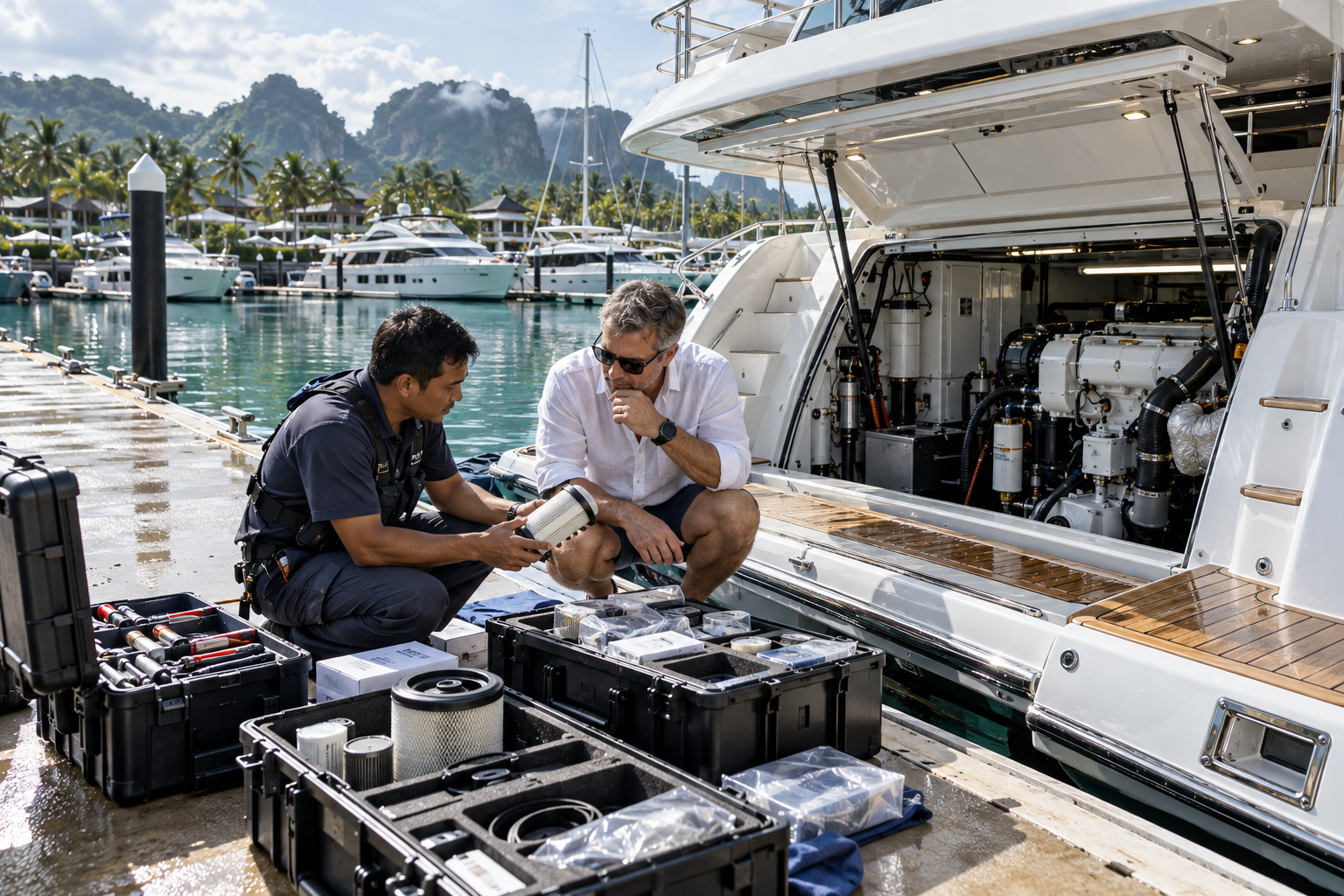
Hong Kong has no shortage of water, sheltered coves or yacht clubs. The harder question is what kind of berth a modern owner can actually obtain, and what support comes with it. Government plans now point to hundreds of additional spaces at Aberdeen, the former Lamma Quarry and Hung Hom, alongside a much larger Airport Bay proposal. These are significant ambitions, but capacity alone will not solve the daily frictions of access, maintenance, crew logistics and cross-border movement. We examine what is proposed, what already exists in Aberdeen and Sai Kung, and how to judge whether new marina capacity will make Hong Kong easier to use as a home port.
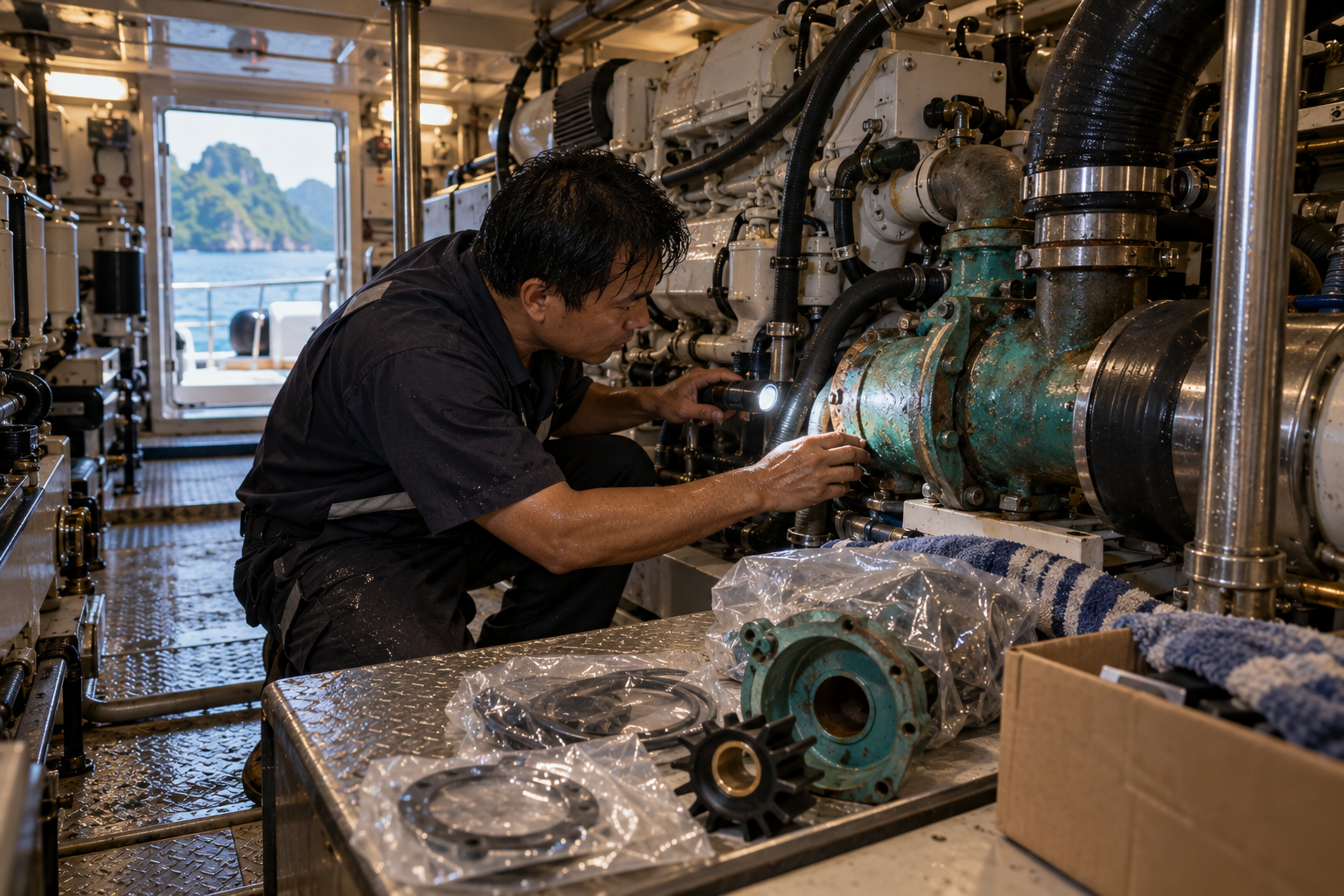
The first mistake in discussing Hong Kong yacht berths is to count every place where a boat can be tied up as if each solved the same problem. A sheltered mooring in Sai Kung, a finger berth in Aberdeen, a government typhoon-shelter space and a deep-water berth for a large visiting yacht may all appear in a capacity figure. They do not offer the same access, security, shore services or operating pattern. For owners, the useful question is not simply how many berths the city will add.
It is what boats those berths will accommodate, who may use them, and what happens after the lines are made fast.
Hong Kong is an unusually compelling place to own a boat. A dense urban population sits beside a jagged coast, a large number of islands and sheltered inshore waters. Yet the benefits of that geography do not automatically translate into straightforward marina access. The existing mix grew over decades, through yacht clubs, private marinas, typhoon shelters and moorings rather than through a single, planned network of public facilities.
The result is a capable but uneven system: well-established boating communities in Aberdeen and Sai Kung, formal marinas with limited visitor availability, and public mooring options that are not equivalent to a full-service berth.
The government’s 2025 Policy Address gives the debate a scale it previously lacked. It proposed about 600 additional yacht berths at the former Lamma Quarry, the Aberdeen Typhoon Shelter expansion and the Hung Hom waterfront, and more than 500 further berths at Airport City’s proposed Yacht Bay, including capacity for superyachts over 80 metres.
The policy also refers to relaxing arrangements for visiting yachts and developing a monitoring system so visiting boats can anchor in designated waters without reserving a private-club berth. Those are connected proposals: more places to stop are useful only if a visiting vessel can get permission to use them and move safely between them.
The numbers are not all at the same stage. The airport proposal is an ambition associated with SKYTOPIA and Airport City, not a functioning marina. In April 2026, the Airport Authority invited expressions of interest for a Yacht Bay described as having more than 500 berths, with space for yachts up to 100 metres. That is an important step towards testing market interest, but it is not a delivery date, an operating plan or a guarantee of the services a visiting yacht will find there.
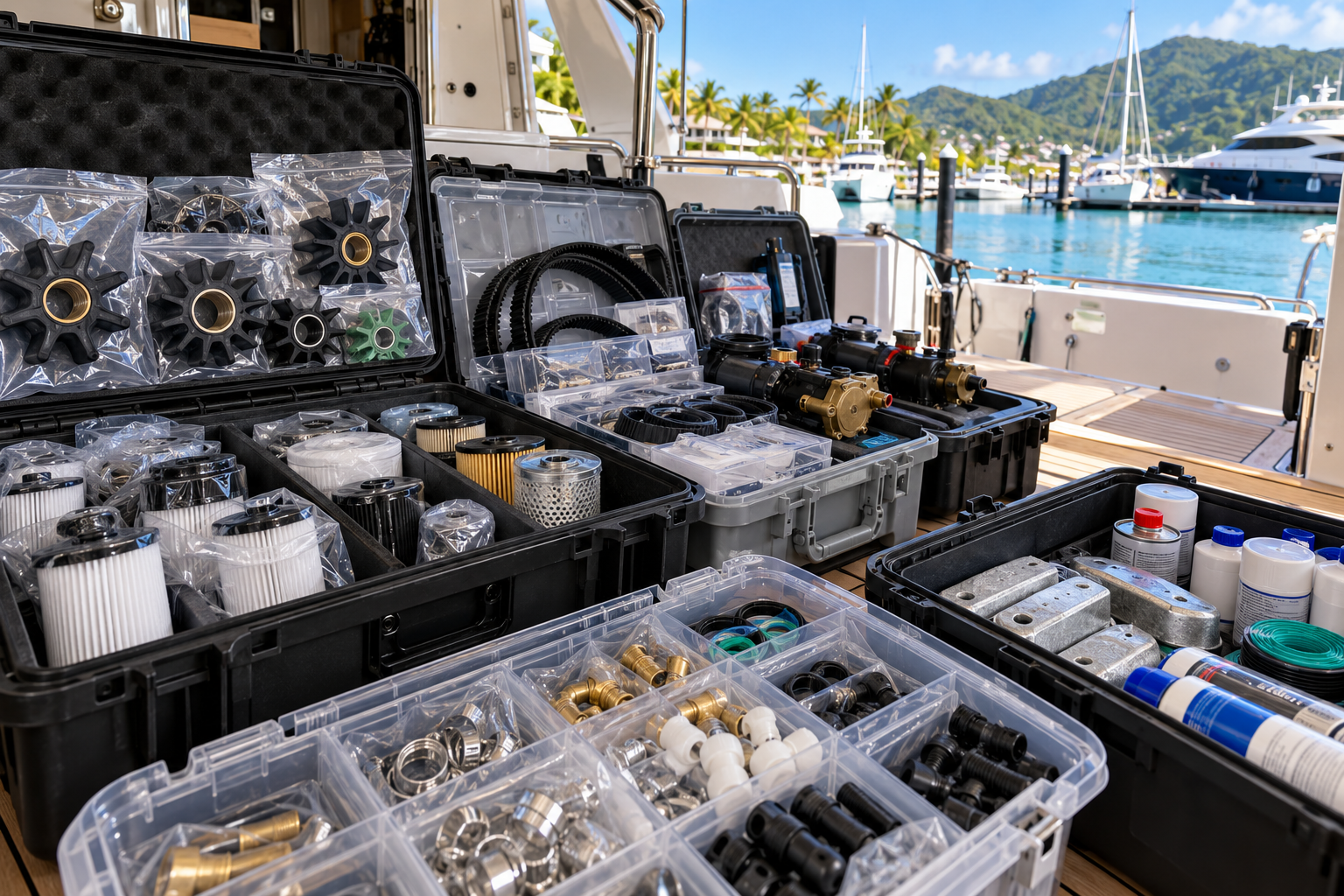
Owners looking at Hong Kong in the near term should distinguish a policy announcement, a tender process, construction and an open berth. These are different milestones.
Aberdeen is further along in the public process, though it too remains a project rather than a place to book. In January 2025, the Development Bureau sought market expressions of interest for a marina in the expansion area of Aberdeen Typhoon Shelter. Eight submissions were received. By September 2026, the government’s Invigorating Island South programme described an indicative scheme of about 200 yacht berths with landside facilities and said statutory procedures had begun.
The feasibility study commissioned in late 2025 was intended to firm up parameters, with a target of tendering the land in the first half of 2027. That timetable leaves scope for design, planning and procurement to change.
The proposal sits in a working maritime district, not on a blank waterfront. Aberdeen’s identity still includes fishing vessels, repair businesses, boatyards, service craft, club operations and a dense network of small marine trades. A new marina may bring facilities and visitor traffic, but its success should also be judged by how it connects to that existing expertise.
The government itself has recognised in policy discussions that building a yacht industry chain involves more than providing berths: registration, crew licensing, immigration, repair and ancillary support cross the responsibilities of different departments. That is the difficult part of the project. A polished clubhouse is visible; the operational system that lets a yacht obtain parts, schedule a technician and clear a passage is less so.
Aberdeen already has established boating infrastructure. The Aberdeen Marina Club advertises a fully enclosed dry-berth facility for speedboats up to 3.8 tonnes, while the Aberdeen Boat Club advises visiting skippers that its visitor berthing is limited and cannot be guaranteed. That contrast is telling. Facilities can be excellent for a defined class of craft or a membership community while remaining of little practical use to a larger yacht seeking a short stay, a repair slot or an accessible berth.
A published capacity figure should therefore be accompanied by the vessel length, beam, draft and displacement it can accept, plus restrictions on visitor access and duration.
Sai Kung presents a different proposition. Its sheltered bays and island approaches make it an attractive base for owners whose boating is mainly recreational and local. Hebe Haven and the wider Sai Kung area are part of a boating culture built around clubs, moorings and practical access to the eastern New Territories. The experience is not interchangeable with a city-centre marina or a superyacht facility.
A boat kept on a mooring may enjoy excellent cruising access but require a tender, careful planning for crew and stores, and a different approach to maintenance. A marina berth can improve shore access and services, but availability, size limits and membership rules matter. The owner choosing Sai Kung should ask whether the boat’s use is mostly weekend coastal cruising or whether the brief includes international arrivals, professional crew and frequent technical work.
Greater Bay Area plans add a further dimension. The 2025 policy explicitly mentions cooperation with Guangdong on yacht movements between Hong Kong and the mainland, including northbound and southbound travel. That language points to a regional market, but the practical experience will depend on clear procedures at the border, accepted documents, reporting requirements, and the locations where a foreign or Hong Kong-registered yacht may embark, disembark or remain.
A berth on one side of the boundary is not a substitute for reliable cross-border operating rules. Owners should look for published details on vessel eligibility, passenger and crew procedures, customs, immigration, insurance and advance notice before treating the Bay as an effortless extension of their cruising ground.
This is where the proposal for a Dynamic Yacht Monitoring System could matter. The Policy Address describes a system intended to allow visiting yachts to anchor in designated waters and navigate in an orderly and safe way without first reserving a berth at a private club or pier. For a city that can offer more anchorages than conventional marinas, monitored anchoring could relieve pressure on scarce berths and make short visits more practical.
But the system’s value depends on transparent designation of anchorages, real-time information, reliable communications, understandable limits and a route for dealing with emergencies. The skipper needs to know where anchoring is allowed, how long the vessel may remain, whether shore access is available and what reporting is required. A digital interface cannot compensate for vague rules or unmarked ground.
The physical conditions matter as much as the paperwork. Hong Kong’s sheltered waters are busy. Commercial traffic, ferries, fishing craft, local recreational boats and typhoon-shelter activity all share a compact environment. A marina plan must fit navigable approaches, turning room, depth, wind exposure and emergency access. It must also manage the realities of typhoon season.
Owners will want to know whether a berth is designed for ordinary use only, whether the operator provides a storm plan, and what shelter or relocation arrangement is expected when a warning is issued. Typhoon shelters are part of Hong Kong’s maritime infrastructure precisely because the weather can make a conventional marina berth an inadequate answer.
For larger yachts, the service question starts before the engine room. A 30-metre vessel needs more than a sufficiently long finger. It needs suitable depth, shore power of the right capacity, fuel access, waste handling, security, crew transport and a dependable route to technical support. For a much larger yacht, the list expands to include heavy-lift capability, haul-out options, specialist trades and the ability to move equipment and spares through the port.
Airport Bay’s proposed 100-metre capability would be a major statement if delivered, but a long berth does not automatically create a superyacht service cluster. The most useful planning information will explain which work can be done locally, which work requires a nearby yard and which services must be brought in from elsewhere.
Refit support is the point at which Hong Kong’s wider marine economy deserves closer attention. The policy discussion about building an industry chain recognises the issue, but berthing projects and industrial policy need to meet in practice. A yacht owner should ask whether the marina operator will permit independent contractors, where technicians can work, how access passes are arranged, whether crane or travel-lift capacity exists nearby, and whether spare parts can be imported promptly.
There is a difference between a maintenance call, a routine lift and a refit involving structural, electrical or propulsion work. If a new marina pushes out or isolates existing trades, its net contribution to ownership may be smaller than the berth count suggests.
A further practical concern is the division between public and private capacity. A new market-led marina may be planned as a commercial development, with a particular mix of yacht sizes and facilities. It may not provide affordable access for ordinary local owners or offer a meaningful number of transient berths. Public moorings can serve a different group but may not provide the security and convenience of a marina.
The policy aim of supporting yacht tourism may favour larger visiting boats and short stays; the needs of local owners who want a stable home berth are not identical. Transparent rules on eligibility, pricing, waiting lists and visitor allocation would help owners understand who is expected to benefit.
It is worth looking carefully at the landside plan, too. Aberdeen’s indicative development includes supporting facilities and residential elements. Development can bring useful waterfront access, but it can also create pressure on the working area and on the people who already maintain boats there. A marina that is physically attractive but awkward to reach by road, taxi or public transport can complicate crew changes and provisioning.
A facility that brings visitors but has no practical service access may look successful on a weekend and frustrate an owner on Monday morning. Owners should ask where crew can park or stay, whether stores can be delivered to the boat and whether access is controlled at all hours.
Prospective buyers should be more specific than “Is there a berth?” Ask for the maximum length overall, beam and draft; the permitted vessel type; the number of visitor spaces; the waitlist policy; and whether short stays can be booked by non-members. Ask about shore-power voltage and current, water, fuel, sewage pump-out and waste disposal. Confirm the operator’s typhoon procedure and any requirements to move the boat.
If the boat is to be kept on a mooring, establish how tender access works, where the tender is kept and whether crew can reach the vessel safely in poor weather. For boats requiring regular mechanical work, ask whether the marina allows outside contractors and where haul-out is available.
A visiting owner should make a different checklist. Confirm the arrival procedure before departure, rather than relying on an old cruising note or an informal assurance. Check whether a berth is actually reserved, whether immigration and customs arrangements apply to the vessel’s status, and whether crew changes are permitted. If using a designated anchorage, obtain the coordinates and any monitoring or reporting requirements. Build in time to move if the chosen location is exposed or becomes busy.
The existence of a government plan to make visiting-yacht access easier is encouraging, but skippers should use only current official instructions when operating.
There is a tempting conclusion that Hong Kong simply needs more berths. It does need capacity, especially if policy aims to attract larger visiting yachts and grow marine tourism. But the measure of success will be less photogenic: a boat that can enter without procedural confusion, find a suitable place to stop, obtain support when something breaks, and continue on its passage without unnecessary friction.
Aberdeen can become a useful extension of a working boating district if the design respects local marine trades and prioritises real operational access. Airport Bay could create an entirely new gateway if berthing scale is matched by service depth and practical links. Sai Kung will remain valuable for a different kind of boating, provided the city sees moorings and club facilities as part of a diversified network rather than a substitute for larger-boat provision.
The next few years will turn policy figures into tenders, environmental and planning processes, design choices and operating rules. Owners should follow those stages closely. The useful question at each announcement is not how impressive the number looks, but what boat it accommodates and what the skipper can do once alongside. Hong Kong’s coastline has never been the limiting factor. The challenge is to make its scattered strengths work as one dependable system.
Contributor: Paul Thompson / 24MotorYachts
Be the first reader to react to this article.
A boat show is useful only when you leave with sharper questions than the ones you brought. The 2026 Singapore Yachting Festival at ONE°15 Marina Sentosa Cove gathered international builders, regional dealers, service firms and a spread of boats afloat and ashore. For a prospective owner, its value lay in comparing how a yacht is built and supported for use across very different cruising grounds, from Singapore’s tight marina environment to longer passages around Indonesia and Thailand. This guide sets out a practical route through the show’s main buying decisions: hull and layout, machinery, dealer reach, maintenance access and the less glamorous question of who answers the phone after delivery.
At a yacht show, the easiest mistake is to start with the largest boat. It attracts the eye, collects a crowd and often has the most persuasive finish. Yet a buyer who begins there can spend an afternoon looking at beautiful interiors without discovering whether the boat fits the way they will actually cruise. The Singapore Yachting Festival rewards a more deliberate route: decide first what sort of use you have in mind, then examine the boats and the businesses around them through that lens.
The 2026 edition ran from 23 to 26 April at ONE°15 Marina Sentosa Cove. The organiser described it as the festival’s fourth edition and announced an expanded programme alongside the on-water display, including sea trials, water-toy demonstrations, talks and a new Spotlight Zone. Its exhibitor directory listed 71 results across builders, dealers, yacht managers, parts suppliers, marina businesses and service providers. That mix matters.
In a regional market, the person selling a yacht is only one link in the ownership chain. The boat may be assembled in Europe, sold through a regional dealer, serviced in Singapore and cruised somewhere with no nearby authorised workshop.
Before arriving, use the official yacht and exhibitor directories to identify the specific boats you want to inspect. Check whether each is on the water or ashore, and whether a viewing can be booked. The event’s published opening times ran from 3pm to 9pm on Thursday, Friday and Saturday and from 3pm to 8pm on Sunday. Those afternoon and evening hours create a pleasant visit, but not unlimited time. Build a route around a few serious comparisons rather than trying to board everything.
Leave room for conversations with the dealer and technical people who will be available on land.
The first stop should be the boat that most closely resembles your intended use, not necessarily your preferred brand. If you expect day trips from Singapore, a compact motor yacht with a straightforward boarding arrangement, shade, a usable galley and sensible storage may be a better benchmark than a large flybridge. If you want to cruise for a week, look at tankage, sleeping arrangements, refrigeration, freshwater capacity and access to machinery.
If longer passages are likely, ask about range at a realistic cruising speed, fuel reserve, redundancy and the conditions assumed in the builder’s figures. Boats that appear close in length can serve very different routines.
Walk the boat in the order you would use it. Start at the transom. Is boarding easy from a floating pontoon and from a tender? Is there a proper place to stow a passerelle or boarding ladder? Can children or less mobile guests get aboard without being lifted? Follow the route from cockpit to saloon and from saloon to cabins. Look for awkward steps, low headroom, doors that clash and routes that require guests to pass through private spaces.
The brochure photographs often make these transitions disappear; a physical viewing reveals whether the layout works with people moving around.
Then inspect the machinery access. Ask the representative to show you how routine checks are made. Can the owner or engineer reach sea strainers, belts, filters and fluid reservoirs without dismantling half the interior? Is the engine room lit, ventilated and arranged for safe movement? Are bilge areas visible? Where are batteries, inverters and electrical distribution? What can be isolated if a fault occurs?
It is not necessary to judge every engineering detail on the dock, but a boat that makes basic inspection difficult will make ownership more dependent on specialists and more costly in time.
The tropical environment changes the questions. Heat and humidity are hard on air-conditioning systems, electronics, soft furnishings and batteries. Salt exposure is persistent. Ask how the builder has treated ventilation, drainage, external fastenings and access to cooling systems. Does the air-conditioning plant have appropriate capacity for the climate and the intended use? How are condensate drains routed? Can filters be cleaned without dismantling cabinetry?
What corrosion-prevention measures are specified, and which coatings or sacrificial anodes are standard? These are not abstract details for a future refit. They shape comfort and reliability from the first season.
A show boat can make space seem generous because the cushions are unmarked and cupboards are empty. Open lockers. Check where lifejackets, fenders, lines, tools and spare parts will live. Ask what equipment is included in the quoted configuration and what is an option. Buyers should identify the tender, davit or bathing-platform arrangement early; the tender is often the most-used craft aboard and can consume valuable deck space. Examine the anchor-handling system, chain locker and windlass access.
In a region with many island anchorages, a workable ground tackle arrangement is more useful than another decorative feature.
Aboard each candidate, ask the same questions in the same order. What is the displacement in the configuration shown? What engines and gearboxes are fitted? What is the fuel capacity and what range does the builder claim at a stated load and speed? What is the generator output? What shore-power arrangements are offered? How many air-conditioning zones are fitted? Which navigation, communication and entertainment systems are standard? Ask for the options list and a fully specified delivered price.
A comparison made from brochures is only meaningful if each boat is configured for the same purpose.
The sea-trial opportunity needs discipline. The festival’s announcement said sea trials formed part of the programme, but a buyer should not assume every boat or every time slot will be available. Request a trial in advance and explain what you want to evaluate. If conditions permit, spend time at displacement speed, at the intended cruise setting and during manoeuvring. Listen for vibration and noise in the saloon and cabins. Check visibility from the helm, the responsiveness of controls and the view astern.
Ask the representative to demonstrate docking aids without allowing them to substitute for basic handling. A show trial is rarely a full survey, but it can expose questions worth taking further.
The next stop is the dealer’s stand. This is where a compelling yacht starts to become a support proposition. Ask which territories the dealer covers directly and which are handled by a partner. Request names and locations of authorised service points in the places you expect to cruise. Find out whether the dealer has factory-trained technicians, diagnostic equipment and access to current technical bulletins. Ask how warranty work is approved and whether the dealer can handle claims outside Singapore.
The phrase “regional support” is too broad to be useful until it is translated into a phone number, a workshop and an agreed response process.
The official exhibitor list included firms such as Boat Lagoon Yachting, Simpson Marine, DCH Marine and Asia Yachting alongside builders including Azimut, Beneteau, Ferretti Group, Leopard, Maritimo, Prestige, Saxdor, Sunreef and Sunseeker. This breadth lets buyers compare how representation works across brands, but a familiar logo does not guarantee equal service in every country. Ask whether the company is the authorised distributor for the exact model and territory.
Clarify who is responsible for commissioning, handover, warranty and later maintenance. If the boat is to be kept in another country, establish whether the local representative is authorised to work on it and whether the selling dealer will coordinate that relationship.
Do not assume that a marina or dealer directory reveals the actual reach of the service network. Ask about the practical limits: which jobs can be carried out at a local marina, which require a haul-out, and which need a technician flown in. Find out whether common service items are held in stock locally. If parts are imported, ask how the dealer handles customs and how long ordinary orders have taken.
For engine and generator servicing, check the local availability of technicians trained on the precise make and model. For complex electronics, confirm who can troubleshoot the integrated system rather than simply replace a display.
The service companies at a show deserve as much attention as the builders. The 2026 directory included yacht management, parts, coatings, marina and shipyard businesses. Buyers should speak with a manager who can explain what is included in an annual management arrangement, what is billed separately and where the team can work. A management company may coordinate crew, maintenance and paperwork, but it does not remove the need to understand the boat.
Ask how it records maintenance, communicates defects and obtains approval for unexpected expenditure. If you plan to operate without full-time crew, ask what help is available for seasonal checks and storm preparation.
A yard conversation is essential for owners who expect to keep a yacht for several years. Ask which vessels the yard can haul, the maximum length and beam it can handle, and whether there are restrictions on draft or weight. Find out if it can lift the vessel with the installed stabilisers or appendages. Ask what kinds of paint, mechanical, electrical and interior work are undertaken in-house. A nearby yard may be able to handle routine maintenance but lack the capacity for major structural work.
That distinction can determine whether an otherwise appealing yacht is practical to own locally.
For a Singapore-based owner, the operating area should shape the equipment conversation. Local trips can mean frequent short runs, repeated docking and extended time at anchor. Longer cruising may involve open-water passages and limited shore support. Ask how the boat performs when heavily loaded with guests and stores, not just in its light delivery condition. Look at the placement of fuel and water tanks and the effect of consumption on trim.
Check whether the tender and toys can be carried without blocking access or overloading the stern. Consider whether the boat’s draft suits the destinations you plan to visit and whether its air draft matters for routes with bridges or overhead constraints.
Buyers should be candid about their own competence. A large yacht can be easy to handle with professional crew and demanding without them. Ask what crew complement the builder assumes for safe operation, and what licences or qualifications may be required in the intended jurisdiction. If the owner plans to drive the boat personally, test helm ergonomics, sight lines and docking procedures.
If professional crew will run it, check crew accommodation, access to working spaces and the separation of guest and service routes. A crewed yacht still needs an owner who understands the maintenance plan and can make informed decisions.
Paperwork is part of the product. Before signing, establish where the yacht will be registered, whether the intended use is private or charter, and which local rules apply. Ask the dealer for a clear list of documents supplied at delivery: builder’s certificate, manuals, warranties, engine records, equipment certificates and installation documentation. Confirm whether the quoted price includes delivery, commissioning, taxes, registration, safety equipment and training.
If the boat is to cross borders, make sure the proposed arrangement is consistent with customs and immigration requirements in the countries concerned. A show representative may not be qualified to give every legal answer, but should be able to identify the right specialist.
The most productive conversation at a show is often a request for a specific document. Ask to see the maintenance schedule, engine data sheet, wiring diagram, general arrangement, tank plan and options list. A serious seller should be able to explain what is available and when. If a model is new or a particular configuration is not on display, ask for drawings and delivery evidence for an equivalent boat. Clarify whether the boat is a production model, a one-off or a regional configuration.
Ask what changes are required for local shore power, communications or safety equipment.
A first visit should end with a shortlist, not a deposit. Write down what you liked, what was unclear and which promises need documentary confirmation. Take photographs of labels and access points only with permission. Record the names of the people responsible for sales, service and commissioning. After the show, ask each shortlisted dealer for an itemised quotation and a written support plan for the places you intend to cruise. Then compare the cost of the same equipment, not just the headline price.
The Singapore Yachting Festival is especially useful because it places boats and regional businesses in one marina setting. That makes it possible to move from an elegant saloon to a discussion about parts supply or yard capacity without treating ownership as an afterthought. Its 2026 exhibitors ranged from global builders to local management and technical firms, and the programme offered more than static viewing. The buyer’s task is to convert that concentration into evidence.
A boat may feel right under the show lights; a robust purchase decision rests on the particulars of use, service and delivery.
The right route through the festival is therefore a sequence of tests: how the boat works for your crew, how its machinery can be maintained, how its dealer supports it beyond Singapore, and how its paperwork matches your cruising plan. A premiere is worth seeing. A clear answer about who will help when a system fails on a remote island is worth remembering.
Contributor: Paul Thompson / 24MotorYachts
Be the first reader to react to this article.
Indonesia’s cruising appeal is inseparable from its scale: islands, long passages and a choice of gateways that can leave a yacht far from its next useful service point. For a foreign-flagged private motor yacht, the first decisions are administrative as well as navigational. The Vessel Declaration System has replaced the earlier CAIT process described in older cruising guides, and customs, immigration and harbour-master procedures each have a role. This feature follows a sensible passage plan from preparation through arrival, domestic cruising and final departure, showing where an owner should rely on official instructions, where a local agent can save time and why the paperwork aboard should match the route actually sailed.
Indonesia looks deceptively simple on a chart. The coastline is a string of names—Batam, Bali, Flores, Raja Ampat—but each name sits within a vast archipelago, and the distance between attractive anchorages can be measured in watches rather than leisurely afternoon runs. For a foreign-flagged private motor yacht, the passage plan begins before the first landfall.
The boat must be documented for temporary entry, the people aboard must meet immigration requirements, and the intended route has to be coherent enough for the authorities to process. A yacht can be a private pleasure craft and still face a formal arrival sequence.
Older online advice often refers to CAIT, the Clearance Approval for Indonesian Territory. That is no longer the system identified in current official guidance. Indonesia’s tourism portal says visiting yachts must obtain a sailing permit through YachtERS, the Yacht’s Electronic Registration System managed by the Directorate General of Customs and Excise.
It describes YachtERS as replacing the previous CAIT system and says that the online application covers a single entry for the yacht, passengers and crew listed in the documents, subject to immigration compliance. The Vessel Declaration System at vds.beacukai.go.id likewise describes itself as the electronic registration system for foreign yachts and cruise vessels visiting Indonesian waters.
The first job is to decide what sort of operation the vessel will undertake. The Indonesian tourism guidance describes foreign yachts as private, non-commercial craft; charter or other commercial activity raises a different set of questions and should not be assumed to fit the private-yacht pathway. Owners should also confirm whether the boat is eligible for temporary import under the rules that apply to its ownership and flag.
An Indonesian customs explanation defines a foreign tourist yacht as a foreign-flagged vessel used by tourists for their own travel or racing and only for non-commercial activity. That definition is a useful boundary. If the intended trip includes paid guests, charter, work or commercial filming, seek specialist advice before applying under a private-yacht procedure.
Treat the online application as the start of a document check, not an administrative box to tick at the last minute. The tourism portal lists vessel registration papers and related documents, names and passport details for all passengers, names and passport details for crew, planned international clearance ports, the planned route in Indonesian waters and vessel insurance among the required material.
Owners should compare that list with the YachtERS portal and any current instructions from Indonesian Customs, because online requirements and forms can be revised. Scan documents in a format that is legible, retain copies offline aboard and make sure the names, passport numbers, vessel particulars and dates agree across the application, registration and crew list.
The route needs particular care. A proposed itinerary is not a decorative field to be completed with a string of famous destinations. It tells officials where the yacht expects to move and which port will handle its international entry and exit. A passage from Batam to Bali and onwards into eastern Indonesia is a different operational proposition from a short visit in one cruising area. Be realistic about distances, weather windows, fuel, crew endurance and the location of support.
If the itinerary changes materially, ask the relevant customs and harbour authorities or your agent what notification is required. Do not rely on the assumption that an electronic registration automatically permits every possible movement or activity.
Choose the entry gateway for its administrative capacity as well as its position on the chart. Indonesia’s tourism portal identifies designated entry and exit ports that can handle customs clearance for temporary yacht imports. The page refers to a published list and should be consulted directly before sailing; not every port with a useful anchorage or marina is necessarily equipped to process the same formalities. A yacht approaching from Singapore may find Batam a logical first port.
A vessel arriving from the Indian Ocean may consider a western or southern gateway, while Bali is an obvious destination but should not be assumed to offer the right arrival procedure for every vessel and date. Confirm the current designation and operating details rather than relying on an old itinerary or forum post.
A local agent can be useful, but appoint one with a defined scope. Ask whether the agent handles customs, immigration and harbour-master coordination or only one part of the arrival. Confirm what documents they need, when they need them, what charges are official and what fees are service charges. Request a written estimate and a contact for the port office.
A competent agent can help interpret local practice and coordinate officials whose offices may not be in one place; the agent cannot make a yacht compliant or guarantee a particular decision. The captain remains responsible for the information supplied and for following the instructions issued by the authorities.
The preparation window should leave time to correct errors. Passport validity is a simple example: the tourism portal says passports should be valid for more than six months from the date of entry. Visa eligibility depends on nationality and current rules; do not assume the vessel permit grants permission for every person to remain in the country.
The same portal identifies a journalist visa for foreign citizens undertaking media coverage or filming and says it must be obtained before arrival through an Indonesian embassy or consulate. A private cruising visit and a professional media assignment are not the same purpose. If filming, commercial photography or reporting is part of the plan, verify the correct visa and any other permits well in advance.
Before departure, assemble a vessel file that can be produced quickly. It should include the yacht’s registration, proof of ownership or authority to use the vessel, insurance, crew and passenger lists, passport copies, visas or relevant immigration details, the YachtERS application and approval, planned route and contact details for the arrival agent. Keep the originals secure and make working copies accessible to the captain and whoever handles clearance.
If crew will join or leave en route, clarify how changes to the manifest are handled before they happen. A name mismatch or an undeclared person can create avoidable delays at precisely the point when the crew is tired and the boat needs to be secured.
On arrival, follow the nominated port procedure. The official recommendations for foreign yachts instruct vessels to anchor or moor at the nominated port of entry stated on the Vessel Declaration after registering online. Customs, immigration and quarantine or health procedures may apply according to current rules and the vessel’s circumstances.
The older official foreign-yachter guidance explains the sequence in which a stamped Vessel Declaration, customs clearance certificate and immigration-signed crew list are presented to the harbour master. It also describes the yacht as free to move through Indonesia after that procedure, with further reporting to customs at the entry port by email every six months during a stay of up to three years.
Because that recommendation document is dated, treat it as procedural background and confirm the current rule and reporting interval directly before relying on it.
That qualification matters. The YachtERS system has been introduced to simplify administration, but an official web page can retain older language or link to older supporting documents. There is no virtue in pretending that a legacy PDF is necessarily current.
Ask the port agent and relevant authorities to confirm exactly what is required at your chosen port: which offices must be visited, whether the yacht must remain at a designated anchorage, whether officials board, what documents are stamped, and what the captain must retain. Keep a dated record of those confirmations. A printed clearance document remains useful even in an electronic process, especially where mobile coverage or portal access is unreliable.
Once cleared, the cruising problem changes from international arrival to domestic passage planning. The official foreign-yachter recommendations say a yacht that has completed the procedure can move about Indonesia without reporting to another harbour master until ready to exit permanently, but also refer to periodic customs reporting during a stay. Those are important claims, and their application should be verified for the actual permit, vessel and route.
Do not confuse a freedom to cruise between domestic anchorages with a right to carry out commercial operations or to ignore local port, conservation or safety requirements. Local rules may apply in protected waters, ports and special administrative areas.
A captain should carry proof of the vessel’s cleared status and a current crew list. Keep a movement log with dates, anchorages, fuel stops and any official communications. It is not bureaucratic theatre: it helps answer questions after a crew change, a weather diversion or a technical delay. For a large motor yacht, the log should also support the passage plan. Distances, fuel range, current, weather, draft and access to a suitable anchorage can differ sharply from one island group to another.
A convenient map distance may hide a passage that crosses exposed water or lacks a reliable shelter option.
The domestic itinerary should include a realistic support plan. Decide where fuel of the required grade is available, whether delivery is by truck or barge, and how the vessel can pay. Check where engine and generator technicians operate and whether they can support the exact equipment aboard. Ask about haul-out capacity if the yacht may need a lift. A marina may be a useful place to provision or arrange a crew change without being able to perform major maintenance.
In the more remote cruising areas, the boat’s own spares and the captain’s ability to diagnose faults become more significant. The paper permit gets the yacht into the country; self-sufficiency gets it through the itinerary.
A private yacht also needs to think carefully about its guests. The permit and immigration status of the people aboard are related but distinct. Before a guest flies in to join the boat, check visa and entry requirements, whether a crew or passenger manifest update is necessary, and whether arrival by air and departure by yacht are allowed for that traveller’s circumstances. Do not promise a convenient island rendezvous until the immigration route has been checked.
The same applies to crew employment status and work permission. An onboard role can carry different obligations from tourism, even if the person is joining a private vessel.
The distinction between an international port and a domestic stop is equally important when leaving. Plan the final international clearance in advance and allow time to complete the exit process. The tourism portal describes the yacht as being exported following the last international clearance from an Indonesian port or marina.
Confirm that the selected exit point is authorised for yacht customs procedures, that the agent knows the vessel and its current documents, and that the crew’s onward travel arrangements align with the clearance. Avoid making a last-minute assumption that a marina can clear a yacht simply because it regularly receives foreign boats.
A change of plan can happen for good reasons. Weather, mechanical failure, illness or an unexpected delay may take a yacht away from its declared route. Record the reason, location and communications, and seek guidance from the relevant authorities or agent at the earliest practical opportunity. Maintain an emergency contact list ashore and ensure the captain can reach it without data service. If there is a serious medical or safety issue, deal with the immediate risk first, then make the required notifications.
A well-kept file and clear, prompt communication will be more useful than trying to reconstruct movements weeks later.
Owners often underestimate the time customs and immigration can absorb because the paperwork appears modest. The physical document list is not long, but it touches ownership, tax, travel permission, crew status and intended use. Where the application is incomplete, an otherwise straightforward arrival can become an unplanned stay.
The solution is not to file earlier than necessary without checking current instructions; it is to work from the current official system, set a document deadline and have the agent review a complete draft. Retain evidence of submission and any approval. Confirm that the permit details correspond to the vessel and itinerary on the day of departure.
There is a broader lesson in Indonesia’s shift from CAIT to YachtERS. Cruising advice ages quickly when a process changes name, platform or administering authority. Search results may still surface a former system, while a marina’s old guide may describe a sequence that no longer applies. The skipper should date every procedural note and trace it back to the agency responsible. The official tourism portal is a useful gateway, but the customs system and port instructions are the operational references.
Where they do not agree, ask for written clarification before setting out.
The island-hopping itself should remain the purpose of the passage. Yet paperwork is part of seamanship in a country where the yacht enters a sovereign territory through designated points and then travels across a large, diverse archipelago. A responsible captain treats clearance like fuel planning: prepared before departure, checked against actual conditions and updated when the plan changes.
Enter through an authorised port, present consistent documents, keep the status of the vessel and people aboard clear, and plan an exit before the final leg. That discipline leaves more attention for the sea room, weather and islands ahead.
Contributor: Paul Thompson / 24MotorYachts
Be the first reader to react to this article.
On the Tonlé Sap, a chart describes only part of the journey. The river that links Cambodia’s great lake with the Mekong reverses its direction with the flood pulse, swelling the lake and carrying water, fish and boats into a vast seasonal landscape. That movement determines when floating communities sit beside navigable channels and when a route becomes a shallow-water problem. A motor yacht can visit the region, but the most rewarding passage is likely to be made in a modest, shallow-draught craft with local guidance. We examine the river’s seasonal logic, the practical limits for larger yachts and how a visit can respect a working waterway rather than turn it into a spectacle.
A river that changes direction is not a curiosity for the people who live beside it. It is a timetable, a route to school, a fishing ground and the difference between a houseboat afloat beside its neighbours and one resting on a muddy bank. For a visiting motor-yacht owner, the Tonlé Sap’s reversal is the feature that makes the journey possible—and the reason that planning by a fixed calendar or an old chart can go wrong.
The Tonlé Sap River connects the Mekong at Phnom Penh with the Tonlé Sap Lake to the north-west. During the flood season, rising Mekong levels push water back up the river and into the lake. In the dry season, as the Mekong falls, lake water drains south towards the Mekong. The Mekong River Commission describes this reverse flow as a defining seasonal phenomenon and notes that it allows the lake to expand several times beyond its dry-season size. The exact timing and strength vary.
Rainfall across the basin, tributary inflows, upstream conditions and water management all influence the flood pulse.
For a boat, the consequence is immediate. The navigable channel changes its depth and relationship to the surrounding floodplain over the year. A village that is reached by water in one season may sit beside a much narrower channel months later; a route across open water may become a passage through flooded trees. On the lake, large expanses of seasonal inundation do not mean deep water everywhere. The apparent scale of the wet-season lake can tempt a visitor into assuming that any vessel can go anywhere.
The safer assumption is that charted channel, current depth, local advice and the boat’s draft all matter more than a dramatic horizon.
A large motor yacht is not automatically suited to the Tonlé Sap. The lake and river have shallow sections, shifting margins, floating vegetation, fishing gear, timber structures and traffic that includes local passenger and work boats. A deep-draft yacht may be limited to the main channel and suitable established berths, and even there it needs current local information.
The more plausible visiting craft is a shallow-draft motor cruiser or a local boat hired for the lake section, with the yacht remaining at a suitable base elsewhere. That arrangement may feel less grand than bringing the mothership to a village landing, but it is likely to be more practical and far less intrusive.
There is no single answer to the question of which months are best. The Mekong River Commission’s historic descriptions place the rising phase around mid-year, with high lake levels commonly reached in the later wet season, then a reversal back towards the Mekong as levels fall. But year-to-year variability is real. In some years, the reverse flow starts later or is weaker than customary. A skipper should not treat “wet season” as a guarantee of a particular depth or direction on a given date.
Before committing to a trip, check recent water-level observations and river conditions through the Mekong River Commission’s monitoring resources, then confirm the actual route with local operators at the departure point.
The usual visitor gateways are not interchangeable. Siem Reap is the best-known starting point for trips to villages such as Chong Kneas, but the lake landing and route can be affected by water level and seasonal conditions. Other communities around the lake, including Kampong Khleang and Kampong Phluk, offer a different relationship to the water and distance from town. Their transport arrangements and accessibility vary.
From the southern side, Kampong Chhnang and other river towns connect to parts of the lake system through working channels. A visitor should choose the route for the community and operating conditions, not simply the most familiar name in a hotel brochure.
For a yacht owner, there is a preliminary question that is often skipped: where can the boat lie safely while the visit is made? A deep-water berth on a navigable river is not equivalent to a landing in a floating village. A vessel needs an appropriate anchorage or dock with sufficient depth, turning room and a way to secure safely against current and changing water. It may be more sensible to travel overland to a local embarkation point and take a locally operated boat from there.
If the yacht is based downstream on the Mekong or at a suitable marina, plan the village visit as an excursion rather than a continuous passage on the same vessel.
A local boat is often the best way to understand the place. Its driver knows the approach, the channels, the places where boats pass and the village’s working rhythm. That knowledge is not a tourist extra. It is part of safe navigation in a living settlement where floating homes, fish cages, school boats, supply craft and passenger boats use the same water. A visiting yacht crew should not assume that a GPS track recorded in a previous season is adequate.
Even where a marked route exists, local advice can tell you whether water has fallen, a channel is obstructed or a landing is in use.
The right time of day matters. Early morning may bring school traffic and deliveries; later hours can be busier with visitors. Ask the local operator when a visit will interfere least with residents. Keep speed low as a matter of both courtesy and wake management. A heavy yacht’s wake travels a long way and can rock smaller craft, disturb people on narrow platforms and strain mooring lines. Slow down well before reaching houses, fishing equipment and boats tied close together.
If the channel is too narrow to pass another vessel comfortably, wait rather than force a meeting.
The floating village should not be approached as a scenic prop. These are homes and workplaces, often with boats replacing roads. A family’s daily routine takes place on the same water a visitor hopes to photograph. Ask before taking pictures of people, especially children, and avoid photographing through open doors or windows. Do not step onto a home, shop or floating platform unless invited. Use designated visitor landings or locations agreed with the operator.
A guide who understands local etiquette can explain where a stop is welcome and where the boat should keep moving.
Commercial excursions can benefit communities, but the visitor should ask who receives the money and what the trip supports. Book a locally operated boat or a tour that identifies its local partners. Avoid offers that promise staged interactions with children or wildlife. Do not hand out sweets, money or gifts from the boat; such gestures can create awkward expectations and draw other children into the encounter. If you want to buy something, make a normal purchase through a shop or producer.
The point is to participate in a local economy on fair terms, not to create a spectacle around poverty or daily work.
The flood pulse is ecological as well as navigational. The rising water carries fish and nutrients into inundated habitats, while the receding lake returns water to the Mekong. The Mekong River Commission explains that the seasonal flow is important for basin ecosystems and livelihoods. The lake’s fisheries support communities across Cambodia, and the health of the floodplain is tied to the regularity of that seasonal exchange. The passage therefore asks for restraint from visiting boats.
Avoid disturbing fishing operations, keep clear of nets and fish traps, and do not buy wildlife or fish products that may be protected or unsustainably sourced.
For a private yacht, waste management needs particular attention. Do not discharge sewage, bilge contaminants or rubbish into the river or lake. Maintain onboard holding capacity, carry sealed waste ashore and ask the local operator what facilities are available. Fuel transfer should be managed carefully; a spill in a confined channel can travel quickly through a settlement. If operating a tender or local launch, make sure the engine is in good order and avoid excessive noise.
Residents are already exposed to the daily sound of motorised transport; a visitor can reduce its impact by keeping the engine speed down and limiting unnecessary runs.
The navigational character of the river is different from a tidal estuary. The title may invite a simple tidal analogy, but the defining movement is the seasonal reversal driven by the relative water levels of the Mekong and lake, not a daily tide. The river’s current and level change through the flood cycle. At Phnom Penh, where the rivers meet, the waterway is also used by commercial and passenger traffic.
A yacht approaching from the Mekong should understand local traffic patterns, comply with Cambodian port and navigation requirements and avoid assuming that the lake trip is a leisurely, low-risk diversion. The transit should be planned as a river passage with a proper lookout and current information.
A shallow-draft yacht still needs to think about propellers and intakes. Floating vegetation, suspended debris and sediment can clog cooling-water strainers or foul running gear. Before entering a less familiar channel, confirm the operating depth and the likely bottom type. Establish a conservative speed that allows time to react and does not force the boat onto a bank if the depth changes. Keep the anchor ready for an emergency but do not drop it among nets, gear or cables.
Carry tools and spares to clear an intake, and check the cooling system after passing through vegetation or a silty area.
The owner should also distinguish a lake excursion from a through-passage. A trip from Phnom Penh up the Tonlé Sap River to the lake may involve several days, variable current, traffic and changing water levels. A short visit from a lakeside town is a different undertaking. Before proposing a through-route, ask whether the yacht’s draft, air draft, fuel range and engine cooling suit the route; whether the vessel can obtain fuel and support en route; and what permissions or reporting are required.
A charter operator’s excursion boat may run a familiar route daily, but that does not prove that a large private yacht can make the same journey safely.
Hydrological forecasts and local judgement should work together. The Mekong River Commission publishes monitoring and navigation information, including water levels and river-condition resources. Its historic reports explain the seasonal pattern, but a report cannot replace an updated local sounding or the knowledge of a boat operator who has run the channel recently. In a planning file, note the date of every water-level observation. Confirm conditions again shortly before departure.
If the passage is dependent on the river being above a particular level, establish a conservative threshold and a fallback plan rather than pressing ahead because guests have arrived.
There is also an ethical question in where a boat lands. Villages are not obliged to provide a dock or welcome a yacht party. Use a recognised operator and agreed landing, keep groups small and avoid blocking the route used by residents. If no suitable public landing is available, remain aboard or visit another site rather than improvising a mooring against a house. A private yacht may have the means to travel farther than a tourist launch, but that does not give it a greater claim on local space.
The difference between observation and intrusion can be small. A quiet arrival at an agreed place, a short walk with a guide and a purchase from a local business may be welcome. A line of tenders clustering around homes, cameras aimed at families and engines left running can turn the same village into a set. The captain can influence this by briefing guests before the excursion: ask permission for portraits, keep noise low, follow the guide and respect a request to move on.
Such instructions are more effective before anyone steps ashore than after a resident has been inconvenienced.
If the trip is being arranged through a hotel or a yacht agent, ask for the boat operator’s name, the size of the launch, the route and the proposed landing. Ask whether the guide is local and whether the price includes any community or site fee. The answers help distinguish a straightforward transport service from an experience designed around staged stops. A sensible itinerary leaves time for the guide to explain how homes, schools and work sites move with the water.
It does not need to manufacture a dramatic encounter.
For the yacht itself, the safest plan may be deliberately modest: berth or anchor at an appropriate location outside the village area, transfer in a shallow-draft launch, spend a limited time ashore, then return before darkness. Keep an eye on the weather and river conditions, and leave flexibility for a delayed return. A tender used for the transfer should carry suitable lifejackets, communications, water and basic first aid.
If guests are travelling in a local boat, check that the operator has the appropriate safety equipment and that the load is within the vessel’s capacity.
The Tonlé Sap’s appeal is not merely that boats can reach floating houses. It is that a whole landscape changes with the Mekong’s pulse. The reverse flow links a river passage to a lake and a floodplain, and it shapes when and how communities move. That is a richer story than a postcard stop, but it demands more of the visitor. A yacht is useful here only if its skipper accepts the limits imposed by depth, season and local life.
Plan around current water levels, choose an appropriate craft, use local knowledge and land only where a visit is welcome. Those decisions make the trip safer. They also preserve the distinction that matters most on the Tonlé Sap: the waterway may be remarkable to a visitor, but for the people who live on it, it is first of all home.
Contributor: Paul Thompson / 24MotorYachts
Be the first reader to react to this article.
A coral restoration site can look deceptively simple from the helm: clear water, a buoy and room to stop. But the mooring is there because an anchor and chain can break fragile reef, and because repeated damage accumulates faster than natural recovery. Thailand’s rules are not identical at every island or marine park, so the skipper must check the local order and current site conditions rather than assume a buoy is optional or available. Using official Thai guidance and conservation work around Phuket and the Andaman coast, this feature explains how to choose a safe holding plan, pick up a mooring correctly and keep a yacht’s visit from undoing the work below.
The instruction is brief: use the mooring buoy. For a yacht skipper accustomed to choosing a patch of sand and lowering the hook, it can feel like a minor inconvenience. At a coral site in Thailand, though, that buoy represents a practical decision about what should be allowed to touch the bottom. A steel anchor can strike living coral, while its chain sweeps a much wider circle as the boat moves.
Repeating that movement through a season can damage a reef in minutes and leave a scar that persists long after the yacht has gone.
Thailand’s Department of Marine and Coastal Resources (DMCR) has issued a clear order for reef areas around Koh Tao, Ko Pha-ngan and Koh Samui: boats are prohibited from using anchors in coral areas, and mooring buoys must be used when accessing the sites. The same order prohibits disposal of rubbish, wastewater or other pollutants at sea. It is a specific rule for a named area, not a universal chart of every anchoring restriction in the country. That distinction is important.
A skipper should check the rules that apply to the exact island, marine park and season, and should not infer that a familiar practice elsewhere is permitted at a restoration site.
The Department of National Parks, Wildlife and Plant Conservation (DNP) manages Thailand’s national parks, while DMCR has a separate remit in marine and coastal resource protection. Park rules, local notices and conservation-site instructions can overlap. Seasonal closures may also apply to islands, beaches, reefs or water activities. The DNP’s announcements about closures, such as its published seasonal closure of the Similan and Surin islands in 2025, show why a chart or cruising guide can become out of date.
Before approaching a protected anchorage, check the current notice with the relevant park office or authority. A buoy on the chart does not guarantee that the site is open, and an open site does not necessarily permit every activity.
The ecological reason for the rule is straightforward, though the damage itself can be easy to underestimate. Coral is a living colony built by small animals that produce a hard skeleton. A falling anchor can break branches or overturn colonies. The chain then drags across the bottom as wind and current swing the vessel, grinding against coral and other organisms. A skipper may see only a brief cloud of sediment; below the surface, broken fragments can be displaced, shaded or smothered.
Reefs recover on biological timescales, not on the timetable of a yacht’s itinerary.
A mooring buoy transfers the holding load to a permanent system designed for repeated use, keeping the yacht’s anchor and chain clear of the reef. Thailand’s DMCR explains that mooring buoys are installed to prevent reef damage caused by anchoring and to organise vessel use in marine parks. Its materials also describe buoys as markers that help identify protected or managed areas.
The buoy is therefore both a piece of infrastructure and a signal: the skipper is expected to secure the boat in a designated way, not to choose a convenient patch of water and assume the bottom is bare.
The region around Phuket illustrates how restoration and visitor management meet. DMCR has reported restoration work and reef-development initiatives around Mai Thon Island, including monitoring of dome-shaped artificial reef structures placed off the island. Its account describes organisms attaching to the structures in early monitoring and further follow-up planned. Such projects are not instant replacements for mature natural reef.
Artificial structures can provide substrate and habitat, but their performance depends on location, materials, water conditions and ongoing monitoring. For a visiting skipper, the operational lesson is more immediate: restoration sites are being actively managed, and boat handling must support that work.
Do not read “coral restoration” as permission to approach a site closely for a better view. The restoration area may be marked for research, have restricted access or require a guide. Coral nurseries and artificial reef modules are vulnerable to contact from hulls, propellers, fins and dropped equipment. Keep the yacht outside marked boundaries and follow instructions from park staff or conservation operators. If the site is open to visitors, use the designated mooring or viewing arrangement.
Never tie to a research buoy or an unmarked float simply because it is within reach.
Before the trip, build anchoring restrictions into the passage plan. Identify each intended overnight stop, day anchorage and snorkelling site. For each, establish whether it lies within a national park, marine protected area or locally managed reef zone. Check whether anchoring is prohibited altogether, prohibited over coral only, limited to a designated sandy patch, or allowed only on a mooring. Confirm if the site is seasonally closed.
A cruising guide can help identify likely locations, but current official park information and notices take precedence. Ask the local agent or marina for the name and contact of the managing office if the status is not clear.
A skipper should carry the coordinates of approved moorings and boundaries in the plotter, but not rely on coordinates alone. Buoys can be moved, damaged or temporarily absent. The reef edge may not align neatly with a charted boundary, and a mooring field may have more than one type of buoy. Verify the colour, signage and permitted vessel size with local officials or the operator. If the buoy is missing or appears unsafe, do not improvise by dropping the anchor near the reef.
Leave the site and use an approved alternative, or contact the park authority for instructions.
Approaching a mooring is a close-quarters exercise. Reduce speed well before the buoy field and post a lookout at the bow. Observe wind, current and traffic, and allow room for boats already secured. Approach into the dominant wind or current when possible, keeping enough control to avoid a slow drift across a reef. The bow person should use a boat hook or pick-up line without leaning dangerously over the rail.
Secure the yacht to the designated pick-up arrangement, not to a pendant or float whose purpose is unclear. Avoid wrapping a line around a buoy fitting in a way that could damage it or prevent another vessel from using the mooring.
The yacht’s own gear needs preparation. Have a suitable line ready, and know the cleats and fairleads that can take the expected load. Use chafe protection where appropriate and ensure the line cannot foul a propeller or thruster. Keep hands clear of pinch points and do not ask a crew member to jump between the yacht and buoy. Once secured, check the boat’s swing, clearance from neighbouring vessels and the reef, and the effect of a wind shift.
If the mooring system is not rated for the vessel’s size or displacement, it is not suitable merely because the yacht can reach it.
That last point often gets missed. Mooring systems have load limits. A buoy intended for a small day boat may not be appropriate for a heavy motor yacht with a large windage profile. Ask the operator or park staff about the maximum vessel size and any restrictions on length, displacement or overnight use. The same yacht can impose very different loads depending on windage, current and exposure. A skipper should not occupy a small-craft mooring on the assumption that a heavy vessel will “only be there for a while”.
If the buoy is not rated for the boat, select another permitted location.
If there is no appropriate mooring, the skipper must know whether anchoring is allowed in a verified sandy area. In a jurisdiction or site where the rules permit this, use charts, local information and visual observation to identify a clear patch away from coral, seagrass and other sensitive habitat. Clear water can make coral heads visible, but visibility changes with sun angle, turbidity and depth.
A bow lookout can help, yet the person at the helm must retain control of the yacht and not rely on the guest in the water to guide an anchor drop. If safe identification is uncertain, do not anchor.
A “sand patch” is not an invitation to lower anchor without considering the chain. The anchor may land on sand while the chain sweeps into coral as the vessel swings. Scope, wind direction, current and neighbouring boats all affect the circle the gear will cover. A yacht can also drag from sand into reef if the holding is poor. Use an anchoring plan that keeps the entire ground tackle clear of sensitive bottom, with an anchor watch and a clear exit route.
Where local rules require a mooring, a sandy patch does not override them.
For larger yachts, the environmental footprint is not limited to the anchor. A bow thruster or stern thruster can stir sediment or drive a wash over shallow habitat. A propeller can strike coral if the vessel is too close to the reef. A tender can cause damage when its operator cuts across shallow water or beaches on fragile shore. Guests entering the water should not stand on coral or handle marine life.
Keep the yacht’s engines off once safely secured where conditions allow, and avoid repeated repositioning that sends prop wash over the bottom.
Waste handling is explicit in the DMCR order for the Gulf islands: no garbage, wastewater or other pollutants may be discharged at sea. The rule should shape onboard routines well before arrival. Hold sewage in tanks and use shore facilities where available. Keep food waste and packaging aboard, and secure rubbish so that it cannot blow overboard. Do not pump oily bilge water into a reef anchorage. If a tank is nearing capacity, adjust the itinerary to reach a proper disposal point.
A remote stop is not a disposal solution. The ecological and reputational cost of a visible discharge is far greater than the inconvenience of changing the plan.
Freshwater and cleaning products deserve attention too. Do not wash decks with chemicals where runoff flows directly into a reef. Avoid soaps and detergents in the sea, and contain oily residues during maintenance. If the yacht has a leak, spill or equipment failure, deal with it promptly and report it when required. A small amount of fuel or oil can spread across a sheltered bay, where it contacts coral and shoreline habitat. Carry absorbent materials and know where they are stored.
Crew should understand how to use them before the emergency occurs.
A restoration visit can be rewarding without requiring a dive. Ask the conservation group or park authority whether there is a viewing briefing, a permitted snorkelling area or a way to learn about monitoring. Use a qualified local guide if required. Do not collect broken coral, shells or other material. Avoid touching structures or moving equipment. If the site is closed for recovery, respect the closure even if the water appears calm and inviting.
These measures protect the site and give visitors a more accurate understanding of how restoration works: through monitoring, maintenance and the removal of repeated pressures, not through a single dramatic intervention.
The evidence behind mooring buoys is visible at the scale of an individual anchoring event. The Department’s guidance describes how anchors can strike and break coral, while chains can drag across reef as a boat moves. Avoiding that mechanical damage is a direct intervention. It does not solve warming seas, pollution from land or every cause of reef decline, but it prevents a preventable local impact.
For an owner, this is a rare case in which the useful action is also operationally convenient: a secure, correctly rated mooring can make departure easier and remove the risk of an anchor fouling on coral.
There is a maintenance question for conservation authorities as well. A buoy field is only effective if the moorings are correctly installed, inspected and repaired. DMCR has published information on the number and distribution of mooring buoys and describes their use in parts of the Andaman coast. That infrastructure is not uniform, and its condition can change. The skipper should report a damaged or drifting buoy to the managing office rather than treating it as an excuse to anchor.
Where a buoy is unavailable, the responsible decision may be to move to another site, even if that means abandoning a planned overnight stop.
The practical checklist for a skipper is simple to state, though it requires preparation. Confirm the current rule for each site; identify the authority responsible; check seasonal closures; verify mooring coordinates and load limits; brief the crew; carry a ready line and chafe protection; approach at low speed; secure without damaging the system; and keep all waste aboard until proper facilities are available. If the planned site is closed, the buoy is missing or the vessel is too large for the mooring, leave.
No view or overnight stop justifies an improvised solution that risks the reef.
Guests can help by understanding why the routine matters. Explain that the buoy is not simply a convenient hook but a way to keep anchor and chain off living habitat. Ask them to keep clear of coral when swimming, avoid standing on the bottom and follow the guide’s instructions. Make waste and freshwater rules part of the briefing. These are not ceremonial reminders.
Visitors often follow the tone set by the owner and crew; a boat that treats conservation as a normal operating practice makes it easier for guests to do the same.
Thailand’s coastline offers a range of anchorages, from busy bays to remote park waters, and regulations differ between them. A responsible skipper does not transfer a rule from Koh Tao to Phuket or infer that a buoy in one bay defines the rules in another. Local rules should be checked where the yacht will actually stop. The broad principle, however, is consistent: in a coral area, the yacht’s ground tackle must not be allowed to damage the reef.
Where the authority provides a mooring, use it only if it suits the vessel and is in service. Where it does not, find out what alternatives are permitted.
A mooring buoy makes a skipper’s decision visible. It signals that the anchoring plan has been designed around a place that cannot simply be repaired after every careless visit. The act of picking it up is small, but it changes how the yacht sits in the water and what its chain can reach. That is the point of the system: visitors can still come, provided their boats occupy the site on terms the reef can bear.
Contributor: Paul Thompson / 24MotorYachts
Be the first reader to react to this article.
A second test advert so the classified page can be checked with the standard four advert layout.
+44 0000 000000 / info@1uk.com / 24boatbuilders.gold@24group.uk

A compact test advert for yacht tenders, water toys and marina-side services.
+44 0000 000000 / info@1uk.com / 24boatbuilders.gold@24group.uk

sadfsafdsadvere ergew wergew rg
+44 0000 000000 / info@1uk.com / https://1uk.com

Test classified advert for the forthcoming issue layout. Includes image, company details and contact information.
+44 0000 000000 / info@1uk.com / https://1uk.com
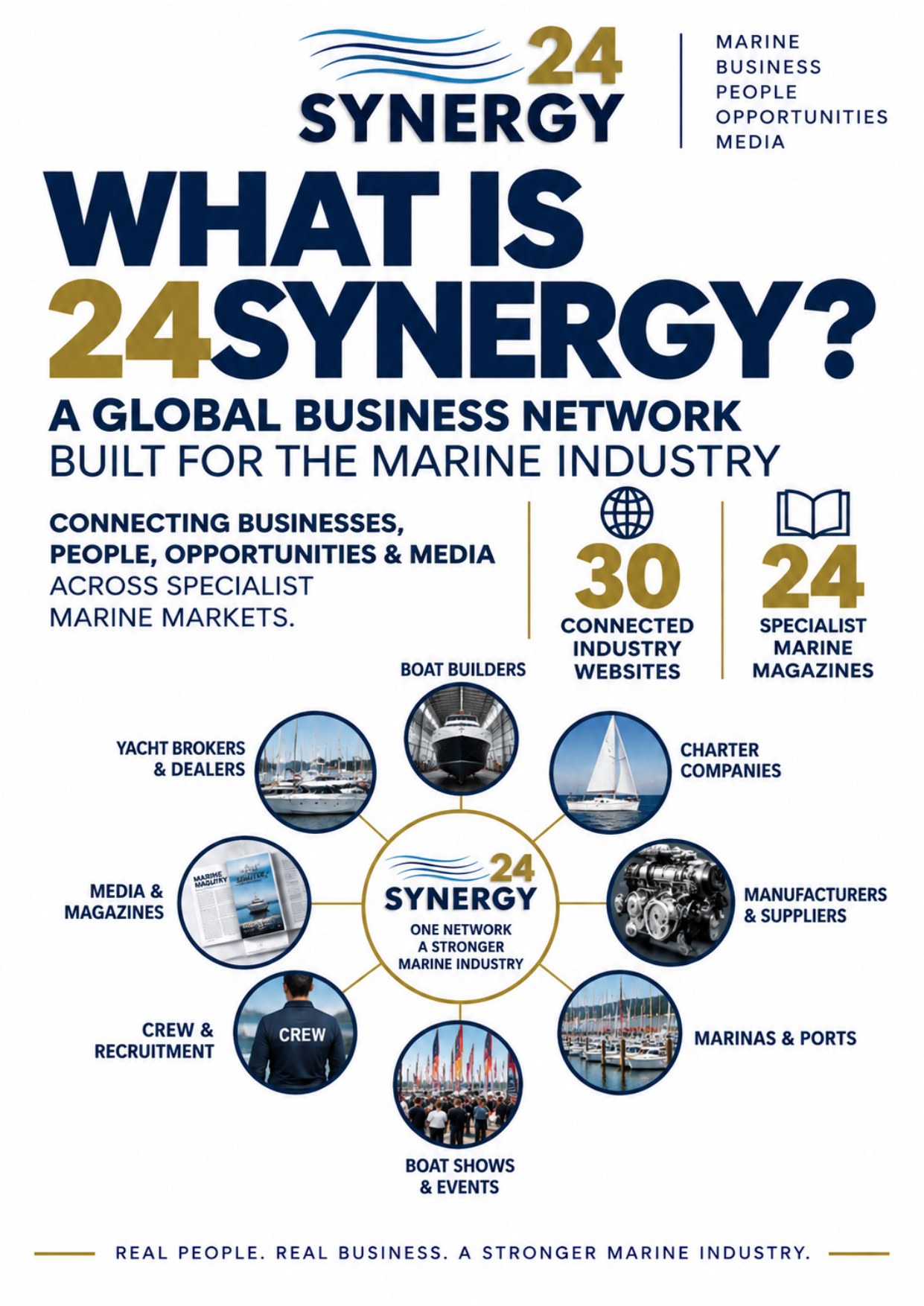 Cont.
 Cont.
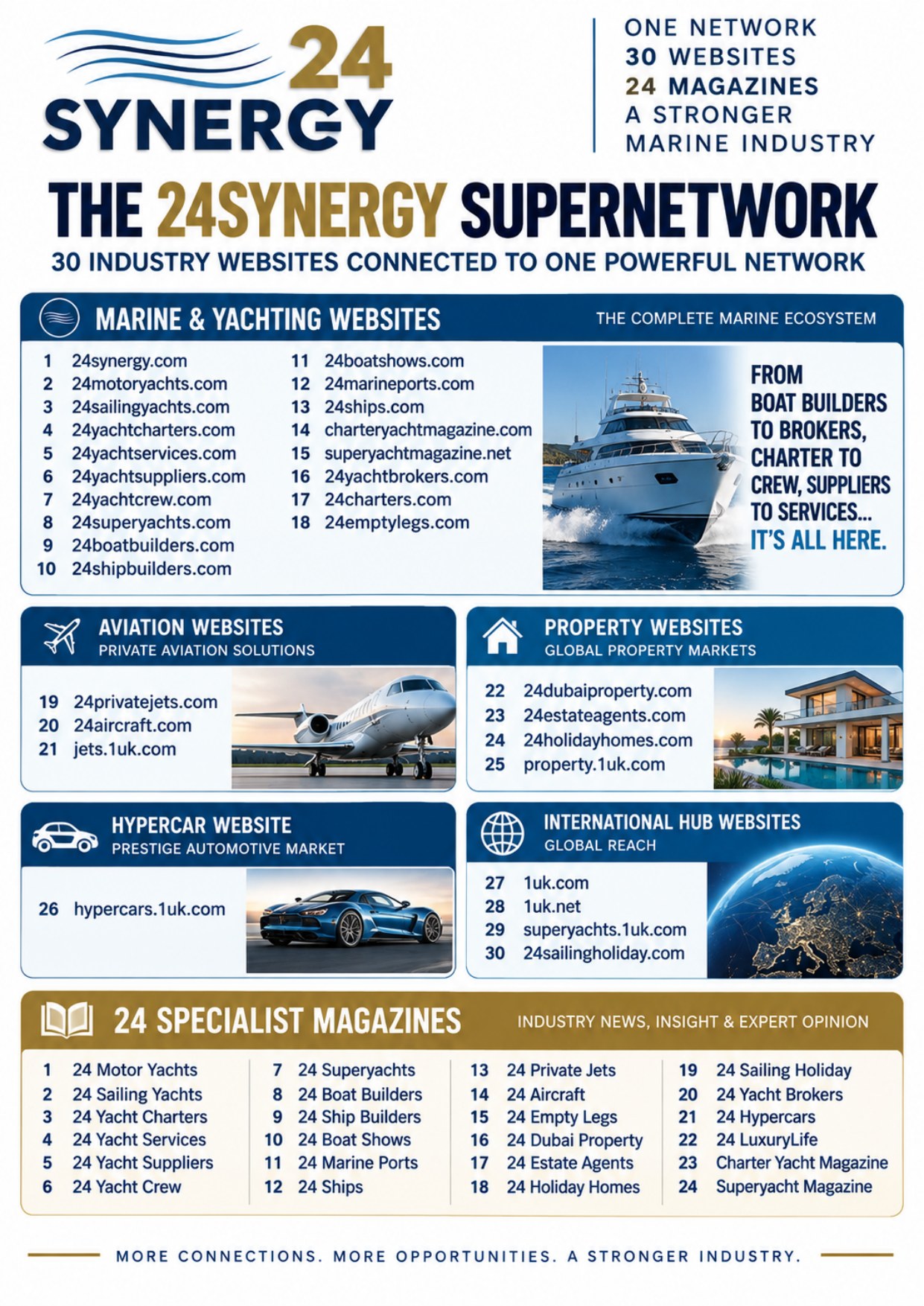 Cont.
 Cont.
 Cont.
 Cont.
 Cont.
 Cont.
 Cont.
 Cont.
 Cont.
 Cont.
 Cont.
 Cont.
 Cont.
 Cont.
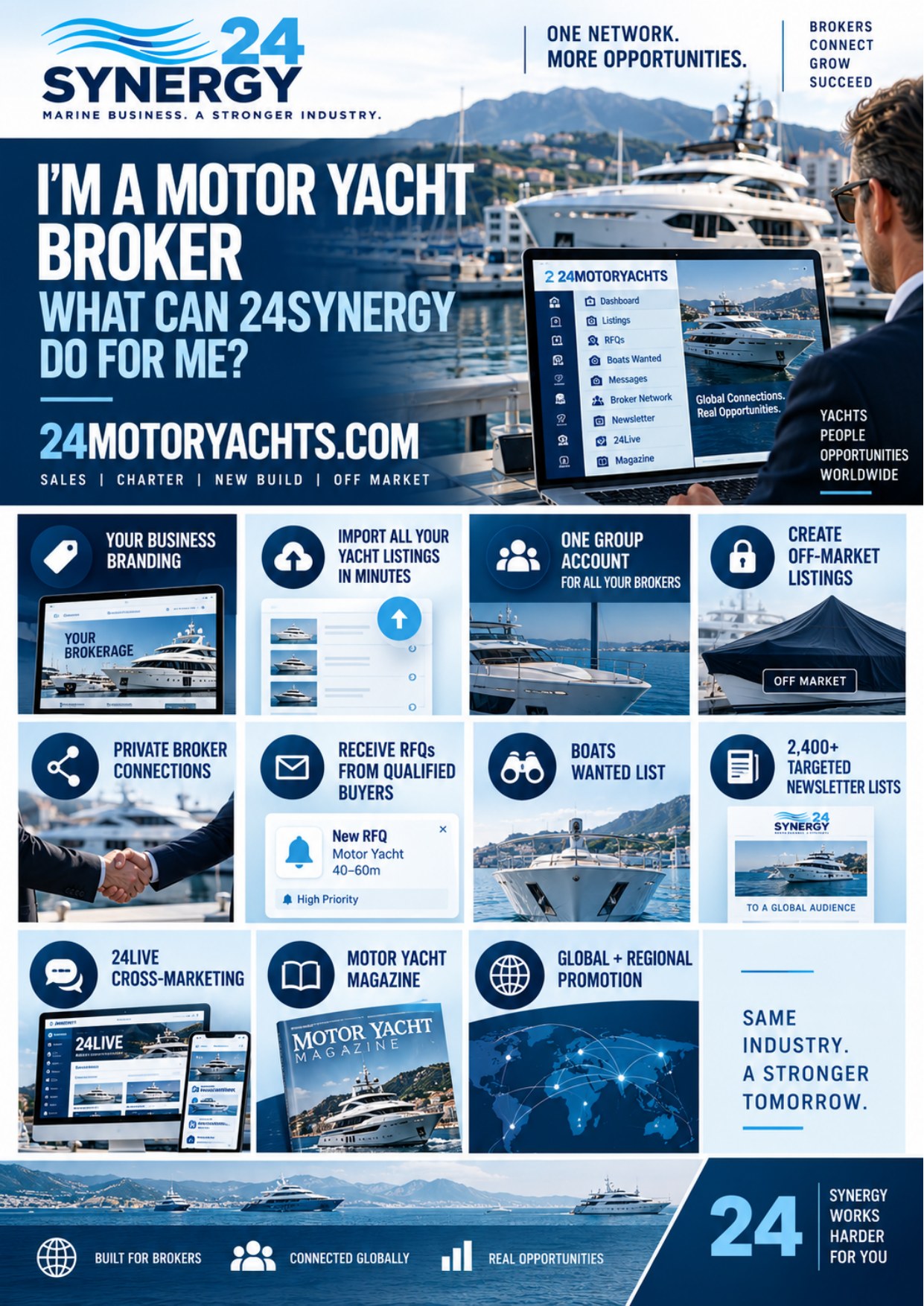 Cont.
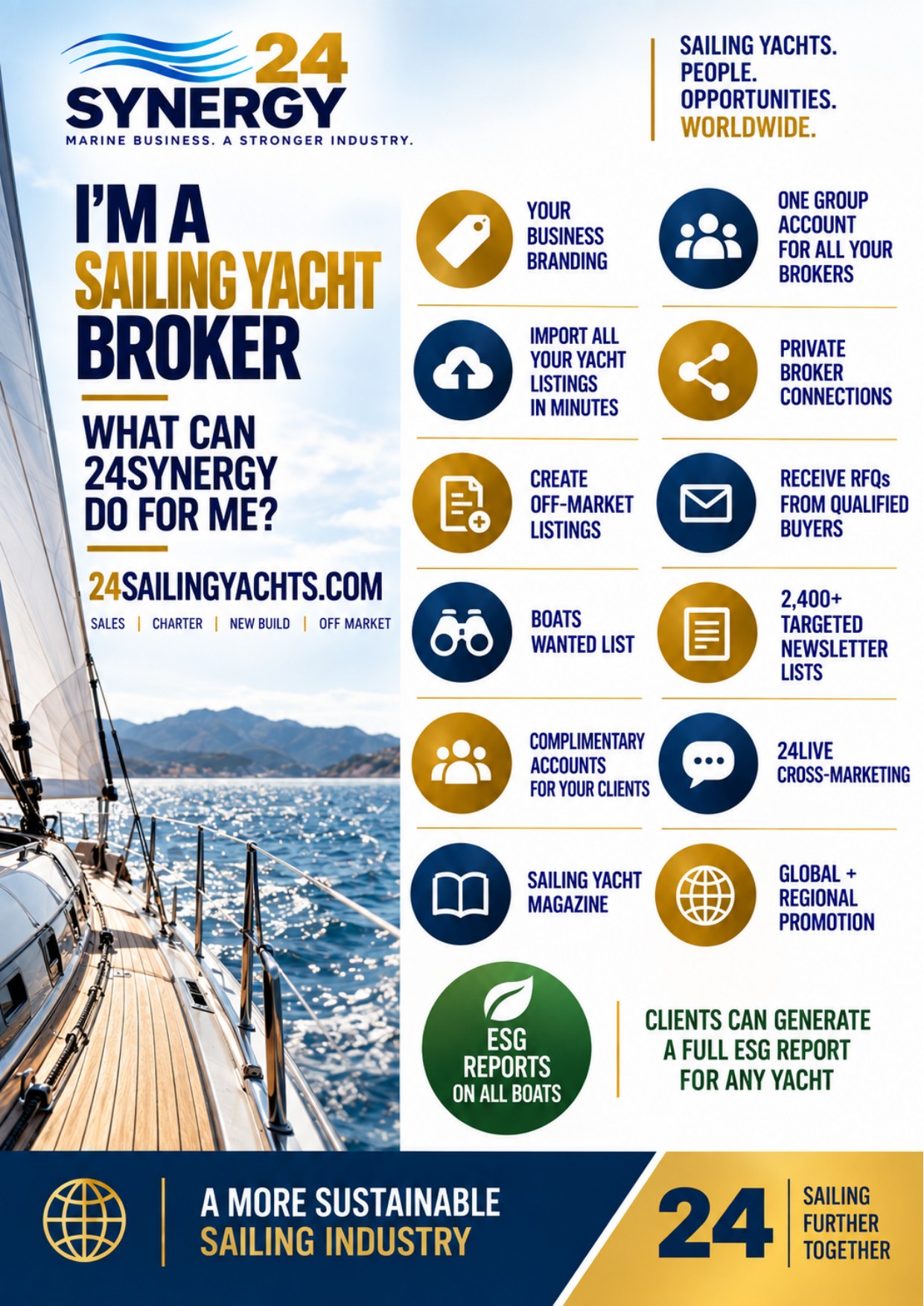 Cont.
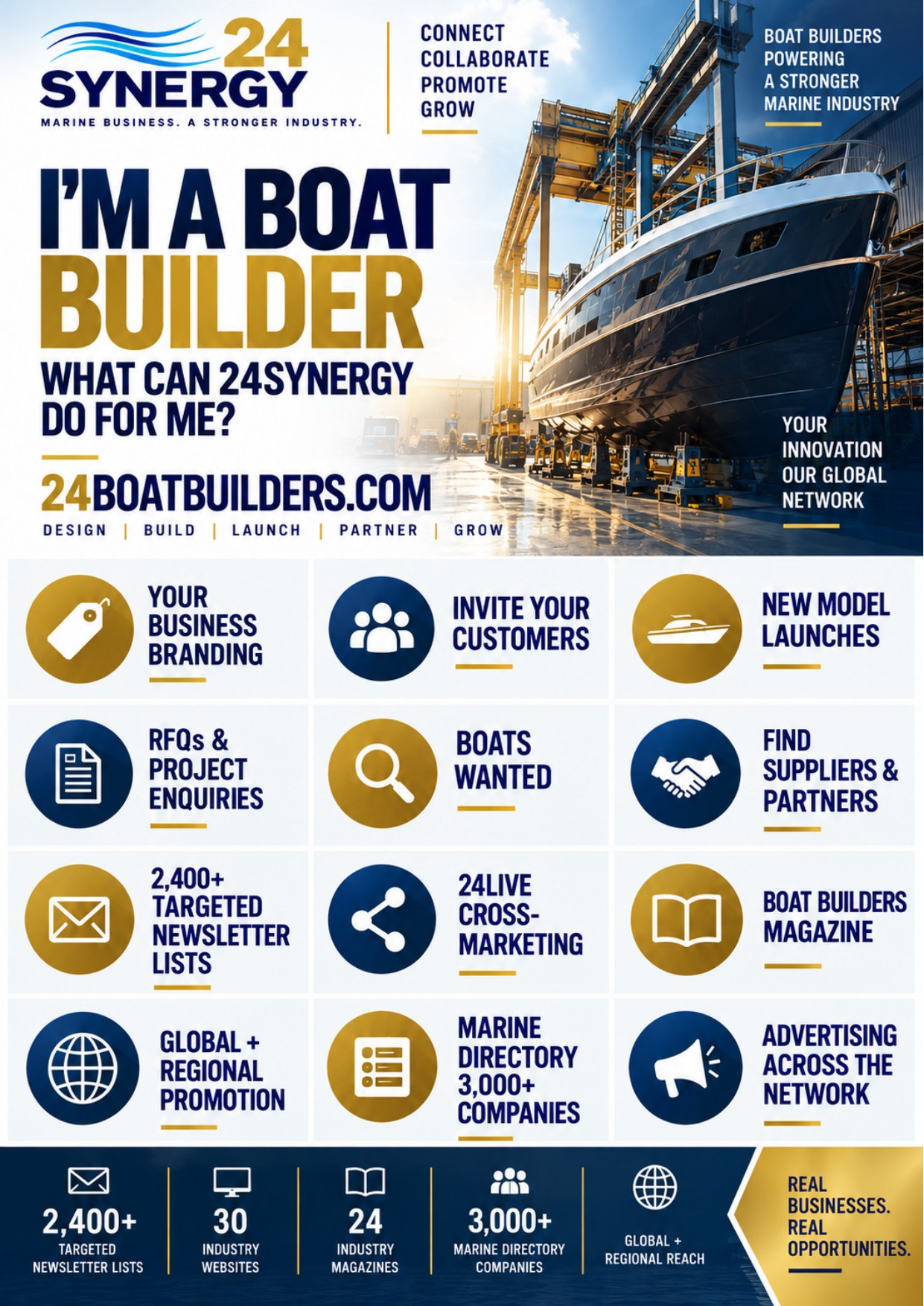 Cont.
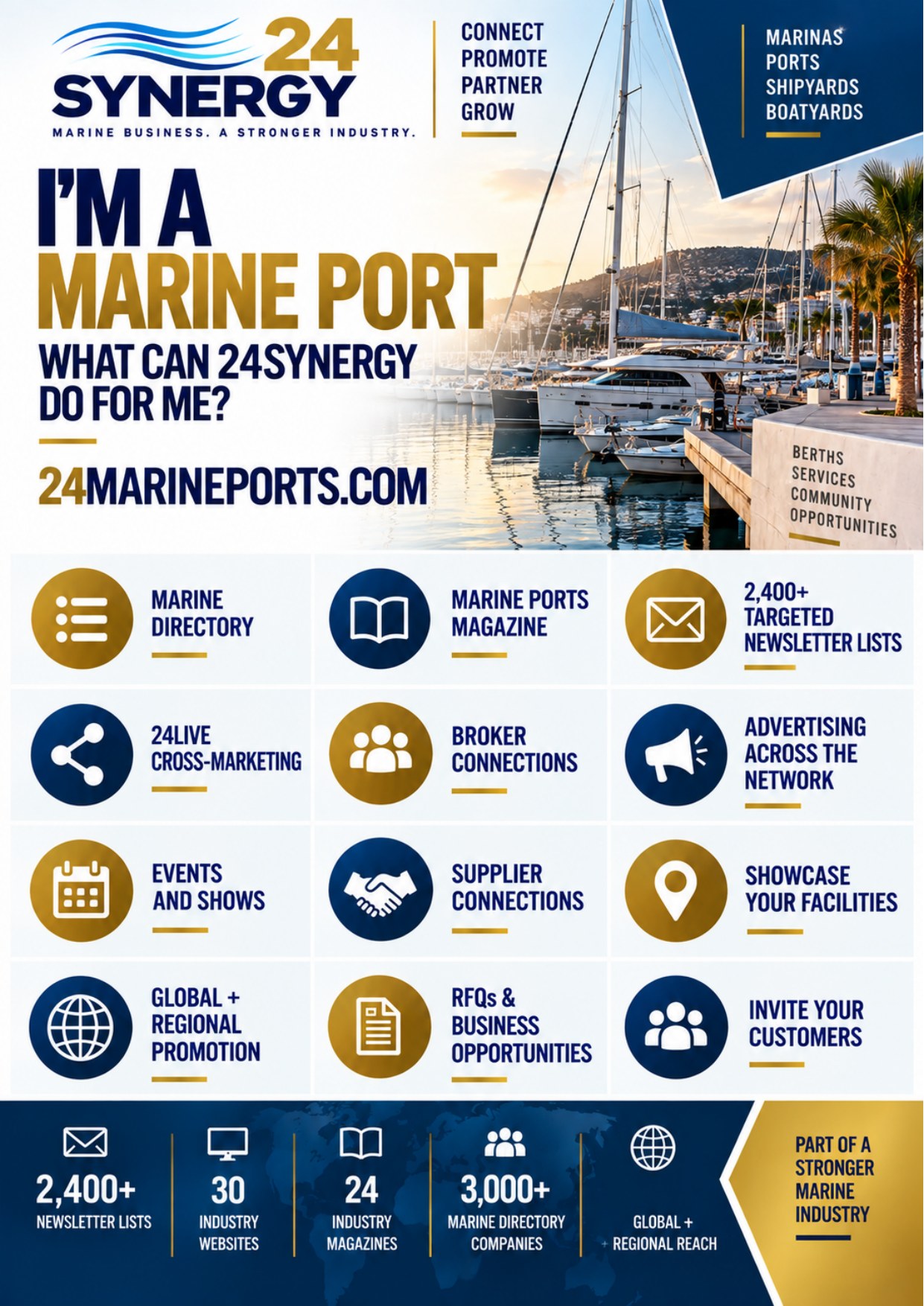 Cont.
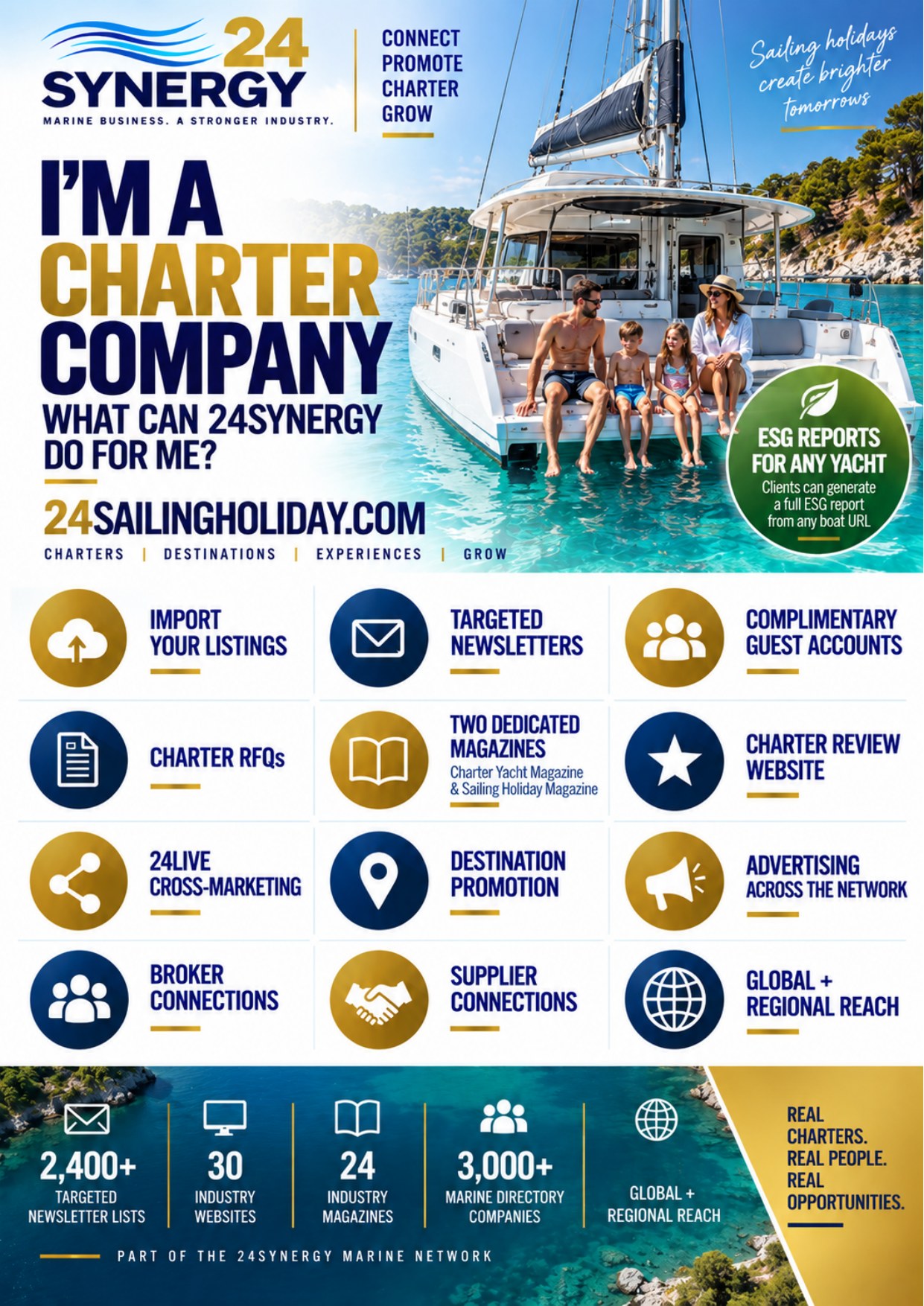 Cont.
 Cont.