
Test marina services
A second test advert so the classified page can be checked with the standard four advert layout.
+44 0000 000000 / info@1uk.com / 24boatbuilders.gold@24group.uk

 Subscribe
Approved articles for this 24HolidayHomes issue.
Approved articles for this 24HolidayHomes issue.
Approved articles for this 24HolidayHomes issue.
Approved articles for this 24HolidayHomes issue.
Approved articles for this 24HolidayHomes issue.
Approved articles for this 24HolidayHomes issue.
Approved articles for this 24HolidayHomes issue.
Approved articles for this 24HolidayHomes issue.
Approved articles for this 24HolidayHomes issue.
Approved articles for this 24HolidayHomes issue.
Approved articles for this 24HolidayHomes issue.
Editor's comments for this issue will be added shortly.

Why We Built 24Synergy — and Why the Magazines Matter

When we started developing 24Synergy, the objective was never simply to build another business directory, advertising website or collection of industry portals. There are already plenty of those, and creating another one would have achieved very little.
The question I kept coming back to was much simpler: **what should 24Synergy actually do for the businesses that use it?**
For me, the answer has always been about creating opportunity through collaboration.
We are constantly told that competition is healthy, and of course it is. Competition drives standards, innovation and better service. But I became interested in a slightly different question. What happens if competitors can also work together?
I don't mean sharing commercially sensitive information or pretending that companies aren't competing for the same customers. I mean recognising that every business already has its own clients, contacts, audience, knowledge and reach. If those individual networks can be connected intelligently, everybody potentially reaches considerably further than they could alone.
That principle became the foundation of 24Synergy.
The network is designed to grow through the businesses using it. Companies introduce their clients and contacts, other businesses do the same, and gradually those separate audiences become part of something much larger. Everybody contributes something to the network and everybody has the opportunity to benefit from the network that results.
There is also a perfectly sensible commercial reason for getting involved early. Your customers are already doing business with other companies and receiving marketing from other suppliers. It therefore makes sense to introduce them to a useful industry network yourself rather than waiting for somebody else to do it first.
That is why I think the early-adopter stage is particularly interesting. I am not going to pretend that a network during its launch period can offer the same volume of activity it should offer when thousands of companies and industry professionals are using it. Networks need people. They need participation and they need time to develop.
But eventually there is a tipping point. More companies join, more buyers arrive, more enquiries circulate, more RFQs are submitted, more people read the newsletters and magazines and more conversations take place through 24live. At that point, the companies that supported the network early aren't arriving and trying to establish themselves in an already busy marketplace. They are already there, with their accounts, listings, content, contacts and presence established.
Some of the mechanisms we have built become much more significant at that stage. Priority access to an RFQ, for example, might seem relatively unimportant when there are only a handful moving through the system. When substantial numbers of genuine opportunities are being generated, seeing something 48 hours before other users can make a considerable difference. The value of the network should therefore increase as the network itself grows.
That same thinking is ultimately what led us to create the magazines.
As 24Synergy developed, I increasingly felt that something was missing. We had created ways for businesses to list themselves, communicate, publish information, distribute newsletters, generate enquiries, respond to opportunities and reach audiences across different specialist sectors, but if we were genuinely trying to build a comprehensive marketing network, those businesses also needed somewhere to advertise.
So we built it.
The 24 Magazines aren't intended to sit separately from 24Synergy. They are another part of the same ecosystem, giving companies another route to market while giving readers useful specialist information in an accessible format. They are global publications, but with regional editions and regional editorial because the businesses and people using 24Synergy are global too.
A company shouldn't be disadvantaged because it happens to be based in Britain, France, the United States, Dubai, Singapore, Spain or somewhere else entirely. Nor should a reader have to wade through endless irrelevant information before finding something applicable to where they live, work, sail, charter, fly or conduct business.
That brings me to something else that is probably worth addressing openly.
Some readers will look through these magazines and ask: **“Have they used AI to produce some of this?”**
The answer is yes.
We have.
There are thousands of pieces of editorial involved across these publications and their regional editions, and it would be rather ridiculous for me to pretend that artificial intelligence hasn't helped us create them. AI exists, it is an extraordinarily useful tool when used properly, and I don't see any reason to hide the fact that we have used it.
What matters to me is **how** we have used it.
We haven't simply asked a machine to fill hundreds of pages with words so that the magazines look busy. We have chosen the subjects we believe are worth covering, identified the questions we think readers actually want answered and, in many cases, started the articles ourselves before using AI to help develop the research, structure and additional information around them.
The objective has always been usefulness.
If you're reading one of our sailing magazines, I want you to discover something that helps you sail, plan a passage, choose equipment, understand a destination or avoid a problem. If you're involved with private aviation, I want the information to answer questions relevant to flying, ownership, charter or operations. If you're in commercial shipping, brokerage, boat building, property, charter or another sector, the same principle applies.
I don't want pages of disposable editorial written simply because a magazine needs another article.
We have tried to identify subjects where somebody would otherwise have to spend time searching around the internet, opening numerous websites and piecing the information together themselves. We can do some of that background work instead, ask the questions and bring the useful information together in one place.
There is an environmental argument for that approach too. Endless searching, loading websites, serving adverts and repeatedly retrieving information all require digital infrastructure and energy. A magazine can be downloaded once, kept and read offline.
I wouldn't pretend that this somehow makes digital publishing impact-free, because it doesn't, but if we can save readers unnecessary searching while creating something useful enough to keep and refer back to, I think that is a better use of the technology available to us.
So yes, some of what you are reading has involved AI, and some of it has involved people. Increasingly it will involve more people as well.
As early adopters, journalists, specialists and other contributors become involved, their voices will naturally become part of these pages. We are also inviting other magazines and media organisations to contribute, which should introduce completely different editorial voices and areas of expertise. They may use AI themselves, of course, and I have no intention of telling another publisher or journalist which tools they are permitted to use.
The test is much simpler than that: **does the article give the reader something worthwhile?**
If it doesn't, it shouldn't be here.
That philosophy also explains something rather unusual we are now introducing. We are going to allow other independent magazines to promote themselves through our magazines.
At first that might sound counter-intuitive. Why would one magazine deliberately introduce its readers to another magazine?
My answer is: why wouldn't we?
If another specialist publication produces good material that our readers would appreciate, discovering it doesn't make our own magazine less useful. Quite the opposite. If we can become somewhere readers come to discover worthwhile information, including information and publications produced by other people, then I think we become more useful.
A participating publication will be able to contribute a genuine editorial article, tell readers where they can find more of its work and promote its magazine within our pages. We can potentially take that relationship considerably further as well. There may be opportunities to work with other publishers commercially, including arrangements where advertising from their own clients can reach our publications and both parties share in the resulting revenue.
Again, it comes back to the original idea behind 24Synergy. Competition doesn't have to prevent collaboration.
The scale of the network comes from the same philosophy. Historically, the industries we have worked with have never existed neatly inside individual boxes. A superyacht depends upon builders, suppliers, engineering companies, crew, brokers, charter businesses, marinas and countless specialist services. Those same owners and clients may use private aviation and own international property. Boat builders need suppliers. Charter companies need customers. Brokers need buyers and sellers. Employers need crew.
Exhibitors need boat shows, and boat shows need exhibitors and visitors.
Commercial ships and cruise ships sit alongside superyachts, motor yachts and sailing yachts. There are crew and employment services, boat and ship builders, ports, yacht services and suppliers, aviation, empty legs, property and specialist luxury markets. Each sector has its own identity, but there are countless points where they intersect.
That is why 24Synergy has become such a large collection of connected websites. It is deliberately not centred on one country or one type of business. A company with branches in several countries can bring those offices together through the same network, while a small specialist supplier can concentrate on the particular market that matters to it. Everything can still be managed centrally through the same account and dashboard.
24live takes that idea in another direction again. I sometimes describe it as sitting somewhere between the professional nature of LinkedIn and the immediacy of a social network such as Facebook, although I don't really want it to become either of those things. The purpose is business.
Members can publish their own material, interact with other users, promote their businesses and place appropriate content across relevant parts of the 24 Network. If somebody wants to be proactive, there is considerable freedom to put themselves in front of the industries they want to reach rather than simply creating a listing and waiting for somebody to find them.
That is an important distinction for me. **24Synergy isn't designed to do your marketing while you sit and watch. It is designed to give you the tools to do considerably more with your marketing yourself.**
There is another, deliberately different part of the ecosystem too.
Within the superyacht sector, 1UK.com is being developed around recognition rather than conventional paid placement. Companies cannot simply buy their way into recognition. They can request consideration, but that request can be declined. As the concept develops, I want appropriate industry leaders themselves to help determine the standards that businesses should achieve to be recognised at different levels.
That connects directly with where I would like 24Synergy itself eventually to go.
The intention is for 24Synergy to develop into a cooperative structure with industry leaders and board members helping to determine its future direction. The industry changes constantly, and the technology serving it needs to change with it. Electric propulsion is an obvious example today, but tomorrow there will be something else. The people actually working within these sectors will often identify what is needed long before a software developer sitting outside the industry ever could.
We have built the infrastructure, but I don't believe that means we should dictate indefinitely what it becomes. I would much rather create a structure where the people using the network have a meaningful voice in deciding which features should be developed next and where the network should go as their industries evolve.
There is a personal reason behind all of this as well.
I've always enjoyed helping businesses develop. I enjoy looking at a new company, understanding what it is trying to achieve and asking what could be done differently. Sometimes it is marketing, sometimes positioning, sometimes making an introduction or simply giving somebody the confidence and advice they need when they're trying to get something started.
I suppose 24Synergy is my attempt to do that on a much larger scale.
Rather than helping one company find another route to market, we have tried to build the infrastructure through which thousands of businesses can create those routes for themselves and for each other. It gives a small specialist company access to many of the same marketing mechanisms available to a much larger international organisation, while allowing a multinational business to connect offices, people and sectors through one global hub.
And that is probably the simplest answer to the question I started with: **what is 24Synergy actually for?**
It is there to create connections and opportunities that would otherwise be harder to create individually. The websites, magazines, newsletters, RFQs, publishing tools, 24live and everything else we develop are simply different ways of achieving that.
We've done the difficult part of bringing that infrastructure together. Now I want businesses to use it, challenge it and help us improve it. I want people to tell us what works, what doesn't and what their particular part of the industry needs next. As more businesses participate, the network should become more useful to everybody already inside it.
We have built 24Synergy, but I don't want it to feel as though it belongs to a small team sitting somewhere deciding what everybody else needs.
**We've built it for you. Now make use of it, make it work for your business, and help us decide what it becomes next.**
**Paul Thompson** *Editor*
Contributor: Paul Thompson / 24Synergy

Be the first reader to react to this article.

A good decision in holiday-home ownership, letting, maintenance and investment rarely comes from one impressive specification.


A good decision in holiday-home ownership, letting, maintenance and investment rarely comes from one impressive specification. It comes from understanding how the whole package will be used.
Cost also needs to be separated into purchase cost and ownership cost. The second figure is usually less visible. Consumables, routine servicing, insurance, finance, berthing or storage, professional fees, software subscriptions, inspections and eventual replacement items can materially change the economics. A useful quotation is therefore one that makes exclusions obvious.
If a supplier cannot explain what normally falls outside the quoted figure, ask for that clarification before treating two prices as comparable.
After-sales support can be more important than the original specification. A component that is excellent on paper is less attractive if parts take months to arrive or there is no competent service agent where the equipment will be used. The same applies to software-led products: ownership now includes updates, access rights, data and sometimes recurring subscriptions. Find out who supports the system, for how long, and what happens if the original supplier changes hands.
The compliance environment is changing as well. UK guidance for 2026 has tightened the focus on short-let responsibilities, while estate agency regulation and Right to Rent procedures remain active areas of operational change. Anyone acting professionally should work from the current official guidance rather than an old checklist copied from a previous transaction.
Timing matters. Buying or commissioning under deadline pressure weakens the buyer's position because there is less time to inspect, compare and walk away. Where possible, build the timetable backwards from the date the asset or service is genuinely required. Include survey or inspection time, corrections, training, delivery and a contingency. A realistic programme often reveals that the cheapest-looking option is not the one with the lowest overall cost.
The starting point is use. In holiday-home ownership, letting, maintenance and investment, two apparently similar products or services can be right for completely different owners because their operating pattern is different. Frequency of use, geography, crew or staffing, storage, servicing access and the length of time you expect to keep the asset all change the answer. Before comparing brands or quotations, write down those constraints.
It sounds basic, but it prevents a specification being chosen for a lifestyle that exists only in the sales material.

Technical claims deserve context. Range, output, capacity, speed, efficiency and performance figures are normally produced under stated conditions. Real use adds weather, load, temperature, fouling, route, operator behaviour and reserve margins. Rather than arguing over a headline number, ask what assumptions sit behind it and what happens when those assumptions change. That produces a much more useful comparison.
Sustainability claims are increasingly part of the decision as well. The useful question is not whether a product is described as green, but what has actually changed: energy use, fuel consumption, material choice, repairability, service life, emissions, waste or end-of-life handling. Improvements in one area can create compromises in another. Evidence and measured performance are more valuable than broad environmental language.
Finally, insist on a proper handover. Familiarisation, emergency procedures, maintenance intervals, passwords, spare parts, warranty contacts and operating limitations should all be understood before the supplier disappears over the horizon. A surprising number of early problems are not failures at all but gaps in handover. Thirty minutes spent recording the right information can save days later.


My own shorthand for england's short-let rules in 2026: the checks holiday-home owners should make is simple: verify the condition, verify the paperwork, understand the support network and calculate the cost on a realistic pattern of use. If any one of those four is unclear, there is still work to do before committing.
Comparison becomes easier if every contender is put through the same questions. Ask for the same operating assumptions, the same delivery point, the same warranty period and the same list of included equipment or services. That turns a collection of sales conversations into something closer to a procurement exercise and exposes the areas where one quotation has quietly omitted an expensive item.
References are useful when they are relevant. A supplier's biggest or most prestigious project may tell you very little about how it handles an ordinary job in your region. Ask instead for examples with a similar scale, operating pattern and timetable. The most useful reference is often the customer who has lived with the product for two or three years and has already needed after-sales support.
The practical test for holiday-home ownership, letting, maintenance and investment is whether the decision still makes sense when circumstances are less than ideal. Weather changes, schedules move, components fail and people use equipment differently from the designer's neat assumptions. Building a little resilience into the choice usually costs less than trying to recover it afterwards.
A measured decision now generally costs less than correcting an enthusiastic one later.
Contributor: Paul Thompson / Editorial / 24HolidayHomes
Be the first reader to react to this article.
The conversation around the end of the old fhl tax regime: why owners need updated assumptions has moved quickly this year, yet the practical decision is still built on fairly ordinary questions.
The conversation around the end of the old fhl tax regime: why owners need updated assumptions has moved quickly this year, yet the practical decision is still built on fairly ordinary questions.
Documentation is another practical test. Service records, manuals, certificates, invoices, warranties, software licences and evidence of previous work are not administrative clutter; they are part of the asset. Good records make troubleshooting easier and can support resale. Missing records do not automatically mean there is a problem, but they increase uncertainty, and uncertainty should be reflected in the questions asked, the inspection undertaken and sometimes the price.
Risk is best dealt with before commitment. That means independent inspection where appropriate, clear written scope, confirmation of insurance implications and an agreed process for defects or incomplete work. In higher-value transactions, legal, tax and regulatory advice should come from qualified advisers in the relevant jurisdiction. The purpose is not to make every transaction defensive; it is to stop assumptions becoming expensive surprises.
The compliance environment is changing as well. UK guidance for 2026 has tightened the focus on short-let responsibilities, while estate agency regulation and Right to Rent procedures remain active areas of operational change. Anyone acting professionally should work from the current official guidance rather than an old checklist copied from a previous transaction.
Resale should be considered even by people who intend to keep something for years. Highly personal specifications can be perfectly sensible, but buyers should understand the trade-off. Widely supported equipment, sensible layouts, complete records and recognised maintenance tend to be easier for the next owner to understand. The objective is not to design everything for an unknown future buyer; it is simply to avoid destroying flexibility without a good reason.
Cost also needs to be separated into purchase cost and ownership cost. The second figure is usually less visible. Consumables, routine servicing, insurance, finance, berthing or storage, professional fees, software subscriptions, inspections and eventual replacement items can materially change the economics. A useful quotation is therefore one that makes exclusions obvious.
If a supplier cannot explain what normally falls outside the quoted figure, ask for that clarification before treating two prices as comparable.
After-sales support can be more important than the original specification. A component that is excellent on paper is less attractive if parts take months to arrive or there is no competent service agent where the equipment will be used. The same applies to software-led products: ownership now includes updates, access rights, data and sometimes recurring subscriptions. Find out who supports the system, for how long, and what happens if the original supplier changes hands.
Timing matters. Buying or commissioning under deadline pressure weakens the buyer's position because there is less time to inspect, compare and walk away. Where possible, build the timetable backwards from the date the asset or service is genuinely required. Include survey or inspection time, corrections, training, delivery and a contingency. A realistic programme often reveals that the cheapest-looking option is not the one with the lowest overall cost.
The starting point is use. In holiday-home ownership, letting, maintenance and investment, two apparently similar products or services can be right for completely different owners because their operating pattern is different. Frequency of use, geography, crew or staffing, storage, servicing access and the length of time you expect to keep the asset all change the answer. Before comparing brands or quotations, write down those constraints.
It sounds basic, but it prevents a specification being chosen for a lifestyle that exists only in the sales material.
Comparison becomes easier if every contender is put through the same questions. Ask for the same operating assumptions, the same delivery point, the same warranty period and the same list of included equipment or services. That turns a collection of sales conversations into something closer to a procurement exercise and exposes the areas where one quotation has quietly omitted an expensive item.
References are useful when they are relevant. A supplier's biggest or most prestigious project may tell you very little about how it handles an ordinary job in your region. Ask instead for examples with a similar scale, operating pattern and timetable. The most useful reference is often the customer who has lived with the product for two or three years and has already needed after-sales support.
The practical test for holiday-home ownership, letting, maintenance and investment is whether the decision still makes sense when circumstances are less than ideal. Weather changes, schedules move, components fail and people use equipment differently from the designer's neat assumptions. Building a little resilience into the choice usually costs less than trying to recover it afterwards.
For most readers, that is enough to narrow the field considerably before serious money or time is committed.
Contributor: Paul Thompson / Editorial / 24HolidayHomes


Be the first reader to react to this article.

One of the easiest mistakes in holiday-home ownership, letting, maintenance and investment is to concentrate on the headline and leave the awkward questions until later.
One of the easiest mistakes in holiday-home ownership, letting, maintenance and investment is to concentrate on the headline and leave the awkward questions until later.
Finally, insist on a proper handover. Familiarisation, emergency procedures, maintenance intervals, passwords, spare parts, warranty contacts and operating limitations should all be understood before the supplier disappears over the horizon. A surprising number of early problems are not failures at all but gaps in handover. Thirty minutes spent recording the right information can save days later.
Documentation is another practical test. Service records, manuals, certificates, invoices, warranties, software licences and evidence of previous work are not administrative clutter; they are part of the asset. Good records make troubleshooting easier and can support resale. Missing records do not automatically mean there is a problem, but they increase uncertainty, and uncertainty should be reflected in the questions asked, the inspection undertaken and sometimes the price.
The compliance environment is changing as well. UK guidance for 2026 has tightened the focus on short-let responsibilities, while estate agency regulation and Right to Rent procedures remain active areas of operational change. Anyone acting professionally should work from the current official guidance rather than an old checklist copied from a previous transaction.
Risk is best dealt with before commitment. That means independent inspection where appropriate, clear written scope, confirmation of insurance implications and an agreed process for defects or incomplete work. In higher-value transactions, legal, tax and regulatory advice should come from qualified advisers in the relevant jurisdiction. The purpose is not to make every transaction defensive; it is to stop assumptions becoming expensive surprises.
Resale should be considered even by people who intend to keep something for years. Highly personal specifications can be perfectly sensible, but buyers should understand the trade-off. Widely supported equipment, sensible layouts, complete records and recognised maintenance tend to be easier for the next owner to understand. The objective is not to design everything for an unknown future buyer; it is simply to avoid destroying flexibility without a good reason.
Cost also needs to be separated into purchase cost and ownership cost. The second figure is usually less visible. Consumables, routine servicing, insurance, finance, berthing or storage, professional fees, software subscriptions, inspections and eventual replacement items can materially change the economics. A useful quotation is therefore one that makes exclusions obvious.
If a supplier cannot explain what normally falls outside the quoted figure, ask for that clarification before treating two prices as comparable.
After-sales support can be more important than the original specification. A component that is excellent on paper is less attractive if parts take months to arrive or there is no competent service agent where the equipment will be used. The same applies to software-led products: ownership now includes updates, access rights, data and sometimes recurring subscriptions. Find out who supports the system, for how long, and what happens if the original supplier changes hands.
Timing matters. Buying or commissioning under deadline pressure weakens the buyer's position because there is less time to inspect, compare and walk away. Where possible, build the timetable backwards from the date the asset or service is genuinely required. Include survey or inspection time, corrections, training, delivery and a contingency. A realistic programme often reveals that the cheapest-looking option is not the one with the lowest overall cost.
My own shorthand for winter maintenance: preventing the expensive failures that happen when nobody is there is simple: verify the condition, verify the paperwork, understand the support network and calculate the cost on a realistic pattern of use. If any one of those four is unclear, there is still work to do before committing.

Preventive work is most effective when it is recorded rather than remembered. A simple calendar of hours, dates, consumables, inspections and recurring tasks gives owners and managers an early warning before maintenance becomes urgent. It also allows jobs to be grouped sensibly, reducing repeated access costs and downtime. The discipline is not glamorous, but it is one of the clearest ways to protect reliability.
Scope control matters on any refit or repair. Once equipment is opened up, additional work is common, so the original quotation should distinguish fixed items, provisional sums and work that requires further authorisation. Photographing condition before and after the job and retaining replaced-part details can prevent disputes and gives the next technician a useful history.
The practical test for holiday-home ownership, letting, maintenance and investment is whether the decision still makes sense when circumstances are less than ideal. Weather changes, schedules move, components fail and people use equipment differently from the designer's neat assumptions. Building a little resilience into the choice usually costs less than trying to recover it afterwards.
None of this makes the decision difficult. It simply moves attention from presentation to evidence, which is usually where the better value sits.
Contributor: Paul Thompson / Editorial / 24HolidayHomes
Be the first reader to react to this article.
A good decision in holiday-home ownership, letting, maintenance and investment rarely comes from one impressive specification.
A good decision in holiday-home ownership, letting, maintenance and investment rarely comes from one impressive specification. It comes from understanding how the whole package will be used.
Technical claims deserve context. Range, output, capacity, speed, efficiency and performance figures are normally produced under stated conditions. Real use adds weather, load, temperature, fouling, route, operator behaviour and reserve margins. Rather than arguing over a headline number, ask what assumptions sit behind it and what happens when those assumptions change. That produces a much more useful comparison.
Sustainability claims are increasingly part of the decision as well. The useful question is not whether a product is described as green, but what has actually changed: energy use, fuel consumption, material choice, repairability, service life, emissions, waste or end-of-life handling. Improvements in one area can create compromises in another. Evidence and measured performance are more valuable than broad environmental language.
The compliance environment is changing as well. UK guidance for 2026 has tightened the focus on short-let responsibilities, while estate agency regulation and Right to Rent procedures remain active areas of operational change. Anyone acting professionally should work from the current official guidance rather than an old checklist copied from a previous transaction.
Finally, insist on a proper handover. Familiarisation, emergency procedures, maintenance intervals, passwords, spare parts, warranty contacts and operating limitations should all be understood before the supplier disappears over the horizon. A surprising number of early problems are not failures at all but gaps in handover. Thirty minutes spent recording the right information can save days later.
Documentation is another practical test. Service records, manuals, certificates, invoices, warranties, software licences and evidence of previous work are not administrative clutter; they are part of the asset. Good records make troubleshooting easier and can support resale. Missing records do not automatically mean there is a problem, but they increase uncertainty, and uncertainty should be reflected in the questions asked, the inspection undertaken and sometimes the price.
Risk is best dealt with before commitment. That means independent inspection where appropriate, clear written scope, confirmation of insurance implications and an agreed process for defects or incomplete work. In higher-value transactions, legal, tax and regulatory advice should come from qualified advisers in the relevant jurisdiction. The purpose is not to make every transaction defensive; it is to stop assumptions becoming expensive surprises.
Resale should be considered even by people who intend to keep something for years. Highly personal specifications can be perfectly sensible, but buyers should understand the trade-off. Widely supported equipment, sensible layouts, complete records and recognised maintenance tend to be easier for the next owner to understand. The objective is not to design everything for an unknown future buyer; it is simply to avoid destroying flexibility without a good reason.
Cost also needs to be separated into purchase cost and ownership cost. The second figure is usually less visible. Consumables, routine servicing, insurance, finance, berthing or storage, professional fees, software subscriptions, inspections and eventual replacement items can materially change the economics. A useful quotation is therefore one that makes exclusions obvious.
If a supplier cannot explain what normally falls outside the quoted figure, ask for that clarification before treating two prices as comparable.
Comparison becomes easier if every contender is put through the same questions. Ask for the same operating assumptions, the same delivery point, the same warranty period and the same list of included equipment or services. That turns a collection of sales conversations into something closer to a procurement exercise and exposes the areas where one quotation has quietly omitted an expensive item.
References are useful when they are relevant. A supplier's biggest or most prestigious project may tell you very little about how it handles an ordinary job in your region. Ask instead for examples with a similar scale, operating pattern and timetable. The most useful reference is often the customer who has lived with the product for two or three years and has already needed after-sales support.
The practical test for holiday-home ownership, letting, maintenance and investment is whether the decision still makes sense when circumstances are less than ideal. Weather changes, schedules move, components fail and people use equipment differently from the designer's neat assumptions. Building a little resilience into the choice usually costs less than trying to recover it afterwards.
For most readers, that is enough to narrow the field considerably before serious money or time is committed.
Contributor: Paul Thompson / Editorial / 24HolidayHomes

Be the first reader to react to this article.
The conversation around fire safety in small holiday accommodation: practical owner responsibilities has moved quickly this year, yet the practical decision is still built on fairly ordinary questions.
The conversation around fire safety in small holiday accommodation: practical owner responsibilities has moved quickly this year, yet the practical decision is still built on fairly ordinary questions.
After-sales support can be more important than the original specification. A component that is excellent on paper is less attractive if parts take months to arrive or there is no competent service agent where the equipment will be used. The same applies to software-led products: ownership now includes updates, access rights, data and sometimes recurring subscriptions. Find out who supports the system, for how long, and what happens if the original supplier changes hands.
Timing matters. Buying or commissioning under deadline pressure weakens the buyer's position because there is less time to inspect, compare and walk away. Where possible, build the timetable backwards from the date the asset or service is genuinely required. Include survey or inspection time, corrections, training, delivery and a contingency. A realistic programme often reveals that the cheapest-looking option is not the one with the lowest overall cost.
The compliance environment is changing as well. UK guidance for 2026 has tightened the focus on short-let responsibilities, while estate agency regulation and Right to Rent procedures remain active areas of operational change. Anyone acting professionally should work from the current official guidance rather than an old checklist copied from a previous transaction.
The starting point is use. In holiday-home ownership, letting, maintenance and investment, two apparently similar products or services can be right for completely different owners because their operating pattern is different. Frequency of use, geography, crew or staffing, storage, servicing access and the length of time you expect to keep the asset all change the answer. Before comparing brands or quotations, write down those constraints.
It sounds basic, but it prevents a specification being chosen for a lifestyle that exists only in the sales material.
Technical claims deserve context. Range, output, capacity, speed, efficiency and performance figures are normally produced under stated conditions. Real use adds weather, load, temperature, fouling, route, operator behaviour and reserve margins. Rather than arguing over a headline number, ask what assumptions sit behind it and what happens when those assumptions change. That produces a much more useful comparison.
Sustainability claims are increasingly part of the decision as well. The useful question is not whether a product is described as green, but what has actually changed: energy use, fuel consumption, material choice, repairability, service life, emissions, waste or end-of-life handling. Improvements in one area can create compromises in another. Evidence and measured performance are more valuable than broad environmental language.
Finally, insist on a proper handover. Familiarisation, emergency procedures, maintenance intervals, passwords, spare parts, warranty contacts and operating limitations should all be understood before the supplier disappears over the horizon. A surprising number of early problems are not failures at all but gaps in handover. Thirty minutes spent recording the right information can save days later.
Documentation is another practical test. Service records, manuals, certificates, invoices, warranties, software licences and evidence of previous work are not administrative clutter; they are part of the asset. Good records make troubleshooting easier and can support resale. Missing records do not automatically mean there is a problem, but they increase uncertainty, and uncertainty should be reflected in the questions asked, the inspection undertaken and sometimes the price.

Energy decisions need a duty-cycle calculation. Average use is less important than the difficult day: the longest passage, the coldest morning, the heaviest load, the remote berth or the turnaround with the least charging time. Design around that case with a sensible reserve and the everyday operation normally becomes straightforward. Design around the brochure average and the owner may spend years managing around the system.
Infrastructure should be checked before hardware is ordered. Available electrical supply, connector type, grid capacity, bunkering arrangements, ventilation, fire protection and local operating rules can all dictate what is practical. In many projects the limiting factor is not the motor, battery or fuel technology; it is the place where the asset has to recharge, refuel or be maintained.
The practical test for holiday-home ownership, letting, maintenance and investment is whether the decision still makes sense when circumstances are less than ideal. Weather changes, schedules move, components fail and people use equipment differently from the designer's neat assumptions. Building a little resilience into the choice usually costs less than trying to recover it afterwards.
For most readers, that is enough to narrow the field considerably before serious money or time is committed.
Contributor: Paul Thompson / Editorial / 24HolidayHomes
Be the first reader to react to this article.

The conversation around insurance for holiday lets: why ordinary home cover is not enough has moved quickly this year, yet the practical decision is still built on fairly ordinary questions.
The conversation around insurance for holiday lets: why ordinary home cover is not enough has moved quickly this year, yet the practical decision is still built on fairly ordinary questions.
Risk is best dealt with before commitment. That means independent inspection where appropriate, clear written scope, confirmation of insurance implications and an agreed process for defects or incomplete work. In higher-value transactions, legal, tax and regulatory advice should come from qualified advisers in the relevant jurisdiction. The purpose is not to make every transaction defensive; it is to stop assumptions becoming expensive surprises.
Resale should be considered even by people who intend to keep something for years. Highly personal specifications can be perfectly sensible, but buyers should understand the trade-off. Widely supported equipment, sensible layouts, complete records and recognised maintenance tend to be easier for the next owner to understand. The objective is not to design everything for an unknown future buyer; it is simply to avoid destroying flexibility without a good reason.
The compliance environment is changing as well. UK guidance for 2026 has tightened the focus on short-let responsibilities, while estate agency regulation and Right to Rent procedures remain active areas of operational change. Anyone acting professionally should work from the current official guidance rather than an old checklist copied from a previous transaction.
Cost also needs to be separated into purchase cost and ownership cost. The second figure is usually less visible. Consumables, routine servicing, insurance, finance, berthing or storage, professional fees, software subscriptions, inspections and eventual replacement items can materially change the economics. A useful quotation is therefore one that makes exclusions obvious.
If a supplier cannot explain what normally falls outside the quoted figure, ask for that clarification before treating two prices as comparable.
After-sales support can be more important than the original specification. A component that is excellent on paper is less attractive if parts take months to arrive or there is no competent service agent where the equipment will be used. The same applies to software-led products: ownership now includes updates, access rights, data and sometimes recurring subscriptions. Find out who supports the system, for how long, and what happens if the original supplier changes hands.
Timing matters. Buying or commissioning under deadline pressure weakens the buyer's position because there is less time to inspect, compare and walk away. Where possible, build the timetable backwards from the date the asset or service is genuinely required. Include survey or inspection time, corrections, training, delivery and a contingency. A realistic programme often reveals that the cheapest-looking option is not the one with the lowest overall cost.
The starting point is use. In holiday-home ownership, letting, maintenance and investment, two apparently similar products or services can be right for completely different owners because their operating pattern is different. Frequency of use, geography, crew or staffing, storage, servicing access and the length of time you expect to keep the asset all change the answer. Before comparing brands or quotations, write down those constraints.
It sounds basic, but it prevents a specification being chosen for a lifestyle that exists only in the sales material.
Technical claims deserve context. Range, output, capacity, speed, efficiency and performance figures are normally produced under stated conditions. Real use adds weather, load, temperature, fouling, route, operator behaviour and reserve margins. Rather than arguing over a headline number, ask what assumptions sit behind it and what happens when those assumptions change. That produces a much more useful comparison.
My own shorthand for insurance for holiday lets: why ordinary home cover is not enough is simple: verify the condition, verify the paperwork, understand the support network and calculate the cost on a realistic pattern of use. If any one of those four is unclear, there is still work to do before committing.
Comparison becomes easier if every contender is put through the same questions. Ask for the same operating assumptions, the same delivery point, the same warranty period and the same list of included equipment or services. That turns a collection of sales conversations into something closer to a procurement exercise and exposes the areas where one quotation has quietly omitted an expensive item.
References are useful when they are relevant. A supplier's biggest or most prestigious project may tell you very little about how it handles an ordinary job in your region. Ask instead for examples with a similar scale, operating pattern and timetable. The most useful reference is often the customer who has lived with the product for two or three years and has already needed after-sales support.
The practical test for holiday-home ownership, letting, maintenance and investment is whether the decision still makes sense when circumstances are less than ideal. Weather changes, schedules move, components fail and people use equipment differently from the designer's neat assumptions. Building a little resilience into the choice usually costs less than trying to recover it afterwards.
The best outcome is not necessarily the newest or most sophisticated option. It is the one that remains practical after the first season, the first service bill and the first change of plan.
Contributor: Paul Thompson / Editorial / 24HolidayHomes
Be the first reader to react to this article.
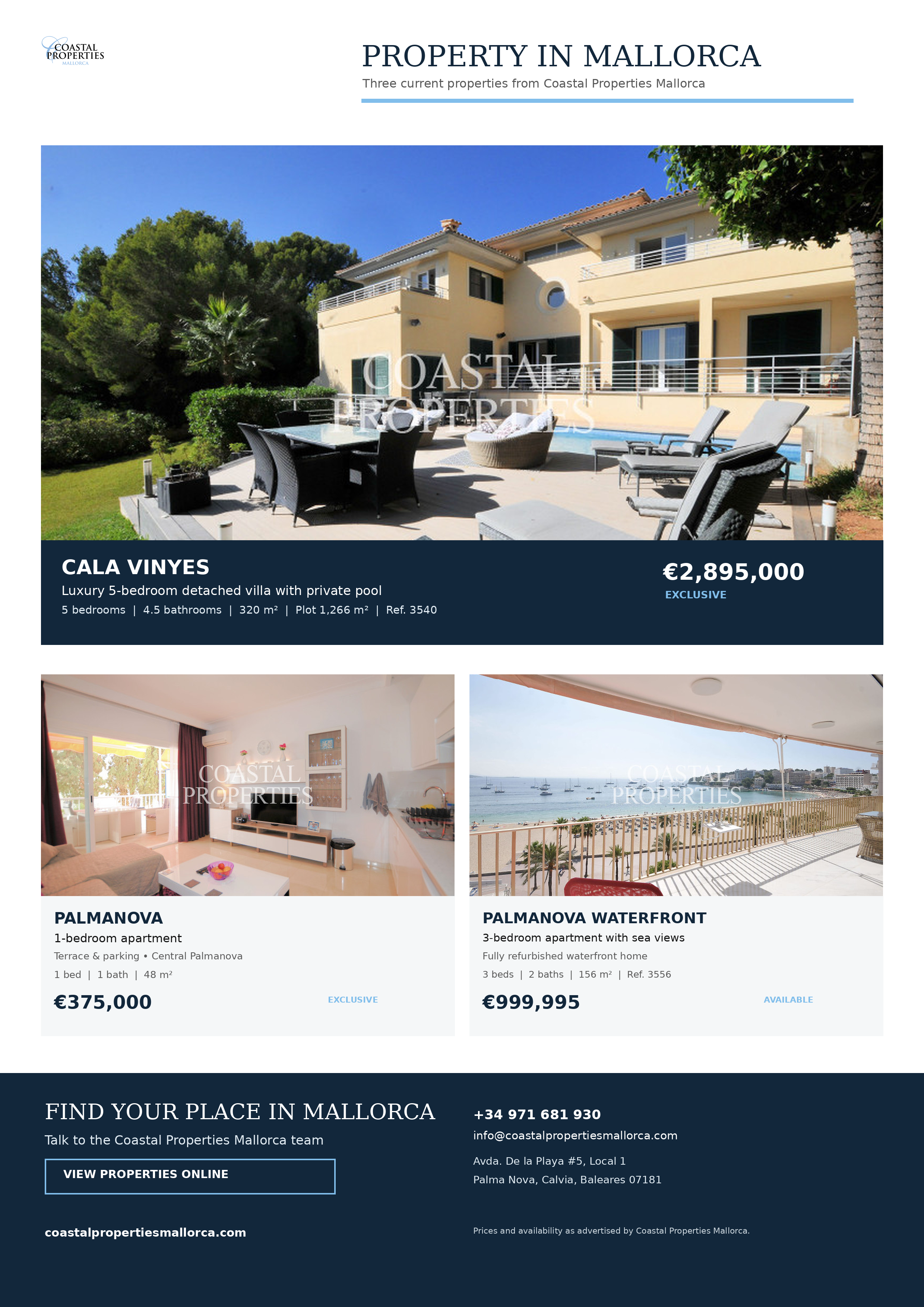
This is one of those subjects where a little preparation is worth far more than a long list of features.
This is one of those subjects where a little preparation is worth far more than a long list of features.
Sustainability claims are increasingly part of the decision as well. The useful question is not whether a product is described as green, but what has actually changed: energy use, fuel consumption, material choice, repairability, service life, emissions, waste or end-of-life handling. Improvements in one area can create compromises in another. Evidence and measured performance are more valuable than broad environmental language.
Finally, insist on a proper handover. Familiarisation, emergency procedures, maintenance intervals, passwords, spare parts, warranty contacts and operating limitations should all be understood before the supplier disappears over the horizon. A surprising number of early problems are not failures at all but gaps in handover. Thirty minutes spent recording the right information can save days later.
The compliance environment is changing as well. UK guidance for 2026 has tightened the focus on short-let responsibilities, while estate agency regulation and Right to Rent procedures remain active areas of operational change. Anyone acting professionally should work from the current official guidance rather than an old checklist copied from a previous transaction.
Documentation is another practical test. Service records, manuals, certificates, invoices, warranties, software licences and evidence of previous work are not administrative clutter; they are part of the asset. Good records make troubleshooting easier and can support resale. Missing records do not automatically mean there is a problem, but they increase uncertainty, and uncertainty should be reflected in the questions asked, the inspection undertaken and sometimes the price.
Risk is best dealt with before commitment. That means independent inspection where appropriate, clear written scope, confirmation of insurance implications and an agreed process for defects or incomplete work. In higher-value transactions, legal, tax and regulatory advice should come from qualified advisers in the relevant jurisdiction. The purpose is not to make every transaction defensive; it is to stop assumptions becoming expensive surprises.
Resale should be considered even by people who intend to keep something for years. Highly personal specifications can be perfectly sensible, but buyers should understand the trade-off. Widely supported equipment, sensible layouts, complete records and recognised maintenance tend to be easier for the next owner to understand. The objective is not to design everything for an unknown future buyer; it is simply to avoid destroying flexibility without a good reason.
Cost also needs to be separated into purchase cost and ownership cost. The second figure is usually less visible. Consumables, routine servicing, insurance, finance, berthing or storage, professional fees, software subscriptions, inspections and eventual replacement items can materially change the economics. A useful quotation is therefore one that makes exclusions obvious.
If a supplier cannot explain what normally falls outside the quoted figure, ask for that clarification before treating two prices as comparable.
After-sales support can be more important than the original specification. A component that is excellent on paper is less attractive if parts take months to arrive or there is no competent service agent where the equipment will be used. The same applies to software-led products: ownership now includes updates, access rights, data and sometimes recurring subscriptions. Find out who supports the system, for how long, and what happens if the original supplier changes hands.
Comparison becomes easier if every contender is put through the same questions. Ask for the same operating assumptions, the same delivery point, the same warranty period and the same list of included equipment or services. That turns a collection of sales conversations into something closer to a procurement exercise and exposes the areas where one quotation has quietly omitted an expensive item.
References are useful when they are relevant. A supplier's biggest or most prestigious project may tell you very little about how it handles an ordinary job in your region. Ask instead for examples with a similar scale, operating pattern and timetable. The most useful reference is often the customer who has lived with the product for two or three years and has already needed after-sales support.
The practical test for holiday-home ownership, letting, maintenance and investment is whether the decision still makes sense when circumstances are less than ideal. Weather changes, schedules move, components fail and people use equipment differently from the designer's neat assumptions. Building a little resilience into the choice usually costs less than trying to recover it afterwards.
That is the point worth carrying into the next conversation with a broker, builder, supplier or adviser: ask what the choice will be like to own and operate, not merely what it is like to buy.
Contributor: Paul Thompson / Editorial / 24HolidayHomes

Be the first reader to react to this article.
One of the easiest mistakes in holiday-home ownership, letting, maintenance and investment is to concentrate on the headline and leave the awkward questions until later.
One of the easiest mistakes in holiday-home ownership, letting, maintenance and investment is to concentrate on the headline and leave the awkward questions until later.
Timing matters. Buying or commissioning under deadline pressure weakens the buyer's position because there is less time to inspect, compare and walk away. Where possible, build the timetable backwards from the date the asset or service is genuinely required. Include survey or inspection time, corrections, training, delivery and a contingency. A realistic programme often reveals that the cheapest-looking option is not the one with the lowest overall cost.
The starting point is use. In holiday-home ownership, letting, maintenance and investment, two apparently similar products or services can be right for completely different owners because their operating pattern is different. Frequency of use, geography, crew or staffing, storage, servicing access and the length of time you expect to keep the asset all change the answer. Before comparing brands or quotations, write down those constraints.
It sounds basic, but it prevents a specification being chosen for a lifestyle that exists only in the sales material.
The compliance environment is changing as well. UK guidance for 2026 has tightened the focus on short-let responsibilities, while estate agency regulation and Right to Rent procedures remain active areas of operational change. Anyone acting professionally should work from the current official guidance rather than an old checklist copied from a previous transaction.
Technical claims deserve context. Range, output, capacity, speed, efficiency and performance figures are normally produced under stated conditions. Real use adds weather, load, temperature, fouling, route, operator behaviour and reserve margins. Rather than arguing over a headline number, ask what assumptions sit behind it and what happens when those assumptions change. That produces a much more useful comparison.
Sustainability claims are increasingly part of the decision as well. The useful question is not whether a product is described as green, but what has actually changed: energy use, fuel consumption, material choice, repairability, service life, emissions, waste or end-of-life handling. Improvements in one area can create compromises in another. Evidence and measured performance are more valuable than broad environmental language.
Finally, insist on a proper handover. Familiarisation, emergency procedures, maintenance intervals, passwords, spare parts, warranty contacts and operating limitations should all be understood before the supplier disappears over the horizon. A surprising number of early problems are not failures at all but gaps in handover. Thirty minutes spent recording the right information can save days later.
Documentation is another practical test. Service records, manuals, certificates, invoices, warranties, software licences and evidence of previous work are not administrative clutter; they are part of the asset. Good records make troubleshooting easier and can support resale. Missing records do not automatically mean there is a problem, but they increase uncertainty, and uncertainty should be reflected in the questions asked, the inspection undertaken and sometimes the price.
Risk is best dealt with before commitment. That means independent inspection where appropriate, clear written scope, confirmation of insurance implications and an agreed process for defects or incomplete work. In higher-value transactions, legal, tax and regulatory advice should come from qualified advisers in the relevant jurisdiction. The purpose is not to make every transaction defensive; it is to stop assumptions becoming expensive surprises.

Connected equipment creates a second maintenance schedule: passwords, access permissions, firmware, backups and subscriptions. Owners should know which systems can be updated remotely, which data leaves the asset and whether loss of an online service affects core operation. A paper or offline record of critical settings is still useful when the problem being diagnosed is the network itself.
Cybersecurity does not need to become a specialist exercise for every user. Basic separation of guest and operational networks, unique credentials, prompt updates and controlled administrator access remove a large proportion of avoidable risk. The more important question for a supplier is whether security has been designed into the product and whether updates will continue throughout its realistic service life.
The practical test for holiday-home ownership, letting, maintenance and investment is whether the decision still makes sense when circumstances are less than ideal. Weather changes, schedules move, components fail and people use equipment differently from the designer's neat assumptions. Building a little resilience into the choice usually costs less than trying to recover it afterwards.
For most readers, that is enough to narrow the field considerably before serious money or time is committed.
Contributor: Paul Thompson / Editorial / 24HolidayHomes
Be the first reader to react to this article.
This is one of those subjects where a little preparation is worth far more than a long list of features.
This is one of those subjects where a little preparation is worth far more than a long list of features.
Resale should be considered even by people who intend to keep something for years. Highly personal specifications can be perfectly sensible, but buyers should understand the trade-off. Widely supported equipment, sensible layouts, complete records and recognised maintenance tend to be easier for the next owner to understand. The objective is not to design everything for an unknown future buyer; it is simply to avoid destroying flexibility without a good reason.
Cost also needs to be separated into purchase cost and ownership cost. The second figure is usually less visible. Consumables, routine servicing, insurance, finance, berthing or storage, professional fees, software subscriptions, inspections and eventual replacement items can materially change the economics. A useful quotation is therefore one that makes exclusions obvious.
If a supplier cannot explain what normally falls outside the quoted figure, ask for that clarification before treating two prices as comparable.
The compliance environment is changing as well. UK guidance for 2026 has tightened the focus on short-let responsibilities, while estate agency regulation and Right to Rent procedures remain active areas of operational change. Anyone acting professionally should work from the current official guidance rather than an old checklist copied from a previous transaction.
After-sales support can be more important than the original specification. A component that is excellent on paper is less attractive if parts take months to arrive or there is no competent service agent where the equipment will be used. The same applies to software-led products: ownership now includes updates, access rights, data and sometimes recurring subscriptions. Find out who supports the system, for how long, and what happens if the original supplier changes hands.
Timing matters. Buying or commissioning under deadline pressure weakens the buyer's position because there is less time to inspect, compare and walk away. Where possible, build the timetable backwards from the date the asset or service is genuinely required. Include survey or inspection time, corrections, training, delivery and a contingency. A realistic programme often reveals that the cheapest-looking option is not the one with the lowest overall cost.
The starting point is use. In holiday-home ownership, letting, maintenance and investment, two apparently similar products or services can be right for completely different owners because their operating pattern is different. Frequency of use, geography, crew or staffing, storage, servicing access and the length of time you expect to keep the asset all change the answer. Before comparing brands or quotations, write down those constraints.
It sounds basic, but it prevents a specification being chosen for a lifestyle that exists only in the sales material.
Technical claims deserve context. Range, output, capacity, speed, efficiency and performance figures are normally produced under stated conditions. Real use adds weather, load, temperature, fouling, route, operator behaviour and reserve margins. Rather than arguing over a headline number, ask what assumptions sit behind it and what happens when those assumptions change. That produces a much more useful comparison.
Sustainability claims are increasingly part of the decision as well. The useful question is not whether a product is described as green, but what has actually changed: energy use, fuel consumption, material choice, repairability, service life, emissions, waste or end-of-life handling. Improvements in one area can create compromises in another. Evidence and measured performance are more valuable than broad environmental language.
Comparison becomes easier if every contender is put through the same questions. Ask for the same operating assumptions, the same delivery point, the same warranty period and the same list of included equipment or services. That turns a collection of sales conversations into something closer to a procurement exercise and exposes the areas where one quotation has quietly omitted an expensive item.
References are useful when they are relevant. A supplier's biggest or most prestigious project may tell you very little about how it handles an ordinary job in your region. Ask instead for examples with a similar scale, operating pattern and timetable. The most useful reference is often the customer who has lived with the product for two or three years and has already needed after-sales support.
The practical test for holiday-home ownership, letting, maintenance and investment is whether the decision still makes sense when circumstances are less than ideal. Weather changes, schedules move, components fail and people use equipment differently from the designer's neat assumptions. Building a little resilience into the choice usually costs less than trying to recover it afterwards.
A measured decision now generally costs less than correcting an enthusiastic one later.
Contributor: Paul Thompson / Editorial / 24HolidayHomes

Be the first reader to react to this article.
The market has become very good at presenting guest screening: balancing convenience, privacy and risk as simple.
The market has become very good at presenting guest screening: balancing convenience, privacy and risk as simple. In practice, the details still determine whether it works.
The starting point is use. In holiday-home ownership, letting, maintenance and investment, two apparently similar products or services can be right for completely different owners because their operating pattern is different. Frequency of use, geography, crew or staffing, storage, servicing access and the length of time you expect to keep the asset all change the answer. Before comparing brands or quotations, write down those constraints.
It sounds basic, but it prevents a specification being chosen for a lifestyle that exists only in the sales material.
Technical claims deserve context. Range, output, capacity, speed, efficiency and performance figures are normally produced under stated conditions. Real use adds weather, load, temperature, fouling, route, operator behaviour and reserve margins. Rather than arguing over a headline number, ask what assumptions sit behind it and what happens when those assumptions change. That produces a much more useful comparison.
The compliance environment is changing as well. UK guidance for 2026 has tightened the focus on short-let responsibilities, while estate agency regulation and Right to Rent procedures remain active areas of operational change. Anyone acting professionally should work from the current official guidance rather than an old checklist copied from a previous transaction.
Sustainability claims are increasingly part of the decision as well. The useful question is not whether a product is described as green, but what has actually changed: energy use, fuel consumption, material choice, repairability, service life, emissions, waste or end-of-life handling. Improvements in one area can create compromises in another. Evidence and measured performance are more valuable than broad environmental language.
Finally, insist on a proper handover. Familiarisation, emergency procedures, maintenance intervals, passwords, spare parts, warranty contacts and operating limitations should all be understood before the supplier disappears over the horizon. A surprising number of early problems are not failures at all but gaps in handover. Thirty minutes spent recording the right information can save days later.
Documentation is another practical test. Service records, manuals, certificates, invoices, warranties, software licences and evidence of previous work are not administrative clutter; they are part of the asset. Good records make troubleshooting easier and can support resale. Missing records do not automatically mean there is a problem, but they increase uncertainty, and uncertainty should be reflected in the questions asked, the inspection undertaken and sometimes the price.
Risk is best dealt with before commitment. That means independent inspection where appropriate, clear written scope, confirmation of insurance implications and an agreed process for defects or incomplete work. In higher-value transactions, legal, tax and regulatory advice should come from qualified advisers in the relevant jurisdiction. The purpose is not to make every transaction defensive; it is to stop assumptions becoming expensive surprises.
Resale should be considered even by people who intend to keep something for years. Highly personal specifications can be perfectly sensible, but buyers should understand the trade-off. Widely supported equipment, sensible layouts, complete records and recognised maintenance tend to be easier for the next owner to understand. The objective is not to design everything for an unknown future buyer; it is simply to avoid destroying flexibility without a good reason.

Comparison becomes easier if every contender is put through the same questions. Ask for the same operating assumptions, the same delivery point, the same warranty period and the same list of included equipment or services. That turns a collection of sales conversations into something closer to a procurement exercise and exposes the areas where one quotation has quietly omitted an expensive item.
References are useful when they are relevant. A supplier's biggest or most prestigious project may tell you very little about how it handles an ordinary job in your region. Ask instead for examples with a similar scale, operating pattern and timetable. The most useful reference is often the customer who has lived with the product for two or three years and has already needed after-sales support.
The practical test for holiday-home ownership, letting, maintenance and investment is whether the decision still makes sense when circumstances are less than ideal. Weather changes, schedules move, components fail and people use equipment differently from the designer's neat assumptions. Building a little resilience into the choice usually costs less than trying to recover it afterwards.
That is the point worth carrying into the next conversation with a broker, builder, supplier or adviser: ask what the choice will be like to own and operate, not merely what it is like to buy.
Contributor: Paul Thompson / Editorial / 24HolidayHomes
Be the first reader to react to this article.
A good decision in holiday-home ownership, letting, maintenance and investment rarely comes from one impressive specification.
A good decision in holiday-home ownership, letting, maintenance and investment rarely comes from one impressive specification. It comes from understanding how the whole package will be used.
Cost also needs to be separated into purchase cost and ownership cost. The second figure is usually less visible. Consumables, routine servicing, insurance, finance, berthing or storage, professional fees, software subscriptions, inspections and eventual replacement items can materially change the economics. A useful quotation is therefore one that makes exclusions obvious.
If a supplier cannot explain what normally falls outside the quoted figure, ask for that clarification before treating two prices as comparable.
After-sales support can be more important than the original specification. A component that is excellent on paper is less attractive if parts take months to arrive or there is no competent service agent where the equipment will be used. The same applies to software-led products: ownership now includes updates, access rights, data and sometimes recurring subscriptions. Find out who supports the system, for how long, and what happens if the original supplier changes hands.
The compliance environment is changing as well. UK guidance for 2026 has tightened the focus on short-let responsibilities, while estate agency regulation and Right to Rent procedures remain active areas of operational change. Anyone acting professionally should work from the current official guidance rather than an old checklist copied from a previous transaction.
Timing matters. Buying or commissioning under deadline pressure weakens the buyer's position because there is less time to inspect, compare and walk away. Where possible, build the timetable backwards from the date the asset or service is genuinely required. Include survey or inspection time, corrections, training, delivery and a contingency. A realistic programme often reveals that the cheapest-looking option is not the one with the lowest overall cost.
The starting point is use. In holiday-home ownership, letting, maintenance and investment, two apparently similar products or services can be right for completely different owners because their operating pattern is different. Frequency of use, geography, crew or staffing, storage, servicing access and the length of time you expect to keep the asset all change the answer. Before comparing brands or quotations, write down those constraints.
It sounds basic, but it prevents a specification being chosen for a lifestyle that exists only in the sales material.
Technical claims deserve context. Range, output, capacity, speed, efficiency and performance figures are normally produced under stated conditions. Real use adds weather, load, temperature, fouling, route, operator behaviour and reserve margins. Rather than arguing over a headline number, ask what assumptions sit behind it and what happens when those assumptions change. That produces a much more useful comparison.
Sustainability claims are increasingly part of the decision as well. The useful question is not whether a product is described as green, but what has actually changed: energy use, fuel consumption, material choice, repairability, service life, emissions, waste or end-of-life handling. Improvements in one area can create compromises in another. Evidence and measured performance are more valuable than broad environmental language.
Finally, insist on a proper handover. Familiarisation, emergency procedures, maintenance intervals, passwords, spare parts, warranty contacts and operating limitations should all be understood before the supplier disappears over the horizon. A surprising number of early problems are not failures at all but gaps in handover. Thirty minutes spent recording the right information can save days later.

Connected equipment creates a second maintenance schedule: passwords, access permissions, firmware, backups and subscriptions. Owners should know which systems can be updated remotely, which data leaves the asset and whether loss of an online service affects core operation. A paper or offline record of critical settings is still useful when the problem being diagnosed is the network itself.
Cybersecurity does not need to become a specialist exercise for every user. Basic separation of guest and operational networks, unique credentials, prompt updates and controlled administrator access remove a large proportion of avoidable risk. The more important question for a supplier is whether security has been designed into the product and whether updates will continue throughout its realistic service life.
The practical test for holiday-home ownership, letting, maintenance and investment is whether the decision still makes sense when circumstances are less than ideal. Weather changes, schedules move, components fail and people use equipment differently from the designer's neat assumptions. Building a little resilience into the choice usually costs less than trying to recover it afterwards.
For most readers, that is enough to narrow the field considerably before serious money or time is committed.
Contributor: Paul Thompson / Editorial / 24HolidayHomes
Be the first reader to react to this article.
I have always found that the useful part of holiday-home ownership, letting, maintenance and investment starts once the brochure language has been stripped away.
I have always found that the useful part of holiday-home ownership, letting, maintenance and investment starts once the brochure language has been stripped away.
Documentation is another practical test. Service records, manuals, certificates, invoices, warranties, software licences and evidence of previous work are not administrative clutter; they are part of the asset. Good records make troubleshooting easier and can support resale. Missing records do not automatically mean there is a problem, but they increase uncertainty, and uncertainty should be reflected in the questions asked, the inspection undertaken and sometimes the price.
Risk is best dealt with before commitment. That means independent inspection where appropriate, clear written scope, confirmation of insurance implications and an agreed process for defects or incomplete work. In higher-value transactions, legal, tax and regulatory advice should come from qualified advisers in the relevant jurisdiction. The purpose is not to make every transaction defensive; it is to stop assumptions becoming expensive surprises.
The compliance environment is changing as well. UK guidance for 2026 has tightened the focus on short-let responsibilities, while estate agency regulation and Right to Rent procedures remain active areas of operational change. Anyone acting professionally should work from the current official guidance rather than an old checklist copied from a previous transaction.
Resale should be considered even by people who intend to keep something for years. Highly personal specifications can be perfectly sensible, but buyers should understand the trade-off. Widely supported equipment, sensible layouts, complete records and recognised maintenance tend to be easier for the next owner to understand. The objective is not to design everything for an unknown future buyer; it is simply to avoid destroying flexibility without a good reason.
Cost also needs to be separated into purchase cost and ownership cost. The second figure is usually less visible. Consumables, routine servicing, insurance, finance, berthing or storage, professional fees, software subscriptions, inspections and eventual replacement items can materially change the economics. A useful quotation is therefore one that makes exclusions obvious.
If a supplier cannot explain what normally falls outside the quoted figure, ask for that clarification before treating two prices as comparable.
After-sales support can be more important than the original specification. A component that is excellent on paper is less attractive if parts take months to arrive or there is no competent service agent where the equipment will be used. The same applies to software-led products: ownership now includes updates, access rights, data and sometimes recurring subscriptions. Find out who supports the system, for how long, and what happens if the original supplier changes hands.
Timing matters. Buying or commissioning under deadline pressure weakens the buyer's position because there is less time to inspect, compare and walk away. Where possible, build the timetable backwards from the date the asset or service is genuinely required. Include survey or inspection time, corrections, training, delivery and a contingency. A realistic programme often reveals that the cheapest-looking option is not the one with the lowest overall cost.
The starting point is use. In holiday-home ownership, letting, maintenance and investment, two apparently similar products or services can be right for completely different owners because their operating pattern is different. Frequency of use, geography, crew or staffing, storage, servicing access and the length of time you expect to keep the asset all change the answer. Before comparing brands or quotations, write down those constraints.
It sounds basic, but it prevents a specification being chosen for a lifestyle that exists only in the sales material.

Energy decisions need a duty-cycle calculation. Average use is less important than the difficult day: the longest passage, the coldest morning, the heaviest load, the remote berth or the turnaround with the least charging time. Design around that case with a sensible reserve and the everyday operation normally becomes straightforward. Design around the brochure average and the owner may spend years managing around the system.
Infrastructure should be checked before hardware is ordered. Available electrical supply, connector type, grid capacity, bunkering arrangements, ventilation, fire protection and local operating rules can all dictate what is practical. In many projects the limiting factor is not the motor, battery or fuel technology; it is the place where the asset has to recharge, refuel or be maintained.
The practical test for holiday-home ownership, letting, maintenance and investment is whether the decision still makes sense when circumstances are less than ideal. Weather changes, schedules move, components fail and people use equipment differently from the designer's neat assumptions. Building a little resilience into the choice usually costs less than trying to recover it afterwards.
For most readers, that is enough to narrow the field considerably before serious money or time is committed.
Contributor: Paul Thompson / Editorial / 24HolidayHomes
Be the first reader to react to this article.
There is nothing particularly complicated about pet-friendly lets: demand, cleaning and damage deposits, but there are several ways to make it unnecessarily expensive.
There is nothing particularly complicated about pet-friendly lets: demand, cleaning and damage deposits, but there are several ways to make it unnecessarily expensive.
Technical claims deserve context. Range, output, capacity, speed, efficiency and performance figures are normally produced under stated conditions. Real use adds weather, load, temperature, fouling, route, operator behaviour and reserve margins. Rather than arguing over a headline number, ask what assumptions sit behind it and what happens when those assumptions change. That produces a much more useful comparison.
Sustainability claims are increasingly part of the decision as well. The useful question is not whether a product is described as green, but what has actually changed: energy use, fuel consumption, material choice, repairability, service life, emissions, waste or end-of-life handling. Improvements in one area can create compromises in another. Evidence and measured performance are more valuable than broad environmental language.
The compliance environment is changing as well. UK guidance for 2026 has tightened the focus on short-let responsibilities, while estate agency regulation and Right to Rent procedures remain active areas of operational change. Anyone acting professionally should work from the current official guidance rather than an old checklist copied from a previous transaction.
Finally, insist on a proper handover. Familiarisation, emergency procedures, maintenance intervals, passwords, spare parts, warranty contacts and operating limitations should all be understood before the supplier disappears over the horizon. A surprising number of early problems are not failures at all but gaps in handover. Thirty minutes spent recording the right information can save days later.
Documentation is another practical test. Service records, manuals, certificates, invoices, warranties, software licences and evidence of previous work are not administrative clutter; they are part of the asset. Good records make troubleshooting easier and can support resale. Missing records do not automatically mean there is a problem, but they increase uncertainty, and uncertainty should be reflected in the questions asked, the inspection undertaken and sometimes the price.
Risk is best dealt with before commitment. That means independent inspection where appropriate, clear written scope, confirmation of insurance implications and an agreed process for defects or incomplete work. In higher-value transactions, legal, tax and regulatory advice should come from qualified advisers in the relevant jurisdiction. The purpose is not to make every transaction defensive; it is to stop assumptions becoming expensive surprises.
Resale should be considered even by people who intend to keep something for years. Highly personal specifications can be perfectly sensible, but buyers should understand the trade-off. Widely supported equipment, sensible layouts, complete records and recognised maintenance tend to be easier for the next owner to understand. The objective is not to design everything for an unknown future buyer; it is simply to avoid destroying flexibility without a good reason.
Cost also needs to be separated into purchase cost and ownership cost. The second figure is usually less visible. Consumables, routine servicing, insurance, finance, berthing or storage, professional fees, software subscriptions, inspections and eventual replacement items can materially change the economics. A useful quotation is therefore one that makes exclusions obvious.
If a supplier cannot explain what normally falls outside the quoted figure, ask for that clarification before treating two prices as comparable.
My own shorthand for pet-friendly lets: demand, cleaning and damage deposits is simple: verify the condition, verify the paperwork, understand the support network and calculate the cost on a realistic pattern of use. If any one of those four is unclear, there is still work to do before committing.
Comparison becomes easier if every contender is put through the same questions. Ask for the same operating assumptions, the same delivery point, the same warranty period and the same list of included equipment or services. That turns a collection of sales conversations into something closer to a procurement exercise and exposes the areas where one quotation has quietly omitted an expensive item.
References are useful when they are relevant. A supplier's biggest or most prestigious project may tell you very little about how it handles an ordinary job in your region. Ask instead for examples with a similar scale, operating pattern and timetable. The most useful reference is often the customer who has lived with the product for two or three years and has already needed after-sales support.
The practical test for holiday-home ownership, letting, maintenance and investment is whether the decision still makes sense when circumstances are less than ideal. Weather changes, schedules move, components fail and people use equipment differently from the designer's neat assumptions. Building a little resilience into the choice usually costs less than trying to recover it afterwards.
For most readers, that is enough to narrow the field considerably before serious money or time is committed.
Contributor: Paul Thompson / Editorial / 24HolidayHomes

Be the first reader to react to this article.
I have always found that the useful part of holiday-home ownership, letting, maintenance and investment starts once the brochure language has been stripped away.
I have always found that the useful part of holiday-home ownership, letting, maintenance and investment starts once the brochure language has been stripped away.
After-sales support can be more important than the original specification. A component that is excellent on paper is less attractive if parts take months to arrive or there is no competent service agent where the equipment will be used. The same applies to software-led products: ownership now includes updates, access rights, data and sometimes recurring subscriptions. Find out who supports the system, for how long, and what happens if the original supplier changes hands.
Timing matters. Buying or commissioning under deadline pressure weakens the buyer's position because there is less time to inspect, compare and walk away. Where possible, build the timetable backwards from the date the asset or service is genuinely required. Include survey or inspection time, corrections, training, delivery and a contingency. A realistic programme often reveals that the cheapest-looking option is not the one with the lowest overall cost.
The compliance environment is changing as well. UK guidance for 2026 has tightened the focus on short-let responsibilities, while estate agency regulation and Right to Rent procedures remain active areas of operational change. Anyone acting professionally should work from the current official guidance rather than an old checklist copied from a previous transaction.
The starting point is use. In holiday-home ownership, letting, maintenance and investment, two apparently similar products or services can be right for completely different owners because their operating pattern is different. Frequency of use, geography, crew or staffing, storage, servicing access and the length of time you expect to keep the asset all change the answer. Before comparing brands or quotations, write down those constraints.
It sounds basic, but it prevents a specification being chosen for a lifestyle that exists only in the sales material.
Technical claims deserve context. Range, output, capacity, speed, efficiency and performance figures are normally produced under stated conditions. Real use adds weather, load, temperature, fouling, route, operator behaviour and reserve margins. Rather than arguing over a headline number, ask what assumptions sit behind it and what happens when those assumptions change. That produces a much more useful comparison.
Sustainability claims are increasingly part of the decision as well. The useful question is not whether a product is described as green, but what has actually changed: energy use, fuel consumption, material choice, repairability, service life, emissions, waste or end-of-life handling. Improvements in one area can create compromises in another. Evidence and measured performance are more valuable than broad environmental language.
Finally, insist on a proper handover. Familiarisation, emergency procedures, maintenance intervals, passwords, spare parts, warranty contacts and operating limitations should all be understood before the supplier disappears over the horizon. A surprising number of early problems are not failures at all but gaps in handover. Thirty minutes spent recording the right information can save days later.
Documentation is another practical test. Service records, manuals, certificates, invoices, warranties, software licences and evidence of previous work are not administrative clutter; they are part of the asset. Good records make troubleshooting easier and can support resale. Missing records do not automatically mean there is a problem, but they increase uncertainty, and uncertainty should be reflected in the questions asked, the inspection undertaken and sometimes the price.

Preventive work is most effective when it is recorded rather than remembered. A simple calendar of hours, dates, consumables, inspections and recurring tasks gives owners and managers an early warning before maintenance becomes urgent. It also allows jobs to be grouped sensibly, reducing repeated access costs and downtime. The discipline is not glamorous, but it is one of the clearest ways to protect reliability.
Scope control matters on any refit or repair. Once equipment is opened up, additional work is common, so the original quotation should distinguish fixed items, provisional sums and work that requires further authorisation. Photographing condition before and after the job and retaining replaced-part details can prevent disputes and gives the next technician a useful history.
The practical test for holiday-home ownership, letting, maintenance and investment is whether the decision still makes sense when circumstances are less than ideal. Weather changes, schedules move, components fail and people use equipment differently from the designer's neat assumptions. Building a little resilience into the choice usually costs less than trying to recover it afterwards.
That is the point worth carrying into the next conversation with a broker, builder, supplier or adviser: ask what the choice will be like to own and operate, not merely what it is like to buy.
Contributor: Paul Thompson / Editorial / 24HolidayHomes
Be the first reader to react to this article.
I have always found that the useful part of holiday-home ownership, letting, maintenance and investment starts once the brochure language has been stripped away.
I have always found that the useful part of holiday-home ownership, letting, maintenance and investment starts once the brochure language has been stripped away.
Risk is best dealt with before commitment. That means independent inspection where appropriate, clear written scope, confirmation of insurance implications and an agreed process for defects or incomplete work. In higher-value transactions, legal, tax and regulatory advice should come from qualified advisers in the relevant jurisdiction. The purpose is not to make every transaction defensive; it is to stop assumptions becoming expensive surprises.
Resale should be considered even by people who intend to keep something for years. Highly personal specifications can be perfectly sensible, but buyers should understand the trade-off. Widely supported equipment, sensible layouts, complete records and recognised maintenance tend to be easier for the next owner to understand. The objective is not to design everything for an unknown future buyer; it is simply to avoid destroying flexibility without a good reason.
The compliance environment is changing as well. UK guidance for 2026 has tightened the focus on short-let responsibilities, while estate agency regulation and Right to Rent procedures remain active areas of operational change. Anyone acting professionally should work from the current official guidance rather than an old checklist copied from a previous transaction.
Cost also needs to be separated into purchase cost and ownership cost. The second figure is usually less visible. Consumables, routine servicing, insurance, finance, berthing or storage, professional fees, software subscriptions, inspections and eventual replacement items can materially change the economics. A useful quotation is therefore one that makes exclusions obvious.
If a supplier cannot explain what normally falls outside the quoted figure, ask for that clarification before treating two prices as comparable.
After-sales support can be more important than the original specification. A component that is excellent on paper is less attractive if parts take months to arrive or there is no competent service agent where the equipment will be used. The same applies to software-led products: ownership now includes updates, access rights, data and sometimes recurring subscriptions. Find out who supports the system, for how long, and what happens if the original supplier changes hands.
Timing matters. Buying or commissioning under deadline pressure weakens the buyer's position because there is less time to inspect, compare and walk away. Where possible, build the timetable backwards from the date the asset or service is genuinely required. Include survey or inspection time, corrections, training, delivery and a contingency. A realistic programme often reveals that the cheapest-looking option is not the one with the lowest overall cost.
The starting point is use. In holiday-home ownership, letting, maintenance and investment, two apparently similar products or services can be right for completely different owners because their operating pattern is different. Frequency of use, geography, crew or staffing, storage, servicing access and the length of time you expect to keep the asset all change the answer. Before comparing brands or quotations, write down those constraints.
It sounds basic, but it prevents a specification being chosen for a lifestyle that exists only in the sales material.
Technical claims deserve context. Range, output, capacity, speed, efficiency and performance figures are normally produced under stated conditions. Real use adds weather, load, temperature, fouling, route, operator behaviour and reserve margins. Rather than arguing over a headline number, ask what assumptions sit behind it and what happens when those assumptions change. That produces a much more useful comparison.
Preventive work is most effective when it is recorded rather than remembered. A simple calendar of hours, dates, consumables, inspections and recurring tasks gives owners and managers an early warning before maintenance becomes urgent. It also allows jobs to be grouped sensibly, reducing repeated access costs and downtime. The discipline is not glamorous, but it is one of the clearest ways to protect reliability.
Scope control matters on any refit or repair. Once equipment is opened up, additional work is common, so the original quotation should distinguish fixed items, provisional sums and work that requires further authorisation. Photographing condition before and after the job and retaining replaced-part details can prevent disputes and gives the next technician a useful history.
The practical test for holiday-home ownership, letting, maintenance and investment is whether the decision still makes sense when circumstances are less than ideal. Weather changes, schedules move, components fail and people use equipment differently from the designer's neat assumptions. Building a little resilience into the choice usually costs less than trying to recover it afterwards.
For most readers, that is enough to narrow the field considerably before serious money or time is committed.
Contributor: Paul Thompson / Editorial / 24HolidayHomes

Be the first reader to react to this article.
The market has become very good at presenting photography: show the property accurately, not impossibly as simple.
The market has become very good at presenting photography: show the property accurately, not impossibly as simple. In practice, the details still determine whether it works.
Sustainability claims are increasingly part of the decision as well. The useful question is not whether a product is described as green, but what has actually changed: energy use, fuel consumption, material choice, repairability, service life, emissions, waste or end-of-life handling. Improvements in one area can create compromises in another. Evidence and measured performance are more valuable than broad environmental language.
Finally, insist on a proper handover. Familiarisation, emergency procedures, maintenance intervals, passwords, spare parts, warranty contacts and operating limitations should all be understood before the supplier disappears over the horizon. A surprising number of early problems are not failures at all but gaps in handover. Thirty minutes spent recording the right information can save days later.
The compliance environment is changing as well. UK guidance for 2026 has tightened the focus on short-let responsibilities, while estate agency regulation and Right to Rent procedures remain active areas of operational change. Anyone acting professionally should work from the current official guidance rather than an old checklist copied from a previous transaction.
Documentation is another practical test. Service records, manuals, certificates, invoices, warranties, software licences and evidence of previous work are not administrative clutter; they are part of the asset. Good records make troubleshooting easier and can support resale. Missing records do not automatically mean there is a problem, but they increase uncertainty, and uncertainty should be reflected in the questions asked, the inspection undertaken and sometimes the price.
Risk is best dealt with before commitment. That means independent inspection where appropriate, clear written scope, confirmation of insurance implications and an agreed process for defects or incomplete work. In higher-value transactions, legal, tax and regulatory advice should come from qualified advisers in the relevant jurisdiction. The purpose is not to make every transaction defensive; it is to stop assumptions becoming expensive surprises.
Resale should be considered even by people who intend to keep something for years. Highly personal specifications can be perfectly sensible, but buyers should understand the trade-off. Widely supported equipment, sensible layouts, complete records and recognised maintenance tend to be easier for the next owner to understand. The objective is not to design everything for an unknown future buyer; it is simply to avoid destroying flexibility without a good reason.
Cost also needs to be separated into purchase cost and ownership cost. The second figure is usually less visible. Consumables, routine servicing, insurance, finance, berthing or storage, professional fees, software subscriptions, inspections and eventual replacement items can materially change the economics. A useful quotation is therefore one that makes exclusions obvious.
If a supplier cannot explain what normally falls outside the quoted figure, ask for that clarification before treating two prices as comparable.
After-sales support can be more important than the original specification. A component that is excellent on paper is less attractive if parts take months to arrive or there is no competent service agent where the equipment will be used. The same applies to software-led products: ownership now includes updates, access rights, data and sometimes recurring subscriptions. Find out who supports the system, for how long, and what happens if the original supplier changes hands.

Comparison becomes easier if every contender is put through the same questions. Ask for the same operating assumptions, the same delivery point, the same warranty period and the same list of included equipment or services. That turns a collection of sales conversations into something closer to a procurement exercise and exposes the areas where one quotation has quietly omitted an expensive item.
References are useful when they are relevant. A supplier's biggest or most prestigious project may tell you very little about how it handles an ordinary job in your region. Ask instead for examples with a similar scale, operating pattern and timetable. The most useful reference is often the customer who has lived with the product for two or three years and has already needed after-sales support.
The practical test for holiday-home ownership, letting, maintenance and investment is whether the decision still makes sense when circumstances are less than ideal. Weather changes, schedules move, components fail and people use equipment differently from the designer's neat assumptions. Building a little resilience into the choice usually costs less than trying to recover it afterwards.
None of this makes the decision difficult. It simply moves attention from presentation to evidence, which is usually where the better value sits.
Contributor: Paul Thompson / Editorial / 24HolidayHomes
Be the first reader to react to this article.
The market has become very good at presenting neighbour relations: the hidden asset of a successful short let as simple.
The market has become very good at presenting neighbour relations: the hidden asset of a successful short let as simple. In practice, the details still determine whether it works.
Timing matters. Buying or commissioning under deadline pressure weakens the buyer's position because there is less time to inspect, compare and walk away. Where possible, build the timetable backwards from the date the asset or service is genuinely required. Include survey or inspection time, corrections, training, delivery and a contingency. A realistic programme often reveals that the cheapest-looking option is not the one with the lowest overall cost.
The starting point is use. In holiday-home ownership, letting, maintenance and investment, two apparently similar products or services can be right for completely different owners because their operating pattern is different. Frequency of use, geography, crew or staffing, storage, servicing access and the length of time you expect to keep the asset all change the answer. Before comparing brands or quotations, write down those constraints.
It sounds basic, but it prevents a specification being chosen for a lifestyle that exists only in the sales material.
The compliance environment is changing as well. UK guidance for 2026 has tightened the focus on short-let responsibilities, while estate agency regulation and Right to Rent procedures remain active areas of operational change. Anyone acting professionally should work from the current official guidance rather than an old checklist copied from a previous transaction.
Technical claims deserve context. Range, output, capacity, speed, efficiency and performance figures are normally produced under stated conditions. Real use adds weather, load, temperature, fouling, route, operator behaviour and reserve margins. Rather than arguing over a headline number, ask what assumptions sit behind it and what happens when those assumptions change. That produces a much more useful comparison.
Sustainability claims are increasingly part of the decision as well. The useful question is not whether a product is described as green, but what has actually changed: energy use, fuel consumption, material choice, repairability, service life, emissions, waste or end-of-life handling. Improvements in one area can create compromises in another. Evidence and measured performance are more valuable than broad environmental language.
Finally, insist on a proper handover. Familiarisation, emergency procedures, maintenance intervals, passwords, spare parts, warranty contacts and operating limitations should all be understood before the supplier disappears over the horizon. A surprising number of early problems are not failures at all but gaps in handover. Thirty minutes spent recording the right information can save days later.
Documentation is another practical test. Service records, manuals, certificates, invoices, warranties, software licences and evidence of previous work are not administrative clutter; they are part of the asset. Good records make troubleshooting easier and can support resale. Missing records do not automatically mean there is a problem, but they increase uncertainty, and uncertainty should be reflected in the questions asked, the inspection undertaken and sometimes the price.
Risk is best dealt with before commitment. That means independent inspection where appropriate, clear written scope, confirmation of insurance implications and an agreed process for defects or incomplete work. In higher-value transactions, legal, tax and regulatory advice should come from qualified advisers in the relevant jurisdiction. The purpose is not to make every transaction defensive; it is to stop assumptions becoming expensive surprises.
My own shorthand for neighbour relations: the hidden asset of a successful short let is simple: verify the condition, verify the paperwork, understand the support network and calculate the cost on a realistic pattern of use. If any one of those four is unclear, there is still work to do before committing.

Comparison becomes easier if every contender is put through the same questions. Ask for the same operating assumptions, the same delivery point, the same warranty period and the same list of included equipment or services. That turns a collection of sales conversations into something closer to a procurement exercise and exposes the areas where one quotation has quietly omitted an expensive item.
References are useful when they are relevant. A supplier's biggest or most prestigious project may tell you very little about how it handles an ordinary job in your region. Ask instead for examples with a similar scale, operating pattern and timetable. The most useful reference is often the customer who has lived with the product for two or three years and has already needed after-sales support.
The practical test for holiday-home ownership, letting, maintenance and investment is whether the decision still makes sense when circumstances are less than ideal. Weather changes, schedules move, components fail and people use equipment differently from the designer's neat assumptions. Building a little resilience into the choice usually costs less than trying to recover it afterwards.
The sensible approach is therefore quite conventional: define the job, verify the evidence, price the whole commitment and keep enough margin for the things that never appear in the brochure.
Contributor: Paul Thompson / Editorial / 24HolidayHomes
Be the first reader to react to this article.
For anyone looking at buying a holiday home abroad: legal and tax advice should be local, the first job is not to decide what looks best.
For anyone looking at buying a holiday home abroad: legal and tax advice should be local, the first job is not to decide what looks best. It is to establish what problem actually needs solving.
Resale should be considered even by people who intend to keep something for years. Highly personal specifications can be perfectly sensible, but buyers should understand the trade-off. Widely supported equipment, sensible layouts, complete records and recognised maintenance tend to be easier for the next owner to understand. The objective is not to design everything for an unknown future buyer; it is simply to avoid destroying flexibility without a good reason.
Cost also needs to be separated into purchase cost and ownership cost. The second figure is usually less visible. Consumables, routine servicing, insurance, finance, berthing or storage, professional fees, software subscriptions, inspections and eventual replacement items can materially change the economics. A useful quotation is therefore one that makes exclusions obvious.
If a supplier cannot explain what normally falls outside the quoted figure, ask for that clarification before treating two prices as comparable.
The compliance environment is changing as well. UK guidance for 2026 has tightened the focus on short-let responsibilities, while estate agency regulation and Right to Rent procedures remain active areas of operational change. Anyone acting professionally should work from the current official guidance rather than an old checklist copied from a previous transaction.
After-sales support can be more important than the original specification. A component that is excellent on paper is less attractive if parts take months to arrive or there is no competent service agent where the equipment will be used. The same applies to software-led products: ownership now includes updates, access rights, data and sometimes recurring subscriptions. Find out who supports the system, for how long, and what happens if the original supplier changes hands.
Timing matters. Buying or commissioning under deadline pressure weakens the buyer's position because there is less time to inspect, compare and walk away. Where possible, build the timetable backwards from the date the asset or service is genuinely required. Include survey or inspection time, corrections, training, delivery and a contingency. A realistic programme often reveals that the cheapest-looking option is not the one with the lowest overall cost.
The starting point is use. In holiday-home ownership, letting, maintenance and investment, two apparently similar products or services can be right for completely different owners because their operating pattern is different. Frequency of use, geography, crew or staffing, storage, servicing access and the length of time you expect to keep the asset all change the answer. Before comparing brands or quotations, write down those constraints.
It sounds basic, but it prevents a specification being chosen for a lifestyle that exists only in the sales material.
Technical claims deserve context. Range, output, capacity, speed, efficiency and performance figures are normally produced under stated conditions. Real use adds weather, load, temperature, fouling, route, operator behaviour and reserve margins. Rather than arguing over a headline number, ask what assumptions sit behind it and what happens when those assumptions change. That produces a much more useful comparison.
Sustainability claims are increasingly part of the decision as well. The useful question is not whether a product is described as green, but what has actually changed: energy use, fuel consumption, material choice, repairability, service life, emissions, waste or end-of-life handling. Improvements in one area can create compromises in another. Evidence and measured performance are more valuable than broad environmental language.
When money is about to change hands, the sequence matters. Establish identity and authority to sell, agree exactly what is included, record known defects and make any deposit terms clear. Where a survey, valuation or finance approval is part of the transaction, the contract should reflect that process rather than relying on a verbal understanding. Buyers should also know when risk and title transfer, particularly if the asset is moving between jurisdictions.
Market value is evidence, not aspiration. Advertised prices show what sellers hope to achieve; completed transactions, condition, specification, location and time on market give a better picture. A well-presented example can deserve a premium, but a premium still needs a reason. The strongest negotiating position comes from knowing which defects are merely cosmetic, which affect usability and which could lead to immediate capital expenditure.
The practical test for holiday-home ownership, letting, maintenance and investment is whether the decision still makes sense when circumstances are less than ideal. Weather changes, schedules move, components fail and people use equipment differently from the designer's neat assumptions. Building a little resilience into the choice usually costs less than trying to recover it afterwards.
None of this makes the decision difficult. It simply moves attention from presentation to evidence, which is usually where the better value sits.
Contributor: Paul Thompson / Editorial / 24HolidayHomes
Be the first reader to react to this article.
This is one of those subjects where a little preparation is worth far more than a long list of features.
This is one of those subjects where a little preparation is worth far more than a long list of features.
Finally, insist on a proper handover. Familiarisation, emergency procedures, maintenance intervals, passwords, spare parts, warranty contacts and operating limitations should all be understood before the supplier disappears over the horizon. A surprising number of early problems are not failures at all but gaps in handover. Thirty minutes spent recording the right information can save days later.
Documentation is another practical test. Service records, manuals, certificates, invoices, warranties, software licences and evidence of previous work are not administrative clutter; they are part of the asset. Good records make troubleshooting easier and can support resale. Missing records do not automatically mean there is a problem, but they increase uncertainty, and uncertainty should be reflected in the questions asked, the inspection undertaken and sometimes the price.
The compliance environment is changing as well. UK guidance for 2026 has tightened the focus on short-let responsibilities, while estate agency regulation and Right to Rent procedures remain active areas of operational change. Anyone acting professionally should work from the current official guidance rather than an old checklist copied from a previous transaction.
Risk is best dealt with before commitment. That means independent inspection where appropriate, clear written scope, confirmation of insurance implications and an agreed process for defects or incomplete work. In higher-value transactions, legal, tax and regulatory advice should come from qualified advisers in the relevant jurisdiction. The purpose is not to make every transaction defensive; it is to stop assumptions becoming expensive surprises.
Resale should be considered even by people who intend to keep something for years. Highly personal specifications can be perfectly sensible, but buyers should understand the trade-off. Widely supported equipment, sensible layouts, complete records and recognised maintenance tend to be easier for the next owner to understand. The objective is not to design everything for an unknown future buyer; it is simply to avoid destroying flexibility without a good reason.
Cost also needs to be separated into purchase cost and ownership cost. The second figure is usually less visible. Consumables, routine servicing, insurance, finance, berthing or storage, professional fees, software subscriptions, inspections and eventual replacement items can materially change the economics. A useful quotation is therefore one that makes exclusions obvious.
If a supplier cannot explain what normally falls outside the quoted figure, ask for that clarification before treating two prices as comparable.
After-sales support can be more important than the original specification. A component that is excellent on paper is less attractive if parts take months to arrive or there is no competent service agent where the equipment will be used. The same applies to software-led products: ownership now includes updates, access rights, data and sometimes recurring subscriptions. Find out who supports the system, for how long, and what happens if the original supplier changes hands.
Timing matters. Buying or commissioning under deadline pressure weakens the buyer's position because there is less time to inspect, compare and walk away. Where possible, build the timetable backwards from the date the asset or service is genuinely required. Include survey or inspection time, corrections, training, delivery and a contingency. A realistic programme often reveals that the cheapest-looking option is not the one with the lowest overall cost.
When money is about to change hands, the sequence matters. Establish identity and authority to sell, agree exactly what is included, record known defects and make any deposit terms clear. Where a survey, valuation or finance approval is part of the transaction, the contract should reflect that process rather than relying on a verbal understanding. Buyers should also know when risk and title transfer, particularly if the asset is moving between jurisdictions.
Market value is evidence, not aspiration. Advertised prices show what sellers hope to achieve; completed transactions, condition, specification, location and time on market give a better picture. A well-presented example can deserve a premium, but a premium still needs a reason. The strongest negotiating position comes from knowing which defects are merely cosmetic, which affect usability and which could lead to immediate capital expenditure.
The practical test for holiday-home ownership, letting, maintenance and investment is whether the decision still makes sense when circumstances are less than ideal. Weather changes, schedules move, components fail and people use equipment differently from the designer's neat assumptions. Building a little resilience into the choice usually costs less than trying to recover it afterwards.
A measured decision now generally costs less than correcting an enthusiastic one later.
Contributor: Paul Thompson / Editorial / 24HolidayHomes
Be the first reader to react to this article.
I have always found that the useful part of holiday-home ownership, letting, maintenance and investment starts once the brochure language has been stripped away.
I have always found that the useful part of holiday-home ownership, letting, maintenance and investment starts once the brochure language has been stripped away.
The starting point is use. In holiday-home ownership, letting, maintenance and investment, two apparently similar products or services can be right for completely different owners because their operating pattern is different. Frequency of use, geography, crew or staffing, storage, servicing access and the length of time you expect to keep the asset all change the answer. Before comparing brands or quotations, write down those constraints.
It sounds basic, but it prevents a specification being chosen for a lifestyle that exists only in the sales material.
Technical claims deserve context. Range, output, capacity, speed, efficiency and performance figures are normally produced under stated conditions. Real use adds weather, load, temperature, fouling, route, operator behaviour and reserve margins. Rather than arguing over a headline number, ask what assumptions sit behind it and what happens when those assumptions change. That produces a much more useful comparison.
The compliance environment is changing as well. UK guidance for 2026 has tightened the focus on short-let responsibilities, while estate agency regulation and Right to Rent procedures remain active areas of operational change. Anyone acting professionally should work from the current official guidance rather than an old checklist copied from a previous transaction.
Sustainability claims are increasingly part of the decision as well. The useful question is not whether a product is described as green, but what has actually changed: energy use, fuel consumption, material choice, repairability, service life, emissions, waste or end-of-life handling. Improvements in one area can create compromises in another. Evidence and measured performance are more valuable than broad environmental language.
Finally, insist on a proper handover. Familiarisation, emergency procedures, maintenance intervals, passwords, spare parts, warranty contacts and operating limitations should all be understood before the supplier disappears over the horizon. A surprising number of early problems are not failures at all but gaps in handover. Thirty minutes spent recording the right information can save days later.
Documentation is another practical test. Service records, manuals, certificates, invoices, warranties, software licences and evidence of previous work are not administrative clutter; they are part of the asset. Good records make troubleshooting easier and can support resale. Missing records do not automatically mean there is a problem, but they increase uncertainty, and uncertainty should be reflected in the questions asked, the inspection undertaken and sometimes the price.
Risk is best dealt with before commitment. That means independent inspection where appropriate, clear written scope, confirmation of insurance implications and an agreed process for defects or incomplete work. In higher-value transactions, legal, tax and regulatory advice should come from qualified advisers in the relevant jurisdiction. The purpose is not to make every transaction defensive; it is to stop assumptions becoming expensive surprises.
Resale should be considered even by people who intend to keep something for years. Highly personal specifications can be perfectly sensible, but buyers should understand the trade-off. Widely supported equipment, sensible layouts, complete records and recognised maintenance tend to be easier for the next owner to understand. The objective is not to design everything for an unknown future buyer; it is simply to avoid destroying flexibility without a good reason.
Comparison becomes easier if every contender is put through the same questions. Ask for the same operating assumptions, the same delivery point, the same warranty period and the same list of included equipment or services. That turns a collection of sales conversations into something closer to a procurement exercise and exposes the areas where one quotation has quietly omitted an expensive item.
References are useful when they are relevant. A supplier's biggest or most prestigious project may tell you very little about how it handles an ordinary job in your region. Ask instead for examples with a similar scale, operating pattern and timetable. The most useful reference is often the customer who has lived with the product for two or three years and has already needed after-sales support.
The practical test for holiday-home ownership, letting, maintenance and investment is whether the decision still makes sense when circumstances are less than ideal. Weather changes, schedules move, components fail and people use equipment differently from the designer's neat assumptions. Building a little resilience into the choice usually costs less than trying to recover it afterwards.
A measured decision now generally costs less than correcting an enthusiastic one later.
Contributor: Paul Thompson / Editorial / 24HolidayHomes
Be the first reader to react to this article.
Every quarter produces plenty of announcements in holiday homes, second-home ownership, rentals, maintenance and destination choice, but the useful story is usually not the loudest one. I am more interested in the changes that alter what somebody buys, what it costs to operate, how quickly support arrives and whether the decision still makes sense several years later.
Every quarter produces plenty of announcements in holiday homes, second-home ownership, rentals, maintenance and destination choice, but the useful story is usually not the loudest one. I am more interested in the changes that alter what somebody buys, what it costs to operate, how quickly support arrives and whether the decision still makes sense several years later.
What is changing
Start by defining the job in plain language. What does the buyer, owner, operator or guest actually need to achieve, and under what conditions? That immediately makes comparison easier. A specification that is excellent for one use can be unnecessarily expensive or actively inconvenient for another. I would write down the non-negotiables, the desirable extras and the things that merely look attractive in a sales presentation.
Then verify the basics. Ask for documents, dimensions, service intervals, exclusions, lead times, warranties, references or operating data where they are relevant. If a claim materially affects the decision, it should be capable of being explained without resorting to vague phrases. This is particularly important where two offers appear similar but include different levels of preparation, support or responsibility.
Why it matters in practice
Price needs context. The cheapest quotation can become the expensive option once delivery, installation, travel, consumables, finance, insurance, maintenance, downtime or replacement are included. Equally, paying more is not evidence of quality. The useful comparison is total cost against the benefit that will actually be used.
Support deserves the same scrutiny as the initial product or service. Who answers the telephone when something goes wrong? Is technical knowledge held in-house or passed elsewhere? Are parts, people or replacements readily available? A realistic response time can be more valuable than an impressive feature that becomes unusable for weeks when a minor component fails.
There is also a human factor. Complicated systems and elaborate processes are often sold on capability, but somebody has to live with them. Training, handover, documentation and ease of use should therefore be part of the buying decision, not an afterthought.
What readers should watch next
Before committing, I would reduce the decision to a short written comparison. What problem does each option solve, what evidence supports the claims, what is excluded, what are the likely running costs, and what happens if circumstances change? That final question is important because resale, upgrade, relocation, regulation and changing patterns of use can alter the economics surprisingly quickly.
The strongest decisions in holiday homes, second-home ownership, rentals, maintenance and destination choice are rarely the ones with the longest specification or the most fashionable name attached. They are the ones where the requirement was understood at the beginning, the evidence was checked, the inconvenient questions were asked and the owner or customer knew exactly what would happen after the deal was done.
That is also the standard I would apply to this category in the magazine. It should help a reader make a better decision, not simply give another supplier somewhere to repeat a brochure.
Contributor: Paul Thompson / Editorial / 24HolidayHomes
Be the first reader to react to this article.
The expensive mistakes in holiday homes, second-home ownership, rentals, maintenance and destination choice are rarely caused by one spectacular failure. More often they begin with a small assumption that nobody checked. That is why I would start with the detail that sits behind the brochure, quotation or listing rather than the headline promise.
The expensive mistakes in holiday homes, second-home ownership, rentals, maintenance and destination choice are rarely caused by one spectacular failure. More often they begin with a small assumption that nobody checked. That is why I would start with the detail that sits behind the brochure, quotation or listing rather than the headline promise.
The overlooked detail
Start by defining the job in plain language. What does the buyer, owner, operator or guest actually need to achieve, and under what conditions? That immediately makes comparison easier. A specification that is excellent for one use can be unnecessarily expensive or actively inconvenient for another. I would write down the non-negotiables, the desirable extras and the things that merely look attractive in a sales presentation.
Then verify the basics. Ask for documents, dimensions, service intervals, exclusions, lead times, warranties, references or operating data where they are relevant. If a claim materially affects the decision, it should be capable of being explained without resorting to vague phrases. This is particularly important where two offers appear similar but include different levels of preparation, support or responsibility.
Where cost and risk appear
Price needs context. The cheapest quotation can become the expensive option once delivery, installation, travel, consumables, finance, insurance, maintenance, downtime or replacement are included. Equally, paying more is not evidence of quality. The useful comparison is total cost against the benefit that will actually be used.
Support deserves the same scrutiny as the initial product or service. Who answers the telephone when something goes wrong? Is technical knowledge held in-house or passed elsewhere? Are parts, people or replacements readily available? A realistic response time can be more valuable than an impressive feature that becomes unusable for weeks when a minor component fails.
There is also a human factor. Complicated systems and elaborate processes are often sold on capability, but somebody has to live with them. Training, handover, documentation and ease of use should therefore be part of the buying decision, not an afterthought.
Questions to ask before committing
Before committing, I would reduce the decision to a short written comparison. What problem does each option solve, what evidence supports the claims, what is excluded, what are the likely running costs, and what happens if circumstances change? That final question is important because resale, upgrade, relocation, regulation and changing patterns of use can alter the economics surprisingly quickly.
The strongest decisions in holiday homes, second-home ownership, rentals, maintenance and destination choice are rarely the ones with the longest specification or the most fashionable name attached. They are the ones where the requirement was understood at the beginning, the evidence was checked, the inconvenient questions were asked and the owner or customer knew exactly what would happen after the deal was done.
That is also the standard I would apply to this category in the magazine. It should help a reader make a better decision, not simply give another supplier somewhere to repeat a brochure.
Contributor: Paul Thompson / Editorial / 24HolidayHomes
Be the first reader to react to this article.
New does not automatically mean better. In holiday homes, second-home ownership, rentals, maintenance and destination choice, a launch is worth attention when it removes a genuine inconvenience, reduces operating burden, improves safety or gives the buyer more useful choice. Everything else can wait until the excitement has settled.
New does not automatically mean better. In holiday homes, second-home ownership, rentals, maintenance and destination choice, a launch is worth attention when it removes a genuine inconvenience, reduces operating burden, improves safety or gives the buyer more useful choice. Everything else can wait until the excitement has settled.
What is actually new
Start by defining the job in plain language. What does the buyer, owner, operator or guest actually need to achieve, and under what conditions? That immediately makes comparison easier. A specification that is excellent for one use can be unnecessarily expensive or actively inconvenient for another. I would write down the non-negotiables, the desirable extras and the things that merely look attractive in a sales presentation.
Then verify the basics. Ask for documents, dimensions, service intervals, exclusions, lead times, warranties, references or operating data where they are relevant. If a claim materially affects the decision, it should be capable of being explained without resorting to vague phrases. This is particularly important where two offers appear similar but include different levels of preparation, support or responsibility.
Separating substance from launch noise
Price needs context. The cheapest quotation can become the expensive option once delivery, installation, travel, consumables, finance, insurance, maintenance, downtime or replacement are included. Equally, paying more is not evidence of quality. The useful comparison is total cost against the benefit that will actually be used.
Support deserves the same scrutiny as the initial product or service. Who answers the telephone when something goes wrong? Is technical knowledge held in-house or passed elsewhere? Are parts, people or replacements readily available? A realistic response time can be more valuable than an impressive feature that becomes unusable for weeks when a minor component fails.
There is also a human factor. Complicated systems and elaborate processes are often sold on capability, but somebody has to live with them. Training, handover, documentation and ease of use should therefore be part of the buying decision, not an afterthought.
Where it could prove useful
Before committing, I would reduce the decision to a short written comparison. What problem does each option solve, what evidence supports the claims, what is excluded, what are the likely running costs, and what happens if circumstances change? That final question is important because resale, upgrade, relocation, regulation and changing patterns of use can alter the economics surprisingly quickly.
The strongest decisions in holiday homes, second-home ownership, rentals, maintenance and destination choice are rarely the ones with the longest specification or the most fashionable name attached. They are the ones where the requirement was understood at the beginning, the evidence was checked, the inconvenient questions were asked and the owner or customer knew exactly what would happen after the deal was done.
That is also the standard I would apply to this category in the magazine. It should help a reader make a better decision, not simply give another supplier somewhere to repeat a brochure.
Contributor: Paul Thompson / Editorial / 24HolidayHomes
Be the first reader to react to this article.
A useful professional contribution should leave the reader with something they can apply. For holiday homes, second-home ownership, rentals, maintenance and destination choice, that means concentrating on the requirement, the evidence and the consequences of the decision rather than turning the page into a sales pitch.
A useful professional contribution should leave the reader with something they can apply. For holiday homes, second-home ownership, rentals, maintenance and destination choice, that means concentrating on the requirement, the evidence and the consequences of the decision rather than turning the page into a sales pitch.
Start with the requirement
Start by defining the job in plain language. What does the buyer, owner, operator or guest actually need to achieve, and under what conditions? That immediately makes comparison easier. A specification that is excellent for one use can be unnecessarily expensive or actively inconvenient for another. I would write down the non-negotiables, the desirable extras and the things that merely look attractive in a sales presentation.
Then verify the basics. Ask for documents, dimensions, service intervals, exclusions, lead times, warranties, references or operating data where they are relevant. If a claim materially affects the decision, it should be capable of being explained without resorting to vague phrases. This is particularly important where two offers appear similar but include different levels of preparation, support or responsibility.
Check the evidence
Price needs context. The cheapest quotation can become the expensive option once delivery, installation, travel, consumables, finance, insurance, maintenance, downtime or replacement are included. Equally, paying more is not evidence of quality. The useful comparison is total cost against the benefit that will actually be used.
Support deserves the same scrutiny as the initial product or service. Who answers the telephone when something goes wrong? Is technical knowledge held in-house or passed elsewhere? Are parts, people or replacements readily available? A realistic response time can be more valuable than an impressive feature that becomes unusable for weeks when a minor component fails.
There is also a human factor. Complicated systems and elaborate processes are often sold on capability, but somebody has to live with them. Training, handover, documentation and ease of use should therefore be part of the buying decision, not an afterthought.
Keep the decision commercially grounded
Before committing, I would reduce the decision to a short written comparison. What problem does each option solve, what evidence supports the claims, what is excluded, what are the likely running costs, and what happens if circumstances change? That final question is important because resale, upgrade, relocation, regulation and changing patterns of use can alter the economics surprisingly quickly.
The strongest decisions in holiday homes, second-home ownership, rentals, maintenance and destination choice are rarely the ones with the longest specification or the most fashionable name attached. They are the ones where the requirement was understood at the beginning, the evidence was checked, the inconvenient questions were asked and the owner or customer knew exactly what would happen after the deal was done.
That is also the standard I would apply to this category in the magazine. It should help a reader make a better decision, not simply give another supplier somewhere to repeat a brochure.
Contributor: Editorial Desk / Guest Contributor Brief / 24HolidayHomes
Be the first reader to react to this article.
If I had an hour with a specialist in holiday homes, second-home ownership, rentals, maintenance and destination choice, I would spend surprisingly little of it asking what they sell. The more revealing questions concern what they refuse to recommend, what commonly goes wrong, how they deal with delays and what happens after the invoice has been paid.
If I had an hour with a specialist in holiday homes, second-home ownership, rentals, maintenance and destination choice, I would spend surprisingly little of it asking what they sell. The more revealing questions concern what they refuse to recommend, what commonly goes wrong, how they deal with delays and what happens after the invoice has been paid.
Questions about capability
Start by defining the job in plain language. What does the buyer, owner, operator or guest actually need to achieve, and under what conditions? That immediately makes comparison easier. A specification that is excellent for one use can be unnecessarily expensive or actively inconvenient for another. I would write down the non-negotiables, the desirable extras and the things that merely look attractive in a sales presentation.
Then verify the basics. Ask for documents, dimensions, service intervals, exclusions, lead times, warranties, references or operating data where they are relevant. If a claim materially affects the decision, it should be capable of being explained without resorting to vague phrases. This is particularly important where two offers appear similar but include different levels of preparation, support or responsibility.
Questions about delivery
Price needs context. The cheapest quotation can become the expensive option once delivery, installation, travel, consumables, finance, insurance, maintenance, downtime or replacement are included. Equally, paying more is not evidence of quality. The useful comparison is total cost against the benefit that will actually be used.
Support deserves the same scrutiny as the initial product or service. Who answers the telephone when something goes wrong? Is technical knowledge held in-house or passed elsewhere? Are parts, people or replacements readily available? A realistic response time can be more valuable than an impressive feature that becomes unusable for weeks when a minor component fails.
There is also a human factor. Complicated systems and elaborate processes are often sold on capability, but somebody has to live with them. Training, handover, documentation and ease of use should therefore be part of the buying decision, not an afterthought.
Questions about support after the sale
Before committing, I would reduce the decision to a short written comparison. What problem does each option solve, what evidence supports the claims, what is excluded, what are the likely running costs, and what happens if circumstances change? That final question is important because resale, upgrade, relocation, regulation and changing patterns of use can alter the economics surprisingly quickly.
The strongest decisions in holiday homes, second-home ownership, rentals, maintenance and destination choice are rarely the ones with the longest specification or the most fashionable name attached. They are the ones where the requirement was understood at the beginning, the evidence was checked, the inconvenient questions were asked and the owner or customer knew exactly what would happen after the deal was done.
That is also the standard I would apply to this category in the magazine. It should help a reader make a better decision, not simply give another supplier somewhere to repeat a brochure.
Contributor: Paul Thompson / Editorial / 24HolidayHomes
Be the first reader to react to this article.
There is no shortage of confident language around holiday homes, second-home ownership, rentals, maintenance and destination choice. The difficulty is that confidence is not evidence. Buyers and operators are better served by information that can be checked: specifications, service commitments, operating limits, references, documentation and a clear explanation of cost.
There is no shortage of confident language around holiday homes, second-home ownership, rentals, maintenance and destination choice. The difficulty is that confidence is not evidence. Buyers and operators are better served by information that can be checked: specifications, service commitments, operating limits, references, documentation and a clear explanation of cost.
The problem with easy claims
Start by defining the job in plain language. What does the buyer, owner, operator or guest actually need to achieve, and under what conditions? That immediately makes comparison easier. A specification that is excellent for one use can be unnecessarily expensive or actively inconvenient for another. I would write down the non-negotiables, the desirable extras and the things that merely look attractive in a sales presentation.
Then verify the basics. Ask for documents, dimensions, service intervals, exclusions, lead times, warranties, references or operating data where they are relevant. If a claim materially affects the decision, it should be capable of being explained without resorting to vague phrases. This is particularly important where two offers appear similar but include different levels of preparation, support or responsibility.
What better evidence looks like
Price needs context. The cheapest quotation can become the expensive option once delivery, installation, travel, consumables, finance, insurance, maintenance, downtime or replacement are included. Equally, paying more is not evidence of quality. The useful comparison is total cost against the benefit that will actually be used.
Support deserves the same scrutiny as the initial product or service. Who answers the telephone when something goes wrong? Is technical knowledge held in-house or passed elsewhere? Are parts, people or replacements readily available? A realistic response time can be more valuable than an impressive feature that becomes unusable for weeks when a minor component fails.
There is also a human factor. Complicated systems and elaborate processes are often sold on capability, but somebody has to live with them. Training, handover, documentation and ease of use should therefore be part of the buying decision, not an afterthought.
A more useful way to decide
Before committing, I would reduce the decision to a short written comparison. What problem does each option solve, what evidence supports the claims, what is excluded, what are the likely running costs, and what happens if circumstances change? That final question is important because resale, upgrade, relocation, regulation and changing patterns of use can alter the economics surprisingly quickly.
The strongest decisions in holiday homes, second-home ownership, rentals, maintenance and destination choice are rarely the ones with the longest specification or the most fashionable name attached. They are the ones where the requirement was understood at the beginning, the evidence was checked, the inconvenient questions were asked and the owner or customer knew exactly what would happen after the deal was done.
That is also the standard I would apply to this category in the magazine. It should help a reader make a better decision, not simply give another supplier somewhere to repeat a brochure.
Contributor: Paul Thompson / Editorial / 24HolidayHomes
Be the first reader to react to this article.
One recurring argument in holiday homes, second-home ownership, rentals, maintenance and destination choice is whether the safest route is a proven standard package or a solution tailored closely to the individual user. Both approaches can be right, and both can become expensive when chosen for the wrong reason.
One recurring argument in holiday homes, second-home ownership, rentals, maintenance and destination choice is whether the safest route is a proven standard package or a solution tailored closely to the individual user. Both approaches can be right, and both can become expensive when chosen for the wrong reason.
The case for standardisation
Start by defining the job in plain language. What does the buyer, owner, operator or guest actually need to achieve, and under what conditions? That immediately makes comparison easier. A specification that is excellent for one use can be unnecessarily expensive or actively inconvenient for another. I would write down the non-negotiables, the desirable extras and the things that merely look attractive in a sales presentation.
Then verify the basics. Ask for documents, dimensions, service intervals, exclusions, lead times, warranties, references or operating data where they are relevant. If a claim materially affects the decision, it should be capable of being explained without resorting to vague phrases. This is particularly important where two offers appear similar but include different levels of preparation, support or responsibility.
The case for customisation
Price needs context. The cheapest quotation can become the expensive option once delivery, installation, travel, consumables, finance, insurance, maintenance, downtime or replacement are included. Equally, paying more is not evidence of quality. The useful comparison is total cost against the benefit that will actually be used.
Support deserves the same scrutiny as the initial product or service. Who answers the telephone when something goes wrong? Is technical knowledge held in-house or passed elsewhere? Are parts, people or replacements readily available? A realistic response time can be more valuable than an impressive feature that becomes unusable for weeks when a minor component fails.
There is also a human factor. Complicated systems and elaborate processes are often sold on capability, but somebody has to live with them. Training, handover, documentation and ease of use should therefore be part of the buying decision, not an afterthought.
Where the sensible middle ground sits
Before committing, I would reduce the decision to a short written comparison. What problem does each option solve, what evidence supports the claims, what is excluded, what are the likely running costs, and what happens if circumstances change? That final question is important because resale, upgrade, relocation, regulation and changing patterns of use can alter the economics surprisingly quickly.
The strongest decisions in holiday homes, second-home ownership, rentals, maintenance and destination choice are rarely the ones with the longest specification or the most fashionable name attached. They are the ones where the requirement was understood at the beginning, the evidence was checked, the inconvenient questions were asked and the owner or customer knew exactly what would happen after the deal was done.
That is also the standard I would apply to this category in the magazine. It should help a reader make a better decision, not simply give another supplier somewhere to repeat a brochure.
Contributor: Paul Thompson / Editorial / 24HolidayHomes
Be the first reader to react to this article.
People who work around holiday homes, second-home ownership, rentals, maintenance and destination choice every day tend to notice different things from a first-time buyer. They look past presentation and start with the awkward details: access, records, response times, condition, exclusions, compatibility and who is actually responsible when something stops working.
People who work around holiday homes, second-home ownership, rentals, maintenance and destination choice every day tend to notice different things from a first-time buyer. They look past presentation and start with the awkward details: access, records, response times, condition, exclusions, compatibility and who is actually responsible when something stops working.
The first five minutes
Start by defining the job in plain language. What does the buyer, owner, operator or guest actually need to achieve, and under what conditions? That immediately makes comparison easier. A specification that is excellent for one use can be unnecessarily expensive or actively inconvenient for another. I would write down the non-negotiables, the desirable extras and the things that merely look attractive in a sales presentation.
Then verify the basics. Ask for documents, dimensions, service intervals, exclusions, lead times, warranties, references or operating data where they are relevant. If a claim materially affects the decision, it should be capable of being explained without resorting to vague phrases. This is particularly important where two offers appear similar but include different levels of preparation, support or responsibility.
The paperwork and detail
Price needs context. The cheapest quotation can become the expensive option once delivery, installation, travel, consumables, finance, insurance, maintenance, downtime or replacement are included. Equally, paying more is not evidence of quality. The useful comparison is total cost against the benefit that will actually be used.
Support deserves the same scrutiny as the initial product or service. Who answers the telephone when something goes wrong? Is technical knowledge held in-house or passed elsewhere? Are parts, people or replacements readily available? A realistic response time can be more valuable than an impressive feature that becomes unusable for weeks when a minor component fails.
There is also a human factor. Complicated systems and elaborate processes are often sold on capability, but somebody has to live with them. Training, handover, documentation and ease of use should therefore be part of the buying decision, not an afterthought.
The clues that justify a second look
Before committing, I would reduce the decision to a short written comparison. What problem does each option solve, what evidence supports the claims, what is excluded, what are the likely running costs, and what happens if circumstances change? That final question is important because resale, upgrade, relocation, regulation and changing patterns of use can alter the economics surprisingly quickly.
The strongest decisions in holiday homes, second-home ownership, rentals, maintenance and destination choice are rarely the ones with the longest specification or the most fashionable name attached. They are the ones where the requirement was understood at the beginning, the evidence was checked, the inconvenient questions were asked and the owner or customer knew exactly what would happen after the deal was done.
That is also the standard I would apply to this category in the magazine. It should help a reader make a better decision, not simply give another supplier somewhere to repeat a brochure.
Contributor: Paul Thompson / Editorial / 24HolidayHomes
Be the first reader to react to this article.
The best way to understand holiday homes, second-home ownership, rentals, maintenance and destination choice is to experience it under conditions that resemble real use. A polished demonstration can be useful, but it should not prevent straightforward questions about inconvenience, noise, waiting time, staffing, storage, maintenance or the parts of the experience that happen after the photograph.
The best way to understand holiday homes, second-home ownership, rentals, maintenance and destination choice is to experience it under conditions that resemble real use. A polished demonstration can be useful, but it should not prevent straightforward questions about inconvenience, noise, waiting time, staffing, storage, maintenance or the parts of the experience that happen after the photograph.
Before you arrive
Start by defining the job in plain language. What does the buyer, owner, operator or guest actually need to achieve, and under what conditions? That immediately makes comparison easier. A specification that is excellent for one use can be unnecessarily expensive or actively inconvenient for another. I would write down the non-negotiables, the desirable extras and the things that merely look attractive in a sales presentation.
Then verify the basics. Ask for documents, dimensions, service intervals, exclusions, lead times, warranties, references or operating data where they are relevant. If a claim materially affects the decision, it should be capable of being explained without resorting to vague phrases. This is particularly important where two offers appear similar but include different levels of preparation, support or responsibility.
During the experience
Price needs context. The cheapest quotation can become the expensive option once delivery, installation, travel, consumables, finance, insurance, maintenance, downtime or replacement are included. Equally, paying more is not evidence of quality. The useful comparison is total cost against the benefit that will actually be used.
Support deserves the same scrutiny as the initial product or service. Who answers the telephone when something goes wrong? Is technical knowledge held in-house or passed elsewhere? Are parts, people or replacements readily available? A realistic response time can be more valuable than an impressive feature that becomes unusable for weeks when a minor component fails.
There is also a human factor. Complicated systems and elaborate processes are often sold on capability, but somebody has to live with them. Training, handover, documentation and ease of use should therefore be part of the buying decision, not an afterthought.
What to assess afterwards
Before committing, I would reduce the decision to a short written comparison. What problem does each option solve, what evidence supports the claims, what is excluded, what are the likely running costs, and what happens if circumstances change? That final question is important because resale, upgrade, relocation, regulation and changing patterns of use can alter the economics surprisingly quickly.
The strongest decisions in holiday homes, second-home ownership, rentals, maintenance and destination choice are rarely the ones with the longest specification or the most fashionable name attached. They are the ones where the requirement was understood at the beginning, the evidence was checked, the inconvenient questions were asked and the owner or customer knew exactly what would happen after the deal was done.
That is also the standard I would apply to this category in the magazine. It should help a reader make a better decision, not simply give another supplier somewhere to repeat a brochure.
Contributor: Paul Thompson / Editorial / 24HolidayHomes
Be the first reader to react to this article.
A review of anything connected with holiday homes, second-home ownership, rentals, maintenance and destination choice should begin before the reviewer sees the product. Decide what matters first. Otherwise the most impressive feature in the room has a habit of becoming the most important feature in the review, whether it deserves to or not.
A review of anything connected with holiday homes, second-home ownership, rentals, maintenance and destination choice should begin before the reviewer sees the product. Decide what matters first. Otherwise the most impressive feature in the room has a habit of becoming the most important feature in the review, whether it deserves to or not.
Set the test before the product
Start by defining the job in plain language. What does the buyer, owner, operator or guest actually need to achieve, and under what conditions? That immediately makes comparison easier. A specification that is excellent for one use can be unnecessarily expensive or actively inconvenient for another. I would write down the non-negotiables, the desirable extras and the things that merely look attractive in a sales presentation.
Then verify the basics. Ask for documents, dimensions, service intervals, exclusions, lead times, warranties, references or operating data where they are relevant. If a claim materially affects the decision, it should be capable of being explained without resorting to vague phrases. This is particularly important where two offers appear similar but include different levels of preparation, support or responsibility.
Use realistic conditions
Price needs context. The cheapest quotation can become the expensive option once delivery, installation, travel, consumables, finance, insurance, maintenance, downtime or replacement are included. Equally, paying more is not evidence of quality. The useful comparison is total cost against the benefit that will actually be used.
Support deserves the same scrutiny as the initial product or service. Who answers the telephone when something goes wrong? Is technical knowledge held in-house or passed elsewhere? Are parts, people or replacements readily available? A realistic response time can be more valuable than an impressive feature that becomes unusable for weeks when a minor component fails.
There is also a human factor. Complicated systems and elaborate processes are often sold on capability, but somebody has to live with them. Training, handover, documentation and ease of use should therefore be part of the buying decision, not an afterthought.
Judge ownership as well as performance
Before committing, I would reduce the decision to a short written comparison. What problem does each option solve, what evidence supports the claims, what is excluded, what are the likely running costs, and what happens if circumstances change? That final question is important because resale, upgrade, relocation, regulation and changing patterns of use can alter the economics surprisingly quickly.
The strongest decisions in holiday homes, second-home ownership, rentals, maintenance and destination choice are rarely the ones with the longest specification or the most fashionable name attached. They are the ones where the requirement was understood at the beginning, the evidence was checked, the inconvenient questions were asked and the owner or customer knew exactly what would happen after the deal was done.
That is also the standard I would apply to this category in the magazine. It should help a reader make a better decision, not simply give another supplier somewhere to repeat a brochure.
Contributor: Paul Thompson / Editorial / 24HolidayHomes
Be the first reader to react to this article.
A classified advertisement in holiday homes, second-home ownership, rentals, maintenance and destination choice is an invitation to investigate, not proof of condition or value. Good listings make that investigation easier; weak ones often reveal themselves through what they omit.
A classified advertisement in holiday homes, second-home ownership, rentals, maintenance and destination choice is an invitation to investigate, not proof of condition or value. Good listings make that investigation easier; weak ones often reveal themselves through what they omit.
Read between the lines
Start by defining the job in plain language. What does the buyer, owner, operator or guest actually need to achieve, and under what conditions? That immediately makes comparison easier. A specification that is excellent for one use can be unnecessarily expensive or actively inconvenient for another. I would write down the non-negotiables, the desirable extras and the things that merely look attractive in a sales presentation.
Then verify the basics. Ask for documents, dimensions, service intervals, exclusions, lead times, warranties, references or operating data where they are relevant. If a claim materially affects the decision, it should be capable of being explained without resorting to vague phrases. This is particularly important where two offers appear similar but include different levels of preparation, support or responsibility.
Verify before travelling or paying
Price needs context. The cheapest quotation can become the expensive option once delivery, installation, travel, consumables, finance, insurance, maintenance, downtime or replacement are included. Equally, paying more is not evidence of quality. The useful comparison is total cost against the benefit that will actually be used.
Support deserves the same scrutiny as the initial product or service. Who answers the telephone when something goes wrong? Is technical knowledge held in-house or passed elsewhere? Are parts, people or replacements readily available? A realistic response time can be more valuable than an impressive feature that becomes unusable for weeks when a minor component fails.
There is also a human factor. Complicated systems and elaborate processes are often sold on capability, but somebody has to live with them. Training, handover, documentation and ease of use should therefore be part of the buying decision, not an afterthought.
Compare total proposition, not asking price
Before committing, I would reduce the decision to a short written comparison. What problem does each option solve, what evidence supports the claims, what is excluded, what are the likely running costs, and what happens if circumstances change? That final question is important because resale, upgrade, relocation, regulation and changing patterns of use can alter the economics surprisingly quickly.
The strongest decisions in holiday homes, second-home ownership, rentals, maintenance and destination choice are rarely the ones with the longest specification or the most fashionable name attached. They are the ones where the requirement was understood at the beginning, the evidence was checked, the inconvenient questions were asked and the owner or customer knew exactly what would happen after the deal was done.
That is also the standard I would apply to this category in the magazine. It should help a reader make a better decision, not simply give another supplier somewhere to repeat a brochure.
Contributor: Paul Thompson / Editorial / 24HolidayHomes
Be the first reader to react to this article.
The most useful reader questions about holiday homes, second-home ownership, rentals, maintenance and destination choice are usually practical rather than glamorous. What will it cost after purchase? Who supports it? What happens when plans change? Which claims can be verified? Those questions deserve more space than another page of adjectives.
The most useful reader questions about holiday homes, second-home ownership, rentals, maintenance and destination choice are usually practical rather than glamorous. What will it cost after purchase? Who supports it? What happens when plans change? Which claims can be verified? Those questions deserve more space than another page of adjectives.
Cost and value
Start by defining the job in plain language. What does the buyer, owner, operator or guest actually need to achieve, and under what conditions? That immediately makes comparison easier. A specification that is excellent for one use can be unnecessarily expensive or actively inconvenient for another. I would write down the non-negotiables, the desirable extras and the things that merely look attractive in a sales presentation.
Then verify the basics. Ask for documents, dimensions, service intervals, exclusions, lead times, warranties, references or operating data where they are relevant. If a claim materially affects the decision, it should be capable of being explained without resorting to vague phrases. This is particularly important where two offers appear similar but include different levels of preparation, support or responsibility.
Service and accountability
Price needs context. The cheapest quotation can become the expensive option once delivery, installation, travel, consumables, finance, insurance, maintenance, downtime or replacement are included. Equally, paying more is not evidence of quality. The useful comparison is total cost against the benefit that will actually be used.
Support deserves the same scrutiny as the initial product or service. Who answers the telephone when something goes wrong? Is technical knowledge held in-house or passed elsewhere? Are parts, people or replacements readily available? A realistic response time can be more valuable than an impressive feature that becomes unusable for weeks when a minor component fails.
There is also a human factor. Complicated systems and elaborate processes are often sold on capability, but somebody has to live with them. Training, handover, documentation and ease of use should therefore be part of the buying decision, not an afterthought.
The questions that deserve clearer answers
Before committing, I would reduce the decision to a short written comparison. What problem does each option solve, what evidence supports the claims, what is excluded, what are the likely running costs, and what happens if circumstances change? That final question is important because resale, upgrade, relocation, regulation and changing patterns of use can alter the economics surprisingly quickly.
The strongest decisions in holiday homes, second-home ownership, rentals, maintenance and destination choice are rarely the ones with the longest specification or the most fashionable name attached. They are the ones where the requirement was understood at the beginning, the evidence was checked, the inconvenient questions were asked and the owner or customer knew exactly what would happen after the deal was done.
That is also the standard I would apply to this category in the magazine. It should help a reader make a better decision, not simply give another supplier somewhere to repeat a brochure.
Contributor: Editorial Desk / Reader Questions / 24HolidayHomes
Be the first reader to react to this article.
Forecasting holiday homes, second-home ownership, rentals, maintenance and destination choice is easy if the aim is to sound futuristic. It is harder, and more useful, to identify changes that have a realistic route into everyday use. Cost, infrastructure, regulation, skills and customer behaviour usually decide the pace long before technology reaches its theoretical limit.
Forecasting holiday homes, second-home ownership, rentals, maintenance and destination choice is easy if the aim is to sound futuristic. It is harder, and more useful, to identify changes that have a realistic route into everyday use. Cost, infrastructure, regulation, skills and customer behaviour usually decide the pace long before technology reaches its theoretical limit.
Technology with a purpose
Start by defining the job in plain language. What does the buyer, owner, operator or guest actually need to achieve, and under what conditions? That immediately makes comparison easier. A specification that is excellent for one use can be unnecessarily expensive or actively inconvenient for another. I would write down the non-negotiables, the desirable extras and the things that merely look attractive in a sales presentation.
Then verify the basics. Ask for documents, dimensions, service intervals, exclusions, lead times, warranties, references or operating data where they are relevant. If a claim materially affects the decision, it should be capable of being explained without resorting to vague phrases. This is particularly important where two offers appear similar but include different levels of preparation, support or responsibility.
Infrastructure and skills
Price needs context. The cheapest quotation can become the expensive option once delivery, installation, travel, consumables, finance, insurance, maintenance, downtime or replacement are included. Equally, paying more is not evidence of quality. The useful comparison is total cost against the benefit that will actually be used.
Support deserves the same scrutiny as the initial product or service. Who answers the telephone when something goes wrong? Is technical knowledge held in-house or passed elsewhere? Are parts, people or replacements readily available? A realistic response time can be more valuable than an impressive feature that becomes unusable for weeks when a minor component fails.
There is also a human factor. Complicated systems and elaborate processes are often sold on capability, but somebody has to live with them. Training, handover, documentation and ease of use should therefore be part of the buying decision, not an afterthought.
What is likely to remain stubbornly familiar
Before committing, I would reduce the decision to a short written comparison. What problem does each option solve, what evidence supports the claims, what is excluded, what are the likely running costs, and what happens if circumstances change? That final question is important because resale, upgrade, relocation, regulation and changing patterns of use can alter the economics surprisingly quickly.
The strongest decisions in holiday homes, second-home ownership, rentals, maintenance and destination choice are rarely the ones with the longest specification or the most fashionable name attached. They are the ones where the requirement was understood at the beginning, the evidence was checked, the inconvenient questions were asked and the owner or customer knew exactly what would happen after the deal was done.
That is also the standard I would apply to this category in the magazine. It should help a reader make a better decision, not simply give another supplier somewhere to repeat a brochure.
Contributor: Paul Thompson / Editorial / 24HolidayHomes
Be the first reader to react to this article.
Some ideas in holiday homes, second-home ownership, rentals, maintenance and destination choice sound ridiculous until the problem they are trying to solve is understood. Others remain ridiculous after closer inspection. The useful exercise is working out which is which before paying to find out.
Some ideas in holiday homes, second-home ownership, rentals, maintenance and destination choice sound ridiculous until the problem they are trying to solve is understood. Others remain ridiculous after closer inspection. The useful exercise is working out which is which before paying to find out.
Why it sounds odd
Start by defining the job in plain language. What does the buyer, owner, operator or guest actually need to achieve, and under what conditions? That immediately makes comparison easier. A specification that is excellent for one use can be unnecessarily expensive or actively inconvenient for another. I would write down the non-negotiables, the desirable extras and the things that merely look attractive in a sales presentation.
Then verify the basics. Ask for documents, dimensions, service intervals, exclusions, lead times, warranties, references or operating data where they are relevant. If a claim materially affects the decision, it should be capable of being explained without resorting to vague phrases. This is particularly important where two offers appear similar but include different levels of preparation, support or responsibility.
Where it can actually work
Price needs context. The cheapest quotation can become the expensive option once delivery, installation, travel, consumables, finance, insurance, maintenance, downtime or replacement are included. Equally, paying more is not evidence of quality. The useful comparison is total cost against the benefit that will actually be used.
Support deserves the same scrutiny as the initial product or service. Who answers the telephone when something goes wrong? Is technical knowledge held in-house or passed elsewhere? Are parts, people or replacements readily available? A realistic response time can be more valuable than an impressive feature that becomes unusable for weeks when a minor component fails.
There is also a human factor. Complicated systems and elaborate processes are often sold on capability, but somebody has to live with them. Training, handover, documentation and ease of use should therefore be part of the buying decision, not an afterthought.
The limitations nobody should ignore
Before committing, I would reduce the decision to a short written comparison. What problem does each option solve, what evidence supports the claims, what is excluded, what are the likely running costs, and what happens if circumstances change? That final question is important because resale, upgrade, relocation, regulation and changing patterns of use can alter the economics surprisingly quickly.
The strongest decisions in holiday homes, second-home ownership, rentals, maintenance and destination choice are rarely the ones with the longest specification or the most fashionable name attached. They are the ones where the requirement was understood at the beginning, the evidence was checked, the inconvenient questions were asked and the owner or customer knew exactly what would happen after the deal was done.
That is also the standard I would apply to this category in the magazine. It should help a reader make a better decision, not simply give another supplier somewhere to repeat a brochure.
Contributor: Paul Thompson / Editorial / 24HolidayHomes
Be the first reader to react to this article.
No single supplier, adviser or operator covers every part of holiday homes, second-home ownership, rentals, maintenance and destination choice. Outcomes improve when the right specialists can be found quickly, information moves cleanly between them and everybody understands where their responsibility starts and finishes.
No single supplier, adviser or operator covers every part of holiday homes, second-home ownership, rentals, maintenance and destination choice. Outcomes improve when the right specialists can be found quickly, information moves cleanly between them and everybody understands where their responsibility starts and finishes.
The information gap
Start by defining the job in plain language. What does the buyer, owner, operator or guest actually need to achieve, and under what conditions? That immediately makes comparison easier. A specification that is excellent for one use can be unnecessarily expensive or actively inconvenient for another. I would write down the non-negotiables, the desirable extras and the things that merely look attractive in a sales presentation.
Then verify the basics. Ask for documents, dimensions, service intervals, exclusions, lead times, warranties, references or operating data where they are relevant. If a claim materially affects the decision, it should be capable of being explained without resorting to vague phrases. This is particularly important where two offers appear similar but include different levels of preparation, support or responsibility.
Why trusted specialists matter
Price needs context. The cheapest quotation can become the expensive option once delivery, installation, travel, consumables, finance, insurance, maintenance, downtime or replacement are included. Equally, paying more is not evidence of quality. The useful comparison is total cost against the benefit that will actually be used.
Support deserves the same scrutiny as the initial product or service. Who answers the telephone when something goes wrong? Is technical knowledge held in-house or passed elsewhere? Are parts, people or replacements readily available? A realistic response time can be more valuable than an impressive feature that becomes unusable for weeks when a minor component fails.
There is also a human factor. Complicated systems and elaborate processes are often sold on capability, but somebody has to live with them. Training, handover, documentation and ease of use should therefore be part of the buying decision, not an afterthought.
Turning contacts into measurable value
Before committing, I would reduce the decision to a short written comparison. What problem does each option solve, what evidence supports the claims, what is excluded, what are the likely running costs, and what happens if circumstances change? That final question is important because resale, upgrade, relocation, regulation and changing patterns of use can alter the economics surprisingly quickly.
The strongest decisions in holiday homes, second-home ownership, rentals, maintenance and destination choice are rarely the ones with the longest specification or the most fashionable name attached. They are the ones where the requirement was understood at the beginning, the evidence was checked, the inconvenient questions were asked and the owner or customer knew exactly what would happen after the deal was done.
That is also the standard I would apply to this category in the magazine. It should help a reader make a better decision, not simply give another supplier somewhere to repeat a brochure.
Contributor: Paul Thompson / Editorial / 24HolidayHomes
Be the first reader to react to this article.
Edinburgh’s 5% visitor levy applies to qualifying overnight stays from 24 July 2026, with the charge limited to the first five consecutive nights. For a buyer, that is more than a line on a guest invoice: it affects how you price, what you promise at booking, what your channel can collect and what your accountant needs to reconcile. The transition also turns on when a booking was made and paid, with a narrow exemption for certain older reservations. Here is how to use the levy as a practical stress test when appraising a flat, house or short-term let in the city.

A purchase appraisal can look deceptively tidy. The asking price sits at the top of a spreadsheet; below it come mortgage costs, repairs, utilities, management, cleaning and a forecast of nights sold. Then a new local charge enters the picture, and the numbers need more than a percentage added to the bottom line. In Edinburgh, the visitor levy is a useful test of whether a prospective holiday let has been modelled as a working accommodation business or simply as a property with optimistic income attached.
The City of Edinburgh Council’s scheme charges 5% of the cost of paid overnight accommodation, before VAT, for stays from 24 July 2026. It applies to a broad range of paid accommodation, including self-catering apartments and licensed holiday or short-term lets. The charge applies only to the first five consecutive nights. It does not apply to extras such as parking, meals, drinks or transport.
These details matter because the percentage is not applied to every pound a guest spends, nor to every night of a long stay.
Take a deliberately plain example. A two-bedroom flat sells for £180 a night for a seven-night booking, with no discount and no separately priced extras. If the full accommodation amount is liable, the levy is 5% of £900, or £45: five nights at £180 each, multiplied by 5%. Nights six and seven are outside the cap.
A buyer who had simply multiplied the weekly price by 5% would forecast £45 correctly in this case, but that shortcut would fail for a ten-night stay, a weekly discount, separate cleaning charges, or an accommodation price that changes across the week. The real calculation follows the qualifying accommodation price and the capped nights, not a rough percentage of the booking total.
That example is not a forecast of a real property’s achievable price. It is a way of forcing a buyer to ask what the accommodation price will be, which components are included in it, and how the levy will be calculated when those components vary. If the flat is priced at £160 on Sunday and Monday and £220 for the remaining nights, the first five nights’ accommodation cost will not necessarily be the same as five times the weekly average.
Booking software must be configured to reflect the council’s calculation rules, and an owner must understand what it is doing.
Edinburgh’s start date also makes the booking record important. The council says the levy applies to stays on or after 24 July 2026 that were booked on or after 1 October 2025. A stay on or after the start date is exempt if it was booked and at least partly paid before 1 October 2025, but the council’s accommodation-provider guidance sets conditions for that transition. The booking or contract must specify particular dates, a precise number of rooms and a stated price per night.
Any amount paid must be tangible, directly attributable to the accommodation and non-refundable. A vague seasonal contract or a refundable deposit does not automatically qualify.
A buyer taking over a property may inherit reservations made under the previous owner. Ask for a booking-level schedule that records arrival and departure dates, when each reservation was made, payments received, whether any payment was refundable, the nightly rate and the channel used. Do not rely on a total showing “booked revenue” for the next year. The levy exemption depends on details that a headline income figure conceals.
Have the seller or manager demonstrate where those details are held and how they transfer at completion. If a platform holds the reservation, establish what data the new operator will actually receive.
The commercial consequence is not simply that a guest may pay more. The levy is a charge associated with the accommodation transaction, and the council’s provider guidance says it should be included in the final advertised price under existing UK price-transparency rules. That makes the guest-facing presentation part of the operating model. A buyer should inspect the proposed listing, booking path, confirmation email and invoice as a single sequence. Is the total clear before the guest commits?
Does the channel display the levy within the advertised final price, or does it leave a later surprise? Can the property manager explain how direct bookings and third-party bookings are treated consistently?
This is a question for the operator and the booking channel as well as the accountant. A platform’s ability to collect or display a local charge may differ by market and configuration. Do not assume the platform will remit the levy simply because it collects payment. The council identifies the accommodation provider as the party responsible for reporting and paying the levy. Get that responsibility written into the management agreement and the channel procedure.
If the platform collects money on the owner’s behalf, the agreement should say how the levy component is identified, passed on and reconciled.
For a direct booking, the same questions are closer to home. The reservation system must preserve the arrival date, departure date, nightly accommodation rate, discounts, included and excluded charges, payment dates and cancellation outcome. The invoice should make the amount charged intelligible, while the ledger should allow the operator to calculate the levy due. The guest-facing price and the internal record serve different jobs; a single booking total may not be enough for either.
Cancellations are one of the places where a simple spreadsheet can go wrong. The council’s accommodation-provider guidance says that where a visitor has prepaid and the booking is cancelled, the business should refund the levy to the visitor and should not remit that amount to the local authority. If the visitor has not paid the levy before cancellation, no refund is due. The underlying logic is that a levy is due in connection with a paid stay, not merely because a reservation once existed.
A no-show also needs to be handled according to the council’s rules and the facts of the payment. The owner should ask the bookkeeper how cancellations, partial refunds and no-shows appear in the monthly records, rather than treating all money retained under a cancellation policy as levy-bearing accommodation revenue.
The city offers an administrative reimbursement of 2% of levy funds collected to accommodation providers, intended to contribute towards direct costs such as card charges and accounting-system amendments. It helps, but it is not a promise that the levy will be costless to administer. The business still needs to set up its records, correct mistakes, handle guest questions and reconcile receipts. The buyer should allow for staff or manager time, the cost of a system change, card treatment and accountant support.
The reimbursement should appear in the forecast as a modest offset, not a substitute for an operating process.
A purchase appraisal should distinguish the levy’s cash movement from the underlying economics. If a guest pays a levy on top of the accommodation price, the owner must still collect and pass it through correctly. It should not be treated as extra rental income available to service a mortgage. Equally, it is not automatically a 5% reduction in the property’s net income. The impact on demand depends on the total price, the guest’s alternatives, length of stay and the way the charge is shown.
Buyers should model the actual accommodation price and operating costs, then add a separate levy workflow rather than burying it in an assumed reduction to nightly revenue.
In a competitive market, the total price will still be compared with other options. A guest may not mentally separate a levy from a cleaning charge or other booking cost when deciding whether a listing feels good value. That is why the buyer should compare like with like: same dates, same number of guests, comparable cancellation terms and the same treatment of taxes and add-ons. A listing with a seemingly lower nightly rate can produce a higher final bill.
The owner who understands the full basket can make a better pricing decision than one who reacts to a rival’s headline rate.
A new owner should also consider the property’s stay pattern. A flat that mainly attracts two- or three-night visits will usually have fewer nights outside the first-five-night cap than one that regularly secures a week or longer. Yet that does not mean the levy makes short stays automatically less attractive: the charge is proportionate to the eligible accommodation price. It does mean that the first-five-night rule belongs in a booking-level model.
If the forecast relies on long stays, test the assumption against the local calendar and the property’s practical capacity. If it relies on short breaks, make sure cleaning turnarounds, minimum stays and changeover costs are realistic.
There is another valuation question hidden in the phrase “holiday let”. A buyer must establish that the proposed use can actually operate at the address. In Edinburgh, planning controls and licensing requirements can depend on the property and its location; the buyer should verify permissions, licence status, title conditions, building rules and any restrictions before treating projected short-let income as available. The visitor levy applies to specified accommodation; it does not grant permission to provide it.
A property’s current listing is evidence of past activity, not a guarantee that the new owner can carry it on unchanged.
For a tenement flat, the building’s shared arrangements matter too. Ask whether access, common repairs, refuse storage and noise management can support guest turnover. The best spreadsheet cannot compensate for a stairwell where luggage blocks neighbours’ access, a factor that makes cleaning difficult, or a common repair programme that lands during a peak season. These details can affect reviews, management time and the achievable calendar.
They should sit beside the levy calculation in the inspection process, not be postponed until after settlement.
A local accountant can turn the levy into a useful purchase test by reviewing how it interacts with the booking records and the owner’s accounting method. Ask the accountant to walk through a sample booking with a discount, a partial prepayment, an amended stay and a cancellation. Have them identify the evidence required for the pre-October 2025 transition exemption and confirm how levy receipts and remittances should be recorded.
The point is not to ask for a generic opinion on “tourist taxes”; it is to check whether the proposed accounting treatment matches the council’s published scheme and the transactions the property expects to handle.
A local operator can test the operational side. Ask for a sample end-to-end booking: listing price, confirmation, payment, arrival, invoice, cancellation and return. Ask whether the system counts the first five consecutive nights correctly when a booking is changed, and how it deals with an extension or a back-to-back reservation. Ask what reports the manager can deliver each month and who checks the figures. If the answers are vague, the buyer has found a diligence issue.
A well-run operation should be able to show how a reservation becomes a guest price, a ledger entry and a council return.
For forecasting, run at least three versions. In the base case, use a supported nightly rate and a reasonable pattern of stays, with levy collected and passed through correctly. In a softer case, reduce the achievable price or occupied nights and check whether the property still meets the buyer’s cash-flow requirement. In the operational case, include management, cleaning, maintenance, software and accounting time, plus any costs of upgrading the booking process.
The levy itself should be calculated using the likely mix of booking lengths and nightly prices. Do not assume a rise in the guest’s total bill can be pushed through without effect on conversion; do not assume, either, that the owner must absorb the whole charge. Test both possibilities against the market.
A buyer who is relying on a manager should not treat levy compliance as a verbal assurance. The service agreement should state who configures the listing and booking system, who communicates the total price, who collects and holds levy money, who files returns, who handles corrections and who pays any shortfall caused by an error. Specify the timetable for owner reporting and access to supporting booking data.
If the manager uses a channel that handles some of the transaction, define where the provider’s responsibility begins and ends.
The first season after purchase is when process defects tend to become visible. Reservations may have been made months earlier, rates can change between seasons, and an owner may be dealing with both pre-existing bookings and new ones. Before completion, map the reservation pipeline across the levy start date. After completion, reconcile the first few bookings against the booking engine and the council guidance, then review the first return with the accountant.
It is far cheaper to discover that a setting is wrong on three reservations than after a season’s worth of stays.
The levy is also a small but revealing measure of the whole proposition. A serious holiday-let appraisal should account for local rules as they operate in practice, not simply cite a headline rate. Edinburgh’s 5% charge has boundaries: eligible accommodation only, the first five consecutive nights, a defined start date and a specific advance-booking transition. Each boundary creates a data requirement. A buyer who can explain how those details flow from listing to return has a business model.
A buyer who has only put five per cent into a cell has a property forecast that still needs work.
Before signing, obtain the council’s current provider guidance, ask the seller for the booking-level evidence, and have the operator demonstrate the workflow on a real sample reservation. Then rerun the appraisal using the actual accommodation prices, stay lengths and management arrangement. The result will be more useful than a single “levy allowance”: it will show whether the flat’s first season can absorb the administrative work, maintain clear pricing and still deliver the return on which the purchase depends.
Contributor: Paul Thompson / 24HolidayHomes
Be the first reader to react to this article.
In Gwynedd, a furnished home that is not the owner’s main residence can face a 150% council-tax premium in 2026–27. A comparable property in another Welsh authority may face a different rate or classification. The consequence is plain in a holding-cost calculation, but the route from “holiday home” to the bill on the doormat is less simple: the council assesses the dwelling’s use, while a qualifying self-catering business may fall into non-domestic rates instead. Here is how to identify the relevant decision, check the property’s status and make a purchase forecast that does not confuse an advertised let with a proven tax position.
The difference between a promising holiday home and an expensive one can be an annual decision taken in a council chamber. A property may look much the same from the lane, whether it sits in Gwynedd or in another Welsh county. Its council-tax bill, however, depends on its band, its status and the local authority’s current policy. For a buyer, that is not an obscure detail to leave until the first demand arrives. It is part of the property’s carrying cost.
Wales gives councils discretion to charge a premium on second homes, within a national legal framework. For 2026–27, the Welsh Government says 20 local authorities are charging a second-home premium. The maximum premium may be 300% of the standard council-tax amount. “May” matters: the power is local, not a single Wales-wide surcharge. Owners must check the authority that bills the address, and the decision in force for the relevant financial year.
Gwynedd supplies a clear worked example. The council has decided to maintain a 150% premium on class B second homes for 2026–27. Its official page describes the relevant second home as a furnished dwelling that is not the owner’s sole or main residence and is occupied periodically. That definition catches more than a conventional weekend retreat.
A home kept for occasional use, a seasonal property or another furnished dwelling that is not the owner’s main residence may be considered under the second-home rules, subject to applicable statutory exceptions and the council’s classification.
Suppose a Band D property in Gwynedd has a standard annual council-tax bill of £2,006.11, the figure stated in the council’s 2026–27 budget material. With a 150% premium added to the standard charge, the illustrative total is 250% of the base amount: £2,006.11 multiplied by 2.5, or about £5,015 a year. That is an illustration, not a bill for every property.
A council-tax band changes the base charge; any community-council element and the exact bill should be confirmed; exemptions or a different classification may alter the result. But the arithmetic shows what the phrase “150% premium” means: the extra is one and a half times the ordinary amount, so the combined charge is two and a half times the base.
Now compare the same Band D base in a council that sets no second-home premium. The standard bill in that authority will not be the same, because local tax levels vary, but the premium component would be absent. The useful comparison is not Gwynedd against an imaginary identical bill elsewhere. It is property A’s verified band, local standard charge and applicable premium against property B’s.
A difference of hundreds or thousands of pounds each year changes the amount of income needed simply to own the homes before mortgage, repairs, insurance, utilities or management are counted.
The tax treatment can also change if the property is operated as a genuine self-catering business. Wales classifies most self-catering premises as domestic, and therefore liable to council tax, unless they meet defined commercial letting criteria for non-domestic rates.
Since April 2023, the core test has been demanding: the property must be available for commercial short-term letting for at least 252 days in the coming 12 months, the owner’s interest must allow it to be let for that time, it must have been available for at least 252 days in the previous 12 months, and it must have been actually let for at least 182 days in that preceding period.
Certain refinements, effective from April 2026, allow averaging across two or three years and count up to 14 days of charitable short breaks in relevant circumstances.
That distinction is not a tax election made because one route looks cheaper. The Valuation Office Agency assesses whether a property qualifies for the non-domestic rating list using evidence of its use and letting activity. The owner must be able to substantiate availability and actual commercial lets. A listing that says “available all year” is not, by itself, enough to prove every element of the test.
The property must be genuinely available for the required time, the owner must have the right to let it, and the occupancy evidence must meet the rules.
The consequence of missing the threshold can be substantial. A buyer may model business rates with small-business relief, then find the property remains domestic or returns to council tax because the activity does not meet the criteria. Conversely, an established operator who meets the test should not assume that a seller’s past classification automatically transfers without further evidence and assessment.
This is why a property’s historic tax bills and rating status belong in conveyancing due diligence, alongside title, planning, condition and income records.
Ask the seller for the current council-tax bill or non-domestic rates demand, correspondence with the local authority and VOA, any rating assessment, and the records supporting commercial availability and actual lettings. Check the dates and descriptions against the calendar and booking statements. If the property has changed use, changed management, been unavailable for building work, or been occupied privately for long stretches, understand whether that affects the evidence.
If it is currently on the non-domestic list, ask what will happen after completion and whether any notification or reassessment is required.
A buyer must also avoid treating the terms “holiday home”, “holiday let” and “second home” as interchangeable tax labels. In everyday conversation, each might describe the same cottage. Under local taxation rules they may point to different facts and tests. A home that is substantially furnished, not the owner’s main residence and used periodically can be liable as a second home. A property operated commercially may qualify for non-domestic rates only if it meets the relevant tests.
Private occupation and commercial letting can coexist in a calendar, but days set aside for the owner are not automatically commercial availability or paying guest nights.
The Welsh Government’s 2026–27 council-tax statistics place average Band D council tax at £2,283, including county councils, police and community councils, with billing-authority totals ranging from £2,013 in Cardiff to £2,594 in Merthyr Tydfil. These figures are useful context, but they are not substitutes for the bill on a particular property. “Average Band D” is a comparison measure, while the property may be in another band and face a local premium.
Use the relevant council’s published band charges and premium decision, and obtain the property’s actual classification from the billing authority.
The first practical step is to establish the address and the authority responsible for billing it. Wales has county and county-borough councils, and neighbouring communities may sit under different authorities. Do not assume that a postcode or nearby town name tells the whole story. Enter the full address in the council’s tax service, check the bill and ask the revenues team to confirm how the property is currently classified.
If the property is in a community council area, account for the local element included in the charge.
The second step is to read the decision for the financial year you are forecasting. Premiums are decided locally and can change. A council’s current page may set out the rate, classes of dwelling affected and exemptions; the formal decision or council minutes may make the year and effective date clearer. A listing written several years ago, a seller’s recollection or a letting agent’s estimate is not a reliable source for the next year’s charge.
Put a reminder in the ownership calendar to check the next annual decision before the budget is finalised.
The third step is to check whether the property falls within an exception. Welsh law provides classes of exception where a premium cannot apply, and authorities may also administer relevant exceptions and evidence. Circumstances can include a dwelling being marketed for sale or let for a time-limited period, a job-related dwelling or other specified situations. The details and proof required matter. An exception is not a general entitlement to a discount whenever the owner has a reason for holding the home.
Ask the billing authority which exception might apply, what evidence it accepts and when the application must be made. Keep the answer in writing.
If the owner disputes the classification or the bill, use the council’s stated review and appeal route. Start by asking the council for its factual basis: what status has been assigned, from what date, and what information it has used. Provide dated evidence rather than relying on a broad statement that the property is “mostly a business”.
For a self-catering claim, that might mean booking records, platform statements, availability calendars, advertising dates, contracts, payment evidence and proof of the owner’s legal ability to let. For a second-home dispute, it may concern the property’s furnishing, occupation and main-residence facts. Follow the route and deadlines in the notice; a phone call alone may not preserve a formal challenge.
A rating decision and a council-tax decision involve related but distinct processes. The VOA deals with valuation and whether premises belong on the non-domestic rating list; the local authority bills council tax and administers local premiums. If the problem is whether a commercial self-catering property meets rating-list criteria, the VOA is central. If the issue is the amount of council tax or the second-home premium applied, contact the billing council.
Owners can lose time by sending the right evidence to the wrong office.
To see how the difference affects a purchase, use a simple holding-cost comparison. Imagine two Band D homes with otherwise identical finance and operating expenses. If the first is a second home in Gwynedd under a 150% premium, using the council’s stated Band D base of £2,006.11 gives an illustrative annual bill near £5,015.
If the second qualifies for non-domestic rates, its rates liability depends on the property’s rateable value, local multiplier and eligibility for relief; it cannot simply be assigned a zero charge. If it fails the 182-day actual letting test and returns to council tax, the owner’s cost could move sharply. The model should therefore show at least the currently confirmed classification and a credible downside scenario.
A useful downside case assumes that a planned commercial let does not meet the required occupancy threshold. Calculate the council-tax bill under the property’s local premium, and include the time and cost of keeping records and marketing the home for the required days. That scenario is especially important where the sales particulars imply that reaching 182 nights is straightforward.
It may be difficult for a seasonal cottage, a property needing major works, one with a high owner-use pattern or a home whose access and layout limit guest demand. The issue is not whether 182 nights is possible in the abstract; it is whether this property can be available and actually let for that period, with evidence, under the buyer’s intended use.
Rates relief should be checked separately. Some self-catering operators may qualify for small-business rates relief, which can reduce or remove liability, but relief is not a universal assumption. Eligibility depends on the rating position, rateable value, how the property is used and the applicable relief rules. Confirm the position with the local authority and VOA before including it in the forecast. A vendor’s old rates bill may reflect relief, a rateable value or a policy that does not carry across unchanged.
There are commercial choices behind the tax test. A buyer who wants a private second home that is let only when convenient should model it as a second home unless professional advice confirms a different classification. A buyer targeting a substantial self-catering operation needs to assess demand, seasonality, management capacity and marketing reach before expecting to meet the letting criteria. The tax advantage, if any, follows demonstrated activity; it is not a substitute for a viable business plan.
That business plan should be specific to the location. A coastal village may have strong summer demand and quieter winter months; a property close to walking routes or a year-round employer may have a wider season. But nights occupied are only one part of a commercial operation. Turnover, cleaning, heating, repairs, booking fees, management, insurance and guest support all consume income. A target of 182 nights should be tested against the calendar and the property’s own rate strategy.
Discounting heavily to fill dates can meet a nights target while weakening the margin. The buyer needs both the occupancy evidence and the net contribution.
The council’s reasons for setting a premium can also help buyers understand local policy, though they do not determine an individual bill. Gwynedd has published its 150% decision and describes the premium as a local policy tool. The Welsh Government reports that authorities use revenue from premiums in efforts related to housing affordability and local communities. An owner should read the authority’s own material rather than assume funds are spent identically across Wales.
This provides context for why a neighbouring council may choose a different rate or publish different arrangements.
For a purchase offer, put the tax position into the conditions for financial diligence. Require the seller to supply the latest bill, all tax correspondence, rating-list evidence and operating records. Ask a Welsh property solicitor or tax adviser to review whether the planned use, title and current classification align. Where the forecast depends on non-domestic rates, ask the adviser to identify the evidence needed to sustain that classification and the consequence if the threshold is missed.
Do not rely on a verbal assurance that “holiday lets pay business rates”.
Before exchange, check the council’s published premium for the relevant year, verify the band and obtain the precise amount applicable to the property. Ask whether any exception has been claimed or granted and whether the owner’s circumstances will change at completion. If the status is uncertain, use the higher plausible holding cost in the purchase model until the authority confirms otherwise.
That is not a prediction that the more expensive outcome will occur; it is a way to avoid making the investment depend on an unverified assumption.
After purchase, keep the evidence that supports the chosen tax route in one place. Preserve the advertised availability calendar, booking and payment records, cancellations, owner-use dates, repair closures, invoices and correspondence with the council or VOA. Review it before the end of each year, not only when a bill arrives. A property’s classification is a living question because its pattern of use can change.
One council decision can alter the annual carrying cost by thousands of pounds, but the premium is only part of the story. The decisive first question is what the property is in tax terms, on the evidence, for the coming year. Establish that before comparing yields. Then price the bill into a realistic forecast, test the alternative classification and make the offer on the basis of what the home can support—not on the label in a brochure.
Contributor: Paul Thompson / 24HolidayHomes
Be the first reader to react to this article.
Glasgow’s planned 5% visitor levy begins on 25 January 2027. For a self-catering operator, preparing for it means more than changing a rate field: the charge must appear clearly in the guest’s price journey, connect to the right stay dates and reconcile with the return. Scotland’s legislation has also been amended so returns are based on the stay rather than the sale, while Glasgow’s transition guidance puts advance bookings in view. This is a practical look at the booking, invoice and accounting steps an owner should map before the first liable guest arrives.
A guest’s first encounter with a visitor levy may happen on a phone screen weeks before the key code arrives. They see a date, choose a flat, compare prices and decide whether the total feels fair. By the time they open the invoice, the owner’s job is to make sure the same transaction has become a clear price, a correctly recorded stay and an accurate council return. Glasgow’s planned visitor levy gives accommodation providers a deadline to make those three versions of the booking agree.
Glasgow City Council’s proposed scheme sets a 5% levy on eligible overnight accommodation, with implementation from 25 January 2027. The council’s published material says bookings made from 25 January 2026 for stays from 25 January 2027 onwards should be advised of the levy in line with existing price-transparency rules. Providers should work from the final scheme and current council guidance, since operational details can be updated as the start date approaches.
But the central planning task is already clear: identify bookings by their stay date and make the charge visible from the point a guest is deciding.
Scotland’s Visitor Levy Act gives councils the power to design local schemes within a national framework. The Visitor Levy (Amendment) (Scotland) Act 2026 adds operational detail. The Scottish Government says returns are based on the date of the stay, not the date accommodation was sold. It also describes the ability for councils to set fixed amounts and clarifies the calculation where accommodation is sold through a third party.
These changes matter to Glasgow operators because booking date, payment date and stay date can all fall in different reporting periods.
Consider a reservation taken in October 2026 for a February 2027 stay. The owner may receive a deposit then, the balance closer to arrival, and the guest may amend the dates after booking. If the business books all revenue by payment date and treats that as the levy period, its records can diverge from the stay-based return. The calendar date on which the visitor actually occupies the accommodation becomes the anchor for reporting.
That does not remove the need to capture the transaction and payment details; it means the system must connect them to the stay.
The first job is to draw the guest journey from discovery to departure. Start with the listing page, where a guest sees a nightly rate and the total price. Follow it through the booking engine, checkout, confirmation email, pre-arrival message, invoice and any post-stay adjustment. At each point, ask whether the levy is disclosed and included in the total as required, whether it is calculated on the right basis, and whether the guest can tell which amount is accommodation and which is the local charge.
A term buried in a final message is a poor replacement for a clear price at the point of commitment.
This is not only a matter of courtesy. UK price-transparency law requires prices to be presented clearly to consumers, and Glasgow’s council material directs providers to advise guests about the levy for relevant advance bookings. The booking channel may have its own settings for taxes and fees. Some providers take payment directly; others use an online travel agent or a property-management system that passes data between platforms.
An owner must discover which system actually controls the guest-facing total and which one holds the reportable booking information.
Make a channel map. For every route to a reservation—direct website, telephone, repeat guest, agent, online platform or corporate booking—record who sets the price, who collects the money, who issues the confirmation and who holds the stay data. Then identify whether the channel can display the levy within the final price, collect it, provide a separate line item or pass the relevant information to the host. Do not infer responsibility from the fact that a platform collects payment.
The accommodation provider needs to know what is being collected in its name and what remains its own obligation.
An owner with a direct booking engine has more control and more configuration work. The rate plan should distinguish the accommodation price from other charges, calculate the levy consistently and preserve the details needed for a return. A channel manager or property-management system may be able to set the amount and report it, but a software feature is not proof that it matches Glasgow’s scheme.
Ask the supplier to demonstrate the calculation for a one-night stay, a five-night stay, a discounted stay, a cancellation and a changed booking. Test the result on the same dates that will be used in the council return.
The invoice should not turn a guest’s straightforward stay into a puzzle. It should show the accommodation charge and levy in a way that corresponds to the advertised total and the actual booking. If the owner gives a discount, changes the length of stay or refunds a night, the system needs a consistent method for adjusting the figures. A guest-facing explanation can be short: the levy is a local charge on eligible overnight accommodation.
The internal records, however, need enough detail to reconstruct the amount due. Clarity for the guest and auditability for the operator are different requirements, both served by a properly designed invoice.
A useful test booking has more than one moving part. Imagine a guest books a four-night stay at £150 a night, pays a deposit in November 2026 and the balance in January 2027. The nominal levy calculation at 5% is £30 if all four nights are within the scheme and the accommodation basis is £600. If the guest then adds a night at a different rate or receives a partial refund, the final figure changes.
The system should show how the revised price was disclosed, how much was collected and how the stay will appear in the relevant return. The example is not a substitute for scheme guidance on the taxable base; it is a way to expose whether the operator can trace a booking from quote to settlement.
Cancellations require their own workflow. The provider needs to know whether the guest paid any levy amount, whether it is refundable under the booking terms and whether the stay occurred. A reservation cancelled before arrival may have retained accommodation money under a cancellation policy, but the levy treatment depends on the final Glasgow rules and the actual transaction. Do not assume that every cancellation follows the same treatment as ordinary rent.
Build a field for the booking status and a documented decision for how the levy is adjusted, then have the accountant confirm the treatment against the published scheme.
The same discipline applies to no-shows, shortened stays, extensions, and guests who move dates across the start date. If a reservation originally falls before the scheme begins and is changed to a liable date, the operator needs to know how the scheme treats it. If a guest extends their stay while in the property, the booking record should reflect when the extra nights were agreed and what price was displayed. The council’s current guidance should resolve the precise application.
The system must at least preserve the facts that allow that decision to be made.
Build the ledger around the stay rather than a generic “taxes” account. Useful data fields include property identifier, booking source, booking reference, reservation creation date, arrival and departure, number of liable nights under the scheme, accommodation amount, discount, levy amount, amount collected, payment dates, cancellation or amendment status and date of return. The owner may not need to export every field to the council, but keeping them internally makes reconciliation possible.
Avoid a ledger that records only a monthly total with no connection to individual bookings.
At the close of each reporting period, compare three sources: the reservation system, payment processor or bank account, and the levy return. Differences are normal in a live operation—refunds, chargebacks, amended dates, platform commissions and payments crossing month-end all create timing gaps. The point is to identify them and explain them. A reconciliation should show what was collected from guests, what was actually payable under the scheme and what was remitted, with a short note for exceptions.
If the business uses an accountant, decide who produces the booking-level file and who approves the return.
Scotland’s national visitorlevy.scot platform is the online payment platform providers can use to calculate returns and make payments. An owner should find out what account setup, permissions and supporting information will be needed, and who in the business will be responsible for using it. If a manager controls the account, the owner should retain access or receive copies of submissions and payment confirmations.
If the owner reports directly, make the due dates and file format part of the annual compliance calendar. A login is not a process; assign a person, a deadline and a review step.
Glasgow’s published scheme material has also discussed the administrative costs borne by accommodation providers. The city’s proposed framework includes a share of levy monies collected to help cover administration. For an individual operator, any allowance should be treated as partial support, not as a guaranteed recovery of all card charges, software work or staff time.
The practical cost will depend on how many channels and reservations the business handles, how clean its records are and how many exceptions must be corrected. A small self-catering operator may have fewer transactions than a hotel, but one complicated platform setup can consume disproportionate time.
Price strategy deserves a separate review. The levy is a percentage, so the amount rises and falls with eligible accommodation price. Guests compare the final amount, not just a nightly headline. If a property appears inexpensive in search but accumulates a fee at checkout, it can lose trust before the guest ever arrives. If the charge is included clearly from the outset, the operator can make a fairer comparison with similar accommodation.
Review the listing against comparable Glasgow properties on a range of dates, including weekdays, event periods and quieter weeks. Check that discounts do not create an unexpected levy calculation or make the displayed total inconsistent with the final invoice.
Do not automatically absorb the levy into the nightly rate, either. That decision can obscure what the accommodation itself earns and make the local charge harder to reconcile. It may also affect channel commission or taxes if the platform treats the components differently. Have the bookkeeper and channel provider explain the configuration. If the business chooses to adjust its base rates, record that as a separate pricing decision, then calculate the levy according to the local rules.
Keeping those questions separate preserves visibility over both revenue and the charge collected for the scheme.
A property manager’s contract should specify how the new work is divided. The owner needs to know who updates rates, who checks the listing text, who configures the booking system, who responds to a guest query, who handles cancellation adjustments, who files and pays the return and who bears the cost of an avoidable error. The manager should provide booking data in a format the owner or accountant can use.
A clause saying “the manager will comply with applicable law” is broad enough to sound reassuring and too vague to manage a real workflow.
If the manager collects the levy and holds it until remittance, the agreement should state how it is kept separate from rental income and how quickly it is transferred. The owner should see a monthly statement with gross accommodation value, levy collected, refunds, platform deductions and net transfer. If the platform remits any component directly, the manager should show the evidence of that remittance and identify any amount still owed by the provider.
A clean financial trail protects both sides when records are queried later.
Training staff is a small but often overlooked task. The person answering messages needs to explain the charge without making up details. The person handling arrivals should know whether the guest has paid and what to do if the booking changes. The cleaner does not need to calculate a levy, but may be the first to report an early departure or an additional occupant that changes the record.
Give staff a short internal guide with the effective date, where to find a booking’s status, who can amend the price and how to escalate a dispute. Avoid asking front-line staff to interpret legislation in a message thread.
For a new owner, preparation should begin by sorting the booking calendar around the scheme date. Tag all reservations for stays on or after 25 January 2027. Confirm that each qualifying guest was advised at the appropriate point in the booking process. Check whether reservations made before the advance-notice period are treated differently under final transition rules. Identify any block or group bookings that require special handling.
Where dates or payment facts are unclear, contact the council for guidance and retain the answer with the reservation record.
Then test the customer journey on a mobile phone. Search for the property as a guest would, select a future date, change the number of nights and move through to the final pre-payment screen. Confirm the total is clear before the guest commits. Check the confirmation email and invoice on a small screen, where a separate fee line may be clipped or hidden. Test direct bookings and at least one major third-party channel.
A price that is compliant on the owner’s website may still be presented differently by an intermediary.
Next, run a dry return. Select a few sample reservations: one before the start date, one liable booking paid in full in advance, one deposit reservation, a booking changed after confirmation and a cancellation. Ask the accountant or experienced bookkeeper to trace each from guest quote through cash receipt to the expected return. The exercise should reveal missing data, unclear roles and software limitations while there is still time to fix them.
It is better to discover that a report uses payment date instead of stay date in a test file than after the first filing period.
Keep a versioned copy of the council guidance used to configure the system. Local schemes can evolve, and an audit trail should show which rules the business applied during a particular stay period. If the rate or calculation changes later, record the date the new setting went live and test it against a fresh booking. This avoids the common problem of an old rule persisting in one channel after the main website has been updated.
Glasgow operators should also consider the wider guest relationship. A levy can be a point of irritation if it appears as an unexplained surcharge after a booking has been made. It is easier to explain when the guest sees the total clearly, understands that the charge is part of the local scheme and receives a consistent answer from the website, confirmation and manager. The owner does not need to make a sales pitch for the policy. The useful contribution is accurate wording and a predictable bill.
There is a legitimate question about how the levy affects demand. A 5% charge adds to the guest’s cost, but its effect will vary by trip purpose, stay length, total accommodation price and competing options. A city-break guest may compare several properties within a narrow date window; a family booking a full apartment for a week may assess the charge differently from someone taking one hotel night.
An owner should monitor enquiry-to-booking conversion and total-price comparisons after implementation, while separating the levy’s effect from ordinary seasonal changes. One slow month is not proof that the charge has destroyed demand; nor should an operator dismiss repeated price objections as irrelevant.
The levy should not be counted as operating income in a forecast. It is money collected for a defined purpose and remitted through the scheme. The cash may pass through the business account, but that does not make it available for the mortgage or repairs. Keep the operating forecast focused on accommodation revenue and actual costs. Budget for the staff and systems that administer the levy, and treat any provider reimbursement as a separate credit when it is actually received.
The most capable providers will have a simple answer to three questions: what will the guest see, what record will the owner keep and what will the council receive? If those answers depend on three unconnected systems and one person’s memory, the process is fragile. If the booking record carries the stay dates and price through to the invoice, the ledger and the return, the levy becomes a manageable part of the guest journey.
Before Glasgow’s first liable stay, review the final council guidance, update every sales channel, test the price journey and reconcile sample bookings. Give responsibility to a named person and make the accountant part of the setup. The guest should meet a clear total when choosing the stay; the owner should meet a reliable record when filing the return. Those are two sides of the same booking, and both are built well before check-in.
Contributor: Paul Thompson / 24HolidayHomes
Be the first reader to react to this article.
The romance of a lighthouse stay is easy to sell: sea beyond the glass, a building with a working past and a night far from the ordinary. The practical story is more interesting. At Nash Point on the Vale of Glamorgan coast, former keepers’ cottages sit beside a station built to protect ships from the Nash Sands. The light is now monitored remotely, the site remains exposed to weather and visitors come for the coast as well as the accommodation. A lighthouse conversion succeeds when its operating history shapes the experience and its physical demands shape the maintenance plan.
The first thing to understand about a lighthouse holiday is that the dramatic tower may not be the room in which you sleep. At Nash Point, on the Vale of Glamorgan Heritage Coast, the accommodation is in two former keepers’ cottages called Ariel and Stella. The towers and cottages belong to a working history that began long before the visitor arrived with a weekend bag.
That distinction—between the lighthouse as a navigational structure and the associated buildings as places to live—is the key to understanding how these unusual stays work.
Nash Point was one of two lighthouses built by Trinity House in 1832 to help mariners clear the Nash Sands. The coast here is not decorative scenery: the light was made to answer a hazard. The station originally had a 37-metre high tower and a 25-metre low tower, with both showing lights. Trinity House records that the lower tower’s function was later taken over by red sectors from the high tower, and its lantern and lens were removed in the 1950s.
The former keepers’ cottages provided homes for families responsible for the station, including one household connected with an offshore light.
The last keepers left Nash Point on 5 August 1998, when it became the last light in Wales to be automated and the penultimate in the UK to be demanned. The station is now monitored and controlled from Trinity House’s Planning Centre in Harwich. Those facts complicate the familiar idea of a light that simply shines out over the sea. A modern visitor may see a lens and imagine a keeper climbing the tower each night, but the current operation is a networked one.
The heritage of the site includes human work, machinery, automation and ongoing technical oversight.
That story is part of the accommodation’s appeal, but it also sets limits. A guest booking a lighthouse cottage is not buying private possession of the navigation station. There may be public access, operational equipment, restricted areas or a separate visitor programme. A careful operator explains what belongs to the holiday stay and what remains part of the maritime site. It is better to describe the view, building and access accurately than to let a guest assume the tower is theirs to explore at any hour.
Trinity House’s visitor information lists Ariel and Stella as former keepers’ cottages and directs bookings through Rural Retreats. The cottages sit close to the coastal path, with a long stretch of heritage coast around them. The practical attraction is not confined to the tower: walkers, birdlife, sea conditions and the approach to the site shape the stay. A guest needs to know how to arrive, where to park, whether the path is suitable for their group and what services are nearby.
An unusual property can feel remote even when it is within reach of towns and roads.
The keeper’s cottage is usually the more adaptable part of a lighthouse complex. The tower’s plan is often dictated by its function: a vertical sequence of floors, narrow stairs, a lantern room and thick walls designed for strength and weather exposure. A keeper’s house had domestic rooms, fireplaces, stores and family space. At Nash Point, the cottages were built for the people who kept the light and their households, then extended as the station grew.
Their layout carries the imprint of work and family life, which can make them more comfortable as holiday accommodation than a tower converted into a vertical novelty.
Yet comfort in a coastal building is not the same as comfort in a suburban house. Wind-driven rain tests roofs, pointing, windows, gutters and exposed joints. Salt-laden air is hard on metal, paint and external fittings. The combination of moisture, wind and changing temperatures can reveal a weak roof detail or a poorly maintained window faster than a sheltered inland location.
A booking calendar may be full in the warmer months, but the fabric of the building is exposed through every season, whether or not guests are there.
A sensible maintenance plan starts with a close inspection of the envelope. The owner or managing organisation should know the condition of the roof coverings, flashings, chimney stacks, parapets, rainwater goods, external doors, window frames and wall finishes. Check where water sits after heavy rain, where wind pushes it across a wall and whether gutters discharge safely away from the building.
On a site close to the coast, a routine visual check after a severe storm is more useful than waiting for a quarterly visit to discover a leak has spread through plaster or timber.
Salt corrosion deserves its own line in the maintenance schedule. Hinges, catches, locks, fixings, railings and external lamps can deteriorate even when they look sound at a distance. Use materials and coatings appropriate to the exposure and check them regularly. Where a fitting is historic, replacing it with a modern equivalent may not be straightforward; conservation advice can help preserve the detail while improving function. The aim is not to make the building look new.
It is to keep it serviceable without losing the evidence of its past.
Moisture management also affects guest comfort. A stone or masonry building can buffer some changes in temperature, but it cannot make poor ventilation or leaks disappear. After a changeover, check window reveals, corners behind furniture, bathrooms, roof spaces and any room that stays cool. Ensure extraction works and that guests understand how to ventilate the cottage without leaving windows open in exposed weather.
If the heating is set back between stays, the operating routine should account for the building’s thermal response and the time needed to bring the rooms to a comfortable level.
The interior presents a conservation question as well as a housekeeping one. Historic fittings, surviving doors, fireplaces, stair details and original floor surfaces can carry significance. The owner needs to know what is original, what has been altered and which repairs require specialist input. Guests may be tempted to treat a fireplace, old lock or steep stair as a charming prop; the operating instructions should state plainly what can be used and what is decorative or fragile.
A short explanation can prevent damage and deepen the visitor’s understanding.
Not every alteration to a listed building requires the same consent, but owners should check before work begins. In England, Historic England explains that listed building consent is required for alterations that affect a listed building’s character as a building of special architectural or historic interest; the relevant planning authority should advise on a specific proposal.
Across the UK, the consent regime and advisory body differ by nation, so an owner at a Welsh lighthouse should speak to the local planning authority and the relevant heritage service. Replacing windows, inserting services, changing internal layouts or making new openings can have heritage implications even when the work seems minor.
This is particularly relevant when turning a historic complex into accommodation. A guest expects modern essentials: reliable hot water, safe heating, lighting, communications and somewhere to charge devices. Installing those services without damaging the old fabric takes thought. Run cables through existing routes where possible; use discreet fittings; record what lies behind surfaces before drilling; and make maintenance access part of the design.
The cheapest immediate solution can become the most expensive if it damages masonry, historic plaster or an important architectural feature.
Accessibility is another subject that must be handled honestly. An old keeper’s cottage may have steps, narrow doors, uneven thresholds or bathrooms that are difficult to adapt without substantial work. A tower is likely to have even greater constraints. The listing should explain what visitors will encounter before they book, including outdoor surfaces and the route from parking. Do not describe a property as accessible simply because one room is on the ground floor.
Clear information lets guests decide whether the stay works for them and avoids an avoidable disappointment on arrival.
Remote access and weather planning are part of the experience, not minor logistics. Coastal roads can be dark, narrow or exposed, and a guest arriving late may have no convenient shop nearby. Give directions that work without mobile data, provide a contact route if a gate or key safe fails, and tell visitors which services are nearest. If the site has public opening times or restricted areas, explain the boundary. During severe weather, make it clear how guests receive updates and what routes should be avoided.
A beautiful view is not a substitute for a usable arrival plan.
The lighthouse story can be woven into the guest information in a way that is both useful and accurate. Explain why the station was built, how the towers’ roles changed, what the cottages housed and when the keepers left. Include a diagram or short timeline if permitted, and point guests to official tours or heritage resources. Avoid invented tales of particular keepers or dramatic rescues unless documentary sources support them.
Real history has enough texture: the changing light source, the arrival of mains electricity, the fog signal and the handover to remote control all show how the station adapted to technology.
Nash Point’s light source illustrates that evolution. Trinity House records the original Argand burners, later paraffin burners, and 1,500-watt electric lamps after mains electricity reached the station in the 1960s. The lamps have since been replaced by 150-watt electric lamps within a smaller lens, still visible for more than 20 miles, according to the organisation. The numbers are a reminder that a lighthouse is not a static monument. Its function persists through changing equipment and systems.
The visitor experience can honour that continuity rather than presenting the place as a frozen scene from the age of sail.
A converted lighthouse also sits within a wider coastal landscape. At Nash Point the grounds include sensitive natural features, and Trinity House notes the presence of a designated Site of Special Scientific Interest. Guest information should encourage people to stay on marked paths, respect wildlife and avoid collecting natural material. If outdoor lighting is used at night, consider whether it spills onto the coast or creates unnecessary disturbance.
The property’s sense of isolation is part of its value; protecting the dark and quiet qualities of the site helps preserve that value for the next guest.
For operators, the hard commercial question is how to make the unusual asset dependable. A lighthouse cottage has a powerful point of difference, but a distinctive setting does not remove the basics of accommodation management. Linen must arrive on time, heating must work, the water supply must be reliable and the property must be inspected between stays. A remote building may require a longer maintenance call-out, and parts or contractors may be harder to secure in high season.
Keep a local contact list that includes a plumber, electrician, roofer, locksmith and someone able to attend quickly when access or weather causes a problem.
Stock the property for its actual environment. A drying area for coats and walking shoes, a boot tray, hooks that can take wet outerwear and a reliable hot-water system can matter more than ornamental items. A guest who has spent a day on the coast appreciates a warm room and somewhere to dry gear. Choose external mats and entrance surfaces that remain safe in rain. Provide torches or emergency lighting where the route from car to door needs it, and test them between bookings.
Heating controls should be simple enough for a guest to understand. A cottage may warm slowly, especially if the building has heavy walls and the system is designed to run steadily. Give straightforward instructions on how to set the temperature, what not to switch off and whom to contact if a control fails. If the property uses a stove or open fire, provide clear operating instructions, suitable fuel and a safe ash routine.
A guest should not have to search through a manual for the basic task of getting comfortable.
The owner should also decide how the property is inspected after a storm or power interruption. A coastal outage can affect heating, refrigeration, communications and any electronic access control. Keep a backup entry plan, an emergency contact and a method to check on the building when the network is unavailable. If the water supply or drainage system is vulnerable to freezing or heavy rain, make winter procedures specific.
Remote monitoring can help, but a sensor cannot assess a damaged tile or clear a blocked drain.
There is a trade-off between preserving the sense of place and making every feature convenient. Guests may love a narrow stair because it feels authentic; they may also need to know that carrying a large suitcase up it is awkward. Old windows may be visually important but require careful operation. A working or publicly visited site may have occasional noise or movements that a private cottage would not. Good information does not diminish the experience.
It sets the right expectation and gives the property’s character a more generous context.
Marketing should show both the building and the practical setting. Images of the tower against a dramatic sky have their place, but include the accommodation itself, access, rooms, bathrooms, outdoor space and the approach. Do not use a view from a location guests cannot enter as though it were visible from the cottage. State whether the stay includes access to the tower, whether tours are separately arranged and which areas are shared.
This avoids the familiar mismatch between a compelling headline and a very different set of arrival facts.
The guest who books a lighthouse is often seeking a story, but the story is strongest when it is grounded in the site. There is a difference between saying “live like a keeper” and explaining that the cottages housed families who maintained a navigation station, that the last keepers left in 1998 and that the light is now managed remotely. The latter has the detail of a real place. It also respects the people whose work made the building meaningful.
A heritage specialist can help an owner understand which features carry significance, how to repair them and which proposals need consent. A surveyor with experience in historic coastal buildings can identify water ingress, salt damage, movement, failing render and earlier repairs that may have trapped moisture. A lighthouse operator can explain the boundary between guest accommodation and navigational infrastructure.
These are different kinds of expertise; the best maintenance plan draws on each rather than expecting a general contractor to make every decision.
Before taking over or refurbishing a lighthouse stay, ask for the building’s maintenance history, condition surveys, consent records, service plans and emergency procedures. Find out who controls the light and other operational equipment, what access rights apply and whether the site has public opening arrangements. Confirm what the guest may use, what is shared and what is restricted. Ask how storm checks are carried out and who can attend outside office hours.
If the site is leased or managed by a trust, establish what obligations sit with the owner and what is handled centrally.
For guests, the practical advice is simple: read the access information, pack for the weather, check arrival instructions before setting out and treat the working heritage with care. For owners, the lesson is more demanding: preserve the building’s story while designing for repeatable comfort, safe access and resilient maintenance. A lighthouse is exposed by definition. It was placed where land and sea meet, often in a location chosen because the hazards were real.
That is why sleeping beside one can feel different from staying in a themed cottage. The building’s old purpose is still legible in its position, its construction and the way weather reaches it. The former keepers’ homes give that story a human scale, while automation explains how the light’s work continues without the keeper’s daily presence. A well-run stay does not disguise these layers. It lets a guest feel them, then makes sure the door opens, the room is warm and the next storm finds a building ready for it.
Contributor: Paul Thompson / 24HolidayHomes
Be the first reader to react to this article.
A heat pump can heat a traditional stone cottage, but the answer depends on the building, emitters, controls and the way guests use it. The most useful evidence is not a manufacturer’s headline efficiency or an installer’s confident estimate: it is the heat-loss assessment, the specification and the experience of a comparable property. In west Wales, one 17th-century farmhouse and its outbuildings were renovated as three holiday cottages around a ground-source system. That case offers a starting point for owners weighing fabric work, rural installation constraints, grant support and the realities of changeovers in a building that may warm more slowly than a modern home.
The question is usually asked in the wrong order. An owner looks at a remote Welsh cottage, notices the old oil boiler and asks whether a heat pump can cope. The better first question is how much heat the building loses, where it loses it and what parts of the existing heating system can deliver warmth at a lower water temperature. The pump itself is only one part of the answer.
Traditional stone cottages are not a single building type. One may have thick, dry masonry, a sound roof and carefully repaired windows; another may have damp walls sealed behind hard cement render, draughty floors and a succession of uncoordinated alterations. “Stone-built” tells an installer very little about the heat demand. A proper design starts with the building in front of them, room by room, rather than with a model number chosen from floor area alone.
A useful Welsh example is Blaenllechog Farm in Pembrokeshire, a 17th-century farmhouse and group of outbuildings renovated into three holiday cottages. The owner’s account, published by heat-pump manufacturer Kensa, describes significant rebuilding—more than a third of the stone building had to be reconstructed—and a ground-source installation serving the project. The system uses a pond mat, a closed-loop collector laid in water, designed with Kensa support.
It was a whole-property renovation, not a simple substitution of a new appliance for an oil boiler in an otherwise untouched cottage.
That distinction matters. A buyer or owner should not read a successful conversion as proof that every rural cottage can accept the same system at the same cost. Blaenllechog had the opportunity to coordinate building works, heat distribution and ground-source infrastructure. The design also benefited from the project’s scale: several holiday units could be considered together. A single cottage with a small plot, no suitable water body and a restricted budget presents a different engineering problem.
Start with a heat-loss survey. Historic England’s technical guidance explains that peak heating load is calculated from heat loss through walls, ground, roof, windows and infiltration—the uncontrolled air loss through gaps and openings. The assessment should establish the heat requirement in each room under a design winter condition. It should identify which losses can be reduced affordably and which are inherent in the building. Ask for the assumptions, not just the final kilowatt figure.
If the survey treats a thick wall as though it were a modern cavity wall, or overlooks a draughty floor, the equipment selection may be wrong.
A heat pump generally works more efficiently when it can supply water at a lower temperature. That can be a challenge when an old cottage has small radiators designed for a boiler sending much hotter water around the circuit. The solution may be larger radiators, additional emitters, underfloor heating as part of a renovation, improved fabric performance, or a combination. The installer should calculate the output of each emitter at the proposed flow temperature.
A radiator that appears substantial may still be undersized for low-temperature operation.
Do not accept “we can turn up the flow temperature” as a complete design. Some heat pumps can produce higher temperatures, but Historic England notes that higher-temperature operation is less efficient than the common lower-temperature range. A system designed to run hot may supply the room’s heat, but it may also use more electricity and weaken the case for the investment. The owner should understand the expected flow temperature, the performance assumptions and the likely seasonal efficiency.
Ask for the system’s design documents and commissioning data, then keep them with the property records.
The building fabric should be considered before sizing the pump. Roof insulation, draught reduction, floor insulation and careful improvement to windows can reduce the heat demand and help the system run at lower temperatures. In a traditional building, however, insulation must be compatible with the way the structure manages moisture. Thick stone walls are not automatically improved by covering them with impermeable layers.
If cement render is trapping moisture or timber ends are decaying, the remedy may begin with diagnosing and repairing the building fabric rather than adding insulation over a damp surface.
Historic England’s case study of Hoggerstone Farm describes a stone farmhouse and barn where the owners used a thin layer of breathable insulation, secondary glazing, solar panels and heat pumps as part of a coordinated energy strategy. The work involved conservation, sustainability, structural and building-services professionals. It is a useful reminder that the order of work matters.
Before installing a new heating system, find out whether the walls, roof and floors are sound, whether ventilation is adequate and whether prior repairs have altered how moisture moves through the building.
An owner should be particularly cautious with internal wall insulation. It can reduce heat loss, but it changes the temperature and moisture conditions within the wall and can hide problems. External insulation may be unacceptable on a historically important elevation or in a protected setting. The correct detail depends on the wall construction, exposure, mortar, finishes and the building’s significance.
A conservation-accredited surveyor or architect can work with the heating designer to determine what is appropriate. Avoid a one-size-fits-all insulation specification offered without inspecting the cottage.
Windows and doors deserve more attention than they often receive. Draughts can account for a large and uncomfortable share of heat loss, yet a traditional sash or cottage door may be repairable rather than replaceable. Draught-proofing, repairing putty, servicing hinges and adding secondary glazing may improve comfort while retaining character. Ask the installer to separate the contribution of the windows from that of the walls. It helps the owner decide where each pound of improvement will do the most useful work.
The heating distribution system also needs an honest assessment. Old pipework may be narrow, corroded or poorly balanced. A heat pump may require greater flow rates than the former boiler system. The designer should check pipe sizes, pumps, valves, zone arrangements, hot-water cylinder space and the condition of the radiators. If the cottage has several independently controlled rooms, too many small zones can make a system cycle inefficiently.
The control strategy should be based on the building and occupancy pattern rather than reproducing a complex boiler setup by habit.
Underfloor heating can suit a heat pump because it provides a large surface area at low water temperatures, but installation in an old cottage can be disruptive. Historic England points out that raising or replacing floors to accommodate it can affect historic fabric, skirtings, doors and steps, and may require listed building consent. It also has a slow response time, making it more suitable for buildings used frequently through the week than for a property that is allowed to cool between short stays.
A holiday let needs a considered setback and recovery strategy; underfloor heating is not automatically the easy answer.
For an air-source heat pump, the outdoor unit requires a site that allows air movement, drainage, service access and acceptable sound levels. Remote cottages often have space, but the best location may not be the nearest wall. Consider prevailing weather, snow or debris, the route for refrigerant or water pipework, the relationship to bedrooms and neighbouring homes, and how a technician will reach the unit in winter.
The unit should be positioned so routine service does not require crossing a muddy field or moving outdoor furniture. If the cottage is in a conservation area or listed, check planning and heritage requirements before installation.
Ground-source systems shift the main site question to the collector. Horizontal loops need land; boreholes need drilling access; a pond or water body requires appropriate design and permissions. A rural property may have enough field area but still face constraints from trees, buried services, archaeology, drainage, protected habitats or the distance between collector and plant room.
The Blaenllechog example used a pond mat, but that approach depends on a suitable pond and a design that avoids harm to the water environment. Ask for an early site assessment before assuming that ground source is the more reliable or efficient option.
Remote access can affect installation cost and reliability. A narrow lane, low bridge or steep approach may limit the size of equipment that can be delivered. The installer may need additional time to move plant and materials. During a winter fault, travel time can delay service, and specialist parts may not be immediately available. Before accepting a quote, ask who provides aftercare, how quickly they attend in the property’s area and whether they can diagnose faults remotely.
Check whether the system’s controls can be monitored without a dependable broadband connection.
The electricity supply deserves attention too. Confirm the property’s available electrical capacity, the condition of the supply, the position of the meter and consumer unit, and whether the installation requires an upgrade. A heat pump, immersion heater, electric cooker, hot tub and vehicle charger can create a combined demand that is different from the former oil-boiler setup. A rural supply may be vulnerable to interruptions.
Owners should ask the installer what happens to space heating and hot water during a power cut, and whether backup heat is sensible for the property. Do not assume a battery will run the whole system unless that has been specifically designed and tested.
Hot water can be a larger challenge for a holiday cottage than for a permanent household. A heat pump typically stores hot water in a cylinder at a lower temperature than a conventional boiler’s instantaneous output. A system may use an immersion heater to raise the stored water periodically to the required temperature. The cylinder must be sized for the number of guests and likely bathing pattern, with enough recovery capacity for changeover days when several people may shower in succession.
Ask the designer to state the anticipated hot-water demand, reheat time and control sequence.
Guest behaviour needs to be part of the design brief. A permanent resident can learn that a heat pump works best when the home is kept at a steady temperature. A holiday guest may arrive late, turn the thermostat sharply up and expect a chilly stone cottage to become warm in twenty minutes. The building’s thermal mass and the lower heat output of the system can make that expectation difficult to meet.
A property manager needs a pre-arrival routine that brings the building to comfort in good time, clear instructions that do not ask guests to overdrive the system, and a way to report a fault promptly.
The distinction between a quick burst of heat and steady background warmth is worth explaining. Many heat pumps are designed to run for longer periods at a lower output. Frequent switching off, abrupt thermostat changes or closing many radiator valves may interfere with the intended operation. The owner should ask the installer to set up controls for the actual use pattern and provide a plain-language guide for guests.
The guide should explain which control adjusts room temperature, which setting affects hot water and what to do if the system appears not to respond.
A manager should be able to spot common operating problems. A blocked filter, low pressure, a tripped breaker, a changed schedule or an outdoor unit obscured by leaves may be mistaken for system failure. Provide a short fault checklist and a contact number, but do not encourage guests to dismantle equipment or change installer settings. After each stay, check that the heating schedule has not been altered and that the hot-water programme remains as commissioned.
A single well-timed inspection can prevent a weekend call-out caused by a simple setting change.
Energy use should be monitored in a way that answers useful questions. Record electricity consumption before and after the installation, but separate heating and hot water from other loads where possible. Compare similar periods, occupancy levels and weather conditions. A change in the bill may reflect a colder winter, different guest behaviour, a new appliance or a change in tariff, not just heat-pump performance. If the system has a meter or online monitoring, make the data available to the owner and installer.
A commissioning baseline makes later diagnosis far easier.
Do not promise a particular bill saving without a defensible comparison. The cost of running a heat pump depends on its seasonal performance, heat demand, electricity price and the fuel it replaces. Oil and LPG prices vary, while a heat pump converts electricity into delivered heat at a rate that depends on the system and conditions. The owner should compare annual delivered heat and total running cost under realistic tariffs.
A high-performing system in a poorly insulated cottage can still use considerable electricity because the building needs a lot of heat.
Grant support may improve the capital calculation. As of the commissioned quarter, the Boiler Upgrade Scheme offers £7,500 towards an air-to-water or ground-source heat pump, with an additional £1,500 available in qualifying off-gas properties replacing oil or LPG until March 2027. The grant is applied through the installer and eligibility conditions apply.
Wales’s Green Homes Wales scheme offers eligible homeowners an initial assessment, whole-home review and interest-free loans from £1,000 to £25,000, with repayment terms of up to ten years. Owners should verify current eligibility and scheme terms before making a financial commitment, particularly if the property is operated as a business or is not an owner-occupied home.
Incentives should not determine the system design. A grant can reduce the upfront cost but cannot compensate for a poor heat-loss calculation, inadequate radiators or an inaccessible outdoor unit. Obtain a written quote that identifies the grant amount, the customer price after the grant, any exclusions and the owner’s responsibility for enabling works. Clarify whether the quote includes electrical upgrades, radiator changes, cylinder, pipework, controls, removal of the old boiler, making good and commissioning.
A seemingly cheaper quote may omit the work that makes the system function properly.
Select an installer on the quality of the design as well as certification and price. Ask for references from comparable older properties and speak to an owner if possible. Request room-by-room heat-loss calculations, emitter schedules, a schematic, the proposed flow temperature and the expected annual electricity consumption. Ask who sizes the system and who checks the design before installation.
The MCS Best Practice Heat Pump Guide covers the customer journey from pre-sale through design, installation, commissioning and handover; the owner should expect documentation at each stage rather than a verbal explanation at the end.
A good handover includes the design and commissioning documents, warranties, user instructions, maintenance schedule, installer contact details and a record of system settings. It should also cover what to do in an outage, how to read the controller, where the isolation switches are and what routine checks the owner or manager can make. Keep these documents in a place accessible to the property manager and emergency contractor.
If an installer retires or the owner changes management companies, the system should not become an unexplained black box.
Listed status and planning controls need early attention. Historic England’s guidance notes that permissions are likely to be required for heat-pump installation in listed buildings and conservation areas, among other designated contexts, and that all installations must comply with building regulations. Wales has its own planning rules for domestic heat pumps, including updated permitted-development provisions.
Owners should consult the local planning authority and conservation officer about the specific property before ordering equipment. A grant approval does not replace planning permission, listed building consent or building-regulation compliance.
The remote Welsh location adds another layer: the heat pump’s performance in low outside temperatures. Modern systems are designed to operate in cold climates, but the output and efficiency can change as outdoor temperatures fall. The installer must size for the site’s design conditions and state how the system meets the load on the coldest expected days. Ask whether supplementary electric heating is anticipated, when it operates and how its use appears in monitoring.
If the answer is “the unit is more than big enough” without calculations, ask for the calculations.
Oversizing is not a virtue. An excessively large unit can cost more, cycle more often in mild weather and operate less efficiently. Undersizing may leave rooms cold during the periods that matter most. The correct capacity follows the heat-loss assessment, not a desire to buy a large safety margin. If the cottage has an unusually high occupancy peak or a rapid recovery requirement for guest changeovers, model that separately rather than inflating the heating capacity without explanation.
A first winter should be treated as a measured operating season. Check comfort complaints, temperature settings, energy use, hot-water performance and call-outs monthly. Compare the system’s behaviour with the commissioning assumptions and ask the installer to adjust controls if appropriate. The owner should avoid making multiple unrecorded changes to flow temperatures, schedules and zone settings; otherwise it becomes difficult to know which change improved or harmed performance.
Keep a simple log that the cleaner or manager can update after a guest reports an issue.
For a property that is not yet a holiday let, plan the retrofit around the operating calendar. A major installation can close a cottage for several weeks, and additional fabric work can extend that period. If the property is renovated in stages, decide whether the heat pump should be installed after insulation, window repair and room layout are settled. A temporary system may be needed to keep the building dry and usable during works.
The sequence should be agreed between the builder, heating designer and conservation adviser before rooms are finished.
A cottage with a heat pump can offer a more comfortable and consistent stay, but only if the guest experience has been designed alongside the mechanical system. Guests need heat on arrival, sufficient hot water, simple controls and a prompt response when something goes wrong. Owners need to understand the system’s normal behaviour so that a gradual warm-up is not mistaken for failure.
A good installer can explain the technical side; the operator must translate it into a routine that works on a Friday night in January.
The most useful question to ask an installer is not, “Will this heat pump cope?” It is: “Show me the heat-loss calculation, the proposed emitters, the flow temperature, the site plan, the hot-water recovery and the evidence from a comparable building.” Ask the same questions of the manager: “How will you pre-heat the cottage, explain the controls, monitor energy and respond to a fault?” The first set establishes whether the system is designed; the second establishes whether it can work as holiday accommodation.
A remote Welsh cottage can be heated by a heat pump. The successful examples depend on attention to the building, not faith in the appliance. Repair the fabric where it needs repair, choose insulation that respects the construction, size emitters for low-temperature heat, establish the right control strategy and plan for service access.
The pump will then have a fair chance to do its job—and the cottage’s guests will feel the difference in the warmth of the rooms, rather than in a string of instructions taped to the thermostat.
Contributor: Paul Thompson / 24HolidayHomes
Be the first reader to react to this article.
Berlin’s short-let rules turn on a deceptively basic question: is the flat protected housing, and if it is, has the relevant district authorised its tourist use? A platform listing and an old registration number cannot answer that for a buyer. The city’s 2026 legislative changes add a further complication: the EU data framework is in force, but Berlin says its replacement digital registration process is still being tested. This guide follows the paperwork from property file to platform, explains the difference between a number and permission, and sets out what to ask the seller, lawyer and district housing office before short-stay income is treated as part of the purchase case.
The photographs show a Berlin flat at its most persuasive: tall windows, a high ceiling, the worn boards that look better in soft afternoon light than they do in a surveyor’s report. The listing promises that tourists have stayed there before. In Berlin, that last point is not the same as proof that they may stay there again.
The city’s Zweckentfremdungsverbot, the prohibition on the misuse of residential accommodation, is built around a distinction that is easy to blur in a property sale. A flat can be a home, a registered tourist listing, or a home whose use for paid short stays requires permission. A registration number is evidence in the administrative chain, but it is not a magic stamp that turns every apartment into a lawful holiday let.
Buyers need to establish what the number relates to, which permission supports it, whether that permission survives a change of owner and whether the intended operating pattern matches its terms.
That inquiry belongs near the beginning of due diligence, not in the final week before completion. Berlin’s housing administration says residential space may generally be used for non-residential purposes only with permission from the district office responsible for the address. Repeated paid letting by days or weeks as a holiday apartment falls within the uses that can require approval. The responsible authority is not a generic city desk: it is the Bezirksamt for the borough in which the flat sits.
The city’s online service directs applicants to the office for the property’s district, and says applications are assessed against the law and the circumstances of the case.
The practical consequence is that Berlin should be investigated by address, not by neighbourhood reputation. Two flats a short walk apart can sit in different boroughs, have different histories, or occupy different legal positions. An agent’s statement that “the area is popular for Airbnb” tells a buyer something about demand and very little about the right to supply it.
Begin with the building’s legal identity. Obtain the exact street address, floor and unit designation used in the land register, purchase contract, building records and any official permission. In older blocks, a marketing description may use a convenient flat number that does not correspond neatly to the administrative file. Ask the seller to identify the unit covered by each document, and have the conveyancing lawyer reconcile the description rather than assume that matching street names mean matching properties.
Then ask for the complete permission history. Berlin’s Service Portal describes the core rule plainly: residential space used for a purpose other than housing requires authorisation from the competent district office. The city’s information page also explains that permission may be time-limited, conditional or subject to requirements. A buyer should therefore request the original decision, every attachment, subsequent amendment, renewal, notice, correspondence and evidence of compliance.
A screenshot of a platform dashboard or a cropped letter showing only a number is not enough to establish the conditions.
The document should answer several concrete questions. Does it authorise the whole flat or only a portion? Does it concern a principal residence during the resident’s absences, a secondary residence or another exceptional situation? Is there a yearly night limit? Is the authorisation tied to a named person, a use pattern, a period or particular conditions? Does it require the owner to live at the address? Is there a stated expiry date?
Has the district issued a warning, opened an inquiry or asked for additional material? These are questions for a Berlin property lawyer to put to the seller and, where the administration will respond, to the district housing office.
The city draws a useful distinction between different kinds of use. Its service information says a self-occupied principal residence may in general be let during the resident’s absence if the home retains its character as the principal residence. A self-used secondary residence may generally be authorised for holiday letting for no more than 90 days a year. These are not blanket entitlements for an investor buying a flat solely to run it as visitor accommodation.
They describe categories and conditions under the Berlin system; the buyer must establish which category, if any, applies to the particular unit and operator.
This is where sales language can do damage. “It has a registration number” may mean that an owner has complied with one step in a process. It does not by itself answer whether the underlying use was authorised. “The flat is a second home” is also insufficient: a second home has its own factual and legal meaning, and a buyer’s investment plan may differ from the seller’s personal use.
The legal analysis should follow the actual ownership, occupancy and letting arrangement after completion, not the description in the brochure.
The number has a specific public-facing function. Berlin introduced a duty to display registration numbers in holiday-home advertising so that authorities could associate listings with hosts and accommodation. The city’s current pages explain the number has to be visible when an offer is advertised online. But a buyer should read the underlying authorisation alongside the number.
A registration number can identify the listing in an administrative system; it cannot cure a permission that is expired, restricted to another person or based on a different use.
In 2026 there is an additional timing issue. The EU Regulation on data collection and sharing for short-term accommodation rental services has applied since 20 May 2026. Berlin’s fourth amendment to its Zweckentfremdungsverbot law entered into force on 17 June 2026 to implement the European framework. Yet the Berlin Senate’s form-centre notice says the new digital implementation remains in a testing phase and registration numbers are not currently being issued through the replacement process.
Until further notice, hosts may continue using their previous registration numbers on online platforms; the corresponding new application forms are temporarily unavailable. The city tells hosts to prepare for the mandatory digital procedure, including a BundID account or, for businesses, a Mein Unternehmenskonto account.
That is a narrow but important statement about the system at the time of writing. It is not a suspension of Berlin’s underlying housing-use rules. The EU regulation harmonises registration and data exchange where a member state has registration and platform-reporting arrangements; it does not create a Europe-wide right to run a tourist flat.
The European Commission’s business guidance confirms that hosts must follow local requirements, while platforms transmit accommodation activity data to national digital entry points according to the regulation. Berlin’s existing permission regime continues to matter. A buyer should check the official Berlin pages again immediately before signing and before advertising, because the city itself says the technical transition is still developing.
The seller’s file should include more than the current number. Ask for booking calendars, platform statements, dates let, guest-night records and the legal basis relied on for each period. If the seller says the flat was used only occasionally, test that description against platform history, invoices and tax records. If it was let while the seller was absent from a principal residence, ask for evidence that the seller actually lived there as claimed.
If the unit was a secondary residence, compare the calendar with the 90-day framework described by the city. An inconsistency is not proof of wrongdoing, but it is a reason to stop treating historic revenue as a safe forecast.
The buyer’s lawyer should also look for official correspondence. Berlin’s portal gives residents a way to report suspected misuse to the district, and says the responsible borough office receives and checks reports. That demonstrates why a seller’s lack of knowledge of a complaint is not necessarily conclusive. The authority may not disclose details to a third party who is not part of a proceeding, and a property file may not tell the whole story.
A buyer can ask the seller to authorise disclosure or to answer specific enquiries, and should ask their lawyer whether the district can confirm the status of the permission. A refusal or delay should be treated as an unresolved risk, not filled with optimistic assumptions.
The building itself brings a second layer of checks. The owner may need to comply with the flat’s declaration of division, the owners’ association rules, the lease if the seller is not the freeholder, mortgage conditions and insurance terms. Those documents do not replace district permission, but they may independently restrict the use. Request the minutes of owners’ meetings, house rules, any written complaints about guest turnover, and the insurer’s position on tourist accommodation.
If the flat is subject to a tenancy, the tenant’s rights cannot simply be erased by a purchase or by the seller’s use of a platform. A buyer needs local legal advice on the exact title and occupancy position.
Also inspect how the building functions as a home. A lawful tourist use can still be a poor operating proposition if guests must carry luggage up a narrow stair, the entrance system cannot be managed reliably, the building has fragile shared services or neighbours are already hostile to frequent changeovers. Check the house rules for quiet hours, waste arrangements, bicycle storage and access. Talk to the property manager about keys, emergency response and who has authority to enter.
The question is not whether the flat is photogenic; it is whether the intended operation fits both the building and its neighbours.
A sensible purchase condition should be drafted around evidence, not optimism. The seller should deliver the complete permission file and confirm that it has not been revoked, varied or made subject to outstanding enforcement action. The purchaser should obtain advice on whether the authorisation continues after transfer and whether a fresh application is required.
Where the operating model depends on a personal exception, such as the seller’s principal-residence use, assume that it may not transfer unless the authority confirms otherwise. If the commercial case depends on permissions that are not yet granted, value the property as a home without that income until there is a defensible basis for doing otherwise.
Do not let a glossy past revenue spreadsheet substitute for a forward-looking legal opinion. Historic occupancy data can be attractive precisely because it makes the future seem settled. The buyer should separate three propositions: the seller previously earned money; the listing carried a number; the buyer will lawfully be able to conduct the same activity after completion. Each requires different evidence.
The first can be checked through accounts, the second through the platform and administrative record, and the third through the permission, conditions and written advice about the proposed ownership and use.
The district office has a practical role in that process, but it is not a sales adviser and cannot be expected to bless an abstract business plan over the telephone. Give it a specific address, unit, proposed operator and letting pattern. Ask which forms and supporting documents apply, whether the file records a current authorisation, and whether a change in ownership or use requires a fresh procedure. Keep a note of dates and responses.
Because the city says its new digital process is in testing, make a final check of the forms and notices before relying on old instructions.
The right question about a Berlin holiday flat is therefore not simply, “Can I get a registration number?” It is, “What precisely does the law permit this dwelling to be used for, on what conditions, and who has the authority to do it?” That answer may make the investment case stronger, weaker or entirely different. Until it is documented for the actual flat and the actual buyer, the number on a listing remains a clue, not a conclusion.
Contributor: Paul Thompson / 24HolidayHomes
Be the first reader to react to this article.
A coastal cottage can remain perfectly sound while the land that makes it valuable is changing beneath it. In Denmark, the responsibilities are divided: national agencies map and advise, municipalities plan and permit, and owners generally carry the direct duty to protect their own property from flood damage. On the exposed west coast, protection is also organised through joint public programmes. For an owner, this means that a seawall, dune or line on a risk map is not a permanent guarantee. This feature explains how to read the coast as a moving system, which records matter, and why access, maintenance and shared protection deserve as much attention as the house itself.
The first thing a buyer notices about a Danish North Sea cottage is often the horizon. The more useful thing to notice is what lies between the front door and that horizon: the dune ridge, the footpath worn over it, the line of marram grass, the scarp where the sea took a bite last winter, and the road that has to remain passable when the wind is blowing sand across it.
A coastal property is not simply a building with a view. It is an arrangement between land, water, access and a changing coastline. In Denmark, where the North Sea side of Jutland meets long stretches of open beach and dune, that arrangement has to be understood over time. A cottage may not be threatened today, but erosion can alter the profile of the beach, expose land, undermine a path or make a protective structure increasingly consequential.
Flooding is a related but distinct hazard: storm water can reach land from the sea even where the immediate concern has been the retreat of the shore.
The Danish public climate-adaptation portal sets out a point that surprises some foreign buyers. Property owners are generally responsible for protecting their own property from flood damage, including flooding from the sea and groundwater. The municipalities have responsibility for planning and prioritising adaptation, mapping areas at risk and issuing permits for specific projects. They do not automatically take on the bill or duty for every private holiday house.
Along the west coast of Jutland, the Danish Coastal Authority works with a number of municipalities under a joint agreement on coastal protection. The arrangement is collaborative, but it should not be mistaken for a universal guarantee that every parcel will receive the same protection indefinitely.
That division of responsibility changes the questions an owner should ask. “Is there a sea wall?” is only a starting point. Who owns it? Who maintains it? What is its design purpose? Is it meant to limit erosion, reduce flooding or both? Does it protect the particular house, the wider settlement or an important road? Is the structure part of a municipal or state-backed scheme, or a private work built by the previous owner?
A line of rocks in front of a property may be visible, but its legal status, engineering performance and effect on neighbouring land are not self-evident.
The Danish Coastal Authority’s Kystatlas provides geographic information including erosion, sediment transport, permits and the west-coast security line. Its data exhibition says those layers can be viewed and downloaded for use in geographic information systems. For a buyer, this is a better starting point than relying on a photograph taken from the terrace. It does not replace an engineer’s inspection, and mapping is not a promise about exactly where the shoreline will be in a particular year.
It does allow a purchaser to ask more precise questions: what erosion history is mapped at this stretch, how is sediment moving, and which protections or restrictions are recorded nearby?
The national Kystplanlægger tool, maintained by the Ministry of Environment and the Coastal Authority, is designed to show coastal risks and indicative measures on a 20-, 50- and 100-year perspective. It is available to the public. The portal is explicit about its limitation: it concerns risks from the sea and does not show flooding from rivers, lakes or rainfall. That caveat matters in low-lying holiday areas, where a cottage can face more than one route by which water arrives.
A coastal map should therefore be read alongside municipal flood information, drainage plans, insurance material and the building’s own levels and construction.
A map is most useful when it becomes a conversation with the municipality. Ask the planning department how the parcel appears in local plans, whether the municipality has an adaptation or coastal-protection project in progress, and whether new building, rebuilding or protective work would be constrained. Danish guidance says municipalities plan coastal areas and map hazards; local planning rules may provide for setbacks, mitigation or restrictions on new development in vulnerable places.
For a specific property, ask for the relevant local plan and the decisions that apply to the parcel rather than assuming a general national map resolves the question.
The distinction between erosion and flooding deserves more than a technical footnote. Erosion is the loss or movement of land as waves and currents reshape the coast. Flooding is water reaching an area that is normally dry. The same storm can contribute to both, and one can worsen the consequences of the other, but a measure designed for one does not automatically solve the second.
A groyne may influence the movement of sand; a dune or revetment may reduce erosion exposure; a dike or flood wall is intended to hold back high water. Each changes how water and sediment behave around it. The national climate portal warns that coastal protection affects natural coastal processes and says local conditions such as waves, wind, sediment transport and water depth need to be considered in design.
That is why a buyer should be wary of the apparent simplicity of a hard barrier. A line of groynes can slow the movement of sand along a stretch while affecting the supply of sand further down the coast. The same public guidance says new groynes are rarely recommended because they block longshore sediment transport and can increase erosion downstream. Sand nourishment, dunes, breakwaters and slope protection each have their own uses and trade-offs.
No one measure is a universal fix, and a solution on one parcel may have consequences beyond its boundary.
The owner’s practical work begins with observation. Keep dated photographs from fixed points: the same window, dune path, beach access and boundary marker. Note storm dates, water levels if available, damage, sand movement, blocked drains and repairs. Photograph cracks and changes around the foundations, but do not interpret them alone as proof of coastal movement; a building surveyor or structural engineer should assess them.
A simple record helps separate a dramatic single storm from a longer trend and gives an engineer, insurer or municipality something concrete to examine.
Make a proper inspection of the cottage’s relationship to the ground. Look at the height and condition of the foundation, the slope away from the walls, ventilation beneath floors, the route taken by surface water and the condition of external drains. Check whether the driveway, septic or wastewater arrangements, electrical supply and water line pass through exposed ground. A house can remain dry while access or services become unreliable.
Holiday use places extra weight on continuity: guests arrive at weekends, often with limited local knowledge, and a blocked road or unsafe path can disrupt bookings long before the building itself is damaged.
The access route is frequently undervalued because it does not appear in the interior photographs. Ask whether the road is public or private, who maintains it, whether it has flooded or been closed, and what easements and rights of way apply. A public beach path may be rerouted as the dune moves. A private track may depend on a neighbouring owner’s land. A car park or footbridge can be more exposed than the house and still determine whether the property functions as a holiday home.
Check where emergency vehicles can reach and whether the local authority has a contingency plan for storm events.
Water and wastewater deserve the same attention. A property that relies on a private well, pump, septic system or local wastewater arrangement may be affected by groundwater, saline intrusion, flooding or access for maintenance. Obtain inspection and service records, confirm which authority or utility company is responsible, and ask whether any planned works or restrictions affect the property. Do not infer that a nearby public system serves the cottage simply because a neighbouring house has a connection.
Insurance is a record of risk, not a substitute for understanding it. Ask for the current policy schedule, exclusions, excesses and claims history, then have a Danish broker confirm that the policy will cover the new owner and intended use. Ask specifically about storm damage, coastal erosion, flood entry, ground movement, outbuildings, access and loss of rental income.
The Danish climate portal describes owner responsibility for protection against flooding; an insurer may have separate definitions for direct flood damage, erosion and gradual deterioration. A policy that covers sudden storm damage should not be assumed to pay for the gradual loss of land or the construction of a new protective work.
Before buying, ask the seller to disclose all coastal-related correspondence, permits and assessments. That includes any application to construct or maintain protection, any notice from the municipality or Coastal Authority, records of shared-owner contributions, engineering reports, claims, repairs and discussions about access. If the seller says the owners’ association or municipality “takes care of the coast”, identify the precise project, legal basis, funding period and property contribution.
The national portal explains that municipalities can initiate joint projects with landowners who want to participate, and that contributions may be distributed among those who benefit. A buyer needs to know whether the parcel has already joined, whether future contribution obligations are possible and how decisions are made.
On the west coast, the joint agreement is an important institutional detail. The Coastal Authority and several municipalities coordinate protection there, including monitoring and works. The authority’s material describes the use of sand nourishment and engineered structures along sections of the coast. A buyer should not reduce that to “the state protects the coast”.
Instead, ask what the agreement covers at the property’s stretch, how long the present programme runs, how works are funded and what maintenance plan applies. Public protection may reduce exposure while leaving individual responsibilities and costs in place.
Permissions matter before any owner orders a digger or dumps stone. Danish adaptation guidance says owners considering measures on their own property must contact the municipality to ensure the necessary permits are in place. Coastal and nature-protection rules can restrict changes near the shore. The Coastal Authority’s information on the beach-protection zone notes that alterations within protected areas are subject to statutory limits and that some works require dispensation.
Ask the municipality and relevant authority whether a proposed dune repair, wall, revetment, planting, access alteration or change to a building needs consent. A previous owner’s structure is not proof that a new owner can extend or rebuild it.
There are also choices about what not to protect. The national adaptation strategy describes the general principle that landowners choose whether and how to protect themselves from flooding and erosion, while public bodies set frameworks and offer guidance. In some places the long-term answer may be managed retreat, a planned relocation of infrastructure or a decision not to rebuild after repeated damage. That is a difficult prospect for an owner who bought a holiday home for continuity and sentiment.
It is still part of the ownership horizon. The crucial task is to establish whether local plans contemplate maintaining the existing line of development, changing it or limiting new investment.
A buyer should commission two different forms of professional scrutiny. A building surveyor or engineer examines the house, ground, services and visible defences. A Danish lawyer checks title, easements, local plan, permissions, association obligations, public notices and any shared coastal-protection arrangements. The coastal engineer may need to examine historic shoreline positions, relevant design levels and the condition of protection. Ask each professional to identify the assumptions behind their conclusions.
“No urgent defect observed” is not the same as “no long-term coastal risk”.
Set the holding budget with a range rather than a single reassuring line. Include ordinary maintenance of timber, roofing, drainage and foundations; repairs to access and utilities; association charges; possible contributions to a joint project; insurance costs and excesses; and an allowance for obtaining further engineering advice. A reserve should not imply that the owner can privately solve a system-scale problem. Some coastal works require coordination across properties and formal approval.
The reserve buys time to respond, not the right to build whatever protection is convenient.
After purchase, establish a local contact network. Know the municipal planning and emergency contacts, the road or owners’ association, the insurer, the maintenance contractor and the nearest person who can check the property after a storm. Give that person a clear checklist and authority to report damage, not to make unapproved alterations. Keep plans, policy documents, photographs and repair invoices in a shared file.
If the property is let, explain coastal conditions accurately to guests: identify safe routes, respect closures and never invite them to walk on unstable dunes or barriers for a better view.
A changing coast does not make every North Sea home an unwise purchase. It does make the view an incomplete description of the asset. The most durable purchase decision is one that understands the land as a system, the protection as a managed intervention and the owner’s duty as an ongoing one. The house may be the part that can be renovated. The relationship between it and the sea has to be watched, negotiated and, sometimes, reconsidered.
Contributor: Paul Thompson / 24HolidayHomes
Be the first reader to react to this article.
The EU’s short-term rental data regulation has applied since 20 May 2026, but it has not replaced the national and local rules that decide whether a particular home may be let. Its practical change is a shared data chain: where registration and reporting requirements apply, a host supplies a property-specific number, platforms check and transmit defined booking information, and authorities receive it through a national digital entry point. For a host, the number must match the dwelling, address and listing. This guide follows that chain, separates registration from permission, and gives operators a workable way to reconcile the records their platforms and authorities now need to connect.
A registration number used to be easy to treat as a line of text in a listing field. Since 20 May 2026, that view has become harder to defend. Under the European Union’s Regulation 2024/1028, a number can sit at the centre of a data trail linking a dwelling, its host, the advertisement and the stays booked through an online platform.
The change is not a single European licence to let a holiday home. The regulation establishes common procedures for collecting and sharing information about short-term accommodation services. It applies across the EU, but national, regional and local law still determines the requirements for operating in a particular place.
The European Commission’s Your Europe guidance tells hosts to check national rules, while the regulation itself is framed around registration procedures established by member states or their authorities. A host may face a registration requirement, a planning restriction, a permit, a night cap, a tax obligation or several of these at once. The EU number is a component of that system, not a substitute for it.
The first useful question is not “What number should I put in my listing?” It is “Does the place where my unit is located require registration, and what information does that authority require from me?” Under Article 4, a registration procedure established for units in a member state must operate through host declarations, be available online, and, where possible, issue a number automatically and immediately after the required information and supporting documents have been submitted.
The system must allow information to be updated and enable the validity of numbers to be assessed. A host must declare to the platform whether the unit is subject to registration and provide the number if it is.
That declaration matters because the number identifies a specific unit, not a general business or portfolio. If an operator has three flats, a number for one does not cover the others. If one flat changes address, unit configuration, host or authorisation status, the operator needs to establish whether its register information must be updated or whether a new procedure applies. The regulation calls for a number that does not include personal data and is issued for a specific unit.
Treat it as an identifier for the accommodation, not a badge that can be copied between listings.
The information supplied at registration is designed to make the unit distinguishable and allow authorities to understand the type of operation. Article 5 includes the unit’s address, type, whether it is offered as a whole or part of a primary or secondary residence or for another purpose, and its maximum bed places and guest capacity. Where the unit is subject to an authorisation scheme, the host must indicate that and whether the authorisation has been obtained.
The procedure also collects host identification and contact details, with different information depending on whether the host is a person or a legal entity. National systems may ask for supporting documents under the conditions in the regulation.
For an operator, this is a prompt to assemble a property record before filling in the online form. Keep the ownership or management authority, exact postal address, unit description, bed capacity, host details, local permit or authorisation, and relevant registration correspondence together. Check that the apartment number, entrance and postal address agree across official records and the listing.
A rural cottage with no conventional street number, a building with multiple entrances or a flat with a marketing label different from its official designation needs particular care. If the address field is inconsistent, the platform’s data and the authority’s property record may not refer to the same place.
The platform’s role is more active than simply storing the number. Article 7 requires online short-term rental platforms to design their service so that hosts can make the required declaration and provide a registration number where needed. Platforms must make best efforts to assess whether a host’s declaration is complete, using the information lists made available by the member state where a proportionate automated check is possible.
They must carry out random checks on declarations and on the validity of numbers through the technical means made available by the state. If the platform finds an incorrect declaration or an invalid or misused number, it must inform the host and the relevant authority.
This does not make a platform a planning authority or lawyer. The regulation does not impose a general monitoring obligation, and the host remains responsible for the accuracy of the registration declaration. A platform can check a number against the system and flag a mismatch, but it cannot necessarily determine every question of local property law, ownership, tax treatment or building consent. Hosts should not assume that a listing accepted by a booking site has been legally approved.
Conversely, a platform’s technical rejection may arise from a data mismatch or an unavailable interface and should be diagnosed rather than ignored.
The data-reporting obligation also has boundaries. Where a listing concerns a unit in an area included in the state’s relevant list, platforms must collect and transmit activity data per unit to the member state’s single digital entry point. The dataset includes the corresponding number supplied by the host, the specific address, the listing URL, the number of nights the unit was rented and the number of guests per night, taking account of changes to the original booking.
The regulation provides that ordinary platforms transmit monthly by machine-to-machine communication. Small or micro platforms that did not reach a monthly average of 4,250 listings in the previous quarter can report at quarter end, using machine-to-machine or manual means as national law allows.
Those details affect host administration even though the platform submits the data. The host’s calendar, reservation changes and guest counts become the source information from which the platform’s record is built. A booking can be amended after the initial reservation; a guest can leave early; a stay can be cancelled or shortened; a direct extension can be agreed. The operator needs a reliable method to record what actually happened, not just what the first confirmation email said.
The EU text specifically recognises changes to the original booking in calculating the activity data.
A practical reconciliation routine should compare four things each month: the listing data, the booking platform’s completed-stay report, the property calendar and the host’s own arrival and departure record. Check night counts against actual occupancy, guest numbers against the booked capacity, and the unit address and registration number against the official registration record. Record cancellations, no-shows, early departures and date changes consistently.
If a platform’s report differs from the property calendar, identify why before the difference becomes a repeated data problem. Keep the underlying records for the period required by national tax and tourism rules; the EU regulation does not create a single universal retention period for all host business records.
The system is deliberately built around the platform where the platform has facilitated a booking transaction. Article 9 applies to online short-term rental platforms that fall within the regulation’s scope; it does not mean every website or every advertising channel has the same ability or duty to report nights and guest counts. A simple classified site that only displays an advert may not have the same booking data as a platform that facilitates the transaction.
The legal definition and actual platform function matter. If an operator takes direct bookings through its own website, it should check national reporting, registration and tax requirements separately rather than assume the EU platform data process captures those reservations.
This is a particularly important point for businesses that use several channels. A host may advertise on a large booking platform, take repeat bookings directly, and work with a local agency that handles check-in. The EU monthly reporting mechanism covers platform activity as specified by the regulation; it does not excuse an operator from maintaining a complete business ledger. Reconcile all channels so the total nights and income are understood.
Do not add platform-reported stays to direct bookings without checking for duplicates if a guest originally found the property on one channel and completed the booking elsewhere.
At the national end, each member state that has established a registration procedure is to establish a single digital entry point for receiving and forwarding the required data. The entry point is intended to provide technical interfaces for platforms and competent authorities. Authorities can access the data for purposes such as monitoring and enforcing rules governing short-term accommodation, while safeguards apply to use of personal data.
Member states also transmit specified information to statistical bodies and make data available to Eurostat. The platform sends data to the entry point; the host’s central task is accurate registration and accurate source records.
The Commission’s business guidance, last checked on 30 September 2026, says hosts provide information monthly, including nights booked, guests who stayed, the registration number, the specific address and the listing URL. It also explains the quarterly exception for small and micro platforms below the 4,250 monthly average threshold. The guidance is helpful for operators, but local implementation still varies.
Hosts should use the relevant country page and competent authority rather than expect one EU portal to grant the number or answer local permit questions.
There is no contradiction in a state having a registration requirement and a city restricting tourist use. The EU regulation sets common data rules and seeks to make registration systems interoperable. It does not force every home in every municipality to be available for short-term rental. A city may still control use through planning, housing or licensing law, subject to EU and national legal limits.
The host must separately answer whether the accommodation is lawful for the proposed use and whether the registration process applies.
Berlin illustrates why that distinction matters. The city’s housing-use law still requires district permission for protected residential accommodation used as a holiday flat in many circumstances. In 2026, Berlin said the EU-alignment amendment had entered into force, but its technical implementation remained in testing and new registration numbers were not then being issued; existing numbers could continue to be used for the time being. That situation is specific to Berlin and may change.
It shows why a host should check the competent local authority’s current instructions instead of assuming that the EU date instantly produced a complete, uniform national registration portal.
The number should appear consistently where local rules and platform design require it. Before publishing a new listing, compare the number in the authority’s record with every platform field, public advertisement and management-system template. Do not use one general registration number across a property company’s portfolio unless the authority has explicitly issued it for that purpose. Check that a co-host, agent or channel manager has not copied the number from another unit.
When an ownership or management change occurs, find out whether the number remains valid and whether the host information has to be updated.
If a platform reports that a number is invalid, first compare the entry character by character with the official notice. Then confirm that the unit’s address, host and category match the number, and that the state’s validation service is live. Ask the platform what validation response it received and contact the responsible authority with the exact unit details. Save the correspondence and do not simply swap in an unrelated number to get the listing published.
If the authority has asked for missing information or supporting documents, respond by the stated deadline and keep proof of submission.
The same discipline applies when the unit stops being offered. Article 4 requires technical means for hosts to remove a unit from the registry. Follow the national procedure when a property is sold, withdrawn, converted to a long-term home or transferred to a new operator. Remove or update platform listings, close calendars and keep the final booking record. A dormant listing with an old number can confuse a new owner, a platform check and the public record.
For a professional operator, the sensible file has a clear chain of custody. The owner or authorised manager holds the official registration acknowledgement and any authorisation; the platform account stores the correct number and address; the booking system records stays and changes; and the monthly reconciliation checks those records against one another. Assign a named person to review updates and keep a log of when the number or host details changed. In a small operation that might be a monthly calendar check.
In a portfolio, it may require a property register with one row per unit and a record of each applicable jurisdiction.
Privacy needs ordinary care too. The regulation requires information about hosts and accommodation to be used for the purposes defined by law, and data-protection safeguards remain relevant. Use official portals, restrict access to identity documents, and avoid sending guests or contractors more personal information than they need. Guests may see the public registration number and listing details; they do not need the host’s underlying identity file.
A secure internal record can support compliance without turning every booking email into a store of sensitive documents.
What changes on the ground is less theatrical than a new sign on the door. The important shift is that numbers and booking records are now expected to line up across the host, platform and public authority. A registration number is useful when it identifies the right unit and can be validated; a monthly data feed is useful when it reflects stays that actually occurred. Neither one answers the local permission question by itself.
Operators who keep those distinctions clear will find the new framework easier to manage, and will be better placed to explain the legality and performance of a property to a buyer, manager or regulator.
Contributor: Paul Thompson / 24HolidayHomes
Be the first reader to react to this article.
A Dutch houseboat stay looks like a novelty until the ordinary details assert themselves: the vessel must occupy a permitted berth, services must reach it, and the host’s right to rent it may be separate from the right to keep it there. The Netherlands treats a fixed mooring as a regulated location, while Amsterdam’s rules show how sharply local permissions can narrow the holiday-rental model. This feature looks at the practical difference between a floating home and a boat that moves, the questions guests should ask before booking, and the checks an owner needs to make before turning a waterside address into visitor accommodation.
The water is the first thing a guest notices. It lifts and settles the boat by a fraction, carries a loose reflection of the canal wall and changes the sound of the room without making the room feel outdoors. Then comes the ordinary test of any holiday home: where is the light switch, how hot is the shower, and which door should be used when returning after dark?
A Dutch houseboat makes those questions more interesting because the home is also a vessel, or at least a floating structure occupying water. The appeal is obvious: windows at water level, a terrace close to the canal, and a city or landscape encountered from a berth rather than a street. The practical life is less postcard-like.
The mooring is fixed, services have to connect reliably, maintenance is shaped by damp and movement, and the legal permission to occupy a place on the water may be distinct from permission to host paying guests.
The first distinction is between a vessel that regularly sails and a floating home intended to stay in one place. Amsterdam’s guidance uses that difference when setting out permits for alterations: a houseboat intended as a residence at a fixed location needs an environmental and planning permit for certain work; one that regularly navigates under its own power follows a different route. A fixed berth is not merely a parking space. It is part of the property’s legal and operational identity.
The national Business.gov.nl guidance, published by the Netherlands Enterprise Agency, says that anyone who wants to moor a vessel at a fixed location needs a mooring permit, known as a ligplaatsvergunning. It specifically lists a houseboat as an example. The permit may come from the municipality or regional water authority. Its conditions can concern public order, safety, environment, hygiene and health, as well as the vessel’s dimensions.
It is specific to the person, mooring place and vessel; if any of those details changes, a new application may be needed. Fixed mooring places are designated in the municipality’s environmental plan, and port by-laws may also apply.
That simple sentence – specific to a person, place and vessel – is the key to a buyer’s due diligence. The seller’s permit is not automatically proof that a new purchaser can keep the boat in the same berth on the same terms. Before completion, ask the municipality or regional water authority how the licence is transferred, whether the current permit covers the exact boat and berth, and whether alterations, replacement or a change of use require new approval.
If the boat is bought without the right to occupy its current location, the object may be much less useful than its photographs suggest.
Amsterdam’s public guidance makes the point particularly clear. It says an owner needs an existing mooring permit for the current place and that a new mooring location for a houseboat is generally only possible in areas under development. Its process for transferring a berth asks the buyer to check that the current owner holds the permit; the city states that new locations are scarce. Amsterdam also says the permit transfer process has an application cost and requires proof of ownership.
These are municipal details and should not be generalised to every Dutch town, but they reveal how tightly berth and structure can be joined in practice.
The booking operation sits on a separate legal track. In Amsterdam, the city says a resident needs a holiday-rental permit to let their entire home or houseboat to tourists while away, and must report each rental period before guests arrive. The eligibility conditions include living at and being registered at the address.
The city’s English guidance says holiday rentals are normally limited to 30 nights per calendar year, with a lower 15-night maximum in specified parts of Centrum and De Pijp, and a maximum of four guests. A registration number must appear in all online advertisements. The city also requires fire-safety compliance and says the owner must pay tourist and income tax.
Those rules describe a resident’s occasional holiday rental of their own home, not a commercial investor’s right to operate an unoccupied houseboat as a year-round visitor unit. Someone considering a purchase specifically for tourist use needs to ask the municipality which accommodation category applies and whether that use is possible for the vessel and berth.
A platform listing that has been live for years is not the same as a current permit, and a booking platform’s acceptance does not establish local planning or housing compliance.
Outside Amsterdam, the same two-layer approach remains useful even when the numbers and process differ. Check the municipality’s environment plan and any port by-law for the berth; then separately check local tourist accommodation, housing, fire-safety and tax rules. Ask the competent water authority who controls the waterway and whether the municipal permit is sufficient.
The national portal specifically notes that the relevant authority can be the municipality or a regional water authority and that provincial waterways can be subject to mooring bans, sometimes with a dispensation process. A canal, harbour basin and provincial waterway may not share the same rules.
A guest cannot usually see this permission chain from the listing. They can, however, ask sensible questions before booking. Is the accommodation fixed at this berth or does it move during the stay? Is the gangway stable and lit? Where does the key handover occur? What is the emergency address? Can a taxi or delivery driver find the correct quay? Are there steps or ladders between street level and the deck? Is there a handrail? Do the owners allow children, older guests or people with limited mobility?
A houseboat can be accessible and comfortable, but a water-level threshold, steep boarding ramp or narrow passage can make it unsuitable for some visitors.
Arrival deserves careful explanation. A conventional house has a front door on a street; a houseboat may be behind a quay, down a shared path, across a pontoon or reached through a locked gate. Give guests a map pin and written directions with recognisable landmarks. Explain where to stop with luggage and where not to leave a car. If access depends on a tide, bridge opening or harbour gate, state it plainly.
Do not assume that a guest arriving after dark will recognise a low gangway or know which mooring number is theirs.
The water-side setting changes safety routines. Children should know which doors open towards the water and whether a life ring is accessible. Guests need a clear explanation of the shore power connection, heating controls and any gas appliance, plus emergency contact details. A narrow boarding route can become slippery in rain or frost. Outdoor furniture should be secured in windy weather. If a boat moves noticeably, explain what is normal and what should prompt a call.
Good instructions are not a substitute for sound fittings, but they prevent guests from interpreting routine movement as a fault or overlooking a real problem.
The services below the deck deserve as much attention as the view from it. Confirm how electricity, potable water and drainage connect to the shore. Ask who maintains the connection, where the meter is, what happens if a supply is interrupted and whether the installation is inspected. Amsterdam warns that work on a houseboat can also require permission from the water board, navigational waterway manager or another rights-holder.
A contractor cannot necessarily make a change to a pipe, cable, gangway or deck simply because the owner controls the boat.
Wastewater is a particularly important question. A host should explain whether the houseboat is connected to an approved sewer system, uses a holding tank or has another authorised arrangement. Ask how waste is removed, which service provider carries it away, where guests should dispose of ordinary waste and what must never go down a sink or toilet. The booking description should not claim hotel-style convenience if the facilities require a different routine.
For an owner, retain installation drawings, service records, invoices and inspection documents. Confirm the legal requirements with the municipality, water authority and environmental specialist for the actual berth rather than relying on the seller’s casual description.
The structure has its own maintenance calendar. A houseboat can have a hull, flotation elements, windows and roof exposed to water and weather, as well as domestic systems inside. The maintenance regime depends on the type and age of the vessel. Obtain surveys and repair records, learn when it was last inspected out of the water if applicable, and ask about corrosion, timber decay, coatings, leaks, movement at the mooring and the condition of the gangway.
A dry interior on viewing day does not prove the hull or roof has no history of water ingress. A marine surveyor familiar with the specific construction is a more useful guide than a general home inspection alone.
Moisture management is part of daily operation. Water-side air, condensation from cooking and showering, and restricted cross-ventilation can put a burden on windows, joinery and soft furnishings. Ask what heating and ventilation systems are installed, how they are maintained and what temperature should be kept when the boat is empty. Provide guests with straightforward instructions for using extraction fans and opening windows safely.
A continuous damp smell, swollen joinery or black spotting around glazing should be investigated rather than disguised with fragrance. In a small floating interior, a minor leak or blocked drain can affect multiple surfaces quickly.
Sound travels differently over water. A door closing, voices on a terrace, pumps and heating equipment can be audible to neighbours or boats across the basin. House rules should address quiet hours, outdoor gatherings, music, rubbish and use of shared walkways. Give guests a local contact who can respond to a problem. The host should learn the harbour’s operating hours, emergency procedure and rules for deliveries, bicycles, barbecues and parking.
A pleasant guest stay depends in part on the relationship between the boat and the people who live nearby.
Insurance needs to fit the object and the use. Ask a Dutch broker to confirm that the policy covers the vessel as a fixed residential structure, the specific berth, paid guest accommodation and public liability. Check what is insured as part of the boat and what belongs to the berth or shore infrastructure. Ask about water ingress, storm, collision, third-party damage, business interruption and guest injury. A standard household policy may not describe the risk correctly.
Tell the insurer about the intended letting pattern and guest capacity; do not assume that occasional owner use and commercial tourist operation are treated alike.
The owner’s operating folder should contain the mooring permit, planning or environmental permissions, holiday-rental licence if required, registration number, fire-safety documentation, wastewater records, insurance schedule, survey reports and emergency contacts. Keep a calendar of permit expiry dates and guest notifications. In Amsterdam, the holiday-rental permit is time-limited, ending on 1 April of the following calendar year regardless of application date, according to the city’s application page.
Each rental period must be reported in advance. That kind of calendar requirement is easy to miss when a property feels more like a private home than a regulated accommodation business.
If the houseboat is being purchased as an investment, model the legal capacity before the income. The Amsterdam example’s annual night cap, resident requirement and guest limit would be decisive for an investor intending to run a full-time short-let. Other municipalities may have different systems, but the method is the same: identify the lawful host, allowable use, permitted nights, capacity, notice requirements, tax obligations and any restrictions attached to the berth.
Only then can the owner estimate revenue and staffing.
A longer stay changes what guests need. A weekend visitor may tolerate a compact galley and an unusual shower; a week-long guest needs storage, reliable heating, clear waste arrangements and a comfortable place to dry coats. Explain whether linen, cleaning, water and electricity are included. Be specific about how guests dispose of rubbish and where they can refill drinking water. If the vessel is connected to utilities through shared facilities, give access instructions and a contact for faults.
Little uncertainties become more tiring when the boat is someone’s temporary home.
There is also a difference between renting a houseboat and renting a boat. If guests may navigate it, the host needs to establish what qualifications, insurance, safety equipment and operating instructions are required. Many holiday houseboats are fixed accommodation and should be presented that way. Do not let picturesque language imply that the guest can take the boat onto the water if it is not designed, authorised or insured for that use.
Conversely, if movement is part of the product, the operator should provide a proper handover, route and weather guidance, and documented responsibility for the vessel.
A well-run houseboat stay does not need to pretend that water is an ornamental backdrop. Its appeal is the gentle movement, the close relationship with the quay and the perspective of looking at a city from a threshold that is neither quite land nor quite vessel. The pleasure depends on the hidden arrangements being dependable: a lawful berth, safe access, working services, a dry hull and a host who explains the routines clearly. Before booking or buying, establish those arrangements.
The water can remain the memorable part of the stay when the paperwork and practicalities are securely moored.
Contributor: Paul Thompson / 24HolidayHomes
Be the first reader to react to this article.
In a timber cottage, better winter comfort is not a matter of adding the thickest insulation available. The building must still be able to dry, historic details may limit what can be changed, and tighter construction can create new ventilation demands. Estonia’s heritage-renovation work offers a useful way to think about the problem: begin with condition and indoor climate, preserve sound fabric, improve the weak points in a considered order, and check performance after the work. This feature sets out how an owner can make a Baltic holiday home more usable in spring and autumn without turning a moisture-sensitive structure into a sealed box.
A Baltic timber cottage often announces its weak point on the first cool morning of the shoulder season. The room has been heated, yet the boards still feel cold; a little condensation has gathered at the lower edge of a window; the stove is working harder than the comfort level suggests. The instinct is to add insulation. It is often the right instinct to pause first.
Timber buildings can be remarkably durable when water is shed, joints are maintained and the structure can dry. Their vulnerability is not that wood is inherently unsuitable for cold weather. It is that a retrofit can change how heat, air and moisture move through a building, and a seemingly modest intervention may hide wet timber behind a new lining.
A holiday home has an extra complication: it may sit unheated for stretches, then receive a sudden burst of heat and moisture when guests arrive, cook, shower and dry wet clothes.
The useful starting point is not a product catalogue. It is an understanding of the cottage as it stands. Estonia’s LIFE IP BuildEST Historic Building Renovation Living Lab has been examining how historic homes can improve energy performance and indoor climate while preserving heritage values. The project’s published analysis describes buildings affected by deferred or improper maintenance and resulting water and moisture damage.
Its lesson for an owner is practical: before specifying insulation, find out whether the roof, gutters, foundations, windows and ventilation are functioning. An energy retrofit cannot compensate for an active leak.
Start with a measured record of how the property behaves. Note room temperatures and relative humidity through a cold spell, particularly before and after the house is occupied. Record heating fuel or electricity use, the time required to reach a comfortable temperature and which rooms remain cold. Photograph condensation, stains and mould, and note whether the symptoms appear after rain, thaw, cooking or a long unoccupied interval.
A low-cost data logger can help establish patterns, but interpretation should come from a building professional; a single reading is not a diagnosis.
The survey should follow water from the roof to the ground. Inspect roof coverings, flashings, chimneys, valleys and gutters. Check that downpipes discharge away from the foundations and that the ground does not slope towards the building. Look for splashback, raised soil, vegetation against the cladding, failed paint, soft lower boards, damaged end grain and blocked underfloor ventilation.
Inside, check ceilings at the eaves, the corners behind furniture, the underside of floors where accessible and the condition around plumbing. A building surveyor familiar with traditional timber construction can distinguish a harmless old mark from an active moisture problem and identify areas that require opening up before design begins.
Estonia’s Heritage Board sets out conservation principles that are relevant to a timber cottage even when it is not formally protected. For protected buildings and conservation areas, it says original materials and traditional techniques should be used where possible, valuable existing structures and details retained, and external insulation avoided where it would erase significant original plasterwork or decoration.
Its guidance on windows favours repairing historic windows where possible; when appropriate, a secondary glazing unit can be fitted on the inner sash to improve thermal performance. The principle is not to freeze every building in its present state. It is to identify what has value and improve comfort without losing it unnecessarily.
The first retrofit measures are often less dramatic than wall insulation. Repairing a leaking roof, restoring gutters, sealing gaps around a poorly fitted door, improving the attic hatch and adding insulation at the ceiling or roof plane may reduce heat loss while leaving the external walls largely untouched. The order depends on the building’s form and the condition of its materials.
A draught through a floor can make a room feel colder than its thermometer suggests; a poorly fitting window may create local discomfort even when the overall heat loss through the wall is not the main problem.
Airtightness needs judgement. Reducing uncontrolled draughts can make rooms more comfortable and lower heating demand. But a timber building must still have a planned way to remove water vapour and indoor pollutants. If gaps are sealed without reviewing extraction and ventilation, moisture from cooking, bathing and occupancy can remain indoors. A cottage used by changing groups of guests can experience abrupt humidity peaks: several showers, a wet dog, drying laundry and closed windows during cold weather.
The owner should decide how fresh air enters and how stale, damp air leaves, then make that system easy for guests to use.
The simplest ventilation improvements can be behavioural and operational. Ensure kitchen and bathroom extract fans work and discharge outdoors. Give guests clear instructions to run them during and after cooking or showers. Provide a suitable place to dry clothes, and do not rely on a decorative wood stove to ventilate the whole house. If the property has trickle vents or controllable openings, explain how to use them without making bedrooms uncomfortable.
A building specialist can assess whether passive ventilation is sufficient or a mechanical system is warranted; the choice should reflect occupancy, airtightness, moisture sources and the building’s fabric.
Internal wall insulation is sometimes necessary where external work would harm appearance or where the building form makes external insulation impractical. It can also create the most important moisture risk in the project. Insulation changes the temperature of the existing timber and wall layers. Depending on the assembly, climate, rain exposure and indoor conditions, moisture may condense or dry more slowly.
The correct design depends on the actual wall: solid logs, plank construction, a timber frame with infill, board cladding and later layers behave differently. A universal detail copied from another cottage may be wrong for this one.
Before adding insulation internally, establish the existing layers by opening small inspection areas at representative points. Look for later membranes, foil, paint, wallpaper, sheathing and evidence of trapped moisture. Record the location of wiring and services. Ask a building physicist to assess the wall build-up, rain exposure, air leakage, vapour movement and drying potential.
The design should explain where air and moisture can travel, how junctions at floors and ceilings are handled, and how timber can be inspected or repaired if needed. If a contractor proposes a generic insulation board with no assessment of the existing wall, ask what evidence supports that specification.
External insulation can preserve interior area and may be technically suitable in some circumstances, but it changes the façade, eaves, plinth, window reveals and relationship to existing cladding. In an officially protected Estonian property, the Heritage Board’s guidance places importance on retained materials, proportions and detailing. A modest increase in wall thickness can make roof overhangs too short, conceal traditional corner joints or alter window depth.
Obtain heritage advice before tendering work if the building is listed or lies in a protected area; permission requirements should be confirmed with the local authority and Heritage Board.
Windows are a good example of how small choices have consequences. Original timber windows may have survived for generations and can often be repaired: joints tightened, putty renewed, glass retained and seals improved. The Estonian Heritage Board notes that an inner secondary pane may be acceptable as a way to improve thermal performance while keeping the original window.
Replacing old windows with thicker modern units may improve a specification figure while changing the appearance and creating condensation at the colder remaining frame or reveal. Compare the whole assembly, including draughts, solar gain, frames, reveals and maintenance, rather than the centre-pane U-value alone.
Floors deserve a careful look, especially in a cottage raised above ground or built over a ventilated crawl space. Insulating below a timber floor can reduce cold draughts, but closing vents or laying an impermeable layer over damp ground may increase moisture at joists and supports. Check whether ventilation openings are clear and whether ground moisture is controlled. If access is limited, use a professional to inspect before work.
A warm floor is valuable for shoulder-season comfort; a hidden damp floor structure is an expensive price for it.
Heating is the next part of the sequence. Once air leakage, insulation and ventilation have been considered, the owner can decide whether the existing stove, electric radiators, boiler or heat pump is correctly sized and controlled. A traditional masonry stove can provide radiant comfort and retain heat, but it may be inefficient as the sole way to bring a cold cottage up to temperature quickly. Electric heaters can be simple to control room by room, though their running cost depends on tariff and use.
A heat pump may work well, but its design should match heat loss, distribution temperature, electricity supply and the owner’s patterns of occupation. A system sized for the old, leaky building may cycle inefficiently after the envelope is improved.
For a holiday property, zoning matters. Guests rarely use every room equally. The heating system should allow occupied bedrooms and living areas to reach comfort without warming empty stores or ancillary rooms to the same level. Provide simple controls with labels and a default setting; complicated menus invite guests to override the system or leave it running unnecessarily.
Remote monitoring can alert the owner to a freeze risk or unusual temperature, but it should not replace a local person who can inspect the building after a fault.
A staged project is usually easier to manage than a whole-house transformation. First protect the building from rain and ground moisture. Then repair windows and doors, manage draughts, improve the roof or ceiling where appropriate, and review ventilation. Only after those steps should the owner settle the wall-insulation design and heating upgrade. This order may change after a specialist survey, but it keeps basic building health ahead of product choice.
It also means the owner can learn from each phase rather than lock every assumption into one expensive contract.
Measure the result after each stage. Compare fuel use across similar weather periods, adjusting for occupancy and indoor temperature. Keep the same temperature and humidity log points. Ask guests or the cleaner whether rooms reach comfort faster, whether condensation appears and whether the building smells damp after closure. Check hidden and visible timber at least seasonally.
The aim is not merely a lower annual bill: it is a home that can be occupied comfortably for more weeks without creating new maintenance problems.
The project’s documentation is part of the retrofit. Keep photographs of each layer before it is covered, product specifications, installation details, invoices, ventilation settings, heating controls and maintenance instructions. Label circuits and valves. Record where service routes and inspection hatches are concealed. The next contractor should be able to understand what was done without guessing. This is especially useful for a remote owner who may not be present when a leak or control fault occurs.
Shoulder-season occupancy can also be improved through modest guest-facing changes. Provide a boot tray, hooks for wet coats, a ventilated drying rack and instructions for the stove and heating system. Store spare seals and filters with a note about the service interval. Explain which windows can be left on vent and which should remain closed in severe weather. Offer an accurate description of room temperatures and heating response rather than promise uniform warmth in every corner of a historic house.
Guest expectations are more manageable when the building’s character is described honestly.
The Baltic climate asks a timber cottage to cope with cold, wind-driven rain, freeze-thaw cycles and long periods in which nobody is there to notice a minor fault. A longer letting season makes maintenance more consequential, not less. Schedule an autumn inspection before the first bookings, clear gutters, test heating and extract fans, check the roof after storms and arrange a mid-winter visit if the property is empty.
A heating failure or blocked downpipe can turn a sensible energy retrofit into an avoidable repair.
In Estonia, the renovation conversation is increasingly supported by projects such as LIFE HeritageHome, which has developed guidance and learning material for owners of historic homes. Its broader message is that energy improvement is a journey through condition, heritage, construction and finance, rather than a shopping decision. Estonia’s Building Code also sets energy-performance requirements for new buildings and major renovations, while recognising that work must be designed as an integrated whole.
A local designer should confirm which rules and exemptions apply to the particular cottage, particularly if it is protected or subject to a permit.
There is no single Baltic timber-cottage package that guarantees comfort and dryness. The sound approach is to understand the existing fabric, stop water getting in, reduce heat loss in a sequence that suits the building, and provide controlled ventilation for the way guests actually use it. A wall can be warmer and still be damp; a new heat source can be efficient and still be badly matched; a pristine interior can hide an uninspected structure.
The best retrofit is the one whose performance can be checked, whose materials can dry, and whose maintenance remains visible after the installers have gone.
Contributor: Paul Thompson / 24HolidayHomes
Be the first reader to react to this article.
A new Greek holiday property can look immaculate in photographs and still be the wrong shape for lawful short-term letting. Since October 2025, Article 3 of Law 5170/2025 has required short-let homes to meet minimum standards for use, light, ventilation, cooling, insurance and safety equipment. For a buyer, the useful question is not whether the seller says the villa has been let successfully, but whether the building’s legal and physical record supports the plan you intend to make. A local engineer, property lawyer and experienced operator each test a different part of that claim.
The most expensive room in a Greek holiday home can be the one that should never have been a bedroom.
A basement with a painted wall, a proper bed and a booking history may feel like useful capacity. Under Greece’s short-term rental standards, however, a property let under the regime must be a space of principal use, with natural light, ventilation and air conditioning. That is a question about the legal character and physical conditions of a room, not how convincingly it has been staged.
A buyer who values a house by its advertised sleeping capacity may be paying for a room that cannot safely sit inside the letting plan.
This is the practical significance of Article 3 of Law 5170/2025. The standards took effect on 1 October 2025, and the Ministry of Tourism has published a circular and property inspection checklist to explain implementation. The framework applies to properties rented short term under the existing regime, not just houses entering the market for the first time.
For a buyer in 2026, that changes the due-diligence question from “Could I list this?” to “Can I show, on paper and in the building itself, that this property is fit for the use I am buying it for?”
Start with the property, not the platform. A strong set of booking reviews proves that guests have stayed there. It does not establish that every room is legally a room for principal use, that the electrical installation is documented, that insurance covers the activity or that the current registration record will support your own operation.
Greece’s Independent Authority for Public Revenue, AADE, operates the Short-Term Stay Property Registry and requires the property’s registration number to be displayed on listings. The number is a tax administration record; it should not be mistaken for a general certificate that resolves planning, construction or safety questions.
That distinction is easily blurred in a sale. A seller may hand over an account login, a spreadsheet of bookings and a registration number. These are useful operating records, but they are not substitutes for a title and planning review. Ask your Greek lawyer to trace ownership, easements, any co-ownership arrangements, registered rights and restrictions that could affect use. Ask the engineer to compare the actual layout with the approved plans and the building’s legal file.
Ask the accountant or tax adviser to explain how the existing letting has been declared and what registrations and filings you would need after completion.
The engineer’s inspection should be more than a tour with a damp meter. Request the approved plans and the documents that show the permitted use of the building and any later additions. Compare those plans with the house as it stands: enclosed verandas, converted storage spaces, added bathrooms, external kitchens and new openings can all have a different status from the original rooms. On a Greek island, the property may also sit within a settlement or landscape area subject to specific restrictions.
The engineer should identify what is permitted and what is merely present, then state which discrepancies require correction, regularisation or further legal advice before the purchase can proceed.
A buyer should not assume the term “traditional” makes a building exempt from scrutiny. Nor should an old stone house be treated as an irregular one by default. The point is to establish its lawful condition accurately. A discrepancy that cannot be regularised, or a room that cannot be treated as primary-use accommodation, may change the viable guest capacity. That affects projected income, fire and evacuation planning, cleaning costs and the price that makes sense.
The issue belongs in the offer calculation, not in a hopeful post-completion list.
Article 3 sets out four broad operational groups. The property must be a space of primary use with natural light, ventilation and air conditioning; it must have civil liability insurance for damage or accidents; it must have an electrician’s responsible declaration, fire extinguishers, smoke detectors, a residual-current device or anti-electrocution relay, and escape-route signage; and it must have pest-control and disinfection certification, a first-aid kit and a guide to emergency telephone numbers.
The Ministry’s inspection checklist is the better working document than a seller’s verbal assurance. Obtain it in Greek, have the relevant professional explain the entries, and check each item at the property.
The electrical paperwork deserves particular care. A renovated house may have attractive switches and new appliances, but a buyer needs to know whether the installation has been inspected and documented in the required form. Ask for the current declaration, any supporting inspection records and a clear account of work still needed. If the electrician cannot verify parts of the system because drawings or previous records are missing, treat that uncertainty as a cost and a timing risk.
An operator who depends on a narrow window before the next season should know whether the inspection and remedial work can be scheduled locally.
Safety equipment is not a shopping list to tick off after the keys change hands. Fire extinguishers have to be appropriate to the space and kept within date; smoke detectors need sensible positioning and working batteries; an escape route must be legible to someone unfamiliar with the house, perhaps arriving after dark. The standards make particular sense in the kind of property where guests may be separated by thick walls, stairs or several small volumes.
A polished welcome folder does not fix an exit route that passes through a locked room.
The same practical thinking applies to insurance. Request the full policy schedule and wording, not simply a certificate showing that a policy exists. Check the insured address, the owner or insured party, the dates, liability limits, activities covered and any exclusions relevant to guest occupation, pools or other features. Ask the insurer or broker to confirm whether a change of ownership requires a new policy and whether cover can begin on the completion date.
Civil liability insurance is a statutory requirement for the short-let property; it is also a contract whose scope matters. A premium figure alone says little about the protection it buys.
Pest-control and disinfection certification can appear like a small administrative item next to title and planning. It is still worth checking the dates, address and provider details. A generic invoice for another property or a service carried out before a major renovation may not be useful evidence. Confirm what the operator expects to renew, who will arrange it and whether the service is available when the house is closed for part of the year.
The first-aid kit and emergency contacts need the same address-specific discipline. Emergency numbers should be current and usable by an overseas guest, and the person responsible for responding should know that they are listed.
Then test the proposition that the home is already earning. AADE’s English-language guidance says owners using short-term rental must register the property in the registry, obtain a Property Registry Number, show it on each digital platform, file a Short-Term Accommodation Declaration for each stay and finalise registry data by 28 February each year. Those instructions describe the compliance chain for an owner; the buyer should ask for records that show what has happened in practice.
Request the registration details, prior declarations, booking records and tax treatment, and let a Greek tax professional reconcile them. Do not infer from a live listing that every historic filing has been made correctly.
Ask the seller to provide a record of the people or businesses authorised to manage the property and to describe the arrangements for access, utilities and maintenance. A registration account, platform profile and property title are different things. Confirm with AADE or an appropriately qualified Greek adviser which actions are required when ownership changes, and do not build the purchase case around an informal promise that an account will simply be passed across.
The number associated with a house is useful evidence of past registration, but it should not be treated as a transferable licence to operate under every future set of facts.
The operating model matters too. Under Greece’s tax guidance, income from an individual letting up to two furnished properties without services beyond accommodation and bed linen is generally treated as income from property; providing other services can change the treatment to business income. The position depends on the facts and can change with the number and nature of properties, ownership form and services supplied.
A breakfast offer, daily cleaning or organised guest service may sound like a modest upgrade but can alter the administrative and tax picture. Ask a local accountant to model the exact service concept rather than relying on a sales brochure that calls everything “passive income”.
A holiday house that is easy to enjoy may still be difficult to operate. Ask an experienced local operator to walk through arrival after a delayed ferry, water and electricity interruptions, refuse collection, linen logistics and access for maintenance. They will see details that a legal file does not: a shower that drains slowly when several guests use it, a gate that cannot be opened by a taxi driver, or an air-conditioning unit that cannot be serviced quickly in August.
The operator is not a substitute for independent technical and legal advice, but can test the business assumptions against the rhythms of the place.
That advice should be specific to the island or neighbourhood. An operator’s local knowledge is valuable when it identifies a plumber who is available in high season, the actual time required to turn over the property, or whether the road is passable for a delivery van. It is less useful when it consists of a confident annual occupancy estimate without a record of comparable homes, season length, owner use, commission, staff and repairs. Ask what the estimate includes and which bookings support it.
Keep one-off exceptional weeks out of the baseline unless you can explain why they are repeatable.
For a coastal or island property, water deserves a separate check. Find out whether supply is municipal, from a private well, collected in a cistern or supplemented by deliveries, and establish who owns and maintains the storage equipment. Ask for recent bills, service records and any local restrictions or warnings. A large cistern may be a useful buffer, but it does not establish that the water is potable or that the system is clean.
If water quality or continuity is uncertain, ask the appropriate local authority or qualified technician how it should be tested and managed. Do not make guest-facing claims about drinking water until that has been verified.
Look closely at the envelope as well. The words “stone house” can conceal different assemblies and repair histories. Check roof drainage, damp, salts, cracks, old cement repairs and the condition of external render. If a building has been heavily altered, ask whether the intervention has trapped moisture or changed how the original walls dry. Heat and humidity can affect guests and the fabric alike.
The engineer should identify urgent defects separately from work that is merely desirable, and provide an estimate with a clear scope. A broad allowance for “renovation” is too vague to inform a purchase price.
The same is true of cooling. Article 3 requires air conditioning, while a traditional building may also rely on shade, shutters, cross-ventilation and thermal mass. Ask an installer to assess the existing system, calculate what rooms it can serve and inspect electrical capacity and condensate drainage. A mismatched system may run constantly without making bedrooms comfortable. If equipment is old, obtain replacement cost and local lead times before completion.
On a small island, a failed unit in high season may not be a same-day repair simply because the unit is commonplace elsewhere.
A useful pre-purchase file is therefore layered. The lawyer establishes what is owned and what rules apply. The engineer establishes what is built, how it is used and what works are lawful or necessary. The tax adviser tests the operating structure and prior records. The insurer checks the intended use and cover. The operator tests the service plan against local conditions. Each should be engaged by the buyer, with a written scope, rather than treated as an extension of the seller’s team.
If professionals disagree, have them identify precisely which document or physical fact would resolve the point.
Set conditions around that evidence. If a room’s status is uncertain, do not agree a price that assumes it is usable until the engineer and lawyer have reached a view. If an insurance quotation depends on electrical work, make the cost and timing visible. If a registration record cannot be matched to the property, ask for written clarification before relying on existing bookings. The contract should be reviewed by a Greek lawyer who can advise on appropriate conditions, warranties and remedies.
A short deadline to complete is no bargain if it prevents the checks on which the intended use depends.
An inspection is also a useful moment to ask about the human infrastructure around the property. Who has keys? Who knows where the stopcock and electrical isolator are? Is there a reliable contact for an out-of-hours fault? Which tasks are performed by the owner and which by a manager? Ask for the names and terms of existing service providers and confirm whether they will continue under the new owner.
The operational knowledge that keeps a remote home functioning often sits in a caretaker’s notebook rather than the formal property file.
The buyer should also make a first-season plan that starts modestly. If the property has been shut for months, allow time to test plumbing, hot water, appliances, locks, alarms, lighting and cooling before accepting a booking. Have the operator complete a documented room-by-room check and run the guest route from arrival to departure. Compare the listing’s capacity with the rooms that are both lawful and ready.
Build a reserve for call-outs and replacements, and be cautious about opening dates that depend on several contractors finishing at once.
There is a useful way to value a house whose letting history is uncertain: price the building as it stands, then add only the income that can be supported by the evidence. A registration number, past reviews and a few busy weeks are not a substitute for knowing the property’s legal state, real capacity and running costs. The framework introduced by Law 5170/2025 does not answer every planning, tax or ownership question. It gives a buyer a sharper test of what a working short-let property should be able to show.
The best time to discover that a charming attic is auxiliary space, that the electrical declaration is missing or that the policy excludes the intended use is before signing. In Greece, as anywhere, a holiday home is both a building and a proposed business. Inspect both. Let the engineer read the walls, let the lawyer read the file, and let the operator explain what happens on a Saturday in August when something stops working.
Then make the offer for the house that exists, rather than the one the listing suggests might exist.
Contributor: Paul Thompson / 24HolidayHomes
Be the first reader to react to this article.
A Greek island house may have a tap, a tank and a cistern, yet those three things do not guarantee an uninterrupted supply. On Sifnos, the municipality’s July 2026 appeal asked residents and visitors to curb waste as local water reserves came under pressure. The practical response for an owner begins before a warning arrives: understand which network supplies the house, measure what the storage can actually hold, find leaks early and make guest expectations clear. Water planning is not an invitation to ration comfort blindly; it is a way to make comfort dependable without assuming the island’s infrastructure can absorb every peak-season habit.
The first sign that something is wrong may be a shower that loses pressure while a guest is washing shampoo from their hair. By then, the tank may have been drawing down for hours, the nearest supplier may be busy and the person who knows where the valve is may be on another island.
That is why water in a Greek island home needs to be treated as a system rather than a line on the amenities list. The tap is only the visible end. Behind it may be a municipal connection, storage tank, roof-fed cistern, private well or a mixture of sources, with different limits and responsibilities. The owner who knows the arrangement can act early; the one who assumes that a tap works like one in a mainland town discovers the island’s infrastructure under pressure at the worst time.
Sifnos offers a precise recent example. On 1 July 2026, the municipality issued an urgent notice asking residents and visitors to limit waste because the island’s water reserves were in a critical state and basic supply needed protection. That notice is not a blanket statement about every Cycladic island, nor does it predict the conditions of each coming summer. It does show the kind of message owners should monitor locally rather than relying on national headlines or last year’s experience.
The first task is to establish how the house is supplied. Ask the municipal water service, local property manager and seller to explain whether the property has a direct public connection, a private source, storage, or more than one of these. Request recent bills, delivery receipts, maintenance records and any information about restrictions or interruptions.
If the house depends on a well, establish who owns it, whether it is registered where required, how the water quality is checked and whether pumping is permitted under current local rules. A neighbour’s account is a useful clue, not proof of the property’s rights.
Do not use the word “cistern” loosely. In island houses it may mean an underground chamber that collects rain from the roof, a concrete reservoir filled from a tanker, or a storage vessel connected to the mains. Those arrangements have different capacities, filtration needs and contamination risks. Ask a local plumber or water technician to trace the pipes and label each source and valve. Have them identify where water enters, where it is stored, how it reaches the house and what supplies drinking water.
Keep a simple diagram with the property documents and give a copy to the person who handles call-outs.
The distinction between storage and supply matters. A large tank is a buffer, not a new source. If it is filled by a limited network, the household still depends on the network’s availability. If it is filled by a tanker, the owner depends on road access, supplier capacity and a delivery window. If it is filled from rain, its contribution depends on roof area, rainfall and storage condition.
Ask the technician to calculate usable capacity rather than quoting the vessel’s nominal dimensions: sediment, a dead zone below the outlet and reserve requirements all reduce what can be drawn.
A cistern also needs a maintenance history. Ask when it was last inspected and cleaned, whether the cover seals properly, whether inlets are protected from insects and debris, and whether any surface or roof materials can contaminate the collected water. If there is no record, arrange a professional inspection before guests arrive. A clean-looking tap does not establish water quality. Where supply is used for drinking, obtain advice from the relevant authority or a qualified laboratory about testing and treatment.
Tell guests accurately whether water from the tap is potable and provide a safe alternative if it is not.
For a property with several sources, avoid improvised plumbing that allows one to backfeed another. A local plumber should identify whether tanks are isolated correctly, whether pumps have suitable protection and whether a mains or tanker connection can contaminate the drinking supply. If the arrangement includes a filter, UV unit or other treatment, record its maintenance interval and replacement parts. A treatment device that has not been serviced is not a reliable assurance.
Keep the supplier’s instructions, service dates and a list of local technicians in the property file.
Then turn to leakage, which is often the cheapest water to save. Check the meter when the house is empty and no appliances are running; if the meter continues to move, investigate. Inspect toilets for silent flow, taps and shower mixers for drips, irrigation lines for wet patches, and the tank overflow for water escaping unnoticed. A guest may not report a slow leak in a garden cistern. A caretaker can take a meter reading at closing and opening, note the tank level and photograph any unusual change.
A simple baseline gives the owner a way to distinguish normal occupancy from a fault.
Meter readings also make water use legible. Record the meter and tank level on the day a booking begins and ends, with the number of guests and any exceptional use such as a pool top-up. Over several stays, the owner can see whether consumption rises with occupancy, a leak or an equipment failure. This is not a way to police individual guests. It is a way to identify a running toilet before it empties a storage tank and to question a bill that suddenly doubles.
Keep the record private and use it for maintenance rather than intrusive monitoring.
A pool deserves separate attention. Ask how it is supplied and topped up, what the evaporation rate is likely to be during hot, windy weather, whether the circulation system is functioning and who checks for leaks. A pool can lose water through splash-out, backwashing and evaporation; a leak can imitate ordinary loss until the supply is strained. If the island or municipality issues restrictions, check exactly what activities are limited and whether rules distinguish drinking supply, irrigation and pool use.
Do not assume that a pool can be filled from a different source simply because it has been in previous seasons.
The same discipline applies to gardens. On a dry island, a lush lawn may require frequent irrigation and carry a larger water burden than guests can see. Native or drought-adapted planting, mulch and drip irrigation can reduce demand, but the system must be checked for leaks and scheduled according to local restrictions. A timer left running after a storm or a broken connector can waste more than a guest’s long shower.
The owner should ask the gardener to report the irrigation schedule, zones and any manual override, then make sure someone can turn it off quickly.
Inside, the most useful changes are unshowy. Fit aerators and efficient shower heads where compatible with the plumbing; repair faulty cisterns; choose appliances with sensible water use; and check that hot-water controls are set so guests are not encouraged to run taps for an age waiting for warmth. These measures should preserve a good shower and usable kitchen rather than make guests feel policed. Any flow restrictor should be tested with the actual supply pressure.
Too little pressure can invite guests to leave a tap open longer or complain that the house is poorly equipped.
It is worth reviewing the sequence guests encounter. A clear arrival note can explain whether tap water is drinkable, how to use the hot-water system, what to do if the pressure drops and whom to call. If water is delivered or stored, tell the manager how much reserve should be maintained before each booking. Agree a threshold for ordering a refill and who has authority to arrange it.
A guest should not be asked to diagnose a pump or ration water without context, and an owner should not assume that the cleaner will notice a falling tank level unless that task is explicitly included.
The manager’s agreement should name responsibilities. Who monitors municipal notices? Who reads the meter? Who checks storage? Who can order a tanker, and at what cost? Who records delivery volume and confirms that the fill point is correct? Who communicates a restriction to guests? A vague instruction to “keep an eye on water” is difficult to enforce, especially when staff change between seasons. A short checklist and a named person for each action make the system less dependent on memory.
If the property uses a tanker, build a relationship with a legitimate local supplier before the season. Confirm the service area, ordering process, delivery hours, access requirements, minimum quantity and payment terms. Find out whether the vehicle can reach the property and whether a hose can safely connect without crossing a public route or damaging paving. Do not wait until the cistern is almost empty to make the first call.
Ask what quality documents accompany the water and whether the supplier fills the intended tank. The owner should keep receipts and delivery dates, both for cost control and for tracing a problem.
Storage should be sized for the house’s actual pattern of use, but increasing capacity is not automatically the answer. Extra storage has costs, requires suitable structure and plumbing, and can hold water for too long if turnover is low. Stagnation and poor cleaning can undermine quality. A technician should consider occupancy, source reliability, roof area, local restrictions and the house’s physical layout before recommending a new tank.
For a historic building, a large above-ground vessel may create visual or planning issues. For an island site, access for installation can be a bigger factor than the vessel price.
Rainwater harvesting can supplement supply where the building and local rules allow it. Many traditional Greek houses already have roof channels and cisterns, but a restored or altered roof may no longer direct water properly. Have a specialist inspect gutters, channels, first-flush arrangements, screens and the cistern itself. Rainwater should not be assumed potable without appropriate treatment and testing. Nor should a system designed for occasional domestic use be presented as a guaranteed summer supply.
Its contribution is seasonal, and climate conditions can make historical assumptions unreliable.
Desalination is another part of the wider island supply picture, but it should not be confused with a private owner’s contingency. Greek islands use different combinations of groundwater, reservoirs, transported water and desalination, and each island’s arrangements are specific. A plant can add resilience while depending on energy, maintenance, distribution networks and storage.
The point for a homeowner is to understand the local supply chain: ask the municipality or water enterprise where the household’s water originates and what happens when demand rises. A national announcement about a new unit does not tell you whether it serves your street or when it will be operational.
Holiday homes add a seasonal peak to a system that also serves residents, farms and local businesses. The owner has limited control over the island’s overall demand, but can avoid treating the local network as an invisible utility. A pool, irrigated garden, multiple bathrooms and frequent laundry can turn a small house into a high-demand property. A useful operating model estimates water use for full occupancy and tests that estimate against the actual source and storage.
If the local manager cannot say how the home is supplied or what a refill costs, the owner does not yet know the operating cost of the amenity package.
When an official restriction or appeal appears, read its terms and date carefully. It may be a request to limit waste, a formal prohibition on particular uses, a temporary supply interruption or a wider emergency measure. Contact the municipality or water service for clarification if the notice is ambiguous. Communicate only what has been confirmed to guests.
Avoid posting generic signs that imply the island has no water if the actual instruction is narrower; avoid the opposite mistake of ignoring a request because the tap still runs. The responsible response is measured, timely and based on the current local notice.
Prepare a fallback for interruption. Store emergency drinking water in an appropriate amount and rotate it; identify the closest reliable supplier or shop; keep contact details for the plumber and municipal service; and establish how guests will be informed if a repair takes time. Consider whether a pump needs backup power or whether the house can use gravity feed, but have an electrician or plumber assess any modification. Do not connect generators, pumps or tanks in an improvised way.
A system that works under ordinary conditions may fail when a power cut coincides with a supply interruption.
The booking calendar should reflect the limits of the property. If the water system requires a refill between stays, allow the turnover team enough time to check levels and arrange it. If water quality testing or tank cleaning is due, block bookings until it is done. If the local authority has imposed a restriction, assess whether the property can still be offered with its advertised facilities and what information guests need before arrival.
A transparent adjustment is better than taking a booking on the assumption that conditions will resolve themselves.
Buyers should investigate water before completion rather than treating it as a post-purchase maintenance detail. Request bills, supply records, tank dimensions, cleaning invoices, well documents where relevant and written details of any outstanding works. Ask a local engineer to assess roof drainage and storage, and ask the water service to confirm what is connected. Confirm whether a pool is supplied from the same source as the house and whether any local rules govern extraction or use.
In a remote location, access for a delivery vehicle and the availability of a technician may matter as much as the nominal capacity.
The cost is not only the price of water. It includes pumps, filters, cleaning, electricity, call-outs, delivery and the time someone spends monitoring the system. Include these in the annual operating budget, with a reserve for exceptional dry periods. A manager’s fee may not include organising tankers or supervising a cistern clean; define those tasks in writing. Ask whether delivery costs are passed through at cost or include a service charge, and require receipts.
The aim is not to dispute every litre but to know what the house depends on.
There is a welcome intimacy to a house with a working cistern. Rain caught from the roof, stored below ground and drawn up when needed connects the building to the island’s weather and engineering. That connection is also a responsibility. It asks the owner to know where the water comes from, how much is usable, what quality it is and who will notice when the system changes.
Sifnos’s municipal notice in July 2026 was a reminder that water reserves can become a public concern during the season when visitor demand is highest.
No universal tank size or guest instruction can solve that tension. The useful plan is local: map the supply, measure the storage, test the quality, repair leaks, agree the refill trigger and follow the municipality’s current advice. Then tell guests what is true in plain language. When the cistern runs low, the difference between a minor inconvenience and a failed stay is often whether the owner knew it was falling before the shower went cold.
Contributor: Paul Thompson / 24HolidayHomes
Be the first reader to react to this article.
A listing that has survived a registration freeze is not automatically a durable asset. Athens’ restrictions on new short-term rental registrations in central municipal districts have been extended beyond their original 2025 period, while the tax registry remains the record owners must manage and declare against. For buyers, landlords and managers, the work is to identify the exact unit, its registration trail and the law that applies on the relevant date. A platform page, a previous owner’s account and an address in a restricted district each tell only part of the story. Verify the property’s status before planning its next season.
In Athens, a short-let listing can appear established and still leave the buyer with the wrong question. The relevant issue is not simply whether someone has rented the flat before. It is whether the property can lawfully continue to be offered, who is entitled to operate it, and what happens to its registration when ownership or control changes.
That distinction matters because Greece has used registration restrictions in selected central Athens districts while continuing to regulate short-term rentals through AADE, the Independent Authority for Public Revenue. The original suspension covered new entries in the Short-Term Stay Property Registry for properties in the first, second and third Municipal Communities of Athens from 1 January through 31 December 2025.
The measure formed part of the government’s response to housing pressure in the capital’s most visitor-heavy areas. It was not a general ban on every existing listing across Athens.
The government subsequently extended the restrictions. The current regime should be checked against the legislation and official guidance in force when a property is bought or listed; dates and district boundaries matter. A buyer who relies on an old article or broker’s shorthand may miss an extension, an amended geographic scope or a rule concerning a new registration. Confirm the precise address and the applicable municipal community with a Greek lawyer or tax adviser.
“Central Athens” is a useful phrase in conversation, not a sufficiently precise legal description.
Begin with the address. A street may sit close to a boundary without being in the district that a regulation covers. Obtain the cadastral and municipal address details, check the property’s community and confirm how the restriction is defined in the current official text. If an apartment building has several entrances or cadastral units, make sure the listing corresponds to the exact unit being sold. A postcode, neighbourhood name or map pin is not conclusive where the regulatory line follows municipal boundaries.
Next, ask for the property’s AADE Short-Term Stay Property Registry record and the registration number attached to the unit. AADE’s guidance says the owner or manager registers the property, displays the Property Registry Number on each digital platform, files a Short-Term Accommodation Declaration for each stay and finalises the registry data annually. Those duties make the registry record central to operating the listing. They do not turn it into a transferable property right that overrides other law.
That last point is easy to lose in a transaction. A seller may say, “The flat has its number,” as though a number were equivalent to a licence that will follow the walls to the next owner. It is better understood as one part of the tax and reporting system. The identity of the owner, manager, right to use the property and status of the registration need to be reviewed together.
Ask the lawyer and accountant which notifications, updates or fresh registrations are required after completion, and get the answer for this property in writing before relying on future booking income.
The restriction on new registrations creates another layer. If an address is inside an area where new entries are barred, the buyer must establish whether an existing entry is valid, whether it belongs to the same property and whether a change in ownership or management requires an action that the restriction prevents. Do not guess at the legal effect. The relevant law and AADE instructions may distinguish a continuation, update, correction or new registration.
A Greek professional should check the exact facts and current text, including any transitional provisions. If the answer remains uncertain, model the property without short-let income until it is resolved.
There is a practical way to test the seller’s account: reconcile records rather than collecting screenshots. Request the registry entry, the property’s title and cadastral details, the prior year’s Short-Term Accommodation Declarations, platform statements and evidence of tax reporting. Compare the address, unit description, owner and manager names, dates and registration number. Ask the seller’s accountant to explain any mismatch, then have your adviser assess that explanation independently.
A live platform page is an advertisement, not proof that all filings are complete or that the apartment can lawfully keep taking bookings.
A transfer of the platform profile is not the same thing as a transfer of legal authority. Platforms may have their own account processes, while Greek law and AADE impose separate responsibilities. Request the platform booking history and future reservations, but do not accept the platform account as the sole record of the property’s regulatory status. A seller may have acted as manager rather than owner, or may have used a registration arrangement that does not match the buyer’s intended structure.
Confirm which person is registered as the manager and what role they held.
The management agreement itself should be read closely. If an operator has been appointed, establish whether the contract ends at sale, continues with consent or can be assigned. Check who controls platform credentials, guest data, keys, deposits and outstanding refunds. The operator may know the building well, but the buyer needs evidence of the operator’s formal authority and the owner’s obligations.
If the relationship ends, ask who will submit any declarations due for stays already completed and who will handle guest bookings that straddle completion.
For an apartment in a shared building, check the building regulations and owners’ decisions. These can affect use of common areas, noise, access, signage and services even where a tax registration exists. Review meeting minutes where available, outstanding disputes and any restrictions in the condominium documents. Find out whether guests can use the entrance, lift, bins and shared courtyard without relying on informal tolerance.
A short-let plan that depends on neighbours never objecting is an operating risk, even if the regulatory record is otherwise in order.
The physical condition also matters because short-term rental standards apply separately from registration restrictions. Law 5170/2025 introduced Article 3 requirements for properties rented short term from 1 October 2025. These include primary-use space with natural light, ventilation and air conditioning; civil liability insurance; specified electrical and fire-safety equipment; pest-control and disinfection certification; a first-aid kit; and emergency contact information.
Athens property owners should inspect the apartment against the Ministry of Tourism’s checklist, especially if the home contains a basement room, a converted storage area or alterations made to increase sleeping capacity.
A compliant physical property does not solve the status question, and a valid registry record does not prove that the physical requirements are met. Keep these two files separate. One establishes the right and administrative basis to let; the other establishes that the accommodation meets operational standards. The owner who combines them into a single vague assurance—“the flat is legal”—may discover too late that one part is current and the other is not.
Ask the seller for the building’s approved plans and have an engineer compare them with the existing layout. In older central Athens flats, a kitchen may have been moved, a balcony enclosed or a small room repurposed. An engineer can identify whether the arrangement is reflected in the property record and whether further review is needed. It is particularly important to assess rooms being counted towards guest capacity.
The practical issue is not merely whether a bed fits, but whether the room’s status, light and ventilation support the use being advertised.
For a buyer, an operator’s performance history can be useful evidence of demand, but it should be examined critically. Request at least a full annual calendar, gross booking revenue, platform deductions, management fees, utilities, maintenance and cancellations. Separate occupied nights from blocked nights and owner stays. Identify whether the apparent success relied on a temporary event, a particular manager’s marketing or a listing that may not remain available after transfer.
Use comparable properties in the same area and building type, not a citywide average.
If you are already operating, maintain the distinction between an existing listing and a fresh one. Keep the registry data current, retain copies of filings, and verify any changes to the property or manager before making them. AADE’s guidance sets a deadline for lodging each Short-Term Accommodation Declaration after the guest departs and for finalising the registry data by 28 February in the following tax cycle.
A manager who submits filings on an owner’s behalf should give the owner access to records and a regular reconciliation. Delegation does not remove the need to know what has been filed.
A change of manager deserves particular care. Confirm the outgoing manager’s final date, who controls the registry credentials, which stays have been reported and which remain to be reported, and who will handle receipts and guest payments. Record the condition of the unit and reconcile linen, keys and equipment. If a manager used their own account, the transition may involve more than changing a password. Ask a Greek tax professional to identify the correct registry process and set a written handover timetable.
The buyer should also ask whether the seller’s arrangement was short-term letting in the legal sense or a different form of accommodation business. Greek rules define the tax treatment by reference to the number of properties and the services provided, among other facts. An owner of up to two furnished properties without services beyond accommodation and bed linen may generally fall under income from property, while additional services or a larger portfolio can change the classification.
If the apartment has offered daily cleaning, meals, transport or other services, ask a local accountant to assess what activity was declared and what structure is suitable for the buyer.
This is a particularly poor area for extrapolating from the seller’s tax return. Their ownership structure, portfolio size, resident status and services may differ from yours. A company, individual owner and co-ownership arrangement can each have distinct consequences. Request the last relevant filings, but do not treat them as a template. Ask an adviser to model your intended operation, including VAT and other obligations where applicable, before committing to a yield based on net figures supplied by the seller.
The location can change the operational calculation as much as the regulation. Central Athens has year-round demand drivers, but a small apartment can also face building noise rules, lift maintenance, waste collection and late-night access problems. Ask the manager how guests receive keys, how lost keys are handled, where rubbish goes and who responds when the entrance door fails. If check-in depends on a neighbouring business or a lockbox fixed to a common area, verify permission and have a fallback.
A regulatory file does not solve the evening when a guest cannot get inside.
Owners should monitor official announcements directly. The Ministry of National Economy and Finance publishes tax measures and legislative updates; AADE maintains the short-term rental service and guidance; the Ministry of Tourism publishes standards and inspection material. News reports can help flag a proposed change, but the operative text and agency instructions should decide how a particular unit is treated. Check sources again before renewal, sale or a substantial alteration.
In a changing framework, a saved PDF from last year is a record, not a current legal opinion.
If the property falls within a restricted area and you are buying it as a home that may occasionally be let, separate the personal-use value from the short-let case. The home may remain attractive for family use, medium-length occupation or another lawful use, but these are different plans with different conditions. Do not assume a long booking automatically avoids short-term rental rules; duration definitions and services matter.
Ask for advice on the precise proposed arrangement rather than trying to solve a regulatory uncertainty by changing the platform setting.
An existing host can take a few sensible steps while the position is checked. Keep the current registration evidence and platform record together; save copies of every declaration; make a dated note of any property or manager change; and ask an adviser to check whether the current restriction affects the specific address. If the law creates uncertainty about new registrations or updates, obtain advice before accepting a buyer’s deposit or promising future bookings.
Tell prospective purchasers what is known, what is pending and which documents support the claim.
The same clarity helps property managers. A manager should not promise a new owner that a listing can continue unless they have verified the address, registration record and proposed transition. Their agreement should say who checks regulatory changes, who holds credentials, who reports stays and who informs the owner of a deadline. It should also explain what happens if short-term letting becomes unavailable: cancellation handling, fees, inventory, staff commitments and notice.
A professional relationship is tested most when the law or facts change, not when bookings are flowing.
There is no single “Athens short-let freeze” that turns every existing listing into a permanent entitlement or makes every central apartment unlettable. The actual answer depends on the address, the current legal period, the registry record, the unit’s condition, the person entitled to operate it and any building-level constraints. That is a more complicated sentence than a sales listing, but it is the one that protects the buyer’s decision.
Before signing, make the seller’s claim legible. Ask for the exact unit’s registry record, filing history, title and plans; check the district and current restrictions; obtain legal and tax advice on the change of owner or manager; and inspect the flat against the standards in force. If those steps confirm that the listing can continue, the documents will show why. If they do not, you have found the uncertainty while it can still shape the price and the contract.
In a market where a listing can outlive the assumptions behind it, records are not paperwork after the deal. They are part of the asset.
Contributor: Paul Thompson / 24HolidayHomes
Be the first reader to react to this article.
The trullo’s familiar cone is not a decorative roof sitting above an ordinary cottage. In the Valle d’Itria, it grows from a dry-stone building method in which local limestone, double walls and carefully laid roof slabs make the structure itself. UNESCO’s account of Alberobello records the craft and the pressures that come with turning historic dwellings into tourist accommodation. For an owner, the pleasure of letting one lies in sharing a place that feels inseparable from its landscape. The work lies in adapting it without erasing the construction, and in making clear to guests what old stone can and cannot comfortably provide.
At night, the cone is the room’s most conspicuous feature. It gathers the dark above the bed and makes a small interior feel unexpectedly tall. By morning, the same shape has become a piece of engineering to inspect: each stone course has a job, and water that enters the roof will not care whether the guest thought it beautiful.
A trullo is not an ordinary holiday cottage with a picturesque cap. In Puglia’s Valle d’Itria, the building belongs to a regional dry-stone tradition, made from roughly worked limestone and formed through a construction logic that joins walls and roof. UNESCO describes the trulli of Alberobello as corbelled dry-stone dwellings, with double-skinned walls and roofs made from an inner dome and an outer cone of limestone slabs. The roof’s form is not a styling choice.
It is the visible result of how the building stands.
That matters to anyone who wants to let one. A trullo’s appeal comes partly from its difference: the cool, thick-walled room; the conical roof; the often small openings; the relationship between stone, field and settlement. But those same characteristics complicate maintenance, services, comfort and guest expectations. The most successful conversion is not one that makes the trullo behave exactly like a new villa.
It is one that preserves the building’s character while giving guests the safety and basic function they need.
Alberobello is the most famous concentration, but rural trulli are found across the Itria Valley, between towns including Locorotondo, Cisternino and Martina Franca. UNESCO inscribed the Trulli of Alberobello in 1996, recognising not only individual structures but an urban landscape in which the buildings, street pattern and surrounding countryside form a coherent whole.
The site’s management record makes clear that tourism can help put existing structures to use while also creating pressure on authenticity, residential life and the visitor experience.
The history helps explain why the buildings are so compact. Trulli served as field shelters, stores and homes for landowners or agricultural labourers. Their walls could be built from limestone collected from fields and excavations, and a cistern could be formed beneath the house. A projection at the roof edge channels rainwater towards storage. Those are not isolated curiosities: the materials and water strategy link the building to the agricultural landscape around it.
Restoration that treats the structure as an interior-design shell may miss the logic that made it useful.
For an owner considering a trullo as a holiday let, the first professional should be a local technician who understands traditional stone construction. Before purchase, ask them to inspect the roof, wall junctions, drainage channels, plaster and any previous repairs. They should identify whether water is being collected correctly, where it could enter, whether stone has been displaced and whether modern additions have interrupted the original fabric.
A generic building survey can identify obvious defects; a specialist can explain how the building works and which repair method is compatible with it.
The roof deserves particular attention. The outer cone, often described through its local stone slabs, is exposed to weather and requires skilled maintenance. A displaced slab, failed channel or badly sealed junction can send water into the wall or interior. Owners should request a record of previous roof work and ask who carried it out. If the roof needs attention, obtain a written scope from a craftsperson with relevant experience, including access arrangements, materials and aftercare.
A low quote that does not explain how the roof will be put back together is not a useful comparison.
UNESCO notes that trullo restoration is governed by local planning and heritage controls, and its management material refers to the Alberobello General Housing Plan, recovery plans and the Handbook of Trulli Restoration. It also says that demolition, reconstruction, additional floors and the construction of fake trulli are illegal within the protected context.
The precise rules depend on the building’s location and designation, so an owner should not extrapolate Alberobello’s rules to every rural trullo or assume a rural setting is free of controls. Ask the Comune and local heritage authority what applies to the specific parcel before commissioning design work.
A buyer should assemble the property’s planning file early. Compare the current layout with authorised drawings, note any enclosed terraces or new openings, and identify additions such as bathrooms, kitchens, annexes or pools. Rural properties can have a main trullo alongside modern extensions and agricultural outbuildings, each with a different planning history. Ask a local geometra or architect to clarify which spaces may be used for sleeping and which may be storage or service space.
A photograph can make a low room look generous; a plan and a measured inspection establish what it is.
The interiors are rarely generous by modern hotel standards. The conical roof may create height at the centre while leaving sloping edges that limit furniture placement. Thick walls can make windows deep and small. Several connected cones may look like one open suite in photographs but function as a sequence of compact rooms, with uneven thresholds and little sound separation.
A clear floor plan helps a guest understand what they are booking and helps an operator place beds, wardrobes and lighting without blocking circulation.
Rather than forcing standard furniture into an irregular room, measure every passage, door and alcove. Choose pieces that can be moved for cleaning and repair, and keep clear access to electrical panels, plumbing valves and roof inspection points. A built-in bed can make a room feel tailored but may complicate maintenance if it conceals a pipe or damp patch. Loose furniture gives flexibility, provided it does not crowd the narrow circulation routes.
Avoid installing a large television or wardrobe simply because comparable villas have one; the room’s proportions may be better served by less.
Bathrooms are often the hardest part of the adaptation. They require waterproofing, drainage, ventilation and hot water in a building that may have been designed without modern services. A poorly planned shower can send moisture into old masonry or leave standing water on an uneven floor. Ask a plumber and conservation-minded designer to plan the route for pipes, traps, ventilation and access panels before work begins. Keep new services legible and repairable.
Concealed systems may look seamless for a season, then demand destructive access when a joint fails.
Modern comfort is possible, but each installation should be judged against the building. Heating and cooling equipment need to be sized for the rooms and checked for power supply, condensate drainage and maintenance access. A wall-mounted indoor unit can be difficult to position on thick or irregular stone; surface-mounted pipework may be a more honest and serviceable solution than deep chasing.
Ask the installer whether the proposed fixings are suitable for the wall and whether drilling affects structural or historic fabric. A system that can be repaired without damaging stone is a long-term advantage.
Air movement is another design question. A trullo may have small openings and a compact plan, while modern bathrooms and kitchens create moisture. Ventilation needs should be assessed rather than assumed to follow from the building’s age. Mechanical extraction may be necessary in wet rooms, but vents and ducts should be located with care. The owner should ask how filters will be cleaned, how the system can be accessed and whether it will run quietly at night.
Guests should not have to choose between a humid bathroom and a noisy fan.
Water should be part of the renovation brief. Traditional rainwater channels and cisterns can be an important feature, but their condition and current use need to be established. Is the cistern intact? Is it connected to the roof drainage? Is it drinking water, irrigation water or an unused historic element? Have a specialist inspect the chamber and advise on cleaning and safety. If the house relies on a municipal connection, ask about pressure, storage and any local seasonal limitations.
Never advertise cistern water as potable without suitable testing and treatment.
The garden can either support the building or compete with it. Dry-stone walls, olive trees, shade and local planting make a natural setting for a trullo, while an oversized lawn and intensive irrigation can make the grounds expensive to maintain and visually unrelated to the landscape. A local gardener can recommend planting that tolerates the climate and suits the property’s exposure. If there is a pool, establish permissions, water source, filtration, safety barriers and maintenance access.
A pool may widen appeal, but it brings operational and water demands that the stone house alone does not.
Letting also involves the landscape beyond the gate. Guests may expect a private, remote hideaway yet need directions, groceries, reliable mobile coverage and help when a fuse trips. Provide arrival instructions that make the approach road and entrance unmistakable, especially after dark. Confirm where cars may be parked without blocking agricultural access or neighbours. Set a clear check-in plan that does not depend on a local shop staying open late.
The more unusual the property, the more useful it is to explain the practical details before the guest arrives.
An honest listing should make the trullo’s limitations part of its character rather than bury them. Explain that historic rooms can have low or sloping edges, that surfaces may be uneven and that acoustic privacy differs from a purpose-built villa. Show the actual bathroom, bed access, stairs and outdoor route. If the property has a modern wing, distinguish it from the original building.
A guest who books for the architecture is more likely to appreciate the building when the description has prepared them for how it feels to inhabit it.
The guest experience can be shaped by small, thoughtful interventions. A bedside light that can be reached without crossing an uneven floor, a shaded outdoor table, a place to dry swimming clothes and clear instructions for operating the shutters make a difference without changing the structure. The owner should walk the route with the lights off and then with a suitcase in hand. Check whether a guest can find the bathroom at night, whether the step between rooms is visible and whether a door can be opened fully.
These details matter more than decorative objects that photograph well.
Cleaning requires its own plan. Irregular stone, exposed beams and deep window recesses collect dust differently from plasterboard rooms. Ask the cleaner to identify surfaces that need gentle treatment, where water should not be used freely and which furniture must be moved to reach corners. Supply suitable tools and write down the approved products. Aggressive chemicals or high-pressure cleaning can damage lime finishes and stone.
If the property includes an outdoor kitchen, fireplace or barbecue, specify ash disposal and grease cleaning. A reliable standard protects both the fabric and the next guest.
Seasonal maintenance should be scheduled around weather and access. Before opening, inspect roof drainage, shutters, external lighting, garden walls, pumps and any rainwater system. After heavy rain, check for water ingress and blocked channels. Before closing, isolate and drain vulnerable services if local conditions require it, while preserving the building’s ventilation and security. Keep dated photographs of recurring cracks or damp patches.
A change over time helps the engineer distinguish an old surface mark from a developing problem.
The operator’s role should be agreed with precision. Who arranges a roof call-out? Can the manager approve a repair up to a set amount? Who pays for specialist attendance and travel? Which problems must be reported immediately? If the owner is abroad, a local contact may need authority to let a craftsperson in and protect a guest’s stay. The manager should not be expected to diagnose a structural issue, and the owner should not expect a remote cleaner to know whether a roof stone has moved.
Set escalation routes before the first booking.
Pricing should reflect more than scarcity. A trullo may command interest because it is unusual, but its income must be weighed against restoration cost, season length, capacity, maintenance and the number of weeks the owner intends to use it. Compare similar properties by location, guest count, condition and facilities. Separate the value of the historic building from that of an adjacent modern villa or pool.
Ask an operator to show the gross revenue assumptions and subtract commissions, cleaning, linen, utilities, repairs, insurance and local taxes. A premium nightly price cannot compensate indefinitely for an unrealistic calendar.
There is a conservation question in the economics. UNESCO’s record identifies tourism impacts and abandonment as pressures on the property’s authenticity. Tourism can provide a reason to repair and maintain a building, and the site’s management priorities include increasing accommodation use of existing buildings. But conversion can also remove residential function, alter openings or crowd a historic district. The owner is part of that balance.
A thoughtful let makes the building intelligible and maintains it; a careless one can turn a living structure into a themed room whose distinctive fabric is only scenery.
That responsibility does not require an austere guest experience. It asks for restraint where the building is vulnerable and generosity where comfort can be added without harm. Use local craft knowledge for repairs, preserve original stonework where possible, and document any intervention. If a feature must be changed for safety or accessibility, ask a designer and the relevant authority to find a compatible solution.
Do not assume that a “reversible” intervention is automatically acceptable; get approval where required and record the basis for the work.
The most useful professional team is local and appropriately mixed. A conservation architect can advise on design and permissions; a geometra can trace the property’s planning and cadastral position; a mason experienced in dry-stone construction can inspect the fabric; an engineer can address structure and services; and an operator can test the guest plan. No single person should be expected to cover all of these roles. Ask each to identify what they are not qualified to answer and who should handle it next.
For guests, the appeal of sleeping in a trullo is a particular kind of closeness: to stone, to the weather, to a landscape shaped by walls and cultivated land. The cone overhead is not an illustration of Puglia but a working piece of its building history. That intimacy is easily lost when the house is overfilled with furniture, overpromised in the listing or treated as if maintenance were a matter of repainting between stays.
A trullo can be an excellent holiday home precisely because it does not behave like a generic one. Its rooms ask for care; its roof asks for someone who understands how it is built; its guests need clear expectations and a comfortable place to sleep. The owner who accepts those terms can offer something memorable without pretending to have invented the building. Under the stars, the cone is beautiful. In daylight, its stones still need to be read, repaired and respected.
Contributor: Paul Thompson / 24HolidayHomes
Be the first reader to react to this article.
Thick walls can soften a hot afternoon, but they are not an air-conditioning system. In a traditional Mediterranean house, comfort depends on when heat enters, where it is stored, how air moves and whether mechanical cooling is sized for the rooms people actually use. The European Environment Agency argues for passive measures and energy efficiency as the foundation of sustainable cooling, while recent Greek research has examined the seasonal behaviour of vernacular masonry. For owners, the useful order is practical: shade the openings, manage ventilation, understand the fabric, then add efficient cooling where the building and its guests need it.
At midday, the best room in an old stone house may be the one nobody is using. Its shutters are closed, the sun has been kept off the wall and the air inside is still. In the evening, when a breeze begins to move through the valley, the house can open again. This is a small daily choreography, and it is one reason traditional buildings can feel comfortable without their cooling equipment running continuously.
It is also a choreography easily undone. A new glass door on an unshaded western wall, a sealed window, a poorly positioned air-conditioning unit or a guest who opens every shutter at the hottest hour can overwhelm the advantages of mass and shade. Cooling a stone house well is less about forcing the whole building to a single temperature than about controlling the heat that enters, moving air when it helps and using mechanical cooling with precision when passive measures are not enough.
The European Environment Agency’s briefing on sustainable cooling in Europe makes the broad case: buildings need energy efficiency and passive cooling as well as equipment that can protect occupants during heatwaves. Active cooling has a role, particularly during severe heat, but demand can rise sharply when buildings are inefficient or poorly adapted. A stone house is not automatically efficient simply because its walls are thick.
It may be slow to heat and slow to cool; if heat accumulates within the fabric over several days, it can remain uncomfortable well into the night.
That is the first useful correction to the romantic picture of the cool old house. Thermal mass can delay temperature swings, but it does not make heat disappear. The sun warms roofs and walls; people, cooking and equipment add internal heat; warm outdoor air can bring more heat inside. If the building cannot shed that stored warmth at night, the next day starts from a higher baseline. The owner needs to understand the building’s pattern over a full hot spell, not judge it on one breezy afternoon.
Greek vernacular houses offer an extensive archive of climate responses, but details vary across islands and regions. In the Cyclades, buildings often use compact forms, deep openings, shutters and white or pale external finishes; in the Peloponnese, stone houses may have different wall thicknesses, orientation and courtyard relationships. A traditional feature should be understood in its local context.
Copying the appearance of a technique without its orientation, construction or daily use can produce little benefit.
A 2026 study of a traditional masonry house in Korogonianika, in eastern Mani, considers seasonal microclimate as part of conservation-compatible retrofit. It treats the building’s environmental behaviour in relation to its materials, setting and surrounding microclimate. Such research is valuable because it avoids the idea that a retrofit can be selected from a standard list without first understanding the house.
The right intervention for a sheltered stone dwelling may not suit an exposed island house or a property whose windows have already been replaced.
Begin with a heat map of the property. For several hot days, record indoor temperature and relative humidity in bedrooms, living spaces and shaded areas, alongside outdoor conditions. Note the time of day, whether shutters were open, which windows were used, whether cooking or laundry occurred and when cooling equipment ran. Low-cost sensors can show whether the problem is one room, one façade, a roof space or an entire house.
The record gives an installer or building professional something more useful than “it gets hot in summer”.
Also ask guests and cleaners where the house feels uncomfortable. A bedroom that is warm at night is a more urgent issue than an unoccupied store room that peaks at noon. A kitchen can become hot during meal preparation even when the main living area is comfortable. A top-floor room beneath a roof may behave differently from a shaded ground-floor room. If the house has more than one level or a sequence of connected spaces, map them separately. Do not size equipment from the total floor area alone.
The simplest first intervention is to stop direct sun reaching glass and vulnerable walls. External shutters, awnings, pergolas and deciduous shade can reduce solar gain before it enters the building. Exterior shading is generally more effective than an interior curtain because it intercepts energy outside the glass. Existing shutters should be checked for warping, missing louvres and secure operation. Make sure guests can close them easily and that the mechanism is not so stiff that they leave it open.
A short diagram in the house guide can explain the best routine.
Overhangs and pergolas require judgement. A structure may shade a south-facing opening in summer while allowing lower winter sun, but orientation and geometry matter. A fixed pergola on a western façade may not protect against low afternoon sun. Vines can add shade but need water, pruning and a support system that does not damage masonry. Before adding an awning or canopy in a settlement with heritage controls, check permissions and local design requirements.
A shade measure that is technically effective can still be visually or legally inappropriate.
Pale, reflective external finishes can reduce solar absorption, but the material must be compatible with the wall. Traditional limewash has a different moisture behaviour from impermeable modern paint. If an old house has been coated in cement render or a film-forming paint, ask a conservation professional to assess the condition before adding more layers. Trapped moisture can damage masonry and alter interior comfort.
The purpose is not to make every surface white but to maintain the wall’s ability to cope with moisture while keeping solar gain under control.
Ventilation is a timing problem. Opening windows during the cool part of the night or early morning can purge heat, especially when openings on opposite sides of the house create cross-flow. Leaving them open during a hot afternoon may import warm air and increase indoor temperature. The effective window depends on local conditions: a humid sea breeze, strong wind, dust, insects or security concerns can change what is sensible.
Owners should test the house’s natural airflow and provide secure screens where appropriate. A blanket instruction to keep windows open is no more useful than one to keep them shut all day.
Cross-ventilation requires a path. A large window at one end of a room may not move air through a deep plan. Internal doors, high-level openings and courtyards can influence airflow. A building professional can help identify where an opening would improve circulation, but historic openings should not be enlarged casually. If a door is normally closed for privacy or noise, ventilation may disappear in actual guest use.
The operator’s knowledge is helpful here: they can describe which doors guests will really leave open and at what time.
Night purging works best when the building can release the heat it stored during the day. If the external temperature remains high overnight, ventilation may offer little relief. If security requires windows to be closed, consider secure louvres or other ventilation options designed for the opening, subject to local approval. Fans can improve perceived comfort by moving air across the skin, often with less energy than compressor cooling.
They should be positioned safely, selected for low noise and explained clearly. A fan is not a substitute for cooling during dangerous heat, but it can extend the hours in which mechanical cooling is unnecessary.
Ceilings and roofs deserve attention because they receive sustained sun. Inspect roof insulation, ventilation cavities, attic spaces and any evidence of water entry. Adding insulation can reduce heat transfer, but the type and location need to suit the existing roof and its moisture behaviour. An insulation layer that blocks drying or traps moisture can create problems in old construction. Ask an engineer or conservation architect to assess the assembly before work.
If the roof is due for repair, coordinate insulation and waterproofing so the same area is not opened twice.
The walls themselves need similarly careful assessment. A thick stone wall’s performance depends on stone, mortar, internal and external finishes, voids and moisture. It is not equivalent to a modern insulated cavity wall. Internal insulation may improve comfort, but it changes temperature and moisture conditions within the wall. External insulation may alter the appearance and be unacceptable in a protected area.
The right design needs a moisture-aware professional who can explain the risks and expected performance. Avoid a sales claim that promises a large energy reduction without describing the wall build-up and installation method.
Windows are another balance between heat, ventilation, heritage and security. Replacing old timber frames with sealed double glazing can reduce heat gain or loss, but it may also alter the façade, reduce ventilation and create condensation if the building’s moisture management is not considered. Repairing and draught-proofing an existing window may be a better first step. External shutters often provide substantial solar control while preserving the opening.
If glazing changes are proposed, check local approvals and ask for a whole-window assessment rather than comparing glass specifications in isolation.
Mechanical cooling comes after the passive measures have been examined, not because it is an inferior option but because it works better when the building’s load is lower and more predictable. A qualified installer should survey room dimensions, orientation, shading, occupancy, airtightness and electrical capacity. A unit sized for an imagined peak load may cycle inefficiently, feel draughty and dehumidify poorly. One unit in a corridor may not cool a closed bedroom.
Conversely, installing separate units in every room can create unnecessary cost and maintenance. Ask the installer to show how each occupied room will reach the desired comfort level.
System choice must reflect the house’s fabric and use. Split systems can provide controllable cooling in defined rooms, while other approaches may suit a larger renovation. The owner should understand where condensate drains, how filters are cleaned, what outdoor units will look like and whether the system is serviceable by local technicians. In a village with limited electrical capacity or frequent supply interruptions, ask an electrician to assess the circuit and protective devices.
Equipment that cannot be serviced locally is a poor fit for a remote holiday home, however efficient its brochure claims it to be.
Controls should be simple enough for a guest to use correctly. Set an appropriate default temperature, explain how to operate the unit and avoid instructions that invite people to cool a room with windows open. A basic contact sensor or energy management system can be helpful if used transparently and proportionately, but it must not interfere with safe operation or intrude on privacy.
Clear instructions are usually the more robust first measure: close the shutters during the day, shut windows while cooling, and turn the unit off when leaving for a long period.
Humidity matters as much as temperature in some houses. Coastal air, cooking, showers and damp walls can raise indoor humidity. Cooling equipment may remove moisture, but a poorly sized unit may not run long enough to do so effectively. Ventilation fans, extraction in bathrooms and kitchens, and prompt repair of leaks all help. If a room smells musty, do not hide it with fragrance or run a dehumidifier without investigating the cause.
A building professional should assess whether moisture comes from plumbing, ground, rain penetration or condensation; each has a different remedy.
The guest schedule can support the building’s cooling strategy. Ask the cleaner to open the house early, ventilate when outside air is cooler and close shutters before the sun reaches exposed rooms. The property manager can check that doors and windows are shut when the cooling is on and that filters are clean. If a guest arrives during the hottest hours, a pre-cooled bedroom may make more difference than cooling an empty house all afternoon.
These practices require clear duties and reasonable labour time; do not make them invisible expectations of a cleaner who is paid only for a quick turnover.
Energy monitoring can reveal whether the strategy is working. A smart meter or interval data, where available, helps compare cooling use across similar occupancy periods. Record settings, outside temperatures and nights occupied. If consumption rises sharply, look for a unit left on, a failed thermostat, dirty filters or an open window before assuming the building needs more equipment. Share the result with the installer and manager.
A good system should be judged by guest comfort and energy use together, not by the lowest bill achieved through an uncomfortable setting.
A property’s outdoor spaces can reduce or add to heat. A shaded terrace gives guests a comfortable place to sit without requiring a chilled indoor living room all day. Trees and planting can shade the building and surrounding ground, while paved courtyards may store and radiate heat into the evening. Water features can cool locally through evaporation but use water that may be scarce. Choose shade and planting that suit the local climate and supply.
The objective is a usable outdoor environment, not a decorative landscape that requires intensive irrigation.
The village is part of the cooling system too. Dense shade, trees, narrow streets and public spaces affect local comfort. The EEA highlights urban cooling solutions such as green and blue spaces alongside building-level measures. A holiday homeowner cannot redesign the village, but can avoid removing mature shade, paving every surface or placing a noisy outdoor unit where it disturbs neighbours. Ask where equipment can be mounted and how noise carries at night.
External units should be accessible for maintenance and positioned with respect for adjoining homes.
Traditional stone houses can be vulnerable to interventions that make short-term comfort worse. Cementitious coatings may prevent a wall from drying; sealing every opening can remove beneficial ventilation; oversized air conditioning can create cold, clammy rooms and high demand. A building’s long-term health is not served by treating one hot week as the only design condition. At the same time, passive traditions should not be romanticised into a refusal to provide safe conditions during extreme heat.
Vulnerable guests, children and older visitors may need cooled spaces when passive methods cannot maintain comfort.
This is why a good retrofit begins with observation and a modest sequence of work. First repair leaks, maintain shutters and reduce direct sun. Next improve controllable ventilation and safe air movement. Then assess roofs, walls and windows for compatible improvements. Finally size mechanical cooling to the remaining loads and actual room use. In a protected building, consult the local authority and conservation professional before visible changes. In an unlisted house, technical compatibility still matters.
Each stage informs the next and reduces the chance of buying equipment to compensate for a preventable defect.
For an owner buying a stone house, ask the seller for electricity bills, equipment schedules, maintenance records and any reports on damp or roof condition. Visit at a hot time if possible, but do not judge solely by a brief inspection. Ask the manager how the building performs during a heatwave and whether the house has ever needed emergency equipment or guest relocation. Request a room-by-room plan for the cooling system, and price repairs and servicing with local contractors.
A well-maintained, shaded house may need less equipment than its floor area suggests; a glass-heavy renovation may need much more.
For a rental operator, comfort should be described accurately. “Naturally cool” is not a safe promise unless the property has been observed through hot conditions. If some rooms lack mechanical cooling, state that clearly and show the relevant photographs. Explain the window and shutter routine without turning the listing into a manual.
The guest who knows what to expect can choose the property appropriately; the guest who arrives believing thick stone guarantees air-conditioned comfort may be disappointed even if the building is working as intended.
There is a useful way to think about cooling a traditional house: preserve the conditions that let its mass work, prevent unnecessary heat from entering, and provide dependable mechanical help for the hours when passive measures reach their limit. This is a more nuanced task than choosing between old wisdom and modern equipment. Shutters, shade, ventilation, compatible materials, fans and efficient cooling belong in the same plan, each doing the job it is suited to do.
A stone house cannot cool the whole village by itself. It can avoid adding avoidable demand, offer shade at its own threshold and use energy with care. The first comfort improvement may be a repaired shutter; the last may be a carefully sized unit in the bedroom that holds heat after midnight. In between is the work of understanding the building. Do that work before adding more machinery, and the house can remain both a place of welcome and a modest neighbour on a very hot evening.
Contributor: Paul Thompson / 24HolidayHomes
Be the first reader to react to this article.
The Outer Banks sell a particular sort of promise: a house lifted above the dunes, a wide horizon, the sound or ocean close enough to shape the day. Yet the view is only one part of the property’s exposure. A buyer needs to understand how water reaches the site, how high the building stands, what insurance will actually cost and whether roads remain passable when evacuation is ordered. FEMA’s map, a current elevation certificate, the county’s rules and a written insurance indication answer different questions. Read together, they can change the price you offer, the improvements you budget for and, sometimes, the decision to buy at all.
The photograph is usually taken from the deck. The ocean is blue, the dune grass is moving, and the house stands high enough to make the view feel like a private possession. The flood map is less likely to appear in the listing gallery. Yet for a buyer on North Carolina’s Outer Banks, that map can be as decisive as the roof inspection: it is the first indication of how federal flood-risk modelling classifies the land, and a prompt to ask what the building’s actual height and history say about the exposure.
A map is not a forecast of the next storm, and a zone label is not a complete risk assessment. FEMA’s Flood Map Service Center provides the official Flood Insurance Rate Map information used in the National Flood Insurance Program. It identifies mapped flood hazard areas and the applicable map panel.
The data are important for lending and insurance, but a boundary on a map cannot tell a buyer whether the house has been flooded, how much water reached its lowest floor, whether the access road closes in a storm or how an insurer will price a particular property. Treat the map as the beginning of due diligence, not its conclusion.
That distinction matters on a barrier island. The Outer Banks are long, narrow and exposed to ocean, sound and rainfall flooding. Risk varies over short distances with elevation, dune systems, shoreline position, drainage, building design and the direction from which water approaches. A house beside a sound may face a different pattern of flooding from one near the ocean, but neither location can be assessed from the view alone.
Nor does a property’s apparently dry position during a visit tell you how water behaves during a nor’easter, tropical storm or heavy rain when drainage is already constrained.
Start with the precise address, parcel number and municipality. The Outer Banks are not administered as one uniform planning district. Rules and flood information can differ between towns and unincorporated parts of Dare County, and some communities have their own permitting processes. Use the FEMA map service to locate the parcel and note the map panel, effective date and flood zone. Ask the county or town floodplain administrator to confirm how the property is treated under current local rules.
If the map has been revised, determine which version governs the relevant permit and insurance questions; do not assume the screenshot in an old listing or a seller’s file is current.
The map helps establish whether a structure lies in a mapped special flood hazard area and whether a lender may require flood coverage. It does not establish the premium, the insurer’s appetite or the full cost of rebuilding. North Carolina’s Department of Insurance explains that flood damage is generally excluded from standard homeowners cover and that flood insurance is available through the federal National Flood Insurance Program and, where offered, private insurers.
The department also notes that coastal owners may have access to the Beach Plan for certain property insurance needs. That plan is not a substitute for a flood policy. Buyers should ask a licensed insurance professional to separate wind, named-storm, homeowners and flood coverage in writing, with deductibles and exclusions visible.
The most useful next document is often the elevation certificate. FEMA’s certificate records surveyed information about the building, including the elevation of the lowest floor relative to the relevant flood elevation, foundation details and other features used in floodplain management and insurance rating. A qualified surveyor, engineer or architect authorised under state law completes it.
If the seller has one, obtain the entire signed certificate and verify that it describes the present building, not an earlier configuration. If there is none, ask a local professional whether one can be prepared and what survey work is needed.
The certificate is not a guarantee that the house will remain dry, nor does it certify that every alteration complied with permits. It is a technical snapshot. An attached garage, enclosed ground level, replacement HVAC equipment or a raised deck may have been added after the survey. The building may have been elevated since the certificate was issued, or an area beneath it may have been enclosed. Ask the surveyor, building official and insurer which data remain usable.
Then compare the building’s elevation against the current flood information and the applicable local standard, rather than treating the certificate as a magic pass.
Dare County’s flood damage prevention ordinance makes that local comparison consequential. Its chapter on flood damage prevention includes elevation and construction provisions for mapped hazard areas and identifies additional standards that apply in some zones.
The county code also states that, before a building permit is issued for certain structures, an owner must execute and record a non-conversion agreement for the area below the lowest floor, preventing that space from being finished or converted to habitable use. That restriction can affect the value of a ground-level enclosure that appears, at first glance, to be useful extra accommodation.
A buyer should ask the county planning or building department whether the parcel is governed by county or municipal rules, what permits exist and what restrictions attach to the existing structure.
This is where a buyer’s inspection should widen beyond the conventional house survey. Request permits for additions, decks, enclosures, generators, pools, septic work and any elevation project. Compare permit descriptions with what is standing. Ask whether the lowest level is approved for storage, parking or access only, and whether any enclosed area has a recorded non-conversion agreement.
If the property is advertised with ground-floor bedrooms or living space, check that description against the permitted use and the flood rules. A room can be physically finished and still be a legal or insurable problem.
The same care applies to repairs. Ask for claims history, invoices, contractor reports and photographs from past water events. The seller may be required to answer disclosure questions, but an informal assurance that “it has never flooded” is not a record. Request any elevation certificate, flood insurance declarations, mitigation documents and correspondence with insurers. A prior claim does not automatically make a property uninsurable, just as no prior claim does not prove it is safe.
What matters is the documented damage, cause, repairs and whether a pattern exists.
Insurance should be investigated before the purchase contract becomes emotionally difficult to leave. Obtain a property-specific homeowners and wind quote as well as flood quotes. Supply the insurer with the address, construction details, roof age, elevation certificate, claims information and intended use. A second-home or short-term rental use can change underwriting questions and policy terms. Confirm that the policy permits the planned occupancy and rental pattern.
Ask about hurricane or named-storm deductibles, roof coverage, water exclusions, replacement-cost terms and whether contents in a ground-floor area are covered. A quote is not a binder: the final price and availability may depend on inspection, underwriting and verified data.
The premium is only one line in the ownership cost. A high deductible means the owner needs liquid reserves for a loss that may not be catastrophic enough to exceed it. Flood insurance limits may not match the cost of reconstructing an elevated coastal house with current code requirements. Some contents and improvements may be treated differently from the dwelling.
If a lender requires coverage, find out which policy and limits it will accept; if the lender does not require it, decide independently whether the exposure is acceptable. The absence of a mortgage condition does not alter the water.
A buyer should also establish the distinction between flood insurance and homeowners cover before comparing policy prices. Flood cover typically addresses defined direct physical flood damage under its terms, while wind damage and other perils fall under a separate policy. Storm losses can involve both. A roof breach may admit rain; surge may inundate the ground floor; a fallen tree may damage a structure. The cause and policy language matter.
Ask the broker to explain how each scenario would be handled and to identify any coverage gap. If the answer is too vague to understand, request a written explanation or another broker’s view.
Then inspect the land and the routes to it. Visit at different times if possible and ask residents or local officials how roads, parking areas and utilities behave in heavy rain and storm conditions. Determine whether access depends on a low-lying stretch or bridge, whether evacuation routes are limited, and where local authorities publish evacuation zones and instructions. Do not rely on the seller’s customary route or a navigation app’s fastest line.
The home may withstand wind and water while the road becomes impassable, the bridge closes or services are interrupted.
Evacuation planning is an ownership issue, not simply a guest communication issue. If the property will be rented, ask who monitors official alerts, who can contact occupants, who has authority to cancel stays and how refunds and emergency access are handled. Guests unfamiliar with the islands need clear instructions before a warning is issued, not a message drafted during one. The owner should identify the relevant local alert channels and make sure the manager has current contact details.
A listing calendar does not take people off an island.
The building’s resilience deserves a practical inspection. Look at roof covering and connections, windows and doors, exterior cladding, under-house supports, electrical equipment and mechanical systems. Ask a qualified inspector or contractor about the condition and the cost of improvements, not just whether the property “meets code”. Current code compliance and resilience to a future event are related but not identical questions.
Work that requires permits should be discussed with the local building department before the buyer budgets for it. On a coastal property, informal estimates for shutters, roof work, elevation or drainage can become expensive surprises when a licensed contractor and permitted design are required.
Pay attention to the location of equipment. Air-conditioning condensers, water heaters, electrical panels and pumps may sit in exposed or low areas. Ask whether they have been moved or elevated and whether that work was permitted. A house can avoid major structural damage yet lose essential services because equipment is inundated. The same applies to septic and wastewater systems. Confirm the system type, permit, maintenance history and any local limitations on expansion.
An extra bedroom is not useful if the wastewater system cannot support the proposed occupancy.
A buyer considering renovation should obtain a floodplain determination from the appropriate local office before drawing up a scheme. Raising a house, adding living space or substantially improving a structure in a regulated flood area can trigger requirements that change the project. Dare County’s ordinance and municipal codes define when standards apply; a contractor’s casual estimate is not a substitute for a code review.
Ask whether proposed work could trigger elevation, floodproofing, anchoring, utility or non-conversion obligations. Ask for the threshold and calculation in writing. If the work involves a substantial improvement determination, understand what the county will count and how it values the existing building before committing to a purchase price based on a planned conversion.
The question of value is not reducible to a flood zone. The location may offer genuine advantages, and careful construction can reduce some forms of vulnerability. But buyers should price the property using the cost of owning the actual building, not an imagined version in which insurance stays cheap and every future upgrade is optional. Add insurance premiums, deductibles, maintenance, permits, mitigation work and a reserve for temporary loss of use.
If the home is a rental, model the possibility that a storm disrupts the season, interrupts utilities or makes the property inaccessible. No forecast can tell you exactly when, but the operating plan can account for interruption.
The market itself can obscure the long view. A polished interior, new decking and professional photographs make visible improvements easy to value. Less visible are a discontinued policy, a prior flood claim, unpermitted enclosed space or the elevation of the lowest floor. Ask the seller for records early. Have the agent put flood documentation, insurance availability and municipal approval among the questions to resolve during due diligence.
If the answers arrive late, seek an extension where the contract allows or reconsider whether the remaining time is adequate. The most expensive discovery is often not a single defect but a chain of assumptions made before the evidence was assembled.
One representative property cannot stand for every home from Corolla to Hatteras. Local jurisdictions, elevation, construction and shoreline conditions differ. A buyer should therefore make a property file that belongs to the address: FEMA map panel, current elevation certificate, permit history, local floodplain response, insurance indications, claims records, inspection reports, evacuation information and quotes for any necessary work. Keep the date and source of each document.
Revisit the file when you renovate, renew cover or change how the home is used.
A view can still be the reason to buy. The map does not cancel the pleasure of a house above the dunes, and it cannot say whether the place will suit your family. It can force better questions while there is still time to act on the answers. Before the offer becomes a memory of a sunset, establish where the building sits relative to the water, what the county permits beneath it, what insurers will cover and how you will leave when authorities say to go.
That is what makes the view a considered purchase rather than an expensive guess.
Contributor: Paul Thompson / 24HolidayHomes
Be the first reader to react to this article.
An evacuation order ending is a change in access, not proof that a house is safe to occupy. Returning owners may find damaged utilities, unstable trees, contaminated water, ash in ventilation systems or smoke that has travelled far beyond the burn perimeter. A holiday home also has a second clock: the next guest may be due before the building is ready. California’s emergency and insurance guidance helps separate the first actions an owner can take from the assessments that need trained professionals. A safe reopening depends on clearance, careful documentation and the willingness to delay a booking when the evidence is incomplete.
The first instinct after an evacuation is to go straight back to the house. A holiday-home owner may have an additional calculation running: the next arrival date, the manager’s messages, the cancellation terms and the income already expected from a booking. Those pressures are real, but none tells you whether the road is open, the building is structurally sound or the air inside is safe to breathe. Return begins when the relevant authorities permit access.
Reopening begins only after the property has been assessed for the hazards the fire left behind.
California’s Governor’s Office of Emergency Services advises residents to wait for official clearance before returning after a fire. Its guidance also directs people to watch for hazards such as damaged utility lines, chemicals and toxic ash, and warns against repairing damaged gas or propane equipment themselves. Those cautions belong at the top of an owner’s return plan. A visible building may look intact while a service line, retaining wall, tree or electrical connection has been compromised.
A holiday house can be empty for months between owner visits; familiarity with the property is not a substitute for a fresh inspection.
Begin with the access notice. Follow the county, sheriff, fire authority or emergency management agency responsible for the evacuation zone. An evacuation warning is not the same as an order, and the lifting of one order may not mean every route or neighbourhood has reopened. Check road closures, utility status, debris conditions and any restrictions on access. If a local authority is escorting residents in or limiting hours, follow that system.
Do not ask a caretaker or cleaner to enter ahead of the owner in order to save time; the person with a key may not have the information or protective equipment required.
Before travelling, tell someone where you are going and when you expect to check in again. Charge phones, carry water, a torch, sturdy footwear, gloves and a first-aid kit, and expect that normal services may not be operating. Bring copies of insurance information and a camera or phone with enough battery to record conditions. If the access road is damaged or there is no dependable communications signal, decide in advance how you will contact emergency services or leave.
These are modest preparations, but they matter when the house sits at the end of a steep road or in an area where fallen trees have narrowed the route.
On arrival, stay outside until you have looked around. Check for downed power lines, leaning trees, broken branches, damaged fences, unstable chimneys, retaining walls and signs of movement in the ground. Do not walk under a tree with hanging limbs or enter a structure that is visibly damaged. Keep clear of wires even if they appear inactive. If there is a smell of gas, hissing, a damaged meter or a fallen service line, leave the area and contact the utility or emergency service.
Do not turn switches on or off in a building where a gas leak may be present.
Cal OES specifically warns owners not to repair visible damage to gas meters, gas lines or propane tanks. That work belongs to the utility or a qualified professional. The same boundary applies to electrical equipment and structural damage. Do not restore power by improvising a generator connection or use a portable generator inside a garage, porch or other enclosed space. Carbon monoxide is colourless and odourless.
A generator should be used only according to its manufacturer’s instructions, outdoors and well away from openings, with the transfer equipment installed by an electrician. If fire damage has affected wiring, do not re-energise the property until an electrician has inspected it.
The first walk-through should be a record, not a repair session. Photograph the exterior from each side, then document each room and visible damage before moving, cleaning or discarding anything. Capture serial numbers and labels on damaged equipment where safe. Make a list of emergency work undertaken, who performed it, what materials were used and why it could not wait. Save receipts, call logs, emails and messages.
California’s Department of Insurance recommends maintaining a claim diary and documenting conversations with the insurer or adjuster. A holiday-home owner should also retain records of cancelled bookings, manager communications and the dates on which access was restricted, because those facts may matter to separate rental or business-interruption cover.
The insurer should be notified promptly. Ask for the claim number, the assigned adjuster’s contact details and instructions about mitigation, inspection and disposal of damaged items. Request a full copy of the policy, including declarations and endorsements, if you do not already have one. Confirm how the policy treats the dwelling, contents, debris removal, code upgrades, temporary accommodation, fair rental value or loss of rental income.
Do not assume a homeowner policy written for a primary residence covers a second home or commercial letting in the same way. Coverage depends on the wording and the use declared to the insurer.
California’s Department of Insurance says that when smoke contamination from a neighbouring fire makes a home uninhabitable, a policyholder may need to show that smoke damage and toxins make the property unfit to live in; the insurer should investigate and conduct appropriate testing. The department’s smoke-damage bulletin discusses claims handling and makes clear that the existence of a particular court decision should not be treated as a universal reason to deny every smoke claim.
For an owner, that means two things: preserve evidence and get a qualified assessment. A smell of smoke is not a laboratory result, and a property looking clean is not proof that surfaces, contents or ductwork are uncontaminated.
Do not begin a deep clean before the insurer has had a reasonable chance to inspect or has given directions, unless immediate action is needed to prevent further damage. Photograph soot, ash, water intrusion and damaged contents. Retain representative samples only if the insurer or an environmental professional instructs you how to do so. Avoid dry sweeping ash or using a domestic vacuum that can spread fine particles.
People with asthma, heart or lung conditions, children and older adults may be particularly vulnerable to smoke particles. If ash is present, limit access until you have received advice from the relevant environmental health authority or qualified remediation specialist.
A smoke assessment should consider the whole building, not just the room in which an odour is strongest. Fine particles can enter through windows, vents, doors and gaps. HVAC filters may be loaded with ash; operating the system can distribute contamination. A specialist may inspect surfaces, contents, insulation, filters and ductwork, and recommend sampling or cleaning according to the material and exposure. Ask the firm for its scope, methods, qualifications, insurance and written findings.
A quote that simply promises to “remove smoke smell” is not a clearance report. Avoid a contractor who pressures you to sign an assignment of benefits or broad authorisation before you understand what it permits.
The same distinction matters for burned structures. Ash and debris may contain hazardous material, including asbestos or lead from older building components. Do not sort through rubble, handle charred materials or take debris to a household waste site without checking local instructions. County and state agencies may organise hazardous-waste collection and debris removal, and the rules can change as recovery progresses. Ask the local environmental health department or recovery centre what applies to the parcel.
If a damaged structure needs demolition or substantial repair, use contractors who understand the applicable licensing and permitting requirements.
Water deserves a separate check. A fire can damage wells, pumps, tanks and plumbing even when flames never reach the house. If the water source is a private well, contact the local health department for sampling and disinfection advice. Do not assume that clear water is potable. If water service was interrupted, ask the utility whether a boil notice or other advisory remains in force. Inspect plumbing for leaks and damage before restoring service.
If the home uses propane or a septic system, have the relevant licensed provider check equipment and connections if there is any evidence of heat, impact or interruption.
The building envelope may conceal damage. Heat can affect roof coverings, gutters, vents, windows, seals and exterior finishes. Wind-driven embers can enter eaves or attic vents and ignite material out of sight. A professional inspection should include the roof space and concealed cavities where safe access permits. Look for cracked glazing, melted plastic, damaged screens, warped doors, loose flashing and soot near vents. A house that appears untouched from the driveway may still have suffered ember intrusion.
Do not climb onto a roof or enter an unstable attic to investigate; use a qualified roofer, building inspector or fire restoration professional.
Trees and slopes are another overlooked hazard. Fire can kill roots and destabilise trees without making the danger obvious immediately. The first rain may move ash and debris downhill or expose erosion around foundations and driveways. Have an arborist assess large trees near the building and a geotechnical professional inspect slopes where there are cracks, settlement, retaining-wall movement or drainage changes.
A holiday home on a hillside may be vulnerable to post-fire debris flows even when it sits outside the burned footprint. The local emergency office can advise on warnings and known hazards, but site-specific assessment belongs to qualified specialists.
Only after basic safety checks should the owner decide whether the home is habitable. Habitability is more than a working key and a roof overhead. The property needs safe electrical and gas systems, usable water and sanitation, a sound structure, clean indoor air and a safe route in and out. If any of those are uncertain, postpone occupancy. For a holiday let, the standard should be especially clear: guests do not know the property, its shut-offs or the local post-fire risks.
They cannot reasonably assess whether a faint smoke smell is harmless, whether a water supply is safe or whether a road will remain open.
The calendar creates pressure, so build a decision gate into the rental operation. The property manager should not reopen dates simply because the evacuation order has lifted. Require written confirmation from the owner or designated professional that utilities, sanitation, structure, access and air quality have been checked. Keep the relevant reports and the date of clearance in the property file.
Tell booked guests promptly if the home may be affected, and follow the booking agreement and applicable consumer rules. Do not describe the property as unaffected until the evidence supports that statement.
Insurance and rental income are separate questions. The California Department of Insurance notes that Additional Living Expense coverage, also called Loss of Use or Fair Rental Value depending on the policy, may cover eligible extra costs when a home is not safe to live in because of a covered event. The department advises keeping bills and receipts for relocation-related expenses.
A holiday-home owner should read the policy carefully: a personal residence’s ALE provision may not respond to lost short-term rental revenue, and business-interruption cover may have distinct triggers, limits and waiting periods. Ask the insurer or broker to explain in writing what applies to a second home and what documentation will be needed.
Maintain a ledger with dates, invoices, contractor details, photographs, test results, insurer correspondence, temporary accommodation costs and the status of each repair. Keep copies in cloud storage if the home or local office may be inaccessible. Record the property’s pre-fire condition before an event occurs: dated photographs of each room, appliances and exterior elevations are far more useful than trying to reconstruct them months later.
An inventory should include model and serial numbers, purchase information and receipts where available. This is ordinary preparedness, but after a fire it becomes the factual record from which a claim is built.
When work begins, separate emergency mitigation from permanent restoration. A tarp to prevent further water ingress may be urgent; rebuilding a roof is a larger decision. Ask the insurer how it will inspect and approve work, and get written scope and estimates. Photograph hidden damage as it is uncovered. Check permits before structural, electrical, plumbing or HVAC work.
In California, local building departments may require current code compliance for replacement work, and the policy may or may not include code upgrade cover. Confirm both the permit obligation and insurance treatment before accepting a contractor’s proposed scope.
A reopened holiday home needs a revised emergency plan. Update the guest information with the current evacuation routes and official alert channels. Check smoke alarms, carbon-monoxide alarms, extinguishers and exterior access. Confirm that the property manager, cleaner and maintenance contractor know where shut-offs are and whom to call. Remove ash and debris only through approved channels.
Review defensible space and fire-hardening measures with the local fire authority or qualified contractor, bearing in mind that rebuilding and landscape rules may apply. A previous fire is not a reason to assume the next one will follow the same path.
The owner’s decision may be difficult because damage does not always announce itself. There may be no flames at the house, only a layer of ash, intermittent utilities and a smoke odour that persists after ventilation. That uncertainty is exactly why the return should be staged: official clearance, exterior hazard check, utility inspection, structural review, water and sanitation confirmation, contamination assessment, insurer documentation and only then a decision about guests.
Some steps can happen in parallel, but none is replaced by a quick sweep and a fresh set of towels.
An evacuation ending brings relief. It does not certify the building, clear its air or restore the road network. Give the home a deliberate return process, record what you find before changing it, and bring in professionals where safety or contamination is uncertain. The next booking can move; the consequences of an unsafe reopening are much harder to reverse.
Contributor: Paul Thompson / 24HolidayHomes
Be the first reader to react to this article.
In New York City, a short-stay booking can fail before anyone reaches the apartment. The host must qualify, the home must be eligible, the registration must be current and the platform listing must accurately reflect the approved arrangement. A mismatch between the actual unit, the application and the advertisement can undermine an otherwise tidy operation. The city’s rules also impose practical conditions during the stay, including host presence and a limit on the number of guests. This guide turns those requirements into checks an owner can make before accepting dates, publishing a listing or handing over the keys.
The most consequential mismatch in a New York short-term rental can be one the guest never sees: the address in the registration does not describe the unit in the listing. A second mismatch may appear only after check-in, when the registered host is absent or the number of occupants exceeds what the law allows. Local Law 18 made registration and verification part of the operating system for short-term rentals in the city. It did not turn every spare apartment into a lawful holiday let.
The New York City Mayor’s Office of Special Enforcement (OSE) administers the registration system. Its guidance says hosts offering short-term rentals must register unless a specific exemption applies, and booking platforms may not process transactions for unregistered rentals where the law requires registration. The basic test begins with duration: the city treats a short-term rental as a stay of fewer than 30 consecutive days.
A host should confirm the current definition, exemption and registration status directly with OSE before relying on a listing platform’s interface or a broker’s advice.
Registration is only one layer. The city’s rules do not override pre-existing limits in the Multiple Dwelling Law, zoning resolution, Housing Maintenance Code or building rules. OSE’s own guidance reminds hosts to comply with requirements that predate Local Law 18. The practical implication is straightforward: first establish whether the building and dwelling may be used for the proposed stay, then establish whether the person operating it and the advertisement meet the registration rules.
A registration number is not a blanket permission to disregard a building’s legal occupancy or the owner’s lease.
For many apartment buildings, the legal use is the decisive issue. New York’s Multiple Dwelling Law generally restricts transient occupancy in Class A multiple dwellings, subject to defined exceptions. A residential building may prohibit an entire apartment from being rented for short stays even if an individual owner has a platform account and believes the unit is suitable for visitors. A tenant may face additional restrictions under the lease. Co-operative and condominium rules can be stricter still.
Ask the managing agent for the building’s certificate of occupancy and house rules, and get written confirmation of any relevant permission. Do not assume that a neighbour’s occasional rental establishes your right to do the same.
The host-presence condition is central to the model. A registered host may rent a dwelling for a short stay only while the host is present in the dwelling, sharing the space with the guests. The city’s registration guidance also describes a maximum of two guests at a time, regardless of the size of the apartment. A host cannot turn a full apartment into an unattended holiday rental by leaving a key with a concierge or appointing a remote manager.
Nor does a guest’s willingness to share with additional people make the occupancy legal.
This is where the listing must be candid. It should describe the accommodation that is actually available: a room or rooms in the dwelling where the host will be present, not the whole apartment if the host intends to leave. The platform’s title, room type, photographs, description, house rules and guest count should all tell the same story. If the host expects to sleep elsewhere, that arrangement conflicts with the host-presence requirement.
If the flat contains two bedrooms, that does not mean four visitors can be accepted where the applicable rule caps the short-term rental at two guests. A platform’s menu may offer fields that the city does not permit; choose the lawful description, not the most commercially attractive one.
The registration number must also match the advertised property. OSE’s rules require the information in each listing to match information provided to the administering agency in the registration application associated with that number. The registration certificate must be posted conspicuously inside the dwelling during each short-term rental.
A host should compare the approved certificate and application with every live listing: address, unit or apartment designation, host identity and the registration number itself. If the platform allows multiple listings or rooms, verify that each one is attached to the correct registered dwelling and accurately represents the permitted arrangement.
A registration number is not interchangeable between addresses, units or hosts. If an owner moves, acquires a second unit, changes the legal configuration or changes the person who will host, the old number does not simply follow the business. Review the OSE portal and current instructions for renewal, amendments and any changes that require a new application. Keep copies of submissions and notices.
If a registration is denied, expired, suspended or otherwise not active, remove or pause affected listings until the status is resolved. A calendar showing available dates is not evidence that a rental is legally available.
Before applying, assemble the documents OSE asks for and make sure they agree. The application may require information establishing the host’s identity, permanent occupancy and the right to occupy the dwelling. The exact required evidence is set out in the city’s current portal and application instructions, which can change. Names, apartment numbers and addresses should be consistent across documents. A utility bill without the unit number or a lease naming a different person can create questions.
Do not edit or improvise official records to make them fit; ask OSE what acceptable alternative evidence exists.
A common operational failure is to treat the person who handles messages as the host. A local co-host or property manager may answer questions, arrange cleaning or meet visitors, but that does not make the registered host present in the dwelling for the stay. If another person is intended to be the host, determine whether that person is eligible to register and whether the registration and supporting documents reflect the arrangement.
The city’s definition and registration requirements govern; a commercial agreement cannot change who is legally responsible.
Consider the stay from the guest’s point of view. The guest may arrive expecting exclusive use of an apartment after seeing photographs of a kitchen, living room and two bedrooms. If the host lives there and will remain present, the listing should say so clearly before payment. State which rooms are private, which are shared, how access works and whether the host’s belongings occupy parts of the home. Misleading room descriptions can produce disputes even where the host has followed the occupancy cap.
Accurate disclosure is also the best practical check that the proposed business model is compatible with the rules.
The host should be physically present for the rental, not merely reachable by telephone. Build the calendar around actual presence, travel time and emergencies. Do not accept overlapping reservations that create uncertainty about who is staying in the dwelling or whether the host can be there. A short-term stay begins and ends according to the booking terms, but the legal condition concerns the rental period.
If the host leaves for work, an errand or an overnight trip, the exact application of the rule may depend on the facts and current city interpretation; ask OSE or qualified local counsel rather than inventing a safe harbour.
The home itself needs a compliance file. Keep the registration certificate where it can be displayed, retain copies of the registration application and city correspondence, and store building permissions, lease consent and relevant occupancy documents together. Maintain a current floor plan or room description for the listing and make sure it reflects the unit. Record dates, guests and the host’s presence in a way that can answer a genuine query without collecting unnecessary personal data.
The purpose is not to build a dossier on visitors; it is to establish that the dwelling was operated as represented.
Platforms play an important verification role. Local Law 18 established rules requiring booking services to verify registration information and report certain transaction information to the city. Platform requirements may go beyond the details a host expects from a normal listing, and platforms can change their own fields or processes. Keep the number entered accurately, respond promptly to verification requests and check that the listing remains active after an amendment.
A booking that appears on a platform calendar may still be subject to a cancellation or removal if the number fails verification.
Direct bookings do not make the city’s requirements disappear. If a host takes payment through a personal website, a telephone booking or another channel, the underlying short-term rental rules still apply. The absence of a platform check may make an unlawful arrangement easier to publish, but it does not make it lawful. Keep records of direct transactions and provide the same accurate information to guests.
Ask a local attorney or accountant how applicable tax obligations interact with the rental, but do not confuse tax registration with OSE approval.
The guest count is a deceptively simple field. Count the people who will occupy the accommodation, not the number of adults who made the reservation. A family group with children, a friend arriving later or an extra overnight visitor can take the stay beyond the permitted limit. Put the maximum in the listing and booking terms, and have a polite, consistent way to handle requests for additional occupants. Do not rely on a building’s fire capacity or the number of beds as permission to accept more people.
The legal cap and the safety limit both matter; where they differ, the stricter applicable limit controls.
Host presence and guest number do not replace safety obligations. A registered host remains responsible for providing a safe dwelling and complying with building, fire and housing rules. Keep exits clear, maintain required alarms and make sure visitors know how to leave the unit. The city’s rules require a registration certificate to be posted in the dwelling, and the regulations also address emergency information and records. Check the current city code and OSE instructions for exact posting requirements.
A host should not wait until a guest asks where the exit is to discover that a locked door, stored bicycle or confusing hallway makes egress difficult.
Neighbour communication is an operational necessity in a shared building. Tell the managing agent what the lawful arrangement is where building rules require disclosure. Give guests clear instructions about entry, noise, rubbish and common areas. A short stay that disturbs neighbours may prompt a complaint and a city inquiry even if the booking began with a valid registration.
The best defence is not a carefully worded message after trouble begins; it is an arrangement that is permitted by the building and easy for occupants to understand.
For a buyer, the rules affect valuation before they affect the welcome message. Do not value a flat on projected short-term rental revenue unless the exact unit, intended host and building rules support that use. A listing’s history is not proof of compliance. Ask the seller for the current OSE registration certificate, application records, platform verification status, building permission and evidence of how the property was actually operated.
Verify the number with the city and confirm that it is valid for that precise dwelling and host. A registration tied to a former owner or an earlier arrangement may not provide the buyer with a transferable right.
For an owner already letting, conduct a listing audit before the next booking cycle. Open the live advertisement as a prospective guest would. Check the address, apartment identifier, number, host identity, description, photographs, room type, maximum party size and statement about the host’s presence. Then compare the listing with the city application and certificate. Check every platform and any direct-booking page, including old listings that may remain indexed or hidden.
Pause an advertisement that cannot be reconciled; correcting the words later is less useful if a booking has already been made on a false premise.
Treat changes as compliance events. A renovation that combines apartments, a move to another unit, a change in host, a building-management decision or an amended platform listing can alter the relevant facts. Before accepting reservations under a changed arrangement, ask OSE whether an amendment or fresh registration is required and whether the building has approved the new use. Keep the answer.
The city’s online guidance should be checked at the point of action because requirements, forms and processing instructions are subject to change.
The rules can make a lawful New York stay feel unlike the autonomous apartment rental familiar from other cities. That is the point of the operating model: the short-term guest shares the host’s dwelling, and the city verifies a defined arrangement. Hosts can make that experience appealing through thoughtful hospitality, clear boundaries and useful local knowledge. They cannot make it compliant through attractive photography or an experienced cleaner.
A reliable pre-booking test is whether the person arriving, the person hosting, the apartment described and the documents on file all refer to the same permitted stay. If one of those elements changes, stop and check the registration before the calendar fills. In this city, consistency is not clerical polish. It is the difference between a listing that accurately offers a room in a registered home and an advertisement for a different kind of rental altogether.
Contributor: Paul Thompson / 24HolidayHomes
Be the first reader to react to this article.
A rentable fire lookout is accommodation with the service layer stripped away. The view may be extraordinary, but the booking page is the useful document: it tells you whether the final approach is a hike, whether water and power exist, what cooking equipment is supplied and how weather can change access. Official Forest Service listings make clear that these towers differ widely. Some are reached by road; others require a steep climb and a key collected elsewhere. A good stay begins with a realistic load plan, a weather check and respect for the fact that these are remote public facilities, not staffed hotels.
A fire lookout asks a simple question of its guest: how much of a holiday do you want to carry? At a conventional cabin, the answer is mostly luggage. At a tower above the forest, it may include drinking water, bedding, food, a torch, rubbish bags and enough patience to accept that a road or trail can close before arrival. The accommodation is unusual, but its real character emerges from the logistics rather than the elevation.
The United States Forest Service and other public land agencies make some former lookouts available for overnight use through Recreation.gov. These are not one product with a standard specification. The site descriptions vary in capacity, access, facilities, booking conditions and season. Recreation.gov’s general guide warns that many isolated cabins and lookouts lack basic supplies and asks guests to read each facility description carefully. For a prospective renter, that page is not an atmospheric extra.
It is the operating manual.
Consider Heybrook Lookout in Washington’s Mount Baker-Snoqualmie National Forest. The official listing describes a 67-foot tower on a ridge, with a 14-by-14-foot cabin that sleeps four. Reaching it requires a one-mile hike with about 900 feet of elevation gain from the trailhead, followed by 84 steps to the cabin. There is no water at the site; guests must carry water for drinking, cooking and washing.
The listing also explains that the key must be collected from a ranger station and that early snow can affect access in autumn. None of those details is difficult to understand, but every one changes who can enjoy the stay and what must be organised.
Compare that with Spruce Mountain Fire Lookout in Wyoming’s Medicine Bow National Forest. The Forest Service listing says guests can drive directly to the tower during much of its typical June-to-September season, but snowdrifts in June may force a longer carry from the road. The tower has two single beds, a propane stove and heater, propane lighting, cookware and an outdoor pit toilet. It has no water or electricity, and visitors must bring water, bedding and other supplies.
A pulley and rope help lift gear to the tower. In both places, the lookout is a small room above the ground; the access plan is what makes the stay either manageable or miserable.
Before booking, establish the route in ordinary terms. Is the approach paved, gravel, forest road, trail or a combination? Does the last section require high clearance, four-wheel drive, a shuttle, a hike or a key pickup? How far is the trailhead from the highway, and is there a reliable place to leave a vehicle? Can a normal rental car handle the road, and are there restrictions on trailers? Ask the ranger district or facility contact if the listing is unclear.
Conditions can change after a storm, washout, snowfall or fire closure, so confirm them again shortly before travel.
A map distance can disguise the difficulty. One mile on a level path with a light daypack is different from one mile climbing nearly a thousand feet while carrying water and food. A tower’s stair count matters if a traveller has mobility limitations, vertigo, a knee injury or small children. Stairs may be exposed, steep or narrow, and a lookout’s catwalk is not a protected balcony. Read the facility warnings and decide whether every person in the group can use the structure safely.
A dramatic location is not worth turning an avoidable access challenge into an emergency.
Capacity needs careful reading too. A listing may state the number of beds and the maximum number of people allowed, which are not always the same. At Spruce Mountain, the tower itself is limited to two guests, while additional camping is allowed on the site subject to a stated total. At another tower, the number of sleeping spaces may include floor mattresses or cots in a tight room. Do not assume that children, day visitors or people sleeping outside are excluded from the site limit.
Read the full reservation terms and contact the manager if the group plan is not clearly covered.
Then do a facilities audit. Is there potable water, a spring requiring treatment, or no water at all? Is there electricity, a solar panel, battery lantern or propane light? Does the cooking equipment require fuel that the agency supplies, or must the guest bring it? Are cookware and dishes included? Is there a refrigerator, a cooler or nothing? Are toilet facilities inside the tower, at ground level or a walk away? Are there linens, mattresses, pillows and cleaning supplies?
The difference between “cabin” and “lookout” tells you very little; the inventory tells you what to pack.
Water is usually the most unforgiving item because it is heavy. Calculate the amount needed for drinking, cooking and basic washing for every guest and every day, then add a reserve. Do not count a nearby spring as drinking water unless the listing or land manager confirms how it can be treated and whether it is dependable. A source that is usable in one season may dry up or become inaccessible. If the tower is reached on foot, distribute water sensibly among packs and account for the climb.
A car-accessible tower still may require lifting supplies to a high platform, so check whether a hoist is present and how it is used.
Food needs to suit the equipment and the site’s wildlife rules. A propane stove can make a proper meal, but fuel availability and ignition method matter. A wood stove requires safe operation, fuel and compliance with fire restrictions. Some lookouts prohibit open flame, candles or smoking, and restrictions can change during fire season. Bring food that can be stored securely and prepared without assuming a supermarket is nearby.
Pack out all rubbish as the listing directs; food scraps and packaging attract animals and burden the next visitor.
The reservation itself is not a promise that every road will remain open. Recreation.gov’s location pages can carry alerts and closure notices. Forest Service offices may provide updates, but their hours are limited, and a rental is not staffed like a hotel. Check the specific facility page, contact the ranger district and monitor local road and fire information before departure. Keep the telephone number and reservation confirmation where they are available offline.
A dead signal on the mountain is not the time to search for the gate code or discover the road was closed.
Weather deserves equal attention. A high ridge can be exposed to wind, lightning, cold nights, sudden fog and snow outside the season a casual visitor expects. The tower may be warm in sunlight and uncomfortable after sunset. Look at the forecast for the precise area and elevation, not simply the nearest town. Ask whether the approach is likely to be affected by snow, mud or storms. If severe weather is forecast, know the cancellation terms and ask the land manager what conditions justify not travelling.
Do not climb an exposed tower during lightning or assume that a building designed for observation is a safe refuge in every storm.
A lookout may be unavailable because of fire restrictions or operational needs. The structures exist within working forests, where land managers balance recreation with wildfire response, maintenance, habitat and public safety. A closure can happen after a booking is made. The guest should read the cancellation and refund terms specific to the site, understand the notice process and avoid treating a confirmation email as permission to bypass a gate or enter a closed road.
If the agency closes a facility, follow its instructions rather than trying to salvage the trip by taking an unauthorised route.
Once there, the guest becomes a temporary caretaker. Many towers are historic structures, and even newer ones have narrow stairs, exposed catwalks and equipment that can be damaged by careless use. Follow posted occupancy and safety rules. Keep children away from railings and ladders, do not climb exterior structures, and do not move furnishings into unsafe positions. Use stoves and lanterns exactly as directed, ventilate where required and extinguish flames fully.
The official Heybrook listing explicitly cautions guests to use care with lanterns and cook stoves and prohibits candles and incense. Small accommodation magnifies mistakes: a flame, spill or blocked exit has little room to become someone else’s problem.
Wildlife management is part of the accommodation routine. Secure food and rubbish in the provided containers, cabinets or vehicle as the site specifies. A Forest Service page may mention bears, rodents or other animals attracted by scraps. Do not feed wildlife, leave pet food outside or assume a tower’s height keeps animals away. At Heybrook, the listing directs guests to keep the facility and grounds clean to deter rodents and other wildlife; it also excludes pets from the lookout and stairs.
Rules vary, so check the particular tower rather than assuming a dog is welcome because it is allowed on the trail.
Leave the place as the next renter needs to find it. Sweep if asked, clean cookware, remove food, pack out trash and lock doors and windows. Report broken equipment, an empty propane supply, structural concerns or unsafe trail conditions to the ranger district. Do not repair agency property or leave a note that substitutes for reporting a hazard. A straightforward checkout protects a scarce public facility and preserves the chance that the next visitor can use it safely.
For owners and operators considering this model privately, a lookout is not merely a small cabin on tall legs. Access and supply responsibilities are part of the product. The booking description must be precise about the climb, stairs, water, power, toilet, fuel, cooking equipment, bedding, communications and weather exposure. If an access road requires a high-clearance vehicle, say so in direct language. If guests collect a key from a ranger station, explain its hours and location before they book.
If the site has no water, make the quantity to bring unmistakable. Marketing the view while burying these details invites disappointed guests and unnecessary rescues.
Remote-stay operators should also consider contingencies. Who checks the site after a storm? Who can confirm the road is open? How does a guest contact help when mobile service fails? What is the nearest staffed facility, and what should visitors do if they cannot reach the tower safely? Does the emergency plan account for a guest who cannot descend the stairs quickly?
The agency reservation system handles booking, but it does not remove the operator’s responsibility to communicate hazards and maintain the structure under the applicable agreement.
A lookout stay is best for a guest who enjoys the practical work of being away. The day may begin with a walk to collect water, a careful check of the weather and a meal prepared with a small stove. The view is not less extraordinary for requiring effort. In fact, the effort makes the bargain legible: a remote site offers solitude and perspective because ordinary services stop at the trailhead.
Choose the tower by reading its directions and notices as closely as its photographs. Match the approach to your fitness and vehicle, pack from the facility inventory, confirm weather and closures, and give each guest a clear account of the stairs, facilities and rules. The best night above the forest is not the one with the most ambitious packing list. It is the one in which nobody mistakes a former workplace for a hotel with room service.
Contributor: Paul Thompson / 24HolidayHomes
Be the first reader to react to this article.
In the Florida Keys, hurricane preparation is a maintenance discipline carried out during the quiet months, not a last-minute shopping trip when a storm enters the forecast. Shutters, roof connections, power, water, drainage and the route to higher ground all need to be considered together. Monroe County’s permitting rules matter because even seemingly modest resilience work can require licensed contractors or approval, particularly in flood hazard areas. A durable plan also has to work between guest stays: equipment must be inspected, supplies rotated and responsibilities assigned. The aim is not to promise a house will withstand every storm, but to make it safer to secure, evacuate and recover.
On an ordinary morning in the Keys, hurricane readiness can look like a quiet inspection: a shutter track cleared of sand, a generator test run, a water container checked for a cracked cap. Those are small acts, but they belong to a larger system. When a storm warning arrives, the window for repairs and shopping narrows quickly. A holiday home that has been empty between guest stays may have a generator with stale fuel, a missing shutter fastener or an emergency plan that still names last year’s property manager.
The Florida Keys are exposed to tropical weather, storm surge, wind, rain and interruptions to roads and utilities. A home can be well maintained and still be damaged by a storm; no single product makes it immune. The practical objective is to reduce foreseeable failure points, make evacuation and shutdown orderly, protect critical equipment where feasible and ensure the owner can restore safe operation after authorities permit re-entry.
That requires a property-specific plan rather than a generic checklist taped inside a cupboard.
Begin with the parcel, not the hardware catalogue. Confirm the property’s flood zone and elevation, the location of its electrical and mechanical equipment, the condition of the roof and openings, and the way water drains from the site. Monroe County’s Building Department administers permitting and points owners to requirements that can apply to work in flood hazard areas.
Its guidance warns that some work that might otherwise qualify for an exemption is not exempt where a property lies in an A or V flood zone, and that certain protective barriers require a licensed contractor. Before ordering shutters, flood barriers, a generator pad or structural improvements, ask the county whether a permit is required and what code applies.
That consultation is worth having before a contractor begins. A quick installation that lacks required approval can create problems at resale, insurance renewal or a later inspection. The county’s exemptions are conditional, with limits on the type and value of work and restrictions on structural, electrical, plumbing, mechanical or gas work. Rules can change, and different work has different thresholds.
Send the Building Department a description of the property and proposed scope, then keep its response and the permit record with the home’s documents.
The roof is a natural starting point because it is the home’s first defence against wind-driven rain. Have a qualified roofer inspect covering, flashing, penetrations, drainage and connections. Ask whether the roof covering is in good condition and installed to the applicable code, whether loose materials or debris can become projectiles, and whether the roof-to-wall connections have been assessed.
Any upgrade to clips, straps or sheathing should be designed and installed by qualified professionals under the relevant permit. A new-looking roof is not proof that the underlying connections are adequate, and an owner should not infer structural performance from age or appearance.
Openings deserve the same specificity. Shutters or impact-rated windows can protect against windborne debris when correctly selected, maintained and secured. Confirm that the protection covers every vulnerable opening, including doors, garage doors, skylights and less obvious vents. Check the manufacturer’s labels, instructions and approved installation details. Store panels with labelled hardware and a clear map showing which piece fits each opening.
A pile of unmarked panels is not useful protection when several people are trying to secure a property on a short timetable.
Practice matters. Have the property manager or trusted local contact demonstrate the installation before the season, while there is time to replace missing fasteners or repair a jammed track. If the owner expects guests or staff to install panels, ensure the task is safe, realistic and contractually understood. Heavy panels, ladders and exposed work create injury risks. Many owners should arrange professional installation rather than rely on an arriving guest or cleaner.
Establish who is authorised to secure the home, who can decide when to stop work and what happens if the storm arrives before the task is complete.
The outdoor environment should be treated as part of the building. Secure or store loose furniture, planters, grills, bins, shade structures and equipment that can become airborne. Trim trees and remove dead branches through qualified services, while respecting local rules and protected vegetation. Clear gutters and downspouts so heavy rain can move away from the building. Check that drains are not blocked by leaves, sediment or debris.
These tasks are useful only if repeated: wind and salt air loosen fixings, vegetation grows, and a property’s outdoor inventory changes with each season.
Salt air accelerates corrosion. Inspect exterior fasteners, hinges, shutter hardware, railings, condensers and generator connections for rust or deterioration. Rinse and maintain equipment according to manufacturer instructions, and replace parts before they fail under load. A shutter that binds in calm weather may not close when needed. A corroded electrical connection can make a generator unreliable. Create a dated maintenance log, noting what was checked, what was replaced and who performed the work.
Photographs of installed protection and receipts for upgrades are useful for managing the property and discussing its condition with an insurer.
Backup power is a question of priorities, not simply generator size. Decide which circuits matter if utility service fails: perhaps refrigeration for medicines, limited lighting, communications, a well pump or medical equipment. An electrician can identify the load, install a transfer switch and explain the safe operating method. A portable generator must be outdoors and positioned well away from doors, windows and vents to prevent carbon monoxide entering the building.
Never connect it directly to household wiring without approved transfer equipment; backfeeding can endanger utility workers and damage equipment. Follow the manufacturer’s instructions and local fire rules.
Fuel creates its own maintenance obligations. Store only permitted amounts, in approved containers and locations, and follow fire-safety guidance. Rotate fuel as directed and test the generator under load at the intervals recommended by its manufacturer. Keep oil, filters, cords and manuals available, but do not assume a holiday guest can safely troubleshoot a machine. A standby generator needs professional servicing, a clear exhaust path and a documented start-up procedure.
If the property is managed remotely, assign the test and record the date; a generator that has not been tested is a hope, not a resilience measure.
Water storage can support drinking, cooking and basic sanitation during a short interruption, but only if containers are clean, sealed and regularly rotated. Determine the property’s likely needs and store an appropriate quantity without blocking exits or creating unnecessary weight and handling risks. If the house relies on a well, pump or treatment system, ask a qualified provider how it should be protected and restarted after flooding or power loss. Do not assume water is safe because it runs clear.
Keep local utility and health-department contact details with the emergency plan, and follow any boil-water or contamination notice after a storm.
The location of equipment may be more important than its brand. Electrical panels, HVAC components, water heaters, pumps and fuel tanks can be vulnerable to water or wind. A licensed professional can assess whether equipment can be elevated or protected and whether a proposed change requires permitting.
Flood barriers and walls need careful design: a poorly placed barrier may redirect water towards the house or neighbour, and Monroe County’s rules limit the circumstances in which certain barriers can be installed without permits. Ask for a site-specific design, not a catalogue solution chosen from a photograph.
A storm plan should identify what happens at each level of alert. Before hurricane season, the owner should review insurance, inspect the roof and shutters, test equipment, refresh contacts and check supplies. When a watch or warning is issued, a designated person should secure loose objects, install approved protection if conditions allow, shut down or elevate equipment as planned, photograph the property and depart according to official guidance.
Once evacuation is ordered, protection of the house no longer takes priority over the safety of people. No one should be asked to remain behind to finish a checklist.
Evacuation access is a defining part of Keys ownership. Identify the current official evacuation information, where to receive alerts, the routes available and the point at which a guest or manager must leave. Do not rely on a map saved several years ago. Bridge and road conditions, traffic management and shelter arrangements are controlled by public authorities and can change. A property manager should know whom to contact and how to confirm that the home has been vacated.
If the property is rented, guests need plain instructions and a clear departure deadline, delivered before a warning becomes urgent.
The manager’s role should be agreed in advance. Specify who monitors alerts, who has authority to cancel stays, who contacts guests, who secures shutters, who moves outdoor furniture and who records the condition of the home. If the manager is not available, name a backup. Clarify whether those tasks are included in the management fee, billed separately or handled by a specialist contractor.
Include limits: no one should climb onto the roof, work with damaged electrical systems or remain in an evacuation zone against official directions. A plan that assigns responsibility to “the local team” without naming a person is likely to fail when everyone is busy.
For a rental property, bookings should stop when preparation or evacuation requires the home to be empty. Be clear with guests about cancellation and refund procedures, insurance and emergency contact channels. Do not promise that a stay will continue because the storm track has shifted a little. The forecast cone is not a guarantee of local conditions. A guest unfamiliar with the Keys needs time to collect belongings and travel; last-minute uncertainty can create pressure to remain in an unsafe area.
A well-managed cancellation is part of the property’s resilience, not evidence that the operation has failed.
Insurance deserves a seasonal review. Confirm that the policy covers the actual use of the property, including short-term letting if relevant. Check windstorm and named-storm deductibles, flood cover, exclusions for water intrusion, replacement-cost limits and any conditions for protective devices. Keep the policy, declarations and claims contact details in a secure digital file. Take dated photographs of the roof, shutters, equipment and contents before the season, and save invoices for mitigation work.
Ask the insurer what proof it expects if a claim follows and whether particular upgrades affect underwriting or discounts. Do not assume that installing a product automatically changes the premium.
A property inventory helps recovery. Record appliances, furniture, outdoor equipment and serial numbers. Photograph rooms, storage areas and the exterior, including the condition of shutters and roof where safely visible. Store a copy away from the property. After a storm, do not enter until authorities say it is safe; damaged power lines, floodwater, unstable trees, gas leaks and contaminated water can remain hazards after winds subside.
Document damage before cleanup where possible, notify the insurer promptly and use qualified contractors for structural, electrical, gas or water-system work.
Resilience measures have an environmental dimension in the Keys. Water, energy, habitat and limited access are not abstract concerns on an island chain. Backup systems should be sized for essential loads rather than run wastefully; fuel should be stored safely and not in excess. Landscaping and drainage work should respect local ecosystems and not shift floodwater onto neighbouring parcels. Where a property has a septic system, ask the relevant county or health authority about inspection and post-flood procedures.
Protection that solves one problem by creating pollution or a neighbour’s flooding is not a sound solution.
Use the quiet months to rehearse. A manager can walk the property with the checklist and actually find the shutter labelled “bedroom 2”, start the generator, verify the water supply, open the insurance file and call the emergency contact. If the system depends on a key hidden in an office that closes at weekends, fix it now. If nobody can explain how to isolate a damaged circuit, arrange training or professional support. The test should expose friction while there is time to remove it.
No owner can make a Florida Keys home storm-proof. The useful standard is more modest: reduce avoidable damage, preserve a route to safety, protect the systems that matter and make recovery less chaotic. That standard is achievable, but it depends on maintenance and clear responsibility more than a single expensive purchase.
A shutter works only if it fits, its hardware is present and someone can install it safely. A generator works only if it starts, is connected correctly and has fuel. Water storage matters only if it is clean and accessible. Write down the plan, test it between guests and revise it when the property or its manager changes. Hurricane season will bring its own uncertainties; a house should not add preventable ones.
Contributor: Paul Thompson / 24HolidayHomes
Be the first reader to react to this article.
A Dubai apartment can look ready for holiday letting long before it is legally or practically ready to welcome a guest. The permit is unit-specific, and its paper trail reaches beyond the title deed to the owner’s authority, the building’s status and the person who will manage the property. Buyers should test those links before treating short-stay income as part of the purchase case. Dubai’s Department of Economy and Tourism sets out the application requirements; the useful work is turning them into questions for the seller, conveyancer, building management and licensed operator while there is still time to resolve a gap.
The sales particulars say “holiday-home potential”. The keys are on the table, the view is persuasive and the projected nightly rate has already found its way into a spreadsheet. Then the practical question arrives: can this particular apartment be permitted, managed and let in the way the buyer expects? In Dubai, that is not a question answered by the neighbourhood, the building’s marketing or a broker’s assurance.
It is answered unit by unit, through a chain of documents and permissions that needs to hold together.
Dubai’s Department of Economy and Tourism (DET) describes the holiday-home permit as the approval to operate a residential unit as a holiday home. Its current service page sets out documentation for a new permit, including a title deed or an approved Dubai Land Department sale and purchase agreement, and information relating to the person or company managing the unit. Where a representative signs a property management letter, DET calls for a formal power of attorney and the representative’s passport copy.
The details matter because the permit file is not simply a formality to be completed after the purchase. It is a useful due-diligence framework before it.
The first task is to establish precisely what is being bought. The title deed, unit number, floor, building, parking allocation and any plan attached to the sale should all describe the same property. A buyer should compare them with the unit being shown, the seller’s contract and the details the proposed operator intends to use in its application.
An apartment marketed under one number but registered under another, a title deed covering an entire building, or a purchase still represented by an off-plan contract may call for different supporting evidence. DET’s guidance recognises that document paths can vary; the buyer should not assume that a neighbour’s application is a precedent for this unit.
A Dubai Land Department sale and purchase agreement may serve as evidence in circumstances identified by DET, but the buyer should confirm that the precise document in hand meets the department’s current requirement and that the transaction has reached the status the application route expects. For an off-plan or recently completed unit, a conveyancer should check what proves the buyer’s entitlement, whether the title has been issued, and what remains due from the developer or project.
The distinction between an agreed purchase and completed ownership is not merely administrative when a licensing application is being assembled.
The next link is authority to operate. An owner who uses a licensed holiday-home operator needs to understand what the management letter authorises, how long it lasts and which party is accountable for maintaining the permit and guest records. The DET service information identifies the management letter as part of the process and specifies extra proof where an attorney or representative signs it.
That should prompt a buyer to examine the actual agreement, rather than accepting a one-page promise that “management is included”. Does the letter cover the named unit? Is the signatory empowered to act for the owner? Does the contract permit the operator to use the property for short stays, communicate with DET, arrange inspections and handle guest reporting? Does it say who pays for remedial work if the unit fails an inspection?
A management letter is not the same thing as a licence to manage. Buyers should establish that the proposed operator is entitled to conduct the relevant business and that the scope of its licence and service agreement matches the arrangement being sold. DET’s hospitality services portal groups the holiday-home services, permit processes and operator information; the buyer can use it to check what is required at the date of application.
The seller’s current operator may have a relationship with the building that a new operator does not inherit. Nor should the buyer assume that an operator’s existing registration covers every flat in a portfolio: the permit is tied to the individual unit.
The building itself is a separate due-diligence subject. DET’s service page refers to relevant supporting documents such as a building completion certificate and a landlord no-objection certificate (NOC), and says the NOC should reference the total number of managed holiday-home units and the individual DEWA account number for each unit. This is a particularly useful detail for a purchaser because it exposes the difference between general acceptance of holiday letting and evidence linked to the actual apartment.
Ask building management, through the seller or conveyancer, what documentation is available, whether the building’s completion status is recorded, and whether the NOC covers the unit and intended operating arrangement.
The NOC should be read, not merely sighted. Does it identify the correct development, unit and utility account? Is it addressed to the appropriate applicant or operator? Does it contain conditions, a date or an expiry? Is there any restriction in the building’s rules, a management agreement or a jointly owned property arrangement that could obstruct the proposed use? A short-let application may be accepted by DET only after checks that include documents beyond the owner’s title.
The buyer should have the NOC reviewed alongside the title and the building’s governing documents, not treat it as an interchangeable “building approval”.
That is also where the seller’s operating history can mislead. A unit appearing on a booking platform does not prove that its permit is current, that the listing belongs to the present owner, or that the buyer will be able to continue the same arrangement. Ask for the active permit record and its expiry or renewal status, then ask how it will be transferred, closed or replaced after completion. The buyer should independently verify current requirements with DET or a licensed operator.
A screenshot, old permit number or platform page is evidence of a previous claim, not a substitute for confirmation that the intended buyer can secure permission for the intended use.
Utility records are another practical cross-check. The DET material’s reference to the individual DEWA account number means the electricity and water account should be treated as part of the unit’s identity in the application chain. Confirm that the account relates to the apartment, that the seller can provide the relevant information, and that the intended transfer or account setup is workable after completion.
The buyer should also reconcile any utility balances, deposits and service arrangements in the sale documents. The point is not to infer that a utility account alone proves eligibility; it is to ensure that the official paperwork and the physical property point to the same unit.
For a managed building or a project where one owner controls several units, the documents may be organised at a portfolio level, but the DET service page indicates that the NOC should refer to the total number of managed holiday-home units and each unit’s DEWA account number. That calls for a schedule rather than a vague blanket assurance. Ask for a unit-by-unit list, the basis on which each unit is included, and confirmation that the seller’s proposed allocation will continue after the sale.
A buyer acquiring only one apartment should know whether the building approval depends on a larger operator or owner arrangement that might change.
The most useful pre-contract exercise is to make a document matrix for the exact apartment. Put the title or accepted purchase evidence in one column, the owner and representative identity documents in another, the management authority in another, and the building and utility documents in a fourth. Record who holds each item, whether it is current, whose name appears on it and what must happen before the application.
This does not replace legal advice; it helps a conveyancer ask targeted questions and gives the seller a clear list of conditions to satisfy. Where a document is missing, identify who can obtain it and how long that normally takes before committing to a completion timetable based on an optimistic estimate.
The financial model should reflect the answer, not precede it. A projection that assumes immediate holiday-home income needs a start date tied to possession, permit issuance, furnishing, inspection and operator mobilisation. If any of those stages is uncertain, model a period with no short-stay receipts and the cost of holding the apartment.
A seller’s historic calendar may not describe the buyer’s first season: bookings might not transfer, maintenance may be due, furnishings might not meet the operator’s specification, and the permit path may need fresh documents. The permitted use is an operating condition, not an automatic feature of the purchase price.
A prospective buyer should also separate approval from commercial performance. DET’s permit is about authorisation to use the unit as a holiday home; it does not promise a particular occupancy, nightly rate or net return. A licensed operator can discuss demand, operating costs and the building’s practical suitability, but those forecasts should be tested against fees, utilities, linen, cleaning, repairs, furnishing replacement, platform charges and the owner’s financing.
Make sure the agreement states which costs are deducted, how often statements arrive, who approves major expenditure and what happens when an urgent repair must be authorised while the owner is abroad.
Practical suitability deserves a walk-through with the proposed operator, not just a viewing with the sales agent. Test access, parking, air conditioning, hot water, appliance condition, noise, lifts, waste arrangements and the route a guest will actually use from arrival to the flat. Check whether the proposed guest check-in method is compatible with building security and the operator’s process.
A floor plan and a photograph do not reveal whether a late arrival can enter smoothly or whether a maintenance contractor can reach the plant room. Ask the operator to identify any works needed before the unit can be presented and maintained to its standard.
There is a timing trap in putting off these checks until after the sale. Once the purchaser has completed, a missing NOC, mismatch in title details or unavailable management authority becomes the buyer’s problem, even if the sales discussion had treated holiday letting as straightforward. The purchase agreement can be reviewed by a conveyancer for representations, conditions, document delivery and remedies; the buyer should not rely on informal correspondence to resolve a material gap.
If the purchase is conditional on a particular operating model, the condition needs to be drafted with local legal advice and tied to evidence that can actually be obtained.
Use primary channels to confirm the current process. DET’s “Issue a new Holiday Homes permit” page gives the current service description and document requirements, while the department’s hospitality services and licensing portal provides the wider route to holiday-home services. Dubai’s legislation portal publishes the implementing bylaw regulating the activity. These sources do different jobs: the service page tells an applicant what DET presently requests, while the regulation provides the legal framework.
A buyer should check both with qualified local advisers because a web page, form or operational practice may be updated, and because the correct route depends on the property and applicant’s circumstances.
If there is a representative in the chain, verify the power of attorney rather than assuming a management letter cures a defect in authority. DET specifically calls for a formal power of attorney and the representative’s passport copy when the letter is signed on behalf of the owner. A conveyancer should confirm that the authority is valid for the relevant act, property and period, and that the named owner and signatory match the supporting documents.
If an operator says it can “sort the paperwork”, ask it to identify the documents it needs and the legal basis on which it will act.
The seller’s answers should be specific enough to verify. “The building allows it” should lead to a copy of the NOC or an explanation of the formal route to obtain one. “The permit is easy” should lead to the unit’s current permit file and a DET-confirmed list of what the new owner must submit. “Our manager handles everything” should lead to the operator’s licensing details, its draft management agreement and the exact management letter proposed for the unit.
A careful buyer is not being difficult by asking; the value of a clear chain is that it makes the transaction’s assumptions visible before they become costs.
No checklist can guarantee approval, and a buyer should avoid treating a document list as a promise of outcome. What it can do is reveal whether the property, owner, building and operating arrangement are aligned, and expose unresolved items while the parties can still address them. The right question before signing is not simply whether Dubai has a market for holiday homes. It is whether this apartment has a credible, evidenced path from ownership to an active permit and a workable operation.
Price that path into the decision, and let the paperwork earn the forecast.
Contributor: Paul Thompson / 24HolidayHomes
Be the first reader to react to this article.
A new licensing portal is most useful when the information inside it is accurate. Abu Dhabi’s Department of Culture and Tourism announced a replacement Holiday Homes system for 2 December 2025, with revised application, inspection and compliance functions. Owners and operators should use the change as a prompt to compare their records: unit identity, ownership, operator authority, permit status, inspection details and reporting contacts. The department’s circulars and user manuals provide the starting point, while its Licensing Services team is the stated route for support when an application, record or compliance detail needs correction.
A system change often looks like a login problem until the first application stalls. The owner remembers that the permit was renewed; the operator sees a different unit address; the inspection record is attached to a previous contact. None of these errors is dramatic on its own. Together, they can turn a routine change of guest, renewal or inspection into a search through old emails and scanned documents.
Abu Dhabi’s Department of Culture and Tourism (DCT Abu Dhabi) announced that its new Holiday Homes system would launch on 2 December 2025. Circular No. 12/2025 describes a platform intended to streamline applications and permit issuance, strengthen inspection functions, improve compliance management tools and reporting, and integrate more effectively with relevant authorities. The circular encouraged operators to transition and said owner and operator user guides were attached.
Those are tangible reasons for owners to review the information held about their properties, rather than assuming the migration will make every existing record complete by itself.
The first check is deceptively basic: does the system record the correct unit? Compare the permit record and the owner guide’s submission steps with the title or other ownership evidence, the building address, apartment number and the description the operator uses for bookings and maintenance. Towers can have similar names, addresses can be formatted in different ways, and an apartment number may be written with a block or floor prefix in one record but not another.
The current DCT holiday-homes service page links to the applicable owner and operator guides and describes the core requirements. Use those materials to check the fields that are actually requested, then make sure all the documents refer to the same physical unit.
Ownership records deserve a fresh look when a property has changed hands, when an owner has updated a passport or contact detail, or when a representative now handles the application. The owner user guide warns that required and supporting documents should be accurate and complete, and that incomplete submissions may delay processing.
That advice sounds obvious, but it is where preventable friction begins: an expired identity document, an old address, an attachment that cannot be read, or a title document whose names do not match the account. Keep the current source documents in one controlled file and note which version has been submitted.
For jointly owned property, inherited ownership, a company holding or an authorised representative, the record needs to reflect who has authority to act, not merely who answers email. The precise evidence depends on the arrangement and current DCT requirements. The owner guide is the starting point, but the owner should ask DCT or a qualified local adviser which documents are required for the particular case.
If someone signs or submits for the owner, check that the authorisation remains valid for the task and that the account’s contact and identity details are consistent with it. A vague “my agent manages it” is not a substitute for a clear audit trail.
The operator record is another place where an apparently small mismatch can become consequential. Confirm that the operator named in the portal is the party actually contracted to manage the unit, and that the business details and contact route are current. If an owner has changed operators, the old firm’s details should not remain as the only route for a compliance message. Ask the incoming manager to show what it has submitted and what it expects the owner to provide.
The service should be accountable for checking the records it controls, but the owner still needs a copy of the permit information and a clear understanding of who will act when DCT requests a change.
Do not stop at the visible permit status. Record the permit number, validity period, any conditions displayed, the date of the last update and the next renewal action. Keep the confirmation or receipt generated by the system. If the portal presents an application as pending, save the reference and the date submitted. These details make a support request more useful than a message saying only “the system is wrong”.
The new platform’s stated improvements include more transparent compliance management, but that advantage depends on having enough information to trace the record and describe the problem precisely.
Inspection information should be treated as an operating record, not a one-off event. DCT’s circular explicitly identifies strengthened inspection functionality as part of the new system. Owners should ask the operator what inspection dates are recorded, whether any action was raised, who is responsible for closing it and where the supporting evidence sits. A passed inspection from an earlier period does not remove the need to respond to a newer request or to keep the unit in the required condition.
If a defect has been corrected, retain dated evidence: contractor invoice, photographs, service report or a written confirmation, as appropriate. Do not upload material unless the portal or department asks for it, but be able to find it quickly.
The same approach applies to compliance notes and correspondence. Maintain a simple log with the date, issue, DCT reference number, action owner, evidence submitted and outcome. This is especially useful where the owner lives elsewhere or has several units managed by different people. A single inbox used by a former employee, a disconnected phone number or a management company that has changed its email domain can create an avoidable blind spot.
Test that alerts reach the person expected to act, and agree who will notify the owner if the portal sends a request with a deadline.
Financial records should also be reconciled against the new system’s reporting functions and the applicable DCT requirements. Circular No. 12/2025 says the platform includes enhanced reporting capabilities, but it does not mean owners should assume that figures previously submitted have migrated exactly as intended. Compare the information the operator keeps with the records it submits, using the current official manuals and circulars.
Where a mismatch appears, establish whether it is a data-entry error, a change in the reporting method or a question requiring DCT clarification. The owner should retain copies of statements and supporting information for the period required by the relevant rules and professional advice.
The department’s circular index is a practical part of this exercise. It lists Circular No. 8/2025 on obligations related to holiday-home licensing, followed by Circular No. 12/2025 announcing the new system. The index also includes Circular No. 3/2026 on entry and update of data in the Holiday Homes Licensing System. That later circular is a clear signal that data quality remains an active regulatory matter after launch.
Owners should consult the actual circular and any linked material for the current instructions, identify whether it applies to their unit or operator, and record the action required. A portal transition is not a single event; later notices can change what users must enter or update.
A sensible review begins with a property register. For each unit, record its location, ownership evidence, permit number and validity, operator, portal contact, inspection record, open actions and next known deadline. This is not a substitute for the official system, but it allows the owner to see at a glance whether the official record is complete and who is accountable. For a portfolio, give each unit a separate line and keep the source evidence linked to it.
Avoid naming files “final” or “new final”; use a date and document type so an operator can tell a current title document from an obsolete scan.
Next, compare the register with the official account rather than accepting an operator’s spreadsheet as proof. If the owner has account access, log in and verify the unit and permit details. If the system is managed by the operator, request a screen confirmation or system-generated receipt that identifies the unit, the application or permit reference and its status. Protect account credentials: agree a secure method for access and avoid circulating passwords casually by email or messaging service.
If the operator will not provide basic visibility, that is a governance problem in the management relationship, separate from the technical issue of how the portal works.
When something does not reconcile, diagnose the type of discrepancy before escalating. Is it a spelling or formatting issue, an outdated attachment, a permit status that has not refreshed, a unit that is missing, a role or access problem, or a substantive question about eligibility? Save a screenshot where appropriate, note the date and time, and preserve the application reference. Do not repeatedly create duplicate submissions to force a response; duplicates may make the file harder to interpret.
Ask the operator to check whether the system offers a correction or amendment route, and use DCT’s stated support channel if the issue persists or has a compliance deadline.
Circular No. 12/2025 names the Licensing Services team for support and gives contact details: Najwa Al Rowahi, Shatha A. Al Himiri and Awatef AlSaadi, with direct phone numbers and email addresses. These are particularly useful because they give owners a route to raise a specific system or licensing query. Contact details can change, so check the current circular or DCT service page before relying on a saved address.
In the message, identify the unit, owner or operator, permit or application reference, the screen or step where the problem arises, what has already been tried and the date by which a response is needed. Attach only relevant documents through the channel DCT indicates; do not send sensitive identity material to an unverified address.
For a substantive compliance dispute, distinguish a technical support request from a request for a regulatory decision. A login failure or missing attachment may be a service issue; a question about whether a unit meets a licensing condition is a matter for DCT’s current rules and guidance. The circular’s support contacts can route questions, but an owner should not treat an informal response as a permanent exemption or a formal decision unless that is what the department confirms.
Keep written replies with the property record and ask for clarification if the answer does not address the exact unit or issue.
The operator agreement should say how these tasks are divided. Does the operator maintain permit renewals and inspection appointments? Does it check system notifications daily, or only when preparing a renewal? How quickly must it tell the owner about a request or failure? Who pays for a resubmission or corrective work? What records will the owner receive if the management contract ends?
A change of portal can expose old weaknesses in a service agreement: the owner assumed the operator was maintaining a record; the operator assumed the owner would respond. Spell out the division of responsibility while updating contact and account arrangements.
Owners should give particular care to a handover between operators. Have the outgoing operator provide the current permit status, relevant application references, inspection history, outstanding requests, submitted documents and the date each was last checked. The incoming operator should confirm in writing what it has verified against the portal and what remains uncertain. The owner should not assume that documents held by the previous manager will automatically appear in the new company’s account.
A secure transfer of documents and account roles can prevent a period when nobody is monitoring a live request.
A well-kept record also helps when the property is sold. The buyer can distinguish a live permit from an old application, understand whether a corrective action remains open and see which operator is responsible. The seller can provide an orderly handover without sharing more personal information than is necessary. As with any official system, retain what is relevant and follow applicable data-protection obligations; access should be limited to those who need it to operate the unit or meet regulatory requirements.
The new system is a service improvement, not a substitute for owner oversight. DCT’s announcement is explicit about its aims—streamlined applications, faster permit issuance, stronger inspection functions, more visible compliance tools, reporting and integration. Owners can only benefit from those functions if the record is accurate, the right person can act and the history is retrievable.
Take an hour to compare the portal with the documents in the property file, then make a short list of corrections and owners for each action. If the system itself blocks the correction, preserve the evidence and use the department’s named route promptly. That is the practical way to make a new licensing platform work for an existing holiday home.
Contributor: Paul Thompson / 24HolidayHomes
Be the first reader to react to this article.
A Ramadan arrival is not simply a summer check-in shifted by a few hours. In Dubai and Doha, the practical day changes around fasting, prayer, Iftar and late-evening activity, while working-hour rules and individual business schedules affect the people preparing a property and answering a guest. Good managers build a realistic changeover window, agree reliable cover, and explain what visitors should expect without treating the month as an inconvenience. The details differ between emirates, employers and seasons, so an operator’s calendar and local checks matter more than a generic “Ramadan hours” notice.
At four in the afternoon, a guest asks whether the apartment can be ready early. The cleaner is finishing a job across town, the building access desk has changed its hours and the driver is trying to beat the traffic before Iftar. Each request is ordinary. Together, on a Ramadan changeover day, they reveal how much a smooth stay depends on timing that the booking calendar does not show.
The answer is not to make every arrival late or to assume that the city shuts down. Ramadan changes the pattern of the day, and the exact rhythm varies by location and year. In the UAE, private-sector working hours are reduced by two hours daily during the month, according to the official government portal’s description of labour rules. Qatar’s Labour Law sets normal hours at eight per day or 48 per week, with a Ramadan limit of six hours per day or 36 per week for covered workers.
Those are employment rules; they do not, by themselves, establish the opening hours of every cleaner, maintenance firm, retailer, restaurant or holiday-home operator. The operational lesson is to ask each supplier for its actual schedule rather than build a roster from an assumption.
The calendar should be built backwards from the guest’s promised arrival time. If departure is at 11am and the next guest expects access at 3pm, the four-hour gap is not all cleaning time. It has to accommodate checkout, linen removal, waste, the clean itself, inspection, restocking, maintenance discovery, travel between addresses and whatever access procedure the building requires.
A manager who depends on a single cleaner or one key holder has little resilience if either person’s working window shifts or a task runs long. During Ramadan, create explicit buffers and a backup contact for each role.
Start with check-out. Tell the departing guest clearly when access ends, where to leave keys or cards, and how to report a defect before leaving. A rushed team should not have to discover a broken appliance after the new guest is already waiting in the lobby. Ask the departing guest to report damage, low supplies or a maintenance issue through one channel that the manager monitors. Do not ask staff to rely on a guest’s social-media message sent to a personal number.
A shared operational inbox or properly managed phone gives the person on duty a record and lets a second colleague step in if the primary contact is unavailable.
The cleaning plan needs named start and finish times, not “morning”. Confirm with the cleaning contractor what Ramadan working arrangements apply to its staff and how a changed shift affects the unit’s slot. UAE law reduces private-sector hours by two hours, but employers organise schedules differently; the contractor may use a split shift, move its teams earlier or arrange a later finish.
The manager should verify the individual arrangement and comply with labour obligations rather than expecting staff to absorb a tighter turnover by working unpaid or unsafe hours. In Qatar, the statutory six-hour daily and 36-hour weekly Ramadan cap for relevant employees likewise needs to inform the employer’s roster. This is an employment responsibility, not a guest-facing service trick.
A checklist makes the shortened or rearranged window more reliable. It should cover the practical essentials: bathrooms, kitchen, bedding, rubbish, floors, high-touch surfaces, air conditioning, hot water, Wi-Fi, keys, consumables and a final walk-through. Use photographs or a digital completion record for items that are easy to overlook, such as a missing access card, a drained coffee machine or a balcony door that does not latch.
The checklist should support competent work rather than turn the cleaner into a photographer who spends more time documenting than preparing the flat. Agree what counts as a reported defect and who decides whether the unit is safe and ready to occupy.
Iftar is a hard edge in many people’s schedules. A manager does not need to guess every supplier’s personal observance to recognise that the time around sunset is a poor moment to promise a tightly timed handover. Ask the cleaner, driver, maintenance contractor and building contact when they can reliably work and when they need to stop or take a break. Put those answers on the duty roster.
In the UAE, the official government’s Ramadan information notes that cities become especially lively after sunset, that many malls stay open late and that dining choices may change during the day and at Iftar. The practical implication for a visitor is a shifted peak: roads, restaurants and attraction schedules may feel different at sunset and later in the evening.
That shift affects arrival communication. Send directions and access instructions well before the guest sets off, not at the moment they reach the building. Include the exact entrance, parking arrangement, security desk procedure, lift access, unit number and an after-hours number. If the apartment uses a smart lock, test the code in advance and have a contingency if the battery or network fails. If a human handover is essential, offer a time that a real member of staff can cover and confirm it with the guest.
An arrival plan should survive a delayed flight, traffic and a phone with low battery.
Set a realistic early check-in policy. A guest may arrive in the morning after a red-eye flight, but the apartment may have been occupied the night before. The operator should not promise early access until the housekeeping plan confirms it. A useful message offers two clear options: standard access at the agreed time, or an earlier arrival subject to a confirmed readiness message.
If early arrival cannot be guaranteed, tell the guest about luggage storage or a suitable place to wait only if the operator has verified that service. Avoid inventing a concierge facility or promising a restaurant’s daytime service without checking current opening arrangements.
For late arrivals, the main issue is support. If the manager’s office closes earlier or the team works a different shift, publish a number that will actually be answered. Build an escalation tree: first-line guest support, a duty manager, building security for access-only matters, and emergency services for genuine emergencies. Do not send guests to building security for problems the building cannot solve, such as a failed internet router or an air-conditioning fault.
Conversely, make sure the operator does not leave a building’s authorised access staff without the information needed to verify an arriving guest where the building requires it.
Maintenance needs its own Ramadan plan. Air conditioning, plumbing, hot water and access failures do not follow office hours. Identify contractors who can respond, clarify call-out charges, and ensure the owner has approved spending limits for urgent repairs. A spare key and access authorisation should be available through a controlled process.
During a changeover, the cleaner should know how to flag an issue that makes the unit unsuitable for arrival, but should not be expected to diagnose electrical or mechanical faults. The manager needs a decision maker who can answer promptly when the repair’s timing changes the guest’s access.
The city’s visitor-facing businesses also adapt, but not in a single uniform way. The UAE government describes supermarkets and grocery shops as generally open as usual, while some restaurants may adjust hours or close during the day and reopen fully at Iftar; malls can remain open late. That is a useful broad guide, not a guarantee for a particular venue. Doha visitors likewise need current opening information from venues and official tourism channels.
Holiday-home hosts can make their arrival notes more useful by pointing guests towards current local listings and asking them to check before travelling. A directory printed six months ago may be wrong in an ordinary week and especially unhelpful during a seasonal schedule change.
The guest message should explain the month plainly and respectfully. Tell guests that some daytime dining and service hours may differ, that evening activity can be busy, and that they should check venues before setting out. Do not present religious practice as a tourist spectacle or issue broad behavioural instructions where the rules depend on location and circumstance.
If the property is in a building with specific access, noise or visitor policies, state those policies in the ordinary house information and apply them consistently. In the UAE, the official government guidance says non-Muslims are not required to fast and that dining options are available in designated areas in malls; guests can be informed without implying that every café or restaurant operates the same way.
A good arrival pack is designed for someone tired and unfamiliar with the block. Use a short pre-arrival message with the location pin, parking, check-in method, Wi-Fi and support number. Put longer local information in the apartment or digital guide. If guests are arriving close to sunset, make the instructions available offline or in a format that loads quickly on a mobile connection.
Have a plan for a delayed flight: the guest should know whether the same access method works at midnight and whom to call if it does not. Test the process from outside the building rather than assuming that the owner’s phone, already connected to the home network, sees what a guest sees.
Staff continuity is as important as the guest message. Build a roster with named coverage, shift start and end times, break arrangements and a handover between the outgoing and incoming duty person. The UAE’s general private-sector Ramadan reduction is two hours per day; employers need to interpret and apply the law to their staff correctly, including any applicable exception or sector-specific rule. Qatar’s labour rules likewise need to be checked for the employment arrangement in question.
Holiday-home owners should use reputable contractors and have the operator confirm that its staffing plan meets applicable law. A client should not direct individual workers to exceed their lawful hours or assume that outsourcing transfers every duty away from the employer.
A practical shift handover contains only what the next person needs: arrivals expected, units cleaned or not yet released, access codes or key status, open maintenance jobs, guest requests, and any deadline. Mark whether the guest has been told about a delay. A team should not have to search several chat groups to discover that a technician is due at 7pm or that one access card is missing. Keep sensitive guest details secure and restrict access to staff who need them.
At the end of each day, reconcile keys and cards so a late handover does not become a security problem the next morning.
The operator can reduce avoidable pressure by spacing check-ins where the booking pattern allows. If several units in one building turn over on the same day, allocate cleaners by location and group jobs to reduce travel. Leave a reserve slot for a late checkout or a repair. Owners may need to accept that selling every possible arrival time is incompatible with a dependable same-day service.
Revenue assumptions should include the cost of sufficient staffing and the occasional need to block a night so the property can be cleaned or repaired properly. The cheapest roster is not necessarily the least expensive once it produces a refund, a complaint or a safety issue.
Before Ramadan, hold a short operations review with the operator. Confirm supplier schedules, holiday or weekly rest days, cleaning capacity, emergency cover, building access arrangements and the guest contact rota. Check that telephone numbers still work, that passwords or lock codes are current, and that replacement linen and basic supplies are available. Ask the operator to show the plan for a delayed arrival and for a same-day maintenance fault.
If the owner is not local, agree the threshold at which the manager can authorise a repair without waiting for approval across time zones.
A second check halfway through the month is worthwhile because a schedule that works on paper may expose a pinch point once bookings begin. Look at actual turnaround times and unanswered calls, not just review scores. If the team is consistently finishing after its scheduled shift, adjust the booking policy, add cover or change the contractor plan. If guests repeatedly ask about food near arrival time, update the information with verified options.
Managers should speak to their own staff and suppliers; the owner should not assume the experience of one company describes the entire market.
Doha and Dubai share the need for careful scheduling, but their legal framework, suppliers, municipal arrangements and local rhythms are not interchangeable. A regional operator should maintain separate local procedures and check current government information each season. Ramadan’s dates follow the lunar calendar, so the period shifts from year to year; a calendar invite made long in advance should be rechecked against official announcements. Working-hour rules and commercial opening times may also be updated.
The operator’s service agreement should require it to maintain local compliance and tell the owner when a change affects service or cost.
There is no single “Ramadan timetable” that guarantees a good turnover. The better approach is a realistic schedule built around the people doing the work, a guest arrival process that does not depend on last-minute messages, and support that continues when the office is closed. The period can bring lively evenings and a distinctive visitor experience, but hospitality still comes down to basics: a clean home, working access, honest information and somebody able to help.
Make those four things dependable, and the operating day can change without the stay coming apart.
Contributor: Paul Thompson / 24HolidayHomes
Be the first reader to react to this article.
A night in Oman’s desert is often sold through the horizon: dunes, sunset and a sky free of city light. But a lodge in a remote landscape is also a working system of shelter, water, access, waste and local knowledge. Oman’s Ministry of Heritage and Tourism publishes distinct standards for lodges and tented camps, including requirements about location, materials and access. Read alongside research on Oman’s desert-camp experience, those standards help explain what makes a wilderness stay credible: not the absence of infrastructure, but infrastructure designed to serve the place without pretending its limits do not exist.
At a desert camp, the first design decision is not the colour of the cushions. It is where the road ends, how water arrives and what the guest expects to happen after the sun goes down. The photograph of a tent against a wide horizon makes remoteness look effortless. Running a place there is the opposite: every convenience has to be carried, maintained, checked and eventually taken away or treated.
Oman’s Ministry of Heritage and Tourism (MHT) recognises that desert accommodation is not one uniform product. Its Tourist Camp Classification Standards distinguish lodges—built with rigid materials—from tented camps using non-rigid shelter such as canvas, fronds or portable structures. The standards address location, building materials, visual relationship to the landscape, access, signage, staff entry, reserve water and other operational matters.
That framework is useful for a traveller and for an owner because it asks a better question than whether a camp looks rustic: does its form, servicing and operation make sense where it stands?
The standards say a suitable camp location should harmonise with its surrounding environment, whether desert, mountain or coast, and specify a separation from the nearest residential locality. They also require architectural features compatible with that setting and materials appropriate to the type of camp. In the lodge category, the structures are rigid; in the tented-camp category, the shelter may be made from traditional or portable materials. The difference is not merely aesthetic.
It affects construction, maintenance, heat, weather resistance, privacy, replacement cycles and the amount of permanent disturbance made to the land.
A well-conceived lodge does not need to disguise that it is a building. A low profile, a restrained footprint, shade and a palette that sits comfortably with the setting can make a fixed structure feel less intrusive than a cluster of branded objects competing with the dunes. A tented camp may appear lighter, but it still needs a considered layout for kitchens, bathrooms, storage, staff movement and waste.
The MHT requirement that a separate staff entrance sit out of visitors’ sight recognises a practical truth: a guest’s sense of retreat depends on the service operation being organised, not on service workers being invisible or unprovided for.
The word “home” in the headline is deliberate. A room in a remote camp is a place to sleep, wash, keep belongings, cool down and take shelter. The useful test is whether those domestic needs have been understood in relation to the terrain. In a desert, shade is a working resource. A covered route from sleeping space to shared dining helps at the hottest part of the day. Openings should frame a view while still addressing dust, privacy and heat gain.
An outdoor shower may be memorable in a brochure, but it makes sense only if the water, drainage, privacy and maintenance arrangements are thought through.
Water is the detail that distinguishes a sensitive desert stay from a stage set. The MHT standards include a reserve water supply among the camp facilities, and that small phrase carries much of the operational story. A remote operator has to know the source, storage capacity, delivery schedule, quality checks, distribution and contingency if a supply vehicle is delayed. A guest may see a tap; the manager sees tanks, pumps, pipework, cleaning, monitoring and a plan for interruption.
The owner should be able to explain the water arrangement without relying on the vague assurance that “there is always enough”.
In an arid landscape, water demand should be designed down as well as supplied. Efficient fittings, sensible linen changes, leak detection and clear staff procedures are unglamorous investments with immediate value. The camp should separate drinking water from other uses where its system requires that distinction and make the status of its supply clear to guests.
Landscaping is another test: a desert camp’s planted garden may offer shade, but its species and irrigation choices should suit the climate rather than create a thirsty ornamental island. Where wastewater treatment or reuse is applicable, the operator should follow local approvals and professional advice; a guest feature should not imply that greywater is safe for every use.
Water also connects the camp to the communities and ecosystems around it. Research on desert camps in Oman has examined the co-creation of visitor value from the perspectives of both camp managers and customers. Its wider lesson is that a desert experience is made through interaction: landscape, service, activity and local interpretation work together. The place is not a blank backdrop that a camp can occupy without consequence.
The road used by a transfer vehicle, the source of a guide’s knowledge, the location of a well and the movement of livestock or wildlife all form part of the context an operator must understand.
An excellent guide does more than point out a dune crest. They can explain how tracks shift, why a route changes, what the visitor should leave undisturbed and how to behave when passing local activity. That knowledge cannot be manufactured with a sign or a staff uniform. Operators should invest in local employment, pay for skill and make sure guides have the equipment, training and authority to call off an excursion if conditions change.
MHT’s published executive tourism rules set out licensing and safety requirements for tourism activity; the camp’s touring partners should be properly qualified for the terrain and the activity they offer.
Access is part of the accommodation design, not an afterthought. The journey to a camp can involve a surfaced road, a graded track, a final stretch over sand or a transfer from a meeting point. Guests need to know what vehicle is required, whether they drive themselves or transfer, where they meet the driver, what time they must arrive and what happens if they are late.
Omani tourism regulations for desert and rugged-area transport specify four-wheel drive, navigation equipment, satellite-capable communication and trained drivers for relevant tourism transport. The precise requirements depend on the activity and licence, but they underline why a remote route should not be marketed as a casual self-drive detour without clear advice.
A camp should make arrival legible. Give the guest a clear meeting point, the operator’s working phone number and instructions for a delayed arrival. Avoid directing visitors to follow a pin across open sand without confirming the route and vehicle. If a transfer is included, state what it includes and whether luggage limits apply. The owner should ask the operator how the route is checked, what communication device is carried and who receives the itinerary.
The same information matters in reverse: a departing guest should know how to reach the next road, fuel, food or medical assistance, rather than relying on a mobile signal that may not be available.
Buildings in extreme heat need to offer comfort without making the landscape’s climate disappear. A remote lodge can use shade, orientation, insulated roofs, reflective or locally appropriate finishes, cross-ventilation where practical and efficient cooling systems. The right mix depends on construction, occupancy and weather; no single passive technique replaces a properly sized and maintained mechanical system where cooling is required.
The operator should explain how guests can use controls, keep doors closed when cooling is running and report a fault. The maintenance plan needs spare filters, trained technicians and the means to reach the site in a timely way.
Night-time comfort matters too. Desert temperatures can fall, wind can rise and dust can find a gap in a tent. A camp’s promise should fit its actual shelter. Bedding, screens, ventilation, seals, lighting and insect management need to be appropriate for the season. A guest should not be surprised by the difference between a canvas tent and an insulated lodge because the listing hid it. The accommodation category, bathroom arrangement and climate-control provision should be stated accurately.
“Under the stars” can mean a private outdoor terrace, or it can mean a room with a clear view; those are different experiences and should not be blurred.
Lighting is another design decision with a long reach. A visitor comes for the night sky, so brightly illuminated pathways and facades can defeat the product. Low-level, shielded lights can support safe movement without turning the camp into a beacon. Lighting should be sufficient at steps, bathrooms and shared areas, with an obvious way to summon staff in an emergency.
Where the camp has wildlife or protected surroundings, its lighting design should be informed by the relevant environmental conditions and approvals. A dark-sky promise should be treated as an operating standard, not a slogan on the booking page.
Waste is the unphotogenic side of remoteness. Packaging, food scraps, greywater, sewage, cooking oil and maintenance materials all need a destination. The operator should keep waste secure from wind and animals, separate categories where local collection arrangements support it, and track removal. The question for the owner is not simply whether bins exist; it is who collects them, how frequently, where the material goes and what happens when the route is disrupted.
A remote camp that cannot show a credible waste plan has pushed its costs onto the surrounding place.
Food service presents a related challenge. The kitchen must plan deliveries, safe temperatures, storage, water use and waste in a setting where resupply is not always immediate. A menu based on local ingredients can support regional producers and tell a richer story than a generic resort buffet, but the sourcing claim should be specific and honest. An operator should know what can be sourced nearby, when and from whom, and have a safe alternative when supply is interrupted.
Guests should be told about meal times and any dietary requirements before travelling; in a remote camp, it may not be possible to improvise a specialist option after arrival.
The camp’s scale changes the operational equation. A small number of rooms may protect a sense of quiet, but it also means fewer staff to cover reception, maintenance and guiding. If the same person receives guests, manages supplies and leads a tour, the owner needs to know what happens when those duties collide. Staffing plans should include rest, safe working conditions and emergency cover.
A wilderness identity is no excuse for a fragile business that depends on one exhausted caretaker being available around the clock.
The MHT classification standards are an important baseline, not an environmental certification. They help define the facility and specify elements that can be checked, including reserve water and construction choices. A buyer or guest should avoid reading an official classification as proof of zero impact. Ask what the camp does beyond the minimum: how it monitors water, manages waste, trains guides, selects materials, controls lighting and engages nearby communities.
Ask for concrete operating details and be wary of broad claims such as “eco-friendly” that cannot be tied to a practice or a measurable responsibility.
The tourist’s booking choices can reinforce good design. Prefer an operator that explains its access requirements before payment, names the accommodation type accurately, describes its water and waste arrangements, and gives a realistic account of what is included. Read the cancellation and arrival terms, especially if transfers depend on a meeting time. Confirm whether meals, activities, transfers, taxes and equipment are included.
For a family or a traveller with mobility needs, ask about the route, steps, bathroom access, shade and distance between units. Remote does not automatically mean unsuitable, but the questions should be answered before the journey begins.
Owners considering a camp project should start with land, approvals and servicing before commissioning interiors. Confirm land rights, permitted tourism use, access permissions, environmental constraints and the current MHT licensing and classification path. The Ministry’s regulations require tourism activities and facilities to be licensed; the relevant permit and classification requirements need local professional confirmation for the project type and location.
Then cost the real infrastructure: road access, water storage and delivery, power, cooling, sewage, fire safety, communications, staff accommodation and emergency response. A tent can reduce certain construction demands, but it does not remove the obligations that come with receiving paying guests.
A feasibility study should include seasonality and carrying capacity. How many guest-nights can the site support without creating unacceptable pressure on water, transport or the visitor experience? How long are the supply runs? Which months make access difficult? What does a vehicle, pump or air-conditioning failure cost when the nearest technician is far away? What is the realistic room rate after staff, maintenance, transport and consumables? These are not pessimistic questions.
They protect a project from being designed around the image of a camp rather than the work of operating one.
The best desert lodge feels generous because its constraints have been handled quietly. There is water when needed, shade where the walk requires it, a guide who knows the route, light enough to find the door and dark enough to see the sky. The building does not pretend the desert is an empty theme; it makes a comfortable place to stay while leaving the landscape recognisably in charge. That is the design challenge behind the photograph, and the standard by which a desert camp should be judged.
Contributor: Paul Thompson / 24HolidayHomes
Be the first reader to react to this article.
When a villa feels hot, the reflex is often to buy a larger air-conditioning system. That can miss the cause: sun pouring through unshaded glass, leaking doors, dirty filters, poor controls or a system that was never commissioned properly. Dubai Electricity and Water Authority’s guidance points owners towards temperature settings, shading, seals, filter cleaning and room-level control; Saudi Arabia has a residential energy-audit programme. A disciplined assessment begins with bills and measurements, then tackles heat entering the building before deciding whether any equipment needs changing.
The air conditioner is running. The bill is climbing. The bedroom still feels warm at three in the afternoon. In many Gulf villas, the instinctive response is to ask for a bigger unit, as if cooling were a contest between compressor capacity and the sun. Sometimes equipment really is undersized or failing. But first it is worth asking a more basic question: where is the heat getting in, and what is the system being asked to cool?
That question matters especially in a holiday villa, where occupancy and operation are irregular. A permanent resident learns which bedroom catches afternoon sun, which door is left ajar and how long the living room takes to cool. A visitor may arrive after a hot drive, set the thermostat much lower, leave balcony doors open while unloading and expect immediate relief. The owner pays for the energy and later inherits the consequences of a system working at its limits.
A comfortable property needs an envelope, controls and operating instructions that work for guests as well as for the person who knows the house.
Begin with evidence. Gather at least a year of electricity bills if available, note occupancy dates, and compare usage with weather and the number of guests. If the utility account supports daily or weekly monitoring, use that data to locate unusual loads and periods of high consumption. DEWA’s Smart Living and consumption tools provide customers with information about usage patterns; its advice for residents also emphasises keeping doors and windows closed while cooling is on and cleaning filters.
A monthly total alone cannot tell whether a high bill came from cooling, a pool pump, water heating or an empty villa left running at a low set point.
The next step is a walk-through at the hottest part of the day. Close the doors and windows as a guest would, then look for direct sun on east- and west-facing glazing, hot ceilings, air escaping around doors and rooms that never reach the set temperature. Check that curtains or external shades are used correctly and that vents are not blocked by furniture. Note the rooms where occupants complain and whether the problem is heat, humidity, draught, noise or poor air distribution.
“It does not cool” is not a diagnosis; the sensation could point to a control fault, a dirty filter, a refrigerant problem, a failing fan, a duct leak or a heat load the system cannot meet.
A qualified engineer should assess the system rather than simply replace it by matching the nameplate of the old unit. The engineer needs to check the actual floor area, orientation, glazing, roof and wall construction, occupancy, internal heat gains, ventilation and the condition of ducts and equipment. The appropriate calculation depends on the building and local requirements.
Oversizing can lead to short cycling, uneven temperatures, poorer humidity control and avoidable capital cost; undersizing can leave rooms uncomfortable during peak conditions. A larger machine will not repair a leaking envelope, and a new unit connected to dirty or poorly balanced ducts may reproduce the old problem at greater expense.
The building envelope is the first line of defence. Glass is particularly important because sunlight can deliver a substantial heat load. DEWA’s cooling advice recommends curtains, shades, awnings and reflective materials to reduce heat entering through windows. Its energy guidance for hotel guest rooms notes the contribution of solar gain and describes solar-control film as one possible intervention. For a villa, the suitable measure depends on orientation, glazing type, views, appearance and building rules.
External shading often blocks sun before it reaches the glass; internal curtains reduce glare and radiant discomfort but can leave heat inside the glazing system. Solar film may help, but it should be specified for the existing glass and installed professionally to avoid damage or an unwanted reduction in useful daylight.
Shading should be targeted. A west-facing window that receives low afternoon sun may need a different solution from a north-facing window under a deep overhang. Awnings, screens, pergolas and trees can all reduce solar exposure, but they need to be designed for wind, maintenance, water availability and the building’s appearance. A landlord should check any community or façade rules before fitting external devices.
A shade that blocks a view entirely may be unpopular with guests, while a plant that needs heavy irrigation can trade an electricity problem for a water one. Measure the outcome in room temperature and cooling run time rather than assume a product’s marketing claim applies to the property.
Roof heat is another frequent contributor. Inspect insulation continuity, access hatches, service penetrations and any areas where insulation has been displaced during maintenance. A hot ceiling in an upper-floor bedroom may indicate a roof issue rather than a need for a larger split unit. A qualified building professional can identify whether insulation is missing, compressed or wet and specify repairs that suit the local climate and construction.
Reflective roof coatings may be appropriate in some cases, but they should be compatible with the roof membrane and maintained as part of the building rather than treated as a one-time miracle treatment.
Air leakage can undermine a well-sized system. DEWA recommends weather-stripping and caulking around doors and windows to keep cooled air inside and hot air outside. Check door sweeps, window seals, service penetrations and the seal around the attic or roof access. Look for light under external doors, whistling during windy conditions and dust deposits that trace an air path.
Seal work should preserve required ventilation and drainage; do not block designed vents or alter fire-rated assemblies without professional advice. A holiday-home operator can add a quick visual seal check to routine maintenance, but repairs should be done by someone who understands the assembly.
Controls are a low-cost place to start. DEWA advises setting a thermostat to 24°C or higher and notes that each degree increase can save up to 5 per cent of air-conditioning consumption. That figure is a general DEWA guidance estimate, not a guaranteed saving for every villa or occupancy pattern. The useful point is that a modest, consistent set point can reduce demand without making a home uncomfortable.
A guest instruction should explain how to use the thermostat and why setting it to an extreme temperature will not cool the house faster. Keep the explanation brief, practical and visible near the control.
Room-level control can avoid cooling spaces nobody uses. DEWA’s appliance advice recommends individual switches or controls where possible, including in central systems. For a villa, zoning and properly set dampers can keep bedrooms comfortable without forcing the whole property to the same level. Smart thermostats may help with scheduling and remote monitoring, but they are only useful if compatible with the system and configured sensibly.
A complicated interface that guests cannot understand may prompt them to defeat the controls. Provide a simple default and a clear way to request assistance if one room remains warm.
A holiday home’s schedule creates an opportunity to manage set points between stays, but the gap between bookings needs care. Switching cooling fully off during extreme heat can expose furnishings, electronics and building materials to high temperatures, while leaving every zone at a very low temperature wastes energy. The operator and engineer should agree an unoccupied setting based on the building, equipment and humidity risk.
Use remote monitoring to detect a failure or a door left open, but do not rely on a sensor that has never been tested. Before arrival, allow enough pre-cooling time for the villa’s thermal mass and check that the system has actually reached the target condition.
Maintenance is not a substitute for design, but neglected maintenance can make any design look bad. DEWA recommends cleaning filters periodically and at least monthly during summer. The correct interval varies by equipment, dust exposure and manufacturer instructions, so the owner should follow the service manual and record the work. A clogged filter restricts airflow, increases strain and can contribute to poor cooling.
Coils, drain lines, outdoor units, fans and electrical connections need scheduled inspection by qualified technicians. In a coastal or dusty location, outdoor coils may need attention more frequently. Keep a maintenance log with dates, readings, parts replaced and the next service due.
The condensate drain deserves attention because a blockage can cause leaks and damage while the system appears to be cooling normally. Check that drains discharge as designed and that no water is staining ceilings or walls. Confirm that outdoor units have clear airflow and are not crowded by storage or landscaping.
A technician should inspect refrigerant charge and system performance using appropriate methods; topping up refrigerant without diagnosing a leak treats a symptom and may breach environmental or safety requirements. The owner should ask for a service report that states what was measured and repaired, not just a receipt marked “AC service”.
Ducts and air distribution are frequently overlooked. Look for rooms that receive little airflow, disconnected flexible ducts, crushed sections, poorly insulated runs in hot roof spaces and leaking joints. A system can show a cold supply temperature at the unit while delivering too little air to the far bedroom. Balancing dampers and fan settings may resolve unevenness without replacing the equipment.
If the villa uses a central system, ask the engineer to measure airflow and temperature difference at representative outlets and returns. If it uses multiple split systems, make sure each unit’s capacity and controls match the room and that outdoor units are properly installed.
The owner should distinguish measured improvements from promised savings. Before changing equipment or glazing, establish a baseline: utility consumption, run hours, indoor temperatures and the outdoor conditions during the measurement period. After each intervention, compare like with like as far as possible. A simple energy assessment can identify obvious opportunities; a more detailed audit can include measurements and modelling.
In Saudi Arabia, the Saudi Energy Efficiency Centre describes a residential energy-audit service delivered by licensed independent auditors, including a site visit, equipment checks, consumption analysis and a report with proposed measures. That is a useful route for Saudi property owners looking for an evidence-based starting point; check current eligibility and service terms directly with the centre.
Dubai owners can begin with DEWA’s published advice and its consumption tools, then commission an independent assessment if the building’s performance remains unclear. The authority’s guidance is practical: set the thermostat around 24°C or higher, shade windows, seal doors and windows, clean filters and use controls effectively. The owner should treat these as first checks, not as a substitute for engineering when the system is faulty or comfort is poor.
For a retrofit, make sure the contractor understands the villa’s actual construction and that any proposed change meets relevant building and electrical requirements.
Guest behaviour can be shaped without turning the property into a lecture. Place a short cooling note by the thermostat: keep windows and doors closed while the system runs, use the room control rather than lowering every setting, and contact the manager if a room is not cooling. Close blinds before the afternoon sun reaches the glass, where the house design allows it.
If a smart lock or balcony door sensor can alert the operator to a prolonged open door, use it proportionately and disclose any monitoring in the appropriate way. Do not use intrusive surveillance; comfort controls should support the guest, not make them feel watched.
The operator also needs a response protocol. When a guest reports heat, ask which room, what the thermostat reads, whether the vents are delivering air and whether windows are closed. Then dispatch the right technician if simple checks do not resolve the issue. Do not tell a guest to open an electrical panel, climb onto a roof or remove equipment covers. Keep a portable fan available as a temporary comfort measure if appropriate, but do not present it as a fix for a failed cooling system during extreme heat.
If the unit cannot be kept safely comfortable, the manager needs an escalation plan, including alternative accommodation or other remedies under the booking terms.
Comfort is broader than the number on the thermostat. Temperature differences between rooms, humidity, air movement, noise, hot surfaces and radiant sun all affect how a guest feels. A 24°C reading beside a thermostat may not describe the far bedroom at the end of a duct run. Place a few discreet temperature sensors in representative rooms during assessment and compare them with the system’s set point. An engineer can use those measurements to diagnose zoning and distribution.
Make sure the sensor is not near a lamp, television, kitchen appliance or sunny window, where local heat can distort its reading.
There are cases where replacement is the right decision. DEWA says the optimal lifetime of an air conditioner is about ten years and advises considering new efficient models for older equipment; its guidance says four- or five-star rated units may reduce cooling consumption by up to 25 per cent. Those figures are guidance, not an individual guarantee. The owner should compare the cost of repair, expected remaining life, efficiency, refrigerant type, noise, parts availability and the measured load.
The replacement quote should identify the proposed capacity, efficiency rating, controls, installation scope, commissioning tests and warranty. If the contractor recommends increasing capacity, ask for the calculation and what building conditions it assumes.
Oversizing can be a way to avoid doing the awkward diagnostic work: no one wants to inspect the duct route, check the glazing or calculate a room-by-room load when a new machine can be sold quickly. But the decision has consequences. A larger system may cycle on and off rapidly, cool one part of the room before the rest, fail to remove humidity effectively and cost more to install and maintain. It can also draw more power at start-up and place greater demand on electrical components.
There are legitimate reasons a system may need greater capacity, but the recommendation should be supported by a load calculation and a clear explanation of the existing fault.
Retrofitting should be sequenced. First repair leaks and restore maintenance. Then tackle obvious solar gain and roof or wall defects. Next improve controls and airflow, commission the system and monitor the result. Only after those steps should the owner decide whether the equipment remains too small, inefficient or unreliable.
The order can vary if an urgent mechanical failure demands immediate replacement, but it is still possible to size the new system using a proper assessment rather than repeating the old capacity by habit.
A villa’s energy performance is also part of its appeal as a rental. Quiet, even cooling, a shaded terrace and a bedroom that reaches a comfortable temperature are visible benefits to guests. The owner can describe them accurately, but should avoid unsupported claims about savings or carbon reductions. Keep records of any measured before-and-after consumption and state the conditions of comparison.
If the utility bill changes after an upgrade, consider occupancy, weather and guest behaviour before attributing the whole difference to one measure.
Cooling efficiently is not about asking guests to endure heat. It is about reducing the unnecessary load so that the system can deliver dependable comfort without being forced to compensate for unshaded glass, leakage, poor settings or neglected equipment. Start with the bills and the building. Measure the rooms, check the controls, clean the system and shade the sun-facing windows. Then ask an engineer to justify the equipment decision.
If the result is a smaller or better-performing system, that is a bonus; the real outcome is a villa that feels comfortable because the whole cooling job has been designed, maintained and operated with care.
Contributor: Paul Thompson / 24HolidayHomes
Be the first reader to react to this article.
A Japanese house can look ready for holiday guests and still be wrong for the business imagined around it. The key decision is not simply whether short stays are allowed, but which legal route fits the property, its location and the owner’s intended calendar. The Private Lodging Business Act offers a defined route with a 180-day annual ceiling, while accommodation licensed under the Hotel Business Act follows a different set of rules. Local ordinances, building use, condominium rules and management arrangements can change the practical answer. Buyers should establish the route before they price the purchase, not after it.
The first question to ask about a Japanese holiday home is not how many nights it might sell. It is which permission would allow those nights to be sold at all.
That distinction can be easy to miss in a viewing. A renovated machiya in Kyoto, a small house near a ski lift, or an apartment within walking distance of a station may appear to have all the ingredients of a successful short-stay business. The agent may point to neighbouring listings. A contractor may describe a simple conversion. None of those observations establishes that the intended use is lawful, practical or available to a new owner.
Japan has more than one route for paid accommodation. The Private Lodging Business Act, commonly associated with minpaku, creates a notification-based route for a qualifying dwelling. Its headline limit is no more than 180 nights of lodging per year for each registered property. The Hotel Business Act provides a separate route, through a local authority’s licence, for operations such as hotel or simple lodging-house businesses. There are also special-zone arrangements in certain places.
These are different legal frameworks, with different conditions. A buyer needs to identify the one that actually fits the property and business plan.
The 180-night figure is a ceiling, not a promise that the owner can open for 180 nights. Local rules can impose tighter operating periods or other conditions. The national minpaku portal notes that the framework is designed to reflect local circumstances, and its municipality information pages direct operators to local ordinances and contacts. A purchase decision built on a national summary alone is therefore incomplete.
The Private Lodging Business Act route is intended for lodging provided in a dwelling. Its definition and requirements matter: a building’s appearance as a house does not, by itself, establish that it qualifies. The business must be notified through the national system before operation, and the operator must satisfy requirements around the dwelling, safety and guest records. The Act also distinguishes the lodging operator from registered management businesses and booking intermediaries.
An owner who does not meet the management conditions for the property may need to use a registered private lodging management business.
That arrangement changes the economics. Management fees, emergency cover, cleaning, guest communication and compliance reporting should all be included in the operating model. A distant owner might prefer to appoint a manager even where not strictly compelled to do so; an owner living on site may have different options. The useful question is not whether a management fee looks high in isolation, but what tasks it buys and which statutory responsibilities remain with the owner.
The 180-day calculation also deserves more attention than a casual reading suggests. The national portal explains that the annual period runs from noon on 1 April to noon on 1 April of the next year, and that one night counts as one day. Buyers should ask for the property’s notification record and the operating history, not merely a booking calendar from the current season.
A calendar may show nights occupied; it may not show nights that count under the statutory system, earlier operation under a different operator, or restrictions imposed by local rules. Check how the relevant authority treats the specific property and notification.
The second route, a licence under the Hotel Business Act, may suit a property intended to operate for more of the year, but it is not a simple way around the 180-day cap. It is a separate business permission with its own location, facility and operational requirements. Depending on the planned format, an owner may be considering hotel and ryokan business or simple lodging-house business. The Ministry of Health, Labour and Welfare describes these categories as distinct types of licensed accommodation.
The municipality or prefecture handles the licensing process and pre-application consultation, often through the relevant public health office.
The practical point is that licensing can reach beyond the room itself. The intended use may engage zoning and building requirements, fire-safety provisions, sanitary standards and procedures for changes of use. The ministry’s guidance on lodging services explains that a building may be subject to location restrictions and that a change-of-use confirmation may be needed in some cases. The precise answer depends on the building, its size and configuration, its approved use and the applicable local rules.
A house that can be notified under minpaku is not automatically a building that can be licensed for a year-round lodging business.
Start with the address. Ask the relevant municipality or prefecture for its current guidance, including any local ordinance that limits days, areas, operating periods or the type of lodging permitted. Japan’s national minpaku portal maintains municipality information, but buyers should verify the current position directly with the authority that will receive the notification or licence application. Rules may differ between wards, cities and towns, and between neighbourhoods within one city.
The timing of the restrictions can matter as much as their existence. A rule that allows operation only on certain days, during school holidays, or in designated zones can remove the dates a buyer expected to sell. In a resort area, a winter-focused property may have a different profile from an urban flat reliant on weekend demand. A restriction that leaves the property open for a large number of theoretical nights may still prevent the owner from capturing the valuable ones.
Ask for a written explanation of how the local rule applies to the exact address and the proposed operating pattern.
Condominiums need a separate inquiry. Even if public law permits a lodging route, the building’s management bylaws may prohibit or constrain short-term letting. The minpaku framework does not displace the rules governing a condominium. Ask for the current bylaws, minutes of recent owners’ meetings, and any written position from the management association. Do not rely on an agent’s claim that “other owners do it”.
An existing listing could be operating under an earlier permission, in breach of the rules, or under a different legal category.
There is a similar distinction between a registration or notification and a transferable asset. The seller may have a valid filing, but the buyer should establish whether it remains usable after a change of owner or operator, what must be updated, and whether the underlying property still qualifies. The legal process may require a new notification or a change of details.
Confirm the sequence with the municipality and have the sale contract make clear what happens if the proposed operation cannot be established by completion.
For an existing minpaku, inspect the public-facing information as well as the paperwork. The national framework requires property identification and an indication of the notification number in advertising. Compare the number on the listing with the property and records presented by the seller. Ask to see submitted operating reports and records of guest counts, nights and any complaints.
A buyer should understand whether the stated revenue is tied to a compliant operating history or simply to bookings made through a platform.
Guest-management obligations are not administrative decoration. The framework requires operators to maintain guest information and report operation data at set intervals through the designated system. For a foreign owner, the language and response-time demands can be substantial. A local administrative scrivener, or gyoseishoshi, can help with filings and explain the administrative route; a specialist lawyer or property professional may be needed for contract, planning or building questions.
These roles should not be treated as interchangeable. Ask what each adviser is qualified and retained to do.
An administrative scrivener can be especially useful before purchase, when the facts are still being assembled. Provide the address, floor plans, ownership documents, building use information and the proposed operating model. Ask for a written scope: which authority has been consulted, which rules have been checked, and which conditions remain unresolved. A short conversation based on a listing description is not equivalent to a property-specific assessment.
Then test the physical building against the permission. A compliant route does not fix a poor layout. Check the fire escape arrangements, alarms, emergency lighting where applicable, door and stair widths, ventilation, bathrooms, waste handling and the means of communicating with guests. Requirements vary by route and local interpretation, so have the relevant professional assess the building against the intended classification.
A narrow stair or lack of a second exit may not matter for ordinary residential use but could be decisive for licensed accommodation.
The title and tenancy position also deserve checking. Confirm who owns the land and building, whether any lease or borrowing condition restricts commercial use, and whether the seller has made alterations with the necessary approvals. If the purchase includes a management company or existing operator, examine its contracts and liabilities. A business attached to a building can carry unpaid obligations, staff arrangements, platform accounts or repair commitments that are not apparent from the room rate.
A purchase budget should reflect the chosen route. Under the 180-day model, the owner should not forecast a full year of available nights and then apply an optimistic occupancy rate. Begin with the maximum nights that local rules allow, remove the days required for maintenance and owner use, and only then assess realistic demand. For a licensed business, include the cost and lead time of building work, professional applications, fire and safety improvements, staffing and ongoing management.
In either case, allow for periods when the property cannot trade while repairs or inspections are underway.
The distinction can affect the property itself. A compact house that works well as an occasional private lodging may be uneconomic to convert to licensed accommodation. Conversely, a larger building in a suitable location may justify the investment required for a broader operating calendar. The choice should follow the physical and legal facts, not a general preference for “more nights”. The most valuable permission is the one the specific property can obtain and sustain.
A buyer should also consider whether the house remains useful if the accommodation plan changes. Could it be used as a private second home, rented on a longer residential basis, or sold to a buyer who does not want a lodging business? If the business case depends entirely on a particular short-stay permission, the resale market may be narrower. Include that constraint in the offer price and in the decision to proceed.
The due-diligence file need not be elaborate, but it should be specific. Obtain the current municipal rule, the relevant application or notification route, evidence of the seller’s status, condominium bylaws if applicable, building documentation, and a professional view on the physical requirements. Ask the authority directly whether the proposed use is possible at that address. Keep the replies and identify any assumptions. If a key answer is still “probably”, the buyer has not yet priced the risk.
Japan’s lodging framework offers options, but not a single generic short-let permission. Minpaku’s 180-night ceiling is clear at national level; the operating reality is shaped by local rules, a property’s eligibility, management duties and the separate licensing regime for accommodation businesses. The decisive work happens before the purchase agreement becomes unconditional. Establish the route, test the building, and cost the limits.
Then decide whether the house is worth buying for the business it can legally be, rather than the one imagined from its photographs.
Contributor: Paul Thompson / 24HolidayHomes
Be the first reader to react to this article.
On a tropical island, water rarely announces the one place it intends to enter. It finds the loose ridge cap, the drain hidden beneath leaves, the joint where an addition meets an older wall, then travels until a stain appears somewhere less obvious. For an intermittently occupied Bali home, wet-season maintenance is a sequence of checks and follow-through: inspect before the rain becomes persistent, record what changes, and make sure a repair is tested after the next downpour. The weather is seasonal; the failures are local, and the useful evidence is in the building.
The first clue may be a smell, not a stain. A room closed for several weeks can hold damp air, while the mark that explains it remains behind a wardrobe or above a ceiling panel. In Bali’s wet season, a small defect has time to become a complicated repair before the owner next visits.
That is why a useful inspection begins before the first heavy spell, not with a bucket after the leak. The island’s rainy period broadly overlaps the warmer months, but the timing and intensity vary. Indonesia’s meteorological agency, BMKG, publishes regional forecasts and seasonal information; owners should use its local updates rather than assume a fixed start date from a travel calendar. The exact weather changes from year to year.
The building’s weak points are more predictable: roof junctions, gutters, downpipes, terraces, retaining edges, drainage channels and rooms with little air movement.
A property manager’s wet-season round is not a quick walk through the living room. It starts outside, where water has to be shed, collected and sent away. Look at roof valleys and ridge caps, the seal around solar panels and water tanks, flashing where a roof meets a wall, and the edges around skylights. From the ground, note displaced tiles, sagging gutters or vegetation growing close to the roof. A ladder inspection should be done by someone equipped to work safely, not by an owner improvising on a wet surface.
Bali houses often combine different construction periods and materials. An older masonry building may sit beside a later concrete addition, with a roofline that has been altered to create a covered terrace or an extra bedroom. Those joints deserve attention. A poorly detailed connection can admit water even when each roof plane appears sound. Ask the builder to inspect the meeting point and explain how water is meant to move across it. “We resealed it” is not a useful record without the location, material and date.
A stain on a ceiling is evidence of water, not a diagnosis. The leak may be several metres from the mark, travelling along a beam or slab before finding a route indoors. Photograph the stain, note whether it grows after rain, and inspect the roof and upper surfaces before repainting. If there is a suspended ceiling, a qualified person can check above it. Painting over a wet patch can hide the symptom while moisture remains trapped, damaging finishes and encouraging mould.
The same care applies to walls. Check for bubbling paint, salt-like deposits, soft plaster, dark corners and dampness at the base of external walls. Water may be entering through cracked render, a failed seal around a window, or from ground level where paving directs runoff towards the building. A newly painted room can mask a long-standing problem. Compare the affected area with photographs from an earlier inspection and ask whether the wall has dried before any cosmetic repair is undertaken.
Drainage is often less photogenic than a pool or garden, but it is part of the accommodation’s infrastructure. Clear leaves and silt from channels, grates and catch pits. Check that downpipes discharge where intended and that water does not pond near foundations, door thresholds or outdoor living areas. If a drain is blocked, clearing the visible grate may not be enough; the line could be obstructed farther down. A local contractor can trace the flow and identify whether the outlet is open, damaged or undersized.
The path taken by runoff matters. A sloping drive, courtyard or terrace can channel water towards a doorway. A garden wall may divert flow towards a neighbouring plot. Inspect after rain if possible: a dry-day visit can establish the layout, but only rainfall reveals where the water actually travels. Mark recurring puddles on a site plan or in a dated photo.
If water regularly crosses a threshold, the durable fix may involve changing the slope or adding a channel drain, rather than laying another bead of sealant at the door.
Retaining walls and banks need a different eye. Look for fresh cracks, leaning sections, bulging, washout at the base or soil carried onto a path. A blocked weep hole can stop water escaping behind a wall and increase pressure. These are structural questions, not routine gardening. Take a close photograph from a safe position and have a suitably qualified engineer or builder assess changes. Do not assume that a crack is harmless because it was present last year; the direction and rate of change matter.
Inside, the wet-season routine is partly about keeping air moving. Rooms shut for long intervals can develop high humidity, especially when doors and windows remain closed against rain. Inspect wardrobes, mattresses, curtains, the backs of cupboards and stored linen. Check air-conditioning filters and drain lines, and make sure water from the indoor unit is discharged properly. A clogged condensate line can produce a leak that resembles roof failure.
Use extraction fans in bathrooms and kitchens, and allow wet rooms to dry between guest stays.
Mould management begins with moisture control. Wiping a surface with a cleaning product may remove visible growth, but it will return if a leak, condensation or poor airflow remains. Record the affected material, clean according to the surface and the appropriate product instructions, and identify the source. Porous furnishings may require specialist treatment or replacement. A strong fragrance in a closed room is not evidence that the room is dry.
A moisture meter can help track a wall or timber element, but readings depend on material and technique. Use it comparatively, in the same locations over time, rather than treating one number as a complete diagnosis. Pair readings with photographs and notes about recent rainfall, ventilation and air-conditioning use. This creates a useful history for the owner and the repairer; it also helps distinguish recurring ingress from a one-off incident.
The inspection should include doors and windows. Check seals, tracks and drainage slots, especially on exposed elevations. A sliding door can admit wind-driven rain if its track is clogged or its drainage holes are blocked. Look at the junction between the frame and the wall, where sealant can pull away as materials move. Test locks and latches after cleaning. Guests may report a damp patch as a housekeeping issue when the underlying cause is a failed weather seal.
Water and electricity are an uncomfortable combination. If water has entered a ceiling, wall cavity or electrical fitting, isolate the affected circuit if it is safe to do so and contact a qualified electrician. The maintenance checklist should identify the main switch and emergency contacts, but staff should not open a wet electrical fitting to investigate it. Photographs and an accurate description can help the electrician decide what to inspect before arriving.
Access can fail before the house does. Heavy rain may leave a steep lane slippery, wash debris onto a driveway or make a low crossing difficult. Check gates, external steps, handrails and surface drains, and ask the local manager whether access routes change in severe weather. If a guest is expected, communicate a realistic arrival plan and do not ask them to cross a flooded section. Keep a torch and basic emergency supplies accessible, but do not treat them as a substitute for safe access.
The best maintenance calendar is built around the house. A pre-wet-season inspection should establish a baseline; repeat checks should follow major rain or a guest report, then a more detailed review during the season. The person inspecting needs enough authority to arrange minor work, and a clear threshold for escalating structural, electrical or water-intrusion issues.
A WhatsApp message saying “all fine” is less useful than dated photographs labelled by room and location, a list of completed tasks and the contractor’s invoice.
For each repair, record the problem, suspected cause, work undertaken, materials used and any guarantee. Ask for before-and-after photographs, and arrange a check after the next substantial rain. A roof patch that looks sound in sunshine has not yet passed its test. If the same location fails twice, pause the cycle of patching and ask for a fuller investigation. Repeated call-outs are often a sign that the repair has treated the visible entry point rather than the way water moves through the building.
Owners should also inspect the less obvious systems. Check water tanks and their covers, pumps, overflow lines and the area around the pump room. Make sure overflow water is directed away from buildings and walkways. Inspect septic or wastewater arrangements for signs of backup or odour, and keep access covers clear for service. In an area where the property relies on a private system, ask the manager who maintains it and how often. A wet-season problem may begin with an overloaded drain, not a roof.
Landscaping can either help or hinder. Trim branches touching the roof, remove debris that blocks drains, and ensure planting does not conceal a wall or inspection chamber. At the same time, avoid stripping a slope bare where vegetation helps stabilise soil. Ask the local landscaper to distinguish routine pruning from changes that could increase erosion or runoff. The garden is part of the water-management system, even if it was designed first for photographs.
There is a business reason to keep this record. A property used intermittently may go weeks without anyone noticing a developing defect. A manager who can compare this month’s roof and wall photographs with last season’s has a better chance of catching movement early. The same record supports insurance discussions and helps the owner understand whether the building needs a repair, a redesign or a change in inspection frequency.
It can also prevent unnecessary work when a contractor proposes replacing an entire surface without explaining the failure.
The owner’s brief should give the manager permission to act on ordinary maintenance while setting a spending limit and escalation route for larger work. Agree who can call a plumber or roofer, who approves a specialist, how quotes are obtained, and how an urgent decision is documented. In a heavy downpour, the time needed to reach an overseas owner can make the difference between a contained leak and ruined furniture. Autonomy is useful when it is paired with evidence and a clear cost ceiling.
Before the season, remove textiles and items that should not remain in a damp, closed room. Raise stored goods off floors, leave cupboards slightly open where suitable, and avoid covering furniture with plastic that can trap moisture. Set air-conditioning and dehumidification with an understanding of the property’s electrical system, drainage and operating costs. Continuous cooling is not a universal fix; the aim is controlled humidity and air movement without creating a new water problem from condensate.
A good inspection ends with a short, ranked list: immediate safety concern, active water ingress, drainage or access fault, and preventive work. Attach locations and images. Assign each item to a named person and note when it will be checked again. This is more likely to lead to a repair than an unstructured list of every mark and leaf seen around the house.
Rain will find the weakness the last inspection missed. That is not a reason to accept avoidable damage. A sound roof detail, a clear drain, a wall that has properly dried and a repair checked after rain are small, specific protections. For an owner who is not there every week, the advantage lies in timing and continuity: look before the stain spreads, record what the building does, and make the repairer show that the water now goes where it should.
Contributor: Paul Thompson / 24HolidayHomes
Be the first reader to react to this article.
The levy follows the booking channel, and that distinction is easy to overlook when a host accepts reservations both through a platform and through a personal website. Victoria charges 7.5 per cent of the total booking fee for short stays, but the person responsible for registering, returning and paying it depends on how the booking was accepted. Cleaning charges and GST can sit inside the calculation; the levy itself can affect the base when itemised. A direct booking therefore needs its own process, even if the same home and guest appear on a platform calendar.
Two bookings for the same house can leave two different people responsible for the same levy. The guest may stay in the same bedroom, pay a similar amount and arrive on the same Friday; the booking channel determines who must account for the Victorian short-stay levy.
That is the practical point for an owner who takes reservations on a platform and directly. Since 1 January 2025, Victoria has applied a 7.5 per cent levy to short stays in short-stay accommodation. The State Revenue Office (SRO) says it is calculated on the total booking fee, meaning the amount paid for the stay. The platform is generally liable for bookings accepted through it. Where an owner or tenant accepts a booking directly, that owner or tenant is responsible for registering and paying the levy.
This is not a tax the owner can safely treat as a platform deduction. A platform may collect and remit levy for the transactions it processes, but a direct booking sits outside that collection route. A website enquiry converted by email, a returning guest who pays by bank transfer, or a phone reservation accepted by the owner can all require the owner to account for the levy. The host needs a booking ledger that distinguishes the channels and a return process for the direct side.
The first task is to confirm whether the stay falls within the levy’s scope. The SRO’s guidance covers bookings for stays of less than 28 consecutive days in short-stay accommodation, subject to the legislation and stated exemptions. The levy applies to a broad range of accommodation, including houses, apartments and rooms, rather than only properties marketed through a particular platform.
Owners should read the SRO’s current definition and exemptions against their actual arrangement, especially where the booking is unusual or the property is used by a related party.
The levy is 7.5 per cent of the total booking fee. The SRO says the booking fee includes charges such as cleaning fees and GST payable for any part of the booking. It excludes charges for using a particular payment method. The calculation is made on the amount paid for the stay, not just the advertised nightly accommodation rate. If a host quotes a nightly price and then adds cleaning, the cleaning amount is included in the base.
The SRO’s worked example makes the effect clear. A two-night stay with $1,000 accommodation, $100 cleaning, $150 guest service fee and $10 GST on cleaning produces a booking fee of $1,260 before any levy contribution is added. If a levy contribution of $94.50 is itemised, the total fee becomes $1,354.50; the levy is then calculated on that total, producing $101.55 after rounding down to the nearest five cents. The payment label does not remove it from the calculation.
The details matter when designing an invoice or checkout page.
This has an immediate pricing consequence. If the host simply adds 7.5 per cent to the original price as a separate line, the levy can itself form part of the total booking fee on which the levy is charged. The SRO’s calculation page illustrates this circular effect and shows how the final amount is rounded. Owners should use the official calculator or a validated accounting method rather than estimating a clean 7.5 per cent on the accommodation-only rate.
The owner can decide how the price is presented, but clarity is essential. A guest should understand the total payable before confirming, and the host’s records should reconcile the accommodation, cleaning and other included charges to the amount used in the return. If the booking system itemises lines, retain the invoice. If the guest sees one all-inclusive amount, record how that amount was calculated. The statutory base follows the booking fee, not the host’s internal description of its components.
Direct-booking owners and tenants must register for the levy with the SRO. Registration is required where they accept short-stay bookings without a platform. The SRO asks for details including the property and the date the first booking ended after 1 January 2025. The owner or tenant should check the current portal process and register promptly when the duty applies. This is separate from local planning rules or any other accommodation obligations.
Registration does not mean every return can be left until the end of the year. The SRO sets return periods and due dates, which depend on the registered taxpayer’s circumstances. An owner should record each direct booking’s arrival and departure dates, total booking fee, levy amount, payment date and any adjustment or cancellation. Keep the evidence that supports the return: guest invoice, bank settlement, booking correspondence and refunds.
A clean ledger reduces the risk of confusing platform-remitted stays with direct stays when preparing a return.
The platform distinction is about who accepted the booking, not simply where the property is advertised. A host may list on a platform and also operate a direct website. A guest who discovers the house on the platform but later reserves directly may fall into the direct-booking process, depending on how the booking was accepted and the platform’s role. If the arrangement is not clear, ask the SRO for guidance and keep the answer. Do not assume that a platform listing makes all later reservations platform bookings.
The same care applies to a booking manager or property manager. A manager might handle enquiries and payments, but the legal responsibility for a direct booking can still rest with the owner or tenant as specified by the SRO. The management agreement should allocate tasks: who registers, who calculates the booking fee, who lodges returns, who pays, and how the owner receives evidence. A clause saying the manager “handles compliance” is too vague unless it identifies the levy process and liability.
Owners should also avoid double-counting. Where a platform is liable for a platform booking, its return covers that transaction under the platform rules. The owner should retain the platform statement and not include the same stay again in a direct-booking return. Conversely, a booking that the owner accepts directly should not disappear from the records because the property’s calendar is also synchronised to a platform.
Calendar software tracks availability; it does not necessarily determine the levy payer or prepare the return.
Refunds and changes require a documented policy. If a guest cancels, changes dates or receives a partial refund, the fee and levy position may need adjustment under SRO rules. The owner should retain the original and revised booking confirmations, payment records and refund evidence. Do not simply edit a spreadsheet total after the fact. Where a refund or cancellation creates uncertainty, confirm the correct treatment from the SRO’s detailed guidance or contact centre before lodging the return.
Longer bookings need particular attention. The levy relates to short stays under the legislation’s day threshold, and the calculation can depend on consecutive days and the actual booking arrangement. Splitting a continuous stay into artificial shorter bookings is not a reliable way to change the treatment. Owners should use the SRO’s rules for the actual occupation and take advice where a guest extends a stay or two reservations are joined. A booking record should show the true check-in and check-out sequence.
A worked example helps turn this into a usable system. Suppose a direct guest books two nights for $500 per night, pays a $100 cleaning fee and $20 for a payment method. The payment-method charge is excluded from the booking-fee base under SRO guidance, while the cleaning fee is included. The levy base is therefore $1,100 before any levy contribution is charged. At 7.5 per cent, the initial calculation is $82.50.
If the owner passes the levy on as an itemised charge, the SRO’s rule means the amount attributed to the levy is included in the itemised total and therefore in the calculation base; use the official calculation method to arrive at the final figure, including the five-cent rounding rule. This example is deliberately not a substitute for the calculator when an invoice has several lines or GST treatment.
A host can make the process simpler by deciding in advance how prices will be quoted. One approach is to set the accommodation price and display the levy within a transparent total; another is to itemise it in the checkout. Whichever method is used, the arithmetic must match the SRO’s prescribed base. Update templates on the website, email quotations, property-management software and direct-payment links at the same time.
A levy line added to one channel but omitted from another creates disputes and makes reconciliation harder.
The levy is not interchangeable with GST, council charges, income tax or platform commission. Each has its own base and rules. Owners should ask their accountant how the levy appears in their records and how it interacts with their broader tax reporting, without assuming that the GST treatment of one charge dictates the levy base. The SRO specifically includes GST payable on any part of the booking fee in its levy calculation. Keep records that let the accountant distinguish the different liabilities.
One useful monthly check is to compare the direct-booking ledger with bank credits and calendar nights. Identify reservations that were cancelled, refunded, extended or moved from a platform to a direct arrangement. Reconcile the levy calculated to the amount received and note any amount outstanding. This is particularly valuable where a manager handles the guest’s money before remitting the balance to the owner. The owner should be able to trace every direct stay from the enquiry through the return.
The owner’s public communications need the same consistency. If the property is marketed at a nightly rate, explain whether cleaning and other charges are additional and show the guest the total before the booking is accepted. Keep a copy of the quotation and final invoice. If a returning guest is offered a discount, record the discounted booking fee rather than calculating the levy on the rack rate. Discounts change the amount paid; they do not remove the need to calculate correctly.
For a co-owned property or one operated by a tenant, establish which person accepts the booking and whose SRO account is used. The guidance identifies the owner or tenant accepting direct bookings as the party responsible. A family member taking enquiries or a manager collecting deposits can complicate the facts. Write down the authority to accept bookings, the account receiving funds and the party responsible for filing.
If more than one person operates the property, resolve the arrangement before the first direct reservation.
The most common operational error is to treat the levy as a single platform setting. It is a tax obligation with a channel-specific payer and a defined booking-fee base. A platform statement may solve the accounting for one set of nights; it says nothing about the owner’s direct invoices. The fix is straightforward but must be routine: register, capture the full amount paid, identify the channel, calculate using the SRO method, lodge on time and retain the working.
A host who makes direct bookings is not gaining a fee-free reservation simply by bypassing a platform. The commercial choice may still make sense, but the owner needs to price the levy, payment costs, administration and guest support into the direct channel. Once that process is built into the booking workflow, the rule becomes manageable. Leave it to memory or a year-end guess and a second stream of reservations becomes a second stream of avoidable uncertainty.
Contributor: Paul Thompson / 24HolidayHomes
Be the first reader to react to this article.
A planter’s bungalow can offer a guest a veranda, a garden and a view across clipped tea, but the house makes little sense as a self-contained relic. It belongs to a larger landscape of fields, factories, roads, shrines and settlements, shaped by a plantation system whose history is neither decorative nor simple. Sri Lanka’s tea country is still worked. The responsible guest arrives curious about how the estate operates today, what has been preserved, and whose labour sustains the scene beyond the lawn. The stay is unusual because it opens onto a living agricultural landscape, not because it freezes one in time.
The house sits above the tea fields, and from its veranda the slopes can look composed: even rows, a winding estate road, a factory roof below. But the first useful question is not which room has the best view. It is what the view leaves out.
A tea-estate bungalow was built as part of a working property. Some were homes for estate managers and planters; others have changed hands, use or function over time. Their broad verandas, high ceilings and gardens were designed for a particular climate and social order. Today, a restored bungalow can be guest accommodation, but the estate around it has not become scenery on demand. Tea is planted, plucked, processed and transported. People live and work within the landscape.
Sri Lanka’s tea cultural landscape has been placed on UNESCO’s Tentative List as a proposed cultural property. The UNESCO description identifies plantations alongside factories, estate bungalows, churches, Hindu shrines and associated infrastructure. It presents the landscape as a product of plantation development, industrial innovation, transport and social life. That framing helps explain why a bungalow is more than an attractive old building: it is one element in a network of places and labour.
The colonial history cannot be softened into period furnishings. British rule and plantation expansion transformed land use and the highland economy. Tea cultivation expanded after the collapse of coffee cultivation in the nineteenth century. The plantations relied on Tamil workers brought from South India, whose descendants form a substantial part of the estate communities. Their living conditions, rights and access to land have been shaped by a long and contested history.
A guest’s experience of comfort should sit beside an honest awareness of that history, rather than obscure it.
The bungalow itself can tell part of the story. Its position, orientation and relation to the factory and estate roads reveal how management was separated from field work. The garden may preserve specimen trees, lawns or planting from the house’s earlier use. The kitchen, service areas and outbuildings may show how domestic work was organised. A thoughtful host can interpret these details without turning the building into a museum or presenting the colonial household as an uncomplicated ideal.
The most telling architectural feature is often the veranda. It shades the wall, gives the occupants a place to watch the weather and makes a transition between indoor rooms and garden. High ceilings and large windows help a house breathe in a cool, damp upland climate. Fireplaces may reflect chilly evenings at elevation. Timber floors and polished furniture are part of a maintenance regime, not simply a period look: humidity, termites, rain and daily use demand regular care.
The guest should ask how the house is maintained and adapted. Has electrical wiring been renewed? How are bathrooms ventilated? Where does wastewater go? Are the roof and gutters inspected before the monsoon rains? Old buildings can be both robust and vulnerable. Cosmetic restoration that preserves a photograph-friendly surface may be less useful than work on drainage, wiring and roof structure. A heritage claim is most convincing when the owner can explain what has been repaired and what has been retained.
Accommodation in a bungalow may be privately owned, managed as a small hotel or operated as part of an estate hospitality business. Sri Lanka Tourism Development Authority (SLTDA) recognises categories including bungalows, heritage homes, heritage bungalows and rented homes, and states that tourism businesses must register. A traveller can check the official accommodation information and registration details rather than assuming that every property marketed as “heritage” has the same status or operating model.
The booking page may promise plantation walks, a factory visit or an encounter with tea making. Ask what those activities involve and who conducts them. A factory visit is not automatically available during every production stage, and field work follows weather, crop and labour arrangements rather than a guest itinerary. The best explanation is specific about what is open to visitors, what remains private or operational, and how the visit is arranged without interrupting work.
Tea manufacture helps put the fields into context. The leaves are harvested in repeated rounds, brought to a factory and processed through stages that can include withering, rolling, oxidation and drying, with methods varying by product. The journey from green leaf to finished tea is time-sensitive. A visitor should not imagine that a factory can pause its operation for an informal tour whenever the bungalow’s guests ask.
Check opening times, safety rules and whether photography is permitted before arriving with a camera.
A walk through the estate is more than a chance to stand among the bushes. The rows follow terrain and access paths, while drains and culverts manage water on steep ground. The path may cross working areas where people are carrying leaf or maintaining the crop. Follow the guide’s instructions and keep to agreed routes. Do not pick leaves or enter a factory floor without permission. A quiet walk becomes a poor guest experience if it interferes with the work that makes the landscape possible.
The people who pluck tea are not part of the décor. Ask a host who employs or arranges the guides, whether they are estate staff or independent workers, and whether the visit is paid. Avoid photographing workers at close range without consent. Where a guide is present, ask them to introduce the work and let them set the terms. A guest should be prepared to hear about working hours, pay, access to housing or services, not only the romance of “living tea”.
There is a useful distinction between tourism that interprets an estate and tourism that packages it. The first can connect the house to the field, factory and surrounding community, explain the history and acknowledge present realities. The second offers a planter’s breakfast, a period room and a staged photograph while leaving the working landscape offstage. Travellers can choose the former by asking better questions before booking and by spending with businesses that give clear answers.
The accommodation’s relation to the estate also affects the visit. Some properties remain within a company estate; others are former plantation houses now separated from active tea production. The word “estate” can describe land, a historic social unit or a current business. Confirm who owns the house and surrounding land, whether tea is actively cultivated, and whether guest access depends on an estate operator.
This is especially relevant for families travelling with children or guests who expect to walk freely through fields.
Access is part of the property’s real character. Hill-country roads can be narrow, steep and slow, and a short map distance may take longer than expected. Arrange the transfer with a driver familiar with the route, confirm vehicle access and arrival time, and ask whether the final approach involves steps or an uneven path. Heavy rain can affect road conditions. A house designed for a large household may have several levels and bathrooms that are not equally accessible.
Request details rather than relying on general descriptions.
The weather is cooler than the coast, but dampness is a constant management issue. Bring layers for evenings and ask whether the house has heating or simply relies on a fire. Check what the property provides for wet shoes and drying clothes. If the house uses a fireplace, follow the staff’s instructions and ensure the room is ventilated. Guests should not assume that a tropical island means uniformly warm nights in the highlands.
Food can deepen the sense of place when it is connected to local supply and daily practice. Ask whether meals are prepared in the house, what advance notice is needed and whether dietary requirements can be managed. Estate kitchens may rely on staff and supply routes; a late arrival can disrupt preparation. Do not treat the house as a remote restaurant without confirming service and cost. A clear meal arrangement helps the host plan and gives the guest a more grounded understanding of what the stay includes.
For owners and operators, the challenge is to preserve the building without extracting it from the landscape that gives it meaning. Restoration should retain character where practical while meeting modern expectations for safe wiring, sanitation, fire precautions and accessible information. Guests need reliable hot water, clean bathrooms and clear emergency arrangements. Heritage does not excuse poor maintenance. Nor should a modern fit-out erase every feature that makes the house legible as a historic building.
The landscape itself is under pressure from changing rainfall, landslides, soil erosion, market conditions and labour challenges. Estate roads and drainage need continuous care on steep slopes. A heavy storm can affect access and damage infrastructure. Before a stay, check travel advisories and local conditions, particularly during periods of intense rain. Operators should have a plan for transport changes and communicate honestly if a walk or factory visit is unavailable.
The bungalow also has a footprint. Water use, wastewater disposal, laundry, energy and food transport all matter in a highland setting. Ask whether the property treats wastewater safely and how it manages water during dry periods. A large bath and daily linen replacement may be marketed as comfort, but guests can choose a lighter routine. Operators can explain their arrangements in concrete terms rather than relying on an unqualified “eco” label.
The SLTDA’s categories provide a useful starting point, not a complete heritage assessment. A registration tells a guest that the business is within the tourism authority’s process; it does not verify every historical claim or guarantee that the building is conserved well. Cross-check the property’s history against reliable sources and ask the operator what records support its account.
Where the house is part of a company’s estate, annual reports and official estate material may give further context, though they also represent the company’s perspective.
A visit can be respectful without becoming a lecture. Walk with a guide who can answer questions. Learn how the leaf is picked and what happens next. Notice the distance between the bungalow and workers’ housing, the layout of the factory and the estate’s transport route. Ask permission before taking photographs of people or private spaces. Buy tea or locally made goods directly where possible, and be willing to accept that a working site may restrict access.
The best hosts do not promise access they cannot deliver. They explain whether a factory is operating, how far a walk goes, who leads it and what guests will see. They give a candid account of the property’s age and any limitations: steep stairs, older plumbing, intermittent connectivity or a cold room. That honesty is a better sign of care than an over-polished description of a vanished planter’s world.
A night in a tea-estate bungalow can be unusual in a meaningful way because the house sits within a landscape that continues to produce, employ and change. The veranda is not a viewing platform over a stage set. It is a threshold between a historic residence and a working estate. The guest who looks beyond the lawn leaves with a richer understanding of the house, the tea and the people whose present lives cannot be reduced to either.
Contributor: Paul Thompson / 24HolidayHomes
Be the first reader to react to this article.
On a small island, water use is not an abstract sustainability metric. It is a tank level, a pump cycle, a dry tap, a leaking toilet or wastewater that has nowhere safe to go. Accommodation operators have to balance guest comfort against supply that may depend on rain, groundwater, a desalination plant or a vulnerable public system. The most credible measures are usually unglamorous: know where water comes from, meter what the business uses, repair losses quickly, treat wastewater properly and explain limits before guests arrive. A reef-friendly claim should be supported by evidence about the whole system.
A guest turns on the shower and expects water. On a small tropical island, that expectation may rest on a rain tank, a bore, a desalination unit, a public pipe and a pump, each with a different limit and failure mode.
The reef begins upstream of the beach. Freshwater abstraction, wastewater treatment, leaking pipes and runoff can all affect the coastal environment that brings visitors to the island. The challenge for a small accommodation business is not solved by asking guests to reuse a towel. It starts with a map of the water system: where water enters, where it is stored, how it is treated, where wastewater goes and who is responsible when a component fails.
The South Pacific is not one hydrological setting. A high volcanic island may have streams and groundwater; a low coral atoll may have a thin freshwater lens vulnerable to saltwater intrusion and contamination. Rainfall can be highly seasonal, and drought or a damaged supply network can change the balance quickly. The right advice for a resort on Fiji’s Coral Coast cannot simply be copied to a remote atoll elsewhere.
Owners should consult the local utility, environment agency and water regulator about the actual island and property.
Fiji’s Water Authority has set out the broader infrastructure link in its Water Sector Strategy 2050. It describes the need for water supply, wastewater collection and treatment infrastructure in tourism areas such as the Coral Coast, and emphasises that safe wastewater treatment matters for public health and the environment. The document is a useful reminder that accommodation does not operate outside the island’s network.
A resort’s own measures can help, but they cannot substitute for public systems or responsible management of shared resources.
The first step for an operator is to understand the source mix. Is the property connected to a municipal supply? Does it collect rainwater? Is there a bore, spring or desalination plant? Is water trucked in during dry periods? A property may use more than one source, and the source can change seasonally. Record the answer with a simple schematic showing tanks, pumps, filters, treatment equipment and the points of use. Keep the contact details of the utility and the person who services each system.
Then measure consumption. A main meter gives a baseline for the whole property; sub-meters can distinguish guest accommodation, staff areas, irrigation, kitchens and laundry. Meter readings taken at consistent times help show whether usage is rising and whether a leak is likely. Where a private system lacks a meter, a manager can log tank levels, pump run times and deliveries. The evidence need not be sophisticated to be useful.
A weekly record can reveal a toilet leak or irrigation fault before the next invoice arrives.
Water efficiency begins with maintenance. Inspect toilets for silent running, taps for drips, showerheads for excessive flow and hot-water systems for leaks. Check outdoor hoses, irrigation lines, pool top-up systems and staff facilities. A small leak can become significant when it runs every day in an empty room. Make a rapid repair route part of the manager’s authority, and record the date and result. A water-saving sign cannot compensate for a cistern that continues to refill.
Fixtures can reduce demand without making the stay feel mean. Fit suitable low-flow showerheads and tap aerators, while checking that pressure and temperature remain comfortable. Choose toilets that use an appropriate flush volume and ensure they are maintained. In a property with low-pressure supply, a poorly selected fixture can produce a poor shower and prompt guests to run water longer. Test the equipment in real conditions and keep spare parts that local technicians can source.
Laundry is often a major controllable load. Offer a linen-change policy that guests can understand, but make it an option rather than a hidden reduction in service. Wash full loads, use efficient machines and avoid running laundry at peak supply times if the local utility advises against it. Staff washing and restaurant operations may use more water than guest showers, so include them in the audit. A property that measures only guest-room use will have an incomplete picture.
Kitchen practice matters too. Fit efficient pre-rinse equipment, repair leaks under sinks, and use dishwashers at full loads where appropriate. Train staff on cleaning methods that do not require a running tap. If the business operates a bar or restaurant, measure those uses separately when possible. Reuse of greywater may be possible for irrigation, but only with suitable treatment and local approval.
Never assume that water from a sink or shower is safe for plants or groundwater without checking the system and rules.
Rainwater harvesting can diversify supply, particularly on islands with reliable rainfall, but it requires good design and maintenance. Roof catchments should be clean and made of suitable materials. Gutters, first-flush devices, screens, tanks and overflow routes need regular inspection. Stored water should be treated according to its intended use and local health requirements. A guest-facing claim that water is “rainwater” says nothing about whether it is potable.
Label taps clearly and provide safe drinking water in a way guests can understand.
Storage gives resilience, not an unlimited resource. Calculate the tank capacity against real demand and likely dry spells, then establish a minimum reserve for essential uses. A manager should know how much water remains, when a delivery must be arranged and what restrictions apply if supply is interrupted. Do not wait for the tank to empty before calling the supplier. If water is trucked in, record volumes, source and cost; this both informs operations and discourages treating a scarce delivery as invisible.
Desalination can provide an important source of freshwater where alternatives are limited, but it consumes energy and creates a concentrated brine stream that must be managed carefully. The design and discharge location matter. An operator considering a small reverse-osmosis plant should obtain engineering advice, regulatory approvals and a clear maintenance plan. Track energy use and production, inspect pre-treatment and membranes, and understand where reject brine goes.
“We make our own water” is not a complete account of environmental impact.
Groundwater is equally local. A bore can draw from an aquifer shared with households, farms and ecosystems. Salinity, contamination and over-abstraction are risks that a property owner cannot judge by taste or appearance. Use the relevant authority’s permits and monitoring requirements, arrange water-quality testing at suitable intervals, and consult a qualified hydrogeologist where the system or setting warrants it. The existence of a pump does not establish a sustainable yield.
Wastewater is the other half of the equation. A property’s blackwater and greywater must go somewhere: a sewer, septic system, packaged treatment plant or other approved arrangement. Establish the system type from plans and service records, not a vague assurance that waste is “treated”. Confirm who maintains it, what the service schedule is, how sludge is removed and where effluent is discharged or reused. If the system has no documentation, commission an inspection before advertising environmental credentials.
Poorly treated wastewater can affect health and coastal water quality. The consequences may include pollution of groundwater, streams, lagoons or nearshore waters, depending on the location and system. Maintain treatment equipment, keep records of effluent tests where required, and respond promptly to alarms, odours, backups or unusually wet ground around a disposal area. A plant that appears quiet may still be failing.
Operators need an emergency contact who can attend when a problem occurs, not simply a supplier’s number on a maintenance invoice.
Septic systems need particular care during heavy rain or high groundwater. A saturated disposal area may not accept effluent normally. Do not direct roof runoff into the system or drive over its field. Keep access covers visible, and make sure staff know what a warning sign looks like. Where the property is close to the shoreline, ask a local environmental or wastewater professional whether the system’s location and capacity are appropriate. The island’s soil and water table determine what works.
Stormwater should be kept distinct from wastewater. Roof and path runoff can carry sediment, litter, fertiliser and oil towards a lagoon or reef. Keep drains clear, stabilise exposed ground, use native or suitable planting and avoid washing chemicals into channels. Pool backwash and cleaning products also need a safe disposal route. A small hotel’s landscape maintenance can either trap runoff or send it quickly downhill. Ask the grounds team where water flows after a storm.
A reef-friendly property should be able to describe its measures in concrete terms. It can state its principal water sources, annual or monthly consumption per guest-night, treatment system, maintenance schedule and any recognised standard or verified programme it follows. It should distinguish what it controls from what depends on public infrastructure. General claims such as “water conscious” or “protecting the reef” need supporting evidence.
Guests can ask to see the policy or a summary of performance; operators can make that information available without turning it into a marketing spectacle.
Demand management also depends on guest communication. Explain local supply conditions before arrival: whether tap water is potable, how to request laundry, what to do if a tap or toilet leaks, and any temporary restrictions. Make the instruction easy to follow and avoid guilt-laden messages. Guests are more likely to cooperate when they understand the island’s actual constraints and can see that the business is taking responsibility too.
For a small business, a water audit can be a practical table of sources, uses, meters, maintenance tasks and emergency actions. Record the monthly volume from each source, guest nights, leakage incidents, delivery costs and wastewater servicing. Compare consumption per guest-night over time, but interpret it carefully: occupancy, restaurant operations, pool use and dry weather all affect the figure. A single low month does not demonstrate a durable improvement.
What matters is a credible trend and a known reason for changes.
The owner should appoint someone responsible for the whole water chain. A plumber can repair fixtures; a wastewater contractor can service a treatment unit; the utility can advise on the network. But somebody must coordinate them, understand how the pieces interact and explain the system to staff. Put the roles in writing, and keep emergency procedures where the duty manager can find them. If the normal supply fails, the team needs to know which uses stop first and how safe drinking water is maintained.
Investment should be prioritised by risk. Fix leaks and defective controls first. Then improve metering and storage, assess efficient fixtures and laundry equipment, and investigate reuse or desalination only with appropriate technical and regulatory advice. Larger projects should include lifecycle cost, energy, consumables, spare parts, skilled service availability and the consequences of failure.
An impressive treatment unit that cannot be repaired locally may be less resilient than a simpler system backed by reliable maintenance.
Island businesses can also coordinate with neighbours. Shared water sources, wastewater outfalls and roads mean that a property’s decisions affect other users. Participate in utility consultations, report leaks in public infrastructure, and discuss emergency restrictions with local authorities and community representatives. Where tourism demand grows faster than network capacity, operators should not treat additional supply as a private right. Work with the people who manage and depend on the same resource.
The reef is not protected by a single fixture, a reuse card or a solar panel. It benefits when the whole property knows its water balance, reduces avoidable demand, treats wastewater safely and manages stormwater and brine responsibly. These are operating disciplines, not seasonal gestures. A guest may notice a refillable bottle or a sign in the bathroom; the more meaningful work takes place in the plant room, the tank, the meter and the maintenance log.
On an island, a comfortable stay depends on a system that is often hidden from view. A responsible operator makes that system legible: water comes from somewhere, is used in measured ways, and leaves through a treatment route that can be maintained and checked. That is the standard a reef-edge business should be able to explain. If it cannot say where the water goes after the shower, its sustainability claim has not yet reached the shore.
Contributor: Paul Thompson / 24HolidayHomes
Be the first reader to react to this article.
A second test advert so the classified page can be checked with the standard four advert layout.
+44 0000 000000 / info@1uk.com / 24boatbuilders.gold@24group.uk

A compact test advert for yacht tenders, water toys and marina-side services.
+44 0000 000000 / info@1uk.com / 24boatbuilders.gold@24group.uk

sadfsafdsadvere ergew wergew rg
+44 0000 000000 / info@1uk.com / https://1uk.com

Test classified advert for the forthcoming issue layout. Includes image, company details and contact information.
+44 0000 000000 / info@1uk.com / https://1uk.com
 Cont.
 Cont.
 Cont.
 Cont.
 Cont.
 Cont.
 Cont.
 Cont.
 Cont.
 Cont.
 Cont.
 Cont.
 Cont.
 Cont.
 Cont.
 Cont.
 Cont.
 Cont.
 Cont.
 Cont.
 Cont.
 Cont.
