
Test marina services
A second test advert so the classified page can be checked with the standard four advert layout.
+44 0000 000000 / info@1uk.com / 24boatbuilders.gold@24group.uk

 Subscribe
Approved articles for this 24BoatBuilders issue.
Approved articles for this 24BoatBuilders issue.
Approved articles for this 24BoatBuilders issue.
Approved articles for this 24BoatBuilders issue.
Approved articles for this 24BoatBuilders issue.
When we first started developing 24Synergy four years ago, the idea was ambitious but relatively straightforward: to create a better way for businesses and individuals operating across specialist international markets to find each other, communicate and do business.
Four years later, after a considerable investment of time, technology and resources, that original concept has evolved into something substantially larger.
24Synergy is now a global supernetwork: an interconnected ecosystem of specialist websites, business tools, publishing platforms and industry communities designed to bring people, products, services and opportunities together.
The launch of the 24 Magazine Group is the latest stage of that development.
Rather than creating a collection of magazines that simply sits alongside the network, we have built the magazines into the network itself. Editorial, advertising, business listings, enquiries, opportunities and professional connections can therefore work together rather than existing as completely separate marketing channels.
That distinction is important because the way people find products, services and opportunities has changed considerably.
Businesses now have dozens of ways to market themselves, yet those channels are often fragmented. A company may maintain a website, publish on social media, send newsletters, advertise in magazines, attend exhibitions and use specialist marketplaces, with each activity operating largely independently of the others.
We wanted to approach the problem differently.
Our objective with 24Synergy has been to create an environment where those activities can become part of one connected ecosystem.
The network covers an unusually broad range of specialist sectors. At one end are superyachts, motor yachts, sailing yachts, yacht charter, yacht brokerage, boat builders, yacht suppliers, yacht services, crew and marine employment. At the other are private aviation, empty-leg flights, international property and commercial maritime sectors including shipbuilding, commercial vessels and cruise ships.
The common denominator is connection.
If somebody is looking for a yacht, we want to make it easier to connect directly with the appropriate broker or seller. If a yacht requires equipment or specialist services, we want owners, captains, managers and brokers to be able to find the companies capable of supplying them. If somebody is looking for a private jet, an empty-leg flight, an international property, a crew position or even a commercial vessel, the principle remains the same.
But 24Synergy is not simply about connecting buyers with sellers.
One of the areas I believe has considerable potential is professional-to-professional communication. Brokers need other brokers. Agents need other agents. Suppliers need distributors, yards need contractors, employers need crew and businesses frequently need specialist partners in countries where they do not already have established relationships.
Some of the most interesting transactions never reach the public market at all.
Off-market opportunities are an obvious example. A broker may know of a buyer looking for something very specific while another broker somewhere else in the world has precisely that opportunity. Creating the environment in which those two people can discover and communicate with each other is potentially far more valuable than simply publishing another classified advertisement.
This thinking has influenced much of the technology behind the network.
Members can publish and promote their businesses, products and services, respond to opportunities and communicate with other people within their industries. We have also developed a professional social-style publishing environment that allows members to post information and updates across relevant parts of the network.
The intention is not to create another general social-media platform. There are already enough of those.
It is to create a useful professional environment in which the content has a commercial or industry purpose: a new product, a yacht entering the market, an aircraft becoming available, a crew vacancy, a business looking for a distributor, an off-market opportunity, a new development, a technical innovation or simply information that is genuinely useful to somebody working within that particular sector.
The 24 Magazine Group adds another dimension to this.
Good editorial still matters. Specialist magazines have the ability to explain, investigate and explore subjects in a way that short social posts and listings cannot. They provide room for opinion, experience, industry developments, new products, unusual stories and the personalities behind the businesses.
By integrating magazines into the wider ecosystem, we can combine that depth of editorial with the immediacy and connectivity of a digital business network.
For companies, this creates opportunities to do considerably more than simply buy an advertisement. They can become part of the conversation, publish relevant material, present products and services, build their profile and connect directly with the people who are interested in what they do.
For readers, it means that discovering something interesting does not necessarily have to be the end of the journey. They can move from reading about a subject to exploring the relevant market, finding companies, discovering opportunities and making direct contact.
There is also a considerable amount of experience behind the project.
My involvement with digital technology goes back to the very beginning of the commercial web. In 1994 I started what was the UK's first dedicated web design company, at a time when very few businesses had even considered having a website. More than three decades later, I am still involved in web development and software.
Alongside that technology background, I have spent many years working commercially, including around 12 years within the yacht industry and experience as a yacht broker. That combination has given me an interesting perspective because I have seen both sides of the problem: the technology available to businesses and the practical realities of trying to market, sell and build relationships within specialist industries.
24Synergy is the result of bringing those experiences together.
However, I do not want this to become a platform that simply belongs to us.
One of the principles behind 24Synergy is that it should increasingly belong to the industries and communities that use it.
I think of it almost as a cooperative ecosystem. We provide the infrastructure, technology and publishing platforms, but the real value comes from the businesses, professionals and individuals participating within them.
The more yacht brokers that participate, the more useful the network becomes to yacht buyers and other brokers. The more suppliers that participate, the more valuable it becomes to owners, captains and yards. The more agents, operators, builders, recruiters and specialist companies that become involved, the greater the number of connections and opportunities that can be created.
That is why I want members to help shape what comes next.
If something could work better, tell us. If there is a feature the industry genuinely needs, suggest it. If there is a better way of connecting buyers, sellers or professionals, we want to hear about it.
We have spent four years building the foundations. What began as a collection of specialist ideas has developed into a substantial global platform, and with the addition of the 24 Magazine Group, those different elements are now coming together.
I believe the next stage is the most interesting one.
It is no longer simply about what we can build.
It is about what the industries using 24Synergy can build with it.
Whether you are here to read, publish, market a business, find a product, sell an asset, recruit somebody, find work, discover an opportunity or simply make a useful professional connection, I hope you will become part of it.
Welcome to the 24 Magazine Group.
And welcome to 24Synergy.
Paul Thompson Founder, 24Synergy

Production boatbuilding is becoming harder to judge from headlines alone. We look at the practical questions that matter to readers of 24BoatBuilders, with a particular focus on global conditions.
There is a tendency in specialist markets to describe every change as a revolution. Most are not. The developments that matter are usually the ones that alter a practical decision: what to buy, who to trust, how to operate, where to invest or what questions to ask before committing.
For 24BoatBuilders, the subject is production boatbuilding. That places it firmly within builders of smaller leisure craft, typically boats up to around 30 feet, including production, materials, engines and dealer networks. The important point is to avoid looking at it in isolation.
Decisions in this sector are connected: purchase price affects operating cost; operating choices affect resale; regulation affects where and how an asset can be used; and service quality often matters more over time than the specification that attracted attention at the beginning.
The useful way to look at this is internationally, because the same headline can mean very different things once regulation, infrastructure, customer expectations and operating practice are compared across markets.
What is genuinely new about production boatbuilding is rarely one single product or announcement. The more significant change is usually the way several pressures meet at once: customers asking better questions, suppliers having to prove value, digital information making comparisons easier and operators becoming less willing to accept vague promises. In practical terms, that raises the standard of evidence.
A claim about performance, availability, efficiency or service now needs to survive comparison with alternatives and with real operating conditions.
I would therefore start with three checks. First, establish what has actually changed rather than what has merely been repackaged. Second, ask whether the supporting infrastructure is ready for the change. Third, look at the after-sales or operational consequences. With production boatbuilding, those questions are more useful than chasing novelty for its own sake.
A wider technology trend is the transfer of marine engineering into adjacent sectors and back again: recyclable composites, foils, sensors, digital manufacturing and wind-assist systems are moving from specialist projects toward broader industrial use. The relevant question for buyers and builders is not whether a technology sounds advanced, but whether it can be manufactured, repaired and supported at the required scale.
What should readers check before acting? Start with the intended outcome and work backwards. For production boatbuilding, write down the non-negotiables, the acceptable compromises and the information that would change the decision. Ask for evidence that matches the real use case, not a different model, a best-case demonstration or an unspecified customer example.
Where a contract is involved, make sure responsibilities, cancellation rights, delivery assumptions, warranties and ongoing costs are understood before money changes hands.
There is also a regional point that should not be overlooked. A solution that works well in one market may be poor in another because infrastructure, labour, climate, regulation, taxation, insurance or customer expectations differ. That is particularly relevant to the Global edition. The right comparison is not simply between products or providers; it is between complete operating propositions in the place where they will actually be used.
For me, the sensible conclusion on production boatbuilding is to stay interested without becoming dazzled by presentation. The strongest opportunities tend to survive ordinary questions. They can explain what they do, what they do not do, what they cost to operate, who supports them and how they perform outside the launch environment. That is the standard I would apply before treating any development as genuinely important.
Timing can change the answer as well. Seasonal demand, exchange rates, finance costs, yard or factory capacity, crew availability and event calendars can all affect value. A decision that looks poor in the busiest month can become attractive when capacity returns, and the reverse is equally true. That is why current availability should be checked close to the point of commitment rather than assumed from historic experience.
Finally, I would separate prestige from utility. Specialist sectors naturally contain beautiful, ambitious and expensive products, but the most impressive option is not automatically the most suitable one. A well-matched solution that is easy to operate and support often produces a better ownership or customer experience than something chosen mainly for its headline specification.
Environmental claims also need proportion. Efficiency, lower emissions, recyclable materials and reduced waste are increasingly relevant across specialist markets, but the comparison has to be like-for-like. Manufacturing impact, energy source, utilisation, lifespan, repairability and end-of-life treatment can all matter. I would be wary of both extremes: dismissing environmental improvement as marketing, or accepting a single 'green' feature as proof that the whole proposition is sustainable.
One area I would examine closely is total cost rather than entry price. In builders of smaller leisure craft, typically boats up to around 30 feet, including production, materials, engines and dealer networks, the initial transaction can be only the beginning. Maintenance, storage, insurance, finance, energy or fuel, staffing, professional fees, consumables, transport and downtime can all alter the economics.
The same applies to services: a low headline fee can become expensive if the scope is narrow and every normal requirement is treated as an extra. Readers should therefore ask for a realistic annual or project-life view, with assumptions stated clearly enough to challenge.
The human element should not be underestimated either. Many decisions around production boatbuilding involve brokers, crew, engineers, agents, sales teams, advisers or local operators. Competence is important, but communication matters too. The best professionals are usually comfortable explaining uncertainty, saying what they do not know and identifying when another specialist is needed.
Overconfidence is not the same as expertise, and a polished presentation should never prevent a reader from asking basic questions until the answer is genuinely clear.
Resale and residual value can provide a useful reality check even for readers who intend to keep an asset for years. The secondary market reveals what experienced buyers continue to value after the novelty has worn off. Strong documentation, recognised components, maintainable systems, sensible specification and a credible support network tend to matter repeatedly. A highly individual choice can still be right, but the owner should understand whether that individuality narrows the future market.
Contributor: Editorial desk / 24BoatBuilders
Be the first reader to react to this article.


The market conversation around custom-build planning is moving quickly, but the fundamentals remain surprisingly clear. Here is what deserves attention, what needs checking and what may come next.
There is a tendency in specialist markets to describe every change as a revolution. Most are not. The developments that matter are usually the ones that alter a practical decision: what to buy, who to trust, how to operate, where to invest or what questions to ask before committing.
For 24BoatBuilders, the subject is custom-build planning. That places it firmly within builders of smaller leisure craft, typically boats up to around 30 feet, including production, materials, engines and dealer networks. The important point is to avoid looking at it in isolation.
Decisions in this sector are connected: purchase price affects operating cost; operating choices affect resale; regulation affects where and how an asset can be used; and service quality often matters more over time than the specification that attracted attention at the beginning.
The useful way to look at this is internationally, because the same headline can mean very different things once regulation, infrastructure, customer expectations and operating practice are compared across markets.
What is genuinely new about custom-build planning is rarely one single product or announcement. The more significant change is usually the way several pressures meet at once: customers asking better questions, suppliers having to prove value, digital information making comparisons easier and operators becoming less willing to accept vague promises. In practical terms, that raises the standard of evidence.
A claim about performance, availability, efficiency or service now needs to survive comparison with alternatives and with real operating conditions.
I would therefore start with three checks. First, establish what has actually changed rather than what has merely been repackaged. Second, ask whether the supporting infrastructure is ready for the change. Third, look at the after-sales or operational consequences. With custom-build planning, those questions are more useful than chasing novelty for its own sake.
A wider technology trend is the transfer of marine engineering into adjacent sectors and back again: recyclable composites, foils, sensors, digital manufacturing and wind-assist systems are moving from specialist projects toward broader industrial use. The relevant question for buyers and builders is not whether a technology sounds advanced, but whether it can be manufactured, repaired and supported at the required scale.
What should readers check before acting? Start with the intended outcome and work backwards. For custom-build planning, write down the non-negotiables, the acceptable compromises and the information that would change the decision. Ask for evidence that matches the real use case, not a different model, a best-case demonstration or an unspecified customer example.
Where a contract is involved, make sure responsibilities, cancellation rights, delivery assumptions, warranties and ongoing costs are understood before money changes hands.
There is also a regional point that should not be overlooked. A solution that works well in one market may be poor in another because infrastructure, labour, climate, regulation, taxation, insurance or customer expectations differ. That is particularly relevant to the Global edition. The right comparison is not simply between products or providers; it is between complete operating propositions in the place where they will actually be used.
For me, the sensible conclusion on custom-build planning is to stay interested without becoming dazzled by presentation. The strongest opportunities tend to survive ordinary questions. They can explain what they do, what they do not do, what they cost to operate, who supports them and how they perform outside the launch environment. That is the standard I would apply before treating any development as genuinely important.

Another useful test is reversibility. If the decision proves wrong, how difficult is it to change course? In some parts of builders of smaller leisure craft, typically boats up to around 30 feet, including production, materials, engines and dealer networks, the exit is simple; in others it can involve resale discounts, contractual penalties, retraining, new infrastructure or months of lost operating time. The more difficult the exit, the higher the standard of evidence should be before the initial commitment.
Timing can change the answer as well. Seasonal demand, exchange rates, finance costs, yard or factory capacity, crew availability and event calendars can all affect value. A decision that looks poor in the busiest month can become attractive when capacity returns, and the reverse is equally true. That is why current availability should be checked close to the point of commitment rather than assumed from historic experience.
Support deserves its own scrutiny. A product or service can be excellent when the original team is available and much less convincing when the customer is hundreds or thousands of miles away. For the Global market, ask who actually provides support locally, what parts or expertise are stocked, what response times are realistic in peak season and what happens when the first-line supplier cannot solve the problem.
A mature support network is not exciting editorial material, but it is often what separates a good long-term decision from an expensive frustration.
Resale and residual value can provide a useful reality check even for readers who intend to keep an asset for years. The secondary market reveals what experienced buyers continue to value after the novelty has worn off. Strong documentation, recognised components, maintainable systems, sensible specification and a credible support network tend to matter repeatedly. A highly individual choice can still be right, but the owner should understand whether that individuality narrows the future market.
One area I would examine closely is total cost rather than entry price. In builders of smaller leisure craft, typically boats up to around 30 feet, including production, materials, engines and dealer networks, the initial transaction can be only the beginning. Maintenance, storage, insurance, finance, energy or fuel, staffing, professional fees, consumables, transport and downtime can all alter the economics.
The same applies to services: a low headline fee can become expensive if the scope is narrow and every normal requirement is treated as an extra. Readers should therefore ask for a realistic annual or project-life view, with assumptions stated clearly enough to challenge.
Documentation is another quiet indicator of quality. Clear specifications, service records, ownership history, maintenance schedules, contracts, certification and written explanations of limitations all reduce ambiguity. Where documentation is weak, the buyer is effectively being asked to replace evidence with trust. Sometimes that trust is justified, particularly with long-established relationships, but it should be a conscious choice rather than something discovered after the transaction.
Contributor: Editorial desk / 24BoatBuilders

Be the first reader to react to this article.

The market conversation around hull materials is moving quickly, but the fundamentals remain surprisingly clear. Here is what deserves attention, what needs checking and what may come next.
There is a tendency in specialist markets to describe every change as a revolution. Most are not. The developments that matter are usually the ones that alter a practical decision: what to buy, who to trust, how to operate, where to invest or what questions to ask before committing.
For 24BoatBuilders, the subject is hull materials. That places it firmly within builders of smaller leisure craft, typically boats up to around 30 feet, including production, materials, engines and dealer networks. The important point is to avoid looking at it in isolation.
Decisions in this sector are connected: purchase price affects operating cost; operating choices affect resale; regulation affects where and how an asset can be used; and service quality often matters more over time than the specification that attracted attention at the beginning.
The useful way to look at this is internationally, because the same headline can mean very different things once regulation, infrastructure, customer expectations and operating practice are compared across markets.
What is genuinely new about hull materials is rarely one single product or announcement. The more significant change is usually the way several pressures meet at once: customers asking better questions, suppliers having to prove value, digital information making comparisons easier and operators becoming less willing to accept vague promises. In practical terms, that raises the standard of evidence.
A claim about performance, availability, efficiency or service now needs to survive comparison with alternatives and with real operating conditions.
I would therefore start with three checks. First, establish what has actually changed rather than what has merely been repackaged. Second, ask whether the supporting infrastructure is ready for the change. Third, look at the after-sales or operational consequences. With hull materials, those questions are more useful than chasing novelty for its own sake.
A wider technology trend is the transfer of marine engineering into adjacent sectors and back again: recyclable composites, foils, sensors, digital manufacturing and wind-assist systems are moving from specialist projects toward broader industrial use. The relevant question for buyers and builders is not whether a technology sounds advanced, but whether it can be manufactured, repaired and supported at the required scale.
What should readers check before acting? Start with the intended outcome and work backwards. For hull materials, write down the non-negotiables, the acceptable compromises and the information that would change the decision. Ask for evidence that matches the real use case, not a different model, a best-case demonstration or an unspecified customer example.
Where a contract is involved, make sure responsibilities, cancellation rights, delivery assumptions, warranties and ongoing costs are understood before money changes hands.
There is also a regional point that should not be overlooked. A solution that works well in one market may be poor in another because infrastructure, labour, climate, regulation, taxation, insurance or customer expectations differ. That is particularly relevant to the Global edition. The right comparison is not simply between products or providers; it is between complete operating propositions in the place where they will actually be used.
For me, the sensible conclusion on hull materials is to stay interested without becoming dazzled by presentation. The strongest opportunities tend to survive ordinary questions. They can explain what they do, what they do not do, what they cost to operate, who supports them and how they perform outside the launch environment. That is the standard I would apply before treating any development as genuinely important.
Finally, I would separate prestige from utility. Specialist sectors naturally contain beautiful, ambitious and expensive products, but the most impressive option is not automatically the most suitable one. A well-matched solution that is easy to operate and support often produces a better ownership or customer experience than something chosen mainly for its headline specification.
Timing can change the answer as well. Seasonal demand, exchange rates, finance costs, yard or factory capacity, crew availability and event calendars can all affect value. A decision that looks poor in the busiest month can become attractive when capacity returns, and the reverse is equally true. That is why current availability should be checked close to the point of commitment rather than assumed from historic experience.
Support deserves its own scrutiny. A product or service can be excellent when the original team is available and much less convincing when the customer is hundreds or thousands of miles away. For the Global market, ask who actually provides support locally, what parts or expertise are stocked, what response times are realistic in peak season and what happens when the first-line supplier cannot solve the problem.
A mature support network is not exciting editorial material, but it is often what separates a good long-term decision from an expensive frustration.
Documentation is another quiet indicator of quality. Clear specifications, service records, ownership history, maintenance schedules, contracts, certification and written explanations of limitations all reduce ambiguity. Where documentation is weak, the buyer is effectively being asked to replace evidence with trust. Sometimes that trust is justified, particularly with long-established relationships, but it should be a conscious choice rather than something discovered after the transaction.
Environmental claims also need proportion. Efficiency, lower emissions, recyclable materials and reduced waste are increasingly relevant across specialist markets, but the comparison has to be like-for-like. Manufacturing impact, energy source, utilisation, lifespan, repairability and end-of-life treatment can all matter. I would be wary of both extremes: dismissing environmental improvement as marketing, or accepting a single 'green' feature as proof that the whole proposition is sustainable.
The human element should not be underestimated either. Many decisions around hull materials involve brokers, crew, engineers, agents, sales teams, advisers or local operators. Competence is important, but communication matters too. The best professionals are usually comfortable explaining uncertainty, saying what they do not know and identifying when another specialist is needed.
Overconfidence is not the same as expertise, and a polished presentation should never prevent a reader from asking basic questions until the answer is genuinely clear.
Contributor: Editorial desk / 24BoatBuilders

Be the first reader to react to this article.

Behind the discussion around quality assurance are decisions about cost, capability, timing and trust. This article separates the useful signals from the noise for the global market.
There is a tendency in specialist markets to describe every change as a revolution. Most are not. The developments that matter are usually the ones that alter a practical decision: what to buy, who to trust, how to operate, where to invest or what questions to ask before committing.
For 24BoatBuilders, the subject is quality assurance. That places it firmly within builders of smaller leisure craft, typically boats up to around 30 feet, including production, materials, engines and dealer networks. The important point is to avoid looking at it in isolation.
Decisions in this sector are connected: purchase price affects operating cost; operating choices affect resale; regulation affects where and how an asset can be used; and service quality often matters more over time than the specification that attracted attention at the beginning.
The useful way to look at this is internationally, because the same headline can mean very different things once regulation, infrastructure, customer expectations and operating practice are compared across markets.
What is genuinely new about quality assurance is rarely one single product or announcement. The more significant change is usually the way several pressures meet at once: customers asking better questions, suppliers having to prove value, digital information making comparisons easier and operators becoming less willing to accept vague promises. In practical terms, that raises the standard of evidence.
A claim about performance, availability, efficiency or service now needs to survive comparison with alternatives and with real operating conditions.
I would therefore start with three checks. First, establish what has actually changed rather than what has merely been repackaged. Second, ask whether the supporting infrastructure is ready for the change. Third, look at the after-sales or operational consequences. With quality assurance, those questions are more useful than chasing novelty for its own sake.
A wider technology trend is the transfer of marine engineering into adjacent sectors and back again: recyclable composites, foils, sensors, digital manufacturing and wind-assist systems are moving from specialist projects toward broader industrial use. The relevant question for buyers and builders is not whether a technology sounds advanced, but whether it can be manufactured, repaired and supported at the required scale.
What should readers check before acting? Start with the intended outcome and work backwards. For quality assurance, write down the non-negotiables, the acceptable compromises and the information that would change the decision. Ask for evidence that matches the real use case, not a different model, a best-case demonstration or an unspecified customer example.
Where a contract is involved, make sure responsibilities, cancellation rights, delivery assumptions, warranties and ongoing costs are understood before money changes hands.
There is also a regional point that should not be overlooked. A solution that works well in one market may be poor in another because infrastructure, labour, climate, regulation, taxation, insurance or customer expectations differ. That is particularly relevant to the Global edition. The right comparison is not simply between products or providers; it is between complete operating propositions in the place where they will actually be used.
For me, the sensible conclusion on quality assurance is to stay interested without becoming dazzled by presentation. The strongest opportunities tend to survive ordinary questions. They can explain what they do, what they do not do, what they cost to operate, who supports them and how they perform outside the launch environment. That is the standard I would apply before treating any development as genuinely important.
Information quality is improving, but it is still uneven. Specifications may be technically accurate while leaving out the conditions under which they were achieved. Marketing photographs may be genuine while showing a configuration that is optional or rarely available. Professional advice is valuable, but readers should still ask how the adviser is paid and whether there is a commercial relationship with the product or service being recommended.
Timing can change the answer as well. Seasonal demand, exchange rates, finance costs, yard or factory capacity, crew availability and event calendars can all affect value. A decision that looks poor in the busiest month can become attractive when capacity returns, and the reverse is equally true. That is why current availability should be checked close to the point of commitment rather than assumed from historic experience.
Documentation is another quiet indicator of quality. Clear specifications, service records, ownership history, maintenance schedules, contracts, certification and written explanations of limitations all reduce ambiguity. Where documentation is weak, the buyer is effectively being asked to replace evidence with trust. Sometimes that trust is justified, particularly with long-established relationships, but it should be a conscious choice rather than something discovered after the transaction.
One area I would examine closely is total cost rather than entry price. In builders of smaller leisure craft, typically boats up to around 30 feet, including production, materials, engines and dealer networks, the initial transaction can be only the beginning. Maintenance, storage, insurance, finance, energy or fuel, staffing, professional fees, consumables, transport and downtime can all alter the economics.
The same applies to services: a low headline fee can become expensive if the scope is narrow and every normal requirement is treated as an extra. Readers should therefore ask for a realistic annual or project-life view, with assumptions stated clearly enough to challenge.
Resale and residual value can provide a useful reality check even for readers who intend to keep an asset for years. The secondary market reveals what experienced buyers continue to value after the novelty has worn off. Strong documentation, recognised components, maintainable systems, sensible specification and a credible support network tend to matter repeatedly. A highly individual choice can still be right, but the owner should understand whether that individuality narrows the future market.
The human element should not be underestimated either. Many decisions around quality assurance involve brokers, crew, engineers, agents, sales teams, advisers or local operators. Competence is important, but communication matters too. The best professionals are usually comfortable explaining uncertainty, saying what they do not know and identifying when another specialist is needed.
Overconfidence is not the same as expertise, and a polished presentation should never prevent a reader from asking basic questions until the answer is genuinely clear.
Contributor: Editorial desk / 24BoatBuilders

Be the first reader to react to this article.

The market conversation around yard capacity is moving quickly, but the fundamentals remain surprisingly clear. Here is what deserves attention, what needs checking and what may come next.
For 24BoatBuilders, the subject is yard capacity. That places it firmly within builders of smaller leisure craft, typically boats up to around 30 feet, including production, materials, engines and dealer networks. The important point is to avoid looking at it in isolation.
Decisions in this sector are connected: purchase price affects operating cost; operating choices affect resale; regulation affects where and how an asset can be used; and service quality often matters more over time than the specification that attracted attention at the beginning.
The useful way to look at this is internationally, because the same headline can mean very different things once regulation, infrastructure, customer expectations and operating practice are compared across markets.
A wider technology trend is the transfer of marine engineering into adjacent sectors and back again: recyclable composites, foils, sensors, digital manufacturing and wind-assist systems are moving from specialist projects toward broader industrial use. The relevant question for buyers and builders is not whether a technology sounds advanced, but whether it can be manufactured, repaired and supported at the required scale.
What should readers check before acting? Start with the intended outcome and work backwards. For yard capacity, write down the non-negotiables, the acceptable compromises and the information that would change the decision. Ask for evidence that matches the real use case, not a different model, a best-case demonstration or an unspecified customer example.
Where a contract is involved, make sure responsibilities, cancellation rights, delivery assumptions, warranties and ongoing costs are understood before money changes hands.
There is also a regional point that should not be overlooked. A solution that works well in one market may be poor in another because infrastructure, labour, climate, regulation, taxation, insurance or customer expectations differ. That is particularly relevant to the Global edition. The right comparison is not simply between products or providers; it is between complete operating propositions in the place where they will actually be used.
For me, the sensible conclusion on yard capacity is to stay interested without becoming dazzled by presentation. The strongest opportunities tend to survive ordinary questions. They can explain what they do, what they do not do, what they cost to operate, who supports them and how they perform outside the launch environment. That is the standard I would apply before treating any development as genuinely important.
Information quality is improving, but it is still uneven. Specifications may be technically accurate while leaving out the conditions under which they were achieved. Marketing photographs may be genuine while showing a configuration that is optional or rarely available. Professional advice is valuable, but readers should still ask how the adviser is paid and whether there is a commercial relationship with the product or service being recommended.
Timing can change the answer as well. Seasonal demand, exchange rates, finance costs, yard or factory capacity, crew availability and event calendars can all affect value. A decision that looks poor in the busiest month can become attractive when capacity returns, and the reverse is equally true. That is why current availability should be checked close to the point of commitment rather than assumed from historic experience.
Resale and residual value can provide a useful reality check even for readers who intend to keep an asset for years. The secondary market reveals what experienced buyers continue to value after the novelty has worn off. Strong documentation, recognised components, maintainable systems, sensible specification and a credible support network tend to matter repeatedly. A highly individual choice can still be right, but the owner should understand whether that individuality narrows the future market.
Environmental claims also need proportion. Efficiency, lower emissions, recyclable materials and reduced waste are increasingly relevant across specialist markets, but the comparison has to be like-for-like. Manufacturing impact, energy source, utilisation, lifespan, repairability and end-of-life treatment can all matter. I would be wary of both extremes: dismissing environmental improvement as marketing, or accepting a single 'green' feature as proof that the whole proposition is sustainable.
The human element should not be underestimated either. Many decisions around yard capacity involve brokers, crew, engineers, agents, sales teams, advisers or local operators. Competence is important, but communication matters too. The best professionals are usually comfortable explaining uncertainty, saying what they do not know and identifying when another specialist is needed.
Overconfidence is not the same as expertise, and a polished presentation should never prevent a reader from asking basic questions until the answer is genuinely clear.
Documentation is another quiet indicator of quality. Clear specifications, service records, ownership history, maintenance schedules, contracts, certification and written explanations of limitations all reduce ambiguity. Where documentation is weak, the buyer is effectively being asked to replace evidence with trust. Sometimes that trust is justified, particularly with long-established relationships, but it should be a conscious choice rather than something discovered after the transaction.
Contributor: Editorial desk / 24BoatBuilders
Be the first reader to react to this article.
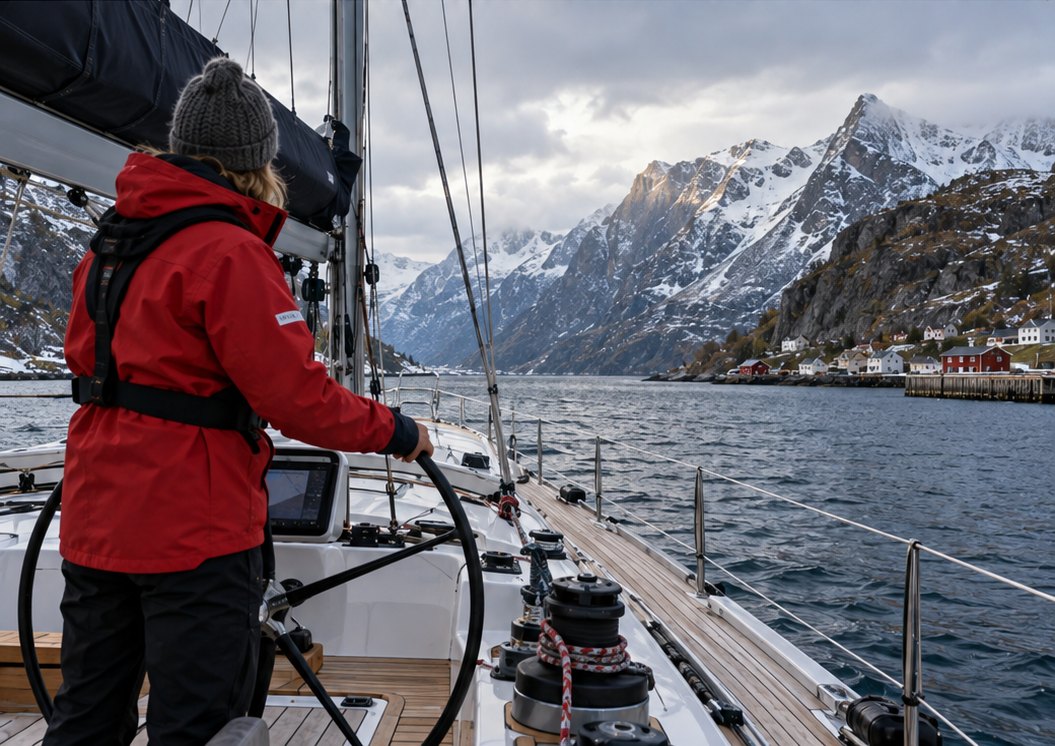
Design-to-build handover is becoming harder to judge from headlines alone. We look at the practical questions that matter to readers of 24BoatBuilders, with a particular focus on global conditions.
For 24BoatBuilders, the subject is design-to-build handover. That places it firmly within builders of smaller leisure craft, typically boats up to around 30 feet, including production, materials, engines and dealer networks. The important point is to avoid looking at it in isolation.
Decisions in this sector are connected: purchase price affects operating cost; operating choices affect resale; regulation affects where and how an asset can be used; and service quality often matters more over time than the specification that attracted attention at the beginning.
The useful way to look at this is internationally, because the same headline can mean very different things once regulation, infrastructure, customer expectations and operating practice are compared across markets.
A wider technology trend is the transfer of marine engineering into adjacent sectors and back again: recyclable composites, foils, sensors, digital manufacturing and wind-assist systems are moving from specialist projects toward broader industrial use. The relevant question for buyers and builders is not whether a technology sounds advanced, but whether it can be manufactured, repaired and supported at the required scale.
What should readers check before acting? Start with the intended outcome and work backwards. For design-to-build handover, write down the non-negotiables, the acceptable compromises and the information that would change the decision. Ask for evidence that matches the real use case, not a different model, a best-case demonstration or an unspecified customer example.
Where a contract is involved, make sure responsibilities, cancellation rights, delivery assumptions, warranties and ongoing costs are understood before money changes hands.
There is also a regional point that should not be overlooked. A solution that works well in one market may be poor in another because infrastructure, labour, climate, regulation, taxation, insurance or customer expectations differ. That is particularly relevant to the Global edition. The right comparison is not simply between products or providers; it is between complete operating propositions in the place where they will actually be used.
For me, the sensible conclusion on design-to-build handover is to stay interested without becoming dazzled by presentation. The strongest opportunities tend to survive ordinary questions. They can explain what they do, what they do not do, what they cost to operate, who supports them and how they perform outside the launch environment. That is the standard I would apply before treating any development as genuinely important.
Information quality is improving, but it is still uneven. Specifications may be technically accurate while leaving out the conditions under which they were achieved. Marketing photographs may be genuine while showing a configuration that is optional or rarely available. Professional advice is valuable, but readers should still ask how the adviser is paid and whether there is a commercial relationship with the product or service being recommended.
Timing can change the answer as well. Seasonal demand, exchange rates, finance costs, yard or factory capacity, crew availability and event calendars can all affect value. A decision that looks poor in the busiest month can become attractive when capacity returns, and the reverse is equally true. That is why current availability should be checked close to the point of commitment rather than assumed from historic experience.
The human element should not be underestimated either. Many decisions around design-to-build handover involve brokers, crew, engineers, agents, sales teams, advisers or local operators. Competence is important, but communication matters too. The best professionals are usually comfortable explaining uncertainty, saying what they do not know and identifying when another specialist is needed.
Overconfidence is not the same as expertise, and a polished presentation should never prevent a reader from asking basic questions until the answer is genuinely clear.
Support deserves its own scrutiny. A product or service can be excellent when the original team is available and much less convincing when the customer is hundreds or thousands of miles away. For the Global market, ask who actually provides support locally, what parts or expertise are stocked, what response times are realistic in peak season and what happens when the first-line supplier cannot solve the problem.
A mature support network is not exciting editorial material, but it is often what separates a good long-term decision from an expensive frustration.
Documentation is another quiet indicator of quality. Clear specifications, service records, ownership history, maintenance schedules, contracts, certification and written explanations of limitations all reduce ambiguity. Where documentation is weak, the buyer is effectively being asked to replace evidence with trust. Sometimes that trust is justified, particularly with long-established relationships, but it should be a conscious choice rather than something discovered after the transaction.
Resale and residual value can provide a useful reality check even for readers who intend to keep an asset for years. The secondary market reveals what experienced buyers continue to value after the novelty has worn off. Strong documentation, recognised components, maintainable systems, sensible specification and a credible support network tend to matter repeatedly. A highly individual choice can still be right, but the owner should understand whether that individuality narrows the future market.
Contributor: Editorial desk / 24BoatBuilders

Be the first reader to react to this article.

The market conversation around sea-trial programmes is moving quickly, but the fundamentals remain surprisingly clear. Here is what deserves attention, what needs checking and what may come next.
For 24BoatBuilders, the subject is sea-trial programmes. That places it firmly within builders of smaller leisure craft, typically boats up to around 30 feet, including production, materials, engines and dealer networks. The important point is to avoid looking at it in isolation.
Decisions in this sector are connected: purchase price affects operating cost; operating choices affect resale; regulation affects where and how an asset can be used; and service quality often matters more over time than the specification that attracted attention at the beginning.
In the Mediterranean, seasonality, dense coastal infrastructure, established tourism flows and a large concentration of marine businesses make the issue particularly visible.
A wider technology trend is the transfer of marine engineering into adjacent sectors and back again: recyclable composites, foils, sensors, digital manufacturing and wind-assist systems are moving from specialist projects toward broader industrial use. The relevant question for buyers and builders is not whether a technology sounds advanced, but whether it can be manufactured, repaired and supported at the required scale.
What should readers check before acting? Start with the intended outcome and work backwards. For sea-trial programmes, write down the non-negotiables, the acceptable compromises and the information that would change the decision. Ask for evidence that matches the real use case, not a different model, a best-case demonstration or an unspecified customer example.
Where a contract is involved, make sure responsibilities, cancellation rights, delivery assumptions, warranties and ongoing costs are understood before money changes hands.
There is also a regional point that should not be overlooked. A solution that works well in one market may be poor in another because infrastructure, labour, climate, regulation, taxation, insurance or customer expectations differ. That is particularly relevant to the Mediterranean edition. The right comparison is not simply between products or providers; it is between complete operating propositions in the place where they will actually be used.
For me, the sensible conclusion on sea-trial programmes is to stay interested without becoming dazzled by presentation. The strongest opportunities tend to survive ordinary questions. They can explain what they do, what they do not do, what they cost to operate, who supports them and how they perform outside the launch environment. That is the standard I would apply before treating any development as genuinely important.
Finally, I would separate prestige from utility. Specialist sectors naturally contain beautiful, ambitious and expensive products, but the most impressive option is not automatically the most suitable one. A well-matched solution that is easy to operate and support often produces a better ownership or customer experience than something chosen mainly for its headline specification.
Information quality is improving, but it is still uneven. Specifications may be technically accurate while leaving out the conditions under which they were achieved. Marketing photographs may be genuine while showing a configuration that is optional or rarely available. Professional advice is valuable, but readers should still ask how the adviser is paid and whether there is a commercial relationship with the product or service being recommended.
One area I would examine closely is total cost rather than entry price. In builders of smaller leisure craft, typically boats up to around 30 feet, including production, materials, engines and dealer networks, the initial transaction can be only the beginning. Maintenance, storage, insurance, finance, energy or fuel, staffing, professional fees, consumables, transport and downtime can all alter the economics.
The same applies to services: a low headline fee can become expensive if the scope is narrow and every normal requirement is treated as an extra. Readers should therefore ask for a realistic annual or project-life view, with assumptions stated clearly enough to challenge.
Resale and residual value can provide a useful reality check even for readers who intend to keep an asset for years. The secondary market reveals what experienced buyers continue to value after the novelty has worn off. Strong documentation, recognised components, maintainable systems, sensible specification and a credible support network tend to matter repeatedly. A highly individual choice can still be right, but the owner should understand whether that individuality narrows the future market.
The human element should not be underestimated either. Many decisions around sea-trial programmes involve brokers, crew, engineers, agents, sales teams, advisers or local operators. Competence is important, but communication matters too. The best professionals are usually comfortable explaining uncertainty, saying what they do not know and identifying when another specialist is needed.
Overconfidence is not the same as expertise, and a polished presentation should never prevent a reader from asking basic questions until the answer is genuinely clear.
Documentation is another quiet indicator of quality. Clear specifications, service records, ownership history, maintenance schedules, contracts, certification and written explanations of limitations all reduce ambiguity. Where documentation is weak, the buyer is effectively being asked to replace evidence with trust. Sometimes that trust is justified, particularly with long-established relationships, but it should be a conscious choice rather than something discovered after the transaction.
Contributor: Editorial desk / 24BoatBuilders
Be the first reader to react to this article.
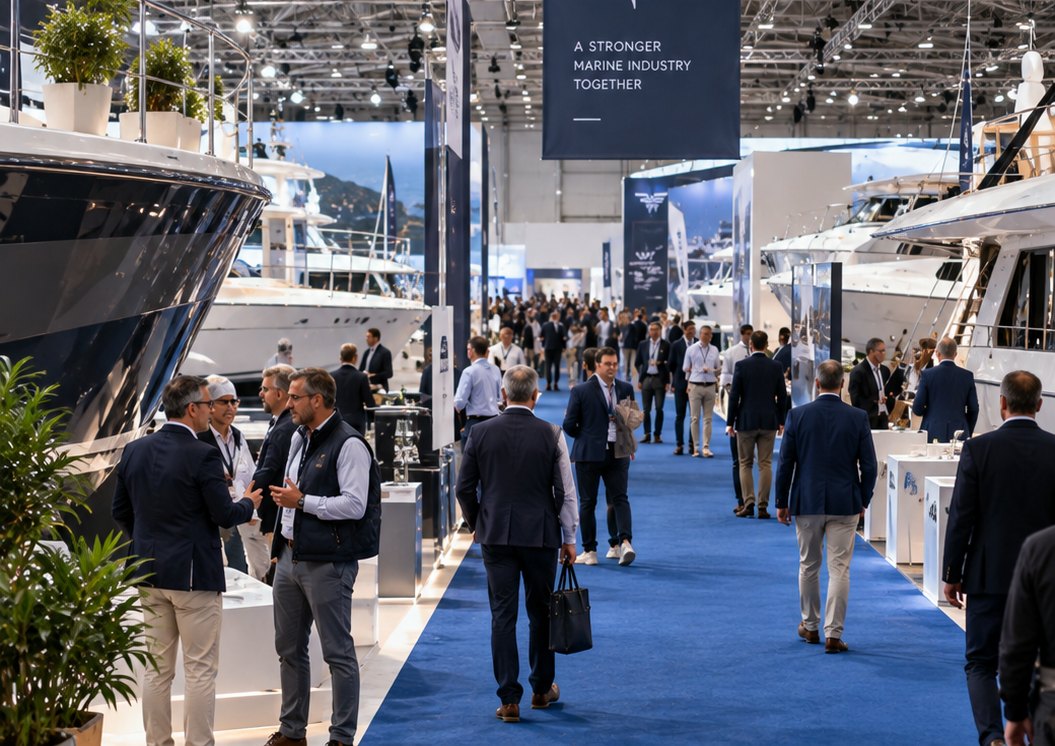
Behind the discussion around supplier relationships are decisions about cost, capability, timing and trust. This article separates the useful signals from the noise for the mediterranean market.
I think this subject deserves a more practical argument than it normally receives. It is easy to take a fashionable position; it is harder to ask what actually improves the outcome for an owner, buyer, operator, supplier or professional.
For 24BoatBuilders, the subject is supplier relationships. That places it firmly within builders of smaller leisure craft, typically boats up to around 30 feet, including production, materials, engines and dealer networks. The important point is to avoid looking at it in isolation.
Decisions in this sector are connected: purchase price affects operating cost; operating choices affect resale; regulation affects where and how an asset can be used; and service quality often matters more over time than the specification that attracted attention at the beginning.
In the Mediterranean, seasonality, dense coastal infrastructure, established tourism flows and a large concentration of marine businesses make the issue particularly visible.
My view is that the debate around supplier relationships becomes unhelpful when it is reduced to two camps. The stronger position is usually conditional: it works when the operating environment, customer requirement and commercial model line up; it disappoints when one of those is assumed rather than tested. That sounds obvious, but specialist markets are full of expensive decisions made because the idea was attractive before the use case was properly defined.
The counterargument is that too much caution can slow adoption and reward incumbents. That is fair. New approaches need room to prove themselves. But sensible scrutiny is not resistance to change. In fact, clear evidence makes adoption easier because buyers and operators can understand where the risk actually sits. For supplier relationships, the question should be 'under what conditions does this make sense?' rather than 'which side are you on?'
A wider technology trend is the transfer of marine engineering into adjacent sectors and back again: recyclable composites, foils, sensors, digital manufacturing and wind-assist systems are moving from specialist projects toward broader industrial use. The relevant question for buyers and builders is not whether a technology sounds advanced, but whether it can be manufactured, repaired and supported at the required scale.
What should readers check before acting? Start with the intended outcome and work backwards. For supplier relationships, write down the non-negotiables, the acceptable compromises and the information that would change the decision. Ask for evidence that matches the real use case, not a different model, a best-case demonstration or an unspecified customer example.
Where a contract is involved, make sure responsibilities, cancellation rights, delivery assumptions, warranties and ongoing costs are understood before money changes hands.
There is also a regional point that should not be overlooked. A solution that works well in one market may be poor in another because infrastructure, labour, climate, regulation, taxation, insurance or customer expectations differ. That is particularly relevant to the Mediterranean edition. The right comparison is not simply between products or providers; it is between complete operating propositions in the place where they will actually be used.
For me, the sensible conclusion on supplier relationships is to stay interested without becoming dazzled by presentation. The strongest opportunities tend to survive ordinary questions. They can explain what they do, what they do not do, what they cost to operate, who supports them and how they perform outside the launch environment. That is the standard I would apply before treating any development as genuinely important.
Timing can change the answer as well. Seasonal demand, exchange rates, finance costs, yard or factory capacity, crew availability and event calendars can all affect value. A decision that looks poor in the busiest month can become attractive when capacity returns, and the reverse is equally true. That is why current availability should be checked close to the point of commitment rather than assumed from historic experience.
Finally, I would separate prestige from utility. Specialist sectors naturally contain beautiful, ambitious and expensive products, but the most impressive option is not automatically the most suitable one. A well-matched solution that is easy to operate and support often produces a better ownership or customer experience than something chosen mainly for its headline specification.
Documentation is another quiet indicator of quality. Clear specifications, service records, ownership history, maintenance schedules, contracts, certification and written explanations of limitations all reduce ambiguity. Where documentation is weak, the buyer is effectively being asked to replace evidence with trust. Sometimes that trust is justified, particularly with long-established relationships, but it should be a conscious choice rather than something discovered after the transaction.
Environmental claims also need proportion. Efficiency, lower emissions, recyclable materials and reduced waste are increasingly relevant across specialist markets, but the comparison has to be like-for-like. Manufacturing impact, energy source, utilisation, lifespan, repairability and end-of-life treatment can all matter. I would be wary of both extremes: dismissing environmental improvement as marketing, or accepting a single 'green' feature as proof that the whole proposition is sustainable.
The human element should not be underestimated either. Many decisions around supplier relationships involve brokers, crew, engineers, agents, sales teams, advisers or local operators. Competence is important, but communication matters too. The best professionals are usually comfortable explaining uncertainty, saying what they do not know and identifying when another specialist is needed.
Overconfidence is not the same as expertise, and a polished presentation should never prevent a reader from asking basic questions until the answer is genuinely clear.
One area I would examine closely is total cost rather than entry price. In builders of smaller leisure craft, typically boats up to around 30 feet, including production, materials, engines and dealer networks, the initial transaction can be only the beginning. Maintenance, storage, insurance, finance, energy or fuel, staffing, professional fees, consumables, transport and downtime can all alter the economics.
The same applies to services: a low headline fee can become expensive if the scope is narrow and every normal requirement is treated as an extra. Readers should therefore ask for a realistic annual or project-life view, with assumptions stated clearly enough to challenge.
Contributor: Editorial desk / 24BoatBuilders
Be the first reader to react to this article.
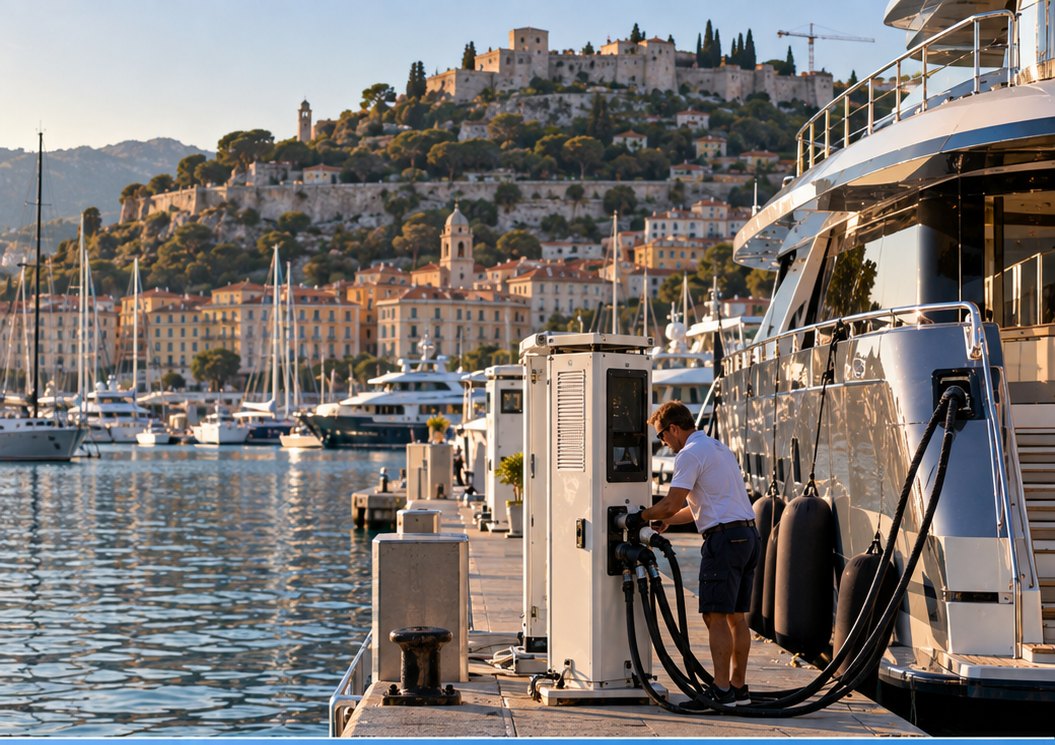
Behind the discussion around warranty management are decisions about cost, capability, timing and trust. This article separates the useful signals from the noise for the caribbean market.
I think this subject deserves a more practical argument than it normally receives. It is easy to take a fashionable position; it is harder to ask what actually improves the outcome for an owner, buyer, operator, supplier or professional.
For 24BoatBuilders, the subject is warranty management. That places it firmly within builders of smaller leisure craft, typically boats up to around 30 feet, including production, materials, engines and dealer networks. The important point is to avoid looking at it in isolation.
Decisions in this sector are connected: purchase price affects operating cost; operating choices affect resale; regulation affects where and how an asset can be used; and service quality often matters more over time than the specification that attracted attention at the beginning.
In the Caribbean, geography changes the calculation. Island-to-island logistics, hurricane-season planning, imported equipment and a tourism-led economy can make apparently simple decisions more operationally complex.
My view is that the debate around warranty management becomes unhelpful when it is reduced to two camps. The stronger position is usually conditional: it works when the operating environment, customer requirement and commercial model line up; it disappoints when one of those is assumed rather than tested. That sounds obvious, but specialist markets are full of expensive decisions made because the idea was attractive before the use case was properly defined.
The counterargument is that too much caution can slow adoption and reward incumbents. That is fair. New approaches need room to prove themselves. But sensible scrutiny is not resistance to change. In fact, clear evidence makes adoption easier because buyers and operators can understand where the risk actually sits. For warranty management, the question should be 'under what conditions does this make sense?' rather than 'which side are you on?'
A wider technology trend is the transfer of marine engineering into adjacent sectors and back again: recyclable composites, foils, sensors, digital manufacturing and wind-assist systems are moving from specialist projects toward broader industrial use. The relevant question for buyers and builders is not whether a technology sounds advanced, but whether it can be manufactured, repaired and supported at the required scale.
What should readers check before acting? Start with the intended outcome and work backwards. For warranty management, write down the non-negotiables, the acceptable compromises and the information that would change the decision. Ask for evidence that matches the real use case, not a different model, a best-case demonstration or an unspecified customer example.
Where a contract is involved, make sure responsibilities, cancellation rights, delivery assumptions, warranties and ongoing costs are understood before money changes hands.
There is also a regional point that should not be overlooked. A solution that works well in one market may be poor in another because infrastructure, labour, climate, regulation, taxation, insurance or customer expectations differ. That is particularly relevant to the Caribbean edition. The right comparison is not simply between products or providers; it is between complete operating propositions in the place where they will actually be used.
For me, the sensible conclusion on warranty management is to stay interested without becoming dazzled by presentation. The strongest opportunities tend to survive ordinary questions. They can explain what they do, what they do not do, what they cost to operate, who supports them and how they perform outside the launch environment. That is the standard I would apply before treating any development as genuinely important.
Information quality is improving, but it is still uneven. Specifications may be technically accurate while leaving out the conditions under which they were achieved. Marketing photographs may be genuine while showing a configuration that is optional or rarely available. Professional advice is valuable, but readers should still ask how the adviser is paid and whether there is a commercial relationship with the product or service being recommended.
Another useful test is reversibility. If the decision proves wrong, how difficult is it to change course? In some parts of builders of smaller leisure craft, typically boats up to around 30 feet, including production, materials, engines and dealer networks, the exit is simple; in others it can involve resale discounts, contractual penalties, retraining, new infrastructure or months of lost operating time. The more difficult the exit, the higher the standard of evidence should be before the initial commitment.
The human element should not be underestimated either. Many decisions around warranty management involve brokers, crew, engineers, agents, sales teams, advisers or local operators. Competence is important, but communication matters too. The best professionals are usually comfortable explaining uncertainty, saying what they do not know and identifying when another specialist is needed.
Overconfidence is not the same as expertise, and a polished presentation should never prevent a reader from asking basic questions until the answer is genuinely clear.
Environmental claims also need proportion. Efficiency, lower emissions, recyclable materials and reduced waste are increasingly relevant across specialist markets, but the comparison has to be like-for-like. Manufacturing impact, energy source, utilisation, lifespan, repairability and end-of-life treatment can all matter. I would be wary of both extremes: dismissing environmental improvement as marketing, or accepting a single 'green' feature as proof that the whole proposition is sustainable.
Resale and residual value can provide a useful reality check even for readers who intend to keep an asset for years. The secondary market reveals what experienced buyers continue to value after the novelty has worn off. Strong documentation, recognised components, maintainable systems, sensible specification and a credible support network tend to matter repeatedly. A highly individual choice can still be right, but the owner should understand whether that individuality narrows the future market.
Documentation is another quiet indicator of quality. Clear specifications, service records, ownership history, maintenance schedules, contracts, certification and written explanations of limitations all reduce ambiguity. Where documentation is weak, the buyer is effectively being asked to replace evidence with trust. Sometimes that trust is justified, particularly with long-established relationships, but it should be a conscious choice rather than something discovered after the transaction.
Contributor: Editorial desk / 24BoatBuilders
Be the first reader to react to this article.

Boatbuilder sustainability is becoming harder to judge from headlines alone. We look at the practical questions that matter to readers of 24BoatBuilders, with a particular focus on caribbean conditions.
I think this subject deserves a more practical argument than it normally receives. It is easy to take a fashionable position; it is harder to ask what actually improves the outcome for an owner, buyer, operator, supplier or professional.
For 24BoatBuilders, the subject is boatbuilder sustainability. That places it firmly within builders of smaller leisure craft, typically boats up to around 30 feet, including production, materials, engines and dealer networks. The important point is to avoid looking at it in isolation.
Decisions in this sector are connected: purchase price affects operating cost; operating choices affect resale; regulation affects where and how an asset can be used; and service quality often matters more over time than the specification that attracted attention at the beginning.
In the Caribbean, geography changes the calculation. Island-to-island logistics, hurricane-season planning, imported equipment and a tourism-led economy can make apparently simple decisions more operationally complex.
My view is that the debate around boatbuilder sustainability becomes unhelpful when it is reduced to two camps. The stronger position is usually conditional: it works when the operating environment, customer requirement and commercial model line up; it disappoints when one of those is assumed rather than tested. That sounds obvious, but specialist markets are full of expensive decisions made because the idea was attractive before the use case was properly defined.
The counterargument is that too much caution can slow adoption and reward incumbents. That is fair. New approaches need room to prove themselves. But sensible scrutiny is not resistance to change. In fact, clear evidence makes adoption easier because buyers and operators can understand where the risk actually sits. For boatbuilder sustainability, the question should be 'under what conditions does this make sense?' rather than 'which side are you on?'
A wider technology trend is the transfer of marine engineering into adjacent sectors and back again: recyclable composites, foils, sensors, digital manufacturing and wind-assist systems are moving from specialist projects toward broader industrial use. The relevant question for buyers and builders is not whether a technology sounds advanced, but whether it can be manufactured, repaired and supported at the required scale.
What should readers check before acting? Start with the intended outcome and work backwards. For boatbuilder sustainability, write down the non-negotiables, the acceptable compromises and the information that would change the decision. Ask for evidence that matches the real use case, not a different model, a best-case demonstration or an unspecified customer example.
Where a contract is involved, make sure responsibilities, cancellation rights, delivery assumptions, warranties and ongoing costs are understood before money changes hands.
There is also a regional point that should not be overlooked. A solution that works well in one market may be poor in another because infrastructure, labour, climate, regulation, taxation, insurance or customer expectations differ. That is particularly relevant to the Caribbean edition. The right comparison is not simply between products or providers; it is between complete operating propositions in the place where they will actually be used.
For me, the sensible conclusion on boatbuilder sustainability is to stay interested without becoming dazzled by presentation. The strongest opportunities tend to survive ordinary questions. They can explain what they do, what they do not do, what they cost to operate, who supports them and how they perform outside the launch environment. That is the standard I would apply before treating any development as genuinely important.
Another useful test is reversibility. If the decision proves wrong, how difficult is it to change course? In some parts of builders of smaller leisure craft, typically boats up to around 30 feet, including production, materials, engines and dealer networks, the exit is simple; in others it can involve resale discounts, contractual penalties, retraining, new infrastructure or months of lost operating time. The more difficult the exit, the higher the standard of evidence should be before the initial commitment.
Timing can change the answer as well. Seasonal demand, exchange rates, finance costs, yard or factory capacity, crew availability and event calendars can all affect value. A decision that looks poor in the busiest month can become attractive when capacity returns, and the reverse is equally true. That is why current availability should be checked close to the point of commitment rather than assumed from historic experience.
Environmental claims also need proportion. Efficiency, lower emissions, recyclable materials and reduced waste are increasingly relevant across specialist markets, but the comparison has to be like-for-like. Manufacturing impact, energy source, utilisation, lifespan, repairability and end-of-life treatment can all matter. I would be wary of both extremes: dismissing environmental improvement as marketing, or accepting a single 'green' feature as proof that the whole proposition is sustainable.
Resale and residual value can provide a useful reality check even for readers who intend to keep an asset for years. The secondary market reveals what experienced buyers continue to value after the novelty has worn off. Strong documentation, recognised components, maintainable systems, sensible specification and a credible support network tend to matter repeatedly. A highly individual choice can still be right, but the owner should understand whether that individuality narrows the future market.
Documentation is another quiet indicator of quality. Clear specifications, service records, ownership history, maintenance schedules, contracts, certification and written explanations of limitations all reduce ambiguity. Where documentation is weak, the buyer is effectively being asked to replace evidence with trust. Sometimes that trust is justified, particularly with long-established relationships, but it should be a conscious choice rather than something discovered after the transaction.
The human element should not be underestimated either. Many decisions around boatbuilder sustainability involve brokers, crew, engineers, agents, sales teams, advisers or local operators. Competence is important, but communication matters too. The best professionals are usually comfortable explaining uncertainty, saying what they do not know and identifying when another specialist is needed.
Overconfidence is not the same as expertise, and a polished presentation should never prevent a reader from asking basic questions until the answer is genuinely clear.
Contributor: Editorial desk / 24BoatBuilders
Be the first reader to react to this article.

Behind the discussion around production boatbuilding are decisions about cost, capability, timing and trust. This article separates the useful signals from the noise for the uk market.
The best experiences in a specialist market rarely happen by accident. They are usually the result of preparation, realistic expectations and a clear understanding of the details that become important once the brochure language has disappeared.
For 24BoatBuilders, the subject is production boatbuilding. That places it firmly within builders of smaller leisure craft, typically boats up to around 30 feet, including production, materials, engines and dealer networks. The important point is to avoid looking at it in isolation.
Decisions in this sector are connected: purchase price affects operating cost; operating choices affect resale; regulation affects where and how an asset can be used; and service quality often matters more over time than the specification that attracted attention at the beginning.
In the UK, mature regulation, a deep professional-services base and a demanding customer market tend to expose both the strengths and weaknesses of an idea quickly.
For anyone planning an experience around production boatbuilding, preparation should begin with the unglamorous details. Confirm what is included, what is weather- or availability-dependent, what happens if plans change, who is responsible at each stage and what documentation or insurance is required. These are the points that determine whether the experience feels effortless or becomes a chain of avoidable problems.
Expectation management matters just as much. Photographs and sales descriptions naturally show the best version of an experience, while real life includes transfers, waiting, local conditions, crew or staff routines, maintenance windows and other customers. None of that is necessarily negative. The aim is simply to understand the rhythm of the experience before arriving, particularly where production boatbuilding involves several suppliers or jurisdictions.
A wider technology trend is the transfer of marine engineering into adjacent sectors and back again: recyclable composites, foils, sensors, digital manufacturing and wind-assist systems are moving from specialist projects toward broader industrial use. The relevant question for buyers and builders is not whether a technology sounds advanced, but whether it can be manufactured, repaired and supported at the required scale.
What should readers check before acting? Start with the intended outcome and work backwards. For production boatbuilding, write down the non-negotiables, the acceptable compromises and the information that would change the decision. Ask for evidence that matches the real use case, not a different model, a best-case demonstration or an unspecified customer example.
Where a contract is involved, make sure responsibilities, cancellation rights, delivery assumptions, warranties and ongoing costs are understood before money changes hands.
There is also a regional point that should not be overlooked. A solution that works well in one market may be poor in another because infrastructure, labour, climate, regulation, taxation, insurance or customer expectations differ. That is particularly relevant to the UK edition. The right comparison is not simply between products or providers; it is between complete operating propositions in the place where they will actually be used.
For me, the sensible conclusion on production boatbuilding is to stay interested without becoming dazzled by presentation. The strongest opportunities tend to survive ordinary questions. They can explain what they do, what they do not do, what they cost to operate, who supports them and how they perform outside the launch environment. That is the standard I would apply before treating any development as genuinely important.
Timing can change the answer as well. Seasonal demand, exchange rates, finance costs, yard or factory capacity, crew availability and event calendars can all affect value. A decision that looks poor in the busiest month can become attractive when capacity returns, and the reverse is equally true. That is why current availability should be checked close to the point of commitment rather than assumed from historic experience.
Information quality is improving, but it is still uneven. Specifications may be technically accurate while leaving out the conditions under which they were achieved. Marketing photographs may be genuine while showing a configuration that is optional or rarely available. Professional advice is valuable, but readers should still ask how the adviser is paid and whether there is a commercial relationship with the product or service being recommended.
The human element should not be underestimated either. Many decisions around production boatbuilding involve brokers, crew, engineers, agents, sales teams, advisers or local operators. Competence is important, but communication matters too. The best professionals are usually comfortable explaining uncertainty, saying what they do not know and identifying when another specialist is needed.
Overconfidence is not the same as expertise, and a polished presentation should never prevent a reader from asking basic questions until the answer is genuinely clear.
One area I would examine closely is total cost rather than entry price. In builders of smaller leisure craft, typically boats up to around 30 feet, including production, materials, engines and dealer networks, the initial transaction can be only the beginning. Maintenance, storage, insurance, finance, energy or fuel, staffing, professional fees, consumables, transport and downtime can all alter the economics.
The same applies to services: a low headline fee can become expensive if the scope is narrow and every normal requirement is treated as an extra. Readers should therefore ask for a realistic annual or project-life view, with assumptions stated clearly enough to challenge.
Support deserves its own scrutiny. A product or service can be excellent when the original team is available and much less convincing when the customer is hundreds or thousands of miles away. For the UK market, ask who actually provides support locally, what parts or expertise are stocked, what response times are realistic in peak season and what happens when the first-line supplier cannot solve the problem.
A mature support network is not exciting editorial material, but it is often what separates a good long-term decision from an expensive frustration.
Resale and residual value can provide a useful reality check even for readers who intend to keep an asset for years. The secondary market reveals what experienced buyers continue to value after the novelty has worn off. Strong documentation, recognised components, maintainable systems, sensible specification and a credible support network tend to matter repeatedly. A highly individual choice can still be right, but the owner should understand whether that individuality narrows the future market.
Contributor: Editorial desk / 24BoatBuilders
Be the first reader to react to this article.

Custom-build planning is becoming harder to judge from headlines alone. We look at the practical questions that matter to readers of 24BoatBuilders, with a particular focus on uk conditions.
The best experiences in a specialist market rarely happen by accident. They are usually the result of preparation, realistic expectations and a clear understanding of the details that become important once the brochure language has disappeared.
For 24BoatBuilders, the subject is custom-build planning. That places it firmly within builders of smaller leisure craft, typically boats up to around 30 feet, including production, materials, engines and dealer networks. The important point is to avoid looking at it in isolation.
Decisions in this sector are connected: purchase price affects operating cost; operating choices affect resale; regulation affects where and how an asset can be used; and service quality often matters more over time than the specification that attracted attention at the beginning.
In the UK, mature regulation, a deep professional-services base and a demanding customer market tend to expose both the strengths and weaknesses of an idea quickly.
For anyone planning an experience around custom-build planning, preparation should begin with the unglamorous details. Confirm what is included, what is weather- or availability-dependent, what happens if plans change, who is responsible at each stage and what documentation or insurance is required. These are the points that determine whether the experience feels effortless or becomes a chain of avoidable problems.
Expectation management matters just as much. Photographs and sales descriptions naturally show the best version of an experience, while real life includes transfers, waiting, local conditions, crew or staff routines, maintenance windows and other customers. None of that is necessarily negative. The aim is simply to understand the rhythm of the experience before arriving, particularly where custom-build planning involves several suppliers or jurisdictions.
A wider technology trend is the transfer of marine engineering into adjacent sectors and back again: recyclable composites, foils, sensors, digital manufacturing and wind-assist systems are moving from specialist projects toward broader industrial use. The relevant question for buyers and builders is not whether a technology sounds advanced, but whether it can be manufactured, repaired and supported at the required scale.
What should readers check before acting? Start with the intended outcome and work backwards. For custom-build planning, write down the non-negotiables, the acceptable compromises and the information that would change the decision. Ask for evidence that matches the real use case, not a different model, a best-case demonstration or an unspecified customer example.
Where a contract is involved, make sure responsibilities, cancellation rights, delivery assumptions, warranties and ongoing costs are understood before money changes hands.
There is also a regional point that should not be overlooked. A solution that works well in one market may be poor in another because infrastructure, labour, climate, regulation, taxation, insurance or customer expectations differ. That is particularly relevant to the UK edition. The right comparison is not simply between products or providers; it is between complete operating propositions in the place where they will actually be used.
For me, the sensible conclusion on custom-build planning is to stay interested without becoming dazzled by presentation. The strongest opportunities tend to survive ordinary questions. They can explain what they do, what they do not do, what they cost to operate, who supports them and how they perform outside the launch environment. That is the standard I would apply before treating any development as genuinely important.
Timing can change the answer as well. Seasonal demand, exchange rates, finance costs, yard or factory capacity, crew availability and event calendars can all affect value. A decision that looks poor in the busiest month can become attractive when capacity returns, and the reverse is equally true. That is why current availability should be checked close to the point of commitment rather than assumed from historic experience.
Finally, I would separate prestige from utility. Specialist sectors naturally contain beautiful, ambitious and expensive products, but the most impressive option is not automatically the most suitable one. A well-matched solution that is easy to operate and support often produces a better ownership or customer experience than something chosen mainly for its headline specification.
The human element should not be underestimated either. Many decisions around custom-build planning involve brokers, crew, engineers, agents, sales teams, advisers or local operators. Competence is important, but communication matters too. The best professionals are usually comfortable explaining uncertainty, saying what they do not know and identifying when another specialist is needed.
Overconfidence is not the same as expertise, and a polished presentation should never prevent a reader from asking basic questions until the answer is genuinely clear.
One area I would examine closely is total cost rather than entry price. In builders of smaller leisure craft, typically boats up to around 30 feet, including production, materials, engines and dealer networks, the initial transaction can be only the beginning. Maintenance, storage, insurance, finance, energy or fuel, staffing, professional fees, consumables, transport and downtime can all alter the economics.
The same applies to services: a low headline fee can become expensive if the scope is narrow and every normal requirement is treated as an extra. Readers should therefore ask for a realistic annual or project-life view, with assumptions stated clearly enough to challenge.
Documentation is another quiet indicator of quality. Clear specifications, service records, ownership history, maintenance schedules, contracts, certification and written explanations of limitations all reduce ambiguity. Where documentation is weak, the buyer is effectively being asked to replace evidence with trust. Sometimes that trust is justified, particularly with long-established relationships, but it should be a conscious choice rather than something discovered after the transaction.
Resale and residual value can provide a useful reality check even for readers who intend to keep an asset for years. The secondary market reveals what experienced buyers continue to value after the novelty has worn off. Strong documentation, recognised components, maintainable systems, sensible specification and a credible support network tend to matter repeatedly. A highly individual choice can still be right, but the owner should understand whether that individuality narrows the future market.
Contributor: Editorial desk / 24BoatBuilders
Be the first reader to react to this article.

Behind the discussion around hull materials are decisions about cost, capability, timing and trust. This article separates the useful signals from the noise for the europe market.
The best experiences in a specialist market rarely happen by accident. They are usually the result of preparation, realistic expectations and a clear understanding of the details that become important once the brochure language has disappeared.
For 24BoatBuilders, the subject is hull materials. That places it firmly within builders of smaller leisure craft, typically boats up to around 30 feet, including production, materials, engines and dealer networks. The important point is to avoid looking at it in isolation.
Decisions in this sector are connected: purchase price affects operating cost; operating choices affect resale; regulation affects where and how an asset can be used; and service quality often matters more over time than the specification that attracted attention at the beginning.
Across Europe, the subject sits inside a patchwork of national rules, mature consumer markets and increasingly strong expectations around efficiency, transparency and environmental performance.
For anyone planning an experience around hull materials, preparation should begin with the unglamorous details. Confirm what is included, what is weather- or availability-dependent, what happens if plans change, who is responsible at each stage and what documentation or insurance is required. These are the points that determine whether the experience feels effortless or becomes a chain of avoidable problems.
Expectation management matters just as much. Photographs and sales descriptions naturally show the best version of an experience, while real life includes transfers, waiting, local conditions, crew or staff routines, maintenance windows and other customers. None of that is necessarily negative. The aim is simply to understand the rhythm of the experience before arriving, particularly where hull materials involves several suppliers or jurisdictions.
A wider technology trend is the transfer of marine engineering into adjacent sectors and back again: recyclable composites, foils, sensors, digital manufacturing and wind-assist systems are moving from specialist projects toward broader industrial use. The relevant question for buyers and builders is not whether a technology sounds advanced, but whether it can be manufactured, repaired and supported at the required scale.
What should readers check before acting? Start with the intended outcome and work backwards. For hull materials, write down the non-negotiables, the acceptable compromises and the information that would change the decision. Ask for evidence that matches the real use case, not a different model, a best-case demonstration or an unspecified customer example.
Where a contract is involved, make sure responsibilities, cancellation rights, delivery assumptions, warranties and ongoing costs are understood before money changes hands.
There is also a regional point that should not be overlooked. A solution that works well in one market may be poor in another because infrastructure, labour, climate, regulation, taxation, insurance or customer expectations differ. That is particularly relevant to the Europe edition. The right comparison is not simply between products or providers; it is between complete operating propositions in the place where they will actually be used.
For me, the sensible conclusion on hull materials is to stay interested without becoming dazzled by presentation. The strongest opportunities tend to survive ordinary questions. They can explain what they do, what they do not do, what they cost to operate, who supports them and how they perform outside the launch environment. That is the standard I would apply before treating any development as genuinely important.
Finally, I would separate prestige from utility. Specialist sectors naturally contain beautiful, ambitious and expensive products, but the most impressive option is not automatically the most suitable one. A well-matched solution that is easy to operate and support often produces a better ownership or customer experience than something chosen mainly for its headline specification.
Information quality is improving, but it is still uneven. Specifications may be technically accurate while leaving out the conditions under which they were achieved. Marketing photographs may be genuine while showing a configuration that is optional or rarely available. Professional advice is valuable, but readers should still ask how the adviser is paid and whether there is a commercial relationship with the product or service being recommended.
The human element should not be underestimated either. Many decisions around hull materials involve brokers, crew, engineers, agents, sales teams, advisers or local operators. Competence is important, but communication matters too. The best professionals are usually comfortable explaining uncertainty, saying what they do not know and identifying when another specialist is needed.
Overconfidence is not the same as expertise, and a polished presentation should never prevent a reader from asking basic questions until the answer is genuinely clear.
Documentation is another quiet indicator of quality. Clear specifications, service records, ownership history, maintenance schedules, contracts, certification and written explanations of limitations all reduce ambiguity. Where documentation is weak, the buyer is effectively being asked to replace evidence with trust. Sometimes that trust is justified, particularly with long-established relationships, but it should be a conscious choice rather than something discovered after the transaction.
Environmental claims also need proportion. Efficiency, lower emissions, recyclable materials and reduced waste are increasingly relevant across specialist markets, but the comparison has to be like-for-like. Manufacturing impact, energy source, utilisation, lifespan, repairability and end-of-life treatment can all matter. I would be wary of both extremes: dismissing environmental improvement as marketing, or accepting a single 'green' feature as proof that the whole proposition is sustainable.
One area I would examine closely is total cost rather than entry price. In builders of smaller leisure craft, typically boats up to around 30 feet, including production, materials, engines and dealer networks, the initial transaction can be only the beginning. Maintenance, storage, insurance, finance, energy or fuel, staffing, professional fees, consumables, transport and downtime can all alter the economics.
The same applies to services: a low headline fee can become expensive if the scope is narrow and every normal requirement is treated as an extra. Readers should therefore ask for a realistic annual or project-life view, with assumptions stated clearly enough to challenge.
Contributor: Editorial desk / 24BoatBuilders
Be the first reader to react to this article.

The market conversation around quality assurance is moving quickly, but the fundamentals remain surprisingly clear. Here is what deserves attention, what needs checking and what may come next.
A worthwhile review should not begin by asking whether something is 'good'. It should begin by asking what it is for, who it suits, what compromises it makes and which claims can actually be checked.
For 24BoatBuilders, the subject is quality assurance. That places it firmly within builders of smaller leisure craft, typically boats up to around 30 feet, including production, materials, engines and dealer networks. The important point is to avoid looking at it in isolation.
Decisions in this sector are connected: purchase price affects operating cost; operating choices affect resale; regulation affects where and how an asset can be used; and service quality often matters more over time than the specification that attracted attention at the beginning.
Across Europe, the subject sits inside a patchwork of national rules, mature consumer markets and increasingly strong expectations around efficiency, transparency and environmental performance.
A fair comparison of quality assurance needs criteria before conclusions. I would look at suitability for the intended use, build or service quality, transparency of specification, support, operating cost, availability of parts or expertise, contractual clarity and resale or exit considerations where relevant. The weighting changes by buyer, which is why a single league table is usually less useful than a transparent framework.
The strongest warning sign is not necessarily a high price. It is an inability to explain what the price buys. Equally, the cheapest option can be entirely sensible if the requirement is simple and the limitations are understood. With quality assurance, readers should ask suppliers to put important claims in writing, identify exclusions and explain how support works after the initial transaction.
A wider technology trend is the transfer of marine engineering into adjacent sectors and back again: recyclable composites, foils, sensors, digital manufacturing and wind-assist systems are moving from specialist projects toward broader industrial use. The relevant question for buyers and builders is not whether a technology sounds advanced, but whether it can be manufactured, repaired and supported at the required scale.
What should readers check before acting? Start with the intended outcome and work backwards. For quality assurance, write down the non-negotiables, the acceptable compromises and the information that would change the decision. Ask for evidence that matches the real use case, not a different model, a best-case demonstration or an unspecified customer example.
Where a contract is involved, make sure responsibilities, cancellation rights, delivery assumptions, warranties and ongoing costs are understood before money changes hands.
There is also a regional point that should not be overlooked. A solution that works well in one market may be poor in another because infrastructure, labour, climate, regulation, taxation, insurance or customer expectations differ. That is particularly relevant to the Europe edition. The right comparison is not simply between products or providers; it is between complete operating propositions in the place where they will actually be used.
For me, the sensible conclusion on quality assurance is to stay interested without becoming dazzled by presentation. The strongest opportunities tend to survive ordinary questions. They can explain what they do, what they do not do, what they cost to operate, who supports them and how they perform outside the launch environment. That is the standard I would apply before treating any development as genuinely important.
Information quality is improving, but it is still uneven. Specifications may be technically accurate while leaving out the conditions under which they were achieved. Marketing photographs may be genuine while showing a configuration that is optional or rarely available. Professional advice is valuable, but readers should still ask how the adviser is paid and whether there is a commercial relationship with the product or service being recommended.
Another useful test is reversibility. If the decision proves wrong, how difficult is it to change course? In some parts of builders of smaller leisure craft, typically boats up to around 30 feet, including production, materials, engines and dealer networks, the exit is simple; in others it can involve resale discounts, contractual penalties, retraining, new infrastructure or months of lost operating time. The more difficult the exit, the higher the standard of evidence should be before the initial commitment.
The human element should not be underestimated either. Many decisions around quality assurance involve brokers, crew, engineers, agents, sales teams, advisers or local operators. Competence is important, but communication matters too. The best professionals are usually comfortable explaining uncertainty, saying what they do not know and identifying when another specialist is needed.
Overconfidence is not the same as expertise, and a polished presentation should never prevent a reader from asking basic questions until the answer is genuinely clear.
One area I would examine closely is total cost rather than entry price. In builders of smaller leisure craft, typically boats up to around 30 feet, including production, materials, engines and dealer networks, the initial transaction can be only the beginning. Maintenance, storage, insurance, finance, energy or fuel, staffing, professional fees, consumables, transport and downtime can all alter the economics.
The same applies to services: a low headline fee can become expensive if the scope is narrow and every normal requirement is treated as an extra. Readers should therefore ask for a realistic annual or project-life view, with assumptions stated clearly enough to challenge.
Environmental claims also need proportion. Efficiency, lower emissions, recyclable materials and reduced waste are increasingly relevant across specialist markets, but the comparison has to be like-for-like. Manufacturing impact, energy source, utilisation, lifespan, repairability and end-of-life treatment can all matter. I would be wary of both extremes: dismissing environmental improvement as marketing, or accepting a single 'green' feature as proof that the whole proposition is sustainable.
Support deserves its own scrutiny. A product or service can be excellent when the original team is available and much less convincing when the customer is hundreds or thousands of miles away. For the Europe market, ask who actually provides support locally, what parts or expertise are stocked, what response times are realistic in peak season and what happens when the first-line supplier cannot solve the problem.
A mature support network is not exciting editorial material, but it is often what separates a good long-term decision from an expensive frustration.
Contributor: Editorial desk / 24BoatBuilders
Be the first reader to react to this article.

Behind the discussion around yard capacity are decisions about cost, capability, timing and trust. This article separates the useful signals from the noise for the usa market.
A worthwhile review should not begin by asking whether something is 'good'. It should begin by asking what it is for, who it suits, what compromises it makes and which claims can actually be checked.
For 24BoatBuilders, the subject is yard capacity. That places it firmly within builders of smaller leisure craft, typically boats up to around 30 feet, including production, materials, engines and dealer networks. The important point is to avoid looking at it in isolation.
Decisions in this sector are connected: purchase price affects operating cost; operating choices affect resale; regulation affects where and how an asset can be used; and service quality often matters more over time than the specification that attracted attention at the beginning.
In the United States, scale matters. The size of the domestic market, long travel distances, state-level differences and a strong culture of specialist ownership create opportunities that do not always translate directly from Europe.
A fair comparison of yard capacity needs criteria before conclusions. I would look at suitability for the intended use, build or service quality, transparency of specification, support, operating cost, availability of parts or expertise, contractual clarity and resale or exit considerations where relevant. The weighting changes by buyer, which is why a single league table is usually less useful than a transparent framework.
The strongest warning sign is not necessarily a high price. It is an inability to explain what the price buys. Equally, the cheapest option can be entirely sensible if the requirement is simple and the limitations are understood. With yard capacity, readers should ask suppliers to put important claims in writing, identify exclusions and explain how support works after the initial transaction.
A wider technology trend is the transfer of marine engineering into adjacent sectors and back again: recyclable composites, foils, sensors, digital manufacturing and wind-assist systems are moving from specialist projects toward broader industrial use. The relevant question for buyers and builders is not whether a technology sounds advanced, but whether it can be manufactured, repaired and supported at the required scale.
What should readers check before acting? Start with the intended outcome and work backwards. For yard capacity, write down the non-negotiables, the acceptable compromises and the information that would change the decision. Ask for evidence that matches the real use case, not a different model, a best-case demonstration or an unspecified customer example.
Where a contract is involved, make sure responsibilities, cancellation rights, delivery assumptions, warranties and ongoing costs are understood before money changes hands.
There is also a regional point that should not be overlooked. A solution that works well in one market may be poor in another because infrastructure, labour, climate, regulation, taxation, insurance or customer expectations differ. That is particularly relevant to the USA edition. The right comparison is not simply between products or providers; it is between complete operating propositions in the place where they will actually be used.
For me, the sensible conclusion on yard capacity is to stay interested without becoming dazzled by presentation. The strongest opportunities tend to survive ordinary questions. They can explain what they do, what they do not do, what they cost to operate, who supports them and how they perform outside the launch environment. That is the standard I would apply before treating any development as genuinely important.
Timing can change the answer as well. Seasonal demand, exchange rates, finance costs, yard or factory capacity, crew availability and event calendars can all affect value. A decision that looks poor in the busiest month can become attractive when capacity returns, and the reverse is equally true. That is why current availability should be checked close to the point of commitment rather than assumed from historic experience.
Another useful test is reversibility. If the decision proves wrong, how difficult is it to change course? In some parts of builders of smaller leisure craft, typically boats up to around 30 feet, including production, materials, engines and dealer networks, the exit is simple; in others it can involve resale discounts, contractual penalties, retraining, new infrastructure or months of lost operating time. The more difficult the exit, the higher the standard of evidence should be before the initial commitment.
Support deserves its own scrutiny. A product or service can be excellent when the original team is available and much less convincing when the customer is hundreds or thousands of miles away. For the USA market, ask who actually provides support locally, what parts or expertise are stocked, what response times are realistic in peak season and what happens when the first-line supplier cannot solve the problem.
A mature support network is not exciting editorial material, but it is often what separates a good long-term decision from an expensive frustration.
Resale and residual value can provide a useful reality check even for readers who intend to keep an asset for years. The secondary market reveals what experienced buyers continue to value after the novelty has worn off. Strong documentation, recognised components, maintainable systems, sensible specification and a credible support network tend to matter repeatedly. A highly individual choice can still be right, but the owner should understand whether that individuality narrows the future market.
The human element should not be underestimated either. Many decisions around yard capacity involve brokers, crew, engineers, agents, sales teams, advisers or local operators. Competence is important, but communication matters too. The best professionals are usually comfortable explaining uncertainty, saying what they do not know and identifying when another specialist is needed.
Overconfidence is not the same as expertise, and a polished presentation should never prevent a reader from asking basic questions until the answer is genuinely clear.
Documentation is another quiet indicator of quality. Clear specifications, service records, ownership history, maintenance schedules, contracts, certification and written explanations of limitations all reduce ambiguity. Where documentation is weak, the buyer is effectively being asked to replace evidence with trust. Sometimes that trust is justified, particularly with long-established relationships, but it should be a conscious choice rather than something discovered after the transaction.
Contributor: Editorial desk / 24BoatBuilders
Be the first reader to react to this article.
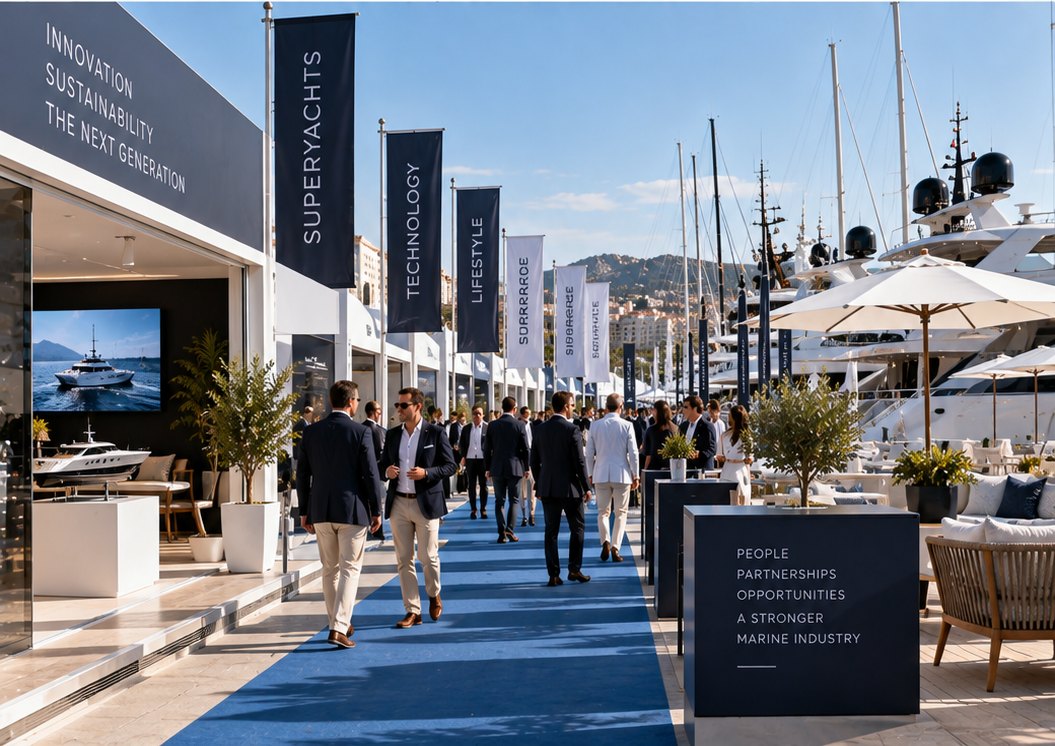
The market conversation around design-to-build handover is moving quickly, but the fundamentals remain surprisingly clear. Here is what deserves attention, what needs checking and what may come next.
A worthwhile review should not begin by asking whether something is 'good'. It should begin by asking what it is for, who it suits, what compromises it makes and which claims can actually be checked.
For 24BoatBuilders, the subject is design-to-build handover. That places it firmly within builders of smaller leisure craft, typically boats up to around 30 feet, including production, materials, engines and dealer networks. The important point is to avoid looking at it in isolation.
Decisions in this sector are connected: purchase price affects operating cost; operating choices affect resale; regulation affects where and how an asset can be used; and service quality often matters more over time than the specification that attracted attention at the beginning.
In the United States, scale matters. The size of the domestic market, long travel distances, state-level differences and a strong culture of specialist ownership create opportunities that do not always translate directly from Europe.
A fair comparison of design-to-build handover needs criteria before conclusions. I would look at suitability for the intended use, build or service quality, transparency of specification, support, operating cost, availability of parts or expertise, contractual clarity and resale or exit considerations where relevant. The weighting changes by buyer, which is why a single league table is usually less useful than a transparent framework.
The strongest warning sign is not necessarily a high price. It is an inability to explain what the price buys. Equally, the cheapest option can be entirely sensible if the requirement is simple and the limitations are understood. With design-to-build handover, readers should ask suppliers to put important claims in writing, identify exclusions and explain how support works after the initial transaction.
A wider technology trend is the transfer of marine engineering into adjacent sectors and back again: recyclable composites, foils, sensors, digital manufacturing and wind-assist systems are moving from specialist projects toward broader industrial use. The relevant question for buyers and builders is not whether a technology sounds advanced, but whether it can be manufactured, repaired and supported at the required scale.
What should readers check before acting? Start with the intended outcome and work backwards. For design-to-build handover, write down the non-negotiables, the acceptable compromises and the information that would change the decision. Ask for evidence that matches the real use case, not a different model, a best-case demonstration or an unspecified customer example.
Where a contract is involved, make sure responsibilities, cancellation rights, delivery assumptions, warranties and ongoing costs are understood before money changes hands.
There is also a regional point that should not be overlooked. A solution that works well in one market may be poor in another because infrastructure, labour, climate, regulation, taxation, insurance or customer expectations differ. That is particularly relevant to the USA edition. The right comparison is not simply between products or providers; it is between complete operating propositions in the place where they will actually be used.
For me, the sensible conclusion on design-to-build handover is to stay interested without becoming dazzled by presentation. The strongest opportunities tend to survive ordinary questions. They can explain what they do, what they do not do, what they cost to operate, who supports them and how they perform outside the launch environment. That is the standard I would apply before treating any development as genuinely important.
Information quality is improving, but it is still uneven. Specifications may be technically accurate while leaving out the conditions under which they were achieved. Marketing photographs may be genuine while showing a configuration that is optional or rarely available. Professional advice is valuable, but readers should still ask how the adviser is paid and whether there is a commercial relationship with the product or service being recommended.
Another useful test is reversibility. If the decision proves wrong, how difficult is it to change course? In some parts of builders of smaller leisure craft, typically boats up to around 30 feet, including production, materials, engines and dealer networks, the exit is simple; in others it can involve resale discounts, contractual penalties, retraining, new infrastructure or months of lost operating time. The more difficult the exit, the higher the standard of evidence should be before the initial commitment.
One area I would examine closely is total cost rather than entry price. In builders of smaller leisure craft, typically boats up to around 30 feet, including production, materials, engines and dealer networks, the initial transaction can be only the beginning. Maintenance, storage, insurance, finance, energy or fuel, staffing, professional fees, consumables, transport and downtime can all alter the economics.
The same applies to services: a low headline fee can become expensive if the scope is narrow and every normal requirement is treated as an extra. Readers should therefore ask for a realistic annual or project-life view, with assumptions stated clearly enough to challenge.
Environmental claims also need proportion. Efficiency, lower emissions, recyclable materials and reduced waste are increasingly relevant across specialist markets, but the comparison has to be like-for-like. Manufacturing impact, energy source, utilisation, lifespan, repairability and end-of-life treatment can all matter. I would be wary of both extremes: dismissing environmental improvement as marketing, or accepting a single 'green' feature as proof that the whole proposition is sustainable.
The human element should not be underestimated either. Many decisions around design-to-build handover involve brokers, crew, engineers, agents, sales teams, advisers or local operators. Competence is important, but communication matters too. The best professionals are usually comfortable explaining uncertainty, saying what they do not know and identifying when another specialist is needed.
Overconfidence is not the same as expertise, and a polished presentation should never prevent a reader from asking basic questions until the answer is genuinely clear.
Documentation is another quiet indicator of quality. Clear specifications, service records, ownership history, maintenance schedules, contracts, certification and written explanations of limitations all reduce ambiguity. Where documentation is weak, the buyer is effectively being asked to replace evidence with trust. Sometimes that trust is justified, particularly with long-established relationships, but it should be a conscious choice rather than something discovered after the transaction.
Contributor: Editorial desk / 24BoatBuilders
Be the first reader to react to this article.

Behind the discussion around sea-trial programmes are decisions about cost, capability, timing and trust. This article separates the useful signals from the noise for the middle east market.
Forecasting is useful only when it is disciplined. I am less interested in distant promises than in the technologies, commercial pressures and regulatory changes that are already creating evidence of where the market may move next.
For 24BoatBuilders, the subject is sea-trial programmes. That places it firmly within builders of smaller leisure craft, typically boats up to around 30 feet, including production, materials, engines and dealer networks. The important point is to avoid looking at it in isolation.
Decisions in this sector are connected: purchase price affects operating cost; operating choices affect resale; regulation affects where and how an asset can be used; and service quality often matters more over time than the specification that attracted attention at the beginning.
In the Middle East, rapid infrastructure investment and internationally mobile customers are changing expectations quickly, but the region should not be treated as a single uniform market.
The near-term future of sea-trial programmes will probably be shaped less by a dramatic breakthrough than by incremental improvements becoming commercially usable at the same time. Better data, more capable software, improved materials, energy efficiency, automation and tighter integration between suppliers can collectively change an experience even when no single component looks revolutionary.
Regulation and infrastructure will decide the pace. A technology can work perfectly in a demonstration and still struggle commercially if charging, servicing, certification, training, insurance or resale support is missing. That is why I would watch adoption by professional operators and repeat buyers. They tend to expose whether an innovation solves a persistent problem or merely creates an impressive launch story.
A wider technology trend is the transfer of marine engineering into adjacent sectors and back again: recyclable composites, foils, sensors, digital manufacturing and wind-assist systems are moving from specialist projects toward broader industrial use. The relevant question for buyers and builders is not whether a technology sounds advanced, but whether it can be manufactured, repaired and supported at the required scale.
What should readers check before acting? Start with the intended outcome and work backwards. For sea-trial programmes, write down the non-negotiables, the acceptable compromises and the information that would change the decision. Ask for evidence that matches the real use case, not a different model, a best-case demonstration or an unspecified customer example.
Where a contract is involved, make sure responsibilities, cancellation rights, delivery assumptions, warranties and ongoing costs are understood before money changes hands.
There is also a regional point that should not be overlooked. A solution that works well in one market may be poor in another because infrastructure, labour, climate, regulation, taxation, insurance or customer expectations differ. That is particularly relevant to the Middle East edition. The right comparison is not simply between products or providers; it is between complete operating propositions in the place where they will actually be used.
For me, the sensible conclusion on sea-trial programmes is to stay interested without becoming dazzled by presentation. The strongest opportunities tend to survive ordinary questions. They can explain what they do, what they do not do, what they cost to operate, who supports them and how they perform outside the launch environment. That is the standard I would apply before treating any development as genuinely important.
Information quality is improving, but it is still uneven. Specifications may be technically accurate while leaving out the conditions under which they were achieved. Marketing photographs may be genuine while showing a configuration that is optional or rarely available. Professional advice is valuable, but readers should still ask how the adviser is paid and whether there is a commercial relationship with the product or service being recommended.
Another useful test is reversibility. If the decision proves wrong, how difficult is it to change course? In some parts of builders of smaller leisure craft, typically boats up to around 30 feet, including production, materials, engines and dealer networks, the exit is simple; in others it can involve resale discounts, contractual penalties, retraining, new infrastructure or months of lost operating time. The more difficult the exit, the higher the standard of evidence should be before the initial commitment.
The human element should not be underestimated either. Many decisions around sea-trial programmes involve brokers, crew, engineers, agents, sales teams, advisers or local operators. Competence is important, but communication matters too. The best professionals are usually comfortable explaining uncertainty, saying what they do not know and identifying when another specialist is needed.
Overconfidence is not the same as expertise, and a polished presentation should never prevent a reader from asking basic questions until the answer is genuinely clear.
Environmental claims also need proportion. Efficiency, lower emissions, recyclable materials and reduced waste are increasingly relevant across specialist markets, but the comparison has to be like-for-like. Manufacturing impact, energy source, utilisation, lifespan, repairability and end-of-life treatment can all matter. I would be wary of both extremes: dismissing environmental improvement as marketing, or accepting a single 'green' feature as proof that the whole proposition is sustainable.
Support deserves its own scrutiny. A product or service can be excellent when the original team is available and much less convincing when the customer is hundreds or thousands of miles away. For the Middle East market, ask who actually provides support locally, what parts or expertise are stocked, what response times are realistic in peak season and what happens when the first-line supplier cannot solve the problem.
A mature support network is not exciting editorial material, but it is often what separates a good long-term decision from an expensive frustration.
Resale and residual value can provide a useful reality check even for readers who intend to keep an asset for years. The secondary market reveals what experienced buyers continue to value after the novelty has worn off. Strong documentation, recognised components, maintainable systems, sensible specification and a credible support network tend to matter repeatedly. A highly individual choice can still be right, but the owner should understand whether that individuality narrows the future market.
Contributor: Editorial desk / 24BoatBuilders
Be the first reader to react to this article.

Supplier relationships is becoming harder to judge from headlines alone. We look at the practical questions that matter to readers of 24BoatBuilders, with a particular focus on middle east conditions.
Forecasting is useful only when it is disciplined. I am less interested in distant promises than in the technologies, commercial pressures and regulatory changes that are already creating evidence of where the market may move next.
For 24BoatBuilders, the subject is supplier relationships. That places it firmly within builders of smaller leisure craft, typically boats up to around 30 feet, including production, materials, engines and dealer networks. The important point is to avoid looking at it in isolation.
Decisions in this sector are connected: purchase price affects operating cost; operating choices affect resale; regulation affects where and how an asset can be used; and service quality often matters more over time than the specification that attracted attention at the beginning.
In the Middle East, rapid infrastructure investment and internationally mobile customers are changing expectations quickly, but the region should not be treated as a single uniform market.
The near-term future of supplier relationships will probably be shaped less by a dramatic breakthrough than by incremental improvements becoming commercially usable at the same time. Better data, more capable software, improved materials, energy efficiency, automation and tighter integration between suppliers can collectively change an experience even when no single component looks revolutionary.
Regulation and infrastructure will decide the pace. A technology can work perfectly in a demonstration and still struggle commercially if charging, servicing, certification, training, insurance or resale support is missing. That is why I would watch adoption by professional operators and repeat buyers. They tend to expose whether an innovation solves a persistent problem or merely creates an impressive launch story.
A wider technology trend is the transfer of marine engineering into adjacent sectors and back again: recyclable composites, foils, sensors, digital manufacturing and wind-assist systems are moving from specialist projects toward broader industrial use. The relevant question for buyers and builders is not whether a technology sounds advanced, but whether it can be manufactured, repaired and supported at the required scale.
What should readers check before acting? Start with the intended outcome and work backwards. For supplier relationships, write down the non-negotiables, the acceptable compromises and the information that would change the decision. Ask for evidence that matches the real use case, not a different model, a best-case demonstration or an unspecified customer example.
Where a contract is involved, make sure responsibilities, cancellation rights, delivery assumptions, warranties and ongoing costs are understood before money changes hands.
There is also a regional point that should not be overlooked. A solution that works well in one market may be poor in another because infrastructure, labour, climate, regulation, taxation, insurance or customer expectations differ. That is particularly relevant to the Middle East edition. The right comparison is not simply between products or providers; it is between complete operating propositions in the place where they will actually be used.
For me, the sensible conclusion on supplier relationships is to stay interested without becoming dazzled by presentation. The strongest opportunities tend to survive ordinary questions. They can explain what they do, what they do not do, what they cost to operate, who supports them and how they perform outside the launch environment. That is the standard I would apply before treating any development as genuinely important.
Another useful test is reversibility. If the decision proves wrong, how difficult is it to change course? In some parts of builders of smaller leisure craft, typically boats up to around 30 feet, including production, materials, engines and dealer networks, the exit is simple; in others it can involve resale discounts, contractual penalties, retraining, new infrastructure or months of lost operating time. The more difficult the exit, the higher the standard of evidence should be before the initial commitment.
Finally, I would separate prestige from utility. Specialist sectors naturally contain beautiful, ambitious and expensive products, but the most impressive option is not automatically the most suitable one. A well-matched solution that is easy to operate and support often produces a better ownership or customer experience than something chosen mainly for its headline specification.
Environmental claims also need proportion. Efficiency, lower emissions, recyclable materials and reduced waste are increasingly relevant across specialist markets, but the comparison has to be like-for-like. Manufacturing impact, energy source, utilisation, lifespan, repairability and end-of-life treatment can all matter. I would be wary of both extremes: dismissing environmental improvement as marketing, or accepting a single 'green' feature as proof that the whole proposition is sustainable.
Resale and residual value can provide a useful reality check even for readers who intend to keep an asset for years. The secondary market reveals what experienced buyers continue to value after the novelty has worn off. Strong documentation, recognised components, maintainable systems, sensible specification and a credible support network tend to matter repeatedly. A highly individual choice can still be right, but the owner should understand whether that individuality narrows the future market.
The human element should not be underestimated either. Many decisions around supplier relationships involve brokers, crew, engineers, agents, sales teams, advisers or local operators. Competence is important, but communication matters too. The best professionals are usually comfortable explaining uncertainty, saying what they do not know and identifying when another specialist is needed.
Overconfidence is not the same as expertise, and a polished presentation should never prevent a reader from asking basic questions until the answer is genuinely clear.
One area I would examine closely is total cost rather than entry price. In builders of smaller leisure craft, typically boats up to around 30 feet, including production, materials, engines and dealer networks, the initial transaction can be only the beginning. Maintenance, storage, insurance, finance, energy or fuel, staffing, professional fees, consumables, transport and downtime can all alter the economics.
The same applies to services: a low headline fee can become expensive if the scope is narrow and every normal requirement is treated as an extra. Readers should therefore ask for a realistic annual or project-life view, with assumptions stated clearly enough to challenge.
Contributor: Editorial desk / 24BoatBuilders
Be the first reader to react to this article.

The market conversation around warranty management is moving quickly, but the fundamentals remain surprisingly clear. Here is what deserves attention, what needs checking and what may come next.
Some of the most interesting ideas sit outside the normal buying checklist. That does not make them automatically clever, but it does make them worth examining when there is a plausible technical, commercial or behavioural reason they could work.
For 24BoatBuilders, the subject is warranty management. That places it firmly within builders of smaller leisure craft, typically boats up to around 30 feet, including production, materials, engines and dealer networks. The important point is to avoid looking at it in isolation.
Decisions in this sector are connected: purchase price affects operating cost; operating choices affect resale; regulation affects where and how an asset can be used; and service quality often matters more over time than the specification that attracted attention at the beginning.
Across Asia, the first mistake is to treat the region as one market. Singapore, Japan, Hong Kong, mainland China, India and Southeast Asia can differ sharply in regulation, infrastructure, culture and buying behaviour.
The unusual approaches to warranty management are worth watching when they remove a genuine constraint rather than simply looking different. A credible unconventional idea should be able to explain the problem, the mechanism by which it improves the outcome, the trade-offs it introduces and the evidence available so far. If one of those pieces is missing, it may still be interesting, but it should be described as experimental rather than established.
This distinction matters because specialist markets are particularly vulnerable to novelty being mistaken for progress. Owners and operators often have the resources to try new ideas, but they also face consequences when support networks, spare parts, certification or specialist knowledge are thin. The best unusual concepts around warranty management are therefore often those that can coexist with established practice while proving themselves.
A wider technology trend is the transfer of marine engineering into adjacent sectors and back again: recyclable composites, foils, sensors, digital manufacturing and wind-assist systems are moving from specialist projects toward broader industrial use. The relevant question for buyers and builders is not whether a technology sounds advanced, but whether it can be manufactured, repaired and supported at the required scale.
What should readers check before acting? Start with the intended outcome and work backwards. For warranty management, write down the non-negotiables, the acceptable compromises and the information that would change the decision. Ask for evidence that matches the real use case, not a different model, a best-case demonstration or an unspecified customer example.
Where a contract is involved, make sure responsibilities, cancellation rights, delivery assumptions, warranties and ongoing costs are understood before money changes hands.
There is also a regional point that should not be overlooked. A solution that works well in one market may be poor in another because infrastructure, labour, climate, regulation, taxation, insurance or customer expectations differ. That is particularly relevant to the Asia edition. The right comparison is not simply between products or providers; it is between complete operating propositions in the place where they will actually be used.
For me, the sensible conclusion on warranty management is to stay interested without becoming dazzled by presentation. The strongest opportunities tend to survive ordinary questions. They can explain what they do, what they do not do, what they cost to operate, who supports them and how they perform outside the launch environment. That is the standard I would apply before treating any development as genuinely important.
Information quality is improving, but it is still uneven. Specifications may be technically accurate while leaving out the conditions under which they were achieved. Marketing photographs may be genuine while showing a configuration that is optional or rarely available. Professional advice is valuable, but readers should still ask how the adviser is paid and whether there is a commercial relationship with the product or service being recommended.
Finally, I would separate prestige from utility. Specialist sectors naturally contain beautiful, ambitious and expensive products, but the most impressive option is not automatically the most suitable one. A well-matched solution that is easy to operate and support often produces a better ownership or customer experience than something chosen mainly for its headline specification.
One area I would examine closely is total cost rather than entry price. In builders of smaller leisure craft, typically boats up to around 30 feet, including production, materials, engines and dealer networks, the initial transaction can be only the beginning. Maintenance, storage, insurance, finance, energy or fuel, staffing, professional fees, consumables, transport and downtime can all alter the economics.
The same applies to services: a low headline fee can become expensive if the scope is narrow and every normal requirement is treated as an extra. Readers should therefore ask for a realistic annual or project-life view, with assumptions stated clearly enough to challenge.
Resale and residual value can provide a useful reality check even for readers who intend to keep an asset for years. The secondary market reveals what experienced buyers continue to value after the novelty has worn off. Strong documentation, recognised components, maintainable systems, sensible specification and a credible support network tend to matter repeatedly. A highly individual choice can still be right, but the owner should understand whether that individuality narrows the future market.
Environmental claims also need proportion. Efficiency, lower emissions, recyclable materials and reduced waste are increasingly relevant across specialist markets, but the comparison has to be like-for-like. Manufacturing impact, energy source, utilisation, lifespan, repairability and end-of-life treatment can all matter. I would be wary of both extremes: dismissing environmental improvement as marketing, or accepting a single 'green' feature as proof that the whole proposition is sustainable.
The human element should not be underestimated either. Many decisions around warranty management involve brokers, crew, engineers, agents, sales teams, advisers or local operators. Competence is important, but communication matters too. The best professionals are usually comfortable explaining uncertainty, saying what they do not know and identifying when another specialist is needed.
Overconfidence is not the same as expertise, and a polished presentation should never prevent a reader from asking basic questions until the answer is genuinely clear.
Contributor: Editorial desk / 24BoatBuilders
Be the first reader to react to this article.

The market conversation around boatbuilder sustainability is moving quickly, but the fundamentals remain surprisingly clear. Here is what deserves attention, what needs checking and what may come next.
Some of the most interesting ideas sit outside the normal buying checklist. That does not make them automatically clever, but it does make them worth examining when there is a plausible technical, commercial or behavioural reason they could work.
For 24BoatBuilders, the subject is boatbuilder sustainability. That places it firmly within builders of smaller leisure craft, typically boats up to around 30 feet, including production, materials, engines and dealer networks. The important point is to avoid looking at it in isolation.
Decisions in this sector are connected: purchase price affects operating cost; operating choices affect resale; regulation affects where and how an asset can be used; and service quality often matters more over time than the specification that attracted attention at the beginning.
Across Asia, the first mistake is to treat the region as one market. Singapore, Japan, Hong Kong, mainland China, India and Southeast Asia can differ sharply in regulation, infrastructure, culture and buying behaviour.
The unusual approaches to boatbuilder sustainability are worth watching when they remove a genuine constraint rather than simply looking different. A credible unconventional idea should be able to explain the problem, the mechanism by which it improves the outcome, the trade-offs it introduces and the evidence available so far. If one of those pieces is missing, it may still be interesting, but it should be described as experimental rather than established.
This distinction matters because specialist markets are particularly vulnerable to novelty being mistaken for progress. Owners and operators often have the resources to try new ideas, but they also face consequences when support networks, spare parts, certification or specialist knowledge are thin. The best unusual concepts around boatbuilder sustainability are therefore often those that can coexist with established practice while proving themselves.
A wider technology trend is the transfer of marine engineering into adjacent sectors and back again: recyclable composites, foils, sensors, digital manufacturing and wind-assist systems are moving from specialist projects toward broader industrial use. The relevant question for buyers and builders is not whether a technology sounds advanced, but whether it can be manufactured, repaired and supported at the required scale.
What should readers check before acting? Start with the intended outcome and work backwards. For boatbuilder sustainability, write down the non-negotiables, the acceptable compromises and the information that would change the decision. Ask for evidence that matches the real use case, not a different model, a best-case demonstration or an unspecified customer example.
Where a contract is involved, make sure responsibilities, cancellation rights, delivery assumptions, warranties and ongoing costs are understood before money changes hands.
There is also a regional point that should not be overlooked. A solution that works well in one market may be poor in another because infrastructure, labour, climate, regulation, taxation, insurance or customer expectations differ. That is particularly relevant to the Asia edition. The right comparison is not simply between products or providers; it is between complete operating propositions in the place where they will actually be used.
For me, the sensible conclusion on boatbuilder sustainability is to stay interested without becoming dazzled by presentation. The strongest opportunities tend to survive ordinary questions. They can explain what they do, what they do not do, what they cost to operate, who supports them and how they perform outside the launch environment. That is the standard I would apply before treating any development as genuinely important.
Another useful test is reversibility. If the decision proves wrong, how difficult is it to change course? In some parts of builders of smaller leisure craft, typically boats up to around 30 feet, including production, materials, engines and dealer networks, the exit is simple; in others it can involve resale discounts, contractual penalties, retraining, new infrastructure or months of lost operating time. The more difficult the exit, the higher the standard of evidence should be before the initial commitment.
Information quality is improving, but it is still uneven. Specifications may be technically accurate while leaving out the conditions under which they were achieved. Marketing photographs may be genuine while showing a configuration that is optional or rarely available. Professional advice is valuable, but readers should still ask how the adviser is paid and whether there is a commercial relationship with the product or service being recommended.
Resale and residual value can provide a useful reality check even for readers who intend to keep an asset for years. The secondary market reveals what experienced buyers continue to value after the novelty has worn off. Strong documentation, recognised components, maintainable systems, sensible specification and a credible support network tend to matter repeatedly. A highly individual choice can still be right, but the owner should understand whether that individuality narrows the future market.
Environmental claims also need proportion. Efficiency, lower emissions, recyclable materials and reduced waste are increasingly relevant across specialist markets, but the comparison has to be like-for-like. Manufacturing impact, energy source, utilisation, lifespan, repairability and end-of-life treatment can all matter. I would be wary of both extremes: dismissing environmental improvement as marketing, or accepting a single 'green' feature as proof that the whole proposition is sustainable.
One area I would examine closely is total cost rather than entry price. In builders of smaller leisure craft, typically boats up to around 30 feet, including production, materials, engines and dealer networks, the initial transaction can be only the beginning. Maintenance, storage, insurance, finance, energy or fuel, staffing, professional fees, consumables, transport and downtime can all alter the economics.
The same applies to services: a low headline fee can become expensive if the scope is narrow and every normal requirement is treated as an extra. Readers should therefore ask for a realistic annual or project-life view, with assumptions stated clearly enough to challenge.
Support deserves its own scrutiny. A product or service can be excellent when the original team is available and much less convincing when the customer is hundreds or thousands of miles away. For the Asia market, ask who actually provides support locally, what parts or expertise are stocked, what response times are realistic in peak season and what happens when the first-line supplier cannot solve the problem.
A mature support network is not exciting editorial material, but it is often what separates a good long-term decision from an expensive frustration.
Contributor: Editorial desk / 24BoatBuilders
Be the first reader to react to this article.
A second test advert so the classified page can be checked with the standard four advert layout.
+44 0000 000000 / info@1uk.com / 24boatbuilders.gold@24group.uk

A compact test advert for yacht tenders, water toys and marina-side services.
+44 0000 000000 / info@1uk.com / 24boatbuilders.gold@24group.uk

sadfsafdsadvere ergew wergew rg
+44 0000 000000 / info@1uk.com / https://1uk.com

Test classified advert for the forthcoming issue layout. Includes image, company details and contact information.
+44 0000 000000 / info@1uk.com / https://1uk.com
 Cont.
 Cont.
 Cont.
 Cont.
 Cont.
 Cont.
 Cont.
 Cont.
 Cont.
 Cont.
 Cont.
 Cont.
 Cont.
 Cont.
 Cont.
 Cont.
 Cont.
 Cont.
 Cont.
 Cont.
 Cont.
 Cont.
